General General 4 min read

Fast food, unpacked

The Big Mac's so good it became a way to compare prices around the world
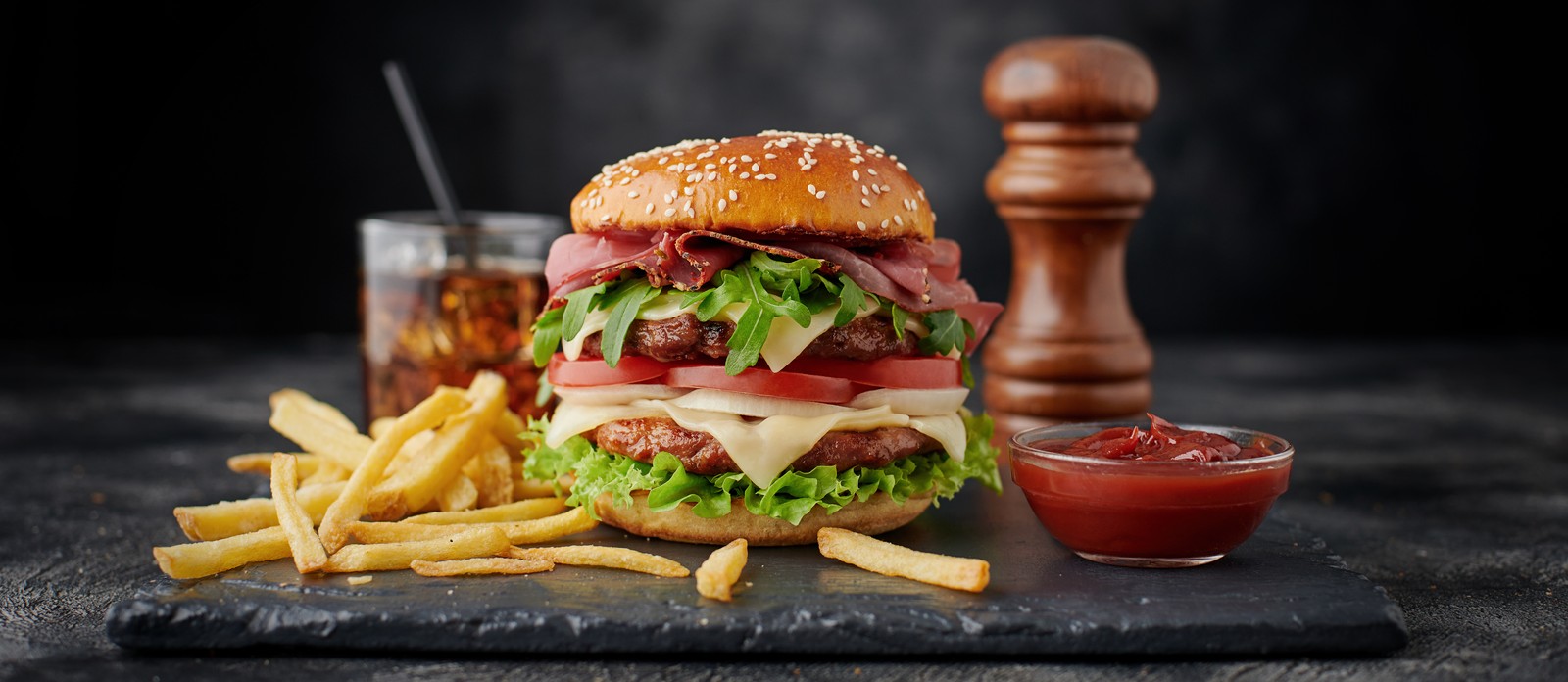
Image: ER_09

Fast food just hits different. Maybe it's nostalgia, maybe it's the irresistible salt-grease-sugar combo, but a good burger or a bucket of chicken has a way of making a rough day feel a little better. The funny thing is, most of us have eaten a Big Mac or a Whopper a hundred times without ever knowing the story behind it . Here are ten classic fast food items and their surprisingly interesting histories.

1
The Big Mac (McDonald's)
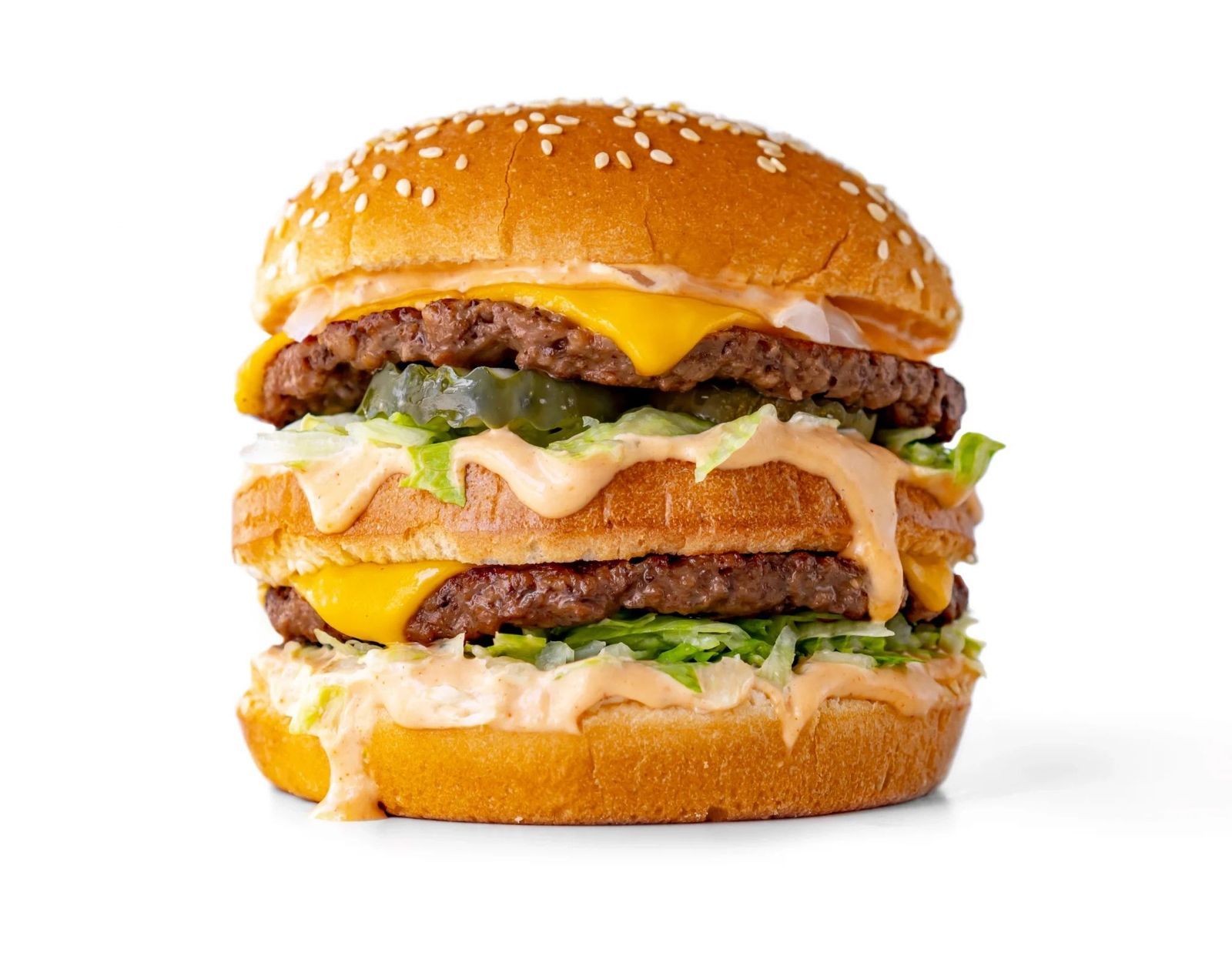
Image: usaphoto

The Big Mac was invented in 1967 by Jim Delligatti, a Pittsburgh-area McDonald's franchisee who figured customers wanted something bigger than the standard burger . It was originally priced at 45 cents, and proved so popular that McDonald's added it to the national menu just a year later, in 1968.

Two beef patties, special sauce, lettuce, cheese, pickles, onions, on a three-part sesame bun. That little jingle, "two all-beef patties, special sauce, lettuce, cheese...", got burned into America's brain back in the 1970s.

2
The Whopper (Burger King)
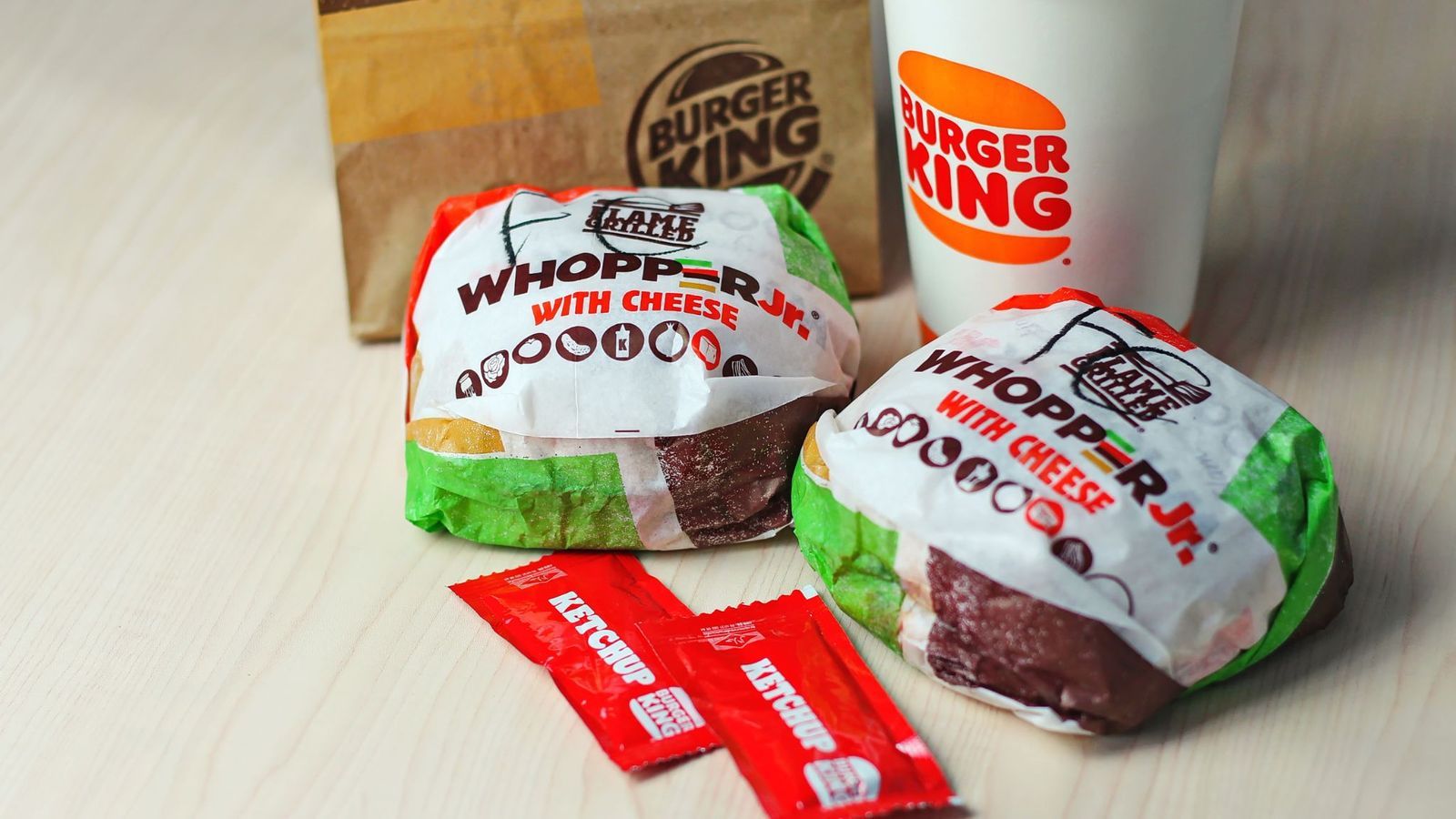
Image: FOOD PHOTO STOCK

Burger King rolled out the Whopper in 1957, and the whole pitch was simple: a bigger flame-grilled burger for just 37 cents (a steal even then). The flame-grilling is the real signature : it gives it a smokier taste than McDonald's griddle-cooked beef, and BK has leaned into that "flame-grilled" branding for decades.

It became the centerpiece of one of fast food's longest-running rivalries, with Burger King regularly poking fun at the Big Mac in its ads.

3
The original recipe fried chicken (KFC)
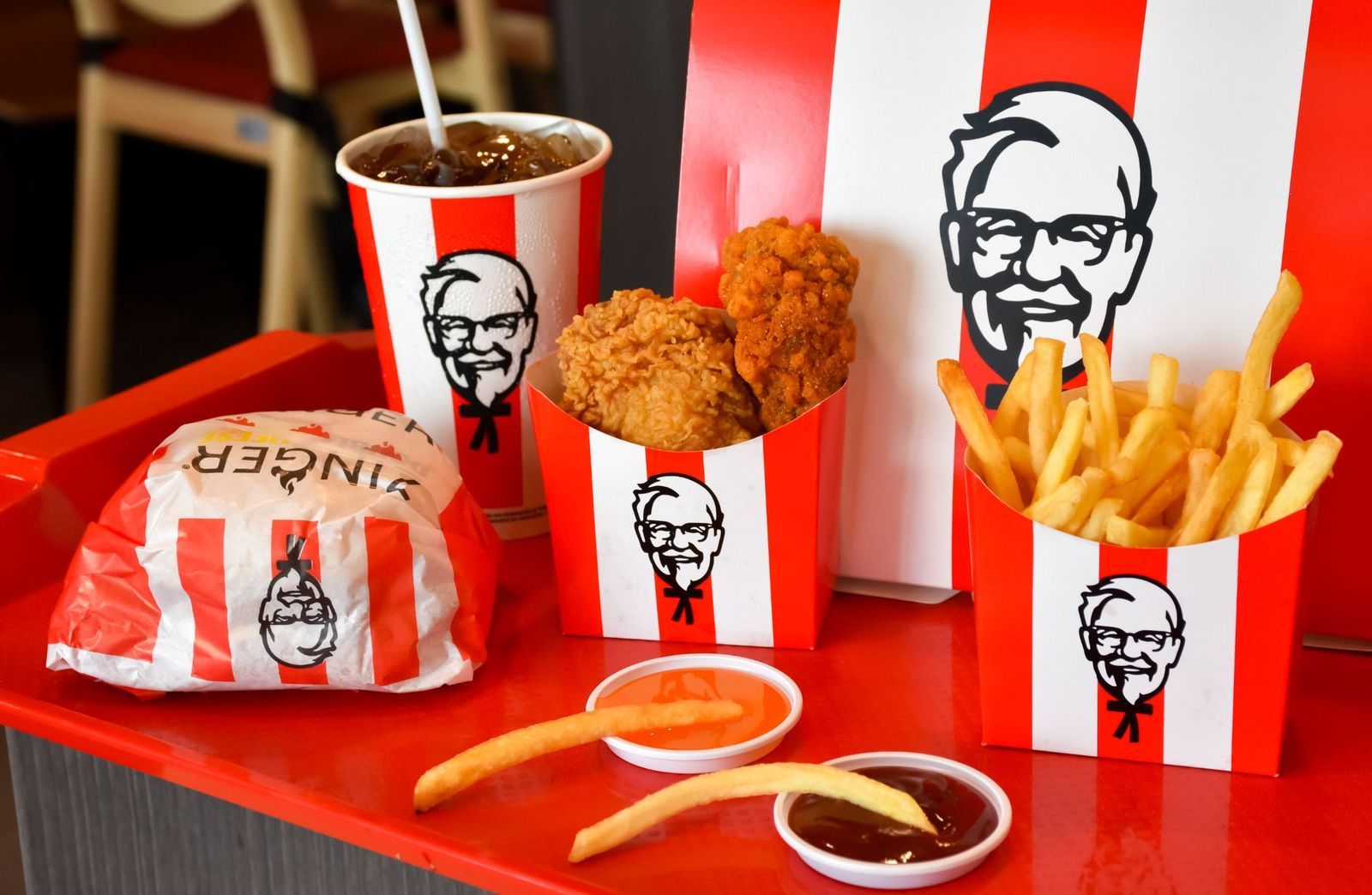
Image: Patcharaporn Puttipon4289

Colonel Harland Sanders perfected his "11 herbs and spices" blend back in the 1930s at a roadside restaurant in Corbin, Kentucky, and, to this day, the exact recipe is locked in a vault and split between two manufacturers so no single person knows the whole thing. The pressure-frying method he pioneered cooks chicken faster while keeping it juicy.

4
The Frosty (Wendy's)
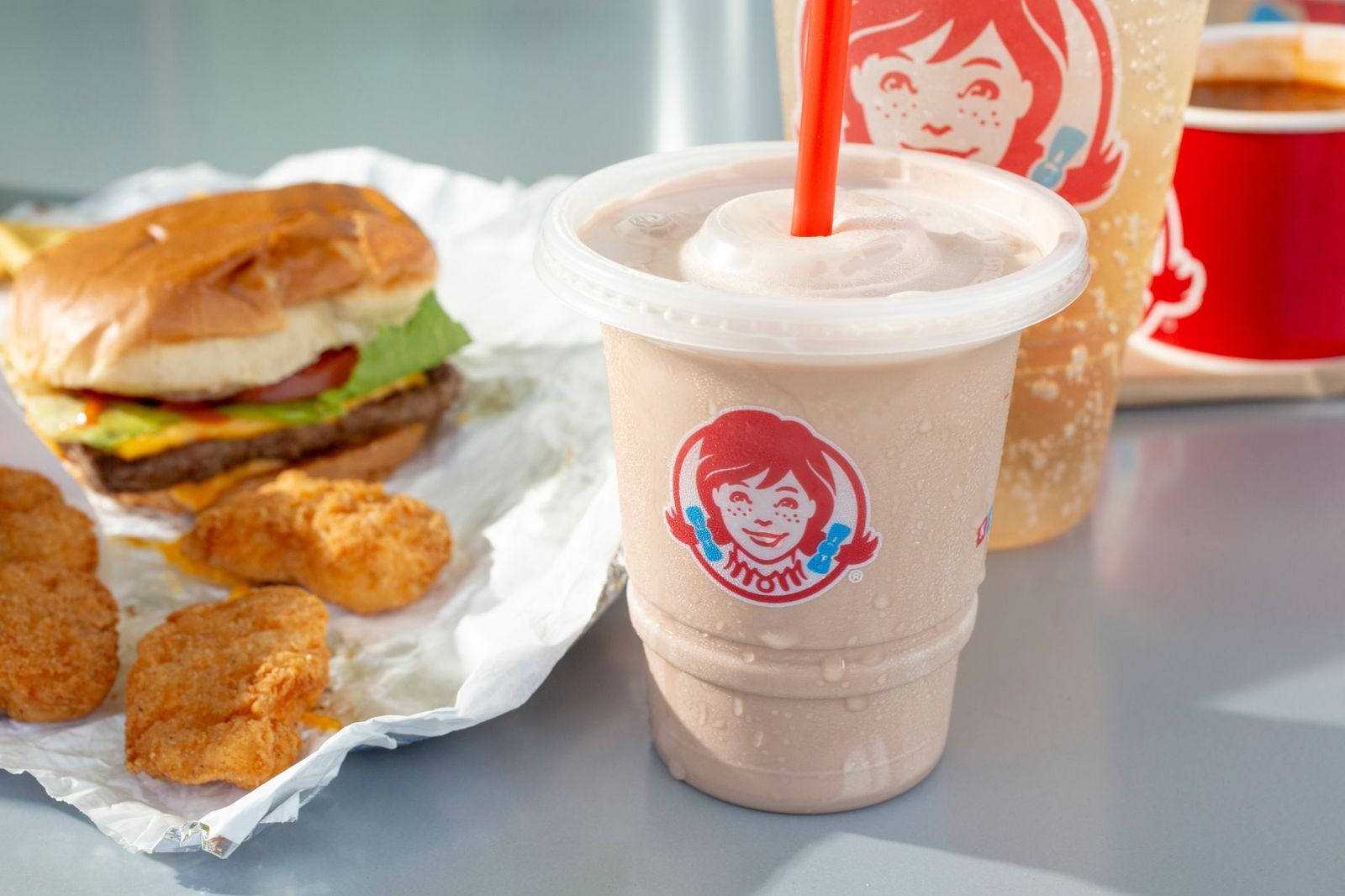
Image: The Image Party

Dave Thomas, Wendy's founder, wanted a dessert that was thicker than a milkshake but still drinkable through a straw, so in 1969 the Frosty was born; that chocolatey, half-ice-cream, half-milkshake treat with the signature spoon-straw . Thomas was famously particular about it staying exactly that consistency, refusing to make it thinner just to speed up the drive-thru line.

5
The Slider/Original Hamburger (White Castle)
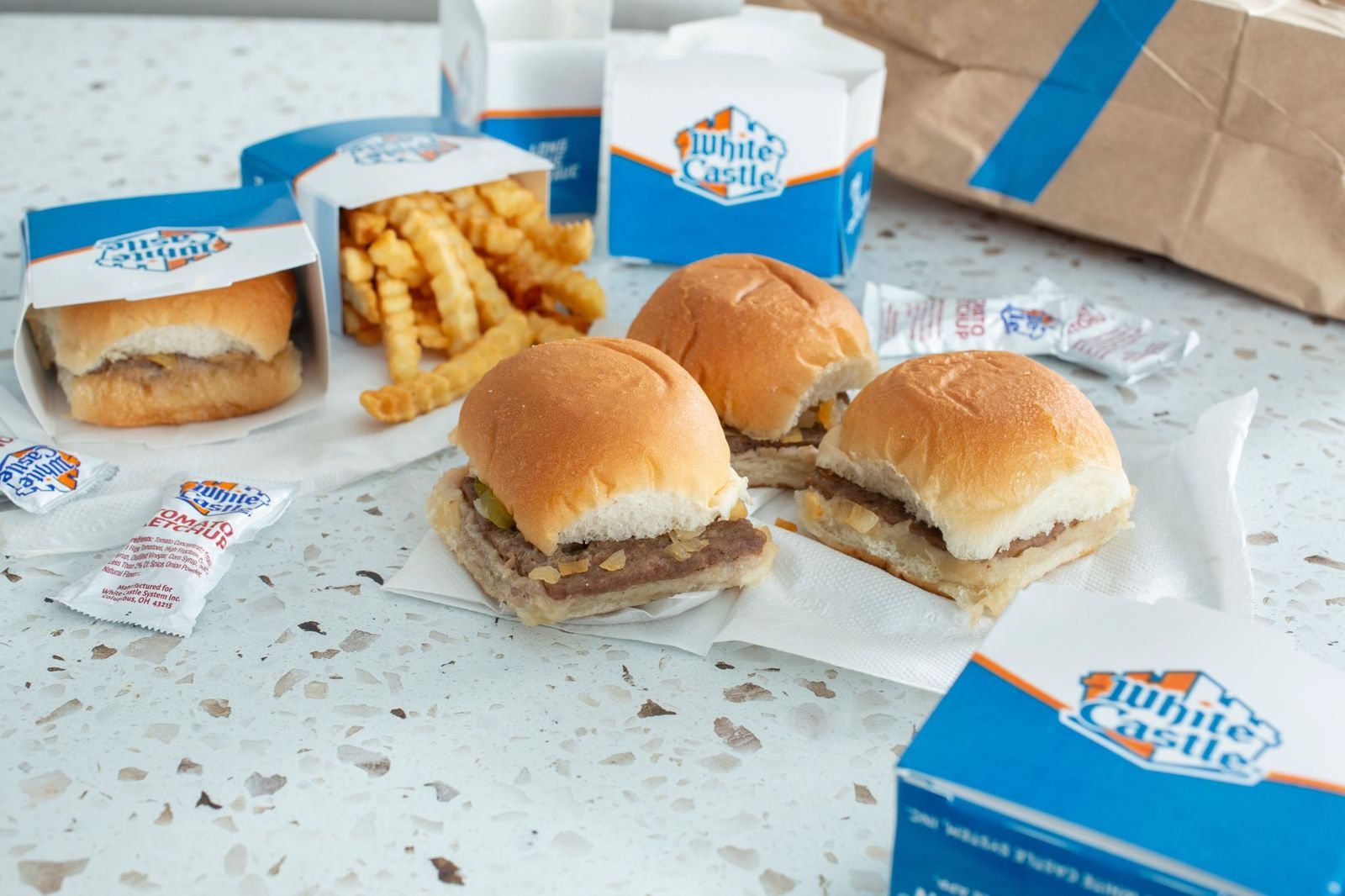
Image: The Image Party

White Castle opened in Wichita, Kansas in 1921 and basically invented the fast food burger chain as we know it, way before McDonald's existed. Their small, square, steam-grilled burgers with five holes punched in the patty cook fast and stay soft, earning the nickname "sliders" because, well, they go down easy.

They're cheap, they're nostalgic for a lot of Americans, and the 2004 movie Harold & Kumar Go to White Castle turned the brand into a full-blown pop culture punchline for a newer generation.

6
The Crunchwrap Supreme (Taco Bell)
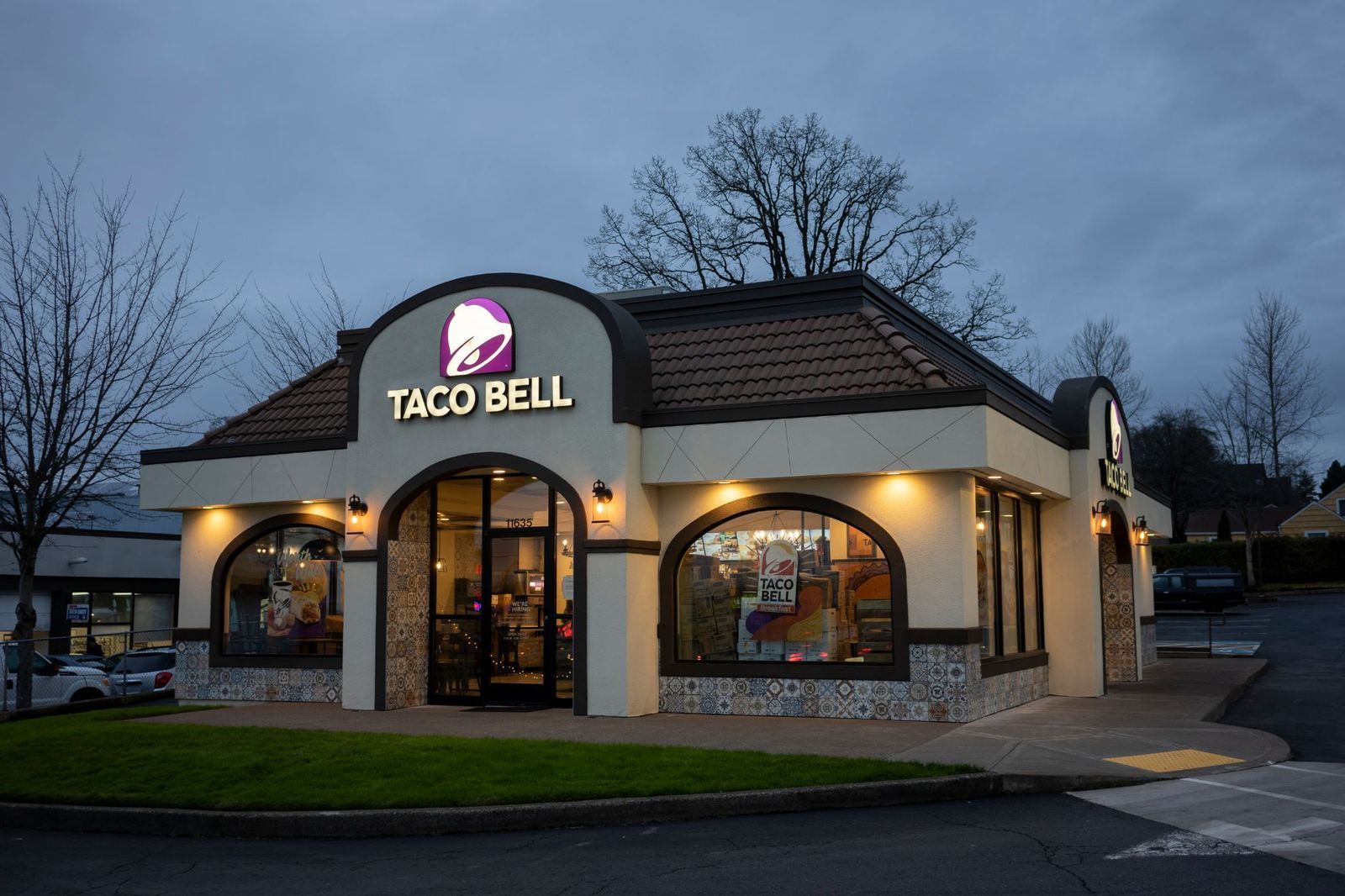
Image: Tada Images

How do you eat a crunchy taco and a soft tortilla together without it falling apart? The answer was a clever hexagonal fold wrapping a tostada shell, meat, cheese, and sauce, all into one portable package . Genuinely inventive engineering disguised as junk food, it became a cult favorite almost instantly upon its 2005 debut, and remains one of Taco Bell’s signature, can't-mess-with-it menu items.

7
The Subway Footlong (Subway)
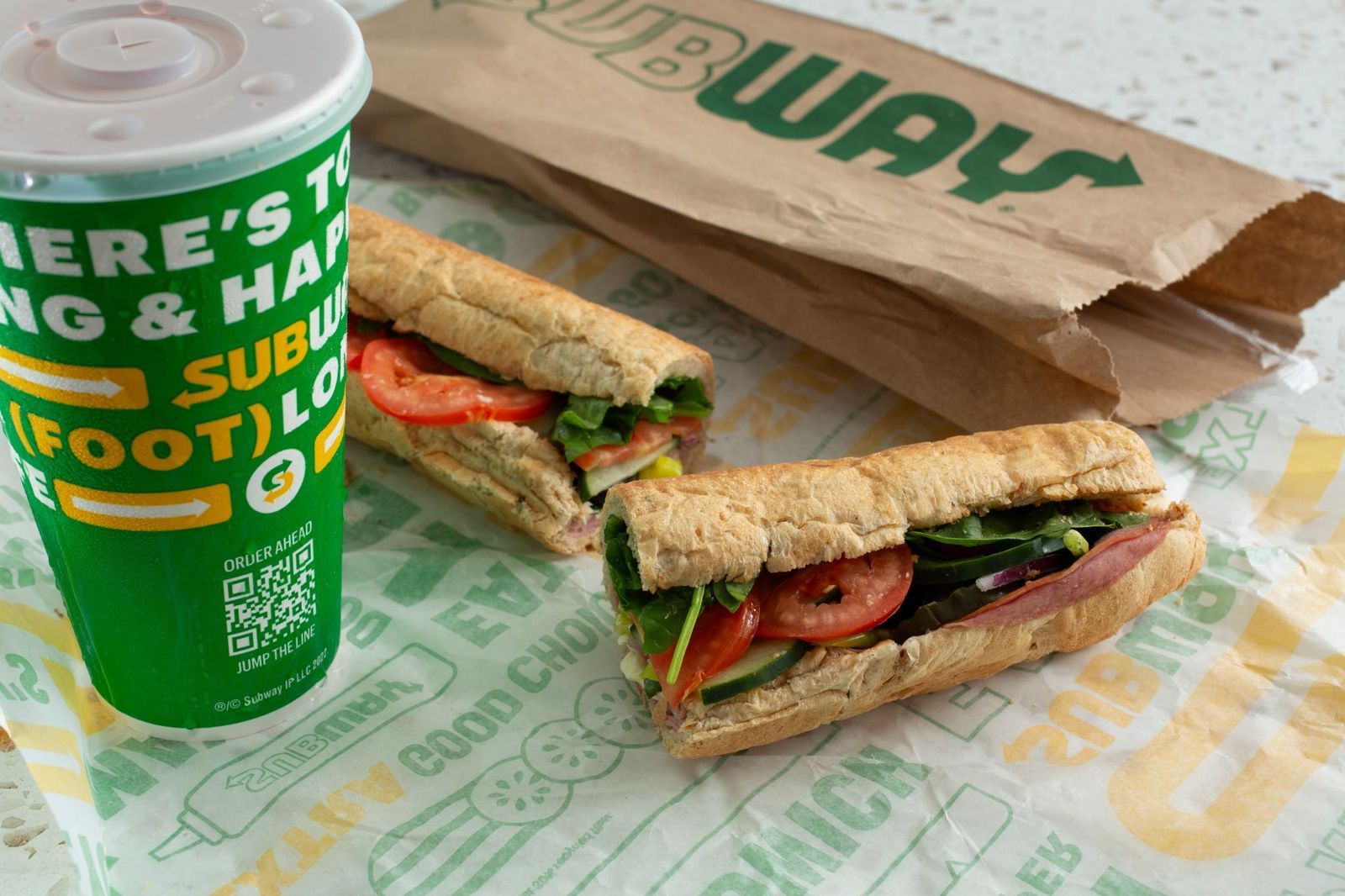
Image: The Image Party

Subway built its whole identity around being the "healthier" fast food option, and the Footlong sandwich, sold by the inch since the chain's earliest days, became the symbol of that customizable, build-it-yourself appeal . It got an extra wave of fame in 2014 when a viral photo showed a customer's "footlong" measuring just eleven inches, sparking a real lawsuit and a wave of internet jokes that the brand never quite lived down.

8
Sourdough Jack (Jack in the Box)
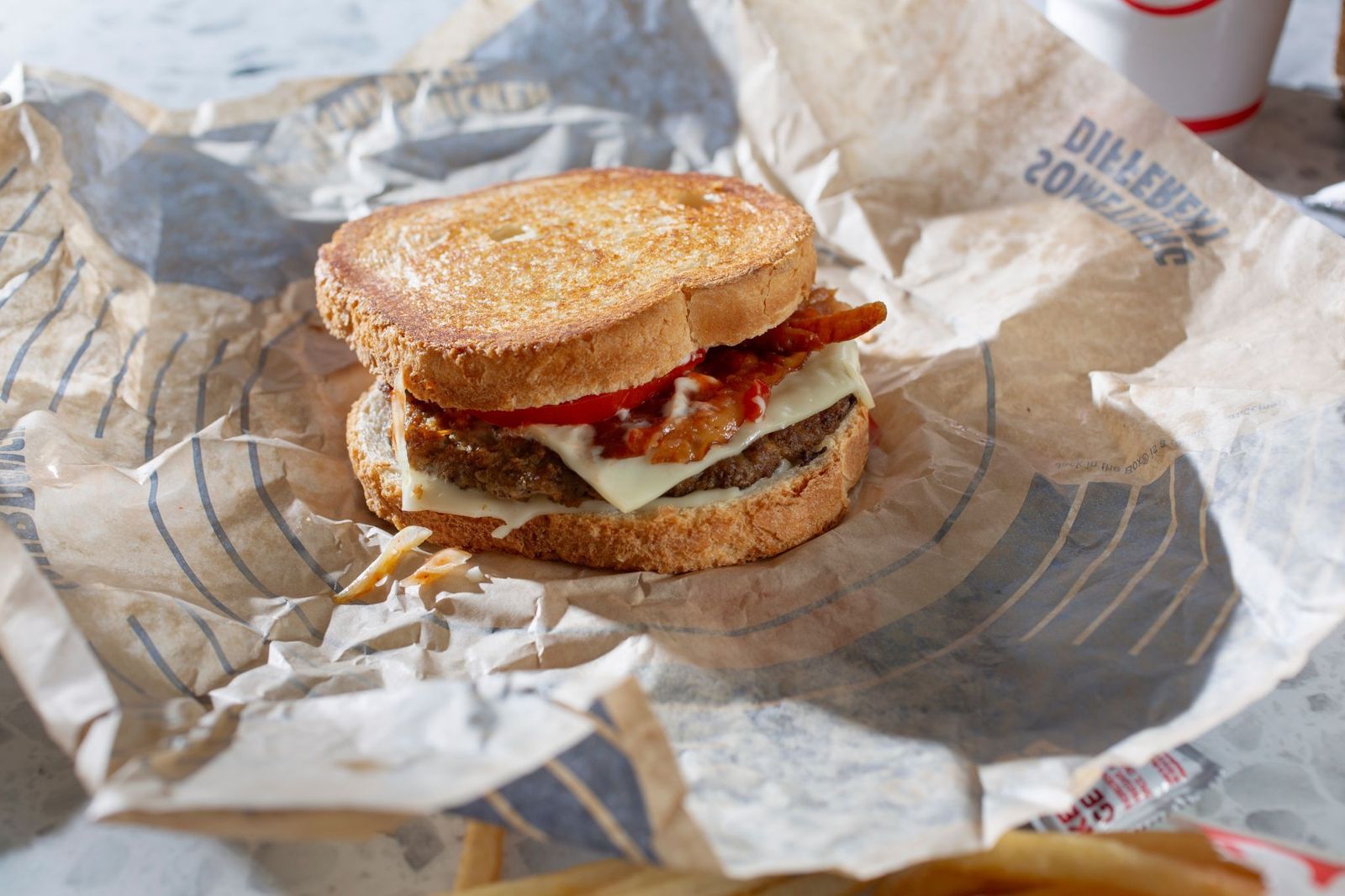
Image: The Image Party

A West Coast favorite that never quite broke out nationally, the Sourdough Jack pairs beef patties and bacon with melted cheese on grilled sourdough bread instead of a regular bun . It's been on the menu since the 1970s and has a loyal following among people who grew up with Jack in the Box, especially in California, where the chain has always had the strongest presence and the most devoted regulars.

9
The Animal Style Burger (In-N-Out)
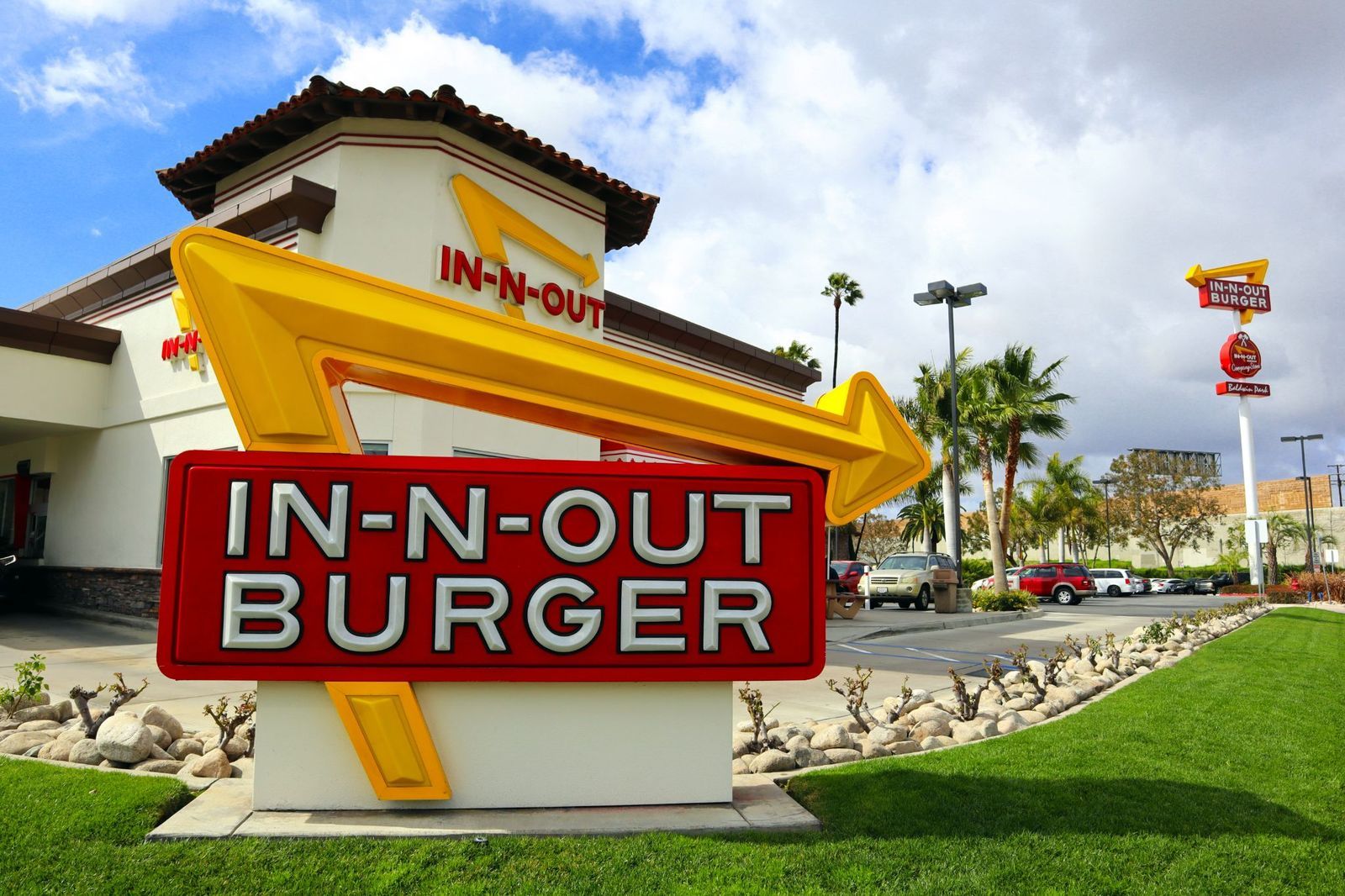
Image: Walter Cicchetti

Not listed on the official menu, the Animal Style burger is part of In-N-Out's famous "secret menu": a mustard-grilled patty, extra spread, grilled onions, and pickles piled on top. It started as something employees made for friends and regulars before word spread and it became one of the most requested items in the chain's history.

The fact that you have to "know to ask for it" is exactly what made it a Southern California legend.

10
The Popeyes Chicken Sandwich (Popeyes)
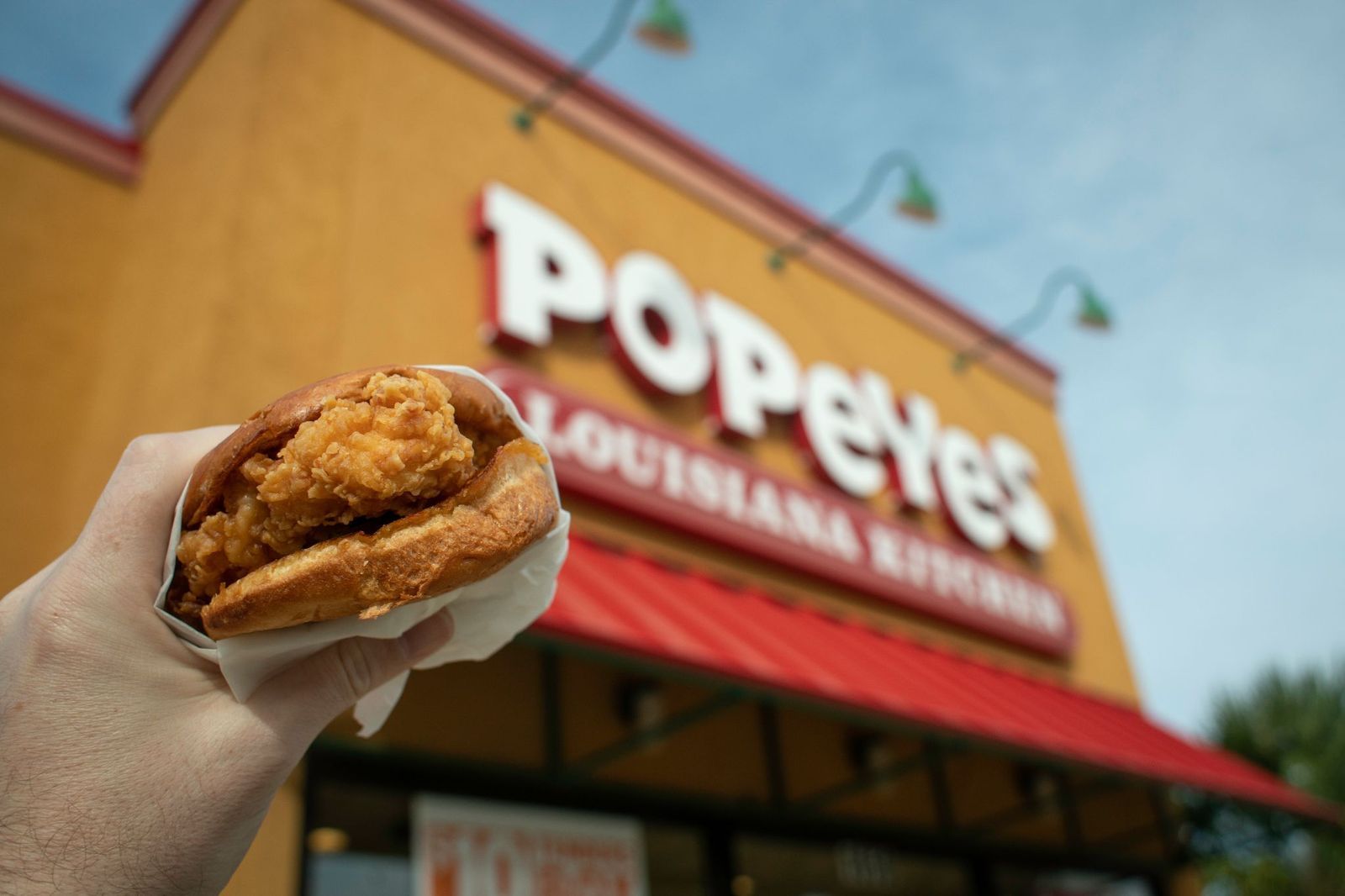
Image: University of College

When Popeyes launched its chicken sandwich in 2019, nobody expected total chaos, but that's what happened . A rivalry with Chick-fil-A's sandwich exploded online, and the sandwich sold out nationwide within two weeks; there were even reports of fights breaking out in some stores over the last one.

The brioche bun, pickles, and crispy-but-juicy chicken turned out to be genuinely great, but the viral frenzy is what cemented it in fast food history.

General General 6 min read

Where ingenuity and creativity meet

Behind closed doors: 12 hidden secrets of American landmarks

Image: Kenny Nguyễn

For some, architecture might seem like the most boring subject in the world, but if you take a closer look, you'll discover that sometimes buildings hide fascinating secrets. From skyscrapers and monuments to government buildings, America has iconic structures guarding incredible mysteries behind their walls. Read on to uncover the secrets hidden beneath, within, and atop 12 of the most paradigmatic structures in the U.S.

1
Gateway Arch’s time capsule

Image: Roger Miesfeld

The Gateway Arch, the 630-foot-tall monument located on the west bank of the Mississippi River in St. Louis, Missouri, is famous for being the world's tallest arch. But few people know about the secret hidden at its peak.

In 1965, before the final piece of the stainless steel arch was put in place, a time capsule containing the signatures of 762,000 St. Louis students and residents was welded into the keystone. Just one more fun fact added to the mystique of this midwestern icon!

2
A celluloid treasure trove

Image: Denise Jans

Have you ever wondered where Hollywood's golden age films are preserved? Well, as it happens, they are not in the basement of some Tinseltown studio but more than 650 feet below the surface in a facility in Hutchinson, Kansas. Established in 1959, Underground Vaults & Storage specializes in storing a wide range of valuables, including paper documents and client records.

In addition, this site is a precious resource for the entertainment industry. Underground Vaults & Storage preserves—under optimal temperature and humidity conditions—film copies of classic cartoons, television programs like Friends , game shows, soap operas, and even the original reels of cinematic masterpieces like The Wizard of Oz and Gone with the Wind .

3
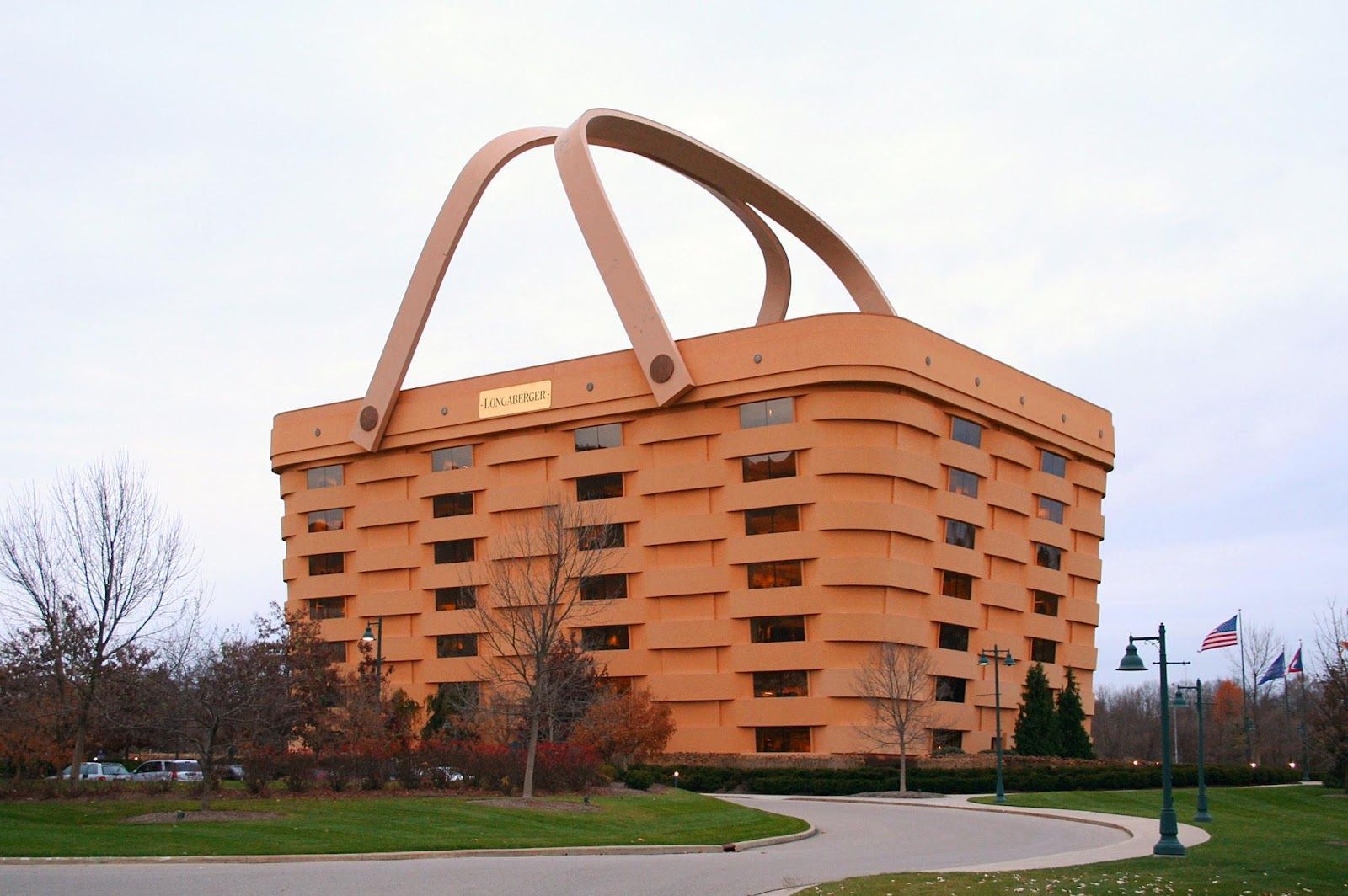
A ‘Big Basket’ building

Image: Photo shot by Derek Jensen (Tysto, Public domain, via Wikimedia Commons

Who says a building has to look traditional to be iconic? Why settle for an ordinary office building when you can work inside a basket? That's what the executives of the Longaberger Company, an American manufacturer and distributor of handcrafted maple wood baskets, thought when they relocated to Newark, Ohio, in 1997.

Their headquarters was designed as a seven-story building, a perfect replica of the company's top-selling product, the Medium Market Basket. The massive handles are attached to the structure with copper and wooden rivets, and the gold-leaf-plated tags each weigh 725 pounds. Though the building was a novelty, the company eventually abandoned it, and it is now listed for sale.

4
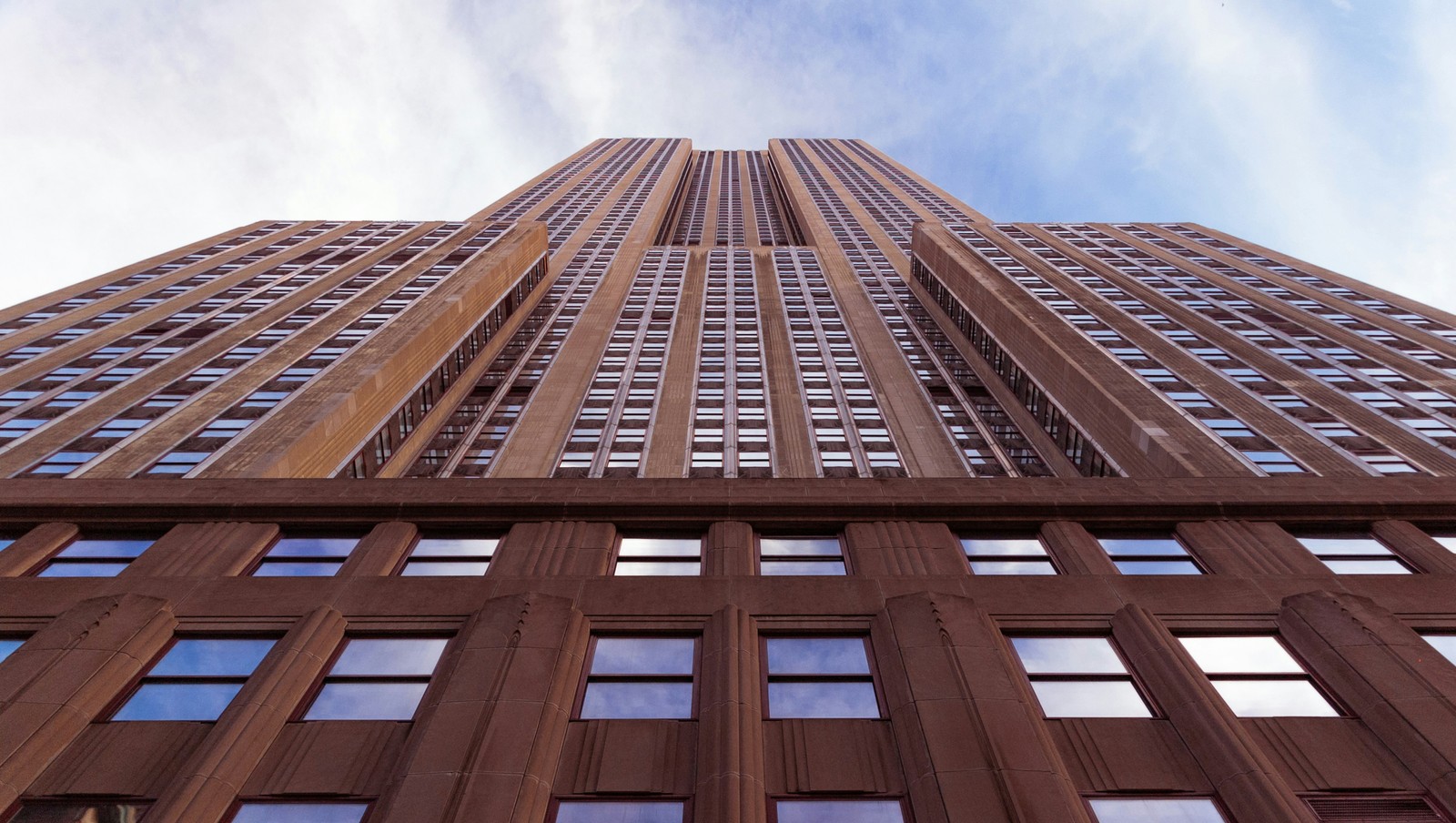
Empire State Building Wedding Club

Image: William Wachter

Popping the question on top of the Empire State Building has become a cherished tradition in the United States. Thousands of couples travel from all over the country to get engaged at one of New York City's most iconic buildings. But did you know that you can also celebrate a wedding there?

Every February 14, a few lucky couples are granted the unique opportunity to exchange wedding vows at the building's 86th Floor Observatory. Since 1994, hundreds of couples have said "I do" at this breathtaking location, celebrating Valentine's Day at America's most romantic landmark.

5
A supernatural castle

Image: Michelle_Raponi

Creativity, ingenuity, and perseverance can achieve extraordinary feats. Such is the case with Coral Castle, a massive limestone structure built by self-taught engineer Edward Leedskalnin in the early 20th century.

Located just north of Homestead, Florida, sits this construction built with stones larger than those at Stonehenge. Leedskalnin, who invested more than 28 years in this project, claimed that he raised it single-handedly using reverse magnetism and supernatural abilities. The truth is he probably used pulleys and other tools, but that doesn’t make it any less of a unique and original building that is a fascinating tourist attraction to this day.

6
Walt Disney's utopian city

Image: Paul Moody

Walt Disney was a visionary, and thanks to his infinite imagination today we have the most endearing characters and the best amusement parks in the world. But did you know that Disney originally envisioned his famous EPCOT Center as the blueprint for a larger utopian society?

EPCOT stands for Experimental Prototype Community of Tomorrow. Had Disney’s dream come to fruition, 20,000 people could have lived in a real, futuristic city complete with residential areas, shopping malls, factories, recreational parks, and a state-of-the-art multimodal road system to connect it all. Unfortunately, after his death in 1966, the company felt his original vision was a bit impractical. Instead, they created a theme park that captures the spirit of its creator, a permanent celebration of human achievement, from culture to technological innovation.

7
Secret codes

Image: Pixabay

The CIA is a mysterious organization, so it's no wonder that there is a sculpture hiding secrets sitting right in the courtyard of the George Bush Center for Intelligence in Langley, Virginia.

Named "Kryptos," this large copper sculpture was installed in 1990 and holds a series of four encrypted messages. Only three of these codes have been cracked, while the fourth remains one of the most famous unsolved cryptograms in the world.

8
The paper house

Image: Daderot, Public domain, via Wikimedia Commons

It seems that the 1920s was a time of inventiveness, innovation, and originality in architecture. During this decade, the United States built the most impressive skyscrapers and, as we've explored, even a massive limestone castle. But a house made of paper? It seems almost impossible, doesn’t it?

Well, we are about to prove you wrong. In 1924, a mechanical engineer called Elis Fritiof Stenman built a summer cottage made almost entirely out of pasted, coated, or rolled-up newspapers. The only exceptions were the framework, floorboards, and shingles. The house is located in Rockport, Massachusetts, and, believe it or not, is still standing and can be visited.

9
Race into the sky

Image: roberto_bellasio

The Chrysler Building on the East Side of Manhattan in New York City was once the world’s tallest building, holding the title for 11 months. But did you know that it almost didn't make it? Industrial pioneer Walter Chrysler, who commissioned the project, wanted his building to be taller than the Eiffel Tower. Originally designed to be 925 feet tall , the imminent construction of other taller skyscrapers forced architect William Van Alen to revise his plans.

This competition for the title of the world’s tallest building became known as the " Race into the Sky ." To beat his opponents, Van Alen ordered a 125-foot spire to be built in secret. It would only be attached to the roof after the rival buildings were finalized. When it was finished in May 1930, the Chrysler Building reached 1,046 feet, making it the tallest man-made structure in the world at the time. Unfortunately, less than a year later, the Empire State Building would claim that honor.

10
A laboratory under the sea

Image: NEOM

Did you know the world's only undersea research laboratory is located in the United States? Sixty-six feet below the surface of the ocean off the coast of Florida lies Aquarius Reef Base, an underwater lab where researchers work for up to ten days at a time.

Aquarius is dedicated to the study and preservation of coral reefs, fish, and aquatic plants. The facility is currently operated by Florida International University and contains sophisticated state-of-the-art lab equipment.

11
Give me the time of day

Image: Leo_Visions

A bridge that tells time? We are not kidding! When it’s not being used by pedestrians and cyclists to cross the Sacramento River in Redding, California, the Sundial Bridge at Turtle Bay serves as a giant timepiece.

The bridge's 217-foot support tower points north, and its shadow can be used to calculate the time. Designed by renowned Spanish architect Santiago Calatrava, it was completed in 2004. So now you know, if your watch breaks or your cell phone dies on your way to Turtle Bay Exploration Park, you don't have to worry, the Sundial Bridge will always tell you the time of day!

12
The Capitol Subway System

Image: Harrison Haines

Few people know that a network of subway cars runs beneath Washington’s labyrinthine Congressional headquarters. The first Capitol Subway System opened on March 7, 1909, and has been transporting politicians seeking shelter from the weather—and curious onlookers—for more than a century.

The rails stretch for nearly a mile, connecting the United States Capitol to several congressional office buildings. While the public can ride the trains, the subway is restricted to congressional members and staff during votes.

General General 4 min read

Can you recall any example?

Cheaper or costly? Items that have sunk or raised in price over the years

Image: Sora Shimazaki

There was a time when lobster was a cheap, poor man’s dish. And there was also a time when air flights were only for the wealthy. But not anymore. Countless products’ prices have gone up or down over the years. Things that once were very exclusive and expensive became accessible due to their production methods. And many things that used to be cheaper are now harder to come by due to scarcity or marketing tactics. Take a look at the following 10 examples of such situations.

1
Clothing (cheaper)

Image: Nick de Partee

Back in the mid-20th century, average American families spent about 10% to 12% of their household income on clothing. That figure has dropped to around 3%. That is not because people buy fewer clothes but because the prices have dropped significantly over the last decades.

Starting about fifty years ago, most U.S. clothing production moved overseas, where labor costs are lower and production output is higher . Those savings were passed onto consumers, and as fast-fashion brands proliferated, Americans had more options at lower prices than ever before.

2
Magazines (more expensive)

Image: Rhamely

While younger generations will not remember this, 25 years ago, magazines were an Internet of sorts : it was the quickest way to access information and color pictures of any subject you were interested in. Magazines were a ubiquitous item, sold everywhere at modest prices. Since the World Wide Web came along, magazines became less important and less demanded products.

If you have bought magazines lately or have inquired about their price, you might be surprised to discover how pricey these items have become.

3
Bananas (cheaper)

Image: John Vid

Believe it or not, back in the day, bananas used to be quite an expensive fruit. These days, this product is one of the cheapest and most popular fruits in the supermarket but when it first became available in the U.S., following the Civil War, it was sold for about 10 cents a piece — that’s about $3 per banana today.

The price of tropical fruit has hovered between 50 and 60 cents per pound for the last 20 years — a significant drop from its early cost. Despite being imported from faraway places and requiring cooling containers, banana sellers produce only one variety, the Cavendish, meaning the fruit can be harvested in abundant volumes and ripened at the same time .

4
Concert tickets (more expensive)

Image: Nainoa Shizuru

There was a time when going to a concert was a pretty accessible event. The ticket prices were low, even for well-known artists. But then, a couple of big players came along into the business and the prices skyrocketed like never before . Besides the ticket price itself, the service charge and taxes make for a hefty sum, not affordable by everyone anymore.

5
Television sets (cheaper)

Image: Peter Geo

It’s a well-known fact that as technology improves and becomes more efficient, prices come down. However, one consumer electronics category stands out from the rest for its drastic price cuts: televisions. The first color TV set debuted in 1954 with a $1000 price tag , and a 15" screen. According to the U.S. Bureau of Labor Statistics’ inflation calculator, that would be more than $11,600 today.

Compare that number to a 65-inch, high-definition smart TV that might cost around $500 in today’s dollars and the price drop is nothing short of amazing.

6
Car insurance (more expensive)

Image: Herson Rodriguez

Car insurance was never the cheapest service in the world, but it used to be a much more accessible price, with options for every pocket. In recent decades, auto insurance premiums have been steadily climbing , making car ownership a more exclusive deal altogether than it used to be.

7
Air flight tickets (cheaper)

Image: Suhyeon Choi

Yes, it may feel like airline ticket prices have surged in recent years due to airport taxes and fuel prices, but if we look at the price evolution over the last decades, we can see that tickets have become much more affordable than before .

Commercial air travel used to be a luxurious experience available only to the wealthy. In 1941, an average flight from Los Angeles to Boston would have cost more than $5,000 in today’s money. These days, a one-way flight from Los Angeles to Boston commonly costs around $300.

8
Fast Food (more expensive)

Image: Kenny Eliason

Getting a burger with fries and a soda for a couple of dollars was a standard deal back in the day, but not anymore. Fast food prices have steadily increased in the last few decades , making the tag for a standard menu almost the same and sometimes even more expensive than a meal at a regular restaurant.

9
Washing machines (cheaper)

Image: engin akyurt

In the same way that TVs have dropped the price, most other appliances have gone down the same path, and washing machines are no exception . These devices, an invaluable addition to modern life, have changed significantly from the 1950s to today.

In 1959, a Kenmore washer was advertised for $209.95. Today, that amount inflates to more than $2,200, which is a $1,600 difference from a basic $500 to $600 top-loading Kenmore machine today.

10
Prescription medicine (more expensive)

Image: Haley Lawrence

Healthcare costs in America have been a complicated problem for years. Not just health insurance but also essential medicines have been raising their prices steadily for a very long time.

It can’t be said that medicines used to be cheap but definitely were far more accessible than these days.

Explore more American facts

Choose your favorite category!

General
General

As American as apple pie—the very best America has to offer!

Culture
Culture

Delve into the astounding richness of American lore.

Geography
Geography

Hop in and explore vast and diverse American landscapes.

History
History

Discover the key moments that shaped the United States.