History History 5 min read

First Family, regular domestic problems

Ten ways the First Family changed the White House
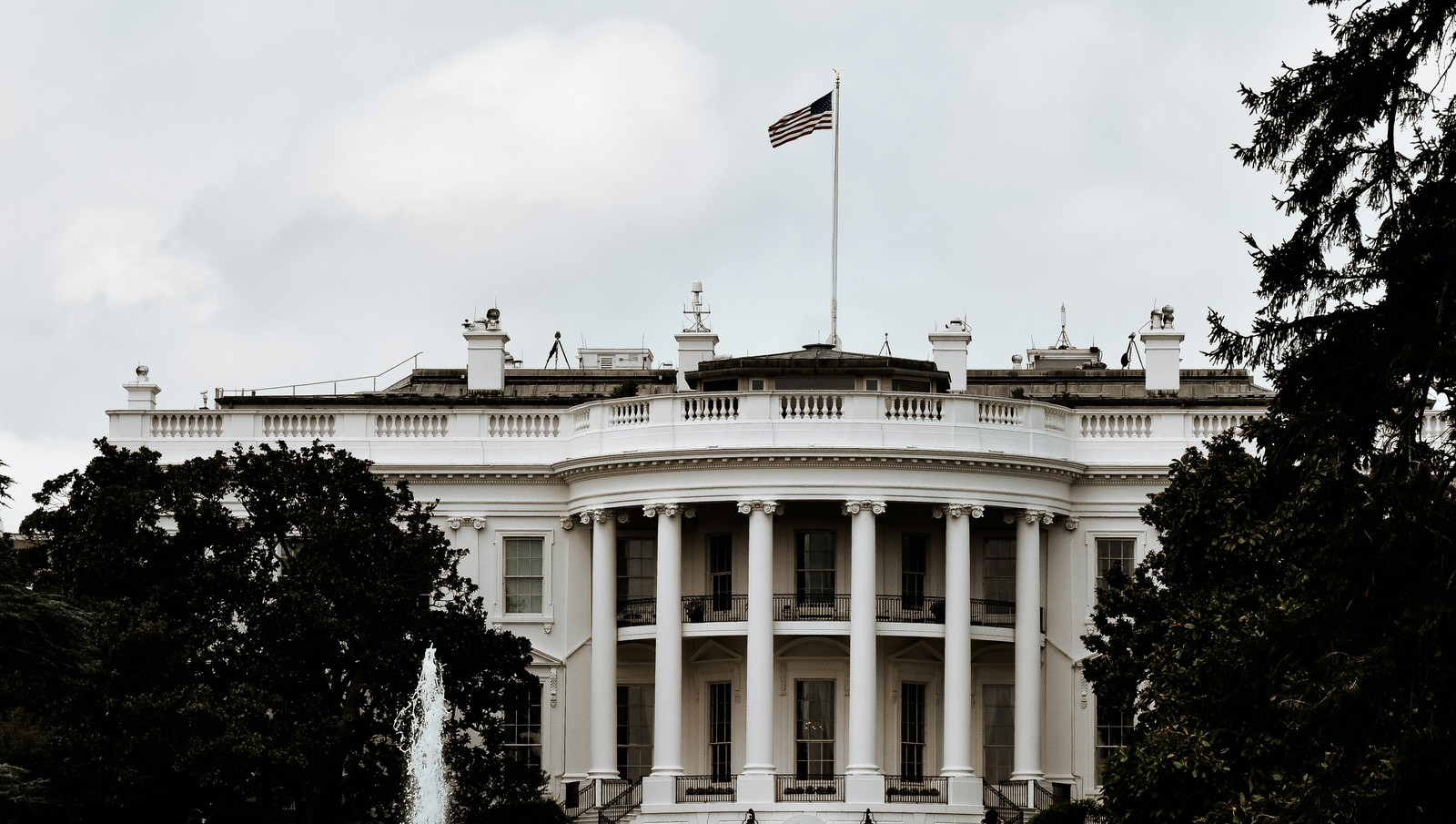
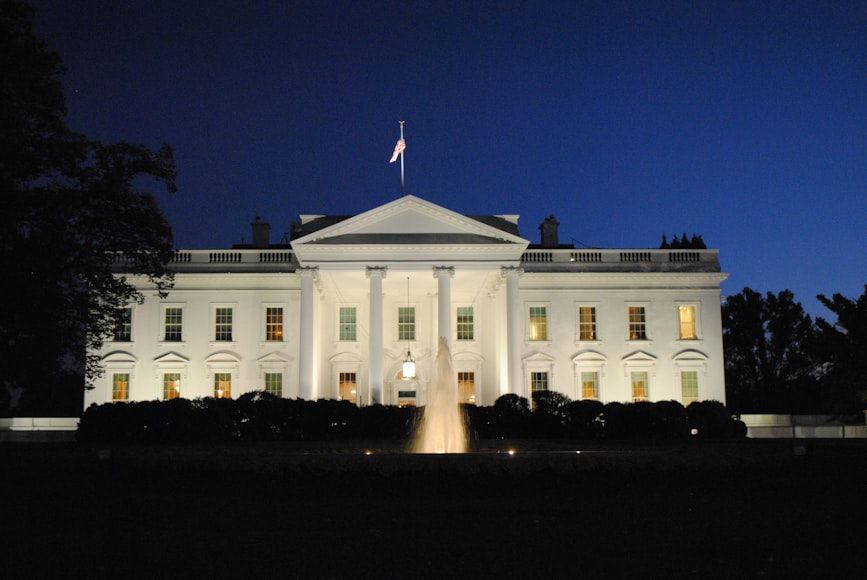
Since 1800, the house at 1600 Pennsylvania Avenue has served as the president’s official residence. In the more than 200 years since, the presidential mansion has seen it all, from being set on fire by British forces to having planes crash on its lawn. Each administration has left its mark on the White House, with many presidents and first ladies expanding, renovating, and reimagining it while creating new traditions and customs. Let’s dive into 10 ways First Families changed the presidential residence.

New Year Reception (John and Abigail Adams)
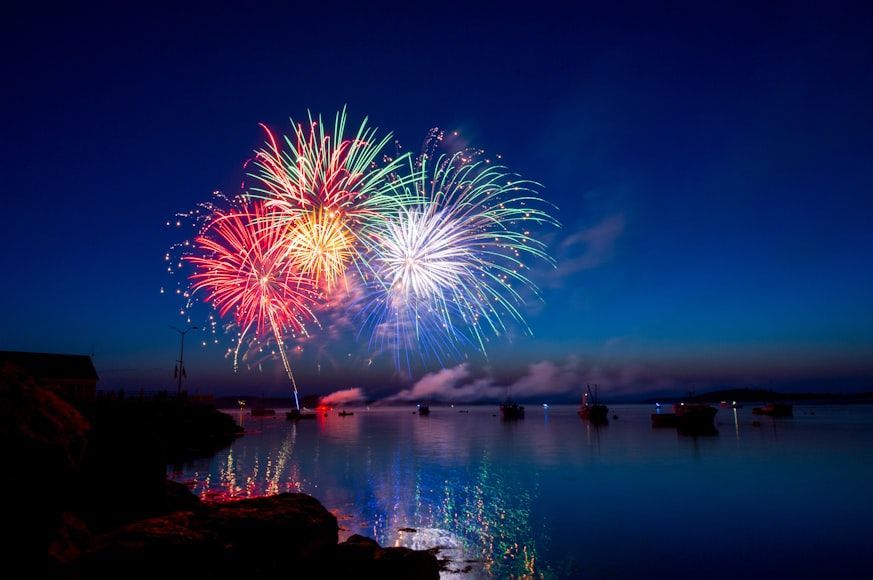
Image: Ray Hennessy

John Adams was the first U.S. president to live in the White House—then referred to as the President’s Palace or the Presidential Mansion—alongside his wife, Abigail, who played a significant role in furnishing the newly built residence.

On New Year’s Day in 1801, the Adamses held a public reception for anyone who wanted to shake hands with the president and his wife. This tradition continued (with some interruptions) until 1932, when it was ended by Franklin D. Roosevelt, who allegedly wanted to avoid being seen using a wheelchair.

Indoor Toilets (Thomas Jefferson)

When Thomas Jefferson assumed the presidency, he discovered that the White House lacked indoor plumbing, toilets, and had only an outdoor wooden privy. He ordered the construction of two "water closets," one on each side of the residence.

During Jefferson’s tenure, the White House underwent several modernizations, including improvements to the lighting system, the kitchen, and exterior features such as gutters. He also had an outdoor wine cellar built to store his extensive collection.

White House China (James Monroe)

Did you know the White House has a special room dedicated to displaying the porcelain sets designed for each administration? The tradition of commissioning presidential china designs started in 1817, with President James Monroe.

Monroe’s china was designed and crafted in Paris, featuring an eagle carrying a red, white, and blue banner inscribed with "E Pluribus Unum." Following criticism over the presidential mansion’s purchase of foreign-made goods, Congress decided that future presidential china should be manufactured in the United States, though some presidential couples still chose to commission French china.

The Library (Abigail Fillmore)

When Millard and Abigail Fillmore moved into the White House, their approach to decoration and improvement differed from that of previous First Families. None of them came from a wealthy background, so they prioritized expanding the heating system and modernizing the kitchen.

More interested in intellectual pursuits than in socializing, Abigail noticed that the Presidential Mansion lacked a library and set out to create one. She personally organized the room, selected the books, and arranged them to her liking. The library became her main parlor, where she received literary figures of the time and listened to music.

Floral Arrangements (Lucy Webb Hayes)

A passionate abolitionist and the first First Lady to earn a college degree, Lucy Webb Hayes moved into the White House at the end of the Reconstruction era, and after a highly controversial election. With limited funds to renovate the presidential mansion, Mrs. Hayes found ingenious ways to conceal holes in the carpets and worn-down furniture.

Lucy Hayes was the first president’s wife to be referred to as "First Lady." She made several improvements to the White House, but she is most remembered for turning the billiard room into a greenhouse filled with flowers, which she then used for floral arrangements for the residence.

The West Wing (Theodore Roosevelt)

We all know that the West Wing is where the presidential office is located, but not everyone knows that it was not part of the original design of the White House. Before 1902, the president’s offices were located on the second floor.

When Theodore Roosevelt moved into the White House, he discovered there wasn’t enough space for his six children and the growing staff. His wife, Edith, suggested that the second floor be converted entirely into family living quarters and that the offices be moved elsewhere. The West Wing was then built as a temporary structure on the site of the old stables, but in the end, it became a permanent fixture of the residence.

The Oval Office (William Taft)

This office is known as the place where major decisions are made, but it wasn’t part of the White House’s original design. When President William Taft decided to make the temporary West Wing permanent, he also doubled its size and created the first Oval Office.

Its distinctive shape was inspired by the semicircular Blue Room in the main residence, where presidents traditionally received guests. That design, in turn, paid homage to the bow windows from which George Washington once greeted visitors at his presidential homes in New York and Philadelphia.

Interior Reconstruction (Harry S. Truman)
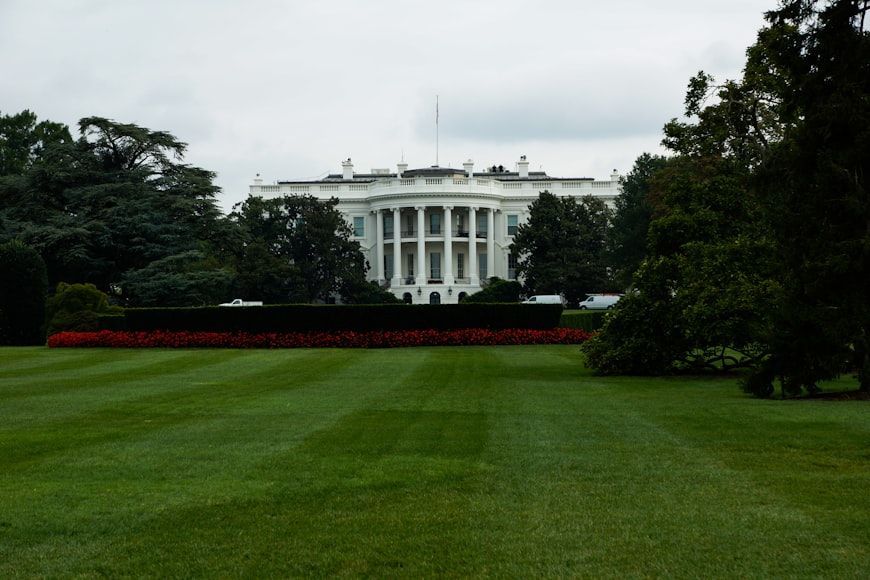
By 1949, the White House had endured a century and a half of wars, fires, political scandals, and modernization. With few renovations made during the Great Depression and World War II, President Truman and his family moved into a mansion that was literally falling apart—it was declared unsafe after a piano leg crashed through the floor of the family quarters.

The Trumans moved across the street during the three years the reconstruction took place. Due to the need for extensive renovations, a total demolition of the building was considered but not enacted. In the end, the decision was to preserve the exterior walls and completely rebuild and expand the interior.

Themed Christmases (Jackie Kennedy)

The White House’s themed Christmas celebrations are now a beloved tradition, complete with a spectacular tree and elaborate decorations. This lovely tradition was started in 1961 by Jackie Kennedy, who then chose The Nutcracker as a theme, and featured decorations crafted by disabled and elderly citizens.

Since then, First Families have carried on the themed Christmas tradition, honoring topics and interests relevant to the nation and highlighting causes dear to the presidential family.

Office of the First Lady (Rosalynn Carter)

First Ladies have always played an important role in supporting the president, managing the Presidential Mansion, and championing various causes. However, this role wasn’t always officially recognized or included in the White House budget.

Although some First Ladies before her had hired official staff, Rosalynn Carter was the first to organize hers into a formal Office of the First Lady , complete with departments dedicated to press, social causes, campaigns, and community outreach.

Geography Geography 5 min read

Totems of the modern world

What is a Carhenge? U.S. roadside structures that make you stop the car

Image: Chris Long

"Did you see that?" Roadside attractions have been used to lure travelers since the 1920s. Some have stood for decades, silently waiting for visitors to pull over and stretch their legs while marveling at them. Some have gift shops and museums nearby to capitalize on some by-now famous designs. Others have been featured in movies and documentaries. Most of them have gone from being lonely land art to becoming landmarks. Let’s take a figurative trip around some of the dearest roadside attractions in the U.S.

1
Carhenge

Image: sarahehauge

The gray megaliths of Stonehenge , in contrast with the bright green of the surrounding plains, create an image familiar to most of us. The ancient monument in the south of England inspired artist Jim Reinders to design this roadside attraction near Alliance, Nebraska, along Highway 87.

He and his family built it in 1987 on his late father’s farm as a memorial. Thirty-nine cars were buried and welded in place, then spray-painted gray to form a structure imitating the original. Carhenge remains open 24/7, and anyone is welcome to visit anytime, but it looks particularly epic against the setting sun.

2
Prada Marfa

Image: Mizzu Cho

"Wait, what was that?" Imagine driving along U.S. Route 90 and catching a flashing glimpse of this lone-standing, one-story, deserted Prada store , just feet away from the road. Located 26 miles northwest of Marfa, Texas, this storefront is a land art installation built in 2005 by the architects and artists Elmgreen & Dragset.

It wasn’t meant to be an advertisement for the brand, although the shoes and handbags displayed in the interior of the shop were provided by designer Miuccia Prada herself. The location was carefully chosen so that the white shop would stand out against the barren landscape.

3
"Giant" Marfa Mural

Image: Robert Harkness

Remember Giant (1956), the film starring Elizabeth Taylor, Rock Hudson, and James Dean? This classic about a wealthy Texan family was shot around the town of Marfa, Texas, and parts of it were filmed right at this spot. That means Marfa became the site of yet another car-stopping roadside attraction.

Right off the road on U.S. ​​Highway 90, just like the Prada Marfa, stand these colorful plywood murals that depict the characters and the Little Reata Ranch , which served as the backdrop of the movie. Artist John Cerney erected these figures in 2018, and visitors also mention that one can hear music at the site: it comes from speakers cleverly concealed between rocks and was composed by Michael Nesmith from The Monkees.

4
Galleta Meadows Sculptures

Image: Stephen Leonardi

You would have to take a 14-mile detour from California State Route 78 to see them, but it would be worth it. Galleta Meadows is a privately owned, open-to-the-public estate that has been home to over 130 giant metal sculptures created by Ricardo Breceda since 2007.

Breceda first built a giant metal dinosaur for his daughter after watching Jurassic Park III with her. When the owner of this estate saw his art, he commissioned all the sculptures that now adorn the land. The figures emerging from the ground vary. Beyond the mythological serpent dragon, some represent animals that once roamed the same land, such as the Columbian mammoth, the sabertooth tiger, and dinosaurs. A scorpion, a grasshopper, and a bighorn sheep can also be found.

5
Seven Magic Mountains

Image: Samuel Branch

The hoodoos that characterize the Western landscape inspired this pop-art image in the mind of Swiss artist Ugo Rondinone. Located on Las Vegas Boulevard ten miles south of Las Vegas, Nevada, these stacks of boulders were painted with fluorescent pigments that are activated by the sun.

The installation, built in 2016, was funded by the Nevada Museum of Art and the Art Production Fund . It was originally intended to remain for two years, but the fascination with this highly photogenic landscape was such that it was decided to keep it in place and open to the public. The Seven Magic Mountains receive around 325,000 visitors every year.

6
Cabazon Dinosaurs

Image: Marius Christensen

One of the most famous roadside attractions in the U.S. is the Cabazon Dinosaurs, located just west of Palm Springs in California. These are two steel-and-concrete figures, about 20 feet tall, that have their own names: the Brontosaurus Dinny the Dinosaur and the T-Rex, Mr. Rex.

Dinny and Mr. Rex are repainted frequently to show varying colors and suits. A nearby museum gift shop houses over 100 dinosaur figures and animatronics. The stop became even more famous after being featured in Tim Burton’s Pee-wee's Big Adventure (1985), but they had been standing at Cabazon since artist Claude Bell began building them in 1964.

7
Salvation Mountain

Image: Nitro ‎

In the California Desert, not far from State Route 111, stands an artificial hill that was created in 1984 and has been repeatedly modified over the years to become a colorful folk site. Local resident Leonard Knight started building the hill in the 1980s, with the vision that it would forever hold a message of "unconditional love to humankind ."

Adobe bricks, straw, discarded tires and car parts, and tons of paint were all used in the production of this 150-foot-wide art project.

8
Enchanted Highway

Image: Carol Highsmith's America

The Enchanted Highway stretches for 32 miles in the southwest of North Dakota. It has been decorated with some of the world’s largest scrap metal sculptures, all made by local artist Gary Greff, who began the project in 1989. He started the project as a way to revive his town, Regent , while it was in economic decline.

Fish, pheasants, bugs, and even a "Tin Family" of humans adorn the landscape near the city of Dickinson. Nine sites with sculptures are built along County Highway 21, most of them featuring parking areas to allow visitors to wander near the sculptures and take plenty of pictures.

9
Peachoid

Image: Jp Valery

The Peachoid water tower stands in Gaffney, South Carolina, and is shaped like, well, a peach . The tank holds one million gallons and is visible from miles around the point at Interstate 85 where it stands.

It was built for the city of Gaffney in 1981, resembling the fruit for which they were best known. It was commissioned by the Gaffney Board of Public Works, which also wanted to make the statement that Cherokee County, at one point in history, was a bigger peach producer than the entire "Peach State," Georgia.

10
Garden of One Thousand Buddas

Image: Kirsten Ann

Would you count them? There’s a peaceful garden in a valley near Glacier National Park in Montana. In it live one thousand white statues of sitting Buddhas lining a public park and botanical garden.

The construction of the site, nestled by the Mission Mountains , began in 2000. It wasn’t until 2015, however, that the 1,000th Buddha was finally placed, reaching the original goal of the founder, a Tibetan master. Hundreds of visitors arrive each week to walk the garden and wander around the 10 acres it spreads over.

Culture Culture 6 min read

STORIES BEHIND THE STARS

Hollywood Walk of Fame: take a stroll down 10 stars and their backstories

Image: Ahmet Yalçınkaya

The Hollywood Walk of Fame began in 1958 as a way to celebrate the best of the best in showbiz. Stretching along Hollywood Boulevard and Vine Street, this sidewalk superstar tribute honors actors, musicians, directors, and even a few surprises. To receive a star, celebs are nominated, a fee is paid, and they must attend the big reveal. With over 2,600 stars, it’s the ultimate stroll down memory lane for entertainment lovers. In this article, we’ve gathered ten names that received a star. From the fictional to the very real, here are 10 names that have a star on the Boulevard and an anecdote to go with it!

1
Mickey Mouse: first fictional character

Image: Skitterphoto

Mickey Mouse, the iconic character created by Walt Disney, became the first fictional character to receive a star on the Hollywood Walk of Fame. Honored in 1978, Mickey’s star celebrates his influence on entertainment and his status as a cultural icon.

The ceremony marked the 50th anniversary of Mickey’s debut in Steamboat Willie , a milestone in animation history. The star is located at 6925 Hollywood Boulevard, a fitting tribute to the mouse who built an empire. Mickey's star paved the way for other beloved fictional characters to be recognized. Animation also holds a special place in Hollywood’s heart!

2
Joanne Woodward: first to be photographed

Image: Noom Peerapong

The beginning of the Walk of Fame was a process rather than a moment, which is why we cannot appoint a single person as the first one to receive this honor. However, Joanne Woodward, an accomplished actress of the 1950s, was the first person ever photographed with a star on the Walk of Fame.

Awarded in 1960, she was part of the very first group of stars to be unveiled. Her star, located at 6801 Hollywood Boulevard, honors her remarkable career in film and television, including her Academy Award-winning performance in The Three Faces of Eve . The image of her kneeling beside her star became an iconic moment in Hollywood history and it was the moment that set the future ceremony tradition around the stars!

3
Gene Autry: how many?

Image: Colton Jones

Known as the "Singing Cowboy," Gene Autry is the only entertainer with not one, not two, not even three… but five stars on the Hollywood Walk of Fame! What an accomplishment, don’t you think?

His stars are scattered along Hollywood Boulevard and each one of them represents his contributions to different areas of entertainment: film, television, music, radio, and live performance. Autry’s career spanned decades, and he was a pioneer in popularizing country music and Western films. With so much on his resume, five stars are suddenly not enough!

4
Harrison Ford: which one of them?

Image: Ekaterina Belinskaya

The name "Harrison Ford" appears twice on the Hollywood Walk of Fame, but this is not like Gene Auntry’s case. The two "Ford" stars honor two different individuals. Do you know who they are?

The first star, located at 6665 Hollywood Boulevard, belongs to the silent film actor Harrison Ford, who was active in the early 20th century. The second star, located at 6801 Hollywood Boulevard, honors the modern-day actor known for his roles in Star Wars and Indiana Jones .

Despite sharing the same name, these stars commemorate different careers. It’s a quirky detail that adds an intriguing layer of Hollywood history to the Walk of Fame, don’t you think?

5
Bugs Bunny: what’s up, walk of fame?

Image: Nate Biddle

What’s up, doc? Bugs Bunny hopped onto the Hollywood Walk of Fame in 1985, making him one of the most famous cartoon characters to get a star. Voiced by the incredible Mel Blanc, Bugs is known for his snappy comebacks and carrot-chomping swagger.

His star, located at 7007 Hollywood Boulevard, celebrates his role as the ultimate animated troublemaker. Bugs is so much more than just a cartoon character, he has brought laughter and joy to many generations. His star is a fitting tribute to the bunny with brains, who said the Hollywood Walk of Fame was just for real-life entertainers?

6
Ray Bradbury: writing his way to the stars

Image: freddie marriage

Just as fictional characters can have a great impact on Hollywood, so can writers. After all, writers and their work have inspired many movies and series. True as that can be, only two writers have stars on the Walk of Fame.

Ray Bradbury, the literary genius behind Fahrenheit 451 and The Martian Chronicles , got his own star on the Walk of Fame in 2002 . Bradbury’s imagination took us to distant planets and dystopian futures, and Hollywood couldn’t help but take notice. His star at 6644 Hollywood Boulevard honors his profound influence on movies and TV through his books. Only two novelists have stars on the Walk, and Bradbury’s spot is well-deserved. Curious about the other novelist with a star? It’s Sidney Sheldon!

7
Disneyland: a magical addition

Image: Aubrey Odom

If you thought a fictional character receiving a star was a bit unusual, wait until you find out that even some corporations have their own star! But it’s for a good reason, trust us!

Disneyland, the happiest place on Earth, got its own star on the Walk of Fame in 2005. Though it’s not technically on the Walk (city rules, go figure), the star sits right next to it, near Disney’s Soda Fountain on Hollywood Boulevard.

Opened in 1955, the park is a cornerstone of entertainment history, which is why it has received a star. Even without a spot on the official Walk, Disneyland’s star shines just as bright. It’s the ultimate fairy-tale ending!

8
Julia Louis-Dreyfus: a star with a funny twist

Image: cottonbro studio

Now, you haven’t heard the quirkiest detail. The Hollywood Walk of Fame is a place of honor, but that doesn’t mean it’s free of mistakes.

In 2010, Julia Louis-Dreyfus, the comedy queen from Seinfeld and Veep , received her star on the Hollywood Walk of Fame. But here’s the kicker: They misspelled her name as "Julia Luis Dreyfus" at first!

The mistake was quickly fixed, and it became a hilarious story. But a star for a comedian like her couldn’t go without a funny anecdote. Now, her star at 6250 Hollywood Boulevard is spelled correctly and honors her amazing TV career.

9
Dick Van Dyke: spelling erratum

Image: Annie Spratt

Dick Van Dyke, the man who made us all want to sing and dance, received his Walk of Fame star in 1993. But, oops! They misspelled his name initially too! His star read "Vandyke" when it was first installed, but don’t worry the mistake was soon fixed.

The mix-up was corrected, and his star at 7021 Hollywood Boulevard now proudly displays his name the right way. Van Dyke’s star honors his legendary career in TV and film, from Mary Poppins to The Dick Van Dyke Show . The little hiccup just adds to the fun-loving spirit of his legacy. After all, if anyone can laugh off a typo, it’s Dick Van Dyke!

10
Lassie: everyone’s best friend

Image: Kanashi

Who didn’t wish to have a dog like Lassie at home? Lassi is the most famous collie in the world and she got her star on the Hollywood Walk of Fame in 1960. Well, at least the character did because, spoiler alert, Lassie was played by many dogs!

Lassie’s star, located at 6368 Hollywood Boulevard, honors her role as TV’s favorite four-legged hero. She’s one of only four dogs to receive a star, and honestly, she deserves it for all the lives she’s "saved" on screen.

The star isn’t just for one dog, it’s for every amazing canine that played Lassie over the years. It was only fair that a man’s best friend received a star on such an iconic street!

Explore more American facts

Choose your favorite category!

General
General

As American as apple pie—the very best America has to offer!

Culture
Culture

Delve into the astounding richness of American lore.

Geography
Geography

Hop in and explore vast and diverse American landscapes.

History
History

Discover the key moments that shaped the United States.