General General 4 min read

Unusual local laws

Ten small towns where the law gets downright weird
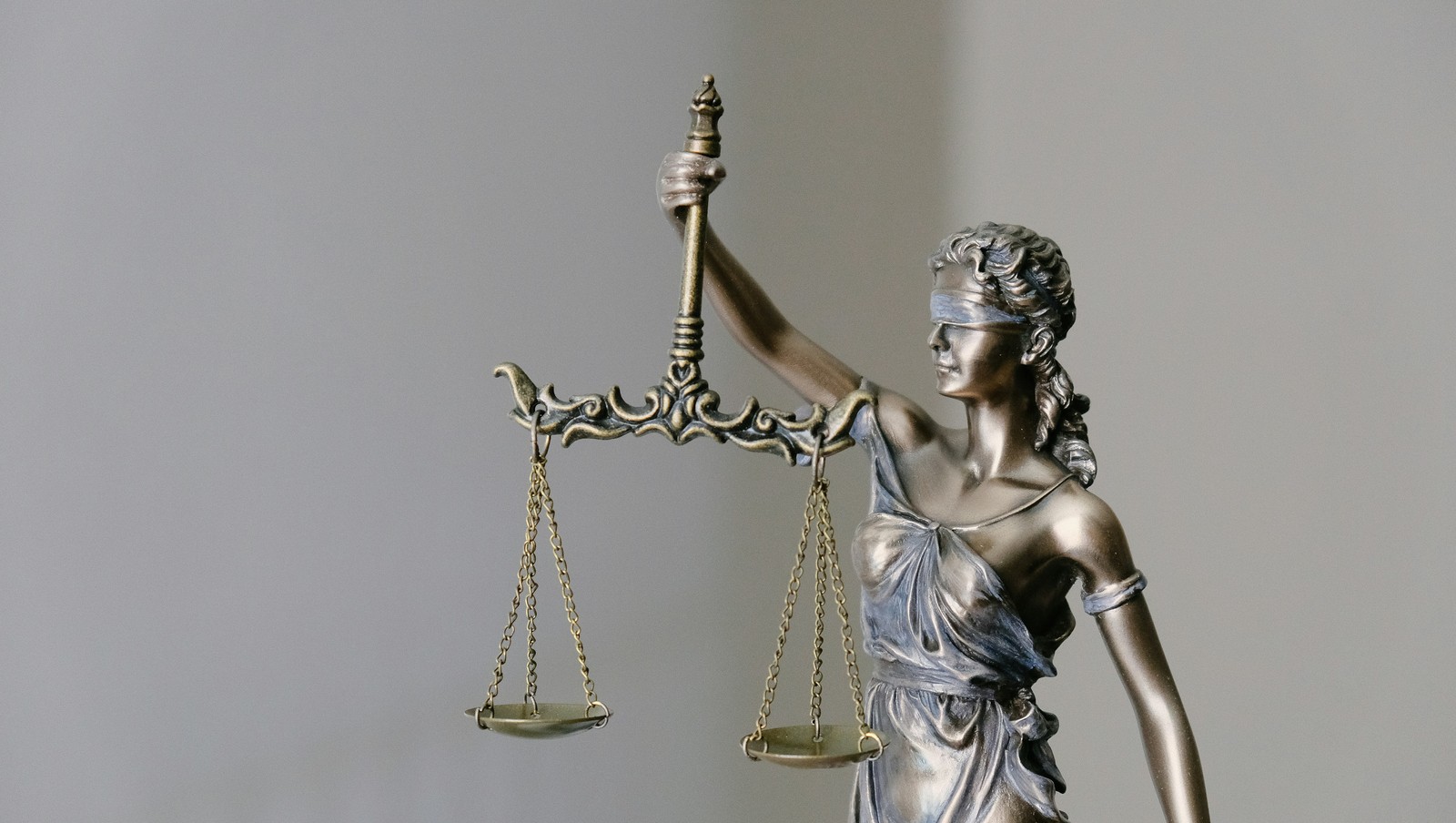
Image: Tingey Injury Law Firm

Ever wonder what happens when old laws never get repealed? America's small towns are treasure troves of bizarre legislation that'll make you scratch your head and chuckle. These aren't urban legends— these are real laws that somehow made it onto the books and stayed there, defying all logic and modern sensibility . So buckle up for a tour of ten small towns where following the law means navigating some seriously strange rules and regulations.

1
1. Gainesville, Georgia - Chicken Capital Chaos
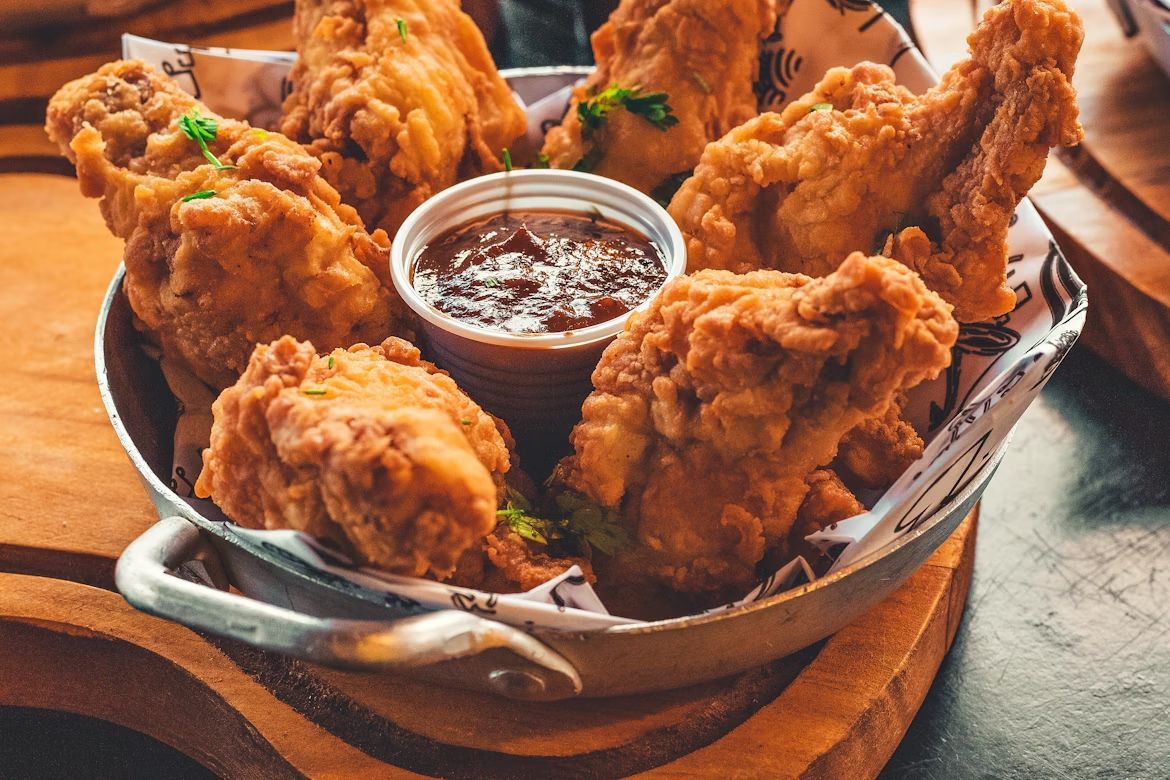
Image: Lucas Andrade

In Gainesville, the self-proclaimed "Poultry Capital of the World," you'd better not even think about using a fork to eat fried chicken. That's right— this town passed a law in 1961 making it illegal to consume chicken with anything other than your bare hands . The ordinance was originally a publicity stunt to promote the town's poultry industry, but it's technically still enforceable today.

2
2. Wilbur, Washington - Riding Ugly Horses Prohibited

Image: Magdalena Smolnicka

The tiny town of Wilbur takes civic beauty seriously—so seriously that they've outlawed riding an ugly horse down the street . The big question, of course: who gets to decide what constitutes an ugly horse? There's no official equine beauty standard outlined in the ordinance, leaving enforcement entirely up to interpretation.

3
3. Pocatello, Idaho - Smiling is Mandatory

Image: Allef Vinicius

Feeling grumpy? Don't bring that frown to Pocatello, Idaho, where a 1948 ordinance made it illegal not to smile in public . The law was passed during a time when city leaders wanted to promote a more positive, welcoming atmosphere in their community. Technically, walking around with a scowl on your face could get you in trouble with the law, though enforcement has been, shall we say, lax.

4
4. Carmel, California - High Heels Require a Permit

Image: Amanda Vick

Fashionistas beware: in the upscale coastal town of Carmel-by-the-Sea, wearing high heels over two inches tall requires a permit . The law, which dates back to the 1920s, was actually created to protect the city from liability lawsuits. Carmel's charming streets are notoriously uneven and filled with quirky design features, making twisted ankles a real hazard for heel-wearers. Rather than fix the streets, city officials decided to require permits for anyone wanting to wear stilettos around town.

5
5. Blythe, California - Must Own Cows
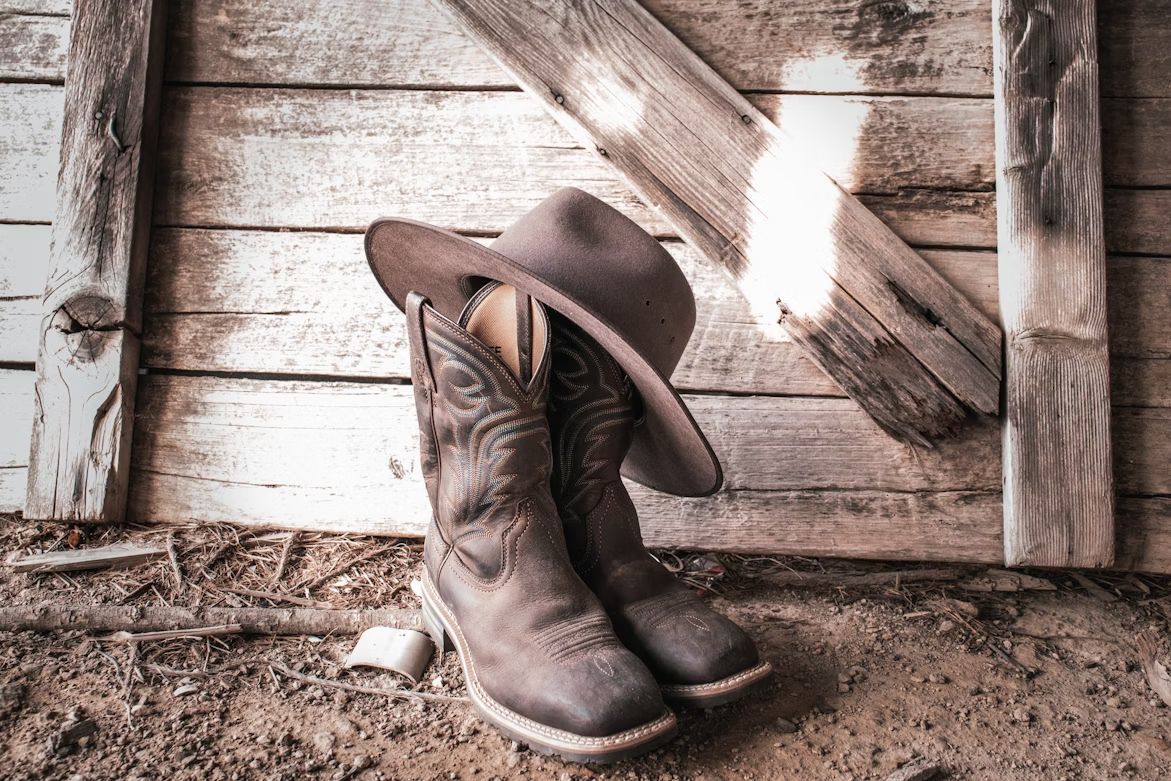
Image: Brice Cooper

In Blythe, a small desert town along the California-Arizona border, you're required by law to own at least two cows before you can wear cowboy boots in public . This head-scratching ordinance apparently aimed to prevent city slickers from appropriating authentic cowboy culture without earning the right. The logic seems to be that cowboy boots are functional workwear for actual cowboys, not a fashion statement for posers.

The reality is that nobody in Blythe enforces this law, and you'll see plenty of people strutting around in cowboy boots without a single cow to their name. The ordinance has become more of a conversation starter than actual legislation

6
6. Marshalltown, Iowa - No Horse Eating Fire Hydrants
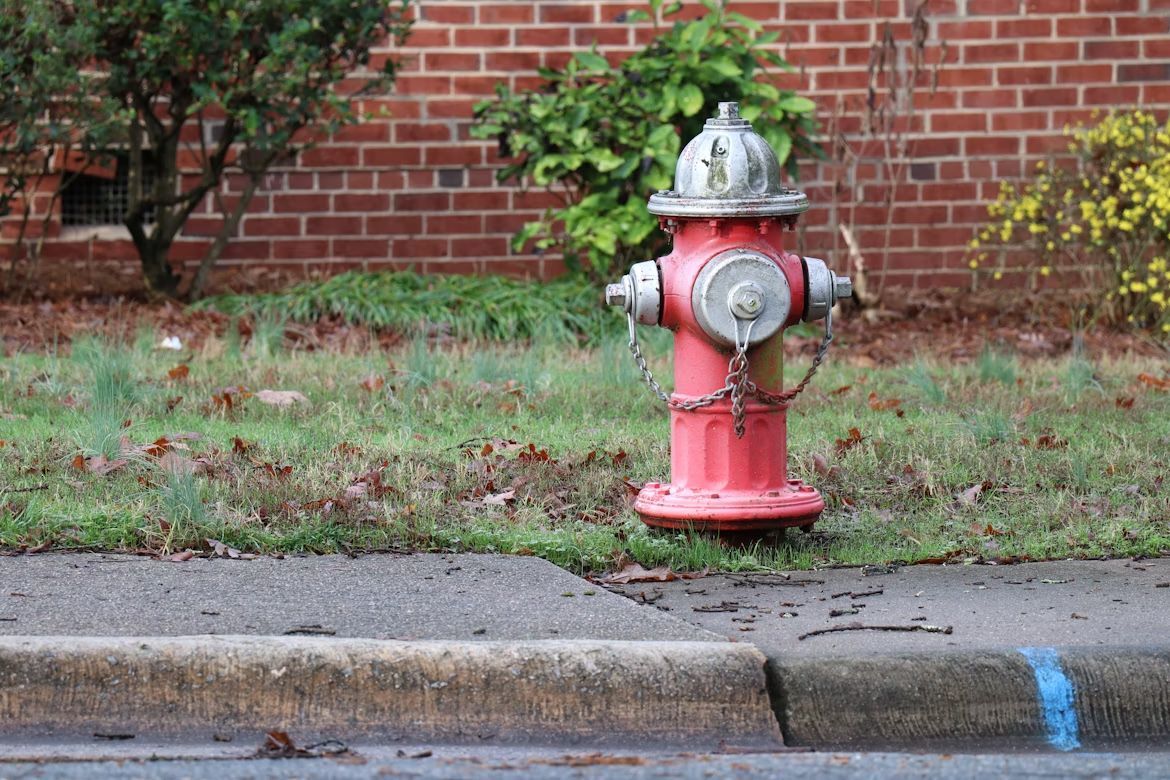
Image: Justin Meckes

Marshalltown takes fire safety seriously, which is why they've made it illegal for horses to eat fire hydrants . This bizarre law presumably dates from the days when horses were the primary mode of transportation, though exactly what equine-hydrant-munching incident prompted this legislation remains a mystery.

7
7. Yamhill, Oregon - Fortune Telling Forbidden

Image: petr sidorov

In Yamhill, Oregon, predicting the future is not just frowned upon—it's illegal . This small town of fewer than 1,200 residents has a law explicitly banning fortune telling, palmistry, and other mystic arts. The ordinance dates back to the early 20th century, when such laws were common across America, designed to protect citizens from scam artists and charlatans.

8
8. Cicero, Illinois - Humming Banned on Sundays

Image: Kristina Flour

This town has an ordinance that prohibits humming on public streets on Sundays . The law likely originated during a more puritanical era, when Sundays were strictly reserved for quiet contemplation and religious observance. Any form of frivolous noise was considered disrespectful to the Sabbath.

9
9. Paulding, Ohio - No Cop-on-Dog Biting Allowed

Image: Jairo Alzate

In the small town of Paulding, there's a law that addresses a very specific workplace hazard: it's illegal for a police officer to bite a dog , even in self-defense. Most towns have laws protecting people from dog bites, but Paulding flipped the script and decided dogs needed protection from over-enthusiastic law enforcement.

10
10. San Antonio, Texas - Flirting Forbidden

Image: Elist Nguyen

In San Antonio, using your eyes to catch someone's attention romantically is technically against the law. The city has an ordinance that prohibits flirtation and "offensive ogling" in public places . This Victorian-era law was meant to protect people (particularly women) from unwanted attention and harassment before modern sexual harassment laws existed. The rule specifically mentions making eyes at someone or using hands to communicate romantic interest.
Geography Geography 3 min read

NYC uncovered

Which NYC building has a secret train platform beneath? Find out here!

Image: Florian Wehde

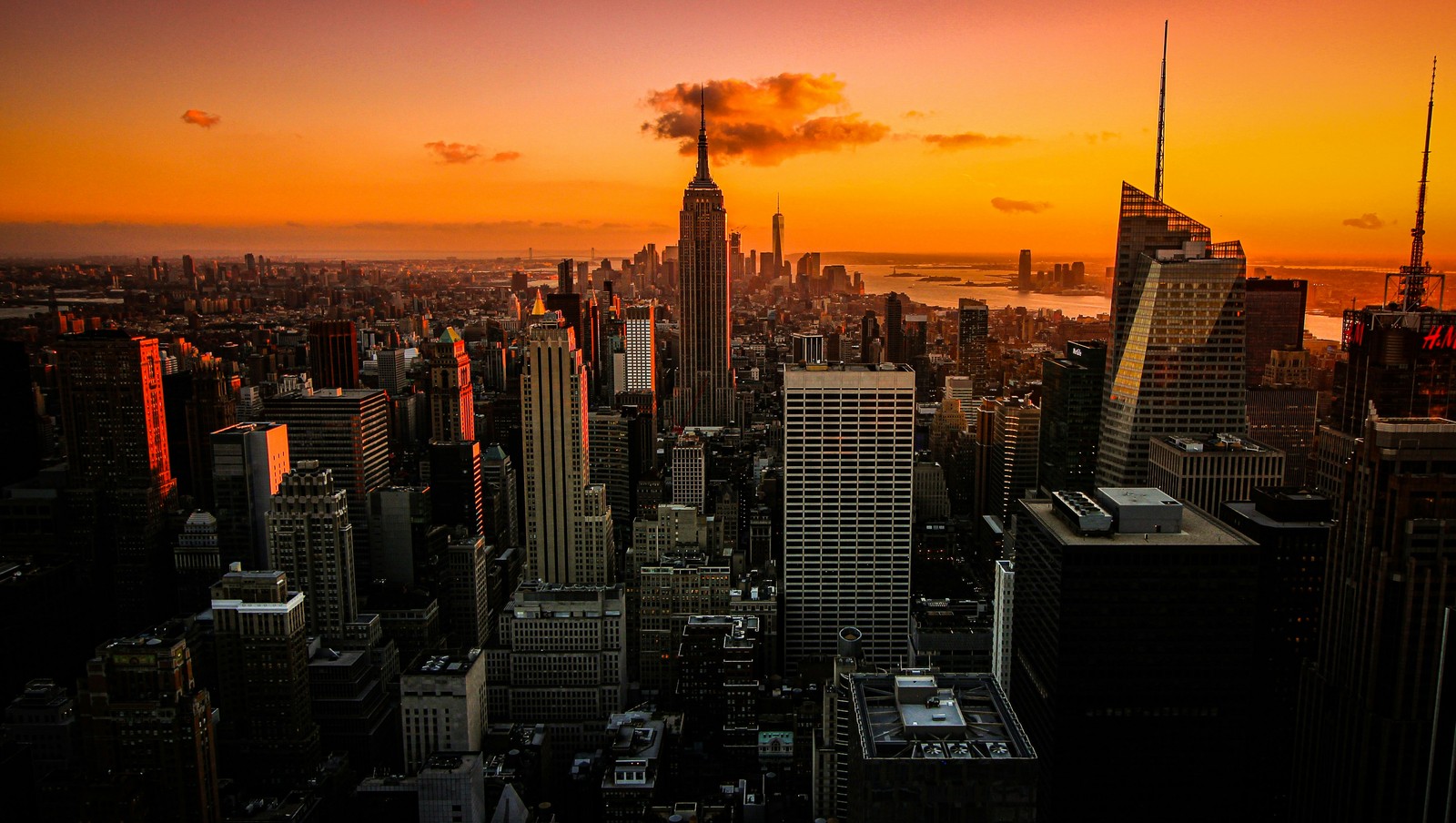
New York City has been written about, filmed, sung about, and argued over for generations. Yet even people who love it and even live there are often surprised by what they do not know. Behind the busy streets and famous landmarks, lots of stories explain how this city grew, who shaped it, and why it continues to feel larger than life. Get ready to get the NYC facts right!

1
New York City population

Image: Scott Evans

More than eight million people call New York City home. That means roughly one out of every 38 Americans lives within its five boroughs. It helps explain why the city feels endlessly busy and why every neighborhood seems to have its own rhythm, personality, and pace. The City that Never Sleeps feels like the right nickname, right?

2
Languages spoken

Image: James Ting

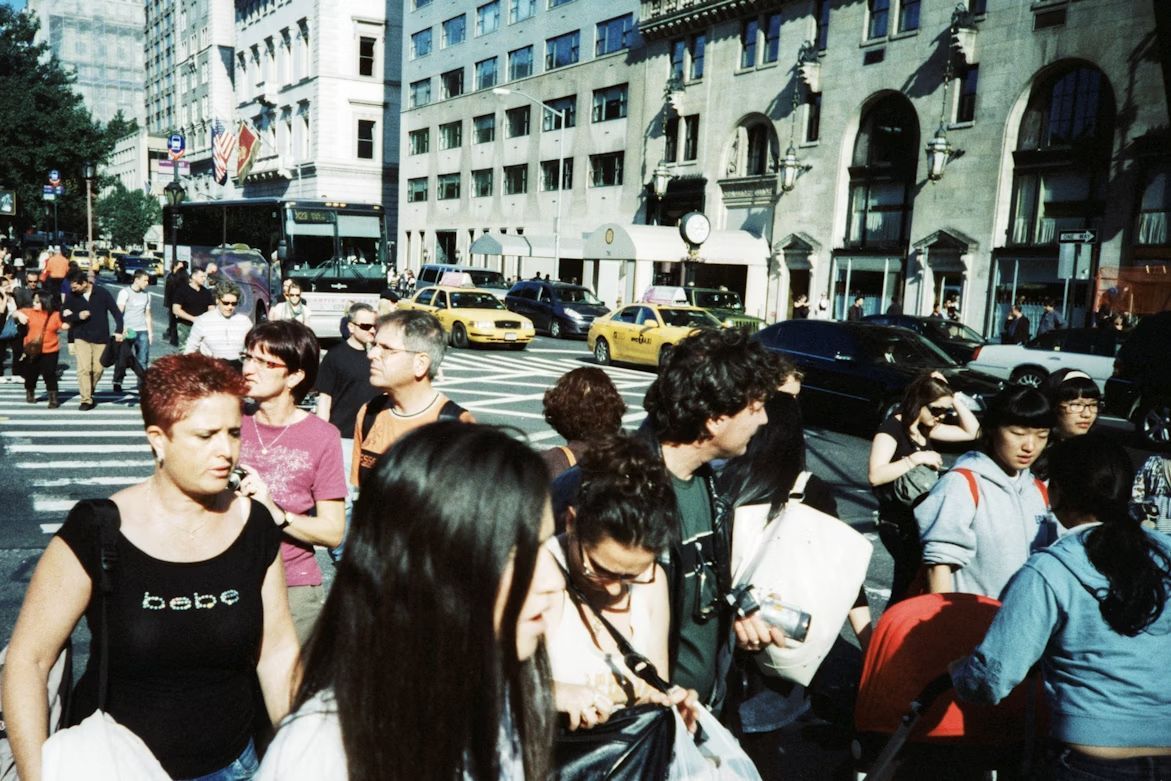
New York City is the most linguistically diverse city on Earth. More than 800 languages are spoken here, and about four in ten households use a language other than English at home. Wanna feel like you’ve travelled across every continent? Walk down a city block and you will!

3
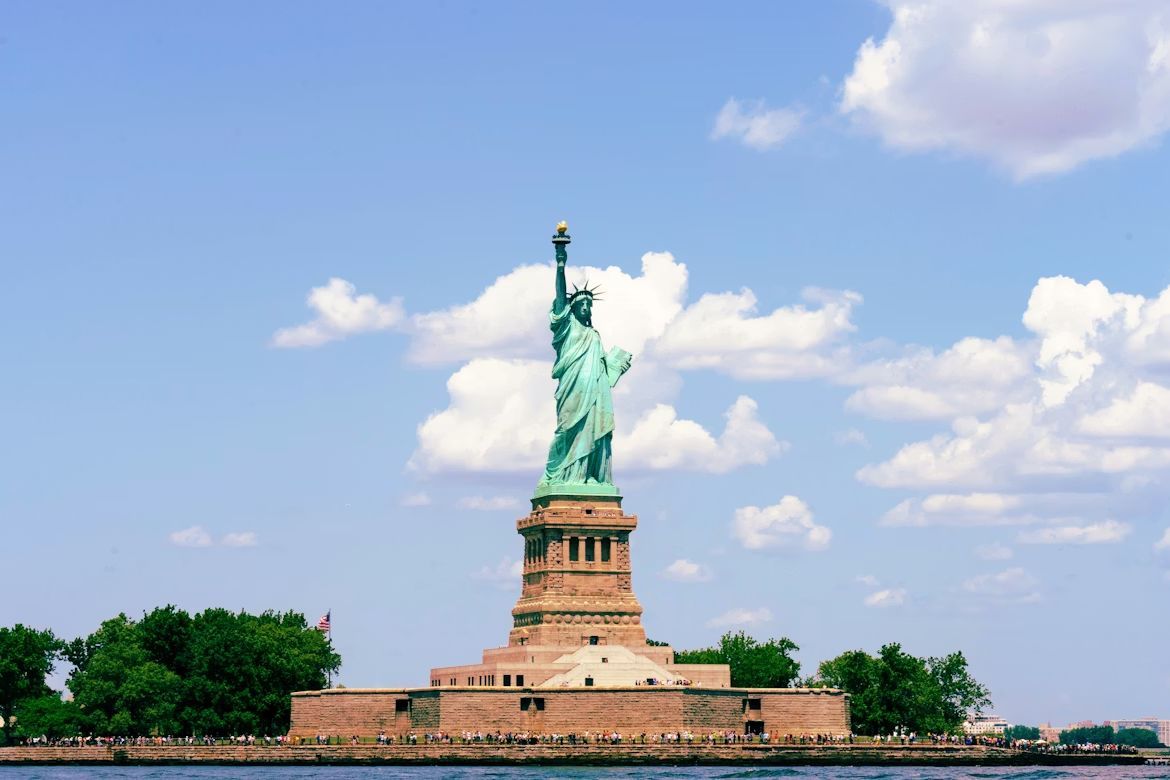
Statue of Liberty

Image: Avi Werde

The Statue of Liberty arrived from France as a gift celebrating American independence. She did not come in one piece. Instead, the statue arrived in 214 crates, each containing 350 separate parts, and took four months to assembl e. Even symbols of freedom sometimes require instructions, you know?

4
Federal Reserve Bank gold vault

Image: Diane Picchiottino

Deep beneath the streets of Manhattan sits the largest gold storage vault in the world. Located 80 feet below street level, it holds about $90 billion worth of gold . Most visitors walk right over it without realizing they are passing above one of the most secure rooms on the planet.

5
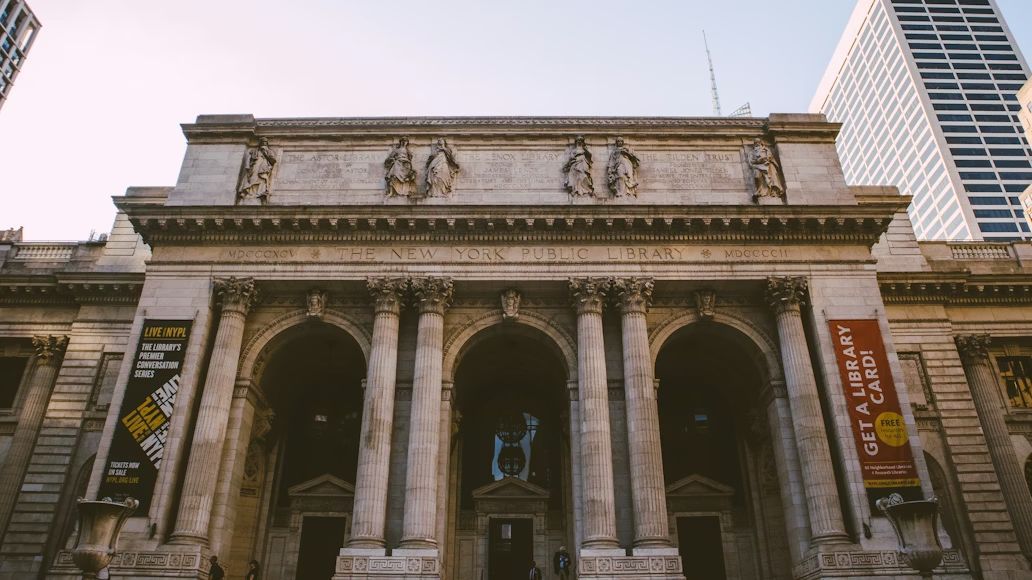
New York Public Library

Image: Alejandro Barba

The New York Public Library system holds more than 50 million books and items. It is second in the United States, only to the Library of Congress, and ranks third worldwide . Those iconic lion statues guard far more than a quiet reading room. They watch over an astonishing archive of human knowledge. Have you ever visited it?

6
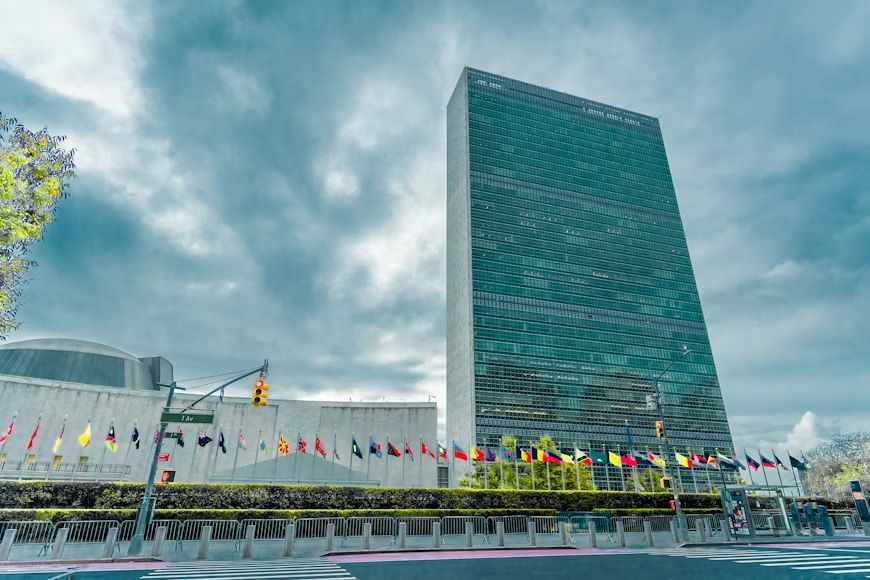
United Nations headquarters

Image: Nils Huenerfuerst

The United Nations established its headquarters in New York City in 1952 following World War II. Since then, diplomats from nearly every country have gathered here to debate, negotiate, and occasionally argue. Few city blocks anywhere else host quite so many global decisions.

7
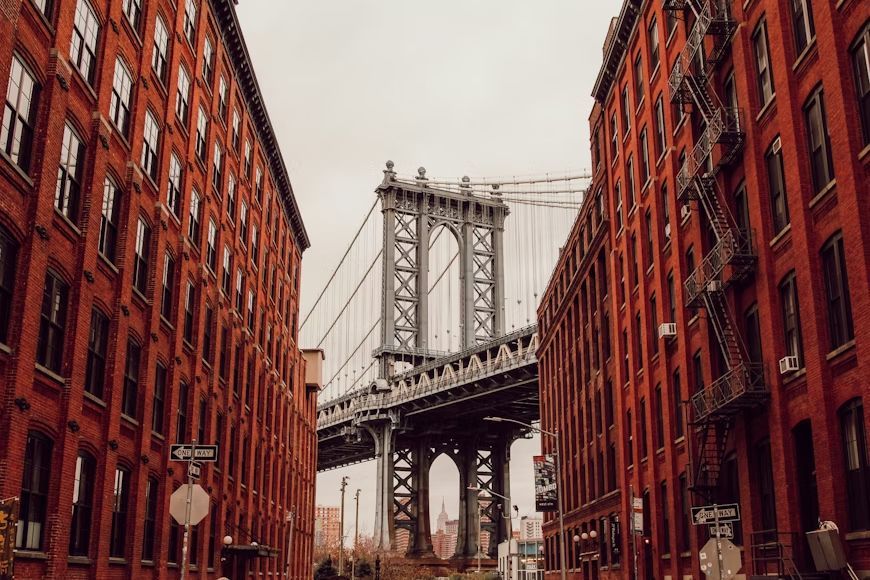
Brooklyn borough size

Image: Miltiadis Fragkidis

Brooklyn alone would rank as the fourth-largest city in the United States if it stood on its own. Queens would claim the same spot as well. Together, they show just how massive New York City really is, even when broken into boroughs.

8
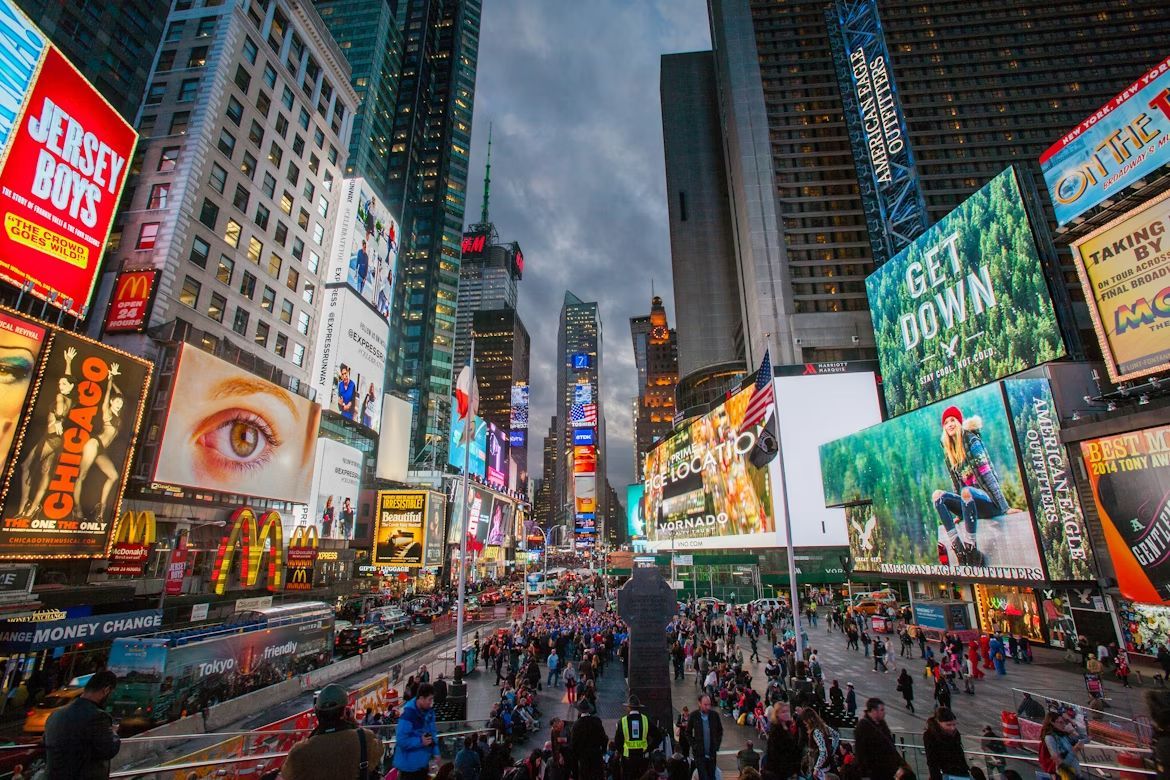
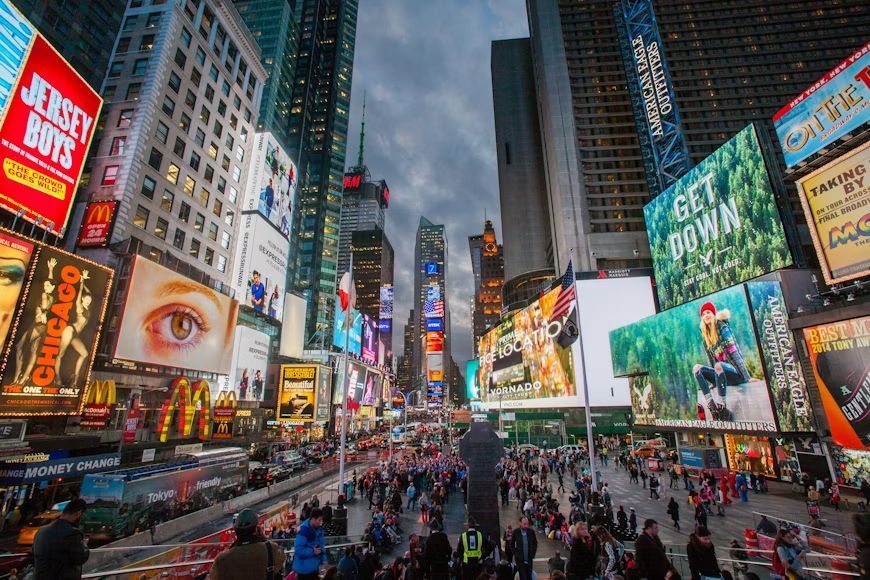
Times Square naming

Image: James Ting

Times Square did not always have its famous name. It was once called Longacre Square until The New York Times moved its headquarters there in 1904. The name stuck, the lights followed, and the area became one of the most recognizable intersections in the world.

9
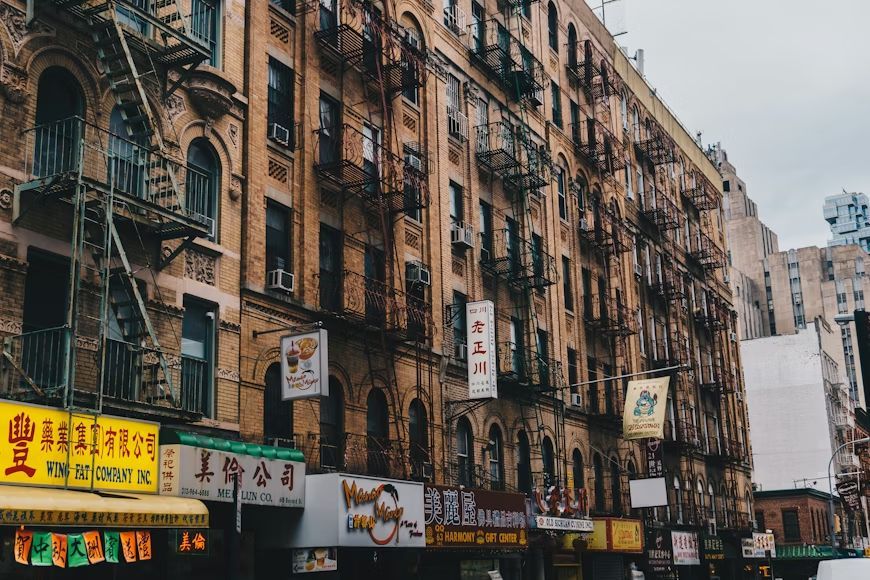
Chinatown population

Image: Juan Di Nella

More Chinese people live in New York City than in any other city outside Asia. This influence shapes neighborhoods, food scenes, businesses, and traditions across the city. It is one more reason New York feels like many worlds packed into one place .

10
Pinball ban history

Image: Louie Castro-Garcia

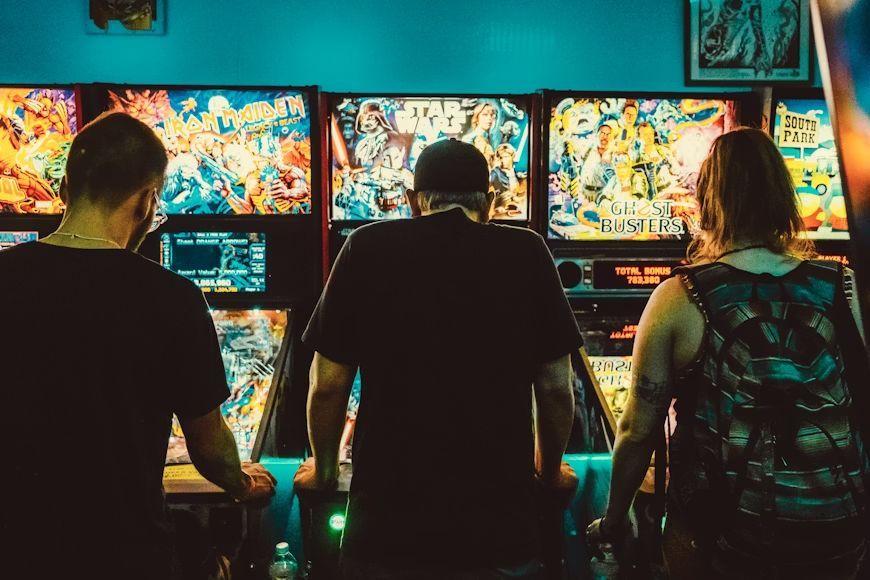
Believe it or not, pinball machines were once against the law in New York City. Back in 1942, city leaders viewed the game as a form of gambling , and Mayor Fiorello LaGuardia ordered it banned. For more than 30 years, pinball disappeared from public view until the rule was finally lifted in 1976.

11
Secret train platform beneath the Waldorf Astoria

Image: Frugal Flyer

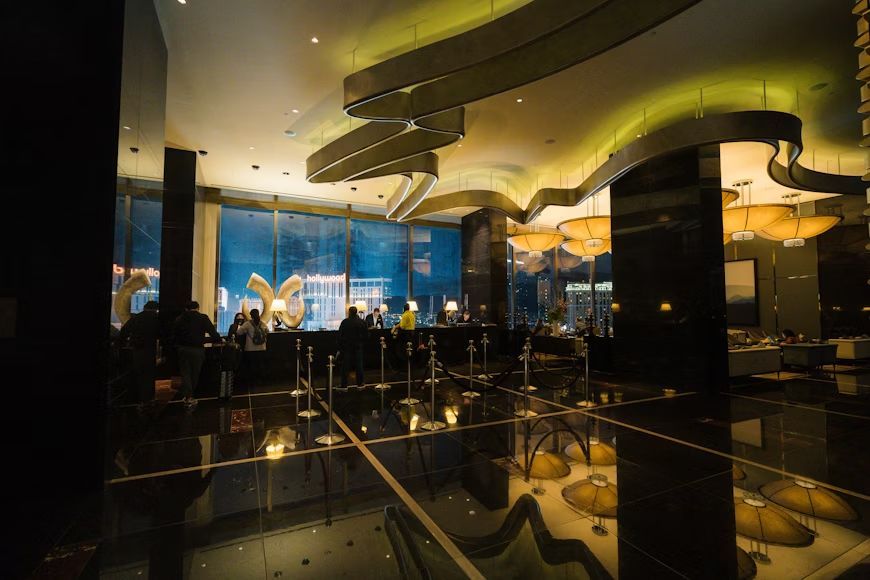
Hidden beneath the elegant Waldorf Astoria Hotel is a little-known train platform called Track 61. According to long-standing stories, President Franklin D. Roosevelt used it to arrive and leave discreetly, away from crowds and cameras. The platform is no longer active today , but knowing it exists adds a layer of mystery to an already legendary building.

Geography Geography 3 min read

10 American train stations that are a work of art

Image: Brady Hood

Many of America's train stations are much more than just transit hubs; they are authentic architectural marvels with distinct designs and rich histories. Built mostly in the first half of the 20th century, these spaces reflect the culture and confidence in the future of our nation. Would you like to know more? Join us as we go through 10 railway stations that make this country proud.

1
Union Station, Washington, D.C.

Image: Caleb Fisher

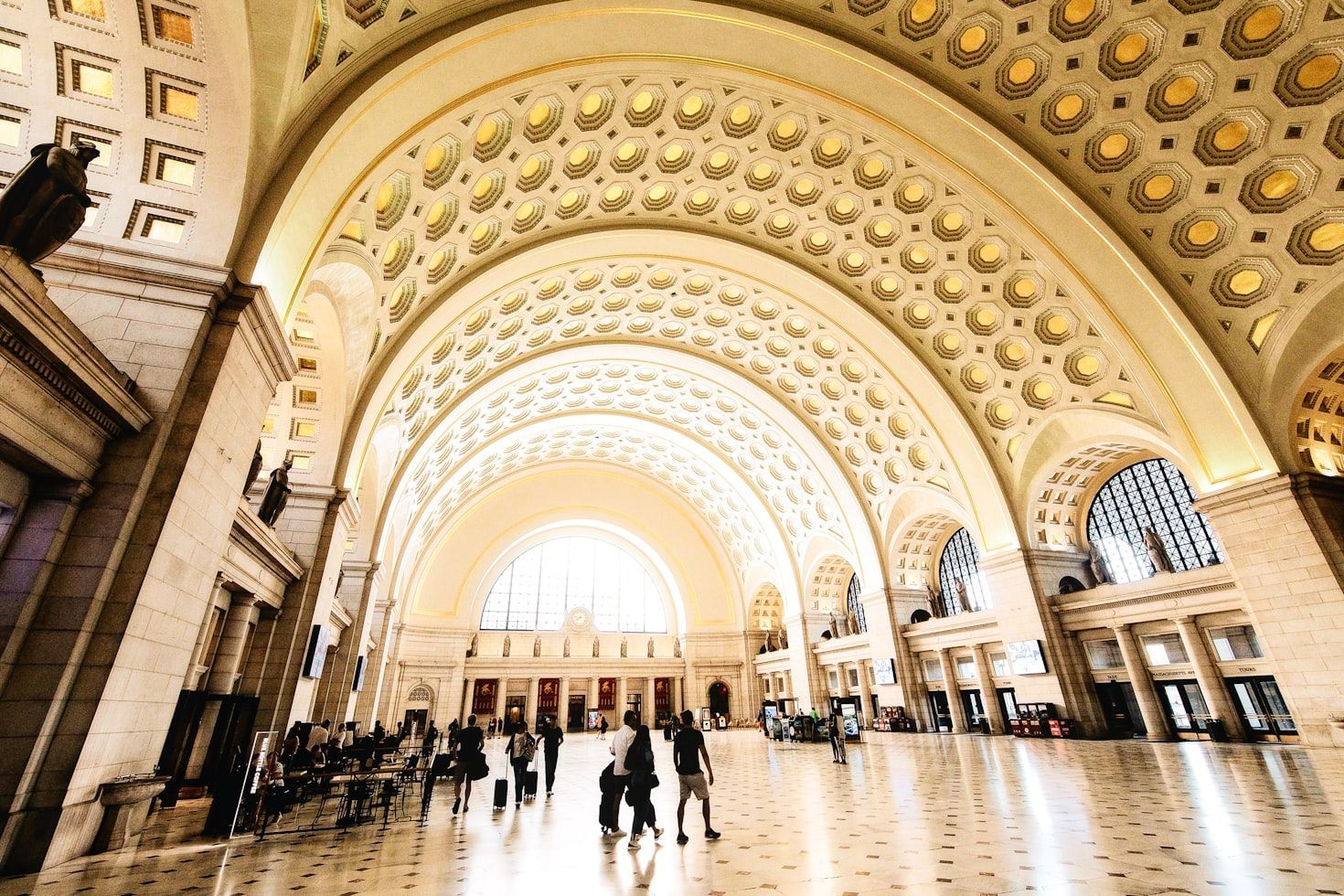
Washington Union Station, opened in 1907, is a fine example of Beaux-Arts architecture. Built to serve as one of the busiest transit hubs in the country, no expense was spared. The architect was inspired by ancient Roman baths. The main hall is guarded by rows of marble centurions, and the coffered ceiling is laced with gold leaf. If you want to contemplate marvellous architecture while having lunch alongside city workers and members of Congress, this is the place!

2
Penn Station, New York City

Image: c

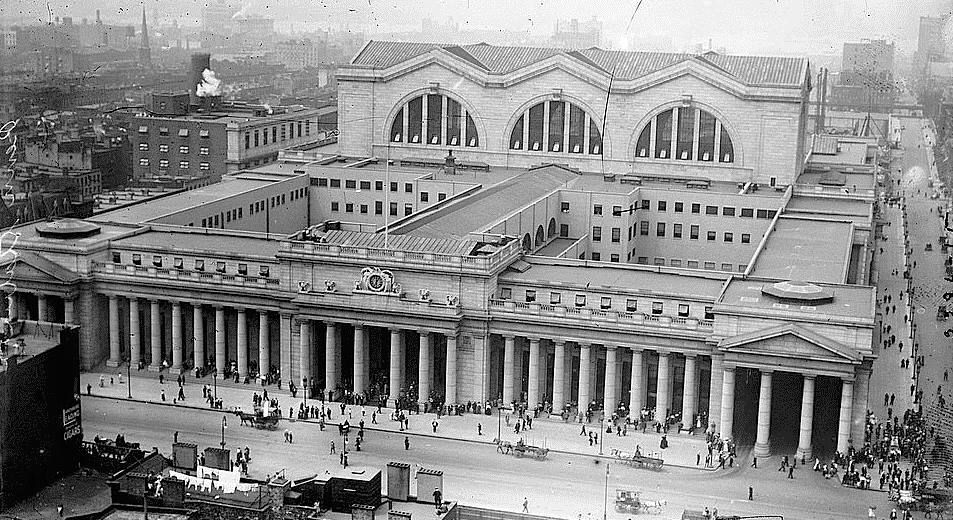
Probably one of the world’s greatest railway stations was built in New York in 1910. And we are not talking about the famous Grand Central Terminal. The original Beaux-Arts building that was once home to Penn Station in Manhattan was an architectural masterpiece. It boasted grandiose interiors, huge waiting areas, and granite Doric columns. Unfortunately, in 1963, it was demolished to make room for Madison Square Garden, forcing the station to go underground.

3
Penn Station, Newark

Image: Pixabay

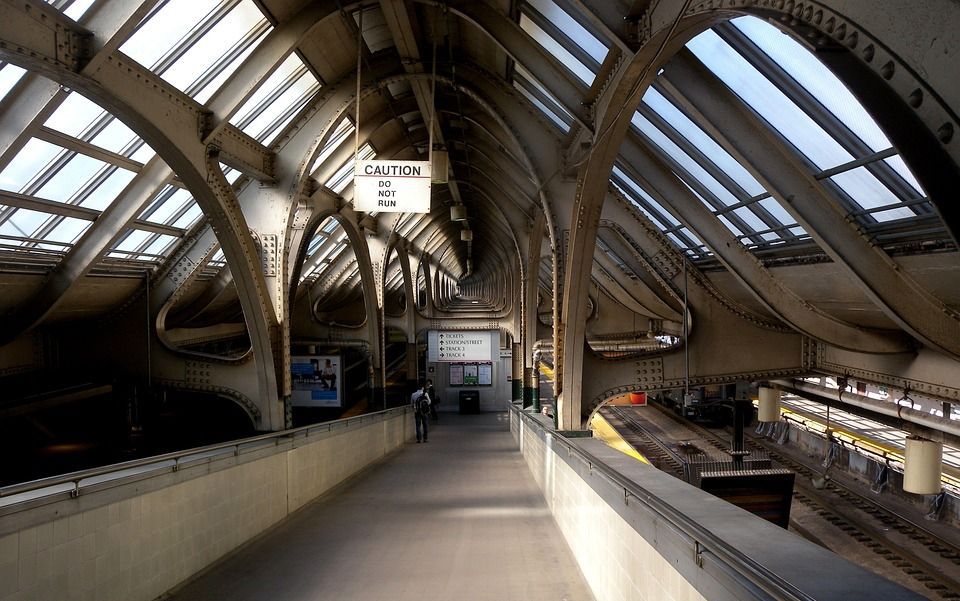
Penn Station in New York may not have survived, but a smaller-scale version still stands in Newark. New Jersey’s Neoclassical and Art Deco marvel was built in 1935 by the same architectural firm as the one in Manhattan. Featuring ornate archways, red terrazzo flooring, and green terracotta decorations, it may be less grandiose than its predecessor, but it still maintains much of its glamour.

4
30th Street Station, Philadelphia

Image: Nils Huenerfuerst

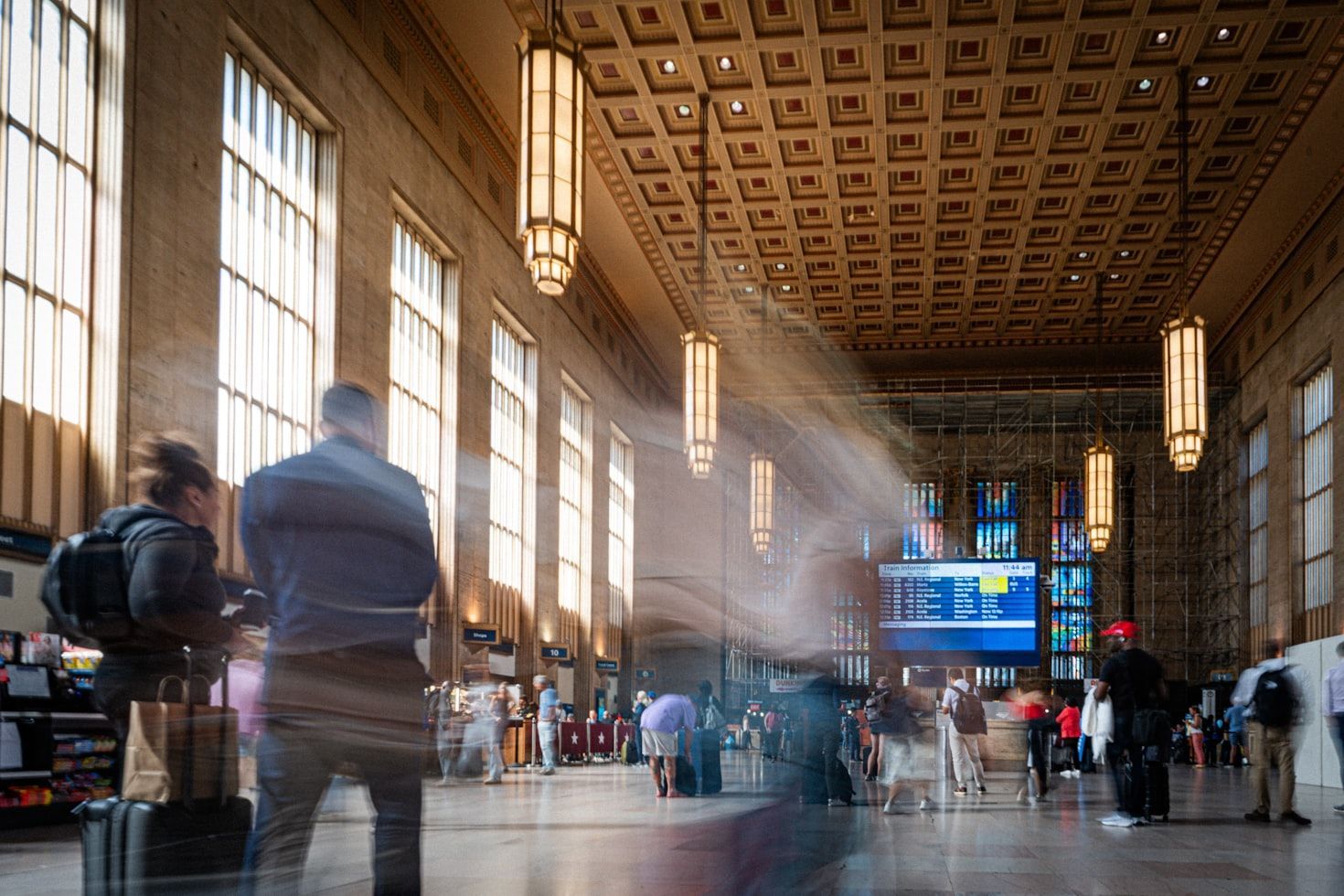
Completed in 1933, 30th Street Station in Philadelphia features a Neoclassical facade framed by 70-foot Corinthian columns. Inside, a spectacular Art Deco main concourse with a coffered ceiling adds to the station’s opulence. Fortunately, this terminal managed to preserve its former glory, and it is still in use today.

5
Main Street Station, Richmond

Image: Tangie Bodden

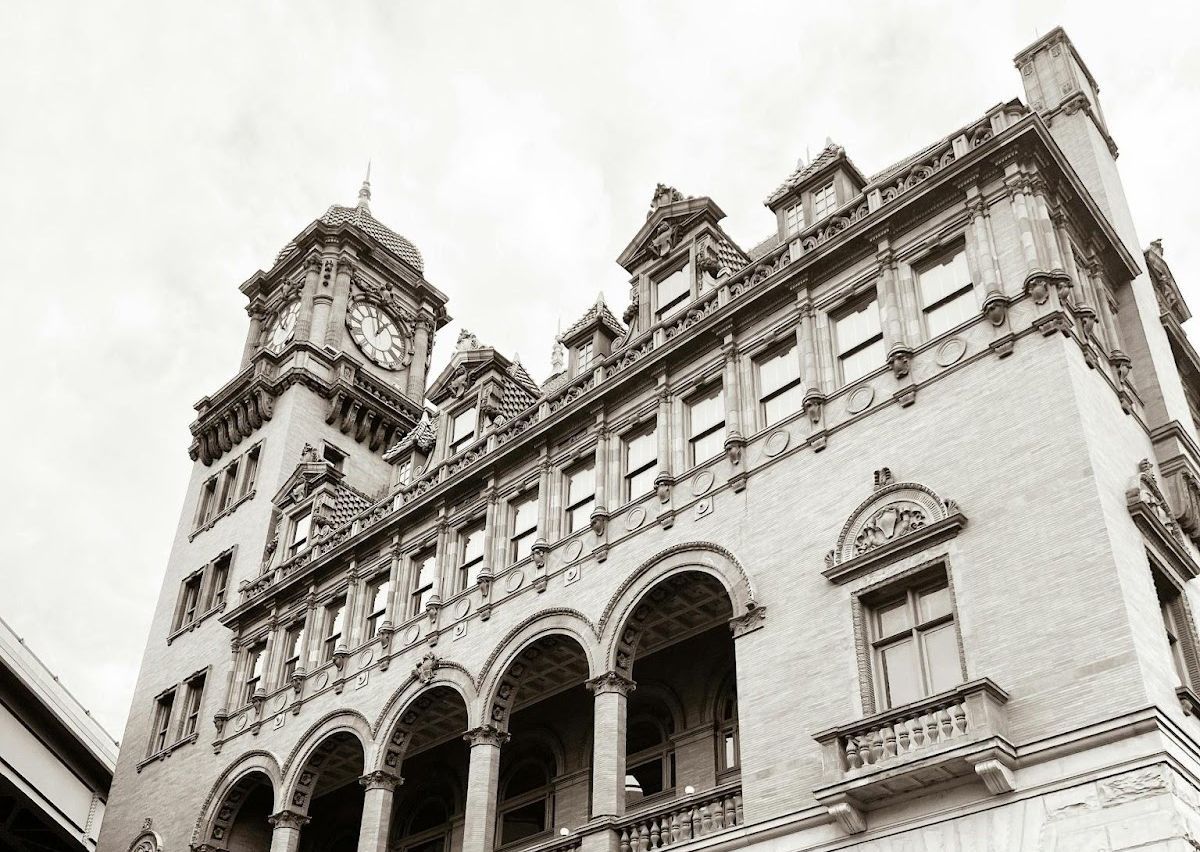
Main Street Station’s second Renaissance Revival architecture lights up the capital city of Virginia. Built at the turn of the century, it stands out mainly for its 110-foot brick clock tower. Past its glory days, it was neglected and suffered several damages, such as floods and fires. Fortunately, in 2003 it was restored, and today it is once again a major transit hub.

6
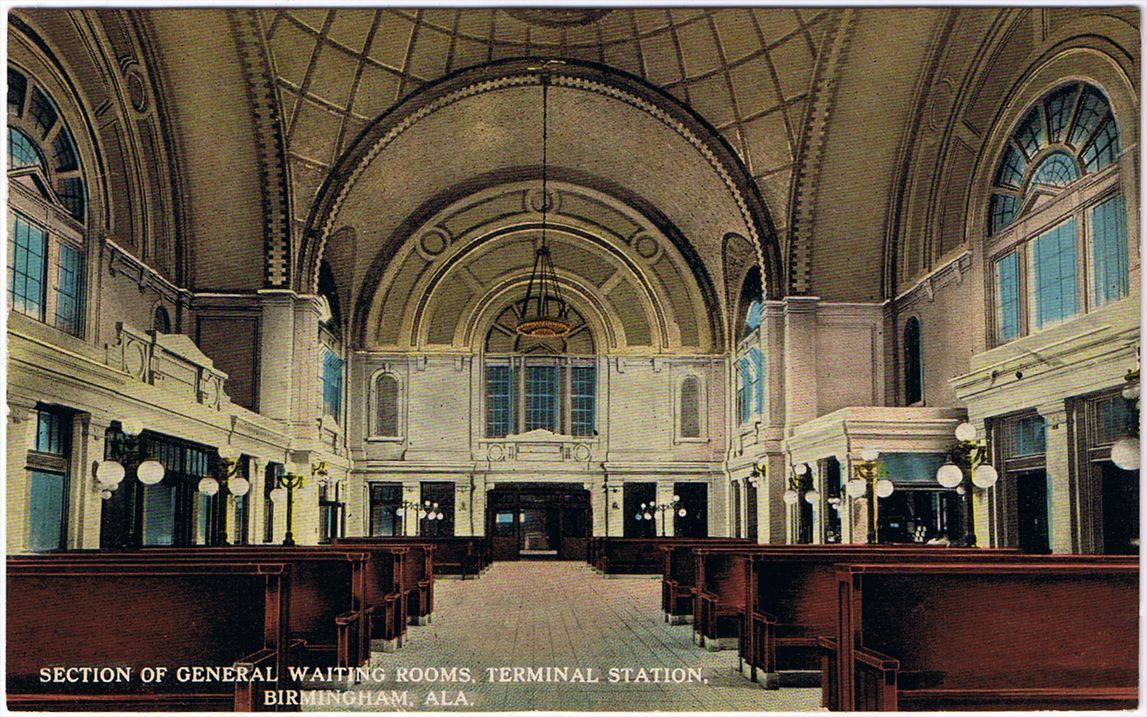
Birmingham Terminal Station

Image: Self-scanned, Public domain, via Wikimedia Commons

Meant to be travelers' first impression of the city, Birmingham Terminal Station once managed to astonish and amaze. Built in a Byzantine, Beaux-Arts style, it operated from 1909 to the 1950s. As automobile and air travel flourished, the station fell into disuse and was ultimately demolished in 1969 to make way for a new highway. A huge loss for the Magic City.

7
King Street Station, Seattle

Image: Zoshua Colah

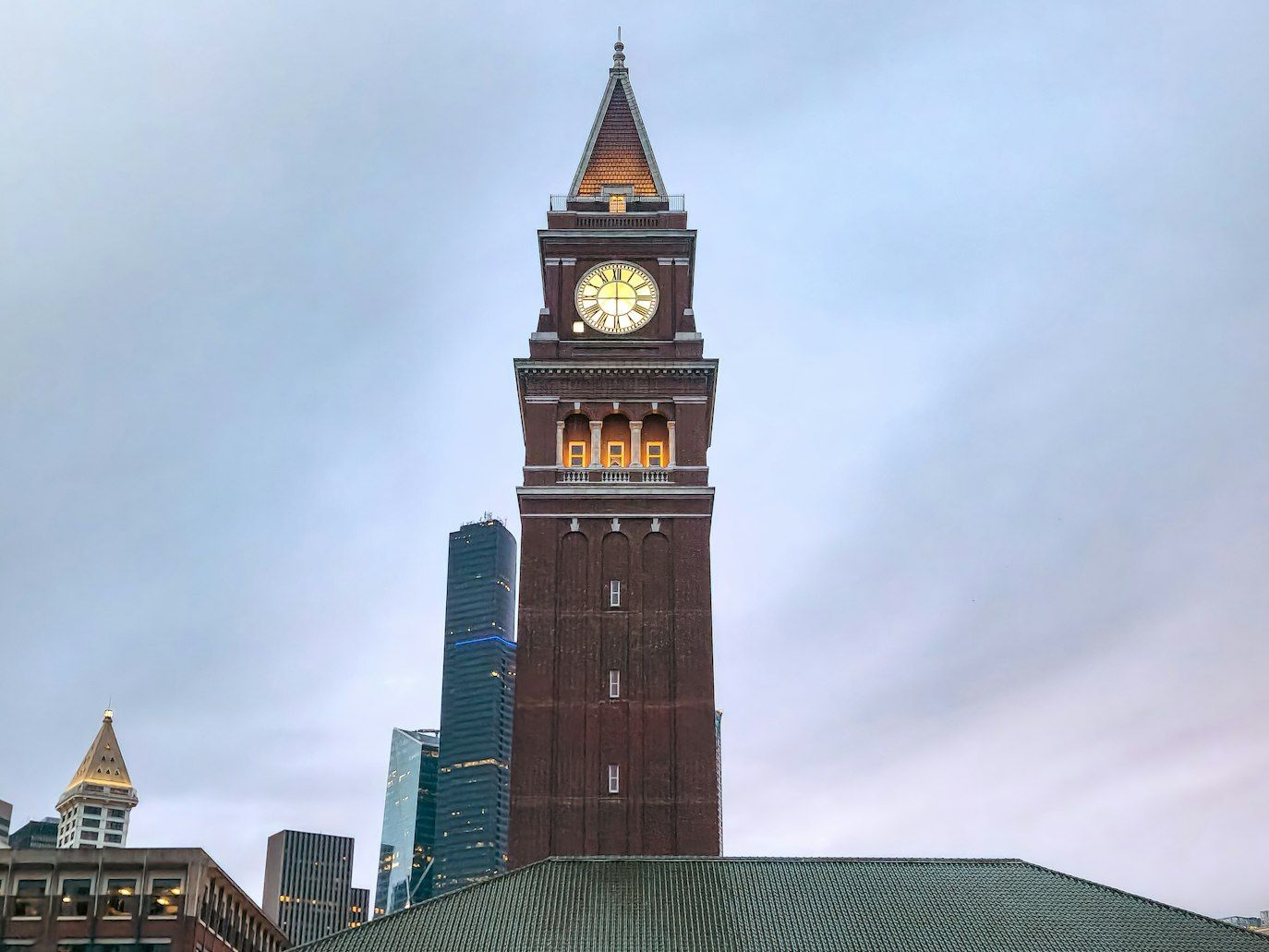
King Street Station in Seattle was built at the beginning of the 20th century with a mix of architectural styles. Its main feature is a 242-foot tower modeled after the grand Campanile di San Marco in Venice. King Street Station also boasts intricate terrazzo and mosaic floors and ornamental plaster ceilings that were restored in 2010 to their former splendor.

8
Cincinnati Union Terminal

Image: Sean Foster

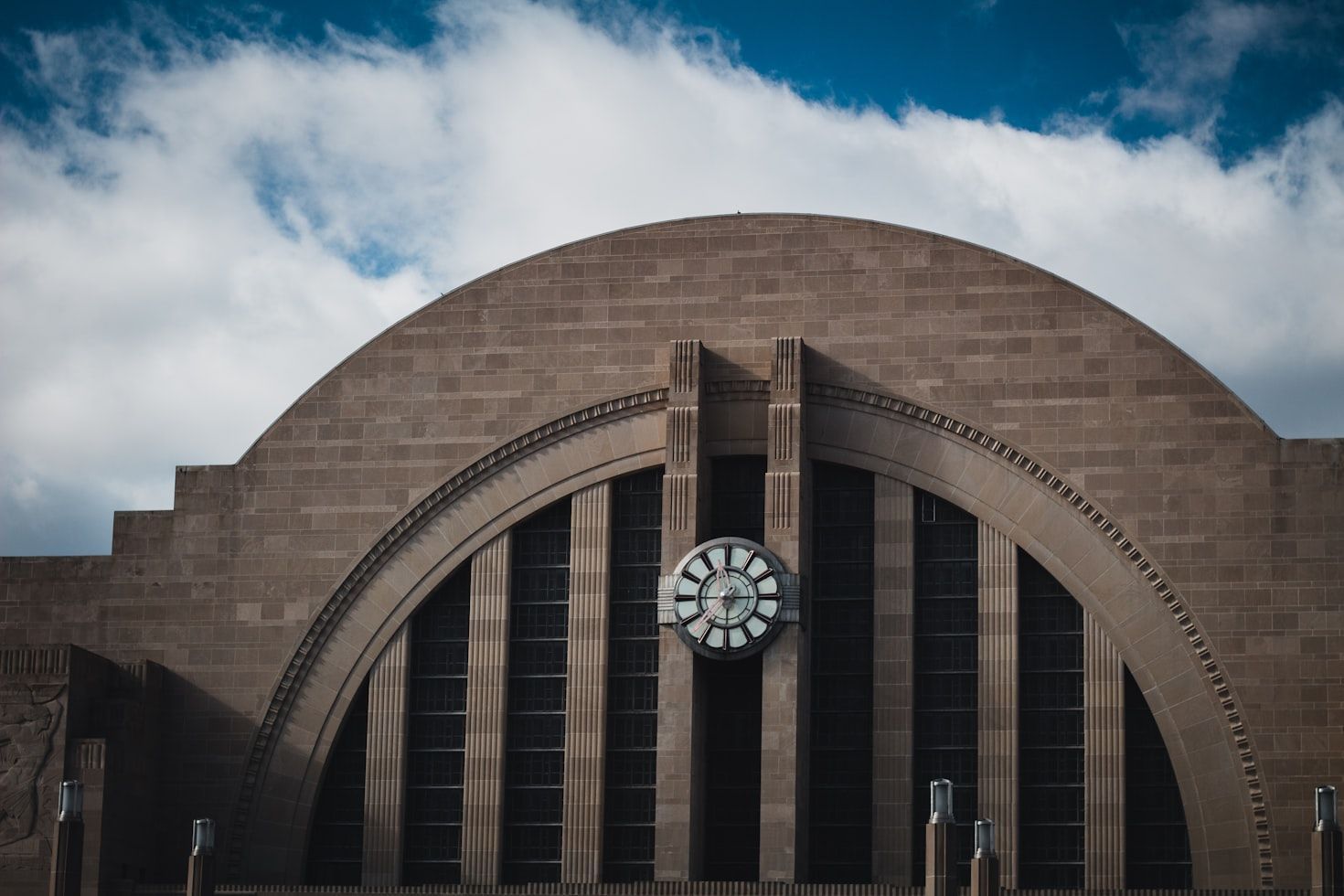
Cincinnati Union Terminal in Ohio is one of the boldest examples of Art Deco architecture in the United States. Its ten-story, half-domed entrance, green terrazzo, and the large rotunda decorated with industrial murals by Winold Reiss make this station a true architectural masterpiece. In fact, it is considered the greatest work of Alfred T. Fellheimer, who had previously designed Grand Central Terminal in New York City.

9
Union Station, Los Angeles

Image: Tichnor Brothers, Publisher, Public domain, via Wikimedia Commons

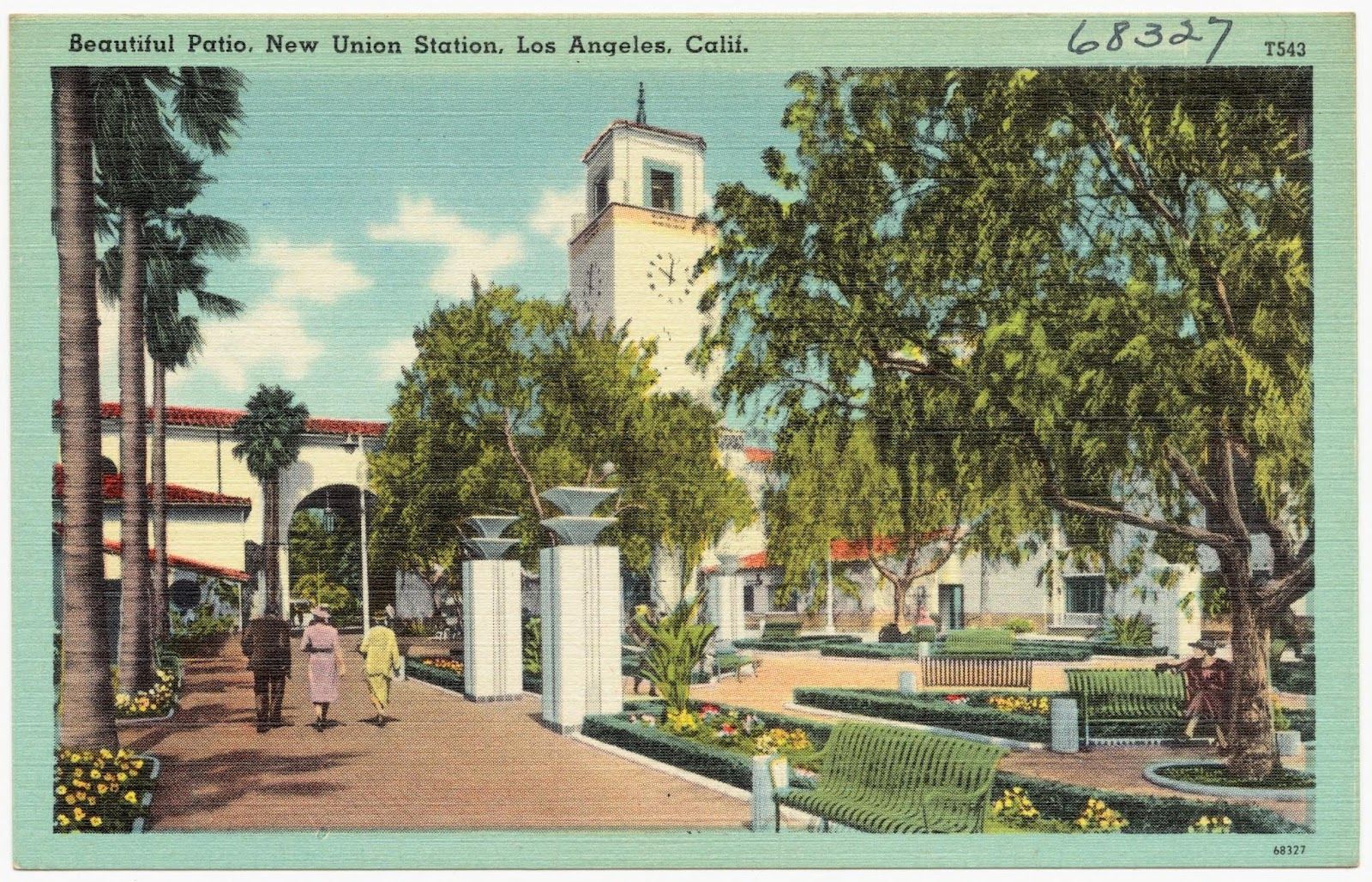
With a unique "Mission Moderne" style, Los Angeles’ main railroad station blends Spanish Colonial and Art Deco influences. Opened in 1939, it was built with a mix of terracotta and marble. It also features intricate tilework, beautiful courtyards, and a prominent 125-foot clock tower. Certainly a fine example of Southern California’s glamour.

10
Grand Central Terminal, New York City

Image: Robert Bye

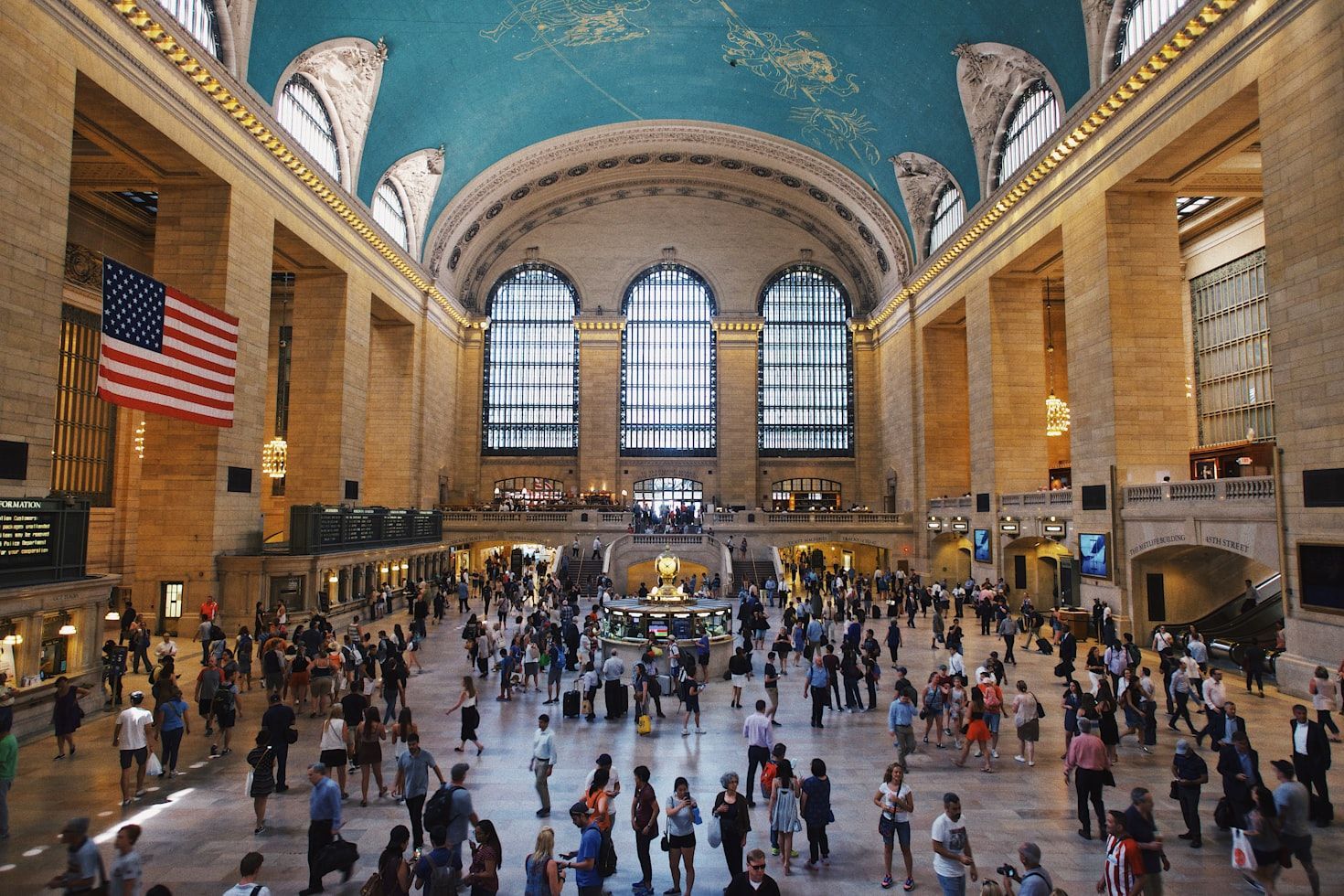
One of the nation’s busiest stations, New York City’s Grand Central, is famous for its magnificent Beaux-Arts style. The terminal, located in Midtown Manhattan, opened in 1913. It features a signature four-faced Tiffany clock and a celestial dome above the main concourse that draws the sighs of travelers from all over the world.

Explore more American facts

Choose your favorite category!

General
General

As American as apple pie—the very best America has to offer!

Culture
Culture

Delve into the astounding richness of American lore.

Geography
Geography

Hop in and explore vast and diverse American landscapes.

History
History

Discover the key moments that shaped the United States.