General General 4 min read

Beloved products that vanished from stores

Ten discontinued American products we still miss today
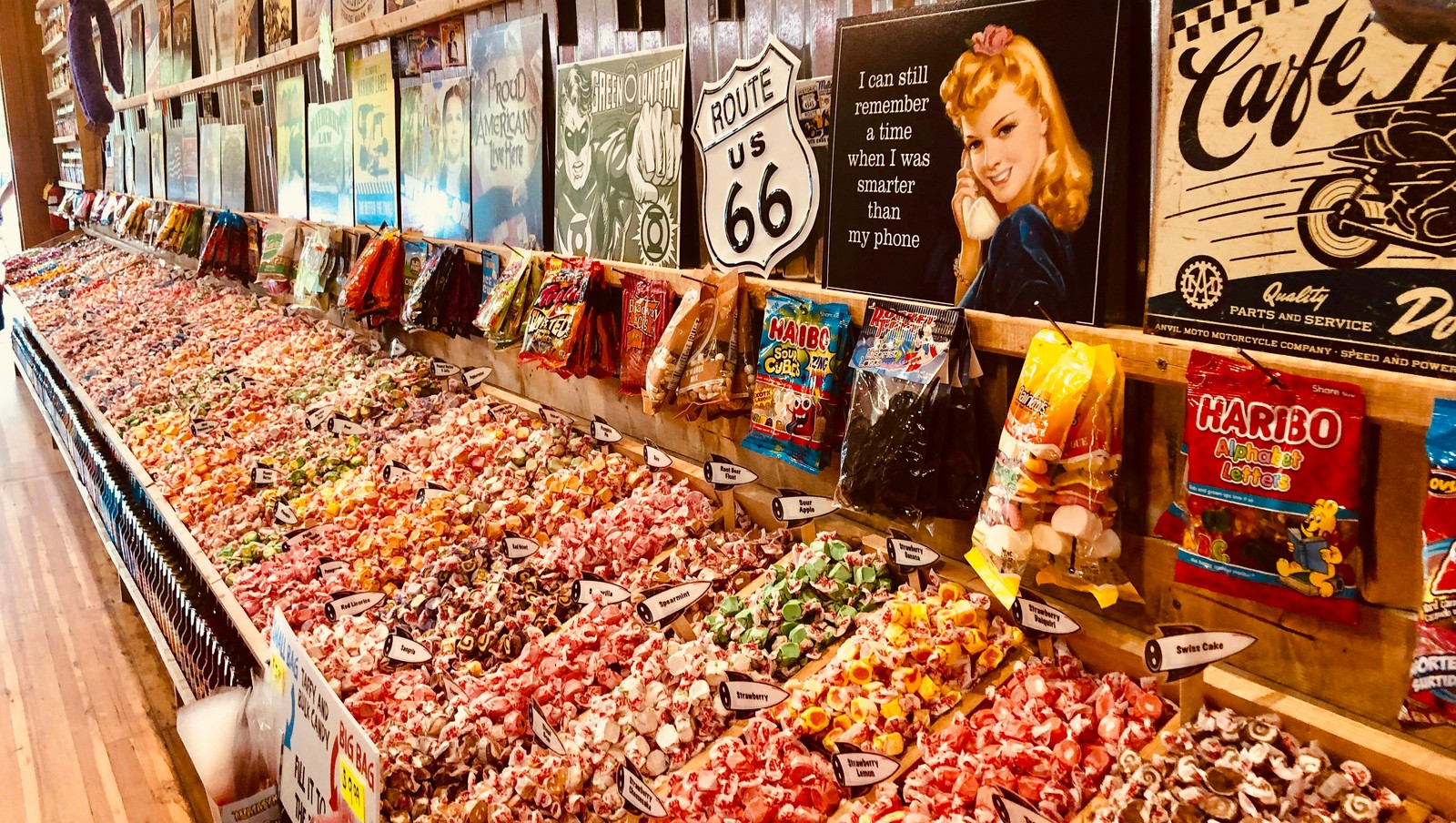
Image: Natasha Connell

Remember when you could walk into any store and find your favorite snack, only to have it vanish without a trace years later? Some discontinued products become legends, living on in our memories and late-night conversations about "the good old days." Here are ten discontinued products that still make us nostalgic, and honestly, a little hungry for the past.

1
Hydrox Cookies
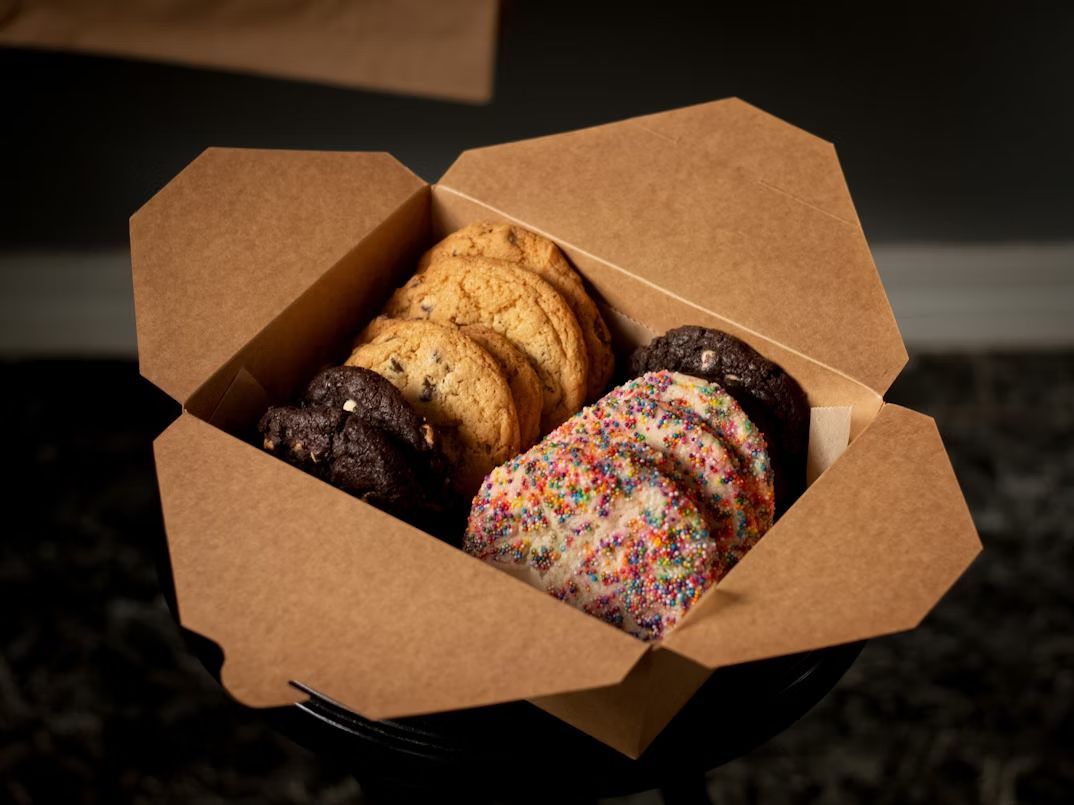
Image: Conor Brown

Introduced in 1908, these chocolate sandwich cookies with cream filling were the original, while Oreos followed four years later in 1912 . Hydrox had a crunchier cookie and a less sweet filling, which devoted fans absolutely loved.

Hydrox disappeared from shelves in 2003, leaving longtime fans heartbroken and insisting that they were superior to their more famous competitor. The cookie made a brief comeback in 2015 under new ownership, but it never quite recaptured its former glory or widespread availability.

2
Squeezit
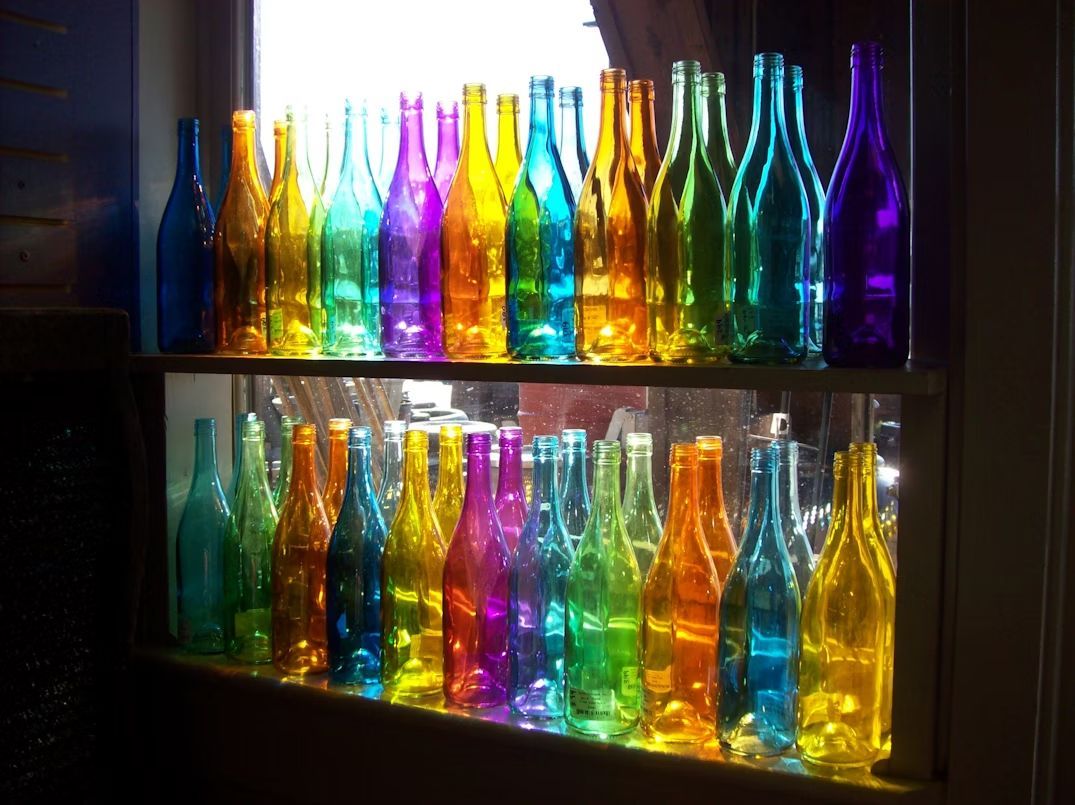
Image: Haley Owens

Squeezit arrived on the scene in 1985 with its unique bottle design that you literally had to squeeze to drink from—no straw needed! The bottles came in wild colors and flavors like Chucklin' Cherry and Grumpy Grape, each with its own cartoon character printed on the label.

General Mills discontinued Squeezit in 2001, crushing the dreams of millennials everywhere who had fond memories of squeezing these bottles a little too hard and squirting juice everywhere.

3
Jell-O Pudding Pops
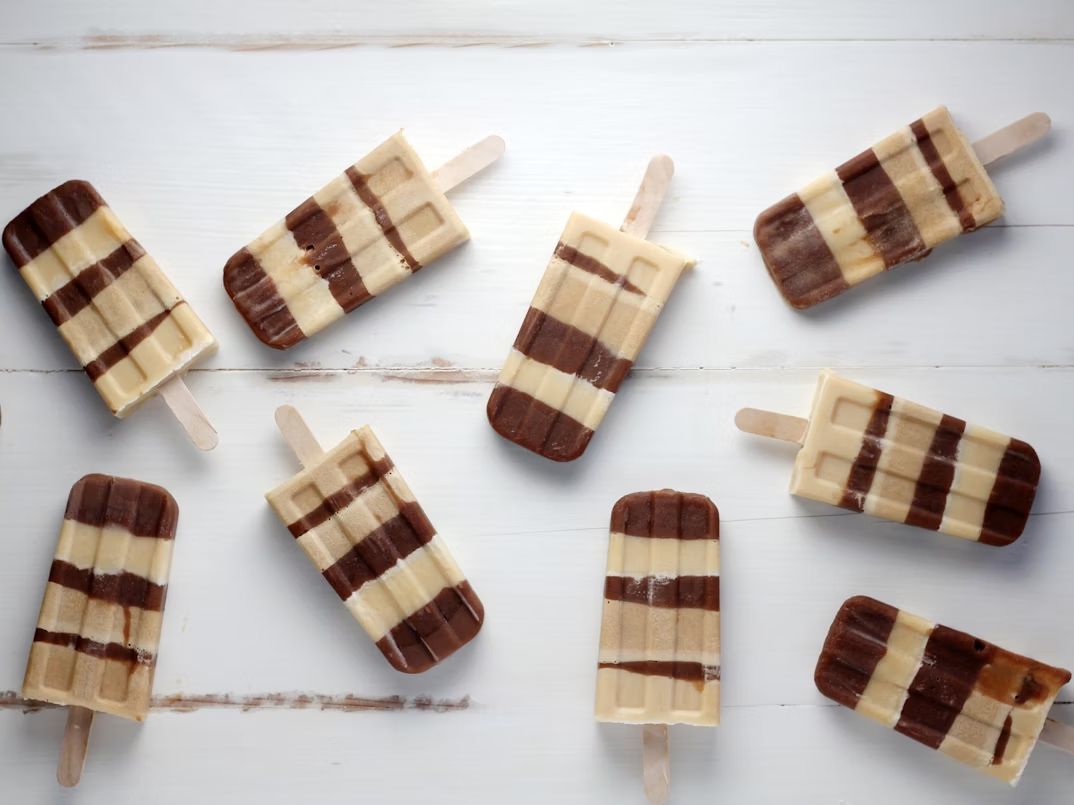
Image: sheri silver

Bill Cosby might have made these famous in commercials, but it was the frozen treat itself that made Pudding Pops legendary in the 1980s. Introduced in 1979, these weren't your typical popsicles— they had a creamy, mousse-like texture that was somewhere between pudding and ice cream.

Jell-O discontinued the original Pudding Pops in the early 1990s, and despite several attempted comebacks with different formulations, they've never tasted quite the same as the originals. People who remember the real deal insist that the modern versions just don't have that same creamy texture or rich flavor.

4
Crystal Pepsi
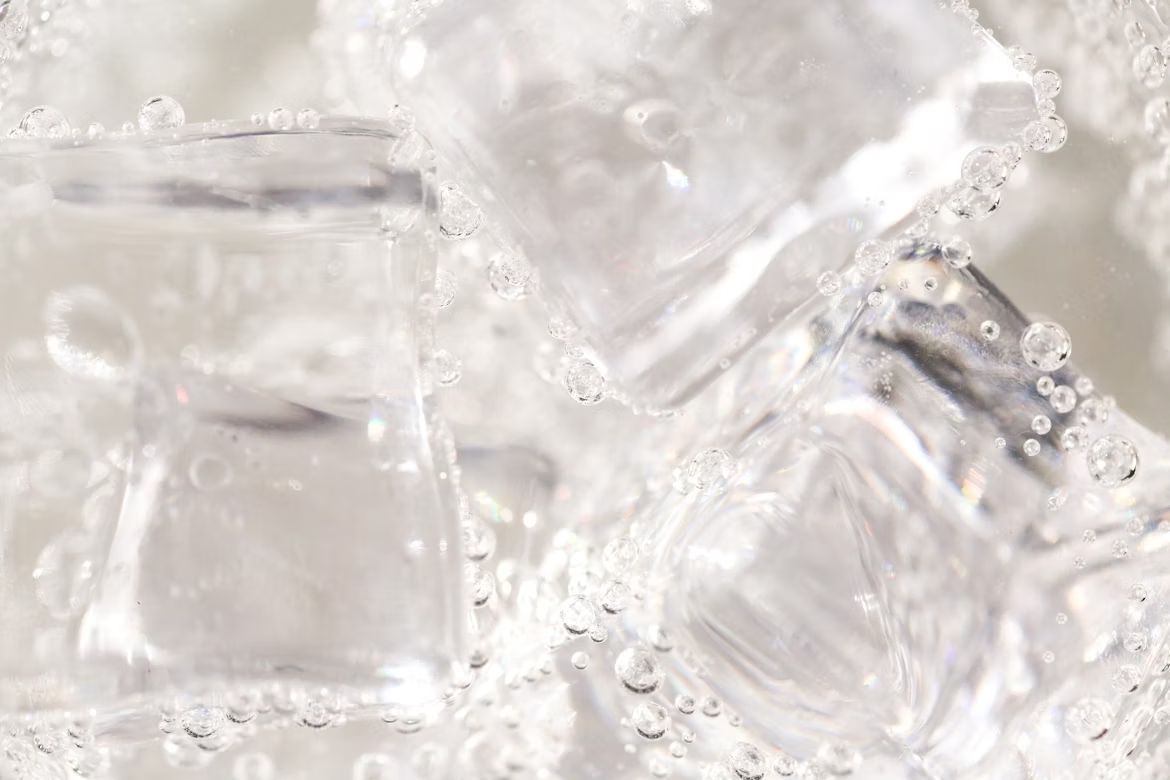
Image: Giorgio Trovato

Launched in 1992, this clear cola was supposed to represent "purity" and tap into the clear product craze of the era . It tasted almost exactly like regular Pepsi, which created a weird cognitive dissonance: your brain expected lemon-lime, but your taste buds got cola. Crystal Pepsi flopped hard and disappeared by 1994, but it achieved cult status among nostalgic millennials and Gen Xers.

5
Bonkers! Candy
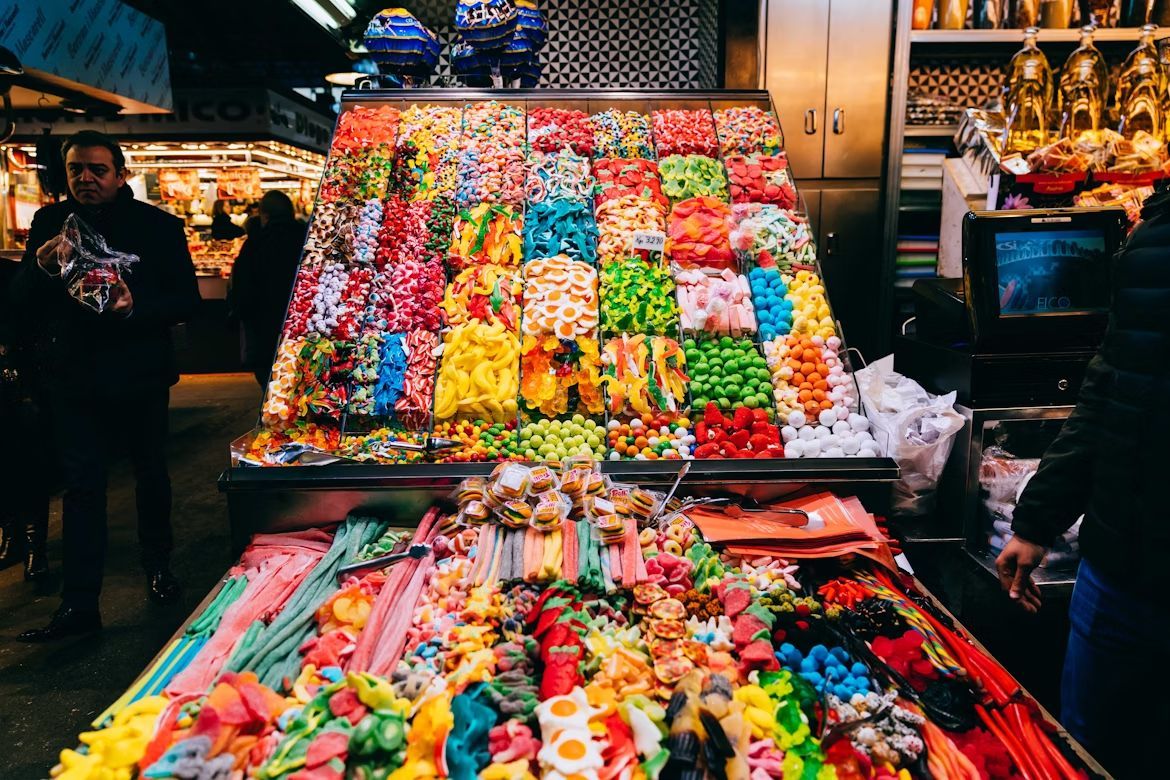
Image: Edgar Chaparro

"Bonkers bonks you out!" went the commercial jingle, and this chewy fruit candy certainly made an impact when it hit stores in the early 1980s. Each piece was wrapped individually and packed an intensely fruity flavor that was almost overwhelming—in a good way . Bonkers came in flavors like grape, strawberry, and watermelon, and they had a unique texture that was chewier than Starburst but softer than taffy.

Nabisco stopped making Bonkers in the 1990s, and fruit candy lovers have been mourning ever since. There were brief periods when the candy reappeared under different ownership, but it never achieved the same widespread distribution.

6
Dunkaroos
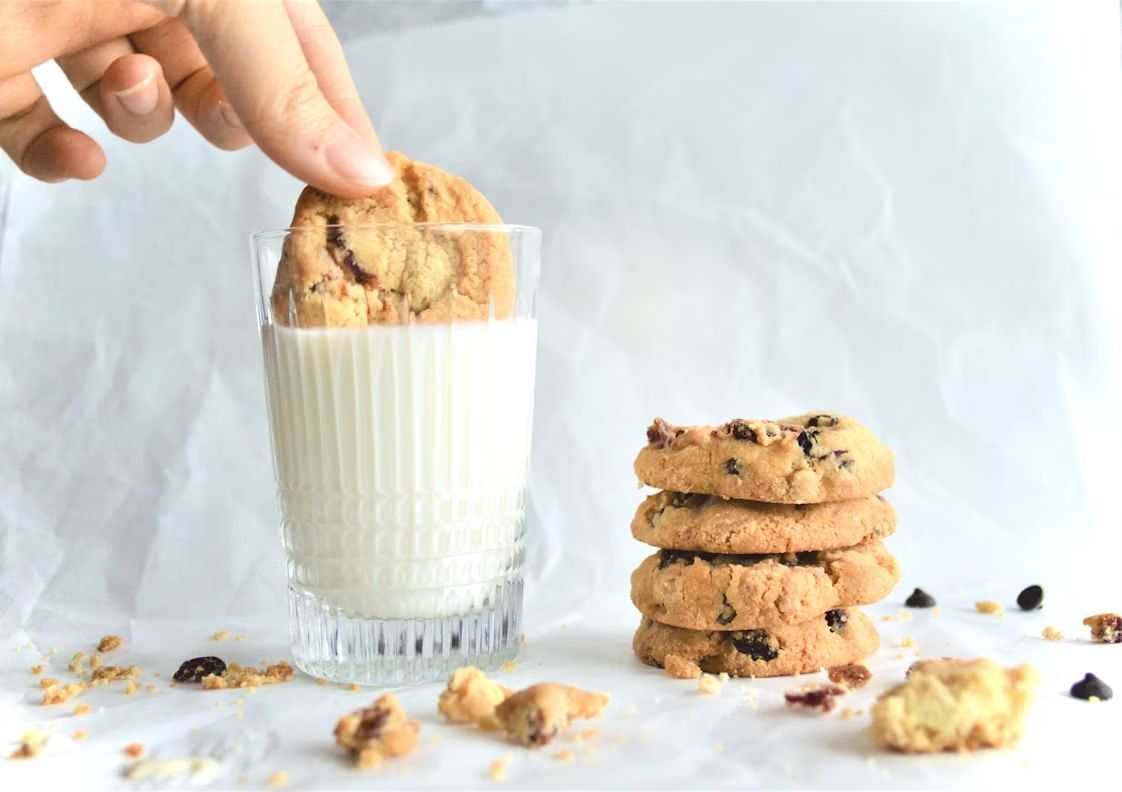
Image: RUMEYSA AYDIN

Introduced by Betty Crocker in 1990, these snack packs came with small kangaroo-shaped cookies and a container of frosting for dipping. The concept was simple but brilliant—make cookies even more fun by turning them into an interactive snack. Flavors included chocolate chip cookies with vanilla frosting, vanilla cookies with chocolate frosting, and the ultimate combo of chocolate cookies with chocolate frosting.

General Mills discontinued Dunkaroos in the United States in 2012, sparking outrage among millennials who considered them a sacred part of their childhood. The good news? After years of petitions and social media campaigns, Dunkaroos made a triumphant return in 2020.

7
Clearly Canadian
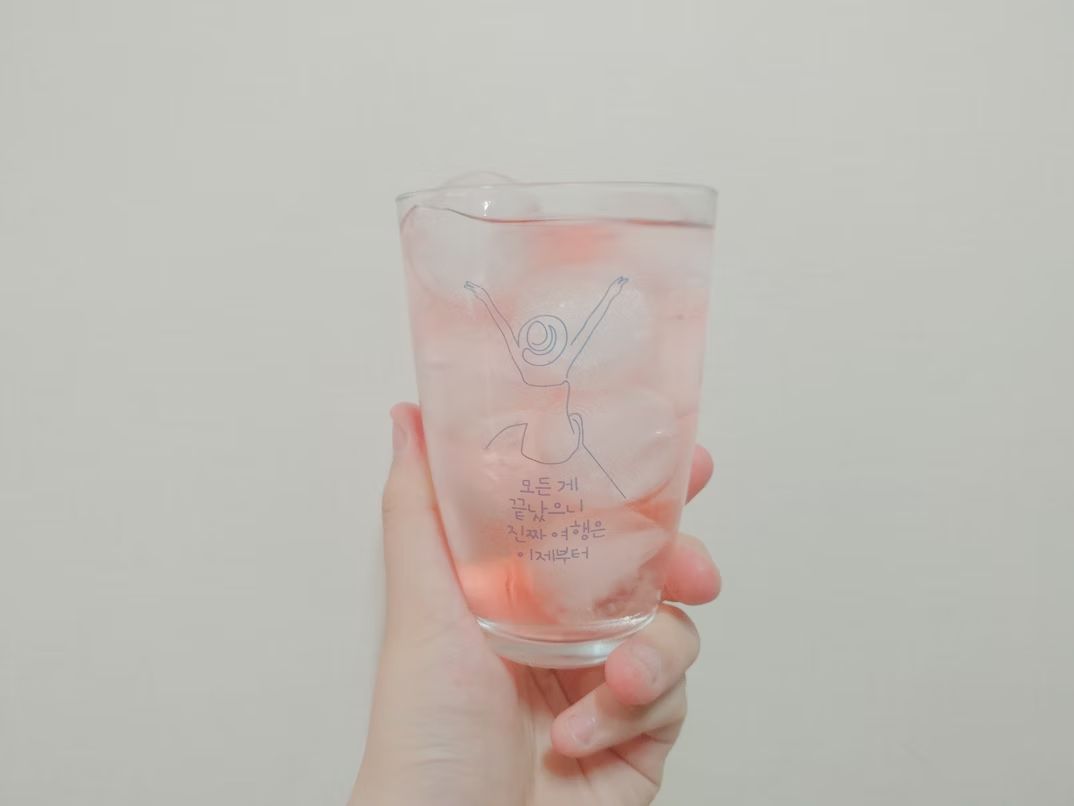
Image: 소녀

Before sparkling water became trendy, there was Clearly Canadian— a flavored sparkling water that came in distinctive teardrop-shaped glass bottles . Launched in 1987, this Canadian import became hugely popular in the U.S. throughout the late 80s and 90s. The flavors had fancy names like Wild Cherry, Country Raspberry, and Orchard Peach, and the carbonation was more aggressive than today's LaCroix.

Clearly Canadian largely disappeared from American stores in the 2000s as other beverages dominated the market, though the company never completely shut down. Thanks to a Kickstarter campaign in 2015, it made a comeback, but it's still not as widely available as it once was.

8
P.B. Crisps
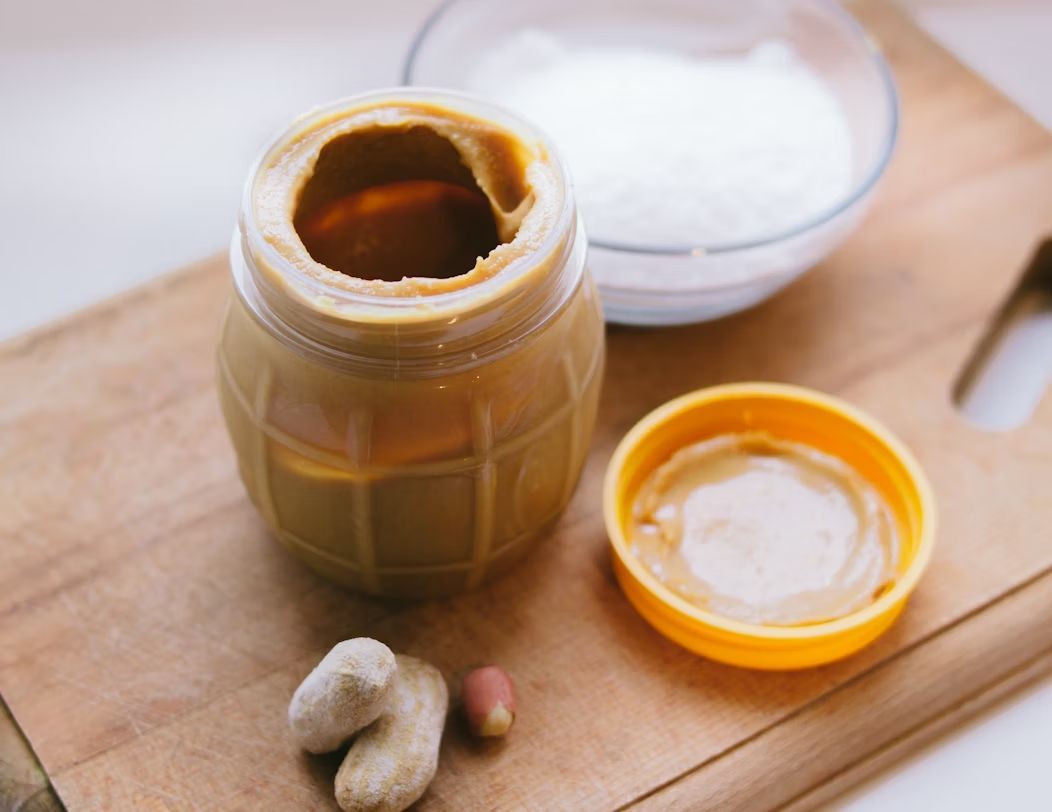
Image: Olga Nayda

Planters gave us the ultimate peanut butter snack in 1992 with P.B. Crisps— crispy shell-shaped cookies filled with peanut butter . These weren't ordinary peanut butter cookies; they had a unique, crispy texture on the outside and creamy peanut butter on the inside, creating a perfect contrast.

Sadly, P.B. Crisps were discontinued in 1995 after just three years on the market, leaving peanut butter lovers devastated. No snack has quite filled that void—Nutter Butters are too cookie-like, and peanut butter crackers are too cracker-like.

9
Altoids Sours
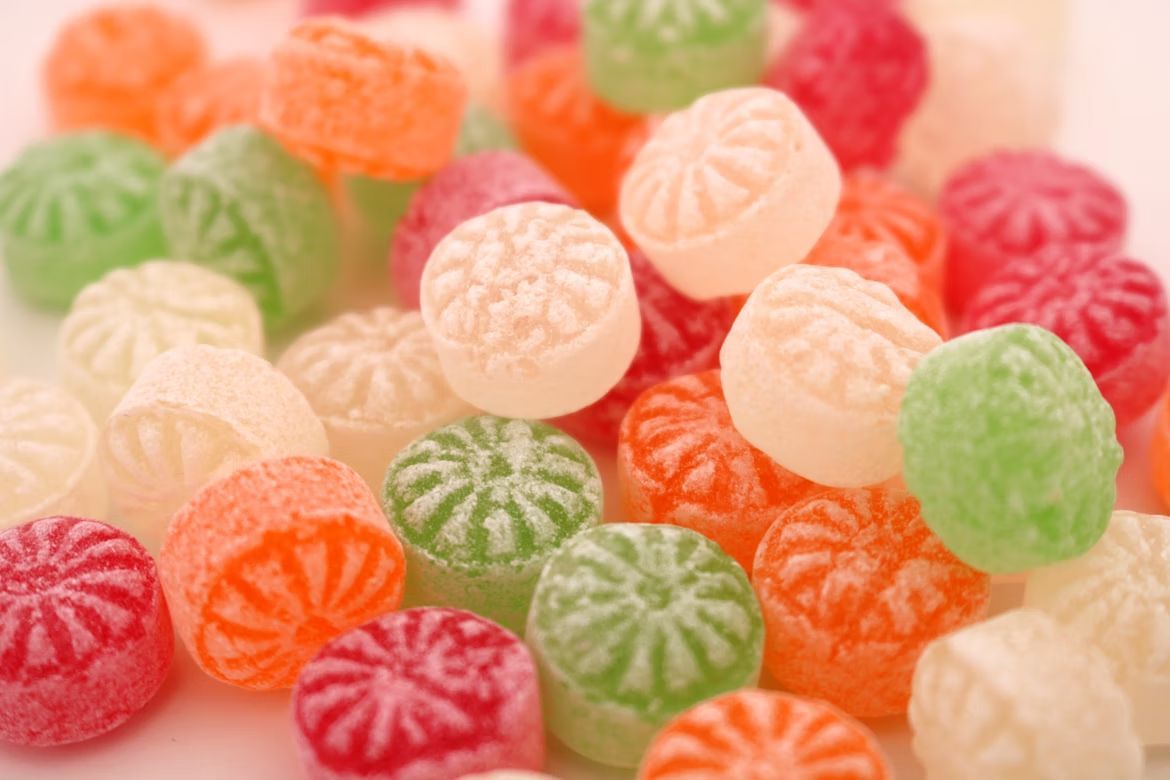
Image: Customerbox

These tiny, tangy candies came in flavors like Tangerine, Citrus, and Raspberry, and they packed a seriously sour punch that made your whole face scrunch up . They came in the same iconic tin as regular Altoids, which made them feel substantial and collectible.

Altoids discontinued the Sours in 2010, and fans have been petitioning for their return ever since. There have been multiple online petitions, Facebook groups, and even people hoarding old tins as collectors' items.

10
Snapple Elements
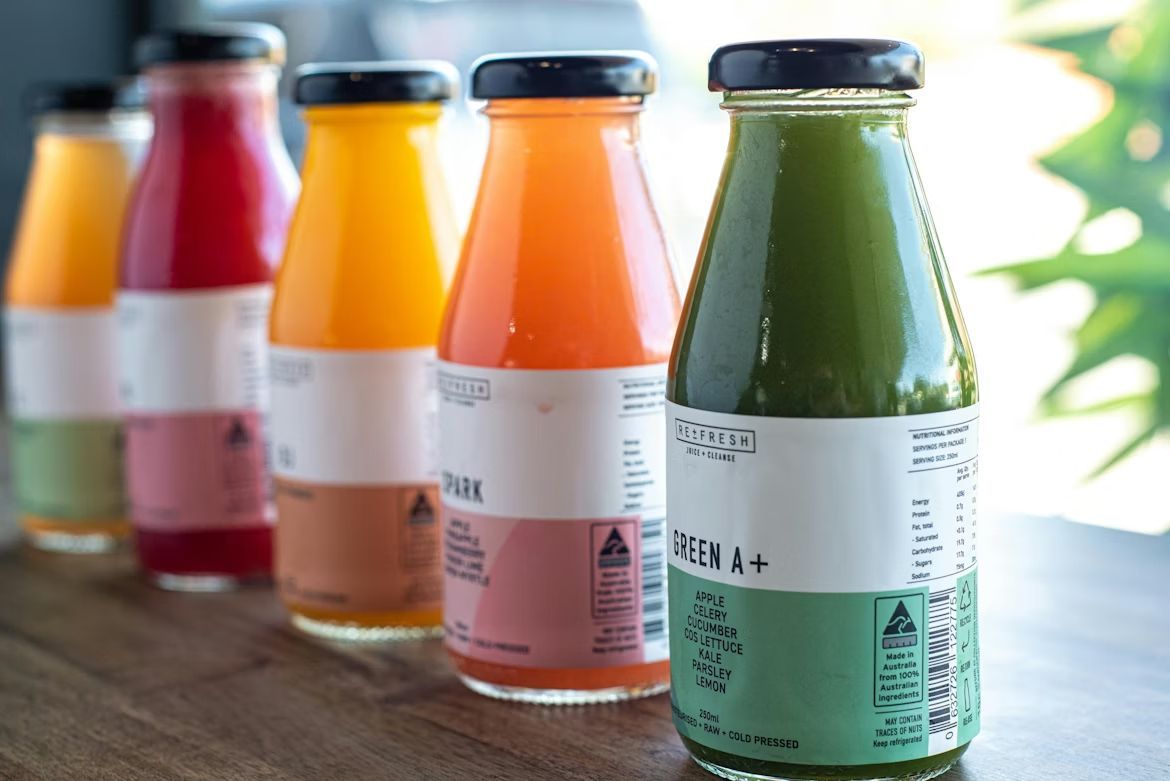
Image: Snappr

Launched in 1999, these drinks came in wide-mouthed glass bottles and had more exotic flavors than typical Snapple offerings . Rain was agave cactus, Sun was starfruit, and Fire was dragonfruit. The bottles themselves were beautiful, with distinctive designs and colors that made them stand out on store shelves.

The Elements line was discontinued in the early 2000s, though Snapple brought back a reformulated version in 2008 that wasn't quite the same. The original Elements had a devoted following who appreciated the more complex flavors and the beautiful bottle design.

General General 3 min read

The nation’s wide collection

The most bizarre things held in the Library of Congress

Image: Stephen Walker

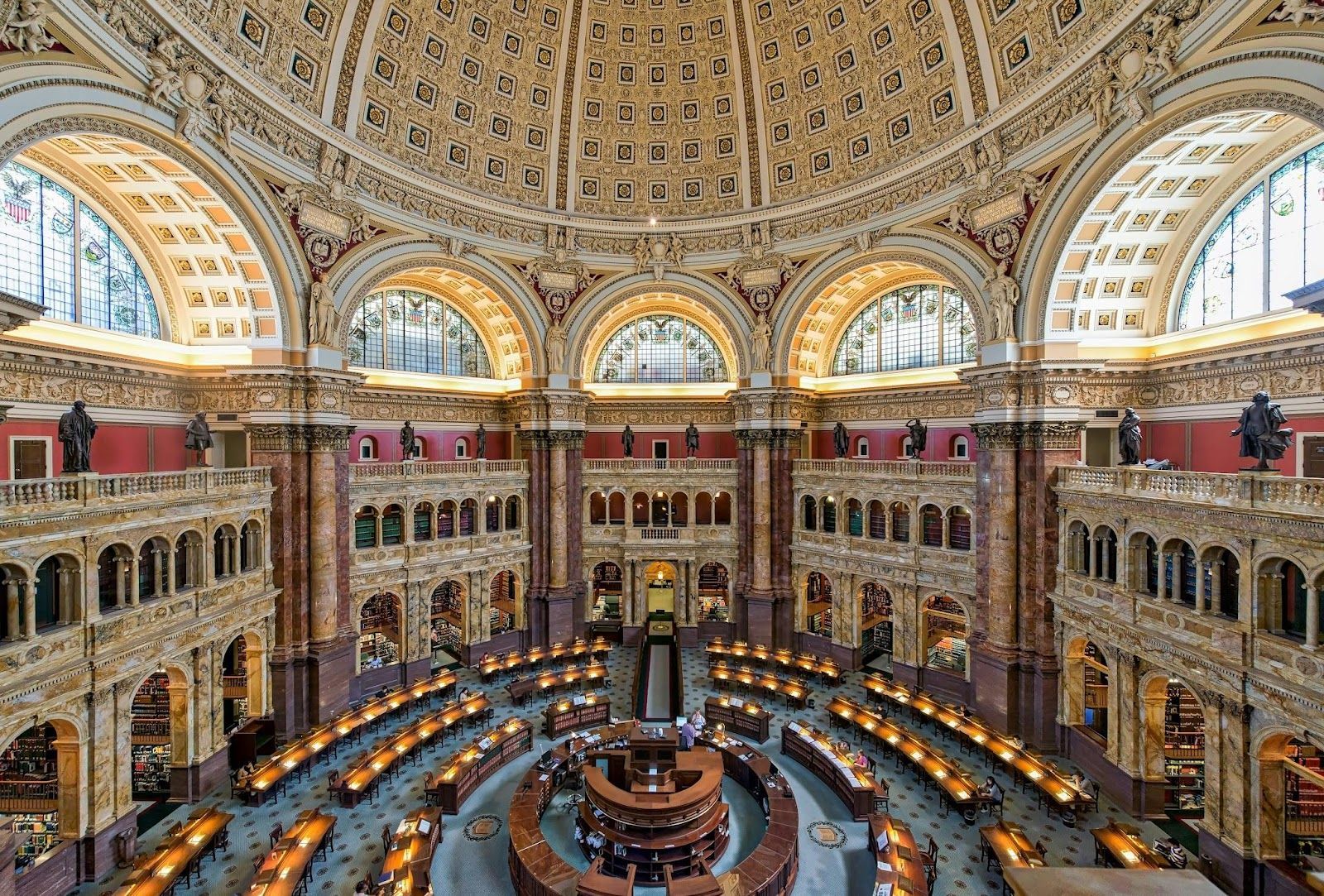
The Library of Congress is famously vast, but the strangest treasures are the ones that make you blink and ask: why? Old cake, locks of hair, specific songs, and even ordinary social media posts are all part of the nation’s most important collection. Read on to discover some of the oddest items the national library keeps guarded!

1
12 years of all tweets

Image: Marten Bjork

If you were an active and public Twitter user between the years 2006 and 2017, guess what? Your words are preserved in the Library of Congress .

The platform’s first twelve years are contained in a digital collection meant as a historical record of a new communications channel. From 2018 onwards, the Library started acquiring only "particularly interesting" tweets.

2
Oddly specific movies, like "Shrek" or "Wall-E"

Image: Denise Jans

The Library preserves film culture through the National Film Registry and other collections.

Recent registry additions have included animated hits such as Shrek , while the Library’s preservation programs and official announcements explain why even mainstream animated features matter as cultural artifacts worth saving. The Registry also contains enduring classics such as Grease , Citizen Kane , and The Wizard of Oz .

3
Specific songs, like "Livin’ La Vida Loca"

Image: Bruno Guerrero

Music enters the Library’s life via the National Recording Registry and the Music Division. Ricky Martin’s "Livin’ La Vida Loca" is one of the recordings the Library has recognized for cultural impact; these entries help posterity understand what particular songs meant to listeners at the time.

Other anthems are also preserved in the collection, like Aretha Franklin’s " Respect " and Journey’s " Don’t Stop Believin. "

4
A moldy wedding cake

Image: gryzoon

A sliver of wedding cake from P.T. Barnum’s era spectacles survives in the Library of Congress’s Manuscript Division as a historical oddity. Donated in the 1950s, it now sits darkened with age and mold.

The cake came from the wedding of Charles Stratton, who was 25 years old and just 35 inches tall at the time. Stratton performed in Barnum’s shows under the name General Tom Thumb, delighting audiences with his song-and-dance routine.

5
A map of the Grand Canyon made of chocolate

Image: Steve Johnson

Yes, that is a real thing. The Geography and Map Division highlights a 1991 topographic map of the Grand Canyon molded in chocolate , made by the Chocolate Topographic Company.

6
What Lincoln was carrying when he died

Image: Engin Akyurt

The Library’s Treasures and related pages describe the modest, deeply human contents found on Abraham Lincoln after he was shot : a silk-lined wallet with newspaper clippings, a Confederate five-dollar bill kept as a curiosity, spectacles, a pocketknife, a handkerchief, and a watch fob, among other everyday items.

7
Locks of hair from Jefferson, Beethoven, and others

Image: benjamin lehman

Why not? The Library’s Manuscript and Music Divisions preserve numerous strands of hair attributed to notable figures : from presidents such as Thomas Jefferson to composers like Ludwig van Beethoven, as well as other cultural icons including Walt Whitman, Clara Barton, and George Washington!

8
Thomas Jefferson’s vanilla ice cream recipe

Image: Colin Fearing

Among Jefferson’s papers, which the Library and Monticello both reproduce and discuss, is his handwritten vanilla ice cream recipe : cream, egg yolks, sugar, and vanilla, frozen using ice and salt. A fundamental (and surprisingly delicious) document of history!

9
A precursor of the Monopoly Game (The Office Boy)

Image: Kathy Marsh

Monopoly’s genealogy includes several predecessors. Most famously, Elizabeth Magie’s 1904 The Landlord’s Game is the well-documented precursor.

Other commercial board games , such as Parker Brothers’ The Office Boy (an 1889 Horatio Alger–style career game), along with various moral and occupational boards, helped shape the emerging mass-market game industry that ultimately produced Monopoly .

General General 3 min read

All about the Great White Way

Why is Broadway called the Great White Way?

Image: Jordhan Madec

You say Broadway, and all the marquees and red curtains come to mind. But behind them, you’ll also find history, facts, and interesting records you probably didn’t know about. Drama happens both onstage and offstage in this particular place of our beloved country. So, here are some gems for you!

1
From trail to theater capital

Image: Christian Lendl

Before Broadway was packed with theaters, it was a Native American trail cutting across Manhattan. The Dutch later called it "the Gentlemen’s Street," and eventually the name "Broadway" stuck because of its unusual width. Did you know that?

2
Theater superstitions

Image: Gwen King

Broadway has its own share of taboos. For example, whistling backstage was once a no-no, since stagehands used whistles as signals. Saying the word "Macbeth" inside a theater is also believed to bring bad luck , so actors usually call it "the Scottish Play." Even in modern times, performers still keep these superstitions alive—just in case.

3
Why it’s called the Great White Way

Image: Martin Sanchez

All those glowing signs around Times Square gave Broadway its sparkling nickname. Starting in the early 1900s, electric lights lit up the blocks between 41st and 53rd Streets, dazzling visitors and creating the famous "Great White Way." Today, it’s still one of the brightest spots in New York City.

4
The first Broadway musical

Image: Kyle Head

In 1866, a play called The Black Crook made history. After a fire destroyed another theater, producers combined a ballet and a melodrama , creating a six-hour spectacle of music, dancing, and over-the-top staging. It became a runaway success and is often called the very first Broadway musical.

5
What counts as "on Broadway"

Image: Andreas M

People often think "on Broadway" just means any theater on that street, but it’s actually trickier than that . A show is considered Broadway if the theater has 500 or more seats and meets certain contract rules. Only a handful of actual Broadway theaters are physically on Broadway itself, which can be confusing for first-time visitors.

6
Phantom holds the record

Image: Rodrigo dos Santos

Andrew Lloyd Webber’s The Phantom of the Opera holds the crown as Broadway’s longest-running show. With more than 13,000 performances , it kept audiences hooked for decades. Some orchestra members even played the same music eight times a week for years, perfecting their own unique coping routines. Can you imagine doing that?

7
Cats and its mountain of yak hair

Image: Roman Suslov

During its long run, Cats became famous for something other than the catchy songs. The costume crew went through over 3,200 pounds of yak hair for wigs alone . It certainly paid off, as the play also became one of the biggest shows in Broadway’s history. Talk about commitment to authenticity.

8
The Lion King roars the loudest at the box office

Image: Iván Díaz

Since its 1997 debut, The Lion King has been Broadway’s biggest earner , pulling in over a billion dollars in ticket sales. With its breathtaking puppetry and Elton John’s music, it managed to win over both theatergoers and families who grew up with the movie.

9
Carrie, the musical failure

Image: Samuel Regan-Asante

Even if we’ve mentioned the greatest on Broadway, we must say not every show becomes a hit . In 1988, Broadway tried to turn Stephen King’s horror novel Carrie into a musical. Let’s just say it didn’t land, and if you’ve read the book, you can imagine why. Critics compared it to disasters of epic scale, and it closed after only five performances. One thing is for sure: Even the flops are big on Broadway.

10
Chicago’s real inspirations

Image: Sawyer Bengtson

The hit musical Chicago may feel like pure entertainment, but its leading ladies were inspired by real 1920s women accused of murder. Beulah Annan and Belva Gaertner were both acquitted after trials that captured the public’s imagination. Their stories of crime, fame, and scandal became the backbone of the show.

11
Why theaters skip row I

Image: Vlah Dumitru

Maybe you’ve never noticed, but many theaters go from row H to J, and that’s not because of superstition. The reason is that the letter I looks too much like the number 1 , which can make ticketing confusing in dimly lit theaters. Some places also skip O or Q for similar reasons. It’s all about keeping the seating simple for audiences. Do you agree with this policy?

Explore more American facts

Choose your favorite category!

General
General

As American as apple pie—the very best America has to offer!

Culture
Culture

Delve into the astounding richness of American lore.

Geography
Geography

Hop in and explore vast and diverse American landscapes.

History
History

Discover the key moments that shaped the United States.