General General 3 min read

Will you miss them?

Some of these wedding traditions are falling out of fashion
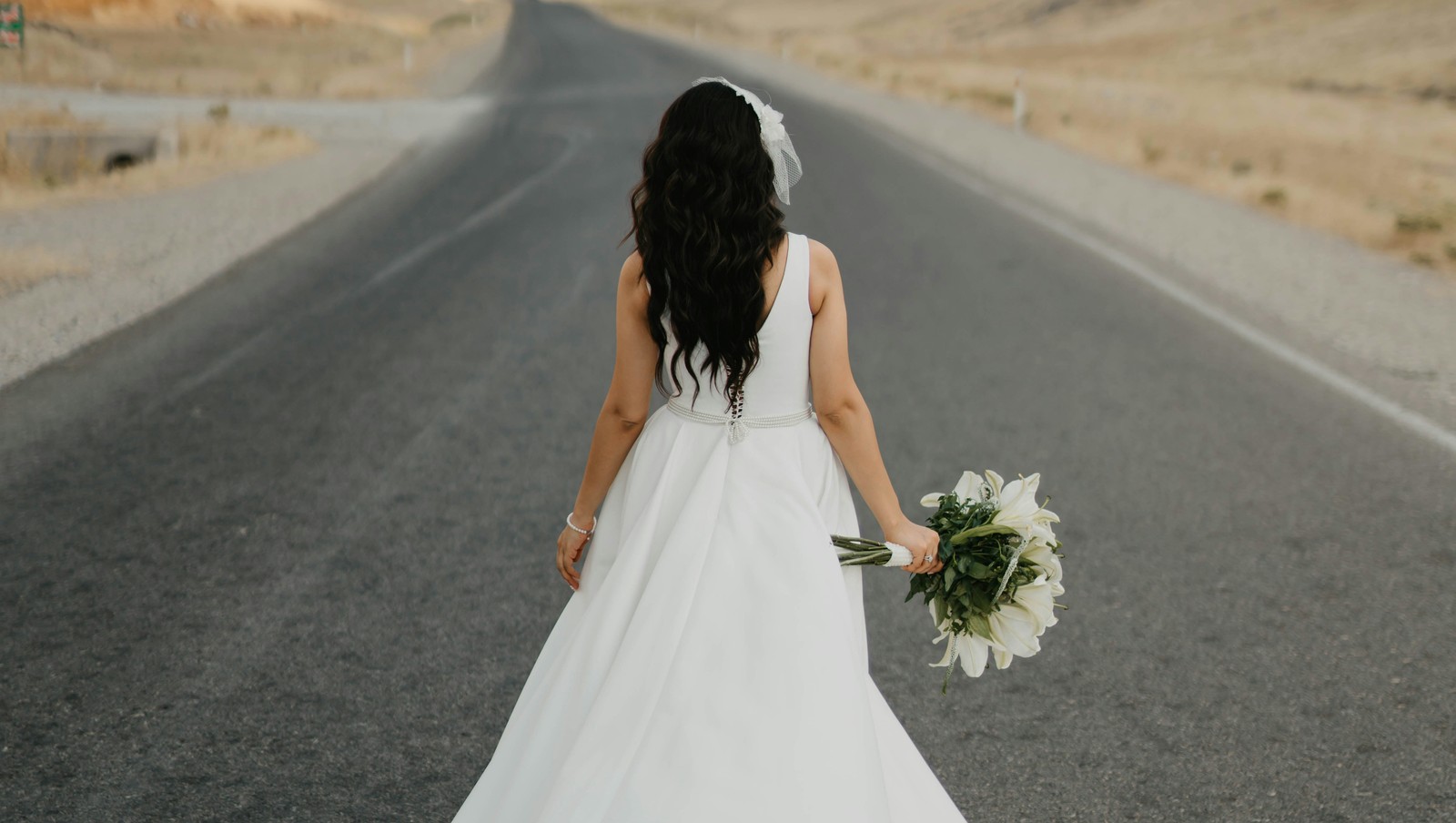
Image: Aranprime

Love, family, and centuries-old customs. Not all of those traditions are making it to the altar anymore, though. Some were born from superstition, others from practicality, and a few from trends that have, well, gone out of style. Many rituals are fading as modern couples trade formality for personality. Do you embrace new forms of celebration, or are you on the nostalgic side? Let’s look at the little old moments that once defined "I do."

1
Not seeing each other before the wedding
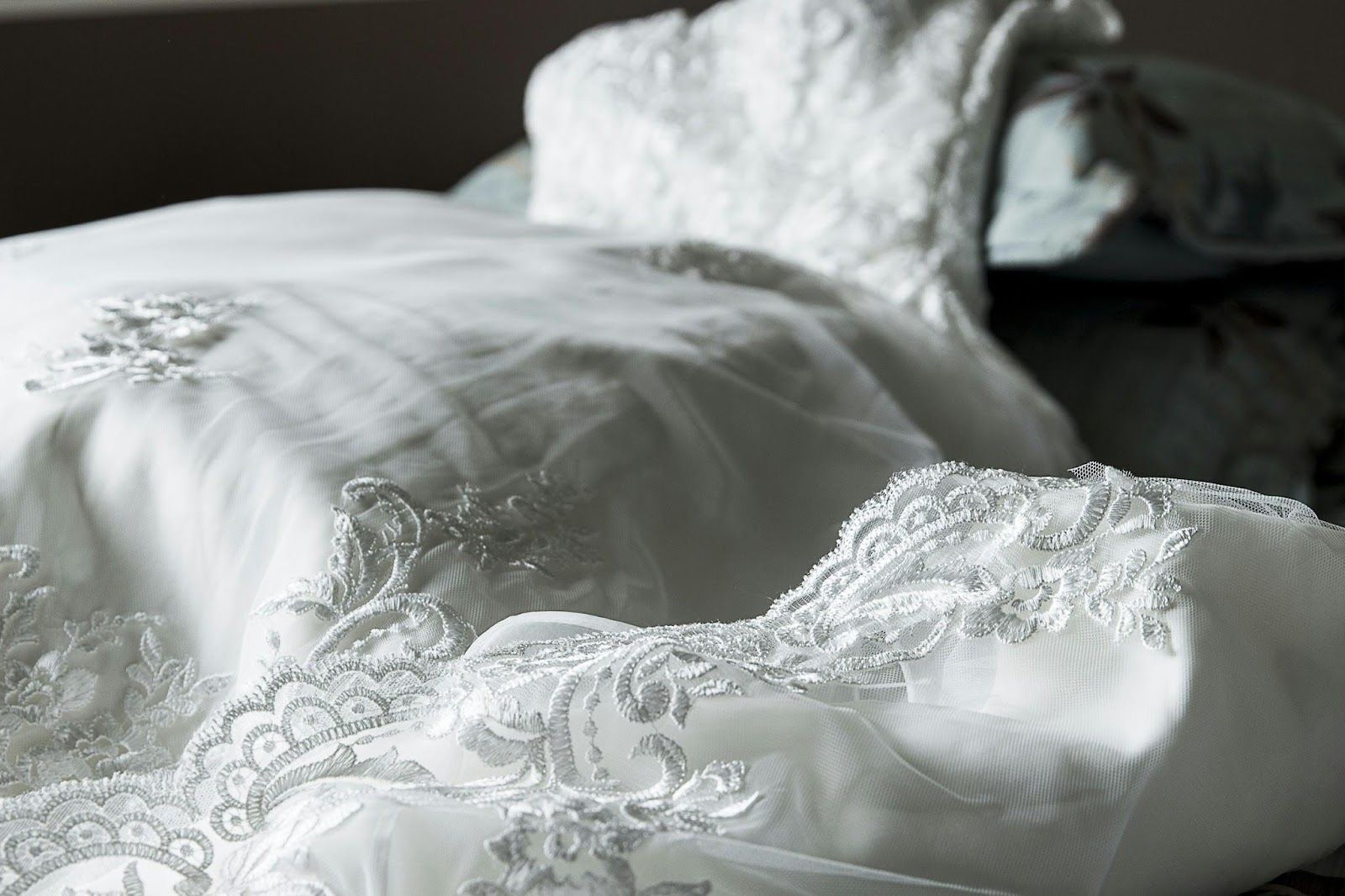
Image: Katy Duclos

Not seeing each other before the wedding was once considered essential. This superstition comes from the era of arranged marriages, when it was feared the couple might back out if they met beforehand. It evolved into the romantic "first look" at the altar. Many couples now skip it in favor of private pre-ceremony photos. Understandable!

2
Marrying in white
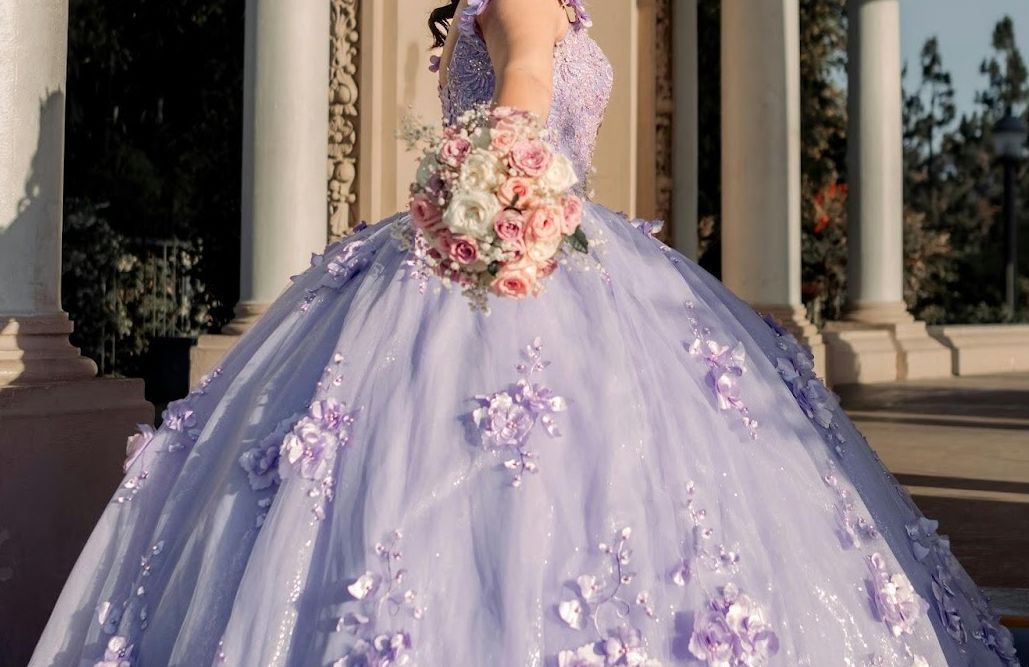
Image: Javier González Fotógrafo

Popularized by Queen Victoria in 1840, the white gown symbolized purity and wealth. U.S. brides embraced the trend for over a century, but modern weddings increasingly feature colorful gowns or non-traditional attire. Some pick their favorite color! Why not?

3
Wearing a veil
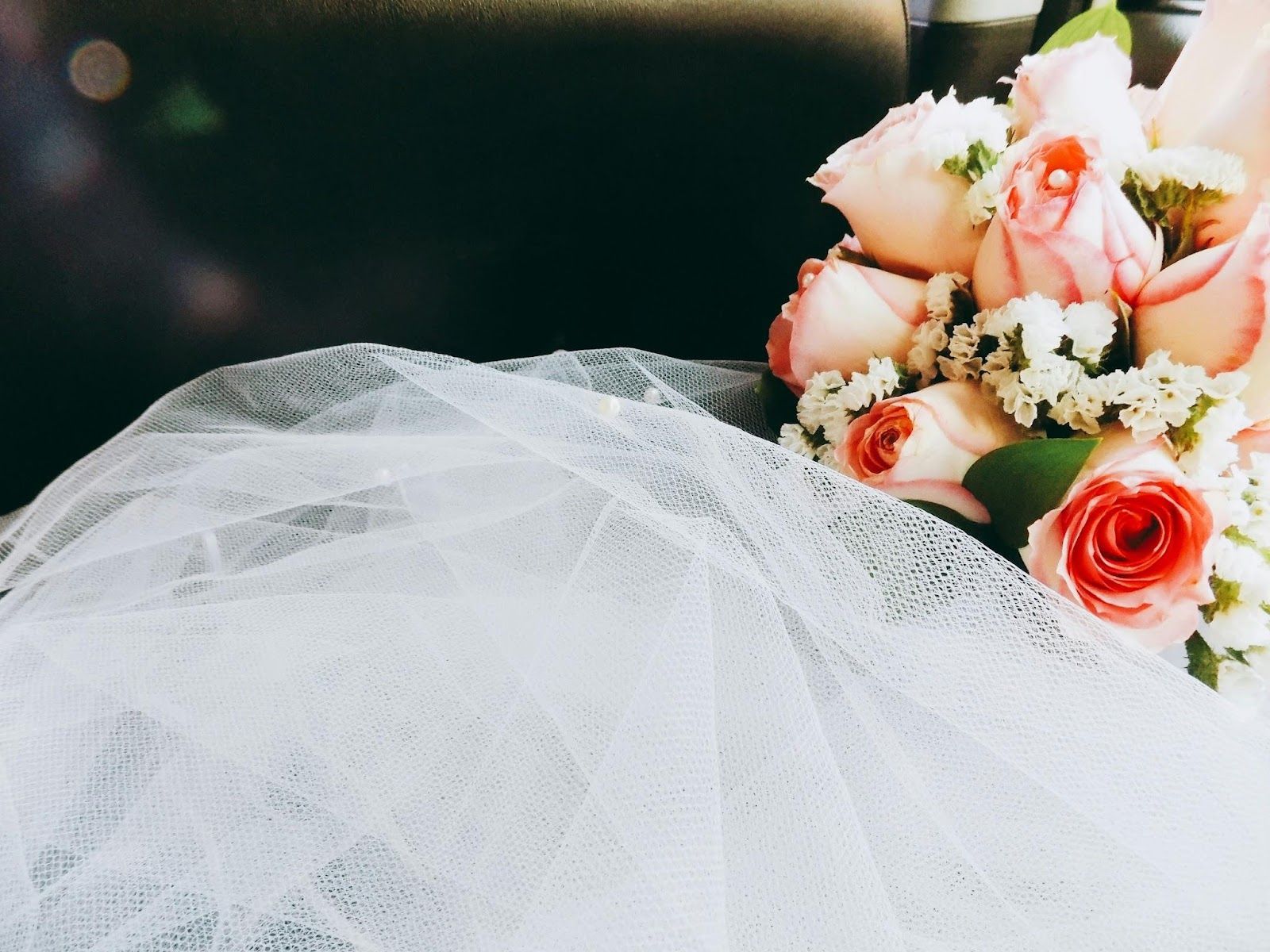
Image: Honey Yanibel Minaya Cruz

Once meant to protect brides from evil spirits or hide them from jealous eyes, the veil became a symbol of modesty. In the U.S., it persisted more as a fashion choice. Today, many brides favor hairpieces, flowers, or nothing at all.

4
Roast speeches
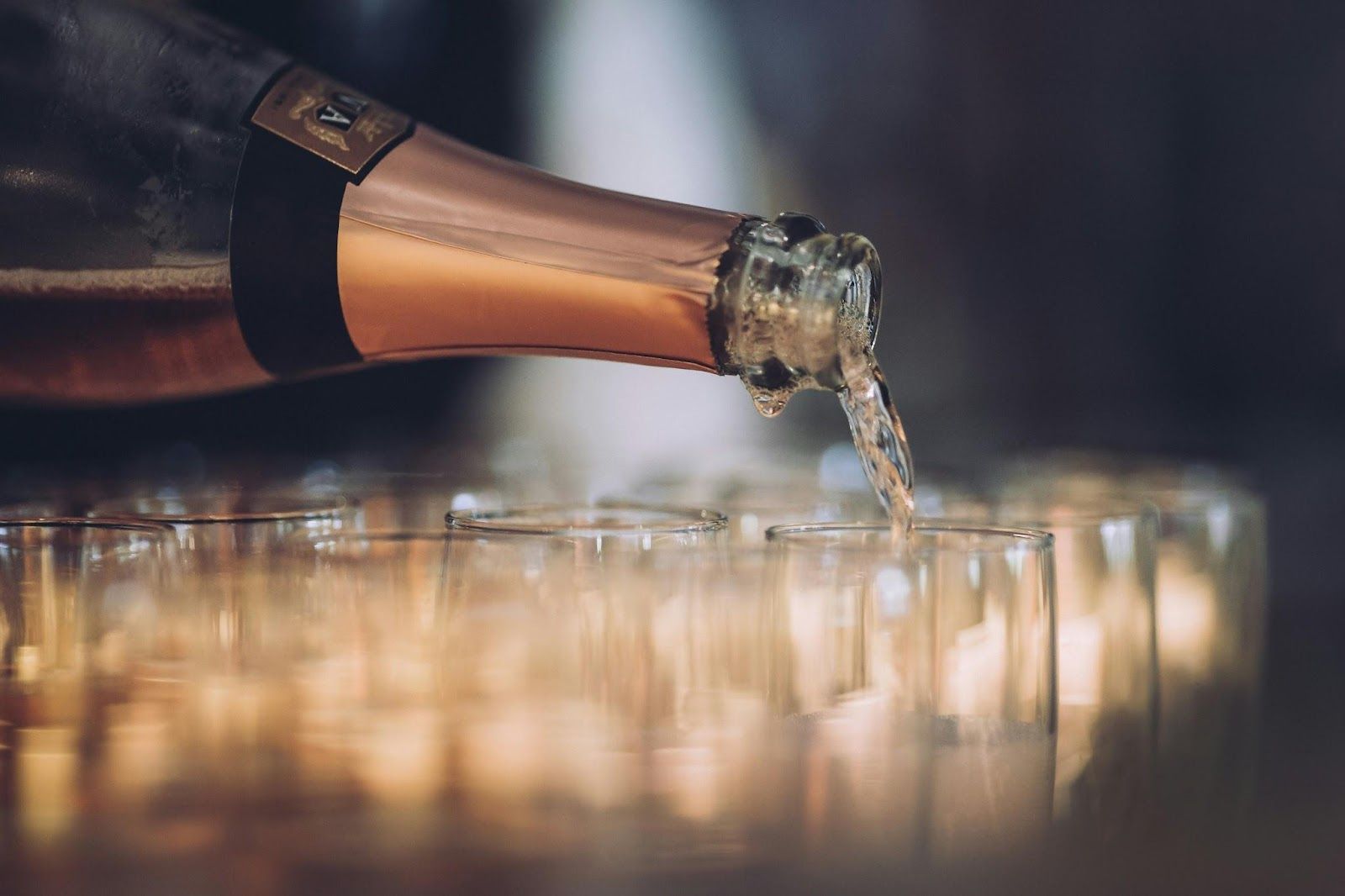
Image: Mads Eneqvist

Roast-style speeches became popular as toasts with a humorous edge, sometimes poking fun at the couple, especially at casual receptions. While funny for some, they’ve also led to plenty of awkward moments. Have you ever seen a video online of particularly harsh ones? As a result, many weddings now stick to heartfelt speeches to avoid offense.

5
Throwing a bouquet
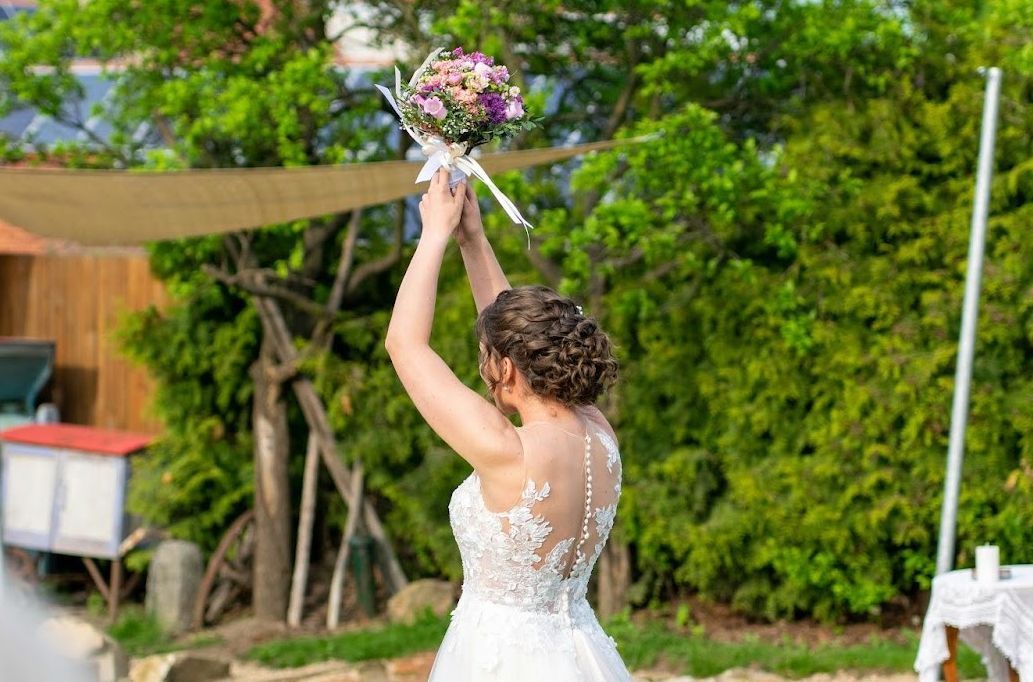
Image: Michal Mikulec

This playful tradition gave single women a "good luck" charm for marriage. It replaced older customs where guests tore pieces from the bride’s dress for luck. Many couples now swap it for alternative games or skip it entirely.

6
Receiving queues
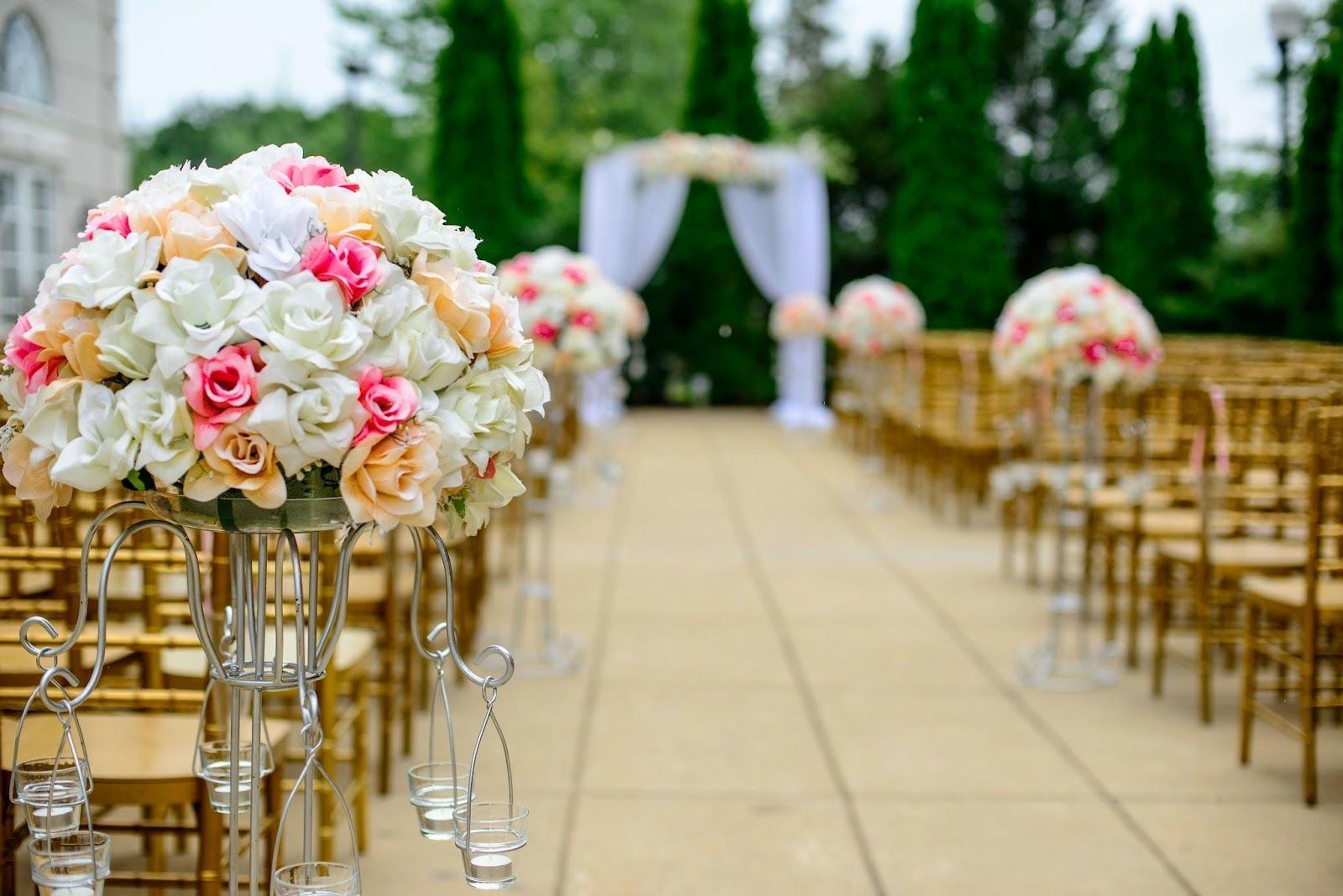
Image: Shardayyy Photography

For decades, couples stood in a formal line after the ceremony to greet each guest in turn. It was a way to ensure everyone felt acknowledged. But some prefer not to miss that informal mingling during the reception! Instead, they spend time with their loved ones more casually, enjoying the natural flow of the party.

7
Matching bridesmaids’ dresses
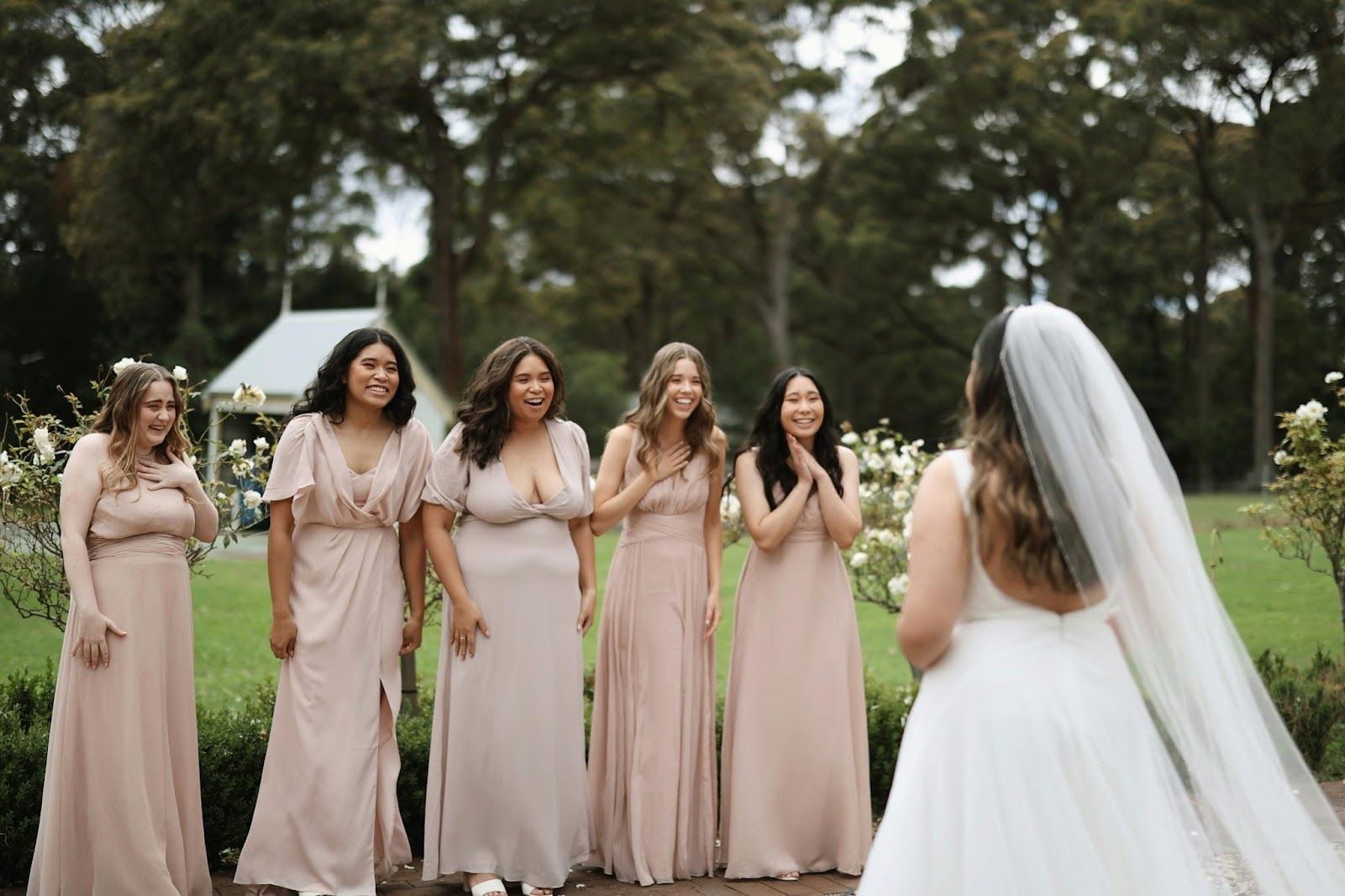
Image: Joeyy Lee

Tradition once had bridesmaids dressed alike in the same color, cut, and fabric to create a uniform look. Today’s weddings often mix styles, shades, and even prints. The change allows friends to choose something flattering—and something they can actually wear again.

8
Full sit-down dinners
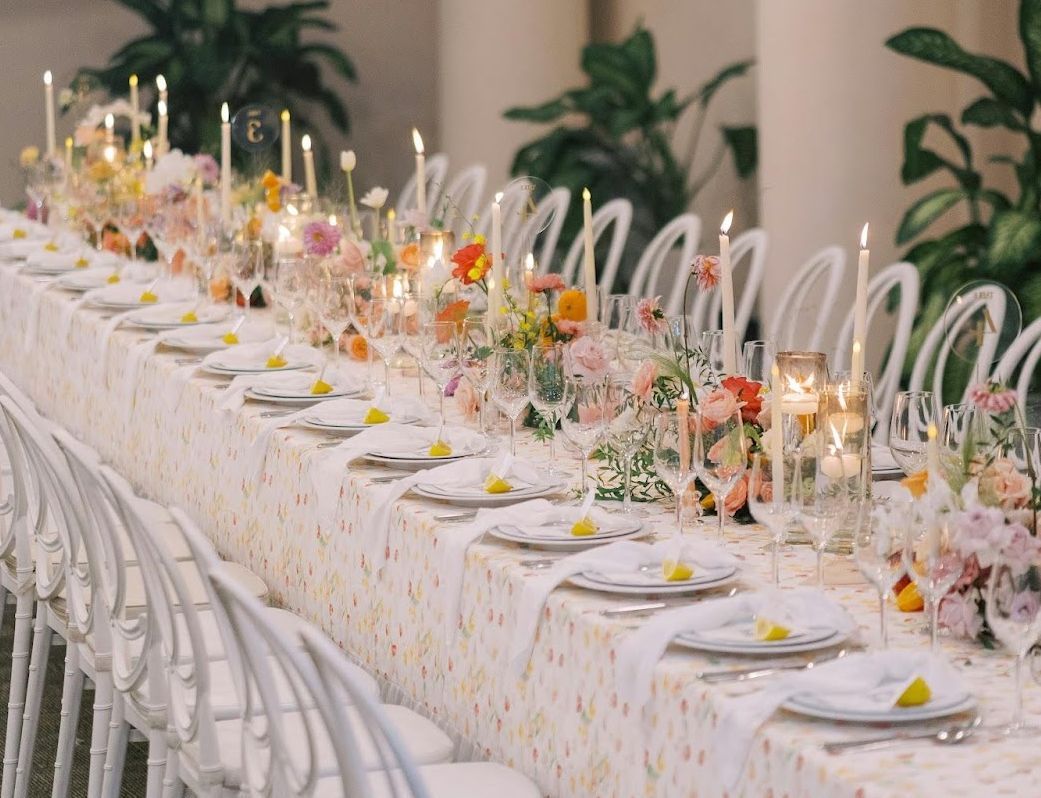
Image: Hồng Xuân Văn

The classic multi-course plated meal was once a wedding reception staple. Today, many couples opt for food trucks, buffet tables, or hearty hors d’oeuvres for a more social, less formal vibe. And, let’s face it, it also helps with costs and keeps the timeline flexible.

9
Saving the top tier of the cake
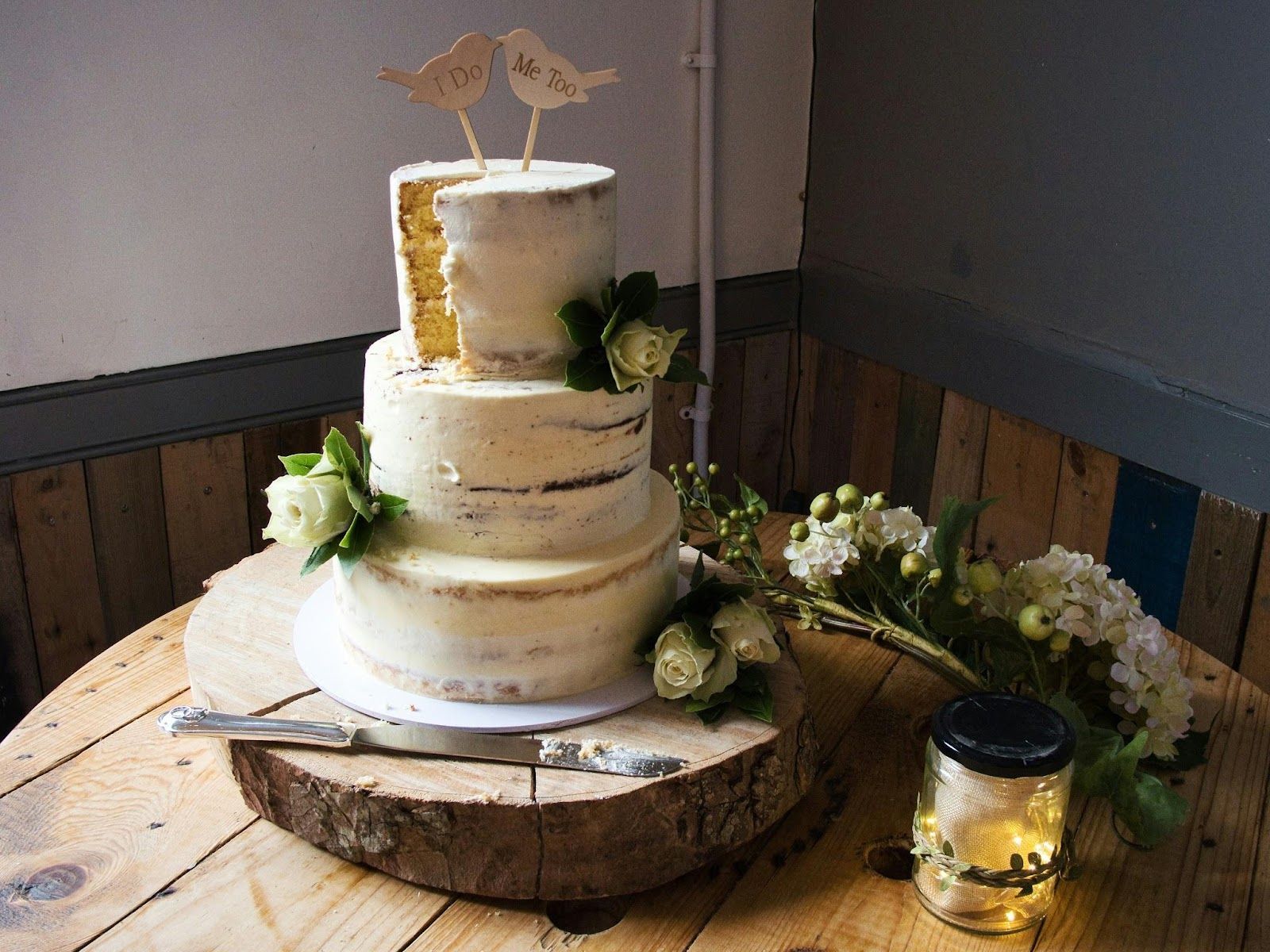
Image: Raquel Ming

Couples once froze the top tier of their wedding cake to eat on their first anniversary, as a symbol of enduring love. But after a year in the freezer, the result was often stale and unappetizing. These days, many order a fresh mini cake instead.

10
Rice throwing
Image: Emma Miller

Showering the couple with rice at the exit was a long-held sign of prosperity and fertility. Concerns over mess, safety, and wildlife led to alternatives like bubbles, sparklers, or flower petals. The celebration remains, just with less sweeping.

11
Dollar dance
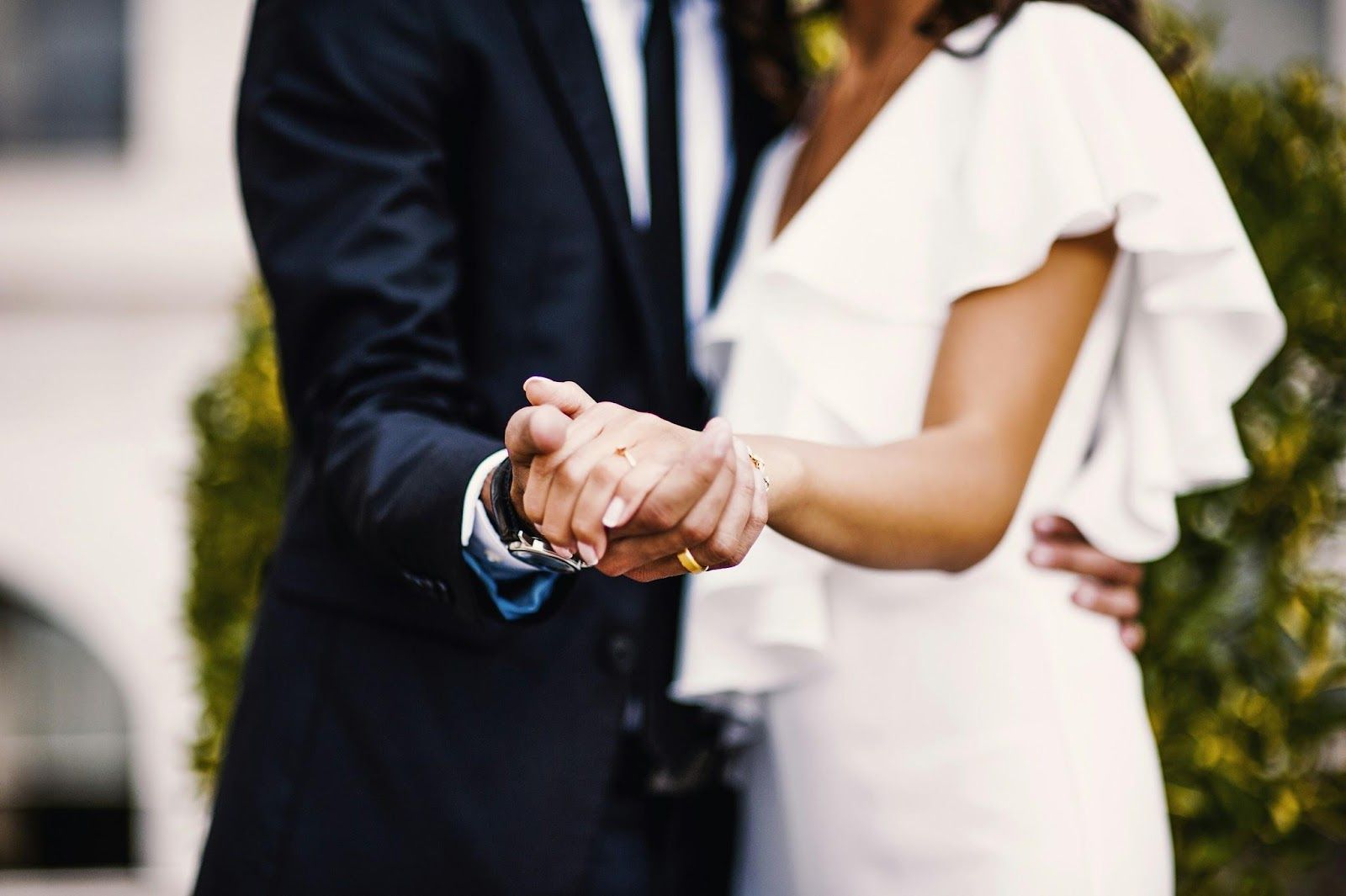
Image: Tiko Giorgadze

In this tradition, guests paid for a short dance with the bride or groom, contributing to the couple’s honeymoon fund. It was playful and personal, but could feel awkward or even outdated. Many couples now skip it in favor of more inclusive group dances.

12
Matching family seating sides
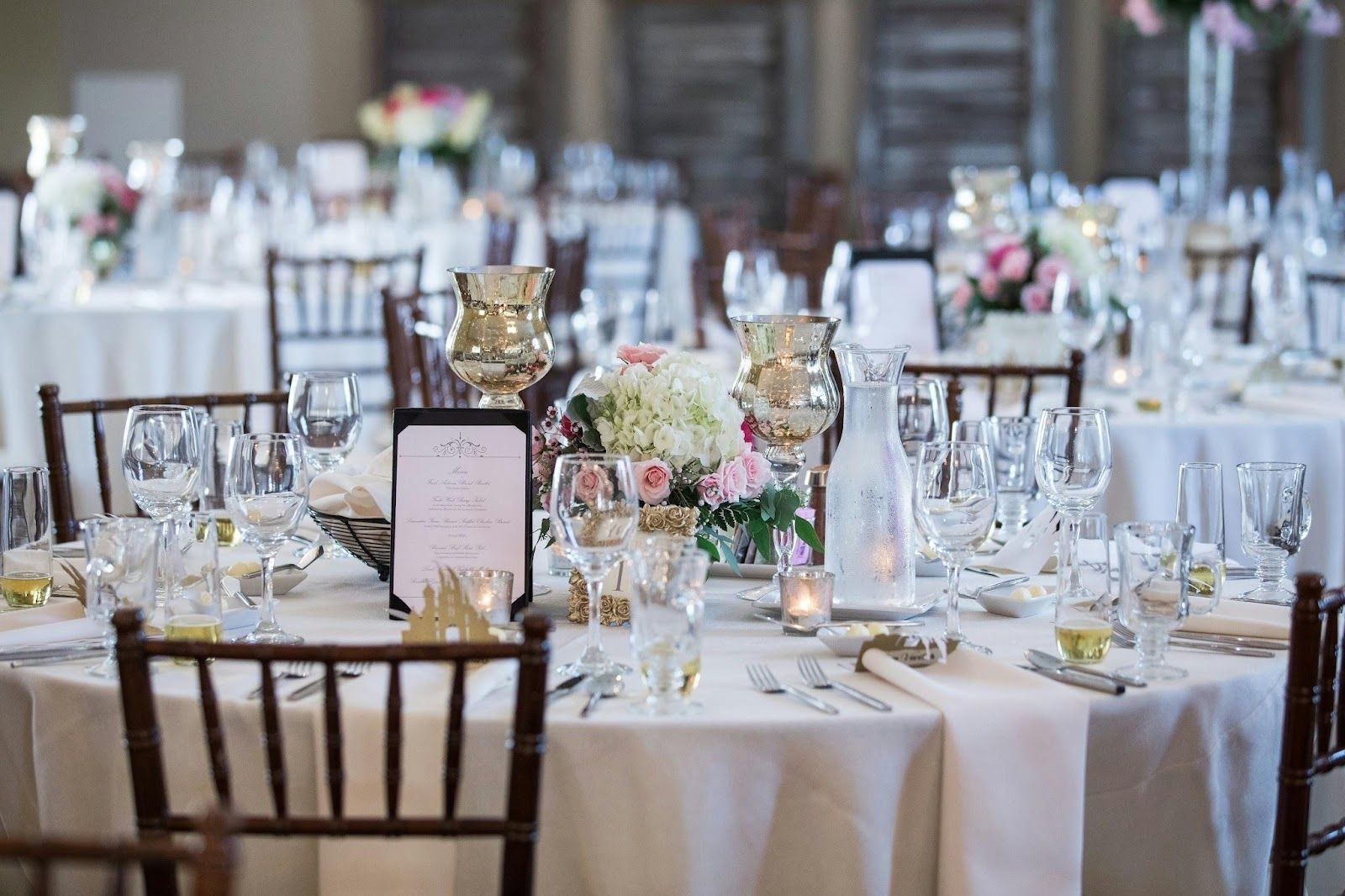
Image: Thomas Beaman

Traditionally, guests sat on the side of the family they knew best—the bride’s family on the left, the groom’s on the right. Today, signs inviting guests to "sit anywhere" reflect a blending of families and a more casual approach. Alternatively, tables may be intentionally assigned to mix new people together.

13
Garter tosses
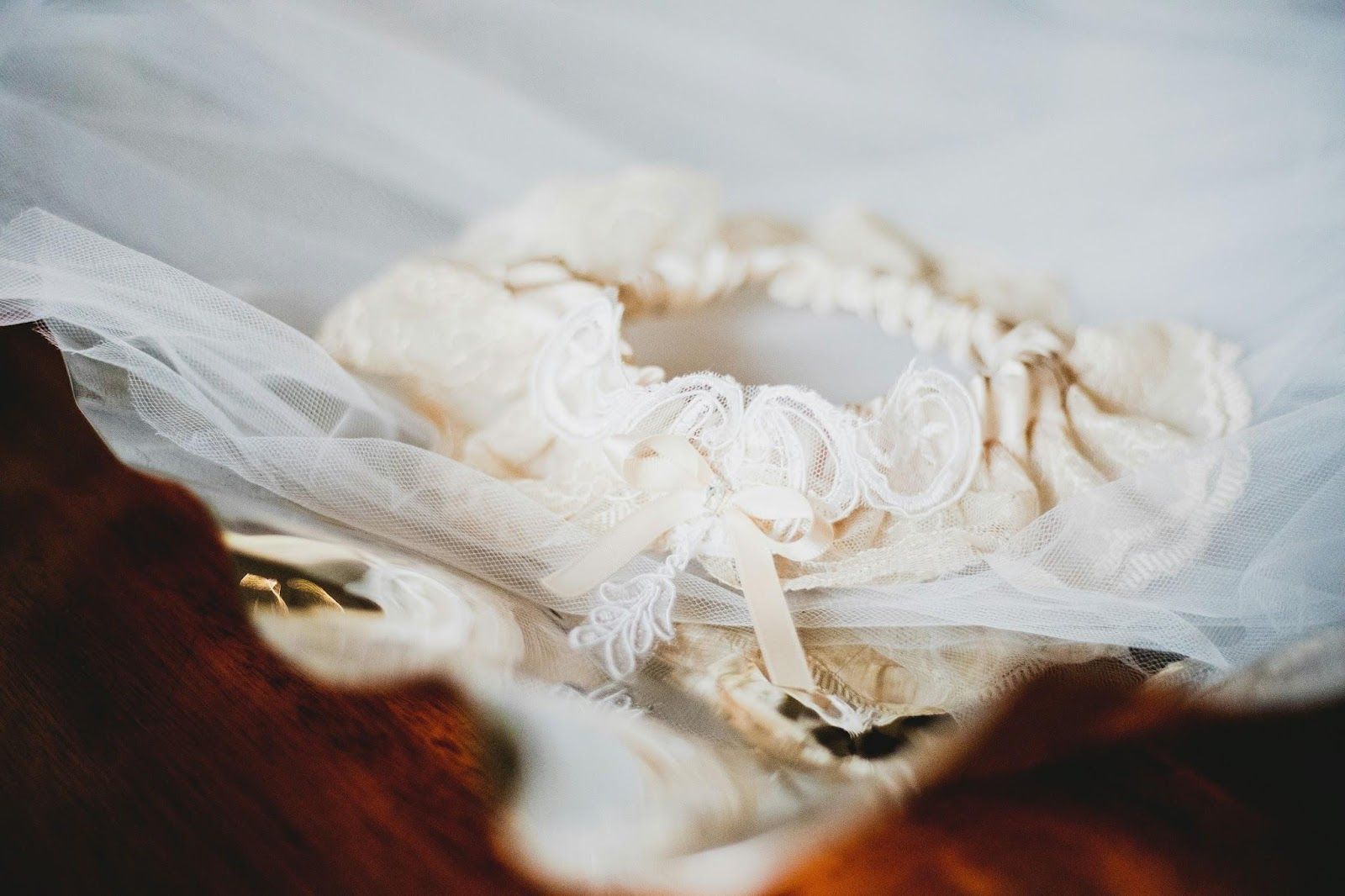
Image: Jeanie de Klerk

Once a bawdy medieval custom where guests scrambled for proof of consummation, it became a lighthearted party moment in American weddings. The groom removes and tosses the bride’s garter to single men. Today, it’s often skipped because it can feel outdated or awkward.

General General 3 min read

Big names for small creatures

Bird is the word: 10 American bird names explained

Image: Dulcey Lima

A world without birds would be a gloomy one, indeed. These feathered friends grace our skies and brighten our days with their songs, not to mention the important environmental roles they fulfill. The names we give them often showcase their characteristics or pay homage to the people who discovered them. Scroll on to learn about ten of the most common birds and their names. How many of these did you know?

1
Mourning Dove

Image: Anish Lakkapragada

The melancholic name of the mourning dove comes from its sad call , which the casual listener might mistake for an owl. Mourning Doves inhabit a wide range of open habitats, including suburbs and urban parks.

Their call is generally referred to as the "perch coo," a song sung by an unmated male from a perch. These birds have other well-known nicknames, such as "turtle doves" and "rain doves."

2
Northern Mockingbird

Image: Tyler Jamieson Moulton

More than just mockers, mockingbirds are expert singers, continuously adding new imitations of other birds' songs to their repertoires and sometimes mimicking unnatural sounds, such as car alarms. Northern mockingbirds may learn up to 200 different sounds.

These medium-sized, long-tailed gray songbirds prefer open habitats with a scattering of shrubs and small trees. They eat a wide variety of fruits, invertebrates, and even small vertebrates, such as lizards.

3
White-breasted Nuthatch

Image: Patrice Bouchard

You can recognize this bird by its white face and underside, bluish back and wings, dark crown, nasal "yank-yank" call, and its habit of creeping down tree trunks headfirst.

The name "nuthatch" is derived from "nut hacker," reflecting the bird's method of opening up nuts by jamming them into a crevice and then hammering at them.

4
Downy Woodpecker

Image: Joshua J. Cotten

The smallest woodpecker in North America, the Downy Woodpecker is a stubby-billed, black-and-white bird that inhabits deciduous woods and tree-filled urban and suburban parklands. It forages on trees, shrubs, and large weeds for insects and other arthropods.

The "downy" in this bird's common name refers to the soft, white feathers of its long, white back stripe . The "woodpecker" part refers to the fact that this bird pecks bark, looking for termites hidden underneath it.

5
House Finch

Image: Patrice Bouchard

Originally found only in the West, the House Finch was introduced to the eastern U.S. in 1939, when a few individuals were released from a pet store. The word "finch" comes from the German idiom fink , which refers to a lively or cheerful person —a description that certainly fits this active and gregarious songbird. The term "house" refers to the bird’s tendency to hang around human dwellings.

6
Song Sparrow

Image: Patrick Fobian

Song Sparrows, as their name suggests, sing a cheerful and recognizable song. Although these birds can be found in a wide range of habitats, their favorite spots are often close to streams and other sources of fresh water.

The English word "sparrow" derives from the Anglo-Saxon word spearwa . This term means "flutterer," an apt description for this active songbird.

7
Ruby-throated Hummingbird

Image: Joshua J. Cotten

The only hummingbird that regularly breeds in the eastern U.S. is the Ruby-throated Hummingbird. The male's metallic-looking red throat, or "gorget," explains the first part of the name. And the hummingbird part comes from the humming sound their wings make as they fly.

8
Blue Jay

Image: David Bridle

The "bullies" of the birdfeeder, Blue Jays' name comes from the bird's noisy, garrulous nature. This term has also been applied to other birds of the same family, which are generally gregarious as well.

Before approaching a feeder, Blue Jays often give harsh calls that sound like those of hawks, perhaps to scare off other birds that might compete for access to the bird seed.

9
Tufted Titmouse

Image: Paul Crook

These curiously named birds form longer-lasting family units than many other songbirds, with their younglings sometimes even hanging around for a second year to help raise younger siblings. The "titmouse" name has nothing to do with rodents, but instead comes from an Old English phrase meaning "small bird."

10
Spotted Towhee

Image: Anish Lakkapragada

Spotted Towhees are members of the sparrow family. These birds have dark heads and backs, white spots on their wings, rusty sides, and striking red eyes. Their song is a simple trill.

The name "towhee" is a simulation of the bird's call and it was coined in 1731 by the naturalist and bird artist, Mark Catesby.

General General 4 min read

Icons of the 80s

Rediscover the top 10 trends from the 80s that should make a comeback!

Image: Cottonbro Studio

The 1980s were marked by ambition, progress, and reinvention. It was a decade that vibrated with the chimes of the New York Stock Exchange, the rise of cable TV, and the sound of personal computer keyboards. Fashion, of course, was not far behind: leg warmers, shoulder pads, and big hair were all the rage. In this article, we are covering ten years in which technological advances, finance, and pop culture reigned supreme in America. Ready for a flashback?

1
Bright colors

Image: Yaritza

In the 80s, neon was absolutely everywhere, and let’s be honest, it was very hard to miss. Found in clothes, accessories, makeup, signs, and posters, blindingly bright colors became a new style statement. From hot pink to acid green, neon yellow to electric blue, this color palette could be found in pop culture, on the streets, and everywhere in between.

2
Bold fashion

Image: cottonbro studio

There's only one word to describe 80s fashion: bold . B old hair, bold accessories, bold colors, bold everything! Fashion during this decade was strongly influenced by pop music and new rock subgenres such as New Wave. For the first time, different styles began to mix, combining formal garments with rebellious accents —like pairing suits with sneakers, mind you. Whether it was shoulder pads, multicolored leg warmers, or those striking Miami Vice suits, fashion in the 80s was all about vibrancy and an aura of success.

3
Big hair, strong makeup

Image: Gustavo Cerati, Public domain, via Wikimedia Commons

In the 80s, crazy cuts and dramatic makeup became an everyday thing, a way of expressing one’s personality and style everywhere you went. From musicians like Madonna to leading ladies like Demi Moore or Julia Roberts, the stars led the way with their perms, pumped-up hair volume, tanned faces, and bright eyeshadows.

But let's not forget the guys! They also introduced the iconic mullet, popularized by celebrities like Rod Stewart, tennis player Andre Agassi, and Patrick Swayze, just to name a few.

4
Rise of yuppie culture

Image: MART PRODUCTION

In a nutshell, Yuppie culture was characterized by slicked-back hair, V-neck sweaters, and a condescending attitude. The term yuppie , an acronym for "young urban professional," emerged in 1980 in an article in Chicago magazine. It described a young person in their 20s or 30s who was part of the middle to upper class, a socioeconomic group that became the forefront of the decade.

From the beginning, this label sparked divided opinions: For some, it represented ambition and success; for others, it symbolized superficiality, an excessive materialism, and an apparent superiority complex. Accurate or not, the trend eventually faded away after the 1987 Wall Street Crash.

5
Toys on TV

Image: cottonbro studio

The 1980s were marked by spending Saturday mornings watching ads on cartoon commercial breaks. How did this happen? From this decade onwards, companies were finally allowed to market directly to kids. The result was hundreds of all kinds of toy ads. They advertised everything from creative games like the Rubik's Cube or Lego to cute and cuddly toys like Care Bears and My Little Pony. This era also saw the beginnings of the must-have toy trend, with Cabbage Patch dolls leading the pack.

6
Music on the go

Image: cottonbro studio

During the 80s, it was common to see people walking down the street with a Walkman on their hips or a boombox to their ears. Although the boombox gained popularity in the 70s, it became mainstream in the 80s thanks to hip-hop and breakdancing culture. Yet, the Walkman would soon steal its thunder. This revolutionary new audio player allowed people to bring their music with them anywhere without bothering everyone around. And that’s also how mixtapes became a thing!

7
Personal computers

Image: Tomas Martinez

The 80s were a prominent decade for electronics development. In 1981, IBM introduced its first personal computer, and everyday life and work would never be the same again. More affordable computers were created thanks to the introduction of powerful, smaller, and cheaper processors, reaching a wider audience and creating greater demand. Models such as the IBM PC, the Commodore 64, and the Apple Macintosh became household names, paving the way for the era of domestic computing.

8
Rise of video games

Image: cottonbro studio

Thanks to technological advances in graphics and gameplay over the decade, video games finally became undeniably popular. With the rise of arcade machines and home consoles, a series of iconic games managed to capture the attention of a wider audience, igniting a cultural phenomenon that would influence music, film, and television. Titles such as Super Mario Bros., The Legend of Zelda, Space Invaders, Pac-Man, and Donkey Kong became classics that defined an era.

9
Cable TV goes mainstream

Image: Coline Haslé

When cable TV hit the mainstream, it not only gave the big three American networks a run for their money, but it also allowed the world access to specialized shows that better suited their tastes. Whether your interest was sports, comedy, or music, cable had something for everyone.

CNN and HBO definitely changed television forever, but it was perhaps MTV that left the most indelible mark by offering greater insight into contemporary bands and musicians via live performances and music videos.

10
Fitness fever

Image: Ron Lach

The 1980s were the golden age of fitness, a trend that reflected society's growing interest in health and wellness. Exercise routines were not just a workout, but a cultural phenomenon that turned our living rooms into mini gyms.

Major clothing brands began designing exercise-specific apparel and accessories, such as leotards, crop tops, and headbands. Celebrities also capitalized on the fitness craze. Jane Fonda, for example, became a massive hit in 1982 with her iconic workout videos, some of the best-selling VHS of all time.

Explore more American facts

Choose your favorite category!

General
General

As American as apple pie—the very best America has to offer!

Culture
Culture

Delve into the astounding richness of American lore.

Geography
Geography

Hop in and explore vast and diverse American landscapes.

History
History

Discover the key moments that shaped the United States.