General General 3 min read

Looks ain’t everything

How do I choose the best car for me? 12 tips worth remembering
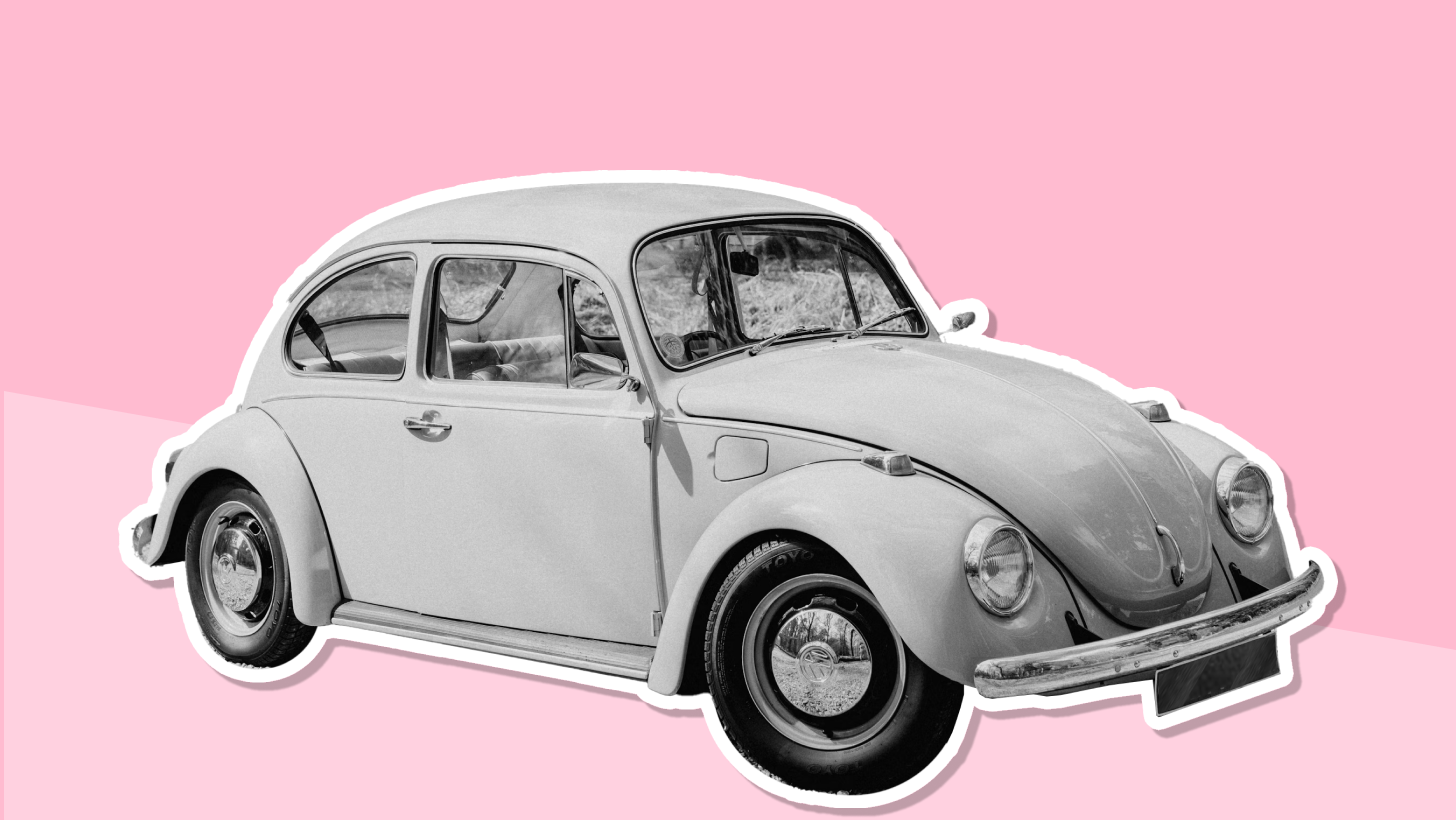
Image: Annie Spratt

When committing to a large expenditure, such as a car, it is always important to pay attention to a few details to ensure that you are getting the most out of your money. Even if you are not a mechanic or an experienced driver, certain tips can help you make a better decision and avoid possible scams and hidden issues. Do you know these 12?

1
Preapproved loan

Image: Alexander Mils

Getting a preapproved loan before going to a car dealer is a good way to be sure of how much money one can spend, and it can also reveal any possible credit issues that were not clearly visible.

2
Safety first
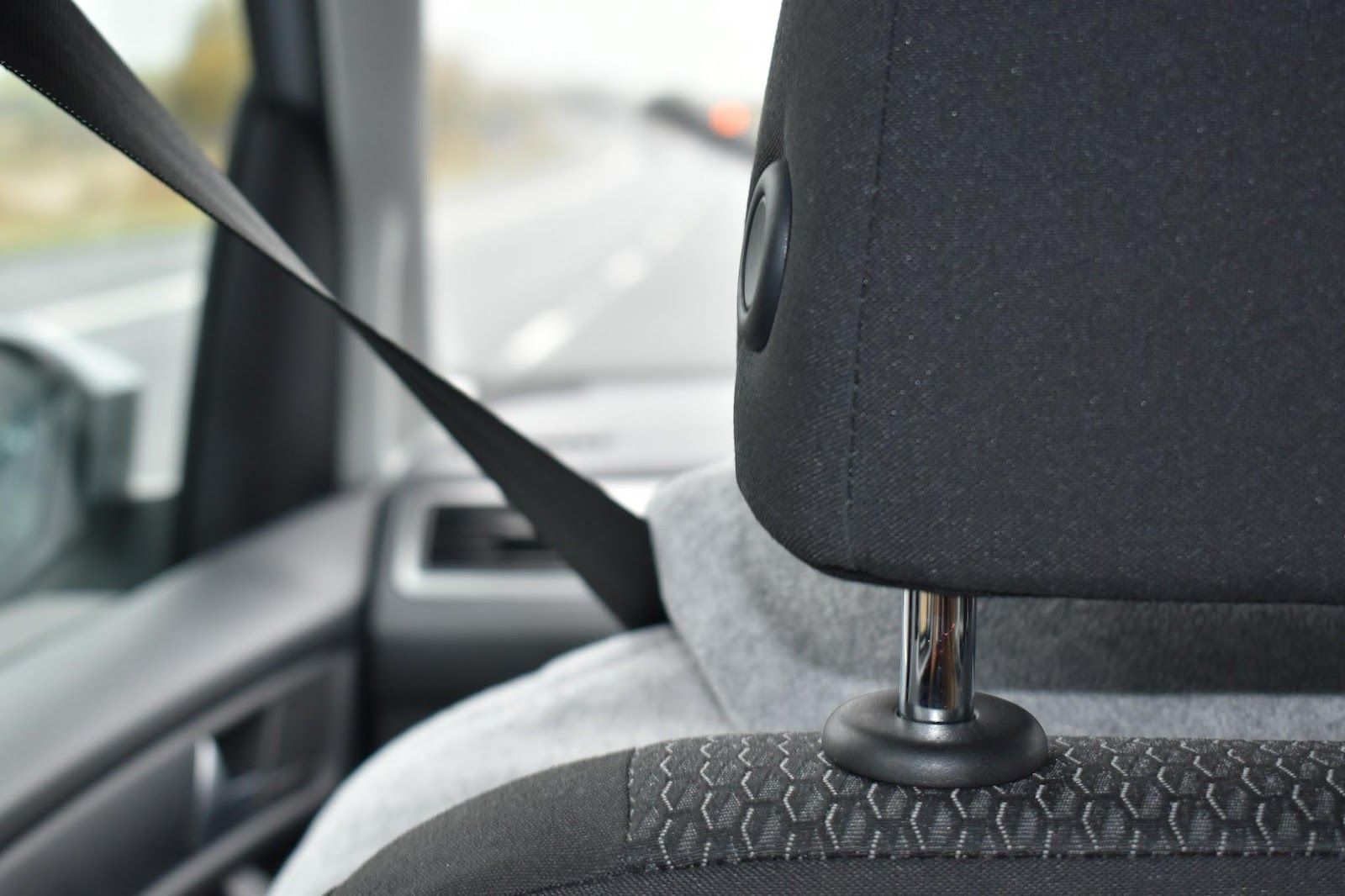
Image: Alexandria Gilliott

It goes without saying; safety is always a top priority when buying your new car. When looking at models, go for vehicles with a high safety rating and features like airbags, anti-lock brakes (ABS), and electronic stability control (ESC).

3
Driving habits
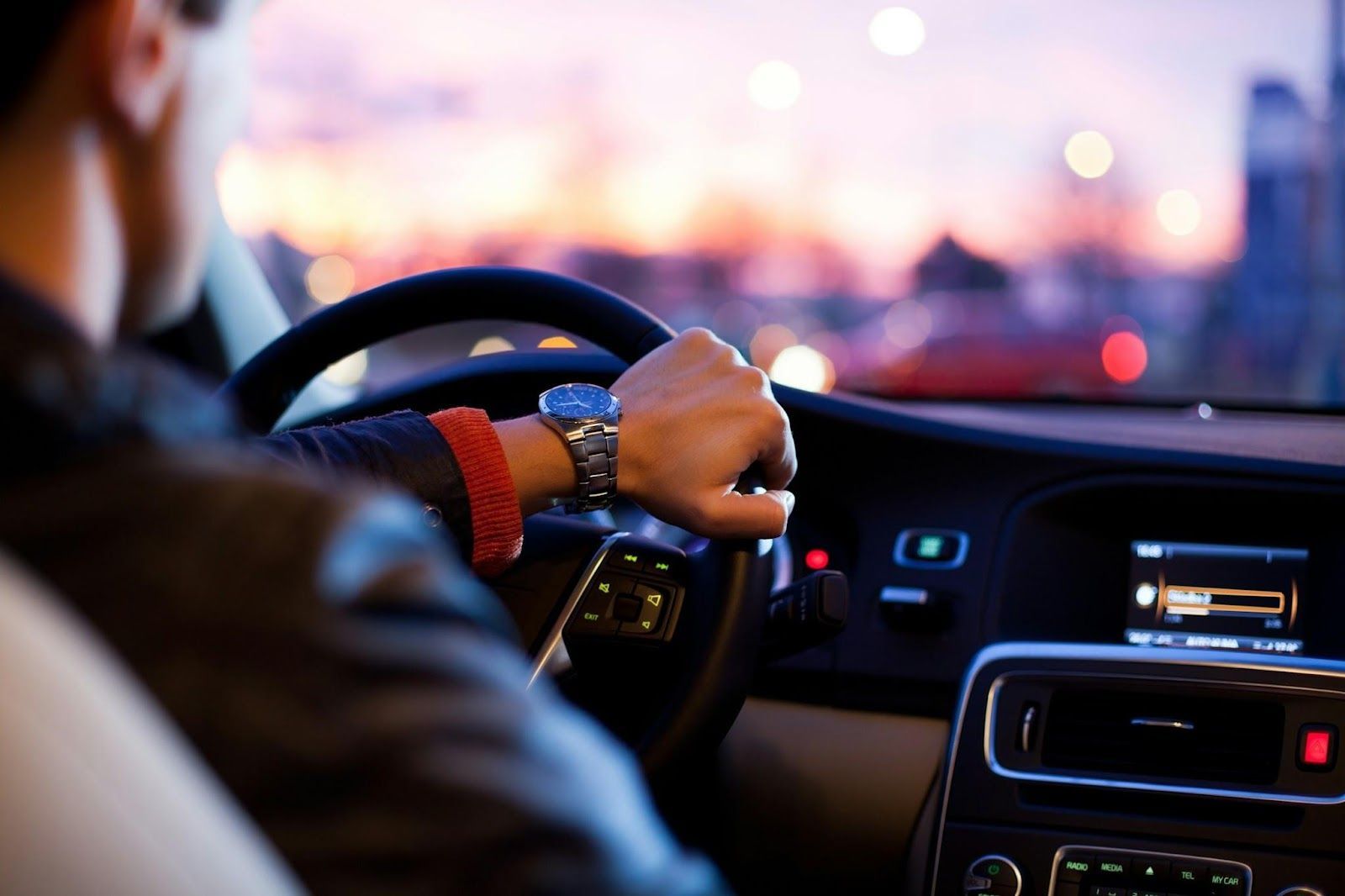
Image: why kei

What kind of driving you will do should influence what kind of car you will buy . If you do a lot of city driving with stop-and-go traffic, a fuel-efficient car like a hybrid or electric vehicle could save you significant money on petrol in the long run. Do you need a large vehicle for cargo or passengers, or is a smaller, more agile car for local errands and weekend adventures?

4
Cargo space
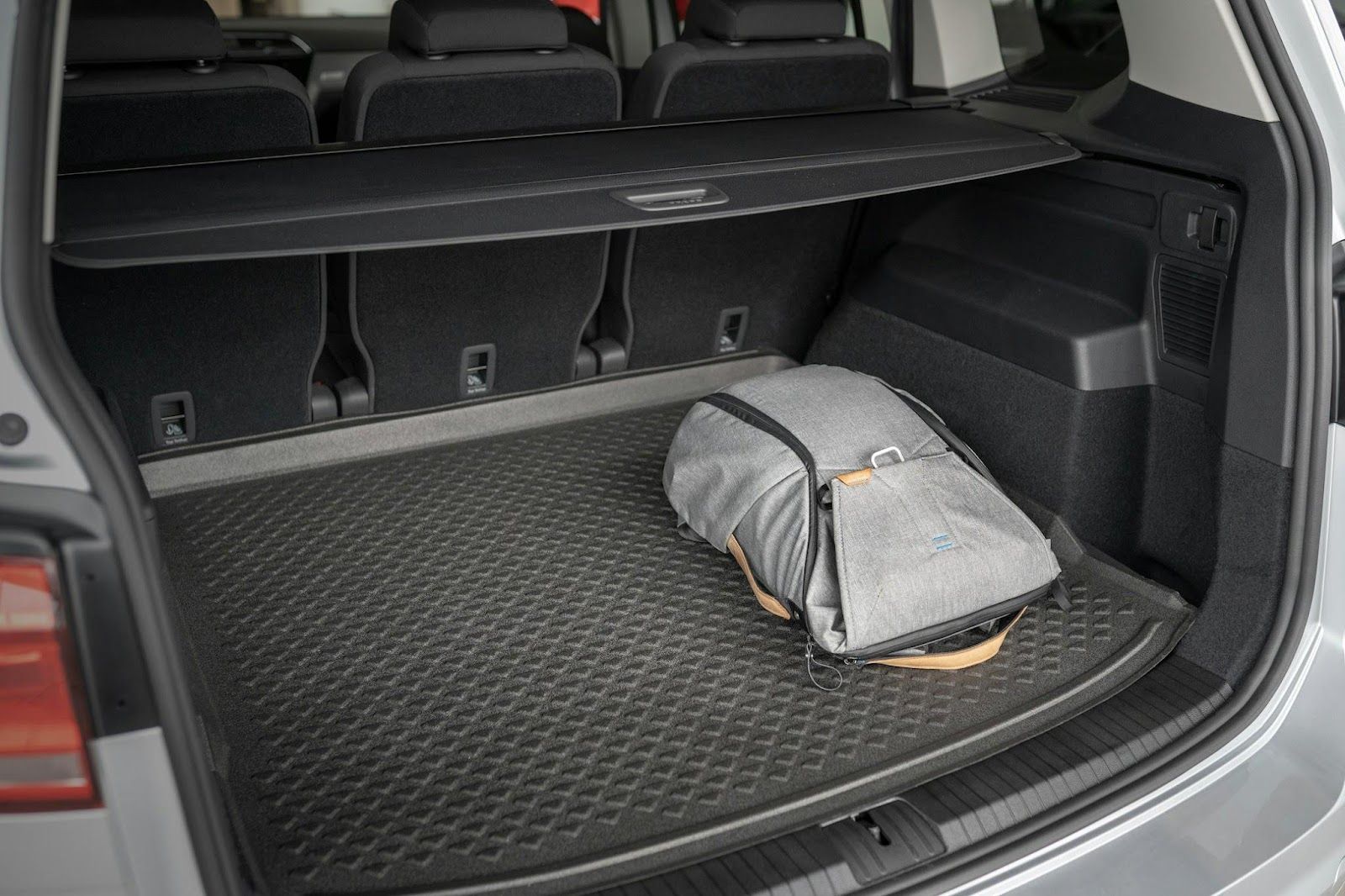
Image: Andraz Lazic

And, since we are on the subject of driving habits, cargo space is a crucial feature of whichever car you decide to buy. How much space do you really need? Even if you only need a lot of space a couple of times a year, you will want to have that space when the time comes, so don’t neglect this aspect.

5
Mileage and vehicle age
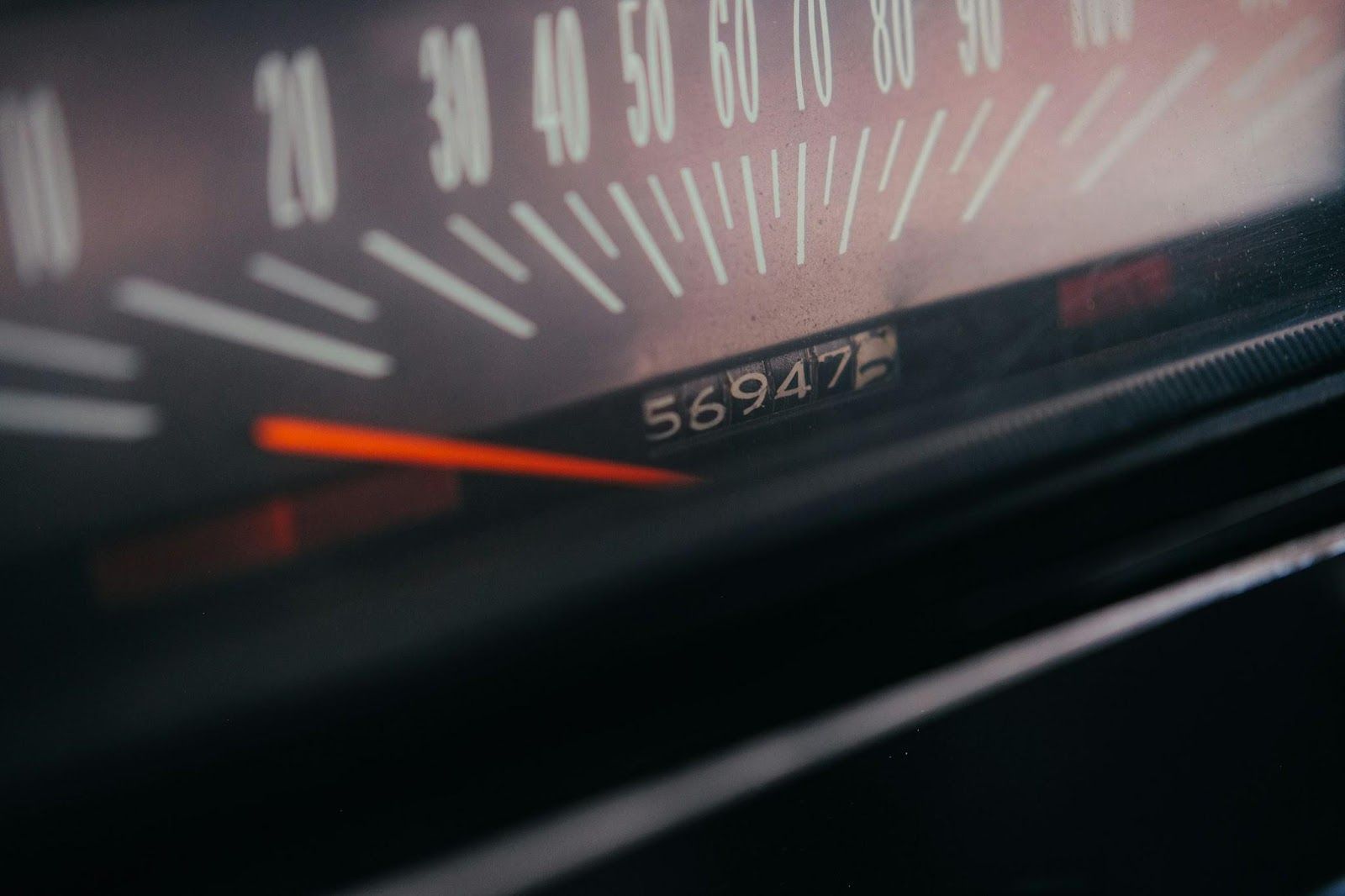
Image: Wesley Tingey

A simple rule to consider when buying a used car is the average mileage a car is supposed to have, relative to its age. That average is 10,000 to 12,000 miles per year . If the car you're looking at has a lower average annual mileage than that, it could be considered a good mileage.

6
Outside look

Image: Parker Gibbs

A quick inspection on the outside is advisable . Check the body for imperfections like gaps, dents, or discolored paint, inspect the windows for chips and cracks, get under the vehicle, and check the wheel wells and underbody for rust, which could lead to future problems.

7
Test drive

Image: Mira Kireeva

When buying a used car, it is always important to take it for a test drive, even if you don’t have a lot of mechanical knowledge. Pay attention to odd sounds or noises coming from the engine, brakes, or transmission . Test the AC and ensure that it cools quickly. Test the electronics, brake lights, headlights, windshield wipers, and see if the tires are not too worn off. And if you see or hear something that you are not sure about, check with a mechanic before buying.

8
Check for water damage
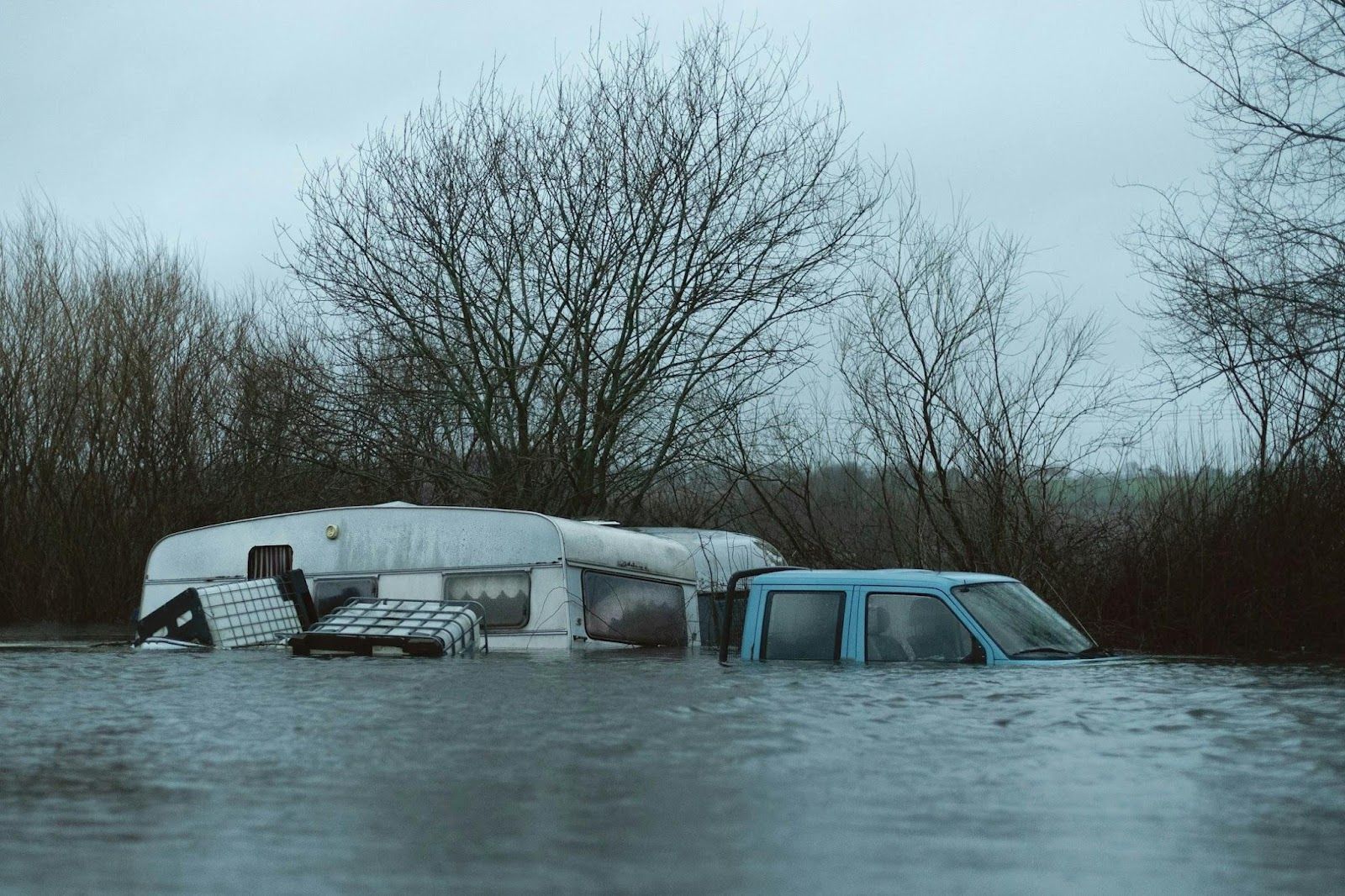
Image: Caspian Dahlström

Water damage can be a real problem for the interior, the engine, and the electrical system . Pull back the carpets in the footwells and check for moisture or signs of water damage. There are many flood-damaged cars on the market, and most of the time, the signs are concealed.

9
Try all the seats
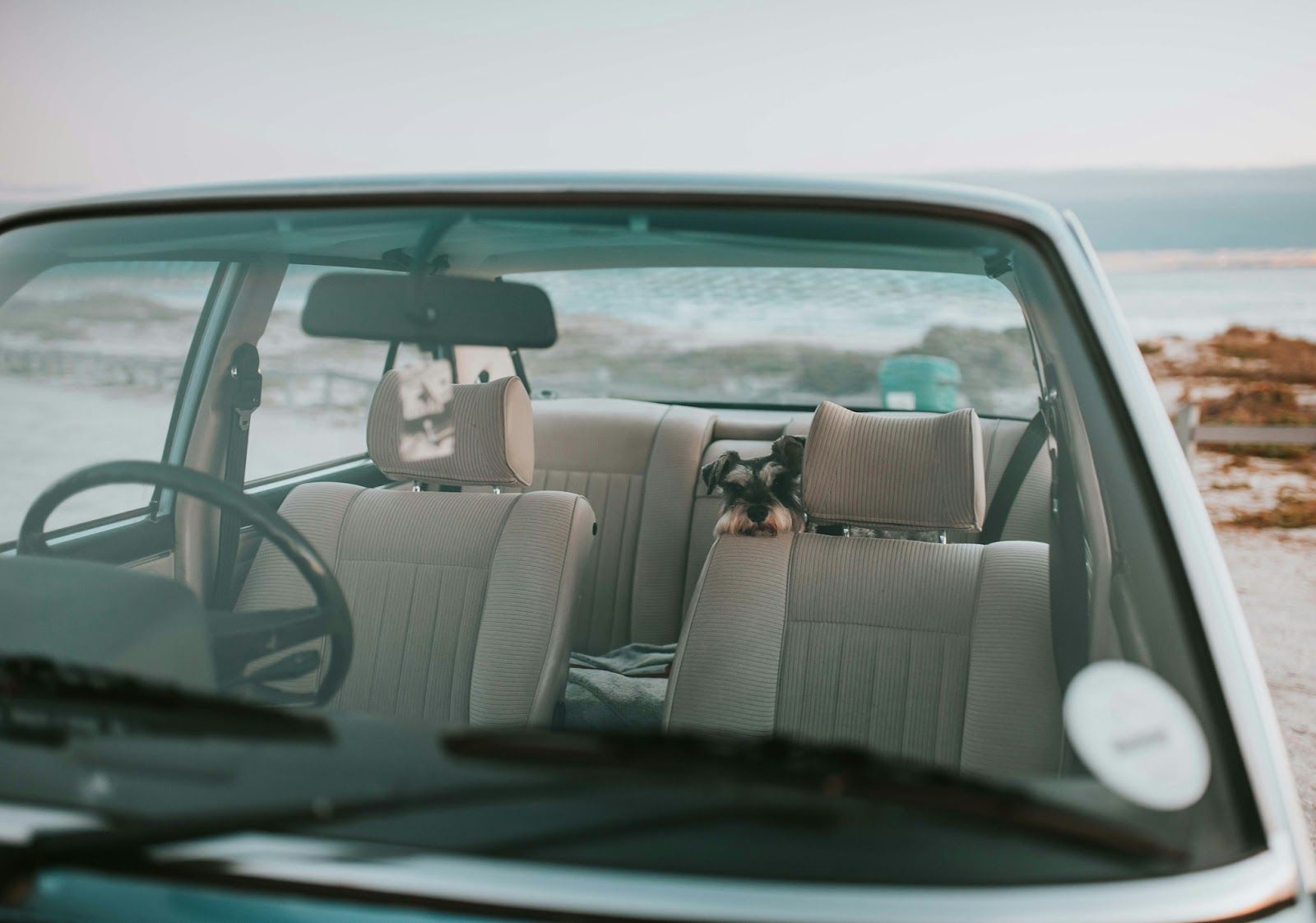
Image: Wade Lambert

Try out all the seats, even if you probably won’t sit in the rear . Upholstery shouldn’t be ripped or badly worn, particularly in a car with low mileage. Try all the seat adjustments to make sure that they work properly and that you can find a good driving position.

10
Service records and possible crashes
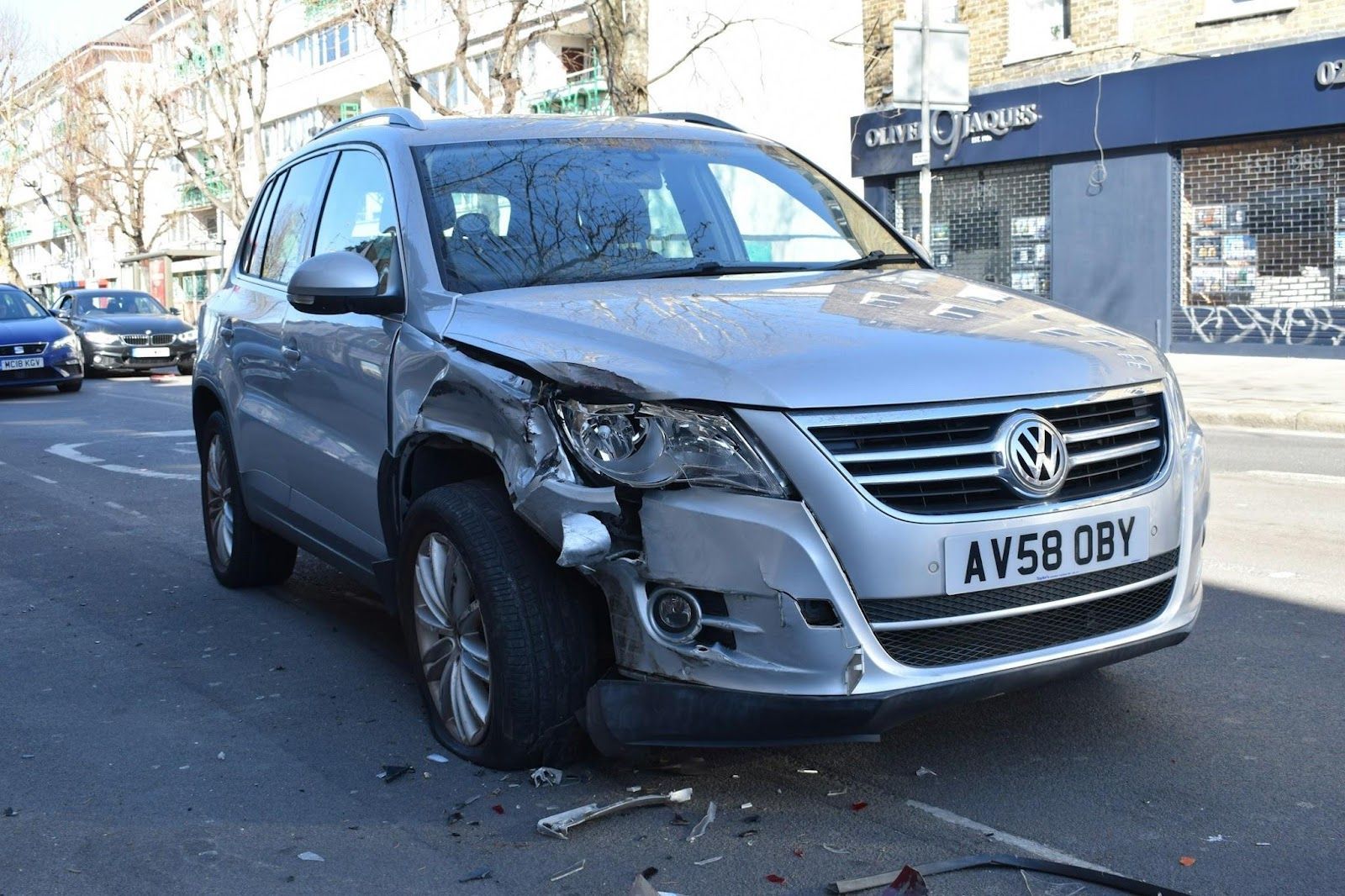
Image: Usman Malik

The past history of a used car can predict future issues . Has it been in a crash? If yes, ask about the extent of the damage and who did the work. Does the car have service records? A good, used car has been well cared for. It should have had maintenance done at the manufacturer-specified intervals.

11
Keep it simple

Image: Erik Mclean

Avoid buying add-ons, extended warranties, or very long car loans , since those usually have higher interest rates and a much higher interest component is paid in the first years than the actual loan.

12
Resale value
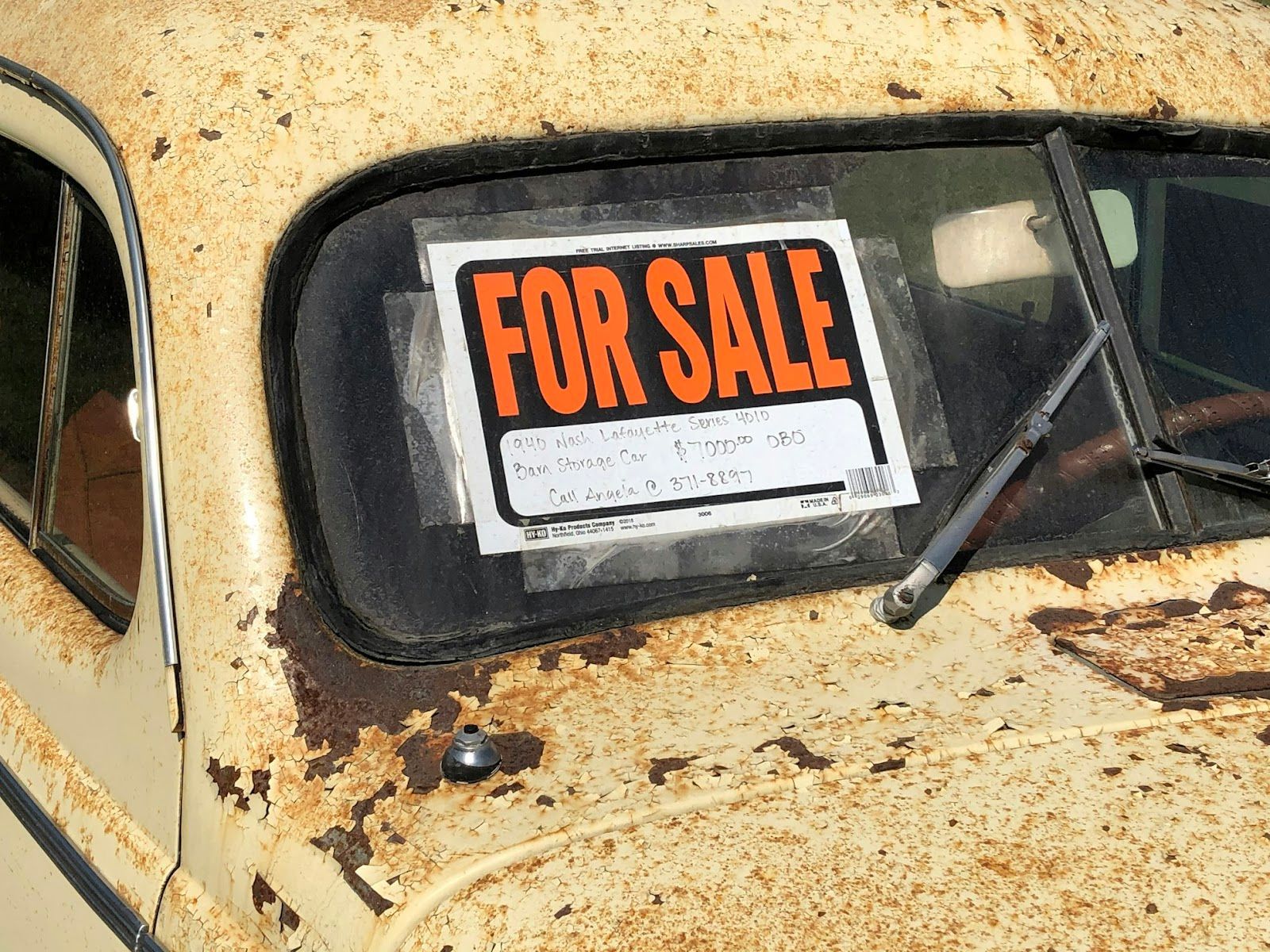
Image: Hilbert Hill

Research the resale value of any used car you are interested in buying . The resale value can affect the overall cost of ownership and the financial return on your investment.

By researching its resale value, popularity, demand, and potential for retaining its value over time, you can decide whether to proceed with the purchase.
Culture Culture 3 min read

Powerful styles

How can a beard change history? 10 US presidents with iconic facial hair!

Image: Library of Congress

Can you guess how many US presidents have had beards? And how many grew a mustache? Which one comes to mind first? For some, it's Lincoln's unmistakable beard; for others, Roosevelt's distinguished mustache; and some will remember John Quincy Adams' sideburns. From the most classic mustaches to eccentric beards, today, we're taking a look at 10 unforgettable presidential styles!

1
Abraham Lincoln

Image: Library of Congress

Probably one of the most remembered presidential beards is that of the 16th US President and author of the unforgettable Gettysburg Address, Abraham Lincoln. But, while his image is forever linked to his top hat and distinctive, mustache-free beard, he actually didn't always have it.

Before he was elected president, an 11-year-old girl wrote him a letter suggesting he grow a beard. Fortunately, Lincoln took her advice! Thus, he became the first president to grow a beard while in office.

2
Theodore Roosevelt

Image: Library of Congress

Another iconic style was that of Teddy Roosevelt. His handlebar mustache is not only seen in photos and portraits from his time in office but is also forever etched on the imposing Mount Rushmore. Many men of his era imitated his dramatic, thick, and bushy mustache, which perfectly matched the vigor and toughness that defined the 26th US president.

3
Ulysses S. Grant

Image: Sergei Starostin

Beard? Yes! Sideburns? Of course. Mustache? That too! That is the case with Ulysses S. Grant, a president with a full look, fitting for a Civil War hero.

Grant's beard and mustache were thick -though not long- covering his jawline and also much of his cheeks. Thus, the 18th US president set a fashion trend that would be followed by several other presidents of the 19th century.

4
Grover Cleveland

Image: Dave Sherrill

Another president with a well-remembered mustache was Grover Cleveland, the first US president to serve two non-consecutive terms.

Cleveland's mustache was fluffy and extended just past the edges of his mouth. Although this might have been a problem when dining with guests, his mustache always looked neatly trimmed.

5
William Howard Taft

Image: Ronaldo Guiraldelli

Now, it's time to talk about the only person in the history of the US to have served as both President and Chief Justice of the Supreme Court: William Howard Taft.

Taft sported a bushy mustache, like Teddy Roosevelt, who served right before him. But, unlike his predecessor, the tips of Taft's mustache didn't point downward; instead, they bent upward, making it much more theatrical.

6
John Quincy Adams

Image: Library of Congress

John Quincy Adams didn't need a mustache to stand out with his style. His hallmark was something quite original: sideburns.

Remembered for being bushy and always well and neatly groomed, the 6th president's memorable sideburns extended down the sides of his face, even connecting beneath his chin!

7
Rutherford B. Hayes

Image: Nikolaos Dimou

Rutherford B. Hayes was another 19th-century president known for sporting a full beard. In addition to being thick, his beard and mustache were quite long and even joined together, fully covering his lips, as seen in portraits from the time. While the 19th President looked really distinguished, we can't help but wonder how he handled summer with that style!

8
James A. Garfield

Image: Sean Foster

James A. Garfield had a look strikingly similar to that of his predecessor, Rutherford B. Hayes.

Also sporting a thick, long, full beard, Garfield's mustache was slightly shorter than Hayes', and his beard extended further onto his cheeks. It seems that you had to put some serious effort into perfecting your facial hair to be trendy in the late 19th century!

9
Martin Van Buren

Image: Jack Bulmer

"Mutton chops" is the term for the thick, bushy sideburns worn by Martin Van Buren, the 8th president of the United States, a style known more for its volume than its tidiness.

As seen in portraits from different moments of his life, Van Buren had sideburns from a young age, but they definitely stood out during his presidency. In fact, political cartoons of his time often emphasized that very feature, making his sideburns exaggeratedly large.

10
Zachary Taylor

Image: Josh Sorenson

Before Lincoln, the dominant fashion was a clean-shaven look. But Zachary Taylor -just like John Quincy Adams and Martin Van Buren- came to revolutionize things with his sideburns.

We have to admit Taylor's sideburns were far more modest than those of his predecessors, but he remains one of the few presidents to have worn any facial hair before Honest Abe made it a trend!

History History 4 min read

Fur, feathers, and fame

The first pets: The surprising, funny, and furry side of history!

Image: Sara Kurfeß

Before social media and spin doctors, some of the most beloved figures in Washington had four legs or wings. From dogs to horses, rabbits, and even raccoons, presidents have shared the White House with a colorful parade of creatures. These pets weren’t just sidekicks; they were family, confidants, and sometimes even headline-makers.

1
George Washington’s hungry hound

Image: Mitchell Orr

George Washington didn’t just lead a new nation; he also led a lively pack of dogs . His favorite, Vulcan, became a bit of a legend after sneaking into the kitchen and stealing a ham right before a fancy dinner party. Washington’s home was full of animals, from hounds with names like Sweet Lips and Madam Moose to strong horses such as Nelson and Blueskin, who carried him through the Revolution. The father of our country clearly had a soft spot for man’s best friend.

2
Thomas Jefferson’s exotic companions

Image: 🇸🇮 Janko Ferlič

When Thomas Jefferson returned from France, he brought back more than political ideas. He also brought home a dog named Bergere, who had puppies during the voyage. Later, explorers Lewis and Clark sent him two bear cubs that lived for a time at Monticello. Jefferson also kept birds, which showed a curious and gentle side to the man remembered for serious debates and historic documents.

3
Abraham Lincoln’s family menagerie

Image: Sergiu Vălenaș

Abraham Lincoln’s household was full of affection, laughter, and animals. His loyal dog, Fido, stayed behind in Springfield when the family moved to Washington, but Lincoln made sure he was cared for. The White House soon filled up with two playful goats named Nanny and Nanko , horses, cats named Tabby and Dixie, and even a few rabbits. Lincoln’s kindness toward animals mirrored his compassion for people.

4
Theodore Roosevelt’s White House zoo

Image: Jaroslaw Slodkiewicz

Theodore Roosevelt didn’t just bring energy to politics; he brought it to pet ownership too. His home was a whirlwind of fur, feathers, and scales. Alongside horses and dogs, there were guinea pigs, a macaw, a badger, a snake named Emily Spinach, and even a bear called Jonathan Edwards. Roosevelt’s six kids were always introducing new creatures, turning the White House into a joyful, unpredictable zoo.

5
Woodrow Wilson’s tobacco-chewing ram

Image: Livin4wheel

Woodrow Wilson’s presidency wasn’t all about policy and world affairs. He also had a ram named Old Ike, who was known for chewing on cigars . Wilson kept a flock of sheep on the White House lawn during World War I to help raise money for the Red Cross by selling their wool. Along with dogs, birds, and a cat named Puffins, the Wilson White House looked more like a small farm than a seat of government.

6
Calvin Coolidge’s cheerful chaos

Image: Christian Hess Araya

If anyone rivaled Roosevelt’s menagerie, it was Calvin Coolidge. He and his wife, Grace, were devoted animal lovers. Their White House included twelve dogs, two cats, seven birds, a donkey named Ebenezer, two raccoons called Reuben and Rebecca, and even a bobcat named Smoky. Rob Roy, their white collie, was so beloved that he appeared in Grace Coolidge’s official portrait. With so many paws and claws around, quiet moments were rare, but laughter was constant.

7
Franklin D. Roosevelt’s loyal Fala

Image: Chris Arthur-Collins

Few pets have reached celebrity status quite like Franklin Roosevelt’s Scottish terrier, Fala . The little dog went everywhere with the president and even had his own fan club. When critics accused Roosevelt of forgetting Fala during a trip to Alaska, the president jokingly denied it in a speech that won over the crowd. Fala stayed faithfully by his side through good times and bad, a symbol of loyalty during some of the nation’s hardest years.

8
John F. Kennedy’s household of charm

Image: Gary Bendig

The Kennedys filled the White House with laughter and animals. Their pets included Pushinka, a gift from Soviet leader Nikita Khrushchev, who had puppies with the family’s dog, Charlie. The Kennedys gave the puppies to children who wrote to them. They also had horses, cats, birds, hamsters, and even a rabbit named Zsa Zsa . Caroline’s pony, Macaroni, became a favorite of photographers and fans, perfectly matching the family’s youthful, warm image.

9
Lyndon B. Johnson’s famous beagles

Image: Doğan Alpaslan DEMİR

Lyndon B. Johnson’s dogs, Him and Her, became almost as well known as their owner. Johnson once caused a stir by lifting one of them by the ears for a photo, but he truly loved his pets. He kept several dogs, along with birds and hamsters that entertained his family. Johnson was the last president to keep anything beyond the usual cats and dogs at the White House, marking the end of a particularly lively era for presidential pets.

10
Ronald Reagan’s ranch companions

Image: Florin Palamarciuc

For Ronald Reagan, animals were part of the good life. His dogs, Lucky and Rex, often joined him at the family ranch, where he could ride horses and enjoy the open air away from Washington. Rex even had his own miniature White House doghouse . The Reagans saw their pets as family and often talked about how much joy they brought to their lives, proof that even presidents need a wagging tail to make a house feel like home.

Explore more American facts

Choose your favorite category!

General
General

As American as apple pie—the very best America has to offer!

Culture
Culture

Delve into the astounding richness of American lore.

Geography
Geography

Hop in and explore vast and diverse American landscapes.

History
History

Discover the key moments that shaped the United States.