Culture Culture 9 min read

Real connections

Some of these mafia movie scenes weren't fiction at all
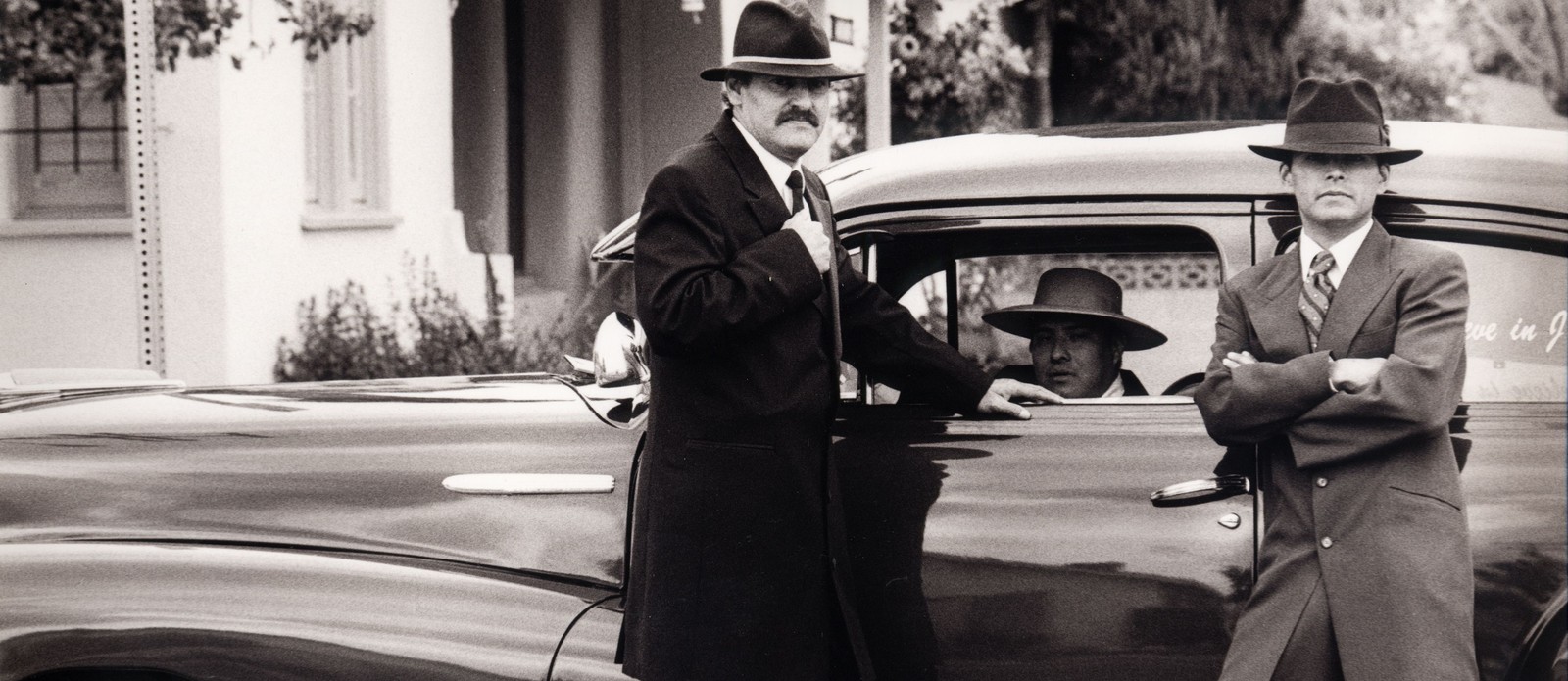
Image: Katherine Bowers

Mafia movies and TV shows have given us some of the most memorable characters in pop culture: powerful bosses like Vito Corleone, undercover agents, bootleggers, gamblers, and families such as The Sopranos caught between loyalty and betrayal. But many of these stories didn't come entirely from Hollywood's imagination. Behind the fictional characters are real mobsters, organized-crime families, and historic events. Sometimes filmmakers stayed remarkably close to the facts; other times, they took extreme creative license. Let's look at the true stories behind some of the most famous Mafia movies and TV shows.

1
The Godfather: A fictional family with real mafia influences
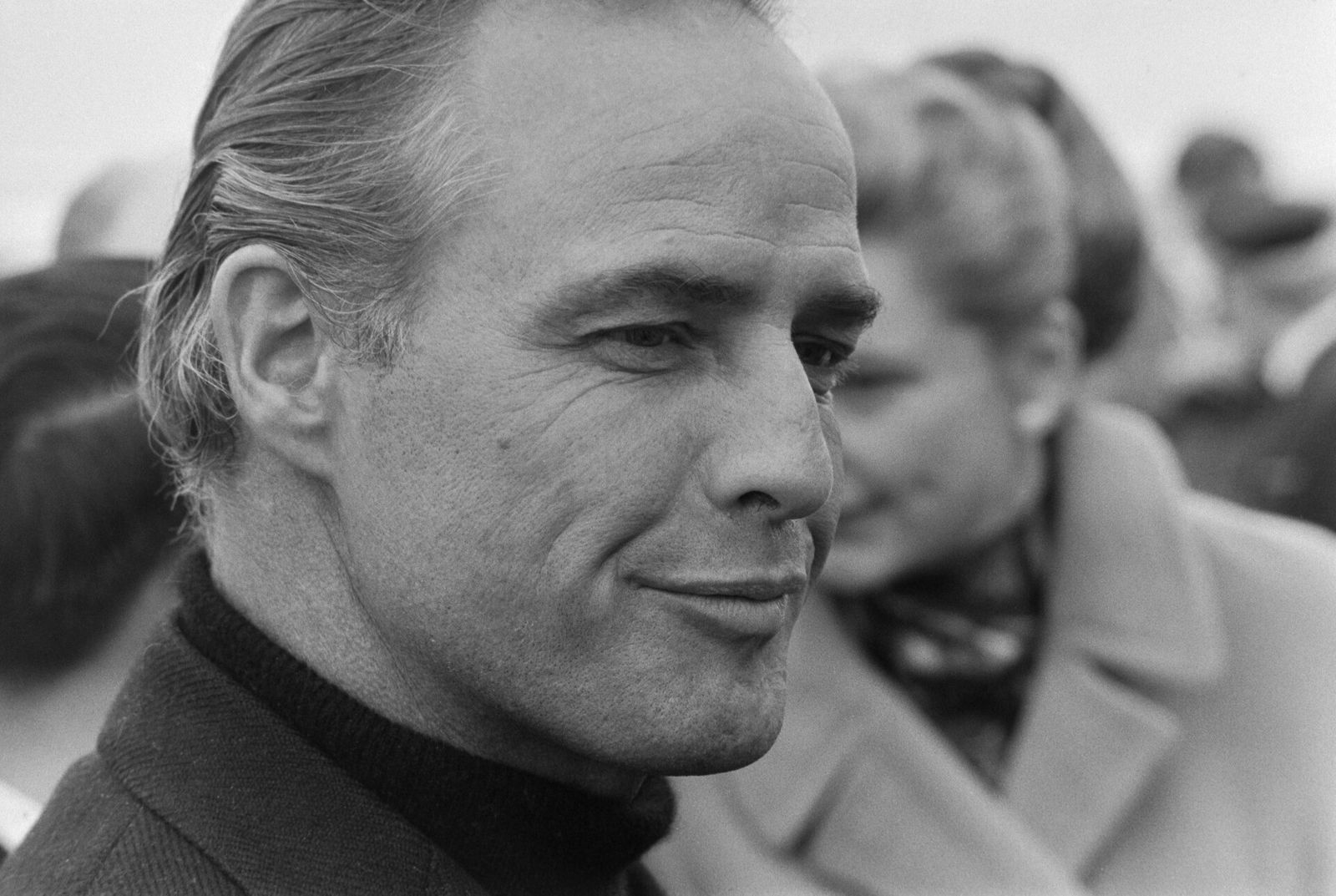
Image: Urpo Rouhiainen, CC BY 4.0, via Wikimedia Commons

The Corleone family may be fictional, but author Mario Puzo drew inspiration from several real Mafia figures and traditions . Vito Corleone (Marlon Brando), for example, has similarities to New York crime boss Frank Costello, who was known for his political connections and influence. Vito's olive-oil business also recalls real mobster Joe Profaci, who built a legitimate olive-oil business alongside his criminal activities.

One of the movie's most memorable scenes also has a real-life parallel. When Michael Corleone (Al Pacino) goes to a restaurant and secretly retrieves a gun from the bathroom before killing Sollozzo and McCluskey, the setup echoes the 1931 murder of mob boss Joe Masseria. Masseria was having lunch at a Coney Island restaurant with Lucky Luciano when Luciano briefly left the table; gunmen then entered and killed Masseria. Michael's assassination, however, is fictional, and Puzo and director Francis Ford Coppola combined real Mafia history with an invented Corleone family.

2
Goodfellas: The real life of Henry Hill
Image: Emre Gokceoglu

Unlike many Mafia movies, Goodfellas is closely tied to one man's actual experiences. The 1990 film by Martin Scorsese is based on Nicholas Pileggi's book Wiseguy , which tells the story of Henry Hill (played by Ray Liotta) and his life inside New York's Lucchese crime family. One of the movie's biggest events, the 1978 Lufthansa heist at JFK Airport, really happened: gangsters stole millions of dollars in cash and jewelry from the airline's cargo terminal.

The movie also recreates the real-life 1970 murder of William Bentvena, known as Billy Batts, who was beaten after insulting Thomas DeSimone. Even Henry Hill's drug arrest and the chaotic day depicted in the film, including his paranoia and the helicopter following him, were based on his real accounts.

3
American Gangster: The rise of Frank Lucas
Image: Matteo Modica

American Gangster (2007) follows Frank Lucas, a Harlem drug trafficker who became one of the most powerful figures in New York's heroin trade during the 1960s and '70s. Denzel Washington's portrayal presents Lucas as a disciplined, businessman-like criminal who built his operation largely outside the traditional Mafia structure. Lucas really did build a heroin operation in Harlem under the name "Blue Magic." He also traveled to Southeast Asia to establish direct connections with heroin suppliers, cutting out intermediaries.

Richie Roberts, played by Russell Crowe, was a real New Jersey detective who investigated Lucas, and he later cooperated with authorities by providing information about corrupt police officers. However, the famous Vietnam coffin scene was not real, and the movie also fictionalized Bumpy Johnson's death and romanticized Lucas's family life.

4
Casino: When Las Vegas was run by the mob

Image: Volker Thimm

The glamorous Las Vegas of Martin Scorsese’s Casino (1995) has a very real history behind it. The film was based on Nicholas Pileggi's nonfiction book Casino: Love and Honor in Las Vegas . Robert De Niro's Sam ‘’Ace’’ Rothstein was based on casino executive Frank ‘’Lefty’’ Rosenthal, while Joe Pesci's Nicky Santoro was inspired by Chicago mobster Anthony Spilotro.

Several details shown in the movie really happened . Rosenthal survived a car bombing in Las Vegas in 1982, and the attack with a pen was inspired by a real incident involving Spilotro. Ace's appearances before Nevada gaming officials, accompanied by his real attorney Oscar Goodman, were also based on actual events. Rosenthal did oversee the Stardust and other casinos for the Chicago Outfit, where the mob secretly skimmed casino revenue. Spilotro really operated in Las Vegas as the Outfit's enforcer and ran the "Hole in the Wall" Gang.

5
The Sopranos: New Jersey's mob culture comes to TV
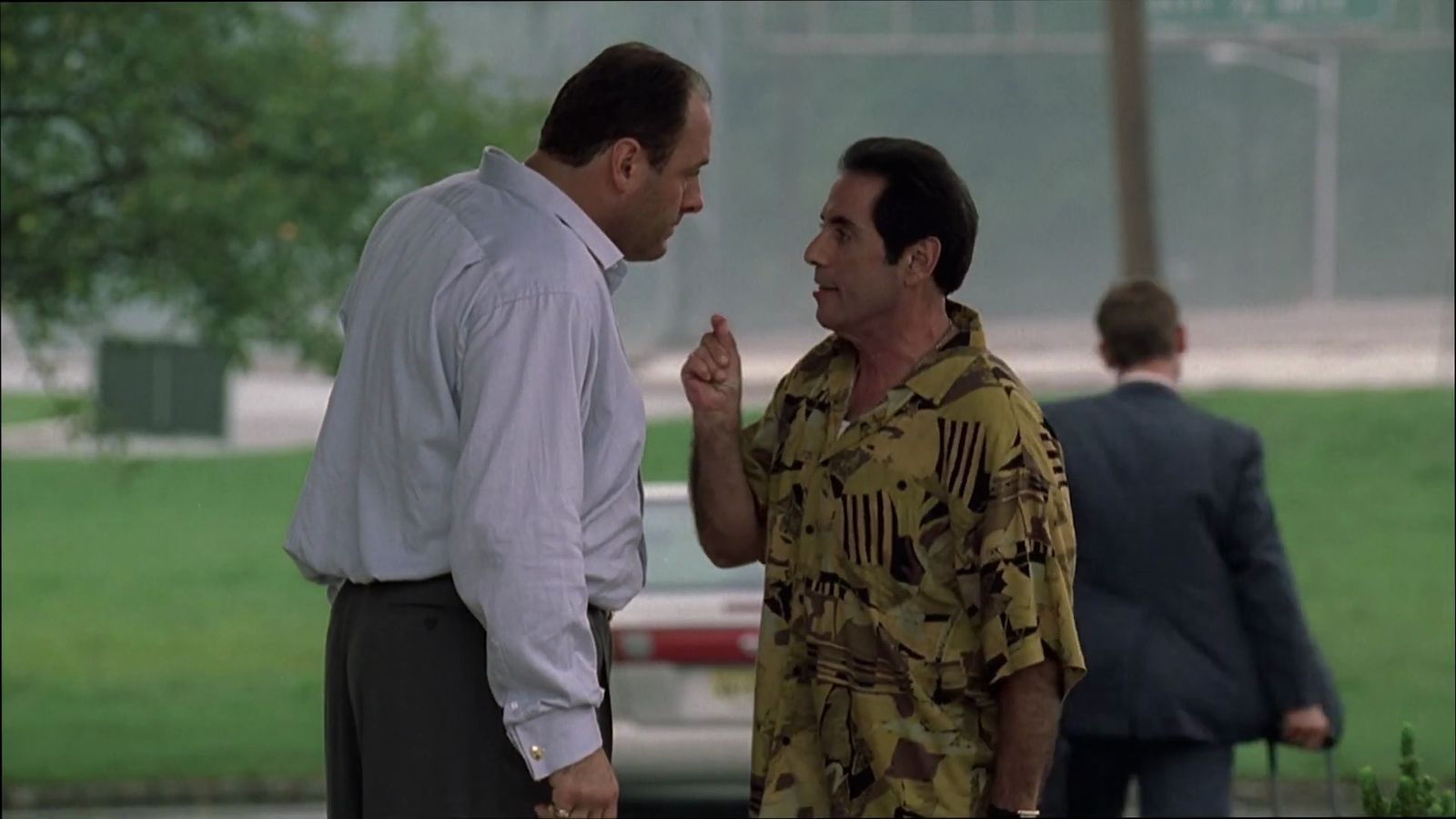
Image: HBO, CC BY 3.0, via Wikimedia Commons

Tony Soprano (James Gandolfini) and his crew were fictional, but The Sopranos (which aired on HBO from 1999 to 2007) drew heavily from the real organized-crime culture of New Jersey and New York. Creator David Chase grew up in New Jersey and was familiar with the presence of Mafia stories and figures in the region. Tony was sometimes compared to real mobster Vincent "Vinny Ocean" Palermo, although he was not based directly on him.

The show's realism went further . FBI wiretaps captured real mobsters discussing how accurately the series portrayed Mafia life. Tony Sirico, who played Paulie Walnuts, had also been involved with the Colombo crime family in his youth and agreed to take the role on the condition that Paulie would never become an informant. Livia Soprano (Nancy Marchand) was based on David Chase's own mother, while locations such as the Bada Bing and Satriale's were real New Jersey establishments used for filming.

6
The Untouchables: Eliot Ness vs. Al Capone
Image: cottonbro studio

During Prohibition, Al Capone became one of America's most notorious gangsters, while federal agent Eliot Ness (played by Kevin Costner) became famous for helping pursue him. Ness really did lead the "Untouchables," a team targeting Capone's illegal operations in Chicago. The 1987 film's baseball-bat scene also has a real-life basis: Capone (played by Robert DeNiro) reportedly had two suspected traitors, Albert Anselmi and John Scalise, brutally beaten at a dinner.

But many memorable moments are Hollywood inventions. The train-station shootout, courthouse shootout, and Canadian border raid never happened, and Ness never killed gangster Frank Nitti. Capone's eventual conviction for tax evasion was real, but the case was largely driven by the U.S. Attorney's Office and Treasury investigators rather than Ness's team.

7
Donnie Brasco: The undercover agent who really went inside
Image: David Kouakou

Donnie Brasco (1997) is based on one of the most remarkable undercover operations in FBI history. Agent Joseph Pistone really spent six years undercover as "Donnie Brasco," infiltrating the Bonanno crime family beginning in 1976. He gained the trust of mobsters who believed he was a small-time jewel thief and was even on the verge of being formally inducted into the Mafia when his true identity was discovered.

The movie's characters also have real counterparts. Johnny Depp plays Pistone, while Al Pacino's Lefty Ruggiero was a real Bonanno mobster who became one of the agent's closest Mafia contacts. The film changes and condenses some events, but the central relationship between Pistone and Ruggiero, and the danger of Pistone being exposed, was based on an actual six-year FBI operation.

8
Scarface: Tony Montana has a real predecessor
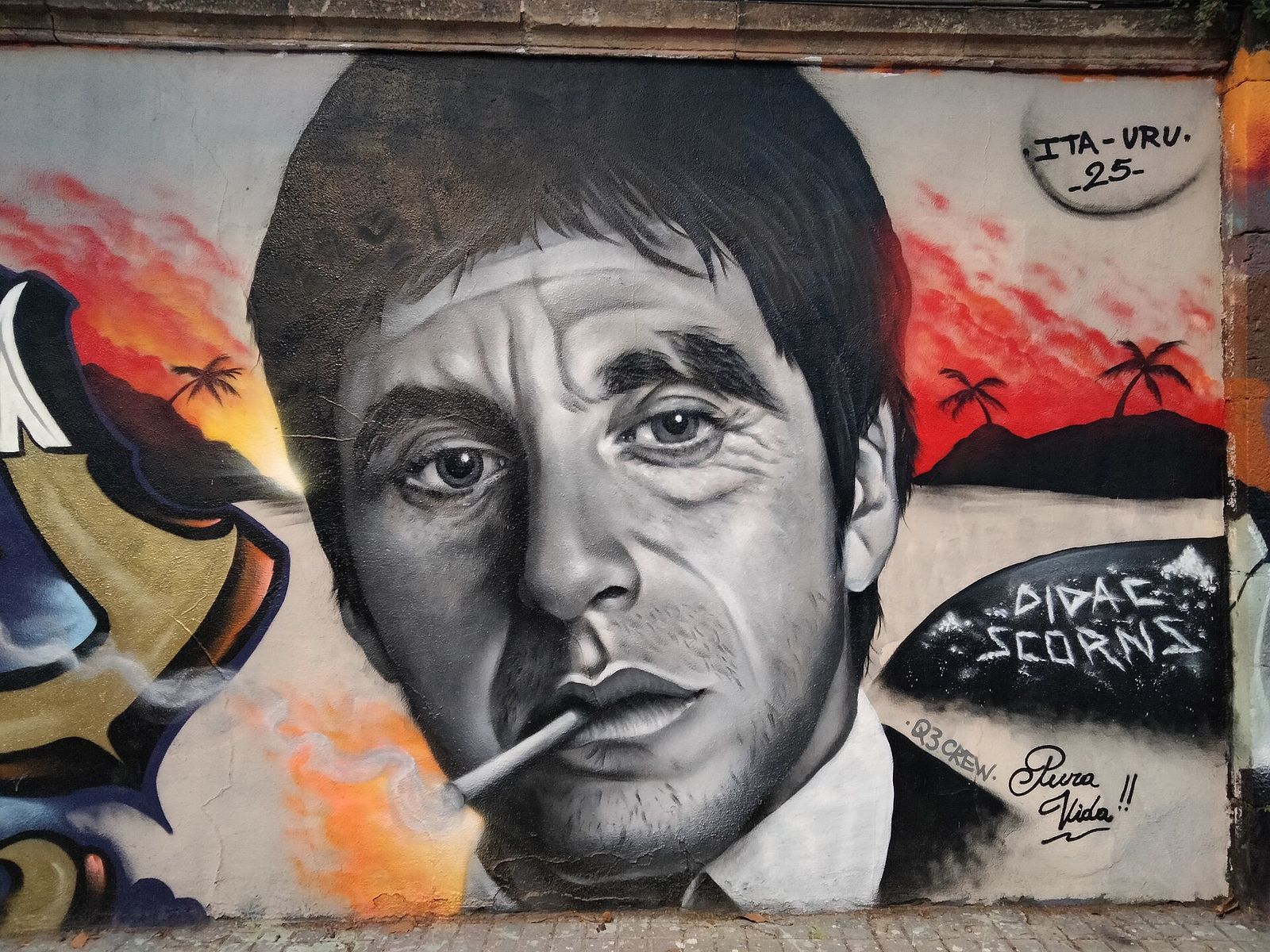
Image: Enric, CC BY 4.0, via Wikimedia Commons

Tony Montana, the cocaine-fueled gangster played by Al Pacino, is fictional. But Scarface has deep roots in real organized crime. The 1983 Brian De Palma film was a very loose remake of the 1932 Scarface , directed by Howard Hawks, which was inspired by Prohibition-era Chicago gangster Al Capone . Capone was famously nicknamed "Scarface" because of the scars on his face, and his life as a Chicago gangster helped inspire the original film.

The 1983 movie moved the story from Prohibition-era Chicago to 1980s Miami, transforming its main character into a Cuban immigrant who rises through the cocaine trade. The Miami setting was tied to the real Mariel boatlift of 1980, when more than 100,000 Cubans arrived in the United States.

9
The Irishman: A mobster's claims about Jimmy Hoffa

Image: Arturo Añez.

The Irishman is based largely on Frank Sheeran's claims about his connections to organized crime and the disappearance of Teamsters leader Jimmy Hoffa. Robert De Niro plays Sheeran, while Al Pacino portrays Hoffa in Martin Scorsese's 2019 film. Sheeran's close relationship with Hoffa and his loyalty to crime boss Russell Bufalino reflect their real-life connections. The 1975 Detroit wedding shown in the film, including the long car trip and gathering of mobsters and union leaders, was also based on a real event.

The film also recreates Sheeran's confrontation with a store owner who had mistreated his daughter Peggy, an incident that contributed to their lasting estrangement. The movie's central claim, that Sheeran killed Hoffa on Mafia orders, comes from Sheeran's own account to writer Charles Brandt, whose book I Heard You Paint Houses inspired the film. However, Sheeran's confession remains disputed, so Hoffa's disappearance is a fact, while Sheeran's role in it has never been established.

10
Bugsy: The man who saw Las Vegas differently
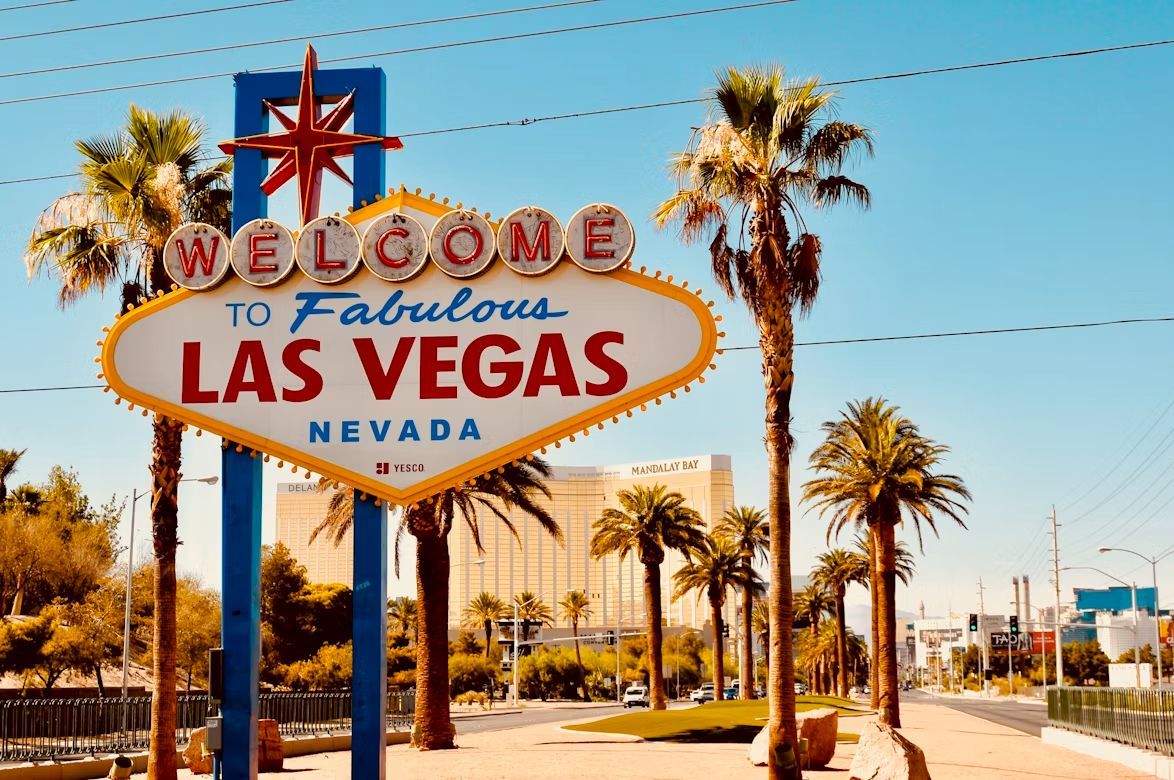
Image: Grant Cai

Benjamin "Bugsy" Siegel was a real gangster whose name became closely connected with the early history of Las Vegas . In the 1991 movie directed by Barry Levinson, Warren Beatty plays Siegel as he pursues his vision of building the Flamingo, a luxury hotel and casino in the Nevada desert. The real Flamingo opened in 1946, and Siegel was involved in the project before he was murdered in Beverly Hills in June 1947.

The film also features Siegel's real relationship with Virginia Hill, played by Annette Bening, and his connections to Meyer Lansky. Those people and relationships had real foundations, but the movie romanticizes and dramatizes parts of Siegel's personal life . Even the story behind the name "Flamingo" is disputed: one version connects it to Hill, while another traces it to Siegel's interest in the flamingos at Florida's Hialeah Park.

11
Black Mass: The dark story of Whitey Bulger
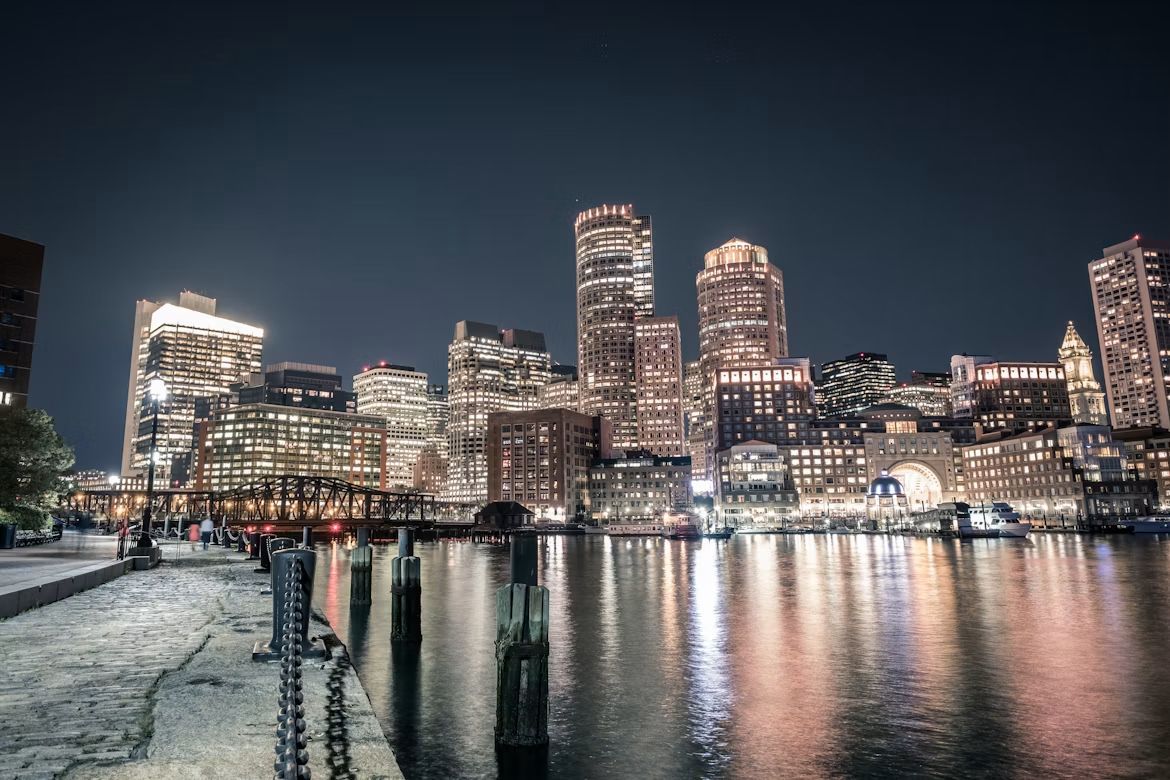
Image: Lance Anderson

The 2015 film Black Mass is based on the real story of Boston gangster James "Whitey" Bulger (played by Johnny Depp). His childhood friendship with FBI agent John Connolly (Joel Edgerton) was real, and their relationship eventually led to a deal in which Bulger provided information about the Italian Mafia in exchange for protection and immunity from prosecution. The film also recreates real events in Boston, including the murder of Brian Halloran, who was shot in broad daylight after leaving a restaurant.

Not everything happened exactly as shown . The murder of John Callahan, for example, was moved to a nightclub in Florida for the film; in reality, Callahan was killed inside a car in an airport parking lot. Kevin Bacon's FBI supervisor, Charles McGuire, was also a fictional composite rather than a real person, created to represent several FBI officials from that period.

12
Boardwalk Empire: Prohibition, politics, and real gangsters
Image: cottonbro studio

The HBO series Boardwalk Empire, which aired from 2010 to 2014, takes viewers back to Prohibition-era Atlantic City, when bootlegging, gambling, politics, and organized crime could overlap. The show's central character, Nucky Thompson (played by Steve Buscemi), was inspired by real Atlantic City political boss Enoch "Nucky" Johnson. The series also features real gangsters such as Al Capone, Lucky Luciano, Meyer Lansky, Johnny Torrio, and Arnold Rothstein, whose early connections reflect the alliances that shaped organized crime in the 1920s.

Some of the show's events also have a real historical basis . Arnold Rothstein really was linked to the 1919 World Series gambling scandal, and the 1929 Atlantic City mob conference, hosted by the real Nucky Johnson, actually took place. But Nucky's fate was very different from the show's dramatic ending: the real Johnson was arrested for tax evasion, served prison time, and lived until 1968, dying at age 85.
General General 6 min read

From the Nike Air to the Cell phone camera

NASA in your house: 10 inventions that revolutionized everyday life

Image: NASA

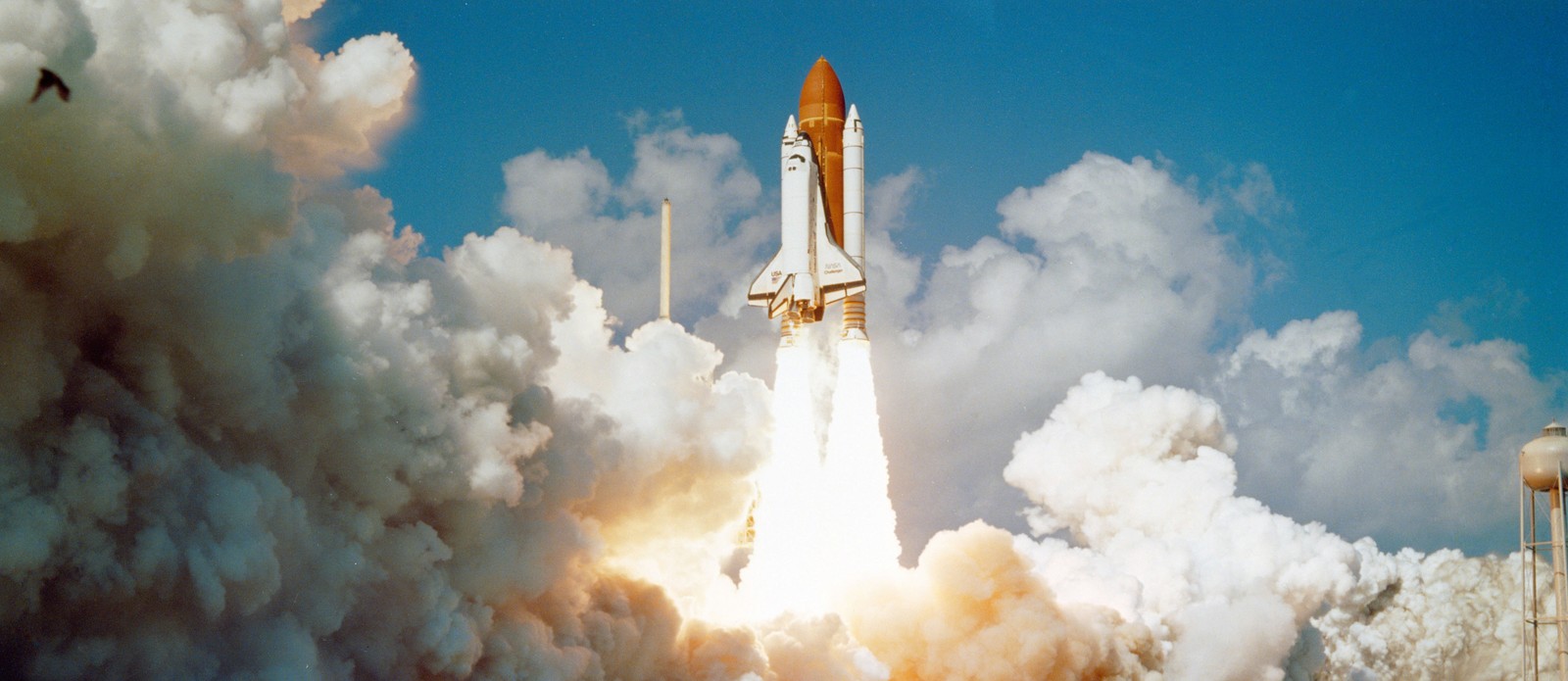
You probably never realized that NASA, the same agency that revolutionized space travel back in the sixties and seventies, is also responsible for the microchips in your favorite electronics, the alarm that warns you of fire, the sensor that lets you take a quick selfie on your phone , among other everyday inventions. Ready to rediscover them?

1
Microchip

Image: Laura Ockel

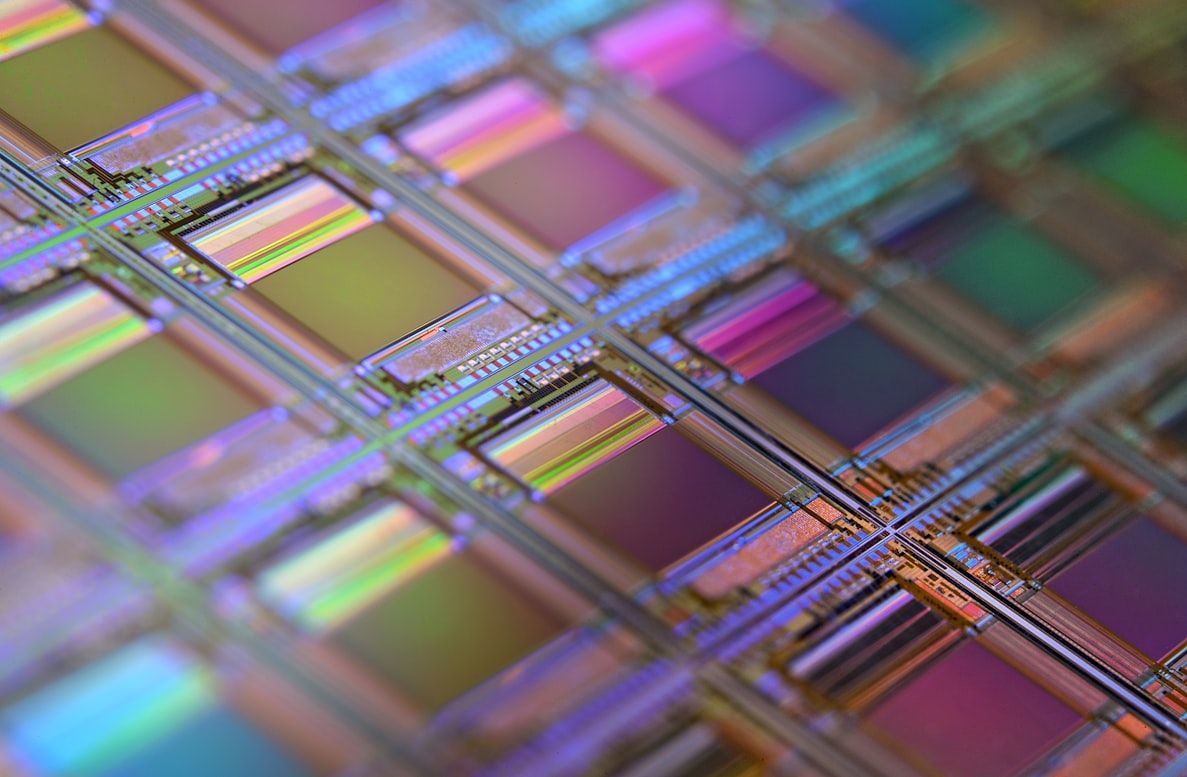
Before microchips, computers relied on glass vacuum tubes that were large, fragile, and too heavy for a spacecraft. To solve this, NASA, during the moon race in the 60s, made a massive bet on a new invention called the integrated circuit, which packed complex electronics onto a tiny sliver of silicon. While these early "microchips" were very expensive and unproven, the Apollo program committed to buying over 60 per cent of all chips made in America. This guaranteed market gave companies like Fairchild Semiconductor, a Californian technology company, the support they needed to perfect the tech and lower the costs. NASA's support as the principal customer for microchips helped the digital revolution happen much sooner than expected. Today, that technology is within almost every electronic device, from the microwave to the laptop.

2
Smoke Detector

Image: Yosuke Ota

They are among the most important safety tools in our homes, and most people don't know their modern version was shaped for a 1970s space mission. Truth is, the first electric smoke detector was invented in the 1930s by Swiss physicist Walter Jaeger, almost by accident, while working on a gas detection device. Early smoke detectors worked, but they were often too expensive or sensitive for everyday homes.

In the 1970s, NASA teamed up with Honeywell Corporation, a North Carolina-based technology and manufacturing company, to improve the design for Skylab, the first U.S. space station. Astronauts needed an alarm that could detect a real fire without constantly reacting to harmless gases inside the station's tight living quarters. So they added an adjustable sensitivity and long-lasting backup batteries, creating the "nuisance-free" smoke alarm we still use in our homes today.

3
Cell Phone Camera

Image: JD Mason

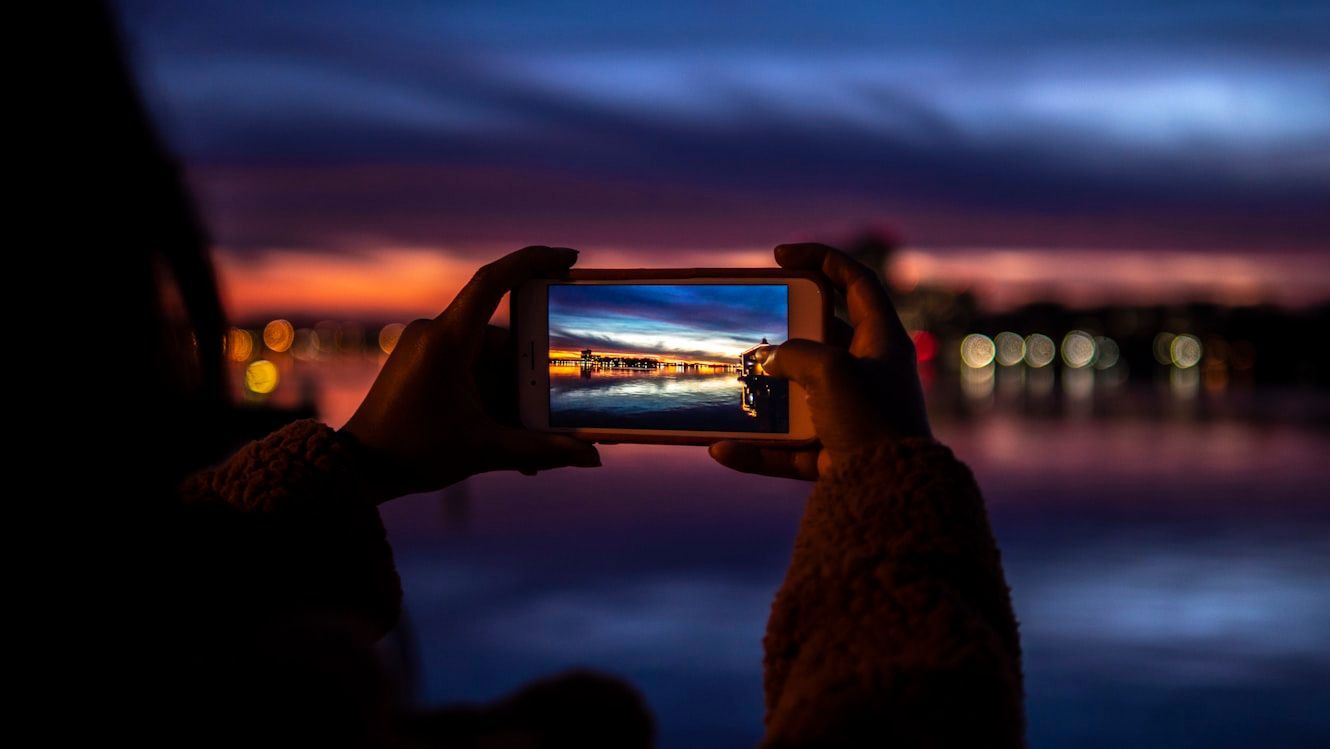
In the 1990s, NASA's Jet Propulsion Laboratory needed to shrink cameras down so they could fit on small spacecraft without draining the battery. Engineer Eric Fossum invented the image sensor, which put all the camera's functions onto a single tiny chip , making cameras much smaller and more efficient than ever before.

In 1995, Fossum founded the company Photobit to bring this space-age sensor to the commercial market. Today, this technology allows smartphones to take high-quality photos while staying thin enough to fit almost everywhere, making it the most used camera tech in the world.

4
Cordless Tools

Image: rakhmat suwandi

In the early 1960s, Black & Decker developed the first cordless electric drill for commercial use. NASA later recognized the potential and, in 1965, contracted Black & Decker to adapt and refine this technology for the Apollo program, creating a lightweight, battery-powered drill that could operate in the moon's harsh environment and in zero gravity.

But that wasn't all. To make it work for space, they had to improve a specialized motor and smart software that didn't drain the battery too fas t. By the late 1970s, the Dustbuster, the first cordless vacuum, was created, along with the improved battery-powered tools we still rely on today.

5
Memory Foam

Image: Kier in Sight Archives

Have you ever wondered why your mattress is smart enough to remember its original shape? Memory foam is a type of high-density polyurethane foam that softens when heated and under pressure. When you lie down on it, it molds to your body, and when you get up, it slowly returns to its original shape. That's what the "memory" part is about.

NASA developed memory foam in the 1960s to improve seat cushioning and crash protection for airline pilots and passengers, and later adapted it to protect astronauts from "G-forces" during space travel . As it reacted to body heat, the foam softened and molded perfectly to a person's frame, absorbing shock on impact. It took about twenty years to reach the public; the first memory foam mattress didn't hit the market until the early 1990s by companies like Tempur-Pedic and Fagerdala World Foams.

6
Sneaker Air Cushioning

Image: Damian Barczak

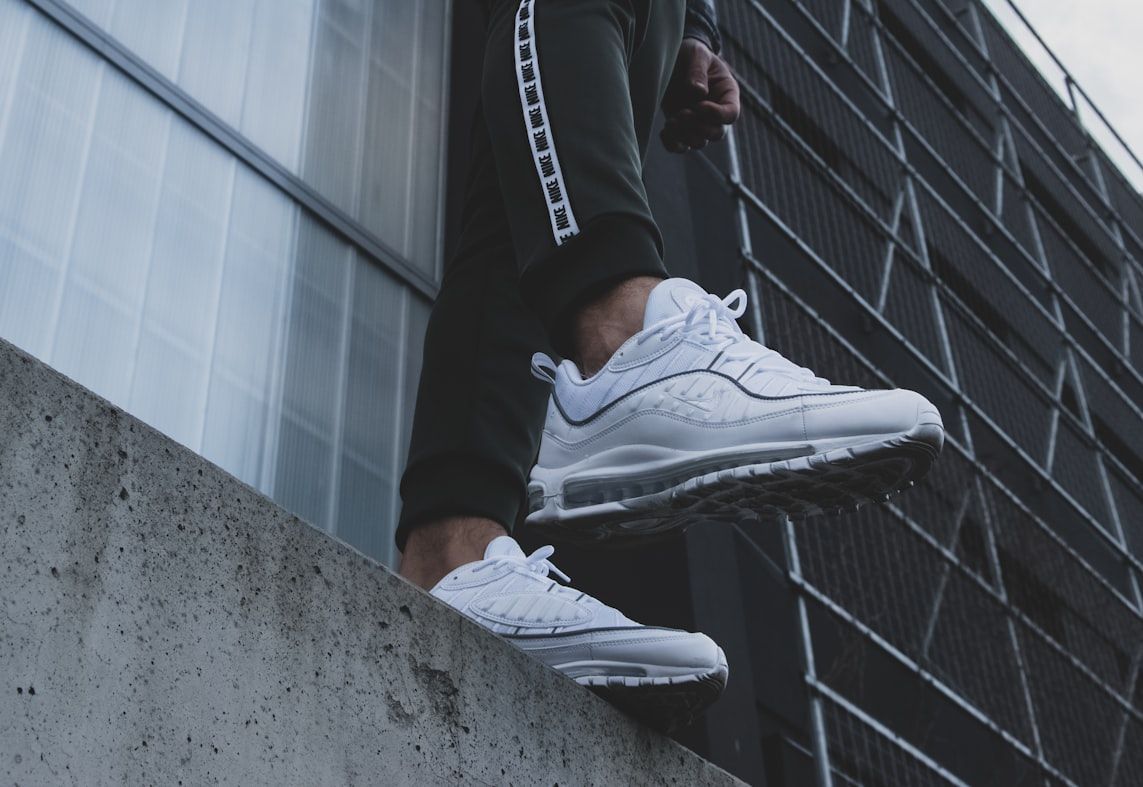
Ever wondered how Nike Airs were created? The truth is that the bounce in many modern sneakers is actually a product of the space industry. A NASA engineer named Frank Rudy, who worked on the Saturn and Apollo rocket engines, was introduced to a process called blow rubber moulding, used to create sealed, pressurised membranes for aerospace applications. He realized this same process could be used to trap gas inside a shoe sole.

In 1977, he brought this idea to Nike, and this led to the creation of the Nike Air Tailwind in 1978, the first shoe to feature this space-inspired cushioning. Today, air-cushioned soles are a standard, using the same aerospace tech to protect joints in every step.

7
Water Filters

Image: RephiLe water

In 1963, NASA faced an important challenge for the Apollo program: keeping drinking water pure for long missions without using heavy chemicals. To solve this, they pioneered a system that used silver ions to kill bacteria and activated carbon to remove pollutants. This allowed astronauts to have clean water stored for weeks.

By the 1970s, NASA shared this technology with the public, leading to the creation of companies like Aquaspace. These days, this same silver-ion and carbon tech is used inside household water pitchers and refrigerator filters to remove contaminants.

8
Scratch-Resistant Lenses

Image: Alireza Hashemi

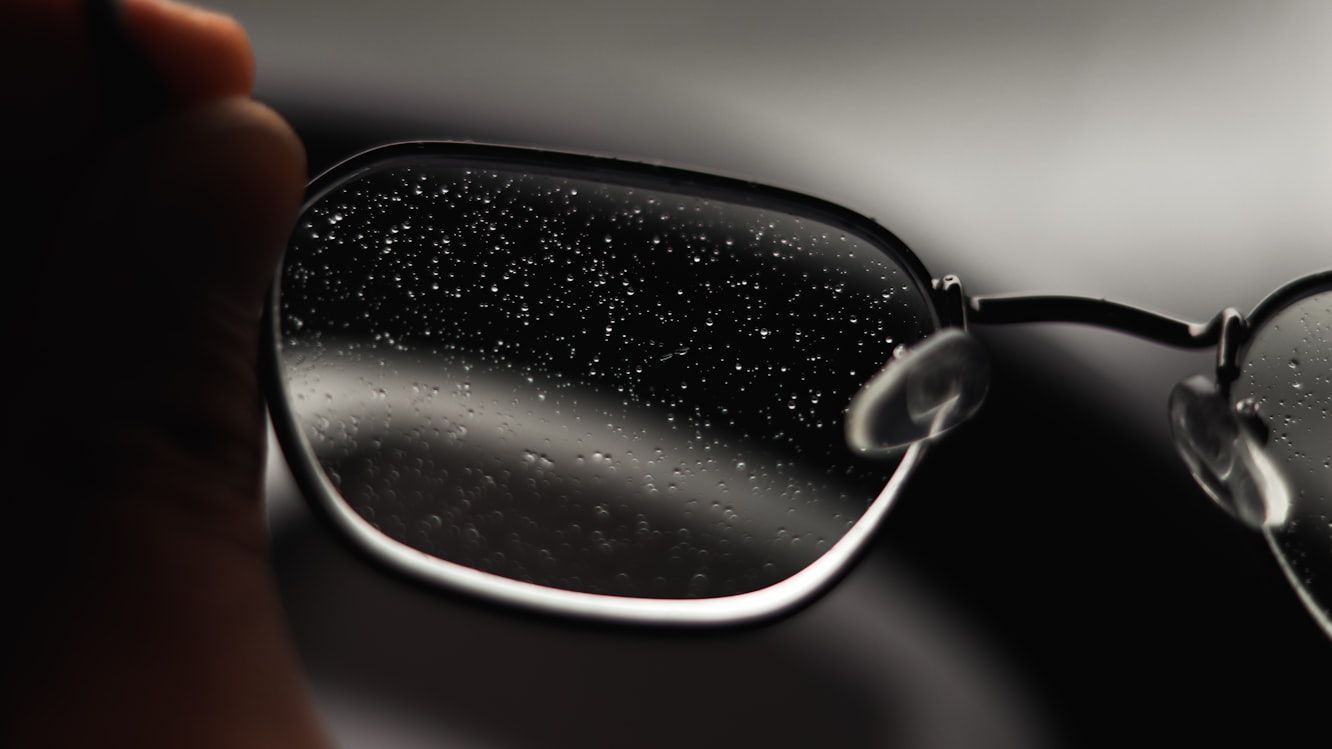
In the 1970s, NASA scientist Ted Wydeven of the Ames Research Center was working on a spacecraft water purification system when he coated a filter with a thin plastic film using an electric discharge of an organic vapor. The result protected the plastic surfaces of aerospace equipment from scratching.

This film made plastic up to ten times more scratch-resistant than earlier materials. In 1983, Foster-Grant licensed the technology and used it to produce scratch-resistant lenses for sunglasses and eyeglasses, introducing space technology to our daily lives.

9
Ear Thermometer

Image: Artur Solarz

NASA technology and modern healthcare are surprisingly close. It turns out that the same tech used to measure the heat of distant stars is now in our medicine cabinet . In the 1980s, NASA developed special infrared sensors because scientists evidently couldn't place a physical thermometer on a planet millions of miles away. These sensors worked by "reading" invisible heat energy from a distance.

By 1991, a medical technology company called Diatek teamed up with NASA to bring this space tech into daily medicine. They realized the human eardrum also emits infrared heat, and that could work as a perfect window to measure our body temperature. This partnership resulted in the first handheld ear thermometer, making fever checks much more comfortable and easier.

10
Super Soaker

Image: Michael Starkie

You probably assumed that the world's most famous water gun was created in a toy lab. It was actually invented in the home workshop of NASA engineer Lonnie Johnson. In 1982, while working on a new heat pump that used water instead of refrigerant, a nozzle he was testing shot a powerful stream across his bathroom.

Johnson realized its toy potential and licensed his "Power Drencher" design to the toy company Larami. It was renamed to the Super Soaker in 1991, and it uses the same air-pressure principles Johnson applied to spacecraft systems.

General General 4 min read

Fast-food flops

Do you recall these 11 big McDonald's menu fails?

Image: Lucas van Oort

Around 2014, McDonald's received a lot of criticism for not including healthier, more nutritious options on its menu, especially for kids. In response, the company embarked on a mission to create bubblegum-flavored broccoli. Needless to say, it was a complete failure. But this was not the only unsuccessful attempt to introduce new recipes and flavors. Throughout its several decades of existence, the Golden Arches has ventured into a wide variety of products that didn’t receive the expected reception. Do McPizza, Hula Burger, or McDLT ring a bell? Join us as we look back at 11 McDonald's products that were complete misfires!

1
McLean Deluxe

Image: Szabo Viktor

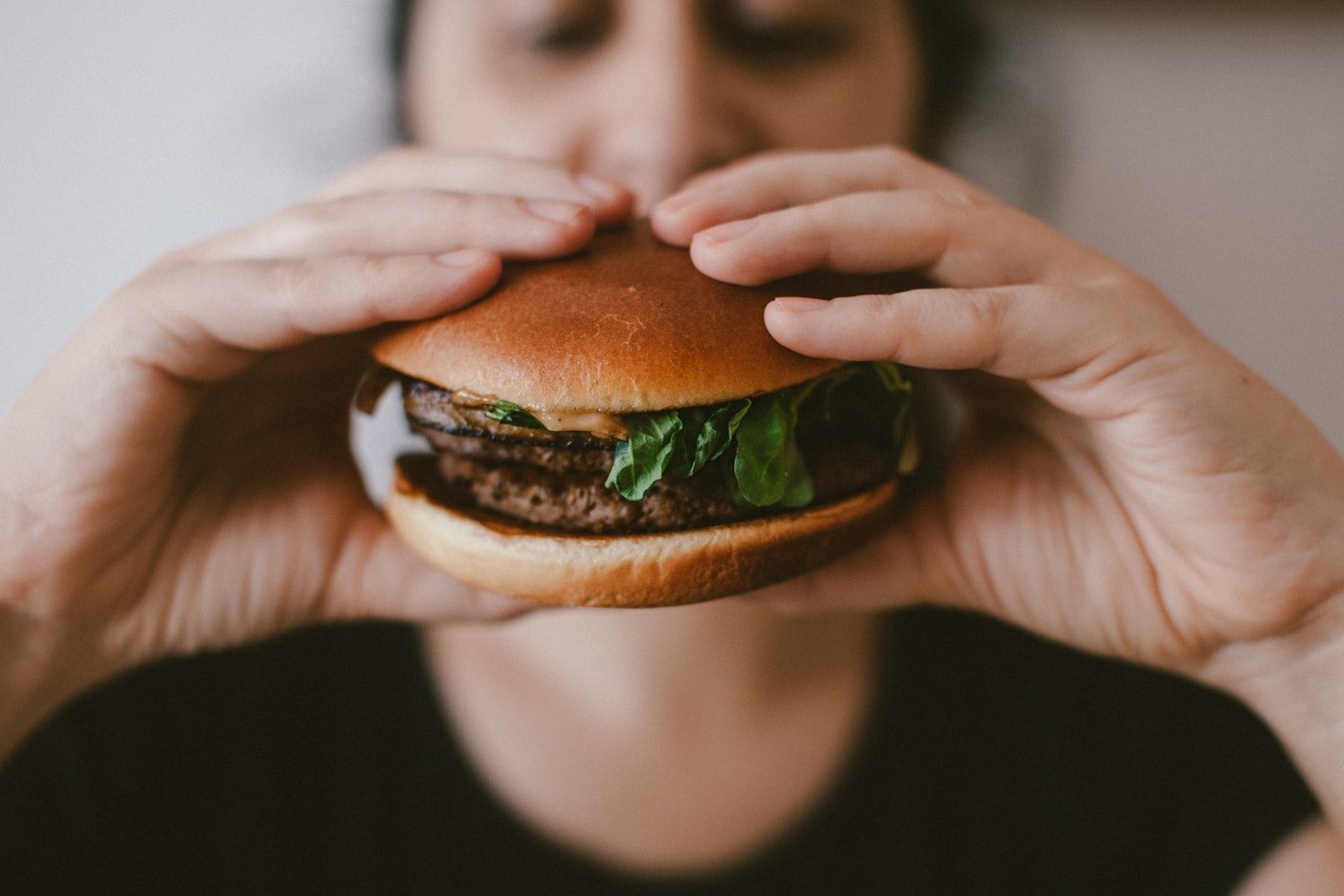
Remember the low-fat diet craze of the 1990s? Well, McDonald's was no stranger to it. To attract customers seeking "healthier" options, Mickey D's introduced the McLean Deluxe—a supposedly lighter burger than the Big Mac . The patty, developed by food scientists at Auburn University, was made with 90% meat and seaweed extract.

The company’s intentions were noble, but most consumers weren’t convinced by the "low fat but tastes great" slogan. Apparently, it was not tasty enough for the American palate and was ultimately pulled from stores in 1996 .

2
McHotDog

Image: sstoyanov

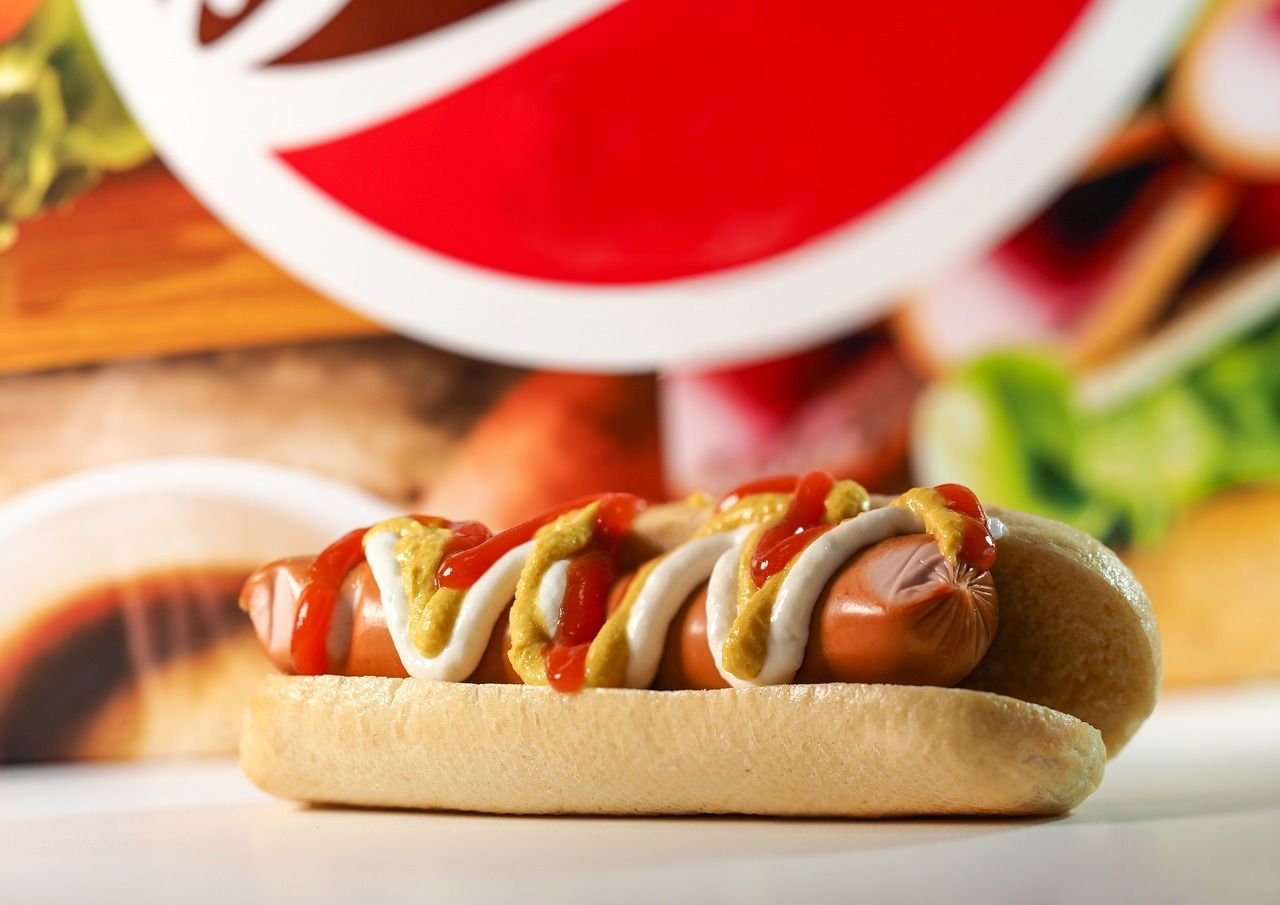
It doesn’t seem far-fetched for McDonald's to offer a hot dog on its menu. Yet, for many years, the company avoided it because Ray Kroc—the man who transformed McDonald's into the megafranchise we know today—had banned them on the grounds that sausages were of questionable quality.

Despite his reservations, McDonald's introduced the McHotDog in several locations in the mid-1990s. For unknown reasons, however, the product never took off. Have you ever tried it? What did you think?

3
McDLT

Image: Aaron Boucicault

No, it has nothing to do with Subway's BMT or the classic BLT sandwich. The McDLT, introduced in 1984, was a lettuce and tomato burger with only one novelty: it was sold in a Styrofoam container, separated in two, and you had to assemble it yourself.

The most likely reason for the McDLT’s demise was the backlash against Styrofoam in the late 1980s, due to its environmental impact. And let’s be honest—how many people actually want to assemble their own hamburger?

4
Hula Burger

Image: Irene Kredenets

Long before vegan options became popular, Ray Kroc attempted to offer a meatless option for Roman Catholics to eat during Lent. Introduced in 1963, the Hula Burger was essentially a cheeseburger with a slice of pineapple instead of a meat patty.

The idea was a complete flop and was quickly replaced by the Filet-O-Fish, which served the same purpose but was much better received by the public.

5
McLobster

Image: ucomedia

Believe it or not, McDonald's once had a lobster roll on its menu. Introduced in 1993, the McLobster was a sandwich served in a hot dog bun with lobster sauce and shredded lettuce.

Why did it fail? Mostly because of the price . Not only was it expensive for a fast food chain, but if you wanted lobster, you’d probably go to a seafood restaurant instead—don’t you agree?

6
Arch Deluxe

Image: HamZa NOUASRIA

Flavor-wise, the burger "with the grown-up taste" was decent enough, the problem was the marketing campaign that went along with it. The Arch Deluxe was designed for adults , featuring more sophisticated and expensive ingredients.

However, the ads showed Ronald McDonald engaging in adult activities and young rappers saying, "Yuck," which failed to resonate with anyone. The product flopped and was discontinued in 2000 . After all, no matter how old we are, when we go to McDonald's, we all want to feel like kids again.

7
McPizza

Image: dankeck, CC0, via Wikimedia Commons

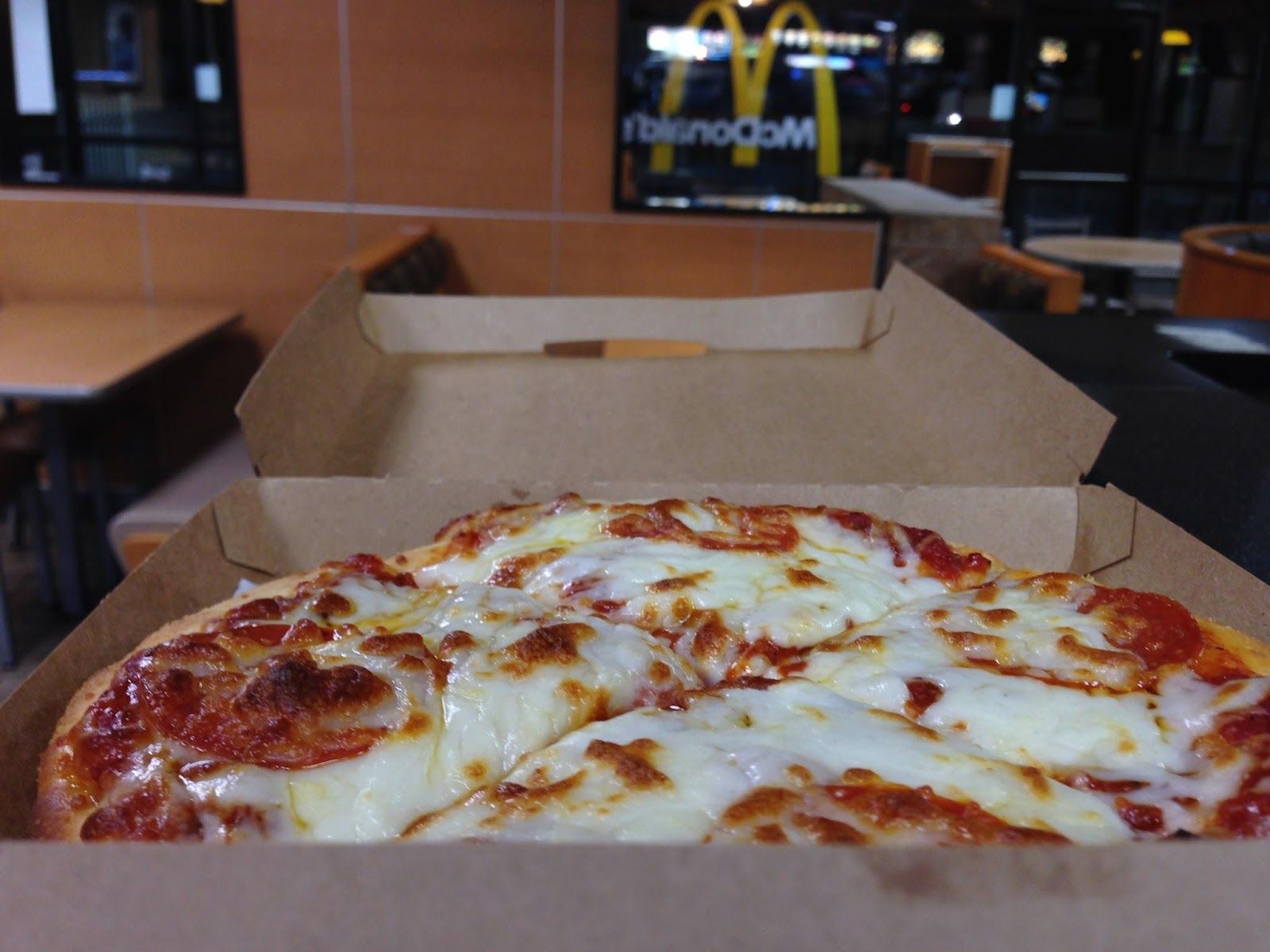
In hindsight, McDonald's should have stuck to selling burgers. But we have to give them credit for trying something different. In the late 1980s, the Golden Arches attempted to expand its menu with dinner options, introducing the McPizza. Sold only after 4 p.m. , it was heavily promoted through a major marketing campaign.

However, it was doomed to fail. Pizza takes much longer to prepare than a burger, and most people prefer to buy theirs from traditional pizza parlors. The McPizza was discontinued around 2000 and hasn’t returned to the menu since.

8
McPasta

Image: Lance Lozano

Just as pizza was a bad idea, offering pasta dishes at a burger joint was an even bigger stretch. Since the 1970s , McDonald's has attempted to market pasta, adding items like spaghetti and meatballs, lasagna, and fettuccine to its menu.

Needless to say, despite multiple attempts, all of McDonald's pasta products eventually flopped.

9
Onion Nuggets

Image: Brett Jordan

In 1975, a year after Burger King debuted its famous Onion Rings, McDonald's introduced Onion Nuggets. As the name suggests, this side dish consisted of small, fried onion pieces .

Unfortunately for vegetable lovers, Onion Nuggets were not as successful as their ring-shaped competitors and were finally removed from the menu in the mid-1980s. Just a few months later, McDonald's launched Chicken McNuggets, which proved to be a far bigger success.

10
McSalad Shakers

Image: Hermes Rivera

It seems that most of McDonald's attempts to offer healthier options were fruitless. The McSalad Shakers were salads sold in plastic cup-like containers that you had to shake to distribute the dressing evenly.

Although they featured three appealing flavors—Chef, Grilled Chicken Caesar, and Garden—McSalad Shakers lasted only a few years on the market. In 2003, the cups were replaced by traditional bowls, which, you’ll probably agree, make much more sense.

11
McDonaldland Cookies

Image: 三岁 陈

It remains a mystery why this item disappeared from the McDonald's menu, as it was a favorite among many for years. First introduced in 1974, this dessert consisted of crunchy lemon-flavored cookies shaped like the classic McDonaldland characters—Grimace, Hamburglar, The Fry Kids, Birdie, and Ronald himself!

McDonaldland Cookies came with the Happy Meal but were discontinued in the early 2000s , likely due to health concerns. The good news is, if you want to bring back this childhood flavor, you can still find them in Australia!

Explore more American facts

Choose your favorite category!

General
General

As American as apple pie—the very best America has to offer!

Culture
Culture

Delve into the astounding richness of American lore.

Geography
Geography

Hop in and explore vast and diverse American landscapes.

History
History

Discover the key moments that shaped the United States.