Geography Geography 4 min read

Discovering America

What's the easternmost point of the US? If you say Maine, think again!
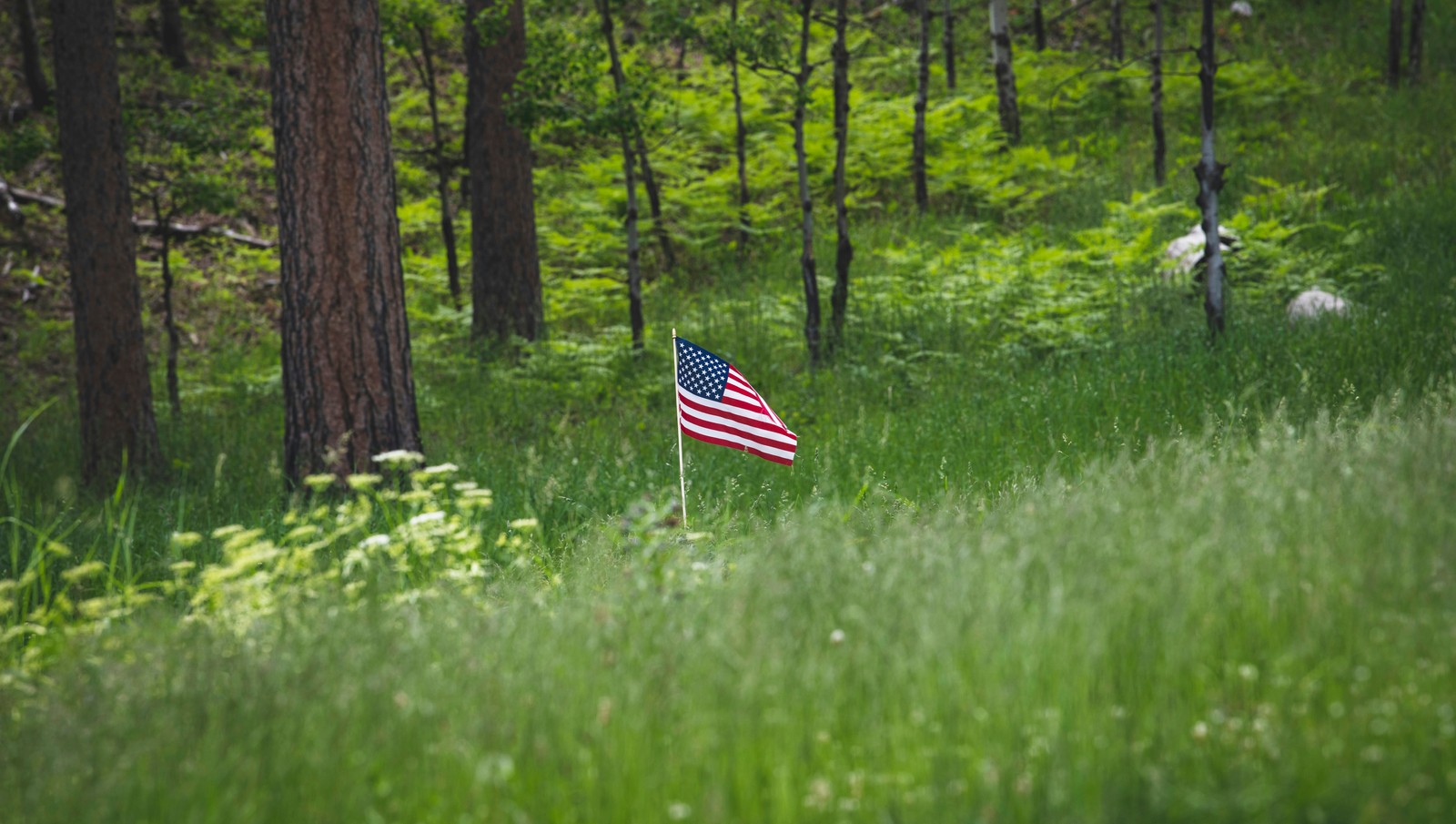
Image: Jon Sailer

We’ve all picked up "facts" about the fifty states somewhere along the way, but not all of them hold up. Some are half-truths passed around for generations , others are just plain wrong. So, in an attempt to set the record straight once and for all, we’ve gathered some fun truths that clear up the biggest mix-ups about our states.

1
Arizona skips Daylight Saving Time
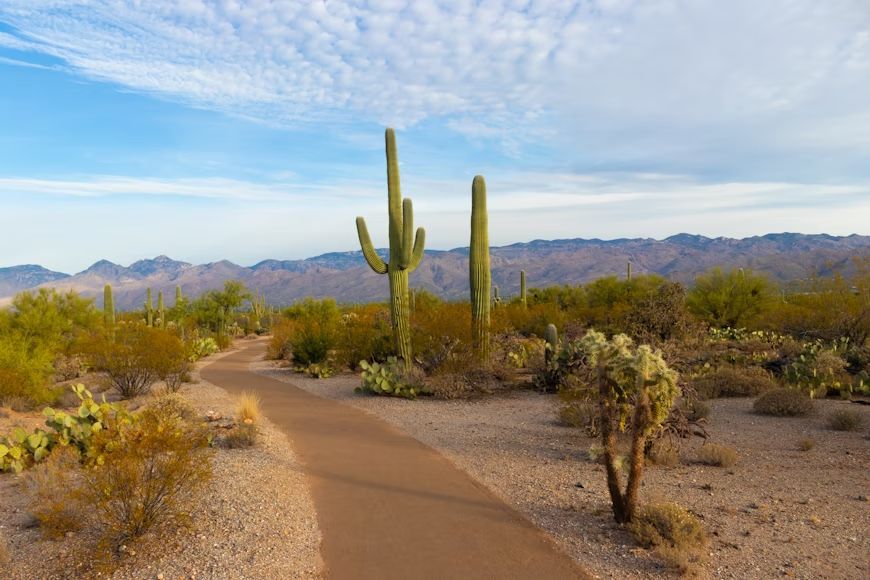
Image: Christoph von Gellhorn

This is partly true because most of the state doesn’t bother with Daylight Saving Time . They stopped changing the clocks back in 1967. The exception is the Navajo Nation, which stretches into Utah and New Mexico and keeps DST so all its communities stay on the same schedule. Now, as for the smaller Hopi reservation, inside the Navajo Nation, it sticks with Arizona time… Yes, quite confusing if you’re not a local.

2
Georgia isn’t really the Peach State
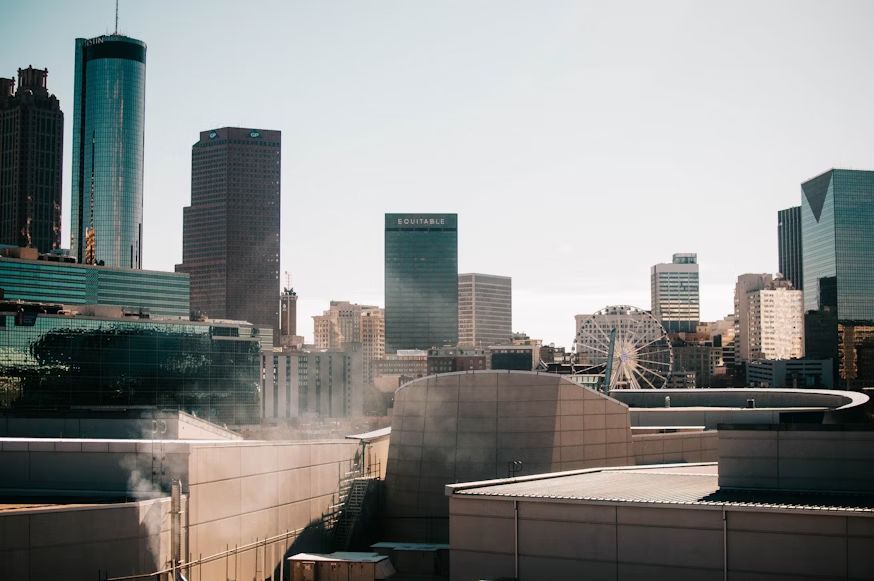
Image: Jessica Furtney

Georgia loves its peaches, sure, but the state’s top fruit money-maker is actually blueberries . In recent years, blueberries have brought in several times more cash for farmers than peaches. Meanwhile, California grows far more peaches than Georgia ever has. The nickname stuck from the old days when Georgia peaches were famous for their flavor, not their volume. So while the pride is real, the peaches aren’t quite the powerhouse people may think.

3
Nevada didn’t record the hottest US temperature
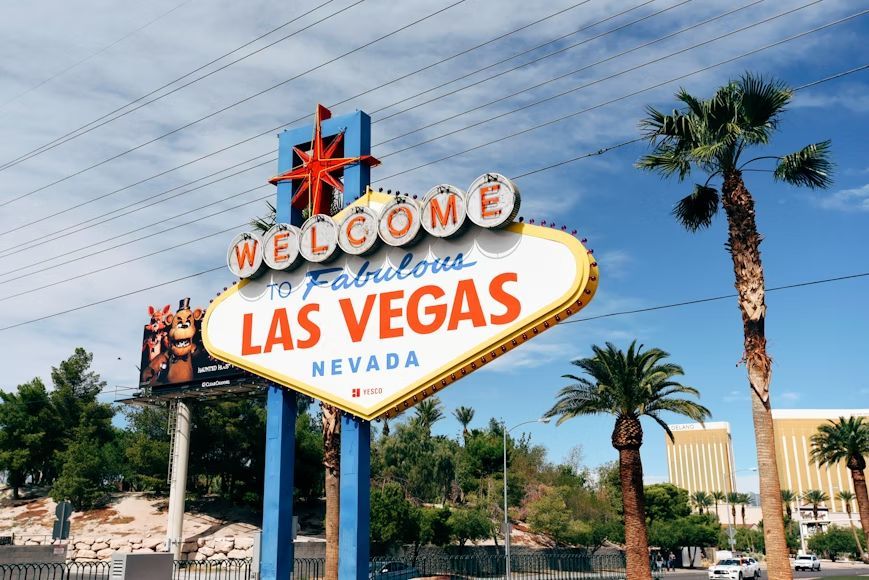
Image: tommao wang

You probably think of Nevada’s desert heat as unmatched, but the all-time record belongs to California’s Death Valley . In July 1913, it hit a mind-melting 134 degrees Fahrenheit, the hottest temperature not only in America but the hottest ever recorded on Earth!

4
Minnesota doesn’t have the most lakes
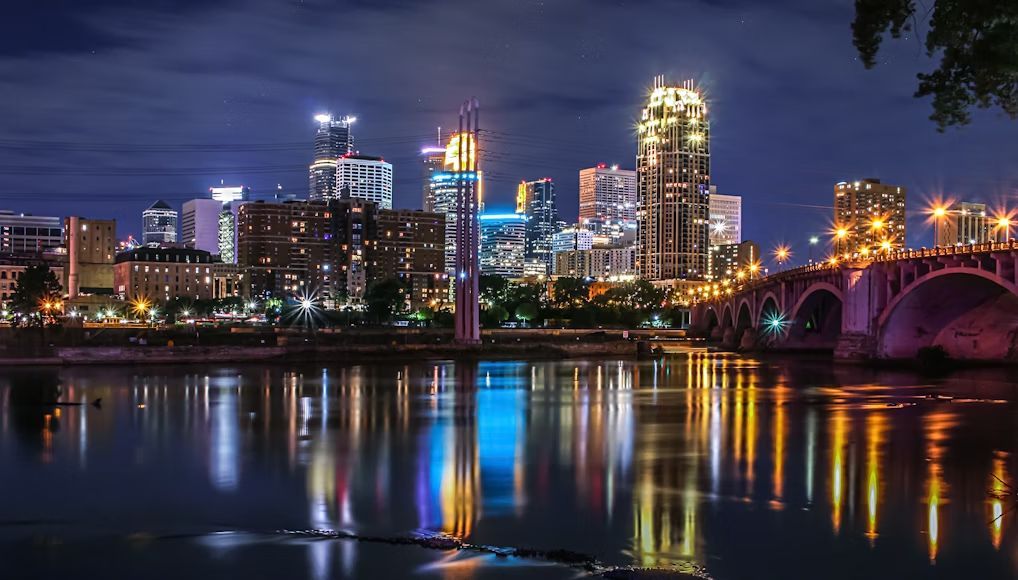
Image: Tom Conway

Minnesota proudly calls itself the "Land of 10,000 Lakes," but that’s selling itself short… The real number is closer to 12,000. However, Alaska wins this battle . The state has more than 3 million lakes over five acres in size. In fact, Alaska contains over 40 percent of the nation’s surface water. If you love fishing, kayaking, or just staring at a quiet stretch of water, the true lake capital of America is far up north.

5
Pineapples aren’t native to Hawaii
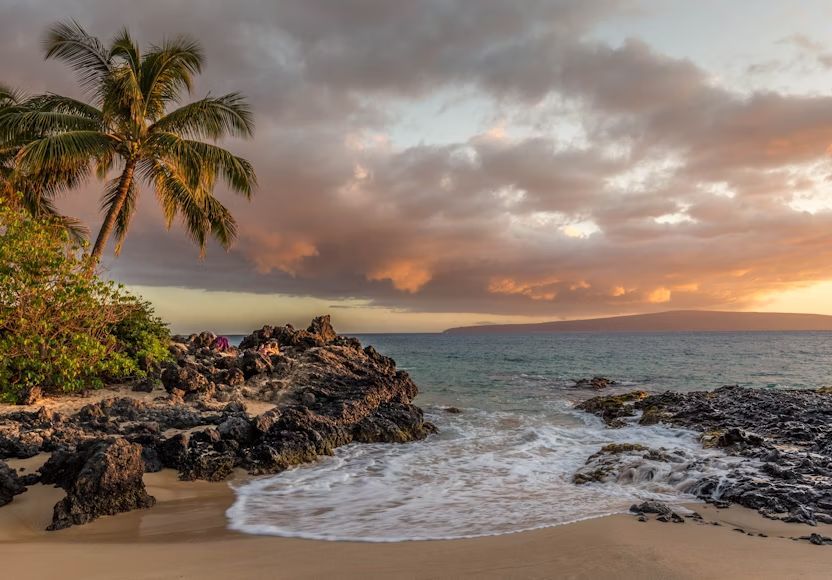
Image: Christian Joudrey

Pineapples are everywhere in Hawaiian imagery, but the plant actually comes from South America , mainly Paraguay and southern Brazil. Spanish explorers likely brought them to Hawaii in the 1500s after spreading them across the Pacific to places like the Philippines and Guam. Hawaii’s climate turned out to be perfect for growing them and by the 1900s, the islands were producing so many pineapples that the fruit became a symbol of Hawaii itself.

6
Maine isn’t the country’s easternmost point
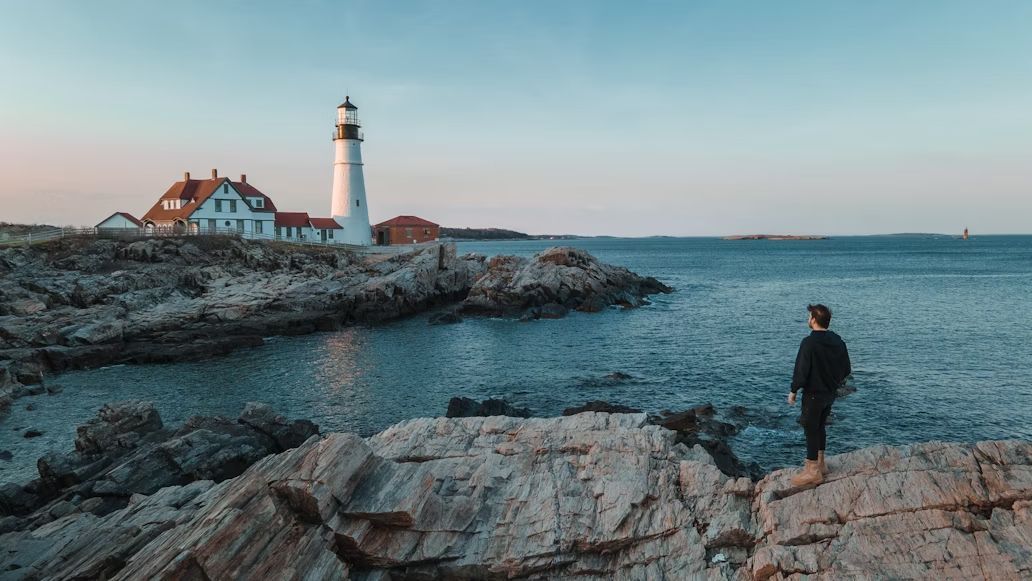
Image: Chris Henry

If you’re a Geography geek, you’ll love this one. You might picture Maine’s rocky coast as the eastern tip of America, but the actual easternmost point is thousands of miles away, on Alaska’s Semisopochnoi Island in the Aleutians. How is that possible? Well, that’s because it crosses the 180th meridian, putting it in the Eastern Hemisphere. That means part of Alaska technically sits farther east than anywhere in Maine.

7
The biggest US earthquake didn’t happen in California
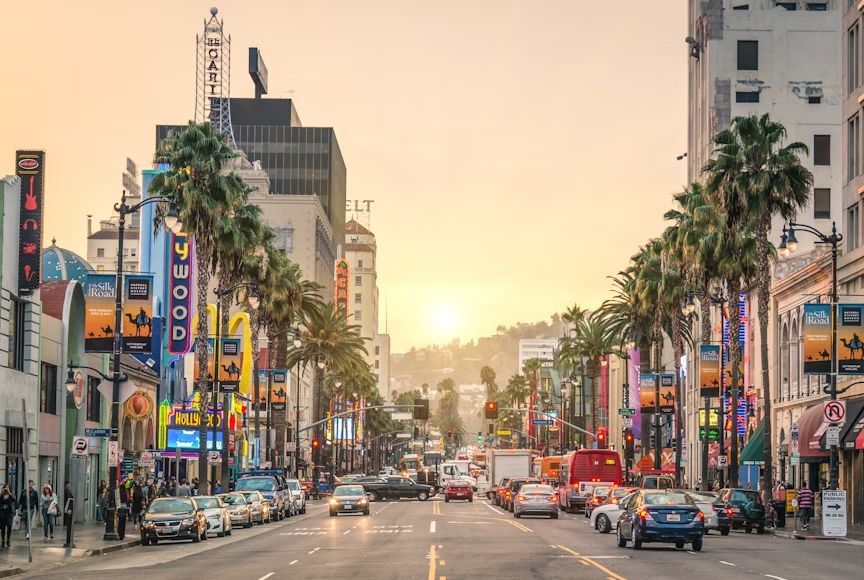
Image: Lala Miklós

California has suffered some big earthquakes in its history, but the most powerful earthquake in America struck Alaska in 1964 . It hit Prince William Sound with a magnitude of 9.2. It was so strong it shook the ground for four and a half minutes and triggered massive tsunamis. In today’s dollars, the damage would total more than $2 billion. Alaska sits on a collision zone of tectonic plates, making it one of the world’s most seismically active regions.

8
The Everglades isn’t America’s biggest swamp
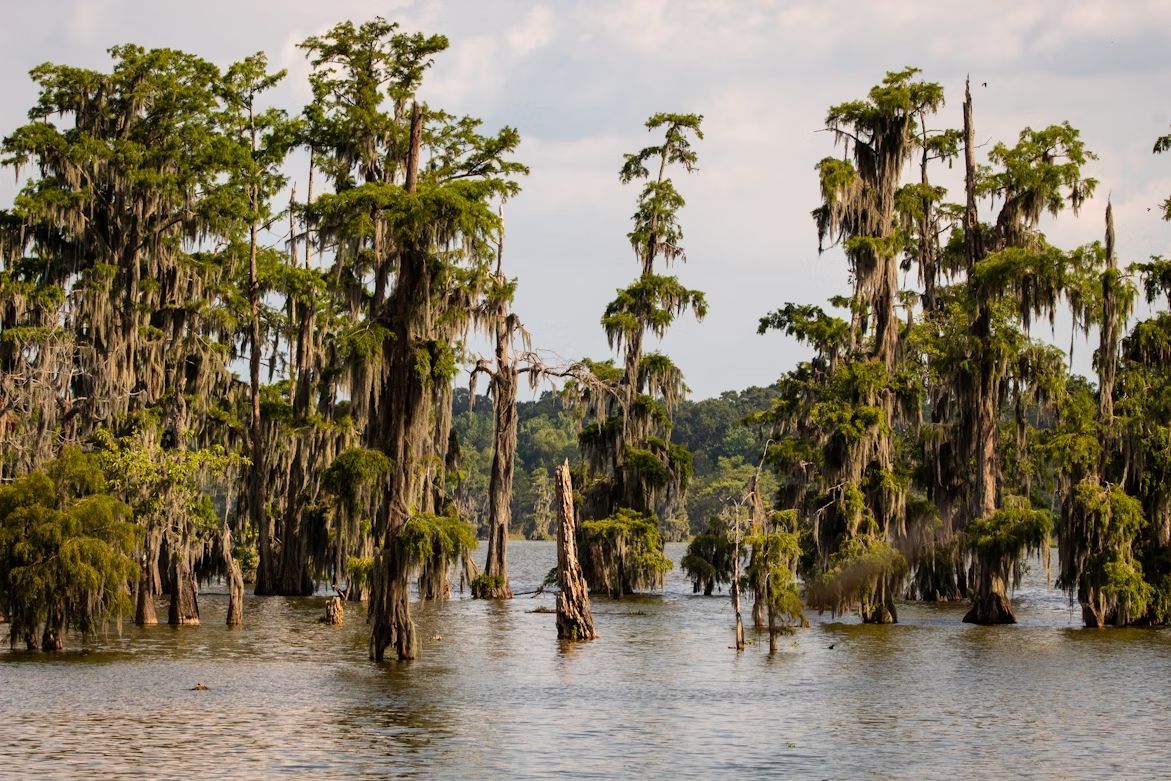
Image: Joshua J. Cotten

A lot of people picture the Florida Everglades when they think of swamps, but technically, the Everglades isn’t a swamp at all. The real title of the largest swamp in the United States goes to Louisiana’s Atchafalaya Basin , which spans about 1.4 million acres. This swamp has a vast mix of cypress forests, bayous, and marshes, and it’s more than twice as productive as the Everglades when it comes to wildlife and plant life.

9
Big cities aren’t always capitals
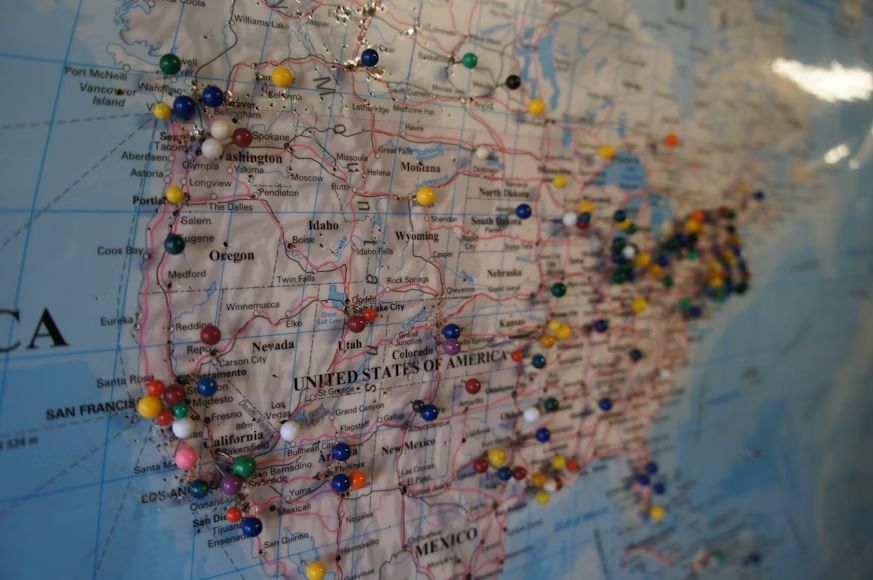
Image: Mackenzie Cruz

It surprises people how often the biggest city isn’t the state capital . New York City? Not the capital… Albany is. Chicago? Nope, that honor goes to Springfield. Pennsylvania’s capital isn’t Philly or Pittsburgh, it’s Harrisburg. Even California’s capital isn’t L.A. or San Francisco, it’s actually Sacramento. Out of fifty states, only seventeen have their most populous city as the capital.

10
Alaska isn’t divided into counties
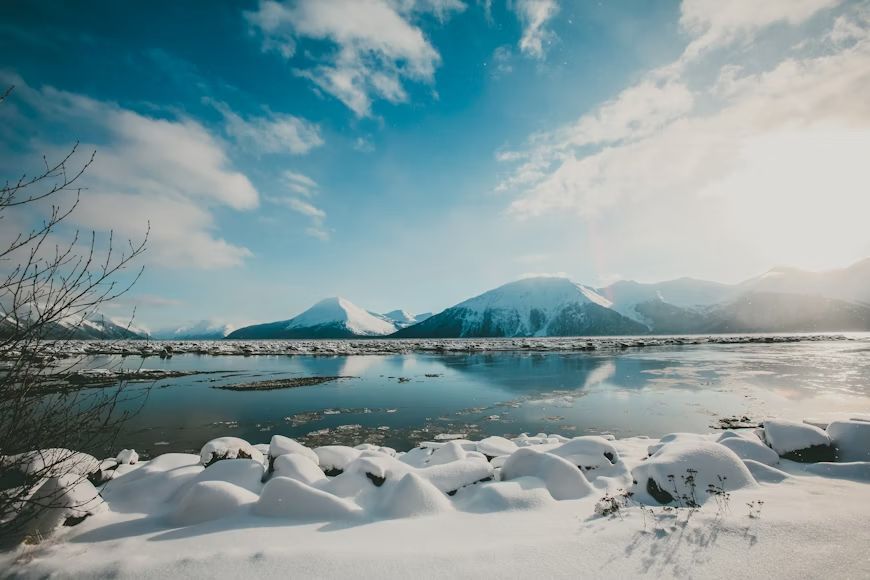
Image: Rod Long

Alaska likes to do things its own way. Instead of counties, it’s split into boroughs , and a massive area known as the Unorganized Borough has no local government at all. People out there don’t pay property taxes, but that freedom comes with challenges, limited services, fewer job options, and tough living conditions.

General General 4 min read

Hear them out!

Words of wisdom: These patriotic quotes will speak to your heart

Image: WikiImages

Patriotism isn’t just about fireworks and flags; it’s also about values, courage, and unity. From the Founding Fathers to modern leaders, American history is filled with powerful words and phrases that inspire reflection on freedom, bravery, and responsibility. These quotes speak to the American spirit, reminding us of who we are and what we stand for. Let’s explore these timeless expressions of patriotism and the wise people who said them!

1
Ralph Waldo Emerson

Image: Samantha Jean

Emerson, a celebrated essayist and poet, found joy in trying to describe the essence of the American spirit. His quote "America is another name for opportunity" reflects the belief that America is a land of boundless possibilities where dreams can take root and flourish.

His phrase is from the 19th century, and it resonates with the idea that hard work and determination can turn aspirations into reality. For many, this phrase embodies the American Dream—the promise of a better life through opportunity and perseverance. What do you think about it?

2
Elmer Davis

Image: Wesley Tingey

Elmer Davis, a journalist and WWII-era director of the Office of War Information, deeply understood the connection between freedom and bravery.

His quote "the land of the free… and the home of the brave," emphasizes that liberty doesn’t come without courage. In turn, it’s the bravery of those who defend it that keeps freedom alive.

Quite accurate if we think of the sacrifices many made to build the nation we cherish today. Don’t you agree?

3
John F. Kennedy

Image: History in HD

In his 1961 inaugural address, JFK delivered this unforgettable line: "Ask not what your country can do for you, but what you can do for your country." Do you remember who were the recipients of such a call?

This was a direct appeal to all Americans, to prioritize service over self-interest. It was a rallying cry during a time of change and uncertainty, inspiring citizens to contribute to the greater good. The underlying message? Patriotism isn’t passive, it’s about active participation.

4
Benjamin Franklin

Image: Adam Nir

Benjamin Franklin, one of America’s founding fathers, believed that liberty was the cornerstone of a great nation and we all agree with him! His quote, "Where liberty is, there is my country," underscores his commitment to freedom, wherever it might be found.

During the Revolutionary War, Franklin’s words carried immense weight, symbolizing the fight for independence. For Franklin, protecting freedom wasn’t just a right; it was a responsibility.

5
Calvin Coolidge

Image: William Rudolph

Coolidge, the 30th US president, had a no-nonsense approach to patriotism. To him, it wasn’t about grand gestures or flashy displays but about taking care of your community and nation. His quote, " Patriotism means looking out for your country ," reflects a practical, everyday kind of patriotism—one rooted in responsibility and mutual care.

From lending a hand to a neighbor to preserving natural resources, it’s all about the small acts of kindness that add up to a stronger country.

6
Frederick Douglass

Image: Tim Mossholder

Freedom and bravery are common in patriotic quotes, but Frederick Douglass, a former enslaved man turned abolitionist leader, understood the moral backbone a nation needs to thrive too.

His quote, "Honesty keeps the nation secure," reminds us that truthfulness and virtue are essential for lasting security and justice. His words challenge us to strive for integrity in our actions and decisions. After all, a nation built on truth is a nation that endures, don’t you agree?

7
Thurgood Marshall

Image: Jason Richard

Thurgood Marshall, the first Black Supreme Court Justice, spoke these powerful words about democracy: "Make it. Protect it. Pass it on."

His message is quite clear: democracy and responsibility go hand in hand. It requires effort to build, vigilance to protect, and a commitment to pass it down to future generations. In just three simple steps, he captured the essence of what it takes to sustain democracy—and it’s all up to us.

8
Eleanor Roosevelt

Image: Thomas Park

It was only right to include a woman in this article. Eleanor Roosevelt, First Lady, and human rights advocate, redefined the definition of patriotism to include dignity and equality for all.

Her quote, "True patriotism knows no borders," challenges us to think beyond national lines and embrace universal values like freedom and respect. Her words are a call to take patriotism—and the American ideals of dignity and growth—wherever we go, ensuring that everyone has the opportunity to thrive.

9
Thomas Wolfe

Image: Ian MacDonald

Novelist Thomas Wolfe had a poetic way of capturing the magic of America—and we love it. His quote, "Miracles happen all the time in America," celebrates the idea that this country is a land of endless possibilities, where the extraordinary can feel quite ordinary.

From scientific breakthroughs to everyday acts of kindness, Wolfe saw America as a place where hope and wonder flourish. No wonder we developed the whole concept of the American Dream, huh?

10
Robert Frost

Image: Wilson Hobbs

Another poet makes an appearance in this article—our beloved Robert Frost. He wasn’t afraid to speak his mind, and his quote, "Freedom lies in being bold," is all about that!

For him, freedom is closely tied to courage, and the willingness to take risks and stand firm in the face of adversity. Both in personal choices or collective action, Frost’s words value independence and self-expression.

11
Franklin D. Roosevelt

Image: Daniele La Rosa Messina

This might be the most powerful quote in the article. While the other phrases speak of freedom as something granted, FDR—a president who led America through the Great Depression and WWII—understood the hard work behind true freedom.

His quote, "Freedom must be achieved, not given," takes a step back and makes sure nobody takes it for granted!

Geography Geography 3 min read

What's behind American cities' nicknames? Prepare to be surprised!

Image: Trev W. Adams

We love giving our cities all sorts of nicknames—and American cities wear them like badges of honor! But do you know where they come from? Some seem obvious, while others have mysterious origins, but all have a unique connection to the places they describe . Join us for a fun guessing game as we explore the nicknames of six iconic U.S. cities, with their surprising origins revealed in the second half of this list .

1
The Big Apple: New York City

Image: Nik Shuliahin

Everybody knows "The Big Apple" refers to New York— the city that never sleeps . But why, exactly? Is it because there’s a worm (the subway) underneath it? Or is it a metaphor for something we strive for?

2
The Big Easy: New Orleans

Image: mana5280

It sure feels easy to stroll through New Orleans, a city known for its laid-back atmosphere and rich cultural energy, where jazz bands can spontaneously form on any corner and lively public celebrations are always just around the bend. But what’s the story behind its nickname?

3
Motor City: Detroit

Image: Doug Zuba

The most populous city in Michigan, the nickname "Motor City" certainly feels right for its bustling streets and large industrial background —but what exactly led to the adoption of this powerful nickname?

4
Sin City: Las Vegas

Image: Grant Cai

We all know the famous adage: "What happens in Vegas, stays in Vegas." Given the city’s notorious nightlife and gambling scene , it’s understandable—you might prefer to forget how you lost all your savings on a slot machine. But is that the only reason it earned its infamous nickname?

5
The Windy City: Chicago

Image: Ozzie Stern

Situated on the shores of Lake Michigan, Chicago's nickname might seem to stem from its exposure to harsh weather —but sometimes, the obvious answer isn’t the correct one. Is it really the weather, or is something stranger at play?

6
The Mile High City: Denver

Image: Emmanuel Appiah

Is Denver really a "Mile High" city because of its geographical proximity to the towering Rockies, or is it just a nod to its ever-expanding skyline? Keep reading to find out!

And now, the answers:

7
The Big Apple: Horse-racing origins

Image: Taylor Sondgeroth

The nickname originated in the 1920s as horse-racing slang , where "The Big Apple" informally referred to New York’s prize racetracks. Jazz musicians later popularized it, and a 1970s tourism campaign ultimately cemented it as a symbol of the city’s cultural and financial prominence.

8
The Big Easy: Chill and jazz

Image: Robson Hatsukami Morgan

If you followed our line of thought—you were right! This nickname emerged from the city's reputation for its relaxed lifestyle and vibrant jazz scene . While there are many theories about who first used the term—and whether it was originally meant to be derogatory—one thing is certain: all New Orleanians agree it 100% reflects the city’s unique blend of music, culture, and laissez-faire attitude.

9
Motor City: Infinite assembly lines

Image: Austrian National Library

Detroit earned its nickname as the birthplace of the American auto industry. Henry Ford’s revolutionary assembly line and the rise of car manufacturing giants cemented the city’s status as the global automotive capital of the 20th century. In fact, it remains home to the headquarters of America’s largest auto manufacturers—General Motors, Ford, and Chrysler.

10
Sin City: Prohibition defiance

Image: Jakub Dziubak

For a city founded by religious missionaries, "Sin City" is certainly an ironic nickname. In truth, its origins trace back to the construction of the nearby Hoover Dam in the 1930s. Thousands of workers flocked to the city in search of lodging and—presumably—entertainment. This led to the rapid rise of casinos and a thriving underground alcohol industry that—during Prohibition—was as profitable as it was illegal.

11
The Windy City: Long-winded speeches

Image: Kristina Paparo

While many assume it refers to Chicago’s weather, the nickname was actually coined by journalists mocking the boastful speeches of local politicians as they aggressively promoted the city as the ideal location for the World’s Fair. The term was meant to highlight the "hot air" of their rhetoric rather than the city's literal windiness.

12
The Mile High City: A matter of altitude

Image: Bill Griepenstroh

Denver sits exactly 5,280 feet one mile above sea level , earning its nickname, the "Mile High City," quite literally. Its natural elevation, combined with stunning Rocky Mountain views, makes it truly unique. Even more interesting, Denver’s altitude leads to some unusual effects: golf balls can travel up to 10% farther than at sea level, and alcohol tends to hit harder since high altitudes reduce the body's ability to process it efficiently.

Explore more American facts

Choose your favorite category!

General
General

As American as apple pie—the very best America has to offer!

Culture
Culture

Delve into the astounding richness of American lore.

Geography
Geography

Hop in and explore vast and diverse American landscapes.

History
History

Discover the key moments that shaped the United States.