Geography Geography 4 min read

National gems of the US

Some of the US's most breathtaking national parks are the ones few visit
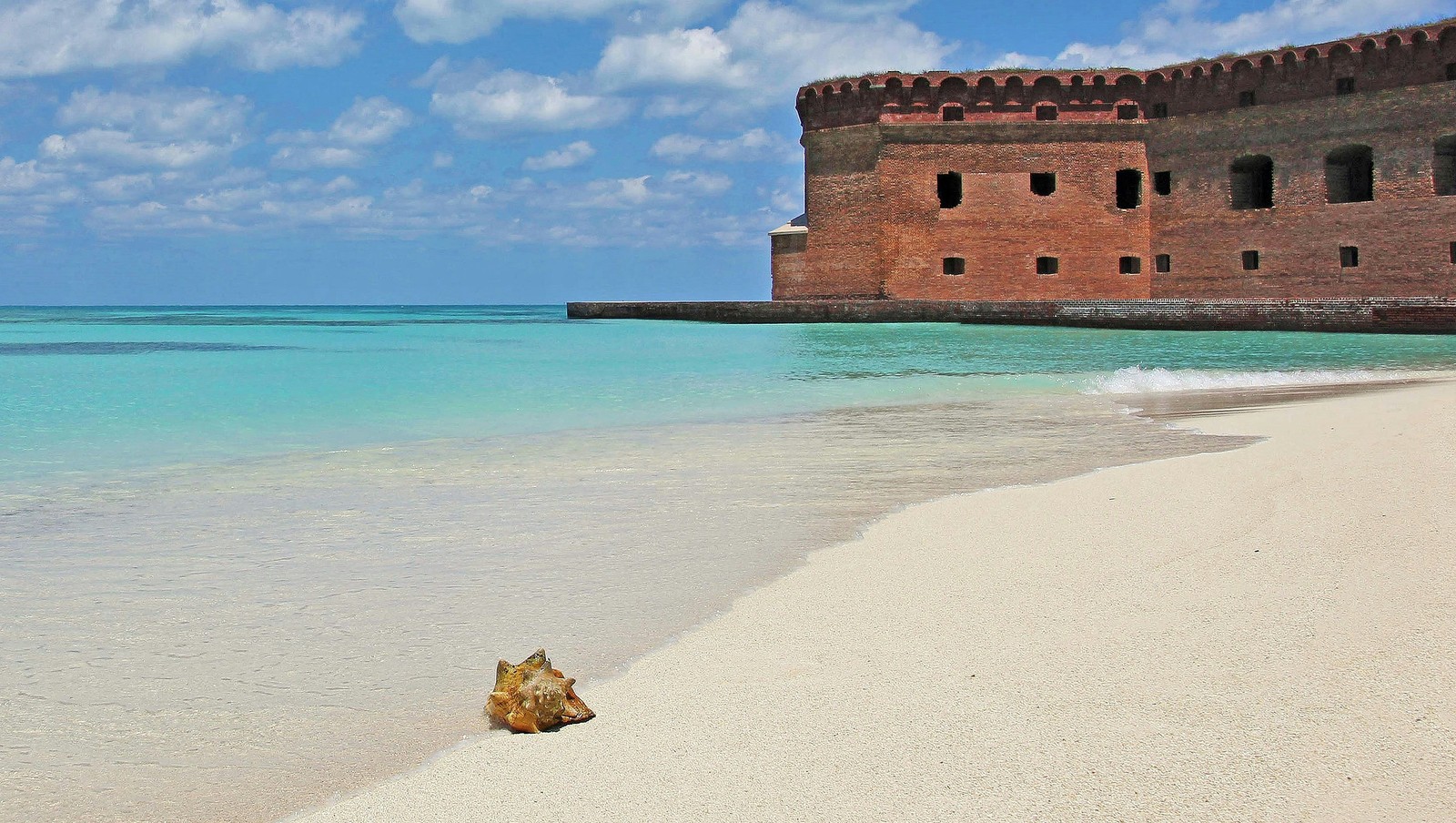
Image: Christopher Osten

The National Park Service reports that over 12 million people visit the Great Smoky Mountains Park every year. Be warned: it may not be the isolated haven you were looking for. If you want to visit less crowded national parks that are just as interesting and scenic, here is a list of suggestions .

1
Dry Tortugas National Park, Florida
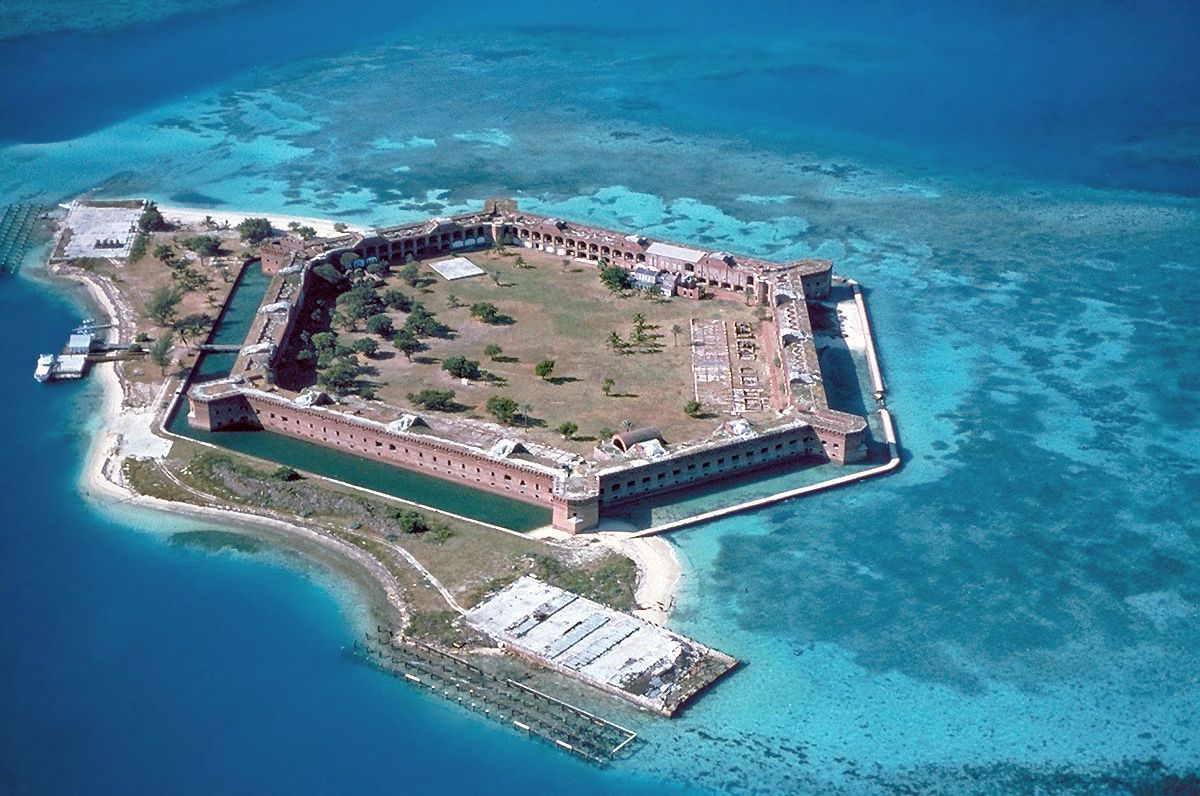
Image: U.S. National Park Service, Public domain, via Wikimedia Commons

Located about 70 miles west of Key West, Dry Tortugas National Park is one of the most isolated national parks in the country , accessible only by ferry or seaplane. About 99% of the park is water. Its main landmark is Fort Jefferson, a massive unfinished 19th-century coastal fort built with more than 16 million bricks.

Visitors often go for a day trip, but camping is available for those looking for an overnight experience. The park also offers snorkeling, swimming, and birdwatching.

2
White Sands National Park, New Mexico
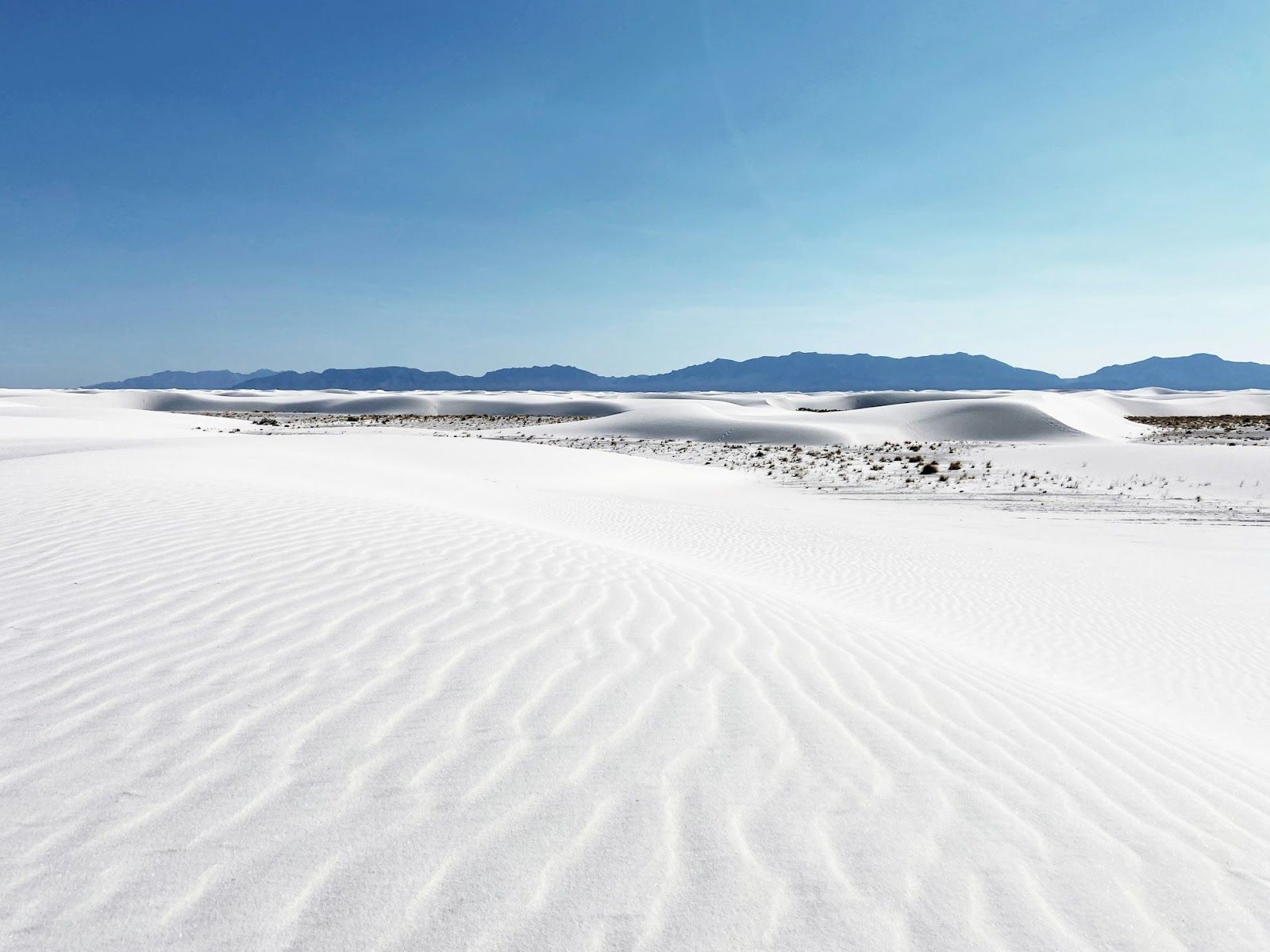
Image: Joonyeop Baek

White Sands National Park protects the world’s largest gypsum dune field, covering about 275 square miles in southern New Mexico. Here is the difference between gypsum and typical sand: the former does not absorb heat the same way, so the dunes remain relatively cool underfoot, even in hot weather.

The park is known for activities like dune sledding, hiking marked trails , and scenic drives through the shifting landscape. While its distance from major cities means it stays less crowded than others, the park is still easily accessible by car.

3
Big Bend National Park, Texas
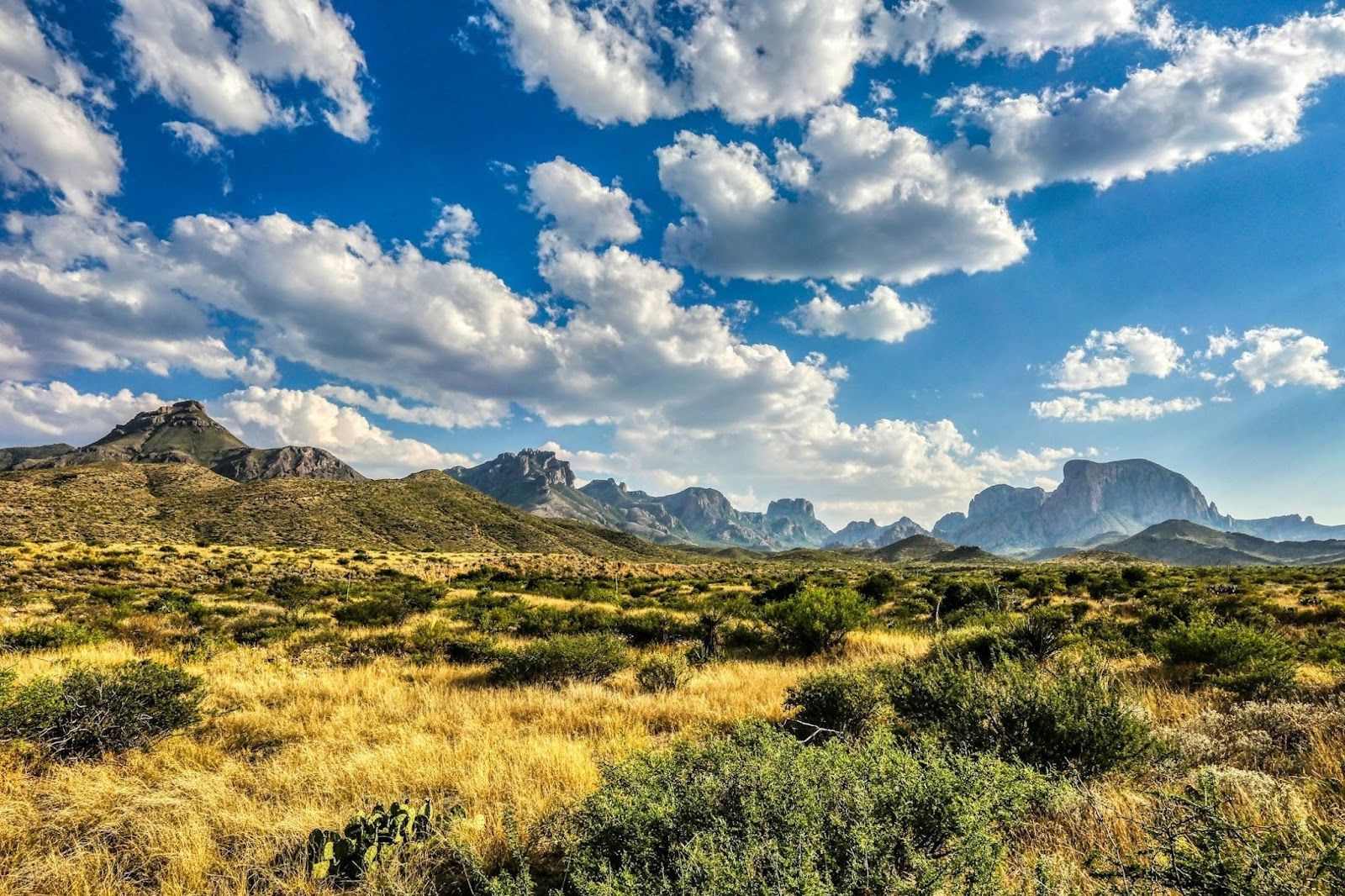
Image: Mick Haupt

Big Bend National Park covers more than 800,000 acres along the Rio Grande, which forms the natural border between the United States and Mexico. It’s one of the least visited national parks of its size, largely because of its remote location in southwest Texas.

Those who visit come for the Ross Maxwell Scenic Drive, hikes into Santa Elena Canyon, and some of the best stargazing in the country. The Greater Big Bend International Dark Sky Reserve, spanning over 15,000 square miles, is the world’s largest certified "Dark Sky," an area where light pollution is regulated to preserve wildlife, aid astronomical research, and allow visitors to enjoy a stunning night sky.

4
Pinnacles National Park, California
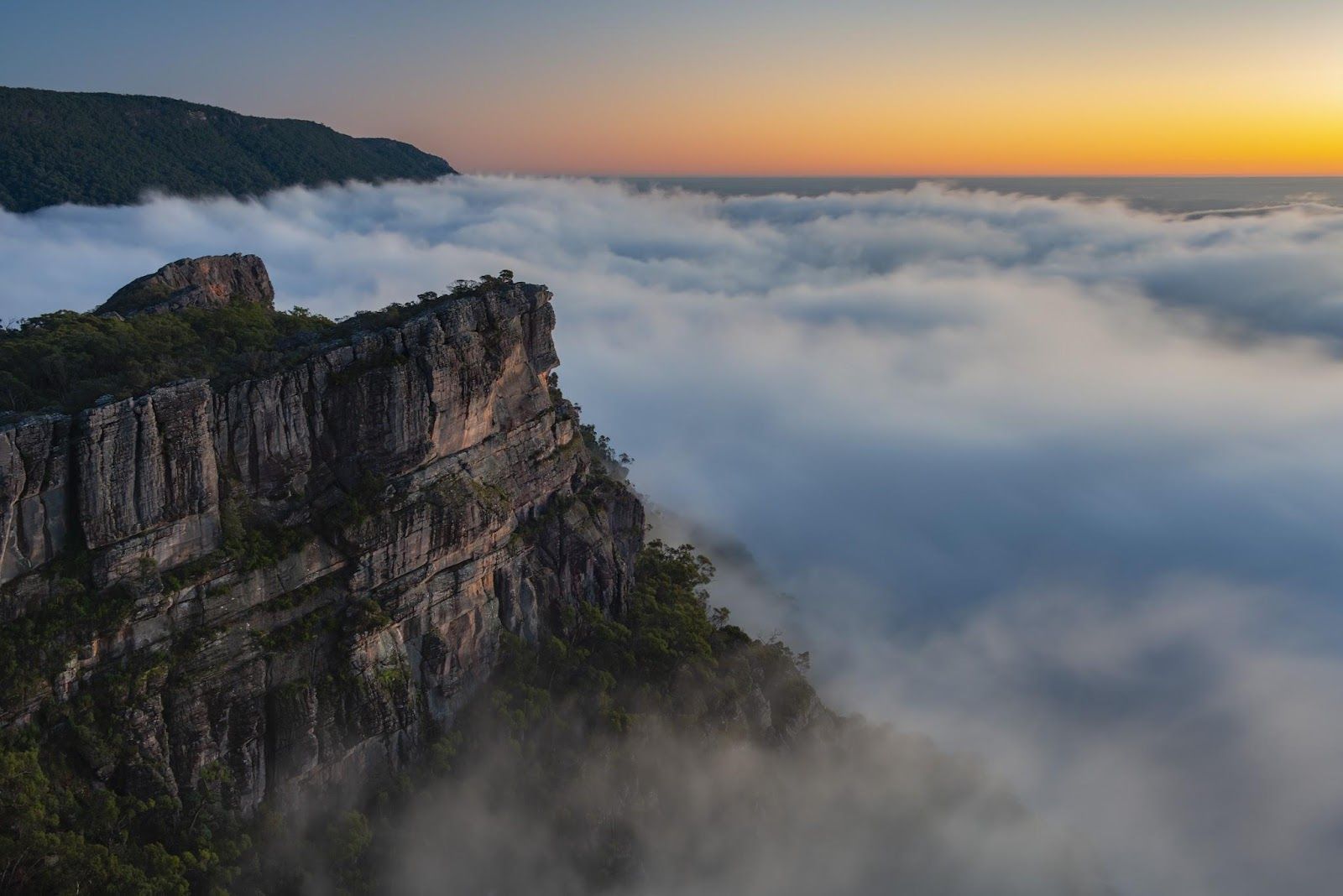
Image: Mo

This national park might be one of the newest —it was designated in 2013—, but that doesn’t mean that its unique rock formations are recent. They were created by an ancient volcanic field that has shifted over millions of years.

The park is best known for its talus caves, one of the few places where you might spot the endangered California condor in the wild. Located about 80 miles southeast of San Jose, it’s relatively accessible but still far less crowded than parks like Yosemite .

5
Isle Royale National Park, Michigan
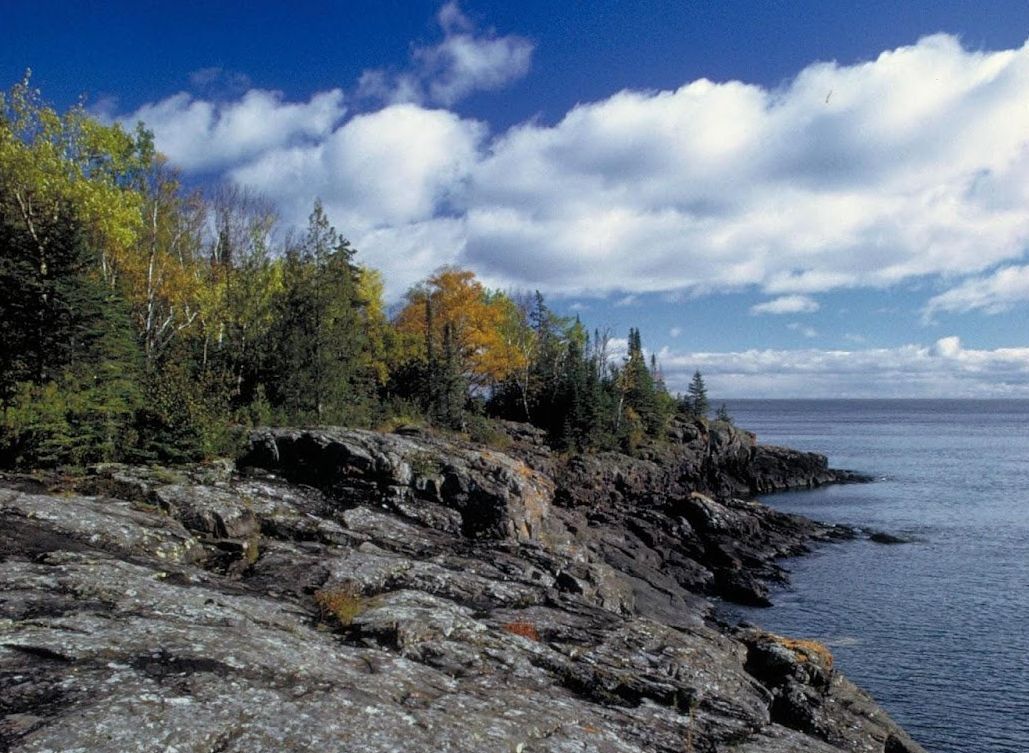
Image: English: NPS staff, Public domain, via Wikimedia Commons

This island sits on Lake Superior and is one of the least visited national parks in the United States, receiving only a small fraction of the visitors seen at major parks. It’s only accessible by ferry or seaplane, and has no roads or cars.

This makes it an ideal destination for hikers, backpackers, and kayakers. Keep in mind, though, that the park is only open from mid-April through October due to harsh winter conditions.

6
Mammoth Cave National Park, Kentucky
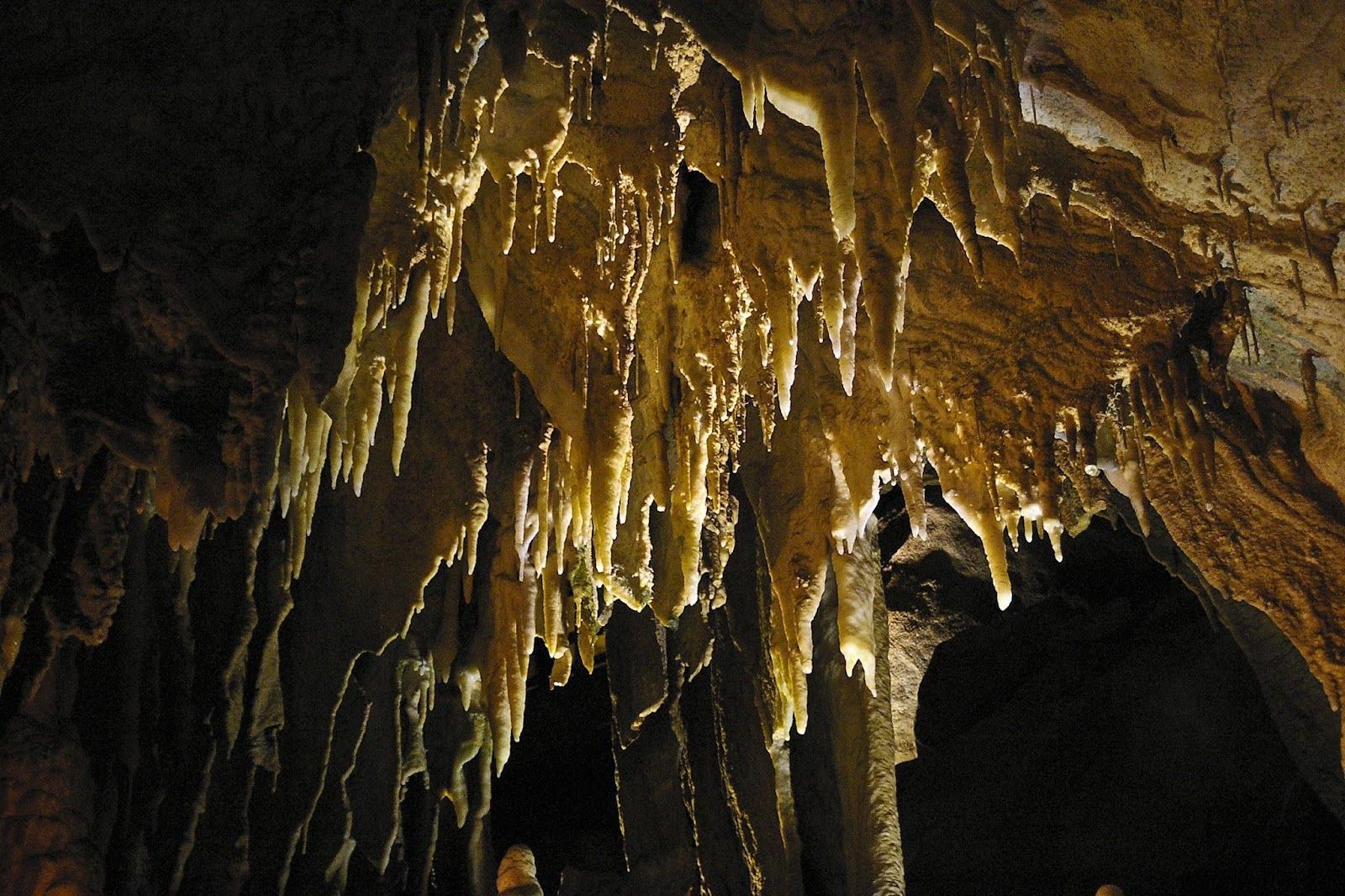
Image: Niagara66, CC BY-SA 4.0, via Wikimedia Commons

Mammoth Cave National Park protects more than 400 miles of mapped underground passages . That makes it the longest cave system in the world —and scientists believe there are hundreds of miles left to be discovered.

Guided tours are available, ranging from easy walking routes to more physically demanding crawls. Even above ground, the park offers hiking, biking, and canoeing along the Green River.

7
Voyageurs National Park, Minnesota
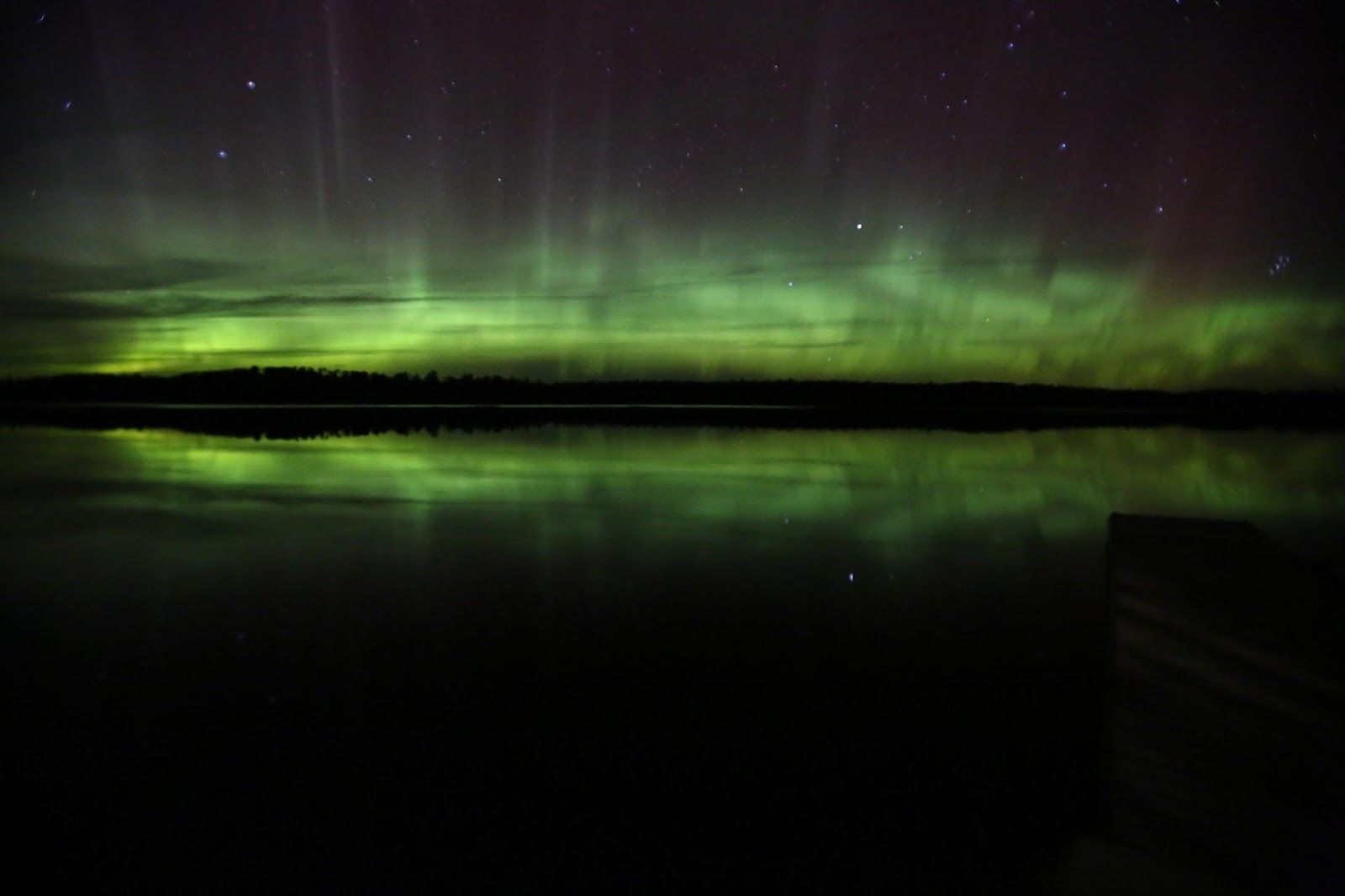
Image: English: NPS, Public domain, via Wikimedia Commons

Voyageurs National Park is named after French-Canadian fur traders who once traveled these waterways. It is made up of nearly 40% water, with a network of interconnected lakes along the Canadian border. That means you can explore it by boat, kayak, or canoe.

Its isolation and lack of light pollution also make it ideal to enjoy gorgeous night skies —to gaze at the stars, the Milky Way, or even the Northern Lights.

8
North Cascades National Park, Washington
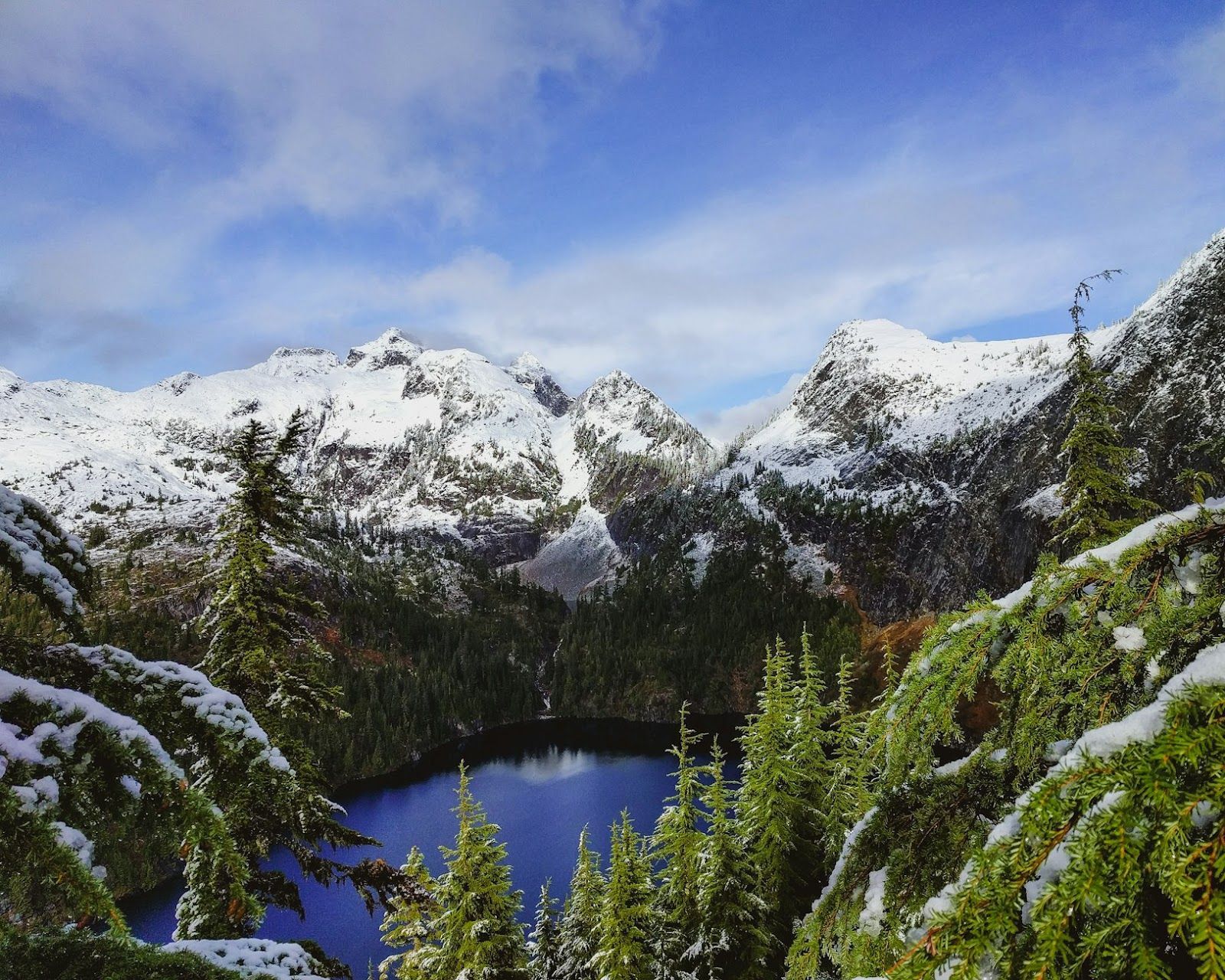
Image: Trevor Vannoy

North Cascades National Park is one of the most glaciated areas in the contiguous US, with around 300 glaciers. Located about a three-hour drive from Seattle, it remains one of the least visited national parks, largely because it lacks the easy roadside viewpoints found in places like Yellowstone.

Its highlights include Diablo Lake and the Cascade Pass trail. Summer and early fall offer the best access, as many roads and trails are closed by snow in winter.

9
Wrangell-St. Elias National Park and Reserve, Alaska
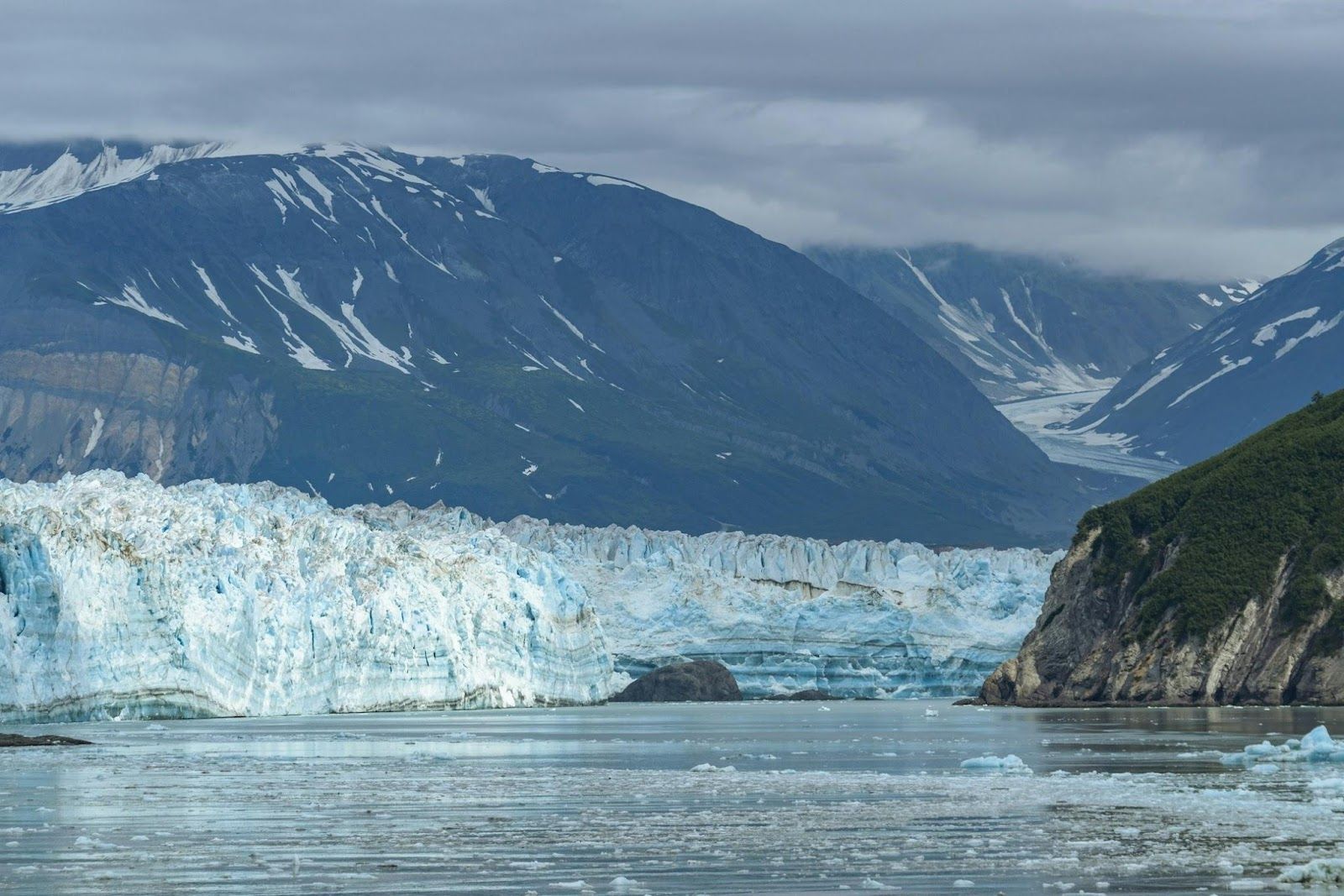
Image: Mick Kirchman

Wrangell–St. Elias National Park and Preserve spans about 13.2 million acres. That means it’s larger than Yellowstone, Yosemite, and Switzerland combined . The park includes some of North America’s tallest peaks, massive glaciers, and historic mining sites like the Kennecott Copper Mine. Most travelers can explore it via small aircraft, guided tours, or long-distance hiking trips.

10
Petrified Forest National Park, Arizona
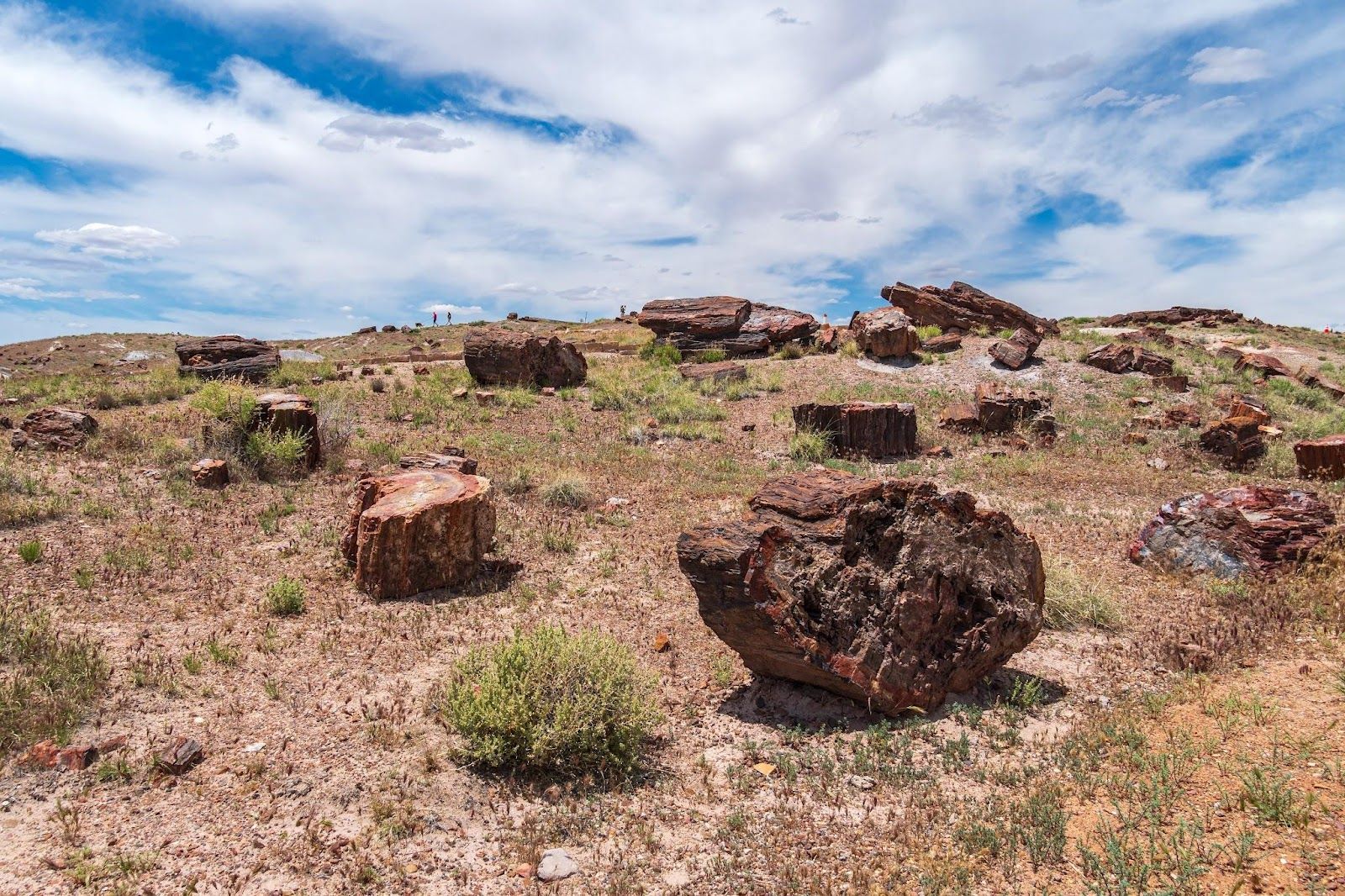
Image: dconvertini, CC BY-SA 2.0, via Wikimedia Commons

Petrified Forest National Park is known for its large deposits of petrified wood, trees that lived over 200 million years ago and have since turned to stone. The park also includes sections of the Painted Desert, with layered rock formations in shades of red, purple, and orange . It can be easily explored by car, with a scenic drive connecting major viewpoints and short trails.


History History 6 min read

10 American milestones that didn't happen where you think

Image: DS stories

When we think of the great milestones of American history, we often think of the obvious: the signing of the Declaration of Independence in Philadelphia, the Wright brothers’ flight in North Carolina, or the Gold Rush in California. However, the fabric of modern American life was woven all over the map. Many of the conveniences we take for granted today didn’t originate in massive tech hubs or political capitals. Instead, they were born in quiet college towns, military outposts, and colonial settlements. Here are ten unexpected "firsts" from across the United States.

1
Alabama: The first 911 call

Image: Anna

Today, the number 911 is synonymous with emergency assistance. Yet, before 1968, there was no universal number to call for help. In fact, citizens had to remember specific ten-digit numbers for their local police, fire department, or ambulance service.

Contrary to what you may think, the first 911 call didn’t take place in a metropolis like New York or Los Angeles. The Alabama Telephone Company developed the system to prove that a universal emergency number was a good idea. So, on February 16, 1968, Alabama Speaker of the House, Rankin Fite, made the inaugural call from the mayor’s office in the small town of Haleyville.

2
Florida: The first sunscreen

Image: www.kaboompics.com

Florida is famously known as the Sunshine State, so it’s no wonder that it’s the birthplace of the world’s first effective sunscreen. That said, the invention wasn’t driven by beachgoers looking for a tan, but by the war.

In 1944, during World War II, a Florida pharmacist named Benjamin Green was concerned about the severe sunburns suffered by soldiers stationed in the Pacific. So, he developed a substance known as "red vet pet", a thick, red, petroleum product. While it was sticky and messy, it worked by physically blocking UV rays. After the war, Green refined the formula, added coconut oil and cocoa butter, and eventually founded the world-famous Coppertone brand.

3
Iowa: The first electronic digital computer

Image: See page for author, Public domain, via Wikimedia Commons

If you think of the birth of computers, the first thing that comes to mind is probably Silicon Valley or the ENIAC machine in Pennsylvania. However, the world’s first electronic digital computer was built in the basement of the physics building at Iowa State University.

Between 1937 and 1942, Professor John Vincent Atanasoff and graduate student Clifford Berry developed the Atanasoff-Berry Computer (ABC). Unlike previous mechanical calculators, the ABC used vacuum tubes and binary math, and it was the first to separate the memory from the processor.

4
New York: The first commercial brewery

Image: Vladimir Kudinov madbyte, CC0, via Wikimedia Commons

New York City may be the mecca of finance, but in the 1600s, its primary concern was refreshment. Long before the craft beer craze, the first commercial brewery in the New World was established in New Amsterdam (now Manhattan) in 1632.

The brewery was built by the Dutch West India Company on what is now named Stone Street, near Wall Street. At a time when water was often unsafe to drink, beer was a dietary staple for both adults and children. This early industry laid the foundation for New York’s long relationship with brewing, which would eventually make the state a global powerhouse for beer production in the 19th century.

5
South Carolina: The first opera performance

Image: Leo Heisenberg

While the high arts are typically associated with the Northeast, the first opera performed in the American colonies took place in Charleston, South Carolina.

In the colonial era, Charleston was a wealthy, culturally vibrant port city, and its citizens loved European entertainment. So, on February 18, 1735, the British ballad opera Flora premiered at a makeshift theater built in a courtroom. Needless to say, this performance predated the formal theaters of Philadelphia and New York.

6
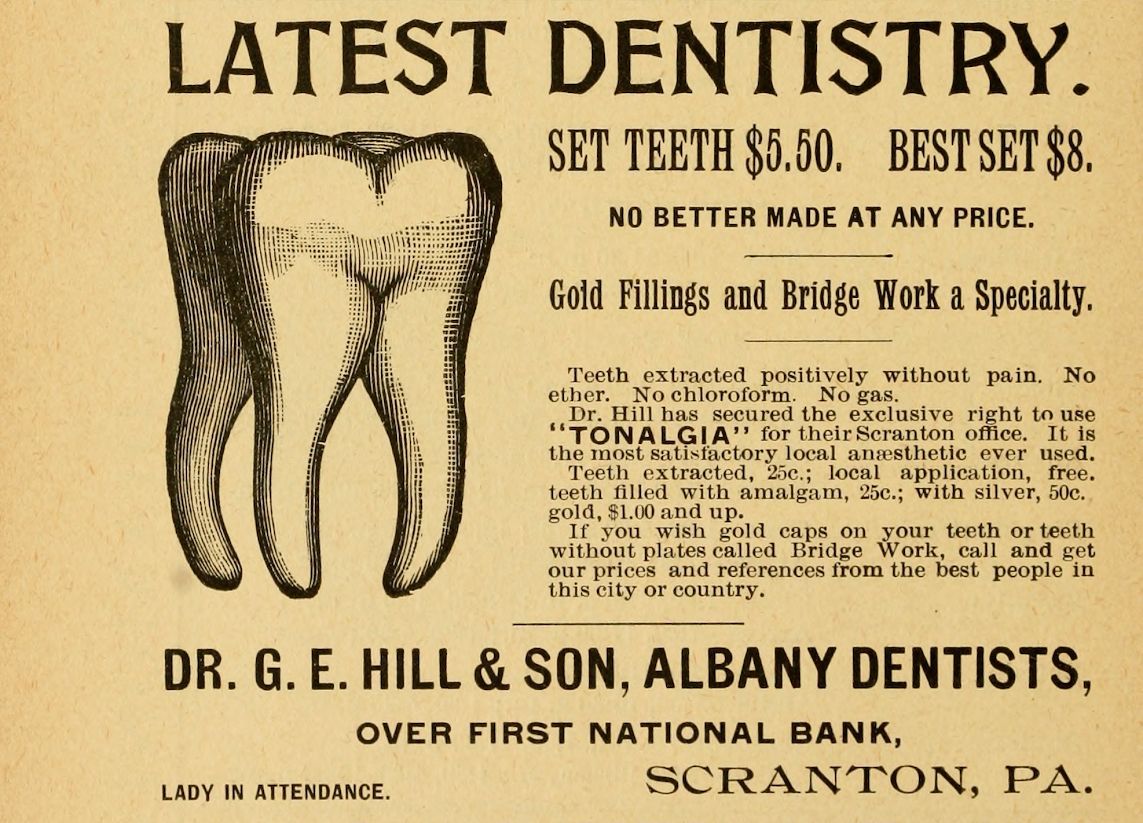
Maryland: The first dental school

Image: Scranton Postoffice, Public domain, via Wikimedia Commons

For centuries, dentistry was a trade practiced by blacksmiths and barbers who had no formal medical training. This changed in 1840 in Baltimore, Maryland, with the founding of the Baltimore College of Dental Surgery.

Established by dentist Horace Henry Hayden and doctor Chapin A. Harris, it was the first school in the world to offer a formal degree in dental surgery. The founders had initially approached the University of Maryland’s medical school to include dental instruction, but they were dismissed by physicians who claimed dentistry wasn’t that important. They didn’t give up and eventually started their own college, which still exists today as the University of Maryland School of Dentistry.

7
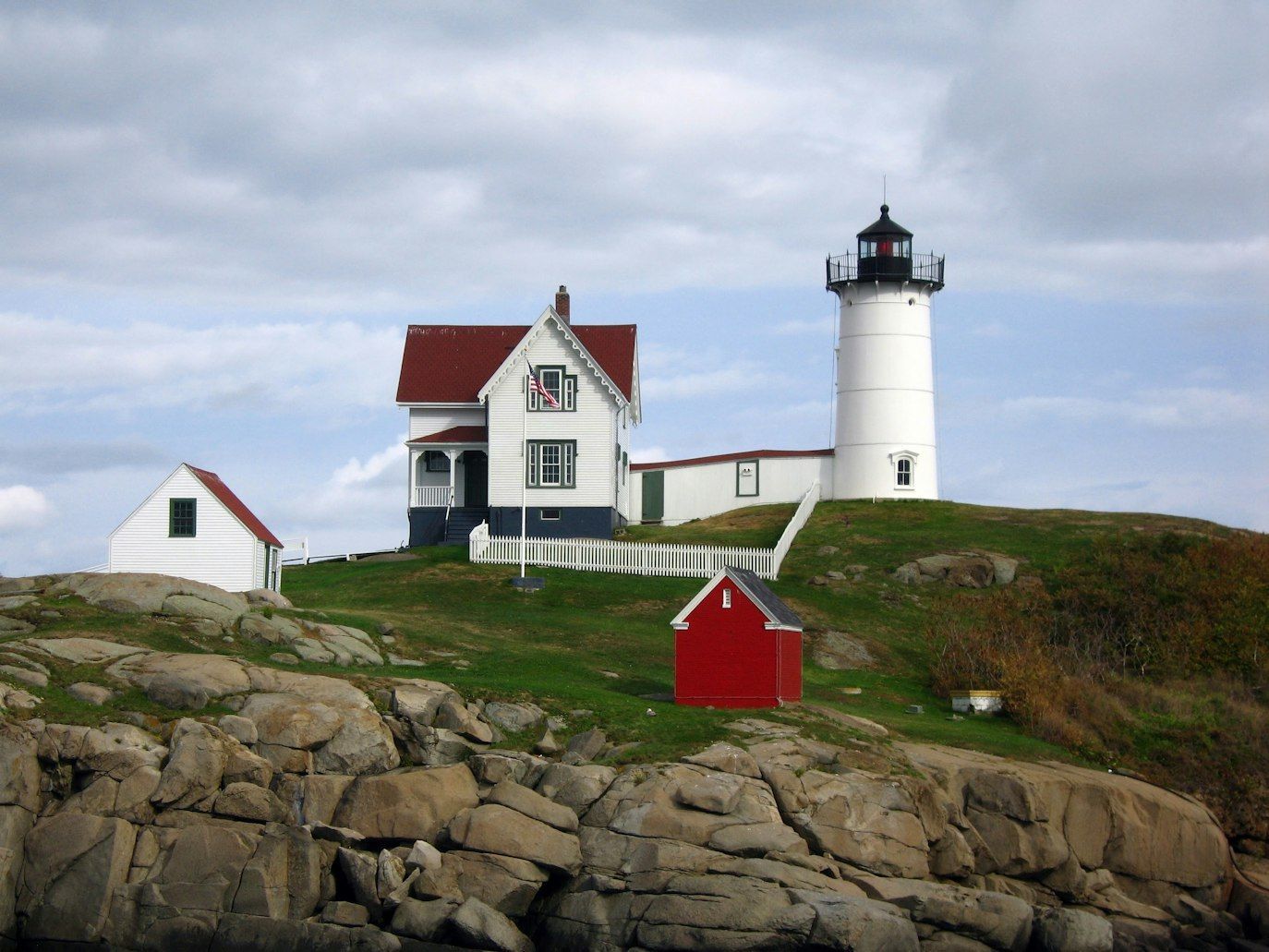
Maine: The first city

Image: Kerani

There are many really old cities in America. However, the first place to be officially chartered as a city in the English colonies was located in what is now York, Maine. In 1642, English military commander and proprietor of the Province of Maine, Sir Ferdinando Gorges, granted a charter to a settlement then known as Gorgeana. He even envisioned it as a grand capital for his new territory. While the city’s status was eventually revoked when the Massachusetts Bay Colony took control of the area, the charter remains the first of its kind in American history.

8
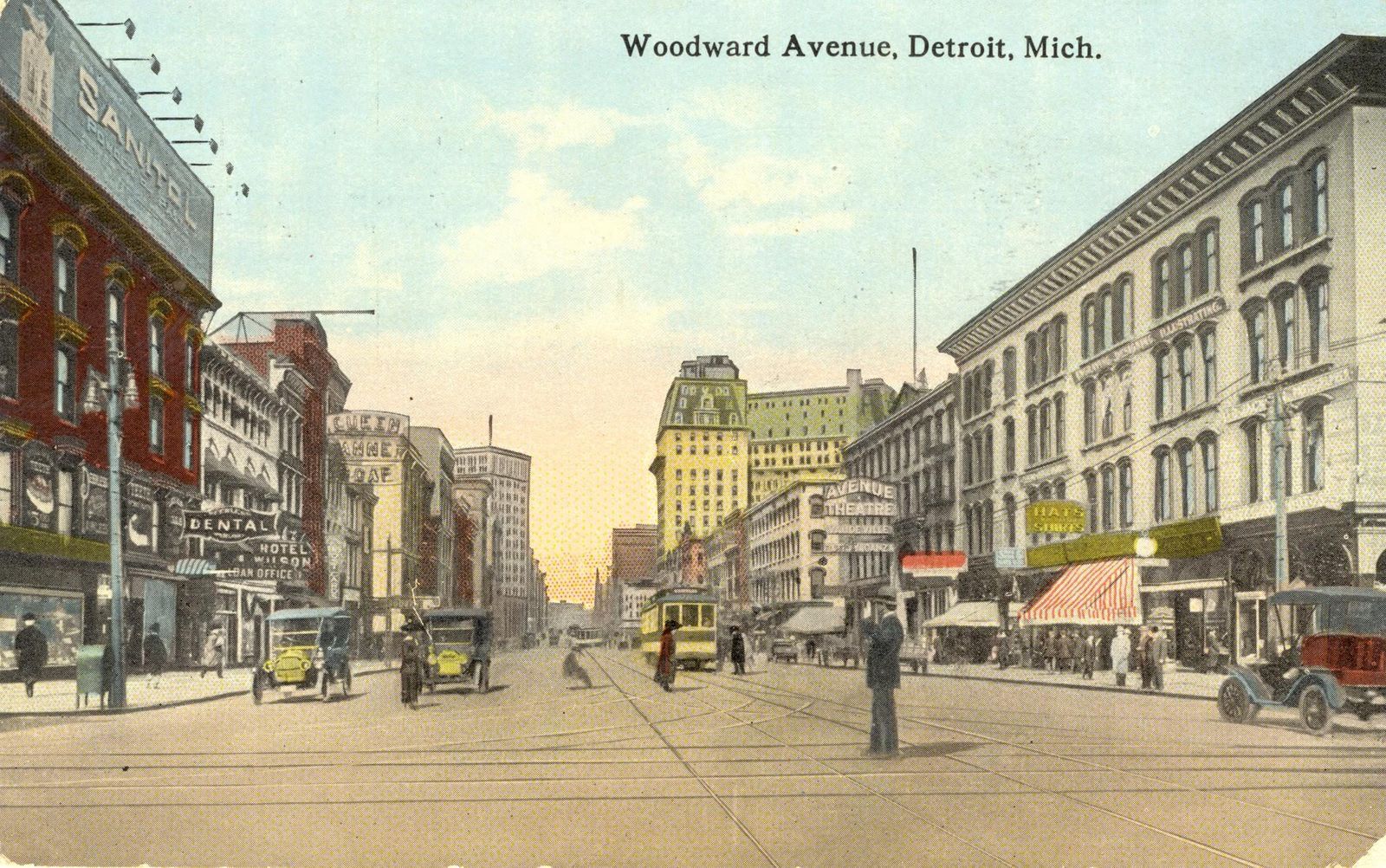
Michigan: The first paved road

Image: Curt Teich & Co., Chicago., Public domain, via Wikimedia Commons

As the home of the American automotive industry, it is only fitting that Michigan would be the birthplace of the modern road. Before the beginning of the 20th century, most American roads were made of dirt, gravel, or bricks, which were ill-suited for the weight and speed of the newly invented automobile.

In 1909, the Wayne County Road Commission paved a one-mile stretch of Woodward Avenue in Detroit with concrete. It was the first time cement had been used to create a long-distance road surface. The experiment was so successful—costing less to maintain and providing a smoother ride—that it became the global standard for road construction.

9
Minnesota: The first shopping mall

Image: Hennepin County Library, Public domain, via Wikimedia Commons

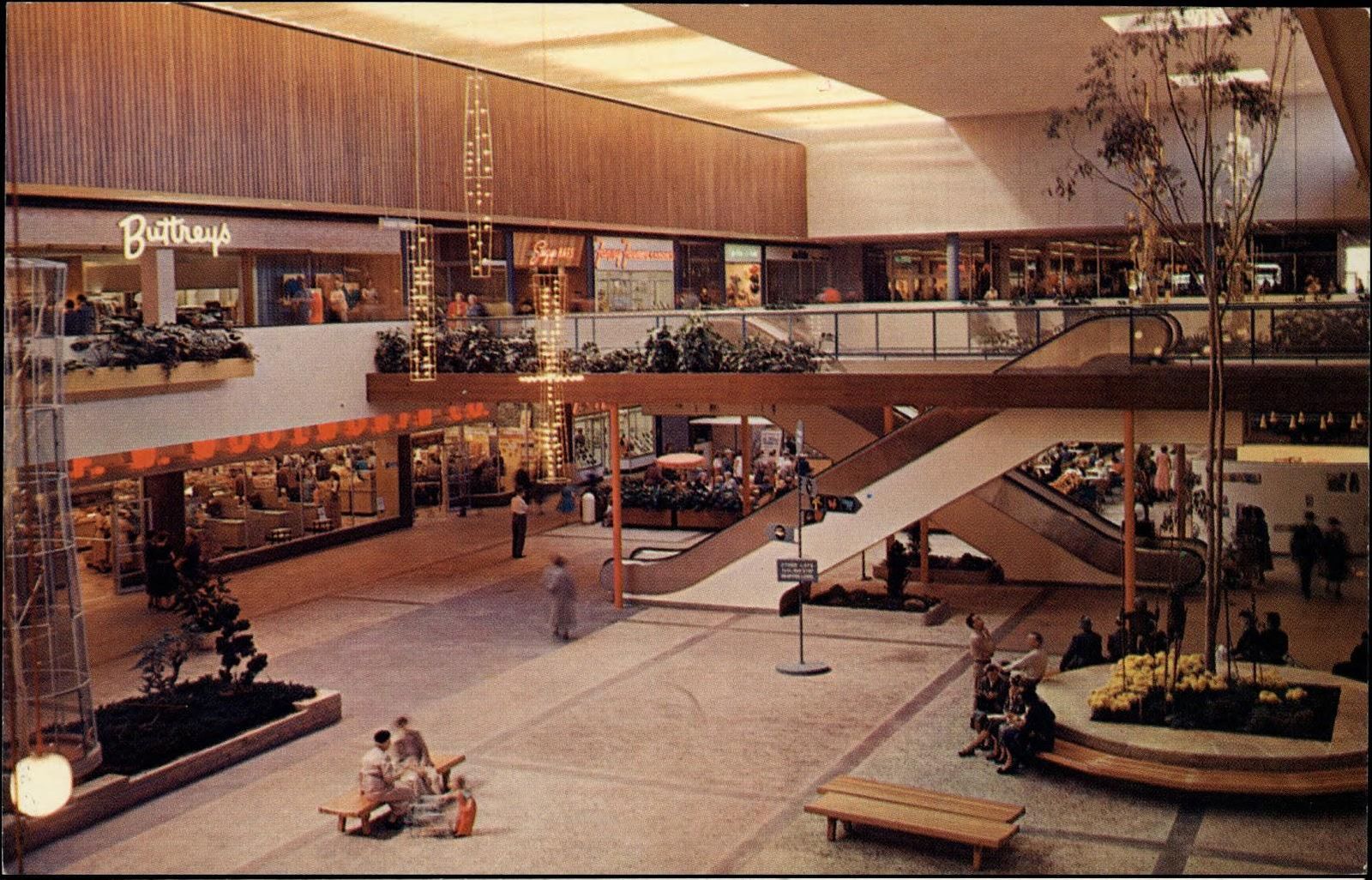
The American shopping mall is a cultural icon, but did you know it was born of a desire to escape the brutal winters of the Midwest? In 1956, the Southdale Center opened in the Minneapolis suburb of Edina, Minnesota, becoming the first fully enclosed, climate-controlled shopping mall in the U.S.

The mall was intended to be a town square that would foster community interaction regardless of the weather outside. It featured two levels of shops and a central atrium. The design was so revolutionary that it served as the blueprint for thousands of malls across the globe. Fun fact: Minnesota is also home to the largest shopping mall in the world, the Mall of America, which opened in 1992 in Bloomington.

10
Arizona: The first McDonald’s drive-thru

Image: Macarena Ollarzú

The drive-thru is a staple of fast food culture. Yet, contrary to what you may think, the first one wasn’t created for convenience but for military compliance. In 1975, a McDonald’s in Sierra Vista, Arizona, installed a service window to feed soldiers from the nearby Fort Huachuca.

At the time, soldiers were forbidden from wearing their military uniforms in public establishments. However, they were allowed to remain in their vehicles while in uniform. To capture the business of the hungry soldiers who couldn’t legally walk inside the restaurant, the owner installed a sliding window in the wall. The concept was an immediate success, quickly adopted by the rest of the venues.

Culture Culture 6 min read

GAME CHANGERS

Discover 10 Of The Most Iconic & Successful American Products!

Image: Mike Petrucci

In this global and modern marketplace we live in, the products a nation makes almost act as ambassadors, showing the wonders of their countries of origin to the rest of the world. In that regard, America is no exception. Quite the contrary: Many of the world’s most cherished products were created in our country, and they are excellent representatives of what it truly means to live in America.

We have selected ten of the products that showcase all our ingenuity and proudly display the wonders of the American dream. Enjoy!

1
iPhone

Image: Bagus Hernawan

We’ll start with a game changer . On January 9, 2007, Apple founder Steve Jobs took the stage at the Macworld convention in San Francisco and announced "We're going to make some history together today". During the unveiling of the very first iPhone in 2007, Jobs was fully aware of how innovative his new product was , but he couldn’t have possibly imagined the scale of the technological revolution that was brought forward by the iPhone.

Perhaps the most groundbreaking aspect of the iPhone was its seemingly simple design: it effortlessly combined a cell phone and an iPod (another technological marvel in its own right), and it also added internet connectivity and browsing capabilities. To this day, Apple is still considered at the forefront of smartphone innovation, regularly releasing new groundbreaking iPhone models.

2
Air Jordans

Image: Flow Clark

Few brand logos are as instantly recognizable as Nike’s iconic "Swoosh". However, in 1985, Nike decided to raise the bet and create another groundbreaking logo that simply showed the silhouette of basketball legend Michael Jordan doing what he does best. And with this, the legend of the Air Jordan, probably the most iconic basketball shoe in history, was born.

Nike designed these shoes for Michael Jordan’s time with the Chicago Bulls and released them to the public in 1985. Since the release of the Air Jordan I, the "Jumpman" logo has graced over 35 different iterations of these quintessential shoes, with absolutely no signs of stopping.

3
Big Mac

Image: Brett Jordan

In 1967, in the city of Uniontown, Pennsylvania, a small McDonald’s restaurant debuted a new burger, which featured two beef patties, pickles, minced onions, and a slightly mysterious "special sauce". It was only a year later that this local burger was added to the menu of all McDonald’s in the United States, where it would become the company’s undisputable flagship product . At that moment, the legend of the Big Mac was born.

It might surprise you to learn that such an iconic burger actually had two previous names that failed with the public: the "Aristocrat" and the "Blue Ribbon Burger". It received its first and final name from Esther Rose, a 21-year-old McDonald’s advertising secretary. The Big Mac has become such an international icon , featured in almost every country around the world, that economists use what is known as the "Big Mac index" to survey a nation’s inflation based on the price of a Big Mac there.

4
Coca-Cola

Image: Maximilian Bruck

In 1885, when Colonel John Pemberton started selling the first version of its iconic drink from his drugstore in Columbus, Georgia, he advertised Coca-Cola in many different ways: first, as the "temperance drink", a non-alcoholic beverage that the growing temperance movement could enjoy, and then as a miraculous patent medicine that could provide the cure to many diseases. Little did he know that, almost 140 years after its invention, Coca-Cola would become a product that needs no introduction.

Coca-Cola is one of the most famous non-alcoholic beverages, available in practically every single country around the world. Not only that, it is the very first drink of its kind, having inspired thousands of different cola drinks since its commercialization. However, no one was ever close to copying its distinctive flavor, and probably no one ever will: its highly classified formula is one the most well-kept secrets in history.

5
Budweiser

Image: Blake Guidry

There is a reason why Budweiser is still known by its timeless nickname "The King of Beers". No beer is as instantly associated with America as Budweiser is, and with good reason: First bottled in 1876, Budweiser is the very first national beer brand in the United States.

Curiously, you might have noticed that in some places outside the United States, Budweiser is marketed as "Bud" . The reason behind this is an actual legal battle between the American Budweiser and Budweiser Budvar, a brewery located in the Czech city of České Budějovice, from which the name "Budweiser" comes.

6
Gillette

Image: Brett Jordan

How could a man named "King Camp Gillette" not live in history? Such a flamboyant and unique name truly demands to be remembered and, luckily, this essential personal care brand has proudly kept this name alive for over 120 years now, forever remembered after King C. Gillette’s groundbreaking and bestselling safety razor model.

The start of the 1900s saw Gillette’s safety razor jump to popularity, thanks to its groundbreaking design that allowed disposable blades that could be easily changed. This design quickly became the industry standard, particularly after the U.S. Army started issuing Gillette shaving kits to American soldiers.

7
Starbucks

Image: USAMA AKRAM

Who knew that a secondary character from Herman Melville’s "Moby Dick" would one day inspire one of the biggest coffee companies in the world? Millions of white Starbucks cups decorated with their green logo satiate the caffeinated needs of thousands of people every day.

It is a rather daunting task to choose Starbucks’ most iconic drink: We could go for its seasonal "Pumpkin Spice Latte", or for its refreshing, ice-cold "Caramel Frappucino". Whichever drink is your favorite, you’ll know you are enjoying one of the world’s most famous products whenever you see that iconic twin-tailed mermaid in your cup.

8
Wilson Football

Image: John Torcasio

There’s probably no need to say that Wilson is the quintessential brand associated with American football: After all, the company has been the official game ball supplier for the NFL since 1941. That means that Wilson's Football has been featured in practically every single Super Bowl since the very first one was held in 1967.

You probably already know that this iconic ball has a name: Every single Wilson ball used by the NFL has been known by the nickname "The Duke" , which has been emblazoned on every football since 2006. This is in reference to Wellington Mara, the legendary owner of the New York Giants who helped arrange the business connection between Wilson and the NFL.

9
Ben and Jerry’s

Image: Hybrid Storytellers

The story of this ice cream company is the story of two lifelong friends . Since their childhood in Merrick, New York, Ben Cohen, and Jerry Greenfield had always been inseparable, so much so that they decided to jointly open an ice cream parlor in Burlington, Vermont in 1978. Nowadays, the names of these two friends have truly become indivisible, as they both contribute 50% to the name of one of the most famous ice cream brands in the world.

Ben & Jerry’s is particularly famous for their unique flavors and the chunks of sweet treats mixed with their ice cream. The company also holds its beloved annual "Free Cone Day" event, held in all "Ben & Jerry’s" parlors across the world.

10
Louisville Slugger baseball bats

Image: Diana Polekhina

We’ll end this list with an American classic . In 1855, woodworker J. F. Hillerich opened his shop in Louisville, Kentucky. According to the company legend, Hillerich’s 17-year-old son Bud slipped away from the shop to watch the Louisville Eclipse baseball team play. It was during this game that the team's star batter, Pete "Louisville Slugger" Browning, broke his bat, so Bud invited him to his father’s shop to make him a new one.

The rest is history: Browning and the rest of the team adored the new bat, and the company started manufacturing their now-iconic "Louisville Slugger" bats. Just like with Wilson footballs, these bats are synonymous with "America’s favorite pastime". In case you are curious, you can learn more about this American icon by visiting the Louisville Slugger Museum & Factory, where you can also discover the world’s largest baseball bat!

Explore more American facts

Choose your favorite category!

General
General

As American as apple pie—the very best America has to offer!

Culture
Culture

Delve into the astounding richness of American lore.

Geography
Geography

Hop in and explore vast and diverse American landscapes.

History
History

Discover the key moments that shaped the United States.