General General 3 min read

Pets for the adventurous

Sloths, kangaroos, and other exotic pets that you could have in the U.S.
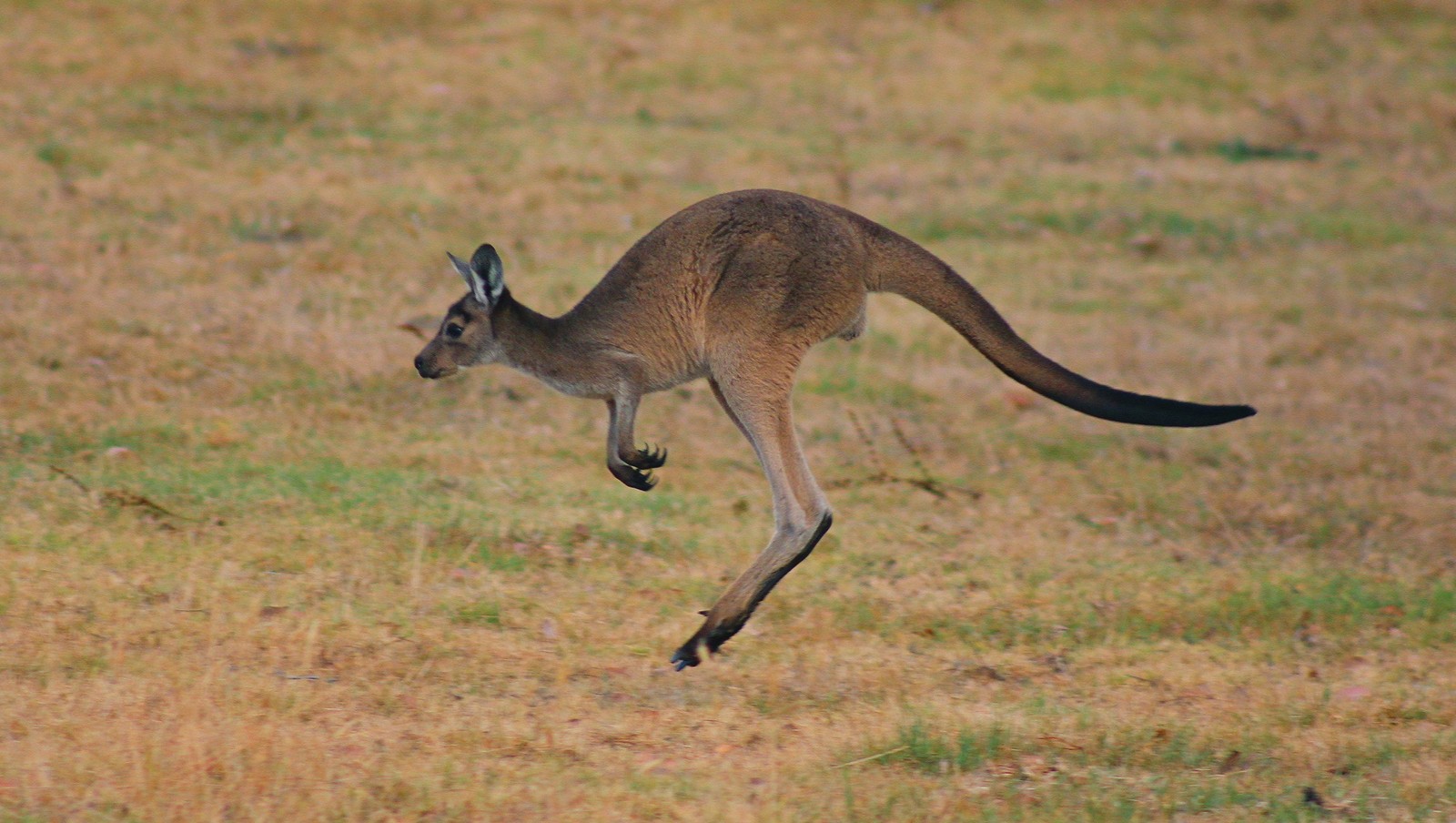
Image: Ashish Upadhyay

When looking for a pet, people usually decide on a cat, a dog, a rabbit, or, if they are feeling adventurous, maybe a lizard. But some might want to push the boundaries of what is considered a "normal" pet and choose something more exotic.

However, not all exotic pets are created equal, and not all states allow you to own the pet of your choosing. Here are some unusual pets you might be able to have, depending on which state you live in.

1
Sloth
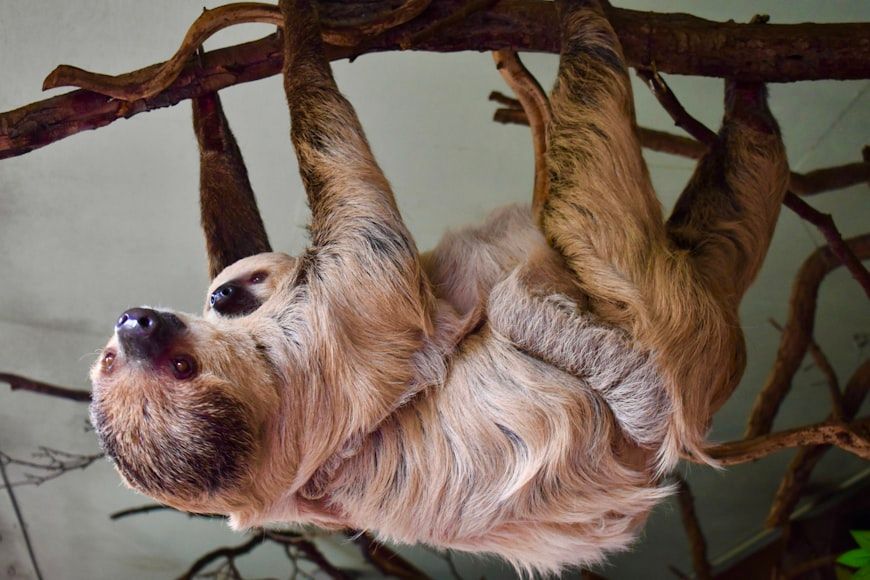
Image: Zorawar Bhangoo

Two-toed sloths are the species most commonly allowed as pets in the U.S. However, they require special care, a suitable environment, and—since they can live up to 30 years—a committed owner. Alabama, Indiana, Iowa, Kansas, Minnesota, Michigan, Mississippi, Montana, New York, Nevada, North Carolina, Oregon, and Texas allow ownership of two-toed sloths without a permit. Other states may require a license.

2
Caiman
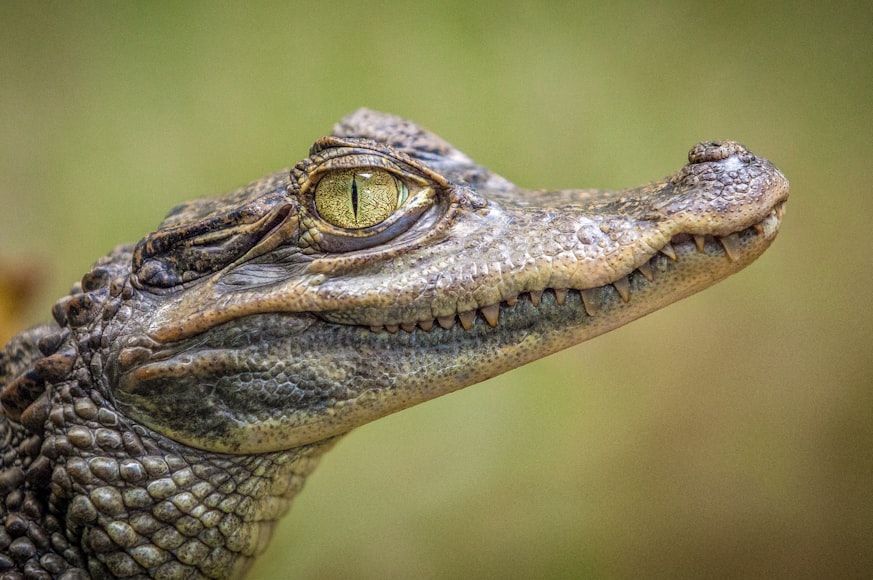
Image: Gaetano Cessati

One would think that Caiman Central (commonly known as Florida) might allow its residents to own caimans as pets, but it’s actually the contrary: they are considered invasive and dangerous, so depending on the species, they are either illegal to own or require a permit. However, the state of Tennessee allows ownership of dwarf caimans without a permit.

3
Elk
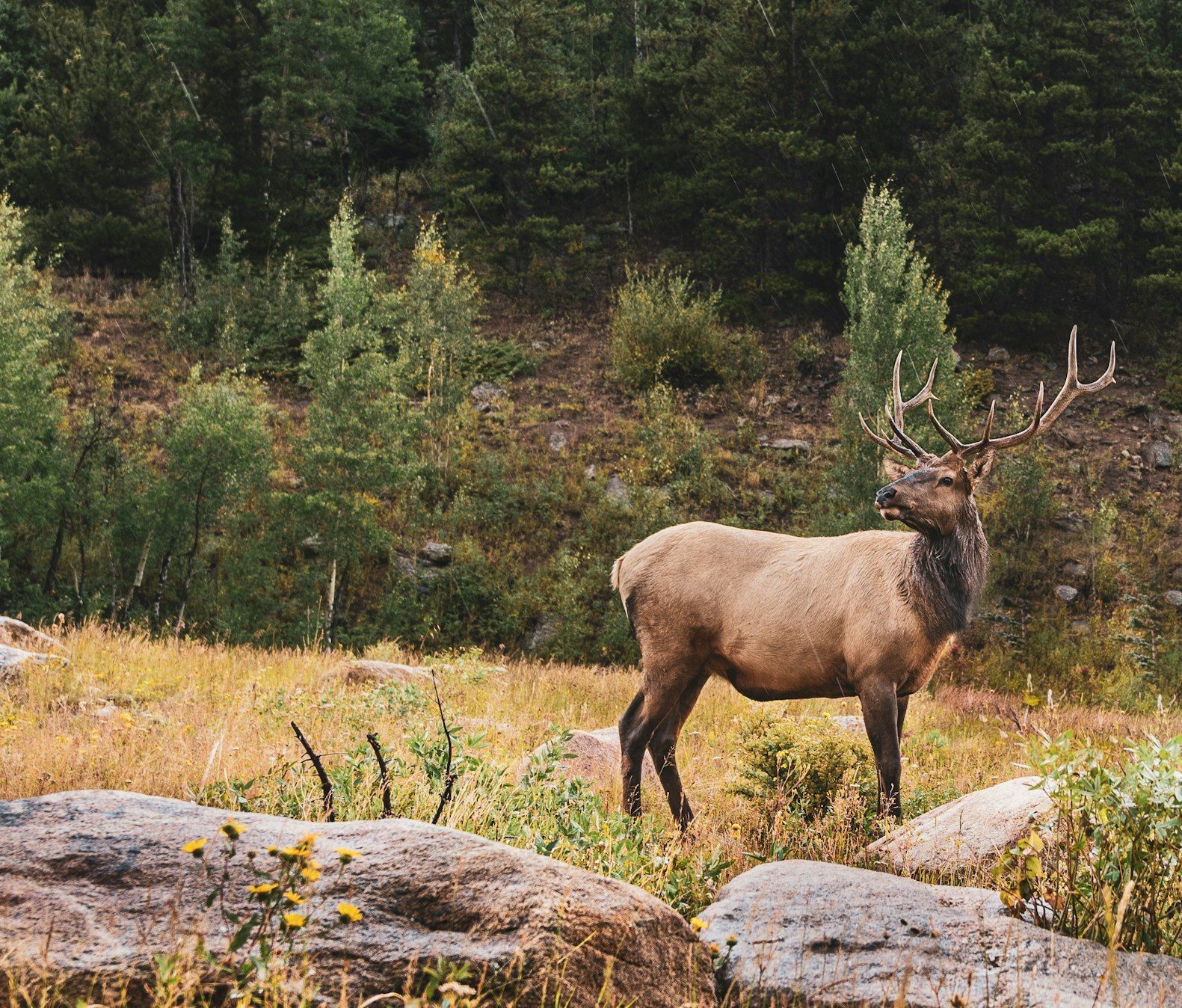
Image: Meredith Fontana

The United States has a large elk population across many states, both wild and domesticated, and many states will allow you to own them as livestock with a proper license. If you’ve always dreamed of having a pet elk, there’s good news: in Alaska, you can legally own a domesticated elk, as long as it was not captured from the wild.

4
Bison
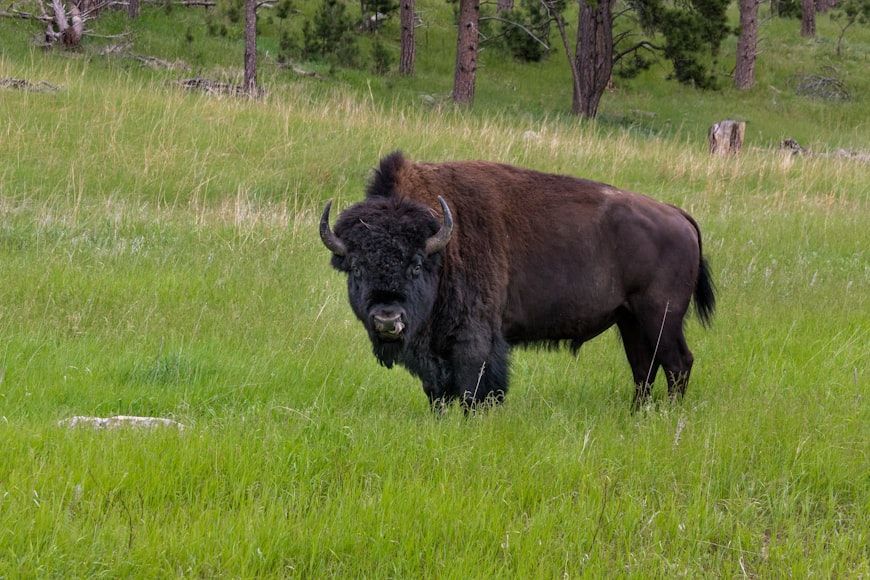
Image: Jonathan Mast

Bison can be found across all 50 states, either in the wild or raised as livestock on ranches. However, not all states permit private ownership of them. In most states, some sort of permit is required to raise bison as cattle, with varying degrees of difficulty. Once again, Alaska offers a solution for bison enthusiasts: like elk, bison can be kept as pets, provided they are domesticated and not captured from the wild.

5
Sugar Glider
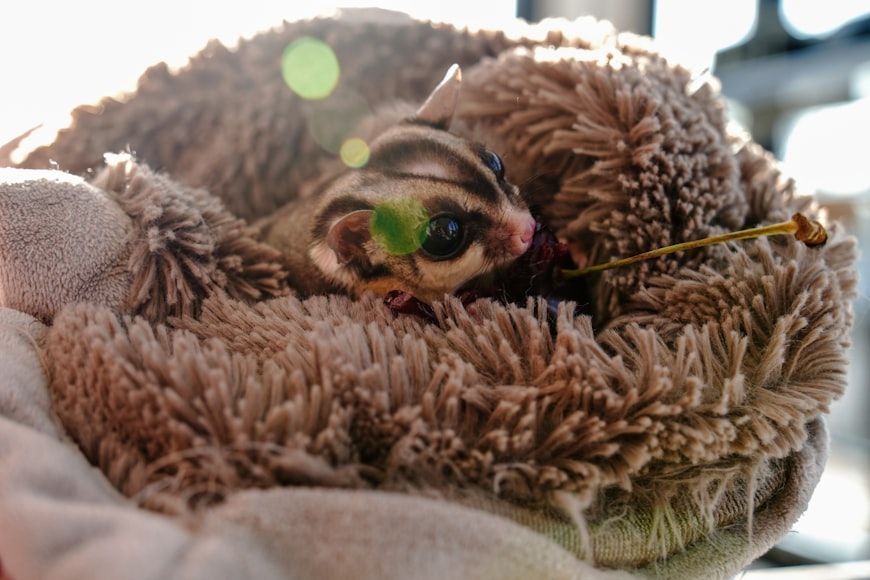
Image: Henry Lai

These small possums make good pets because they are social, playful, cuddly, and form strong bonds with their owners. However, they are exotic pets and require specialized care, a specific diet, and proper maintenance. Most states allow sugar gliders to be owned without a permit, but Georgia, New Mexico, and parts of New York require a license. In Hawaii, California, and Alaska, owning a sugar glider is illegal.

6
Kangaroo
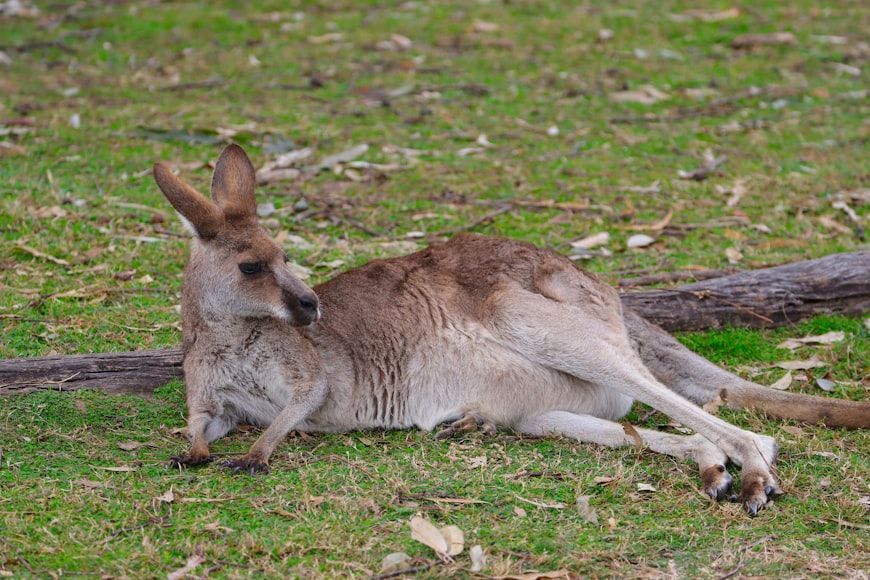
Image: Anthony Rae

Surprisingly, many states allow kangaroos and wallabies as pets. Some states may require a license, but Arizona, Colorado, Oklahoma, and Oregon classify them as "uncontrolled" exotics, so no permit is needed. Kangaroos and wallabies are completely banned as pets in Connecticut, Georgia, Maine, and New Hampshire.

7
Fennec Fox
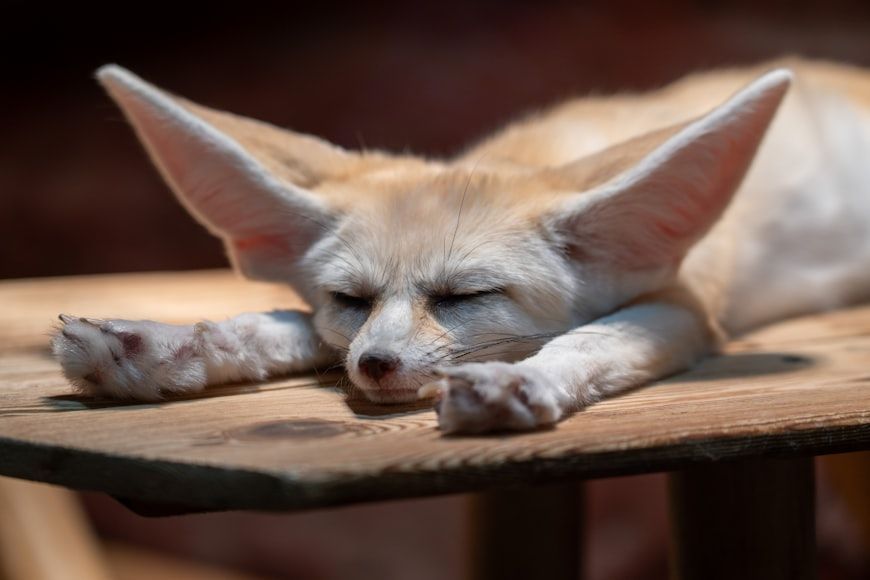
Image: Fei zhou

Native to North African deserts, fennec foxes are the smallest fox species, characterized by their large ears. You can legally own them without a permit in Arkansas, Illinois, Indiana, Louisiana, Michigan, Mississippi, Nebraska, Ohio, Oklahoma, Tennessee, and New York (though not in New York City). The rest of the states either require a permit or deem it illegal.

8
Kinkajou
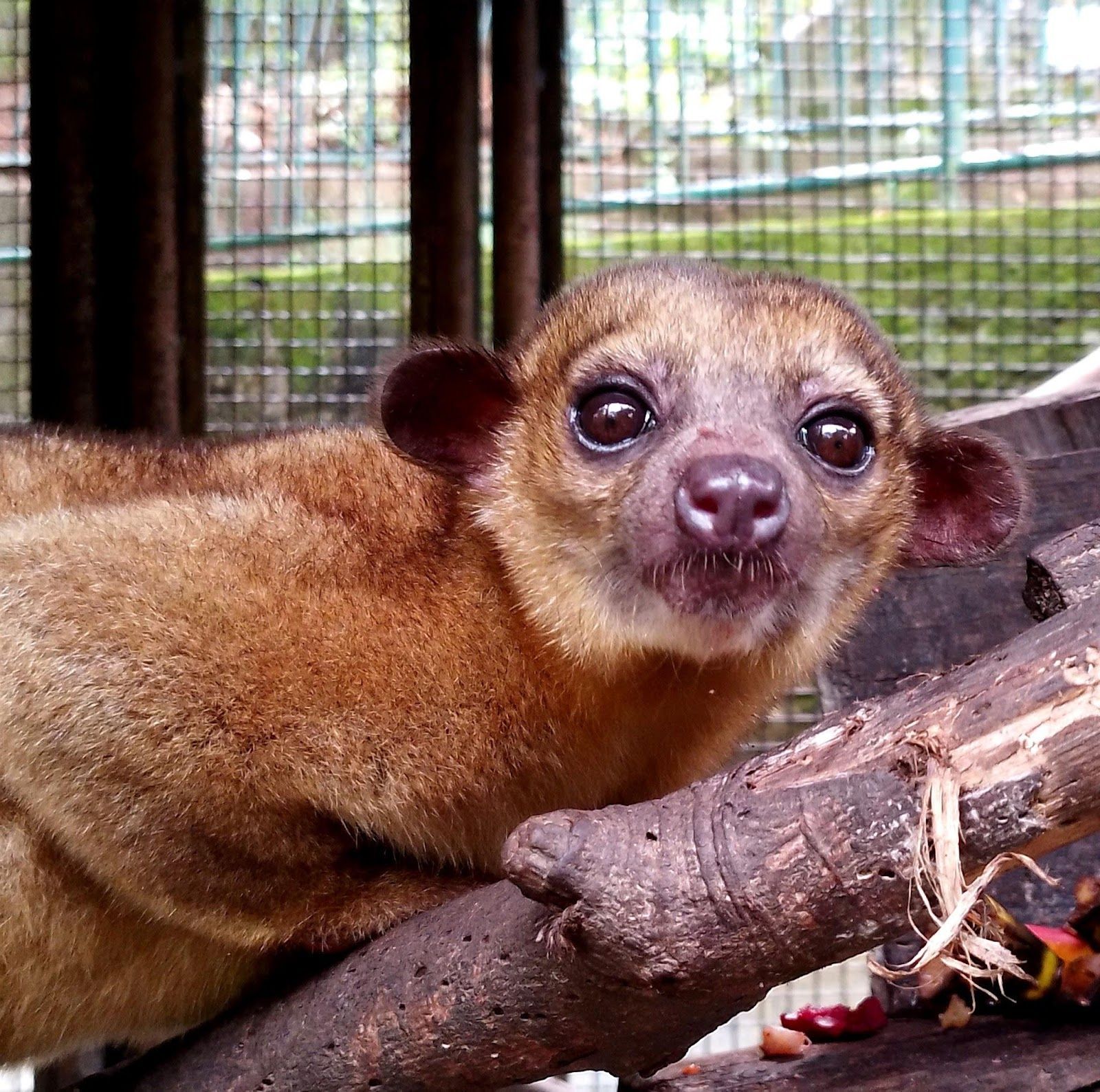
Image: Aramburu Carlos, CC0, via Wikimedia Commons

These adorable mammals, also known as honey bears, are related to raccoons and coatis. There are no federal laws restricting kinkajou ownership, but several states either prohibit them or require a permit. States that allow ownership without a permit include Arizona, Kansas, Michigan, Nevada, New York, North Carolina, Oregon, Texas, and Virginia.

9
Python
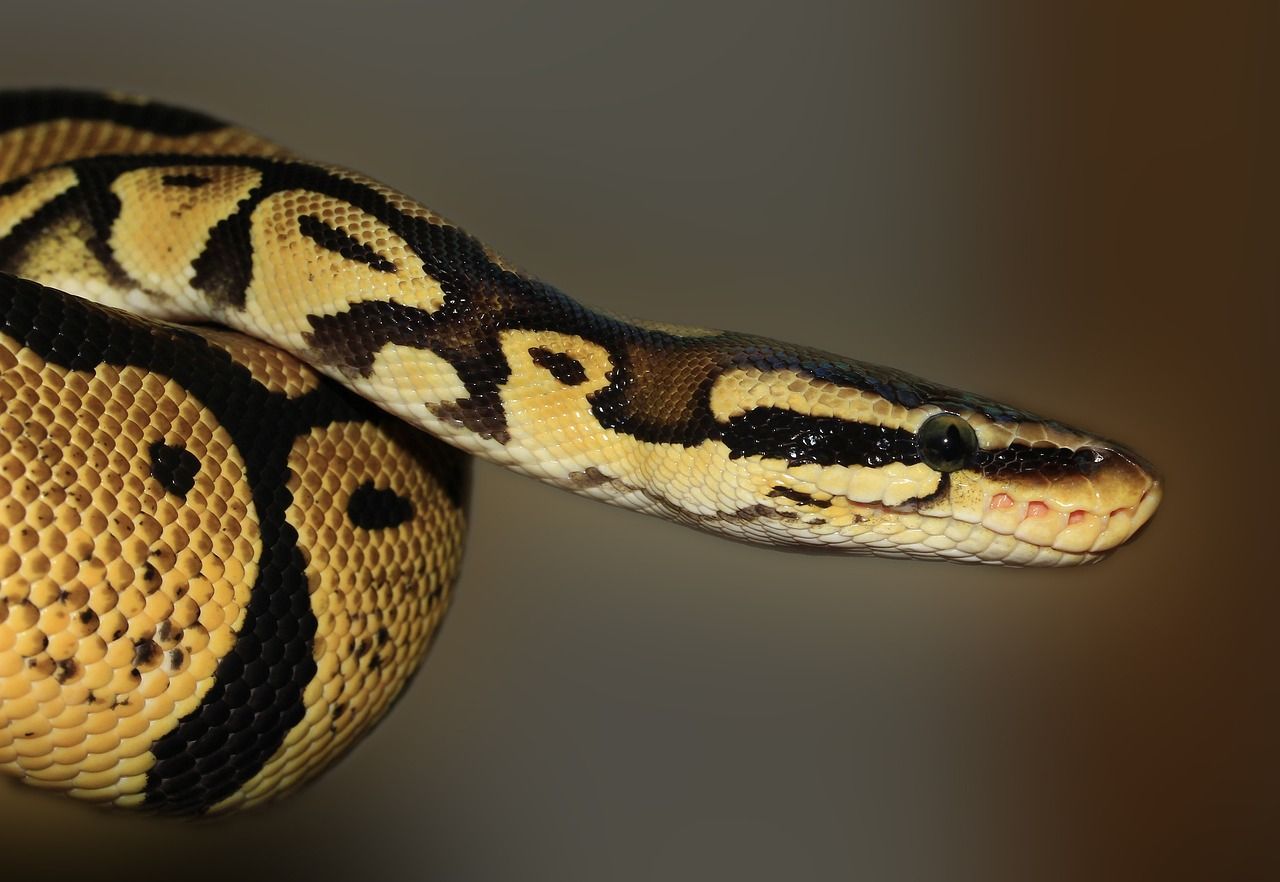
Image: sipa

When it comes to permits, not all snakes are treated the same. Regulations depend on how dangerous a species might be and the potential impact on local ecosystems if released. Following this logic, not all pythons are equally restricted: species such as the Burmese or Indian python are illegal in many states, while others, like the Ball python, are legal without a permit in Arizona, Arkansas, Illinois, Massachusetts, Montana, Oregon, Rhode Island, and Vermont.

10
Tarantula
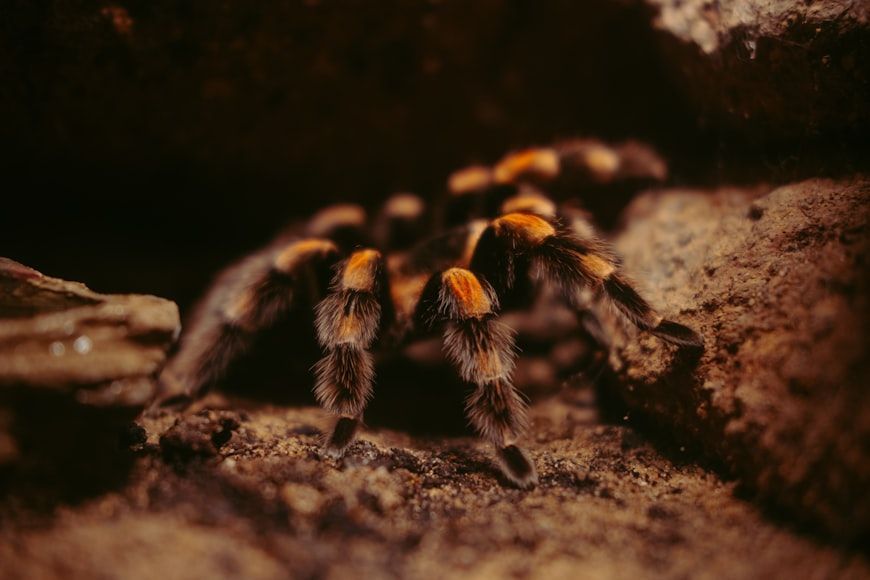
Image: Thomas Oldenburger

Tarantulas are not banned in any state, but some species might be restricted and require a special permit, in particular those considered an endangered species or potentially invasive. So, if you dream of having a pet spider, check your state laws first to ensure your desired species will not cause you legal problems in the future.

Culture Culture 3 min read

Memorial facts

Why does the Lincoln Memorial have 87 steps? The real reason

Image: Kyaw Tun

Washington, DC, is known for its many landmarks, but the Jefferson and Lincoln memorials stand out, drawing millions of visitors every year. And even though they’ve been part of the city for decades, there’s still a lot that most people don’t know about them. If you want to discover 10 facts you probably never learned in school, this article is for you!

1
87 steps

Image: Ryan Stone

In case you haven't counted them, there are exactly 87 steps leading up to the Lincoln Memorial. But why does that number matter? Although the National Park Service says it wasn’t intentional, many people connect it to the opening line of Lincoln’s Gettysburg Address: "Four score and seven years ago...", a coincidence that's hard to ignore.

2
Hidden underground chamber

Image: Kdwk Leung

The Lincoln Memorial is more than what you see at first glance; there’s an entire hidden world beneath it. That’s right! Underground lies a large chamber built as part of the monument’s foundation. Giant concrete columns support the structure above, and there are also narrow corridors where workers once walked. You can even find graffiti and markings left by those builders in the early 1900s. Although the public can’t visit this space yet, the National Park Service has said it hopes to open it in the future.

3
A pyramid?

Image: Andrew Backhouse

Can you imagine a giant pyramid rising over the landscape of Washington, DC? It’s hard to picture, but it could have happened. Among the many design proposals for the Lincoln Memorial were some extravagant ideas, including a huge pyramid. In the end, the Greek temple design we know today won out.

4
The typo

Image: Andre Schofield

To err is human, and the Lincoln Memorial is no exception. As you may know, Lincoln’s Gettysburg Address and his Second Inaugural Address are engraved on the interior walls. But the carver made a small mistake when transcribing the Second Inaugural Address, writing "euture" instead of "future" in the line "high hopes for the future." Although the error was corrected, people say that if you look closely enough, you can still see it.

5
Lincoln's friends made it happen

Image: Casey Horner

For years, several proposals to build a memorial to Abraham Lincoln failed in Congress. Fortunately, Senator Shelby Collum and Speaker of the House Joseph Cannon joined forces to get the final bill approved. These men had known Lincoln and felt that a memorial to Honest Abe was both fitting and necessary.

6
Who is Thomas Jefferson looking at?

Image: J. Amill Santiago

It’s well known that the statue of Thomas Jefferson inside his memorial faces north toward the White House and the Washington Monument. But there’s another interesting interpretation. Also to the north is the statue of Alexander Hamilton on the south side of the US Treasury Building. Since Jefferson and Hamilton were once colleagues who later became political rivals, some like to imagine that Jefferson’s bronze likeness is keeping a cautious, almost "watchful eye" on Hamilton.

7
FDR specifically requested the Jefferson Memorial

Image: Rafik

Since the early 20th century, there had been talk of building a memorial to honor Thomas Jefferson. But nothing moved forward until Franklin D. Roosevelt took office in 1933. An admirer of Jefferson, FDR pushed tirelessly for the project until Congress approved it. But he was not only the one who requested it; he even delivered the dedication speech when the memorial was completed in 1943.

8
10,000 pounds

Image: Michael Kranewitter, Public domain, via Wikimedia Commons

We all know Jefferson was a great man, but do you know how big his statue is? It stands around 19 feet tall and weighs an astonishing 10,000 pounds; that’s a lot of bronze! Originally, the statue was a painted plaster model because, when it was dedicated in 1943, metal shortages from World War II made bronze unavailable. Four years later, in 1947, the bronze statue we see today was installed.

9
Once a popular beach

Image: Amelia Cui

Before becoming the site of the Jefferson Memorial, the Tidal Basin Beach was a popular beach in Washington. That's right; at the beginning of the 20th century, the area was used for swimming, boating, and picnics. This, coupled with the need to cut down some cherry blossom trees for construction, sparked controversy and turned some people against the project.

10
Created by a landfill

Image: Sharosh Rajasekher

Before the Jefferson Memorial could be built, the area had to be transformed. The Tidal Basin was originally shallow and surrounded by marshland, so workers filled it with material dredged from the Potomac River to create a stable foundation. Definitely a big effort.

General General 4 min read

Fast-food flops

Do you recall these 11 big McDonald's menu fails?

Image: Lucas van Oort

Around 2014, McDonald's received a lot of criticism for not including healthier, more nutritious options on its menu, especially for kids. In response, the company embarked on a mission to create bubblegum-flavored broccoli. Needless to say, it was a complete failure. But this was not the only unsuccessful attempt to introduce new recipes and flavors. Throughout its several decades of existence, the Golden Arches has ventured into a wide variety of products that didn’t receive the expected reception. Do McPizza, Hula Burger, or McDLT ring a bell? Join us as we look back at 11 McDonald's products that were complete misfires!

1
McLean Deluxe

Image: Szabo Viktor

Remember the low-fat diet craze of the 1990s? Well, McDonald's was no stranger to it. To attract customers seeking "healthier" options, Mickey D's introduced the McLean Deluxe—a supposedly lighter burger than the Big Mac . The patty, developed by food scientists at Auburn University, was made with 90% meat and seaweed extract.

The company’s intentions were noble, but most consumers weren’t convinced by the "low fat but tastes great" slogan. Apparently, it was not tasty enough for the American palate and was ultimately pulled from stores in 1996 .

2
McHotDog

Image: sstoyanov

It doesn’t seem far-fetched for McDonald's to offer a hot dog on its menu. Yet, for many years, the company avoided it because Ray Kroc—the man who transformed McDonald's into the megafranchise we know today—had banned them on the grounds that sausages were of questionable quality.

Despite his reservations, McDonald's introduced the McHotDog in several locations in the mid-1990s. For unknown reasons, however, the product never took off. Have you ever tried it? What did you think?

3
McDLT

Image: Aaron Boucicault

No, it has nothing to do with Subway's BMT or the classic BLT sandwich. The McDLT, introduced in 1984, was a lettuce and tomato burger with only one novelty: it was sold in a Styrofoam container, separated in two, and you had to assemble it yourself.

The most likely reason for the McDLT’s demise was the backlash against Styrofoam in the late 1980s, due to its environmental impact. And let’s be honest—how many people actually want to assemble their own hamburger?

4
Hula Burger

Image: Irene Kredenets

Long before vegan options became popular, Ray Kroc attempted to offer a meatless option for Roman Catholics to eat during Lent. Introduced in 1963, the Hula Burger was essentially a cheeseburger with a slice of pineapple instead of a meat patty.

The idea was a complete flop and was quickly replaced by the Filet-O-Fish, which served the same purpose but was much better received by the public.

5
McLobster

Image: ucomedia

Believe it or not, McDonald's once had a lobster roll on its menu. Introduced in 1993, the McLobster was a sandwich served in a hot dog bun with lobster sauce and shredded lettuce.

Why did it fail? Mostly because of the price . Not only was it expensive for a fast food chain, but if you wanted lobster, you’d probably go to a seafood restaurant instead—don’t you agree?

6
Arch Deluxe

Image: HamZa NOUASRIA

Flavor-wise, the burger "with the grown-up taste" was decent enough, the problem was the marketing campaign that went along with it. The Arch Deluxe was designed for adults , featuring more sophisticated and expensive ingredients.

However, the ads showed Ronald McDonald engaging in adult activities and young rappers saying, "Yuck," which failed to resonate with anyone. The product flopped and was discontinued in 2000 . After all, no matter how old we are, when we go to McDonald's, we all want to feel like kids again.

7
McPizza

Image: dankeck, CC0, via Wikimedia Commons

In hindsight, McDonald's should have stuck to selling burgers. But we have to give them credit for trying something different. In the late 1980s, the Golden Arches attempted to expand its menu with dinner options, introducing the McPizza. Sold only after 4 p.m. , it was heavily promoted through a major marketing campaign.

However, it was doomed to fail. Pizza takes much longer to prepare than a burger, and most people prefer to buy theirs from traditional pizza parlors. The McPizza was discontinued around 2000 and hasn’t returned to the menu since.

8
McPasta

Image: Lance Lozano

Just as pizza was a bad idea, offering pasta dishes at a burger joint was an even bigger stretch. Since the 1970s , McDonald's has attempted to market pasta, adding items like spaghetti and meatballs, lasagna, and fettuccine to its menu.

Needless to say, despite multiple attempts, all of McDonald's pasta products eventually flopped.

9
Onion Nuggets

Image: Brett Jordan

In 1975, a year after Burger King debuted its famous Onion Rings, McDonald's introduced Onion Nuggets. As the name suggests, this side dish consisted of small, fried onion pieces .

Unfortunately for vegetable lovers, Onion Nuggets were not as successful as their ring-shaped competitors and were finally removed from the menu in the mid-1980s. Just a few months later, McDonald's launched Chicken McNuggets, which proved to be a far bigger success.

10
McSalad Shakers

Image: Hermes Rivera

It seems that most of McDonald's attempts to offer healthier options were fruitless. The McSalad Shakers were salads sold in plastic cup-like containers that you had to shake to distribute the dressing evenly.

Although they featured three appealing flavors—Chef, Grilled Chicken Caesar, and Garden—McSalad Shakers lasted only a few years on the market. In 2003, the cups were replaced by traditional bowls, which, you’ll probably agree, make much more sense.

11
McDonaldland Cookies

Image: 三岁 陈

It remains a mystery why this item disappeared from the McDonald's menu, as it was a favorite among many for years. First introduced in 1974, this dessert consisted of crunchy lemon-flavored cookies shaped like the classic McDonaldland characters—Grimace, Hamburglar, The Fry Kids, Birdie, and Ronald himself!

McDonaldland Cookies came with the Happy Meal but were discontinued in the early 2000s , likely due to health concerns. The good news is, if you want to bring back this childhood flavor, you can still find them in Australia!

Explore more American facts

Choose your favorite category!

General
General

As American as apple pie—the very best America has to offer!

Culture
Culture

Delve into the astounding richness of American lore.

Geography
Geography

Hop in and explore vast and diverse American landscapes.

History
History

Discover the key moments that shaped the United States.