General General 5 min read

Overlooked travel essentials

Pack these travel items, and you'll save yourself a lot of headaches
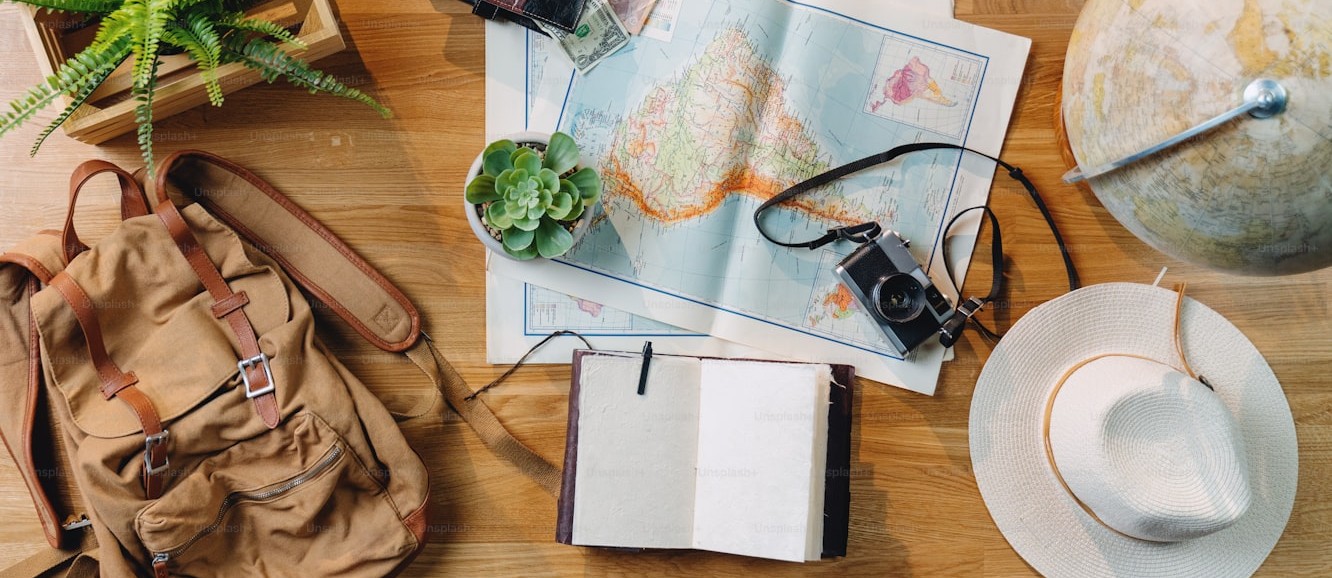
Image: Getty Images

You've done it all before: the rolling suitcase, the neck pillow, the quart-sized bag for your toiletries. You know how to pack. But here's the thing: after a certain point, travel experience doesn't just teach you where to go. It teaches you what to bring . Little things, like a set of compression packing cubes that magically squeeze three days' worth of clothes into half the space you expected, or a portable luggage scale that saves you from that sinking feeling at the check-in counter when your bag is two pounds over the limit. Sounds useful? Read on.

1
Compression packing cubes
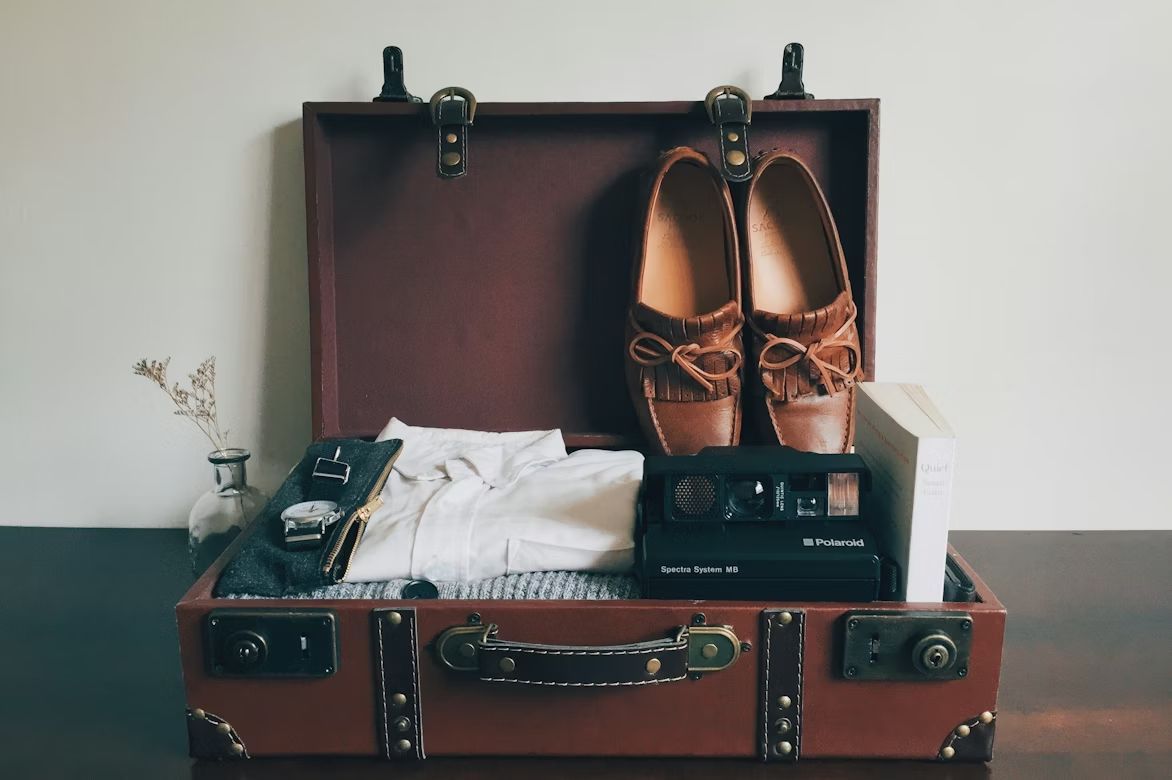
Image: Shawn Augustine

These zippered fabric cubes let you sort your clothes by category—shirts in one, pants in another, underwear in a third—and then compress them down by squeezing out excess air. They keep everything tidy and surprisingly compact . Most come in sets of different sizes, so you can mix and match depending on what you're packing.

Imagine you're flying to visit family for a long weekend but want to avoid checking a bag. Without packing cubes, that's a puzzle. With them, you'd be amazed what fits into a carry-on.

2
Portable luggage scale
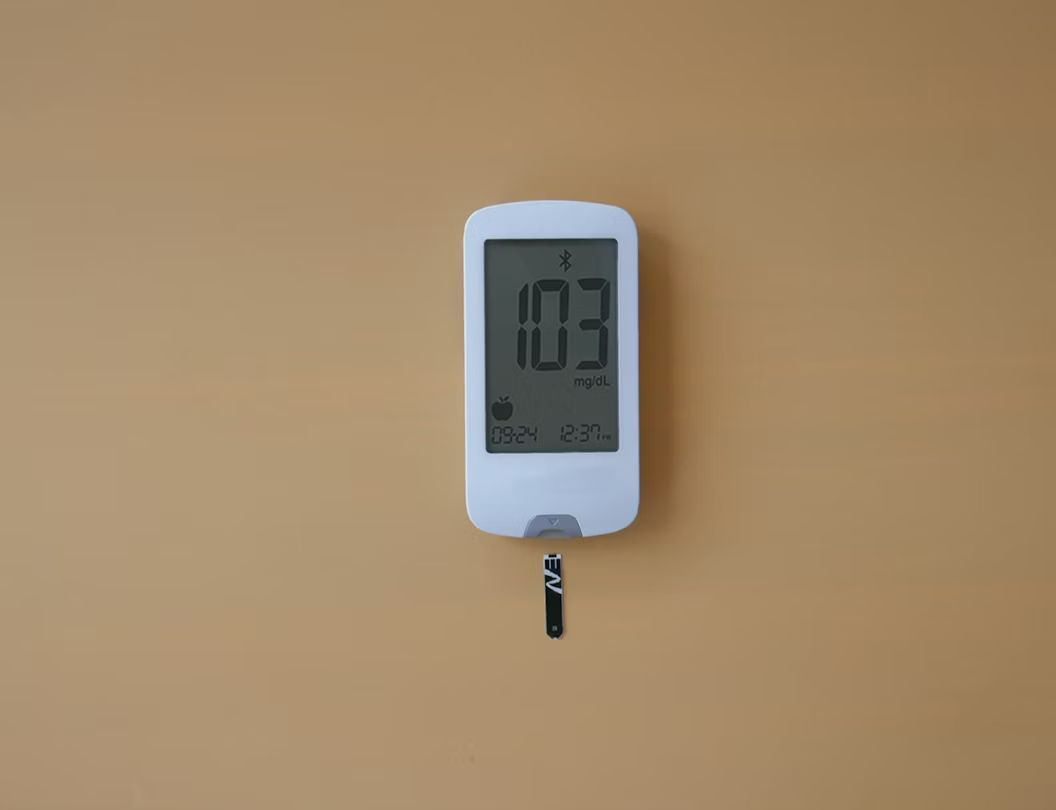
Image: isens usa

This little handheld device hooks onto your bag's handle and gives you an instant weight reading. It costs about $10and weighs almost nothing itself. Use it the night before your flight, and you'll never get blindsided by an excess baggage fee of $50 (or more) again.

Picture this: you've spent a week in Florida and picked up a few things for the house. You think your bag is fine. The airline disagrees—to the tune of $75. A luggage scale would have caught that before you ever left the hotel room, giving you time to rearrange or ship something home instead.

3
Doorstop alarm
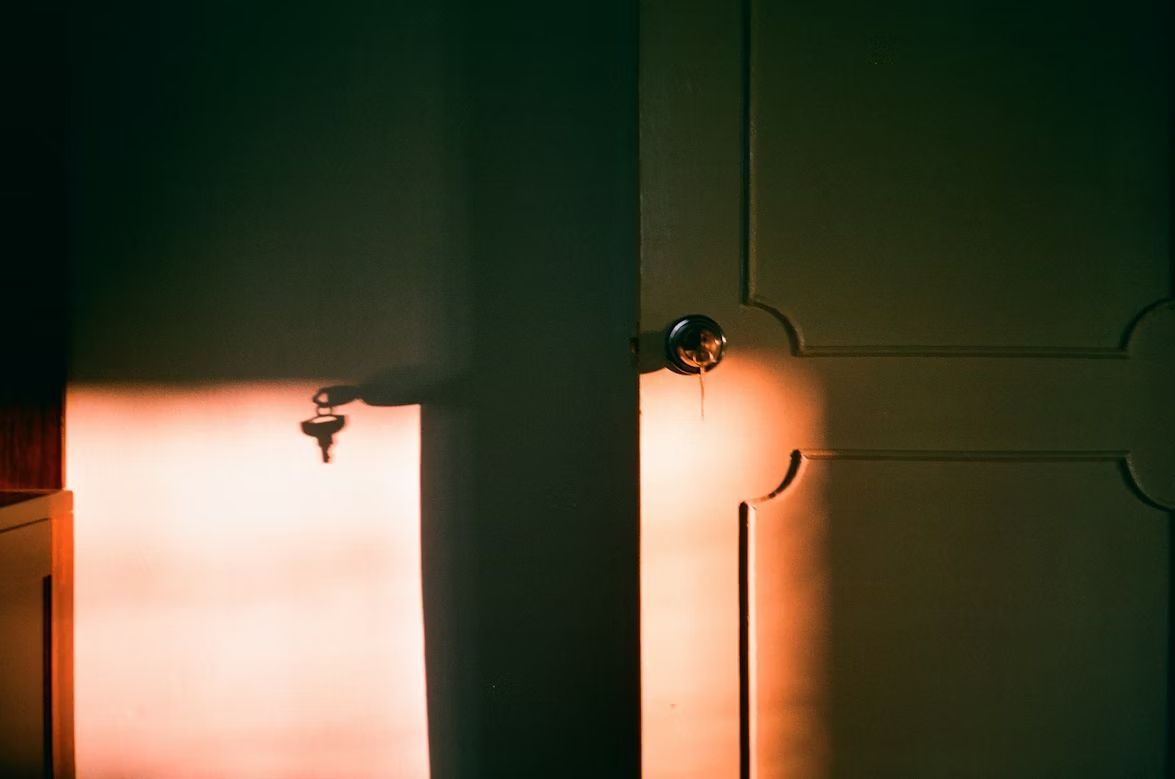
Image: Jun Ren

This wedge-shaped gadget slides under your hotel room door and sounds a piercing alarm if someone tries to push it open. It's a simple, inexpensive way to add a layer of security that the hotel deadbolt alone doesn't always provide. It fits in the palm of your hand and weighs almost nothing.

If you're traveling solo or in an unfamiliar area, peace of mind matters . Prop one of these under your door at night, and you'll sleep a lot better, knowing that if anyone tries to come in uninvited, the whole hallway is going to know about it.

4
Foldable tote bag
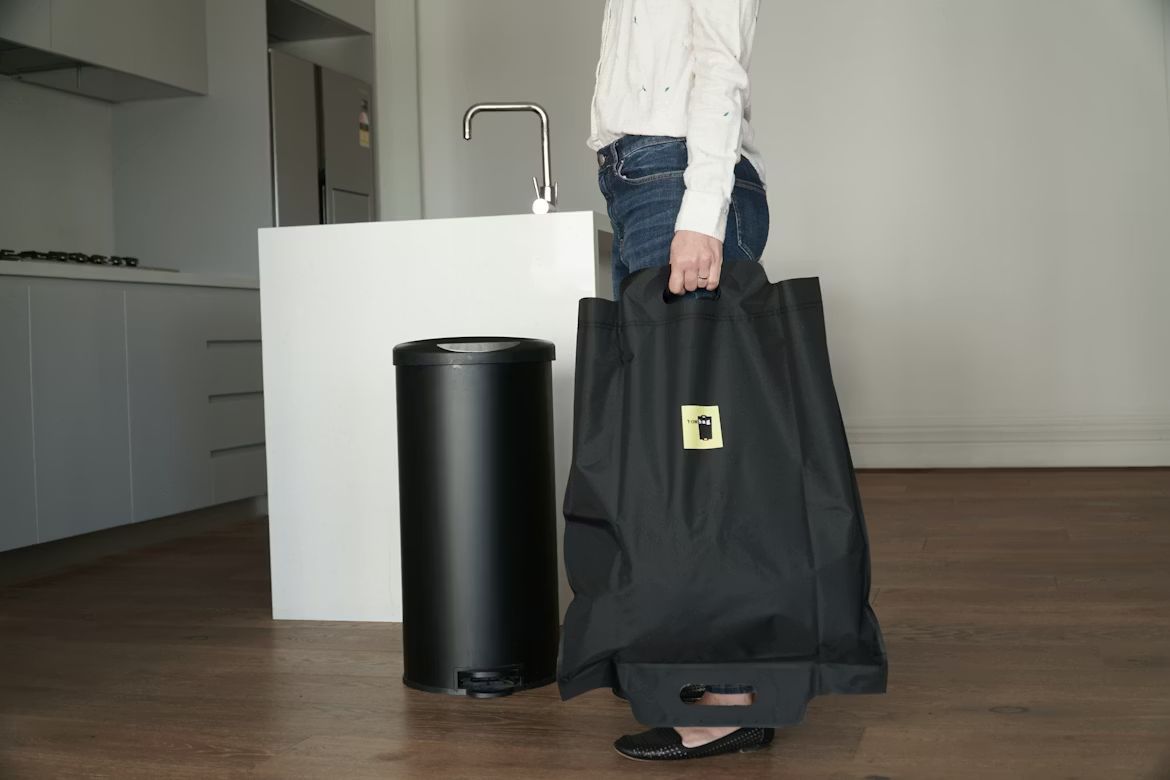
Image: Sasha Pestano

A lightweight tote bag that folds into a tiny pouch is one of those things you'll reach for constantly once you have it . Use it as an overflow bag on the way home when your suitcase is full of souvenirs, or as a beach bag, a grocery bag, or a day-trip bag when you don't want to lug your whole luggage around.

Say you're on a cruise with a port stop in a charming little town. You want to browse the market and pick up some local olive oil and pottery. You didn't plan for that. But if you've got a foldable tote tucked in your bag, you won’t have to scramble for a bag at the gift shop.

5
Travel clothesline
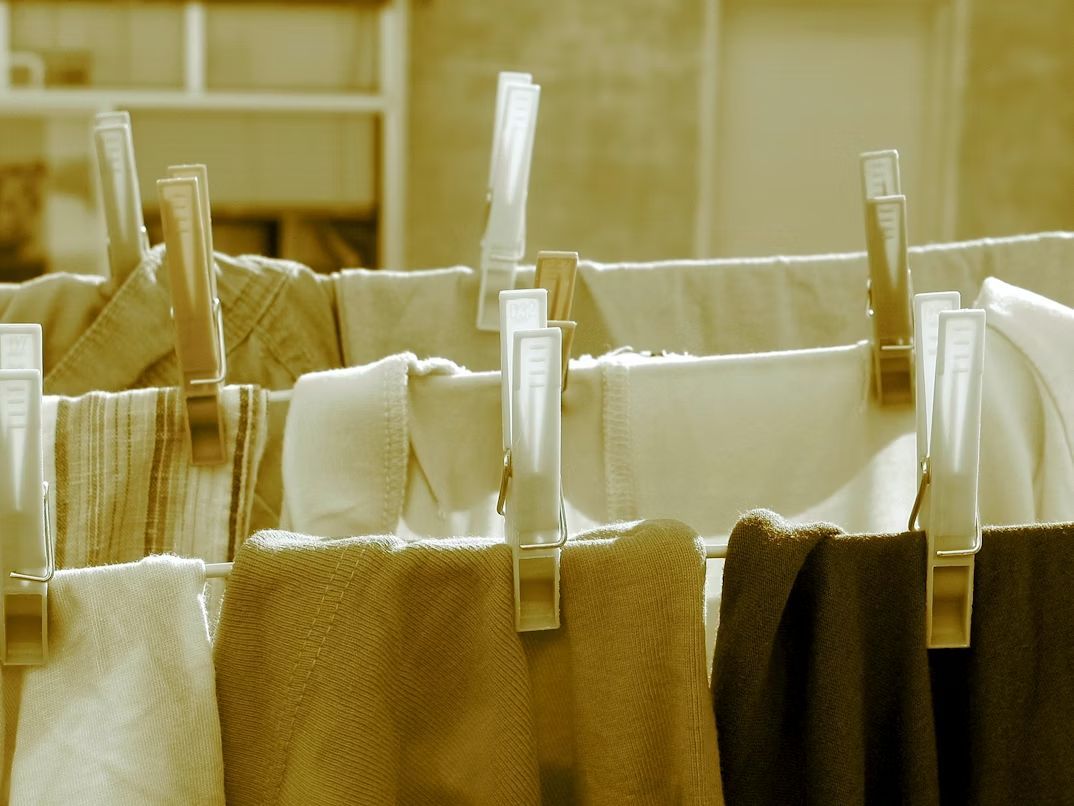
Image: Elisa Calvet B.

This is a simple elastic or bungee-style cord that stretches between two points—a towel bar, a bedpost, a shower curtain rod—so you can hang hand-washed clothes to dry overnight. No suction cups, no hardware, nothing complicated.

If you're on a two-week trip and trying to pack light, being able to wash a few things in the sink and hang them up makes a real difference . Woke up in Rome and realized you need your shirt for the following day? Wash it, and it will be dry by morning.

6
Universal travel adapter
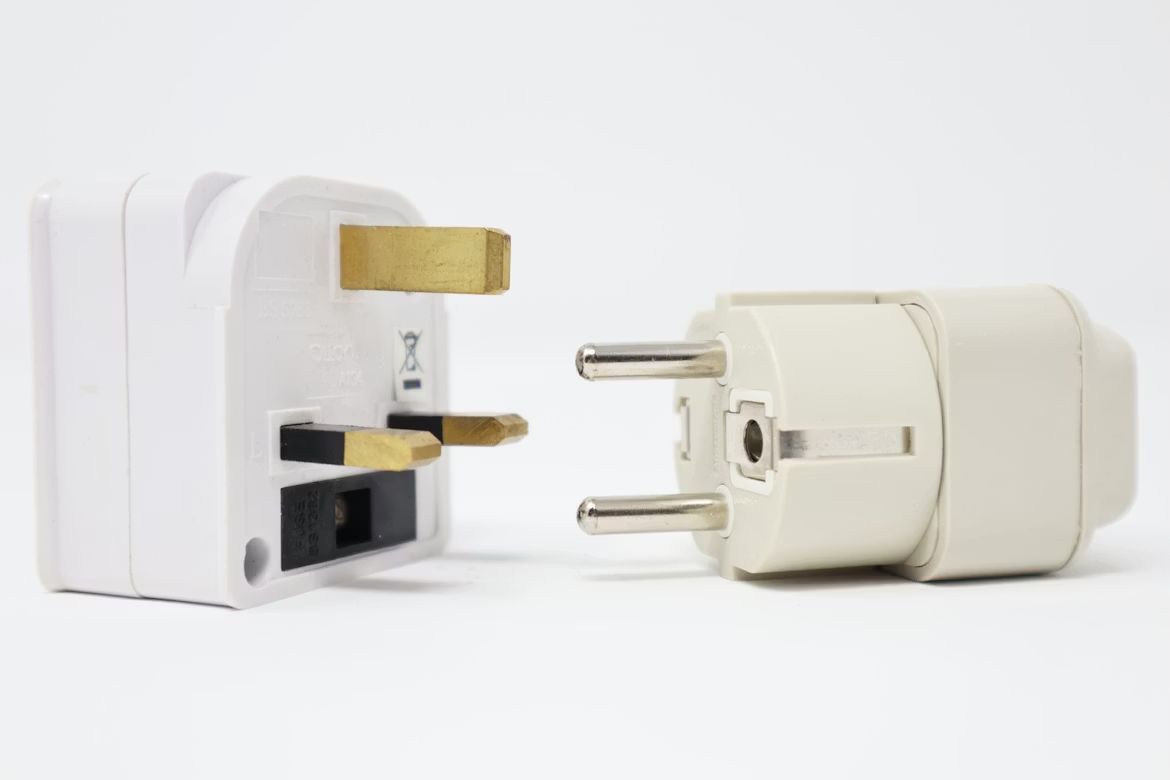
Image: Call Me Fred

Different countries use different outlet shapes and voltages. A universal adapter handles all of it— Europe, Asia, South America, the UK—in one compact device . Most modern ones also have built-in USB ports, so you can charge your phone directly without needing a separate plug.

You've landed in London, and your phone is at 8%. Your American charger is useless in a British outlet. One universal adapter, and that problem will never exist again. It's a one-time, ten-dollar fix for something that can otherwise ruin a morning.

7
RFID-blocking pouch
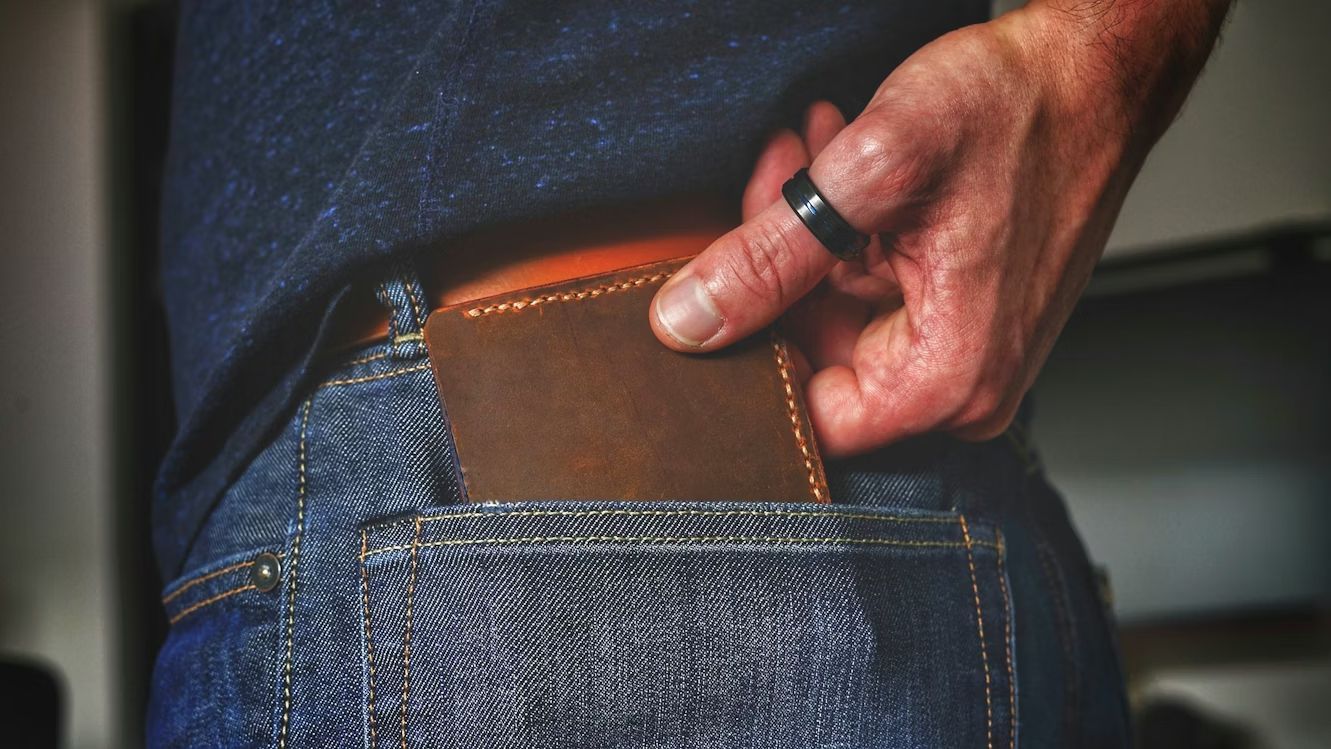
Image: Geoffrey Crofte

Modern credit cards and passports have chips in them that can, in theory, be scanned wirelessly by someone nearby. An RFID-blocking pouch or wallet liner prevents that from happening by creating a simple signal-blocking barrier around your cards .

Crowded airports, busy subway stations, tourist hotspots; these are exactly the environments where electronic pickpocketing is a concern. Slipping your passport and cards into an RFID pouch takes two seconds and gives you one less thing to worry about in a busy place.

8
Portable hard drive
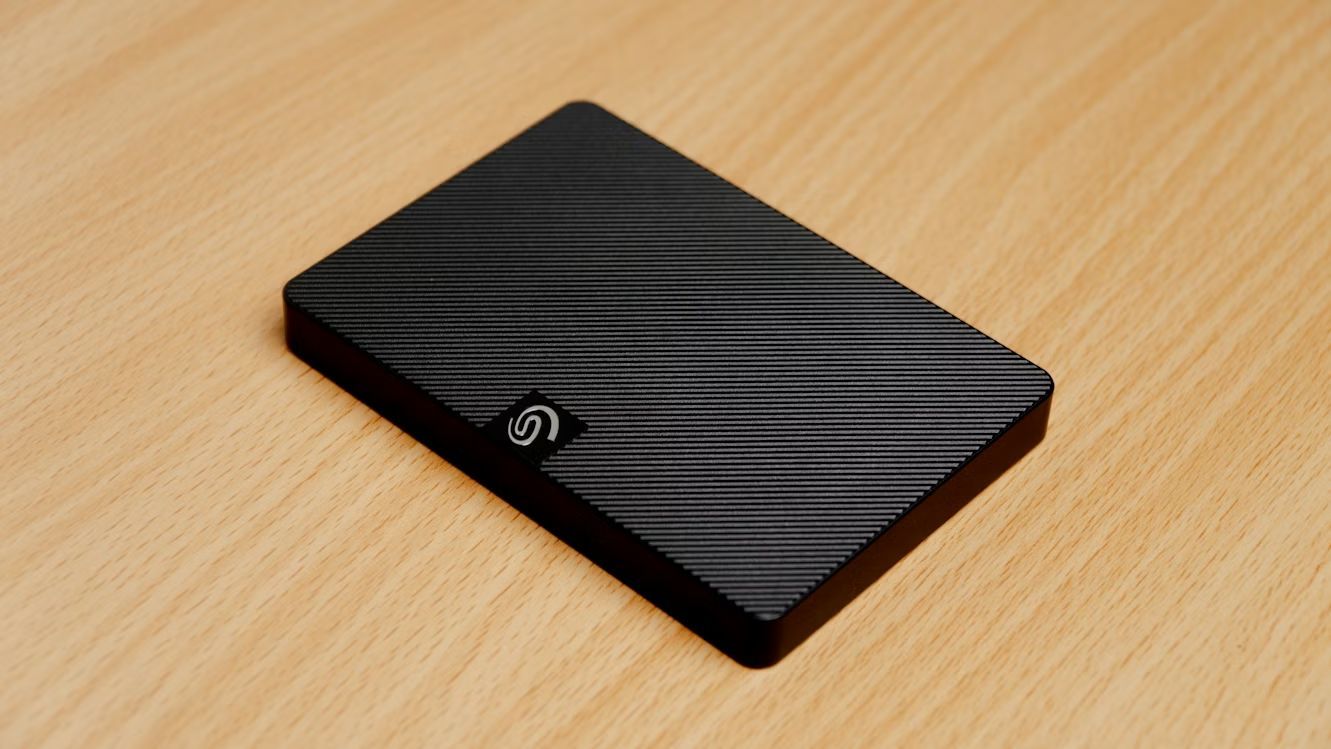
Image: Uwukuri Emery

A compact external hard drive is no bigger than a deck of cards and lets you back up your photos and documents while you're still on the road. You don't need Wi-Fi, you don't need cloud storage, and you don't need to worry about your phone running out of space at the worst possible moment.

Imagine you've spent eight days photographing the national parks out West. You have thousands of pictures and irreplaceable memories, but your phone gets lost or stolen on day nine. Without a backup, those photos are simply gone. With a portable hard drive, you plug in each night, transfer the day's shots, and travel with the peace of mind that your memories exist in more than one place .

9
Compact extension cord with USB ports
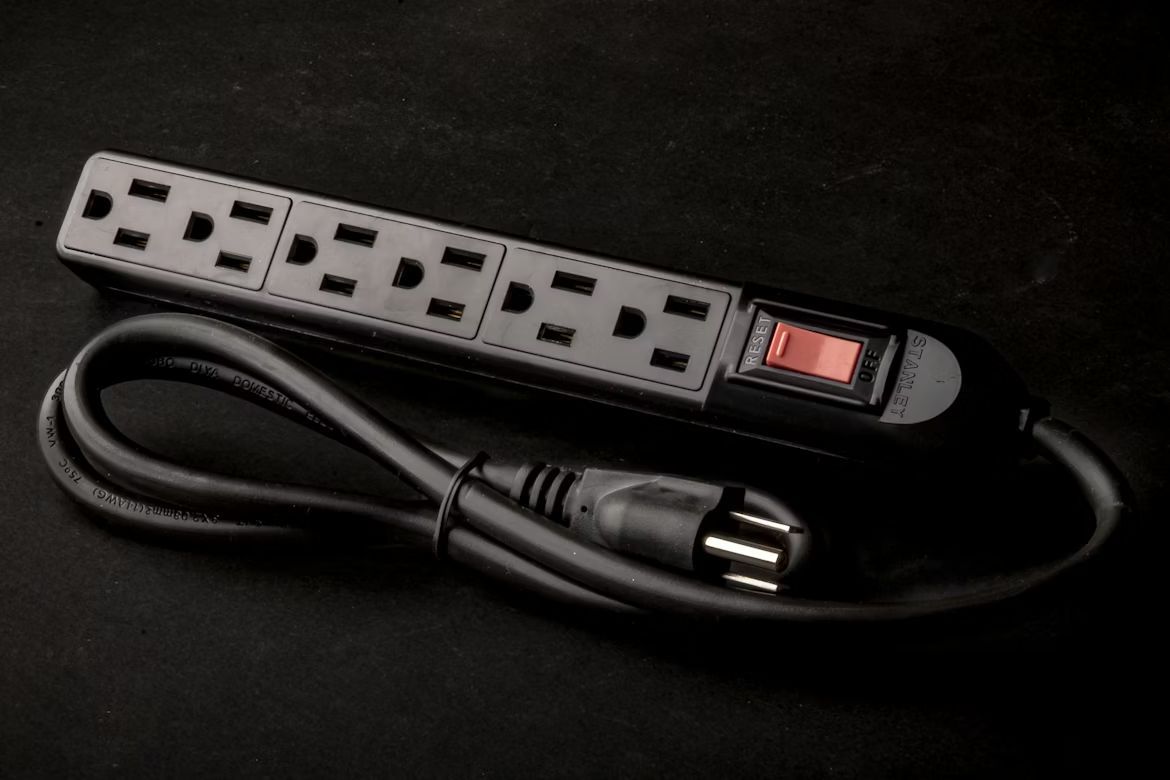
Image: Davied Thielen

Hotel rooms have a frustrating habit of putting their one or two outlets in the least convenient spots: behind the bed, across the room from the desk, nowhere near where you actually sit. A compact extension cord with built-in USB ports solves this instantly. You plug it into whatever outlet exists, and suddenly you've got four or five charging options right where you need them .

Picture arriving at your room after a long travel day with a dead phone, a tablet that needs charging, and a CPAP machine to plug in before bed. One outlet, three needs. A compact extension cord turns that into a non-issue in about ten seconds, and it takes up barely any space in your bag.

10
Collapsible water bottle
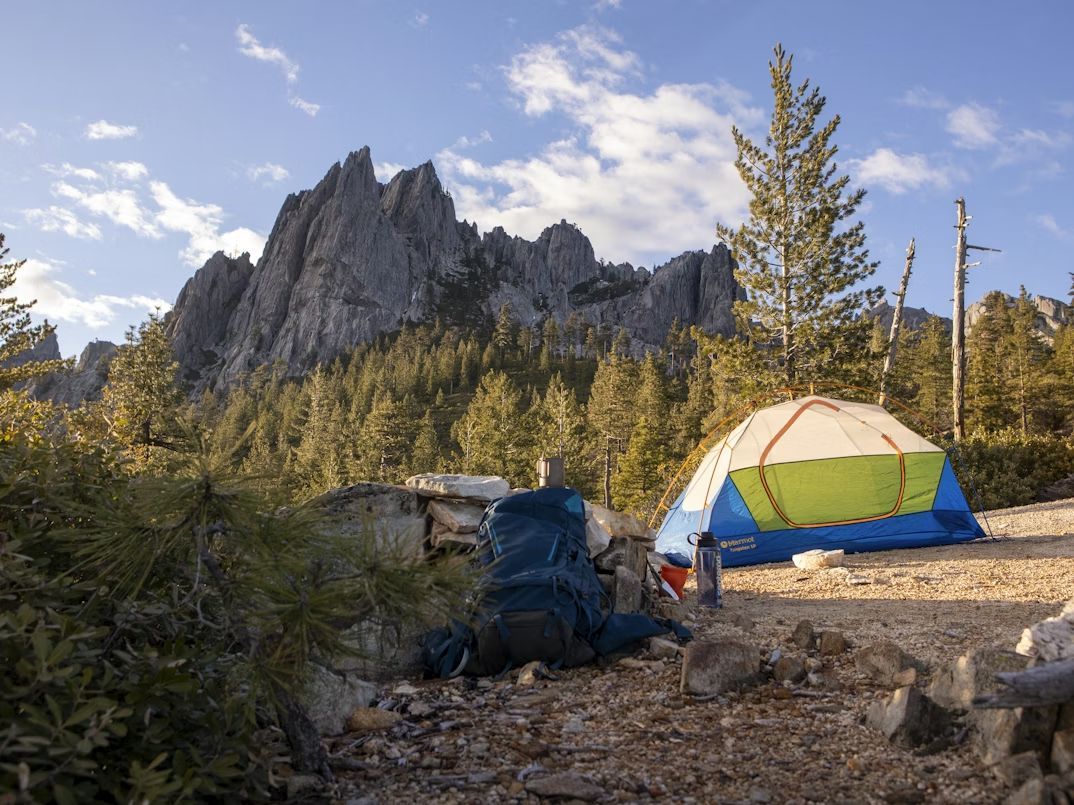
Image: Mazin Omron

When it's empty, a collapsible silicone water bottle folds flat, thin enough to slip into a jacket pocket . When you need it, it expands and holds a full 20 ounces or more. It's TSA-friendly when empty, and you can fill it right after security.

Staying hydrated on a long travel day matters more than most people realize, especially if you're dealing with heat, walking a lot, or spending hours in dry airplane air.

General General 4 min read

Put the pedal to the metal

Mustang, Firebird, and more: 10 classic American cars!

Image: cozmicphotos

It shouldn’t come as a surprise that America loves cars : Our country is synonymous with the freedom to hit the road and drive wherever the wind takes us. In that sense, America has produced its fair share of amazing cars that have transcended their status as mere machines to become full-fledged cultural icons. With that in mind, we have selected 10 American cars that truly defined their respective times, with the hopes of being able to pay homage to all these incredible vehicles. Enjoy!

1
Ford Model T

Image: Matthew Lancaster

We’ll begin this article with the car that started it all. The Model T is considered by historians to be the very first mass-produced and affordable car, thanks to Henry Ford’s incredible innovation with the introduction of the assembly line. In the 1999 "Car of the Century" competition, the Ford Model T was named the most influential car of the 20th century, and with good reason: the creation of this groundbreaking vehicle is considered one of the most revolutionary events in the past few centuries.

2
Ford Mustang

Image: Joey Banks

The Mustang has been Ford’s most famous vehicle since 1964, with new series and models coming up to this day. Just like its name suggests, the Mustang is what is known as a "pony car": Affordable, compact, and, above all, highly styled. However, at the time of its launch, the Mustang was also synonymous with speed, debuting as a safety car in the 1964 Indianapolis 500. Not only that, it won the 1964 Tour de France international rally.

3
Chevrolet Corvette

Image: Deepthi Clicks

Few sports cars are as iconic and instantly recognizable as the Corvette. First introduced in 1953, the Corvette is still manufactured to this day, with its latest generation introduced in 2020. Experts recognize this car for its stylish design, excellent performance, and competitive pricing. These qualities have turned the Corvette into an undisputed American icon.

4
Cadillac ElDorado

Image: Evgeni Adutskevich

In the 1950s, when it came time for Cadillac to name their new luxury car model, they naturally chose to name it after the mythical city of "El Dorado." After all, what can be more luxurious than a legendary Colombian city made entirely of gold? The Eldorado was created to celebrate Cadillac’s "golden" anniversary, but it quickly became this manufacturer’s most popular vehicle, produced for over 50 years until 2002.

5
Jeep Wrangler

Image: Thomas Tucker

During WWII, the U.S. Army introduced the Willys MB, an off-road vehicle also known as the "Jeep." By the end of the war, a civilian-friendly model of the Jeep, known as the "CJ-1", was introduced to the American public with great success. Cut to 40 years later, in 1986, when Jeep introduced its now-iconic Wrangler. Its maneuverability and power were (and still are) only comparable to its comfort and style.

6
Pontiac Firebird

Image: Reinhart Julian

Whenever you see Pontiac’s black and golden phoenix in the hood of a car, you know you are in the presence of one of the most iconic American cars in history. Produced from 1967 to 2002, the Pontiac Firebird was first created as a "pony car" to compete with the Ford Mustang. With 4 different models, the Firebird is definitively synonymous with speed, performance, and, above all, style.

7
Oldsmobile 88

Image: Lisa Bresler

The Oldsmobile 88 is this manufacturer’s best-selling and most famous vehicle, and with good reason. Since its introduction in the 1950s, this full-size car was extremely popular for its lightweight and powerful V8 engine. Not only that, many experts believe that its large and high-performance engine made the 88 the very first muscle car in history.

8
Dodge Charger

Image: Cook aynne

In the late 70s, a now-legendary show called "The Dukes of Hazzard" introduced the world to "them Duke Boys," two cousins who engaged in high-adrenaline adventures through rural Georgia in their trusted Dodge Charger named "General Lee." The popularity of this show made the Charger familiar to America since the high-speed chases showcased by the show allowed the public to see firsthand all the perks the Charger had to offer.

9
Volkswagen Microbus

Image: Ian Usher

So far, we’ve been focusing on cars known for their speed or power, but what about comfort? This isn’t to say that the vehicles we’ve mentioned before are not comfortable, but this entry is known as the go-to car for those seeking to explore the gorgeous landscapes of our country. Since Volkswagen is a German manufacturer, the Microbus is not technically an American car, but let’s be honest: This car has been synonymous with American road trips since its inception.

10
Lincoln Continental

Image: Marty Maguire

In the early 40s, Edsel Ford, son of legendary industrialist Henry Ford, commissioned the construction of a comfortable luxury personal vehicle. The result was the Lincoln Continental , which quickly evolved from that sole prototype into one of the most iconic American cars in history. The name comes from the car’s European "continental" styling elements, like a modern design and a rear-mounted spare tire.

History History 7 min read

Hidden stories

The secret WWII project hidden beneath the White House

Image: Abbie Rowe. White House Photographs. John F. Kennedy Presidential Library and Museum, Boston, Public domain, via Wikimedia Commons

Did you know the White House wasn’t originally meant to be white? Or that hidden underground spaces were built beneath it? For more than 200 years, we have seen the White House in movies, on the news, in family photo albums from Washington trips, and during some of the biggest moments in our country’s history. But behind those famous walls are stories most have never heard. From fires and secret construction projects to strange traditions and forgotten moments, these are 10 surprising White House stories that most of us were never taught in school.

1
It was almost completely torn down

Image: Abbie Rowe, Public domain, via Wikimedia Commons

Did you know that very little of today’s White House interior is actually original? Looking at the building now, it’s hard to imagine that it was once so unstable that it was in danger of collapsing.

By 1948, after decades of heavy use, outdated wiring, poor structural supports, and years of renovations layered over one another, the White House had become unsafe. Floors and walls cracked, and parts of the residence were literally sinking. President Harry S. Truman even joked that the place felt haunted because it made so many strange noises. Rather than abandon it, Truman launched a massive reconstruction project with Congress. Between 1948 and 1952, nearly the entire interior was gutted and rebuilt while the original exterior walls were preserved, giving America a strong and reliable White House.

2
During WWII, they built an underground bunker

Image: rc.xyz NFT gallery

Did you know there’s a fortified bunker hidden beneath the White House? A couple of years before Truman’s famous renovation, another major project was quietly built beneath the presidential residence.

In 1942, during World War II, President Franklin D. Roosevelt ordered the construction of a secure underground shelter to protect government leaders in case Washington, D.C., came under attack. Built quickly and in great secrecy, the bunker was completed within months, though it was luckily never needed during the war. Today, the facility is known as the Presidential Emergency Operations Center, or PEOC, and it was famously used in 2001 by President George W. Bush and again in 2020 by Donald Trump.

3
It was not originally meant to be white

Image: Andriy Miyusov

Can you imagine if it were called "the Gray House"? Today, it’s impossible to picture America’s most famous home as anything other than bright white, but that wasn’t the original idea.

During construction in the 1790s, workers covered the exterior sandstone with a lime-based whitewash to protect it from moisture, cracking, and harsh winter weather. The coating gave the building a pale grayish appearance, not the brilliant white we recognize today. A long-standing myth claims the White House was painted white to hide the burn marks left after British troops set it on fire in 1814, but in reality, the building had already been whitewashed years earlier. Still, after the fire and reconstruction, the white exterior became permanent and eventually inspired the famous name "White House," though for many years people still called it the "President’s House."

4
10 people have died in the White House

Image: Woodrow Wilson Presidential Library Archives from Staunton, VA, No restrictions, via Wikimedia Commons

Many people have lived and worked in the White House over the centuries, but, according to the White House Historical Association, only 10 people are officially recorded as having died inside the presidential residence.

Among them were two U.S. presidents. William Henry Harrison died there at age 68 in 1841 after falling seriously ill, likely from contaminated water. Zachary Taylor died at age 65 in 1850 from a severe stomach illness after attending Fourth of July celebrations in extreme heat. Three First Ladies also passed away in the White House: Letitia Tyler in 1842, Caroline Harrison in 1892, and Ellen Axson Wilson in 1914. Other deaths included presidential relatives, aides, and staff members, among them Abraham Lincoln’s son, Willie Lincoln, whose death at the age of 11 in 1862 deeply affected the family and became one of the White House’s most heartbreaking stories.

5
Presidential whims

Not every White House renovation happened due to war, damage, or urgent repairs. Some changes came simply from the personal tastes and hobbies of the presidents who lived there, and over the years, there have been quite a few memorable ones.

In 1973, Richard Nixon installed a one-lane bowling alley beneath the North Portico. Years later, in 1989, George H. W. Bush added a regulation horseshoe pit near the White House grounds, where he often relaxed and challenged visitors, including Queen Elizabeth II, to games. Then, in 2009, Barack Obama had the South Lawn tennis court modified so it could also be used for basketball, one of his favorite sports.

6
Jackie Kennedy's furniture

Image: Robert LeRoy Knudsen, Public domain, via Wikimedia Commons

When the Kennedy family entered the White House in 1961, the first lady was disappointed to find that many of the historic rooms had lost much of their original character.

Determined to restore the White House’s history and elegance, Jackie Kennedy famously launched a massive restoration effort. She helped create the White House Fine Arts Committee, brought in historians and curators, and filled the residence with genuine antiques and historical pieces tied to past presidencies. On February 14, 1962, an estimated 46 to 56 million people tuned in to watch the First Lady’s televised tour of the White House, making it one of the most-watched programs of its era. She also supported a congressional act that made many of the White House’s historic furnishings official property of the nation, so future presidents could no longer sell, replace, or discard them.

7
Official name changes

Image: Benjamin Harrison Presidential Site, Public domain, via Wikimedia Commons

As we mentioned, the building was not always white, and therefore was not always officially called the White House. For much of the 19th century, Americans usually referred to it as the "Executive Mansion" or the "President’s House." Even after its famous white exterior made the nickname popular, it still was not the building’s official name.

That finally changed in 1901, when Theodore Roosevelt began printing "The White House" on presidential stationery. According to official sources, Teddy Roosevelt preferred this name because it clearly separated the president’s residence from the many state "executive mansions" used by governors across the country.

8
It was once America's largest house

Image: Miscellaneous Items in High Demand, PPOC, Library of Congress, Public domain, via Wikimedia Commons

There is one thing about the White House that no one can deny: it has always been huge, even in its early days.

When the White House was first occupied in 1800, it already contained more than 100 rooms spread across three floors, making it one of the grandest homes in the United States at the time. In a time when most Americans lived in modest houses or farms, the presidential residence was seen as a palace. Many historians even consider it the largest private residence in the country during its early years. Today, the White House covers about 55,000 square feet, though modern private buildings, like the Biltmore Estate in North Carolina, are now far larger.

9
President Benjamin Harrison’s fear

Image: Joseph Gray Kitchell (1862–1945)[1], Public domain, via Wikimedia Commons

Among the many changes the White House has undergone over the years, few were as revolutionary as the arrival of electricity.

For nearly a century after it was built, the presidential residence relied on candles, oil lamps, and gas lighting. That finally changed in 1891, when electricity was installed during the presidency of Benjamin Harrison. But, like many families in that era, the Harrisons were not exactly thrilled by this modern invention. According to White House stories passed down over the years, President Harrison and First Lady Caroline Harrison were so nervous about the possibility of electric shock that they rarely touched the light switches themselves. Instead, they often asked the house staff to turn the lights on and off for them.

10
Hillary Clinton’s special gift

Image: Ralph Alswang, Public domain, via Wikimedia Commons

Of course, Jackie Kennedy wasn’t the only First Lady to leave her mark on the White House. Hillary Clinton added her own personal touch as well, this time as a gift for her husband.

In 1996, Hillary Clinton transformed a little-used room on the White House’s third floor into a private music room for President Bill Clinton. The gift came during the year of Bill Clinton’s 50th birthday and reflected one of his best-known passions: music. Complete with space for listening to records and playing his famous saxophone, the room gave the president a quiet retreat inside the White House.

Explore more American facts

Choose your favorite category!

General
General

As American as apple pie—the very best America has to offer!

Culture
Culture

Delve into the astounding richness of American lore.

Geography
Geography

Hop in and explore vast and diverse American landscapes.

History
History

Discover the key moments that shaped the United States.