History History 3 min read

The many faces of the flag

Our flag has changed 27 times: Explore its evolution

Image: Joshua Hoehne

The Stars and Stripes are now recognized around the world, but the US flag didn’t always look the way it does today. While the red, white, and blue colors have been there from the beginning, the design has changed about 27 times! And so have the rules for handling it. If you want to see what our flag looked like in the past, or learn more about the protocols and traditions surrounding it, keep reading!

1
1776
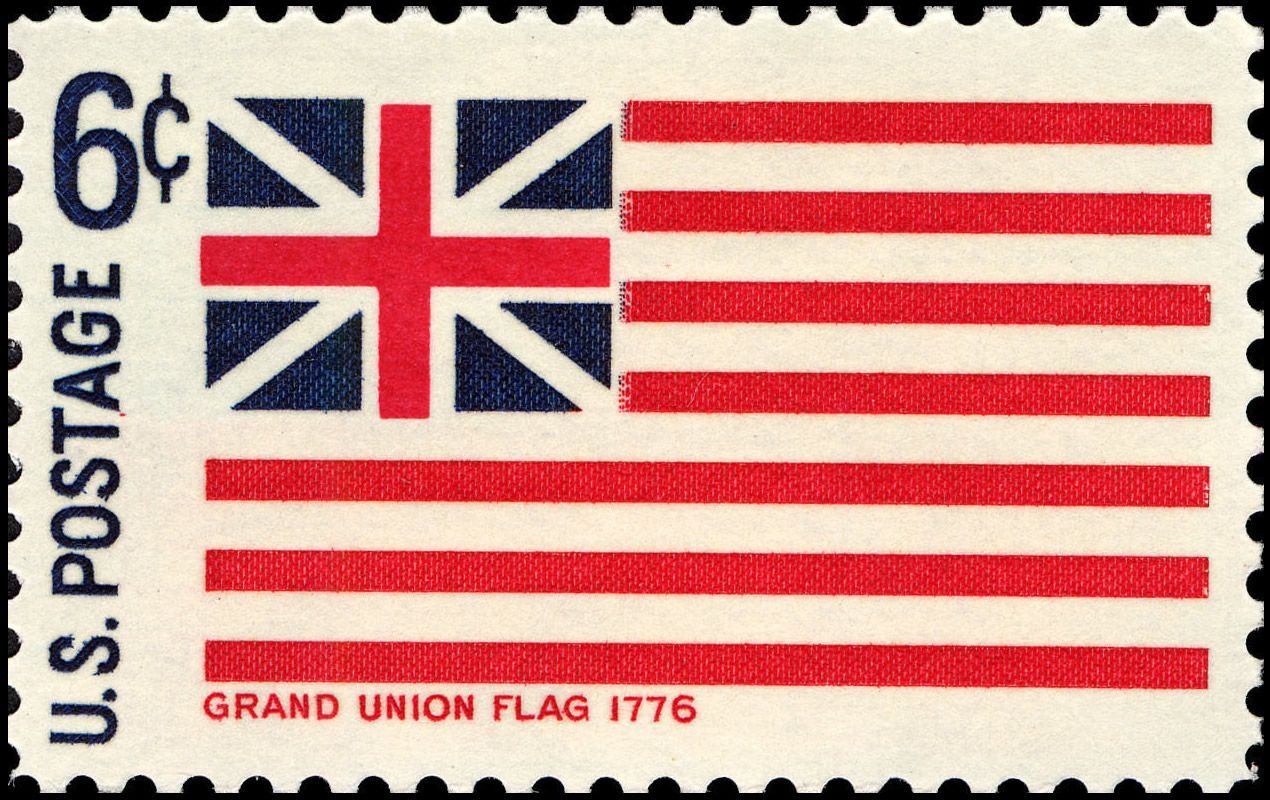
Image: Bureau of Engraving and Printing., Public domain, via Wikimedia Commons

During the American Revolution, the Grand Union Flag, also called the Continental Colors, was created to represent the colonies. It featured 13 alternating red and white stripes (symbolizing the original colonies), but instead of stars in the upper left corner like we see today, it displayed the Union Jack.

2
1777
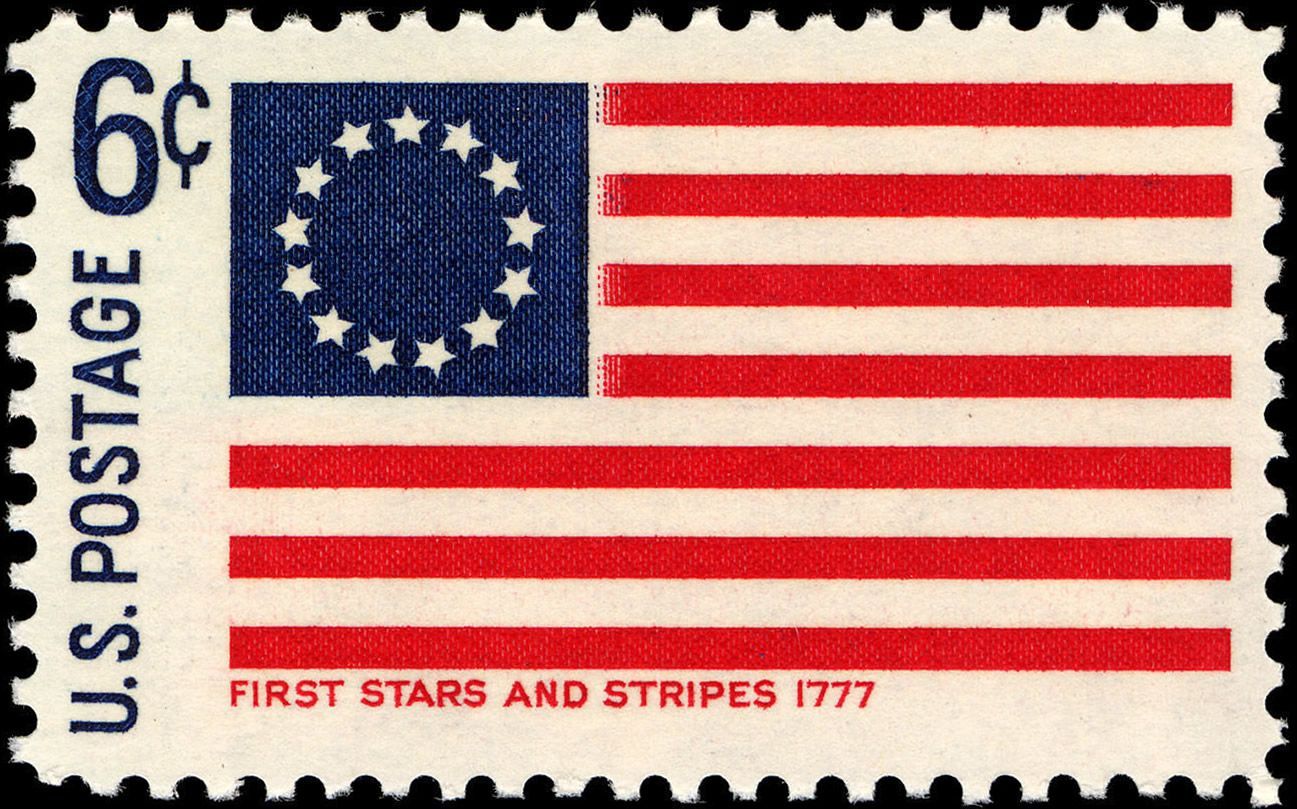
Image: Bureau of Engraving and Printing., Public domain, via Wikimedia Commons

In 1777, following the Declaration of Independence, the Continental Congress adopted the first official flag of the United States. It featured 13 alternating red and white stripes, which still honor the original colonies today. Replacing the Union Jack, it introduced a new element that would be key for the rest of its history: 13 white stars set in a blue field, or canton, arranged in a circle to symbolize equality and unity among the states.

3
1795
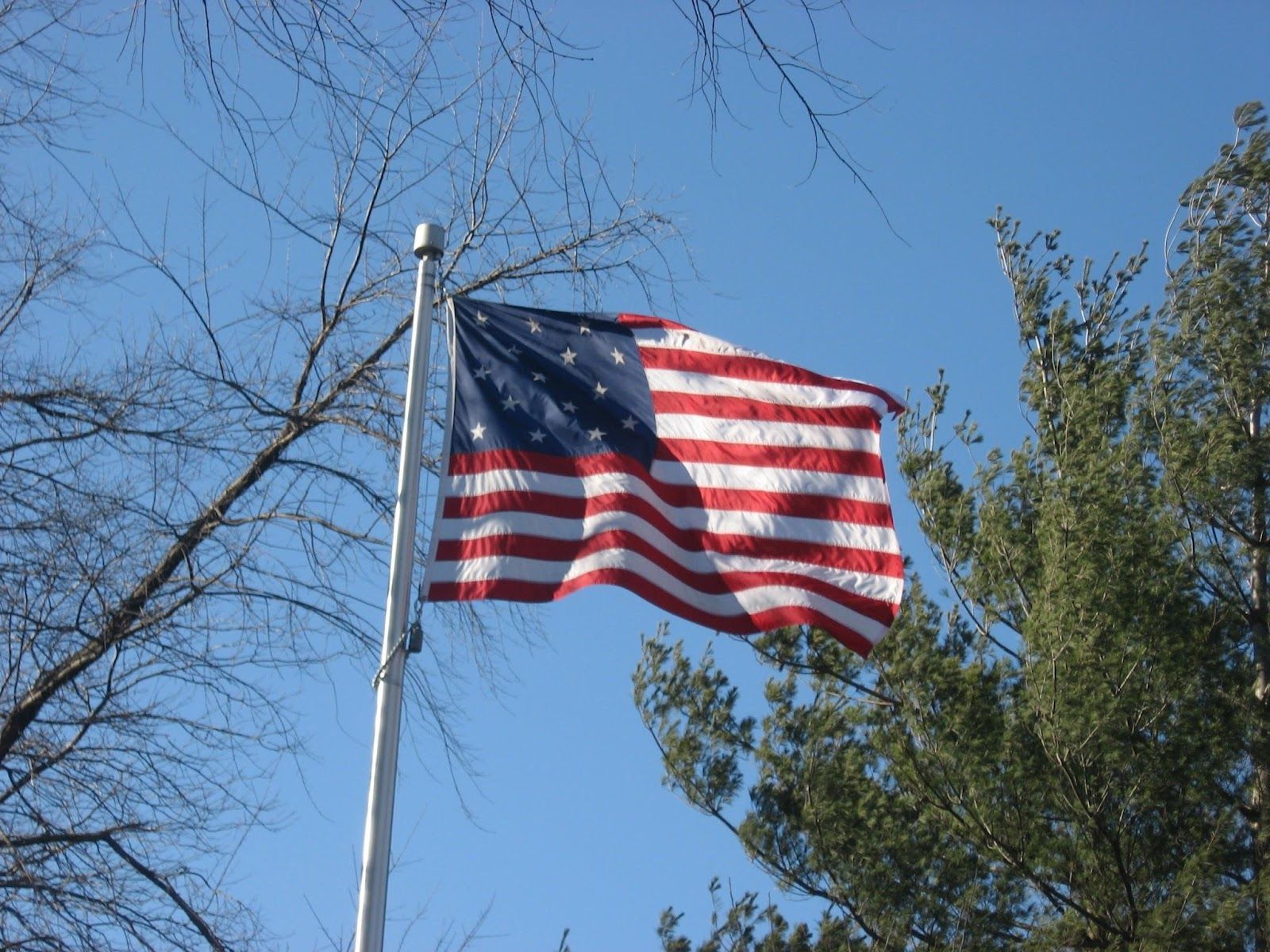
Image: Nyttend, Public domain, via Wikimedia Commons

It wasn’t until 1795 that the flag changed again, when two more stars and two additional stripes were added to represent the recently admitted states of Vermont (1791) and Kentucky (1792). This version was the only US flag to feature more than 13 stripes and later became known as "The Star-Spangled Banner", since it was the very flag that inspired Francis Scott Key to write the poem that would later be the lyrics of the national anthem.

4
1818
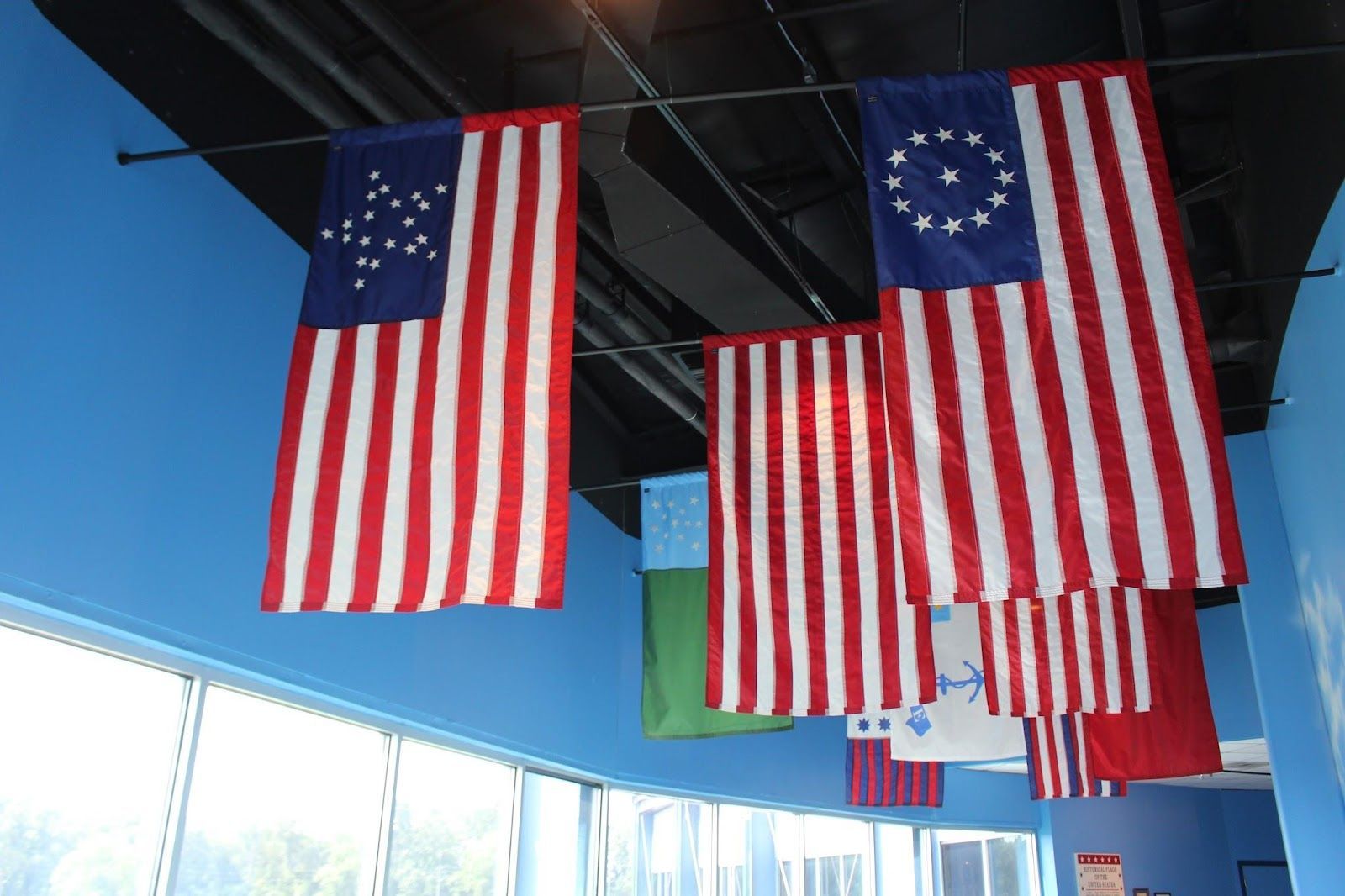
Image: Michael Rivera, CC BY-SA 4.0 <https://creativecommons.org/licenses/by-sa/4.0>, via Wikimedia Commons

In 1818, the flag’s design changed once again. The 15 stripes were reduced back to 13 to permanently honor the original colonies. Five new states had joined the Union, bringing the total number of stars to 20. These stars were sometimes arranged in straight rows and other times in the shape of a large star, which earned this version the nickname "The Great Star Flag."

5
1912
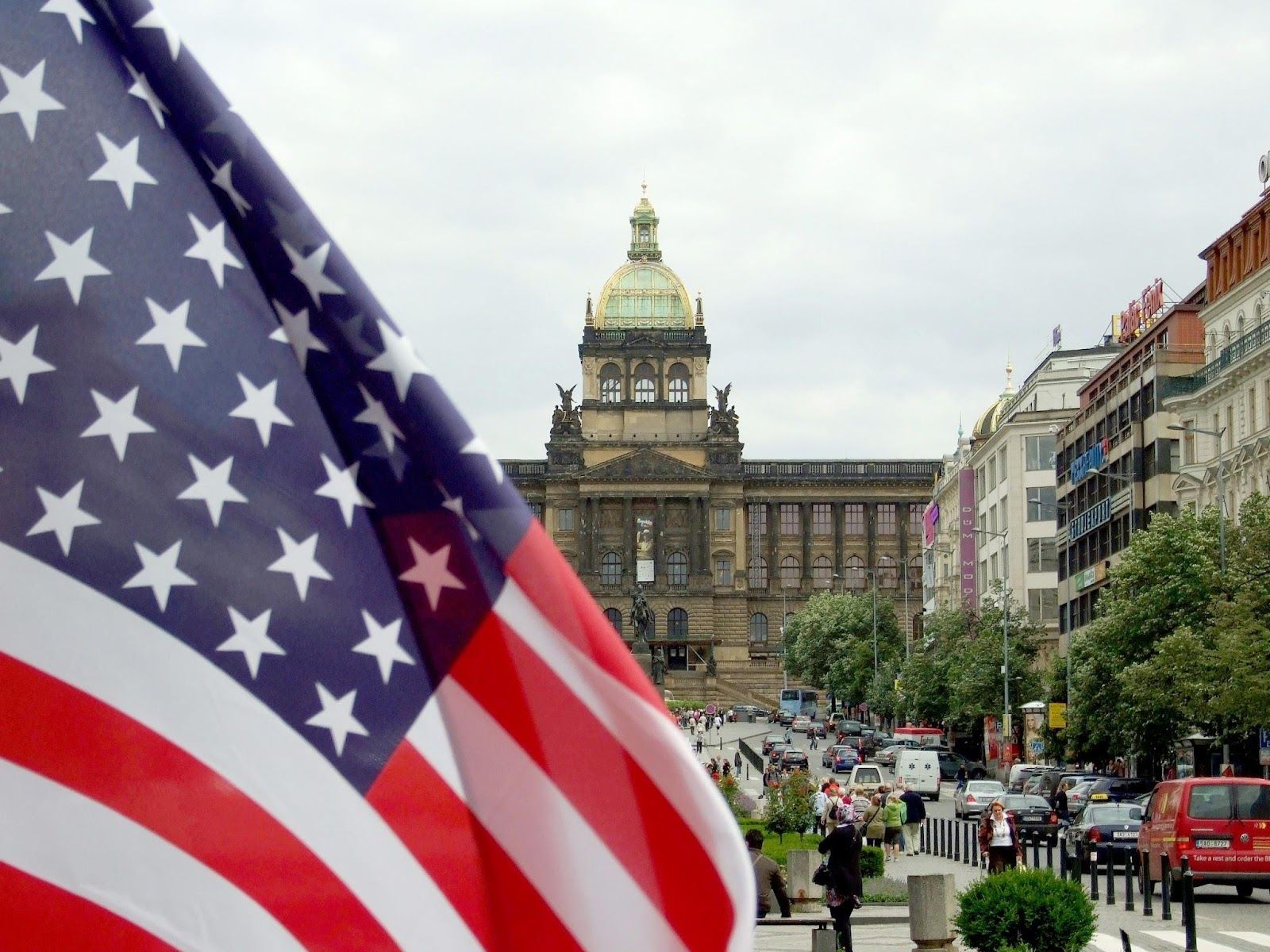
Image: This image is a work by Wikipedia and Wikimedia Commons user Aktron.When reusing, please credit me as: Aktron / Wikimedia Commons. I would appreciate being notified if you use my work outside Wikimedia.More of my work can be found in my personal gallery.csen+/−csenmkplsr+/−, CC BY-SA 3.0 <https://creativecommons.org/licenses/by-sa/3.0>, via Wikimedia Commons

Each new state joining the Union meant one more star on the flag. In 1912, when New Mexico and Arizona were added, the number of states reached 48, so their stars also took their place. That year, President Taft issued an executive order setting the official proportions of the flag and specifying that the stars should be arranged in six horizontal rows of eight.

6
1960
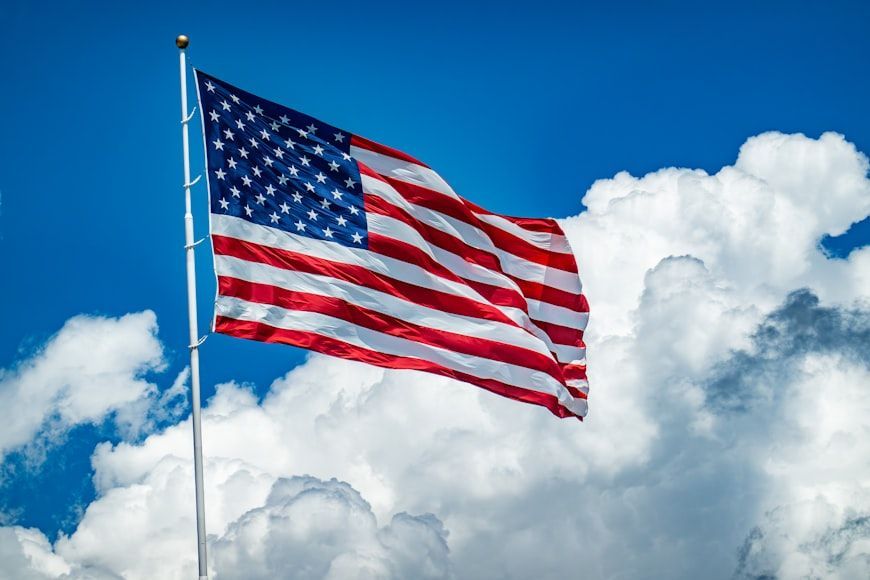
Image: chris robert

The most recent design change came in 1960. After Alaska and Hawaii joined the Union in 1959, two more stars were added, bringing the total to 50. They were arranged in nine alternating rows of six and five stars, like the official flags you see displayed across the country today.

7
Flag time
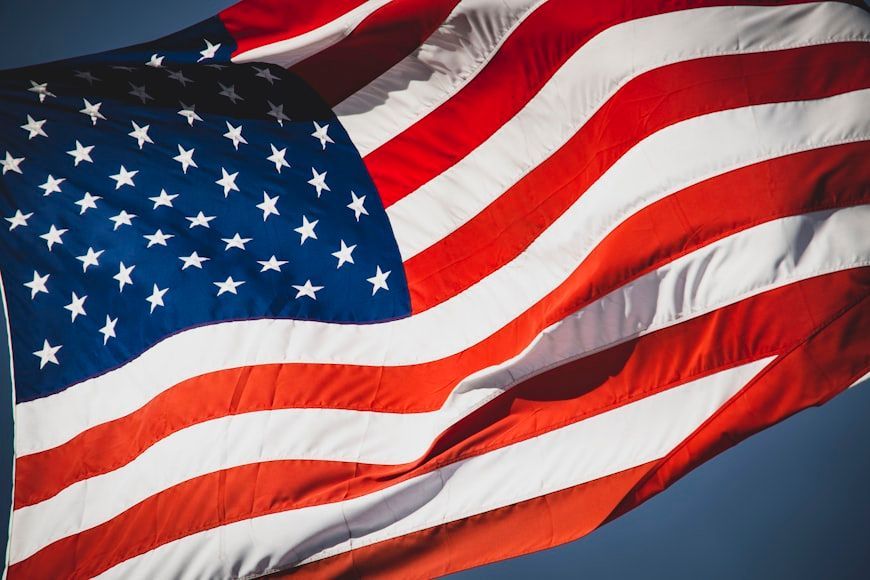
Image: Jon Sailer

Beyond its official design, the US flag follows a set of protocols established over the years. One key rule specifies the time to display it: generally, the flag should be flown from sunrise to sunset. If displayed at night, it must be properly illuminated.

8
Weather conditions
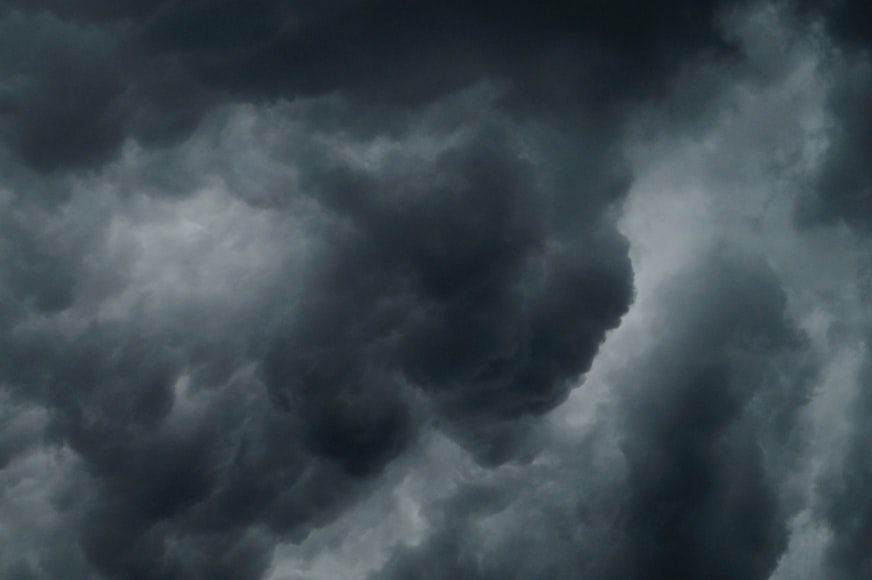
Image: Anandu Vinod

The flag code doesn’t just set the time of day; it also indicates the proper weather conditions for display. According to the protocol, the flag should not be flown in bad weather, such as rain, snow, or storms, unless it’s an all-weather flag designed for such conditions.

9
Position
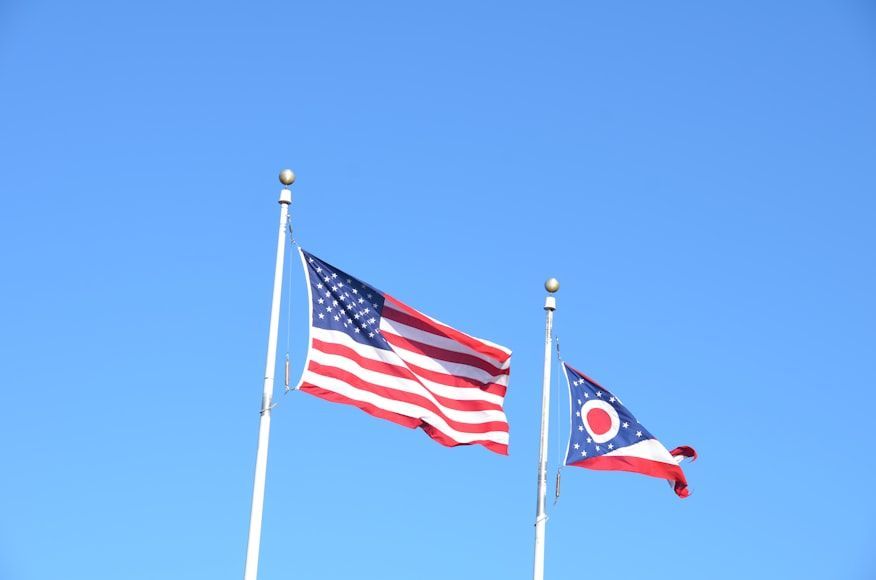
Image: Roger Starnes Sr

Of course, the flag must always have the blue canton in the upper left corner. But there are more rules for its position. When flown with other symbols, such as state flags, the national flag must be in the center and slightly higher. Additionally, if it needs to be lowered from the flagpole, the flag must never touch the ground.

10
Don'ts
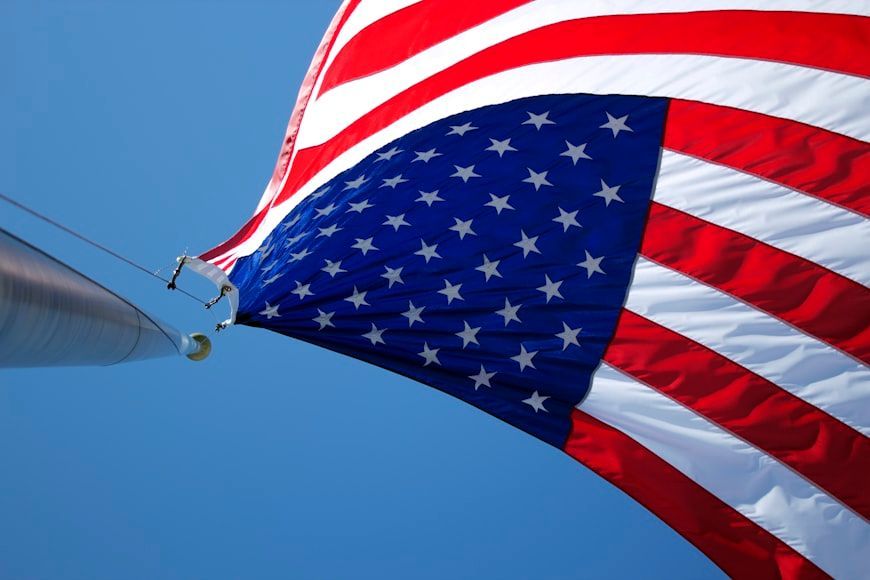
Image: Alex Martinez

If you need to handle the flag, it’s important to know the proper way. But it's also crucial to know what not to do. Some of the key "don'ts" include never letting it touch the ground, avoiding creasing it, not writing or drawing on it, and one that might surprise many: don’t use it as clothing or decoration.

General General 6 min read

Curious keepsakes

America’s Quirkiest Artifacts Hidden in the Library of Congress

Image: Iñaki del Olmo

History has seen all kinds of objects come and go—some more fascinating than others, of course. Some were worth saving and preserving. The Library of Congress is home to some of the most fascinating historical artifacts from across time. Among the millions of items housed within its walls are treasures that range from quirky to iconic. From antique board games to century-old maps, each artifact tells its own story and connects both locals and visitors to specific moments in history. Today, we’ll take a lighthearted look at 10 of the most interesting finds . Sit back and let’s dive into history!

1
Movie etiquette slides: The "don’ts" of early cinema

Image: Alex Litvin

Long before "silence your phones" became a common phrase, the audience was advised to mind their manners with whimsical "movie etiquette" slides. These slides, from the early 1900s, reminded theatergoers to behave properly while in the establishment. Suggestions like "Applaud with hands only" were a gentle nudge to stay courteous—after all, what else would one applaud with, right?

Another classic recommendation: "If annoyed when here, please tell the management," a precursor to modern customer service advice.

2
America’s birth certificate: The map that named a continent

Image: Chris Lawton

Does America have a birth certificate? Not exactly, but something like that—hear this out. It’s actually a map that holds the unique honor of using the name "America" for the very first time . Created by Martin Waldseemüller in 1507, it has a lengthy Latin title and shows an emerging understanding of the globe, especially the newly discovered Western Hemisphere and Pacific Ocean.

For the first time, a cartographer separated the Americas from Europe and Asia, recognizing them as distinct continents. The Library of Congress acquired the map in 2003 and is often referred to as America’s "birth certificate."

3
A Monopoly prequel: The Office Boy

Image: Jaciel Melnik

Before Monopoly was monopolizing (pun intended) family game nights, Parker Brothers tested the waters with a lesser-known board game called "The Office Boy." Released in 1889, this early game was all about climbing the corporate ladder , reflecting the "American Dream" narrative popular at the time.

Players began as humble stock boys and had to work their way up to the head of the firm, with virtues like integrity and promptness helping them along, while carelessness could set them back. Pretty much like real life, huh?

Although "The Office Boy" never reached the same iconic status, it’s a fascinating precursor to Monopoly and you can take a look at it at the Library of Congress.

4
Locks of famous hair: A snip of history

Image: Taylor Smith

It might sound strange today, but saving locks of hair from notable figures was a common practice in the past. The Library of Congress holds strands from historical figures like Thomas Jefferson, Walt Whitman, and James Madison.

Along with the locks, you can also learn some interesting facts. For example, Jefferson’s hair was cut at his deathbed by his family, while Whitman’s came courtesy of his housekeeper, who took the liberty of snipping a few strands. These tiny, personal (maybe too personal) belongings have lost their shine over the years, but they still connect visitors to some of the most influential figures in history.

5
Bizarre health labels: Fat-Ten-U tablets, anyone?

Image: Jenelle

We might find it hard to believe at times, but societies do change. Want to see how? Take a look at advertisements from a certain era, and you’ll notice the early 20th century had its fair share of questionable health products—some of them can be found at the Library of Congress.

For example, one product you can take a look at is "Loring’s Fat-Ten-U Food Tablets," which promised to help skinny folks gain weight quickly . The accompanying ads featured dramatic before-and-after illustrations of people plumping up into "rosy" health with these tablets.

Compare that with today, and you’ll see that marketing, fads, and science have certainly come a long way, don’t you think?

6
The first road map: Paving the way for American travelers

Image: LouisMoto

We’ve mentioned the first map to name America as a continent, but have you ever wondered who the first person to draw a roadmap of the US was? Well, you can learn about that at the Library of Congress.

Back in 1789, when George Washington became president, Christopher Colles published what is now considered the first road map of the United States . His guide, titled A Survey of the Roads of the United States of America , helped travelers navigate the relatively new nation. Rather than displaying large swathes of territory, each page zoomed in on short stretches of road, making it much easier to navigate.

Of course, if you look at it today, it is outdated, but back then, it made traveling around the country a lot easier!

7
Culinary advice for motorists: Gourmet on the go

Image: Debby Hudson

One doesn’t usually—or immediately—place a motorist in a kitchen, right? But we guess this is here to prove us wrong!

When early motorists hit the road, there weren’t fast-food chains or convenience stores on every corner. This posed a problem, but the solution came around rather quickly: The Motorist’s Luncheon Book by May Southworth, published in 1923, provided travelers with the advice they needed to plan their meals on the go. The book suggested packing emergency supplies like sardines, canned frankfurters, and even "bacon in jars" and some recipes to cook on the road.

If you’re ever out of ideas in the kitchen, you might want to get a quick look at this book!

8
Jefferson’s vanilla ice cream recipe: Founding Father of desserts

Image: Hidden

Wait, Jefferson—as in the Founding Father? That’s right. Thomas Jefferson may have helped write the Declaration of Independence, but he also knew how to make a mean vanilla ice cream.

Among his vast collection of papers at the Library of Congress is his personal recipe for the classic dessert . The recipe is as simple as it gets: just "good cream," egg yolks, sugar, and vanilla. Jefferson, known for his love of French cuisine, likely picked up this ice cream-making skill while serving as a diplomat in Paris. While the recipe is quite detailed, it’s a reminder that even the most powerful figures in history had a sweet tooth. You could honor him by making this for your loved ones tonight!

9
The first known book printed in America: The Bay Psalm Book

Image: Aaron Burden

We all know what the first printed book in the world was, right? But what about the first printed book in America? Here’s what you need to know about it.

North America’s first printed book, The Whole Booke of Psalmes , also known as The Bay Psalm Book , dates back to 1640, just two decades after the Mayflower landed. This hymnal was created in the Massachusetts Bay Colony and contains psalms translated from Hebrew into English—but with a twist: the spelling and grammar were, well… creative by modern standards.

The book has no music notes, just the lyrics for worshippers to follow along with. Though simple in appearance, it pretty much marks a milestone in American printing and religious history.

10
Helen Keller’s plea to Alexander Bell: A message of hope

Image: Anne Nygård

As you probably already know, Hellen Keller was both deaf and blind. But that was never an obstacle to her journey of self-improvement and activism for the rights of the disabled. She is, still today, one of the most influential figures in history.

Now, concerning this article, here’s the fascinating artifact’s history: In 1907, Helen Keller sent a telegram to Alexander Graham Bell, the inventor of the telephone and an advocate for the deaf. In it, Keller, who was both deaf and blind, asked Bell to join her in delivering a speech , hoping he would repeat her words aloud for the audience. This small but powerful telegram is now part of the Library of Congress’s collection and you can take a look at it to learn about the deep bonds formed between two icons of American history.

History History 4 min read

Side hustles

Whiskey, Hollywood, and Grammys? Unexpected jobs of former presidents!

Image: The Cleveland Museum of Art

Picture this: You have just finished your term as President of the United States. It was a tough job to tackle, but you made it. It’s your first day out of office, and you wonder, "What’s next?" A world of possibilities opens up. What is the first thing you would do in that position? These former presidents, from Washington to Bush, went different ways and took up activities most Americans don’t even know about. Let’s take a look at some fascinating second acts of former U.S. presidents.

1
George Washington - The whiskey-making Founding Father

Image: Daniel Vogel

After leading the nation, George Washington stepped into the world of spirits, whiskey spirits, that is! In 1797, his farm manager convinced him to open a distillery at Mount Vernon . Within two years, it became one of the largest in the country, producing nearly 11,000 gallons of whiskey annually.

Here’s a fun fact: Washington didn’t need a marketing team. His whiskey was sold in unmarked barrels to local merchants, and his operation was so successful that it became one of the top money-makers in the area. The best part? You can try it today at the reconstructed distillery!

2
Theodore Roosevelt - Adventurer-in-Chief

Image: Zetong Li

Not one to sit still, Theodore Roosevelt went on an exploration of the Amazon rainforest after leaving office. In 1913, he embarked on a seven-month journey to map an uncharted river . Guess what it’s called today? The Roosevelt River, of course!

The expedition was grueling: he caught malaria, suffered a leg injury, and nearly died. Though he made it back home, his health never fully recovered. Roosevelt’s post-presidency was all about adventure and risks!

3
Thomas Jefferson - The University Founder

Image: Ryan Ledbetter

Thomas Jefferson didn’t just help write the Declaration of Independence; he also founded the University of Virginia . A firm believer in education, he wanted to create a university that emphasized academic freedom and rigorous learning. So, in 1819, ten years after leaving office, he established the University of Virginia, which opened in 1825.

Jefferson personally designed the campus, including its iconic Rotunda, and hand-picked the first professors. He once called the university one of his greatest accomplishments, right up there with drafting the Declaration of Independence.

4
John Quincy Adams - From President to Congressman

Image: Ian Hutchinson

John Quincy Adams didn’t believe in retirement, you know? He didn’t go back for a second term, but instead of stepping away from public service, he returned to Congress, serving in the House of Representatives for nine terms until his death in 1848.

His dedication earned him the nickname "Father of the House." Even in his final moments, he was working: he collapsed on the House floor after casting a vote and died two days later. Well, once a public servant, always a public servant.

5
William Howard Taft - From President to Supreme Court Justice

Image: Adam Michael Szuscik

Most former presidents take a step back from government, but William Howard Taft went in the opposite direction. After serving as the 27th president, he was appointed Chief Justice of the Supreme Court in 1921.

He later admitted that being on the Supreme Court was his true calling, famously stating, "I don’t remember that I ever was president." Taft remains the only person in history to have served in both roles! Talk about an upgrade!

6
Calvin Coolidge - Presidential columnist

Image: AbsolutVision

Some former presidents write memoirs, but Calvin Coolidge took it a step further. From 1930 to 1931, he wrote a nationally syndicated newspaper column titled Thinking Things Over with Calvin Coolidge .

His articles covered a range of topics, from politics to everyday life. As it turns out, running a country gives you plenty to write about!

7
Jimmy Carter - The humanitarian president

Image: Library of Congress

If there’s one president who redefined life after the White House, that is Jimmy Carter. In 1982, he founded the Carter Center , a nonprofit organization focused on democracy, health, and human rights.

He has also spent decades working with Habitat for Humanity, personally helping to build homes for those in need. In 2002, Carter’s humanitarian work earned him the Nobel Peace Prize, making him the only former president to receive the honor for efforts made after leaving office. He once said his post-presidency was "more gratifying" than his time in politics. Only logical, right?

8
Ronald Reagan - A Knight of the Realm

Image: Annie Spratt

Yes, that’s a literal title. Ronald Reagan didn’t take up a new career after leaving office, but he did receive an unexpected knighthood from Queen Elizabeth II. In 1989, just months after stepping down as president, he was made a Knight Grand Cross of the Most Honorable Order of the Bath.

While it’s a prestigious honor, American citizens aren’t allowed to use the title "Sir," so there was no "Sir Ronald" in the works. Reagan wasn’t the only president to receive this honor; Dwight Eisenhower and George H.W. Bush were also knighted.

9
Bill Clinton - Grammy-winning storyteller

Image: Annie Spratt

Bill Clinton has always been a gifted speaker, so it’s no surprise that he won not one, but two Grammy Awards, though they weren’t for playing his famous saxophone. He won Best Spoken Word Album in 2004 and 2005, narrating both a children’s book and his autobiography.

Clinton joins a small but prestigious club of American presidents who have won Grammys, including Barack Obama and Jimmy Carter. His ability to captivate audiences didn’t end with politics; he simply found a new stage.

10
George W. Bush - From the White House to the Art Studio

Image: Yannis Papanastasopoulos

After serving two terms as president, George W. Bush discovered a surprising new passion: painting. How about that? In 2012, he began taking art lessons , and by 2013, his paintings were revealed to the public following an email hack.

Bush embraced his new hobby and has since published several collections, including Portraits of Courage , which features paintings of US military veterans. His artwork has been exhibited in galleries, proving that a president can become an artist, too. While politics was his career, painting has become his personal form of expression.

Explore more American facts

Choose your favorite category!

General
General

As American as apple pie—the very best America has to offer!

Culture
Culture

Delve into the astounding richness of American lore.

Geography
Geography

Hop in and explore vast and diverse American landscapes.

History
History

Discover the key moments that shaped the United States.