History History 3 min read

Surprise memorabilia!

Did you know that Steve Jobs put a computer mouse in a time capsule?

Image: Ray Shrewsberry

Time capsules work like surprise packages from the past, found hidden all over America, from the Gateway Arch to unassuming backyards. But, for the most part, these artifacts are filled with whatever people thought was important at the time, which might not coincide with what is important during the opening. Folks have buried everything from handwritten letters to coins, but also a few other quite bizarre items, in the hopes of giving future generations a peek into their world. Read on and take a look at some of the weirdest things found inside these time vessels!

1
An empty whiskey bottle
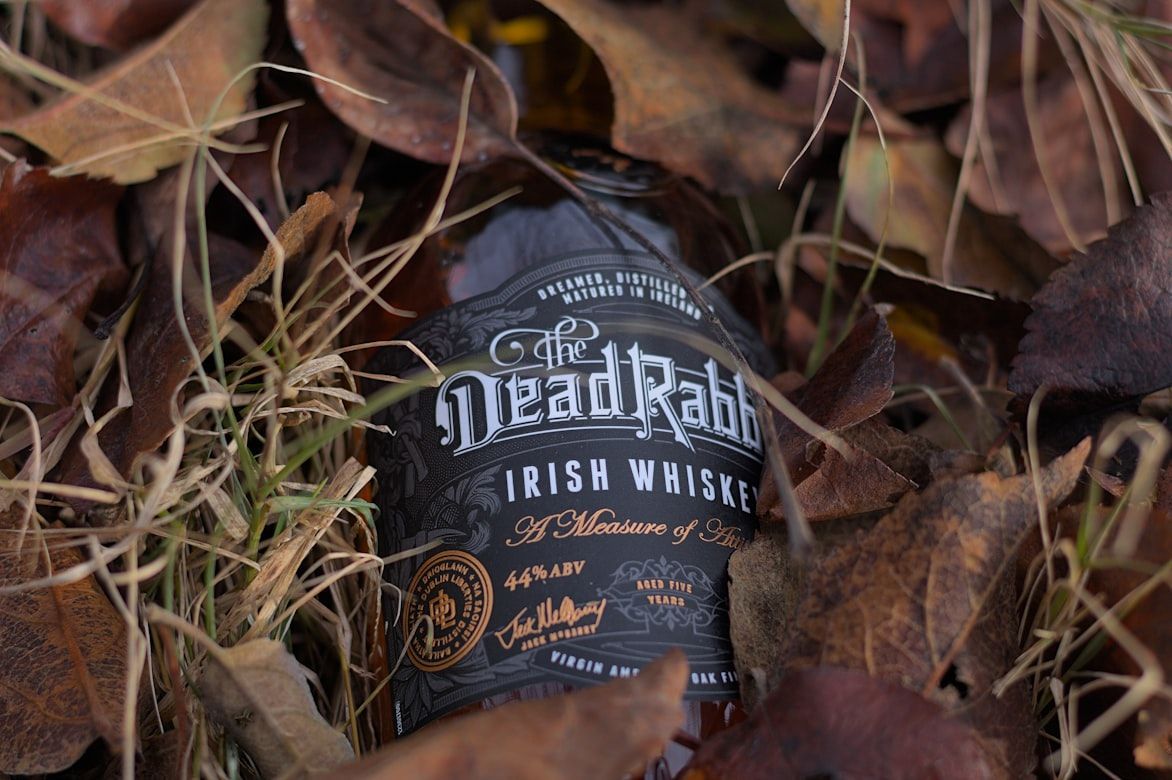
Image: Zhivko Minkov

In 2015, a time capsule from 1944 was found beneath the City Hall stairs in Lebanon, New Hampshire. Inside was a whiskey bottle with a humorous note: "Whoever finds this bottle may keep it. Sorry, there is no liquor in it, but I drank it all up."

The note was signed by Samuel Stevens, a former city surveyor. Along with the bottle were old newspapers and a penny, but Stevens’ decades-old joke stole the spotlight.

2
Electroshock therapy video
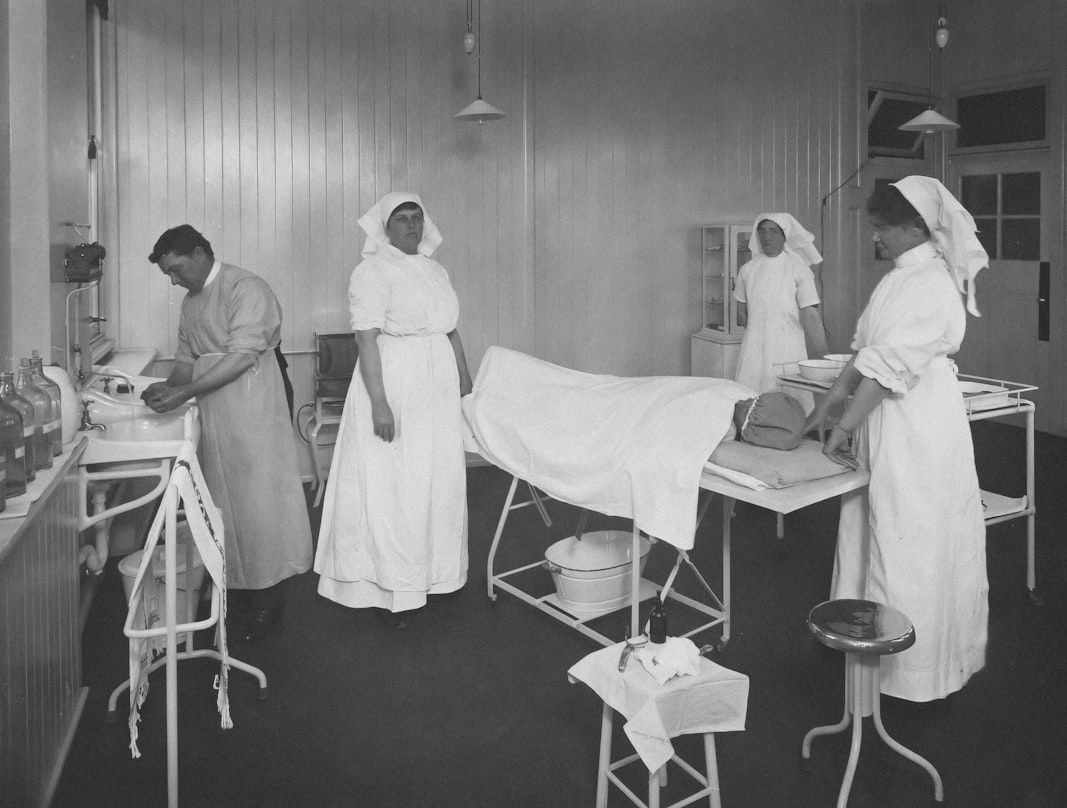
Image: Museums of History New South Wales

In 1958, a time capsule was buried at a former state hospital on the west side of Indianapolis. It included a video from the Bahr Treatment Center's groundbreaking ceremony, which focused on mental health care.

Though some audio is lost, the video references electroshock and insulin shock therapy . The footage is a somber reminder of how far mental health treatment has progressed.

3
A piece of cake
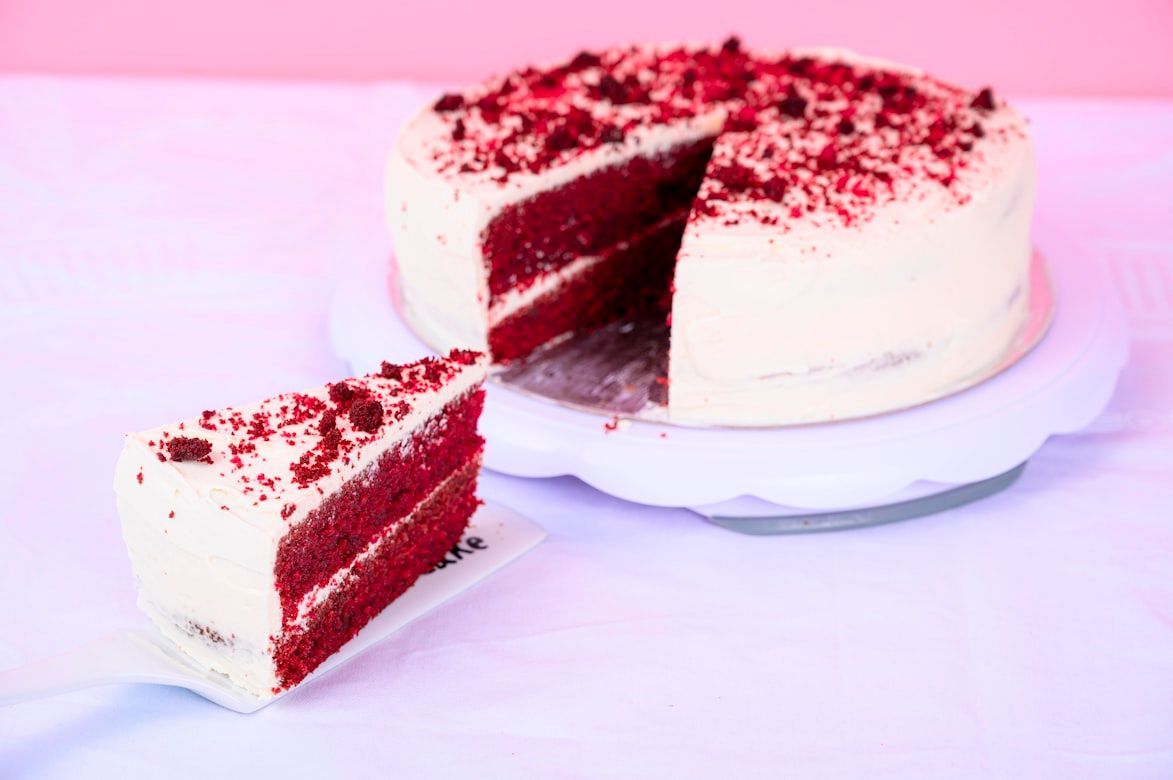
Image: Caitlyn de Wild

During renovations, a Niagara Falls funeral home discovered a 1948 time capsule. It held typical items like newspaper clippings, letters, and postcards.

But one surprise stood out: a piece of cake, possibly from the building's opening party .

4
Vintage optical glass
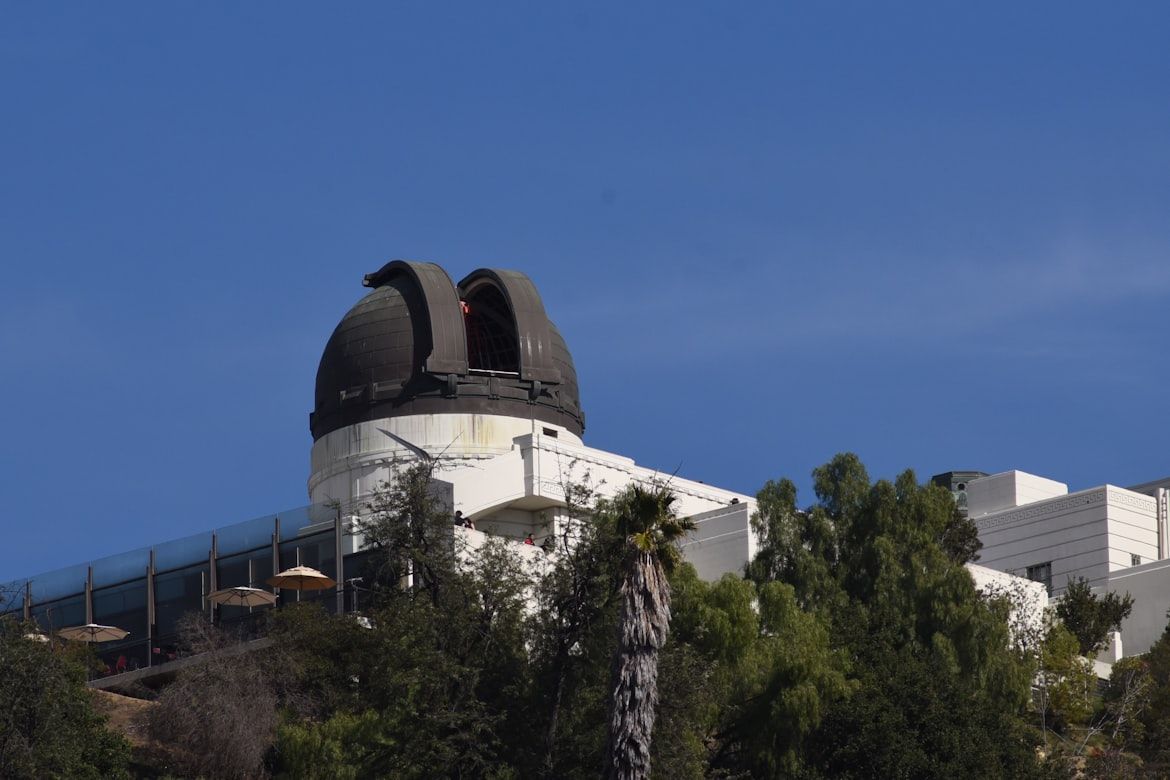
Image: Daniel Novak

In March 2015, a 19th-century time capsule was found in the cornerstone of a former telescope factory in Pittsburgh. It included what may be one of the first pieces of optical glass made in America .

The Brashear Company, founded by astronomer Dr. John A. Brashear, made telescopes and scientific tools from the 1880s to the early 1900s. By the 1940s, the site was used to produce bombsights for the U.S. military.

5
Lisa mouse
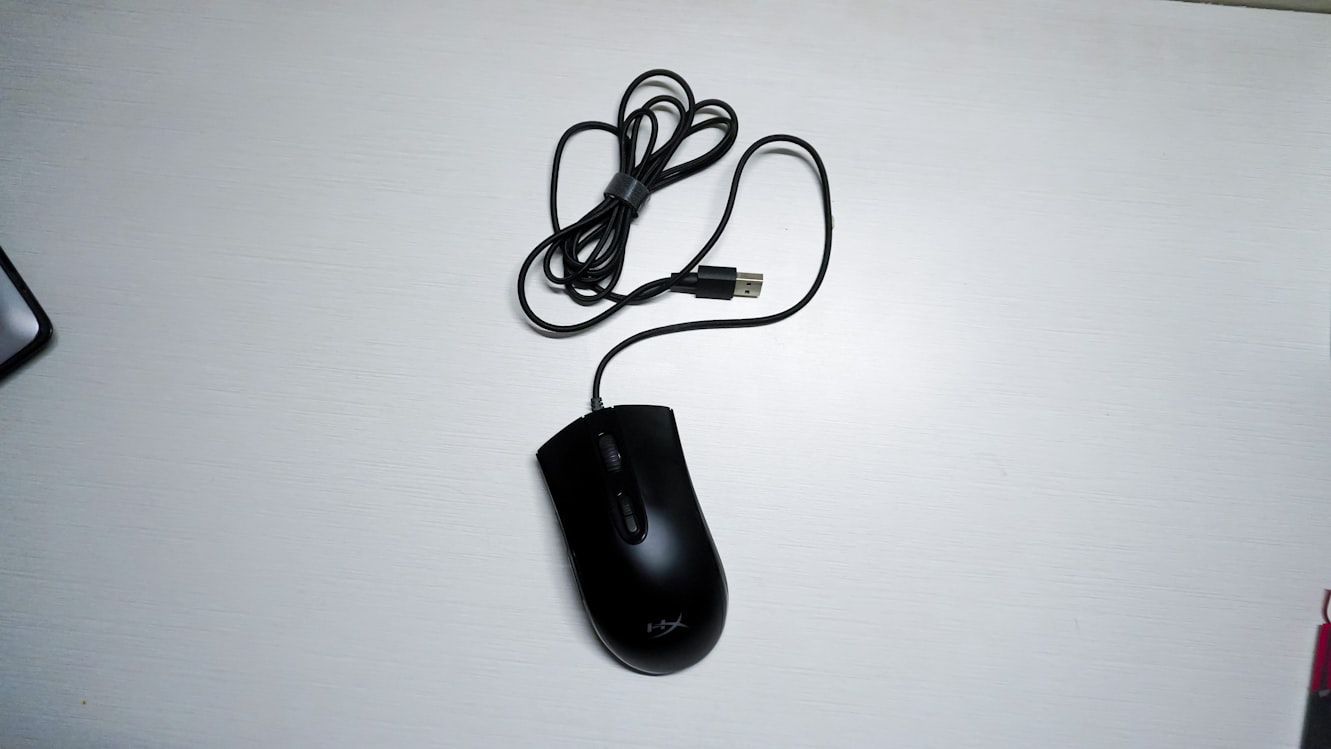
Image: Bryan Natanael

In 1983, Steve Jobs spoke at the Aspen Design Conference and added a computer mouse to the Aspen Time Tube , buried nearby. Meant to be opened in 2000, its location was forgotten over time.

In 2013, a National Geographic crew finally unearthed it. Along with the Lisa mouse, the capsule held a Rubik's Cube and a Moody Blues 8-track tape.

6
Vintage shoestore
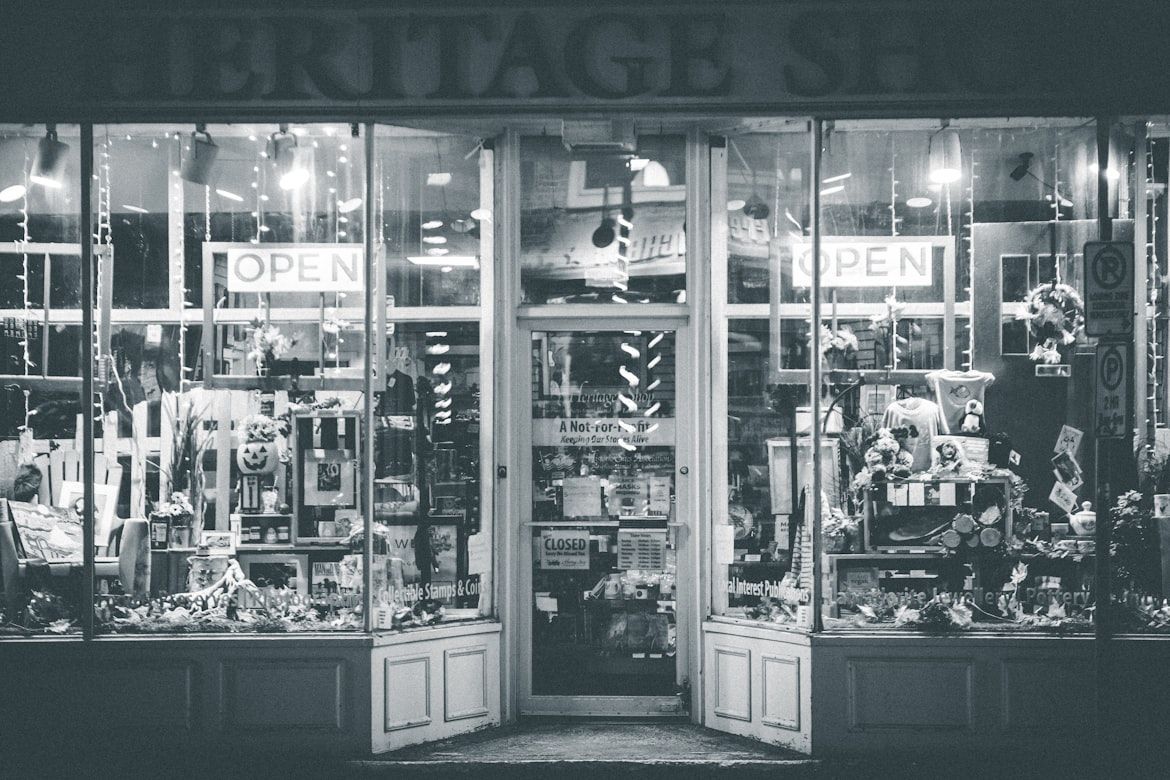
Image: Erik Mclean

While technically, this is not a time capsule in strict terms, it can be seen as one. An American family inherited an old building from their grandparents and discovered a forgotten shoe store locked for decades .

The store, active from the 1940s to 1960s, held hundreds of vintage shoes in mint condition, possibly worth thousands. The family is keeping the location secret while they assess its full value.

7
Budweiser beer
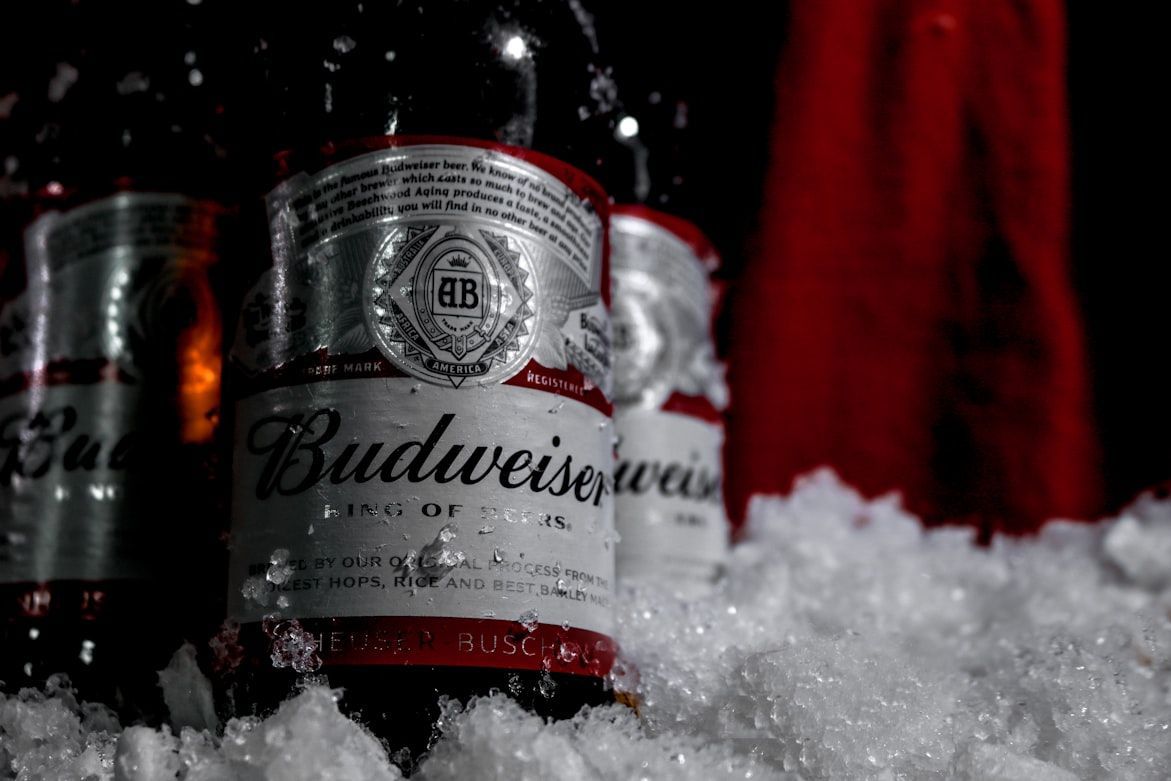
Image: Giuliana Catachura

Inspired by Egyptian tombs, Dr. Thorwell Jacobs of Oglethorpe University created a massive time capsule called the "Crypt of Civilization."

Buried beneath the school, it holds items like a Gone with the Wind script, recordings, plastic toys, an English-teaching machine, and a sealed Budweiser . It’s meant to be opened in the year 8113 AD.

8
Stephen Hawking’s DNA

Image: Sangharsh Lohakare

The Immortality Drive, located aboard the ISS, is a memory device designed to preserve human DNA. It holds the genetic codes of Stephen Hawking, Stephen Colbert, Jo Garcia, Laura Hickman , and others.

Also in space are messages from 73 world leaders, left on the moon’s Sea of Tranquility by Apollo 11 envoys in 1969.

9
Spooky message
Image: Daniel Lincoln

In 2016, a time capsule from Montgomery Elementary in Albuquerque was found, containing notes from a 1968 fourth-grade class. Most messages were typical for kids at the time. But one stood out: Greg Lee Youngman began his note with "I am dead" and claimed he was born in 1900 . Whether he was imagining the distant future or pretending to be a ghost, it added a spooky twist.

10
A single black shoe
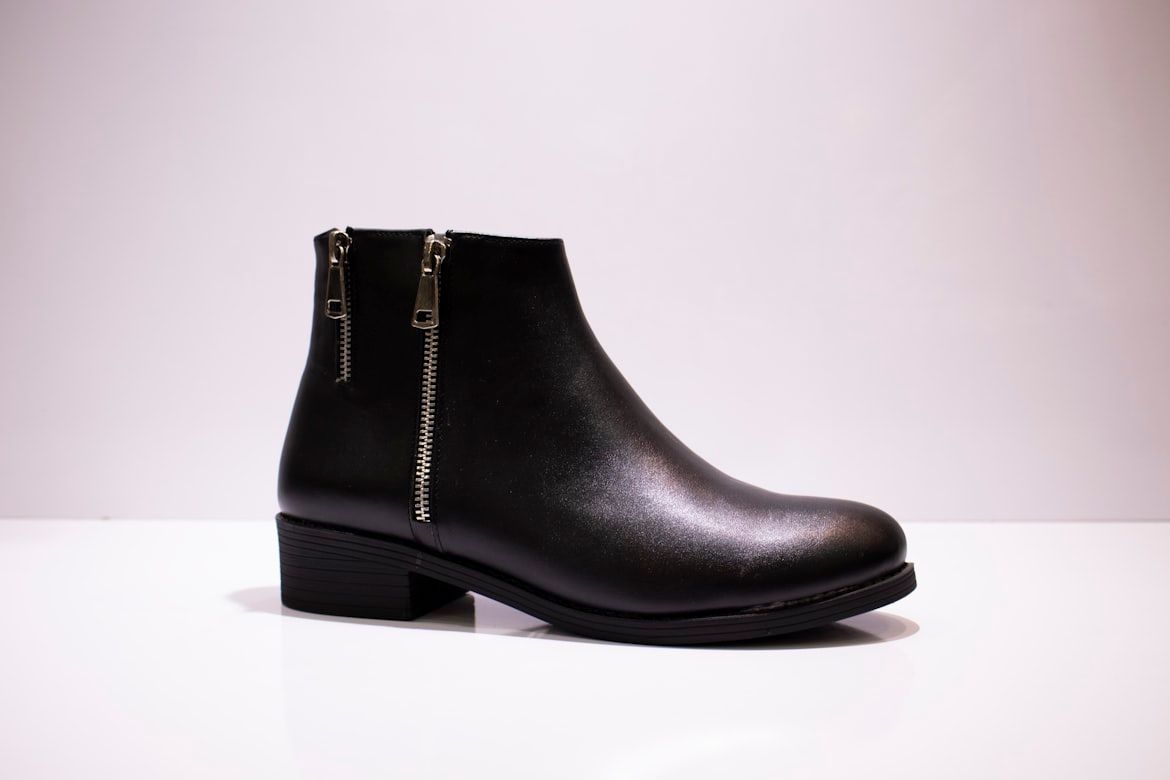
Image: mostafa mahmoudi

While demolishing his parents' old barn, a man discovered a 128-year-old time capsule hidden beneath the rubble.

Inside were a Mason jar, a newspaper from August 10, 1894, an almanac, a damaged notebook or storybook, and a single black shoe .

History History 5 min read

The foundation of the American nation

The Founding Fathers of America: 10 interesting facts

Image: The New York Public Library

We all know who the Founding Fathers were, but we seldom think of them as human beings rather than heroes who gave shape to our country . Despite their amazing deeds, they still were a group of men of varied origins, ideologies, beliefs, and concerns, which led to more than one discussion and rivalry. Let’s learn some more about them!

1
There is no official ‘Founding Fathers’ list

Image: The New York Public Library

Who can be called a Founding Father? The term was coined by Senator Warren G. Harding in 1916 and is used to refer to the leaders of the Revolutionary movement, but there’s no set list . While it is mainly used for key figures such as George Washington, Thomas Jefferson, John Adams, Benjamin Franklin, Alexander Hamilton, John Jay, and James Madison, the term applies broadly to those who signed the Declaration of Independence and the Constitution .

2
4th of July deaths

Image: Stephanie McCabe

The legal separation of the Thirteen Colonies from the British Crown was voted by the Continental Congress on July 2nd, 1776, but was formally adopted on July 4th , immortalizing the date for the rest of American history. But did you know that it is also the death anniversary of three Founding Fathers?

Thomas Jefferson and John Adams both died July 4, 1826, on the 50th anniversary of the Declaration of Independence, while James Monroe died five years later, on July 4th, 1831. Interestingly, John Adams disliked the date chosen for celebrations, as he believed the day of the vote to be more significant.

3
Refusal to sign the Constitution

Image: Howard Chandler Christy, Public domain, via Wikimedia Commons

The Constitutional Convention took place in 1787, from May to September. The Constitution of the United States was presented on September 28, 1787 , but nearly two years had to pass for it to be ratified by all the states, superseding the nation’s first constitution, the Articles of Confederation.

Not all signing constituents agreed on the final seven articles, among them Benjamin Franklin, but three of them in particular —George Mason, Edmund Randolph, and Elbridge Gerry— flat out refused to sign the document . Mason suggested the addition of a bill of rights, but was denied, a suggestion that would ultimately inspire the drafting of the Bill of Rights by James Madison.

4
A lawyer for the enemy

Image: National Archives at College Park, Public domain, via Wikimedia Commons

The Boston Massacre of 1770 was part of the incidents that prompted the start of the Revolutionary movement in the colonies. British soldiers stationed in Massachusetts to support the implementation of the Townshend Acts were confronted by an angry crowd. Overwhelmed, the soldiers opened fire without authorization, resulting in five deaths and six wounded.

During the subsequent trial, Founding Father John Adams worked as a defense lawyer for the British soldiers charged , a decision that prompted public criticism. However, he was a firm believer in the right to a fair trial for everyone, and argued that most soldiers had acted in self-defense. In the end, only two soldiers were convicted of manslaughter, a verdict Adams agreed with.

5
The origins

Image: Alex Boyd

None of the Founding Fathers was born an American (for obvious reasons), but most of them were born in the American colonies and had British origins . Out of the 56 signers of the Declaration of Independence, 47 were born in what is now U.S. territory.

The other nine? Eighth of them came from the British Isles : Two were English-born (Button Gwinnett, Robert Morris), three were Irish (George Taylor, Matthew Thornton, and James Smith), two were Scottish (James Wilson, John Witherspoon), and one was Welsh (Francis Lewis). The last one, Alexander Hamilton, was born in the British West Indies , now St. Kitts and Nevis.

6
The first signature

Image: David Nitschke

Have you ever wondered why people ask for a ‘John Hancock’ when they need a signature? It is all because of Founding Father John Hancock. One of the wealthiest men in the Thirteen Colonies, Hancock was a merchant (and smuggler) by trade, served as president of the Continental Congress, and as Governor of the Commonwealth of Massachusetts after the Revolution.

Why is he associated with a signature? John Hancock was the first person to sign the Declaration of Independence, and his signature stands out because it is visibly larger than the rest. According to legend, he claimed to have made it big so King George would be able to read it.

7
The anti-slavery clause that wasn’t

Image: Hussain Badshah

It is no secret that many Founding Fathers were slaveholders, but there was no unified opinion on the subject. Some, such as George Washington, freed their slaves in their wills, while others, such as Franklin, Paine, Hamilton, and Adams, were passionate abolitionists. Thomas Jefferson was a curious case: while he owned numerous slaves all his life, he was against the international slave trade and believed that America had to abolish slavery gradually to avoid civil unrest.

In his first draft of the Declaration of Independence, Jefferson included his conflicted views on slavery in a paragraph condemning King George III for his role in the Transatlantic Slave Trade and the affronts to liberty caused by this. Ultimately, this clause had to be removed due to the objections of many delegates who supported slavery.

8
The vice president

Image: Ian Hutchinson

When the Constitutional Convention considered the best way to choose a chief executive (a.k.a., the president), they weren’t even considering the figure of the vice president , and had decided that the Senate would elect its own president. After creating the Electoral College, they realized that, being a new country, state loyalty would most likely outweigh loyalty to the union. The solution? Each elector had to choose two candidates, one of which should be from a different state. The two most-voted candidates would be president and vice president, respectively.

The first elected vice president, John Adams, was not happy with the position . He had received a huge amount of votes, but George Washington had still won in a landslide. Although he regarded the position as the "most insignificant office that ever the invention of man contrived", he took on his role as President of the Senate with the utmost dedication.

9
Confidence in the Constitution

Image: Adam Nir

It is difficult to believe that any Founding Father thought the Constitution to be perfect. After all, not only did some refuse to sign it, but they also included the possibility of amending it to better protect the stability and liberties of the country.

Some Founding Fathers, however, lacked confidence in the Constitution as a document. Benjamin Franklin expressed his disapproval of certain clauses . Still, he was not sure they could write one better, so he decided to sign it, faults and all, preferring to doubt himself than halt the constitutional process. On the other hand, Washington believed the Constitution to be much better than the Articles of the Confederation, but he expressed his doubts about the document lasting for more than twenty years.

10
A varied group of men

Image: Nathaniel Currier, CC0, via Wikimedia Commons

The centuries passed, and the wigs on the portraits have created the illusion of the Founding Fathers being a group of old men , but this is not exactly right. Although Benjamin Franklin was around 70 years old during the Revolutionary War, most Founding Fathers were young enough to fight and were between 30 and 45 years old.

The differences of age, background, and ideology between the Founding Fathers were the cause of many discussions, enmities, and rivalries, but these differences contributed to the foundation of the United States of America.

General General 3 min read

Do you have a landline?

Can you tell what this was for? 12 items we no longer use!

Image: Luca Onniboni

Little by little, many of the things we used just a few decades ago have been phased out by newer technologies and changing habits. Your relatives no longer invite you over for a family viewing of holiday photos on a slide projector—they share them in the family WhatsApp group. Hardly anyone calls you on a landline anymore—they call your smartphone instead. Take a look at the following 12 things we no longer use. Do you miss any of them?

1
Paper road maps

Image: Sylwia Bartyzel

Paper maps—atlases, or topographic maps—are beautiful and there is always room for those as home decorations or teaching geography in schools. But as far as bulky roadmaps on your back pocket go, smartphones with GPS capabilities have made them obsolete.

2
Bathing machine

Image: Uta Scholl

Back in the day, modesty was far more strictly enforced than it is today. Forget about simply wearing your beach clothes to the shore—the bathing machine was a device, popular from the 18th century to the early 20th century, that allowed beachgoers to change out of their regular clothes , put on swimwear, and wade into the ocean.

3
Public telephones

Image: Pedram Farjam

Before cell phones existed, coin-operated pay phones were the go-to option for contacting someone or leaving a message. Pay phones were everywhere—on street corners, in malls, restaurants, airports, train stations, and hotels, allowing people to make calls in public places.

4
Teleseme

Image: Zoshua Colah

In the late 19th and early 20th centuries, luxury hotels featured an electric signaling device in each room , allowing guests to request goods or services from over 100 options. An attendant in the hotel office would receive the request via a corresponding teleseme and ensure the order was fulfilled.

These devices were eventually replaced by private branch exchange (PBX) telephone systems.

5
Slide projectors

Image: Nathan Anderson

As mentioned earlier, slide projectors were once a common household appliance in many homes and a popular form of entertainment . However, they became obsolete as video projectors became more affordable and accessible.

6
Phonebooks

Image: Brittany Colette

Imagine a book containing the home phone numbers of everyone in your city . It once existed and was delivered annually to every household with a landline by the telephone company. These hefty directories became obsolete with the rise of online listings and the death of landlines in favor of cell phones.

7
Typewriters

Image: Bernard Hermant

Imagine not being able to revise what you’re writing without scrapping the whole page . While that situation was a great exercise for your focusing abilities, it was phased out by home computers and word processors, which allowed for infinite rewrites in no time.

8
Photo Album

Image: Laura Fuhrman

Smartphones have made photography more accessible than ever, yet we print fewer photos than before. When photography wasn’t digital, people took their film rolls to be developed , returning with 36 crisp pictures—some of which, if deemed worthy, were carefully placed in photo albums .

9
Cassette tape players

Image: Dave Weatherall

If you're over 40, you’ve probably owned a cassette player—whether a Walkman, a boombox, or any other model. Cassettes were sturdy, reliable, and easy to use . However, with the arrival of CDs, which offered superior sound quality and the ability to skip tracks at the press of a button, cassettes and their players quickly faded into obscurity.

10
Encyclopedias

Image: James

Before the internet, encyclopedias were the primary source of knowledge. These extensive book collections adorned bookshelves in homes and public libraries, offering detailed descriptions of almost any subject imaginable , all listed in alphabetical order .

11
Fax machines

Image: alecale35

By today’s standards, sending and receiving faxes wasn’t particularly fast, but at the time, it was a game-changer. The fax machine digitized documents with a scanner and transmitted printed pages over telephone lines . However, it became obsolete with the rise of email, scanners, and smartphones.

12
VHS tapes and VCRs

Image: Leonard Reese

Being able to see any movie you want at home feels ordinary today, but, in the early 80s, it was a dream come true. And this dream was made possible by VCRs and VHS tapes. These bulky devices were eventually replaced by DVD players, which offered superior image quality and eliminated the need to rewind the tape.

Explore more American facts

Choose your favorite category!

General
General

As American as apple pie—the very best America has to offer!

Culture
Culture

Delve into the astounding richness of American lore.

Geography
Geography

Hop in and explore vast and diverse American landscapes.

History
History

Discover the key moments that shaped the United States.