General General 3 min read

Hometown talk

Think you don’t have an accent? These hometown words say otherwise
Image: Nick Fewings

Just as you can tell someone is from San Francisco by the way they say "corner," or recognize a Bostonian by how they pronounce "car," regional slang can reveal our roots before we even finish a sentence. One little word can remind you of your childhood, family quirks, and the place that shaped you. These homegrown expressions often carry long histories, inside jokes, and local pride. Today, we’ll learn where some favorite regional terms came from and why they stuck around.

1
Jawn
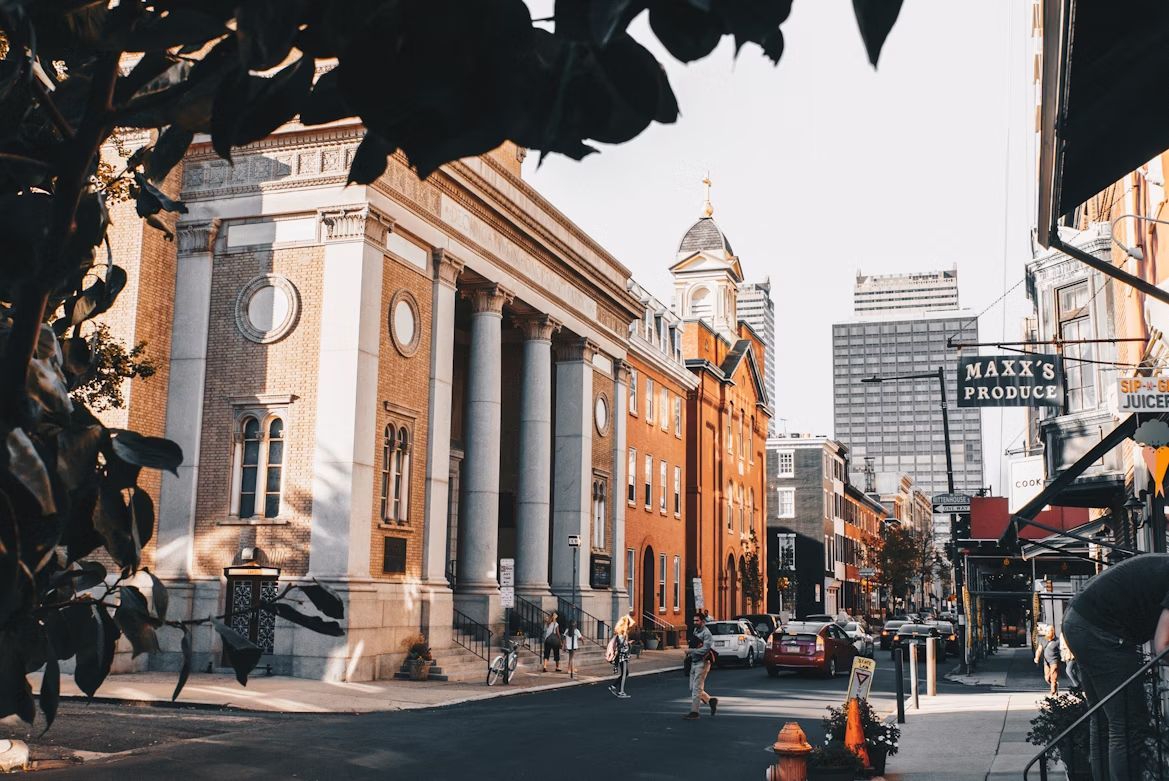
Image: Ethan Hoover

In Philadelphia, "jawn" can mean almost anything! The term grew from African American English and evolved into a catchall word for an object, event, or person. Visitors sometimes get confused, but locals enjoy its flexibility. It works as a little verbal wink that says you belong.

2
Snowbirds
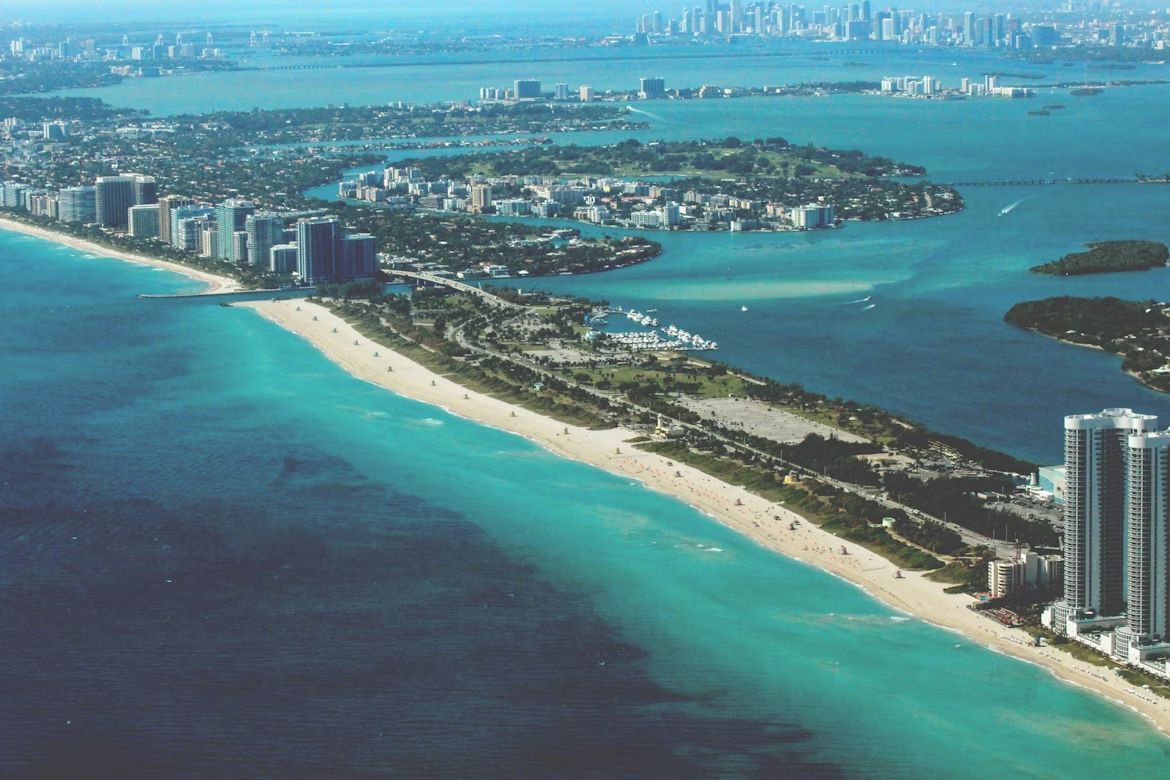
Image: Ashley Satanosky

Florida locals call winter visitors "snowbirds." The playful name popped up when northerners began heading south for warm weather during the cold months, just like those birds. It reflects the state’s seasonal rhythm and the migration pattern that still fills beach towns once the temperatures drop up north.

3
Slush
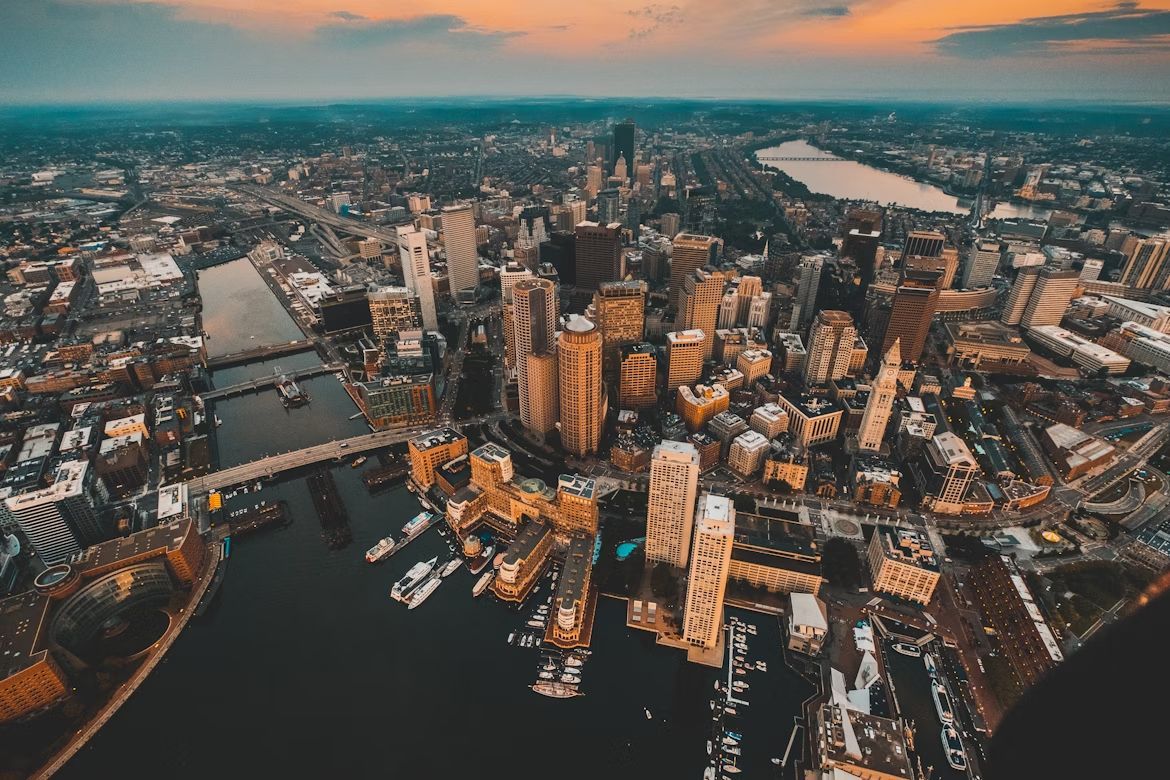
Image: Osman Rana

Order a "slush" in Boston, and you’ll receive something close to an Italian snow cone. Local ice cream stands helped cement the name, and kids who grew up in Massachusetts often carry a strong opinion about which shop makes the best one.

4
Yinz
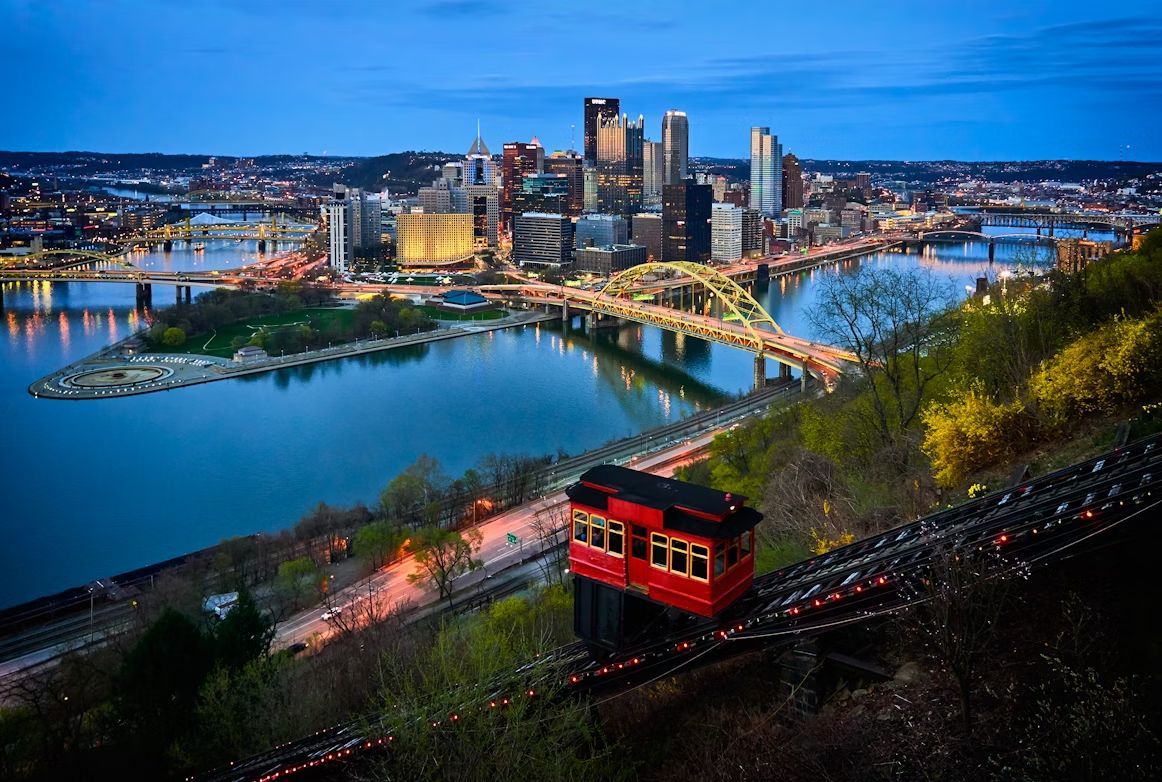
Image: Vidar Nordli-Mathisen

People from Western Pennsylvania use "yinz" to call out to a group. It grew from old Scots-Irish speech patterns brought by early immigrants. The sound changed over time, but the community kept the word alive. If you grew up around Pittsburgh, you might slip and say it without even thinking.

5
Rotary
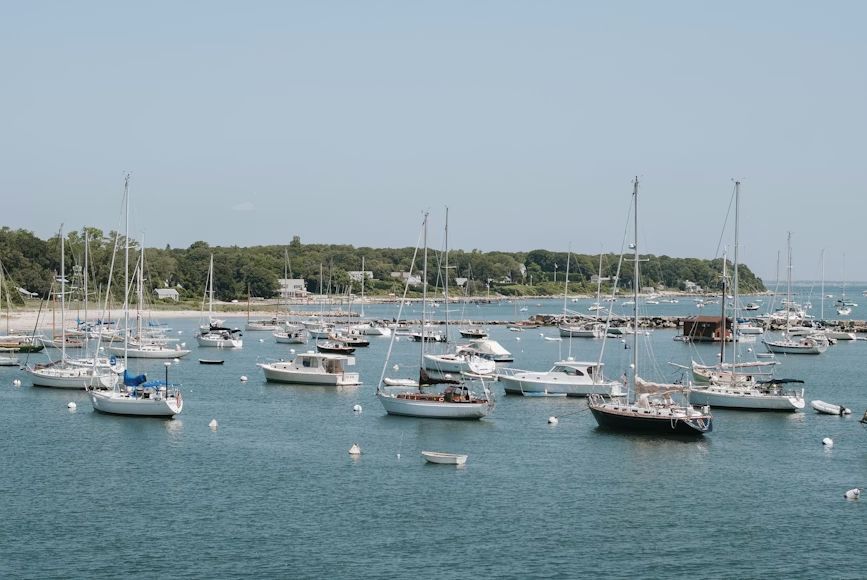
Image: Aubrey Odom

In Massachusetts, a "rotary" is simply a traffic circle. The term stuck thanks to local road planners who liked the older label long after other states switched to "roundabout." If you hear someone gripe about a rotary on their commute, chances are they have roots in the Bay State.

6
Bubbler
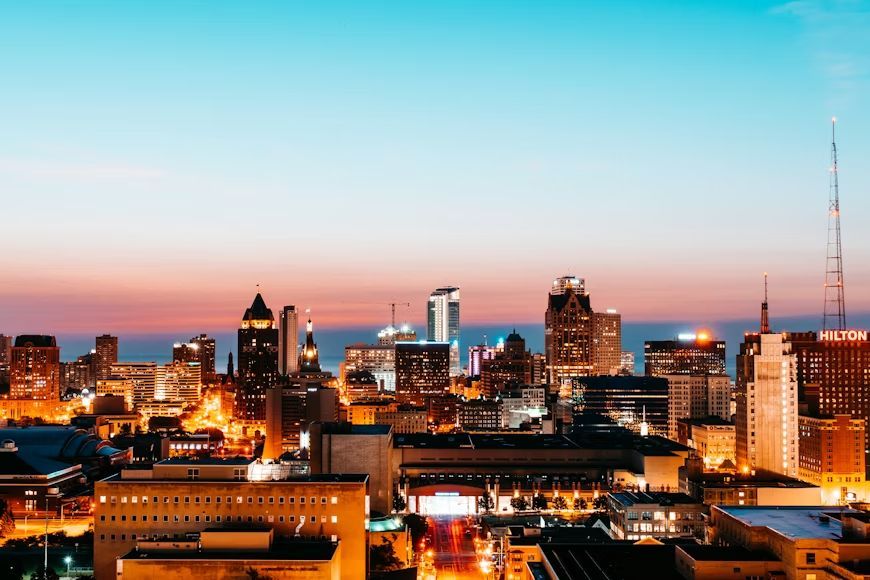
Image: Tom Barrett

If someone in Wisconsin asks where the "bubbler" is, they just want a sip of water. The word came from early drinking fountain designs that created a bubbling stream. While the term is also popular in some parts of Rhode Island and Massachusetts, many other parts of the country simply began to use the term "water fountain."

7
On sale liquor
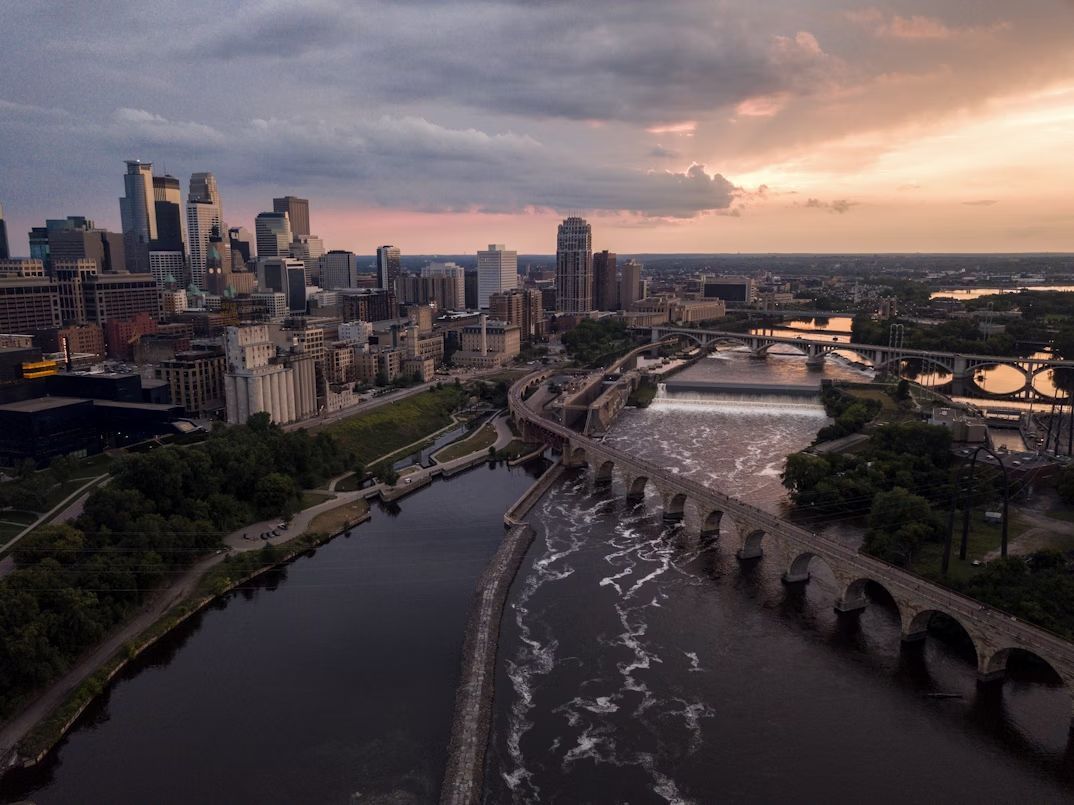
Image: Nicole Geri

Minnesota liquor rules created the terms "on sale" and "off sale." On-sale liquor is what you drink right where you buy it, like at a bar. Off-sale means you take it home before opening it. It sounds like a bargain at first, but it’s just a local way to talk about alcohol laws.

8
Cattywampus
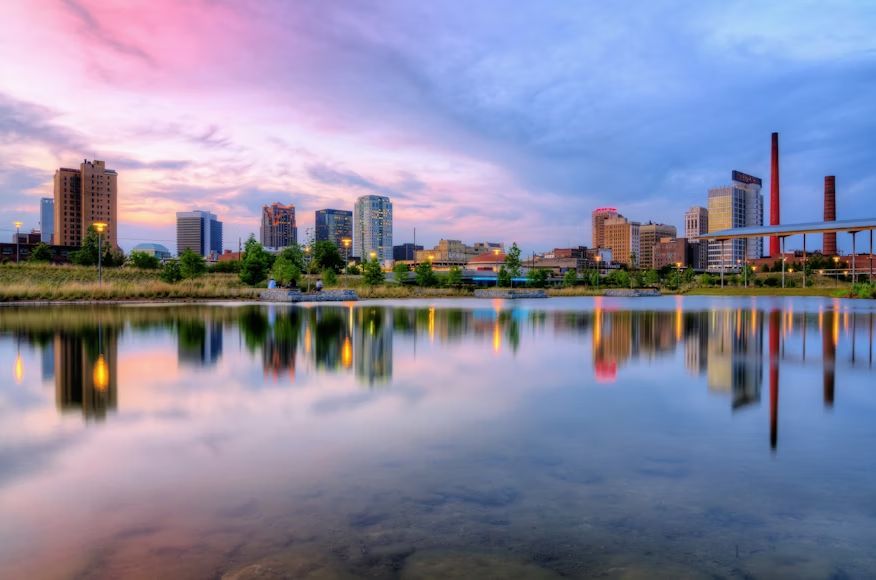
Image: Zachary Farmer

Alabama families use "cattywampus" for anything crooked or out of place. The term has roots in older American slang style that mixed playful sounds with creative spelling. It is one of those words that makes you smile, even if it’s describing your own hair.

9
Bear down
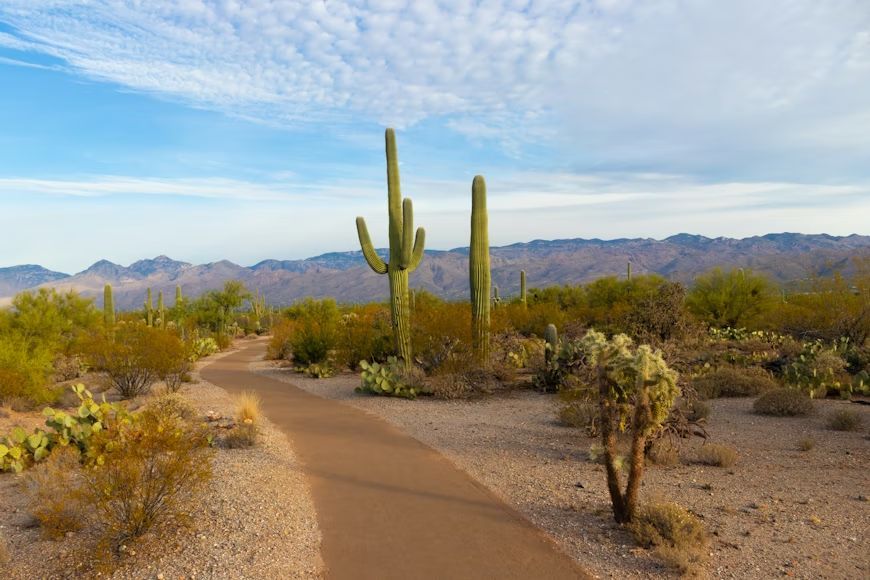
Image: Christoph von Gellhorn

In Arizona, "bear down" is tied to college sports. The phrase began to be used as a battle cry after a student from the University of Arizona left that message for his team in the 1920s. Fans kept the spirit alive, turning it into a tradition that shows pride and determination.

10
Sourdough
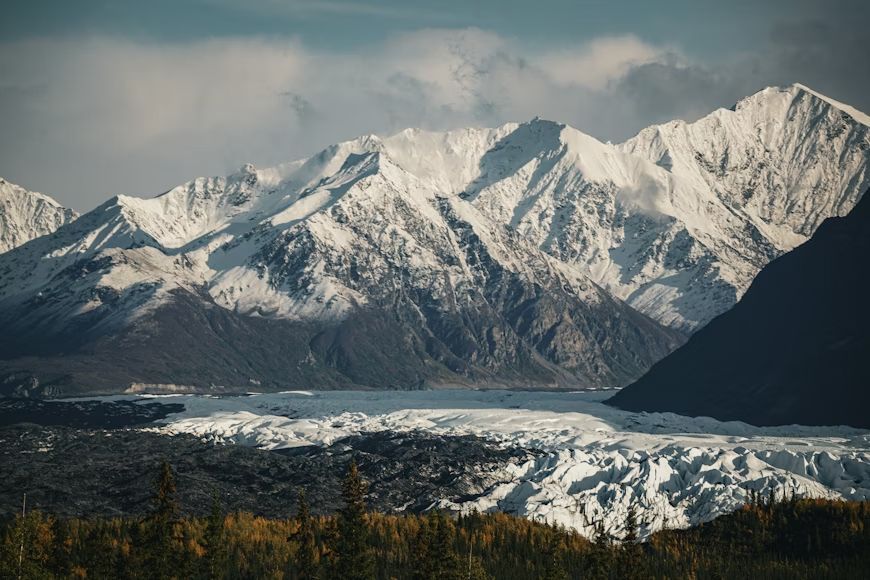
Image: Yuanpang Wa

Longtime Alaskans call themselves "sourdoughs." Why? During the early days of settlement, folks relied on sourdough starter when other leavening ingredients were hard to get in such a distant region. The nickname became a badge of endurance and also a hint of humor about tough living.

11
Janky
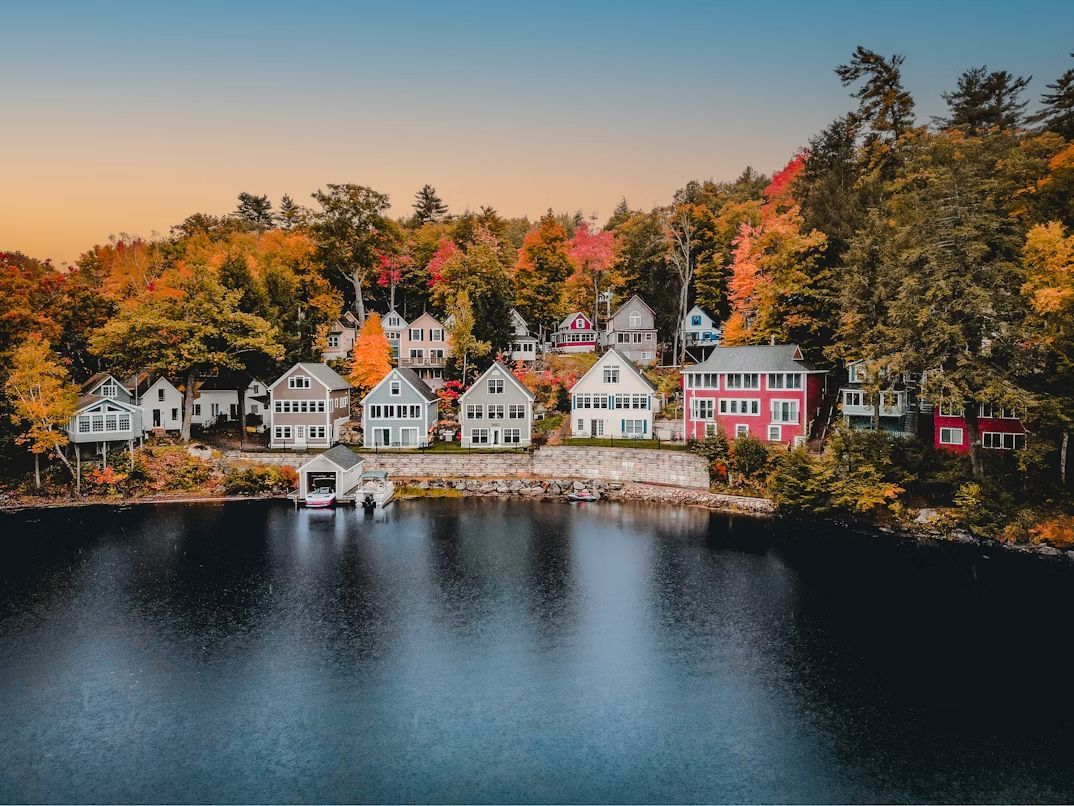
Image: Jonathan Ng

In parts of New England, "janky" describes something shabby or unreliable. The word has traveled through many communities, but locals in the Northeast use it with a knowing grin. It works for a rickety bench, a questionable motel, or any situation that leaves you raising an eyebrow.

General General 6 min read

Frontier lingo

Learning is never “barkin' at a knot” 10 phrases from the Wild West!

Image: Anya Juárez Tenorio

We all know about the cowboys and the outlaws! But the Wild West, or the American Frontier, was much more than that! The culture, history, and geography of this time were fascinating, as was its dialect. Can you guess what "barkin’ at a knot" or "highfalutin" means? Many of these expressions may sound odd to our modern ears, but they once captured the rugged spirit of the time , and they helped early Americans describe their surroundings. So, keep reading if you’re eager to learn 10 expressions directly taken from the Wild West!

1
Higgledy-piggledy

Image: Peter Herrmann

Imagine a table full of random objects, all jumbled together, with no categories whatsoever. Chaotic, right? Well, that’s exactly what "higgledy-piggledy" means. Can you figure it out from context?

When things got all mixed up or disorganized , folks in the Wild West would call it "higgledy-piggledy." This playful phrase was used to describe chaos or confusion. But it’s not only about a mess of objects, a pile of papers sort of mess, it could also be a situation that got out of hand.

It’s believed to be of British origin, but it found a way to cross the pond and make its way into the American frontier lingo. The repeating sound of the words adds to the sense of disorder – kind of like a tongue-twister that reflects the state of things.

2
Bag of nails

Image: Blake Emge

Don’t take this too literally—it gets gross quickly. But when it comes to the meaning, it’s highly relatable. Ever had one of those days where nothing seems to go right ? The Wild West had a term for that: "bag of nails."

When things were in complete disarray, those personal situations that quickly escalated into chaos, they were described as a bag of nails.

Imagine spilling a bag of nails everywhere, gross at first, but then it’s also messy, frustrating, and hard to clean up.

The origin of the term is not very clear, but it paints a vivid picture of total disorder. If you are having a bag-of-nails kind of day, it’s time to take a deep breath and try again tomorrow!

3
Toad strangler

Image: Mike Kotsch

One curious thing about this phrase, originally from the South, is that in every variation it refers to the same animal in the same situation. For example, "frog choker."

In any case, when the rain came down so hard it could "drown a toad," you were in the middle of a "toad strangler."

This funny phrase (although it may not be so funny for the poor toad) was used to describe a heavy downpour , the kind that left everything soaked and muddy. In a land where the weather could change in an instant, such storms were both a blessing and a nuisance. Now, if you come to think about the mud, this wasn’t so funny for the people either!

4
Barkin' at a knot

Image: Robert Gramner

You could get the meaning of this phrase by simply picturing a dog barking at a not. What’s the first thought that crosses your mind? "What on Earth is that dog doing?" Well, that’s pretty much the gist of the expression.

In Wild West lingo, if you were "barkin' at a knot," it meant you were trying to do something impossible or wasting time on a rather pointless task .

This term comes from the image of a dog barking at a tree knot: the dog thinks the knot is a threat, but all the barking gets them nowhere.

It was used on the frontier to describe situations where people were expending effort for no reward. But it can be used today to talk, don’t you think? Time to move on, partner!

5
Leaky mouth

Image: Vitolda Klein

From the gross to the nonsensical and straight into the literal, in the Wild West, if someone had a "leaky mouth," it meant they couldn’t keep their lips sealed, that they talked too much, and, more often than not, spilled secrets. We all know someone like this!

Gossipers were everywhere back then, (and this is still the case!), and having a leaky mouth was definitely not a compliment, as you can imagine. People who shared too much information or spread rumors were seen as troublemakers, which made sense considering the number of outlaws around!

We may not have those kinds of outlaws anymore, but the leaky-mouthed ones are still around!

6
Raisin' sand

Image: Richard Lee

You may have heard the expression "to raise Cain," and if that’s the case, you can guess what this expression means!

When someone was causing trouble or creating a disturbance, they were basically "raisin' sand." You know the type—the kind of person who can’t sit still for a second, the kind that is always kicking up a storm of dust; mischief in every step they take. Well, this expression is about them.

Frontier towns had their fair share of rowdy folks, and raising sand could mean anything from a loud argument to a full-blown fight. And we’ve all seen enough Western movies to know how that usually ended!

7
High-falutin'

Image: Senya Mitin

Pretentious, fancy people have existed since the beginning of times. No society has escaped the "highfalutin’" sort of folks who are always bragging about. Can you guess what it means?

"Highfalutin" or "high-falutin’" referred to people in the Wild West who were acting overly fancy or pompous , and it was not precisely a compliment.

This term was used to poke fun at people who were full of themselves or trying too hard to appear important. The origin of the phrase is a bit hazy, but there seems to be consensus to believe the phrase is a combination of "high" and "fluting" which means having ornamental grooves. Either way, if you were labeled high-falutin’, it was time to dial it down a notch.

8
Guttersnipe

Image: Amsterdam City Archives

Kids on the street trying to survive are not just a thing of today; there have always been cases of children abandoned to their own fate. Back in the Wild West, "guttersnipe" was the term used to describe a homeless kid who was trying to make it on the streets.

These kids were scrappy survivors, navigating the rough streets much like birds picking through the gutters for food.

Dating back to the 1850s, the word became highly popular thanks to Mark Twain’s descriptions in his novels, and it stuck. Had you heard it before?

9
Four-flusher

Image: Klim Musalimov

Oh, who hasn’t had a fun game night with the family that didn’t end quite like one imagined? Suddenly, everyone is arguing over the rules of the game just because there was one four-flasher who couldn’t resist the temptation to cheat!

In the Wild West, a "four-flusher" was someone who tried to cheat their way to victory , and also someone who resorted to bluffing to win a game.

The phrase comes from poker, where a flush requires five cards of the same suit. A four-flusher, then, would be someone who tried to pass off four matching cards as a flush, hoping no one noticed. Outside of cards, the term grew to describe any liar, cheat, or fraud. If you were called a four-flusher, you were someone who couldn’t be trusted. And those were certainly not welcome in the typical Wild West saloons!

10
California widow

Image: gaspar zaldo

The term "widow" in this phrase is quite deceptive because the expression doesn’t refer to a woman whose husband has died. Instead, it referred to a woman whose husband had gone off to seek fortune, often in the California Gold Rush.

These women were left behind, sometimes for years, while their husbands pursued riches out West. Though they were still married, they were called "widows" because they were left to manage on their own.

It was a common term in the mid-1800s, as the Gold Rush drew many men away from their homes. For some women, this separation was temporary, but for others, their husbands never returned. Quite sad, huh?

Culture Culture 3 min read

We say Batman, you say Robin: iconic duos that stuck together!

Image: Mathias Reding

Some names just sound better in pairs: We say Batman, you say… Robin, of course! But that’s not the only one; there are many more. Some pairs remind us of teamwork, chemistry, and the fun of watching two people play off each other. From comedy legends to outlaw partners, America has produced some truly unforgettable dous. Let’s revisit some of the most iconic pairs in history!

1
Batman and Robin

Image: Yulia Matvienko

The Dark Knight and his trusty sidekick first teamed up in 1940, becoming the ultimate superhero duo. Fighting crime in Gotham City, they set the gold standard for the hero-and-sidekick formula. Generations grew up watching their adventures unfold in comics, on TV, and in movies, making them one of the most recognizable pairs of all time.

2
Simon and Garfunkel

Image: Unseen Histories

Paul Simon and Art Garfunkel sang their way into history with songs that helped define the 1960s. Hits like Bridge Over Troubled Water and Mrs. Robinson carried both energy and tenderness, and became the soundtrack of many lives. Even though the duo eventually split, their music remains timeless.

3
Abbott and Costello

Image: Tim Mossholder

This comedy team made America laugh during the Great Depression and World War II. Their "Who’s on First?" routine is still quoted today, proving just how sharp their timing was. They thrived on radio, film, and TV, proof that good comedy can cross every medium and keep audiences smiling for years.

4
Sonny and Cher

Image: De an Sun

This singing couple burst onto the scene in the 1960s with "I Got You Babe." Their playful banter and variety show made them a TV sensation. Even after their marriage ended, they both continued to make their mark, showing us they could share the spotlight and remain pop culture icons either way.

5
Tom and Jerry

Image: Melike İlayda Baksı

This cat-and-mouse pair gave us some of the funniest animated chases ever created. Tom and Jerry first appeared in 1940, and they proved they never needed words to entertain. Their comedy has crossed generations; kids and adults alike still chuckle at their endless games.

6
Joey and Chandler

Image: Ilse Orsel

In Friends , Joey Tribbiani and Chandler Bing gave us one of TV’s most memorable bromances. Between foosball games, recliner time, and their shared apartment antics, they showed the ups and downs of friendship in a way that felt real. Through every argument and every laugh, they stayed best buds.

7
Scooby-Doo and Shaggy

Image: Nik

Since 1969, Scooby and Shaggy have been the lovable cowards of the Mystery Inc. gang. Their appetite for giant sandwiches and their knack for stumbling into spooky situations made them favorites for kids and adults alike. They may not be the sharpest detectives, but their friendship is as loyal as it gets.

8
Bonnie and Clyde

Image: Kishore Chandra

During the Depression, Bonnie Parker and Clyde Barrow became notorious across America. Young and reckless, they were constantly on the run, both criminals and folk legends in the public imagination. Their violent story ended in 1934, but books and movies have kept their names alive in popular memory.

9
Lucy and Ricky Ricardo

Image: Bruna Araujo

In I Love Lucy , Lucille Ball and Desi Arnaz broke new ground as a real-life couple playing husband and wife on TV. Lucy’s wild schemes paired with Ricky’s charm created episodes that redefined the sitcom format. Their chemistry made them unforgettable, and their show remains a staple of classic television.

10
Penn and Teller

Image: Call Me Fred

This magic duo mixes illusions with comedy, giving audiences both awe and laughter. With a long-running Las Vegas residency and countless TV appearances, they’re proof that a partnership can stay fresh and surprising for decades.

Explore more American facts

Choose your favorite category!

General
General

As American as apple pie—the very best America has to offer!

Culture
Culture

Delve into the astounding richness of American lore.

Geography
Geography

Hop in and explore vast and diverse American landscapes.

History
History

Discover the key moments that shaped the United States.