History History 5 min read

Thankfully, it never rained men

No umbrella can save you from a meat rain: Discover 12 very unusual rains
Image: Lukas Gojda

Most of us have heard the saying "it’s raining cats and dogs," but the U.S. has produced weather stories that are far stranger than any expression. Over the centuries, people across the country have reported meat falling from the clear sky, frogs bouncing onto streets after storms, fish landing in neighborhoods miles from water, and many other unusual things. While some cases remain unsolved, scientists have found surprisingly reasonable explanations for many of them. Did you ever know about these 12 incredible rains?

1
The Kentucky meat shower
Image: PeopleImages

On March 3, 1876, residents near Olympia Springs in Bath County, Kentucky, witnessed one of the strangest events in American history. Chunks of meat suddenly fell from an apparently clear sky, covering an area estimated at 100 by 50 yards. One of the witnesses, Mrs. Allen Crouch, was making soap outdoors when the bizarre shower began.

Scientists examined samples and argued over whether the meat came from horses, sheep, or other mammals. The leading modern explanation is far less supernatural: a flock of vultures likely regurgitated partially digested meat while flying overhead, a defensive behavior the birds still exhibit today . Tasty, right? The incident remains so famous that Kentucky now celebrates it with an annual Meat Shower Festival.

2
A frog rain
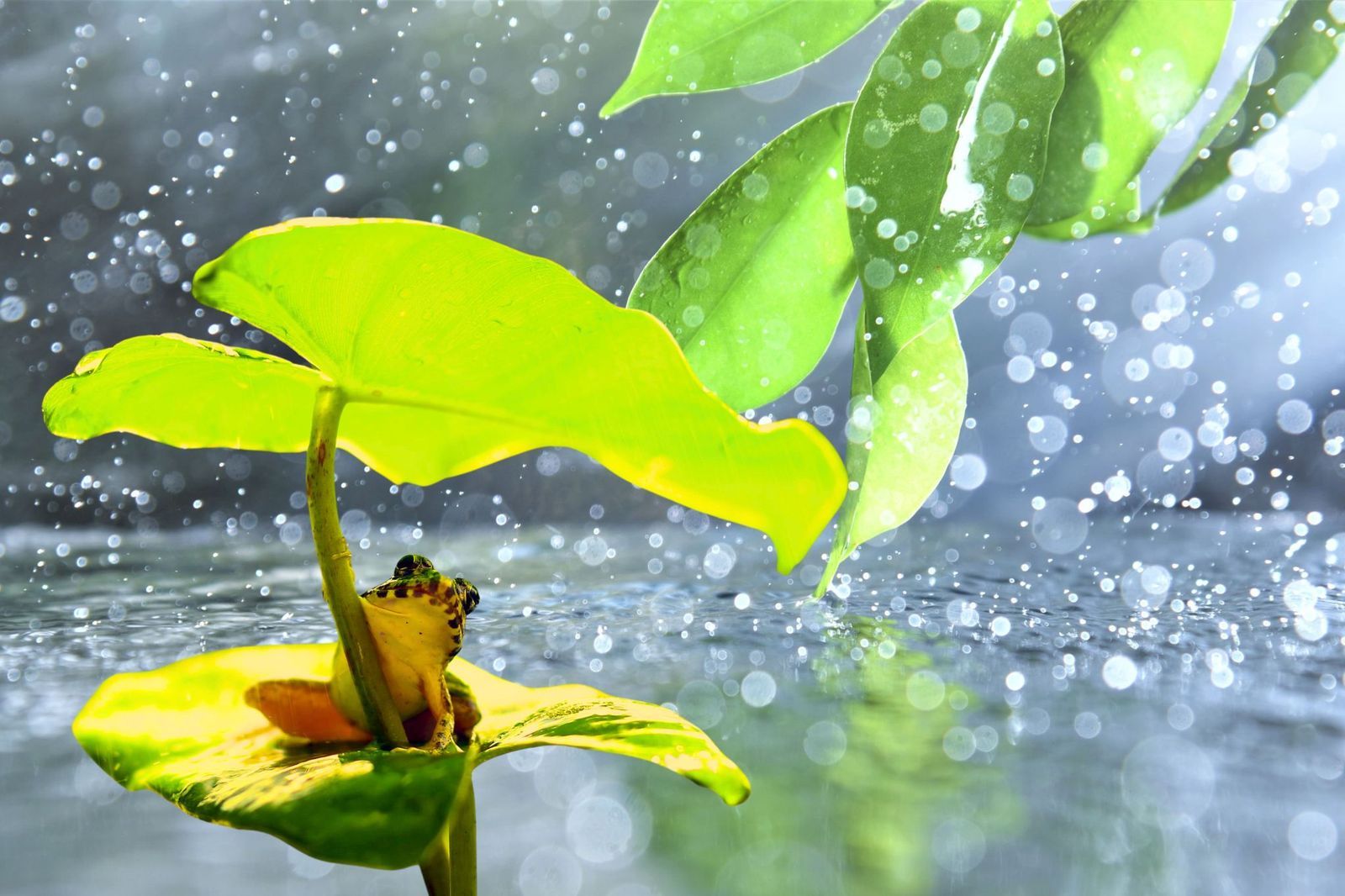
Image: Bigman26

Reports of frogs raining from the sky have appeared across the country for well over a century. Although they sound impossible, meteorologists consider them entirely plausible under the right weather conditions.

The usual explanation involves waterspouts or tornadoes passing over ponds or marshes . These powerful rotating columns of air can lift small frogs into the atmosphere before carrying them several miles away. When the storm weakens, the animals fall back to Earth, sometimes astonishing entire neighborhoods as tiny frogs suddenly cover roads, sidewalks, and backyards.

3
Louisiana’s fish storm
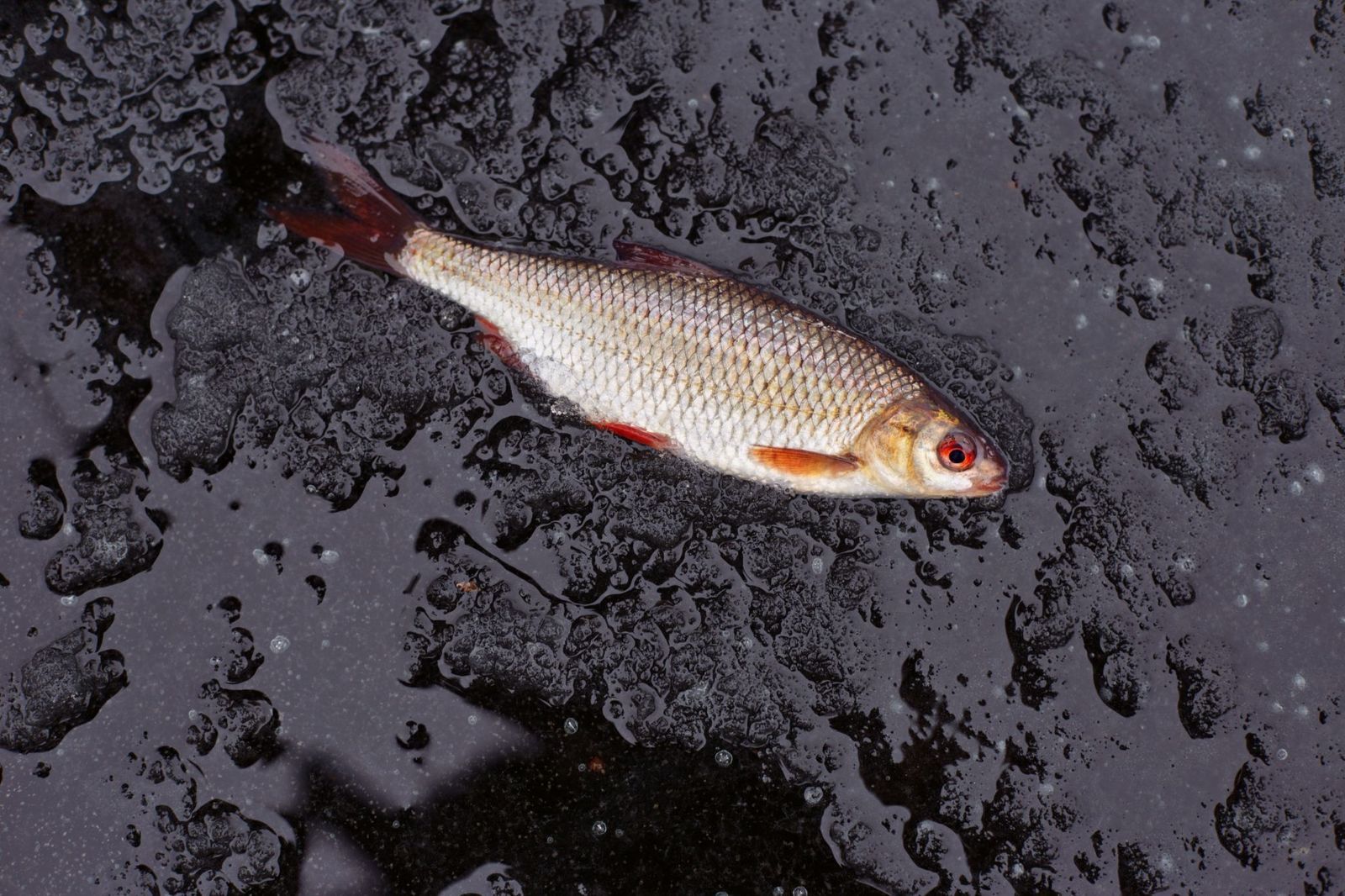
Image: g_tech

Residents of Marksville, Louisiana, experienced one of this country’s best-known fish rains on October 23, 1947. During a storm, dozens of small fish reportedly began falling from the sky, surprising everyone who witnessed the event.

Scientists quickly pointed toward nearby lakes and bayous as the likely source. A waterspout probably sucked up the fish before releasing them inland once the storm lost strength . Cases like Marksville have become classic examples used by meteorologists when explaining how unusual "animal rain" can occur without breaking the laws of physics.

4
The red rain
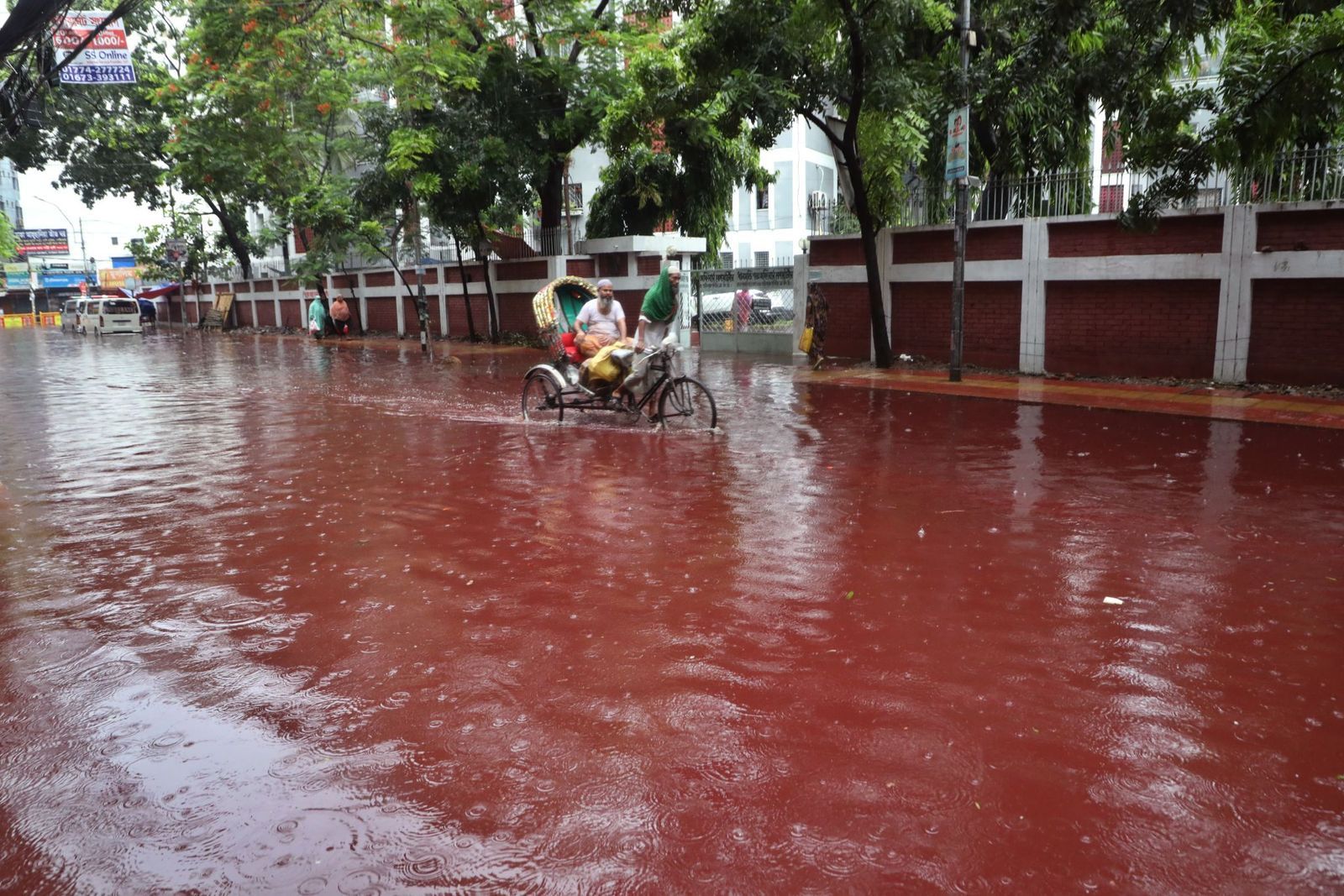
Image: Sk Hasan Ali

Few things are more unsettling than seeing rainwater that looks like blood, right? Throughout American history, scattered reports of reddish rainfall have sparked fears, newspaper headlines, and plenty of speculation.

Modern science offers much less frightening explanations. Fine dust rich in iron oxide can tint rain a rusty red after traveling hundreds or even thousands of miles through the atmosphere . Certain airborne microorganisms may also contribute to unusual coloration. While dramatic, these events have repeatedly turned out to be natural rather than supernatural.

5
A worm shower in Louisiana
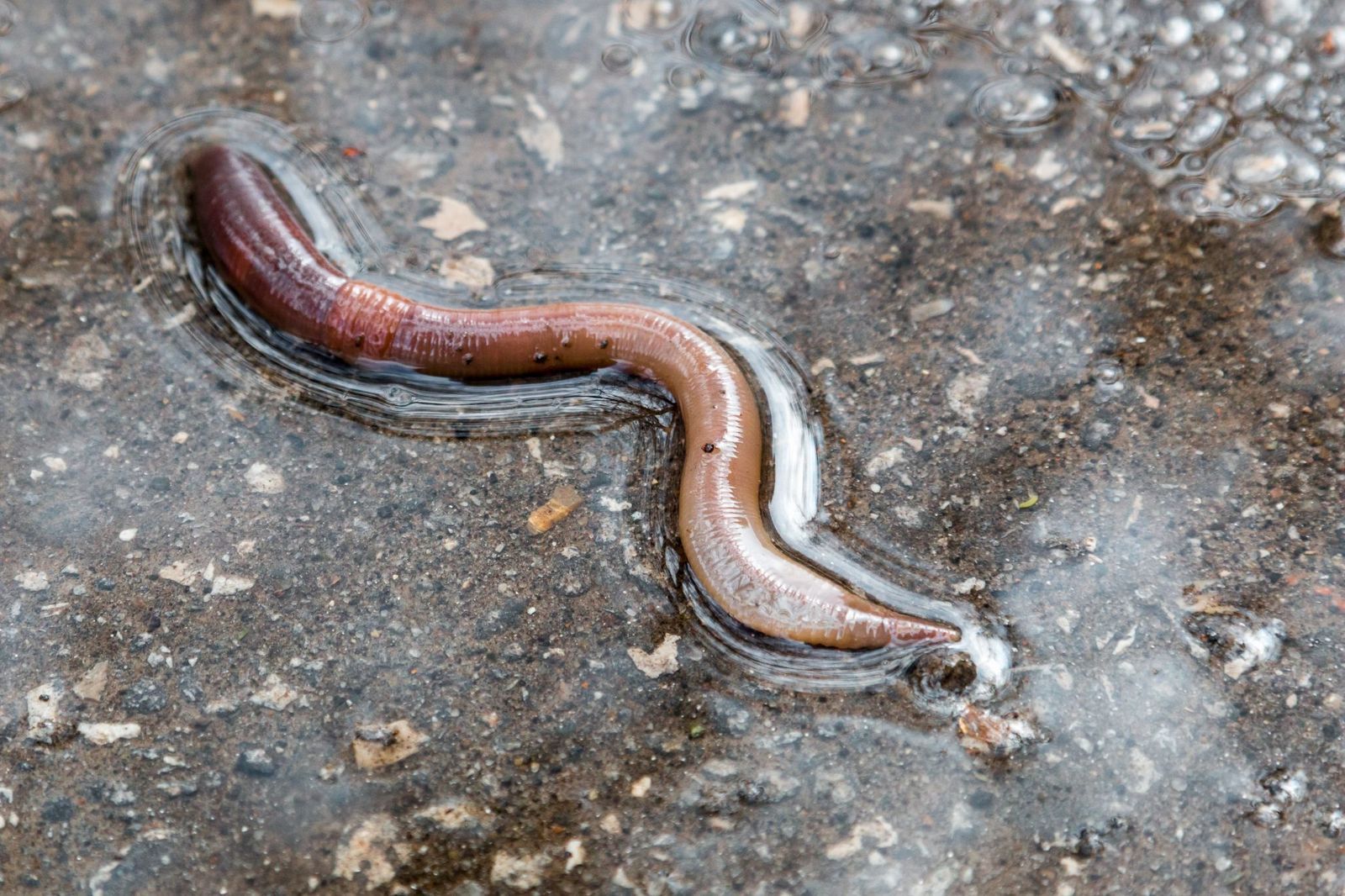
Image: RomanovRV

In 2007, residents of Jennings, Louisiana, reported seeing worms apparently falling after severe weather. The strange event attracted widespread attention because the ground seemed to become covered almost overnight.

Meteorologists note that intense storms are capable of lifting lightweight organisms from flooded fields or shallow water . At the same time, heavy rain naturally forces many earthworms to the surface, making it difficult to determine exactly how they arrived. Whatever the explanation, the Jennings incident remains one of America's best-known modern worm rains.

6
Sea snails from above
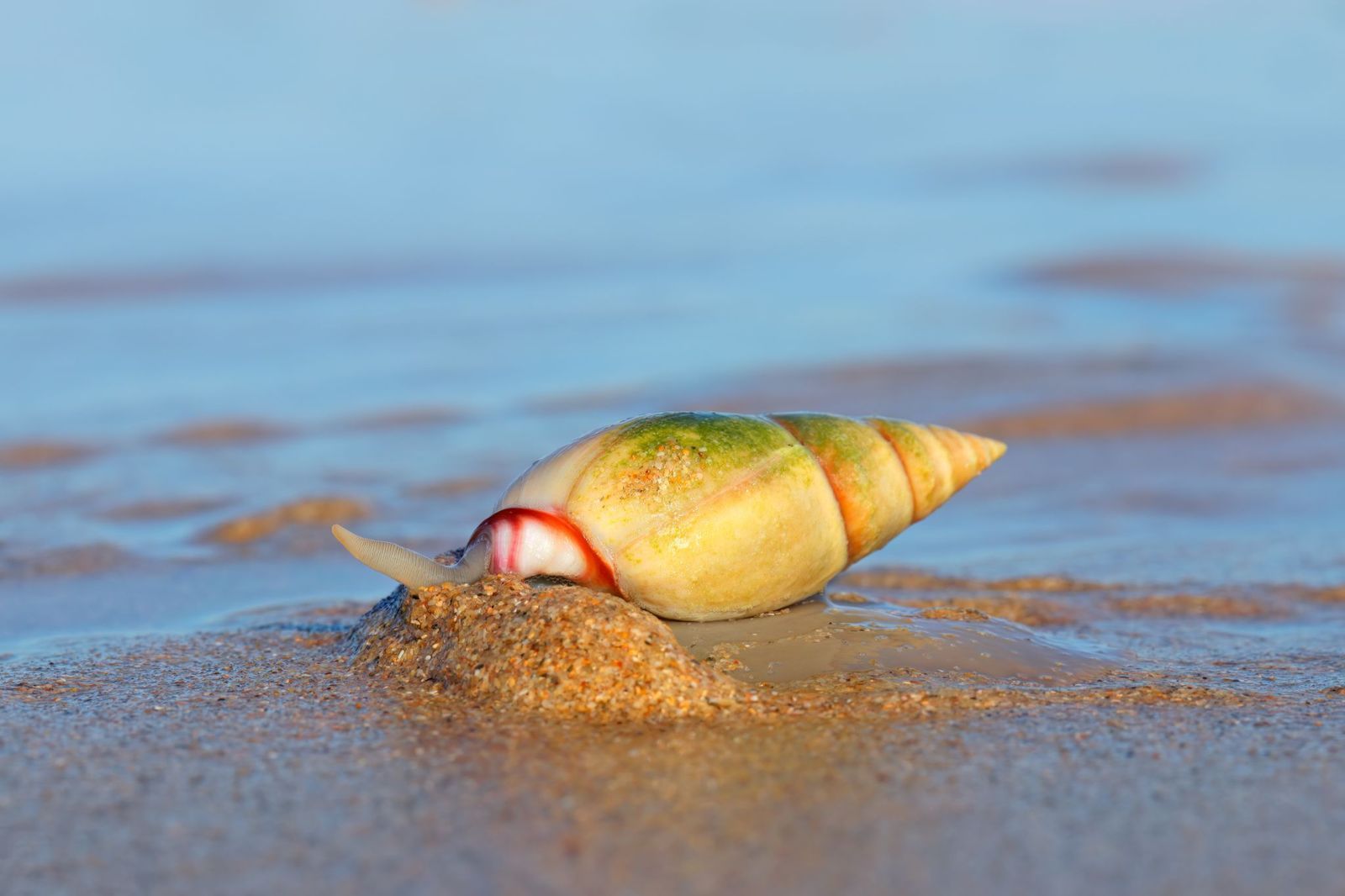
Image: EcoPrint

Along parts of the Atlantic Coast, powerful coastal storms have occasionally been followed by reports of periwinkles, a type of small sea snails, appearing well away from the shoreline.

Scientists believe waterspouts or hurricane-force winds can lift lightweight marine creatures from shallow coastal waters before dropping them inland . While such reports are uncommon and often difficult to document completely, they fit the same weather processes believed to produce fish and frog rains.

7
Crab rain in Chesapeake Bay
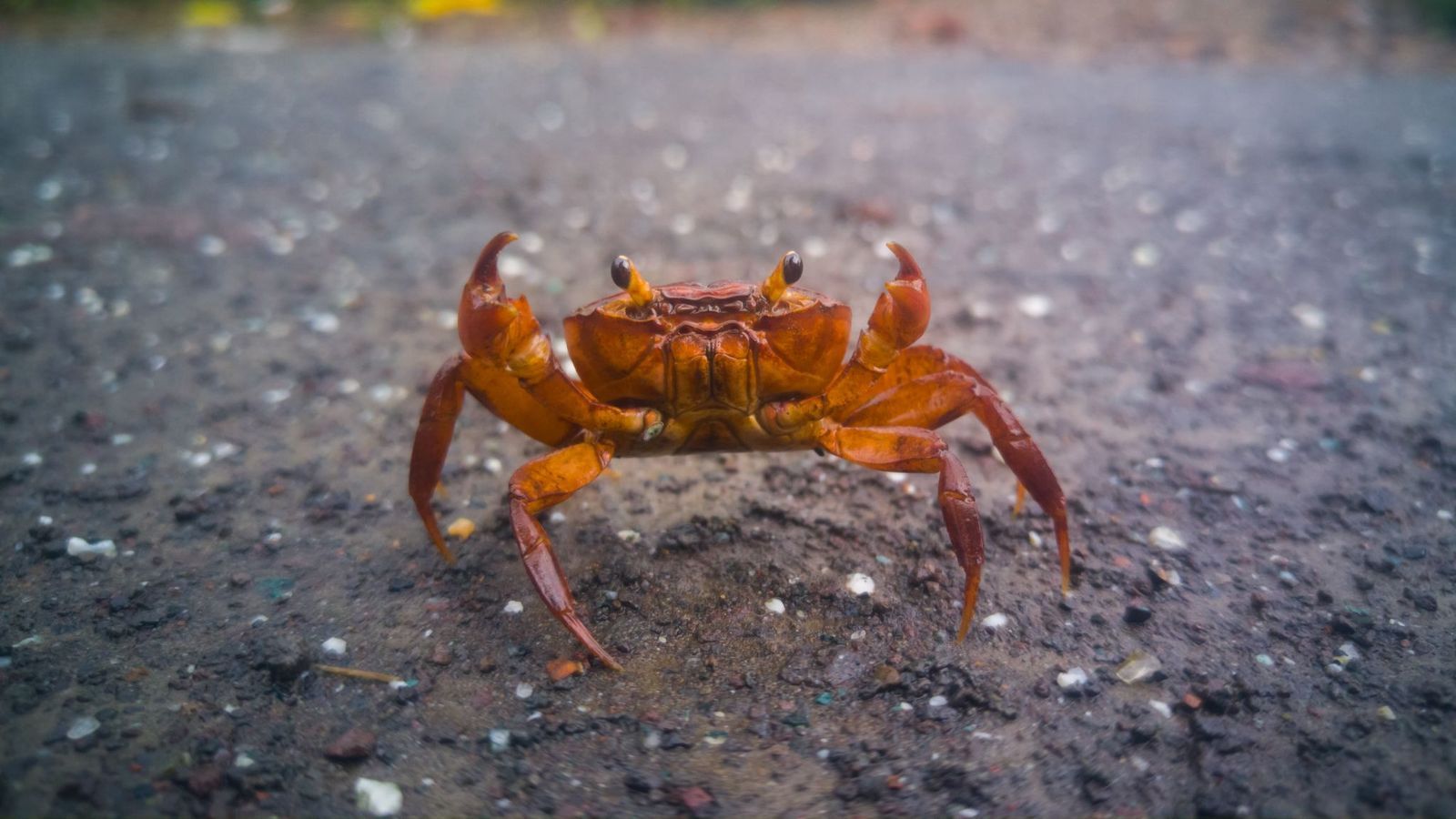
Image: Shahid Gire

Communities near Chesapeake Bay have periodically reported finding small crabs scattered across roads and fields after severe storms. Discovering shellfish where there was no flooding certainly makes for an unforgettable morning.

Meteorologists consider these reports believable because the bay regularly experiences waterspouts and strong thunderstorms. Small juvenile crabs are light enough to be carried short distances by powerful updrafts before falling back to the ground once the storm weakens .

8
Tadpoles after the storm
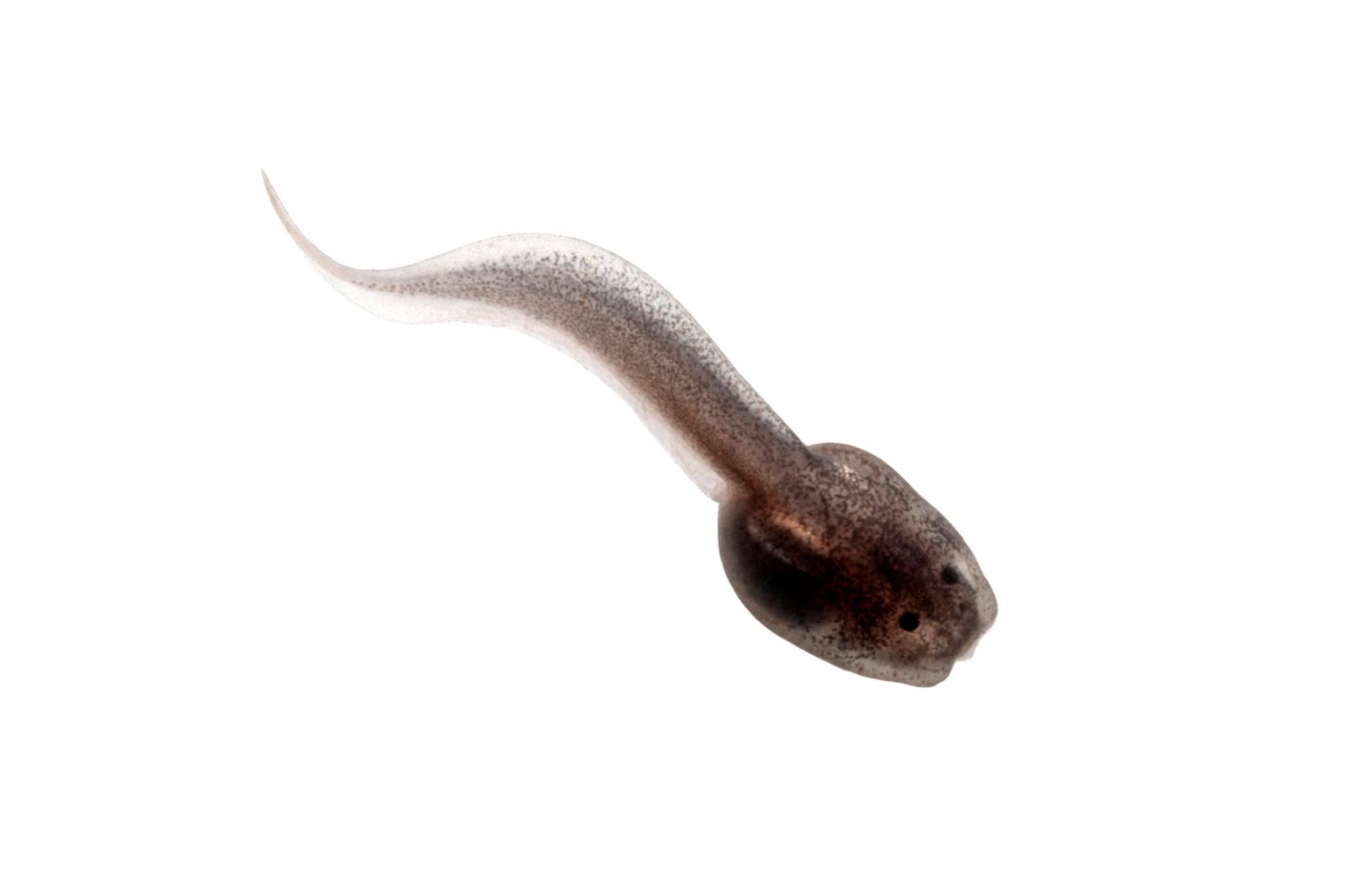
Image: Kurit afshen

Several Midwestern communities have reported storms that seemed to leave roads covered with tiny tadpoles. Unlike adult frogs, these young amphibians are incredibly light, making them easier for violent weather to transport .

Spring is the most likely time for such events because shallow ponds contain enormous numbers of developing tadpoles. If a storm passes directly over one of these breeding areas, the rotating winds may lift thousands of them into the air before dropping them elsewhere in surprisingly concentrated patches.

9
The star jelly rain
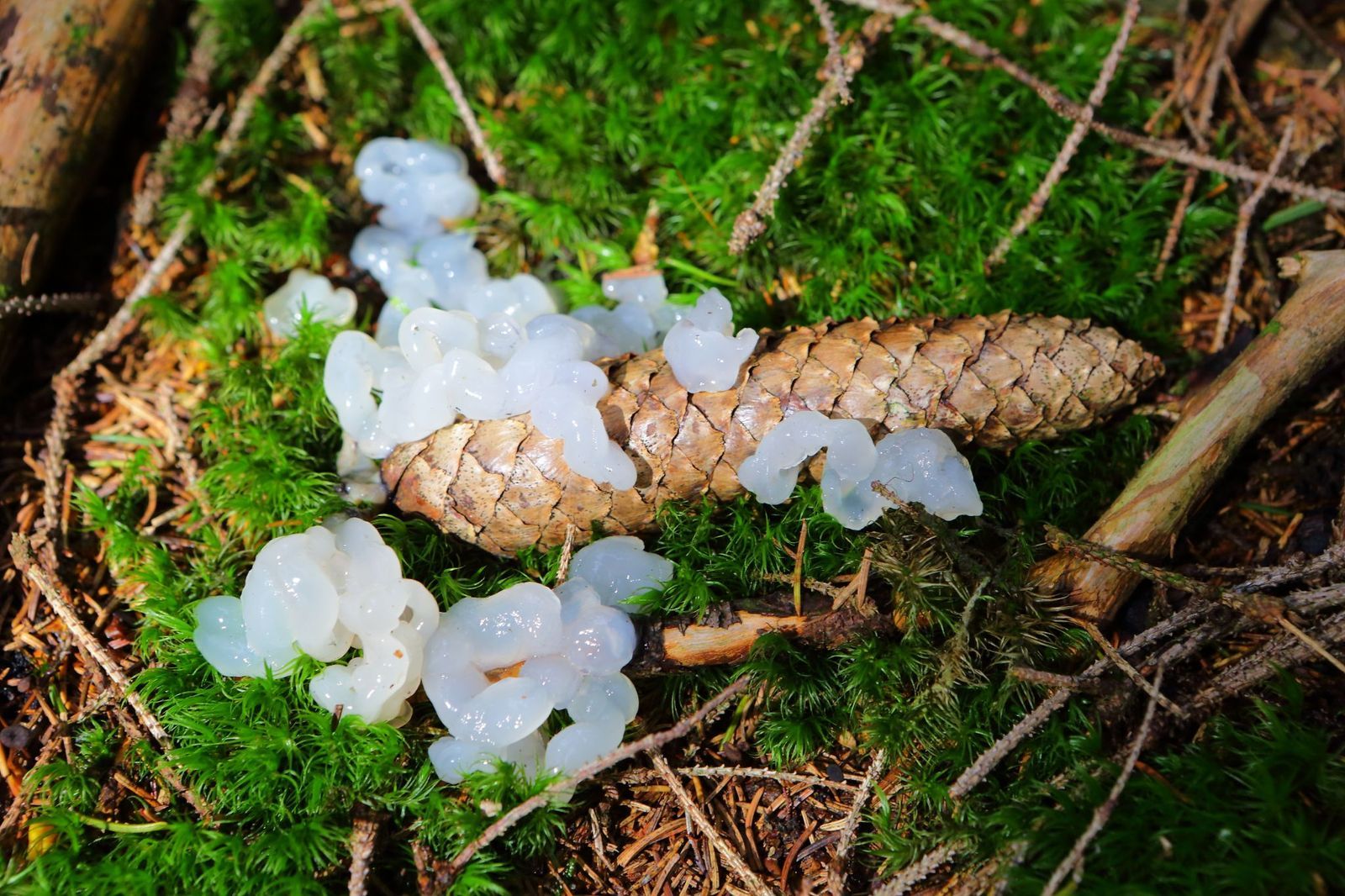
Image: emka74

For centuries, people across the country have occasionally discovered mysterious transparent blobs lying on the ground after storms. Known as "star jelly," the gooey substance has inspired countless legends claiming it literally fell from the heavens.

Scientists have proposed several possible explanations, including slime molds, cyanobacteria, amphibian reproductive tissue, or biological material left behind by predators . None explains every reported case, leaving star jelly as one of nature's longest-running mysteries.

10
A haystorm on the Great Plains
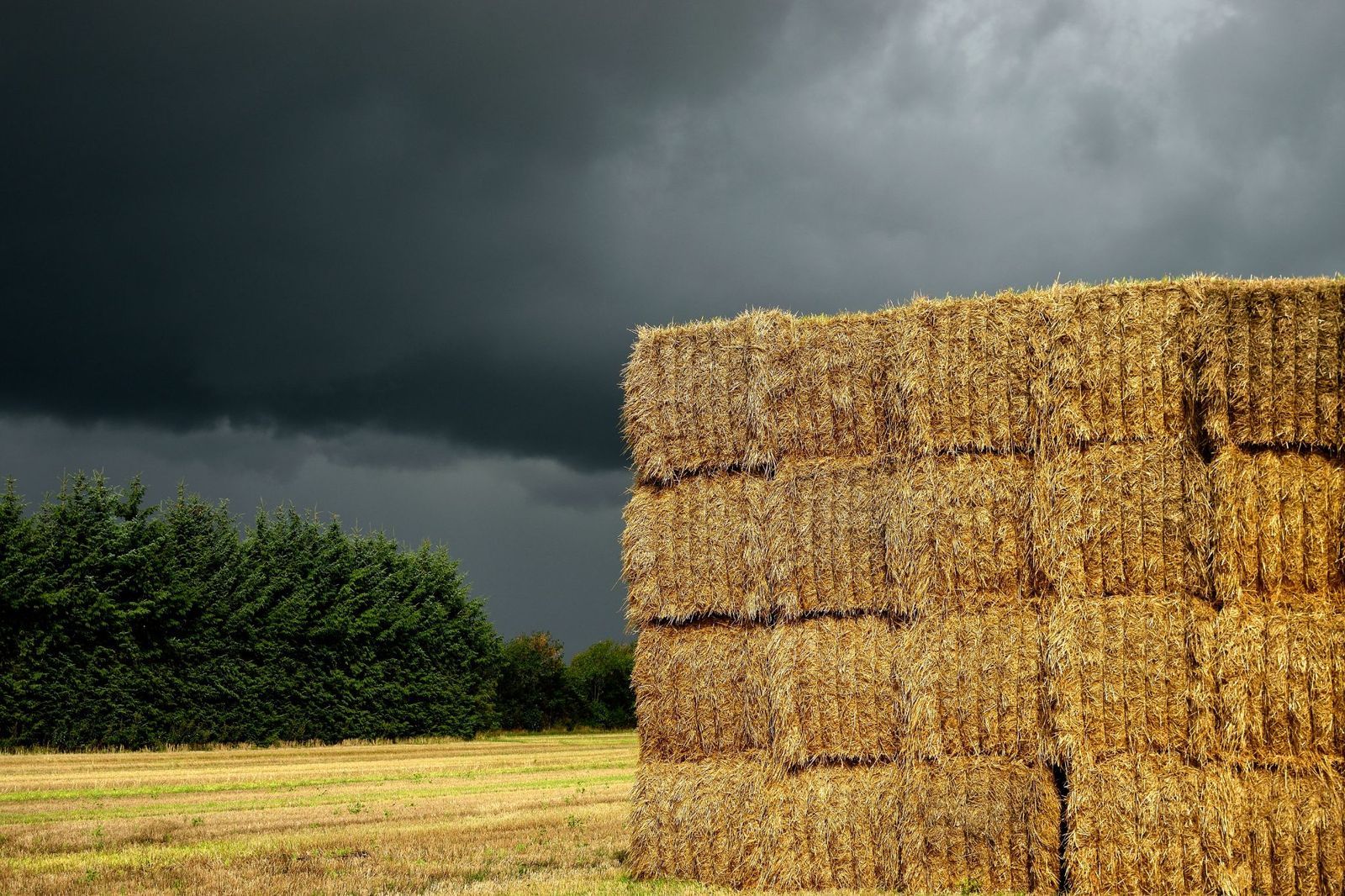
Image: DonChenaro

Not every strange rain involves animals. Across the Great Plains, tornadoes have repeatedly lifted hay, straw, and other lightweight farm materials into the atmosphere before dropping them miles away .

Farmers occasionally discover freshly fallen hay that clearly came from another property entirely. These events demonstrate just how powerful severe storms can be, transporting ordinary agricultural materials across remarkable distances before gravity finally takes over.

11
Storms that drop insects
Image: Rawpixel.com

Thunderstorms can also seem to rain insects. Swarms of flying ants, termites, aphids, and other tiny creatures have occasionally appeared immediately after powerful storms , leaving the impression that they fell directly from the clouds.

In reality, strong updrafts can sweep huge numbers of lightweight insects into the air and carry them well beyond their original location. When the winds weaken, the insects settle back to the ground, sometimes creating spectacular and slightly unsettling natural displays.

12
It’s raining golf balls
Image: Jade ThaiCatwalk

Florida's violent thunderstorms have produced reports of golf balls suddenly pelting neighborhoods near golf courses and driving ranges . Unlike hail, these were actual golf balls launched by nature's incredible force.

Powerful wind gusts, tornadoes, and hurricanes are capable of lifting and scattering thousands of golf balls across nearby communities. While they aren't technically falling from the upper atmosphere, they certainly create the unforgettable impression that the sky itself has started playing a round of golf.


General General 3 min read

Roots of greatness

The biggest American brands and the origin stories few people know

Image: FOTOGRIN

These brands have wormed their way into our lives so deeply that they show up in movies, songs, family road trips, and even cartoons. But none of them started as household names: every one of them clawed its way up from a small idea, a shaky bank account, and a whole lot of stubbornness . Take Coca-Cola, born in a backyard out of a pharmacist's curiosity, or McDonald's, which began as a humble burger stand before becoming the golden arches we can spot from a mile away. Let's dig into how these companies went from nothing to everywhere.

1
Coca-Cola

Image: monticello

Back in 1886, an Atlanta pharmacist named John Pemberton mixed up a syrup meant to cure headaches , never guessing it would become the world's favorite fizzy drink. He first sold it at a local soda fountain for just five cents a glass, with bookkeeper Frank Robinson even coming up with the name and script logo.

Early on, the company struggled with recipe secrecy issues and wartime sugar shortages, but it pushed through by leaning into clever advertising, even shaping how we picture Santa Claus today.

2
McDonald's

Image: In Green

Richard and Maurice McDonald opened their first burger stand in California in 1940, but it was Ray Kroc's franchising vision in the 1950s that turned it into a nationwide phenomenon . Kroc, a milkshake machine salesman, was so impressed by their speedy "Speedee Service System" that he bought the rights to franchise it nationwide.

Early challenges included supply consistency and skepticism about fast food quality, but standardized systems solved that fast, making McDonald’s one the largest restaurant chains in the world.

3
Levi's

Image: marekuliasz

In 1873, Levi Strauss and tailor Jacob Davis patented riveted denim pants designed for gold miners who needed tough workwear . The brand had to overcome fabric shortages and changing fashion trends over the decades, but its rugged reputation kept it relevant.

These days, Levi's is a global fashion staple, with its 501 jeans considered a genuine American classic.

4
Ford

Image: Pandora Pictures

Henry Ford founded his company in 1903 in Detroit, revolutionizing manufacturing with the moving assembly line by 1913 , which made cars affordable for average families. Early struggles included skepticism from investors and competition from established carmakers, but innovation won out.

Ford is now one of the world's biggest automakers, still churning out best-selling trucks and family cars.

5
Kodak

Image: Matthew Nichols1

George Eastman founded Kodak in Rochester, New York, in 1888, making photography accessible to everyday folks with simple, affordable cameras . The company later struggled mightily when digital photography emerged, eventually filing for bankruptcy in 2012 despite its historic dominance.

Kodak has since reinvented itself as a smaller, specialized company focused on printing and imaging technology.

6
Harley-Davidson

Image: Hlib Shabashnyi

Founded in Milwaukee in 1903 by William Harley and the Davidson brothers, this motorcycle company started in a small wooden shed in the Davidson family's backyard . It survived the Great Depression and fierce competition from Japanese manufacturers in the 1970s and 80s.

Today, Harley-Davidson remains an iconic symbol of American freedom, cruising highways all over the world.

7
Disney

Image: Marko Aliaksandr

Walt and Roy Disney started their studio in 1923 in Los Angeles, facing financial setbacks and skepticism before Mickey Mouse's 1928 debut changed everything . Perseverance through early failures shaped the entertainment empire we know today.

Disney has since grown into a massive entertainment powerhouse, owning theme parks, movie studios, and streaming services worldwide.

8
Nike

Image: pio3

Founded in 1964 by track coach Bill Bowerman and Phil Knight in Oregon, originally as Blue Ribbon Sports. Bowerman famously poured rubber into his wife's waffle iron to design a better shoe sole for his runners . Nike overcame early cash flow problems and manufacturing hurdles before the iconic swoosh launched in 1971.

Nike is now the world's leading sportswear brand, with athletes everywhere proudly sporting that famous swoosh.

9
Campbell's Soup

Image: Richard M Lee

Joseph Campbell co-founded this company in Camden, New Jersey, in 1869, later popularizing condensed soup in 1897, which made it affordable and easy to store . The brand overcame supply challenges and evolving tastes, becoming a pop culture icon partly thanks to Andy Warhol's famous artwork.

10
Hershey's

Image: PJ McDonnell

Milton Hershey founded his chocolate company in Pennsylvania in 1894, aiming to make chocolate affordable for everyday Americans rather than a luxury item. Hershey had already failed at candy-making several times before finally striking gold with a caramel business that funded his chocolate ambitions.

The brand weathered the Great Depression and sugar rationing during wartime, emerging stronger each time. Hershey's is now America's largest chocolate manufacturer, and its bars remain a beloved treat in homes nationwide.

Geography Geography 3 min read

Michigander, Michigoose?

10 unofficial American demonyms (that should be official)

Image: Hans

Demonyms, or the names that identify your place of origin, can be tricky. In the United States, some demonyms have an official status —those of states, for example—while others are a product of use and tradition. Unofficial demonyms or nicknames are also common, and sometimes more widely used than the official version. Let’s have a look at some of them!

1
Hoosier

Image: Corbin Mathias

Until recently, the United States Government Publishing Office (or USGPO) still recommended Indianian as the demonym for the state of Indiana, but its residents have been calling themselves Hoosiers for nearly two centuries. While no one really knows where the term originated, it was popularized by John Finley’s poem "The Hoosier's Nest", and Indiana has long been known as "The Hoosier State".

2
Bay Stater

Image: Pascal Bernardon

The USGPO might recommend the use of Massachusettsan , but the people of Massachussets strongly disagree. State laws and regulations officially refer to its residents as Bay Staters , after a common nickname for the state. Given that Massachusetts is formally a Commonwealth, the law also uses the phrase Citizen of the Commonwealth , but it's kind of a mouthful for everyday purposes. We’ll stick with Bay Stater.

3
Accidental

Image: Jeff McLain

One of the earliest settlements in Maryland, the town of Accident is not very big, but it makes up for it with its peculiar name. Naturally, the corresponding demonym for its residents is Accidental , though some sources also claim that the citizens of Accident are to be called Accidents .

4
Granite Stater

Image: Mark König

Much like Bay Staters, the residents of New Hampshire tend to disagree with the USGPO when it comes to their demonym. The official version is New Hampshirite (for the Federal Government, at least ), but locals favor the term Granite Stater , derived from New Hampshire’s nickname, "The Granite State".

5
Truth-or-Consequencesan

Image: Lachlan Donald

When the town of Hot Springs, New Mexico, decided to change its name to Truth or Consequences for a radio show contest, they either forgot to consider their new demonym or didn’t really care. While they are technically Truth-or-Consequencesans , they refer to the town as T or C, so they say that they are Residents of T or C .

6
Phoenician

Image: iStrfry , Marcus

Weren’t the Phoenicians an ancient civilization that created the earliest form of our alphabet? Yes, but those lived in ancient Phoenicia. The Phoenicians we are talking about are the residents of Phoenix, Arizona. Some claim that Zoner and Zonan are also common nicknames, but those could be used for any Arizona resident.

7
Nutmegger

Image: julio angel berroa

Connecticut might be officially known as "The Constitution State", but it’s also called "The Nutmeg State". The origin of this nickname varies according to the sources, but most point to a common scam where Connecticut peddlers would sell wooden nutmegs as the real thing. No matter the story, many Connecticut residents favor the demonym Nutmegger over the USGPO-recommended Connecticuter .

8
Yoopers

Image: Brad Switzer

Let’s be frank, some of the less-used variants for Michigan’s demonym sound really funny: think Michiganese , Michigine , and Michigoose (as a female version for Michi_gander_). But official names aside, residents of Michigan’s Upper Peninsula commonly refer to themselves as Yoopers , a derivative of U.P. (Upper Peninsula). Rumor has it that they call those from the Lower Peninsula Trolls , because they live ‘under the bridge’, but we can’t attest to this being true.

9
Jayhawk

Image: Nils Huenerfuerst

Nowadays, Jayhawk is a common way to refer to residents from Kansas, but this term didn’t always have a positive connotation. Its original form, Jayhawker, used to refer to thieves, and was used derogatively by Confederates to talk about the anty-slavery militias from Kansas. After the Civil War, Kansans appropriated the term as a memento of their state’s contributions to the war.

10
Lanstronaut

Image: Mick Haupt

Officially, if you live in Lansing, Michigan, you are a Lansingite . However, many Lansing residents have taken to using the term Lanstronaut in recent years, despite Lansing having more to do with the car industry than with space.

Explore more American facts

Choose your favorite category!

General
General

As American as apple pie—the very best America has to offer!

Culture
Culture

Delve into the astounding richness of American lore.

Geography
Geography

Hop in and explore vast and diverse American landscapes.

History
History

Discover the key moments that shaped the United States.