History History 3 min read

High data

Millions, secret floors, & survivors: 10 Empire State Building stories!
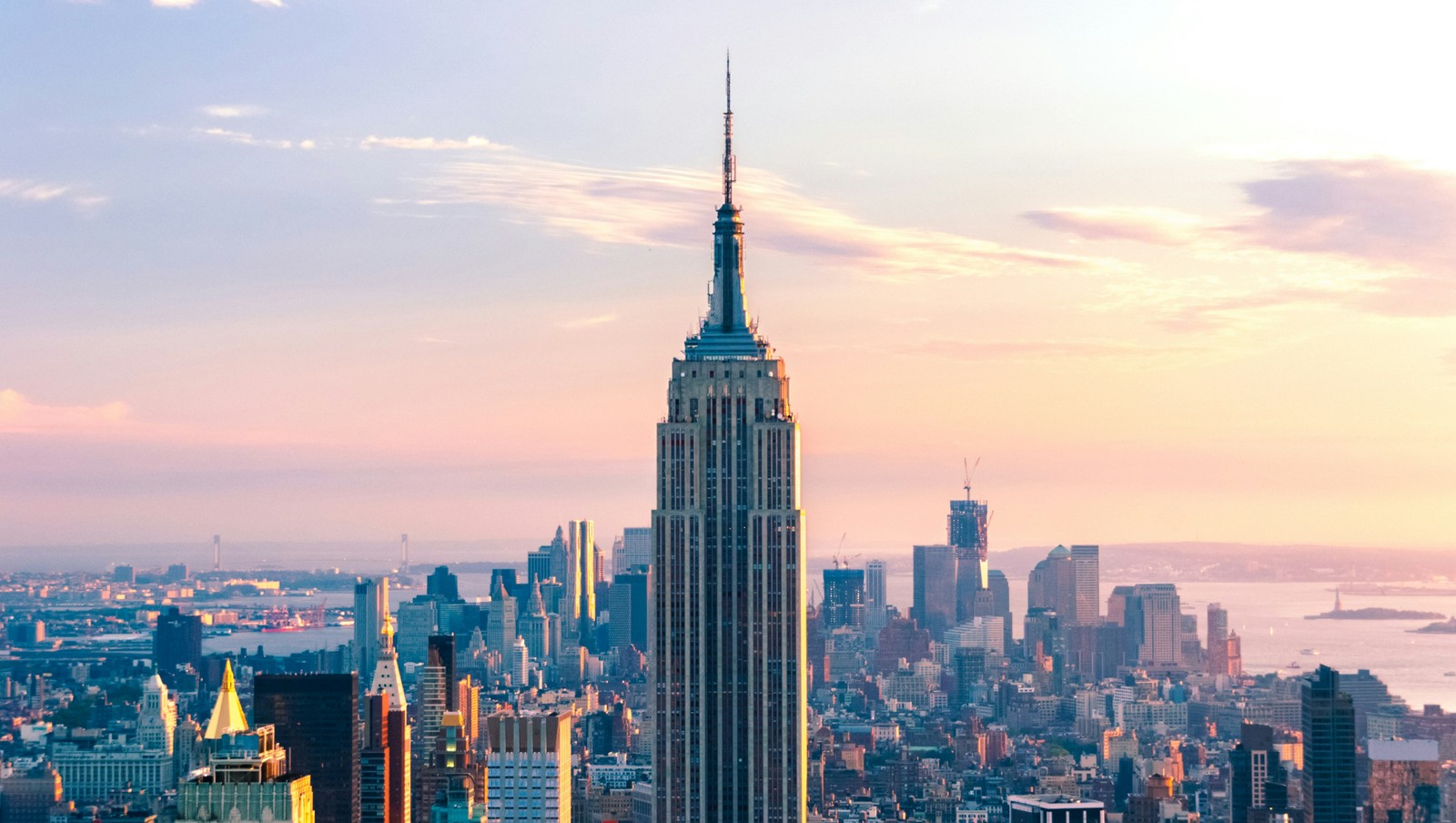
Image: Kit Suman / Ofuss

The Empire State Building may be an immense structure that's hard to miss, but its history holds events, quirks, and surprising facts that most people have never heard! From lightning constantly striking it to water invading from below, let's uncover 10 things no one ever told you about this iconic American skyscraper.

1
25 times a year
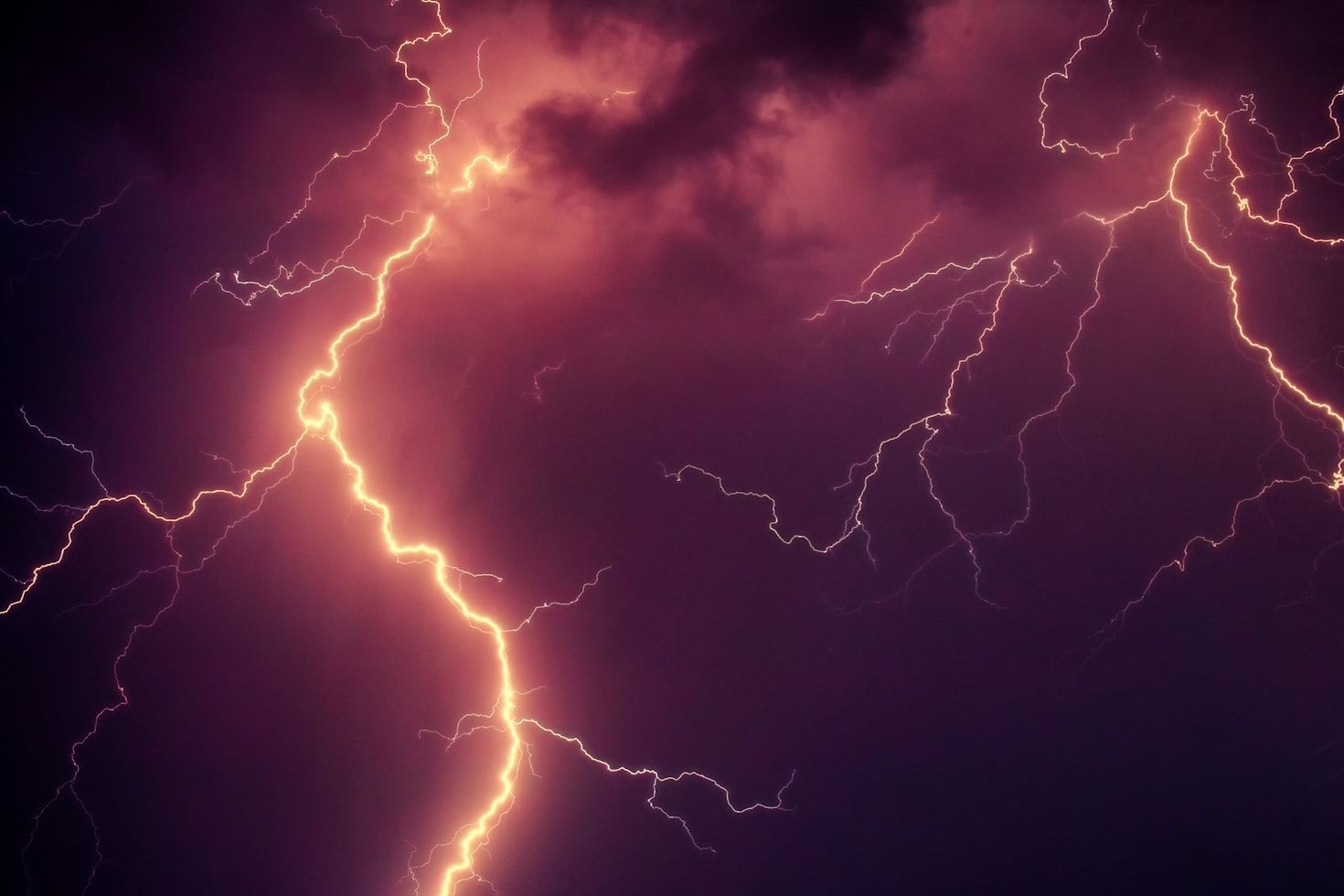
Image: Johannes Plenio

Its tall, elegant steel structure is definitely captivating; no wonder thousands of photographers, painters, and filmmakers have chosen the Empire State Building as the backdrop for their work. However, that imposing height comes with something a little scary: it's estimated that the building is struck by lightning about 25 times a year! Fortunately, it was designed to handle these strikes, so it's completely safe.

2
Really fast

Image: Guilherme Cunha

There are buildings that took decades to complete. But this is not the case with the Empire State Building. In fact, this is one of the fastest skyscrapers ever built: It took only one year and 45 days to erect such an architectural masterpiece. That means it was built at a rate of an incredible 4.5 floors per week!

3
Unlikely survivor
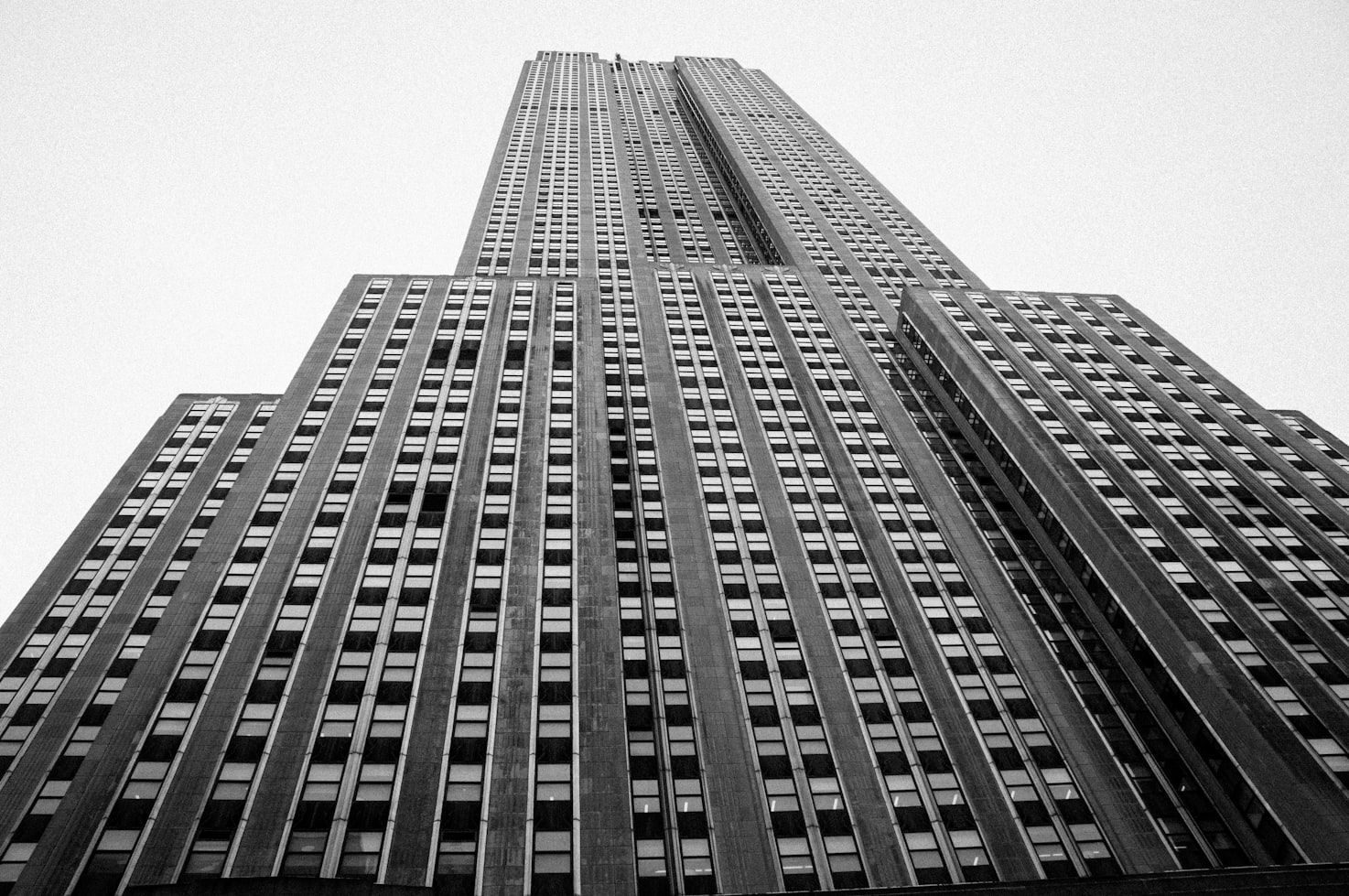
Image: Melanie Dretvic

It was 1945 when the Empire State Building was accidentally struck by a B-25 Mitchell bomber due to the thick fog that covered NYC. A worker named Betty Lou Oliver was on the 80th floor when the plane crashed into the 79th. She was severely injured, but incredibly, she survived. Hours later, while being rescued in an elevator, the damaged cables gave way, and Betty fell 75 floors to the basement. She survived that too!

4
40 million dollars

Image: Pepi Stojanovski

A tremendous building like the Empire State couldn't be built on a shoestring budget. When it was constructed —in the midst of the Great Depression, no less— it cost about $41 million . That's a hefty sum, even today! Adjusted for inflation, that would be around $600 to $700 million in 2025. Wow!

5
Secret floor
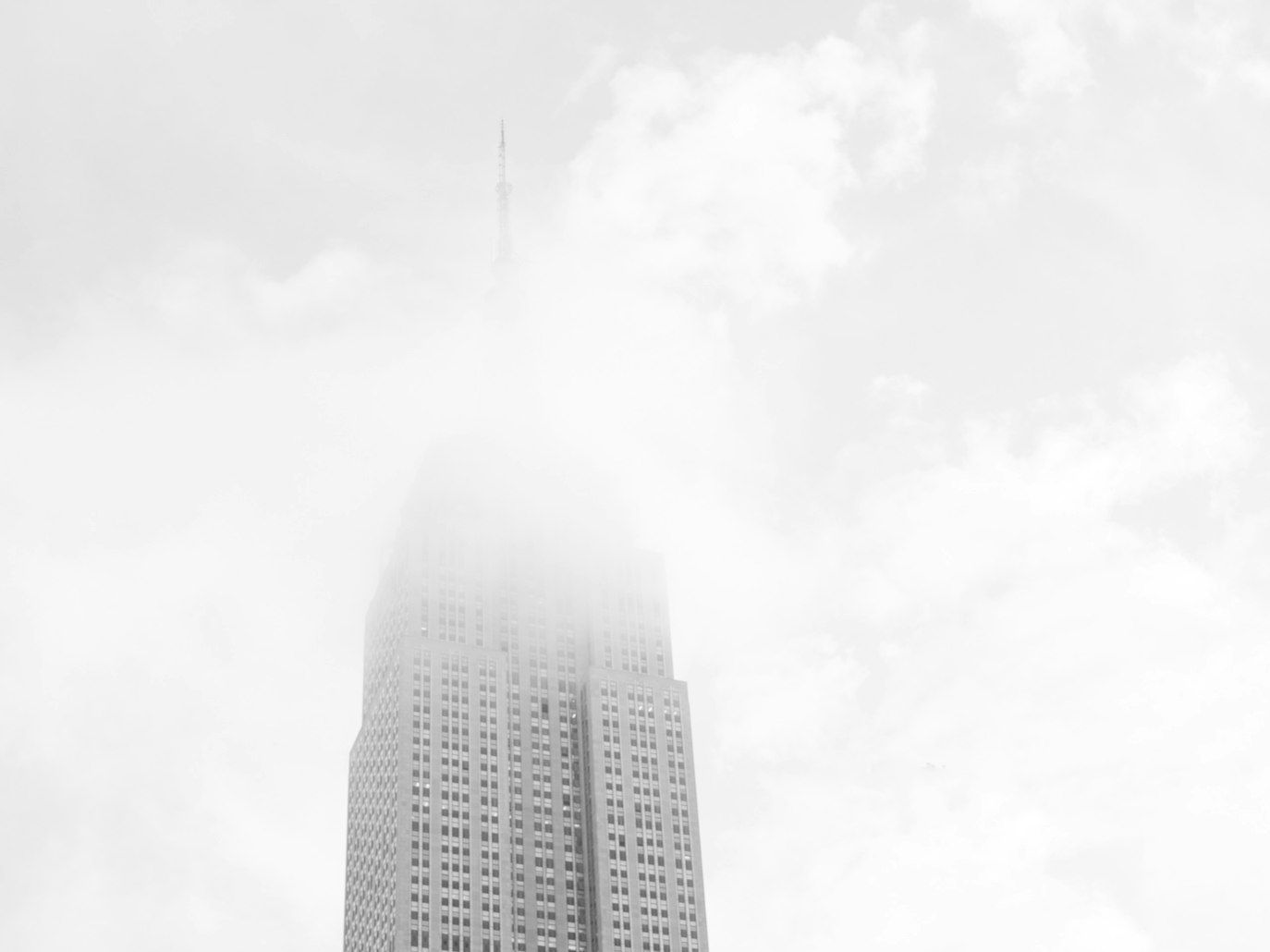
Image: roemer overdiep

If you are afraid of heights, be prepared: the Empire State Building has two public observation decks, one on the 86th floor and another on the 102nd. But there's another one, and it's even higher! It's located on the 103rd floor, but it's not open to the public and is mostly used for VIPs or special occasions.

6
High security

Image: Pawel Czerwinski

Although an incredible 4 million people visit the building each year on average, getting in isn't easy. Many visitors say it feels like going through airport security, with X-ray machines and metal detectors everywhere. Visitors must also pass through a security checkpoint before reaching the observation decks, and the building is constantly monitored by cameras and security guards.

7
King Kong
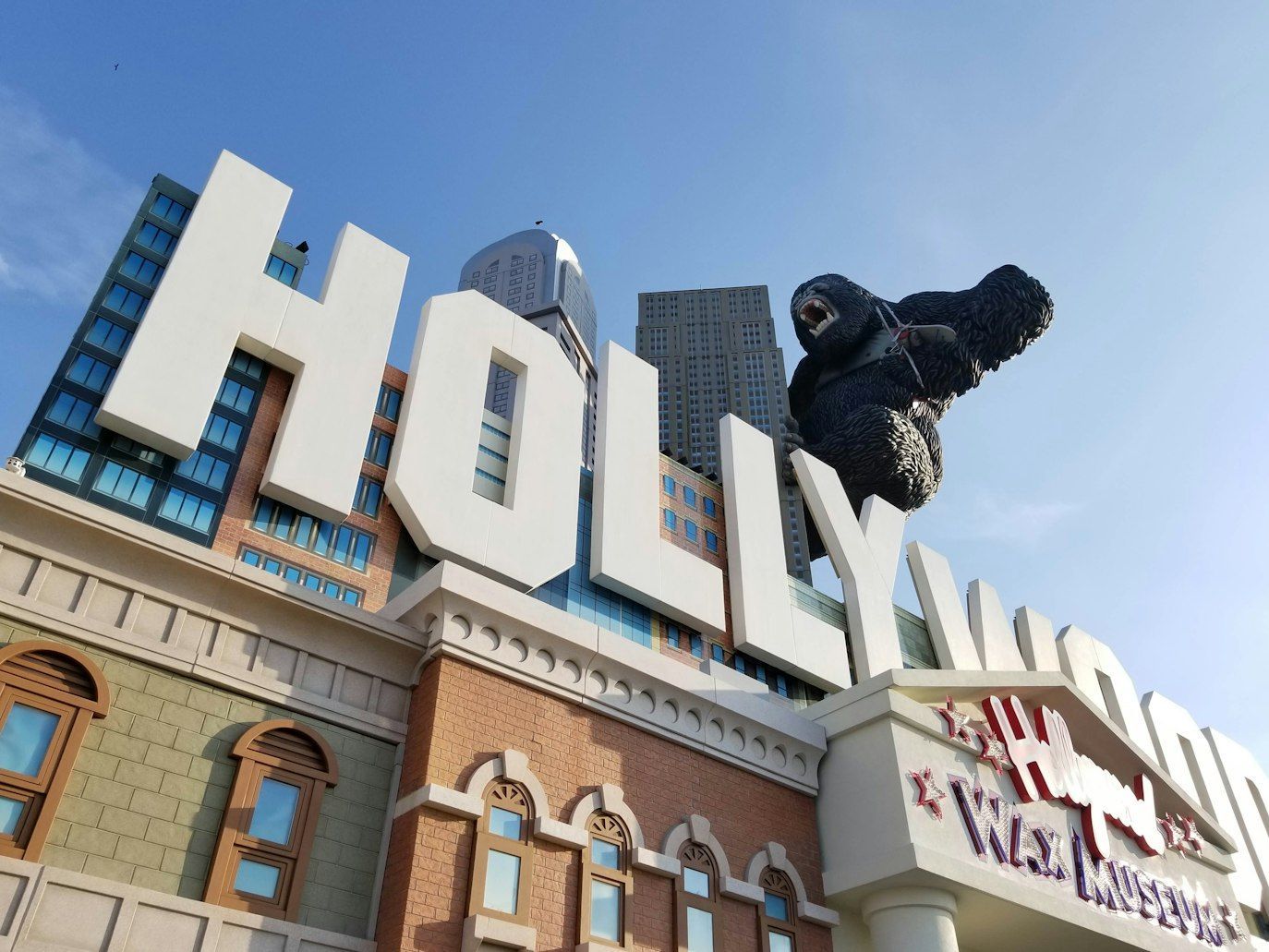
Image: Simon Ray

We all remember the iconic scene of the imposing King Kong climbing the towering mast of the Empire State Building. And while that image lives on in our minds, there's one detail many people overlook: When the original King Kong movie premiered in 1933, the Empire State Building was less than two years old! Plus, at the time, the building still held the title of tallest in the world, making King Kong's climb even more epic.

8
Underground waterways
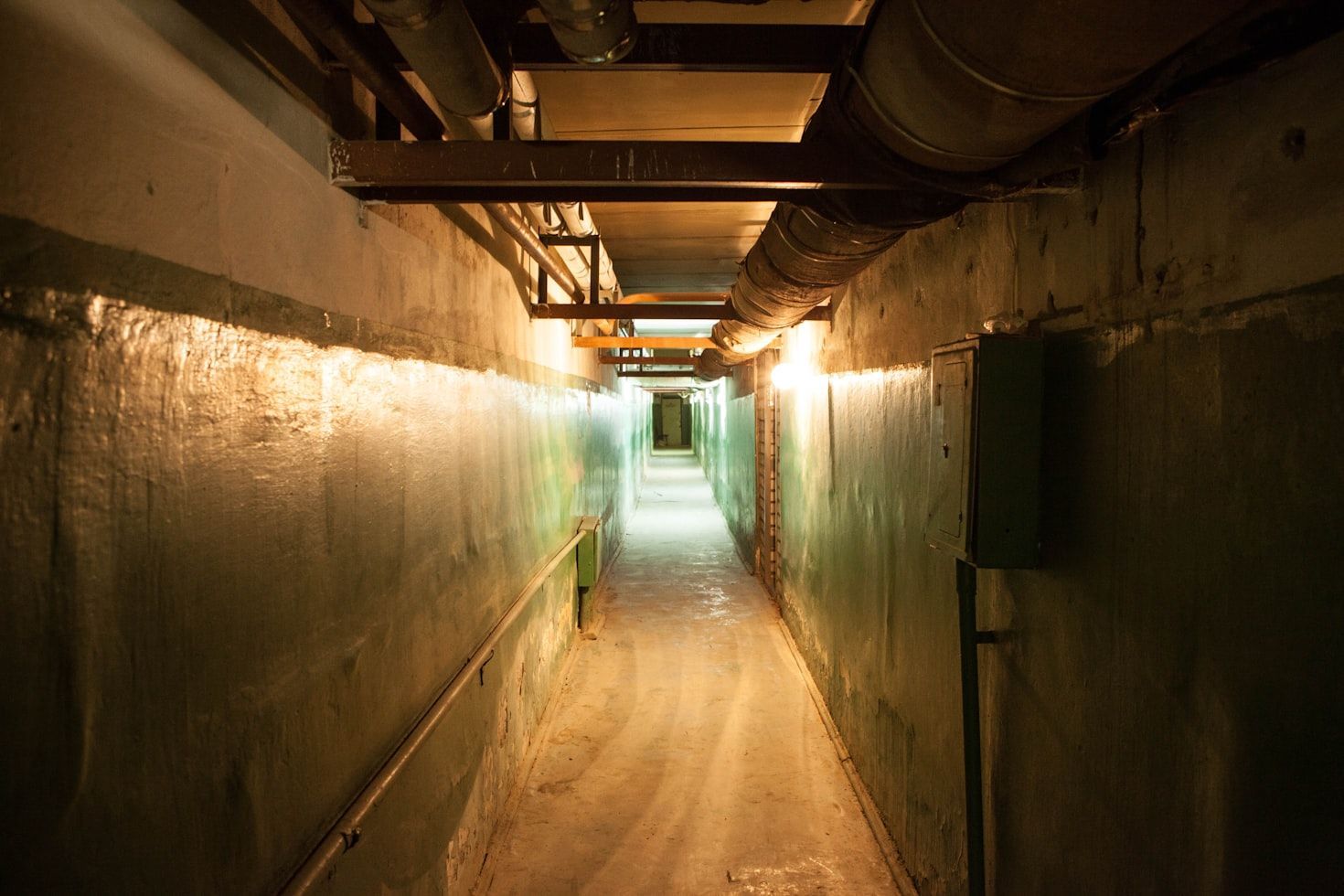
Image: Evgeniy Smersh

Beneath what is now NYC, there was a network of streams and rivers that flowed freely before Manhattan and other boroughs covered them. The land below the Empire State Building is no exception, and these old underground waterways still occasionally cause complications. For example, during heavy rains, water can rise and seep into the building's wind tunnels, sometimes flooding areas with up to two feet of water.

9
The original plans
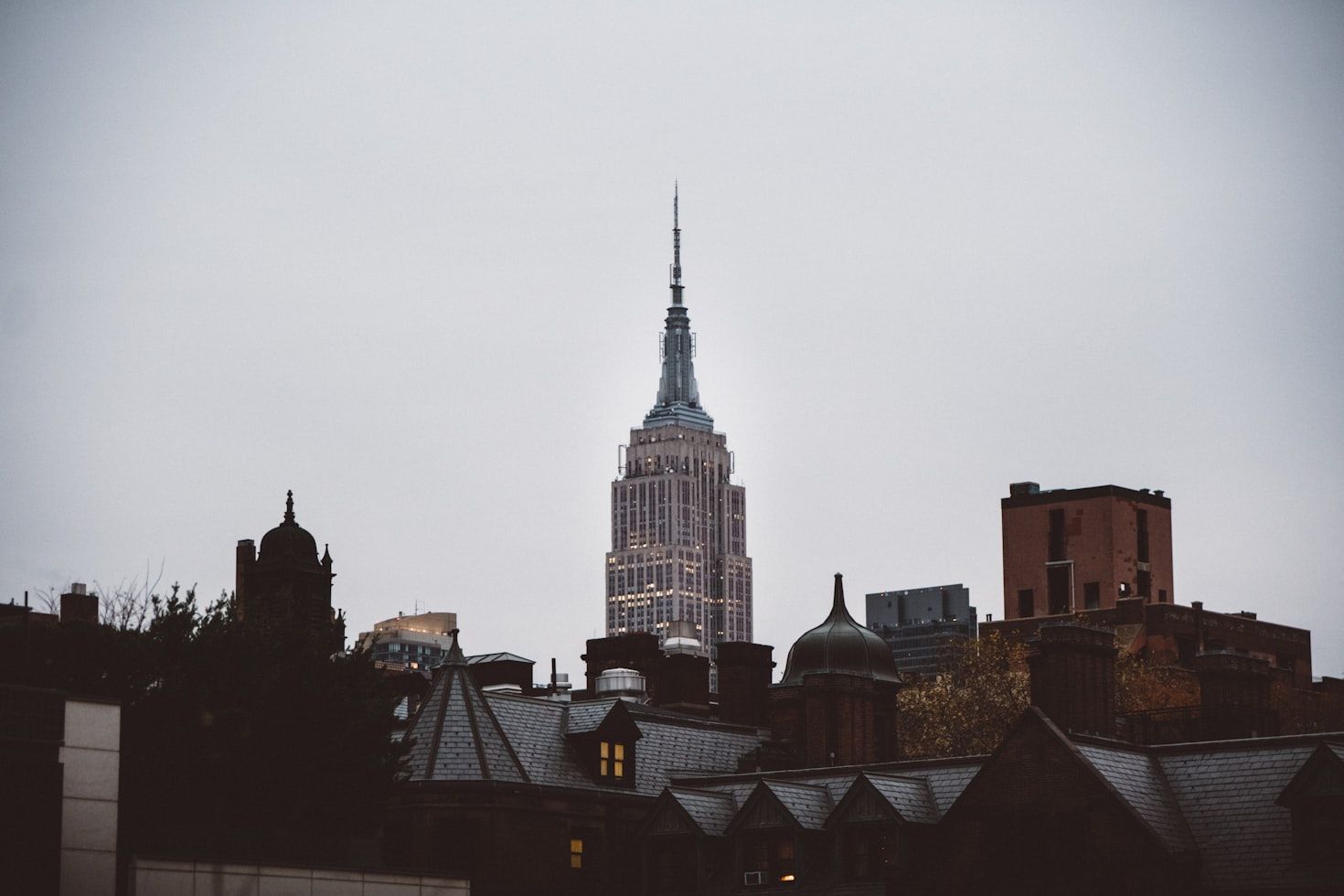
Image: Jaunt and Joy

The Empire State Building was originally supposed to have a dirigible anchor! That's right; the mast at the top of the building was meant to serve as a mooring post for dirigibles, with a docking platform and a door for passengers to disembark. However, due to the extreme height, high winds, and overall potential danger, the idea was discarded. Today, the mast is used for antennas and other communications equipment.

10
Green building
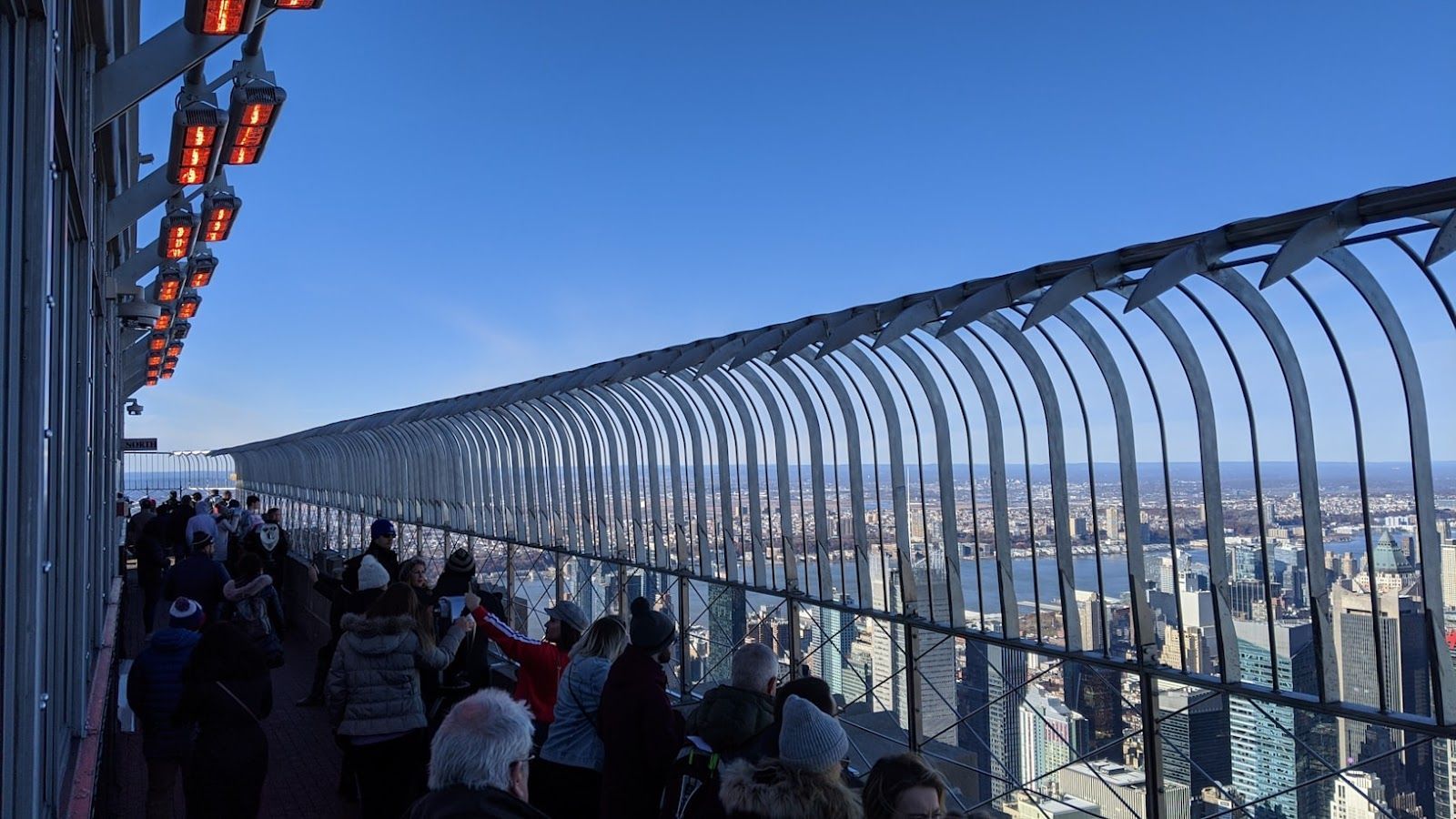
Image: Chris Ladouceur

This iconic building that defines New York's skyline is considered a "green building." And no, it has nothing to do with the color of its walls; it's about something much more meaningful. The sustainability modifications that the Empire State has undergone over the years have made it one of the most energy-efficient buildings of its size, minimizing its environmental impact and earning it the title of "green building."

General General 3 min read

About the Star-Spangled Banner

Did you know these 11 obscure facts about our National Anthem?

Image: RDNE Stock project

How much do you really know about "The Star-Spangled Banner" ? It’s the song that kicks off baseball games, gives stadiums goosebumps, and has been passionately performed—or completely butchered—by countless singers. Its colorful story starts by crossing a poem and the tune of a British drinking song, runs through an electric guitar at Woodstock in the 60s, and keeps going. Read on to discover some surprising facts about America’s most patriotic anthem!

1
It had a different name

Image: Luke Michael

Originally, the lyrics came from a poem titled "Defence of Fort M’Henry," written by Francis Scott Key in 1814 after he witnessed the bombardment of Fort McHenry during the War of 1812. The sight of the American flag still flying after the battle inspired him.

The poem was printed in newspapers and set to music, but it wasn’t until more than a century later that it officially became the national anthem we know today.

2
It has four verses

Image: Serena Koi

Most of us only belt out the first one, but did you know "The Star-Spangled Banner" actually has four verses? The other three are rarely heard .

Francis Scott Key wrote additional verses exploring themes of resilience and freedom, but most people have never read those stanzas.

3
Key wasn’t a musician

Image: Steve Johnson

Contrary to what you might expect from the author of the nation’s most patriotic song, Francis Scott Key wasn’t a musician .

He was a lawyer and an amateur poet. He didn’t collaborate with a composer or choose a melody to set his lyrics to, either. He simply wrote the poem, which was later published nationally by The Analectic Magazine .

4
The tune was actually borrowed

Image: Ylanite Koppens

So how did the anthem get its music, then? A relative of Key realized that the lyrics of his poem fit perfectly with the tune of an already popular song, "To Anacreon in Heaven."

That song was actually a British drinking tune frequently sung in 18th-century gentlemen’s clubs. The melody was catchy, but its origins were anything but patriotic.

5
It was first sung in a Baltimore tavern

Image: andrew welch

One account claims that the anthem’s first public performance wasn’t at a grand concert or a government event, but in a Baltimore tavern in 1814.

According to the story, just weeks after Key wrote the lyrics, a local actor sang them to the tune of "To Anacreon in Heaven." The crowd loved it, and the song quickly spread.

6
It wasn’t the first choice

Image: Wesley Tingey

Believe it or not, "The Star-Spangled Banner" wasn’t America’s first choice for a national anthem. For over a century, songs like "Hail, Columbia" and "My Country, ’Tis of Thee" filled the role. It wasn’t until 1931 that Congress, under President Herbert Hoover, officially designated Key’s anthem as the nation’s song.

7
The tradition of singing it before sports

Image: Frankie Lopez

The tradition of singing the anthem at sporting events began during the 1918 World Series . The crowd’s emotional response was so powerful that more and more baseball games adopted the practice.

Today, it’s hard to imagine a baseball game without it. Many other sports—including American football, hockey, and basketball—have since followed suit.

8
Aretha Franklin’s rendition is the longest

Image: Stas Knop

Aretha Franklin's rendition of "Star-Spangled Banner" is the longest recorded performance of the national anthem, lasting an impressive 4 minutes and 55 seconds . In contrast, most renditions take under two minutes!

She performed it in 2016 at an NFL game, breaking the previous record set by Alicia Keys three years earlier, whose version lasted 2 minutes and 36 seconds.

9
An unsuspected first recording voice

Image: Sudhith Xavier

The first known recording of "The Star-Spangled Banner" was made in 1915 by Margaret Woodrow Wilson . Yes, the daughter of President Woodrow Wilson.

Her rendition, though not as polished as modern versions, marked the anthem’s entry into the world of recorded music. Who would have thought the president’s daughter would be a trailblazer?

10
Jimi Hendrix’s Woodstock performance

Image: Xie lipton

Jimi Hendrix’s electric guitar rendition of "The Star-Spangled Banner" at Woodstock in 1969 remains one of the most famous—and controversial—performances of the anthem.

His distorted, soulful, and modern interpretation hypnotized the crowds and became a powerful cultural statement amid the turbulence of the 1960s. Some saw it as a protest; others, as a masterpiece. Either way, we still talk about it.

11
A song for all occasions

Image: frank mckenna

Originally, "The Star-Spangled Banner" wasn’t intended solely as a national anthem. It was a patriotic song for all occasions —political rallies, public celebrations, and more. The anthem is as popular as it is versatile, and so it has been played in endless scenarios—and in countless versions!

Culture Culture 4 min read

FOLK HEROES

Tales From The Heartland: 10 Larger-Than-Life American Folk Figures

Image: Tim Mossholder

Nations make their heroes as embodiments of their shared values. Woven into their tales of might and their bold adventures are valuable lessons that are passed down through the ages. American legends are no exception, and these larger-than-life characters have captivated our imaginations for generations. From colossal lumberjacks to legendary steel-driving men, join us to explore the fascinating tales behind 10 of America’s most enduring folk heroes.

1
Paul Bunyan

Image: Abby Savage

Paul Bunyan , the colossal lumberjack of American folklore, is said to have cleared forests from the Northeast to the Pacific Northwest. With his blue ox, Babe , he performed incredible feats of strength, like carving out the Grand Canyon just by dragging his axe behind him, and creating the Great Lakes with his footprints.

Originating in oral traditions among lumberjacks, Bunyan’s exaggerated exploits gained momentum with the American westward expansion during the 19th century and soon became deeply ingrained in the popular imagination.

2
Johnny Appleseed

Image: Aarón Blanco Tejedor

Born John Chapman, Johnny Appleseed wandered the American frontier planting apple trees and spreading goodwill in the early 19th century. A devout Christian, he became a folk hero for his kindness, environmentalism, and pioneering spirit.

Contrary to the popular image of Johnny Appleseed randomly scattering apple seeds, he was a skilled nurseryman who meticulously planted apple tree nurseries. Each nursery was carefully fenced to shield the saplings from livestock and wildlife. After establishing these nurseries, he entrusted them to neighbors but revisited them periodically.

3
Pecos Bill

Image: JosephHershMedia

Pecos Bill , a fictional cowboy raised by coyotes in the wilds of Texas, became a larger-than-life figure known for taming cyclones and roping tornadoes. His adventures, first popularized in the early 20th century, embody the frontier spirit and Texas mythology, blending humor with tales of rugged individualism.

Among his many tales, one credits him with creating the Gulf of Mexico . According to legend, during a severe drought in Texas, Pecos Bill lassoed a storm cloud in California and brought it to Texas. The resulting deluge caused extensive flooding, ultimately forming the Gulf.

4
Davy Crockett

Image: Joseph Corl

Davy Crockett , known as the "King of the Wild Frontier," was a real-life frontiersman later turned politician whose exploits were mythologized even during his lifetime. Born in East Tennessee, he quickly gained fame for his sharp hunting skills and captivating storytelling.

During his time in the U.S. Congress, he staunchly opposed many of President Andrew Jackson’s policies, particularly the Indian Removal Act, and championed the rights of small landowners. Crockett’s life ended with valor at the Battle of the Alamo , solidifying his folk legend as a symbol of courage and patriotism. His legacy remains an enduring part of American history.

5
Calamity Jane

Image: Vidar Nordli-Mathisen

Martha Jane Canary, better known by her alias Calamity Jane, was a frontierswoman and scout famed for her sharpshooting skills and daredevil exploits. During her youth, she stepped up to provide for her large family, taking on various jobs, from ox team driver to scout for Fort Russell. Eventually, she embraced the rough and adventurous lifestyle that made her a legend.

Despite her fearsome reputation, Calamity Jane was compassionate and often helped those in need. Her adventures in the Wild West alongside figures like Wild Bill Hickok cemented her status as a legend of the American frontier.

6
Molly Pitcher

Image: Garry T

Molly Pitcher, the nickname given to Mary Ludwig Hays McCauley, became famous for her bravery during the American Revolutionary War. Although several historical figures are known by this moniker for similar deeds, Mary Ludwig Hays distinguished herself during the Battle of Monmouth in June 1778, where she served as a water carrier for the soldiers.

When her husband, an artilleryman in the Continental Army, fell to enemy fire, she took his place, swabbing and loading the cannon with such bravery and determination that she earned a commendation from George Washington.

7
Daniel Boone

Image: Scott Longerbeam

Daniel Boone was a legendary frontiersman and explorer who blazed trails through the Appalachian Mountains and into Kentucky. Born in 1734, Boone became famous for his expert hunting and survival skills, as well as his role in establishing the Wilderness Road, a trail that facilitated westward migration through the Cumberland Gap.

After serving as a militia officer during the Revolutionary War, he was briefly taken in by the Shawnees in the Northeastern Woodlands. After a few years, he returned and continued to help protect the Kentucky settlements.

8
Buffalo Bill

Image: Judy Beth Morris

William Frederick "Buffalo Bill" Cody was a legendary figure of the American West, known for his Wild West shows that toured the United States and Europe. Born in 1846, Cody was a skilled buffalo hunter, Army scout, and showman who brought cowboy skills and frontier life to audiences worldwide.

He earned his nickname after the Civil War by providing Kansas Pacific Railroad workers with buffalo meat, hunting record numbers of the animal. He even engaged in hunting competitions with his partner, Bill Comstock. His legendary figure has been frequently portrayed in film and television, especially during the height of the Western genre in the 1960s.

9
Wild Bill Hickok

Image: Pablò

James Butler Hickok, famously known as Wild Bill Hickok, was a legendary figure of the American Old West. Born in 1837, Hickok gained fame as a skilled marksman, gambler, and lawman.

Though his exploits were certainly exaggerated by the outlandish tales he told about himself, he was involved in several notorious gunfights during his life. Most notably, he dueled with Davis Tutt, a local gambler with whom he had various disagreements, particularly over their mutual affection for the same woman.

10
John Henry

Image: Lucio Patone

John Henry was a legendary steel-driving man whose man-against-machine tale epitomized the strength and resilience of the American worker. An African American freedman, his dangerous job involved hammering steel drills into rocks to create holes for explosives used to blast open railroad tunnels.

According to the legend, John Henry's prowess was tested in a race against a steam-powered drill. He won the race but tragically died after victory, hammer in hand when his heart gave out from the immense physical stress.

Explore more American facts

Choose your favorite category!

General
General

As American as apple pie—the very best America has to offer!

Culture
Culture

Delve into the astounding richness of American lore.

Geography
Geography

Hop in and explore vast and diverse American landscapes.

History
History

Discover the key moments that shaped the United States.