General General 4 min read

Where movies dined

Michael Corleone hid something here during a scene in "The Godfather"
Image: Rawpixel.com

Some restaurants are famous for their menus, while others become unforgettable because of the movies or TV shows filmed there . From New York diners to glamorous Hollywood landmarks, these real-life hotspots have shared the screen with some of our most beloved characters. Let’s see how many you recognize.

1
Katz's Delicatessen — When Harry Met Sally…
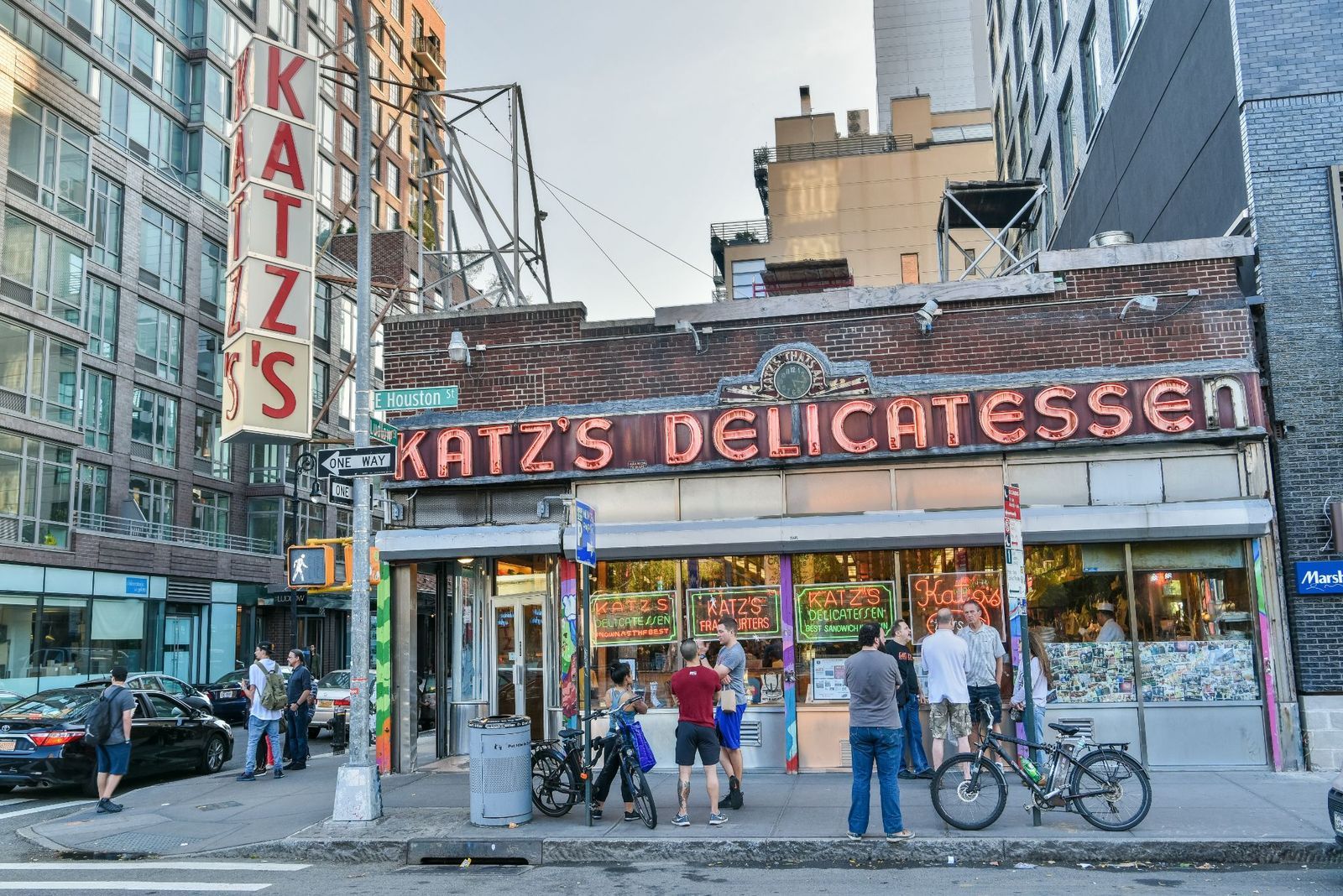
Image: Alizada Images

Katz's Delicatessen on NYC’s Lower East Side is where the classic fake orgasm scene from the 1989 romantic comedy When Harry Met Sally... , directed by Rob Reiner and written by Nora Ephron, was filmed.

Located at 205 East Houston Street, the bustling, counter-service venue features walls covered in celebrity photos and a dedicated sign marking the exact table where Meg Ryan and Billy Crystal sat.

2
Louis Italian American Restaurant — The Godfather
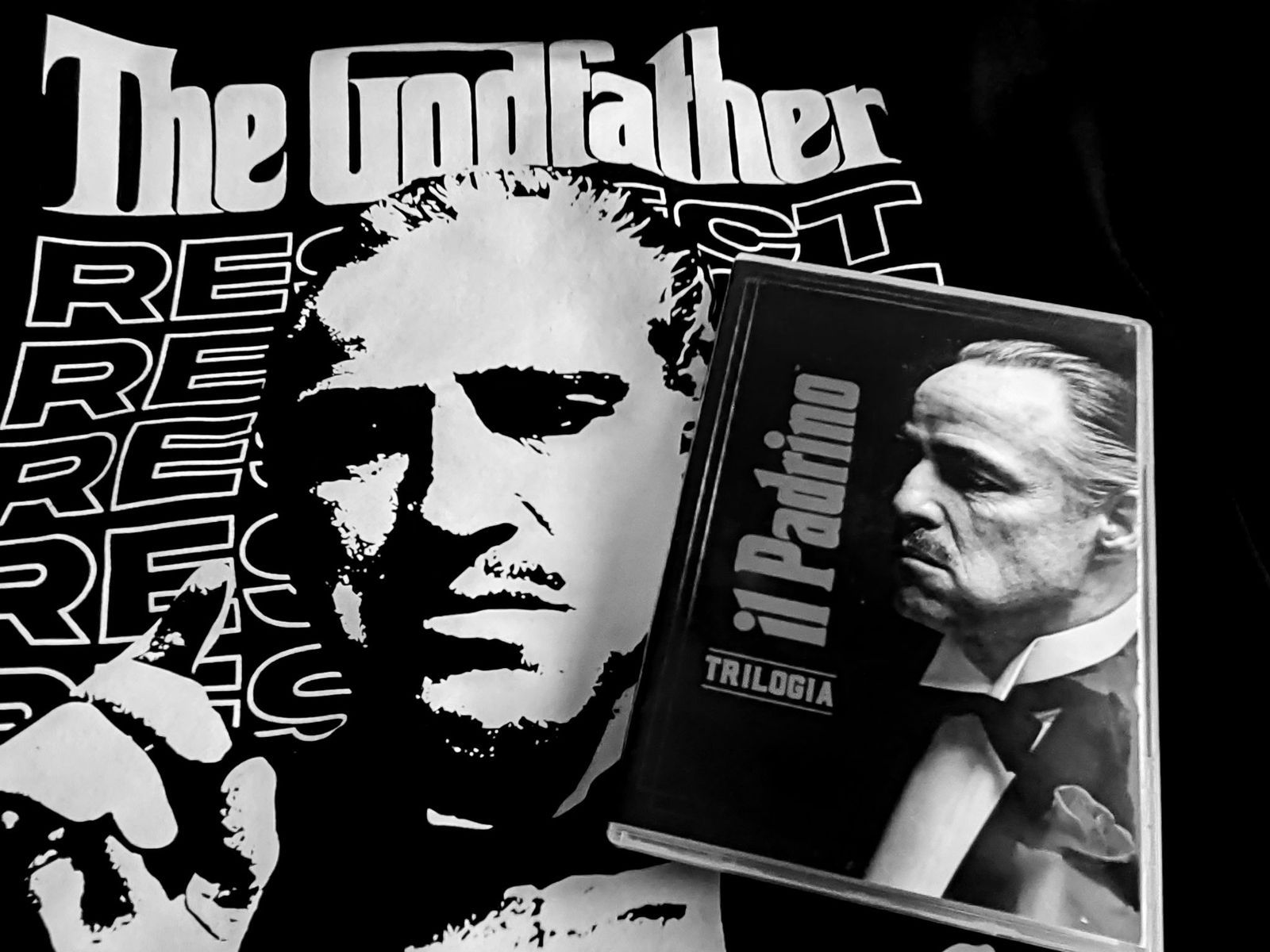
Image: Stefano Chiacchiarini '74

The unforgettable restaurant scene from The Godfather (1972) was filmed at Louis Italian American Restaurant, located at 3531 White Plains Road in the Bronx, New York. The production used the real interior and exterior of the eatery, complete with the authentic rumble of the elevated train tracks passing directly overhead to build dramatic tension.

This is where Michael Corleone (Al Pacino) retrieves a hidden gun from the restroom tank and shoots Virgil Sollozzo (Al Lettieri) and police Captain McCluskey (Sterling Hayden). Unfortunately for die-hard fans, the original family-run establishment closed years after filming, and the historic storefront has since been used for retail spaces like fabric and yarn stores. The restaurant itself is now gone, but its place in movie history remains.

3
Joe's Pizza — Spider-Man 2
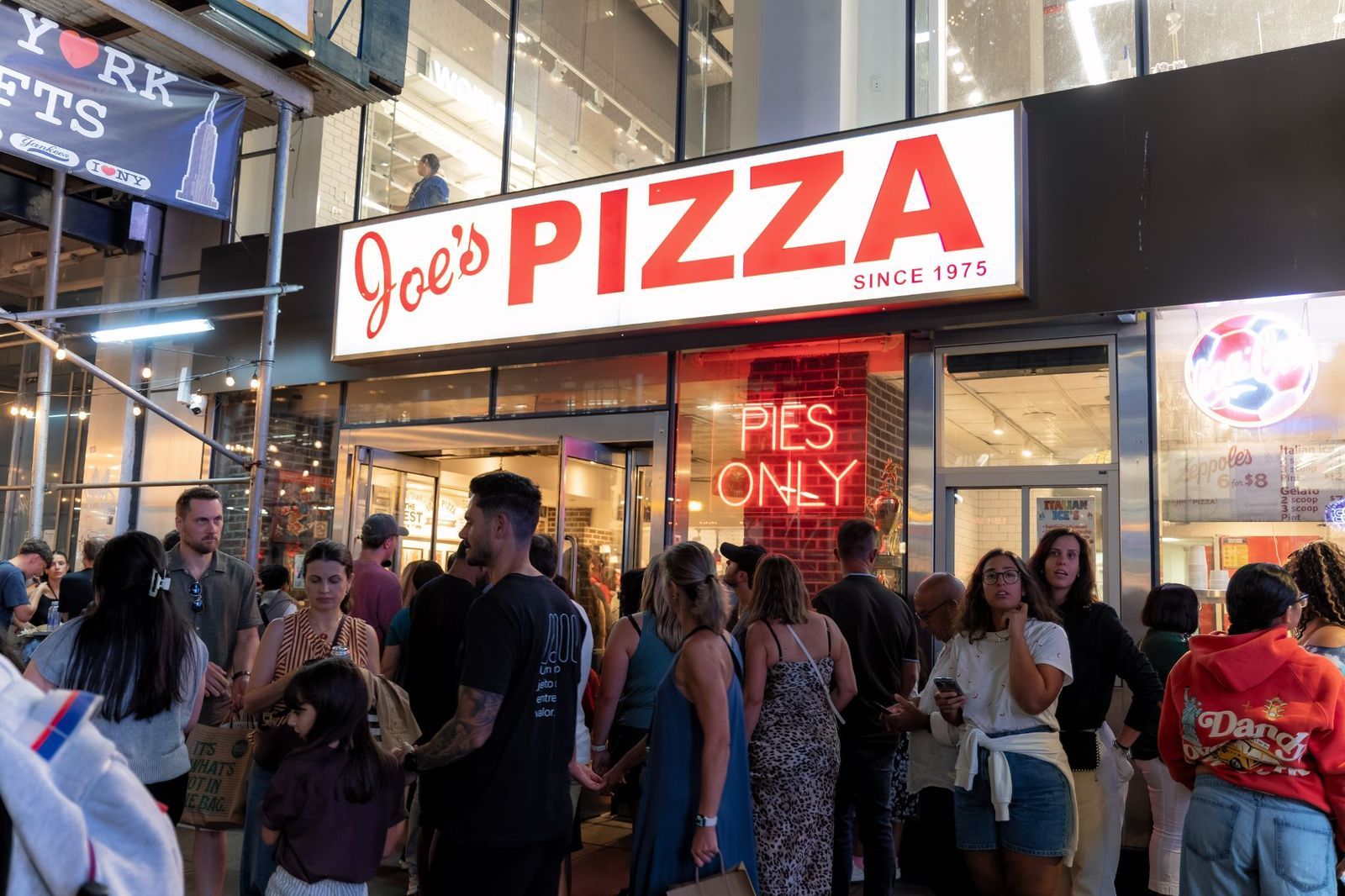
Image: Luigi Borrone

Joe's Pizza in New York’s Greenwich Village is the American slice shop where Peter Parker worked as a struggling delivery boy in the 2004 blockbuster Spider-Man 2 .

Situated near the corner of Bleecker Street and Carmine Street, this is the iconic site of the memorable "Pizza Time!" sequence and where Mr. Aziz (Aasi Mandiv) fires Peter (Tobey Maguire) for being perpetually late due to his (top secret) superhero duties.

4
Cicada Restaurant and Lounge — Pretty Woman
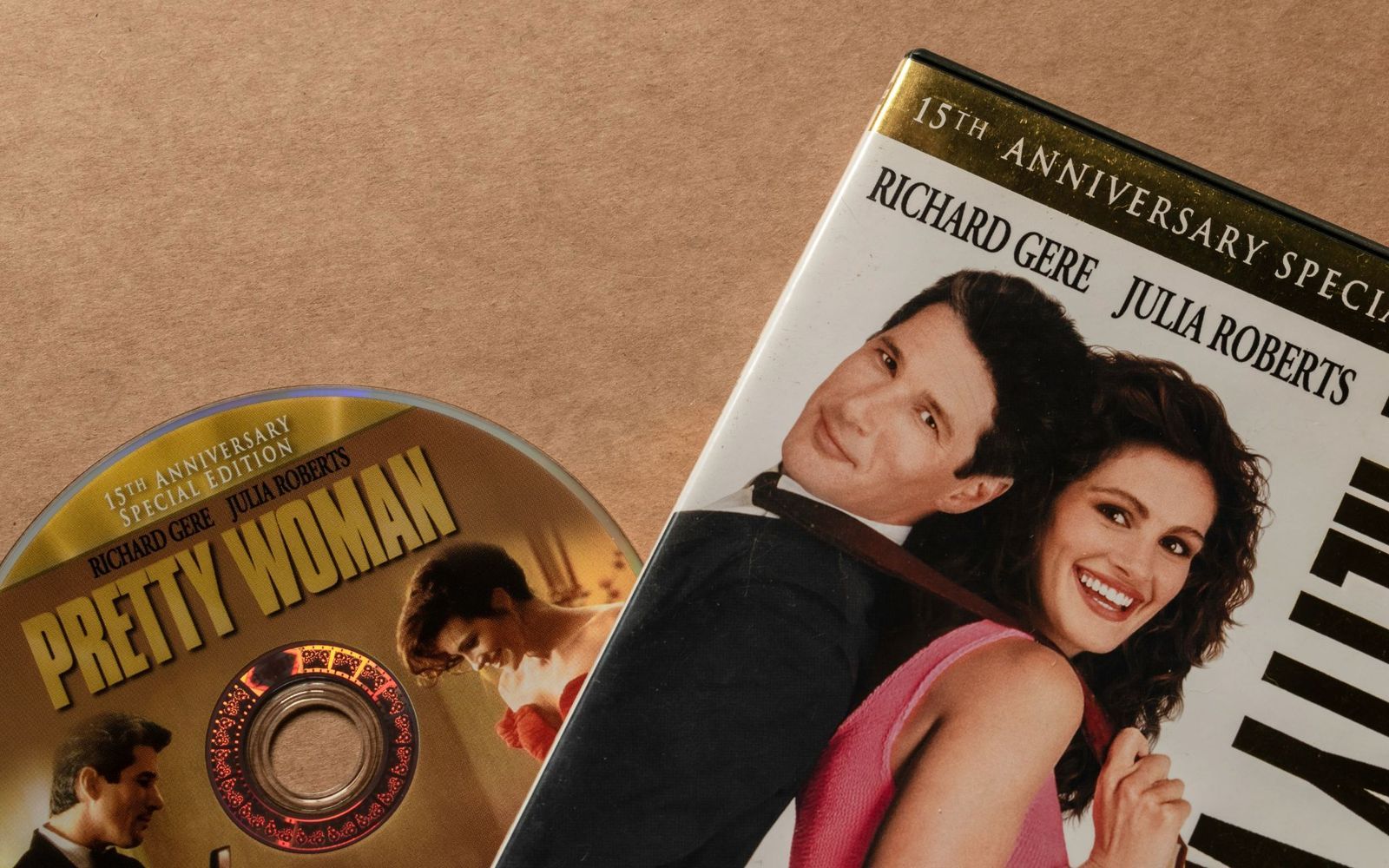
Image: Snap Spot

Cicada Restaurant and Lounge in Los Angeles is the iconic filming location of the famous escargot scene in Pretty Woman . When the movie was filmed here in 1990, the venue was known as Rex II Ristorante .

It's the exact spot where Julia Roberts' character Vivian tries to eat a snail during a fancy dinner with Edward (Richard Gere) and famously sends it flying across the room, declaring them "slippery little suckers". Housed inside the 1928 Art Deco Oviatt Building, the interior retains its dramatic gold-leaf ceilings, crystal chandeliers, and vintage glamour seen in the movie.

5
Musso & Frank Grill — Once Upon a Time... in Hollywood
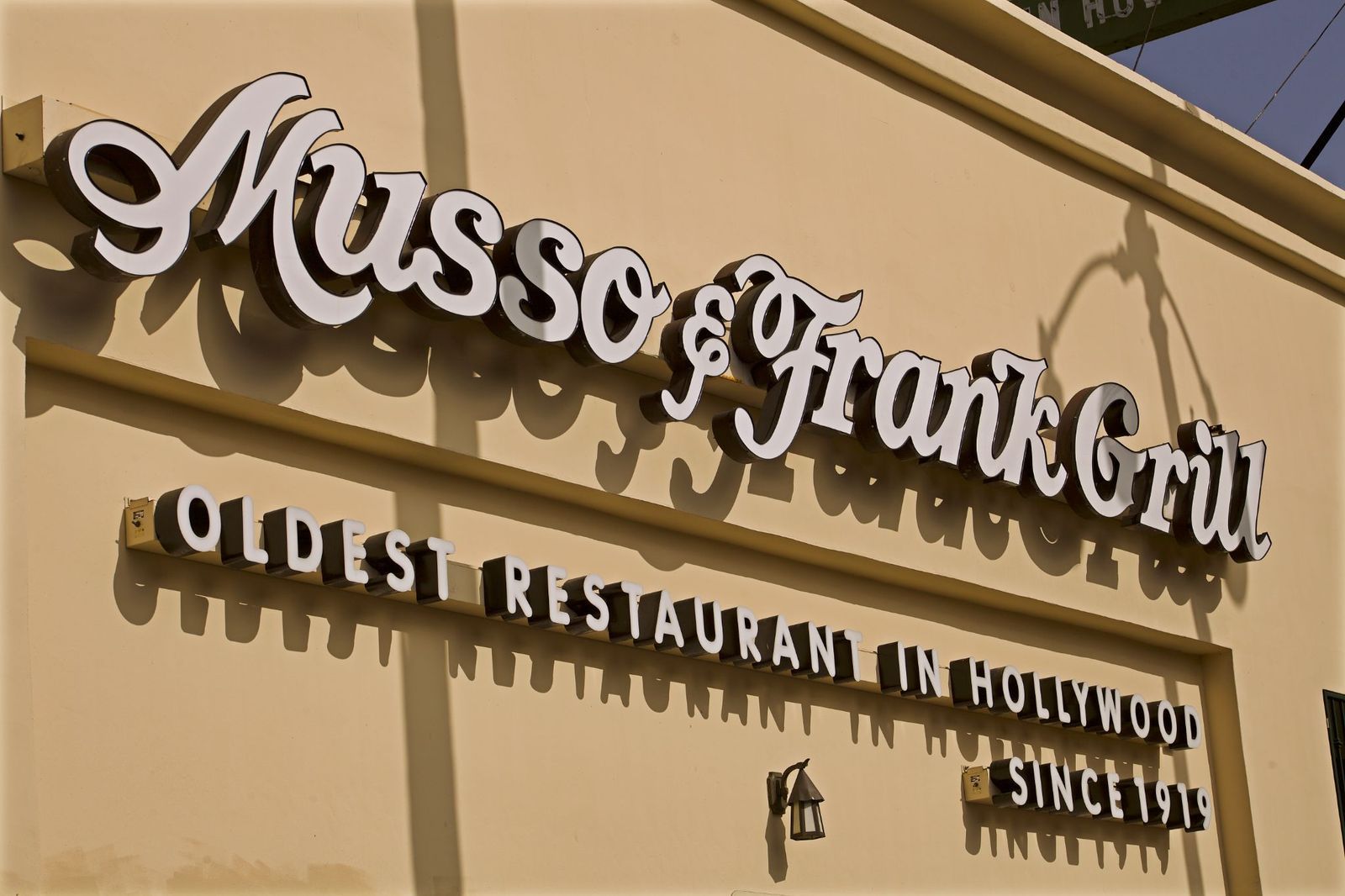
Image: Elliott Cowand Jr

Musso & Frank Grill in Hollywood appears in Quentin Tarantino's Once Upon a Time... in Hollywood. Situated at 6667 Hollywood Boulevard, it’s Hollywood's oldest restaurant, operating since 1919.

In the 2019 film, the restaurant serves as the backdrop for a pivotal scene where fading actor Rick Dalton (Leonardo DiCaprio) meets with his agent, Marvin Schwarz (Al Pacino), accompanied by stunt double Cliff Booth (Brad Pitt).

6
Tiffany & Co. — Breakfast at Tiffany's
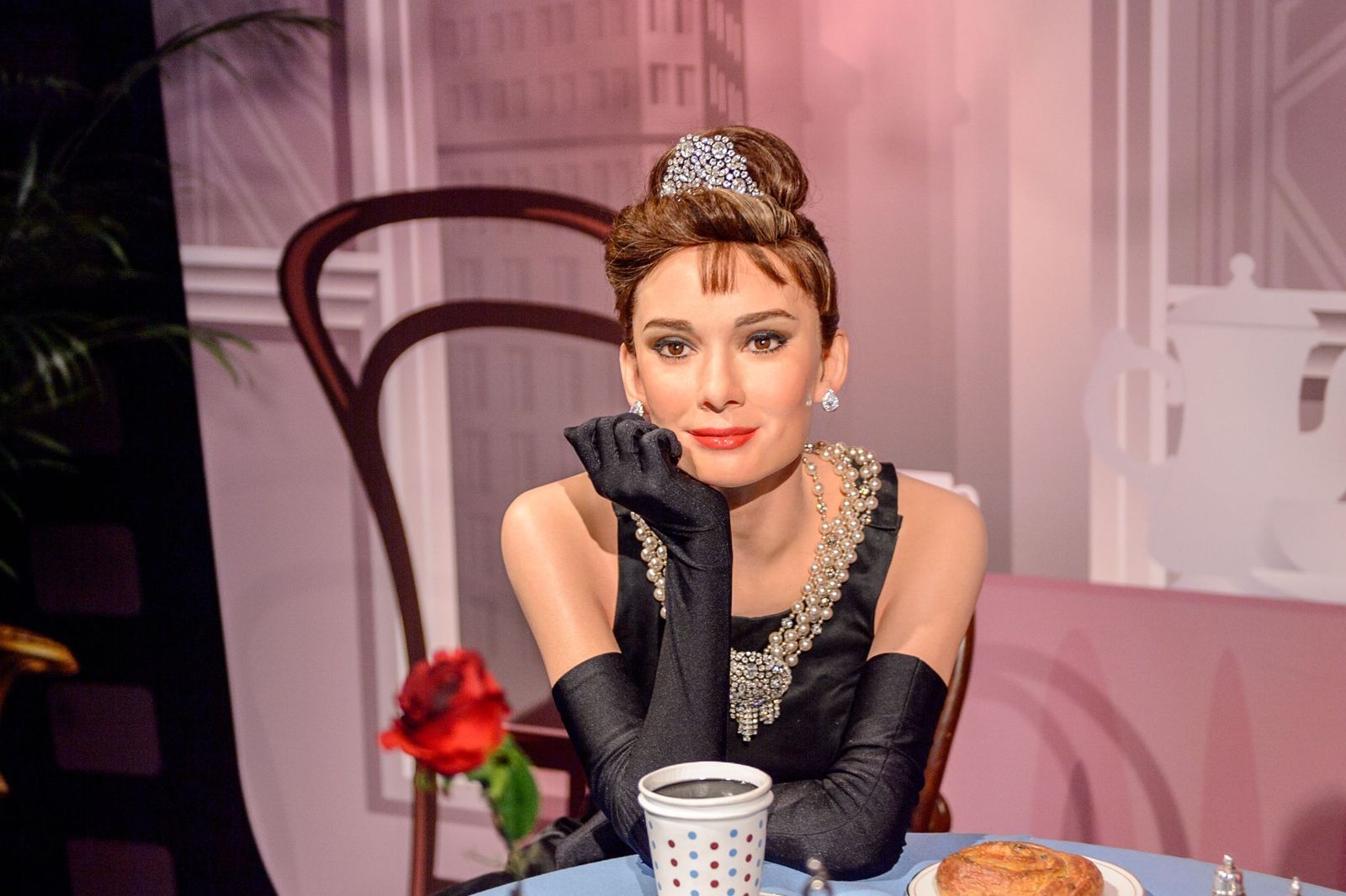
Image: Anton_Ivanov

In the unforgettable opening sequence of Breakfast at Tiffany’s (1961) , Holly Golightly (Audrey Hepburn) steps out of a yellow cab in a sleek black Givenchy dress and pearls, pulling a pastry and coffee from a paper bag while window-shopping on Fifth Avenue. Memorably, Hepburn's character eats her breakfast while standing outside the flagship Tiffany & Co. store .

Today, you can experience real-world cinematic magic by having breakfast at the Blue Box Café by Daniel Boulud, located inside the historic Tiffany & Co. Flagship at The Landmark in New York City. The café opened in 2017.

7
Tom's Restaurant — Seinfeld
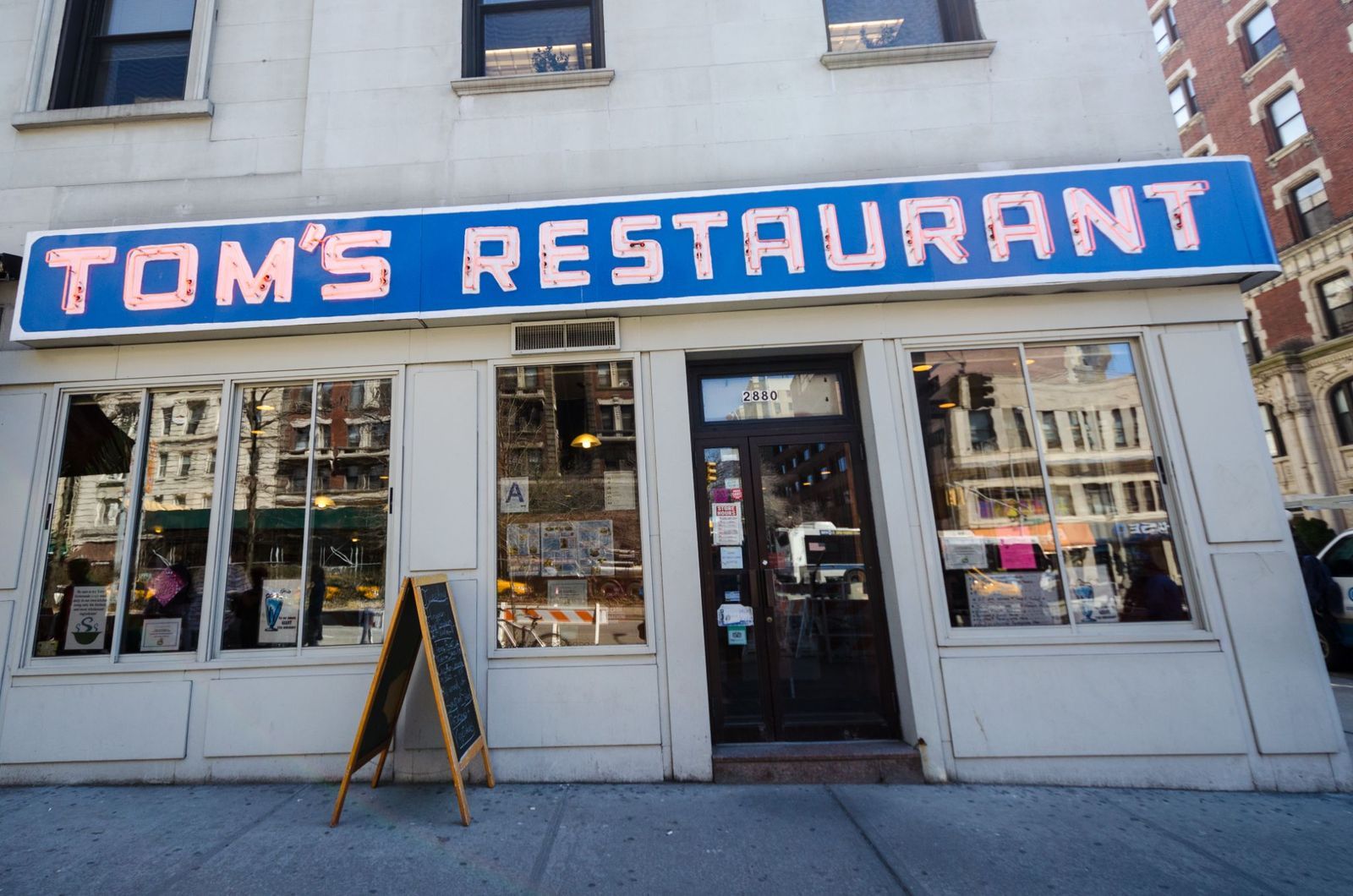
Image: melissamn

Tom's Restaurant is a classic family-owned diner located at 2880 Broadway (at West 112th Street) in Manhattan’s Morningside Heights, which served as the exterior stand-in for the fictional Monk's Café in Seinfeld .

While the iconic red-and-blue neon "Tom's" sign and storefront appeared weekly on Seinfeld as Monk's Café, all interior scenes for the show were actually filmed on a soundstage in Los Angeles.

8
McGee's Pub — How I Met Your Mother
Image: Erman Gunes

McGee's Pub at 240 West 55th Street in New York City is the real-life inspiration for the fictional MacLaren's Pub on How I Met Your Mother . Show creators Carter Bays and Craig Thomas spent time drinking and writing there

MacLaren's was named after their assistant, Carl MacLaren. The bartender in the show is also named Carl. The show's actual bar scenes were filmed on a Hollywood soundstage, but the set was modeled in part on McGee's red booths and low lighting. Specialty drinks were named after episodes and running jokes , including "The Naked Man," "Slutty Pumpkin," and "Tantrum."

9
Smith & Wollensky — American Psycho
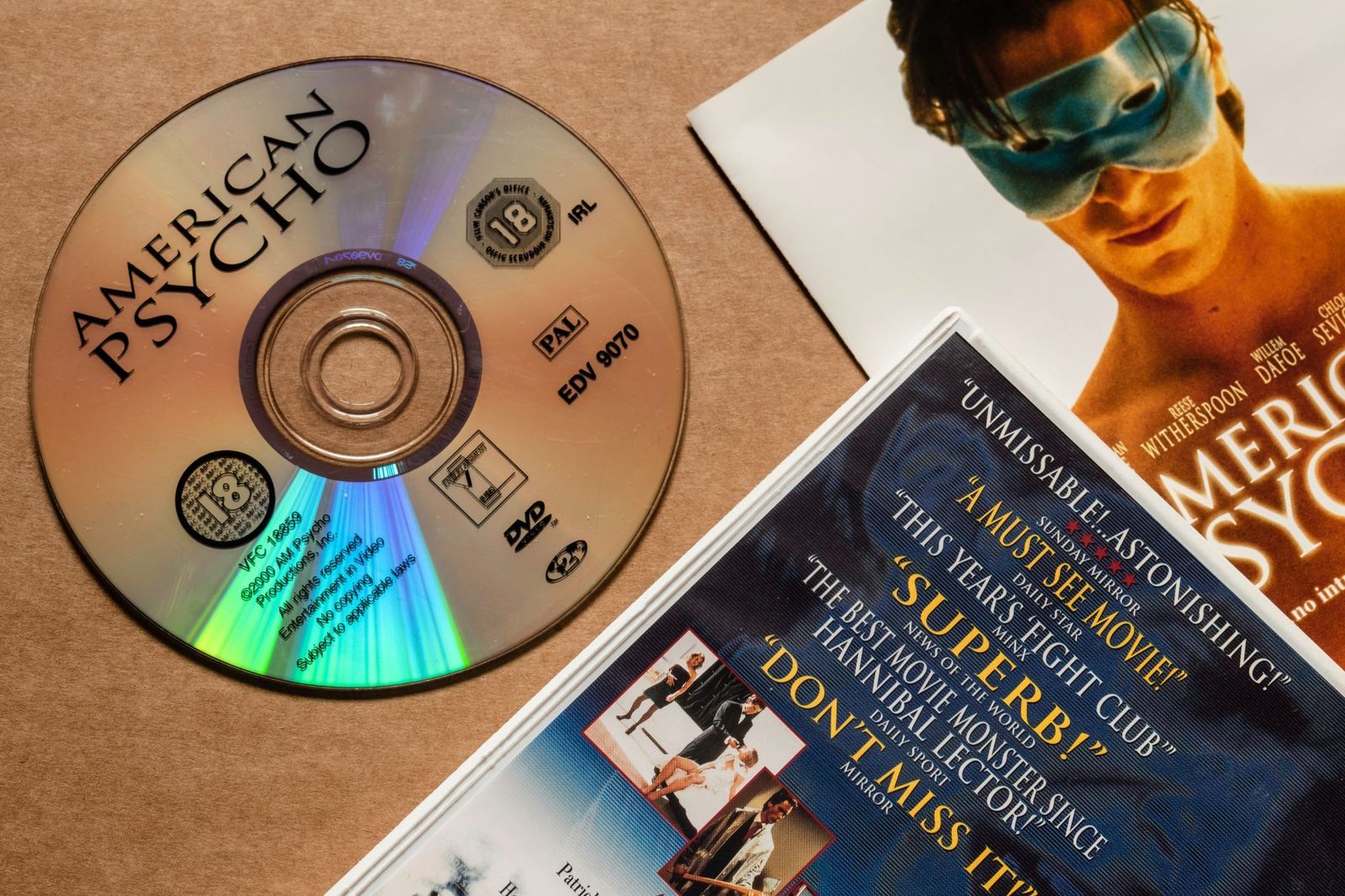
Image: Snap Spot

NYC steakhouse Smith & Wollensky is featured in American Psycho (2000) , where the flagship Midtown Manhattan location appears in a memorable sequence involving Patrick Bateman (Christian Bale) and Detective Donald Kimball (Willem Dafoe).

While the green-and-white New York steakhouse at 797 Third Avenue (at 49th St) is classic, the interior conversation scene with Willem Dafoe was filmed at a different location. Still, the real Smith & Wollensky has remained a New York institution since 1977.

10
Serendipity 3 — Serendipity
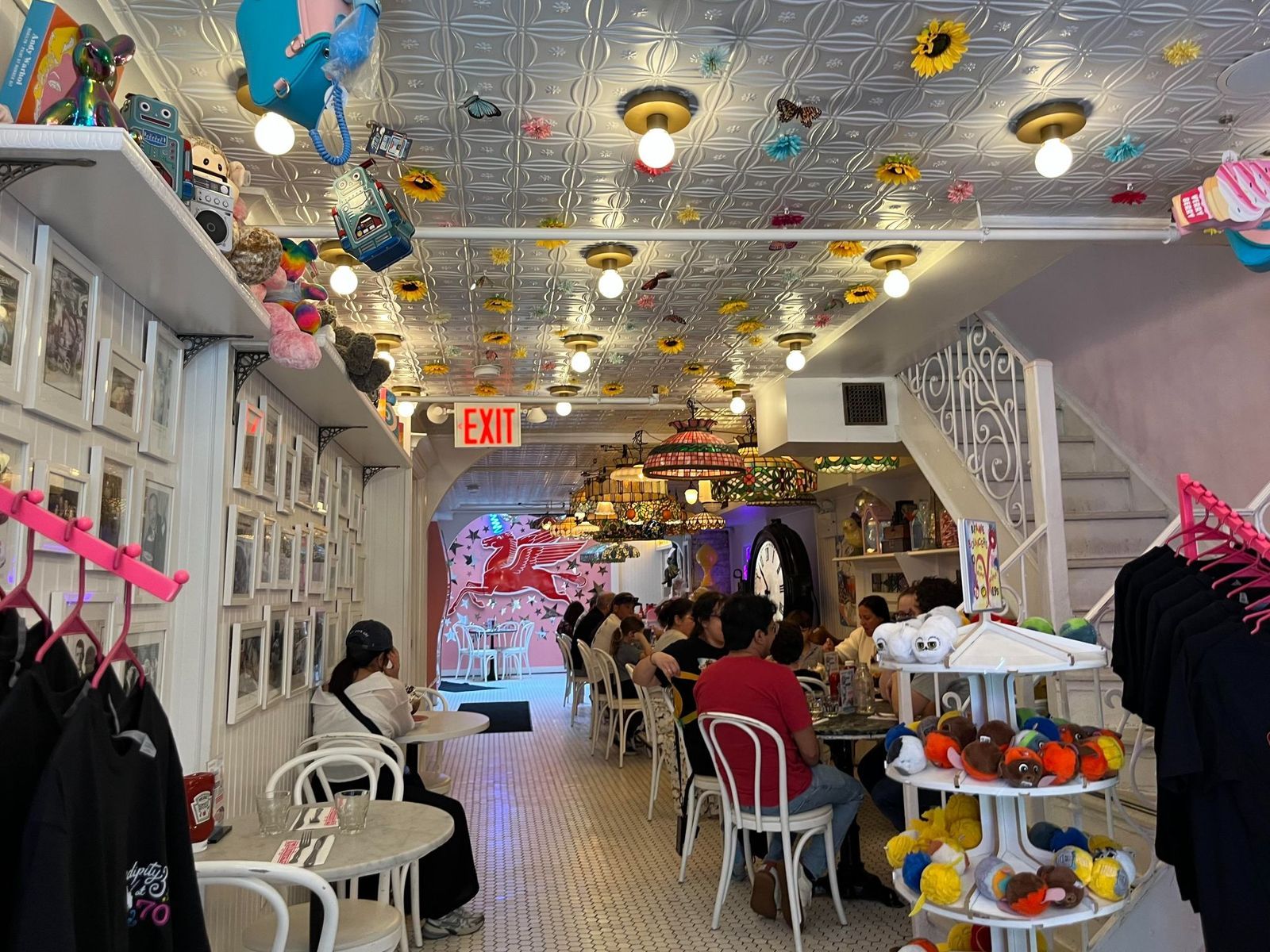
Image: Jaclyn Vernace

Serendipity 3 is a tourist-beloved NYC spot featured in the magical dessert sequence of the 2001 romantic comedy Serendipity starring John Cusack and Kate Beckinsale .

Established in 1954, it’s well known for its whimsical decor and decadent desserts, such as the world-famous "Frrrozen Hot Chocolate." It also features eclectic, antique-shop-meets-ice-cream-parlor decor with Tiffany-style lamps and marble-topped tables.

Culture Culture 6 min read

ALL-TIME CLASSICS

Are you looking for the Great American Novel? Explore 10 contenders

Image: Laura Chouette

American literature is rich in stories and authors. Its best examples capture life in the big cities, luxury, and glamour, but also the small rural American towns, diving into their roots and history. Books like Francis Scott Fitzgerald's The Great Gatsby or John Steinbeck's The Grapes of Wrath are classics that have left a lasting mark on generations of readers . Today we have put together a bookshelf with 10 of the best American novels of the 20th century. This list will surely fall short, but we hope you enjoy our selection!

1
The Great Gatsby , F. Scott Fitzgerald (1925)

Image: Girl with red hat

Written by F. Scott Fitzgerald, one of the most iconic authors of the so-called "Lost Generation", The Great Gatsby portrays the dark side of the American dream . The protagonist, the mysterious and apparently frivolous millionaire Jay Gatsby, is obsessed with winning back a woman he loved in his youth. Set in the Jazz Age, Fitzgerald’s book raises the contradictions between the power of money and the most intimate individual aspirations.

Published in 1925, The Great Gatsby is one of the greatest masterpieces of American fiction . Since then, it has sold millions of copies all over the world, has had numerous theatrical and film adaptations, and was chosen as the best American novel of the 20th century on several occasions.

2
The Sound and the Fury , William Faulkner (1929)

Image: Brandi Redd

Published in 1929, The Sound and the Fury is William Faulkner's fourth novel and is considered the greatest opus of this Nobel Laureate . It chronicles the decadence of the Compsons, an aristocratic family in the American South, their secrets, and the relationships of love and hate that sustain and destroy them.

The Sound and the Fury is a profound and heartbreaking exploration of decay, despair, and loss . Faulkner's innovative narrative technique, while challenging, allows for an intimate and visceral portrayal of the characters. The novel also addresses issues of race, gender, and class with admirable narrative prowess.

3
The Old Man and the Sea , Ernest Hemingway (1952)

Image: MonicaVolpin

The Old Man and the Sea was the last novel published by Ernest Hemingway during his lifetime. For it, he won the Pulitzer Prize for Fiction in 1953 and it undoubtedly contributed to the Nobel Prize for Literature he was awarded in 1954.

The novel tells the story of Santiago, an old and experienced fisherman who embarks on a grueling three-day battle when he finally manages to catch a huge marlin. The Old Man and the Sea is considered one of the masterpieces of universal literature that has captivated readers around the world for decades . Its message about perseverance, dignity, and the search for life’s meaning is still relevant today. The novel is a must-read for anyone interested in literature and human nature.

4
In Cold Blood , Truman Capote (1965)

Image: Brandi Redd

On November 15, 1959, in a small Kansas town called Holcomb, the four members of the Clutter family, a married couple and their two teenage children, were savagely murdered by Dick Hickcock and Perry Smith.

Based on these gruesome events, the American novelist Truman Capote managed to turn around his career as a storyteller by writing In Cold Blood , the novel that definitively established him as one of the great authors of twentieth-century American literature. This book catapulted him as the pioneer of the New Journalism literary movement , a non-fiction genre that became popular in the 1960s for narrating stories based on real events.

5
The Catcher in the Rye , J. D. Salinger (1951)

Image: Gratisography

The Catcher in the Rye , written by the great J. D. Salinger, is a contemporary novel that has become a classic of modern literature. At the time of its publication in 1951, it provoked numerous controversies for its provocative language and its unabashed portrayal of teenage struggles, such as sexuality, the loss of innocence, and the transition to adulthood.

The Catcher in the Rye could be framed within the Bildungsroman —a literary genre that focuses on the psychological and moral growth of the protagonist. It follows Holden Caulfield, a teenager who, after being expelled from school, gets lost in New York trying to find his way in the world. The novel is rich in symbolism and themes , and the literary style and narrative technique are unique and exceptional.

6
American Pastoral , Philip Roth (1997)

Image: Arno Senoner

Published in 1997, American Pastoral is the novel that earned Philip Roth the Pulitzer Prize and is the first in the well-known "American Trilogy", a series of novels narrated by Nathan Zuckerman, the author's alter ego. With the Vietnam War as a backdrop, this book is a lucid tale that questions American values during the end of the happy sixties.

In American Pastoral we find Roth at his best: deep, intense, incisive, magnificent . His ability to build a universe of complex characters and dig into their psychologies is astounding and overwhelming. Few writers have managed to capture the contradictions of American society as he has done.

7
Beloved , Toni Morrison (1987)

Image: Artis Kančs

Beloved , published in 1987 by Nobel Prize winner Toni Morrison, takes place in the aftermath of the American Civil War . The novel tells the story of an African-American slave, Margaret Garner, who escapes from Kentucky to Ohio, a free state.

Magic realism runs throughout the entire book and manifests through the ghostly presence of Beloved's character. Morrison uses this technique to explore collective memory and the persistence of the past . The novel is considered a masterpiece of contemporary literature and has been acclaimed for its innovative writing style and its exploration of sensitive subjects such as slavery, freedom, identity, and memory.

8
On the Road , Jack Kerouac (1957)

Image: Daria Kraplak

On the Road is a semi-autobiographical novel in which Jack Kerouac recounts a series of trips he made across the United States and Mexico with his friend Neal Cassady. Inspired by his passion for jazz, Kerouac developed the idea of a book that would be a great improvised prose solo . He wrote it on his typewriter on a long, single roll of paper in just three weeks.

A cornerstone of the so-called "Beat Generation," On the Road was published in September 1957, after 6 years of delay due to the publisher's reservations about the explicit contents. At the time, this emblematic book had a major impact, especially on the younger readers of the 60s. Today, On the Road is still considered one of the great American novels of the 20th century for capturing the rebellious spirit of an entire generation.

9
The Heart is a Lonely Hunter , Carson McCullers (1940)

Image: Faith Enck

The Heart is a Lonely Hunter is a literary masterpiece that continues to resonate in the hearts of readers, even though it was published more than 60 years ago. Set in a small southern town, it tells the story of a group of people who have in common the rejection of a society that ignores them.

This is Carson McCullers' first novel, written when she was only twenty-three years old. She masterfully captures the essence of loneliness and the search for human connection in a way that transcends time. With a moving narrative and unforgettable characters, the novel has received critical acclaim and has earned a prominent place in literary history.

10
The Grapes of Wrath , John Steinbeck (1939)

Image: Sonder Quest

We couldn't leave The Grapes of Wrath, 1940 Pulitzer Prize winner , out of this list. In this harrowing book, Nobel laureate John Steinbeck narrates the difficult journey of a family of farmers who, beset by hunger and misery, leave the fields of Oklahoma to reach the golden shores of California, the promised land.

First published in 1939, The Grapes of Wrath is a seminal work in American literature that explores the conflict between the rich and the poor and reflects the horrors of the Great Depression with sensitivity and sharp insight. Steinbeck's chronicle of the shameful mistreatment of 1930s families is perhaps the most "American" of all American classics.

Culture Culture 5 min read

How did these 10 actors transform into real-life historical legends?

Image: LanKS

Biopics have long been a huge part of the Academy’s annals, connecting historical truth with cinematic grandeur. Bringing a real-life figure to the silver screen demands that an actor internalize the voice and physical presence of an icon. From civil rights pioneers and musical legends to tragic figures and world leaders, these ten memorable performances made Oscar history.

1
Liam Neeson as Oskar Schindler in Schindler's List

Image: Anton_Ivanov

In Steven Spielberg’s historical masterpiece Schindler’s List (1993), Liam Neeson delivers a masterful performance as Oskar Schindler, the enigmatic German industrialist who saved more than 1,100 Jewish lives during the Holocaust.

Neeson expertly maps Schindler’s evolution from an opportunistic war profiteer into a compassionate savior who risks his fortune and life to protect his workers. Schindler’s List dominated the 66th Academy Awards with seven Oscar wins out of 12 nominations; while he didn’t win, Neeson earned a Best Actor nod for giving heart and soul to one of cinema’s most incredible biopics.

2
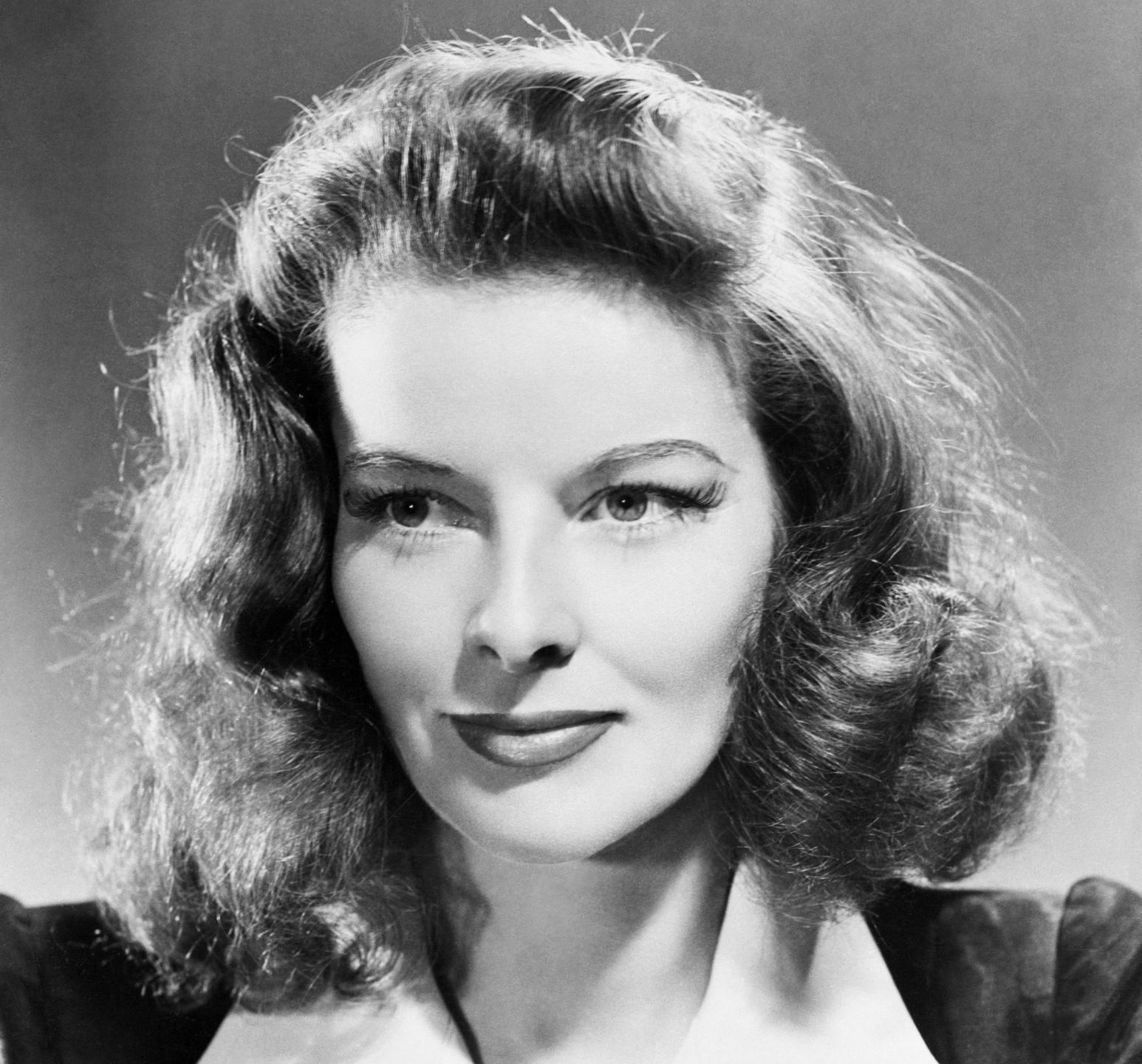
Cate Blanchett as Katharine Hepburn in The Aviator

Image: Metro-Goldwyn-Mayer Studios; Restored by Adam Cuerden, Public domain, via Wikimedia Commons

Playing a Hollywood legend must be intimidating, but playing Katharine Hepburn—an actress who won four Academy Awards herself—is a monumental challenge. In Martin Scorsese’s The Aviator (2004), Cate Blanchett embodies Hepburn during her tempestuous romance with eccentric aviation mogul Howard Hughes (played by Leonardo DiCaprio).

Blanchett mastered Hepburn’s Mid-Atlantic accent, body language, and charm. Her magnetic work earned her the Oscar for Best Supporting Actress, making her the first person in history to win an Academy Award for playing a former Oscar-winning actor.

3
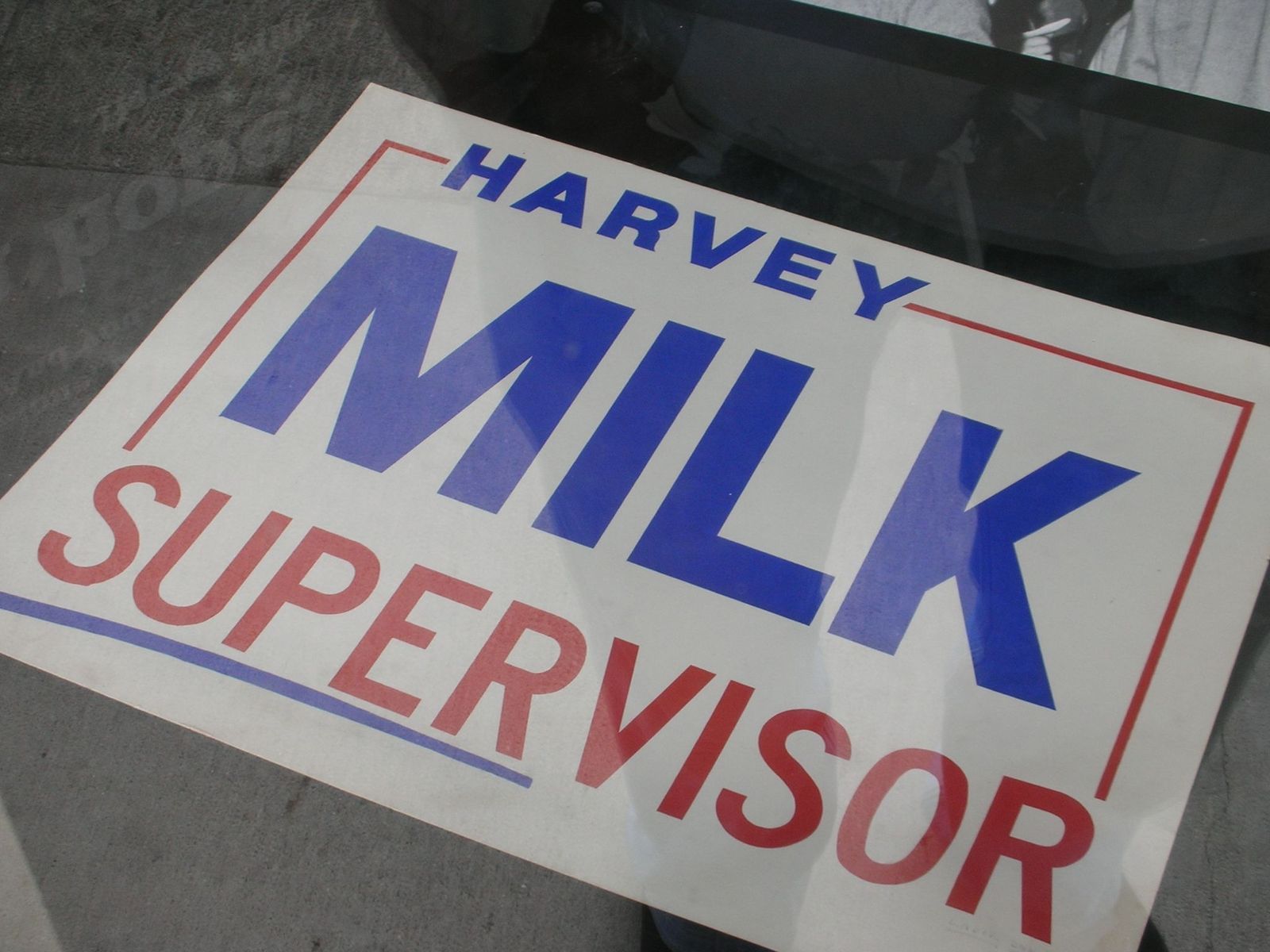
Sean Penn as Harvey Milk in Milk

Image: Artico2, CC BY-SA 3.0, via Wikimedia Commons

In Gus Van Sant’s biopic Milk (2008), Sean Penn took on the role of Harvey Milk, the activist who became California’s first openly gay elected official. The film captures Milk’s grassroots movement in San Francisco during the late 1970s, culminating in his tragic assassination. Penn’s deeply empathetic performance earned him his second Best Actor Academy Award, both an acknowledgement of his artistic achievement and a tribute to an LGBTQ+ pioneer.

4
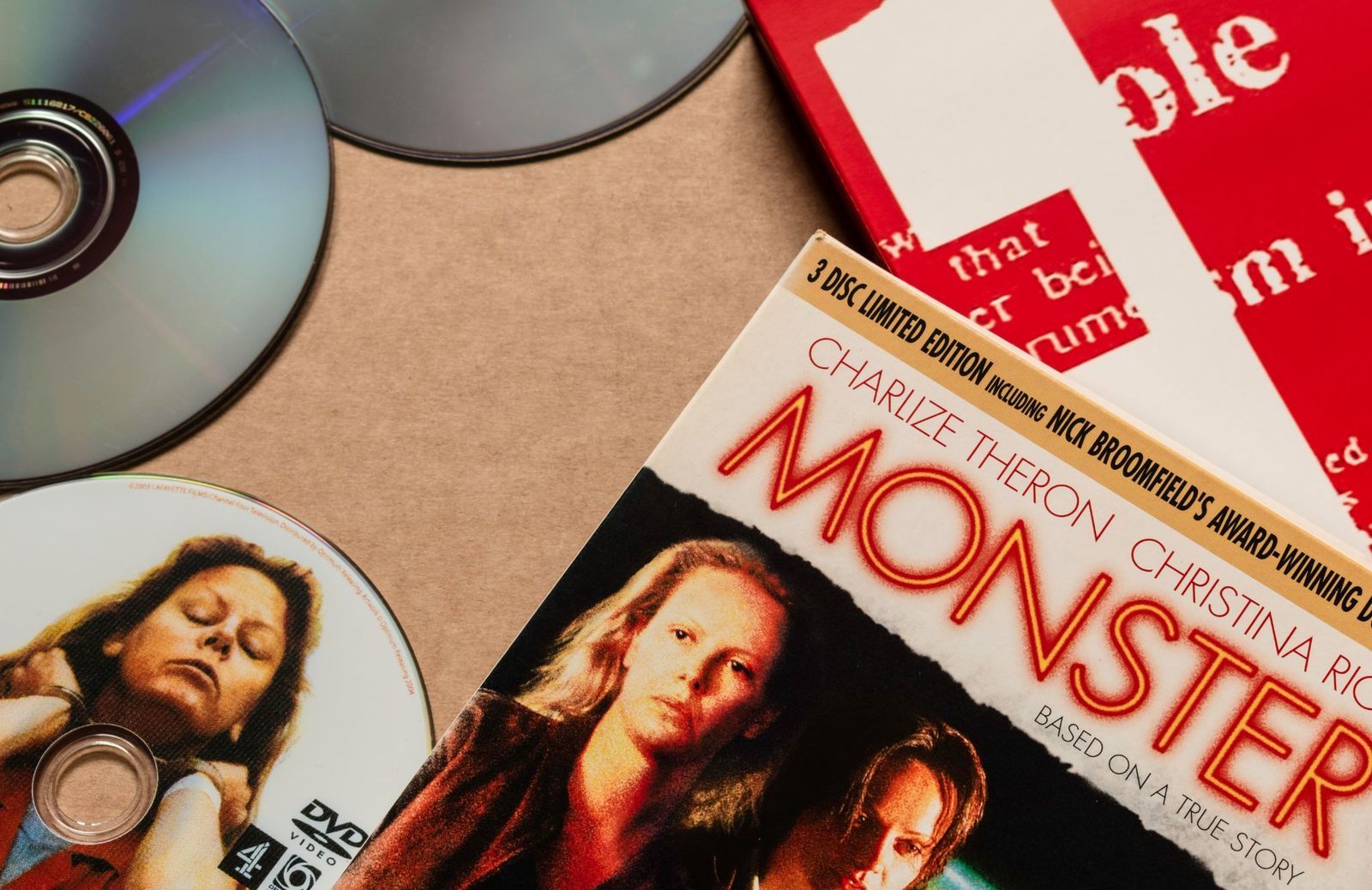
Charlize Theron as Aileen Wuornos in Monster

Image: Snap Spot

In one of the most shocking physical transformations in screen history, Charlize Theron portrayed sex worker turned serial killer Aileen Wuornos in Patty Jenkins’ Monster (2003).

To capture Wuornos’s tormented reality, Theron gained 30 pounds, wore prosthetic teeth, and adopted a rigid, defensive posture. Moreover, behind the physical transformation lay a raw emotional vulnerability that refused to demonize Wuornos. Critics considered it a landmark achievement in acting, and Theron took the awards season by storm, bringing in the Oscar for Best Actress.

5
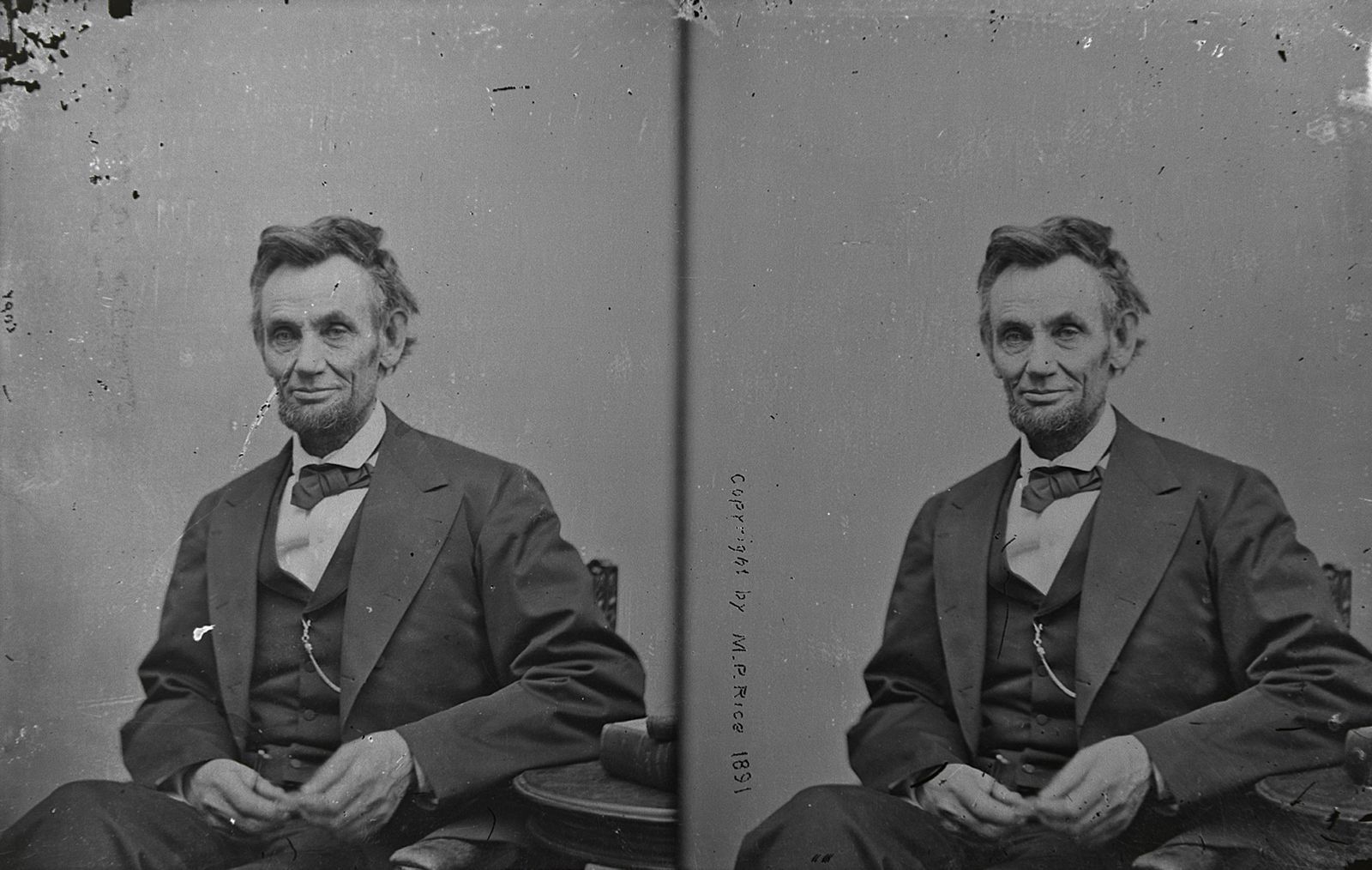
Daniel Day-Lewis as Abraham Lincoln in Lincoln

Image: Alexander Gardner, Public domain, via Wikimedia Commons

Few actors have the talent for transformation like Daniel Day-Lewis. His portrayal of America’s 16th president remains one of the gold standards of modern cinema.

Directed by Steven Spielberg, Lincoln (2012) focuses on the intense political schemes during the final moments of the Civil War as Abraham Lincoln sought to pass the 13th Amendment and abolish slavery. Day-Lewis famously spent months immersing himself in the role, adopting Lincoln’s voice, gait, and quiet wisdom. His dedication to the role earned him a record-breaking third Academy Award for Best Actor.

6
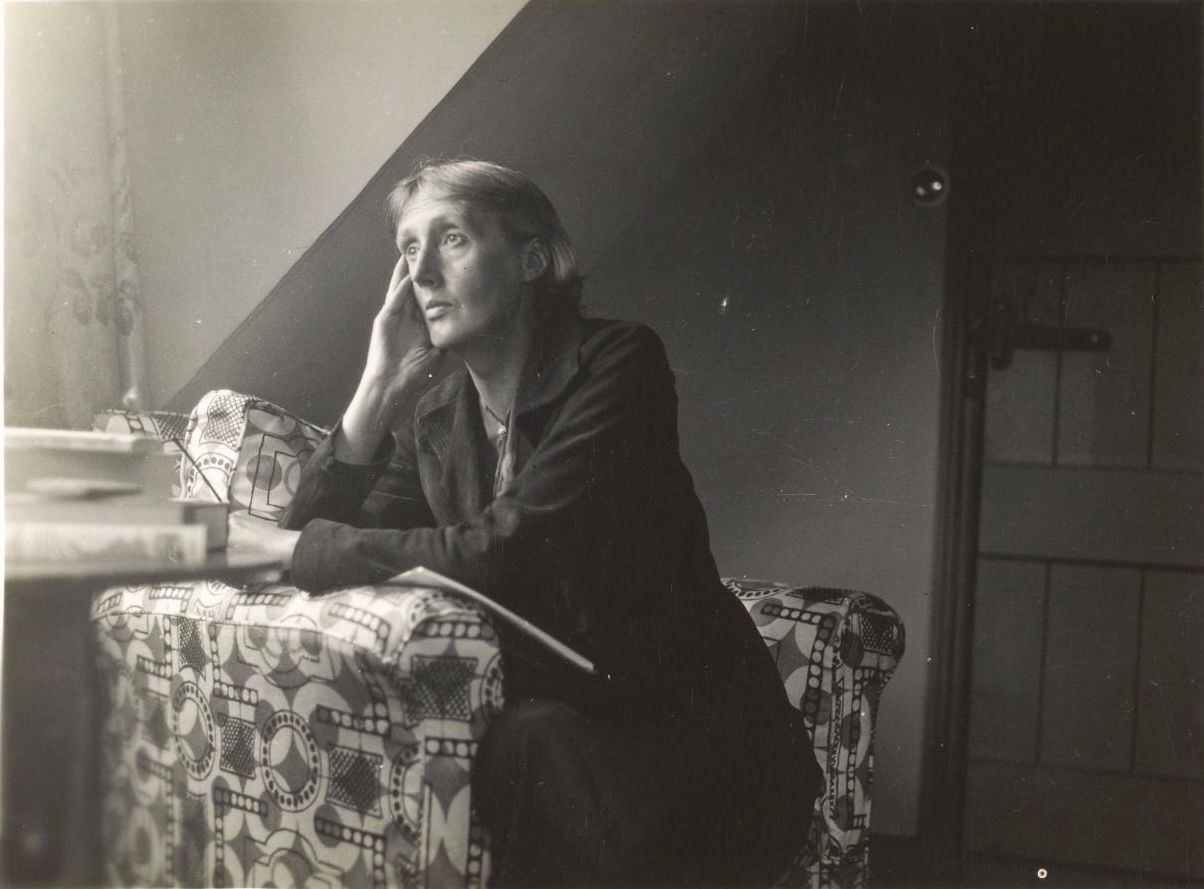
Nicole Kidman as Virginia Woolf in The Hours

Image: Harvard University library, Public domain, via Wikimedia Commons

In Stephen Daldry’s drama The Hours (2002), Nicole Kidman delivered a haunting performance as literary icon Virginia Woolf. The film explores Woolf’s life during the 1920s in suburban England as she struggles with crippling mental illness while writing her masterpiece Mrs. Dalloway .

Beyond wearing a prosthetic nose that made her almost unrecognizable, Kidman immersed herself in the role by learning to write right-handed in Woolf’s exact style. Kidman managed to capture Woolf’s intellect, despair, and creative genius with enormous grace, earning her the Academy Award for Best Actress.

7
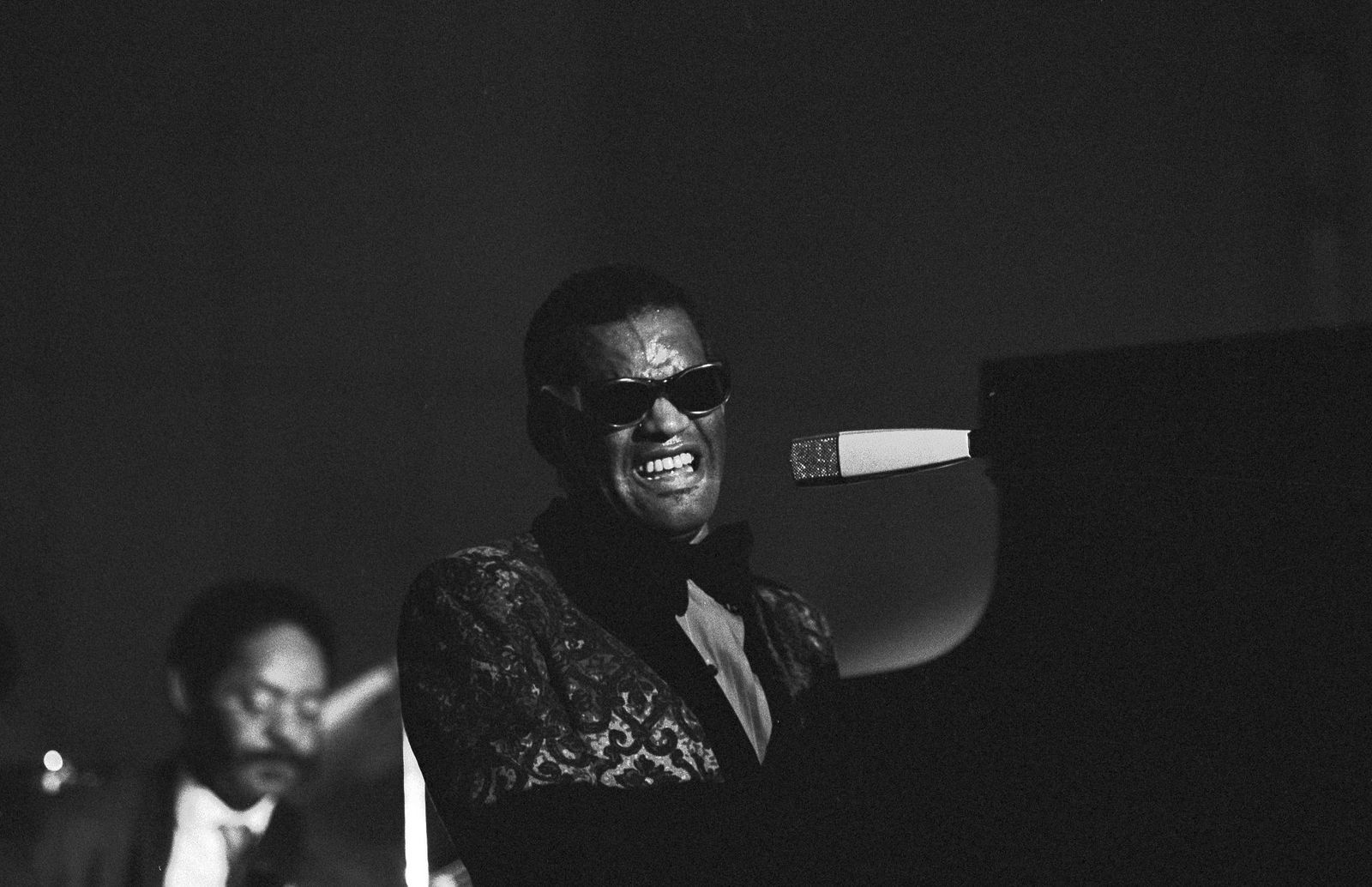
Jamie Foxx as Ray Charles in Ray

Image: Heinrich Klaffs, CC BY-SA 2.0, via Wikimedia Commons

To embody the pioneer of soul music, Jamie Foxx had to capture not only Ray Charles’s singular voice and piano virtuosity, but also his complex inner world.

Directed by Taylor Hackford, Ray (2004) chronicles Charles’s rise from a blind child in the Jim Crow South to an international superstar, alongside his battles with addiction. Foxx wore prosthetic eye covers during filming and played all the piano sequences himself. Critics praised his physical precision and emotional range, earning Foxx the Best Actor Oscar for his performance.

8
Barbra Streisand as Fanny Brice in Funny Girl

Image: Los Angeles Daily News, CC BY 4.0, via Wikimedia Commons

Making your feature film debut in the role that made you a Broadway superstar is a rare opportunity, and Barbra Streisand achieved it brilliantly in Funny Girl (1968). Playing early 20th-century comedy pioneer Fanny Brice, Streisand showcased her vocal range, comedic timing, and dramatic depth.

The film chronicles Brice’s rise to fame as well as her stormy relationship with gambler Nick Arnstein. Streisand’s astonishing performance made Oscar history when she tied with Katharine Hepburn for the Best Actress statuette at the 41st Academy Awards.

9
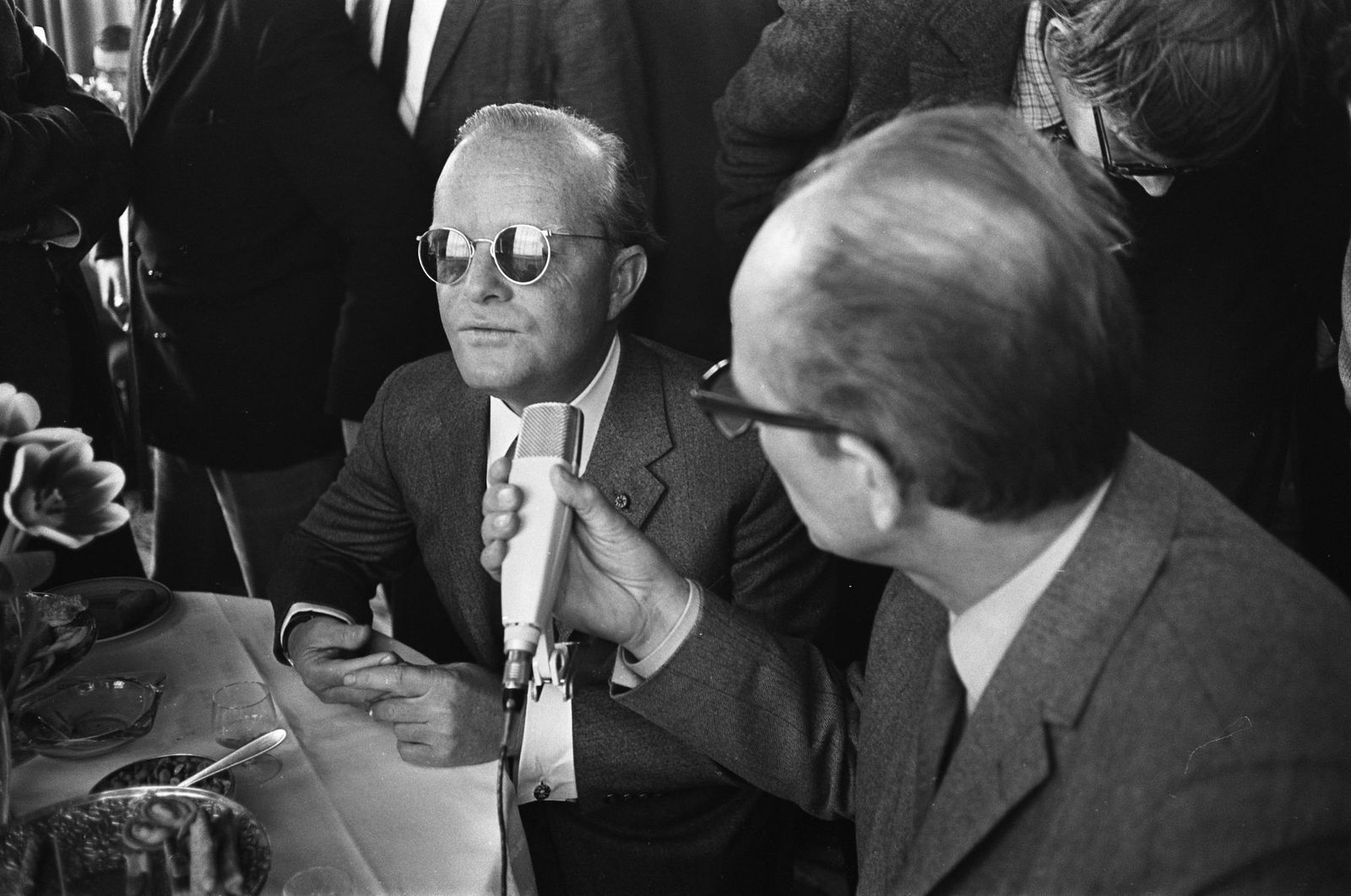
Philip Seymour Hoffman as Truman Capote in Capote

Image: Eric Koch for Anefo, CC0, via Wikimedia Commons

When Philip Seymour Hoffman took on the task of portraying eccentric author Truman Capote, he faced a difficult challenge: avoiding becoming a caricature and honoring a famous personality.

Bennett Miller’s Capote (2005) focuses on the period when the writer researched his groundbreaking true-crime novel In Cold Blood . Hoffman effortlessly captured Capote’s distinctive cadence, flamboyant mannerisms, and sharp intellect while digging deep into the ethical compromises that eroded his spirit. Hoffman’s heartbreaking performance earned him the Academy Award for Best Actor.

10
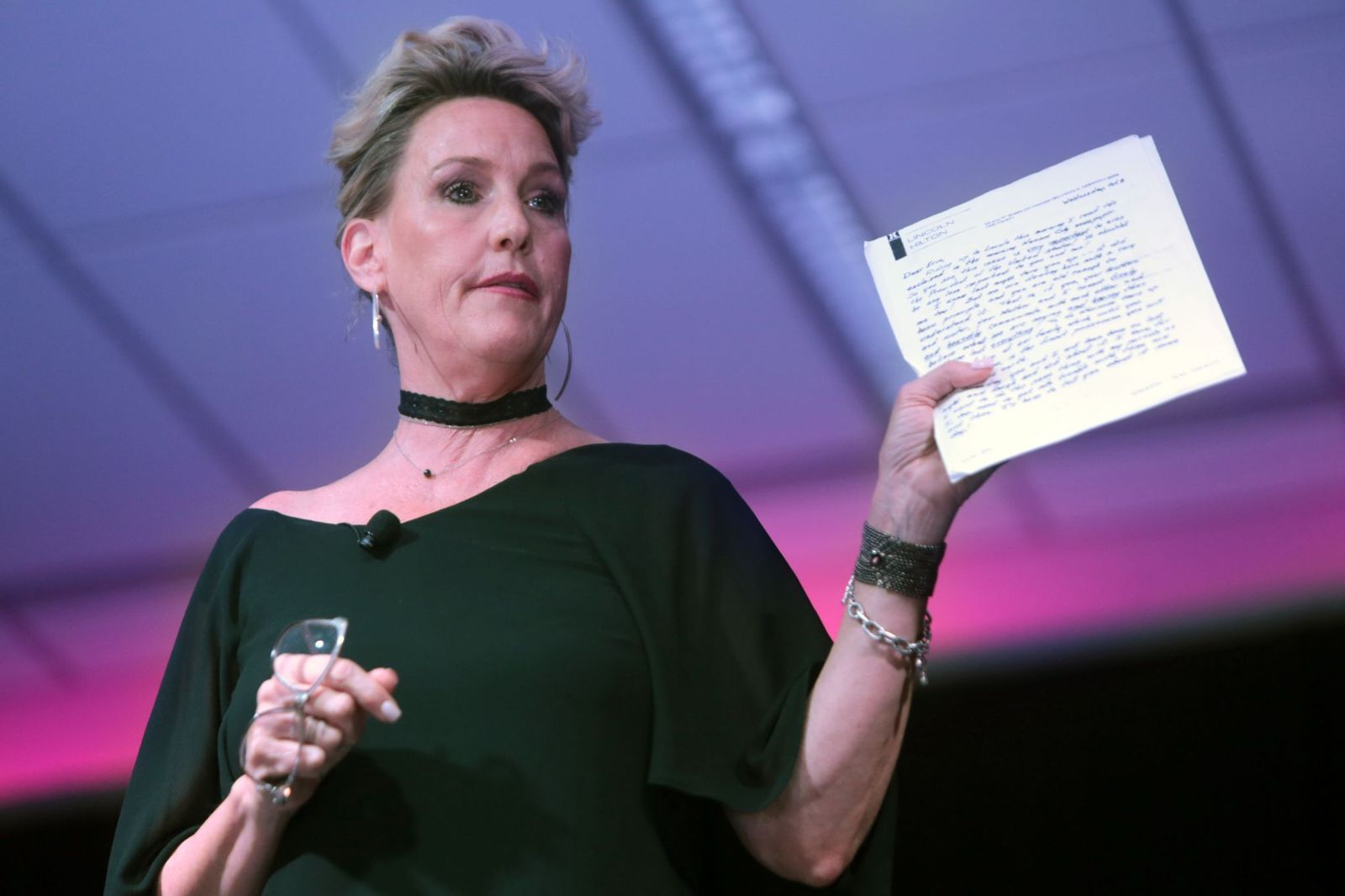
Julia Roberts as Erin Brockovich in Erin Brockovich

Directed by Steven Soderbergh, Erin Brockovich (2000) tells the inspiring true story of an unemployed single mother who uncovered widespread groundwater contamination caused by energy giant PG&E in Hinkley, California.

Julia Roberts delivered a pivotal performance as Brockovich, enriching the role with fiery grit and humor, as well as showing empathy for affected families. Roberts’ magnetic star power carried the legal drama to box-office success and critical acclaim, culminating in an excellent awards season and her first Best Actress Oscar.

Explore more American facts

Choose your favorite category!

General
General

As American as apple pie—the very best America has to offer!

Culture
Culture

Delve into the astounding richness of American lore.

Geography
Geography

Hop in and explore vast and diverse American landscapes.

History
History

Discover the key moments that shaped the United States.