Geography Geography 5 min read

Where tourists flock

How many faces does Cloud Gate see per year? The crowdest spots in the US in the US

Image: David Hinkle

Where do people come together? Monuments and landmarks, yes, but also street corners, national parks, theme parks, or piers. The U.S. has an impressive list of spots that summon millions of visitors each year, both local and tourist. Can you guess these 10 most concurred spaces across the country? Let’s take a look at each one and explore why the masses keep flocking towards their main attractions.

1
Times Square, New York
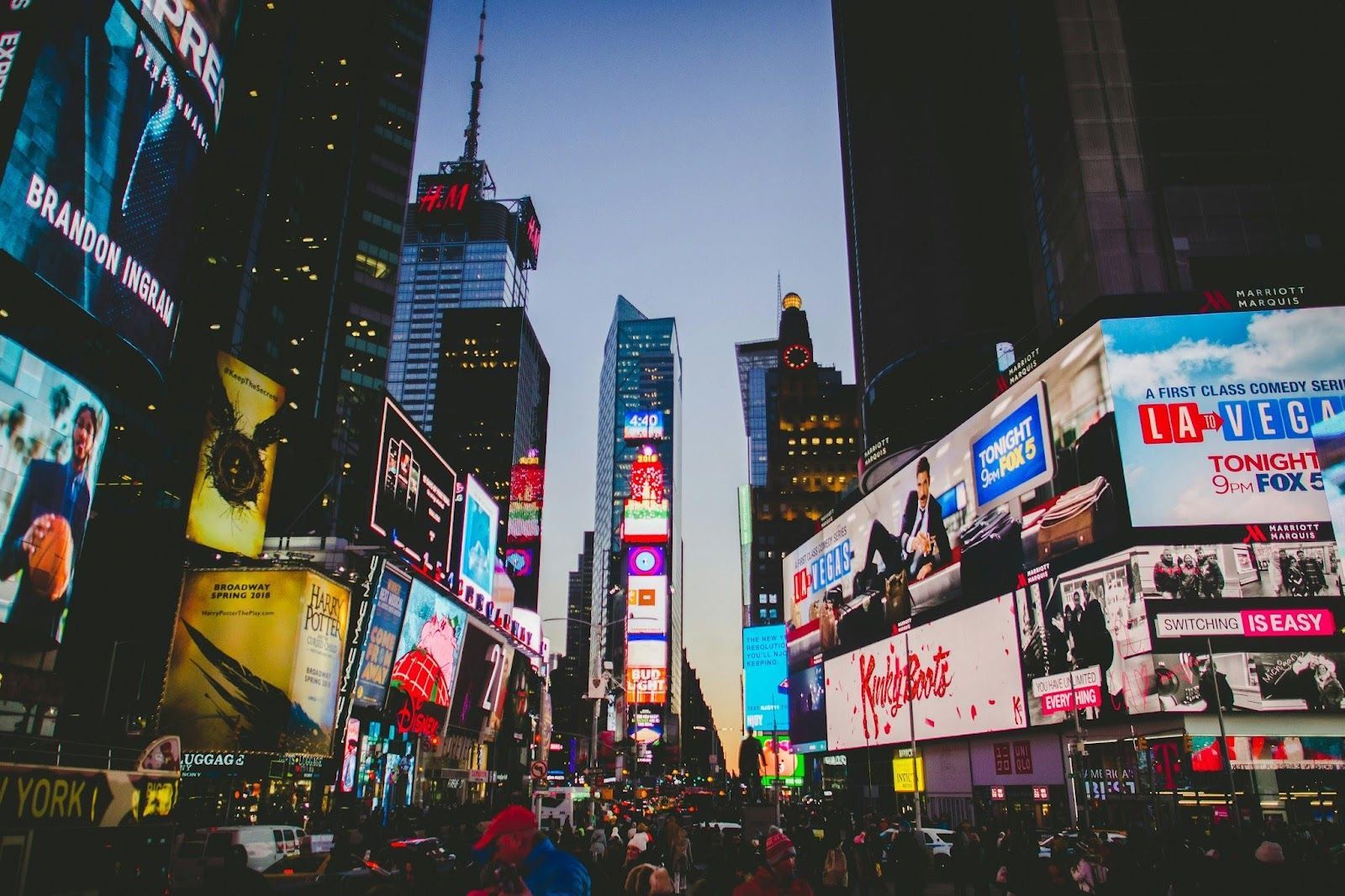
Image: Claudio Schwarz

Of course, the famous multicolored screen-lit corner of Midtown Manhattan is one of the most concurred spots in the country and the world. It is estimated that over 300,000 people pass through this intersection every day.

Forever buzzing with shiny advertisements and businesses that grant service 24/7, the "Crossroads of the World" and its nearby streets are a hub offering adrenaline, entertainment, history, gastronomy, and museum-like stores. During the New Year's Eve ball drop event, the number of visitors can climb up to one million, although it reached its all-time record on December 31st, 1999. An estimated two million people gathered there to watch the ball mark the end of the year, century, and millennium!

2
Las Vegas Strip, Las Vegas

Image: David Vives

The Las Vegas Strip is said to be the brightest spot on the planet when seen from space. This four-mile-long stretch of Las Vegas Boulevard in Nevada concentrates some of the world’s largest and most boastful hotels, casinos, and resorts. No wonder the area attracts approximately 42 million visitors each year.

Although the heart of Las Vegas offers plenty of entertainment venues, fine dining establishments, sports events, galleries, and huge shopping centers, it is most famous for being a gambling destination . A 2019 survey concluded that eight in ten adults who visited Las Vegas gambled while they were there.

3
National Mall, Washington, D.C.

Image: Chad Stembridge

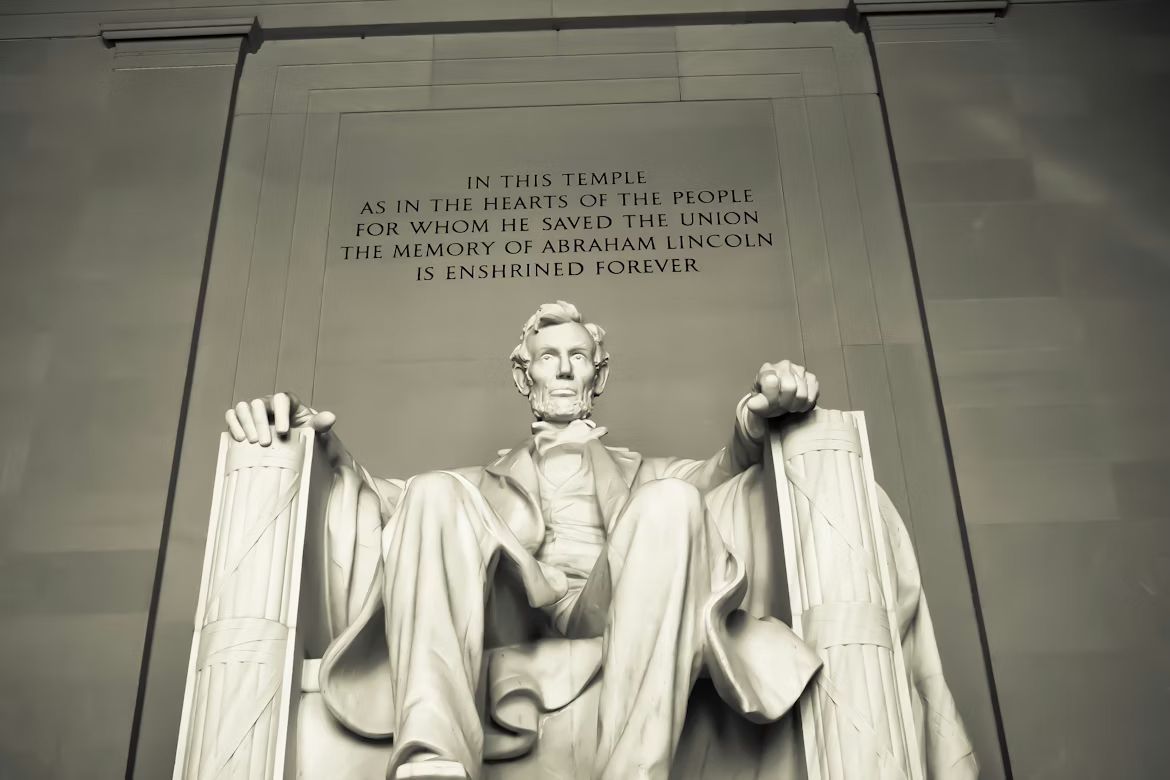
Visitors in Washington D.C. flock in masses to the National Mall. This open-park area sprawls over two miles from the U.S. Capitol to the Lincoln Memorial and is also home to iconic landmarks like the Washington Monument , the Vietnam Veterans Memorial, and the World War II Memorial. The Smithsonian museums are another attraction, offering free access to art, history, and science exhibitions.

Approximately 30 million visitors walk the area each year, which makes it a top-tier attraction for people all over the country and the world. Of course, the park is most flooded with attendance on special dates and events, such as the celebrations of Independence Day , Earth Day, or the Blossom Kite Festival.

4
Millennium Park, Chicago

Image: Kevin Olson

Those who travel to Chicago know they should visit Millennium Park, and those who go to Millennium Park know they must approach the iconic bean-shaped Cloud Gate . As a consequence, it is estimated that 25 million people are reflected on the silver surface of The Bean every year.

Millennium Park was opened twenty years ago, in 2004, as an urban development built over a former industrial area to promote art and outdoor recreation in the "city in a garden," which is Chicago’s motto.

5
Golden Gate Park, San Francisco

Image: Alireza Mirzabegi

Sprawling by the Pacific Ocean is the Golden Gate Park in San Francisco. It covers a massive 1,017-acre urban section and includes attractions like the de Young Museum, the California Academy of Sciences, and the Japanese Tea Garden. It also offers beautiful gardens , picnic areas, lakes, and iconic structures like the Conservatory of Flowers. Not to mention privileged views of the iconic Golden Gate Bridge.

24 million visitors come to the park each year, with some events gathering over 200,000 attendees, like the annual Outside Lands Music and Arts Festival. There are spots in this park to suit all interests : Windmills, boat rentals, observation towers, a Shakespeare Garden, 130 species of birds, and even bison!

6
Walt Disney World’s Magic Kingdom, Orlando

Image: kaleb tapp

Even though Magic Kingdom Park charges for admission, it’s still one of the most visited places in the country every year. At least 20 million go through the turnstiles annually to walk the quintessential Disney theme park.

Cinderella’s Castle, Main Street, U.S.A., and iconic attractions like Space Mountain, Pirates of the Caribbean, and the Haunted Mansion are fan favorites in this land. Special events held for Halloween, Christmas, and Fourth of July are among the park’s largest annual celebrations, drawing thousands of visitors.

7
Faneuil Hall Marketplace, Boston

Image: Brett Wharton

Faneuil Hall Marketplace has been standing since 1742 when it was established. Historically, it served as a focal point for public discourse and commerce. Today, it is mainly a marketplace that features more than 80 businesses , including eateries, shops, and entertainment venues, all set along charming cobblestone walks.

The area is vibrant all year round, frequented by musicians, magicians, and other performers . Foodie soirees, history tours, and fairs of local enterprises are further reasons to visit the spot. About 18 million do so every year.

8
Balboa Park, San Diego

Image: Vincent Yuan @USA

Balboa Park in San Diego features stunning gardens and buildings, as well as the world-famous San Diego Zoo . 1,200-acre wide, it also houses the San Diego Museum of Art and the San Diego Natural History Museum. The park famously boasts Spanish-Renaissance architecture and has become a hub for both locals and tourists.

During the holidays, the December Nights celebration gathers over 350,000 visitors across two days, when museums offer free entry and festive performances are held. EarthFair is another huge event in the park, attracting 60,000 attendees to one of the world’s largest environmental fairs to promote sustainability.

9
Great Smoky Mountains National Park

Image: Jack Prommel

Straddling the border of Tennessee and North Carolina, this National Park gathers over 12 million people every year. It is indeed the most visited national park in the U.S. and has been declared a UNESCO World Heritage site . Its mist-covered peaks, lush forests, and diverse wildlife fascinate visitors who walk its hiking trails. These include the Appalachian Trail.

Hundreds of thousands choose to visit the park during fall when autumn colors light up the landscape. In spring, the Wildflower Pilgrimage draws botany enthusiasts who come to the guided talks and walks to appreciate the park's unique biodiversity.

10
Pier 39, San Francisco

Image: Deane Bayas

Pier 39 is ideal for a family-friendly promenade. Located on San Francisco’s Embarcadero, this waterfront marketplace is known for its shops, restaurants, and stunning views of the Golden Gate Bridge, Alcatraz, and the Bay. There’s also a colony of sea lions forever lounging on its docks, who have become one of the dearest attractions of the site.

Another main attraction is the two-tiered carousel sitting towards the end of the pier. The 15 million pedestrians who come yearly can also enjoy its video arcade, 3D rides, shops, and restaurants, and visit the Aquarium of the Bay.
General General 3 min read

American giants

10 massive U.S. industries that secretly run America

Image: White Field Photo

Behind the scenes, the U.S. economy is driven by massive industries with global reach— shaping markets, driving innovation, and employing millions. From tech giants and energy producers to farms that feed the world, each sector plays a distinct role in keeping the country moving. This list breaks down 10 of the biggest American industries today.

1
Technology

Image: Shoeib Abolhassani

The U.S. tech sector exceeds $2 trillion in market value and leads the world in software, cloud computing, and semiconductor innovation.

While major hubs like Silicon Valley concentrate much of the activity, the industry has a nationwide footprint—from research centers and investor networks to hardware design and advanced manufacturing. Also, AI investment now represents a substantial share of the sector, which remains overwhelmingly U.S.-driven.

2
Healthcare

Image: Piron Guillaume

Healthcare spending in the U.S. surpassed $4.5 trillion recently, accounting for nearly 20% of GDP. Hospitals, insurers, biotech firms, and pharmaceutical companies together form the largest employment ecosystem in the country.

Moreover, the pharmaceutical segment alone exceeds $600 billion, placing the U.S. at the forefront of global drug development and clinical research.

3
Finance

Image: Nick Chong

Banking, investment, and insurance services generate over $2.5 trillion annually, and Wall Street remains the world’s largest capital market by trading volume.

Believe it or not, U.S. asset managers oversee more than $30 trillion in global funds, a scale unmatched anywhere else. American payment networks and credit systems also form a major part of the infrastructure that supports international commerce.

4
Energy

Image: Documerica

The U.S. is one of the world’s top producers of oil and natural gas, with the energy sector generating hundreds of billions of dollars each year. Texas is the largest state contributor, while New Mexico and North Dakota also rank among the leading producers.

Although renewables now surpass several fossil fuels in total electricity generation—driven largely by wind and solar—the energy sector as a whole remains robust and highly diversified.

5
Manufacturing

Image: Simon Kadula

Manufacturing underpins the growth of countless other industries, and American heavy industry contributes more than $2.3 trillion to GDP, spanning automobiles, machinery, electronics, and advanced materials.

The sector employs over 12 million people and remains a global leader in areas like industrial automation, chemical production, medical devices, and food processing. U.S. factories also rank among the world’s most productive thanks to high-tech equipment, robotics, and supply chains that integrate everything from raw materials to final assembly.

6
Retail

Image: Viktor Bystrov

Feel like going shopping? You’re certainly not alone—the U.S. retail sector generates over $7 trillion annually. Big-box chains, e-commerce giants, and grocery networks together make up one of the nation’s largest employment sectors.

E-commerce alone now exceeds $1 trillion, fueled by major progress in logistics, fulfillment technology, and nationwide delivery networks.

7
Agriculture

Image: Hannah Shedrow

The fertile Midwest and Great Plains are often called the "breadbasket of the world," and it’s no exaggeration—U.S. farms produce more than $500 billion in goods each year.

While corn, soybeans, beef, and dairy dominate overall output, the sector supports a wide array of other crops and livestock. It also drives innovation in precision machinery, fertilizer development, and agricultural technology that shapes global food production.

8
Transportation

Image: Documerica

Transportation is a massive sector—covering airlines, shipping, trucking, and rail—and generates more than $1.4 trillion annually. Trucking alone moves over 70% of domestic freight, while rail remains essential for transporting bulk commodities like grain, coal, and industrial materials.

Air travel supports millions of jobs, with major hubs such as Atlanta and Dallas ranking among the world’s busiest by passenger traffic. Ports like Los Angeles, Long Beach, and Houston handle some of the highest cargo volumes in the Western Hemisphere, while the U.S. highway system remains one of the largest and most heavily used in the world.

9
Construction

Image: C Dustin

In a country where iconic skylines are considered part of the landscape, construction is naturally a major economic force. The sector now exceeds $2 trillion in annual output, driven by persistent housing demand and large-scale commercial development.

Infrastructure also accounts for a significant share of spending, covering everything from bridges and tunnels to highways and transit systems. Residential building cycles strongly influence employment, making construction one of the most sensitive indicators of broader economic health.

10
Aerospace & defense

Image: Hermeus

As one of the world’s leading centers of innovation, the U.S. aerospace sector—often intertwined with the defense industry— contributes more than $400 billion annually, driven by aircraft manufacturing, satellite technology, and advanced defense systems.

Government defense spending, which exceeds $800 billion per year, supports major contractors, sustains global military partnerships, and helps maintain a technological edge over international competitors.

General General 5 min read

Historic ghost towns open for visitors

One ghost town has a fire that's burned for 60 years

Image: jean wimmerlin

Ever wondered what happened to those Wild West towns after the gold rush ended? Or where all those miners went when the silver ran out? Across America, dozens of ghost towns sit frozen in time, waiting for curious travelers like you to explore their dusty streets . Get ready to explore ten of America's most fascinating ghost towns that are still standing and open for visitors.

1
Bodie, California

Image: Michael & Diane Weidner

This former gold-mining hub in the Sierra Nevada once boasted nearly 10,000 residents, dozens of saloons, and a reputation for being one of the wildest towns in the West. Today, it's preserved in a state of "arrested decay," meaning the buildings are maintained exactly as they were found, complete with dishes still on tables and goods still on store shelves .

The California State Parks system manages Bodie, which means it's well-maintained but authentically eerie. About 200 buildings still stand, including a church, schoolhouse, and that infamous red-light district (though considerably quieter now).

2
Jerome, Arizona

Image: Strange Happenings

Perched impossibly on Cleopatra Hill in central Arizona, Jerome has pulled off the ultimate comeback story. This former copper mining town was literally sliding down the mountain in the 1950s, but instead of becoming a pile of rubble at the bottom, it reinvented itself as an artist colony and tourist destination. Today, it's one of the few ghost towns where you can actually spend the night, grab dinner, and browse art galleries .

The town's steep streets are lined with buildings that seem to defy gravity, and many claim the place is seriously haunted: the Jerome Grand Hotel, a former hospital, supposedly has particularly active spirits. Whether you believe in ghosts or not, you'll definitely believe in the impressive engineering it took to build a town on a 30-degree slope.

3
Rhyolite, Nevada

Image: Dino Reichmuth

In 1905, this place exploded from nothing to a town of 5,000 people in just two years, complete with electric lights, a stock exchange, and even an opera house. Then the financial panic of 1907 hit, the mines proved less profitable than hoped, and by 1916, the lights went out for good.

What makes Rhyolite especially photogenic are the ruins themselves—massive concrete structures and the famous Bottle House, built entirely from beer and liquor bottles . The three-story bank building and the remnants of the jail are particularly impressive, showing just how convinced everyone was that this town would last forever.

4
St. Elmo, Colorado

Image: Arturo Rivera

Tucked in the Sawatch Range at 10,000 feet, St. Elmo is Colorado's best-preserved ghost town and one of the most visited. Founded in 1880 as a mining and rail hub, it once had a population of 2,000 people and all the amenities a Victorian-era miner could want.

What really sets St. Elmo apart is accessibility and atmosphere. It's an easy drive from nearby towns, and during the summer months, a few seasonal residents actually run the general store, selling snacks and souvenirs .

5
Bannack, Montana

Image: Donald Merrill

Montana's first territorial capital, Bannack, sprang up in 1862 after gold was discovered in Grasshopper Creek. Within a year, it had 3,000 residents and a serious problem with road agents (fancy term for bandits). The town's sheriff, Henry Plummer, turned out to be secretly leading the gang of robbers—one of the West's great scandals. After Plummer was hanged by vigilantes in 1864, Bannack settled down, but eventually, the gold ran out, and so did the people. The last residents left in the 1970s.

Now a well-preserved state park, Bannack features over 60 structures you can explore, including the hotel, church, schoolhouse, and Plummer's old jail . They even host a popular "Bannack Days" event each July with period costumes, demonstrations, and activities.

6
Grafton, Utah

Image: Arturo Rivera

This tiny Mormon settlement near Zion National Park has been featured in dozens of movies and commercials, most famously in "Butch Cassidy and the Sundance Kid." Founded in 1859, Grafton struggled with flooding from the Virgin River, conflicts with Native Americans, and general isolation. By 1944, the last resident had left, but unlike many ghost towns, Grafton's buildings were later restored and maintained by preservation groups.

Today, only a handful of structures remain—a schoolhouse, a church, and a few cabins—but they're set against absolutely spectacular red rock canyon scenery . The Grafton Cemetery, still maintained by descendants, sits on a hill with jaw-dropping views. It's free to visit, though donations are encouraged for preservation efforts.

7
Terlingua, Texas

Image: Glen Carrie

Once a thriving mercury mining town with 2,000 residents, it collapsed in the 1940s when the mines closed. Today, it's home to about 60 full-time residents, plus a rotating cast of artists, wanderers, and people who just couldn't handle civilization anymore.

The original townsite features impressive ruins of the Chisos Mining Company headquarters, a crumbling movie theater, and a cemetery with elaborate Mexican grave decorations . But the real attraction is the eccentric present-day community that's grown up around the ruins. You can stay in unique lodgings, eat at the famous Starlight Theatre, and experience some of the darkest night skies in the continental US.

8
Garnet, Montana

Image: Natalie Nicks

Located deep in Montana's mountains about 35 miles from Missoula, this gold mining town boomed in the 1890s with about 1,000 residents. The last 11 miles are on a rough dirt road that's impassable in winter, but that difficulty is exactly why Garnet remains so well-preserved and authentic. Casual tourists don't make the trek, which means you'll likely share the site with only serious ghost town enthusiasts.

About 30 buildings still stand, including the surprisingly intact Kelly's Saloon, complete with bar and furnishings . The Bureau of Land Management maintains the site and even offers rustic cabin rentals if you want to spend the night.

9
Centralia, Pennsylvania

Image: Megs Harrison

This isn't a Wild West mining town—it's a modern ghost town with an underground coal fire that's been burning since 1962 and could continue for another 250 years. At its peak, Centralia had over 1,000 residents. Today, fewer than five people remain in what's become one of America's most surreal abandoned places. The fire releases toxic gases through cracks in the ground, and the heat has buckled roads into impossible angles.

The most famous feature is the graffiti-covered section of abandoned Route 61, where smoke sometimes rises through cracks in the pavement . Most buildings have been demolished, but the street grid remains, marked by empty lots and crumbling foundations. It inspired the video game and film "Silent Hill," and it's easy to see why—the place feels genuinely otherworldly. Technically, Centralia is off-limits, and Pennsylvania has tried to discourage visitors due to safety concerns about the underground fire.

10
Calico, California

Image: Volodymyr Hotsyk

Founded in 1881 after a major silver strike, it boomed to 1,200 residents before the silver price crash killed it in the 1890s. Unlike other ghost towns on this list, Calico was reconstructed and restored as a theme-park-style attraction in the 1950s by Walter Knott.

Today, Calico is a San Bernardino County park with restored buildings, shops, restaurants, and even staged gunfights on weekends . You can tour a genuine silver mine, pan for "gold" (spoiler: you'll find some), and ride a narrow-gauge railroad. About half the buildings are original, and half are reconstructions, giving you the ghost town experience without the sadness of actual decay.

Explore more American facts

Choose your favorite category!

General
General

As American as apple pie—the very best America has to offer!

Culture
Culture

Delve into the astounding richness of American lore.

Geography
Geography

Hop in and explore vast and diverse American landscapes.

History
History

Discover the key moments that shaped the United States.