Geography Geography 5 min read

MONUMENTAL TRIBUTES

Legacy of valor: 10 powerful U.S. military monuments you need to see

Image: Chad Stembridge

Across the country, America's military history is etched in monumental tributes of stone, bronze, and steel. These imposing structures honor our collective past, as well as the bravery and sacrifice of those who served, embodying the enduring spirit of our nation. Join us on a journey through some of the most awe-inspiring military monuments in the U.S., each a lasting testament to courage and patriotism.

1
Arlington National Cemetery, Virginia

Image: The Silverdalex

Located in an area already filled with memorials, Arlington National Cemetery stands out as one of the nation’s most sacred landmarks. Established during the Civil War on land confiscated from General Robert E. Lee's estate, it became the final resting place for over 400,000 brave Americans, including casualties from WWII to the Vietnam War.

At its heart lies the Tomb of the Unknown Soldier, a continuously guarded monument that symbolizes the sacrifices of all unidentified fallen heroes. Notably, the graves of President John F. Kennedy and Jacqueline Kennedy are among the most visited sites in the cemetery.

2
Vietnam Veterans Memorial, Washington, D.C.

Image: Ryan Stone

Popularly known as the Vietnam Memorial, this U.S. national landmark located in Washington, D.C., honors those who served during the Vietnam War. Its centerpiece consists of two imposing black granite walls, engraved with the names of over 58,000 individuals who died or went missing while serving their country in Vietnam and Southeast Asia.

Designed by architect Maya Lin, the monument is strikingly powerful in its minimalism, evoking deep emotions through its simplicity. The site also includes the Three Soldiers statue and the Vietnam Women's Memorial.

3
Marine Corps War Memorial, Virginia

Image: Sal Cenicacelaya

Located in Arlington County, Virginia, this war memorial was inspired by the iconic 1945 photograph of six Marines raising the U.S. flag atop Mount Suribachi during the Battle of Iwo Jima. Standing 32 feet tall, the monument is an enduring symbol of courage and determination, honoring all Marines who have served since 1775.

Though the sculpture depicts a moment when the U.S. flag had 48 stars, the flag flown today is always the current version, symbolizing the memorial’s dedication to all Marines who have died in defense of the United States, regardless of the era.

4
Air Force Memorial, Virginia

Image: Yogi Panchal

Located near the Marine Corps War Memorial and Arlington Cemetery, this 270-foot-high sculpture features three stainless steel spires reaching toward the sky. It was the final project of American architect James Ingo Freed, renowned for his work with I.M. Pei and his contributions to various iconic U.S. public buildings.

The spires seem to evoke the contrails of a group of Air Force Thunderbirds performing a dramatic flight maneuver. Notably, only three of the typical four contrails are depicted, symbolizing the "missing man" formation traditionally used in Air Force funeral flyovers.

5
World War II Memorial, Washington, D.C.

Image: Joshua Woods

Featuring 56 pillars adorned with bronze laurel wreaths, each symbolizing a U.S. state or territory, this memorial honors the 16 million Americans who served in World War II. It stands as a grand tribute to the "Greatest Generation," celebrating their victories and the sacrifices they made for their country.

Interestingly, the memorial includes two subtle "Kilroy was here" engravings, a nod to the iconic symbol that became a reassuring emblem for American soldiers during the war, marking their presence and protection wherever it appeared.

6
Korean War Veterans Memorial, Washington, D.C.

Image: Joe Richmond

Dedicated in 1995, this national memorial features a haunting image of nineteen steel statues of soldiers standing in silent patrol. The memorial honors the 1.5 million Americans who served in Korea, a conflict that is sometimes referred to as the "Forgotten War."

A granite memorial wall is also part of the site, engraved with the names of U.S. military personnel and South Koreans embedded in U.S. units who died in the conflict. The monument includes the Pool of Remembrance, a tranquil 30-foot-diameter pool lined with black granite, surrounded by a grove of trees and benches, offering a peaceful place for quiet reflection.

7
National D-Day Memorial, Virginia

Image: Carol M. Highsmith, Public domain

This memorial pays tribute to the courage and sacrifice of all service members of the Allied forces on D-Day, June 6, 1944. The site prominently displays the inscription, "In Tribute to the Valor, Fidelity, and Sacrifice of Allied Forces on D-Day." Featuring a symbolic pool with a landing craft, an American soldier, and a German beach barrier, the memorial captures the essence of the immensely dangerous beach landings.

According to the National D-Day Memorial Foundation, the site is designed as a continuum of three distinct plazas, each representing a different phase of the operation—planning, execution, and victory. The centerpiece of the monument is a 44-foot-tall arch, symbolizing the triumph of the operation while surrounding elements evoke the soldiers' bravery under relentless fire.

8
U.S. Navy Memorial, Washington, D.C.

Image: Michael Afonso

The granite plaza of the Navy Memorial in Washington, D.C., is well known for its iconic Lone Sailor statue, which symbolizes all those who have served in the U.S. Navy throughout its history. The statue, crafted by sculptor Stanley Bleifeld, gazes over the Granite Sea—a map depicting the world's oceans, centered on Washington, D.C.

Flanking the memorial are two buildings, with the eastern one serving as a visitor center. This small museum often offers exhibits that explore the rich history of American sailors.

9
National Museum of the United States Army, Virginia

Image: Rob Martinez

More than just a museum, this site serves as a living memorial dedicated to the history of the U.S. Army. It honors the bravery, valor, and sacrifices of soldiers across America’s history while providing an in-depth exploration of the nation’s oldest and largest military branch.

Opened on November 11, 2020, the museum’s mission is to honor America’s soldiers, preserve Army history, and educate the public about the Army's role in American history. The facility also includes spaces for ceremonies, reenactments, lectures, educational programs, and reunions, making it a dynamic hub for both remembrance and learning.

10
USS Arizona Memorial, Hawaii

Image: Tim Mossholder

This solemn memorial rests above the sunken remains of the USS Arizona in Pearl Harbor, a pivotal site in American history. It honors the 1,177 crew members who lost their lives during the Japanese attack on December 7, 1941.

The majestic white structure symbolizes peace and remembrance, while the wall of names reminds us of the individual stories of bravery and sacrifice of those who paid the ultimate price for our freedom. A profoundly evocative monument, it stands as a testament to national resilience and unity in the face of adversity.

History History 6 min read

FROM CHEEKY TRADITIONS TO PROMINENT FIGURES

Top 10 American Universities: Amazing Facts You May Not Know About

Image: RUT MIIT

Every university has its own culture, folklore, customs, and pranks . Some even go back centuries. It may be a long time since you were last in school, but no one can deny college years are an unforgettable period in every person’s life that is forever imprinted on the memory.

For most of its history, the US university system has served the mission of economic and social progress, educating the world's greatest leaders and contributing to unprecedented scientific breakthroughs. In this article, we have gathered some of the most curious facts about the country's most prominent schools .

1
Yale

Image: Pixabay

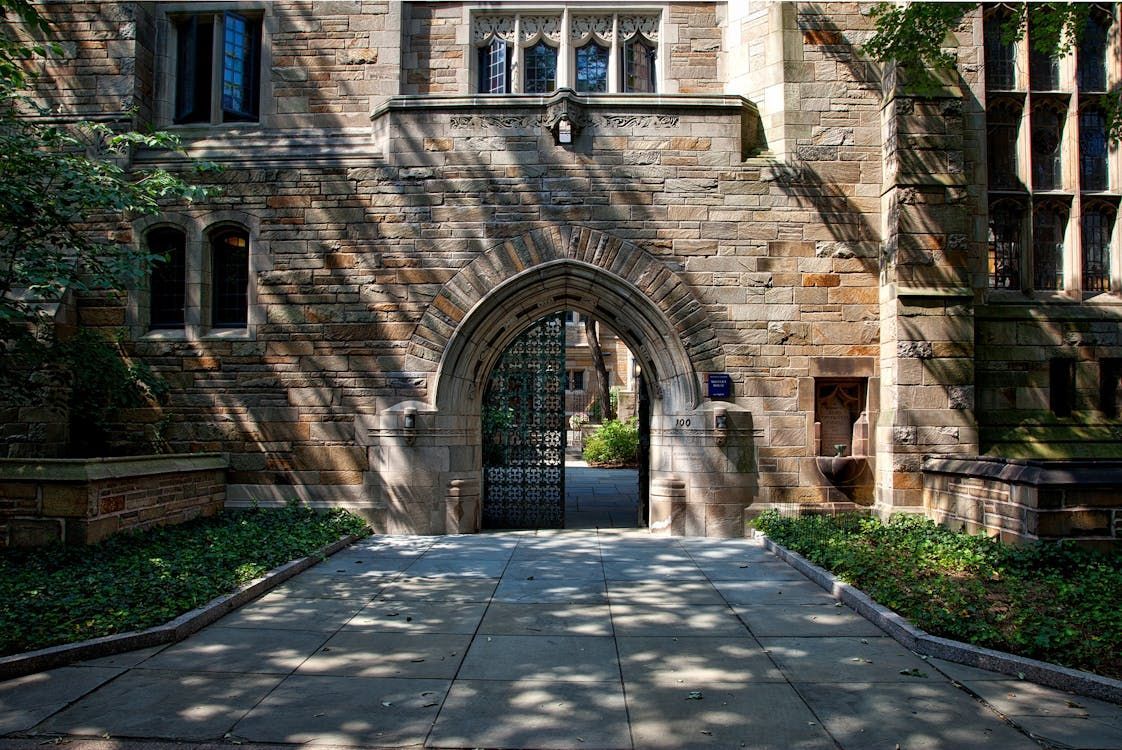
One of America’s most illustrious universities, Yale has been creating stories and forging traditions for more than three centuries. Being one of the oldest universities in the country means you can claim a couple of "oldest". For example, Yale is home to the earliest collegiate daily newspaper still in existence. The Yale Daily News has been around since 1878, reporting consistently five days a week. Also, the Whiffenpoofs, Yale’s oldest a capella group, has been singing every Monday night since 1909 .

Another fun fact? They may not teach magic at Yale, but theuniversity’s residential college system is very similar to the Hogwarts house system portrayed in the famous Harry Potter series . Each year, Yale freshmen are treated to a formal holiday banquet at one of the 17 extravagant Gothic dining halls on campus.

2
Stanford

Image: Jason Leung

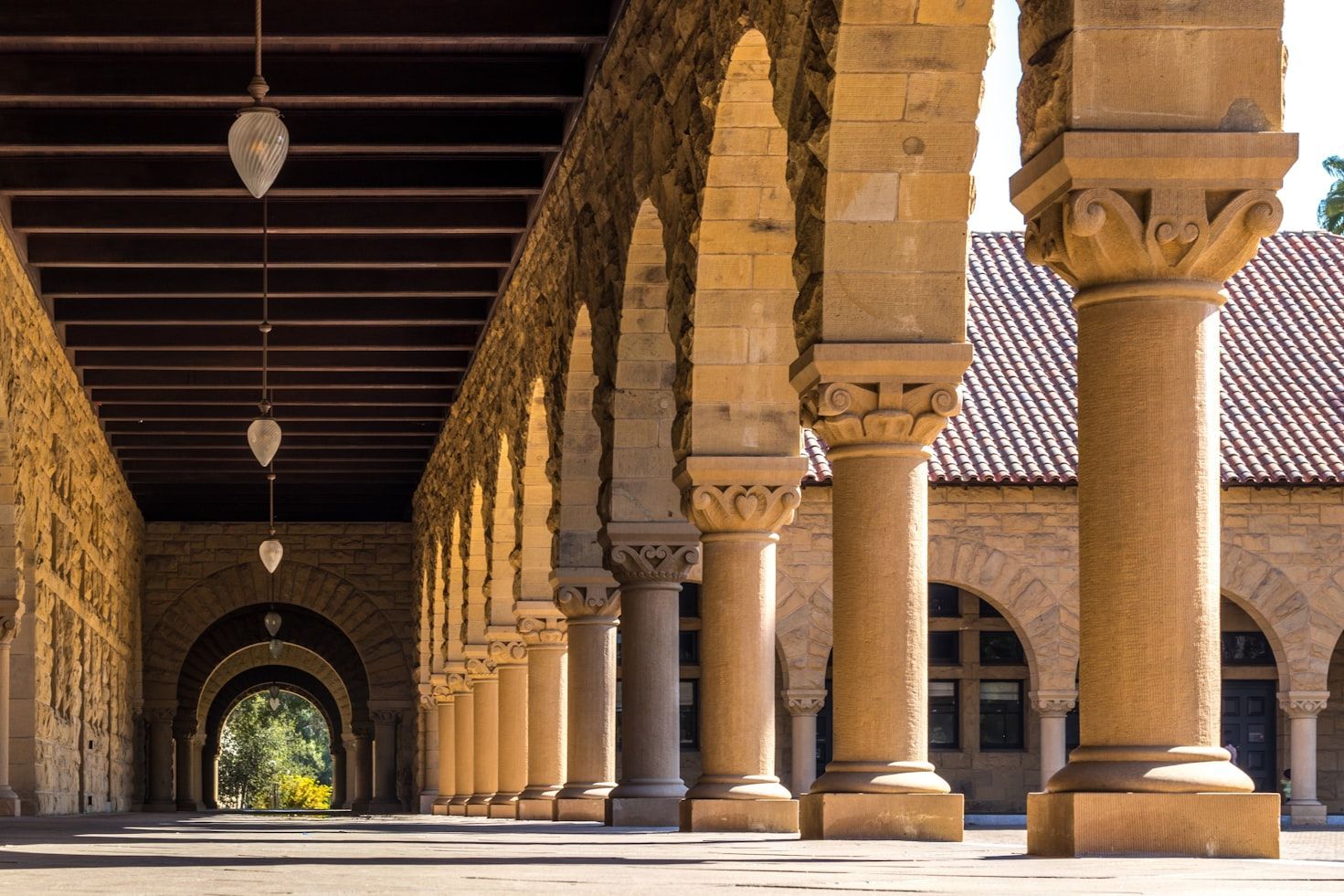
The campus of Stanford University spans 8,180 acres in the center of the San Francisco Peninsula. It includes 630 buildings, 49 miles of roads, 3 dams, more than 40,000 trees , 25 fountains, a biological preserve, and a historic equestrian barn, among many other special features. It’s so big that it even has its own special zip code!

Perhaps one of the most relevant facts about Stanford is that it is considered the birthplace of Silicon Valley . In the 1930s, the university's Dean of Engineering, Frederick Terman, encouraged his students to stay in the area to develop a high-tech hub. This is how Bill Hewlett and David Packard ended up creating Hewlett-Packard in a garage in Palo Alto not far from campus.

3
MIT

Image: Ana GG

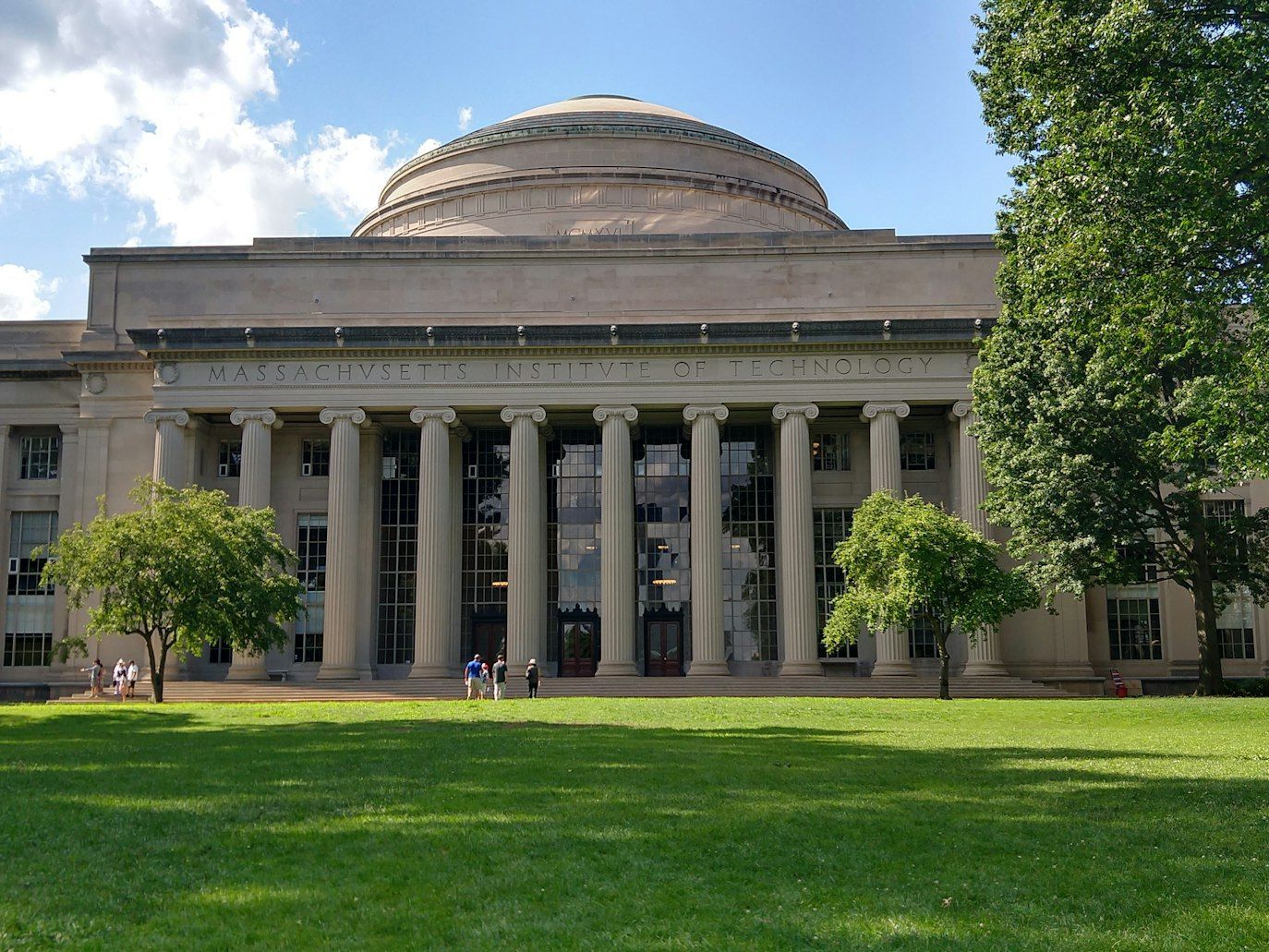
The Massachusetts Institute of Technology was founded on April 10, 1861, just two days before the start of the Civil War. MIT’s official colors are Cardinal Red and Silver Gray and, in 1914, the beaver was chosen as the university’s formal mascot due to its "engineering and mechanical skill and habits of industry."

This distinguished university currently counts 98 Nobel Laureates among its alumni, faculty, and staff. But the nerdy ways of the MIT crowd don't end there.Did you know that acceptance letters for undergraduates are sent out every March 14, in commemoration of Pi Day? Admissions are even delivered at exactly 6.28 pm, which is known as "Tau time" (πx2). No wonder MIT’s motto is mens et manus , Latin for "mind and hand".

4
UCLA

Image: tommao wang

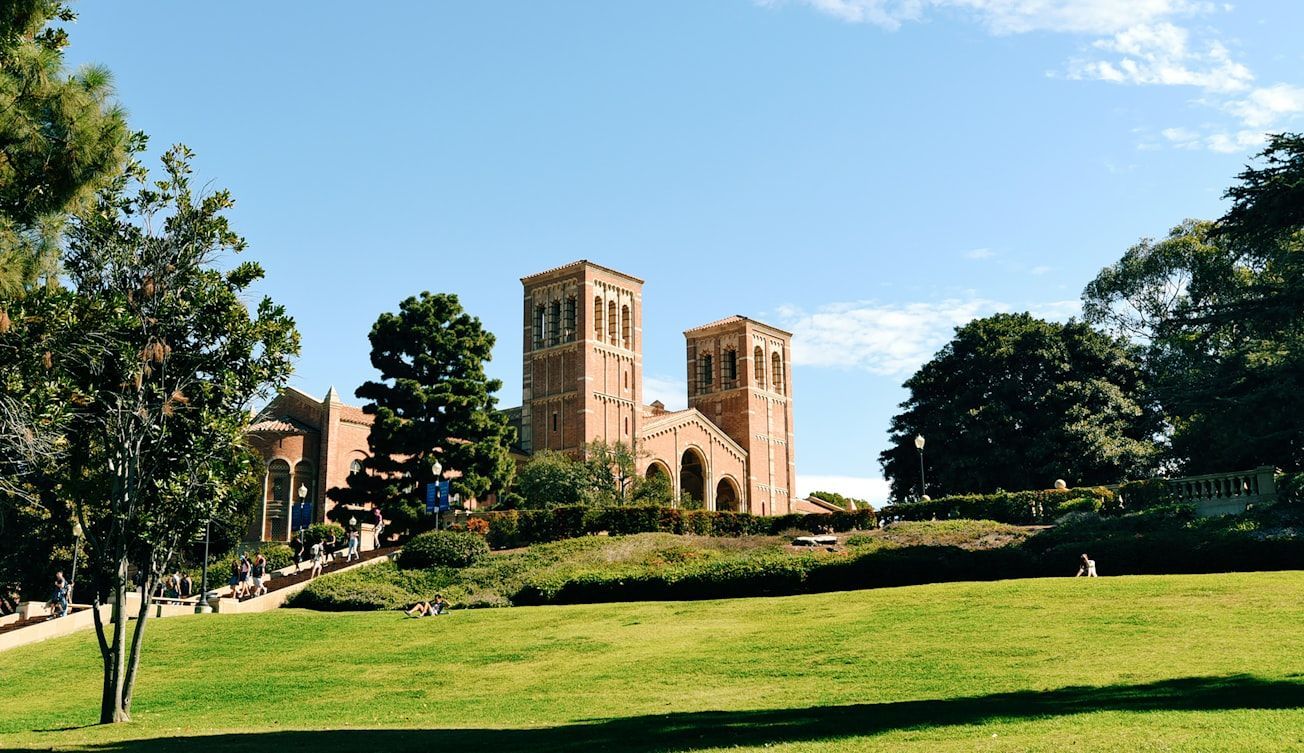
The University of California is synonymous with excellence and innovation, but there are a lot of tidbits about it that even graduates don’t know about. UCLA’s football team has had many nicknames over the years : they were known as the "Cubs", the "Grizzlies", and finally the "Bruins". A live bear even used to take the field at some games until it was banned!

UCLA was also home to some of America’s most prominent cultural icons : James Dean majored in drama, Francis Ford Coppola earned a Master of Fine Arts in Film, NASA astronaut and first mother in space, Anna Lee Fisher, graduated as a doctor and mastered in chemistry, and neuroscientist Dr. Mayim Bialik popularised this field of science with her character in the famous TV series The Big Bang Theory . Can you name any other stars who went to UCLA?

5
Brown

Image: Keming Tan

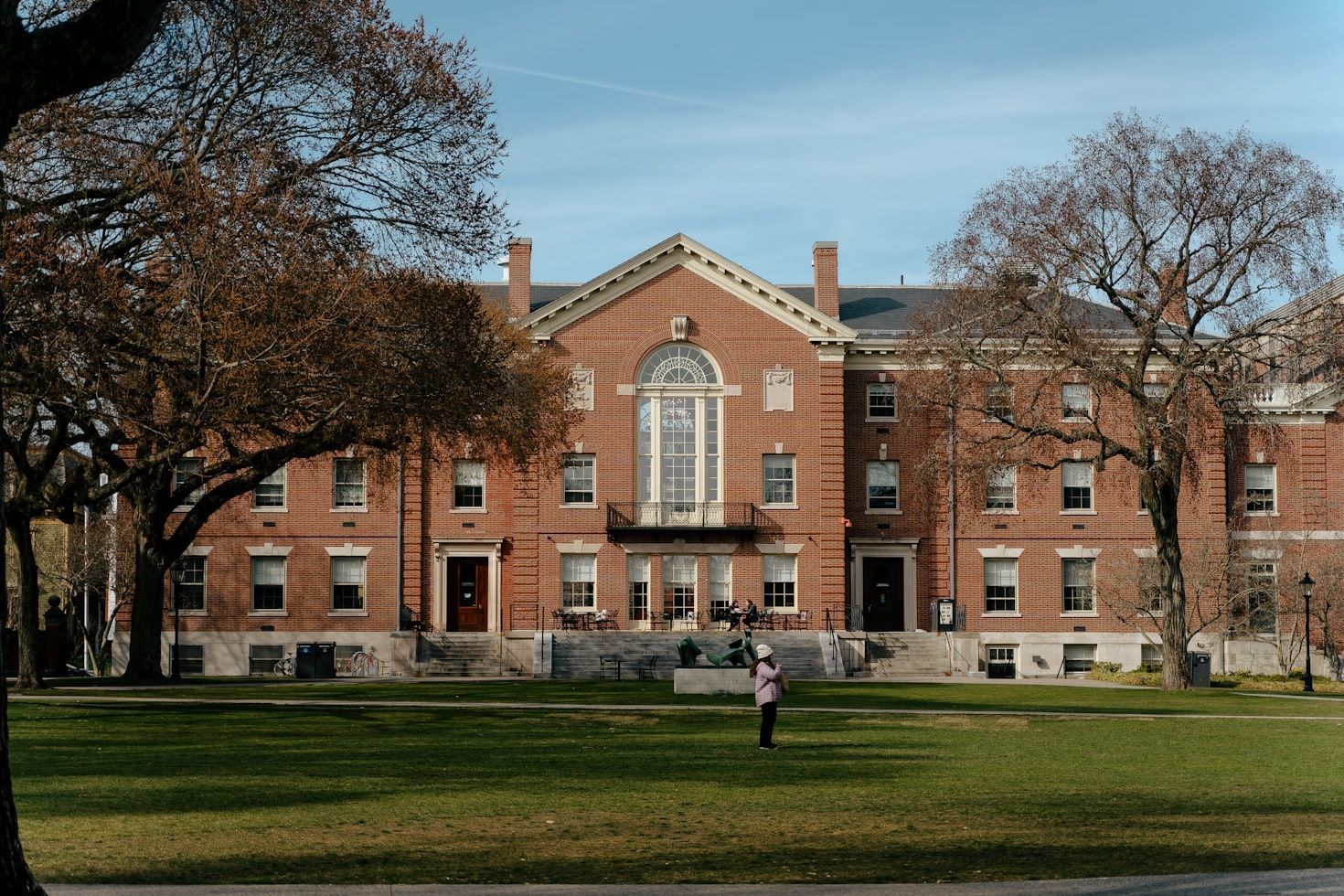
Founded in 1764, Brown is a leading American research university, the first Ivy League school to accept students from all religious affiliations . Located in Providence, Rhode Island, this school has a bear mascot named Bruno and a library with no windows that resembles a tomb —in fact, rumor has it, that Rush and Annmary Brown Hawkins are buried here. Another one of its libraries, The John Carter Brown Library, holds an invaluable treasure: seven 15th-century letters from Christopher Columbus proclaiming his "discovery" of the Americas.

But perhaps Brown’s most curious feature is Carberry Day. Every Friday the 13th, students celebrate Josiah S. Carberry, a legendary fictional professor of "psychoceramics" who was created as a joke in 1929. Since then, every Carberry Day all students and faculty spread the campus with brown jugs filled with change they donate to the professor and his ‘future late wife Laura’. Have you ever heard of this traditional Brunonian holiday?

6
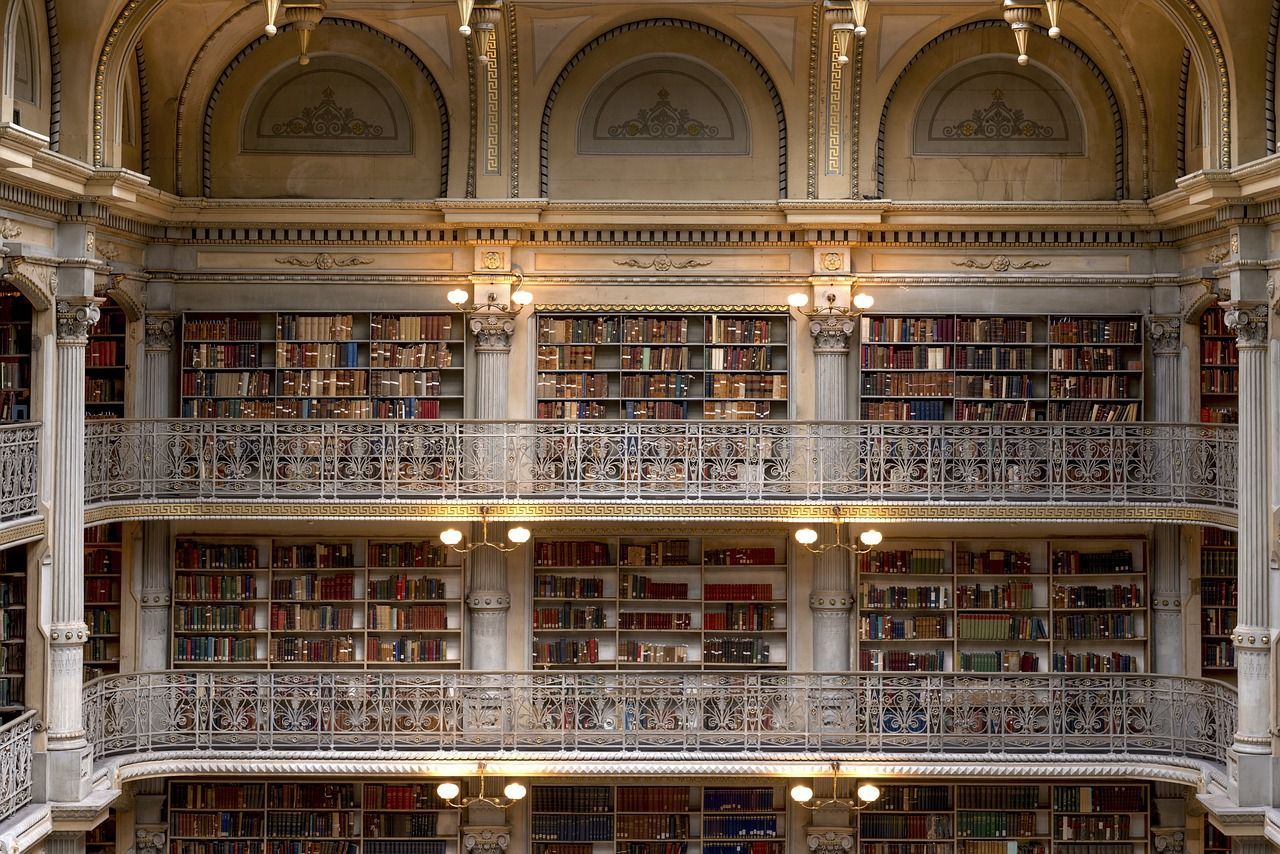
Johns Hopkins

Image: Falkenpost

This university named after the 18th-century Quaker entrepreneur and philanthropist Johns Hopkins was the first research university established in the United States . Johns Hopkins has a long and fascinating history, including mutant rabbit-related mysteries and famous alums: President Woodrow Wilson, Wolf Blitzer, Mike Bloomberg, Tori Amos, and Wes Craven, just to name a few.

Johns Hopkins is also home to some important events in literary history . In 1932, Zelda Fitzgerald was admitted to the university’s hospital and treated for schizophrenia. Soon after, F. Scott Fitzgerald, moved across the street to be closer to his wife. While in Baltimore, they wrote two novels: Save Me the Waltz and Tender is the Night .

7
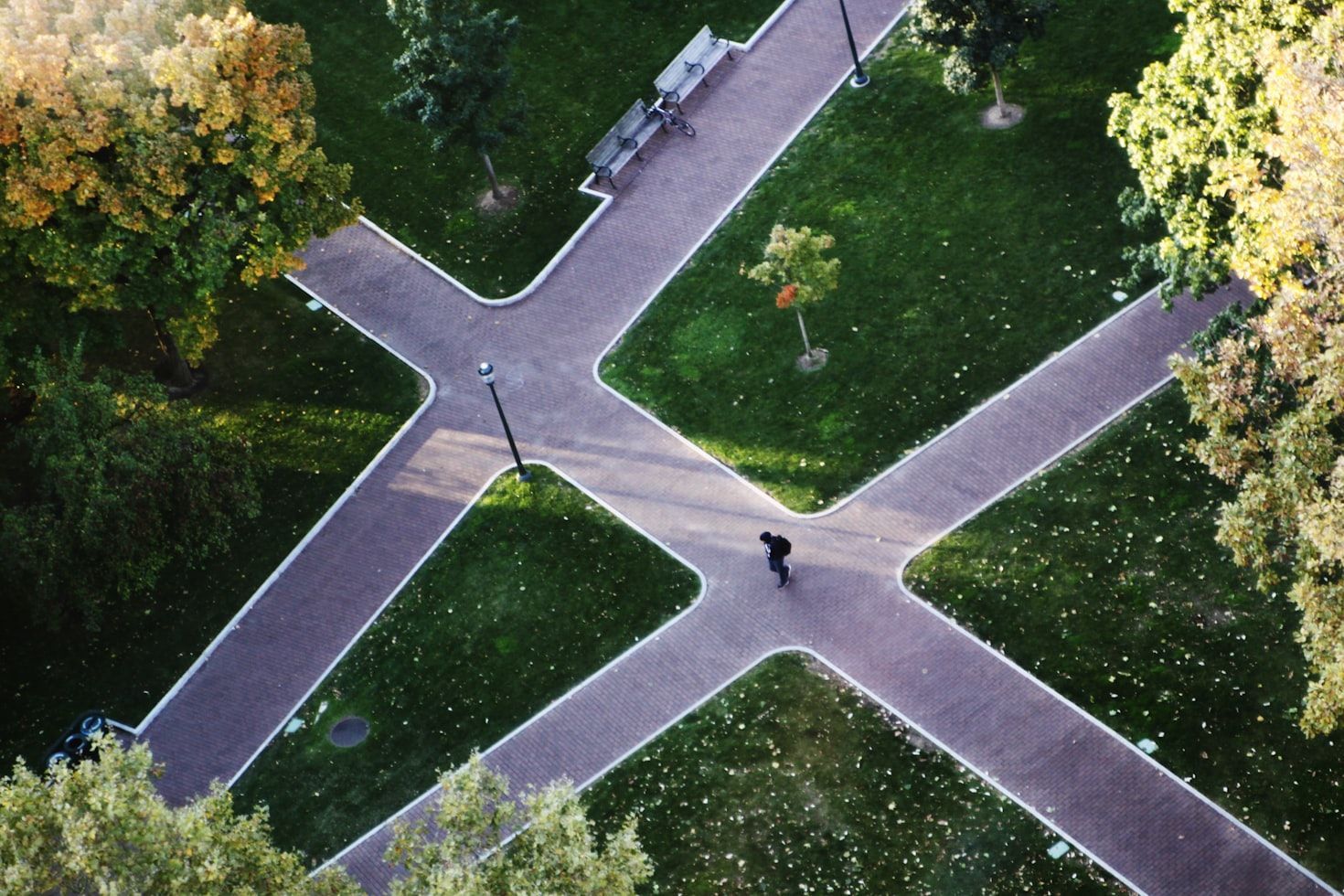
UPenn

Image: Dyana Wing So

"Here’s a toast to dear old Penn", sing students at the University of Pennsylvania during home football games. Originating in the prohibition years, this tradition of throwing pieces of toast on the field seems to have taken the expression rather literally. Another popular myth at UPenn indicates that freshmen should never cross the compass embedded into the center of Locust Walk if they don't want to risk failing their first exams.

But serious things also happen at this legendary Philadelphia university. For example, it was founded by none other than Benjamin Franklin , the first general-purpose electronic computer was created here in 1946, has 38 Nobel laureates, and many other prominent Americans attended the school, such as Noam Chomsky, Ezra Pound, Warren Buffett, Tory Burch, and John Legend.

8
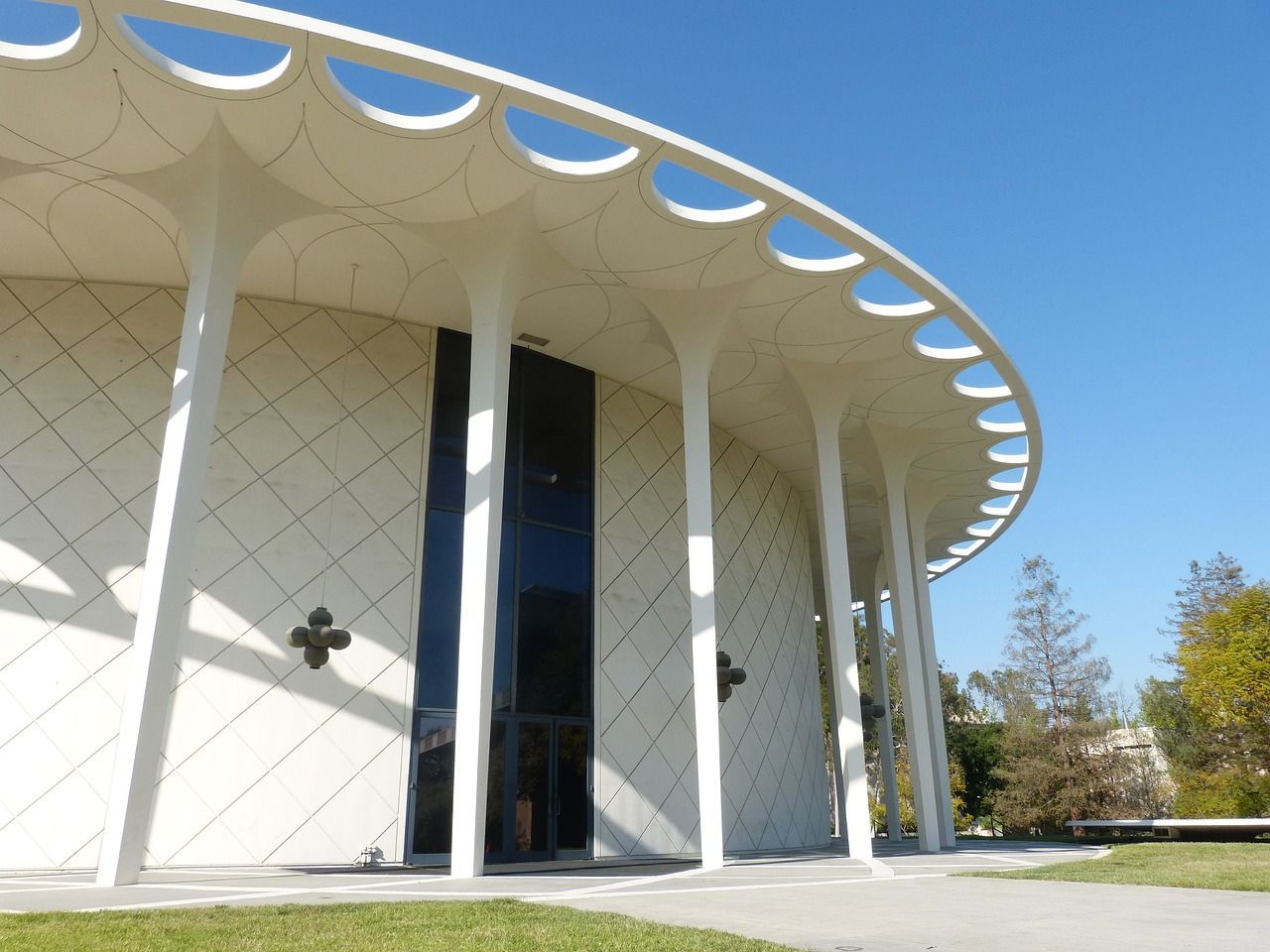
Caltech

Image: LisetteBrodey

Since its founding in 1891, the California Institute Of Technology has made significant contributions in various scientific fields. It has produced 39 Nobel Laureates and operates the world’s largest optical telescope , located at the Palomar Observatory. Caltech’s most popular major is Computer Science and it also has numerous groundbreaking space-related discoveries under its belt —as a matter of fact, the campus is home to NASA’s Jet Propulsion Laboratory.

While academic excellence is what makes Caltech unique, they also have some quirky traditions. For example, pranks are common practice, often involving rivalries between student houses , especially during Halloween. And it's not all about using their brains, Caltech students put their bodies to work as well. Ditch Day, a celebration whose origins date back to 1921, is said to resemble, wait for it, The Amazing Race .

9
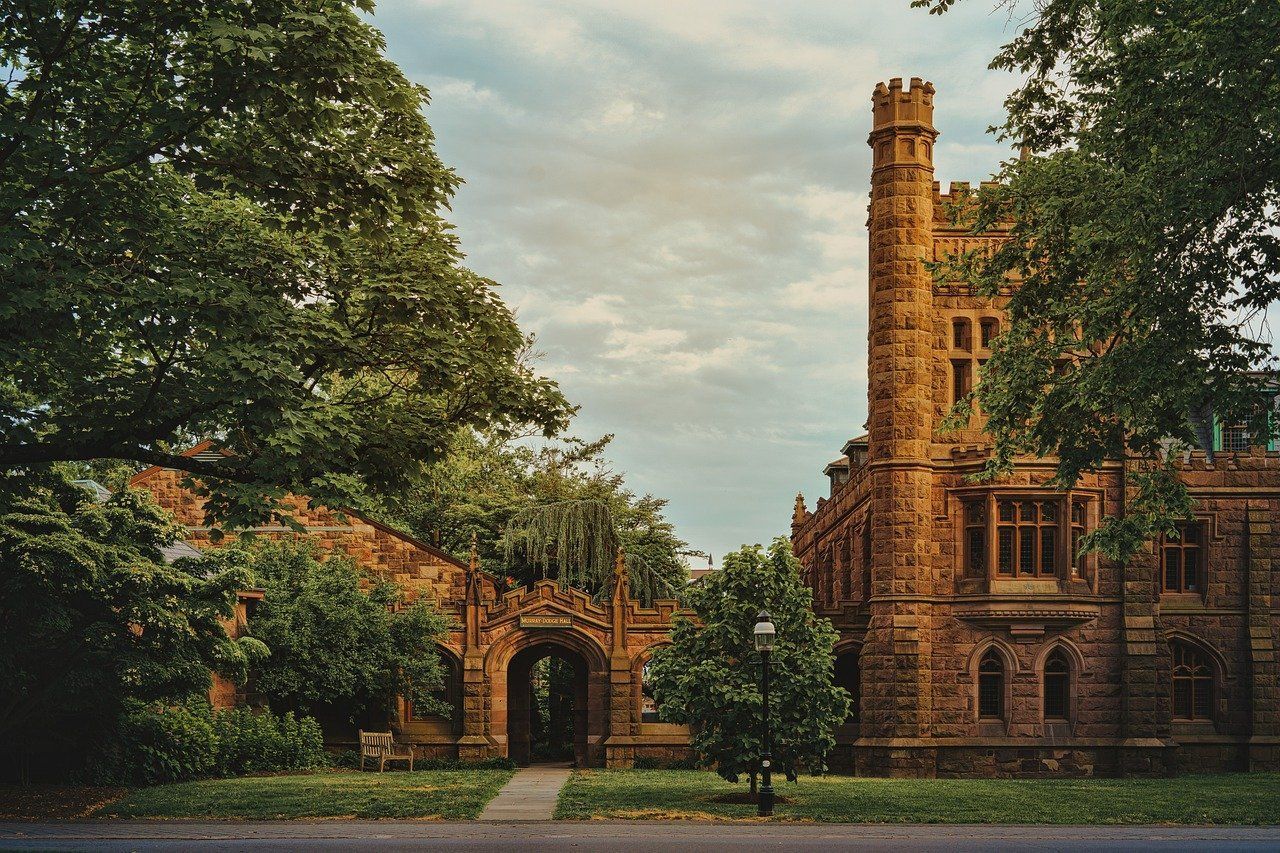
Princeton

Image: jplenio

The Princeton campus is so picturesque that it has been used as a set for numerous Hollywood productions , including films like A Beautiful Mind and Across the Universe , among others. This renowned Ivy League university also houses the oldest college literary and debating club in the United States , whose graduates include two U.S. presidents, two U.S. vice presidents, and four U.S. Supreme Court justices.

There are more than 60,000 senior theses stored at the Seeley G. Mudd Manuscript Library, for example, those of Michelle Obama, Ethan Coen, Sonia Sotomayor, and Maria Ressa. Princeton University is not only famous on Earth but also in outer space . In November 1969, Charles "Pete" Conrad, a former student and the commander of the Apollo 12 mission, took a Princeton flag to the moon.

10
Harvard

Image: Tamás Mészáros

Harvard University was founded as early as 1636, which makes it the oldest institution of higher education in the United States . With almost 400 years of history, it is not surprising that this prestigious university houses several interesting stories and curious facts to discover. Named after John Harvard, who donated half of his estate and his library of more than 400 books, the school currently has 79 libraries holding about 20.4 million items in 150 miles worth of shelves.

But there’s more! Did you know that eight Harvard alumni signed the Declaration of Independence? Also, Harvard had the first native Chinese instructor to teach Chinese in America, former students won 110 Olympic medals —including 46 gold—, 51 of its affiliates are Nobel laureates, 48 hold a Pulitzer Prize, and 10 won Academy Awards. Not bad, huh?

History History 5 min read

AHOY, CAPTAIN!

Which Is The Most Valuable Shipwreck Ever Recovered?

Image: Massimiliano Morosinotto

There is something equally fascinating and haunting about a huge ship lying on the bottom of the ocean or a lake. From the sad story of the Edmund Fitzgerald to the largest wooden ship, or the most valuable ship ever lost, you will find here 10 ships that met their untimely fate and remain hidden underwater. Keep reading to discover which of these famous wrecks you can recognize.

1
Nuestra Señora de Atocha (Our Lady of Atocha)

Image: NOAA

A ship that sank off the coast of the Florida Keys in 1622, the Nuestra Señora de Atocha is, to this day, the most valuable shipwreck ever recovered. Originally bound from Havana, Cuba to Spain, the Atocha was loaded with a large treasure, ranging from copper and gems to gold and indigo from the Spanish colonies.

But, shortly after launching from port, a major hurricane caught the ship and destroyed the Atocha , which sank 56 feet beneath the surface. In 1985, treasure hunters rediscovered the wreck off the coast of the Florida Keys. Currently holding a Guinness World Record for its recovered value, the Atocha is a continual treasure trove for divers and fortune hunters alike.

2
SS Republic

Image: Vlad Tchompalov

A ship that served both the US and Confederate governments, the SS Republic sank in 1865 during a hurricane off the coast of Georgia. After the Civil War, the Republic carried passengers and cargo from New York to New Orleans. On October 20, 1865, a hurricane off the coast of Georgia damaged the ship, which sank around four in the afternoon.

As a result of the sinking, the cargo was lost with the ship until 2003, when a commercial archaeology company rediscovered the wreck approximately 100 miles from Savannah, Georgia. About a third of the coins that were on board the ship have been recovered, and are now valued at over USD 75 million.

3
The Whydah Gally

Image: NOAA

The Whydah Gally was intended for service in the British Empire before it was captured by the infamous pirate Samuel "Black Sam" Bellamy. As Bellamy and his crew approached the Massachusetts coast the weather turned, creating a violent nor’easter cyclone. The ship capsized and its cargo, 144-man crew, and captain were consequently thrust into the sea.

In 1984, underwater archaeologist Barry Clifford discovered the Whydah Gally. Since its rediscovery, many artifacts have been retrieved from the ship, including the ship’s bell , inscribed with the words: "THE WHYDAH GALLY 1716." This helped authenticate the Whydah as the first pirate shipwreck to ever be found and confirmed.

4
SS Central America

Image: Giuseppe Murabito

The SS Central America was an American sidewheel steamer that operated between the East Coast and Central America. In September 1857, carrying 477 passengers, 101 crewmembers, 38,000 pieces of mail, and 30,000 pounds of gold harvested during the California Gold Rush to New York City, the Central America was engulfed by a Category 2 hurricane.

At the time of the boat’s sinking, over 400 people were still on board, making it the most deadly of any American commercial boat disaster. The gold on board was also lost. In 1988, explorer Tommy Gregory Thompson found the ship, and up to three tons of gold were excavated, leading to long legal battles that have continued to the present day.

5
SS Georgiana

Image: Jason Mavrommatis

The SS Georgiana was a Confederate steamer. Built in Scotland, the ship sailed its maiden voyage in 1863 to Charleston, South Carolina, where it was expected to be outfitted by Confederate soldiers. However, the Georgiana was not armed with any guns on its first journey and approached its destination on March 19, 1863, with minimal defense.

A member of a Union blockade alerted the nearby battleship USS Wissahickon , which shot and pierced both sides of the ship’s hull. Captain Davidson, signaled a surrender to the Union blockade before beaching the boat. Before the beached ship could be boarded Davidson purposefully sank the boat, before escaping to land with his entire crew. Found on March 19, 1965, the Georgiana was lost for exactly 102 years before its discovery.

6
Edmund Fitzgerald

Image: Nott Peera

Arguably one of the most famous shipwrecks in American history , the Edmund Fitzgerald was the largest ship on the Great Lakes until 1971. The freighter was fatally wrecked on Lake Superior during the winter of 1975, with all her crew losing their lives.

The exact cause of the sinking, with no outward signs of severe damage, is still heavily debated. The prominent theories include the vessel running aground or suffering damage during the storm. A U.S. Navy Lockheed P-3 Orion aircraft discovered the wreck of Edmund Fitzgerald in November 1975, 15 miles west of Deadman’s Cove, Ontario.

7
Carl D. Bradley

Image: Sandra Seitamaa

The SS Carl D. Bradley , a Great Lakes freighter built in 1927, was popularly known as the "Queen of the Lakes" because it was the longest and largest freighter on the Great Lakes at the time. In 1957, it collided with another vessel , the MV White Rose , causing damage to the hull.

It was caught in a storm in November of the same year and sank in Lake Michigan, killing 33 of the 35 crew members. The sinking was caused by structural damage caused by the poor choice of steel used in its construction. The wreck, lying 360 feet under the water, was discovered in 1959 by the Army Corps of Engineers.

8
Lady Elgin

Image: ALDO DE PASCALE

The Lady Elgin was a wooden-hulled steamship built in 1851 that served on the Great Lakes as a passenger ship. On September 6, 1860, while returning from Chicago, the vessel sank in an unfortunate accident.

While facing a strong gale, it was rammed by the schooner Augusta of Oswego and, due to the damages caused by the collision, the vessel sank sometime later, resulting in the death of more than 300 people. Though the exact number remains unknown since the manifest was lost during the accident, it remains one of the worst shipwrecks in the region.

9
SS Eastland

Image: Anton Repponen

The SS Eastland was a Chicago-based passenger ship , used for tours. On 24 July 1915, the ship rolled over onto its side while tied to a dock in the Chicago River. In total, 844 passengers and crew were killed in what was the largest loss of life from a single shipwreck on the Great Lakes.

After the disaster, the Eastland was salvaged and sold to the United States Navy which, after restorations and modifications, designated it a gunboat and renamed it USS Wilmette . It was used primarily as a training vessel on the Great Lakes and was scrapped after World War II.

10
Wyoming

Image: rashid

The largest wooden ship ever built , the Wyoming was a six-masted schooner built, completed in 1909 in Bath, Maine. It had a length of 450 ft from jib-boom tip to spanker boom tip.

Because of its extreme length and wood construction, the Wyoming tended to flex in heavy seas, which would cause the long planks to twist and buckle, allowing sea water to intrude into the vessel. For this reason, the Wyoming had to use pumps to keep itself relatively free of water. In March 1924, it foundered in heavy seas and sank with the loss of all hands.

Explore more American facts

Choose your favorite category!

General
General

As American as apple pie—the very best America has to offer!

Culture
Culture

Delve into the astounding richness of American lore.

Geography
Geography

Hop in and explore vast and diverse American landscapes.

History
History

Discover the key moments that shaped the United States.