General General 6 min read

Frontier lingo

Learning is never “barkin' at a knot” 10 phrases from the Wild West!

Image: Anya Juárez Tenorio

We all know about the cowboys and the outlaws! But the Wild West, or the American Frontier, was much more than that! The culture, history, and geography of this time were fascinating, as was its dialect. Can you guess what "barkin’ at a knot" or "highfalutin" means? Many of these expressions may sound odd to our modern ears, but they once captured the rugged spirit of the time , and they helped early Americans describe their surroundings. So, keep reading if you’re eager to learn 10 expressions directly taken from the Wild West!

1
Higgledy-piggledy

Image: Peter Herrmann

Imagine a table full of random objects, all jumbled together, with no categories whatsoever. Chaotic, right? Well, that’s exactly what "higgledy-piggledy" means. Can you figure it out from context?

When things got all mixed up or disorganized , folks in the Wild West would call it "higgledy-piggledy." This playful phrase was used to describe chaos or confusion. But it’s not only about a mess of objects, a pile of papers sort of mess, it could also be a situation that got out of hand.

It’s believed to be of British origin, but it found a way to cross the pond and make its way into the American frontier lingo. The repeating sound of the words adds to the sense of disorder – kind of like a tongue-twister that reflects the state of things.

2
Bag of nails

Image: Blake Emge

Don’t take this too literally—it gets gross quickly. But when it comes to the meaning, it’s highly relatable. Ever had one of those days where nothing seems to go right ? The Wild West had a term for that: "bag of nails."

When things were in complete disarray, those personal situations that quickly escalated into chaos, they were described as a bag of nails.

Imagine spilling a bag of nails everywhere, gross at first, but then it’s also messy, frustrating, and hard to clean up.

The origin of the term is not very clear, but it paints a vivid picture of total disorder. If you are having a bag-of-nails kind of day, it’s time to take a deep breath and try again tomorrow!

3
Toad strangler

Image: Mike Kotsch

One curious thing about this phrase, originally from the South, is that in every variation it refers to the same animal in the same situation. For example, "frog choker."

In any case, when the rain came down so hard it could "drown a toad," you were in the middle of a "toad strangler."

This funny phrase (although it may not be so funny for the poor toad) was used to describe a heavy downpour , the kind that left everything soaked and muddy. In a land where the weather could change in an instant, such storms were both a blessing and a nuisance. Now, if you come to think about the mud, this wasn’t so funny for the people either!

4
Barkin' at a knot

Image: Robert Gramner

You could get the meaning of this phrase by simply picturing a dog barking at a not. What’s the first thought that crosses your mind? "What on Earth is that dog doing?" Well, that’s pretty much the gist of the expression.

In Wild West lingo, if you were "barkin' at a knot," it meant you were trying to do something impossible or wasting time on a rather pointless task .

This term comes from the image of a dog barking at a tree knot: the dog thinks the knot is a threat, but all the barking gets them nowhere.

It was used on the frontier to describe situations where people were expending effort for no reward. But it can be used today to talk, don’t you think? Time to move on, partner!

5
Leaky mouth

Image: Vitolda Klein

From the gross to the nonsensical and straight into the literal, in the Wild West, if someone had a "leaky mouth," it meant they couldn’t keep their lips sealed, that they talked too much, and, more often than not, spilled secrets. We all know someone like this!

Gossipers were everywhere back then, (and this is still the case!), and having a leaky mouth was definitely not a compliment, as you can imagine. People who shared too much information or spread rumors were seen as troublemakers, which made sense considering the number of outlaws around!

We may not have those kinds of outlaws anymore, but the leaky-mouthed ones are still around!

6
Raisin' sand

Image: Richard Lee

You may have heard the expression "to raise Cain," and if that’s the case, you can guess what this expression means!

When someone was causing trouble or creating a disturbance, they were basically "raisin' sand." You know the type—the kind of person who can’t sit still for a second, the kind that is always kicking up a storm of dust; mischief in every step they take. Well, this expression is about them.

Frontier towns had their fair share of rowdy folks, and raising sand could mean anything from a loud argument to a full-blown fight. And we’ve all seen enough Western movies to know how that usually ended!

7
High-falutin'

Image: Senya Mitin

Pretentious, fancy people have existed since the beginning of times. No society has escaped the "highfalutin’" sort of folks who are always bragging about. Can you guess what it means?

"Highfalutin" or "high-falutin’" referred to people in the Wild West who were acting overly fancy or pompous , and it was not precisely a compliment.

This term was used to poke fun at people who were full of themselves or trying too hard to appear important. The origin of the phrase is a bit hazy, but there seems to be consensus to believe the phrase is a combination of "high" and "fluting" which means having ornamental grooves. Either way, if you were labeled high-falutin’, it was time to dial it down a notch.

8
Guttersnipe

Image: Amsterdam City Archives

Kids on the street trying to survive are not just a thing of today; there have always been cases of children abandoned to their own fate. Back in the Wild West, "guttersnipe" was the term used to describe a homeless kid who was trying to make it on the streets.

These kids were scrappy survivors, navigating the rough streets much like birds picking through the gutters for food.

Dating back to the 1850s, the word became highly popular thanks to Mark Twain’s descriptions in his novels, and it stuck. Had you heard it before?

9
Four-flusher

Image: Klim Musalimov

Oh, who hasn’t had a fun game night with the family that didn’t end quite like one imagined? Suddenly, everyone is arguing over the rules of the game just because there was one four-flasher who couldn’t resist the temptation to cheat!

In the Wild West, a "four-flusher" was someone who tried to cheat their way to victory , and also someone who resorted to bluffing to win a game.

The phrase comes from poker, where a flush requires five cards of the same suit. A four-flusher, then, would be someone who tried to pass off four matching cards as a flush, hoping no one noticed. Outside of cards, the term grew to describe any liar, cheat, or fraud. If you were called a four-flusher, you were someone who couldn’t be trusted. And those were certainly not welcome in the typical Wild West saloons!

10
California widow

Image: gaspar zaldo

The term "widow" in this phrase is quite deceptive because the expression doesn’t refer to a woman whose husband has died. Instead, it referred to a woman whose husband had gone off to seek fortune, often in the California Gold Rush.

These women were left behind, sometimes for years, while their husbands pursued riches out West. Though they were still married, they were called "widows" because they were left to manage on their own.

It was a common term in the mid-1800s, as the Gold Rush drew many men away from their homes. For some women, this separation was temporary, but for others, their husbands never returned. Quite sad, huh?
Culture Culture 3 min read

Powerful styles

How can a beard change history? 10 US presidents with iconic facial hair!

Image: Library of Congress

Can you guess how many US presidents have had beards? And how many grew a mustache? Which one comes to mind first? For some, it's Lincoln's unmistakable beard; for others, Roosevelt's distinguished mustache; and some will remember John Quincy Adams' sideburns. From the most classic mustaches to eccentric beards, today, we're taking a look at 10 unforgettable presidential styles!

1
Abraham Lincoln

Image: Library of Congress

Probably one of the most remembered presidential beards is that of the 16th US President and author of the unforgettable Gettysburg Address, Abraham Lincoln. But, while his image is forever linked to his top hat and distinctive, mustache-free beard, he actually didn't always have it.

Before he was elected president, an 11-year-old girl wrote him a letter suggesting he grow a beard. Fortunately, Lincoln took her advice! Thus, he became the first president to grow a beard while in office.

2
Theodore Roosevelt

Image: Library of Congress

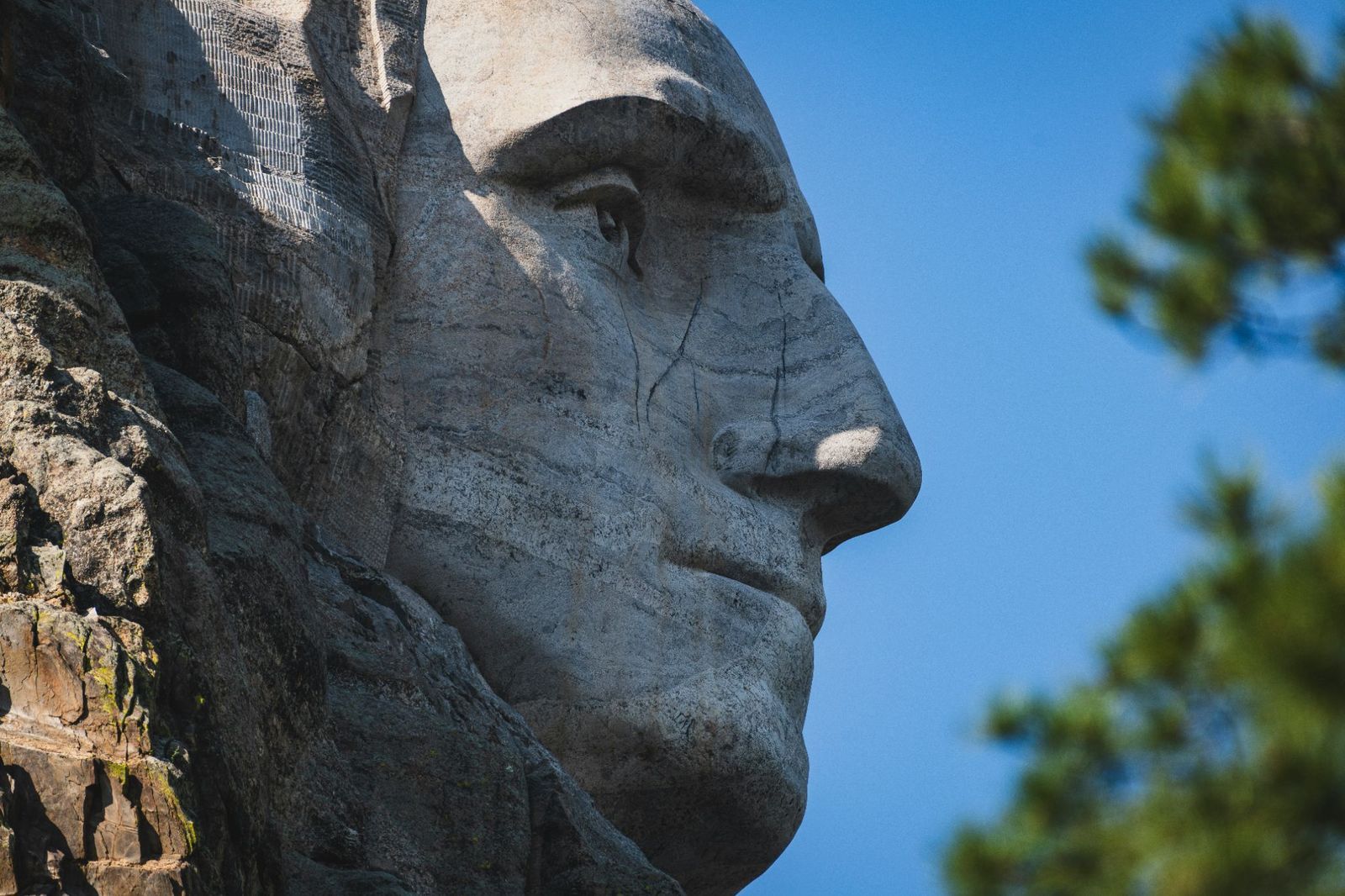
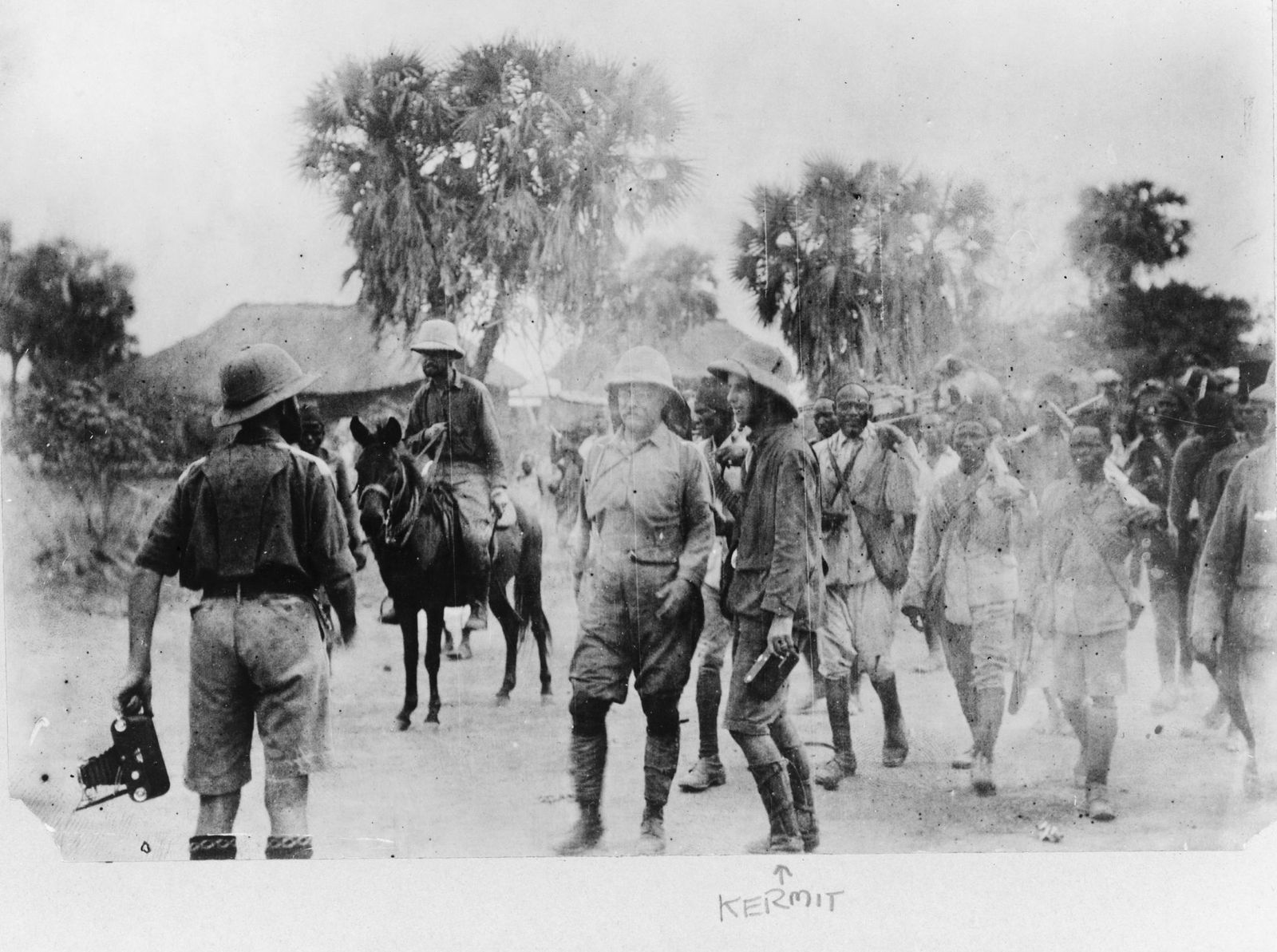
Another iconic style was that of Teddy Roosevelt. His handlebar mustache is not only seen in photos and portraits from his time in office but is also forever etched on the imposing Mount Rushmore. Many men of his era imitated his dramatic, thick, and bushy mustache, which perfectly matched the vigor and toughness that defined the 26th US president.

3
Ulysses S. Grant

Image: Sergei Starostin

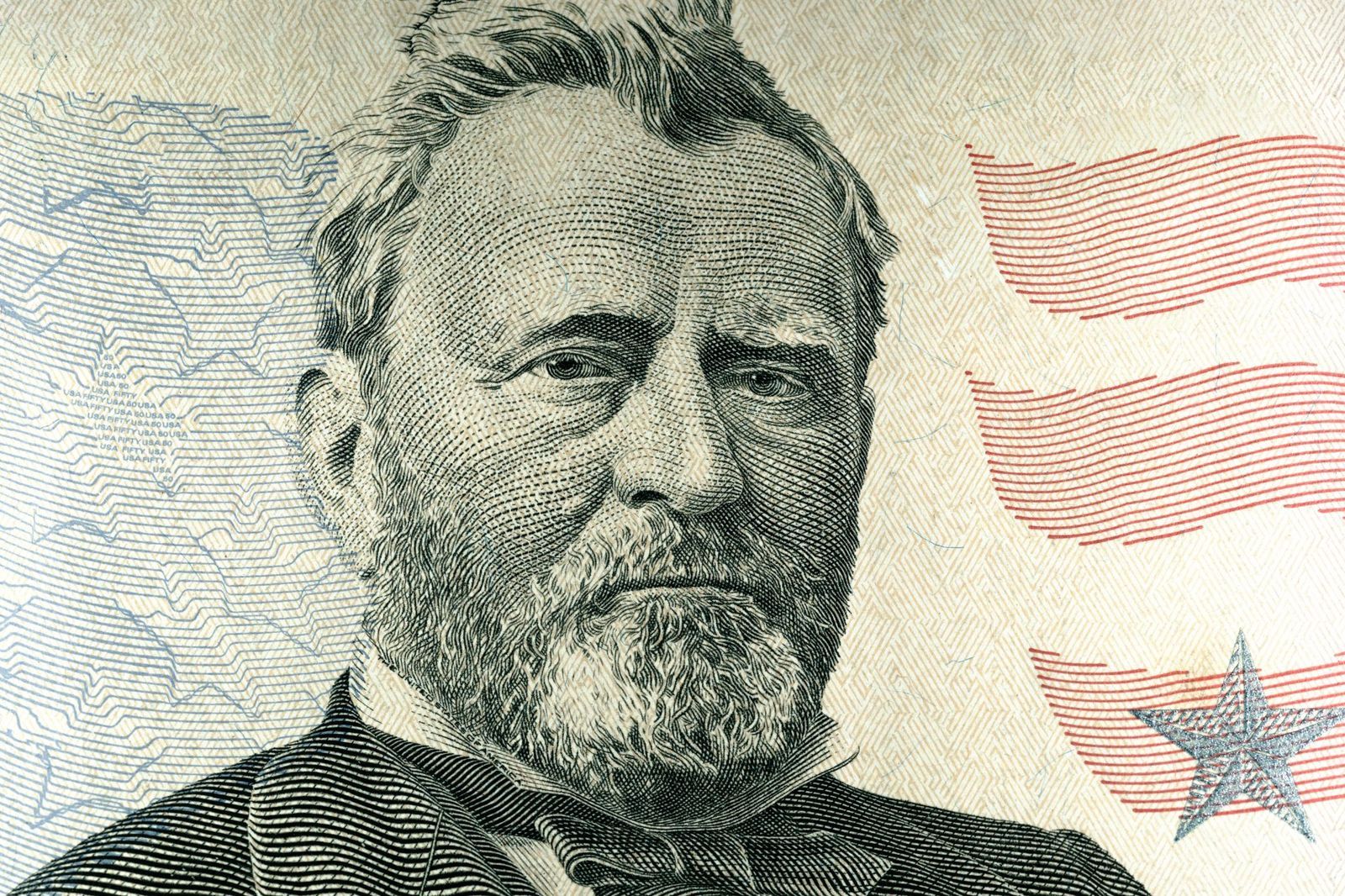
Beard? Yes! Sideburns? Of course. Mustache? That too! That is the case with Ulysses S. Grant, a president with a full look, fitting for a Civil War hero.

Grant's beard and mustache were thick -though not long- covering his jawline and also much of his cheeks. Thus, the 18th US president set a fashion trend that would be followed by several other presidents of the 19th century.

4
Grover Cleveland

Image: Dave Sherrill

Another president with a well-remembered mustache was Grover Cleveland, the first US president to serve two non-consecutive terms.

Cleveland's mustache was fluffy and extended just past the edges of his mouth. Although this might have been a problem when dining with guests, his mustache always looked neatly trimmed.

5
William Howard Taft

Image: Ronaldo Guiraldelli

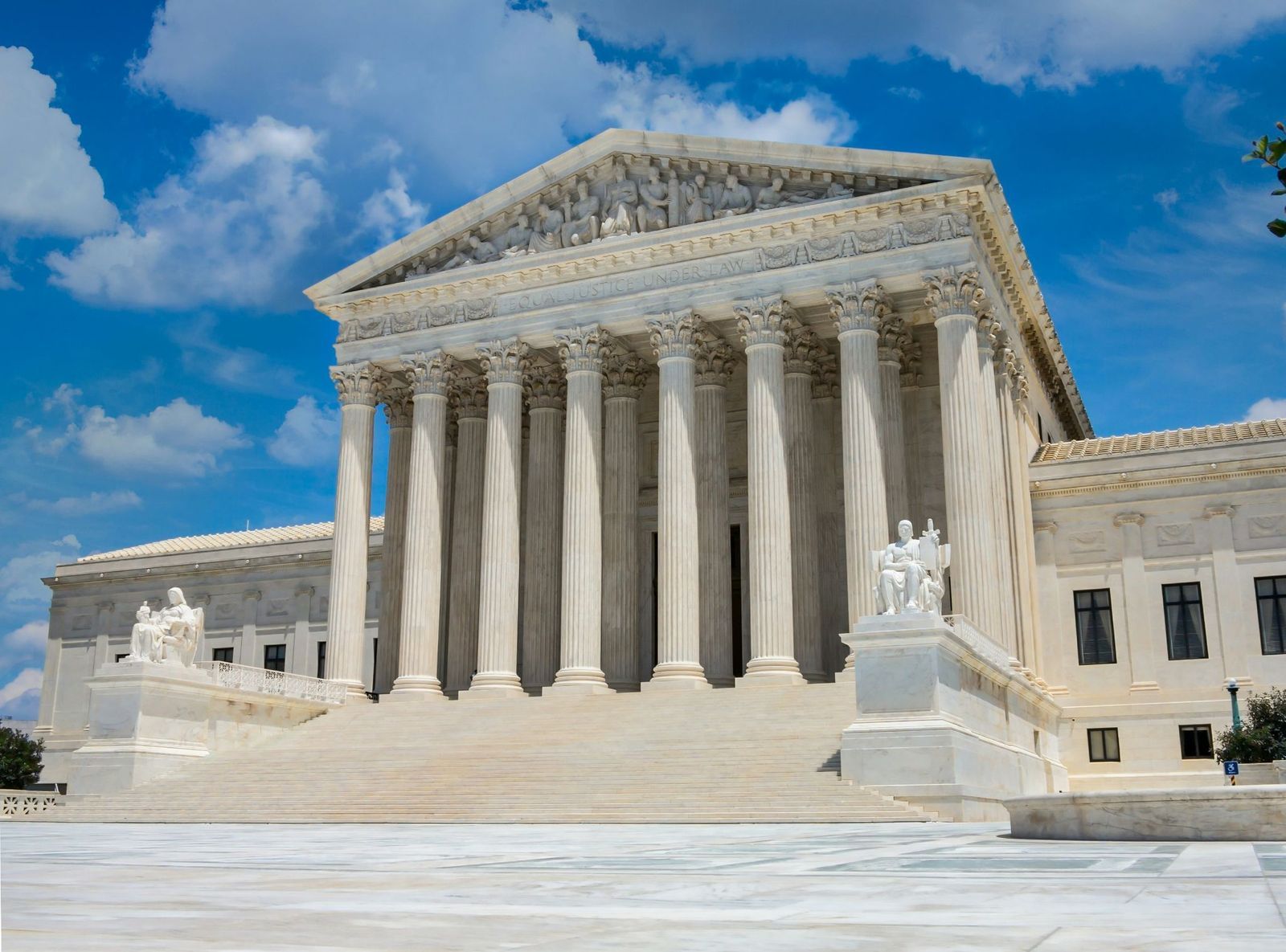
Now, it's time to talk about the only person in the history of the US to have served as both President and Chief Justice of the Supreme Court: William Howard Taft.

Taft sported a bushy mustache, like Teddy Roosevelt, who served right before him. But, unlike his predecessor, the tips of Taft's mustache didn't point downward; instead, they bent upward, making it much more theatrical.

6
John Quincy Adams

Image: Library of Congress

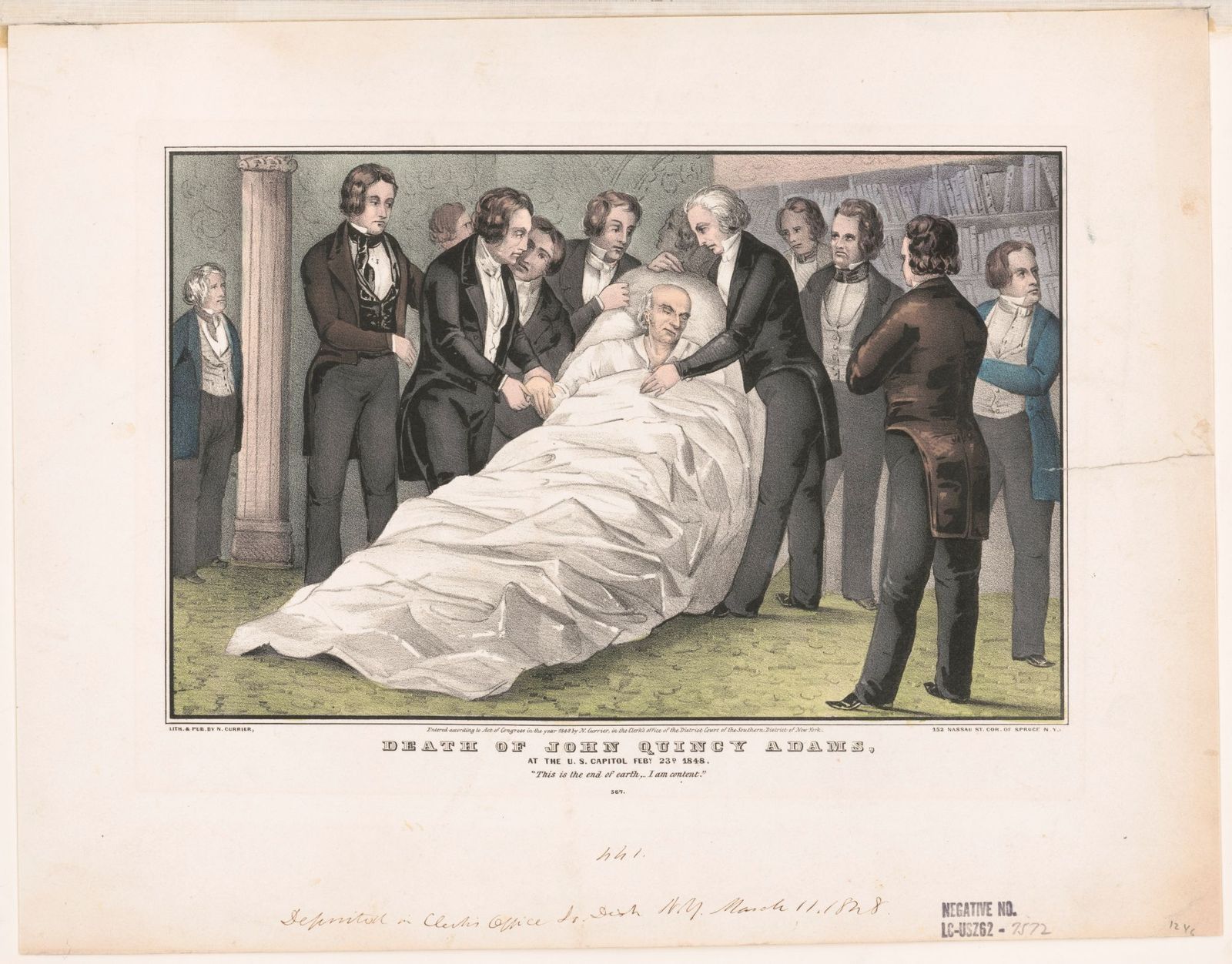
John Quincy Adams didn't need a mustache to stand out with his style. His hallmark was something quite original: sideburns.

Remembered for being bushy and always well and neatly groomed, the 6th president's memorable sideburns extended down the sides of his face, even connecting beneath his chin!

7
Rutherford B. Hayes

Image: Nikolaos Dimou

Rutherford B. Hayes was another 19th-century president known for sporting a full beard. In addition to being thick, his beard and mustache were quite long and even joined together, fully covering his lips, as seen in portraits from the time. While the 19th President looked really distinguished, we can't help but wonder how he handled summer with that style!

8
James A. Garfield

Image: Sean Foster

James A. Garfield had a look strikingly similar to that of his predecessor, Rutherford B. Hayes.

Also sporting a thick, long, full beard, Garfield's mustache was slightly shorter than Hayes', and his beard extended further onto his cheeks. It seems that you had to put some serious effort into perfecting your facial hair to be trendy in the late 19th century!

9
Martin Van Buren

Image: Jack Bulmer

"Mutton chops" is the term for the thick, bushy sideburns worn by Martin Van Buren, the 8th president of the United States, a style known more for its volume than its tidiness.

As seen in portraits from different moments of his life, Van Buren had sideburns from a young age, but they definitely stood out during his presidency. In fact, political cartoons of his time often emphasized that very feature, making his sideburns exaggeratedly large.

10
Zachary Taylor

Image: Josh Sorenson

Before Lincoln, the dominant fashion was a clean-shaven look. But Zachary Taylor -just like John Quincy Adams and Martin Van Buren- came to revolutionize things with his sideburns.

We have to admit Taylor's sideburns were far more modest than those of his predecessors, but he remains one of the few presidents to have worn any facial hair before Honest Abe made it a trend!

General General 5 min read

Hidden gems worth the drive

America's 10 most underrated national parks

Image: Qingqing Cai

Sure, everyone and their Instagram-obsessed nephew has been to Yellowstone or the Grand Canyon. But America’s national parks are like that box of chocolates Forrest Gump was always going on about—there are some surprises in there that'll knock your socks off. While the famous parks are dealing with traffic jams that'd make rush hour in LA look like a breeze, these underrated beauties are waiting for you with open arms and actual parking spaces .

1
Great Basin National Park, Nevada

Image: Yura Lytkin

Tucked away in eastern Nevada, Great Basin is the park that time forgot—in the best way possible. You can hike to a glacier, explore underground caverns, and camp under skies so dark you’ll see stars you didn’t even know existed , all without waiting in line or fighting for a decent photo spot.

2
Congaree National Park, South Carolina

Image: Selma Rizvić

This park protects one of the largest remaining expanses of old-growth bottomland hardwood forest in the United States, which is a fancy way of saying it's got trees so tall and old they make you feel like an ant at a giant's picnic. The real magic happens at night, when the fireflies put on a light show that'll make you forget all about mosquito bites. Plus, you can rent a canoe and paddle through what feels like the set of a Southern Gothic novel—Spanish moss and all.

3
North Cascades National Park, Washington

Image: Pete Alexopoulos

With jagged mountain peaks and more than 300 glaciers, this park offers scenery that’ll make your camera work overtime . The hiking ranges from "pleasant afternoon stroll" to "why did I think this was a good idea?" so there's something for everyone, assuming everyone likes being surrounded by absurdly gorgeous wilderness.

The best part? While everyone's fighting over hotel rooms near Mount Rainier, North Cascades sits there looking spectacular with hardly anyone around. The park sees fewer visitors in an entire year than Yellowstone does on a busy weekend.

4
Dry Tortugas National Park, Florida

Image: Nick Rickert

Located 70 miles off the coast of Key West, Dry Tortugas takes "off the beaten path" to a whole new level: you literally need a boat or seaplane to get there. The turquoise waters are so clear you could see fish judging your swimming technique from 30 feet away . Plus, there's Fort Jefferson, a massive 19th-century fort that feels like someone plopped a Civil War–era fortress in the middle of paradise and said, "Sure, that works."

Just remember: there’s no fresh water (hence the "Dry" part), no food service, and no shade except what you bring yourself. It’s like camping, but surrounded by the kind of blue water that makes you understand why people write songs about the ocean.

5
Guadalupe Mountains National Park, Texas

Image: Ryuta F.

Home to the highest peak in Texas (Guadalupe Peak at 8,749 feet), this park offers hiking that'll remind your knees they're not as young as they used to be, but in a rewarding way. The fall foliage in McKittrick Canyon is legitimately stunning , which surprises people who assume Texas is all tumbleweeds and barbecue joints.

The park sits on an ancient fossil reef from when this whole area was underwater, mind-blowing, if you think about it for more than two seconds. There’s no cell service, limited facilities, and the nearest town is about an hour away, which may sound like a complaint, but it actually forces you to unplug and take in the amazing place around you.

6
Voyageurs National Park, Minnesota

Image: Vyacheslav Makushin

Voyageurs is a water-based park that’s basically a summer camp for adults who can legally drink beer. With over 200,000 acres—about 40% of it water—houseboating is the way to experience it.

The fishing here is legendary, the northern lights make regular appearances, and in winter, the frozen lakes become highways for snowmobiles and cross-country skiers . It's remote enough that you feel like an explorer, but accessible enough that you won't actually die if you forget your matches.

7
Black Canyon of the Gunnison National Park, Colorado

Image: Dustin Weist

Colorado has so many stunning places that Black Canyon somehow gets overlooked. This canyon is deep, narrow, and so dramatically steep that parts of it only get 33 minutes of sunlight a day . The Gunnison River carved through 2 billion years of rock to create towering walls that make you feel appropriately insignificant, which is good for the soul occasionally.

8
Isle Royale National Park, Michigan

Image: Ivan Vashchenko

If you want to really get away from it all, Isle Royale is your jam: an island in Lake Superior that requires either a ferry ride or a seaplane to reach. Once you’re there, you’re committed; same-day visits aren’t really a thing. The park is car-free, crowd-free, and home to a fascinating wolf-and-moose study that’s been running since 1958.

The hiking trails crisscross the island through forests and along rocky shorelines where the lake looks more like an ocean . Backcountry camping is the main event here, and the solitude is so profound you'll hear sounds you forgot existed—like actual silence.

9
Pinnacles National Park, California

Image: Cyrus Crossan

California's newest national park is a playground of volcanic spires, talus caves, and rock formations that look like a giant was playing with clay and just walked away mid-project . The rock climbing here is world-class, and the cave exploration doesn't require any special gear—just a flashlight and a willingness to squeeze through some tight spaces.

The spring wildflower displays are spectacular, and the park is one of the best places to see the endangered California condor, which has a wingspan that makes eagles look modest. It gets hot in summer—and by hot, I mean "surface of the sun" hot—so plan accordingly.

10
Lassen Volcanic National Park, California

Image: Robson Hatsukami Morgan

This park sits on top of one of the world’s largest plug-dome volcanoes—and yes, it could erupt again—Lassen Peak last blew in 1915, which in geological time is basically yesterday. But don't let that stop you from enjoying the bubbling mud pots, steaming fumaroles, and hot springs that make you feel like you're walking on another planet .

The hiking is fantastic, with everything from easy boardwalk strolls through geothermal features to challenging climbs up Lassen Peak itself. Add in alpine lakes, wildflower-filled meadows, and a fraction of Yosemite’s crowds (despite being just a few hours south), and you’ve got a spectacular California secret.

Explore more American facts

Choose your favorite category!

General
General

As American as apple pie—the very best America has to offer!

Culture
Culture

Delve into the astounding richness of American lore.

Geography
Geography

Hop in and explore vast and diverse American landscapes.

History
History

Discover the key moments that shaped the United States.