General General 3 min read

Lady Liberty enlightens the world with her torch

Image: Dudubangbang Travel

The Statue of Liberty stands proudly on Liberty Island in New York Harbor, raising her torch high above her head as a symbol of freedom and hope. This American icon has welcomed millions of immigrants and visitors, becoming one of the most recognizable landmarks across the globe. Let's dive into 12 fascinating facts about this beloved American monument!

1
Her torch has been replaced

Image: Mateus Maia

Lady Liberty is no longer holding her original torch. The first one, made out of copper and covered in gold leaf, was replaced in 1986 due to extensive damage. The current torch sports a 24-karat gold flame, which gleams in the sunlight by day and is illuminated by torchlights at night.

2
What happened to the original torch?

Image: Epicgenius, CC BY-SA 4.0 <https://creativecommons.org/licenses/by-sa/4.0>, via Wikimedia Commons

The original torch is on display in the Statue of Liberty Museum on Liberty Island. It was removed on July 4, 1984, after leaks from rain and corrosion from the elements damaged it beyond repair. It was replaced in 1986 with the current replica and inaugurated by First Lady Nancy Reagan.

3
The view from the top

Image: Lowe, Jet, creator, Public domain, via Wikimedia Commons

Visitors could originally climb up to a small observation deck inside the Statue of Liberty's torch. However, the structure was damaged in an explosion in 1916, and access to the torch has been closed ever since.

4
Lady Lighthouse

Image: Luke Stackpoole

From 1886 to 1902, the Statue of Liberty served as an official lighthouse, guiding ships and welcoming visitors into New York Harbor with 14 electric lamps housed inside the torch.

5
A gift from France

Image: Albert Fernique, Public domain, via Wikimedia Commons

To celebrate the centennial of American Independence and the friendship between the American and French nations, the people of France gifted the Statue of Liberty to the United States in 1886.

6
Gustave Eiffel

Image: Carol M. Highsmith, Public domain, via Wikimedia Commons

Gustave Eiffel, the very same engineer behind Paris' most famous tower, designed Lady Liberty's inner iron framework. His design allowed the statue to withstand the strong winds and harsh weather conditions in New York Harbor. The entire puddled iron structure was replaced by corrosion-resistant stainless steel in 1986.

7
She wasn't always green

Image: Maarten van den Heuvel

Lady Liberty's outer shell is made out of copper. It originally had a shiny brown color, but exposure to the elements over time caused the copper to oxidize, giving the statue the famous green patina it is known for.

8
The New Colossus

Image: Gautam Krishnan

Emma Lazarus, the famous American author and poet, was inspired by the Statue of Liberty to write a poem titled The New Colossus . Lines from the sonnet are now inscribed on a bronze plaque on the statue's pedestal.

9
A challenging trek

Image: Zoshua Colah

Visitors to the Statue of Liberty's famous crown observation deck must do so by climbing 354 narrow steps. The view from the top, however, sure is worth it!

10
Visitors from the Seven Seas

Image: Laurenz Heymann

Lady Liberty's crown has seven rays or spikes. The number was chosen to mirror the Seven Seas of ancient literature, as well as the seven continents of the world, meaning Asia, Africa, North America, South America, Antarctica, Europe, and Australia. Through this symbol, the Statue of Liberty extends her message of freedom across the globe.

11
Her left hand

Image: Ron Cogswell from Arlington, Virginia, USA, CC BY 2.0 <https://creativecommons.org/licenses/by/2.0>, via Wikimedia Commons

Besides the torch in her right hand, Lady Liberty is holding a tablet in her left hand. The tablet reads JULY IV MDCCLXXVI . In Roman numerals, that is July 4, 1776, the date of the American Declaration of Independence.

12
Broken chains

Image: Atsme, CC BY-SA 4.0 <https://creativecommons.org/licenses/by-sa/4.0>, via Wikimedia Commons

The Statue of Liberty stands 305 feet from the ground to the tip of her torch, making her one of the tallest statues in the world. At her feet lie broken shackles and chains, symbolizing the abolition of slavery, oppression, and tyranny.

Culture Culture 7 min read

CHILDHOOD WONDERS

Relive Your Childhood With 10 Of The Most Popular Toys!

Image: Vanessa Bucceri

Toys are usually a child’s first companions: They were there when we were lonely or bored, they taught us through playtime and maybe even allowed us to meet our first real-life friends with whom to share the treasures in our toy box. Since the dawn of our country, a myriad of toys and games have defined each decade, creating wonderful memories in the minds of generations of American children.

We have selected ten of the most iconic toys that have truly defined the lives of countless Americans. Is your favorite toy from your childhood on this list? Keep on reading and enjoy!

1
Teddy bear

Image: Oxana Lyashenko

We’ll start with the surprising origins of a global icon. While there is some debate as to the country of origin of the teddy bear, there’s absolutely no doubt as to where the furry companions of our childhood got their names. And, considering that the source of the teddy bear’s name comes from the highest office in the United States government , we think we can safely state that this toy is truly an American icon.

In 1902, President Theodore Roosevelt was invited on a hunting trip to Mississippi, on which his group cornered and tied a black bear to a tree for the president to shoot. Displeased by what he thought was unsportsmanlike behavior, the President refused and the bear was freed. This story was published in many national newspapers, and it quickly became extremely popular. So much so, that a Brooklyn businessman designed a small, cuddly bear and advertised it on his shop as "Teddy’s bear" . And just with that, our 26th President unwillingly named this quintessential toy.

2
Super Soaker

Image: Steward Masweneng

If you were a kid during the 80s or 90s, you probably played with the extremely refreshing Super Soaker on a hot summer day. This reimagined water gun featured an innovative design that added pressurized air for longer and stronger water bursts. Showcasing a futuristic design, the Super Soaker felt like shooting a sci-fi laser gun, which seems only reasonable considering it was created by a former NASA engineer.

In 1982, engineer Lonnie Johnson, who specialized in aerospace design, came across the idea of the Super Soaker while conducting an experiment in his house. Johnson’s prototype combined household items like a PVC pipe and a two-liter soda bottle. While rudimentary, this first design successfully shot powerful streams of water. The rest is history: Johnson was able to mass-produce his design, and the Super Soaker became the summer toy for millions of American children.

3
Slinky

Image: Adam Valstar

Just like with the Super Soaker, the man behind this iconic toy was a successful American engineer. In 1943, while investigating a way to suspend sensitive equipment aboard ships, naval engineer Richard T. James accidentally dropped a torsion spring he was working with. James noticed the curious way in which the spring kept on moving after hitting the ground, and with that, the idea of one of the most beloved toys of the 20th century was born.

Richard and his wife Betty initially made 400 "Slinkys", which were first carried by a department store in Philadelphia for Christmas 1945. This first production was sold in less than 90 minutes , and the Slinky quickly proved to be an instant success. To this day, approximately 300 million Slinkies have been sold all over the world.

4
Rubik’s cube

Image: Olav Ahrens Røtne

Let’s deal with the elephant in the room first: No, the Rubik’s Cube is not an American invention. However, just like the rest of the world, this tricky puzzle took the United States by storm during the 70s and 80s, so it seemed only fair to add this beloved toy to this list. In the 1970s, Hungarian architecture professor Ernő Rubik designed the first prototype of the Rubik’s cube, as a way to create a system with parts that could move independently. However, he realized he had built a rather entertaining puzzle when he tried to restore the sides of his cube. Rubik applied for a patent in Hungary and started selling his "Magic Cube" by 1975.

By the 1980s, the Rubik’s Cube became a global sensation. It is reported that over 200 million cubes were sold between 1980 and 1983. In America, this puzzle immediately gained status as a cultural icon: In 1981, the Museum of Modern Art in New York exhibited a Rubik’s cube, while the 1982 World's Fair in Knoxville, Tennessee featured a six-foot version of the toy.

5
G.I. Joe

Image: Justin Wilkens

In 1963, Manhattan inventor and licensing agent Stanley Weston came up with the idea of a military action figure . Perhaps unbeknownst to him, Weston’s prototypes would soon inspire G.I. Joe, the first toy to teach American children about how every U.S. soldier can be a superhero to treasure and admire.

Produced by Hasbro, the G.I. Joe series encompasses countless action figures throughout their almost 60 years of history. Most of the toys feature the titular "G.I. Joe Team", a league of military heroes that defends the world from the evil deeds conducted by the "Cobra" organization.

6
Frisbee

Image: Patrick Reynolds

If any kid playing around with a cool stick they found lying can teach you anything, it doesn’t take much to make a fun toy that children will enjoy. Case in point: In 1937, Walter Frederick Morrison and his future wife Lucille realized how fun it was to toss a popcorn can lid back and forth. After WW2, Morrison worked on several designs until, in 1955, he designed "the Pluto Platter" , the very first version of what we now know as the Frisbee.

The story behind the name of this iconic toy is rather interesting. Wham-O, the company behind the commercialization of the Pluto Platter, realized that Yale University students were calling their product by another name. Since the plastic discs resembled empty pie tins , they called them "Frisbies" after the Frisbie Pie Company, a pie supplier for the university.

7
Barbie

Image: Elena Mishlanova

Barbie truly needs no introduction : She’s definitely the world's most famous doll, selling over six billion units in its 60-year history. She has been featured in a myriad of TV shows and movies, including an Academy Award-winning live-action film in 2023. With such a prolific and wondrous career, it’s easy to forget how Barbie's story started: With an innovator watching her daughter play.

One evening in the 1950s, businesswoman Ruth Handler noticed that, whenever her daughter played with paper dolls, she enjoyed pretending they were adults. At the time, most dolls depicted infants and babies, so Handler created the prototype of an adult-bodied doll, which she named "Barbie" after her daughter Barbara. On March 9, 1959 (a date which is now Barbie’s official birthday), the very first Barbie doll was presented at the American International Toy Fair in New York City.

8
Hula hoop

Image: Patricia Prudente

The hula-hoop is definitively the oldest toy on this list: Archaeologists believe that children and adults played with hoops of some kind since at least 500 BC. However, in 1958, a plastic hoop launched by American toy company Wham-O became insanely popular, and with that, the hula-hoop mania was born.

Named after its resemblance to the hip movements of the traditional Hula dance, the hula-hoop is still a remarkably popular toy . Not only that, hooping is considered an excellent and fun exercise, promoted as an excellent way to improve cardiovascular health.

9
View-master

Image: Girl with red hat

Just like the Slinky, the View-Master wasn’t originally conceived as a kid’s toy. And, to be perfectly honest, at its core it is truly an entertainment experience for all ages: An innovative and fresh way of enjoying beautiful images and scenery. However, it wouldn’t be right not to include this wonderful device in this list, since it has touched the hearts of thousands of American children since 1939.

Created by pharmacist Edwin Mayer in Portland, Oregon, the View-Master was introduced at the 1939 New York World's Fair. While its original intent was to provide an alternative to postcards, over time it included cartoons and short stories aimed at children. Famously, the View-Master’s most popular reels featured Disney and Hannah Barbera characters.

10
Legos

Image: Xavi Cabrera

We’ll end this list with an absolute classic . With over 75 years of history and no sign of slowing down, Legos have truly shaped the lives of millions of children around the world. The true beauty of these colorful bricks is that they are only limited by children’s imagination which, we are sure you’ll agree, is definitively limitless. In the right hand, a single plastic brick can be the start of a giant dinosaur, a spaceship, or a bell tower.

The humble beginnings of Lego come from the town of Billund, Denmark, where a carpenter named Ole Kirk Christiansen started making wooden toys in 1932. Christiansen named his company "Lego" after the Danish phrase leg godt , which translates to "play well". By the end of the 1940s, the company was already producing an early version of its iconic interlocking bricks, now considered a completely ubiquitous cultural icon.

History History 6 min read

The forgotten seconds in command

How long did it take for a Vice President to be charged with a felony?

Image: Brandon Mowinkel

How many vice presidents do you remember? We know that several presidents served initially in the number two role, and that a few of them had to step up to the presidential office due to death or resignation. But beyond that, what else is there to know? Well, many things, but we’ll stick to unusual facts and circumstances. Which one was accused of murder? Why are they called Veep? Were they always chosen by their party? Let’s dive into some interesting Vice Presidents of the U.S.

1
The criminal Veep

Image: See page for author, Public domain, via Wikimedia Commons

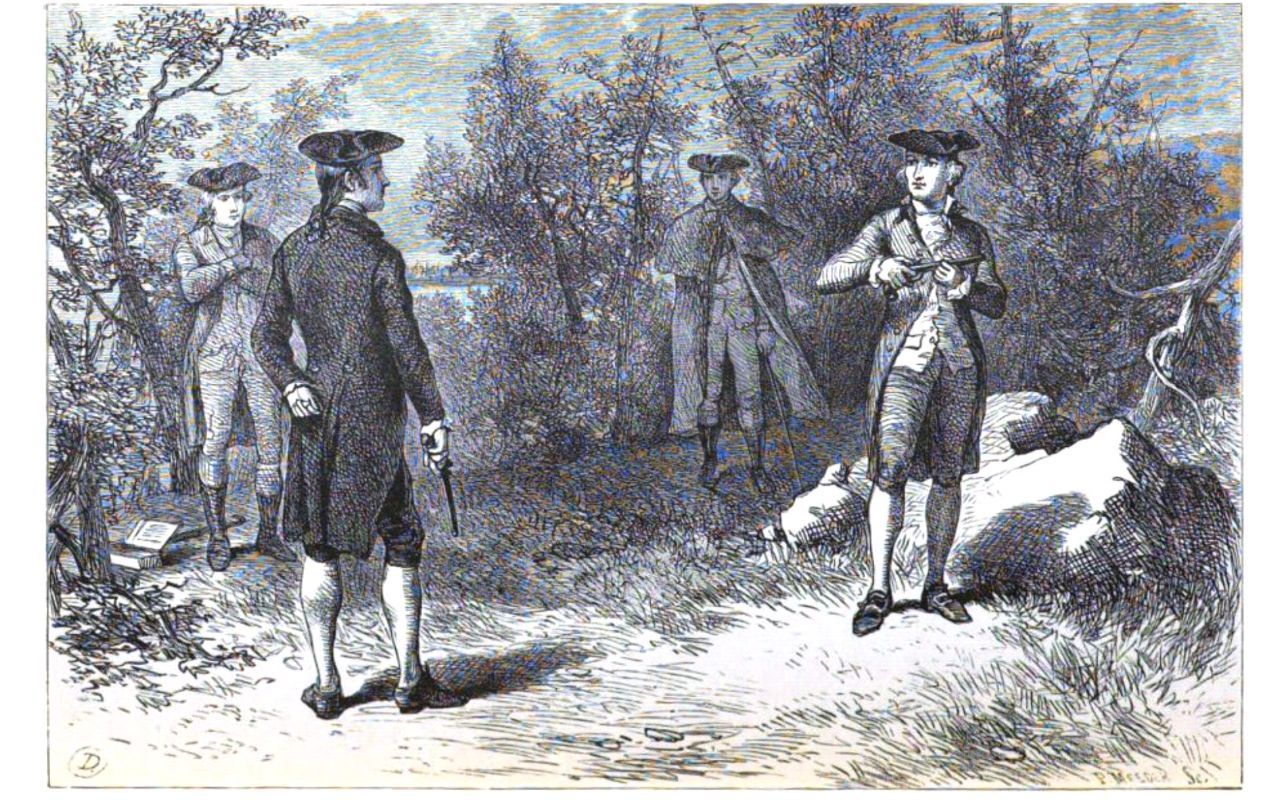
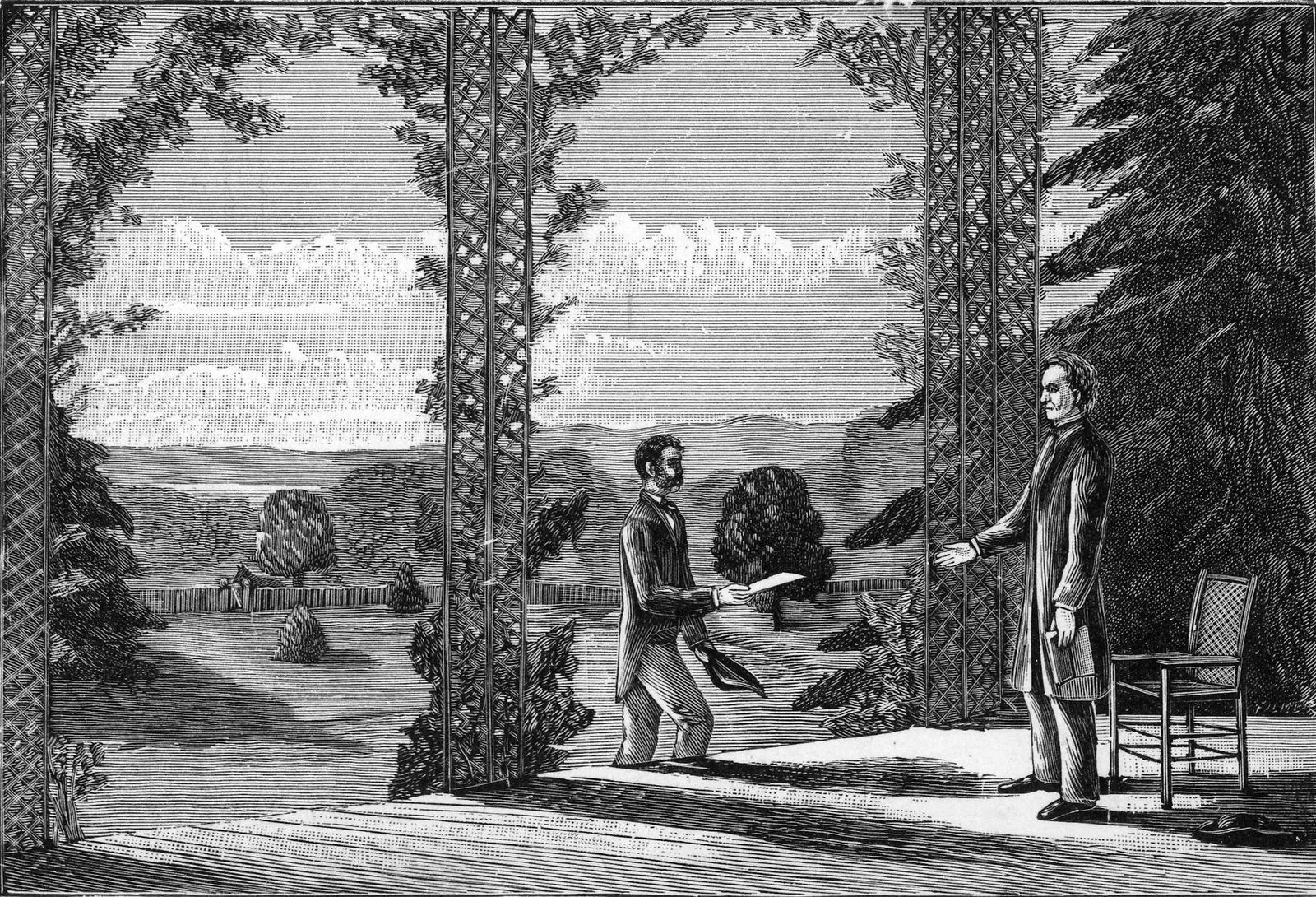
America never lacked politicians who were suspected criminals —vice presidents included— but not every day is the second most important person in the nation formally accused of murder. It is a known fact that Aaron Burr, America’s third vice president, fatally shot founding father Alexander Hamilton in a duel in 1804. What many don’t know is that he was formally indicted for that murder in New York and New Jersey , but he fled to South Carolina and never stood trial, and the charge was eventually dropped. He was also accused of treason, but we can’t say that he was unique among politicians in that sense.

2
The first Veep that was actually elected

Image: Benjamin Henry Latrobe, Public domain, via Wikimedia Commons

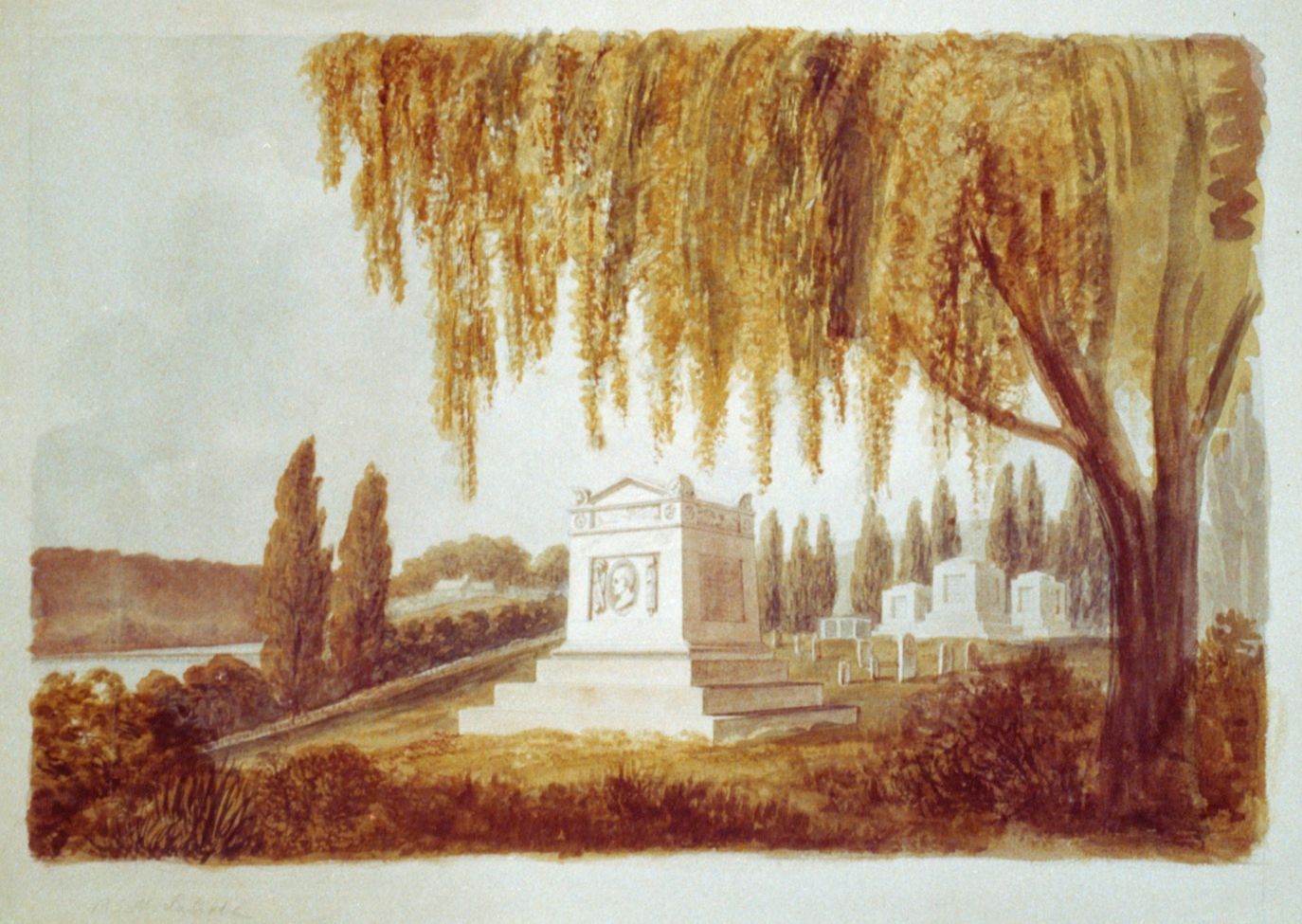
Did you know that, in the beginning, vice presidents were not elected as running mates of a presidential candidate? For the first three presidencies, the position was filled by the runner-up, which created endless conflicts. After all, who wants to work with the guy who beat you? After Thomas Jefferson struggled to govern with Aaron Burr as his second, he pushed for the 12th Amendment, which allowed vice presidents to be elected on their own . For his next term, Jefferson chose George Clinton as running mate —not only because he was popular, but also because his age (65 years old) made it unlikely that he would challenge Jefferson’s successor, James Madison, for the presidency. In the end, Jefferson didn’t have to worry about it because Clinton was the first vice president to die while in office in 1812.

3
The unelected Veep

Image: White House, Public domain, via Wikimedia Commons

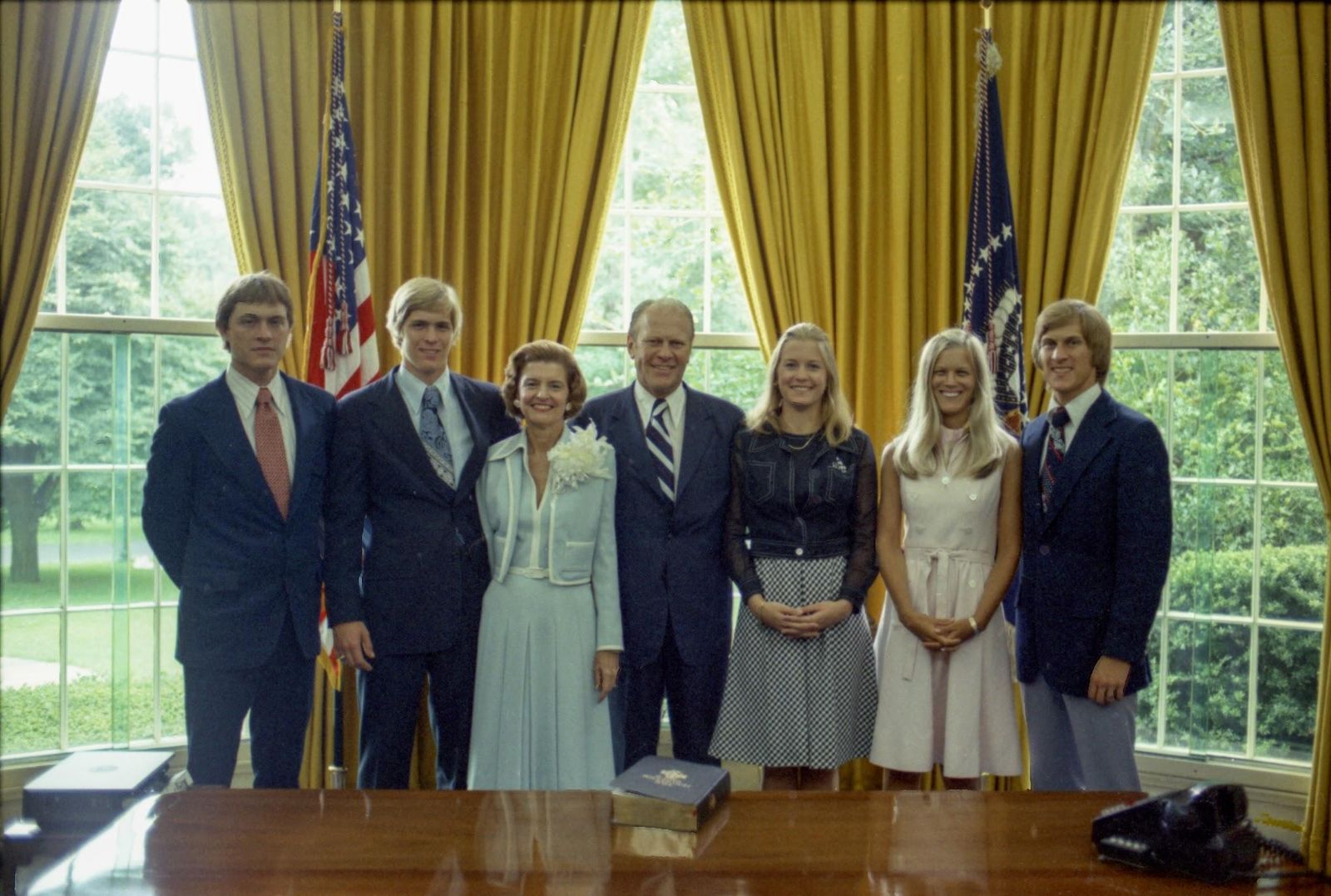
In 1973, Vice President Spiro Agnew resigned under accusations of corruption. The newly ratified 25th Amendment stated that the president, Richard Nixon, had to nominate someone for the position, to be later ratified by Congress. He chose Gerald Ford, at the time the House Minority Leader , and widely respected by his peers. Less than a year later, Nixon was forced to resign due to the Watergate scandal, and Ford assumed the presidency, making him the only vice president and president who was not elected.

4
The first Veep to have a ‘Second Gentleman’

Image: The White House, Public domain, via Wikimedia Commons

We’ve had many memorable First Ladies in our history, but, seeing that we never had a female President, we don’t know what that role would look like in a reversed situation. But what about a Second Gentleman? In 2021, Kamala Harris was the first woman to serve as Vice President, and her husband, Doug Emhoff, became the first ‘Second Gentleman’ of the nation , which meant that the acronym for the position (SLOTUS) had to be updated to SGOTUS.

5
The first Veep to be a proper Veep

Image: Abbie Rowe, Public domain, via Wikimedia Commons

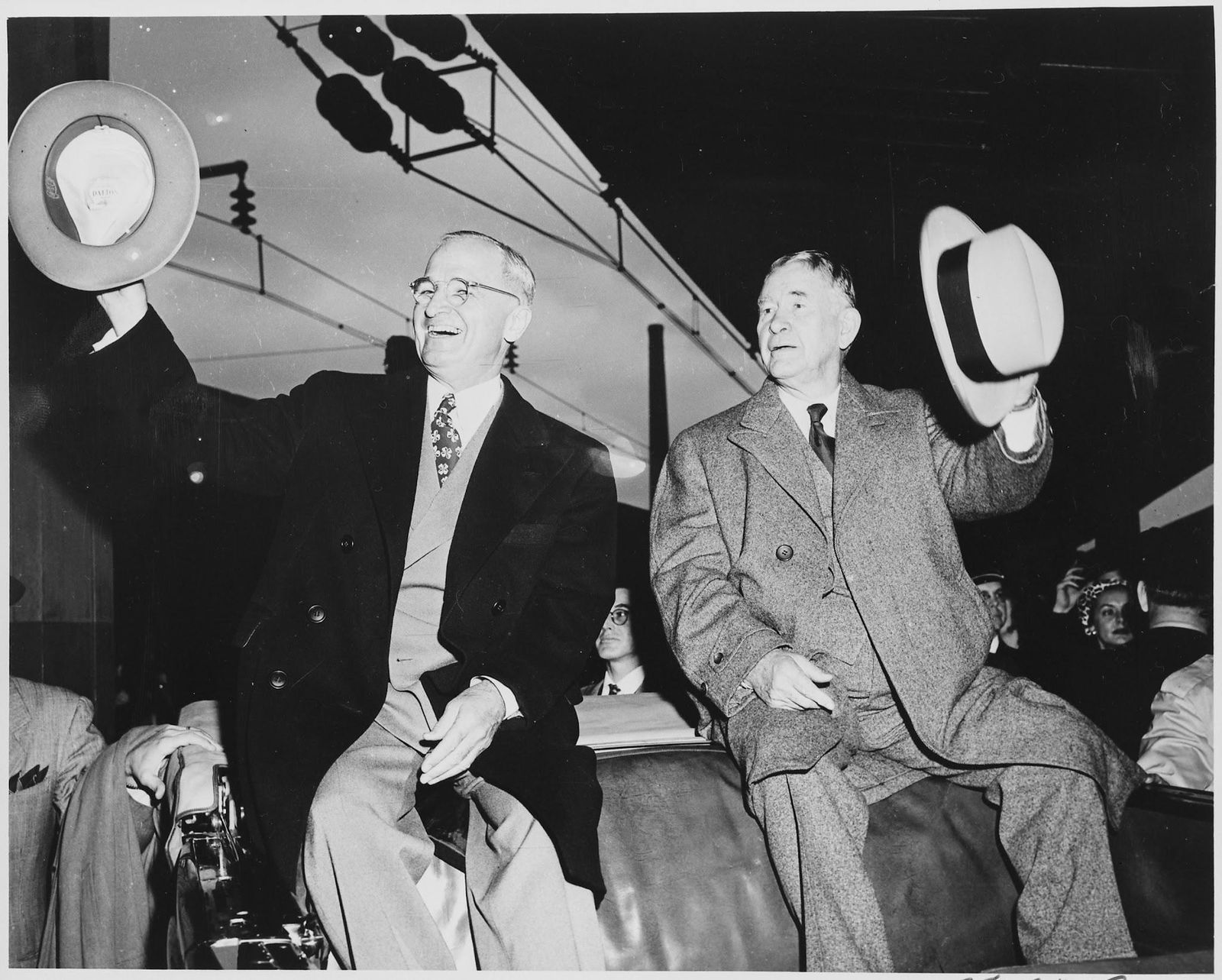
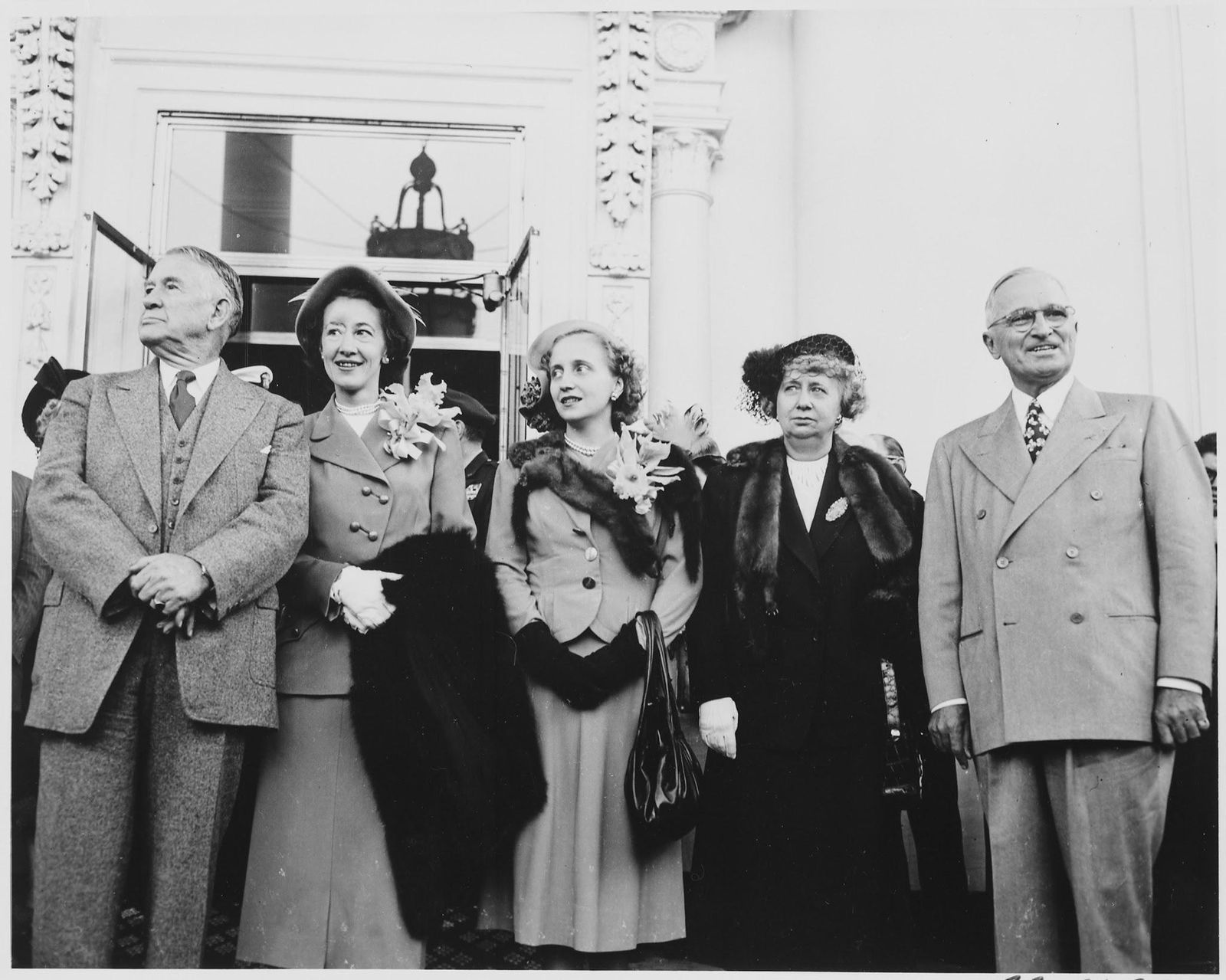
Where does the use of "Veep" for vice president come from? In 1949, Alben W. Barkley was elected as VP under President Harry S. Truman. Barkley thought that ‘Mr. Vice President’ was a mouthful, and it sounded too formal. His grandson suggested the term Veep (after the VP initialism) , which became popular when Barkley told the story to the press. Although the following vice president, Richard Nixon, refused to use the term out of respect for Barkley, it has become the common phrase used to informally refer to vice presidents.

6
The shortest Veep-to-President pipeline

Out of the fifteen vice presidents to later become president, nine of them did so due to the president dying or resigning. The 10th Vice President, John Tyler, was not only the first Veep to assume the role after the President’s death, but also the Veep with the shortest tenure in American history. After only 31 days in office, in 1841, he became president due to the passing of William Henry Harrison , setting the precedent that vice presidents who assumed the presidency were official and not just acting presidents.

7
The first Veep to live at Number One Observatory Circle

Image: National Archives and Records Administration, Public domain, via Wikimedia Commons

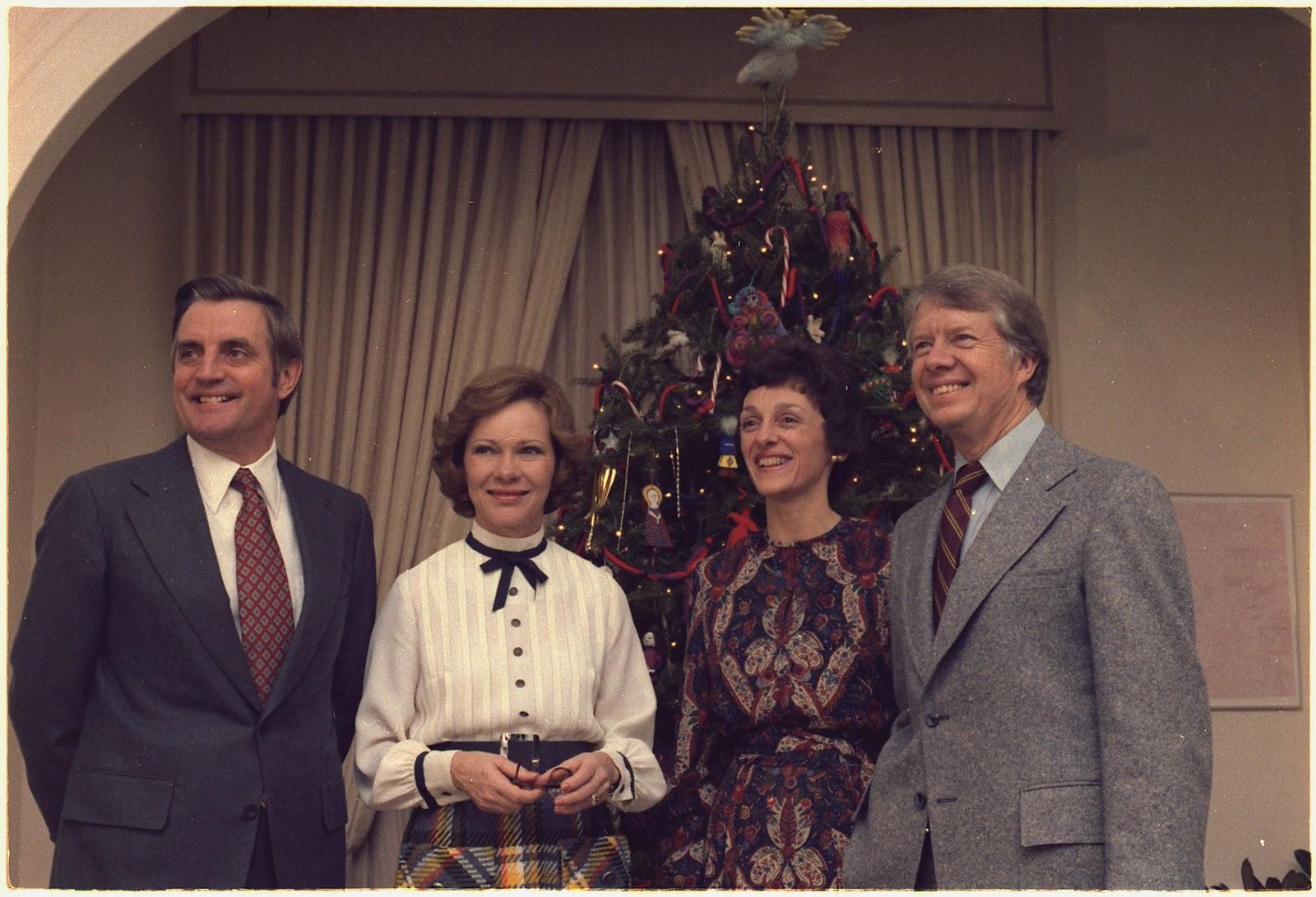
Unlike presidents, vice presidents didn’t always have an official residence. Up until 1974, when Congress designated Number One Observatory Circle as the official residence of the vice president , Veeps lived in their own houses. At the time, Vice President Nelson Rockefeller refused to move in and only used the house for entertaining guests. Walter Mondale was the first vice president to officially move in with his family in 1977.

8
The Veeps that had to step down

Image: Karl Schumacher, Public domain, via Wikimedia Commons

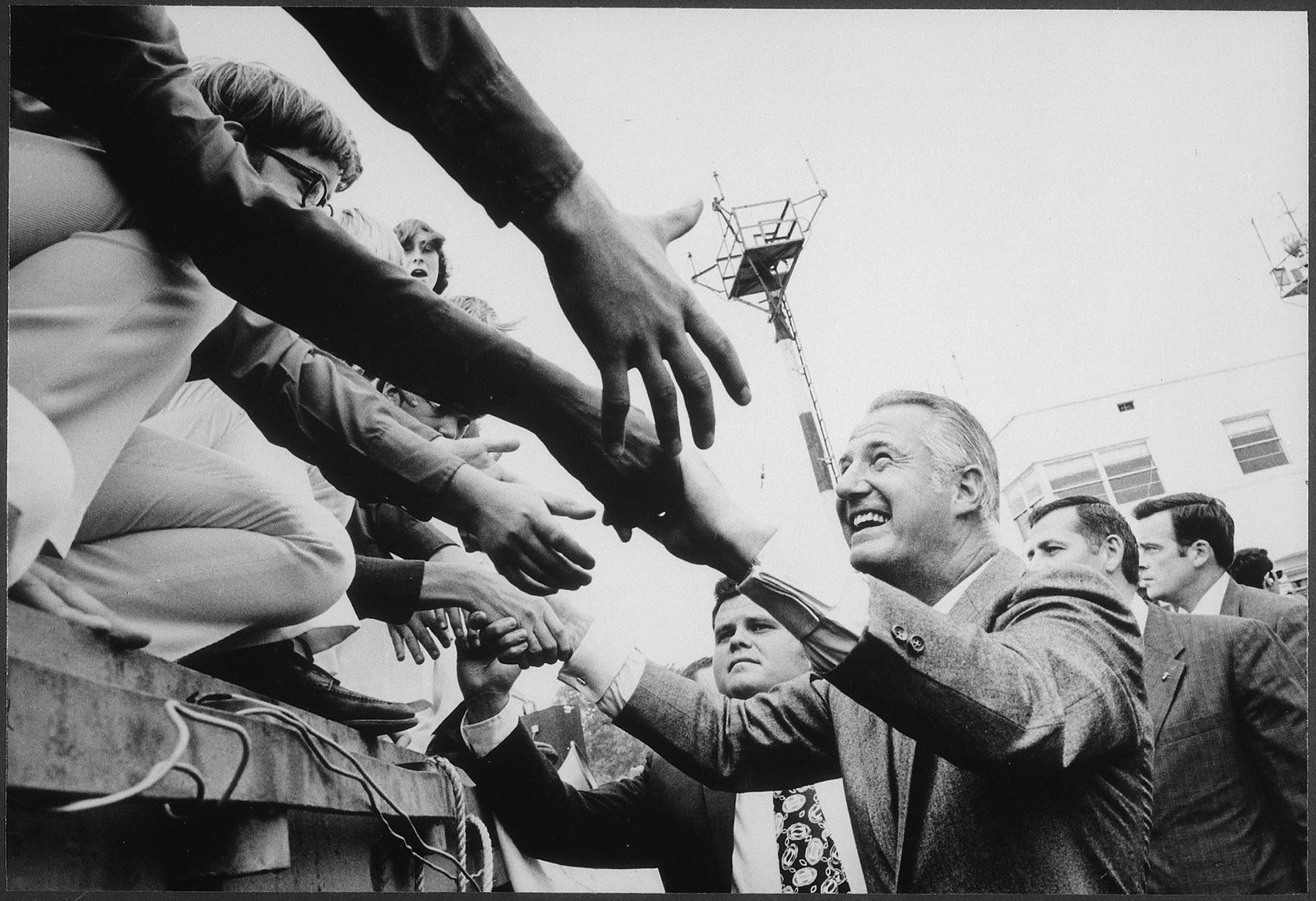
Only two out of the 50 vice presidents in American history resigned their position. In 1832, Andrew Jackson’s vice president, John C. Calhoun, resigned during his second term to accept a seat in the Senate after a series of political differences with Jackson. In 1973, Spiro Agnew was accused of corruption and bribery , and charged with tax evasion. He resigned and pleaded no contest to the charges. His President, Richard Nixon, would also resign less than a year later.

9
The Nobel Veeps

Image: MSGT Fernando Serna, USAF, Armed Forces Inaugural Committee, Public domain, via Wikimedia Commons

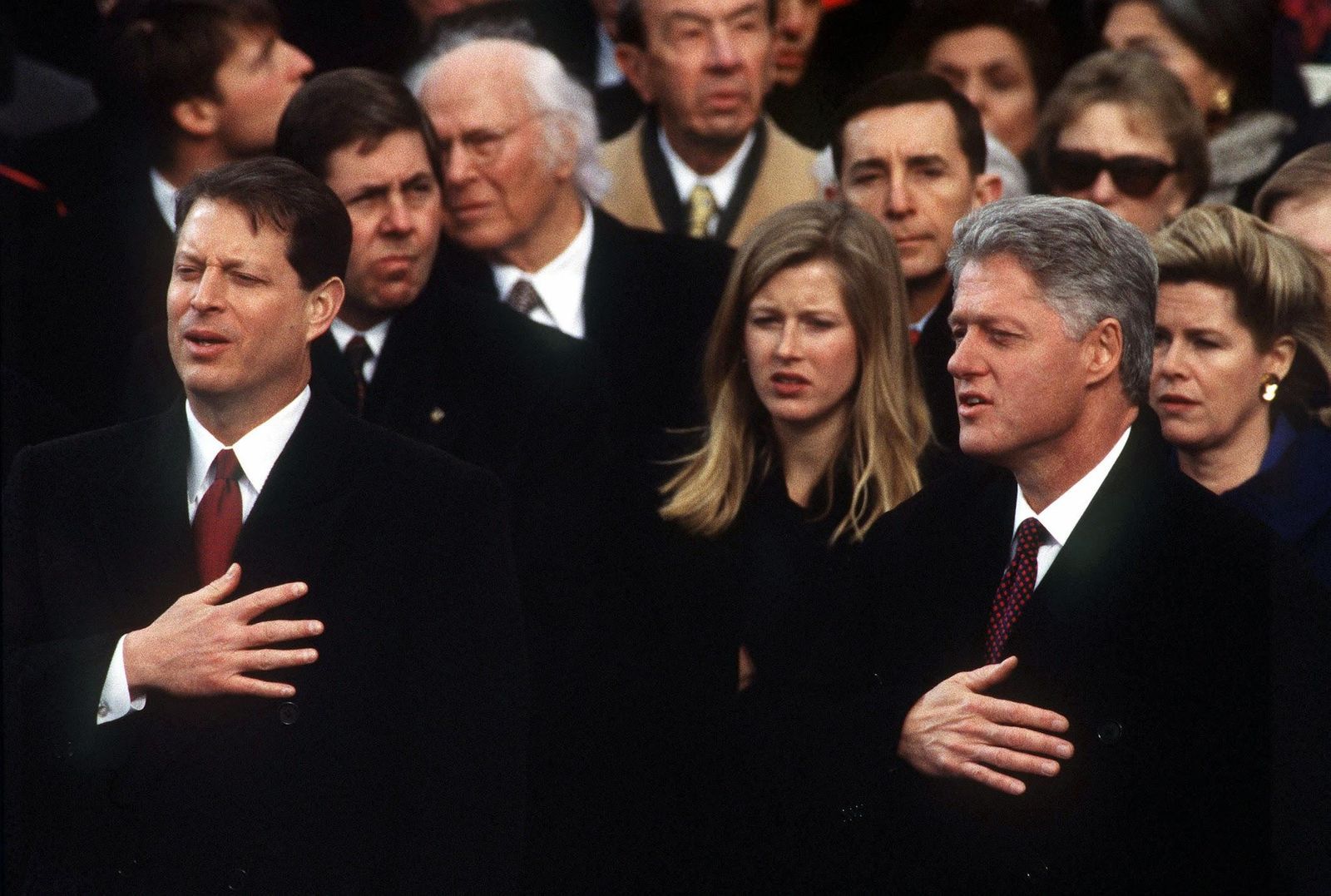
Only two vice presidents were awarded the Nobel Peace Prize: Charles G. Dawes received the prize in 1925 for the "Dawes Plan", an initiative to stabilize the German economy after WWI , while Al Gore received it in 2007 —jointly with the Intergovernmental Panel on Climate Change— for his efforts towards the conscientization of man-made climate change . Some also include Theodore Roosevelt in this list on account of his having served as vice president, but at the moment of receiving the prize in 1906, he was serving his second term as president.

10
The youngest and oldest Veeps

Image: Abbie Rowe, Public domain, via Wikimedia Commons

According to the Constitution, the minimum age requirement for the vice president is 35 years old. The youngest ever vice president in office was John C. Breckinridge at 36 years old , serving under James Buchanan in 1857, followed by Richard Nixon and J.D. Vance, who both assumed the role at 40 years old. The oldest vice president to take office was Alben Barkley, who in 1949 served under Harry S. Truman at 71 years old , followed by Charles Curtis at 69 years old, and Hubert Humphrey at 67 years old.

Explore more American facts

Choose your favorite category!

General
General

As American as apple pie—the very best America has to offer!

Culture
Culture

Delve into the astounding richness of American lore.

Geography
Geography

Hop in and explore vast and diverse American landscapes.

History
History

Discover the key moments that shaped the United States.