Culture Culture 5 min read

Rite of passage

Journey of a lifetime: 12 essential adventure films for the bold at heart

Image: Alex Kropp

Good movies show us that, through cinema, we can experience adventures that help us escape our daily boring routines. From fantastic creatures and hidden treasures to cowboys and aliens, adventure films have captivated audiences from the golden age of Hollywood to the present day. In this article, we’ve selected 12 movies that prove you don’t always need a cape and sword to be a hero. Are you up for the ride?

1
E.T. the Extra-Terrestrial

Image: Couleur

E.T. , released in 1982, is undoubtedly one of Steven Spielberg's best films and one of the most iconic in the history of cinema. The story follows an alien lost on Earth who forms a pure and heartfelt friendship with a human boy, who will go to great lengths to help him return home.

E.T. the Extra-Terrestrial is an endearing adventure film that marked the ‘80s and taught us the importance of empathy and embracing each other's differences.

2
The Wizard of Oz

Image: MGM, Public domain, via Wikimedia Commons

Somewhere over the rainbow is one of the most iconic films we’ve ever seen: The Wizard of Oz (1939). This film marked a turning point in Hollywood , with the angelic Judy Garland leading a troupe of magical beings on a journey to the Emerald City and the dreaded Oz.

A tornado sweeps Dorothy into a technicolor dreamscape populated by munchkins, a cowardly lion, a tin man, a scarecrow, and a wicked witch, prompting a journey down the Yellow Brick Road. Their adventure is largely one of self-discovery : the Lion finds his courage, the Scarecrow his brains, the Tin Man his heart, and Dorothy finally returns to Kansas.

3
Back to the Future

Image: dtavres

A time machine in a DeLorean? Sign me up! What would '80s cinema be without this fabulous trilogy, where a teenager (Michael J. Fox) and a scientist (Christopher Lloyd) share all kinds of adventures together?

First, they travel to the past, then to the future, and finally, to the Wild West. Three movies that took the box office by storm and remain great entertainment for all ages .

4
Lawrence of Arabia

Image: Jack de Nijs for Anefo / Anefo, CC0, via Wikimedia Commons

This Oscar-winning epic biographical adventure drama, based on the life of British army officer and archaeologist, T. E. Lawrence, transports us to Egypt in 1917. Released in 1962, Lawrence of Arabia stars Peter O'Toole, Alec Guinness, Anthony Quinn, and Omar Sharif.

During World War I, Lawrence is sent to support Prince Faisal in his war against the Turks. His adventure across the desert earns him the respect of his army for his courage and his deep appreciation for Arab culture.

5
The NeverEnding Story

Image: _marioosh

For many, this movie left a huge mark on their childhood. Who wasn’t amazed by that enormous flying albino creature called Falkor? Based on the acclaimed novel by German author Michael Ende, The NeverEnding Story (1984) introduces us to Bastian, a shy boy who discovers a mysterious book telling the story of the destruction of the world of Fantasia.

The protagonist’s adventure begins when he realizes he can save this world, inhabited by extraordinary beings, by finding a way to get inside the story.

6
The African Queen

Image: Copyright 1952 United Artists Corp., Public domain, via Wikimedia Commons

Two great classic movie stars, Humphrey Bogart and Katharine Hepburn, adrift on a small steamboat in German East Africa during the First World War— this is the epitome of adventure .

The African Queen , directed by the brilliant John Huston and released in 1951, earned Bogart the Oscar for Best Actor and the film the status of an instant classic.

7
Stand by Me

Image: Johannes Plenio

This coming-of-age film, based on a Stephen King story , is perhaps one of the best portrayals ever made of the end of childhood.

The adventures experienced by the four friends in Stand by Me (1986) may not be as spectacular as those of the characters in other films on this list. They don’t have to face fantastic creatures or fight in a war, but they do encounter, for example, an angry dog, a speeding train, hungry leeches, and a dead body lying on the riverbank. It’s a journey of discovery and transformation , filled with tension and drama.

8
Ben-Hur

Image: Reynold Brown, Public domain, via Wikimedia Commons

This flagship blockbuster of Hollywood’s golden era tells the story of the son of a noble Jerusalem family who is betrayed by a childhood friend and condemned to the galleys, where he is held prisoner for three years. Ben-Hur then vows to regain his freedom and plots his revenge.

Released in 1959 and starring the legendary Charlton Heston, Ben-Hur was one of the most expensive films in cinema history. A classic among classics, its three-and-a-half-hour running time is packed with adventure scenes.

9
Indiana Jones

Image: Intricate Explorer

Who hasn’t fantasized about being Indiana Jones? Traveling to exotic countries, embarking on dangerous adventures involving mythological objects, and wearing a hat that won’t fall off no matter what you do are things no one can resist.

With his unwavering sense of honor, compassionate nature, effortless charm, and witty one-liners, Indiana Jones is the quintessential adventure hero . Along with Harrison Ford’s brilliant performance, this iconic saga showed us just how epic a college professor can be.

10
The Treasure of the Sierra Madre

Image: Hans

This 1948 modern western, directed by John Huston, is based on an adventure novel set in the United States in the 1920s, long after the California gold rush.

A group of American drifters, including Fred C. Dobbs (Humphrey Bogart), embark on a journey into the Mexican mountains in search of gold. However, ambition and envy gradually create more problems than any other obstacle along the way. It’s a fun adventure in the desert and a classic fable about man's greed .

11
The Goonies

Image: Nadjib BR

Based on a story by Steven Spielberg , this film is an homage to all adventure films and novels. The possible existence of a great pirate treasure in the depths of an abandoned restaurant seems like the solution to all of Mikey's family problems.

With the help of his inseparable friends, he embarks on an incredible journey. Since its release in 1985, The Goonies has become one of the most influential movies of the genre . Well, let’s be honest: it’s based on an unbeatable formula: friendship, adventure, humor, danger, and reward.

12
Into the Wild

Image: Juho Luomala

This one is a bit different from the rest of the films on this list, but it is an adventure nonetheless. Directed by Sean Penn, Into the Wild (2007) portrays a true story based on Jon Krakauer's novel about Christopher McCandless' diary entries.

Under the name Alexander Supertramp, 24-year-old Christopher sets out into Alaska with a clear purpose: to connect with nature, stripped of his material possessions. While not as flashy an adventure as Indiana Jones, it is a transformative experience that requires great will and courage.

Culture Culture 7 min read

A bucket list for the creative at heart

Every American should see these 10 American masterpieces at least once

Image: manolofranco

The intense relationship between Americans and their surroundings has been the source of a rich artistic tradition. From Impressionism and Realism to Abstract Expressionism and Pop Art, the United States has given the world a remarkable sample of its artistic potential. Through 10 masterpieces, which span a wide range of movements and artists, this article will explore the enormous legacy that visual art has left on American culture.

1
Snap the Whip - 1872

Image: Winslow Homer, CC0, via Wikimedia Commons

Winslow Homer was a self-taught artist from Boston, best known for his Civil War paintings, which he created at the request of Harper's Weekly magazine. But after the war, Homer moved to a totally different subject matter: childhood. The artist painted the life of American children as a world unto itself, where adults seemed to have no influence.

Homer's children, like the ones depicted in Snap the Whip , can be compared to similar literary characters of the time, like Louisa May Alcott's Little Women and Mark Twain's Tom Sawyer . They are potential America, the stock from which renewal will spring in the aftermath of the Civil War: young, strong, quick-witted, practical, and without pretense. The piece can now be viewed at The Met in New York City.

2
Whistler’s Mother - 1871

Image: James McNeill Whistler, CC0, via Wikimedia Commons

James Abbott McNeill Whistler (1834-1903) was a painter mainly active during the American Gilded Age and a leading proponent of the motto "art for art's sake." Whistler’s best-known piece is a painting entitled Arrangement in Grey and Black No. 1: The Artist’s Mother . While it is a portrait of his mother, the identity of the woman, according to the artist, should be of no interest to the viewer, only the formal layout of grays and blacks.

For Whistler, art was not about moral instruction or storytelling but, instead, about formal perfection. He believed that artists should not simply replicate what they see in nature but express their emotional response to it. Art should be filled with sentiment, not sentimentality. These ideas formed the basis of the Aesthetic Movement of the 1870s and 1880s and influenced several American artists.

3
Madame X - 1884

Image: John Singer Sargent, CC0, via Wikimedia Commons

It may seem totally innocent to us today, but in the late 19th century, this piece was a true scandal. Madame X , by John Singer Sargent (1856-1925), is a portrait of Virginie Gautreau, a young woman born in New Orleans who moved to Paris after her father’s death. There, she married a wealthy man twice her age and became the talk of the town, due to her independent character and her alleged infidelities.

Virginie posed for Sargent, the world's most sought-after portrait painter of his time, and the work turned out to be as rebellious, elegant, and striking as its model. Sargent always thought that this was his masterpiece, but the public hated it. Shortly before his death, he donated the painting to the Metropolitan Museum of Art in New York, saying, "I suppose it is the best thing I have done."

4
The Child’s Bath - 1893

Image: Mary Cassatt, Public domain, via Wikimedia Commons

Mary Cassatt (1845-1926) was not only one of the foremost American Impressionists but also an outstanding woman painter of the 19th century. She was raised and initially trained in Philadelphia before moving to Paris, where she befriended prolific Impressionists like Edgar Degas. However, Cassatt’s subject matter was very different from that of her French counterparts. She depicted a distinct world, drawn from her own strong family interests: sociable encounters over tea, fashionable women in theaters or drawing rooms, and mothers with their babies.

For example, The Child's Bath not only reflects Cassatt’s technical ability but also serves as a testament to her exploration of motherhood and female roles . Her approach succeeds in capturing everyday life, and the painting is remarkable for its composition and use of color. This piece, like many of her works, stands as a reminder of the value of small, deeply meaningful moments that make up culture and life in all its complexity.

5
American Gothic - 1930

Image: Grant Wood, Public domain, via Wikimedia Commons

Perhaps one of the most famous houses in America is located in Eldon, a tiny community in southern Iowa. Contrary to what one might think, no one of distinction, notoriety, or power has ever lived in this house. Its fame is owed entirely to artist Grant Wood (1891-1942), who used it in the background of his painting American Gothic .

Wood enlisted his sister Nan to pose as the woman and recruited a dentist from Cedar Rapids, B. H. McKeeby, as the man. The painting won a prize in Chicago in 1930 and was instantly catapulted to national fame. Since then, it has been reproduced and satirized by popular culture to exhaustion and is now one of the most recognizable American paintings. Wood's American Gothic honors those who settled the land and has become an iconic representation of American identity and resilience.

6
Nighthawks - 1942

Image: Edward Hopper, Public domain, via Wikimedia Commons

Edward Hopper (1882-1967) studied at the New York Institute of Art and Design and worked for many years as a magazine illustrator. Although he didn't particularly enjoy this job, it helped sharpen his compositional skills. Thanks to these influences, Hopper's work has come to typify the American Realism movement. His paintings convey the sense that the events depicted are taking place in front of the viewer in the here and now, as seen in his famous diner scene, Nighthawks .

In this stark, impassive, realist painting, Hopper evokes a powerful sense of urban alienation, highlighting the isolation. The bright fluorescent light in the all-night diner contrasts strongly with the surrounding gloom outside and immediately transports us to a scene from a film noir movie. Exhibited at the Art Institute of Chicago, Nighthawks is considered one of Hopper's masterpieces and is worth visiting at least once in a lifetime.

7
Untitled (Violet, Black, Orange, Yellow on White and Red) - 1949

Image: chummels

Mark Rothko (1903-1970), along with Jackson Pollock, was one of the greatest representatives of American abstraction . He is best known for his color field paintings. Through his work, he sought to achieve an ambitious utopia: to express the most basic universal emotions.

When Rothko painted Untitled (Violet, Black, Orange, Yellow on White, and Red) he was arriving at a point of maturity in what was a highly nuanced and distinct visual style. He had abandoned any remaining references to recognizable imagery, and the result is a painting with a great expressive force. Rothko used to say that he preferred to paint large pictures because he wanted to be very intimate and human. In this work, he achieves this immersion entirely through his sensitive use of color.

8
Autumn Rhythm (Number 30) - 1950

Image: Simi Iluyomade

Jackson Pollock (1912-1956) was a leading figure in Abstract Expressionism and is best known for his "drip technique." Pollock's drip method entailed placing a canvas on the floor and then dripping, pouring, and at times throwing paint over its surface. Although his technique appeared to favor chance, the artist stressed that everything in his paintings was fully intentional.

One of his most emblematic works is Autumn Rhythm (Number 30) , which is currently on display at the Metropolitan Museum of Art in New York. If you ever have the chance to see this piece in person, know that Pollock believed contemplation of his paintings allowed the viewer to access personal and unconscious responses to the modern world. As Pollock advised, the viewer should look passively and "try to receive what the painting has to offer."

9
Twenty Marilyns - 1962

Image: pvdberg

Andy Warhol (1928-1987) started making paintings of Marilyn Monroe shortly after her death. He used a black and white publicity photograph taken by Gene Korman for the 1953 movie Niagara to create a stencil for silk-screen printing, a technique he had adopted for transferring photographic images to canvas. Over the course of four months, Warhol created more than twenty works based on the Korman photograph.

What Warhol called the "assembly line effect" of the repeated image aimed to criticize the supposed uniqueness of the work of art in a world of mass reproduction and mass media. Yet, the repetitive Marilyns are full of small variations, as the paint is applied by hand. Twenty Marilyns is such an iconic work of American art history that, in a 2004 article published in The Guardian , it was named the third most influential piece of modern art in a survey of 500 artists, critics, and other members of the art world.

10
Whaam! - 1963

Image: Eric Koch, CC0, via Wikimedia Commons

Apart from Andy Warhol, perhaps the greatest exponent of American Pop Art is Roy Lichtenstein (1923-1997). Lichtenstein was mainly drawn to action and true romance comic strips. Through his depictions of fighter pilots and tearful drowning damsels, he drew attention to the constructed nature of gender roles. Lichtenstein's exaggeration of these gender stereotypes in comic book characters led some critics to recognize his paintings as true works of art.

Whaam! , based on a comic book panel published by DC Comics in 1962, is Lichtenstein's witty and irreverent reaction to the contemporary popularity of Abstract Expressionism. With this piece, the artist attempted to deflate that movement's pomposity by presenting pictorial subject matter based on what was regarded as crass commercial art. Since Whaam! , Lichtenstein was viewed by the public eye as the ultimate American master of Pop Art.

Culture Culture 5 min read

How did these 10 actors transform into real-life historical legends?

Image: LanKS

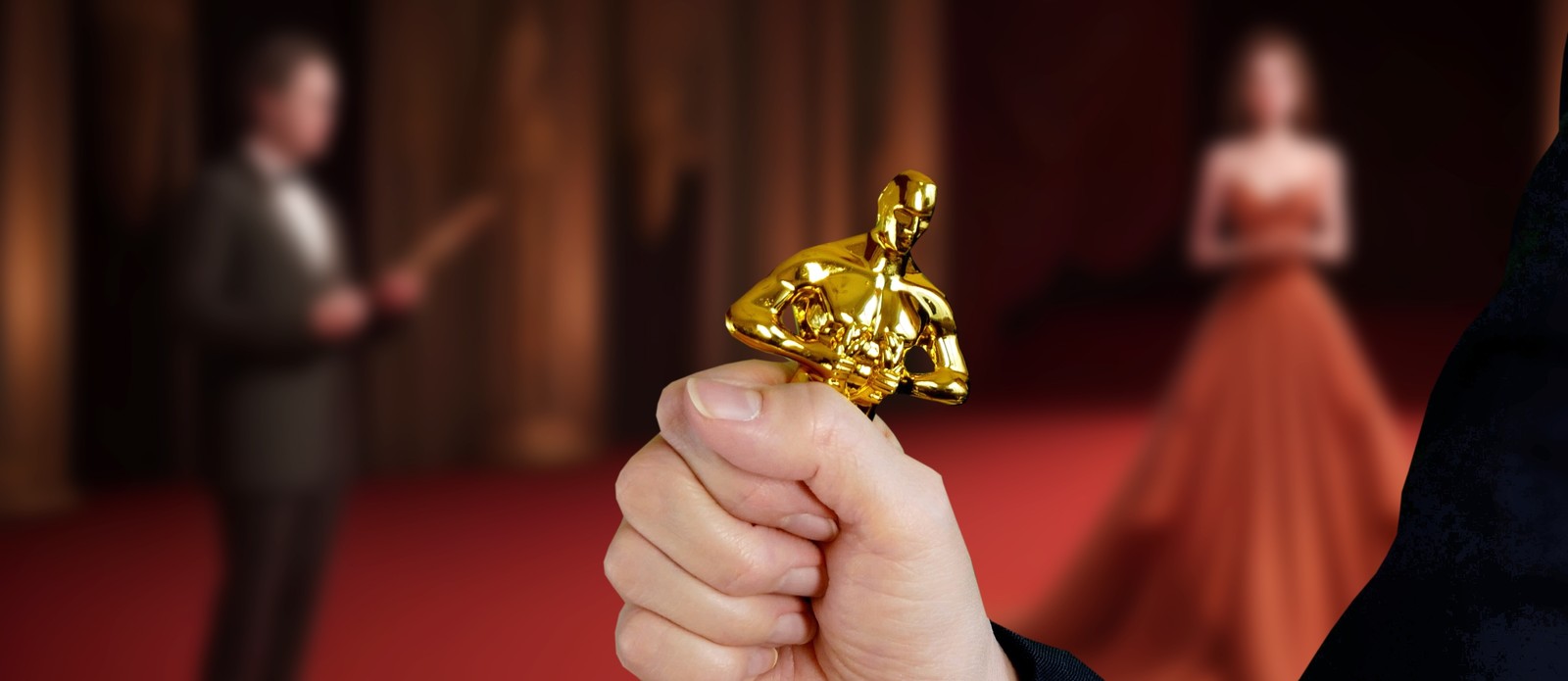
Biopics have long been a huge part of the Academy’s annals, connecting historical truth with cinematic grandeur. Bringing a real-life figure to the silver screen demands that an actor internalize the voice and physical presence of an icon. From civil rights pioneers and musical legends to tragic figures and world leaders, these ten memorable performances made Oscar history.

1
Liam Neeson as Oskar Schindler in Schindler's List

Image: Anton_Ivanov

In Steven Spielberg’s historical masterpiece Schindler’s List (1993), Liam Neeson delivers a masterful performance as Oskar Schindler, the enigmatic German industrialist who saved more than 1,100 Jewish lives during the Holocaust.

Neeson expertly maps Schindler’s evolution from an opportunistic war profiteer into a compassionate savior who risks his fortune and life to protect his workers. Schindler’s List dominated the 66th Academy Awards with seven Oscar wins out of 12 nominations; while he didn’t win, Neeson earned a Best Actor nod for giving heart and soul to one of cinema’s most incredible biopics.

2
Cate Blanchett as Katharine Hepburn in The Aviator

Image: Metro-Goldwyn-Mayer Studios; Restored by Adam Cuerden, Public domain, via Wikimedia Commons

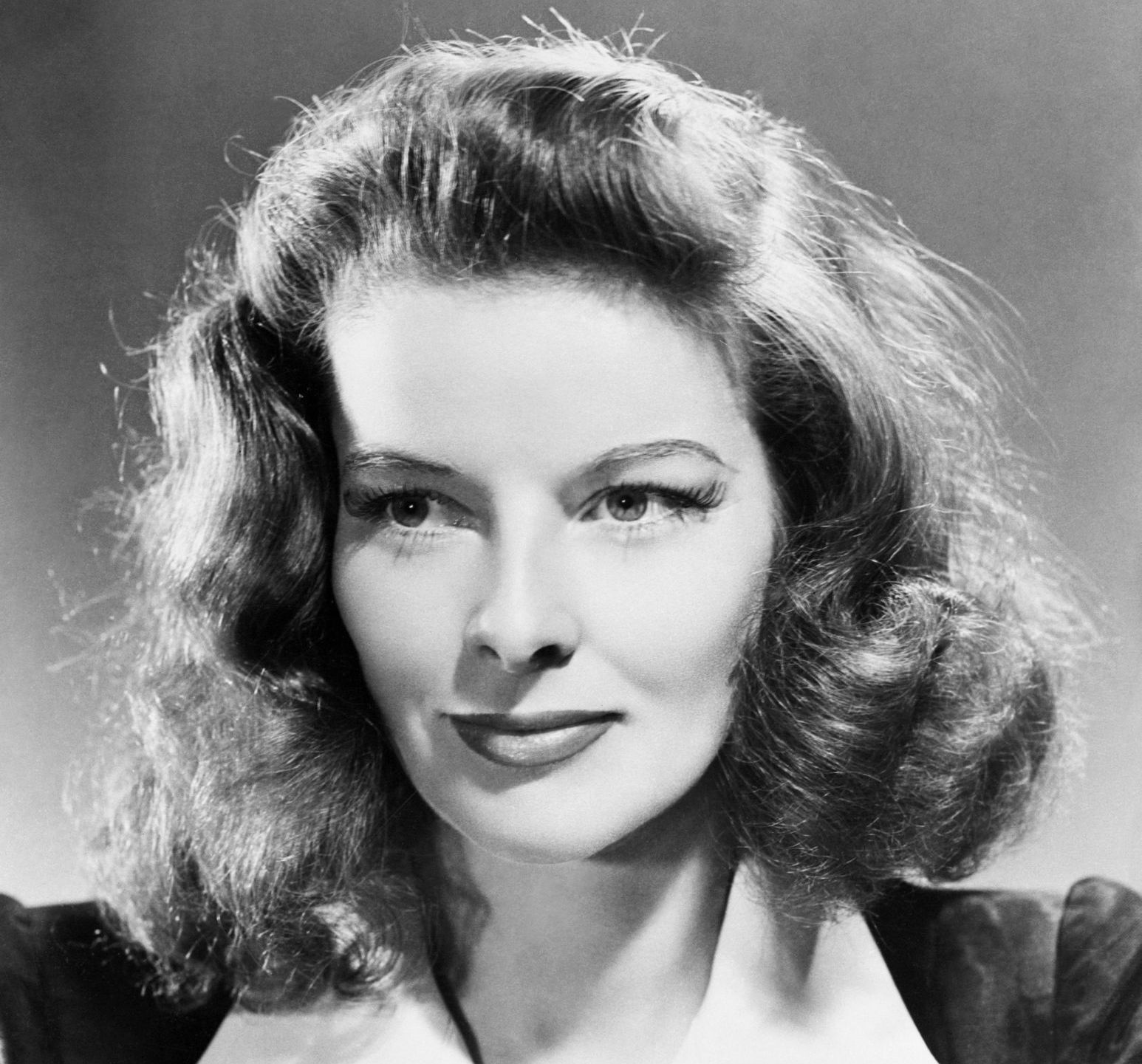
Playing a Hollywood legend must be intimidating, but playing Katharine Hepburn—an actress who won four Academy Awards herself—is a monumental challenge. In Martin Scorsese’s The Aviator (2004), Cate Blanchett embodies Hepburn during her tempestuous romance with eccentric aviation mogul Howard Hughes (played by Leonardo DiCaprio).

Blanchett mastered Hepburn’s Mid-Atlantic accent, body language, and charm. Her magnetic work earned her the Oscar for Best Supporting Actress, making her the first person in history to win an Academy Award for playing a former Oscar-winning actor.

3
Sean Penn as Harvey Milk in Milk

Image: Artico2, CC BY-SA 3.0, via Wikimedia Commons

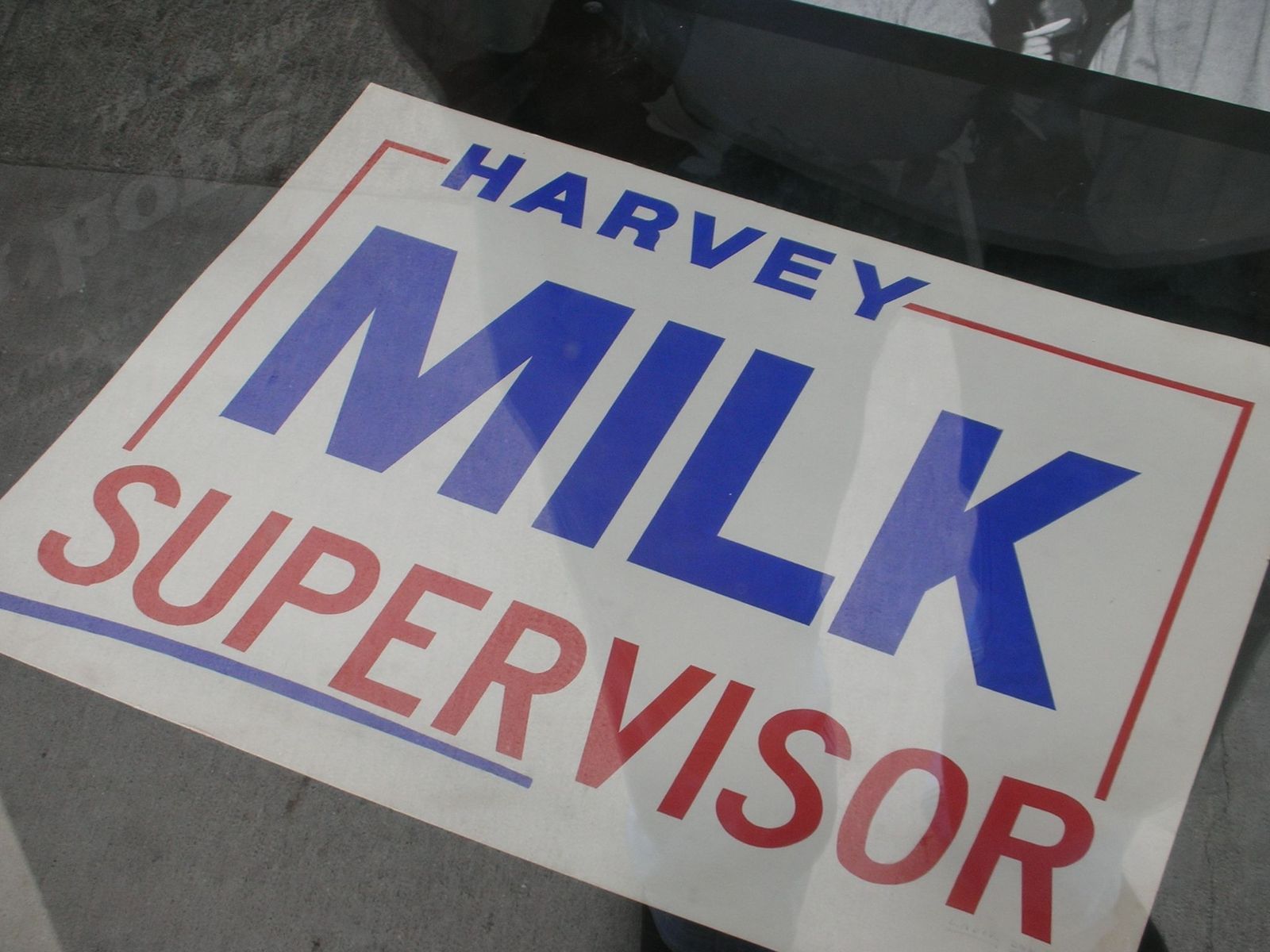
In Gus Van Sant’s biopic Milk (2008), Sean Penn took on the role of Harvey Milk, the activist who became California’s first openly gay elected official. The film captures Milk’s grassroots movement in San Francisco during the late 1970s, culminating in his tragic assassination. Penn’s deeply empathetic performance earned him his second Best Actor Academy Award, both an acknowledgement of his artistic achievement and a tribute to an LGBTQ+ pioneer.

4
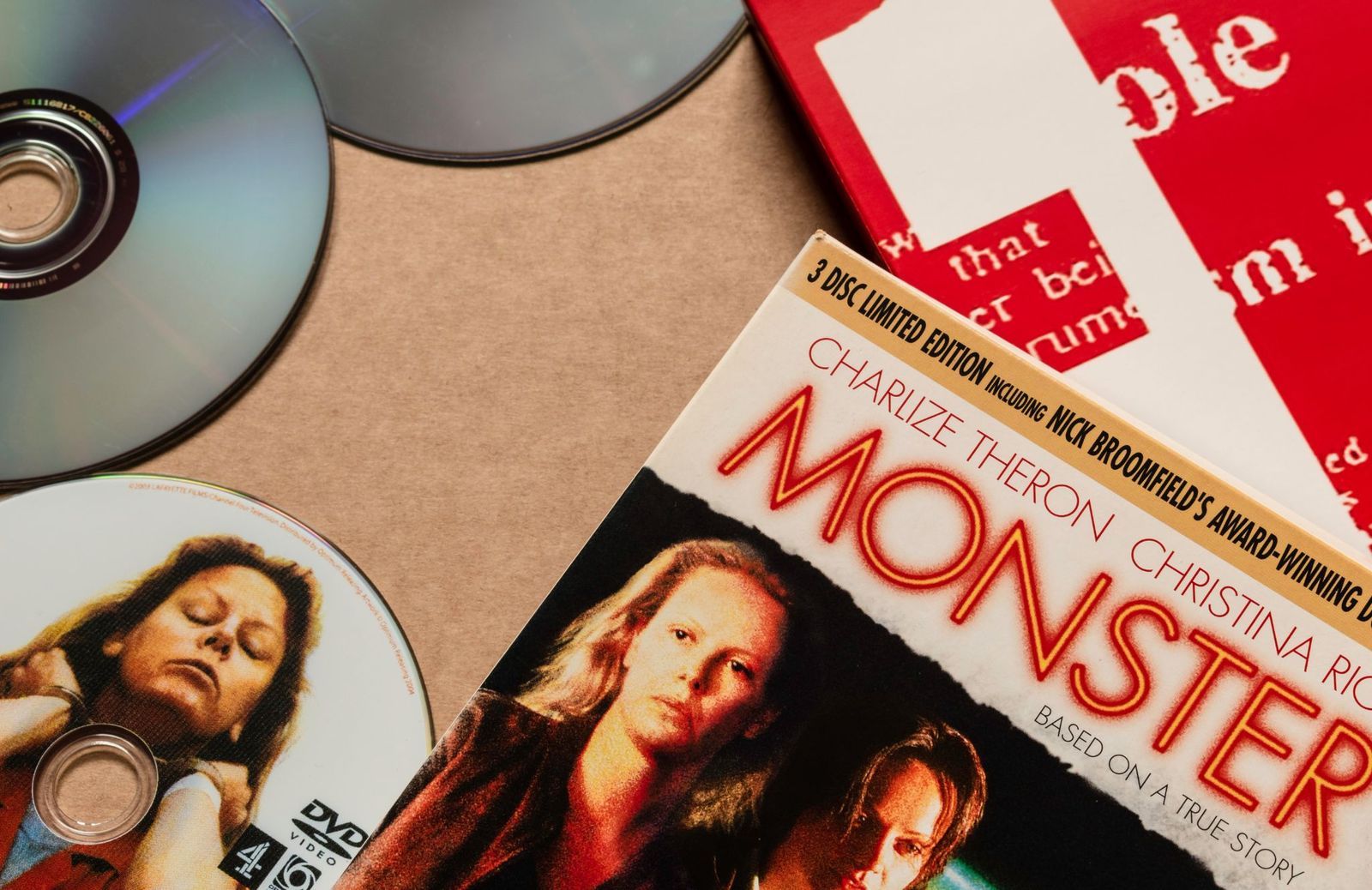
Charlize Theron as Aileen Wuornos in Monster

Image: Snap Spot

In one of the most shocking physical transformations in screen history, Charlize Theron portrayed sex worker turned serial killer Aileen Wuornos in Patty Jenkins’ Monster (2003).

To capture Wuornos’s tormented reality, Theron gained 30 pounds, wore prosthetic teeth, and adopted a rigid, defensive posture. Moreover, behind the physical transformation lay a raw emotional vulnerability that refused to demonize Wuornos. Critics considered it a landmark achievement in acting, and Theron took the awards season by storm, bringing in the Oscar for Best Actress.

5
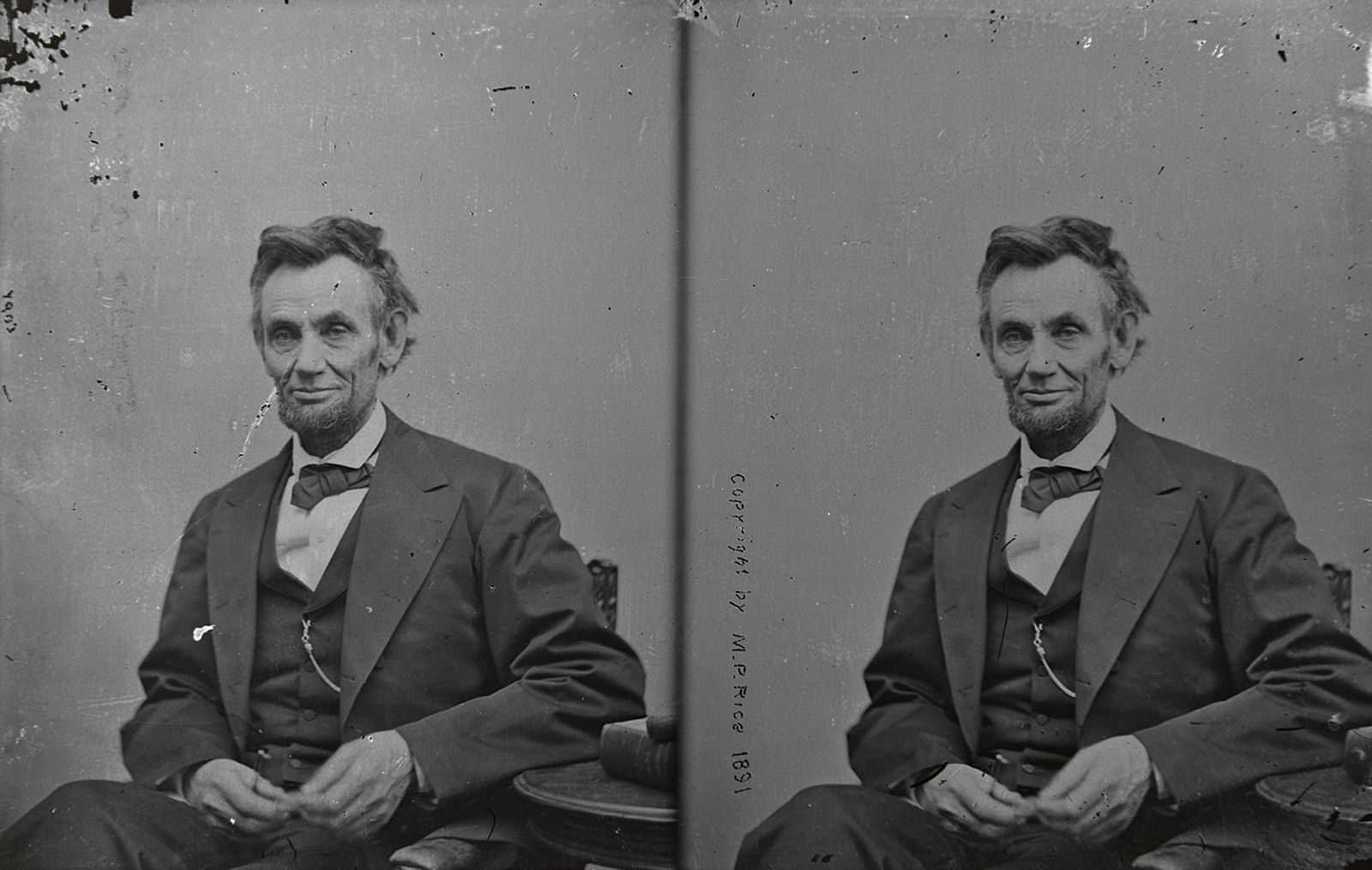
Daniel Day-Lewis as Abraham Lincoln in Lincoln

Image: Alexander Gardner, Public domain, via Wikimedia Commons

Few actors have the talent for transformation like Daniel Day-Lewis. His portrayal of America’s 16th president remains one of the gold standards of modern cinema.

Directed by Steven Spielberg, Lincoln (2012) focuses on the intense political schemes during the final moments of the Civil War as Abraham Lincoln sought to pass the 13th Amendment and abolish slavery. Day-Lewis famously spent months immersing himself in the role, adopting Lincoln’s voice, gait, and quiet wisdom. His dedication to the role earned him a record-breaking third Academy Award for Best Actor.

6
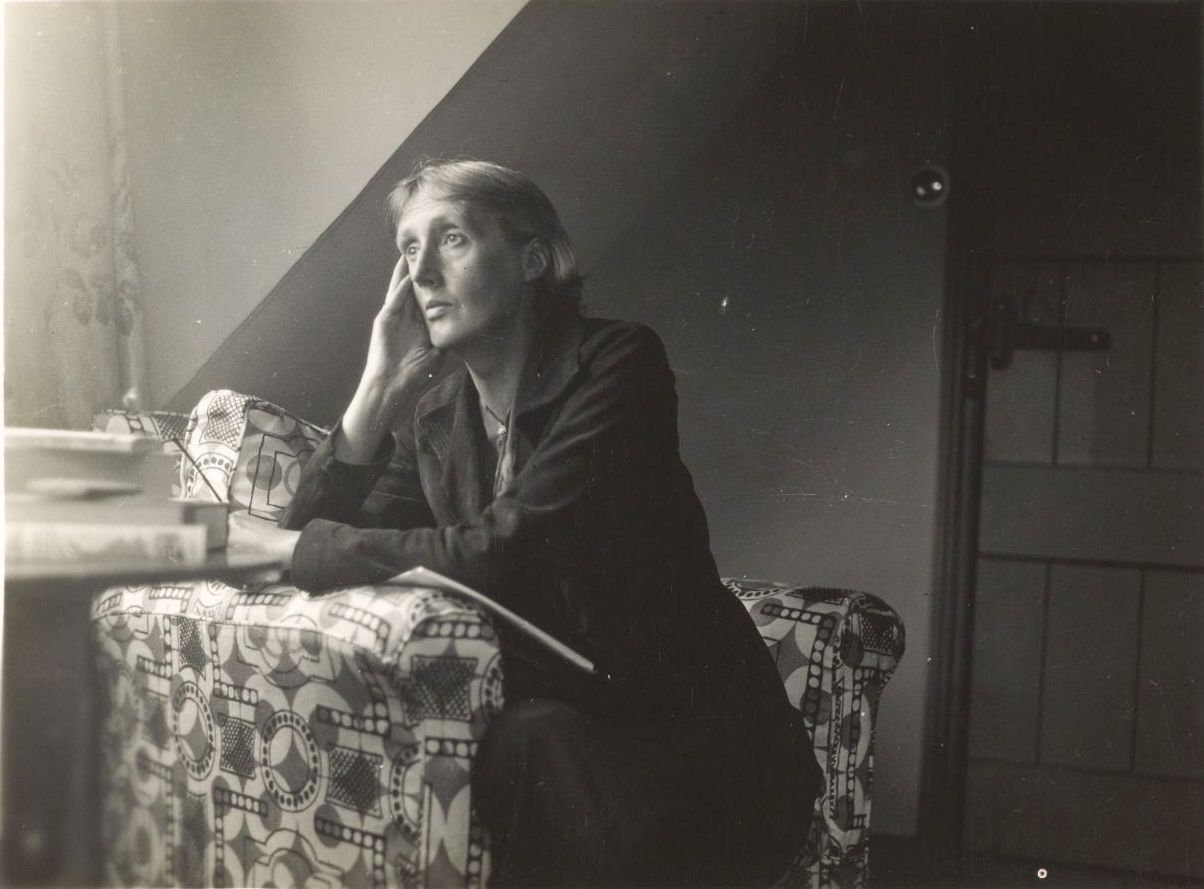
Nicole Kidman as Virginia Woolf in The Hours

Image: Harvard University library, Public domain, via Wikimedia Commons

In Stephen Daldry’s drama The Hours (2002), Nicole Kidman delivered a haunting performance as literary icon Virginia Woolf. The film explores Woolf’s life during the 1920s in suburban England as she struggles with crippling mental illness while writing her masterpiece Mrs. Dalloway .

Beyond wearing a prosthetic nose that made her almost unrecognizable, Kidman immersed herself in the role by learning to write right-handed in Woolf’s exact style. Kidman managed to capture Woolf’s intellect, despair, and creative genius with enormous grace, earning her the Academy Award for Best Actress.

7
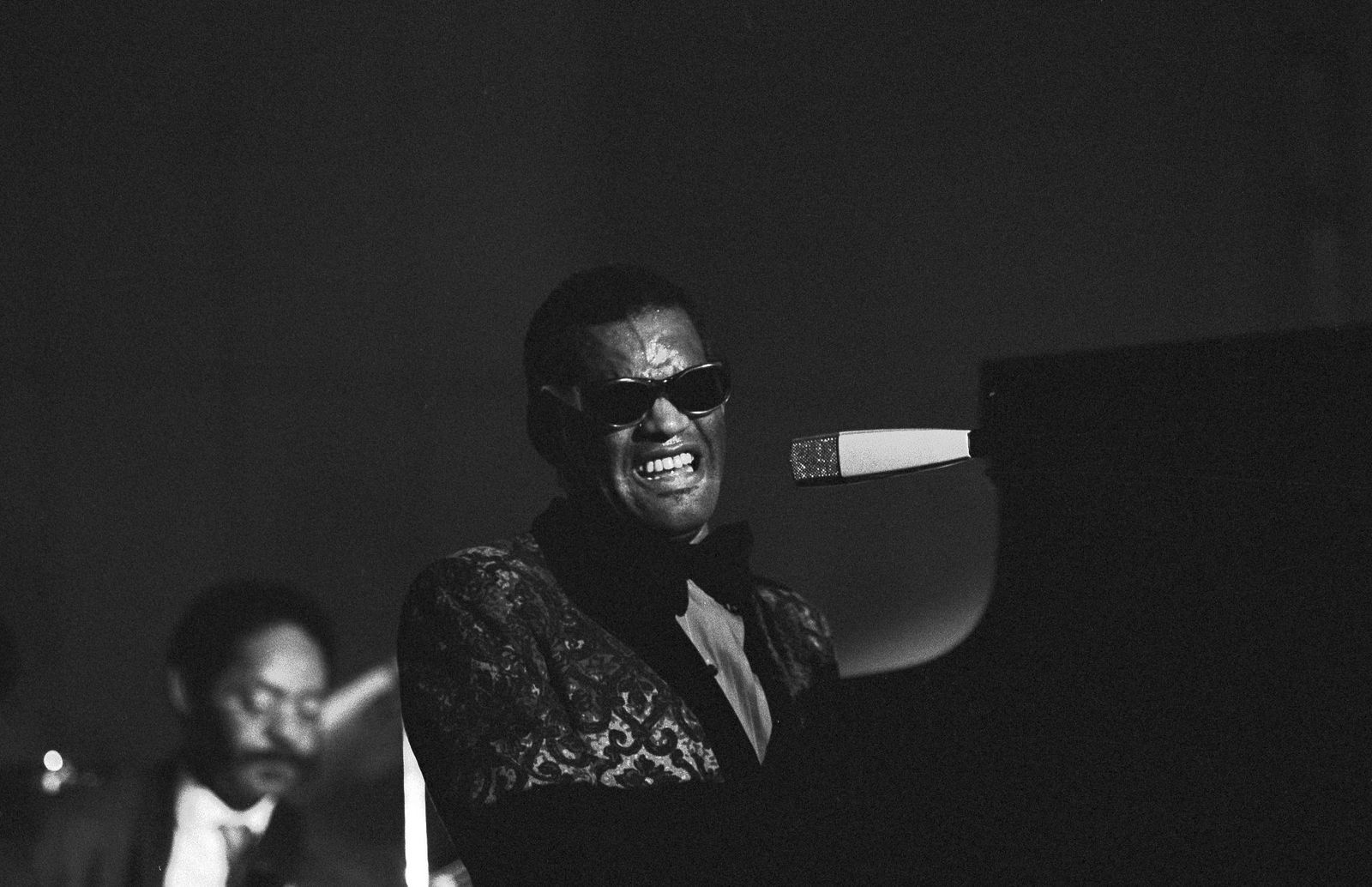
Jamie Foxx as Ray Charles in Ray

Image: Heinrich Klaffs, CC BY-SA 2.0, via Wikimedia Commons

To embody the pioneer of soul music, Jamie Foxx had to capture not only Ray Charles’s singular voice and piano virtuosity, but also his complex inner world.

Directed by Taylor Hackford, Ray (2004) chronicles Charles’s rise from a blind child in the Jim Crow South to an international superstar, alongside his battles with addiction. Foxx wore prosthetic eye covers during filming and played all the piano sequences himself. Critics praised his physical precision and emotional range, earning Foxx the Best Actor Oscar for his performance.

8
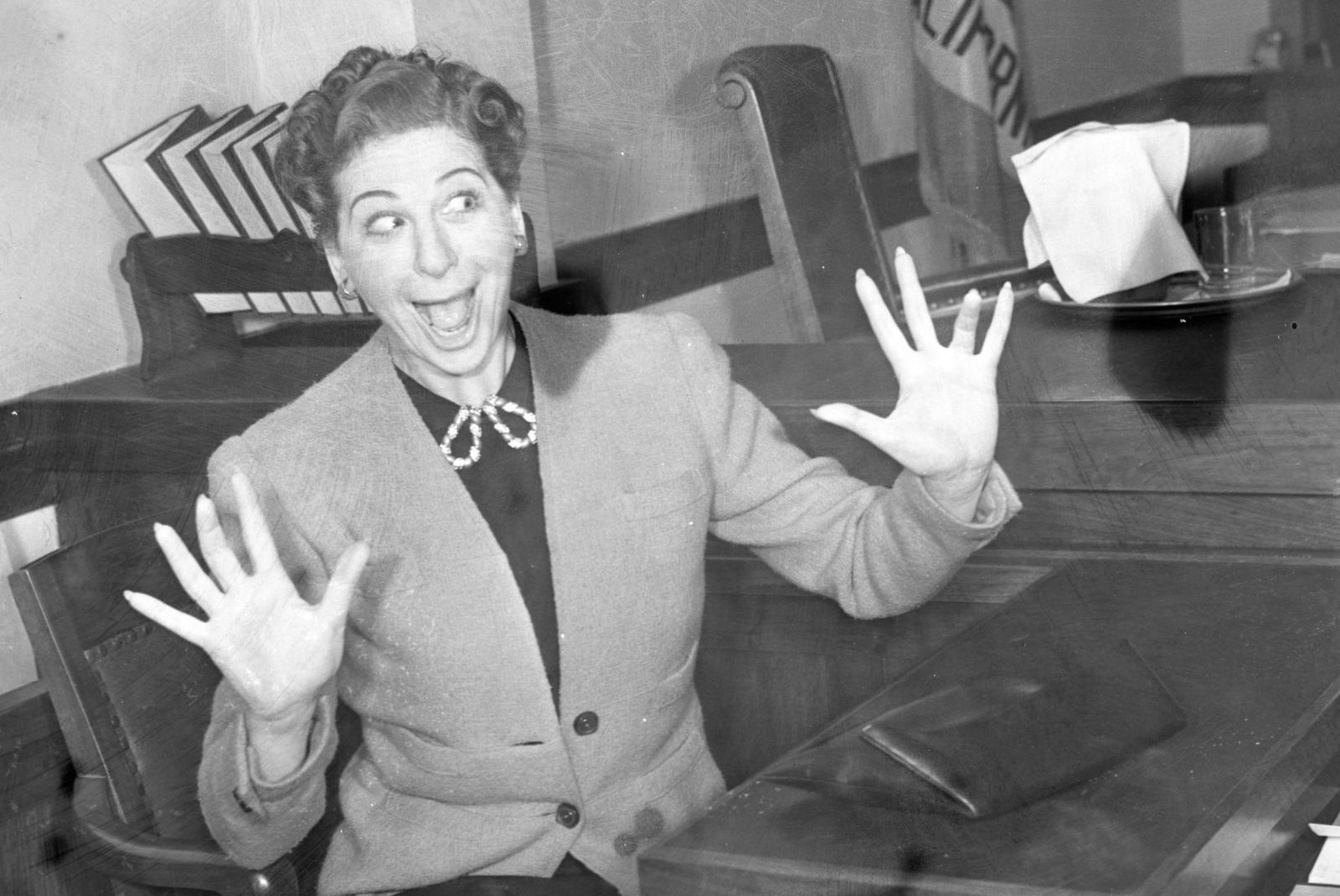
Barbra Streisand as Fanny Brice in Funny Girl

Image: Los Angeles Daily News, CC BY 4.0, via Wikimedia Commons

Making your feature film debut in the role that made you a Broadway superstar is a rare opportunity, and Barbra Streisand achieved it brilliantly in Funny Girl (1968). Playing early 20th-century comedy pioneer Fanny Brice, Streisand showcased her vocal range, comedic timing, and dramatic depth.

The film chronicles Brice’s rise to fame as well as her stormy relationship with gambler Nick Arnstein. Streisand’s astonishing performance made Oscar history when she tied with Katharine Hepburn for the Best Actress statuette at the 41st Academy Awards.

9
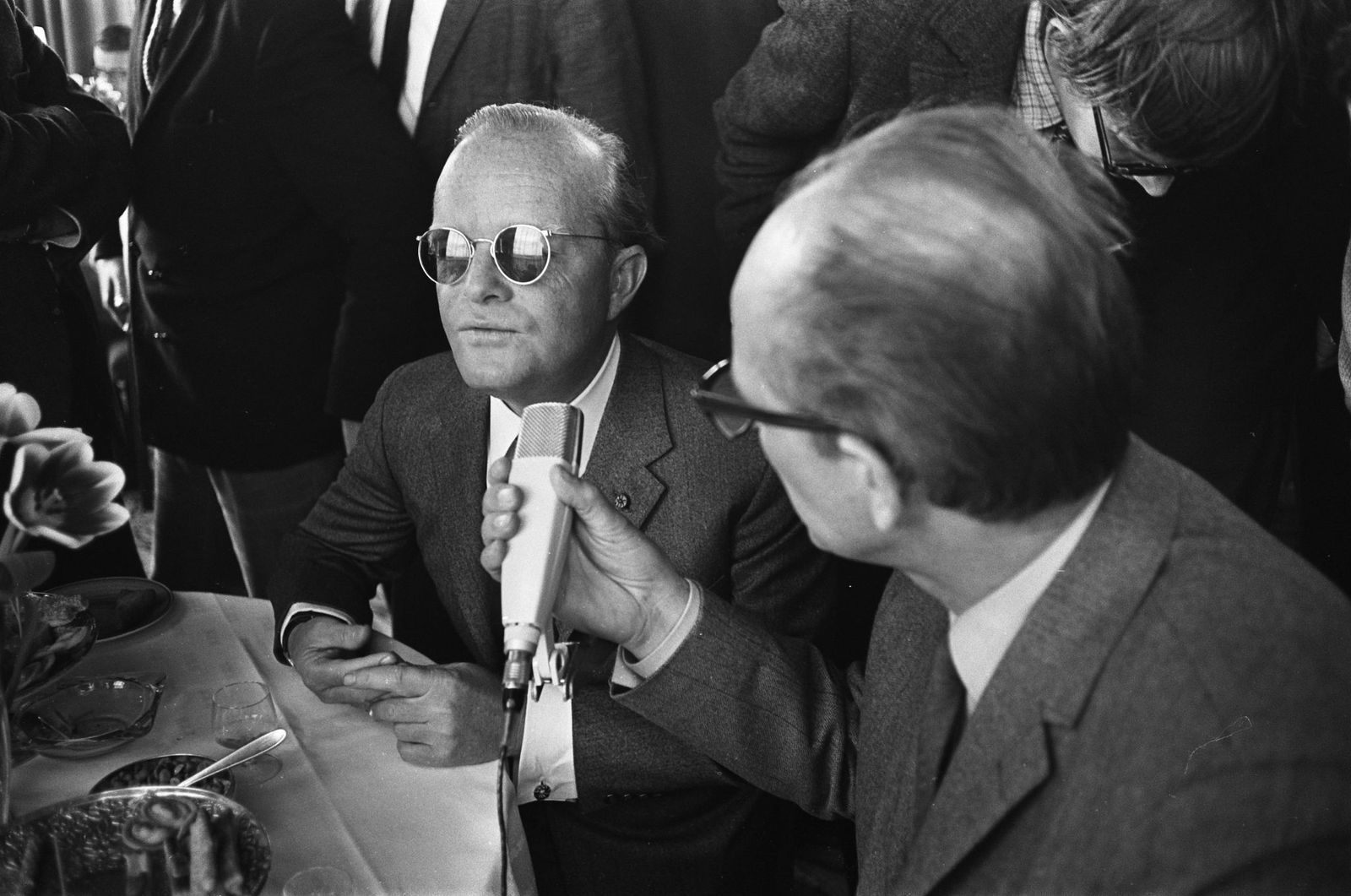
Philip Seymour Hoffman as Truman Capote in Capote

Image: Eric Koch for Anefo, CC0, via Wikimedia Commons

When Philip Seymour Hoffman took on the task of portraying eccentric author Truman Capote, he faced a difficult challenge: avoiding becoming a caricature and honoring a famous personality.

Bennett Miller’s Capote (2005) focuses on the period when the writer researched his groundbreaking true-crime novel In Cold Blood . Hoffman effortlessly captured Capote’s distinctive cadence, flamboyant mannerisms, and sharp intellect while digging deep into the ethical compromises that eroded his spirit. Hoffman’s heartbreaking performance earned him the Academy Award for Best Actor.

10
Julia Roberts as Erin Brockovich in Erin Brockovich

Directed by Steven Soderbergh, Erin Brockovich (2000) tells the inspiring true story of an unemployed single mother who uncovered widespread groundwater contamination caused by energy giant PG&E in Hinkley, California.

Julia Roberts delivered a pivotal performance as Brockovich, enriching the role with fiery grit and humor, as well as showing empathy for affected families. Roberts’ magnetic star power carried the legal drama to box-office success and critical acclaim, culminating in an excellent awards season and her first Best Actress Oscar.

Explore more American facts

Choose your favorite category!

General
General

As American as apple pie—the very best America has to offer!

Culture
Culture

Delve into the astounding richness of American lore.

Geography
Geography

Hop in and explore vast and diverse American landscapes.

History
History

Discover the key moments that shaped the United States.