History History 4 min read

History’s hard lessons

Did you know about these 12 disasters that shook America?
Image: Silvan Schuppisser

Our country has faced its fair share of setbacks of all kinds, and many of them ended up changing the way the nation builds, plans, and protects itself. These events weren’t just dramatic moments; they sparked new laws, better engineering, and stronger safety standards all around the world. As serious as they are, these circumstances are also stories of resilience and rebuilding. Take a moment to learn about the following 12 situations that America has gone through.

1
The Great Chicago Fire (1871)
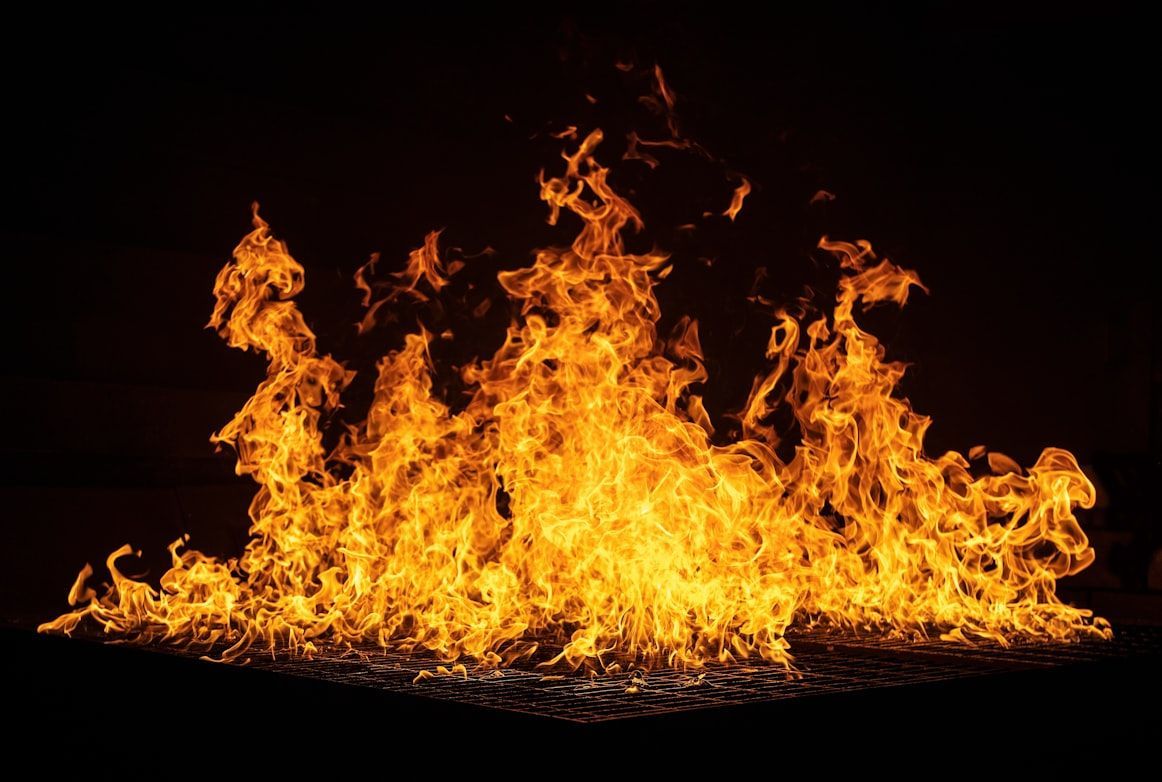
Image: Ricardo Gomez Angel

The Great Chicago Fire burned for almost two days in October 1871, destroying thousands of buildings and leaving the city in ruins . Sparks, dry conditions, and wooden construction helped the flames race through entire neighbourhoods.

It was a painful turning point, but it launched a huge rebuilding effort. Chicago adopted tougher building codes, better water systems, and more specialized fire departments, becoming a model city for urban planning.

2
The Johnstown Flood (1889)

Image: Lukas Hron

In 1889, the failure of the South Fork Dam sent a massive wall of water toward the town of Johnston, Pennsylvania . The flood wiped out entire homes, bridges, and rail lines in a matter of minutes.

The Johnstown Flood drew attention to private dam ownership and safety inspections of such constructions. Engineers and lawmakers used its lessons to plan for better maintenance and more accountability for these large-scale structures.

3
The San Francisco Earthquake (1906)
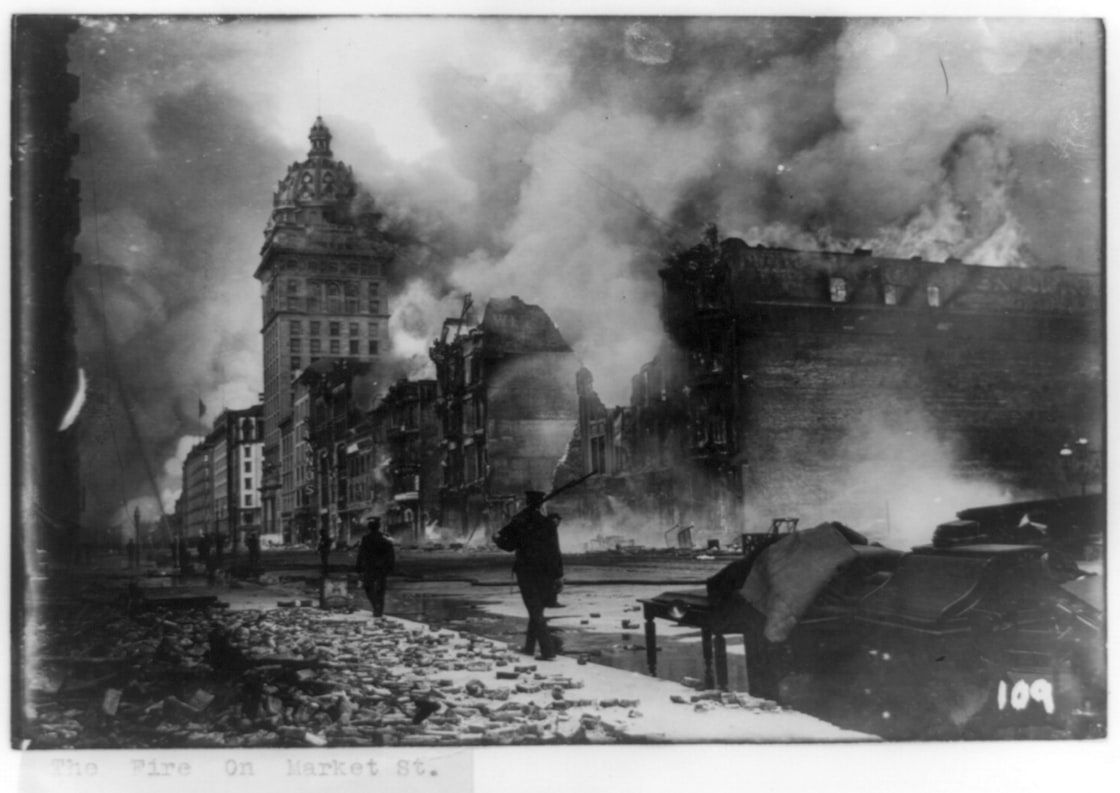
Image: Library of Congress

The 1906 San Francisco earthquake struck before dawn, violently shaking the city and the surrounding areas . Broken gas lines and toppled chimneys sparked fires that raged for days , destroying block after block of homes and businesses alike.

Rebuilding was hard but transformative, as the city adopted stricter building codes, stronger materials, and better street layouts.

4
Triangle Shirtwaist Factory Fire (1911)
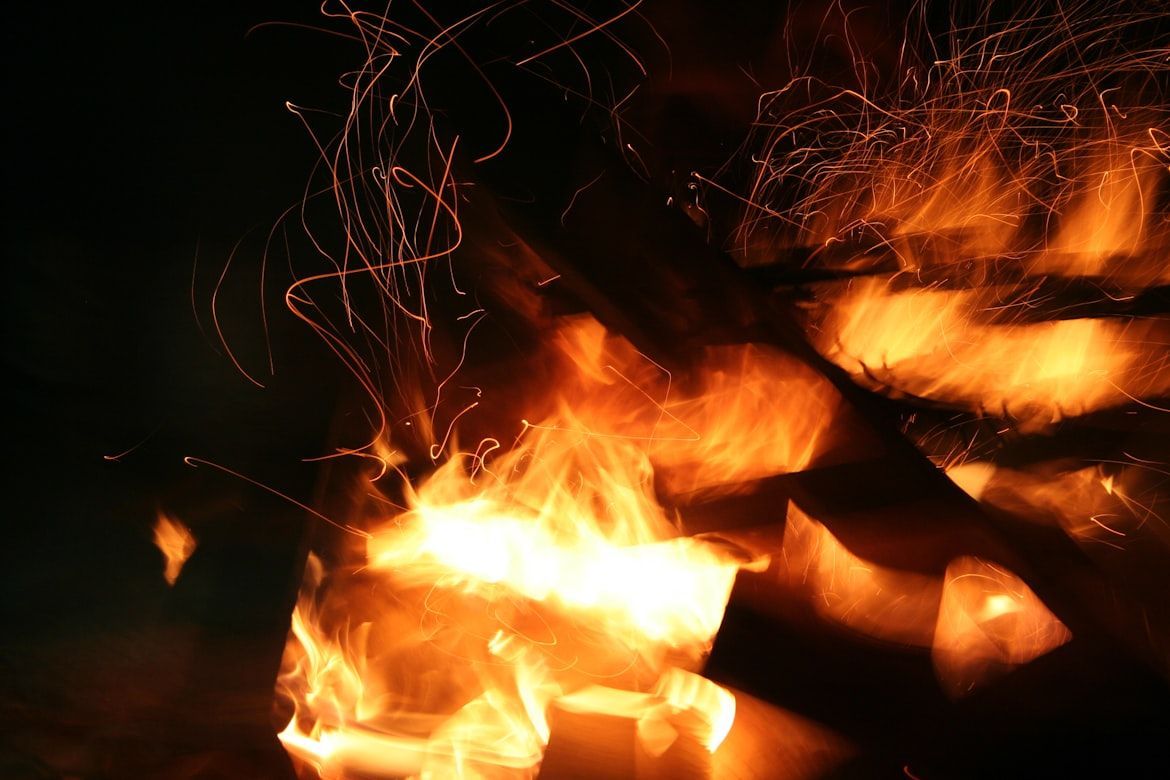
Image: Pukima ‎

The Triangle Shirtwaist Factory Fire of 1911 began on the upper floors of a New York City garment factory packed with workers. Locked exit doors, narrow stairways, and crowded conditions turned what would have been a relatively small blaze into a historic tragedy.

Public outrage was immediate and intense. The fire led to tough new safety laws, regular inspections, and rules for unlocked exits and fire escapes.

5
The Hindenburg Disaster (1937)
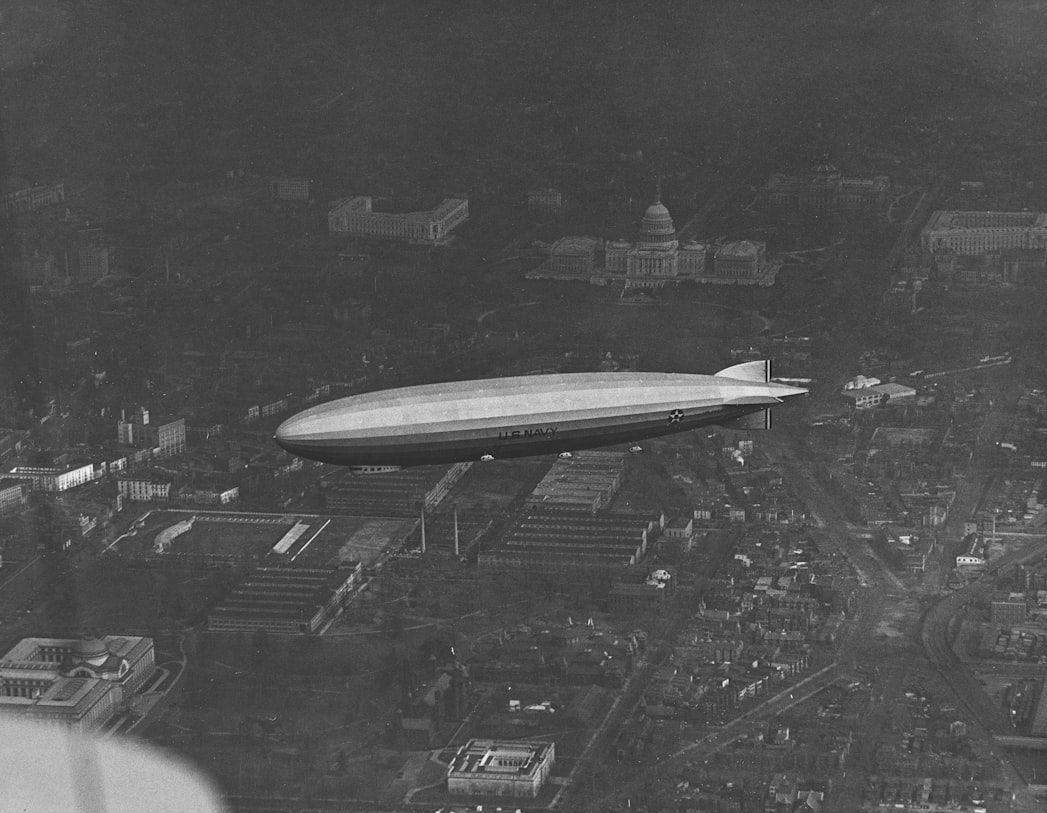
Image: Library of Congress

In 1937, the German airship Hindenburg approached its mooring mast in Lakehurst, New Jersey, after a transatlantic flight. Suddenly, it burst into flames and fell to the ground in front of cameras and radio reporters who witnessed the tragedy.

The disaster shocked the world and quickly ended the age of passenger airships. Public trust shifted toward airplanes, and the whole airship industry faded into obscurity almost completely.

6
The Texas City Disaster (1947)
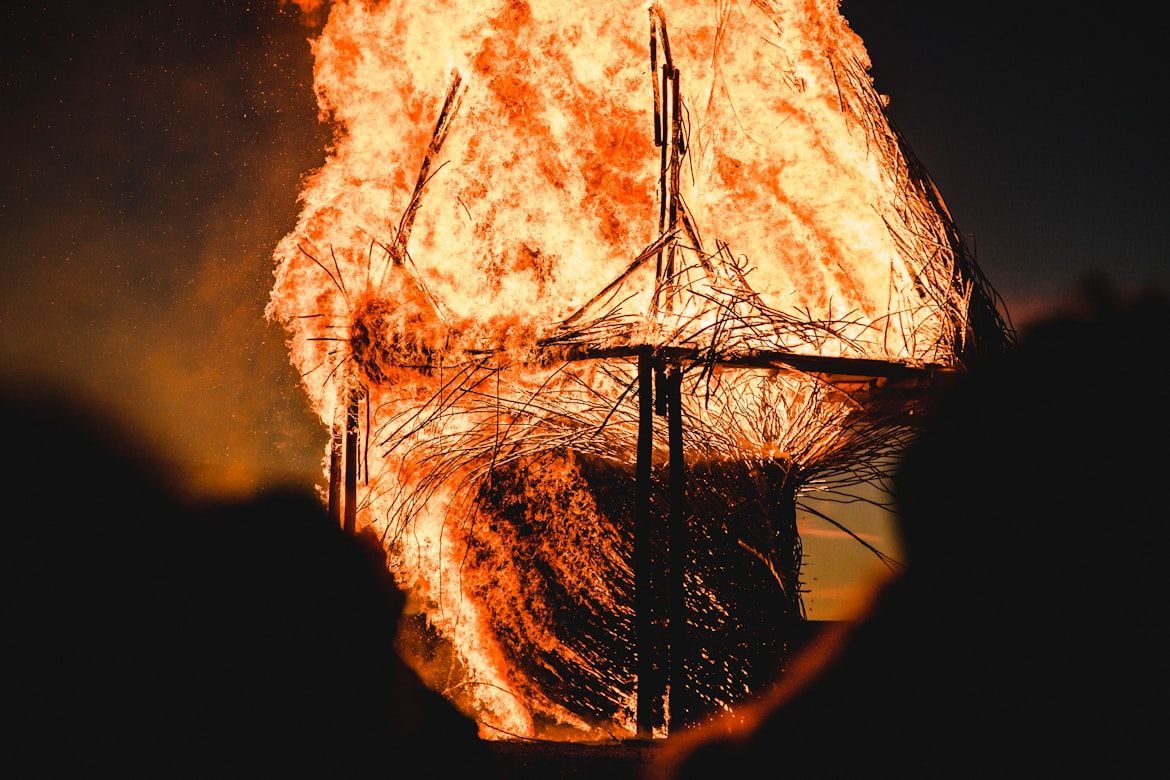
Image: Ash Edmonds

The Texas City Disaster of 1947 began when a ship carrying ammonium nitrate caught fire in the bustling Texas City harbor . As crowds watched from the waterfront, the cargo exploded in a blast so powerful it shattered windows miles away.

The incident prompted sweeping changes in how hazardous materials are stored, transported, and labeled. It led to improved emergency planning, better first-responder training, and regulations aimed at preventing industrial catastrophes.

7
The Silver Bridge Collapse (1967)
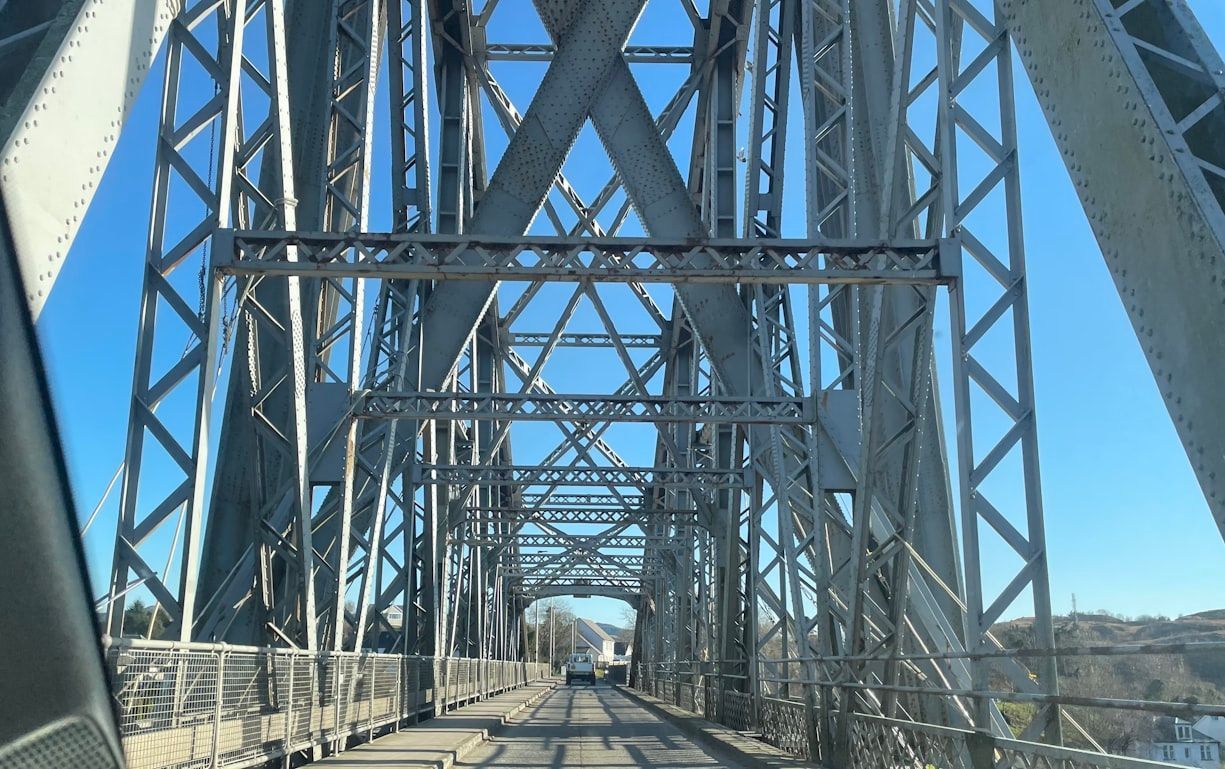
Image: Suzanne Anderson

On a 1967 December day, the Silver Bridge that connected Point Pleasant in West Virginia to Gallipolis, Ohio, collapsed into the river below . Dozens of vehicles were on the bridge and fell into the water.

The collapse spurred nationwide inspections of older bridges and stricter design standards. It introduced new rules for maintenance, record keeping, and modern safety ratings.

8
Buffalo Creek Flood (1972)
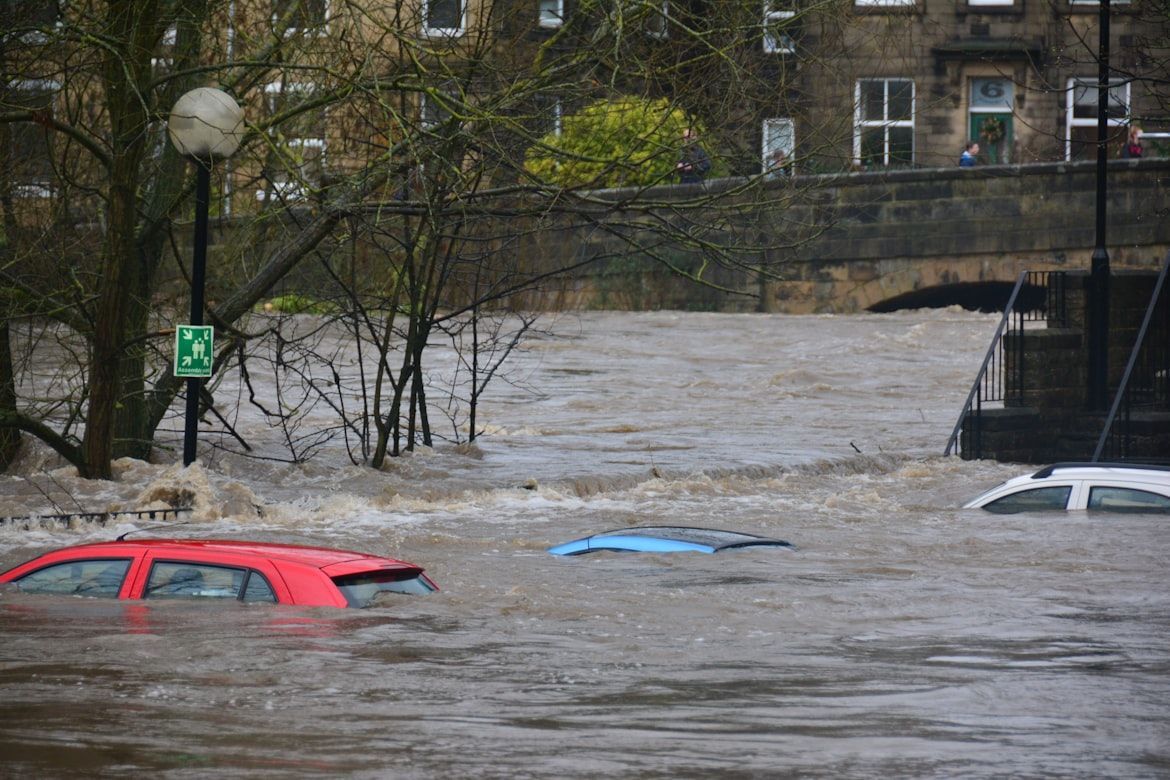
Image: Chris Gallagher

In 1972, after days of heavy rain, a coal-waste dam above Buffalo Creek, West Virginia, gave way . A torrent of water and slurry rushed down the narrow valley, wiping out homes, roads, and small communities in its path.

The Buffalo Creek Flood drew national attention to the dangers of poorly regulated waste dams, and it helped push stricter environmental laws across the country.

9
Three Mile Island (1979)
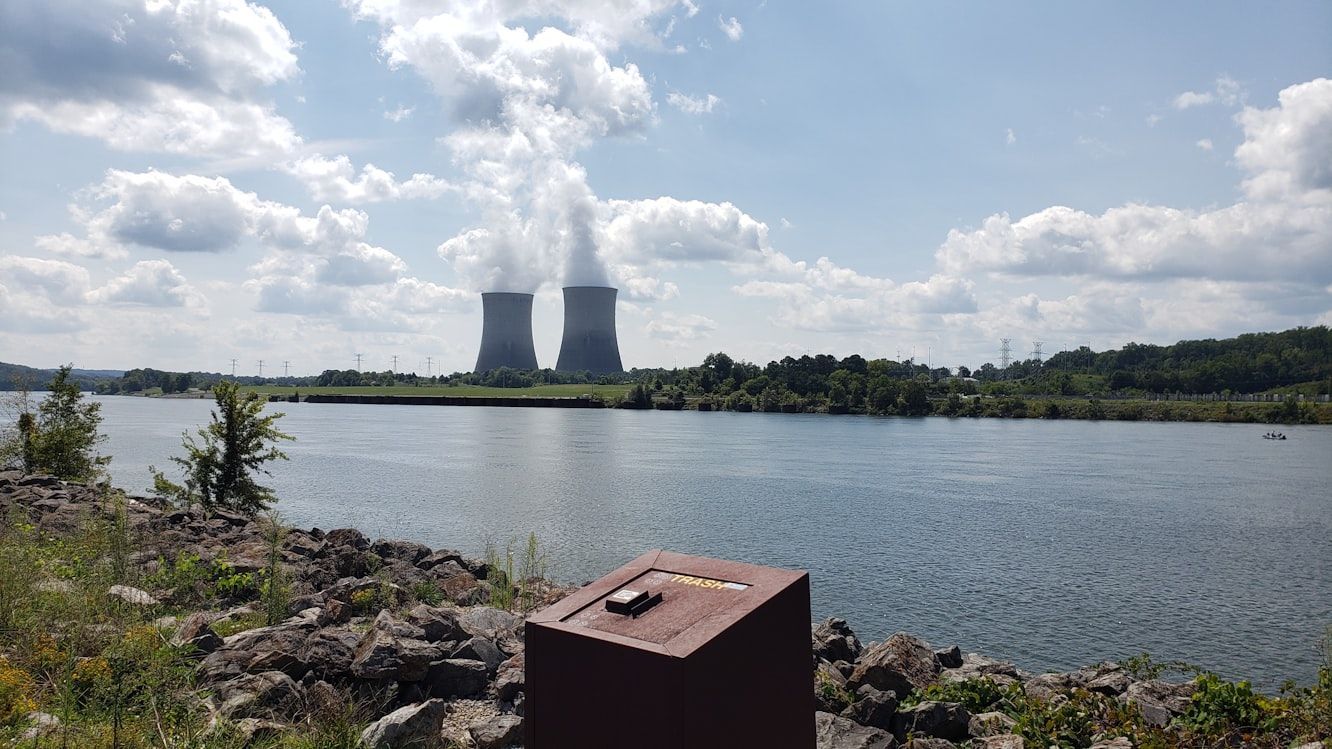
Image: Lee Lawson

The Three Mile Island accident of 1979 began with equipment failures followed by human mistakes inside a nuclear power plant . Cooling problems led to a partial meltdown of the reactor core, alarming nearby residents and the entire country.

Even though it was contained, the incident reshaped nuclear energy in America. Regulators tightened training, communication, and emergency procedures.

10
Hyatt Regency Walkway Collapse (1981)
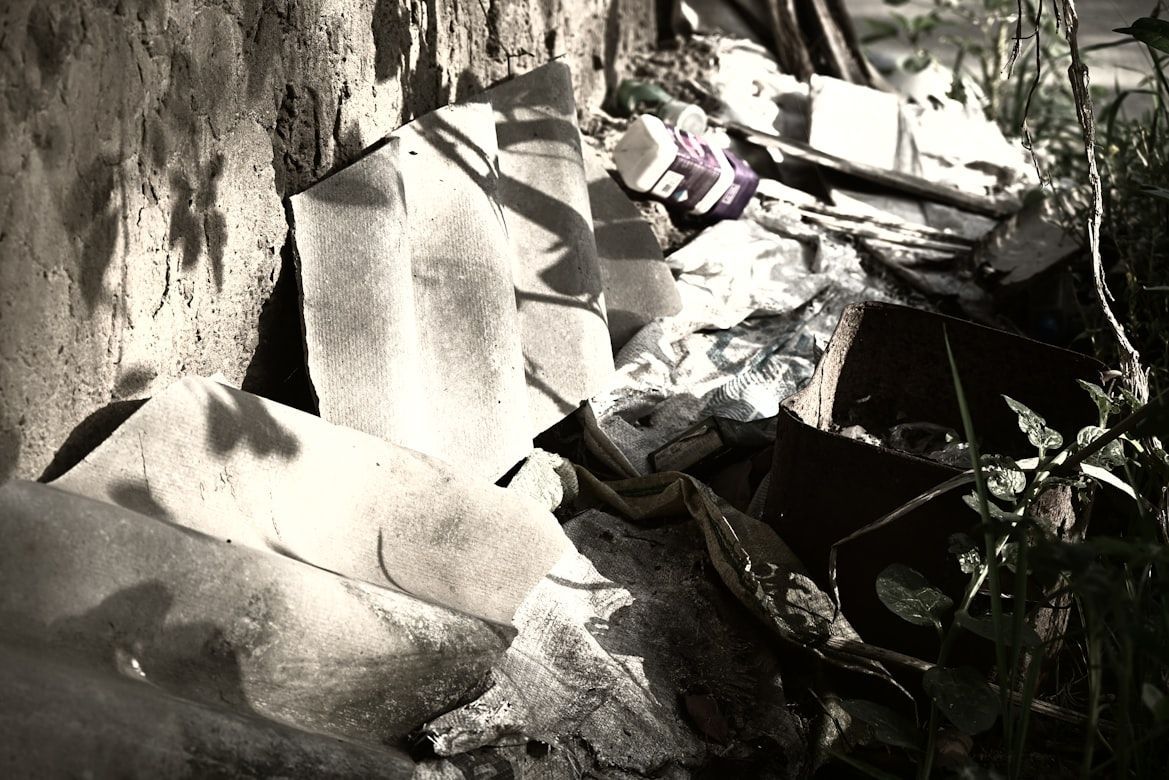
Image: AJOY DAS

The Hyatt Regency walkway collapse in Kansas City happened during a popular social dance event in 1981. Two suspended walkways above the hotel lobby suddenly gave way, crashing onto the crowded area below .

Investigations exposed serious flaws in the design and in the approval process itself. The disaster led to stricter engineering reviews, clearer responsibilities, and tougher building codes.

11
Exxon Valdez oil spill (1989)
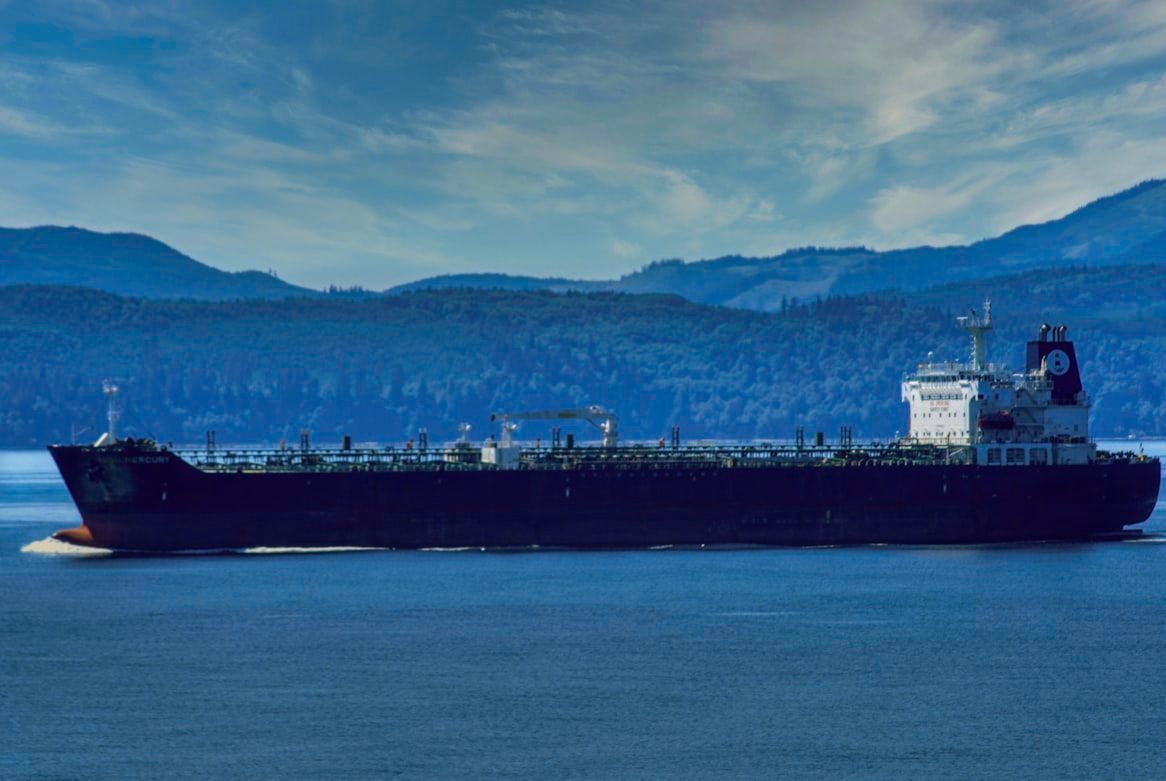
Image: Yuval Zukerman

The Exxon Valdez tanker struck Bligh Reef in Alaska’s Prince William Sound in 1989, tearing open its hull. Crude oil spilled into the cold waters , drifting onto beaches, shorelines, and wildlife habitats in the surrounding area.

The spill led to new rules for double-hulled tankers, improved navigation systems, and better emergency response plans. It also inspired major environmental legislation and long-term monitoring to reduce the impact of future shipping incidents.

12
Deepwater Horizon (2010)

Image: Jonathan Gong

In April 2010, the Deepwater Horizon drilling rig experienced a blowout during exploratory drilling . A series of failures led to an explosion and a major well leak far below the ocean’s surface, drawing worldwide attention.

The disaster sparked new offshore drilling rules, better blowout preventers, and stricter inspection routines. It also sparked debates about energy policies and environmental protection.

History History 5 min read

First things first

Pioneering presidents: The 10 firsts that shaped American history

Image: Caleb Perez / Wes Hicks

One fascinating aspect of history is that we can discover who was the first to accomplish certain things. Photography is an everyday activity today, but who was the first president to be photographed? Have you ever wondered who was the first U.S. president to be born in a hospital? The presidency has seen many "firsts" that have left a lasting impact on the nation. Let’s dive into some of the most significant presidential milestones that have shaped the course of American history. From the momentous to the most mundane, here are 10 presidential firsts!

1
Reagan: Breaking the glass ceiling

Image: Library of Congress

Although the numbers are still unequal, women occupy decision-making positions every day. They play an active role in political life, but that wasn’t always the case.

Ronald Reagan made a bold move for gender equality by nominating Sandra Day O'Connor to the Supreme Court in 1981. This historic decision marked the first time a woman would serve on the highest court in the country.

O'Connor’s nomination was a landmark moment for women’s rights, opening doors for future generations. Reagan’s choice was both strategic and symbolic, of course. It was a significant step toward inclusivity in the judiciary. Sandra Day O’Connor went on to serve with distinction, becoming a pivotal figure in many key rulings.

2
Johnson: A historic appointment

Image: Library of Congress

America has already seen a black president, but even that marked a significant turning point in history. However, Black men in such high government positions weren’t a reality until 1967 when Lyndon B. Johnson appointed Thurgood Marshall as the first Black Supreme Court Justice . In the ongoing struggle for civil rights and equality in the U.S., this was a monumental step.

At the time, Marshall was already a legendary figure for his role in Brown v. Board of Education, and his appointment brought a powerful voice to the court. It was a clear signal of the administration’s commitment to racial justice. Marshall served on the court for 24 years! Talk about leaving a mark, huh?

3
Roosevelt: The star of the show

Image: Library of Congress

We can’t get enough of our TVs today, right? But this device was once an innovation, and one can easily imagine how surprising it must have been to see a president on screen for the first time!

In 1939, Franklin D. Roosevelt became the first U.S. president to appear on television during the World’s Fair in New York.

It’s not that he had gone unnoticed, FDR was already a radio sensation with his "fireside chats," but the television debut marked a new era of presidential communication. This historic moment allowed Americans to not only hear but also see their president, making FDR an even more influential figure.

4
Adams: Picture perfect

Image: Library of Congress

People take pictures of everything, everywhere, all the time today. Photos are like our business cards on social media and even in our job profiles, but it wasn’t always like that. And John Quincy Adams was part of a photography milestone.

Adams wasn’t just a former president, he holds the prize for first presidential photography . In 1843, he became the first president to have his photograph taken, although it was after his term had ended. Before Adams, presidents were immortalized through paintings, but his photo brought a new sense of realism to how leaders were remembered. Was he, by any chance, the first influencer?

5
Hayes: A direct line to history

Image: Library of Congress

What would we do without our telephones? It’s like we can’t imagine our lives without them anymore, right? But have you ever wondered who was the first president to have a phone in the White House ?

In 1877, Rutherford B. Hayes ushered the presidential residence into the age of technology by installing the first telephone. Of course, this was far from the smartphones we use today, but it was quite revolutionary at the time.

Fun fact: Hayes’s telephone had the number "1," a fitting symbol for such a groundbreaking moment. Only a few could actually get in direct contact with that line, but the step was taken anyway and history was made.

6
John Adams: Home sweet white house

Image: Library of Congress

While George Washington oversaw the construction of the White House, he never actually lived in it. It was John Adams who had the honor of being its first resident in 1800 .

Adams and his wife Abigail moved into the unfinished mansion, making history as the first Presidential Family to live in the iconic building. Despite the unfinished state of the residence, the Adams family’s presence made it the center of American politics. And of course, he was the first, but he was certainly not the last, as the tradition continues today.

7
Truman: Code name "general"

Image: Library of Congress

If you’re a fan of detective novels, you probably always thought that having a code name is super cool! Well, imagine being the first president with a code name!

Harry Truman made history as the first U.S. president to receive a Secret Service code name . Known as "General," his code name served as a security measure. Although now that you know it, it doesn’t seem so secretive or mysterious, right?

The use of code names has since become standard practice, used to protect presidents and their families. While the tradition of assigning code names has evolved, Truman’s "General" remains a nod to the early days of presidential security. It was just the beginning of a tradition that still exists today.

8
Coolidge: A father’s pride

Image: Library of Congress

Few moments in life are so beautiful as when a father’s eyes are filled with tears of pride for his child, don’t you think? Well, now think about that, between a president and his father!

In a unique and touching moment in U.S. history, Calvin Coolidge was sworn in as president by his own father. After President Harding’s unexpected death in 1923, Coolidge’s father, a notary public, administered the oath of office in their Vermont home.

This made Coolidge the first and only president to be inaugurated by a family member, creating a truly personal and memorable moment. This father-son moment added a deeply personal touch to the transfer of power, making it a memorable event in both their personal lives and American history.

9
Carter: Born in a hospital

Image: Library of Congress

When you think of a birth, you think of a hospital, right? However, that hasn’t always been the case.

Jimmy Carter holds the distinction of being the first U.S. president born in a hospital, on October 1, 1924. Before Carter, presidents were typically born at home, which was the norm for the times.

His birth at the Wise Clinic in Plains, Georgia, marked a shift toward modern medical practices. This milestone highlighted the changing nature of healthcare in America. Carter’s hospital birth was a small, yet significant, indicator of progress in our country.

10
McKinley: Cruising into history

Image: Library of Congress

Our last "first" is a bit crazy and you’ll see why in a minute: William McKinley became the first sitting president to experience the thrill of a car ride .

In 1899, he took a ride in a Locomobile steam carriage, a cutting-edge mode of transportation at the time. The car was driven by the inventor himself!

This ride was quite an oddity, and McKinley’s willingness to try it out showed his interest in new technology. Why is it crazy? Because no president drives their own car today! Regardless of how innovative and technologically advanced it may be!

General General 4 min read

Everything sweet!

Bake, slice, repeat: Discover some of the best American pies!

Image: congerdesign

Few things are as American as apple pie, right? But that's not the only dessert; there’s much more to the American dessert table. From regionally inspired treats to creative twists on classic flavors, the pies and cakes enjoyed across our nation are a significant part of our culinary culture and identity. Do you prefer fruity fillings, creamy custards, or rich cakes? Whatever you choose, there’s an option for you, and we’ve gathered 12 of them in this article! Just don’t blame me if you get hungry halfway through!

1
Apple pie

Image: Priscilla Du Preez 🇨🇦

You can’t talk about traditional American desserts without mentioning apple pie, so let’s kick off this article with it! While its roots trace back to Europe, apple pie has become a symbol of American pride.

It’s the perfect combination of buttery crust, sweet apples, and warm spices like cinnamon. Of course, like any traditional dish, there are several variations. But isn’t it great to go back to the basics? If there’s one pie everyone loves, this is it!

2
Brown Derby cake

Image: amirali mirhashemian

The Brown Derby Cake isn’t your typical pie, but its story is worth savoring. It was created in 1927 by caterer Harry Baker in Los Angeles.

You might be wondering about the name’s origin—it comes from its domed shape, which resembles a derby hat. Made famous by the iconic Brown Derby restaurant, this cake combines rich chocolate layers with airy whipped cream and fruit for a delicious finish. If you’re feeling fancy, this is the treat to try!

3
Cranberry pie

Image: Food Photographer | Jennifer Pallian

Do you know how some feelings can be tasted? Well, if you want to taste autumn, have a slice of cranberry pie.

This tangy treat is a favorite during the holiday season, thanks to its beautiful red hue and bold flavor. Made with fresh or dried cranberries, sugar, and a hint of orange zest, it perfectly balances sweetness and tartness. Serve it at Thanksgiving and watch it quickly become the star of the show.

4
Sour Cream Rhubarb Pie

Image: Maximilian Zahn

If you’ve never tried sour cream rhubarb pie, you’re in for a treat. The tartness of the rhubarb is mellowed by a creamy custard filling made with sour cream, creating a dessert that is both tangy and luxurious.

Often topped with a crumbly streusel, this pie is a Midwest favorite that feels both rustic and indulgent. Give rhubarb a chance—in a pie, it’s a superstar!

5
Pecan pie

Image: nikohoshi

Speaking of classics, pecan pie is the king of Southern desserts—and for good reason, we might say! With a gooey filling made of sugar, butter, and eggs, topped with toasted pecans, it’s as rich as it gets.

Traditionally served during Thanksgiving, this pie has a caramel-like sweetness that pairs perfectly with whipped cream. And the crunch of the pecans? It’s dessert perfection in every bite!

6
Lemon tart

Image: Ira Ushak

Okay, this isn’t technically a pie, but a lemon tart deserves a spot in this article, don’t you think? This tangy dessert features a velvety lemon custard nestled in a buttery crust.

It’s like sunshine on a plate—bright, bold, and just the right amount of sweetness! Lemon tarts are refreshing compared to heavier desserts, there’s not a specific season for them, making them perfect year-round. It’s a must-try for citrus lovers!

7
Squash Custard Pie

Image: Natalia Y.

This one might come as a surprise to you, but it’s a delicious nod to fall flavors, and if you like pumpkin pie, you’ll like this one too. Made with sweetened pureed squash, eggs, cream, and warm spices, it offers a fun and unique twist, right?

Squash pies have been part of American cuisine since colonial times, showcasing the resourcefulness of early cooks. It’s a cozy, comforting dessert that’s perfect for sweater weather.

8
Oregon’s Marionberry Pie

Image: micheile henderson

Oregon takes pride in many things, and one of them is marionberry pie—as it should! Marionberries, a cross between two types of blackberries, are sweet, juicy, and perfect for a pie. Native to Oregon, these berries create a filling that’s rich and slightly tart. The pie is a regional treasure, it's as Oregonian as rainy days and coffee shops.

9
Coca-Cola cake

Image: Toa Heftiba

No, we’re not kidding. Coca-Cola cake was born in the South, and it is as uniquely American as its namesake soda.

In case you were wondering, yes, Cola is a key ingredient, and it gives the rich, moist chocolate cake a subtle caramel flavor. It’s often topped with a fudgy glaze, and if you’re a Coca-Cola fan, you simply must try a slice of this one!

10
Carrot cake

Image: Sharon Chen

As you can see, using vegetables as key ingredients in pies is quite common—and successful! Carrot cake is a moist, spiced cake studded with grated carrots and often walnuts or raisins. As if that weren’t enough, we can’t forget about the cream cheese frosting, which made it quite popular among Americans. Do you like this one?

Explore more American facts

Choose your favorite category!

General
General

As American as apple pie—the very best America has to offer!

Culture
Culture

Delve into the astounding richness of American lore.

Geography
Geography

Hop in and explore vast and diverse American landscapes.

History
History

Discover the key moments that shaped the United States.