Culture Culture 3 min read

No Empire State on this list

It is hard to believe, but these architectural gems are often overlooked
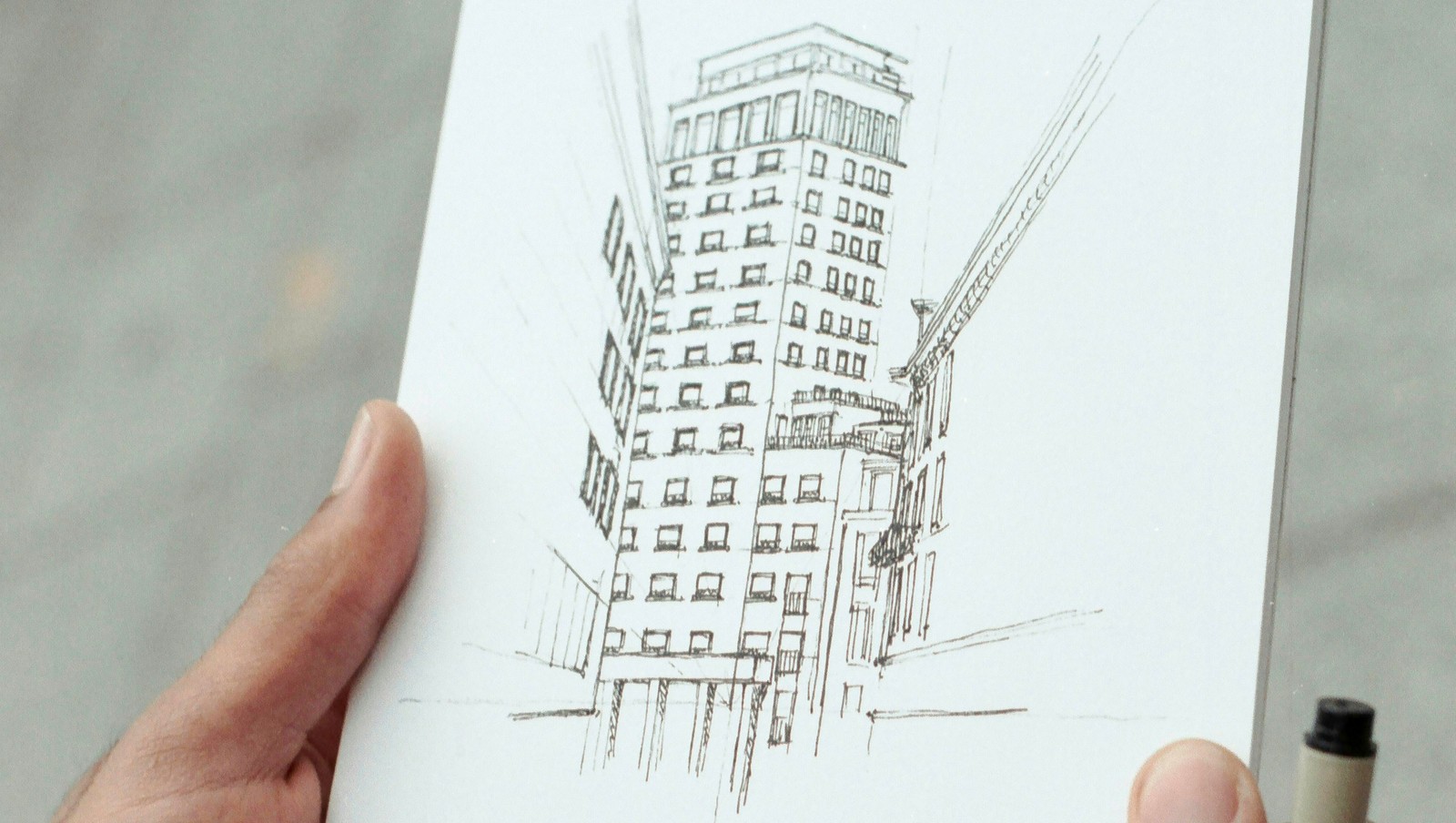
Image: Kyoshi Reyes

When most people think of American architecture, famous structures like the Chrysler Building or the Golden Gate usually come to mind. But tucked away in quiet towns and unexpected corners are some truly stunning, lesser-known architectural gems. Let’s take a tour of 11 of these under-the-radar buildings that deserve a second look.

1
Forestiere Underground Gardens
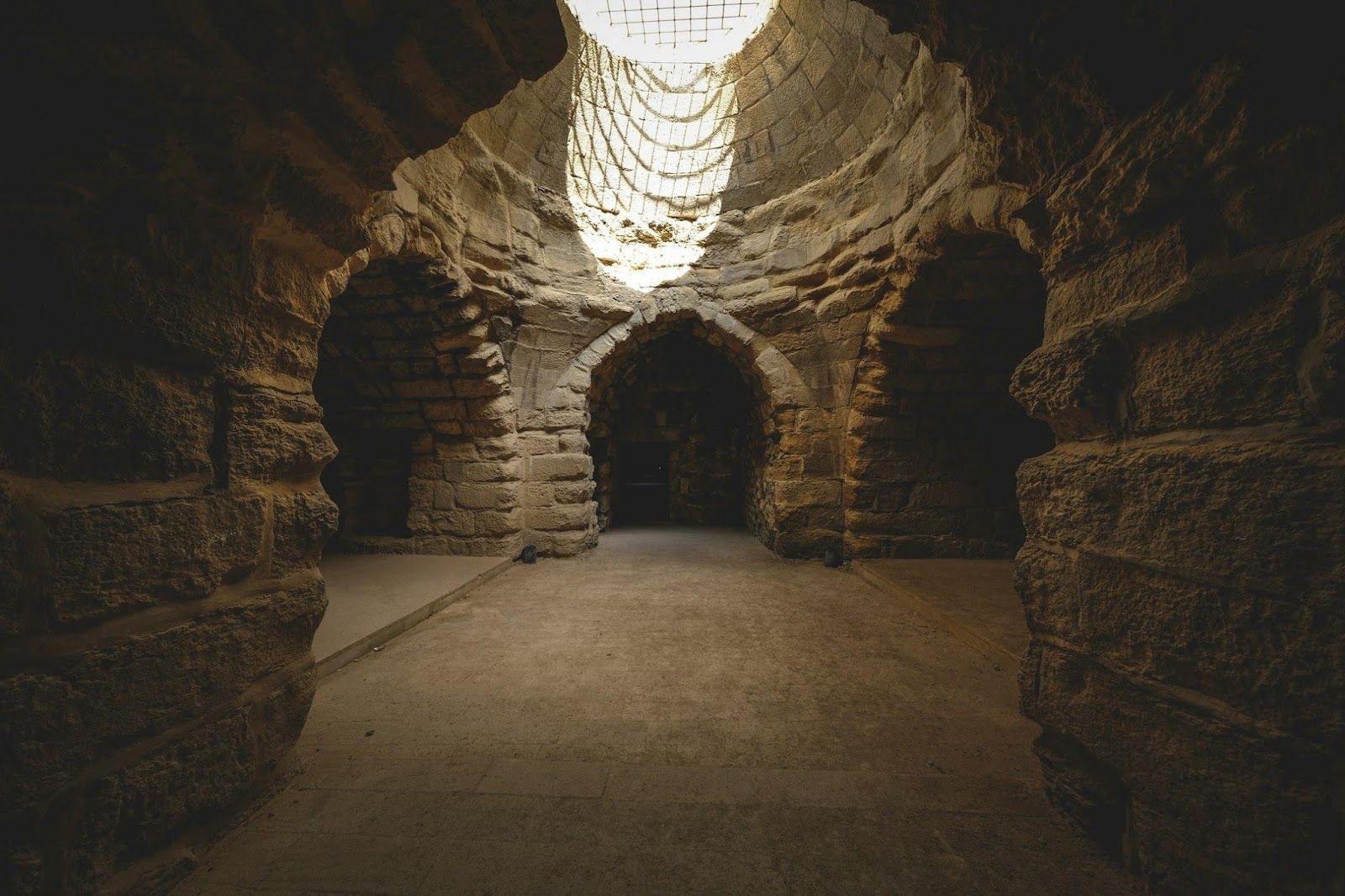
Image: Francesco Ungaro

Baldassare Forestiere, a Scicilan immigrant built a series of subterranean structures over a period of 40 years in Fresno, California.

Initially created as a small cellar to escape the summer heat, Baldassare carved a series of attached rooms, with underground trees , creating an incredible structure that can be visited today.

2
Swaminarayan Akshardham
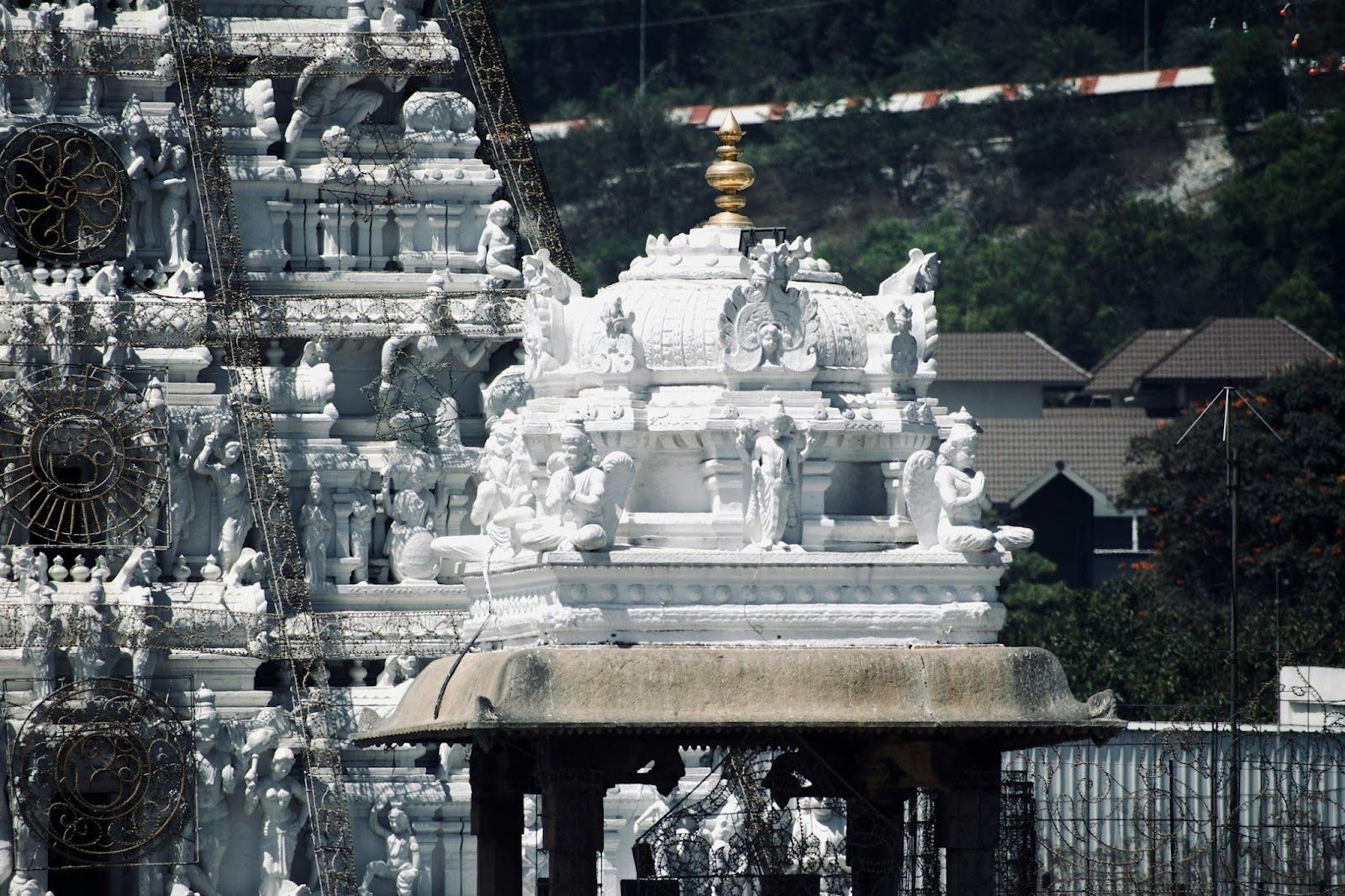
Image: Usha Kiran

A structure that most people would associate with a very different part of the world was built between 2015 and 2023 in Robbinsville, New Jersey: a large Hindu temple . It is the largest building of this kind in the United States and the second largest in the world.

3
Cathedral of Learning
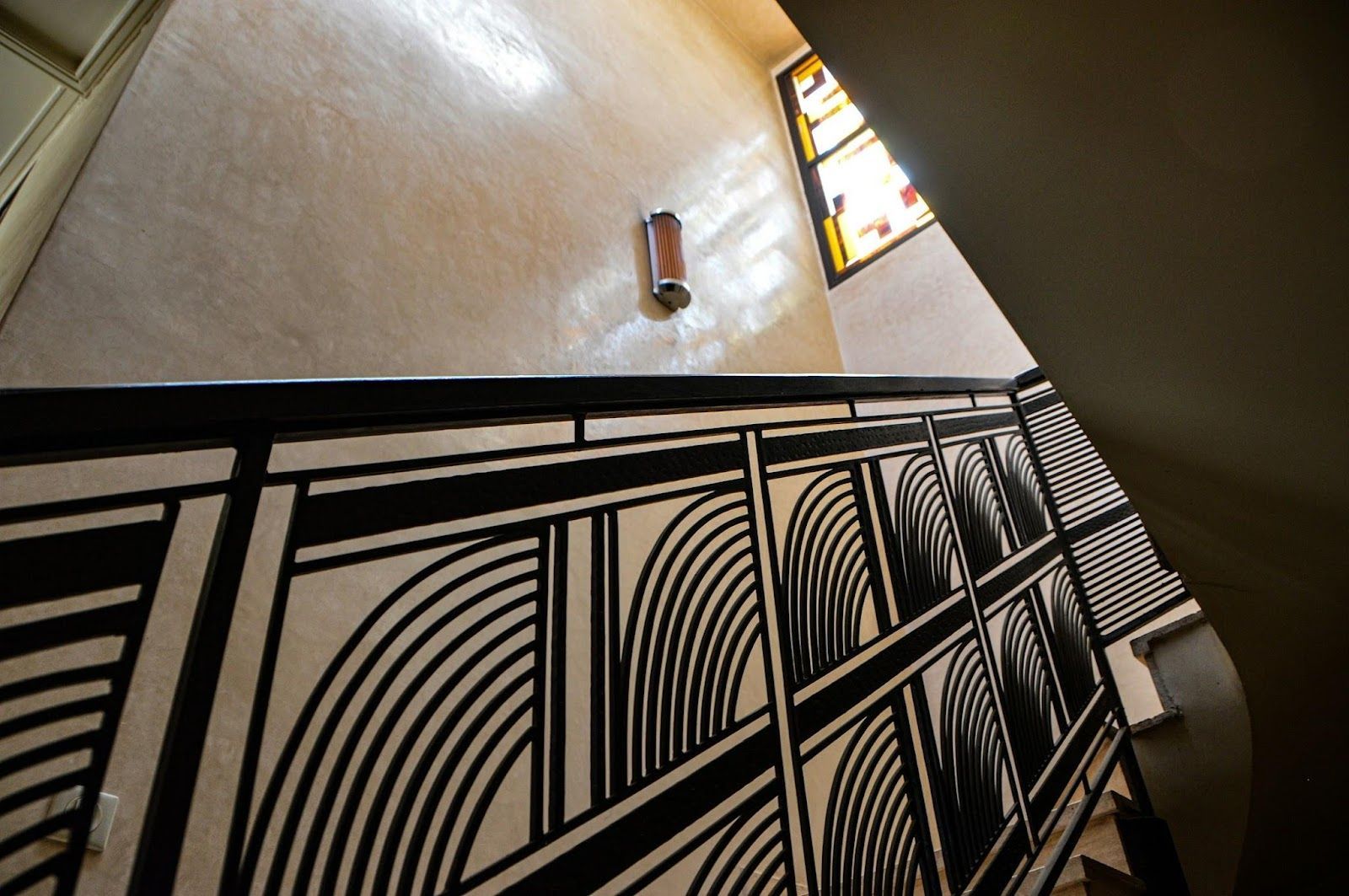
Image: henry perks

A 42-story skyscraper that looks like an Art Deco cathedral, the Cathedral of Learning is part of the University of Pittsburgh’s main campus in Pittsburgh, Pennsylvania.

Standing at 535 feet, this Late Gothic Revival structure is the tallest educational building in the Western Hemisphere and the second-tallest university building in the world. It is also the second-tallest gothic-style building in the world, after the Woolworth Building in Manhattan.

4
Hammond Castle
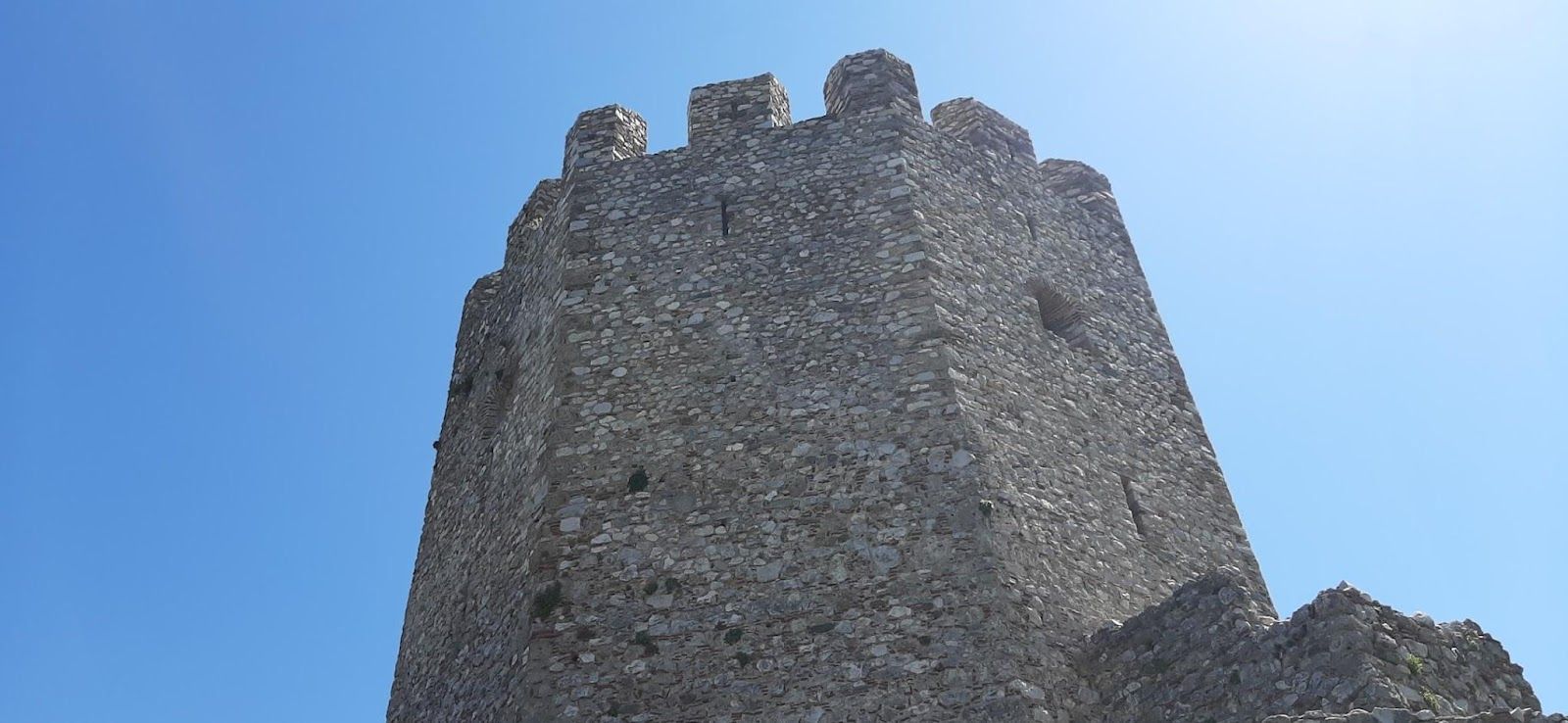
Image: Ted Gracz

An impressive feature of the Atlantic coast in the Magnolia area of Gloucester, Massachusetts, the Hammond Castle was the home, laboratory, and museum of John Hays Hammond Jr., an inventor and pioneer in the study of remote control .

The building is composed of modern and 15th-, 16th-, and 18th-century architectural elements, and operates as the Hammond Castle Museum, displaying Hammond's collection of Roman, medieval, and Renaissance artifacts as well as exhibits about his life and inventions.

5
San Antonio Japanese Tea Garden
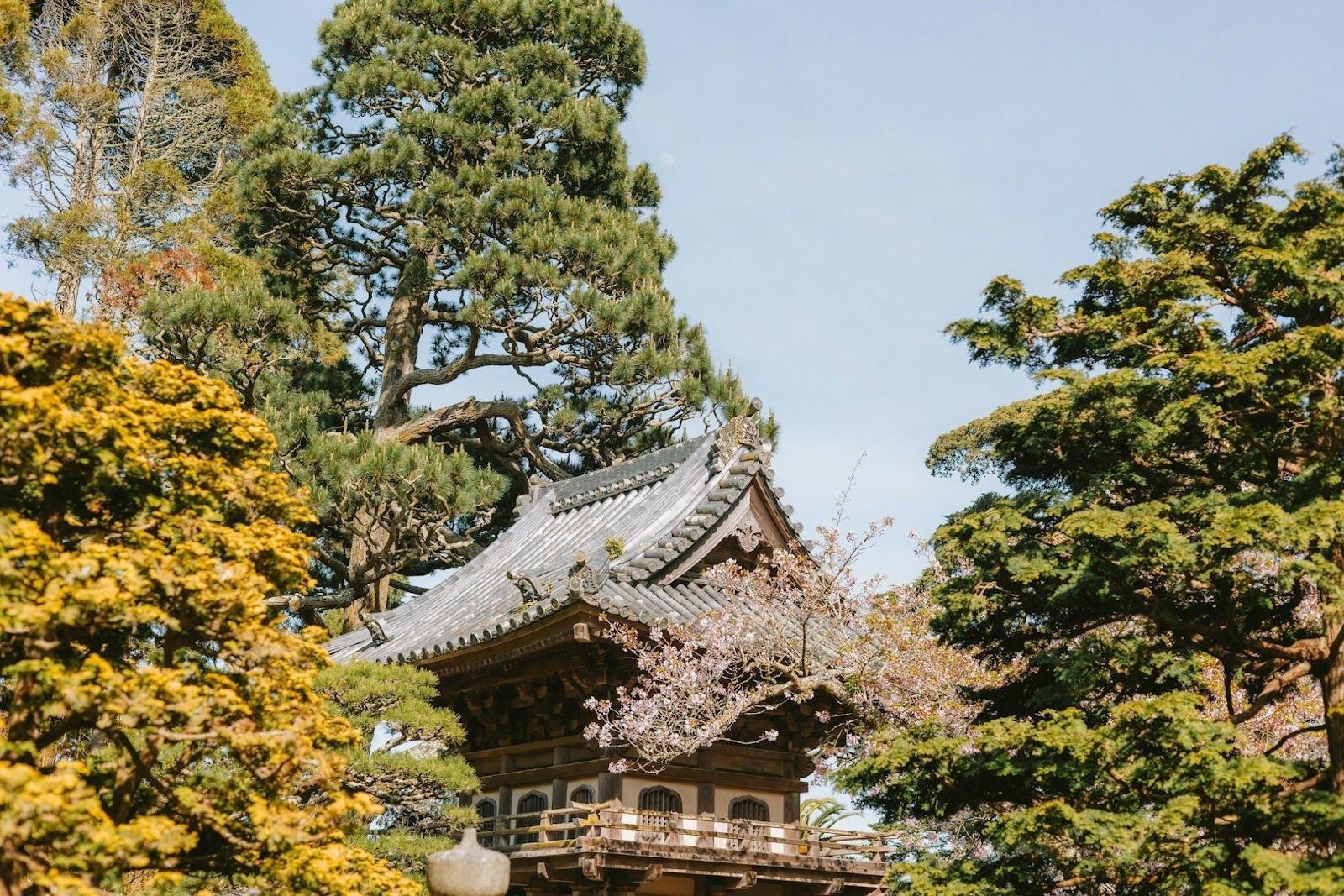
Image: Annie Spratt

Imagine a Japanese Tea Garden set in an abandoned limestone rock quarry, and you will be picturing the San Antonio Japanese Tea Garden, or Sunken Gardens in Brackenridge Park, San Antonio, Texas.

After several years working as a quarry, the area was redeveloped as the tea garden that it is today, with walkways, stone arch bridges, an island, a Japanese pagoda, and, of course, a tea room .

6
Ashbel Smith Building
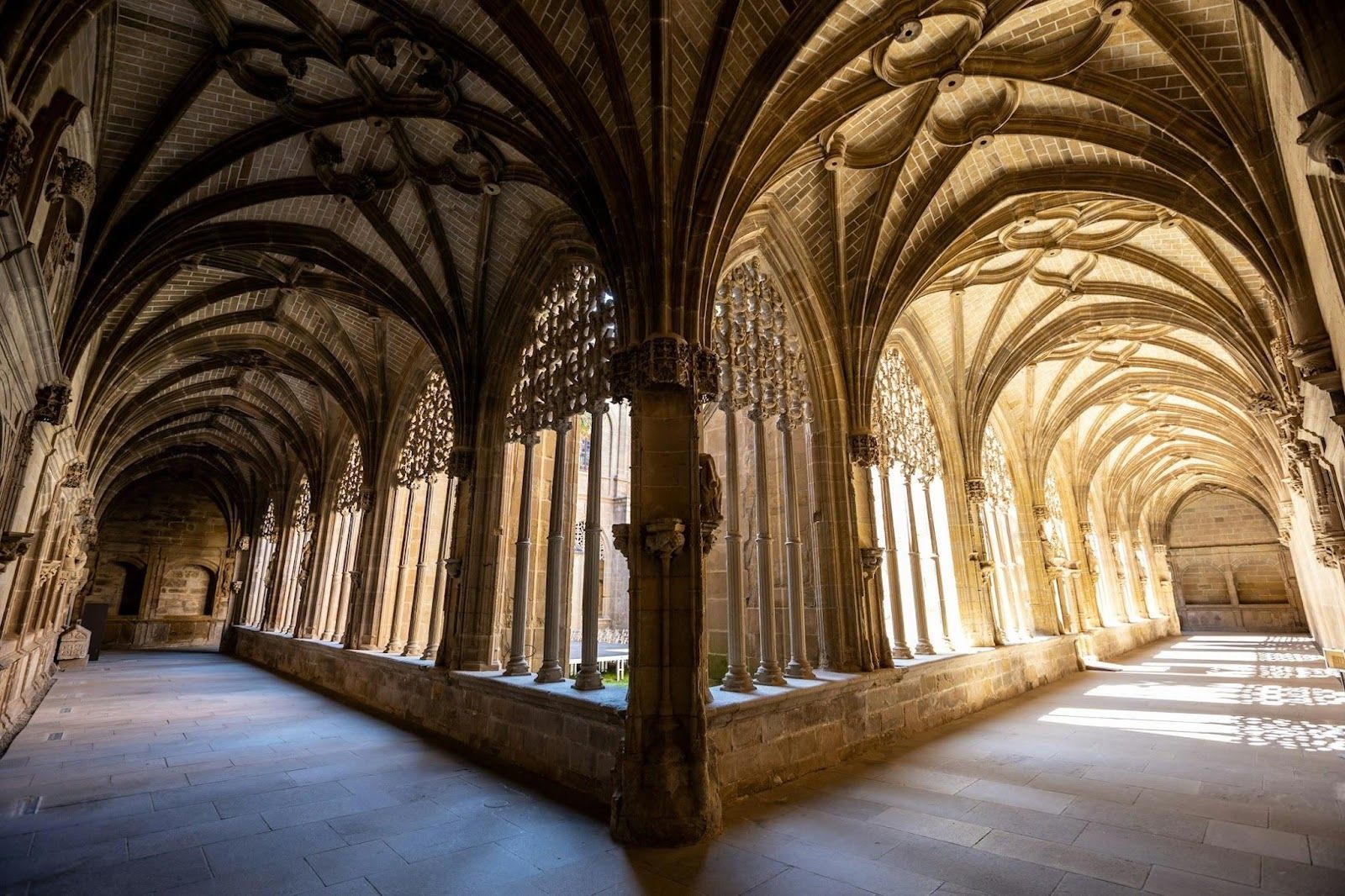
Image: Mario La Pergola

The huge Romanesque Revival building in Galveston, Texas, familiarly known as Old Red, was built in 1891 with red brick and sandstone . The Ashbel Smith Building, as it is officially named, was the first University of Texas Medical Branch edifice.

7
Mission San Xavier del Bac
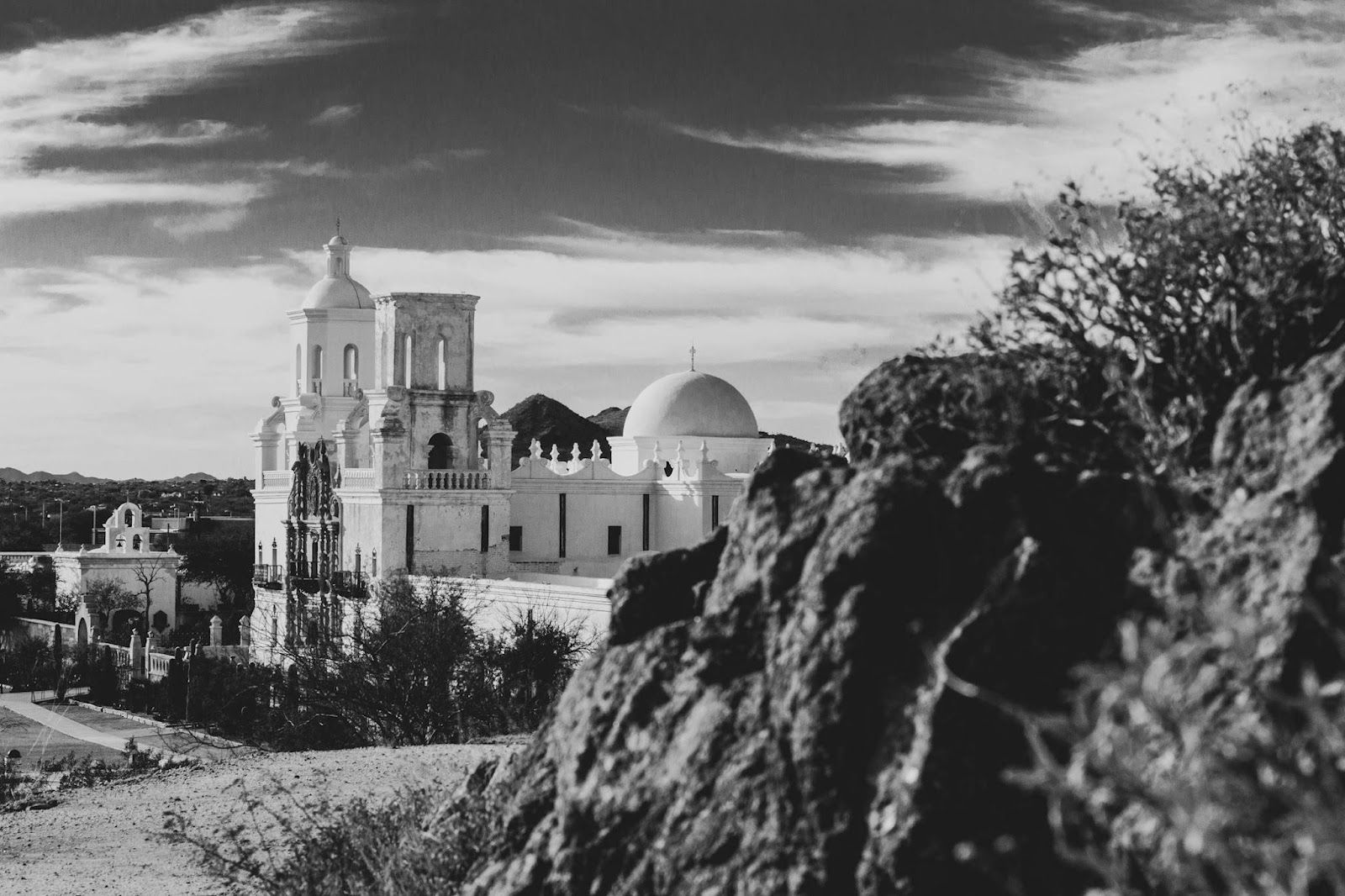
Image: Sean Benesh

The oldest European structure in Arizona is the Mission San Xavier del Balc. This historical Spanish Catholic mission is 10 miles south of Tucson and was founded in 1692. It is an outstanding example of Spanish Colonial architecture in the United States and it is a well-known pilgrimage site, with thousands visiting each year on foot and on horseback, some among ceremonial cavalcades or cabalgatas.

8
New River Gorge Bridge
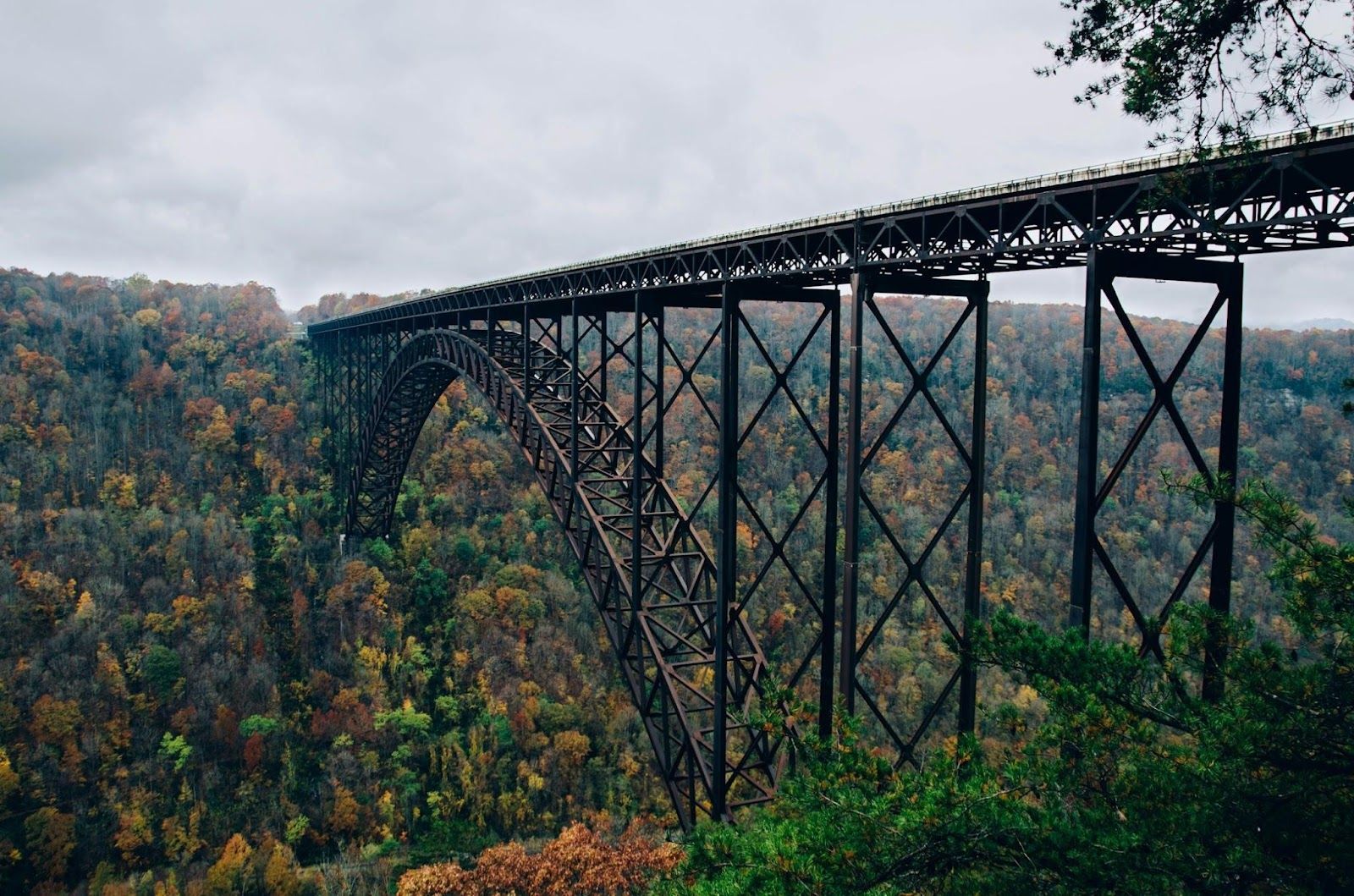
Image: Ashley Knedler

The New River Gorge Bridge is a steel arch bridge 3,030 feet long over the New River Gorge near Fayetteville, West Virginia, in the Appalachian Mountains. With an arch 1,700 feet long, the New River Gorge Bridge was t he world's longest single-span arch bridge when completed in 1977.

9
National Park Seminary
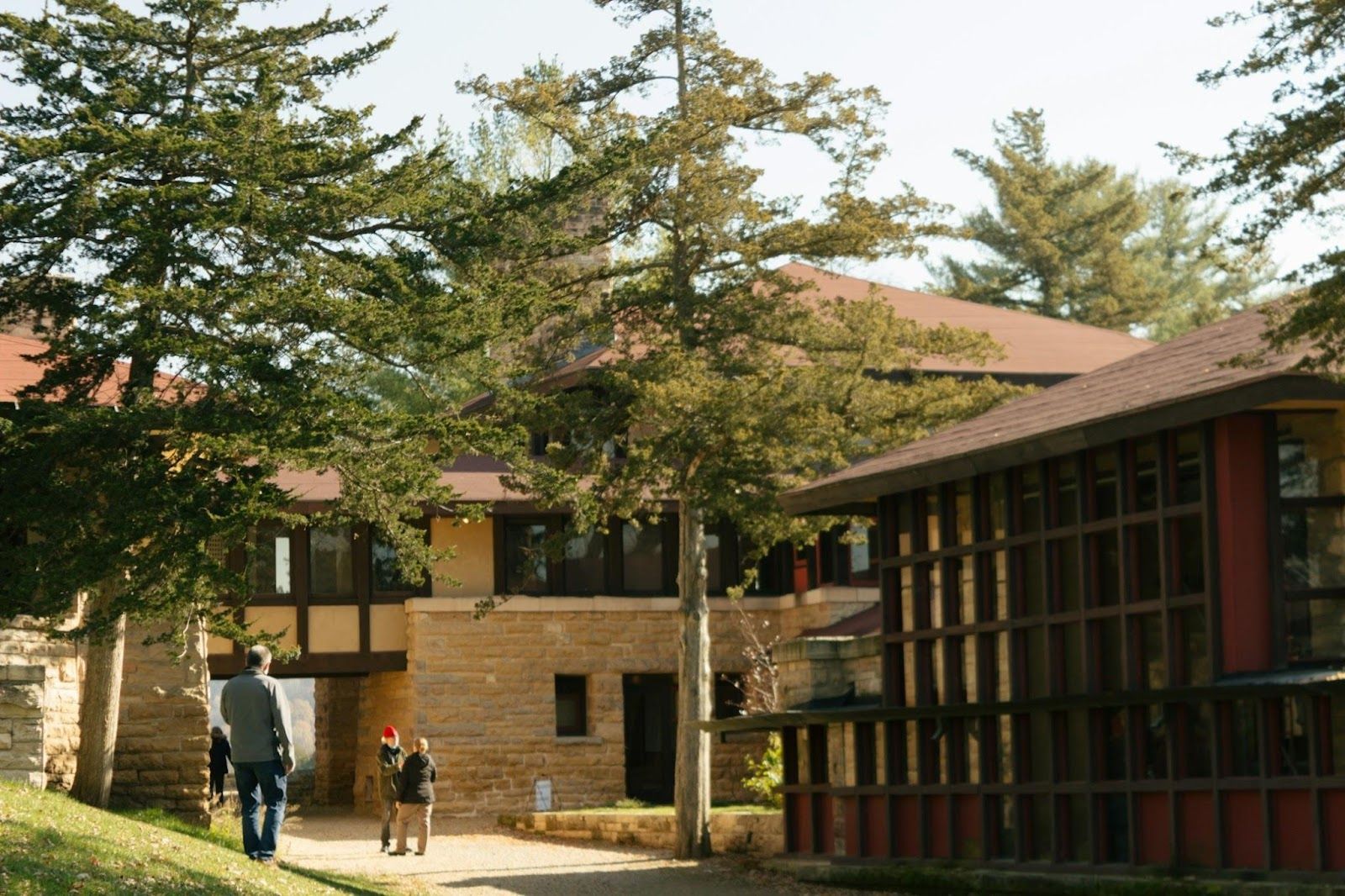
Image: Charles Marleau

National Park Seminary was a private girls' school open from 1894 to 1942 , located in Forest Glen Park, Maryland. Its name refers to the nearby Rock Creek Park. The historic campus boasts a massive building dating from the late 1800s.

10
Mercer Museum
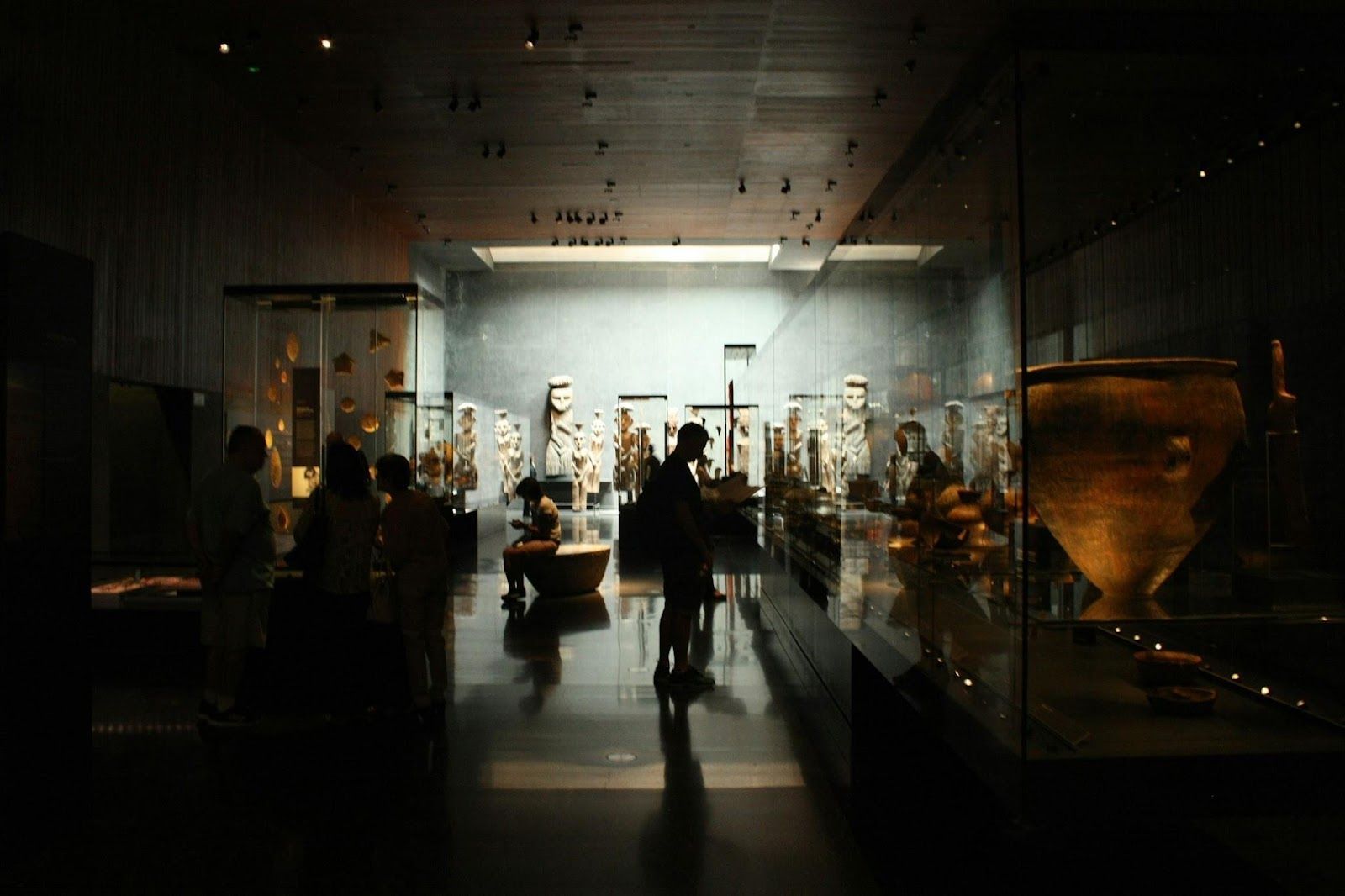
Image: Camila Credidio

The incredible Mercer Museum is a poured-in-place concrete structure built by the museum's founder, archeologist Henry Chapman Mercer, originally meant as his private residence. It is located in Doylestown, Pennsylvania.

11
Annunciation Greek Orthodox Church
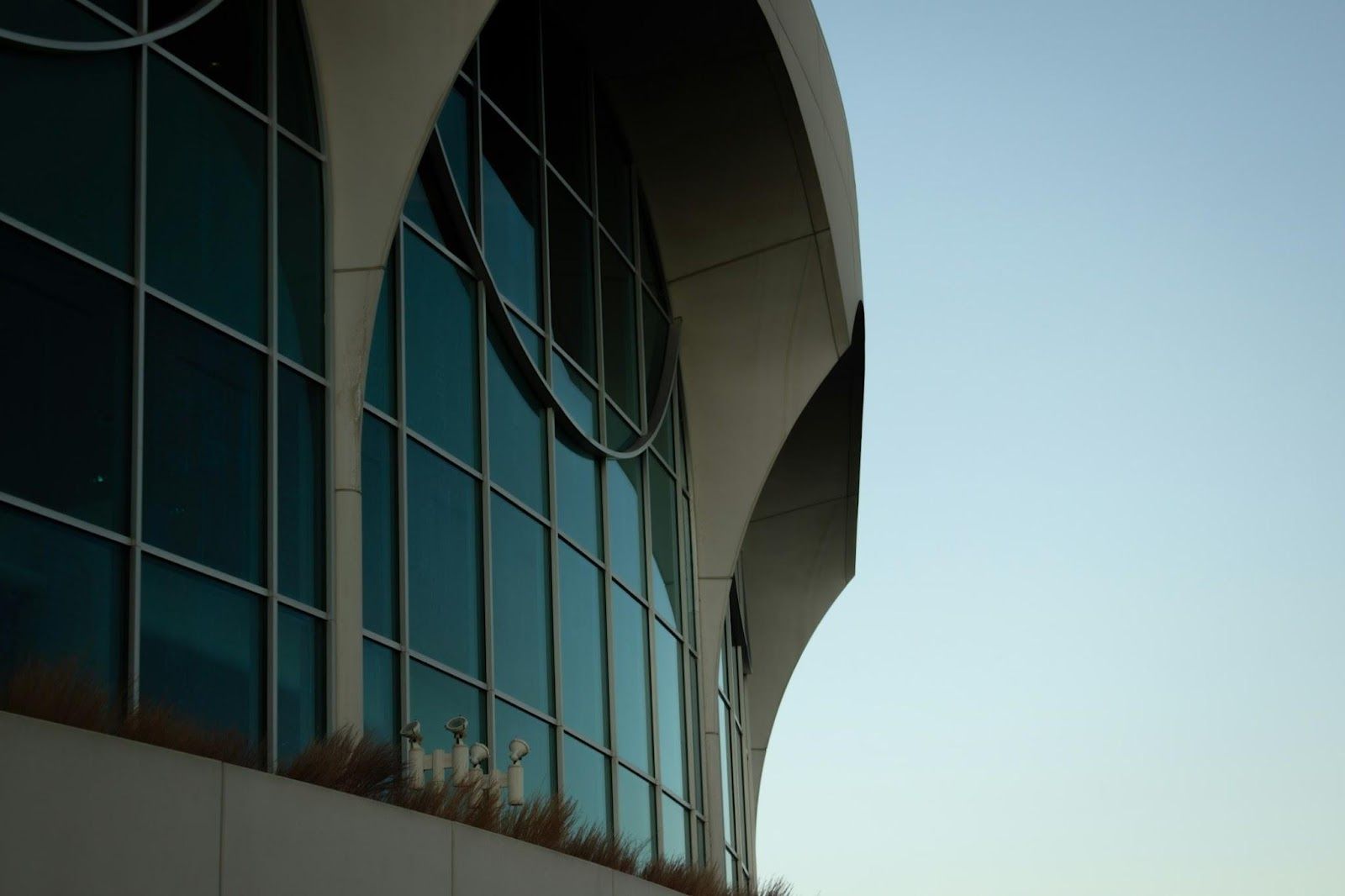
Image: Charles Marleau

The Annunciation Greek Orthodox Church in Wauwatosa, Wisconsin, United States, was designed by architect Frank Lloyd Wright in 1956, and completed in 1961.

Created according to traditional Byzantine architectural forms , but reinterpreted by Wright to suit the modern context, this building offers a striking view to its visitors.
Culture Culture 4 min read

The king of the Western

John Wayne: 10 facts about 'The Duke'

Image: Willi Puschel

John Wayne is one of the great names of the Western genre and American Cinema in general. With a career spanning five decades and nearly 200 films, " The Duke " became an American icon and set the standard for many actors who followed. Let’s take a look at 10 facts about his life!

1
Marion

Image: Noom Peerapong

We know him as John Wayne, but he was born Marion Robert Morrison . His early minor roles were credited under the name "Duke Morrison," but he adopted a stage name for his first starring role in The Big Trail . The film’s director suggested "Anthony Wayne," after a general from the Revolutionary War, but the studio thought it sounded too Italian, so it was changed to " John Wayne ."

2
The Duke

Image: Egor Gordeev

John Wayne’s nickname came from his childhood pet terrier , Duke . The two were inseparable, so people started calling him "Little Duke." He preferred the nickname over his given name and even used it for his first film roles. The name resurfaced years later when director John Ford began calling him "Duke" again. By then, Wayne was already a popular actor, and he welcomed the old name with open arms.

3
The footballer who wasn’t

Image: Kaleb Becker

Did you know we almost had "Duke Morrison, footballer" instead of "John Wayne, actor"? After failing to get into the US Naval Academy, Wayne enrolled at the University of Southern California on a football scholarship . But an injury from a bodysurfing accident cut his athletic career short, and he eventually had to leave college.

Not all was lost, though: silent film star Tom Mix, who received football tickets in exchange for giving summer jobs to USC players, helped Wayne land a gig as an extra and prop boy.

4
The first big role and breakthrough

Image: Jason Dent

Raoul Walsh’s The Big Trail was one of the first Western superproductions of the sound era. Walsh wanted to cast an unknown actor in the leading role and chose Wayne after spotting him moving furniture around the studio.

The film was a box office failure, and Wayne spent much of the 1930s acting in low-budget Westerns. His big break came with Stagecoach , directed by the legendary John Ford, which finally put him in the spotlight.

5
Attempts to enlist

Image: Rodrigo Rodriguez

When World War II broke out, Wayne was not drafted due to his age and family situation. Despite this, he made several attempts to enlist and even tried to convince John Ford to bring him into his military unit. Ultimately, he gave up after his studio threatened him with a lawsuit for breaching his contract. It’s said that he carried the guilt of staying behind for the rest of his life.

6
John Ford

Image: Mike Fox

John Ford’s Stagecoach established John Wayne as a leading actor and began his long collaboration with the director. The two worked together on more than 20 films, many of which are considered Western classics , including Fort Apache , The Searchers , The Man Who Shot Liberty Valance , Rio Grande , and She Wore a Yellow Ribbon .

7
Awards

Image: James A. Molnar

Wayne received several nominations and awards throughout his career, both as an actor and a director. He was nominated for the Academy Award for Best Actor for Sands of Iwo Jima and for Best Picture for The Alamo , which he also directed. He finally won the Oscar for his role as Rooster Cogburn in True Grit . He was also posthumously awarded the Presidential Medal of Freedom, and the airport in Orange County, California, is named after him.

8
International popularity (or not)

Image: Vitaliy Shevchenko

Wayne’s films made him an American icon and a celebrity both in the US and abroad. Japan’s Emperor Hirohito reportedly asked to meet him during a visit to the United States, impressed by his performance in Sands of Iwo Jima , and so did Soviet leader Nikita Khrushchev.

According to some biographers, the FBI allegedly thwarted an assassination attempt ordered by Joseph Stalin, who viewed Wayne as a symbol of anti-communist ideals. While this story remains unverified, it has become part of Wayne’s larger-than-life legend.

9
Wayne vs Sinatra

Image: Dan Burton

John Wayne was known to have feuded with several celebrities due to his strong personality and political views. One of the most prominent was his disdain for Frank Sinatra , whom he believed had communist sympathies. Their animosity escalated when Wayne reportedly filed a noise complaint against Sinatra at a hotel and allegedly got into a fistfight with one of Sinatra’s bodyguards. Despite their differences, the Duke and Ol’ Blue Eyes eventually made peace years later.

10
The Duke’s death

Image: Aubrey Odom

John Wayne died of stomach cancer in 1979, a disease many have linked to his filming of The Conqueror in the Escalante Desert, Nevada, near a nuclear testing facility. It is reported that about half of the film’s cast and crew developed cancer, and nearly half of those cases were fatal.

Wayne’s family stated that he converted to Catholicism and received baptism in his final days. He reportedly requested that his grave bear the inscription " Feo, fuerte y formal " (Spanish for "ugly, strong, and dignified," in Wayne’s own words). However, his grave remained unmarked for 20 years after his death.

History History 4 min read

What were they thinking?

You won’t believe these 10 not-so-great brand names are real

Image: kelisa Bernard

A name is like a business card, and as such, it should be carefully considered. A good brand name is easy to pronounce and remember, clearly communicates what the product or service represents, does not offend, is not an easy target for puns, and sounds appealing. All of these points may seem obvious, but as it turns out, there are always people who think otherwise, throw caution to the wind, and choose names that are bizarre, inadequate, weird, or worse. Listed below, you will find ten examples that fit the bill. Some of these names work. And some don’t. Which ones do you like?

1
Sam and Ella’s

Image: Jason Leung

We get it—you and your significant other built a restaurant and decided to name it after yourselves. Good for you. But if, by any chance, your combined names sound like a food poisoning illness , that might not be the best choice for a restaurant.

The restaurant could have easily been named Ella and Sam’s, to avoid this issue. But maybe, and just maybe, the couple had a twisted sense of humor and decided to go with it and see how it would turn out.

2
ChubbyBrain

Image: Jakub Żerdzicki

What does this name bring to mind? The image of a chubby brain is probably not an appealing one, and it certainly doesn’t convey the idea of a venture capitalist database. Yet, that’s exactly what ChubbyBrain is.

If your business needs funding, this company will analyze its database of venture capitalists, grant providers, and investors and match you up with those who would be most sympathetic to your cause , thus maximizing your chance of successful fundraising. A valuable service, hidden behind a weird name, indeed.

3
Wesabe

Image: Andre Taissin

A word that sounds similar to a Japanese sushi condiment was chosen as the name for this company, founded in 2005 to help users track their spending habits. The idea was a noble one: assist people in getting out of debt and learning how to make wise financial decisions.

But, alas, the company was not able to attract an audience. The name Wesabe was likely intended as a play on "We Save," but it didn’t translate that easily and it ended up being a nonsensical name for a good idea.

4
Cuil

Image: Growtika

There was a time when search engines were more diverse and prevalent than they are today, at least for the general public. Before Google became the giant it is now, Altavista, AskJeeves, Lycos, Yahoo!, and others were the go-to sites for browsing the web.

Cuil was one of those search engines, it boasted the largest search index and the fastest queries . But, for some reason, it shut down in 2010. The name might have played a part in that, as it had no connection to searching and its pronunciation was unclear. Granted, many search engines had equally odd names and still made it. But it certainly didn’t help in Cuil’s case.

5
Boring Business Systems

Image: Rodeo Project Management Software

If your name is also a word, with a meaning attached to it, then it would be wise to consider if associating it with a product or service is a good idea, or not. Named after one of its original executives, Allan D. Boring, this network services and IT support company is unashamed of its namesake. In fact, it embraces it, assuring outsiders that there is "nothing boring" about its features and services.

6
Xobni

Image: Solen Feyissa

One would be hard-pressed to link this name to a product or service, that is, unless you were looking at it reflected in a mirror because Xobni is "Inbox" spelled backward. Yes, this company made email-related products , until it shut down in 2014.

Besides the unoriginal idea of simply spelling your product name backward, it doesn’t help if the resulting word sounds odd and unrelatable.

7
Lawdingo

Image: Tingey Injury Law Firm

The idea of having a Saul Goodman-type lawyer might be appealing to some, but for the most part, people believe that the law is serious business and should be treated as such. Lawdingo is a web service that provides affordable legal advice for both individuals and businesses.

While the idea behind it seems great, the word "dingo" can hardly be associated with the kind of characteristics one searches for in a law firm, like quality and professionalism.

8
Qwikster

Image: Phil Hearing

When choosing a literal brand name, it’s generally a good practice to select one that clearly associates with the product or service offered. Qwikster was a company launched by Netflix in 2011 to focus on the DVD-by-mail service branch of the business.

According to the people in charge, the name Qwikster was chosen because it referred to quick delivery. Or at least that is what they thought. While the name does have a rhythmic quality, it doesn’t really connect to the service it was meant to represent.

9
AmericInn Hotel

Image: Marten Bjork

Some brands thrive despite having less-than-ideal names. AmericInn Hotel is a mid-priced hotel franchise consisting of 240 locations across the U.S. While AmericInn has done arguably well for itself, one can only wonder how much better it might have performed with a different name.

The problem isn't the name itself, but its awkward spelling. Any brand thinking about purposefully misspelling common words, should proceed with extreme caution and only use this resource if it truly makes business sense.

10
Backrub

Image: Greg Bulla

As strange as Google might have sounded at first, BackRub would have sounded even weirder had it gained the same level of recognition. Founders Larry Page and Sergey Brin named their first search engine BackRub in 1996. A year later, BackRub became too large to operate on the Stanford University servers that hosted the website, prompting them to register the now-familiar domain name Google.com.

While using the expression "rub it" in the same way we use "google it" today might have been a possibility, it certainly does not have the same ring to it.

Explore more American facts

Choose your favorite category!

General
General

As American as apple pie—the very best America has to offer!

Culture
Culture

Delve into the astounding richness of American lore.

Geography
Geography

Hop in and explore vast and diverse American landscapes.

History
History

Discover the key moments that shaped the United States.