Geography Geography 4 min read

Blue for miles

Can you guess which states have the longest coastlines? Yes, Alaska's one

Image: Nick Perez

Probably all of us know that Alaska is the state with the longest coastline —featuring a whopping 33,904 miles of water sights , including tidal inlets. But can you name the state with the second-longest coastline, or the third? Let’s explore the 13 states with the longest coastlines and their highlights—you might just decide on a future vacation there!

1
Hawaii (1,052 miles)

Image: Karsten Winegeart

Over 1,052 miles of volcanic islands, a unique blend of black sand beaches, lush rainforests, and vibrant coral reefs await.

Snorkel with sea turtles in Hanauma Bay on Oahu, or learn to surf on the legendary waves of Waikiki Beach. You could also visit the dramatic cliffs of Kauai, featured in film sagas like Jurassic Park and Pirates of the Caribbean.

2
Oregon (1,410 miles)

Image: Dave Hoefler

You might remember seeing Haystack Rock featured in the film The Goonies , or glimpses of the charming town of Astoria , where the classic Free Willy was filmed.

These are just two of the many jewels of Oregon's Pacific coastline. Dramatic sea stacks, hidden coves, and beautiful towns like Cannon Beach also await.

3
New York (2,625 miles)

Image: Tommy Kwak

New York's coastline offers a mix of bustling beaches, charming towns, and iconic landmarks. There’s the famous Coney Island boardwalk , as well as the historic lighthouses and sandy shores of Long Island.

If you’ve seen the romantic drama Eternal Sunshine of the Spotless Mind , surely you’ve felt curious about visiting the remote, nostalgic beaches of Montauk.

4
Washington (3,026 miles)

Image: Jennifer Arlem Molina

Rugged beaches, dramatic cliffs, and waterfront cities line the 3,026 miles of Washington's coastline. You can visit Pike Place Market in Seattle, or take a ferry to the Olympic Peninsula to hike through rainforests and explore tide pools.

The Washington State Ferries system can also take you to the San Juan Islands archipelago, famous for its forest waterfalls and whale-watching tours.

5
Virginia (3,315 miles)

Image: Steve Adams

Virginia ranks among the 10 states with the longest coastlines. Its sandy beaches and wide shores are also home to many historical landmarks .

You can explore Colonial Williamsburg, the Virginia Beach Boardwalk, as well as Mount Vernon by the Potomac River.

6
Texas (3,359 miles)

Image: Thomas Park

On Texas's Gulf Coast, you'll find Padre Island, the longest barrier island in the world , with pristine beaches and a haven for wildlife. There’s also Galveston Island, which blends history and entertainment with its Victorian architecture, museums, and family-friendly attractions like Moody Gardens.

7
North Carolina (3,375 miles)

Image: Joe Dudeck

The iconic Cape Hatteras Lighthouse is just one of the stunning views along North Carolina's Outer Banks. This state is famous for its Outer Banks , a chain of barrier islands with windswept beaches.

A notable attraction is the shipwreck-littered Graveyard of the Atlantic, a stretch of treacherous waters that fascinates many and features its own museum. And we can’t forget the historic Kitty Hawk, where the Wright brothers made their first flight.

8
Michigan (3,288 miles)

Image: John Schaidler

With over 3,000 miles of Great Lakes coastline, Michigan offers some of the most diverse shoreline experiences in the US.

You can explore the Sleeping Bear Dunes National Lakeshore along Lake Michigan, or step back in time on Mackinac Island, known for its Victorian charm and car-free roads . Another gem is the Pictured Rocks National Lakeshore on Lake Superior, with its dramatic cliffs.

9
Maine (3,478 miles)

Image: Rachel C

Maine's rugged coastline is a haven for outdoor enthusiasts, featuring cliffs, picturesque fishing villages, and abundant wildlife.

If you love animals in their natural habitat, you can visit seals and puffins in Bar Harbour. If you like hiking to stunning views, you can visit Acadia National Park and make it to the top of Cadillac Mountain .

10
California (3,427 miles)

Image: Meriç Dağlı

The Golden Coast must be included, of course! California's iconic coastline is a dream for beach lovers. Surfers can catch waves in Huntington Beach, a.k.a. "Surf City USA."

Other must-see spots include the Golden Gate Recreation Area, San Diego’s La Jolla, and, of course, Santa Monica’s colorful and bustling pier and boardwalk .

11
Louisiana (7,721 miles)

Image: Brent Woods

Louisiana's bayous and wetlands make its coastline unique. The Mississippi River Delta is an ecological treasure, home to abundant birdlife and fisheries, while the Atchafalaya Basin boasts the largest wetland and swamp in the US.

Of course, New Orleans is the cultural heart of this state, where jazz, gumbo, and beignets summon tourists from all over the world.

12
Florida (8,436 miles)

Image: Lance Asper

Florida! Sun-kissed beaches year-round and magnetic turquoise waters make this state’s coastline one of the most visited in the country.

The Florida Keys offer coral reefs perfect for diving, especially in John Pennekamp Coral Reef State Park. One should explore Miami Beach’s Art Deco District, the Everglades that spill into Florida Bay, and of course, the dreamy sights along Key West.

13
Alaska (33,904 miles)

Image: jesse orrico

Finally, with over 33,904 miles of coastline, there’s Alaska—a treasure trove of natural wonders like the ice formations of Glacier Bay National Park and the playful otters of Kenai Fjords National Park.

In Juneau, the state capital, you can witness humpback whales breaching in Auke Bay. So, if you don’t mind the cold or the long journey, you might want to visit and experience the breathtaking scenery!

Geography Geography 6 min read

Cowboy culture

Explore the “Lone Star State” with these fun facts about Texas!

Image: Lucas Beck

A song made popular by "the Singing Cowboy" Gene Autry contains these lyrics: "The stars at night are big and bright, deep in the heart of Texas." And while it's true that the "Lone Star State" is known for that single star shining on its flag, Autry wasn’t exaggerating— a star-filled Texan night sky is truly a sight to behold. However, that’s just the tip of the iceberg of the things that make this state so wonderful. With that in mind, we have compiled 10 of our favorite facts about Texas, hoping to inspire your future trip and fill you with pride for our second-largest state. Enjoy!

1
Brisket

Image: Sergey Kotenev

We’ll begin with a Texan staple . Texas boasts a number of extraordinary culinary delicacies, and we could have easily focused on any of them for this entry. As a sign of respect, we’ll mention chili con carne, Texas’ official state dish, as well as the Texas Tommy, a delicious hotdog served with bacon and cheese. However, we must give credit where credit is due to what’s perhaps the most iconic dish in Texan cuisine— we believe that title goes to the almighty brisket.

It’s no secret that Texas barbecues are the stuff of legends, and in that sense, many believe that brisket is the undisputed crown jewel of any barbecue worth its salt. While it's true that this beef cut does take some time to cook in Texan slow-smoking barbecue, briskets are truly something special.

2
Six Flags Over Texas

Image: Zabdiel Gonzalez

Have you ever wondered why the iconic theme park is called "Six Flags?" The name comes from the popular slogan "Six Flags Over Texas," but that doesn’t clarify exactly what those flags represent. Well, the answer lies in Texas history, since it is a direct reference to the six nations that have governed Texas in the past.

Since its foundation, Texas has been governed by Spain, France, Mexico, the Confederate States, and the United States. Not only that, for a brief period Texas was its very own independent country, known as the Republic of Texas. This independent state lasted from 1836 to 1846 before it became our nation’s 28th State.

3
Size

Image: Mick Haupt

Texas might not be our largest state, but it is undeniably massive. As we mentioned earlier, for approximately 10 years the Republic of Texas was its own separate country—and it certainly had the size for it. If Texas was still a separate nation, it would be the 39th largest nation in the world. In fact, the Lone Star state could fit 10 different European nations within its borders and still have room to spare.

Speaking of which, how does Texas fare against other U.S. states? Let’s just put it into perspective: you could fit Rhode Island, our smallest state, 221 times inside Texas. Not only that, you could comfortably fit 10 different states at the same time. Impressive, isn't it?

4
Etymology

Image: Enrique Macias

We’ve referred to Texas by its "Lone Star" nickname so much in this article that you might be inclined to believe that its official slogan is "The Lone Star State." However, you might be surprised to learn that the official one is actually "The Friendly State," a moniker that comes from the etymology of the word "Texas" itself.

The name "Texas" originates from the Caddo word táy:shaʼ, which translates to "friend." It is believed that Spanish settlers called the Caddo people by this word, and eventually named the whole region Provincia de los Texas , meaning "province of the Texas people."

5
Dr. Pepper

Image: Yana Smetana

Need a tasty beverage to wash all that delicious brisket down? We've got you covered, take a trip to Waco, Texas, and visit the Dr. Pepper Museum , housed in the very first building specifically built to bottle this iconic soft drink. Not only will you get a refreshing soda in return, but you’ll also learn all about one of America’s favorite beverages.

As you might have guessed, Waco is the birthplace of Dr. Pepper, created in 1885 by pharmacist Charles Alderton. This soft drink is truly a Texan treasure, regularly enjoyed all across the state. Much like Coca-Cola and other sodas, its recipe is a well-guarded secret, allegedly kept in halves and guarded in two separate safe deposit boxes.

6
Rodeo

Image: Vinny O'Hare

Few things are as synonymous with Texas as rodeo . Cowboy culture is a huge part of what makes this state so special, so if you have a chance, attending at least one rodeo during your visit is a must.

For many Texans, rodeos are more than just a spectacle—they are a way of life that showcases both the daring nature and passionate identity that defines the Lone Star State. There are literally too many rodeos to recommend, but rest assured, the spirit of the Old West still lives in all of them.

7
Lyndon B. Johnson Space Center

Image: History in HD

What’s the first thing that comes to mind whenever someone mentions the 1993 blockbuster Apollo 13 ? You don’t have to answer—we all know it’s Tom Hanks’ iconic delivery of the classic line, "Houston, we have a problem." It’s only natural that this phrase is forever associated with space exploration; after all, the city of Houston has been home to one of NASA’s main facilities for over 60 years.

The Lyndon B. Johnson Space Center is perhaps NASA’s most renowned facility. It’s where manned spaceflight research, training, and flight control are conducted. The center has grown so much in popularity that, in 1967, the city of Houston was given the official nickname "Space City."

8
Weird laws

Image: Tingey Injury Law Firm

Let’s take a small detour to talk about Texas’ wackier side . While the state’s constitution strives to guarantee the happiness and safety of millions of Texans, it also contains its fair share of wacky and weird laws that still exist in our days.

We don’t really have the time or space to deal with every weird Texas law, so here are some of our favorites. For starters, carrying wire cutters is forbidden in Austin, a rule that dates back to whenever cattle owners would settle a dispute by cutting their neighbors’ barbed wire. You should also refrain yourself from walking barefoot on the streets of certain Texan cities, and, thanks to a particularly outdated law, from buying cheese on a Sunday.

9
Texas Eiffel Tower

Image: Estevão Teixeira

Want to experience the majesty of the Eiffel Tower but don’t feel like leaving the country? Don’t worry, Texas has your back. All you need to do is visit the city of Paris (not the French capital, but rather its Texan counterpart) to marvel at a replica of this engineering wonder. While it is significantly smaller than the original, the Texas Eiffel Tower showcases this state’s spirit by sporting a red cowboy hat at its top.

Curiously, Texas's Eiffel Tower was built the same year as another American replica of the Parisian monument. In 1993, both Paris, Texas, and Paris, Tennessee unveiled their replicas. The cowboy hat was added to the Texas Tower in 1998 in a bit of friendly competition since the added height made this tower slightly taller than the one in Tennessee.

10
Presidents born in Texas

Image: History in HD

We’ll end this article by paying homage to some of Texas’ favorite sons. Did you know that Texas is the only state with three different presidential libraries ? What’s curious is that only two U.S. presidents were born in Texas, Lyndon B. Johnson and Dwight D. Eisenhower. However, two other presidents also famously fell in love with the Lone Star State and made it their home.

George H. Bush’s love for Texas is very well-documented. Years before becoming president, he moved to this state with his family after graduating from college. President Bush passed his adoration for Texas on to his children. Years later, his older son George W. became governor of Texas and, eventually, the 43rd president of the United States.

General General 6 min read

From the Nike Air to the Cell phone camera

NASA in your house: 10 inventions that revolutionized everyday life

Image: NASA

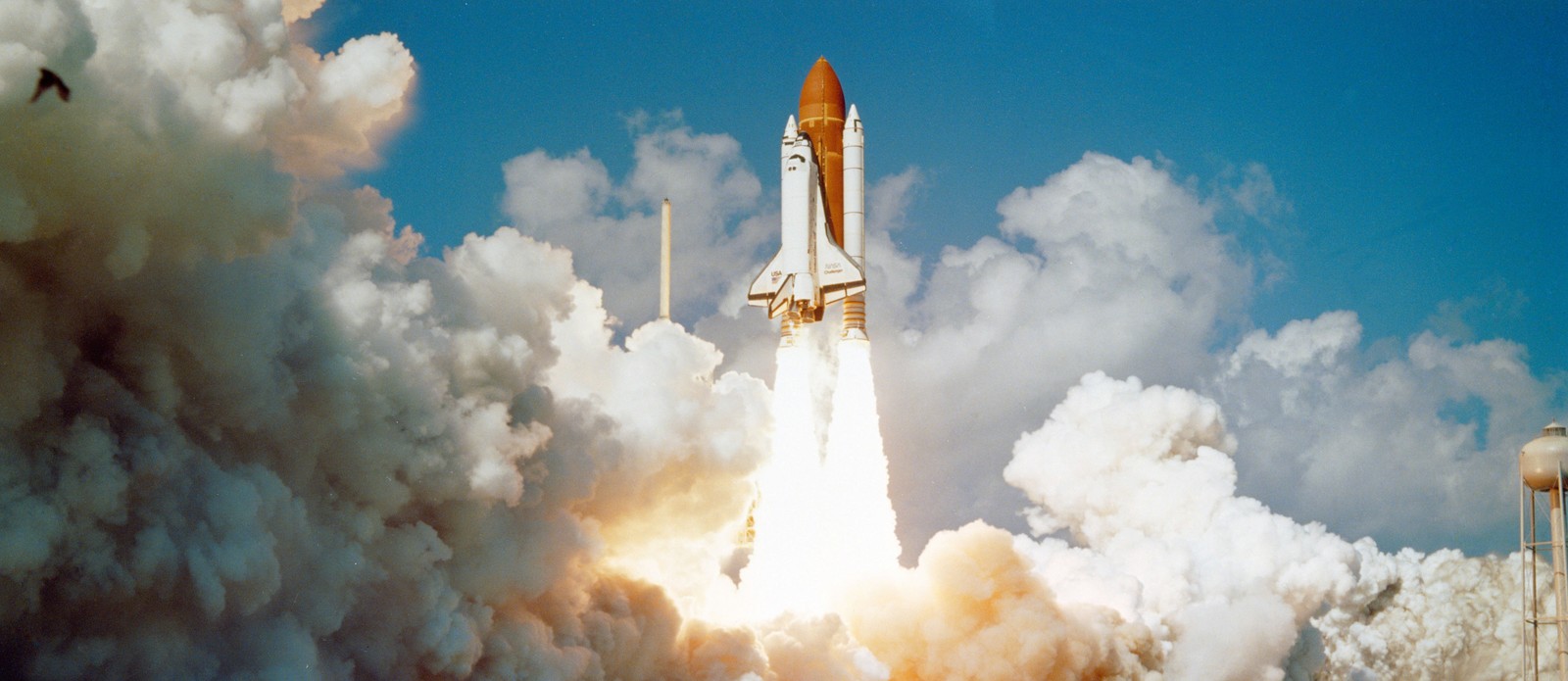
You probably never realized that NASA, the same agency that revolutionized space travel back in the sixties and seventies, is also responsible for the microchips in your favorite electronics, the alarm that warns you of fire, the sensor that lets you take a quick selfie on your phone , among other everyday inventions. Ready to rediscover them?

1
Microchip

Image: Laura Ockel

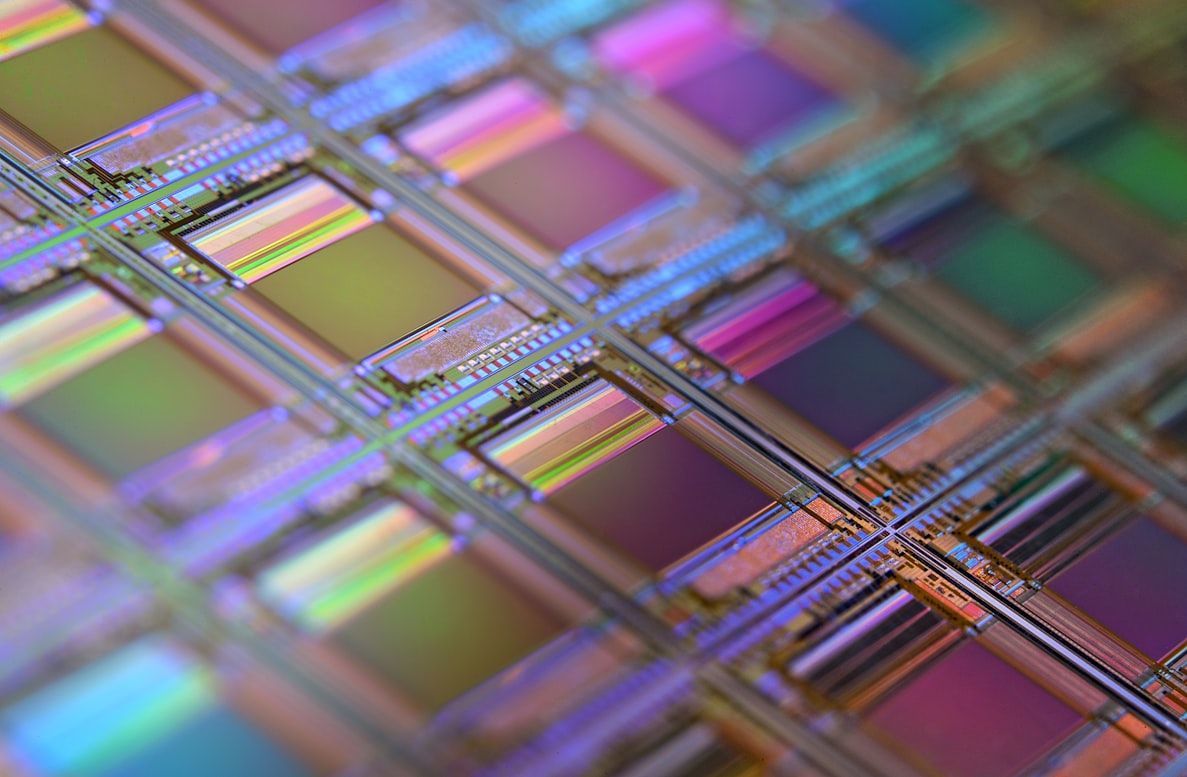
Before microchips, computers relied on glass vacuum tubes that were large, fragile, and too heavy for a spacecraft. To solve this, NASA, during the moon race in the 60s, made a massive bet on a new invention called the integrated circuit, which packed complex electronics onto a tiny sliver of silicon. While these early "microchips" were very expensive and unproven, the Apollo program committed to buying over 60 per cent of all chips made in America. This guaranteed market gave companies like Fairchild Semiconductor, a Californian technology company, the support they needed to perfect the tech and lower the costs. NASA's support as the principal customer for microchips helped the digital revolution happen much sooner than expected. Today, that technology is within almost every electronic device, from the microwave to the laptop.

2
Smoke Detector

Image: Yosuke Ota

They are among the most important safety tools in our homes, and most people don't know their modern version was shaped for a 1970s space mission. Truth is, the first electric smoke detector was invented in the 1930s by Swiss physicist Walter Jaeger, almost by accident, while working on a gas detection device. Early smoke detectors worked, but they were often too expensive or sensitive for everyday homes.

In the 1970s, NASA teamed up with Honeywell Corporation, a North Carolina-based technology and manufacturing company, to improve the design for Skylab, the first U.S. space station. Astronauts needed an alarm that could detect a real fire without constantly reacting to harmless gases inside the station's tight living quarters. So they added an adjustable sensitivity and long-lasting backup batteries, creating the "nuisance-free" smoke alarm we still use in our homes today.

3
Cell Phone Camera

Image: JD Mason

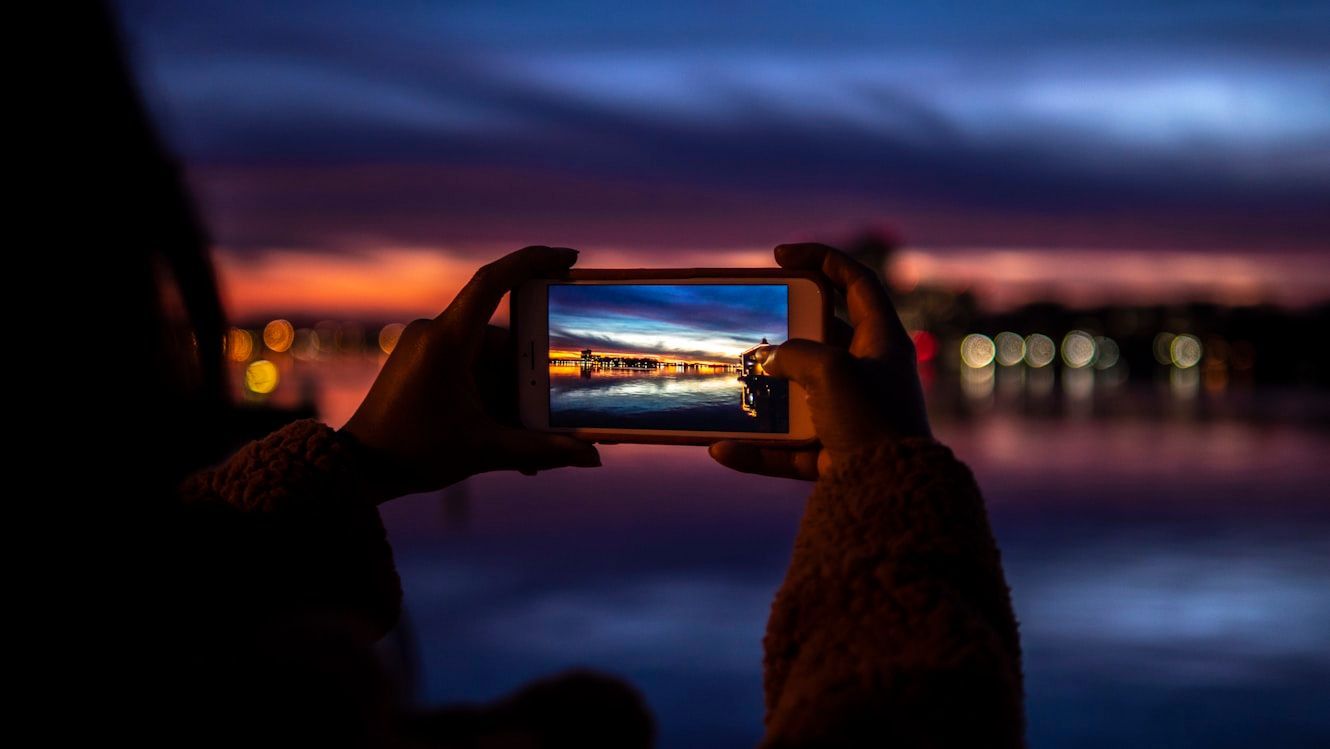
In the 1990s, NASA's Jet Propulsion Laboratory needed to shrink cameras down so they could fit on small spacecraft without draining the battery. Engineer Eric Fossum invented the image sensor, which put all the camera's functions onto a single tiny chip , making cameras much smaller and more efficient than ever before.

In 1995, Fossum founded the company Photobit to bring this space-age sensor to the commercial market. Today, this technology allows smartphones to take high-quality photos while staying thin enough to fit almost everywhere, making it the most used camera tech in the world.

4
Cordless Tools

Image: rakhmat suwandi

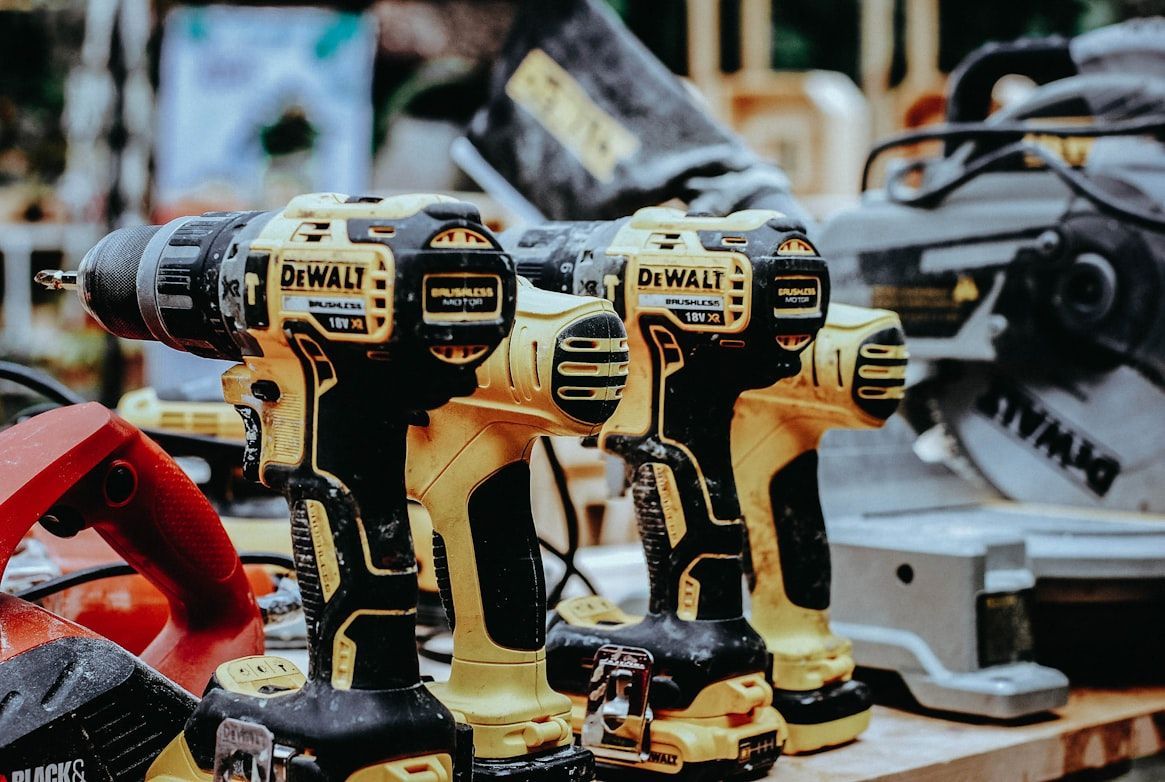
In the early 1960s, Black & Decker developed the first cordless electric drill for commercial use. NASA later recognized the potential and, in 1965, contracted Black & Decker to adapt and refine this technology for the Apollo program, creating a lightweight, battery-powered drill that could operate in the moon's harsh environment and in zero gravity.

But that wasn't all. To make it work for space, they had to improve a specialized motor and smart software that didn't drain the battery too fas t. By the late 1970s, the Dustbuster, the first cordless vacuum, was created, along with the improved battery-powered tools we still rely on today.

5
Memory Foam

Image: Kier in Sight Archives

Have you ever wondered why your mattress is smart enough to remember its original shape? Memory foam is a type of high-density polyurethane foam that softens when heated and under pressure. When you lie down on it, it molds to your body, and when you get up, it slowly returns to its original shape. That's what the "memory" part is about.

NASA developed memory foam in the 1960s to improve seat cushioning and crash protection for airline pilots and passengers, and later adapted it to protect astronauts from "G-forces" during space travel . As it reacted to body heat, the foam softened and molded perfectly to a person's frame, absorbing shock on impact. It took about twenty years to reach the public; the first memory foam mattress didn't hit the market until the early 1990s by companies like Tempur-Pedic and Fagerdala World Foams.

6
Sneaker Air Cushioning

Image: Damian Barczak

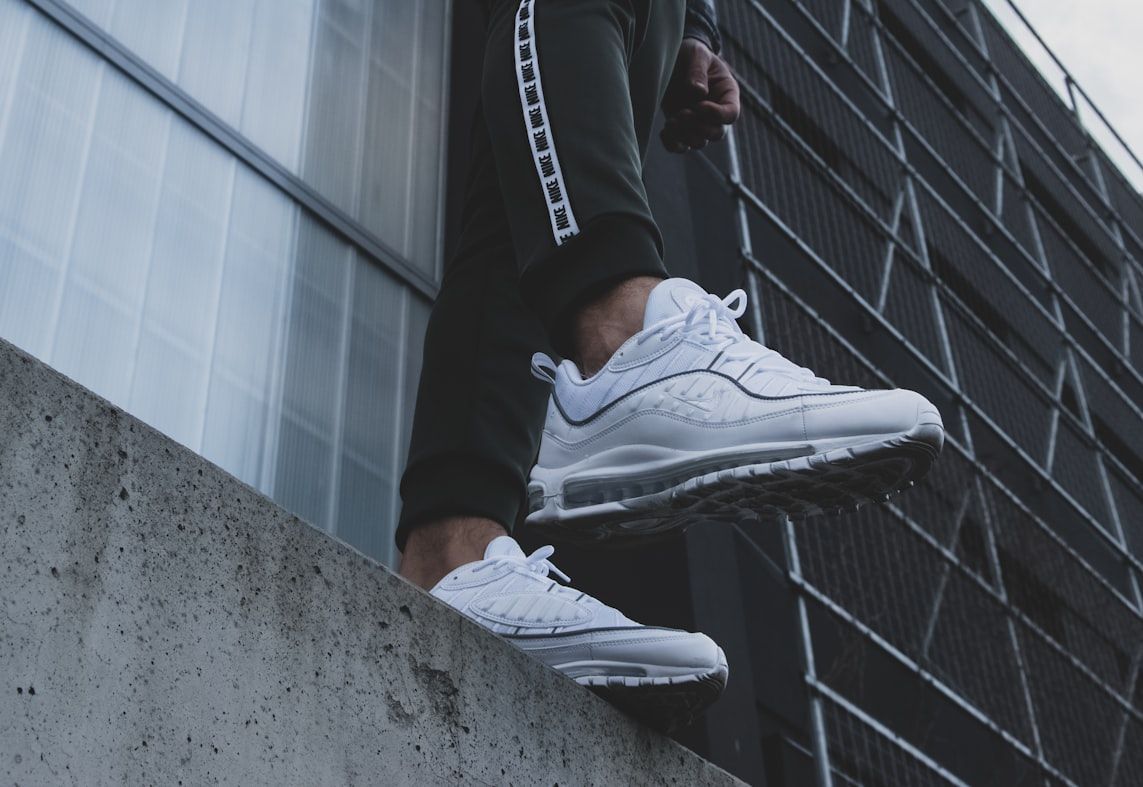
Ever wondered how Nike Airs were created? The truth is that the bounce in many modern sneakers is actually a product of the space industry. A NASA engineer named Frank Rudy, who worked on the Saturn and Apollo rocket engines, was introduced to a process called blow rubber moulding, used to create sealed, pressurised membranes for aerospace applications. He realized this same process could be used to trap gas inside a shoe sole.

In 1977, he brought this idea to Nike, and this led to the creation of the Nike Air Tailwind in 1978, the first shoe to feature this space-inspired cushioning. Today, air-cushioned soles are a standard, using the same aerospace tech to protect joints in every step.

7
Water Filters

Image: RephiLe water

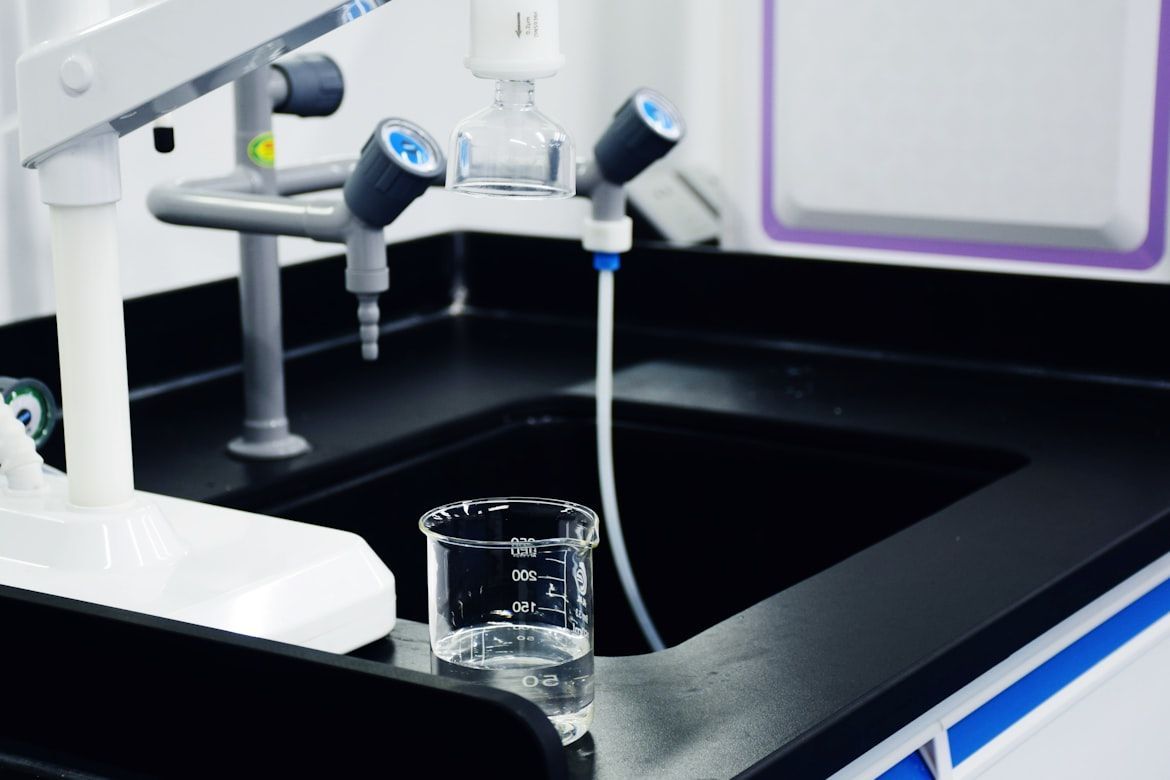
In 1963, NASA faced an important challenge for the Apollo program: keeping drinking water pure for long missions without using heavy chemicals. To solve this, they pioneered a system that used silver ions to kill bacteria and activated carbon to remove pollutants. This allowed astronauts to have clean water stored for weeks.

By the 1970s, NASA shared this technology with the public, leading to the creation of companies like Aquaspace. These days, this same silver-ion and carbon tech is used inside household water pitchers and refrigerator filters to remove contaminants.

8
Scratch-Resistant Lenses

Image: Alireza Hashemi

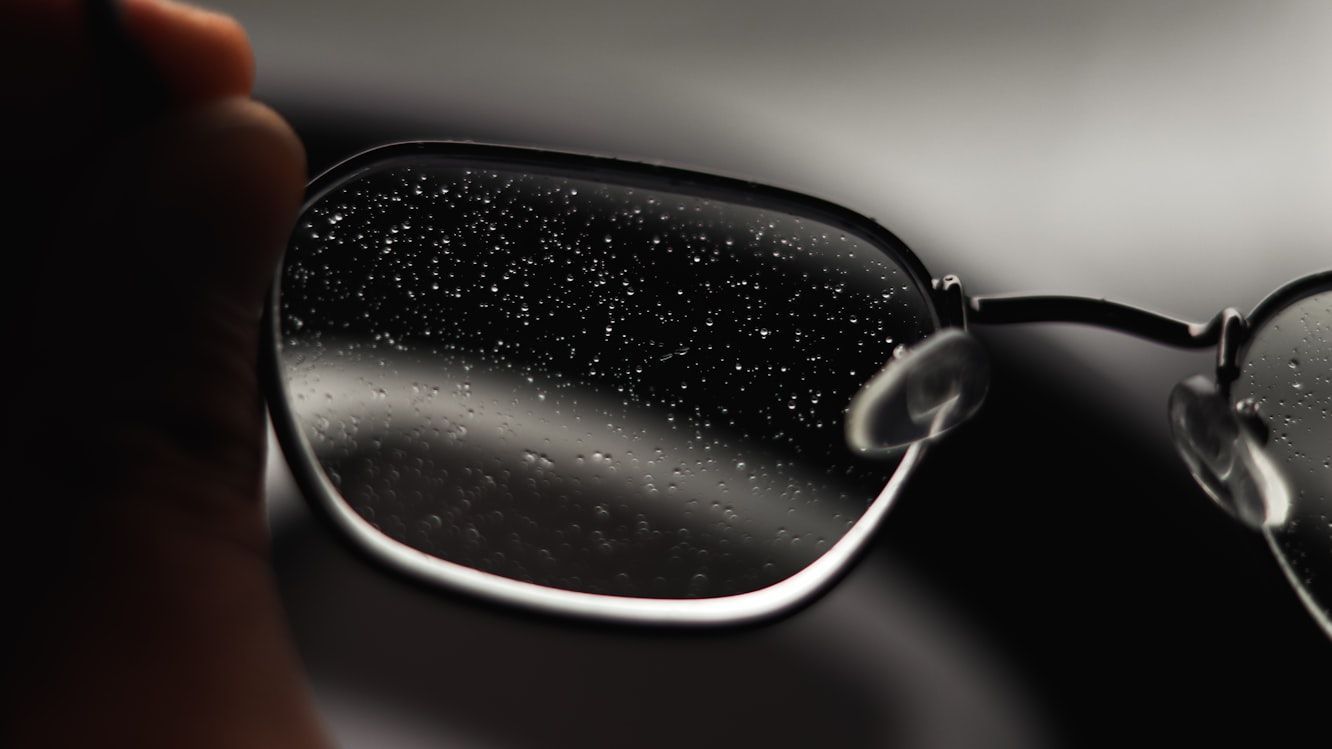
In the 1970s, NASA scientist Ted Wydeven of the Ames Research Center was working on a spacecraft water purification system when he coated a filter with a thin plastic film using an electric discharge of an organic vapor. The result protected the plastic surfaces of aerospace equipment from scratching.

This film made plastic up to ten times more scratch-resistant than earlier materials. In 1983, Foster-Grant licensed the technology and used it to produce scratch-resistant lenses for sunglasses and eyeglasses, introducing space technology to our daily lives.

9
Ear Thermometer

Image: Artur Solarz

NASA technology and modern healthcare are surprisingly close. It turns out that the same tech used to measure the heat of distant stars is now in our medicine cabinet . In the 1980s, NASA developed special infrared sensors because scientists evidently couldn't place a physical thermometer on a planet millions of miles away. These sensors worked by "reading" invisible heat energy from a distance.

By 1991, a medical technology company called Diatek teamed up with NASA to bring this space tech into daily medicine. They realized the human eardrum also emits infrared heat, and that could work as a perfect window to measure our body temperature. This partnership resulted in the first handheld ear thermometer, making fever checks much more comfortable and easier.

10
Super Soaker

Image: Michael Starkie

You probably assumed that the world's most famous water gun was created in a toy lab. It was actually invented in the home workshop of NASA engineer Lonnie Johnson. In 1982, while working on a new heat pump that used water instead of refrigerant, a nozzle he was testing shot a powerful stream across his bathroom.

Johnson realized its toy potential and licensed his "Power Drencher" design to the toy company Larami. It was renamed to the Super Soaker in 1991, and it uses the same air-pressure principles Johnson applied to spacecraft systems.

Explore more American facts

Choose your favorite category!

General
General

As American as apple pie—the very best America has to offer!

Culture
Culture

Delve into the astounding richness of American lore.

Geography
Geography

Hop in and explore vast and diverse American landscapes.

History
History

Discover the key moments that shaped the United States.