Culture Culture 3 min read

Tom Waits approves

Did you know about these 12 bizarre American musical moments?
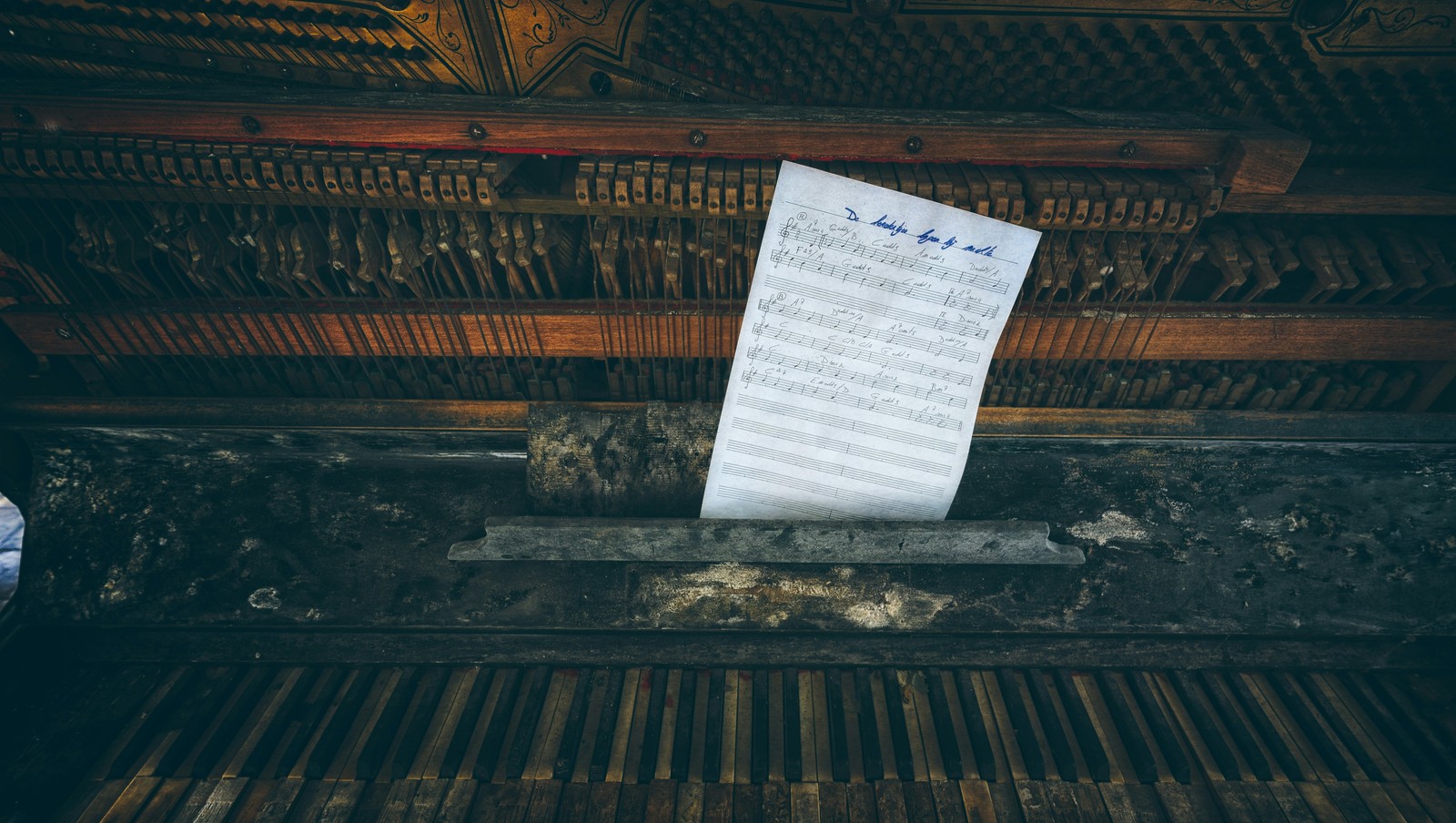
Image: Peter Herrmann

Music in America has never been afraid to get weird. From homemade instruments and oddball inventions to accidental hits and cosmic jazz, our country’s history is full of unexpected sound. These 12 examples prove that when it comes to music, sometimes stranger is better.

1
Singing Tesla coils

In the early 2000s, engineers discovered that Tesla coils could emit tones by modulating the sparks themselves. When programmed, they could play songs using bursts of lightning as notes.

Audiences watched and listened as glowing bolts of electricity "sang" familiar tunes like movie themes. These displays, part science and part spectacle, were a short-lived trend, but they were interesting while they lasted.
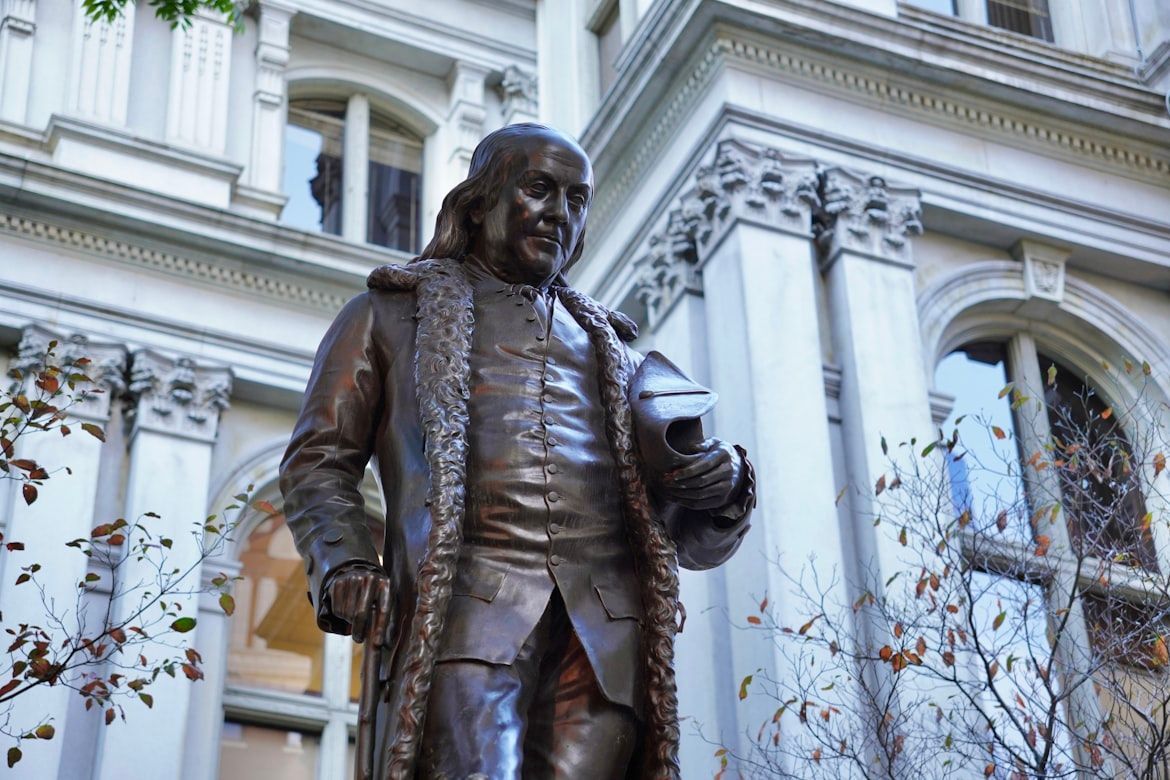
Image: Brett Wharton

2
Franklin’s glass armonica

Benjamin Franklin invented many things. Among them, a glass armonica, using spinning glass bowls tuned by size . Players touched the rims with wet fingers to produce pure, haunting tones that seemed to shimmer in midair.

Its ghostly beauty amazed 18th-century audiences. Yet rumors spread that the vibrations could cause fainting or madness, making the momentum of the instrument short-lived.
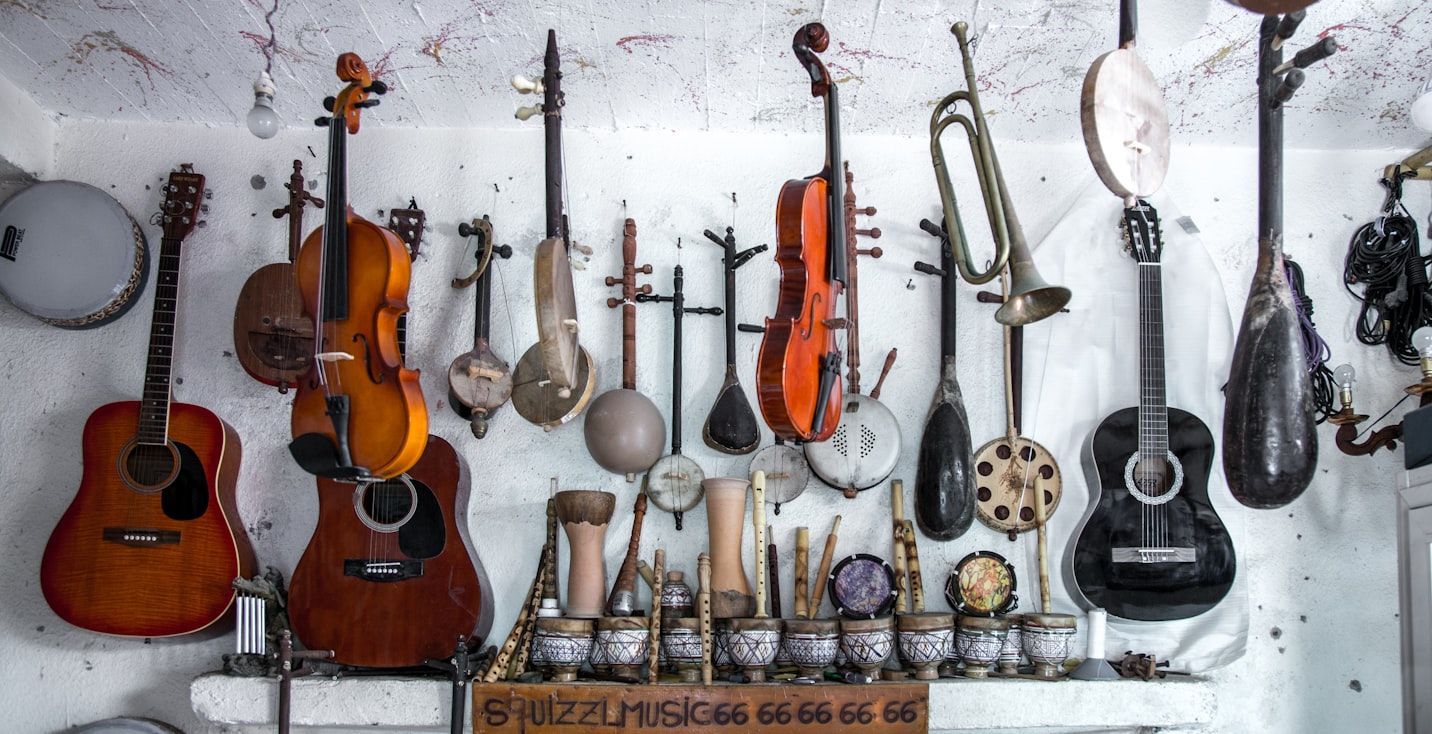
Image: Karim MANJRA

3
Harry Partch’s microtonal instruments

Frustrated with the limits of Western scales, composer Harry Partch built a system using forty-three tones per octave . He crafted odd instruments from glass, bamboo, and metal to play them.

Performers had to relearn music from scratch, producing sounds that felt alien and ancient at once. His homemade orchestra became a true milestone in America’s experimental environment.

4
The theremin craze

Image: Ryunosuke Kikuno

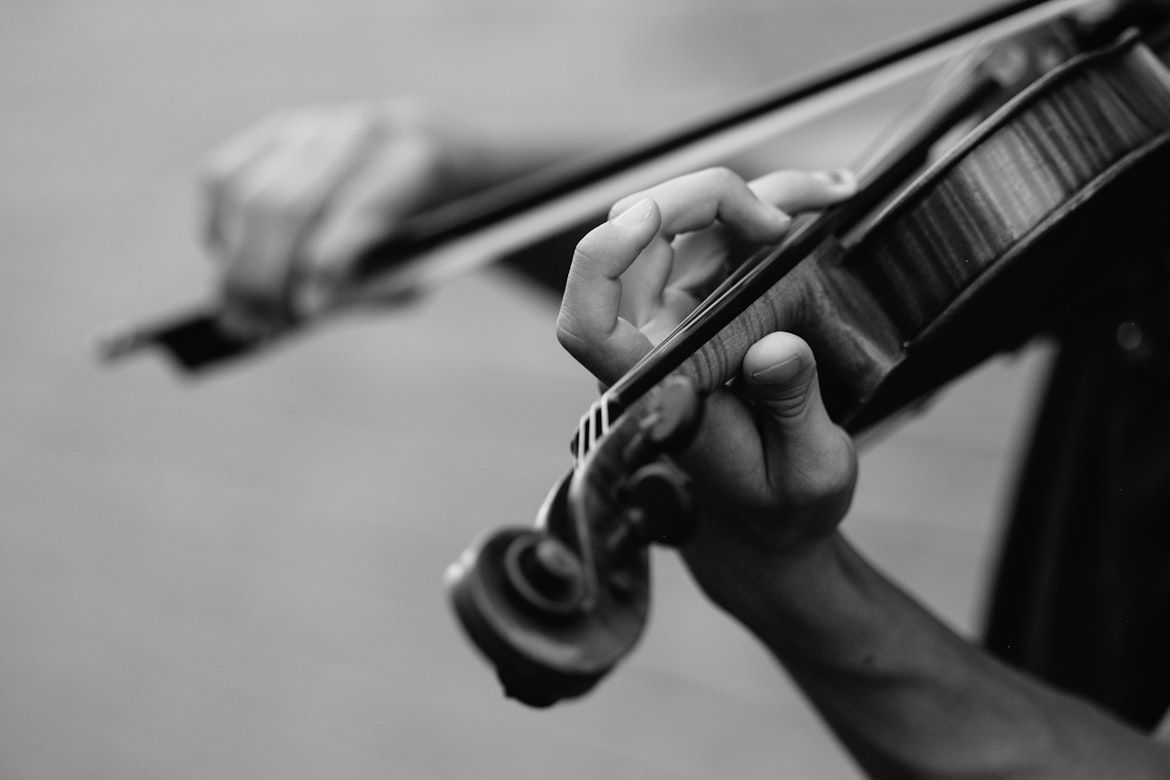
Invented in the 1920s, the theremin created sound from invisible electromagnetic fields, played by moving hands through the air . It was one of the world’s first electronic instruments.

By the 1950s, its eerie wails filled American sci-fi movies and radio shows. Home versions soon appeared, letting living rooms buzz with strange, ghostlike melodies.
5
The Stroh violin

Back in the days when microphones were not so great at picking up sounds, early studios struggled to capture soft instruments. The Stroh violin solved that by replacing the wooden body with a brass horn that amplified sound directly .

Its brassy, nasal tone worked perfectly for primitive recording gear. Once technology advanced, the mechanical violin faded for good.
Image: Mick Haupt

6
Sun Ra’s cosmic jazz

Jazz mad scientist Sun Ra claimed he was born on Saturn and sent to Earth to spread peace through sound. His Arkestra mixed free jazz, chants, and futuristic costumes into wild multimedia performances .

Audiences never knew what to expect: space helmets, electronic keyboards, or cosmic sermons. His blend of myth, science, and swing launched Afrofuturism, a style of his own.
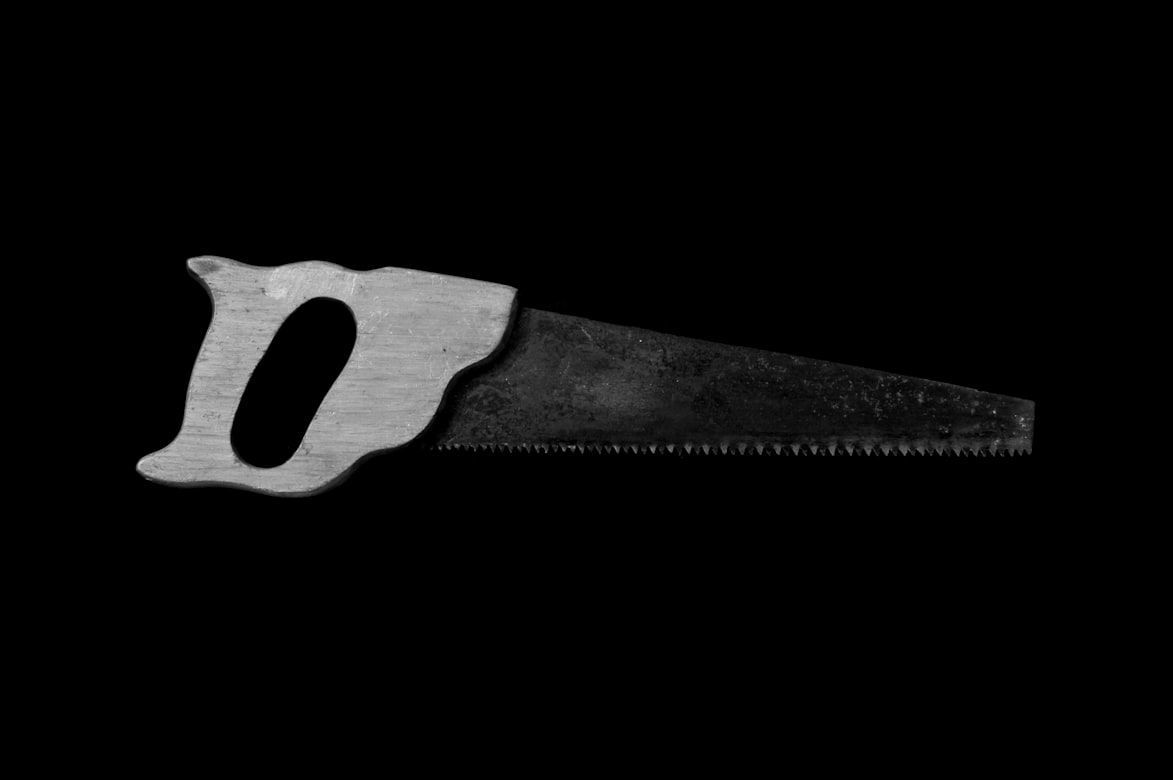
Image: Matt Artz

7
Singing saw

Rural American musicians once discovered that a regular handsaw could "sing" when bent and bowed like a violin . The flexible steel vibrated with a haunting, "human-like" voice.

The sound carried through old-time folk, gospel, and early film scores. Even today, the singing saw appears in grassroots festivals and soundtracks.

8
Prepared piano
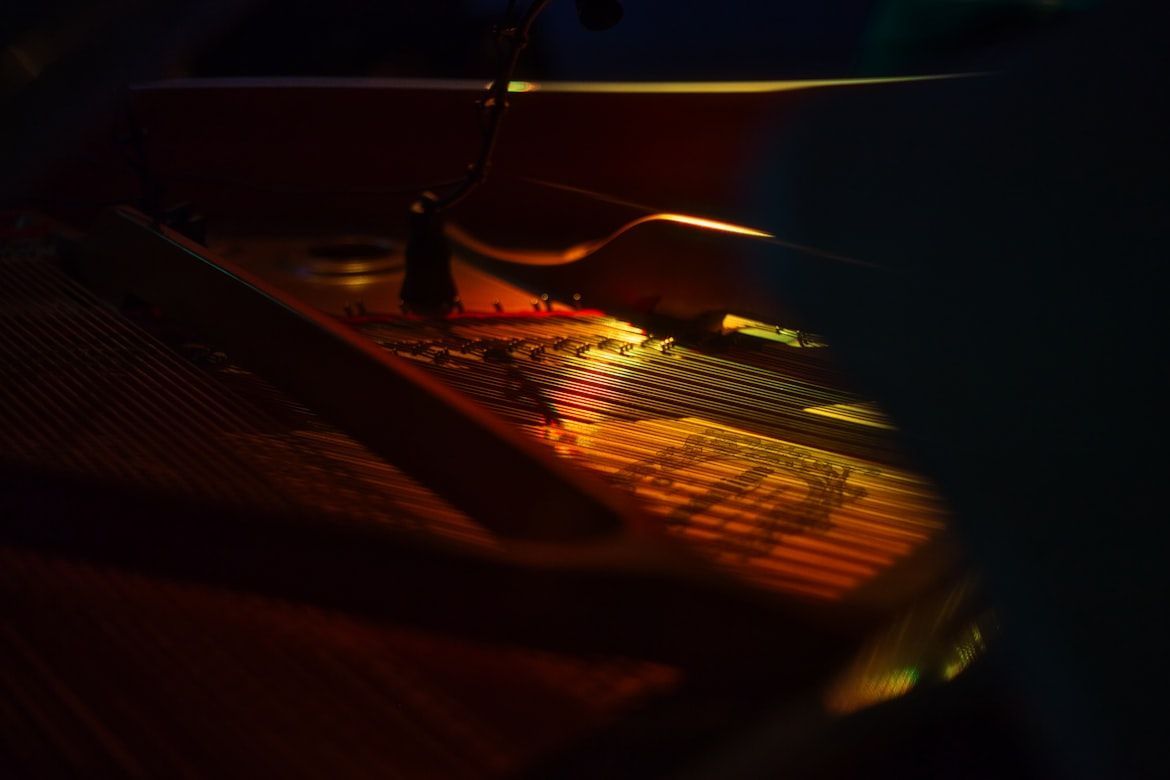
Image: Andrew Petrischev

Avant-garde composer John Cage inserted screws, bolts, and rubber between piano strings, turning each key into a new percussive sound . The result was bizarre but original.

He called it the "prepared piano." Audiences heard rhythms that clanged, thumped, and chimed like a whole percussion ensemble.

9
Moog synthesizer

Image: Adi Goldstein

The Moog was born in the late 1960s with its maze of knobs and wires , and it caused a sensation among musicians. Those who experimented found endless possibilities in its electronic tones .

From the Monterey Pop Festival to Wendy Carlos’s soundtracks for The Shining and A Clockwork Orange , the Moog’s strange bleeps reshaped American pop.
10
The Singing Nun

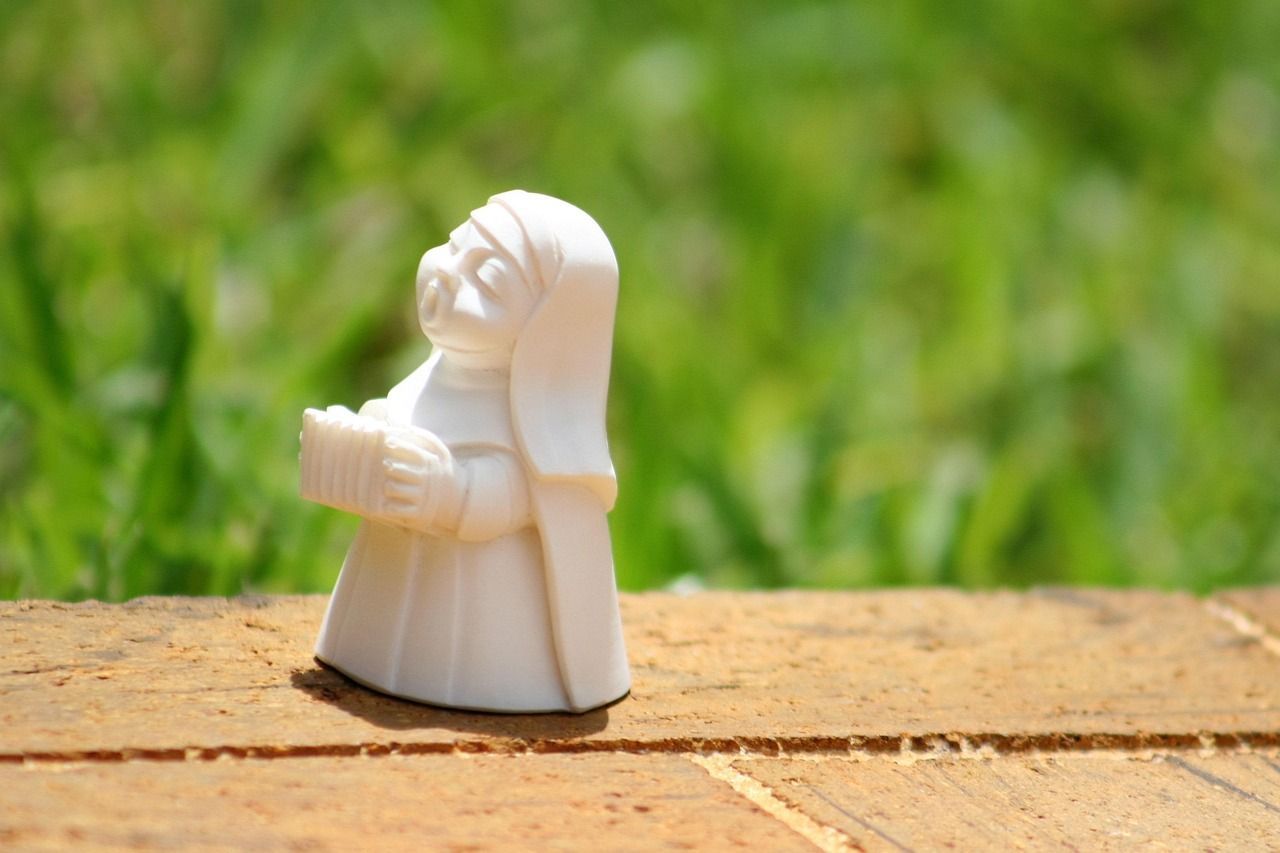
In 1963, a Belgian nun named Sister Luc-Gabrielle unexpectedly topped U.S. charts with "Dominique," sung in gentle French. Her purity and optimism charmed listeners across the country.

Her hit briefly outshone even the Beatles. Though her fame faded quickly, the story of a shy nun reaching number one remains a sweet oddity, for sure.
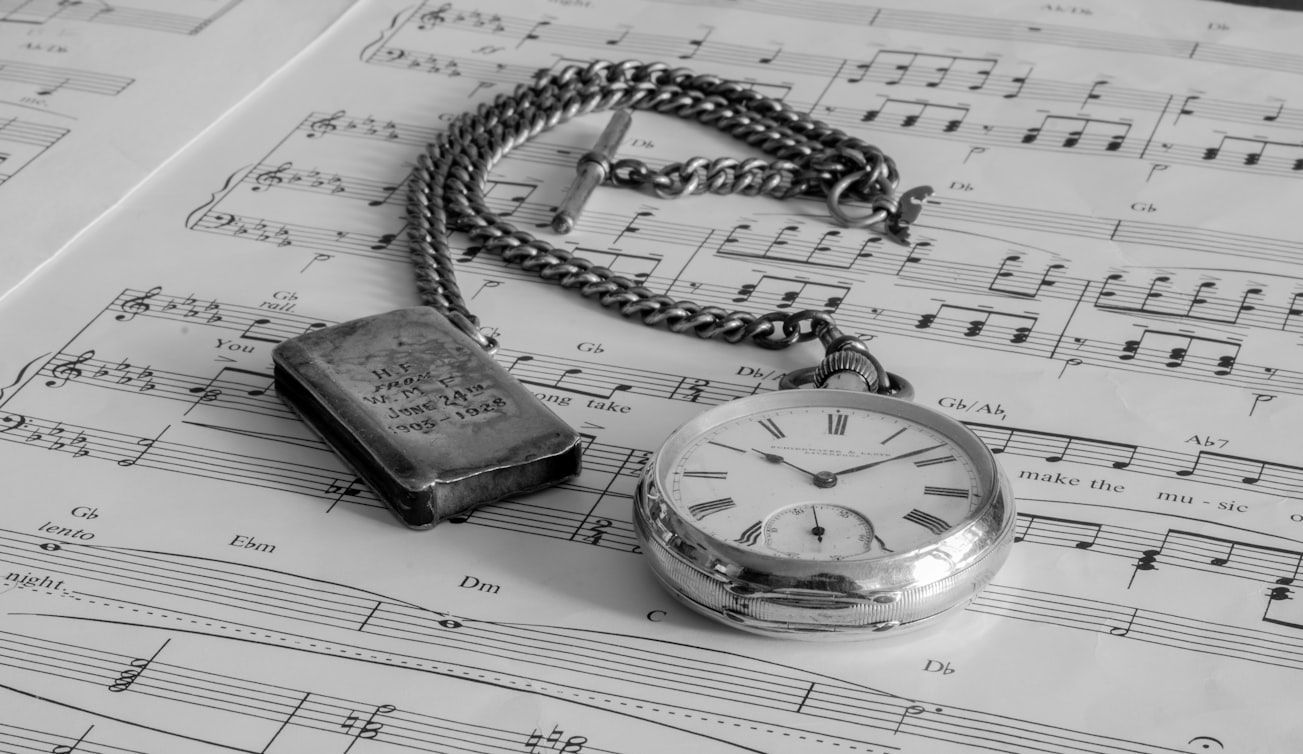
Image: Pete F

11
The "Longplayer" experiment

Launched in 1999, "Longplayer" is a music piece designed to play continuously for one thousand years without repeating . It was created by American artists who joined the project to maintain its endless cycle.

The music changes subtly with time, echoing life’s slow rhythm. Its creators call it "a conversation between centuries".

12
Hard-drive symphonies

Image: Borja Verbena

In the 2010s, hobbyists reprogrammed old computer drives to "play" songs by spinning and clicking at different speeds . Each tone came from mechanical motion, not speakers.

Videos of clattering machines performing pop hits can still be found all over YouTube. These homemade orchestras turned computer nostalgia into an art.
Culture Culture 3 min read

Fashion statements

The king of pop, and the queen of the blowout: 10 celebrated styles!

Image: Abbie Rowe, National Park Service, Public domain, via Wikimedia Commons

For some, style is something superficial. But history shows us otherwise: Elvis’s legendary pompadour, Jackie’s chic pillbox hat, and Marilyn’s unforgettable white dress are just a few examples of how some Americans have shaped the way the world sees fashion. Before them, very few people used clothing as self-expression. But they came to change the idea of personal style forever.

1
Marilyn Monroe

Image: Sam Shaw, Public domain, via Wikimedia Commons

When we think of her, one iconic garment immediately comes to mind: her white halter dress . This image, now a key part of American pop-culture history, comes from the 1955 film The Seven Year Itch, in which she stands over a New York City subway grate as a gust of wind blows her dress upward.

2
Elvis Presley

Image: MGM, Public domain, via Wikimedia Commons

His style made such an impact that it became a symbol in its own right. Just a high pompadour and a flashy jumpsuit with flared pants are enough for anyone to recognize a reference to Elvis, the King of Rock and Roll. But here’s something you might not know: when he was young, Elvis’ natural hair color was blonde!

3
Jackie Kennedy

Image: U.S. Navy, Public domain, via Wikimedia Commons

When talking about fashion icons, Jackie Kennedy has to be on the list. Her classic pillbox hat became famous worldwide in 1961, when she wore it to her husband’s inauguration. Beyond the hat, her elegance shone through her tailored suits, pearl necklaces, and cat-eye sunglasses.

4
Frank Sinatra

Image: William P. Gottlieb, Public domain, via Wikimedia Commons

If someone says "fedora," we think of Sinatra. His suits were sharp and extremely elegant, sure, but it was that slightly tilted hat that stole the show. We have to say that no one ever wore a fedora quite like he did!

5
Steve Jobs

Image: AB

Turtlenecks aren’t for everyone, we know. But there was a man who knew how to wear them with unmistakable style. Steve Jobs made the black turtleneck his signature look; he wore it so consistently that it became his personal "uniform." In addition, each one was custom-made by Japanese designer Issey Miyake.

6
Johnny Cash

Image: Heinrich Klaffs, CC BY-SA 2.0 <https://creativecommons.org/licenses/by-sa/2.0>, via Wikimedia Commons

It’s no wonder Johnny Cash earned the nickname "The Man in Black." His style was not only elegant, but it was also extremely cool, thanks to his signature all-black wardrobe. Every item, from head to toe, was that color. Many tried to imitate him, but none could match him.

7
Farrah Fawcett

Image: ABC Television, Public domain, via Wikimedia Commons

Her smile was lovely, but her hair is what everyone remembers most. Farrah Fawcett set the standard for ’70s and early ’80s hairstyles with her famous feathered, voluminous blowout that turned heads everywhere she went.

8
Bob Dylan

Image: Rowland Scherman, Public domain, via Wikimedia Commons

Bob Dylan doesn’t need flashy clothes to make a style statement. What really defines his look is that carefree, rebellious vibe, especially his voluminous hair, as seen in photos from his youth and even today. Of course, his guitar and harmonica were constants throughout his career, helping to shape his unmistakable image.

9
Michael Jackson

Image: White House Photo Office, Public domain, via Wikimedia Commons

Michael Jackson was the definition of style. We could fill an entire article talking about his clothing and accessories, but one item set him apart: his single white glove. Covered in numerous sparkling Swarovski crystals, he first wore it in the early ’80s, perfectly complementing his legendary dance moves.

10
Buddy Holly

Image: Buddy_Holly_Brunswick_Records.jpg: Brunswick Recordsderivative work: GDuwenTell me!, Public domain, via Wikimedia Commons

Who knew a pair of thick black-rimmed glasses could make someone an icon? That’s exactly what happened with Buddy Holly. He didn’t just keep wearing them after reaching fame; he turned them into the key item that defined his image. We can’t imagine his face without them!

Culture Culture 4 min read

FATHER OF HIS COUNTRY

Discovering the Founding Fathers: 10 Facts About George Washington

Image: Library of Congress

Born on February 22, 1732, George Washington was, undoubtedly, a key figure in the construction of our nation. He shaped the role of President of the United States, and his name is commemorated across the country in various ways: streets, lakes, buildings, a newspaper, and, of course, the capital of our country. This Founding Father has inspired all kinds of tributes to thank him for his services. In this article, we’ll go through ten facts about George Washington , the person, the president, and the legend.

1
Self-Educated

Image: Wojciech Pacześ

George Washington’s father, died when he was just 11 years of age. There isn’t much information about his childhood and most of his virtues and qualities were invented by an admirer after he passed.

However, we do know one thing: George Washington was mostly self-educated since there was little money to support formal education.

Most of his knowledge and education came from his curiosity and eagerness to learn and become a better soldier, then farmer, and, in turn, president.

2
First Official Job

Image: Matt Briney

Since he lost his father at such an early age, Washington started working very young. His first official job was as a surveyor, which was a pretty respectable job for the 18th century. His aim in this job was to measure the land.

At the age of 16, he took on an expedition across Virginia’s western frontier in order to map the land. This experience provided him with a deep understanding of the land, the resources, and the insight he would later need in his political and military career.

3
His Only Trip Off the Mainland

Image: Tom Jur

At the age of 19, George Washington accepted going on a trip to the tropics with his half-brother Lawrence who was suffering from tuberculosis.

Now, during this trip, Washington kept a diary in which he narrated his days on the ship and the island of Barbados, confessing being struck by the beauty of the place. The trip went South shortly after his arrival: On the island, he contracted smallpox, a dreaded disease during the 18th century.

Curious enough and dreadful as it was, this gave him immunity which ultimately saved him from death during the Revolutionary War, since smallpox rapidly spread across his army.

4
Agriculture Innovator

Image: Raphael Rychetsky

It is no surprise that Washington was an innovator, a forward-thinking kind of person. Besides politics and, as we learned, whiskey, he was also interested in technology.

In the 1760s, he went from growing tobacco to cultivating wheat, which revolutionized the farming practices in his estate. He experimented with crops, fertilizers, and tools to improve productivity.

He didn’t keep innovations for himself: As a president, he patented Oliver Evans’s automated mill technology, and he designed a 16-sided, two-story threshing barn that enhanced the efficiency of wheat processing.

5
Never Lived in Washington, D.C.

Image: Edoardo Cuoghi

Washington is the only president to have never lived in the White House! He, together with his family, lived in different houses along New York and Philadephia where he used to receive members of Congress, officials, and people of the sort.

The Residence Act, which moved the capital from Philadelphia to a new city along the Potomac River (later named Washington, D.C.), actually set the White House as the official presidential residence.

6
Only President To Have a State

Image: Vlad Tchompalov

Have you ever noticed that there is no Lincoln State or Jefferson State? George Washington is the only U.S. President to have a state named after him .

As a Founding Father, the first President of the United States, Hamilton, Madison, and Jefferson thought it was necessary to pay homage to his great contributions by naming a state after him.

Together with the president’s name, the state of Washington is named Columbia, after the female personification of the country.

7
First To Sign The Consitution

Image: Anthony Garand

George Washington is a Founding Father, and we all know that. As such, he was deeply involved in the writing of the Articles of Confederation, the first frame of government.

He suggested changes and his voice was regarded in the highest esteem by his fellow countrymen. In this sense, he was chosen president of the Constitutional Convention which took four months and gave, as a result, the Constitution of the United States. In his role as president, Washington was given the privilege of signing the governing document first .

8
He Was a Natural Entertainer

Image: Adam Nemeroff

When you look at pictures of Washington, you may think he was unapproachable, stiff, and serious, but history tells us otherwise.

According to many accounts, he actually loved entertaining and welcoming guests, and having company. Parties, cotillions, balls, these kinds of events were a perfect opportunity to combine entertainment and dancing, which he also enjoyed. Did you know this?

9
Post-retirement Hobby

Image: Thomas Park

Of course, they are considered national heroes, but the Founding Fathers were people with diverse interests and pursuits. George Washington was not the exception and, after he retired he took up a most interesting hobby: whiskey.

Once he ended his life in politics, he built up a whiskey distillery where he created whiskey from rye, corn, and barley. Even if it began as a hobby, the distiller became one of the most productive in the nation and, by the time he died, it remained as one of the largest.

10
One-Dolar Bill Face

Image: Marek Studzinski

Washington’s portrait on the one-dollar bill was inspired by a painting created by Gilbert Stuart. Back in 1795, Stuart painted Washington, but this piece of work comes with a few curious facts.

The first one is that the work is known only from copies. The second is that the painting was so successful that Washington’s wife commissioned a second portrait for herself. However, the painter never finished the first commission and kept it as a reference for future work.

That incomplete painting, known as the "Athenaeum," served as the reference for creating the portrait on the dollar bill.

Explore more American facts

Choose your favorite category!

General
General

As American as apple pie—the very best America has to offer!

Culture
Culture

Delve into the astounding richness of American lore.

Geography
Geography

Hop in and explore vast and diverse American landscapes.

History
History

Discover the key moments that shaped the United States.