General General 4 min read

Do you know how to sew a button?

How prepared are you?
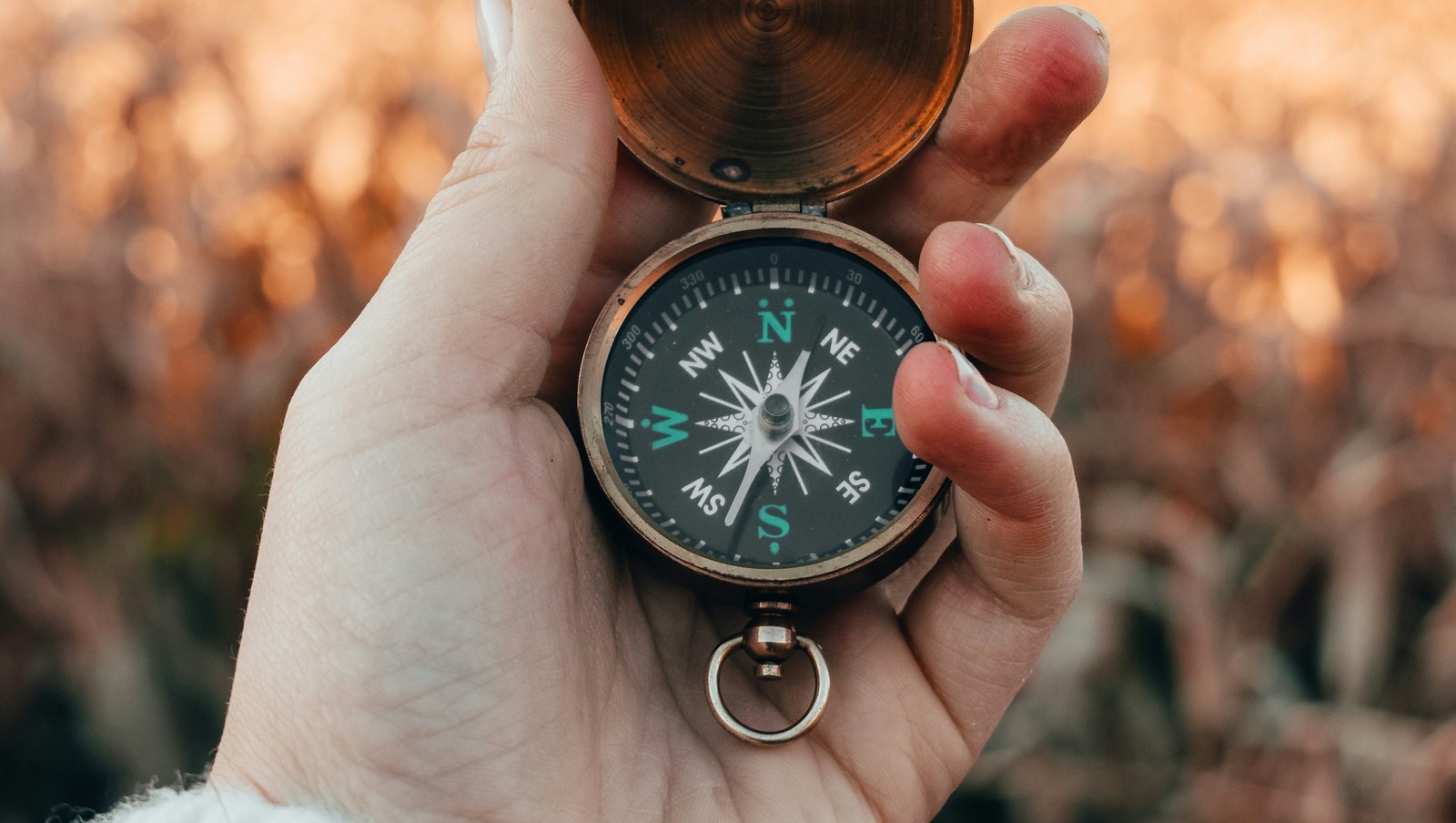
Image: Mariah Hewines

In a world where most of us have specialized knowledge about certain things, we often neglect to learn about other basic areas that can also affect us greatly. Knowing how to use a compass, cook some basic recipes, knowing how to sew a button, light a fire, stay fit, and keep a budget are all things that everybody should know about because they can either make your life a bit easier or, if disaster strikes, can save your life. Check out these 12 useful skills. Which ones do you already have?

1
Basic computer skills

Image: Christin Hume

An increasingly larger chunk of our world requires at least some basic form of digital literacy to interact with it. Knowing your way around a computer, your smartphone, and the Internet makes everything a little bit easier .

You don’t need to be a hacker or anything like that; just knowing the very basics allows us to access most of the advantages that modern technology provides.

2
Housekeeping skills

Image: Slaapwijsheid.nl

Living in a clean and comfortable environment is something that almost everyone can achieve with just a little bit of effort. Learn to use a vacuum cleaner, your washing machine, and the dishwasher, if you have it ; learn how to iron your clothes, make a bed, and clean your home.

3
Navigation skills
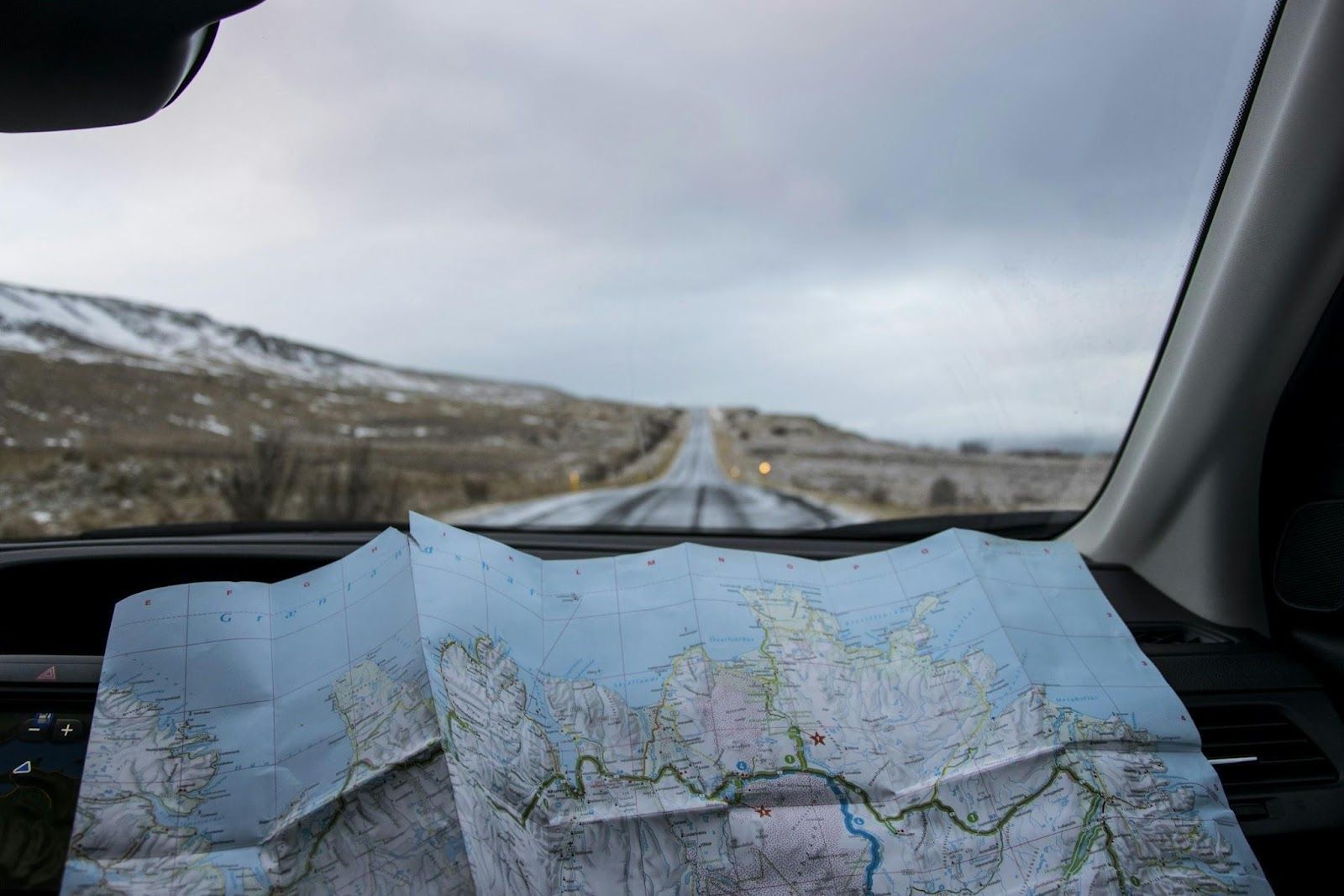
Image: Tabea Schimpf

The aforementioned basic computer and smartphone skills are a great aid in this department. But even if you have those incorporated, it is always a good idea to learn how to use a map and a compass. Ask for directions and memorize them . Just in case technology fails.

4
Survival skills

Image: Courtnie Tosana

Learn how to make a fire. Learn how to perform CPR and a Heimlich maneuver on adults, children, and infants. Learn to use a portable electricity generator. Learn a few basic knots. All of these abilities are very rarely used. But whenever you need them, you'd better know how to perform them correctly . Your life or someone else’s might depend on it.

5
Time management
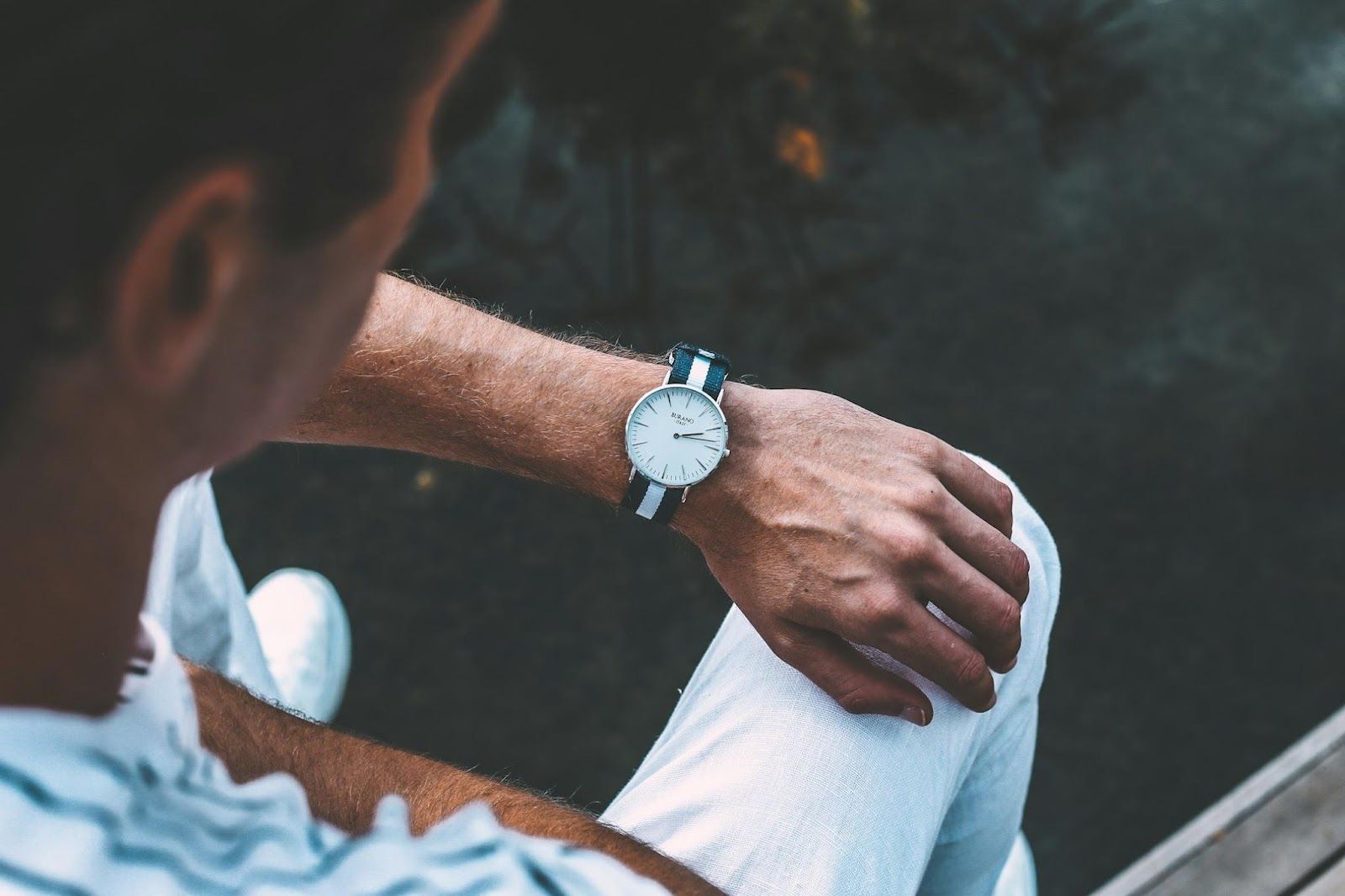
Image: kylefromthenorth™️

The best way to make time is to manage it correctly. Learn to set daily and weekly goals , prioritize your tasks and responsibilities, create to-do lists, and review your schedule periodically.

6
Financial education

Image: Sasun Bughdaryan

Track your money. Learn to check, build, and repair, if necessary, your credit score . Learn how to apply for a loan or a credit card. And hire or at least consult with a tax professional to make sure that you are doing your taxes correctly.

7
Social skills

Image: Chris Liverani

While it is true that some people are born with social skills, these can be learned by anyone . The ability to accept criticism in good spirit, the ability to have a productive conversation, patience, knowing how to speak clearly and succinctly, and knowing how to negotiate are all things that can be learned and add significant benefits to whoever acquires these skills.

8
Fitness
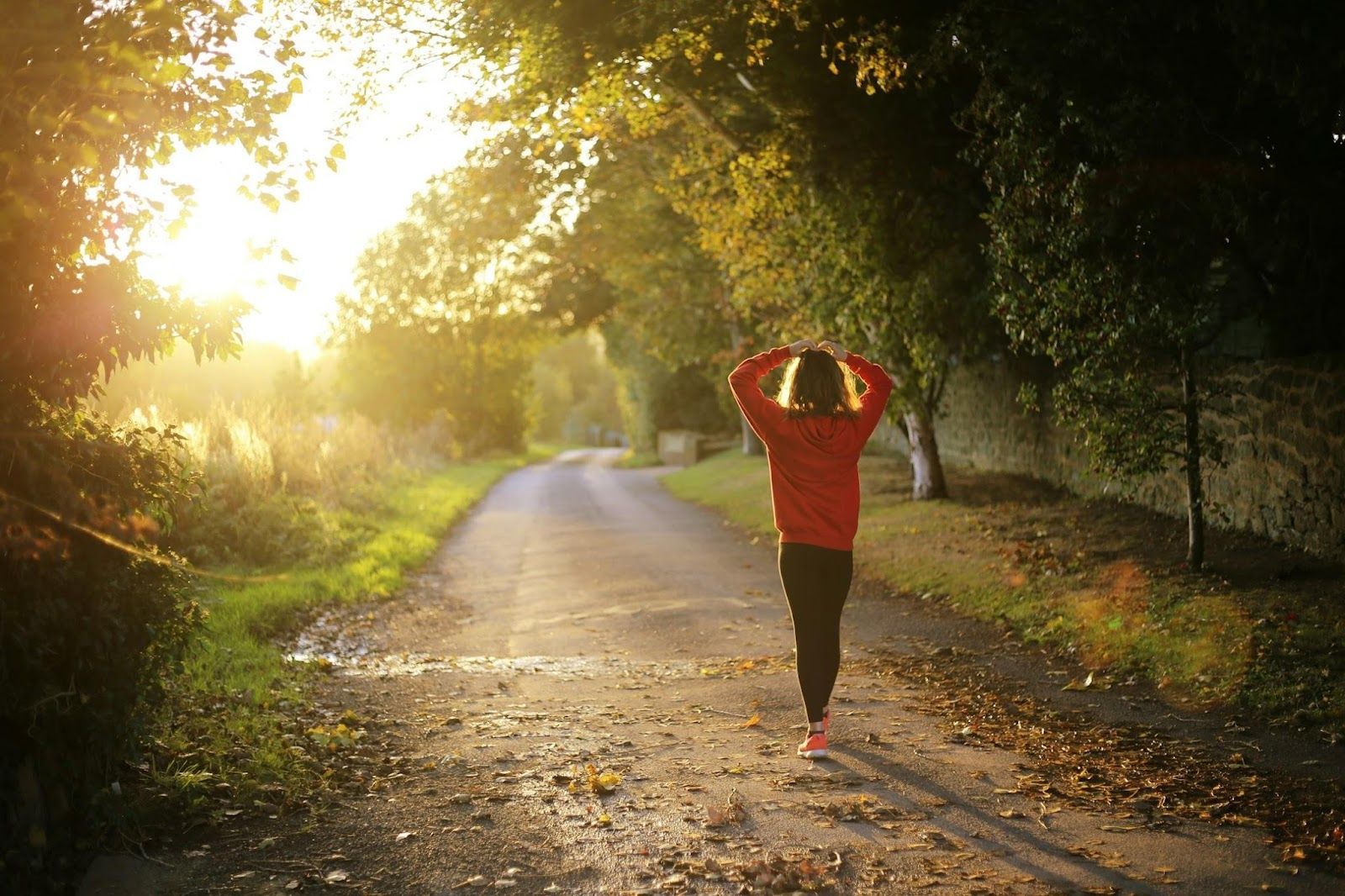
Image: Emma Simpson

Your body is your vessel. And it is the only one you are going to get for your life. Therefore, make sure to keep it as fit as possible . Strengthen your muscles and bones with activities that suit you. Learn how to stretch properly, learn bodyweight exercises, and look for ways to stay active at any age. A fit body will always get you farther.

9
Healthy cooking

Image: Alyson McPhee

This one goes hand in hand with the previous item. Healthy cooking involves preparing nutritious and balanced meals. This is essential for maintaining good health and can be a fun and creative activity.

Learn some basic recipes that you can make at home, quickly, with a few ingredients, and you will never go hungry again.

10
Learn to keep a budget

Image: Mediamodifier

This one is related to the previous item regarding financial education, but on a more basic level. Keeping a good track of the money you earn and the money you spend helps you make ends meet and save more at the end of the month.

Create a spreadsheet and write down your expenses and your income, or use an app to help you do the same thing on your phone.

11
Sew on a button
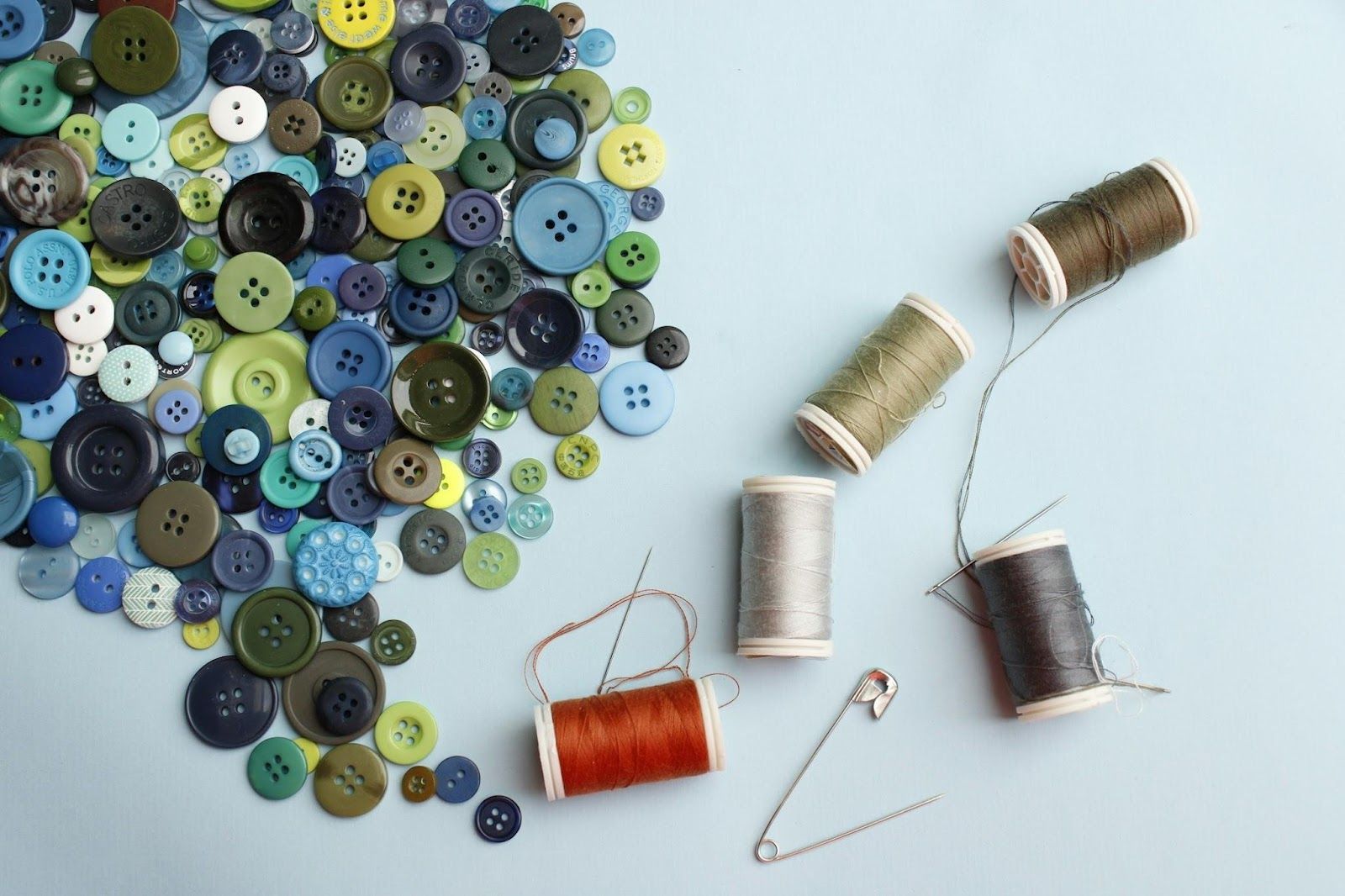
Image: Merve Sehirli Nasir

The constantly decreasing quality of clothing makes this simple skill all the more important as time goes by. Learn how to sew on a button. It is not difficult, and it will save you a trip to the tailor or having to ask somebody else for a very easy task.

12
Change a tire
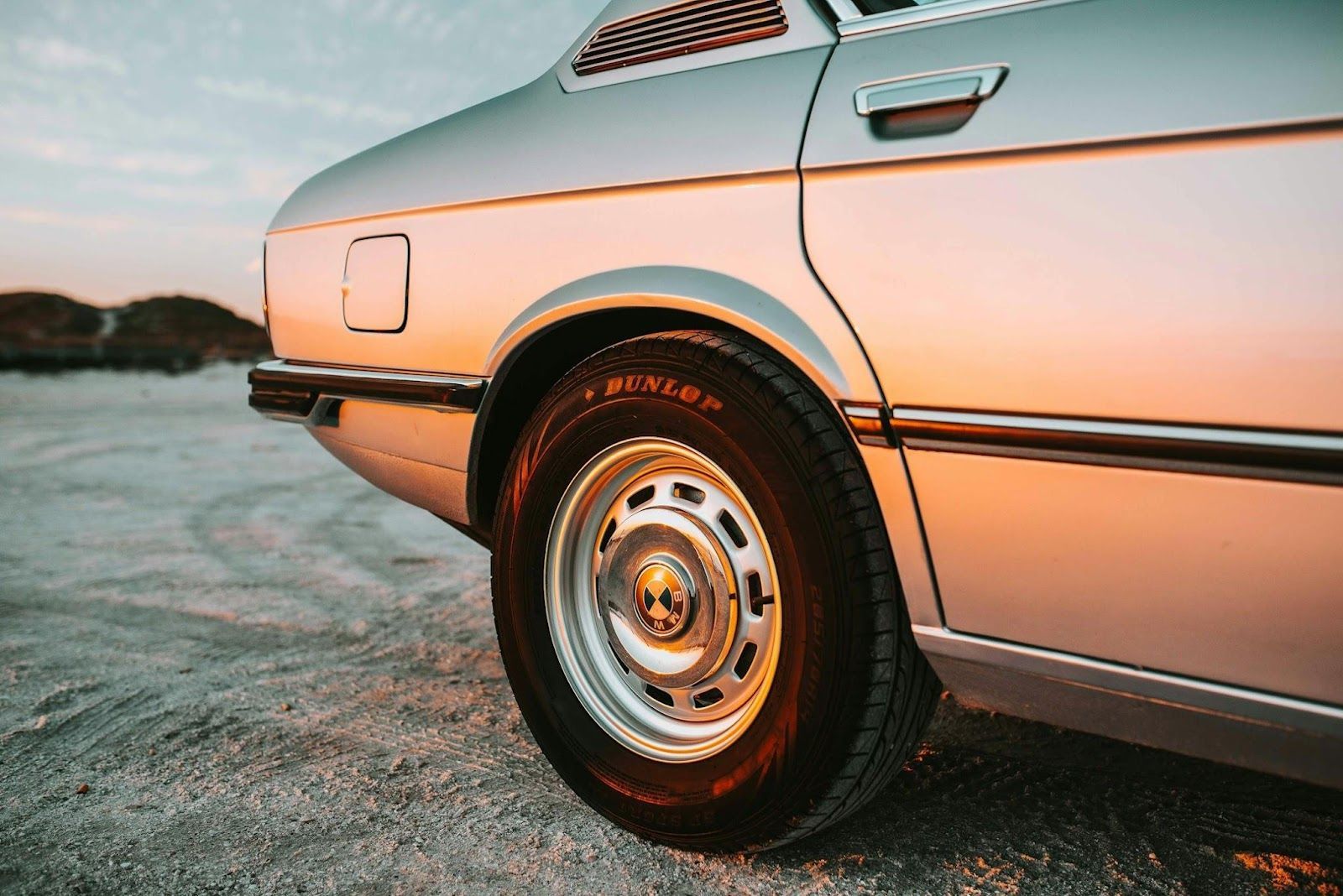
Image: Wade Lambert

If you drive a car, you should know how to change a tire. Yes, maybe you have an insurance service that can aid you, and maybe there is always someone around who can help until there is no service available and you are all alone.

Changing a tire is very simple, and there are techniques to do so with very little physical effort . Learn how to perform this simple task, and you will be much safer when driving a car.

Geography Geography 6 min read

ON THE ROAD

From Magnificent Mile To Ocean Drive: 10 Iconic Streets In The U.S. Magnificent Mile To Ocean Drive : 10 Iconic Streets In The U.S.

Image: Marf Fanelli-Isla

Thanks to its vast territory and diverse cultural history, the United States has a large number of paradigmatic streets worth knowing . Whether you've visited them at some point or seen them in a movie, the 10 streets selected in this article will surely not surprise you. However, you may find one or two fun facts you didn't know about. For example, did you know that the Las Vegas Strip is not in Las Vegas? It’s always worth knowing a little more! Read on to learn this and other secrets about America's most iconic streets.

1
Sunset Boulevard, Los Angeles

Image: Nathan Dumlao

Sunset Boulevard is a famous Los Angeles street that spans approximately 24 miles. It runs through districts such as Hollywood, West Hollywood, Beverly Hills, and Bel Air. This iconic street's best-known section is the Sunset Strip , where you can find restaurants, hotels, boutiques, colorful billboards, comedy clubs, and nightclubs.

Today, Sunset Boulevard is synonymous with luxury and glamour, but it wasn't always the case. In the first decades of the 20th century, Sunset Strip was home to illegal casinos and was the go-to place to find alcohol during Prohibition. Then, in the 1930s and 1940s, the new restaurants and clubs were packed with the rich and famous . In the 1960s Sunset Strip became a meeting point for rock musicians and the hippie counterculture, who were later forced to leave when prices rocketed in the ‘80s.

2
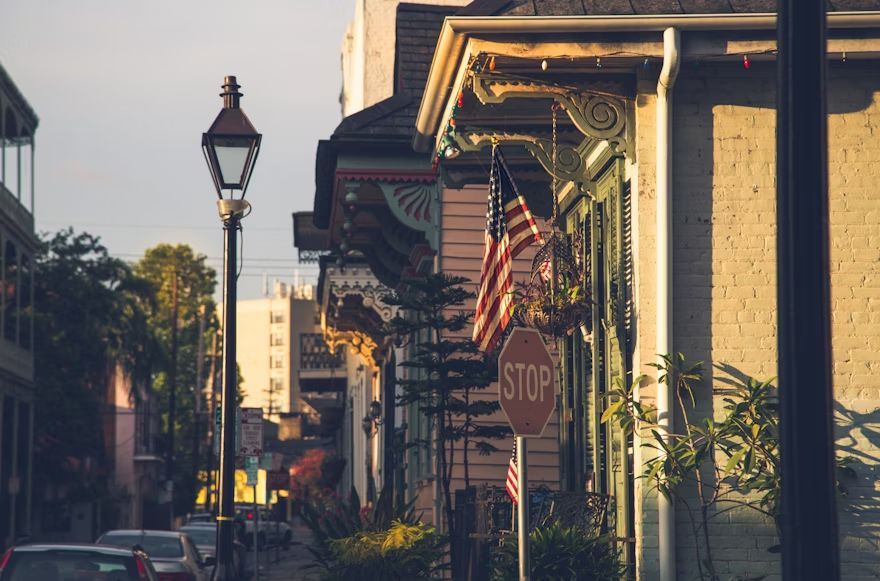
Bourbon Street, New Orleans

Image: Kristina Volgenau

Bourbon Street is a historic street in the heart of New Orleans' French Quarter. Stretching 13 blocks from Canal Street to Esplanade Avenue, it is one of the wildest and rowdiest streets in the world . Famous for its numerous bars, restaurants, and art galleries, Bourbon Street is best known for hosting the annual Mardi Gras carnival.

But it has not always been a place for partying and madness. During colonial times, it was mostly a residential area and one of the most populous streets in the city. Contrary to popular belief, this street is not named after the famous liquor. It was actually named after the French royal family that reigned in 1721 when French engineer Adrien de Pauger designed the layout of New Orleans. Now, was the liquor named after the street? That, my friends, is a story for another article.

3
Lombard Street, San Francisco

Image: NISCHAL MALLA

Although it's known as "the crookedest street in the world," Lombard Street isn't even the steepest street in San Francisco . That title technically belongs to Vermont Street, between 20th and 22nd Streets in Potrero Hill.

Those curves on that 40-degree incline may seem dangerous to you now, but they were actually built to increase the safety of the street. The natural incline was considered too unsafe, so in the 1920s, a resident suggested creating a series of zigzag curves that would not only add scenic appeal to the street but also make it safer for pedestrians . Today, it is a major tourist attraction for the two million people who visit San Francisco every year.

4
Pennsylvania Avenue, Washington D.C.

Image: Library of Congress

Pennsylvania Avenue is known throughout the world as the heart of the nation's capital , as America's Main Street . American history has paraded, marched, strolled, and protested along this avenue since its creation. It is not just another street. This is where the country’s history and all the political power are concentrated: it is where the White House and the Capitol are located.

Pennsylvania Avenue, like the entire city of Washington, was specially designed in the late 18th century by French-American artist and engineer Pierre Charles L'Enfant at the request of George Washington. For many years, this diagonal street inspired by the Champs Elysees in Paris, was a graceless dirt road. That changed when Thomas Jefferson ordered rows of Black Poplar trees to be planted along it. Finally, in 1832, it was paved to best fight the dust and dirt.

5
Michigan Avenue, Chicago

Image: Jonathan J. Castellon

The most famous portion of Michigan Avenue is known as the Magnificent Mile . Crowned by tall skyscrapers, it has hundreds of luxury stores and restaurants . It is also filled with famous landmarks such as Millennium Park, Chicago Water Tower, and the Art Institute of Chicago, among other buildings.

The Magnificent Mile began construction during the 1920s as part of the Burnham Plan of Chicago, which recommended adding wider streets, parks, and new buildings. In 2007 it was chosen as one of the 10 Great Streets by the American Planning Association. Nowadays, the Magnificent Mile has become a favorite destination for more than 22 million tourists who visit Chicago annually.

6
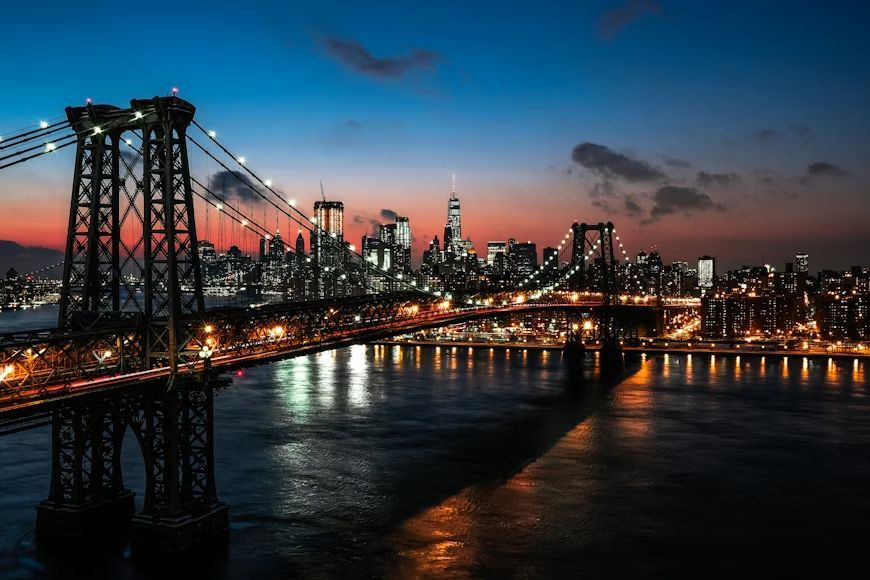
Wall Street, New York City

Image: Uwe Conrad

Wall Street is undoubtedly one of the most famous and well-known streets in the United States and the world. Located in Lower Manhattan, it is considered the "Financial District" because it houses multiple financial institutions and large banks , such as the Central Bank of the United States, the Federal Reserve, and the New York Stock Exchange.

But did you know why it's called like this? The Wall Street name refers to a wooden wall built by Dutch settlers to defend against possible attacks by British pirates during the Anglo-Dutch wars in the 17th century. Originally known in Dutch as Het Cingel —"the Belt" in English—, the wall was more than 2,340 feet long and approximately 9 feet high. It also had two gates, known today as the corner of Wall Street and Pearl Street.

7
Beale Street, Memphis

Image: Heidi Kaden

Beale Street in Downtown Memphis, Tennessee, is a street developed in the 1840s. Today it is best known for its pivotal role in the history of blues music, but was originally named after Edward Fitzgerald Beale, a military hero from the Mexican–American War. Part commercial, part suburbs, in the 1860s Beale Street was the go-to place for African American traveling musicians to perform.

Since then, blues and jazz legends such as Louis Armstrong, Muddy Waters, and Albert King have played on Beale Street, contributing to the development of the style known as Memphis Blues . In fact, B.B. King was once known as "the Beale Street Blues Boy." In 1977 this historic street was officially declared "Home of the Blues."

8
Newbury Street, Boston

Image: Aline Sales

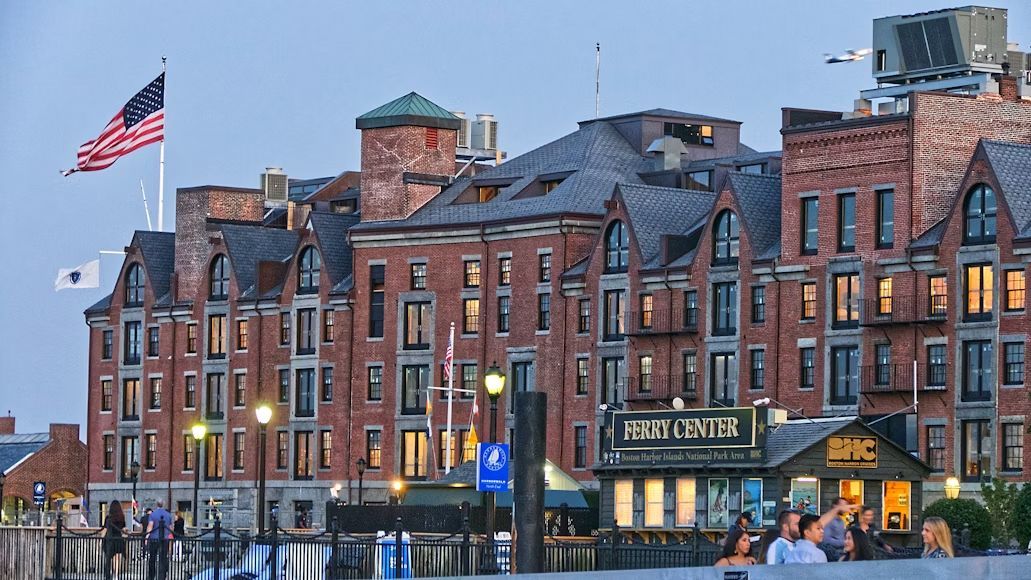
Considered the "Rodeo Drive of the East," Newbury Street in Boston is one of the most expensive streets in the world . But did you know that once upon a time most of it was underwater? Until the mid-1800s, Newbury Street was part of Boston Harbor until it was filled in with dirt from neighboring communities. Back then, it was mostly a residential area with very little charm.

It wasn’t until the 1980s that Newbury Street started to become the trendy shopping mecca we know and love today. Surrounded by 19th-century brownstones turned into high-end boutiques and restaurants, nowadays you can find modern art galleries and concept stores that still retain the sophisticated style of its glory days.

9
Ocean Drive, Miami

Image: Dennis Rochel

The Ocean Drive boardwalk, located in the South Beach area, is probably the most popular street in Miami and one of the most famous in the world. Known for its white sand beaches, turquoise sea, and colorful Art Deco architecture , here you will find some of the best restaurants, bars, and hotels in the entire city.

Ocean Drive's history is full of reinventions. Originally, in the early 20th century, it was a dusty street. In the 1920s, Miami Beach became a tourist destination and the area began to develop. From the 1930s on, Ocean Drive was nicknamed the "Great White Way" and played host to big stars such as Frank Sinatra and Jimmy Durante . Today, after a remodeling that cost millions of dollars, the mythical street has been modernized and reborn.

10
Las Vegas Boulevard, Clark County

Image: David Vives

Did you know that the famous Las Vegas Strip is not within Las Vegas city limits? The Strip is a stretch of Las Vegas Boulevard, one of the most filmed and photographed streets in the United States. However, contrary to what many people think, it is located in the unincorporated town of Paradise , in Clark County.

Originally, the Strip was nothing more than a highway with a few nightclubs and motels. With the construction of the Flamingo Hotel in 1946, the Strip began to change and develop into what it is today. Regardless of its exact location, today the Strip is home to the most iconic hotels and casinos , including Caesars Palace, the Bellagio, and the Venetian, and is a must-stop for anyone visiting Sin City.

General General 4 min read

Beyond the law

Wait… that's not illegal? 11 ‘crimes’ you didn't know are legal

Image: Jan van der Wolf

Sometimes we’re so accustomed to doing things a certain way that doing anything different feels illegal. But not every bit of "common sense" is backed by an actual law. Many widely accepted practices are merely norms or policies—not legislation. From driving barefoot to owning a flamethrower, here are 11 things you might think are illegal… but actually aren’t.

1
Driving barefoot

Image: Ashley Byrd

No federal or state law in the U.S. bans driving barefoot. Though sometimes discouraged for safety reasons, driving barefoot is legal in all 50 states (and in most countries worldwide as well).

While police might ask you to put your shoes on during a traffic stop, it’s merely a suggestion, not a legal requirement. In most modern cars, driving barefoot presents no significant safety risks, but it could affect insurance claims. If you’re involved in an accident while barefoot, you might face increased scrutiny from insurers.

2
Riding in the back of a pickup truck

Image: Richard Lu

This is a bit of a gray area. There is no federal law regulating the practice, but some states or local jurisdictions may impose restrictions, often including age limits.

In rural areas, most people won’t bat an eye if you ride in the bed. However, it can be considered a safety risk and may serve as an aggravating factor if you’re stopped for speeding or other traffic violations.

3
Cursing in public

Image: Kristina Flour

While it’s common courtesy not to go around hurling insults and profanity, the truth is no one can legally require you to stop if you are so inclined.

This is because profanity is generally protected speech. However, "generally" is doing some heavy lifting here, as depending on the context, it could be considered provocation or incitement to violence.

4
Sleeping in your car

Image: lucas Favre

It’s not illegal to sleep in your car unless local ordinances specifically prohibit it in certain areas, such as city streets or commercial lots.

Often, it has nothing to do with sleeping whatsoever, as in some places, all overnight parking at rest stops is prohibited or limited to just a few hours. Some Walmart lots might allow it, but that’s a private policy—not a law—and you should check with the local manager to be sure.

5
Eating while driving

Image: Dmitriy Frantsev

There’s no blanket law against eating while driving, though it can be considered a distraction. If it leads to unsafe driving, you could be cited.

Washington State’s distracted driving law bans holding electronic devices and allows extra fines for erratic driving caused by distractions , including eating or drinking . Some states, such as New Jersey, have considered banning it entirely, but most proposed laws are too vague to be enforced clearly.

6
Owning a flamethrower

Image: Tali Despins

Surprisingly, there’s no federal law in the U.S. that bans civilian flamethrower ownership. However, a few states do impose restrictions; California and Maryland have strict laws prohibiting or regulating them.

Some companies even market flamethrowers for agricultural use, like controlled burns or weed clearing. But misuse of a flamethrower can lead to serious legal charges—for instance, arson, reckless endangerment, or other criminal or civil liabilities.

7
Ignoring someone knocking at your door

Image: Aaron Burden

No law requires you to open your door to anyone, including police, unless they have a warrant.

If you're pulled over while driving or stopped on the street, you’re generally required to comply with police instructions. But if you're inside your home with the door closed—and ideally locked—you’re under no obligation to respond at all.

8
Selling homemade food without a license

Image: Museums of History New South Wales

Most states require permits or inspections to sell food commercially. However, many states have "cottage food laws" that allow limited sales of certain homemade goods without a license.

But if you scale up beyond small-batch home production, you’ll likely face a citation—and a hefty fine—from the authorities.

9
Backyard burials

Image: Jennifer Grismer

Believe it or not, there’s no federal law against burying human remains on private property. Many states allow it, provided you have the proper paperwork, such as a death certificate and burial permit. Local zoning laws may regulate factors like location, depth, and proximity to water sources or property lines.

Similarly, pet burials are generally permitted, but local ordinances can vary —so it’s important to check them first.

10
Using a fake name online

Image: Sander Sammy

Unless it’s used for fraud or to impersonate a real person, using an alias on social media or online forums isn’t a crime.

Some platforms may prohibit it in their terms of service, but that’s a civil matter—not a criminal one. Legal issues generally arise only if the alias is used to cause harm, deceive others, or commit financial fraud.

11
Flying the U.S. flag at night without lighting

Image: Shelley Pauls

The U.S. Flag Code suggests that the flag should be illuminated if flown at night, but this is just a general guideline, not a legally enforceable law.

Stricter requirements may apply to government buildings, but for private citizens, the code is purely advisory and symbolic.

Explore more American facts

Choose your favorite category!

General
General

As American as apple pie—the very best America has to offer!

Culture
Culture

Delve into the astounding richness of American lore.

Geography
Geography

Hop in and explore vast and diverse American landscapes.

History
History

Discover the key moments that shaped the United States.