Culture Culture 3 min read

From fame to oblivion

History's hidden legends: How these Americans defied the odds
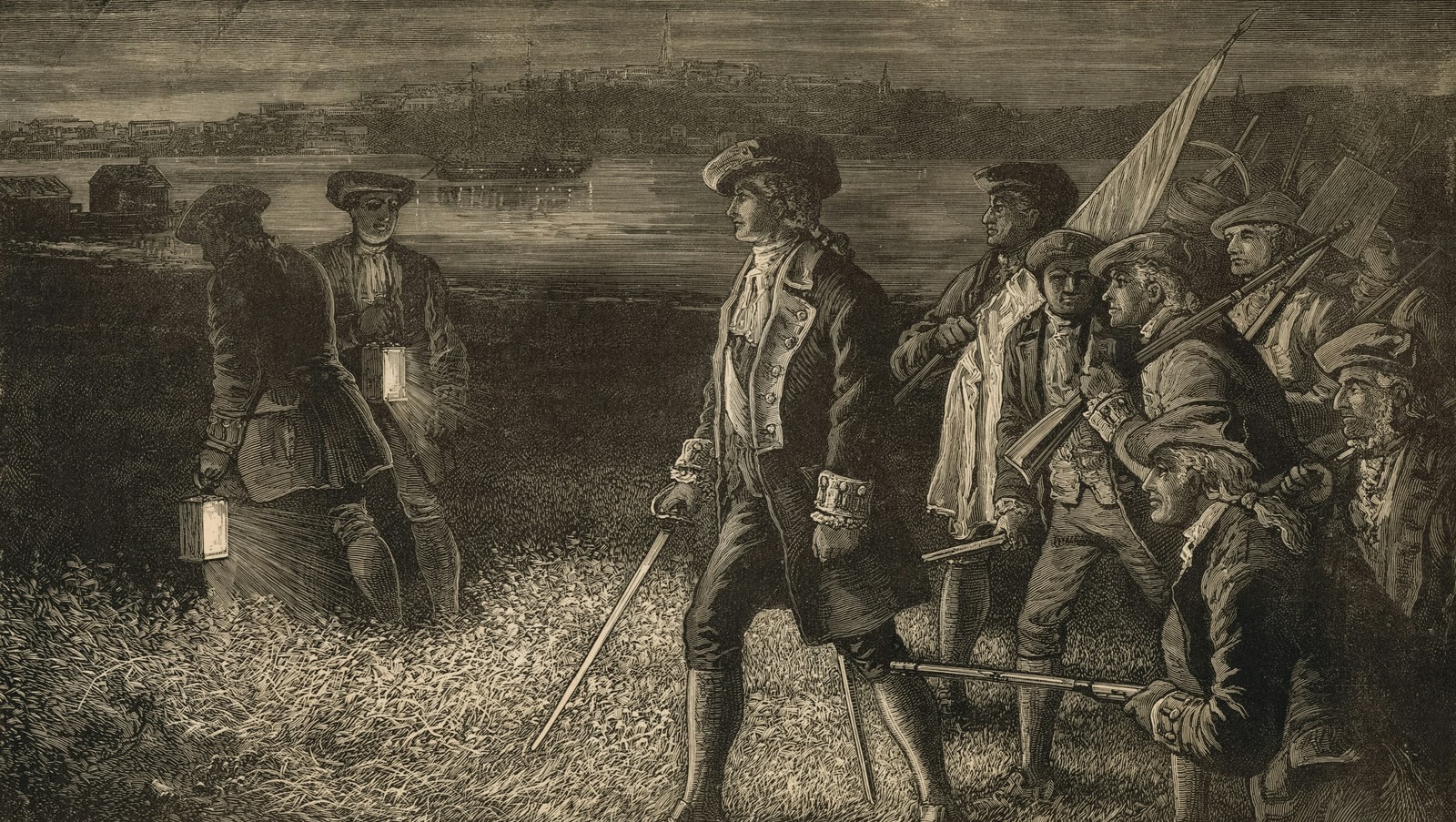
Image: The New York Public Library

America has produced more than its fair share of legends, but not all are remembered equally. From pioneers of technology to forgotten war heroes, each of these names once meant something big in the U.S. Here's a look at 10 American icons whose legacies deserve a second glance.

1
Hedy Lamarr

Image: Geoffroy Berlioz

Best known for her 1930s–40s film career, Hollywood icon Hedy Lamarr also co-invented frequency-hopping spread spectrum technology to prevent enemy jamming in WWII. And if you think it’s no big deal, know it’s the basis for modern Bluetooth and Wi-Fi!

While largely overlooked as an inventor at her time, she was posthumously inducted into the National Inventors Hall of Fame in 2014.

2
Sybil Ludington

Image: Taylor Brandon

According to many historians, at just 16 years old, Sybil Ludington rode about 40 miles through the night in 1777 to alert American militia of a British attack on Danbury, Connecticut.

This would make her ride roughly twice as long as Paul Revere’s . While some scholars question the veracity of her story, a statue stands in her honor in Putnam County, New York.

3
Bass Reeves

Image: Pramod Tiwari

Born into slavery in 1838, Reeves became one of the first Black U.S. Deputy Marshals west of the Mississippi. He made over 3,000 arrests during his law enforcement career.

Many historians believe his exploits may have inspired the Lone Ranger character, although his name rarely appears in history textbooks.

4
Mary Edwards Walker

Image: David Trinks

A Civil War surgeon and suffragist, Walker treated soldiers on the front lines and was even captured as a prisoner of war.

In 1865, she became the first woman to ever receive the Medal of Honor. Her unorthodox dress style and fearless activism made her a striking figure in 19th-century America.

5
Clara Barton

Image: Kevin Paes

Known as the "Angel of the Battlefield," Barton provided medical care during the Civil War and later founded the American Red Cross in 1881.

Though once a household name, her legacy has faded compared to other, more widely remembered wartime figures.

6
Joshua Lawrence Chamberlain

Image: Chris Chow

A college professor turned Union colonel, Chamberlain famously held Little Round Top during the Battle of Gettysburg, a pivotal moment in the Civil War.

He was awarded the Medal of Honor and later became governor of Maine, but his unexpected battlefield brilliance is often overlooked in Civil War discussions.

7
Robert Smalls

Image: Ian Hutchinson

In 1862, Smalls, a formerly enslaved sailor, seized a Confederate ship and delivered it to Union forces, securing freedom for himself and his crew.

He later served five terms in Congress, advocating for Black education and civil rights.

8
Harvey Wiley

Image: Diana Polekhina

Known as the "Father of the FDA," Harvey Wiley was a chief chemist in the late 1800s whose "Poison Squad" tested various food additives, leading to the 1906 Pure Food and Drug Act.

This law laid the foundation for the FDA and led to the removal of many dangerous substances from consumer products. Notably, it prompted Coca-Cola to eliminate cocaine from its formula in the early 20th century.

9
George Washington Carver

Image: Dan Meyers

More than just being associated with peanuts, George Washington Carver developed numerous innovative crop rotation methods and created over 300 uses for peanuts, sweet potatoes, and other plants to help Southern agriculture recover after the Civil War.

10
Joe Medicine Crow

Image: Boston Public Library

The last war chief of the Crow Nation, Joe Medicine Crow, completed several traditional war deeds during WWII—including counting coup and stealing enemy horses —and earned both the Bronze Star and the French Légion d’honneur.

Part of his legacy was bridging Native American warrior traditions with modern military service, honoring both cultural heritage and patriotic duty.

Culture Culture 4 min read

More than a dream

Was MLK's "I Have a Dream" speech improvised? Discover more!

Image: Tim Simons

We all know the legendary Martin Luther King Jr., the father of the civil rights movement and the man behind four words that changed the course of our nation's history: "I have a dream." However, Martin Luther King Jr. was a multifaceted man, and there’s probably much you don’t know about him yet . If you’re up for a surprise, join us as we explore 10 fun facts about MLK!

1
Federal holiday

Image: Kyrie kim

Every year in America, we celebrate Martin Luther King Jr. Day on the 3rd Monday of January. This date was chosen because MLK was born on January 15, 1929, which fell on a Thursday.

But did you know that MLK Day is the only US federal holiday that celebrates the birthday of someone who wasn't a US president? Can you guess what the other one is? That’s right—it’s Presidents’ Day, observed on the 3rd Monday of February in honor of George Washington’s birthday.

2
Not afraid

Image: Grant Durr

If there’s one thing that defines MLK, it’s his bravery. And just as he was not afraid to confront the oppressive norms of his time, neither was he afraid of jail. In fact, he was arrested between 25 and 30 times, always for reasons related to his nonviolent activism.

It was during one of these arrests, in 1963, that he wrote his famous Letter from Birmingham Jail.

3
Improvisation

Image: Demure Storyteller

Martin Luther King Jr.'s " I Have a Dream" speech remains one of the most famous speeches in the world to this day. Those powerful, inspiring words could only come from a brilliant mind. But did you know that part of his speech was improvised?

That's right! On August 28, 1963, MLK impressed the world from the Lincoln Memorial steps with a carefully prepared speech, but he also added spontaneous thoughts inspired by the excitement of the moment. In fact, the speech's most famous words—the ones that gave it its title—weren’t part of the original draft.

4
Star Trek fan

Image: Stefan Cosma

MLK was also someone who appreciated quality TV. He was known to be a fan of the original Star Trek series.

But he wasn't just a fan—he went on to influence the show! Actress Nichelle Nichols, best known for playing Lieutenant Uhura, was about to leave the show, but she met King, and he encouraged her to stay. He believed that Nichols' role was crucial in inspiring young African Americans.

5
Birth name

Image: insung yoon

The famous Martin Luther King Jr. was born on January 15, 1929, as Michael King Jr. in Atlanta, Georgia, named after his father, Michael King Sr. However, a few years later, that would change.

In 1934, after learning about Martin Luther, the leader of the Protestant Reformation, Michael King Sr. decided to change both his own name and his son’s to Martin Luther King Sr. and Martin Luther King Jr., respectively.

6
College at 15

Image: Priscilla Du Preez 🇨🇦

Martin Luther King Jr. skipped several grades and entered college at the young age of 15! Given his remarkable intelligence, this isn’t surprising, but his brilliance never fails to impress.

In 1944, he was admitted to Morehouse College in Atlanta, where he earned a Bachelor of Arts degree in Sociology. His studies there helped shape his critical perspective on society and its dynamics. Additionally, it was during his time at Morehouse that he decided to become a minister.

7
The first on Time

Image: NordWood Themes

Time magazine's Person of the Year (originally called "Man of the Year") debuted in 1927, with American aviator Charles Lindbergh gracing the cover.

It took 36 years for the first African American to earn this recognition. Of course, that honor went to Martin Luther King Jr., who was named Person of the Year in 1963 , following the historic March on Washington and his unforgettable " I Have a Dream " speech.

8
Julia Roberts!

Image: Nikhil Mistry

Just when you think there are no more surprises , here’s a fact that will astonish you: What do Martin Luther King Jr. and actress Julia Roberts have in common?

It turns out that Julia Roberts’ mom, Betty Lou Bredemus, was an active member of the Civil Rights Movement—even during her pregnancy—making her well-known to Martin Luther King Jr.'s family. And here’s the surprising part: MLK’s parents helped cover the medical expenses for Julia Roberts’ birth!

9
He lived to 39

Image: Unseen Histories

His impressive career, filled with groundbreaking achievements, might lead us to believe that he had many years to achieve all of it.

However, the minister was still a young man when he was tragically attacked on April 4, 1968, in Memphis, Tennessee. Sadly, Martin Luther King Jr. lived to be only 39 years old.

10
Writer

Image: Aaron Burden

MLK was not only a leader, activist, thinker, pastor, and Nobel Peace Prize winner; he was also a writer. That's right! King Jr. wrote several articles, letters, and books.

Among the most cited are his books Stride Toward Freedom: The Montgomery Story (1958), Strength to Love (1963), Why We Can't Wait (1964), Where Do We Go from Here: Chaos or Community? (1967), and the Letter from Birmingham Jail (1963).

History History 5 min read

The American way

Baseball and BBQs: 10 iconic American pastimes that shaped the nation

Image: Leon Contreras

A baseball game under the summer sun, a weekend fishing trip, a barbecue at a family gathering—all of these activities are as American as apple pie. Our favorite pastimes tend to reflect the nation’s values and history, evolving and transforming over the years yet always retaining a part of their essence. Here are 10 iconic pastimes that have shaped life in the United States.

1
Baseball

Image: Chris Chow

Baseball isn’t called America’s favorite pastime for nothing. The heartbeat of American sports, it was already recognized as the national sport in the 19th century, when it originated as a blend of older bat-and-ball games.

Curiously, the first official baseball game on record didn’t take place in the United States but in our northern neighbor, Canada, which is often credited with creating the basis for most modern baseball rules. However, New York City clubs were responsible for further shaping the game into what it is today.

2
Fishing

Image: Greysen Johnson

Fishing has long been a beloved pastime for millions of Americans, luring people in with a peaceful and nature-immersed experience. No longer a necessity for survival in everyday life, most people today enjoy fishing recreationally, with many anglers choosing to release their catch unharmed.

Celebrated American writers like Ernest Hemingway have portrayed fishing as a reflective and rewarding pursuit, capturing the romantic longing for a simpler life and the joy of the great outdoors that remains at the heart of this pastime. Moreover, the hobby encompasses more than just fishing, with many enthusiasts taking pride in creating their own custom lures, often crafted to resemble various types of live bait.

3
Camping

Image: Chris Holder

Camping became popular in the early 20th century as Americans sought respite from growing urbanization. Today, it remains a beloved way to explore the country's vast landscapes, from national parks to remote forests. Extensive networks of protected foot trails crisscross the nation, offering opportunities for both short and long excursions.

In fact, it could be argued that camping is part of the wild heritage of the American frontier spirit, encouraging Americans to reconnect with nature. Much like fishing—and these two pastimes often go hand in hand—camping is about adventure, self-sufficiency, and the pursuit of simplicity away from the hustle of daily life.

4
Football

Image: Carol Highsmith's America

American football—also known as gridiron football or simply football—originated in the 19th century, evolving from various older ball games related to rugby. In recent decades, it has grown into a national obsession, rivaling baseball and even surpassing it in viewership, with millions tuning in every weekend.

The Super Bowl and similar events have become iconic elements of American culture, transforming into major community celebrations that draw more than just football fans. Major events like the Super Bowl bring families and friends together across the country, often featuring entertainment segments and halftime shows that transform these sporting events into full-blown celebrations.

5
Barbecuing

Image: Vincent Keiman

Barbecuing is an art form in America, with roots tracing back to indigenous peoples and early settlers. Whether it’s a Fourth of July cookout or a casual weekend gathering, the grill is central to American social life. The tradition initially spread through pit barbecues, where meats were smoked and cooked over a dug trench filled with burning embers.

Over time, this technique evolved into the conventional backyard grilling we use today. Despite the widespread popularity of standard barbecues, styles vary significantly by region, each with its own distinct flavors and techniques, often featuring elaborate sauces or unique smoking methods.

6
Auto Racing

Image: Tim Trad

Auto racing—and particularly stock car versions of the sport like NASCAR—has captivated the imaginations of Americans almost since the invention of motor cars in the early 20th century. Drawing inspiration from popular European races like the Paris-Rouen contest, the enthusiasm for motor racing quickly took hold in the U.S.

The first American automobile race is generally considered to be the Thanksgiving Day Chicago Times-Herald race on November 28, 1895. As cars became more accessible and the automotive industry developed, racing grew in popularity, eventually evolving into the high-octane spectacle that is now a distinctly American tradition.

7
Gardening

Image: Benjamin Combs

Gardening has always been a cherished American hobby, providing a peaceful retreat within one’s home while also beautifying one’s surroundings. From victory gardens during wartime to modern suburban flower beds, gardening remains a thriving pastime for Americans everywhere.

It’s a way to create something beautiful and sustainable, connecting with nature in a personal and meaningful way. Recently, interest in homegrown vegetables and organic food has surged, with an estimated 40 percent of American households—33 million—growing their own produce.

8
Movies

Image: Kilyan Sockalingum

Since the early 20th century, movies have been integral to American culture. Whether going to a local theater or, more recently, enjoying a cozy movie marathon at home, millions of Americans have shared this experience for almost a century. As Hollywood and the film industry evolved, American movies reached audiences worldwide, earning acclaim for their excellence.

Today, the magic of cinema continues to captivate Americans just as it did decades ago. This is no surprise, as the love for good storytelling and innovation—two true American passions—lies at the heart of this cherished tradition. Although the 2020 pandemic dealt a blow to movie attendance, it has been steadily recovering, showing no signs of slowing down.

9
Home-Cooking

Image: Or Hakim

More than just a necessity, home-cooked meals are a true American passion. Food is a key part of a nation's identity, so it’s no surprise that cooking at home holds a special place in the hearts of many Americans. Our country’s incredibly diverse culinary heritage offers a vast array of edible experiences to choose from, and gathering with friends and family to enjoy delicious homemade dishes is one of our favorite pastimes.

Whether preserving family recipes passed down through generations or trying new culinary experiments, home cooking is always a way to connect with loved ones, celebrate traditions, and enjoy the satisfaction of a meal crafted with love and skill.

10
Road Trips

Image: averie woodard

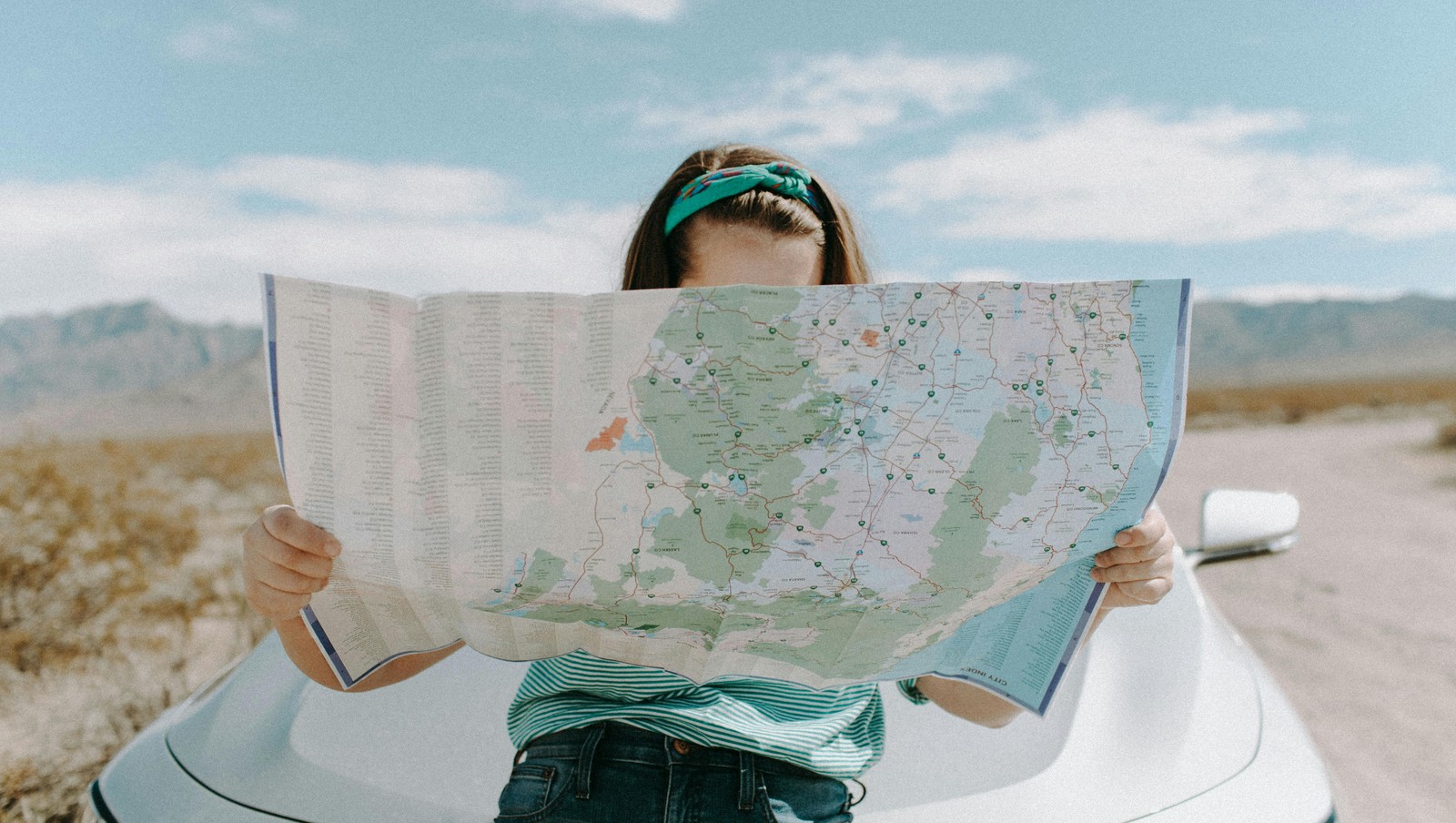
With a country as vast and beautiful as ours, it’s no wonder Americans often choose to spend their vacations exploring its diverse landscapes. From bustling cities to scenic countryside, domestic travel is not always just about relaxation—it can also be an adventure of self-discovery and a journey through our shared history.

And there’s certainly no shortage of sights to see! From the breathtaking vistas of our national parks to meticulously preserved historic sites, few experiences foster a deeper connection to our heritage. Whether it’s the towering peaks of the Rockies, the rolling hills of the Appalachians, or the sun-kissed shores of the coasts, every corner of the country offers something new to discover.

Explore more American facts

Choose your favorite category!

General
General

As American as apple pie—the very best America has to offer!

Culture
Culture

Delve into the astounding richness of American lore.

Geography
Geography

Hop in and explore vast and diverse American landscapes.

History
History

Discover the key moments that shaped the United States.