General General 5 min read

Americans superstar foods

Hemingway and JFK both had the same favorite cocktail: what was it?
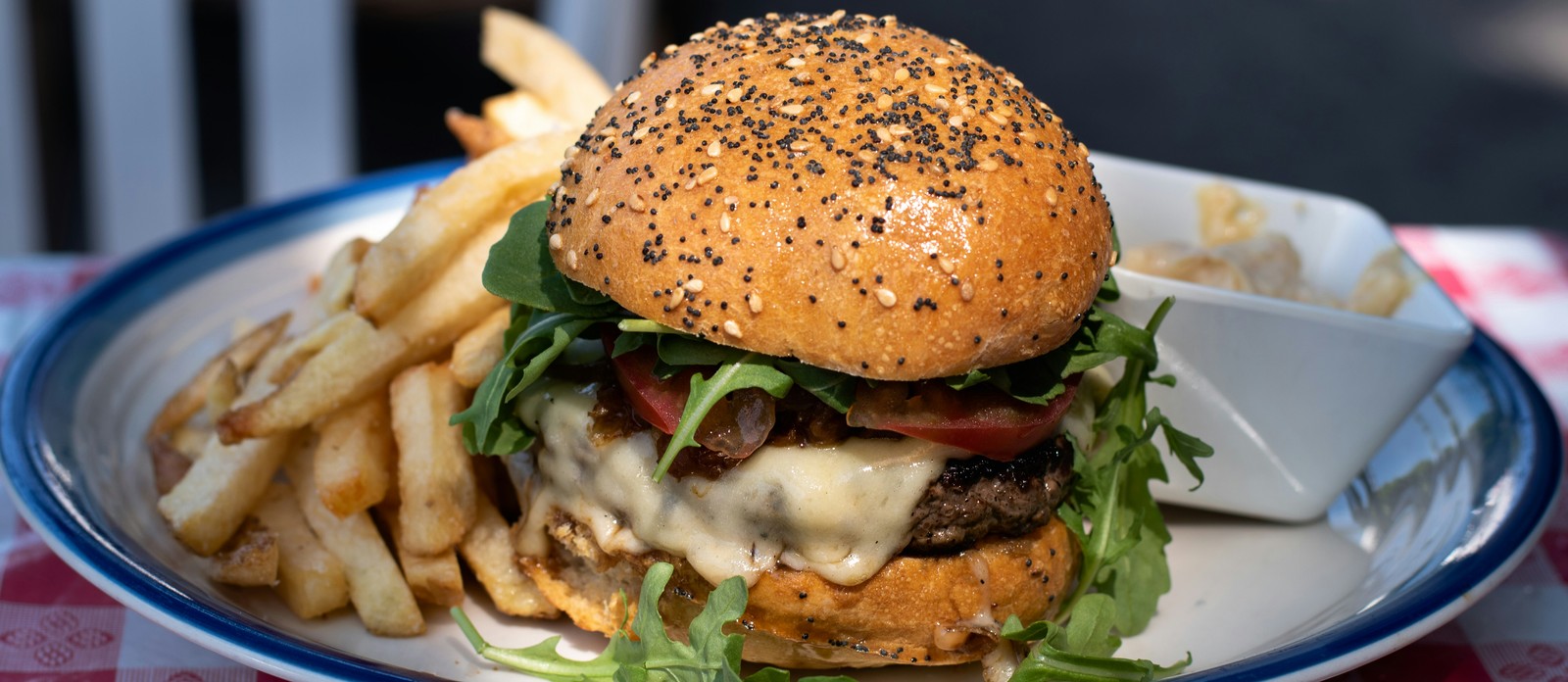
Image: Kelly Visel

Food and drink represent much more than the nutrition and hydration we need to survive — they’re part of a nation’s culture and history. Just as Hemingway and JFK loved drinking daiquiris, which were supposedly invented as a worker's "medicine" , these 10 iconic foods and drinks all carry surprising stories behind their names, recipes, and rise to fame.

1
Daiquiri
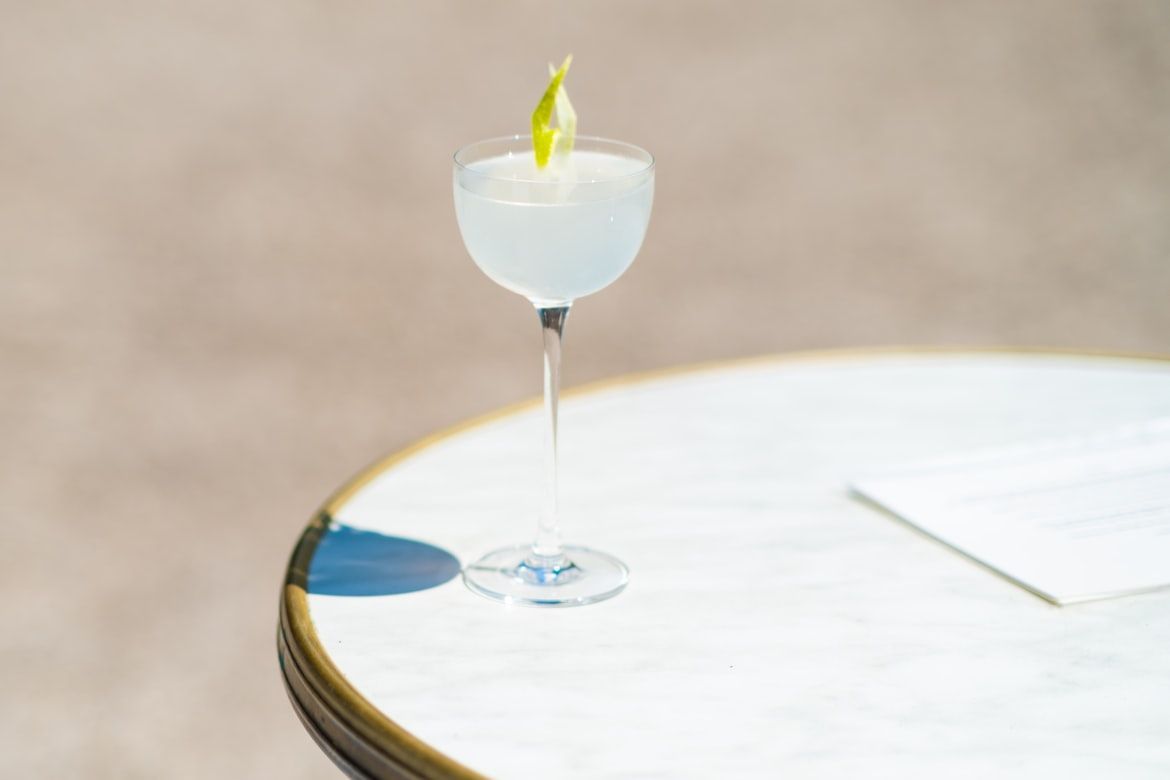
Image: Timothé Durand

Is it possible that our favorite vacation cocktail was originally a "medicine"? Back in 1898, an American mining engineer named Jennings Cox was working in the village of Daiquiri, Cuba. He mixed local rum, lime, and sugar to keep his workers refreshed and to ward off yellow fever.

This drink migrated to the States, becoming popular during the 1940s and 1950s, and a favorite of Ernest Hemingway and President John F. Kennedy . While Hemingway famously drank daiquiris in Havana, JFK later helped make the cocktail fashionable in American political circles. Rum brands like Bacardi and Captain Morgan helped make the cocktail a summer favorite, and the original recipe started to vary among bars and vacation spots.

2
Hamburger
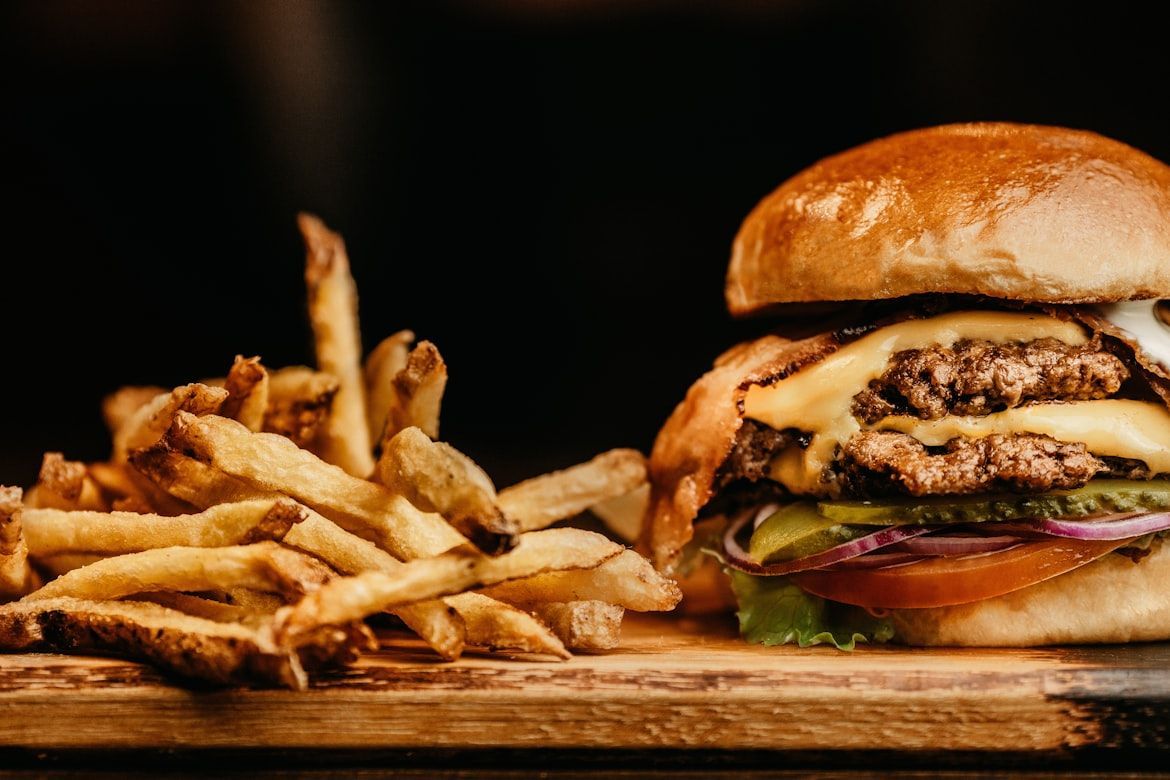
Image: Jonathan Borba

Did you know one famous hamburger origin story points to a small town in New York? According to the Menches family legend, brothers Frank and Charles Menches were selling pork sausage sandwiches at the 1885 Erie County Fair in Hamburg, New York, when they ran out of pork . A local butcher suggested ground beef instead. The brothers reportedly seasoned the beef with coffee, brown sugar, and other ingredients, then served it between bread with ketchup and sliced onions. The sandwich was said to be a hit, so they named it the "hamburger" after the town where the fair was held.

3
German Chocolate Cake
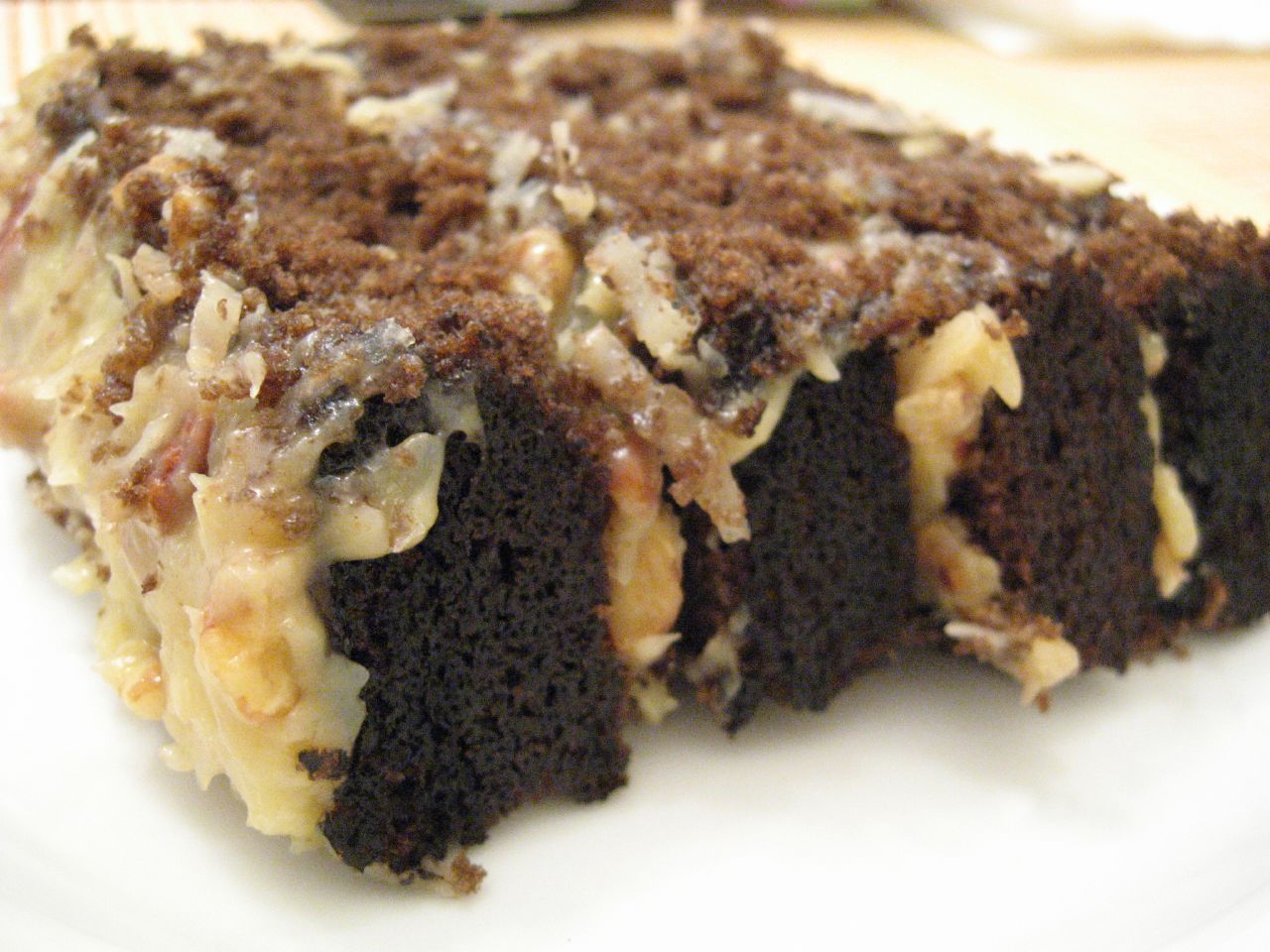
Image: Kimberly Vardeman

Don’t let the name fool you into thinking this recipe comes from overseas. This dessert was actually born in Dallas in 1957 when Mrs. George Clay sent the recipe to the local newspaper, the Dallas Morning News . The German part actually comes from Sam German, the man who developed the dark baking chocolate for Baker’s Chocolates Company back in the 1850s.

This cake quickly became a sensation at birthdays and other celebrations thanks to its coconut-pecan frosting. The confection eventually inspired similar cupcakes, brownies, and even an ice cream flavor.

4
Philly Cheesesteak
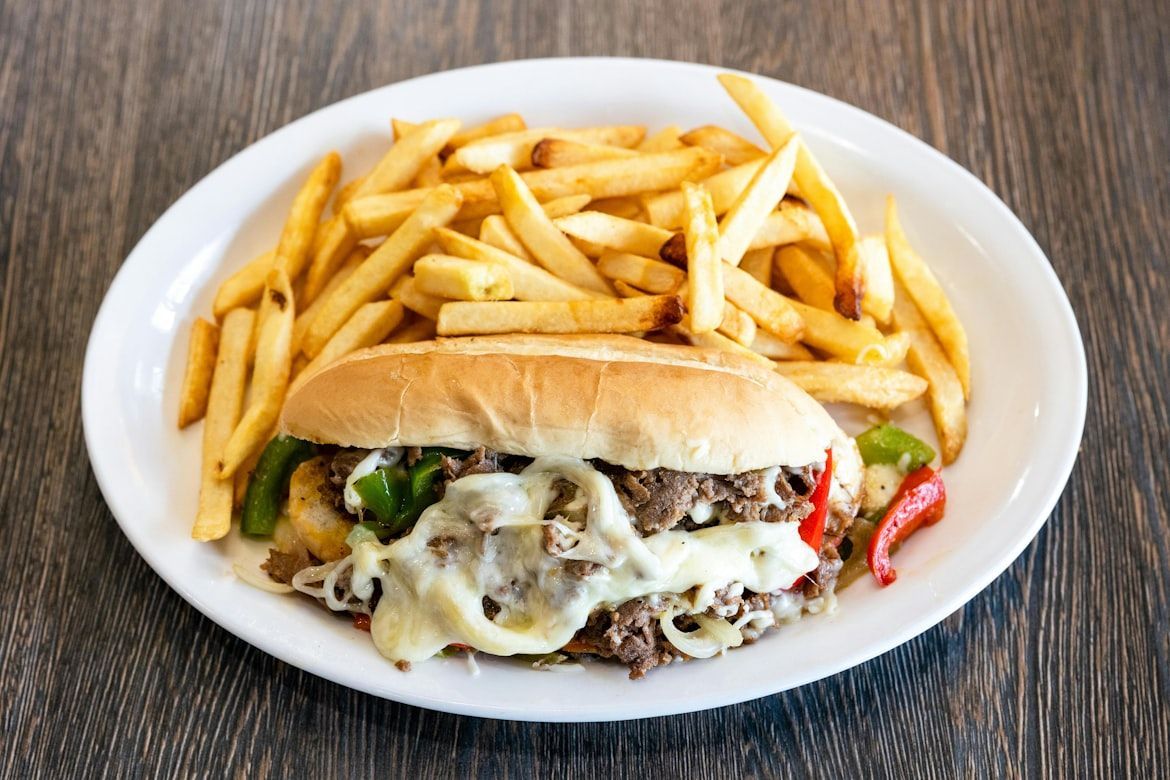
Image: Snappr

One of Philadelphia’s most famous foods started almost by accident. In 1930, Pat Olivieri was running a hot dog stand in South Philly when he decided to grill some chopped beef and place it inside an Italian roll for himself. A taxi driver nearby smelled it, asked for one too, and legend follows that the word spread quickly around the city .

Shortly after, melted cheese became part of the recipe —usually Cheez Whiz, provolone, or American cheese. Today, locals debate whether the best version is sold at Pat's King of Steaks or Geno's Steaks.

5
Hot Dog
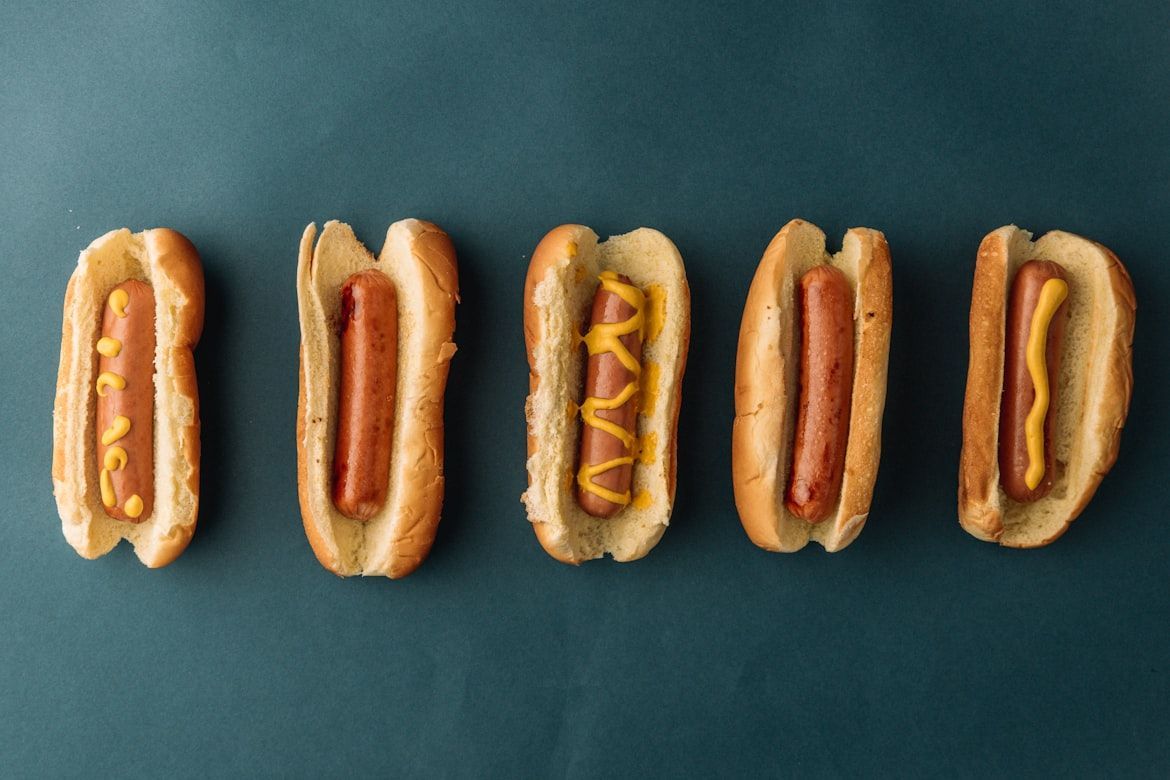
Image: Ball Park Brand

Just like the hot dog itself has two main ingredients, its origin story also comes in two parts. Some people say the sausage came from Frankfurt, Germany, while others believe the wieners of Vienna, Austria, inspired it. Frankfurt even celebrated the sausage’s 500th anniversary in 1897 to strengthen its claim.

But how did the hot dog become an American favorite? Before the 1850s, people in New York usually ate frankfurters between two slices of bread. Around that time, Austrian baker Ignatz Frischman arrived near Coney Island, and he noticed how much the crowds loved the sandwiches. After opening his bakery, he created a long, soft roll made especially for the sausages, and street vendors quickly started using them .

6
S'mores
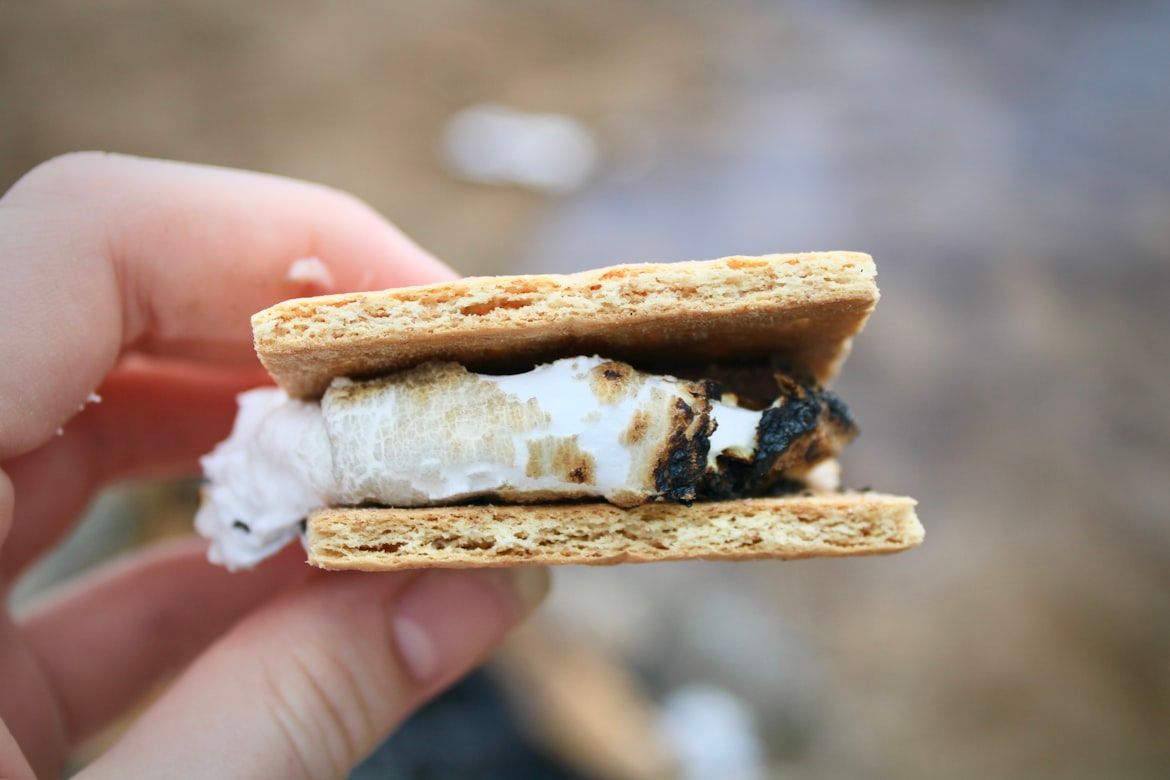
Image: Ava Tyler

The first known recipe for the summertime classic appeared in a 1927 Girl Scout handbook, where campers were taught to roast marshmallows over a fire and sandwich them between graham crackers and chocolate.

Companies like Hershey's, Jet-Puffed, and Honey Maid helped turn s’mores into a must for campfire treats, and now, they can be made in ovens or microwaves with peanut butter or flavored chocolate.

7
Corn Dog
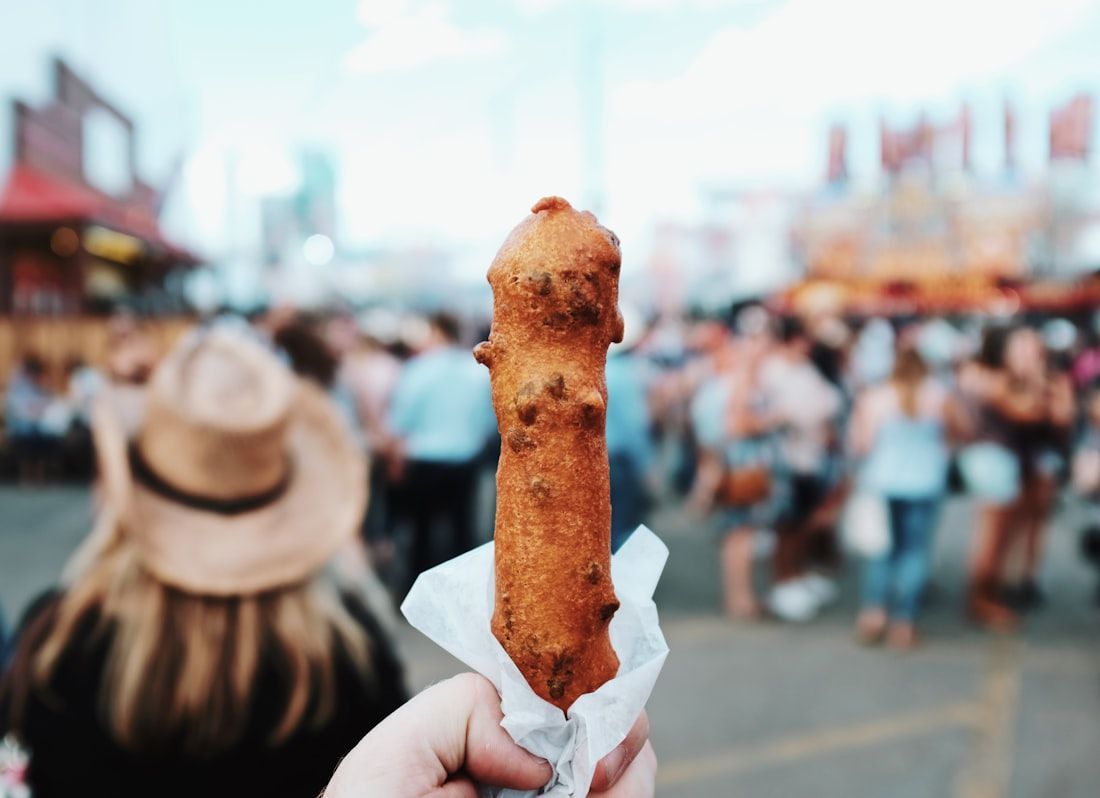
Image: Blake Guidry

A hot dog dipped in cornmeal batter, placed on a stick, and deep-fried until golden brown. That is how a classic corn dog is made. During the late 1920s, one Minnesota family sold their version of the corn dog at the Oregon local fairs under the name "Pronto Pup" because they disliked the term "corn dog." Even so, "corn dog" became the most recognized name, especially after state fairs in Texas and the Midwest helped popularize it throughout the country.

They are staples at carnivals, baseball games, and amusement parks, and are usually adorned with mustard or ketchup . Also, newer versions use spicy sausages, cheese-filled batter, or mini bite-sized pieces for easy snacking.

8
Lobster Roll
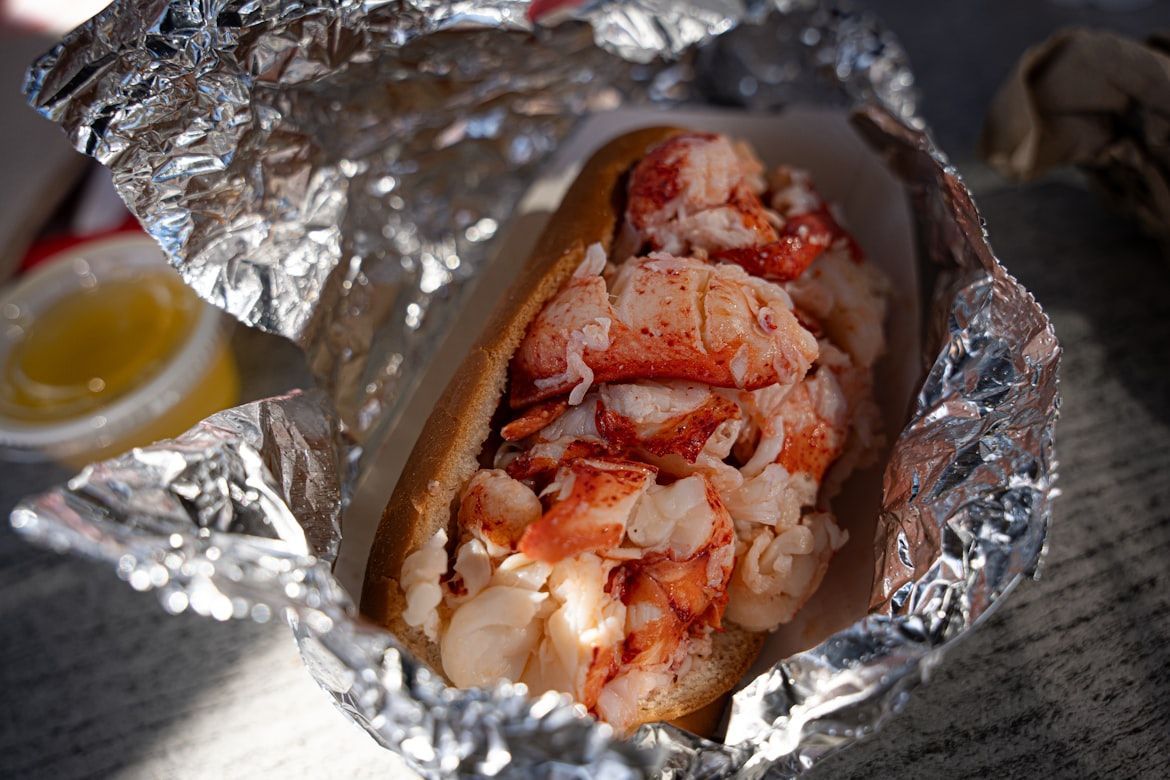
Image: Will Ma

One early story places its birth in a Connecticut restaurant during the 1920s, where warm lobster soaked in butter was served inside a toasted roll. Years later, Maine helped popularize a different version with cold lobster mixed with mayonnaise, and the debate between the two styles continues.

By the 1970s, lobster rolls had turned into a symbol of seaside vacations across the Northeast. People have them at seafood shacks, harbor towns, and summer festivals. Famous spots like Red's Eats became famous for lobster meat rolls, while others, such as Luke's Lobster, helped introduce the sandwich to the rest of the country.

9
Reuben Sandwich
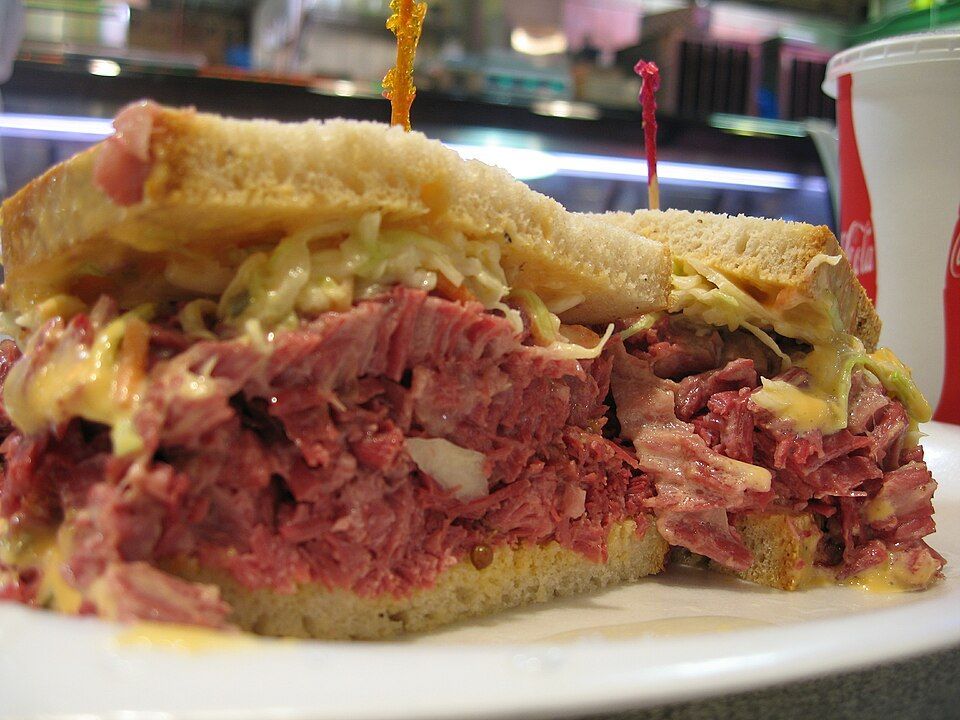
Image: Michaela den

The Reuben Sandwich has been part of a food debate for nearly a century. One version takes us to the 1920s, Omaha, Nebraska, where grocer Reuben Kulakofsky asked for a special sandwich during late-night poker games at a hotel . The other one says a New York deli owner was already serving something very similar around the same time.

No matter the truth, the sandwich was already appearing on menus by the 1930s with its mix of corned beef, Swiss cheese, sauerkraut, and Russian dressing on rye bread. It is a classic choice at American diners and Jewish-style delis.

10
Piña Colada
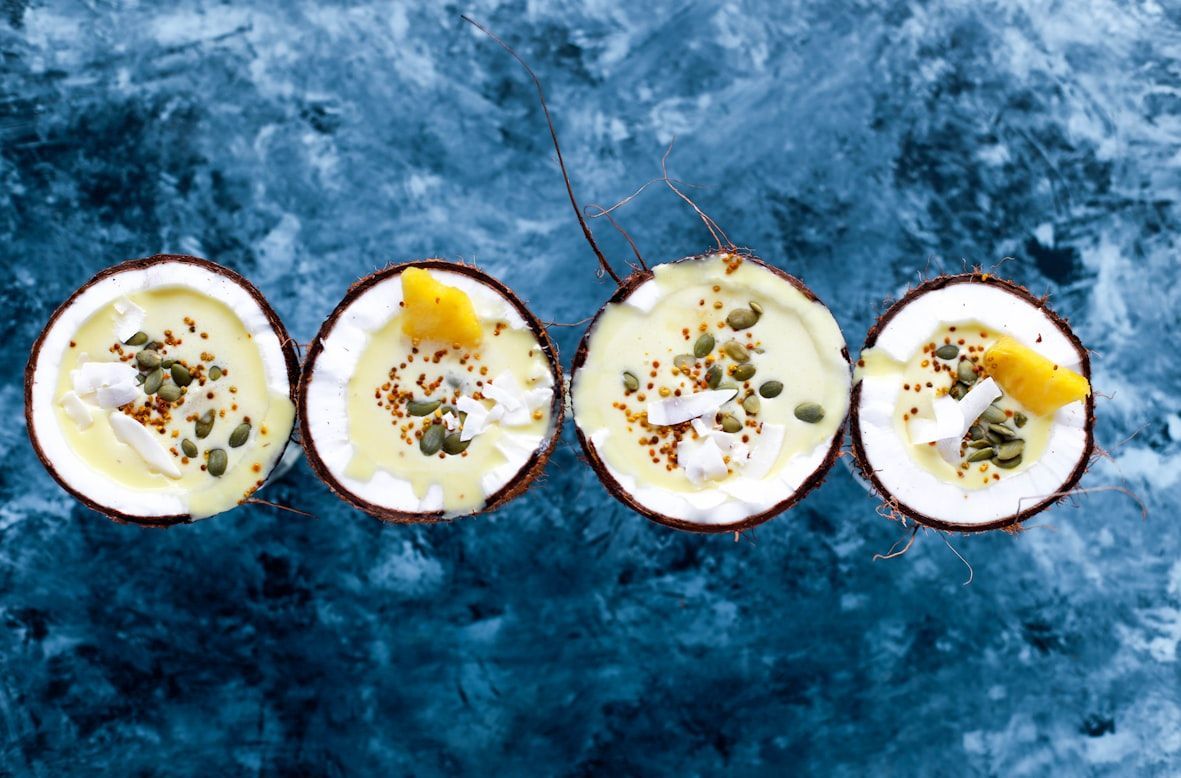
Image: Brenda Godinez

It first appeared in 1954 at the Caribe Hilton. Bartender "Monchito" Marrero, after trying different recipes, finally arrived at the rum, coconut, pineapple juice fusion we enjoy today.

Coco López and Malibu, both liquor brands, helped turn the drink into an easy, homemade one, enabling more flavors like strawberry, mango, or even banana. Also, as Caribbean vacations and cruise trips became popular during the second half of the 20th century, the piña colada started showing up at beach bars and resorts all over the country.

General General 5 min read

Sing it proudly!

Patriotic beats: do you know our anthem’s backstory?

Image: Tim Mossholder / Christina Petsos

The US national anthem, "The Star-Spangled Banner," is more than just a patriotic tune; it symbolizes American history, resilience, and unity. And that’s natural, it has a backstory dating back over two centuries, so you can imagine all the interesting, fun details it carries with it. It is filled with historical moments and a few surprises . In this article, we’ll explore 10 intriguing facts about the anthem that you may not know. Let’s dive into the journey of this iconic song and discover how it became a central part of American identity.

1
A song born from the battle

Image: Benjamin Faust

Our anthem was written in mid-September 1814 by Francis Scott Key. But what was it that brought those words to his mind? Well, the lyrics were inspired by the sight of the American flag flying after the British navy was defeated at the Battle of Baltimore.

Key penned the words while observing the conflict at Fort McHenry during the War of 1812. Originally, the anthem began as a poem, not as a song.

It celebrated the fort’s resilience, symbolizing hope for a young nation. Key’s words quickly gained popularity and were eventually set to the tune of an old British song. Little did he know, it would go on to become the anthem we sing today.

2
What’s in a name?

Image: Joshua Woods

Considering what we said before, it’s logical to think The Star-Spangled Banner wasn’t the original title, do you know what it was?

Key’s poem was originally titled "The Defence of Fort McHenry," a clear reference to the conflict that served as his inspiration.

It wasn’t until October or November of 1814, when the first sheet music was printed, that the title changed to the more poetic "The Star-Spangled Banner."

The new name broadened its appeal, allowing it to reach a larger audience who quickly embraced it. It was a name that spoke not just to the battle, but to the pride of the entire nation. This small change made a big difference in how the song was received.

3
A song for all languages

Image: Etienne Girardet

You probably already knew part of these details, but what about this one? Did you know the anthem was translated into German?

During the Civil War, Key’s anthem found a new life: Union supporters translated it into German to recruit German-speaking volunteers for the militia.

That was just the beginning, but it certainly wasn’t the last time it was translated. Over the years, the song has been translated into more than a dozen languages, making it accessible to Americans from diverse backgrounds. This highlights the anthem’s flexibility, which adapts to the times and reaches new groups. After all, freedom and perseverance aren’t exclusively American traits, don’t you think?

4
Baseball’s favorite tune

Image: Wade Austin Ellis

We are all very much used to starting important ceremonies or sporting events by proudly singing the national anthem, but, as you can imagine, there was a first time for that too. Do you know about it?

"The Star-Spangled Banner" made its debut at a sporting event in 1862 during the opening of a baseball stadium in Brooklyn, New York. This marked the first time it was played at a professional game.

Its connection to sports grew stronger over the years, and now it’s a tradition to hear the anthem at nearly every major sporting event. It’s the perfect way to kick off the game, uniting fans in a shared moment of patriotism before the competition begins.

5
Congress made it official… eventually

Image: Joshua Sukoff

The military had already embraced it as an inspirational song, and it had become a tradition to play it at sporting events, but it wasn’t really official until Congress said so and that didn’t happen until 1931. What about that?

The process wasn’t simple, either. Congress debated the decision, facing opposition from various groups—Prohibitionists, pacifists, and even music teachers—but we’ll explore those details in the next section.

Alternatives like "America, the Beautiful" were suggested, but in the end, Key’s song won out. President Herbert Hoover signed the act, and the rest was history: we finally had a national anthem!

6
It’s not easy to sing!

Image: Laith Abuabdu

Remember we said teachers were against it? Can you imagine why? On their side, one of the main complaints about "The Star-Spangled Banner" was that it’s too difficult to sing . And we have to hand it to them, the anthem is notoriously hard to perform.

In terms of scales, the original melody spans an octave and a fifth, a range that challenges even professional vocalists. This explains why many groups struggle with the anthem during public performances. How many can say they’ve truly mastered it—are you one of them?

In any case, the tune, originally a British drinking song, wasn’t designed for mass sing-alongs. No wonder it’s become a patriotic rite of passage to attempt singing it!

7
Women fought for its adoption

Image: Library of Congress

Although it’s not always mentioned first when narrating our history, women have been instrumental in many key moments, and the story of "The Star-Spangled Banner" is no exception.

Women played a significant role in pushing for the anthem’s adoption as the national anthem, how so? The Daughters of the War of 1812, a patriotic women’s organization, were among the most vocal advocates. While some groups opposed it, this organization was very much in favor of it.

Their activism helped build momentum for the 1931 legislation that ultimately led to the anthem’s adoption. In an era when political opportunities for women were limited, this cause offered them a platform to engage in national issues. They succeeded, of course, because persistence pays off!

8
There is no "official" version

Image: Alessio Fiorentino

This might sound far-fetched, but it doesn’t mean there are alternate lyrics to our anthem. Rather, there’s no single, official version of "The Star-Spangled Banner." While various states have tried to legislate performance styles and etiquette, there isn’t a definitive version set in stone.

This flexibility has allowed for creative interpretations, ranging from traditional orchestral performances to more modern adaptations, depending on the context and the event.

And even if it would be nice to have an official version, this gives everyone the possibility to bring new aspects to our national hymn!

9
Jimi Hendrix’s legendary performance

Image: Aditya Wardhana

Proof of what we just said, that the lack of an official version gives place to create amazing new interpretations is Jimi Hendrix’s legendary performance. The psychedelic rock guitarist brought a fresh, rebellious spin to "The Star-Spangled Banner" when he performed it at the 1969 Woodstock Festival . While many are familiar with his electrifying Woodstock rendition, Hendrix actually performed the anthem in concert many more times, over 60 times to be specific.

His interpretation added a new layer of meaning, capturing the turbulent spirit of the era. And even though not everyone liked it, no one can deny that, given the context, it was a powerful message!

10
Do you know the four verses?

Image: Towfiqu barbhuiya

Most of us are familiar with only the first verse of "The Star-Spangled Banner," but did you know the anthem actually has four verses ?

Now, four verses were enough and we can understand that tradition is to sing only the first due to time constraints. But, as it turns out, in 1861, Oliver Wendell Holmes Sr. added a fifth verse, advocating for the end of slavery.

While the additional verses are rarely sung, they tell a richer story of American values and challenges. So, even if you never sing it, you can read the full version and enjoy learning about American ideals!

Culture Culture 4 min read

Who do you miss the most?

Where are they now? 11 famous personalities who have vanished

Image: GreenCardShow

Sometimes you don’t even realize that some actresses and actors have retired or decided to slow things down a bit since their image is constantly present in films, series, and more. But they do. As glamorous and rewarding as their job might be, stars do get tired and either take a final bow from the limelight or, at the very least, choose to take it easier. The following 11 actresses and actors have either retired or decided that a calmer pace suits them better. Which one do you miss the most?

1
Mr. T

Image: Richard R

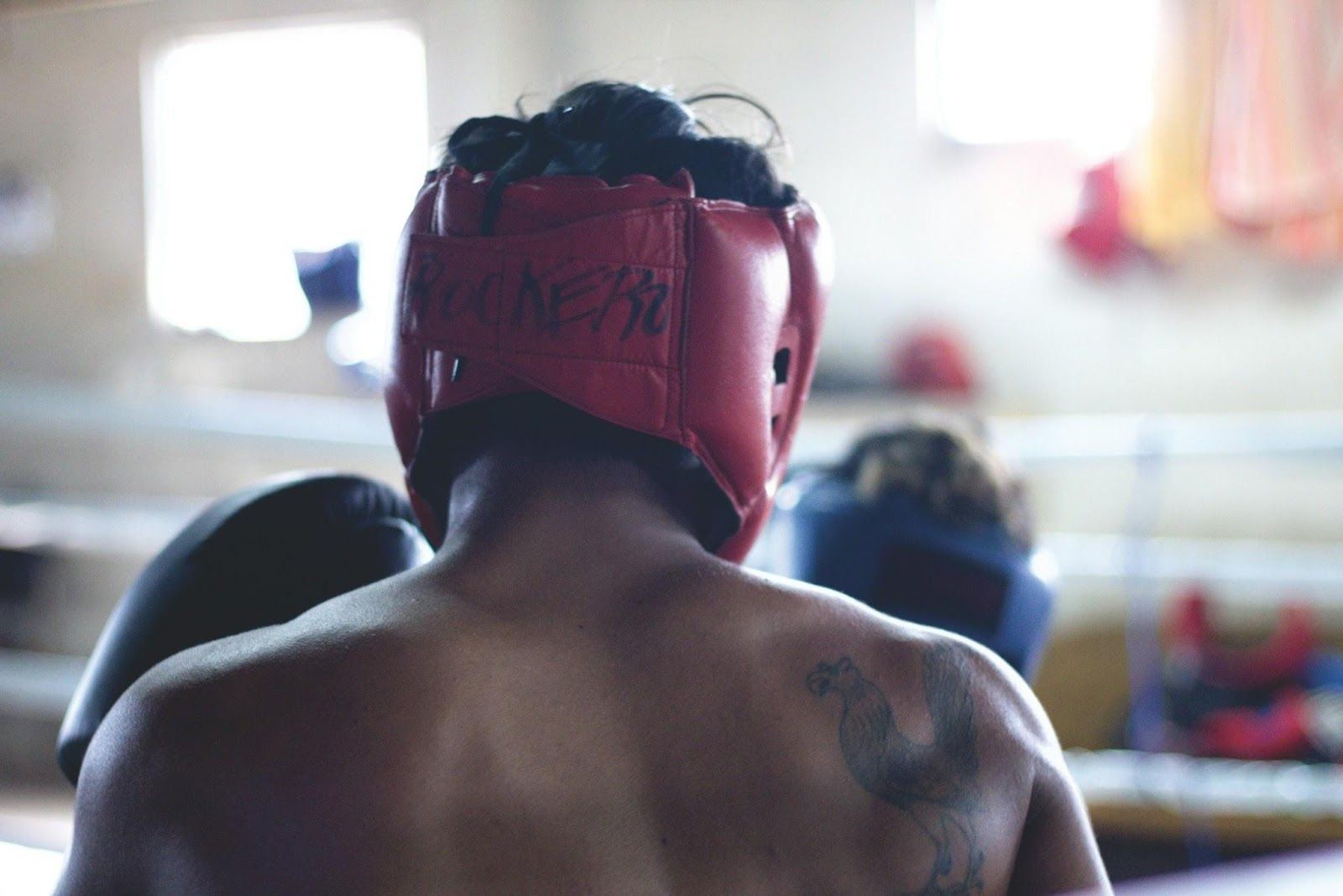
If you were watching TV in the 1980s, you knew Mr. T. Actor Laurence Tureaud rose to fame as B.A. Baracus in the hit TV series The A-Team and as boxer Clubber Lang in the 1982 film Rocky III .

In 2006, he starred in the TV Land reality show I Pity the Fool , named after his famous catchphrase.

2
Richard Dean Anderson

Image: Nipun Haldar

The man who sold a thousand Swiss Army knives— MacGyver himself, Richard Dean Anderson was a household name in the 1980s. He later became well-known to another set of fans for his role in the Stargate Atlantis series.

These days, Richard Dean Anderson occasionally appears in small roles. He also serves on the Board of Advisors for the Sea Shepherd Conservation Society, which is dedicated to protecting marine life and raising public awareness about the dangers it faces.

3
Haley Joel Osment

Image: Laercio Cavalcanti

Remember the kid who said, " I see dead people " in M. Night Shyamalan’s The Sixth Sense ? That’s him—Haley Joel Osment. He was nominated for Best Supporting Actor at just 11 years old for that unforgettable performance.

Since then, Osment has grown up and taken on smaller roles in Tusk , Silicon Valley , and Future Man .

4
Jason Priestley

Image: David Vives

One of the most recognizable faces of the 1990s, Jason Priestley rose to fame through his role in the TV series Beverly Hills, 90210 . Since then, he has taken on smaller roles and he recently starred in the Canadian TV series Private Eyes .

5
Emilio Estevez

Image: Taylor Brandon

Emilio Estevez chose to use his family’s real last name, Estevez, rather than the one adopted by his father, Martin Sheen , or his brother, Charlie Sheen . But still, people knew exactly who he was. In the 1980s and ’90s, his face was everywhere as a member of the Brat Pack, starring in The Breakfast Club , St. Elmo’s Fire , and The Outsiders .

Since then, he has taken on a few minor roles and maintained a lower profile.

6
Michael J. Fox

Image: Roger Ce

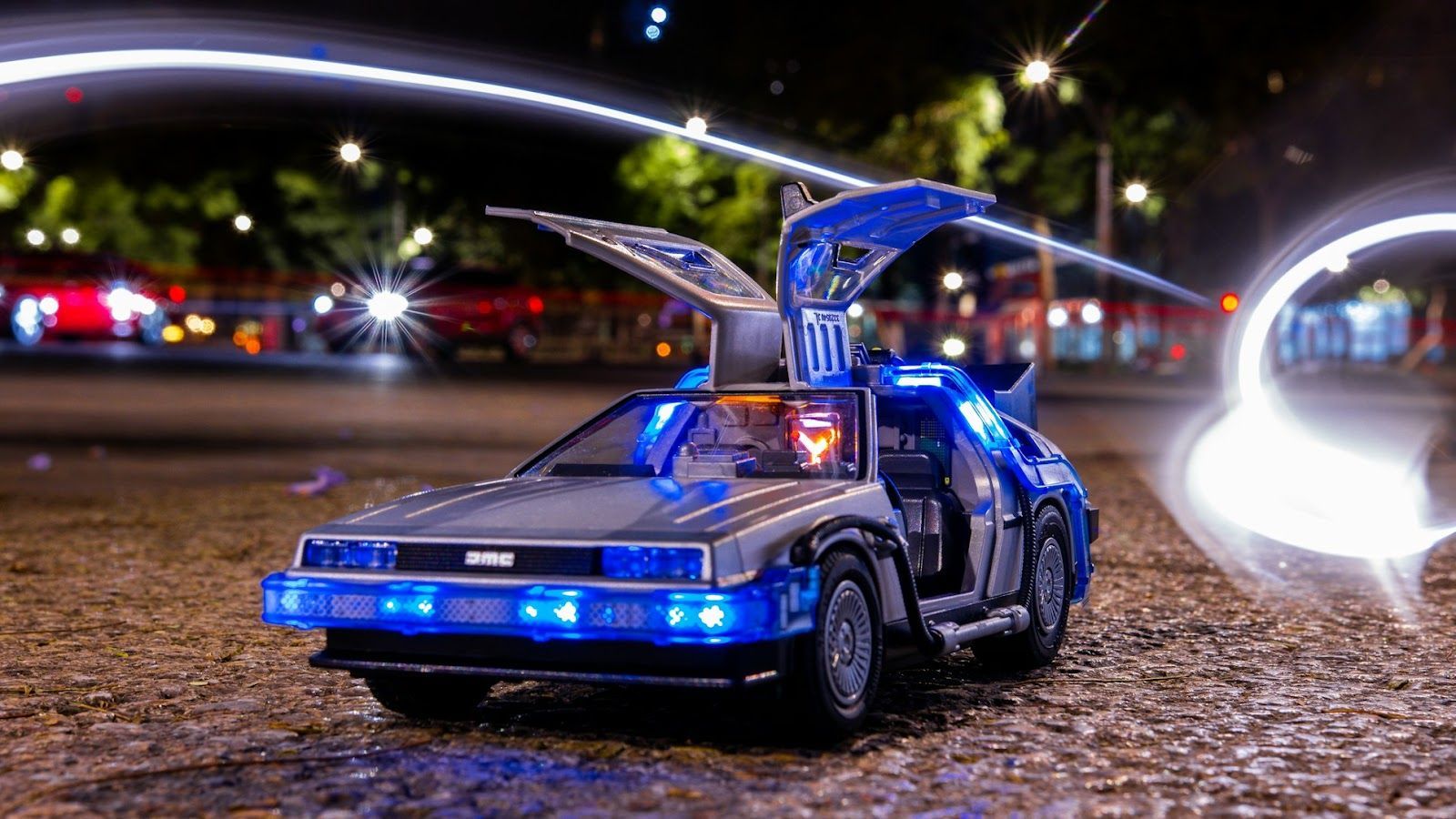
Despite stepping away from acting several years ago due to his Parkinson’s diagnosis, Michael J. Fox has remained a beloved public figure, thanks in no small part to his natural charisma and iconic role as _Back to the Future_’s Marty McFly . The Canadian star has since become a prominent advocate for Parkinson’s research and a cure.

7
Rick Moranis

Image: Erik Mclean

For a while, Rick Moranis was everywhere: Ghostbusters , Spaceballs , Little Shop of Horrors , Honey, I Shrunk the Kids , Parenthood ... But after becoming a widower in the 1990s, he shifted his focus to fatherhood and stepped away from the spotlight. Every few years, there’s talk of him making a comeback, and it appears that, finally, this may come true in the long-awaited sequel to Spaceballs . We can all hope, right?

8
Jane Fonda

Image: bruce mars

Jane Fonda rose to fame in the 1960s and ’70s through her work as an actress and model . In the 1980s, she released her first exercise video, which went on to become the most successful workout tape of all time.

Since then, she has appeared in several films and Broadway productions, while continuing her work in activism and philanthropy. In recent years, Fonda starred in the Netflix series, which ran for seven seasons, Grace and Frankie, with Lily Tomlin.

9
Talia Shire

Image: Nathz Guardia

A highly recognizable actress in the 1970s, Talia Shire played leading roles in The Godfather and Rocky , along with their sequels. Since then, she has continued acting in films, though mostly in smaller roles. In 2024, she appeared in Megalopolis , directed by her brother Francis Ford Coppola.

10
Daniel Day-Lewis

Image: Jez Timms

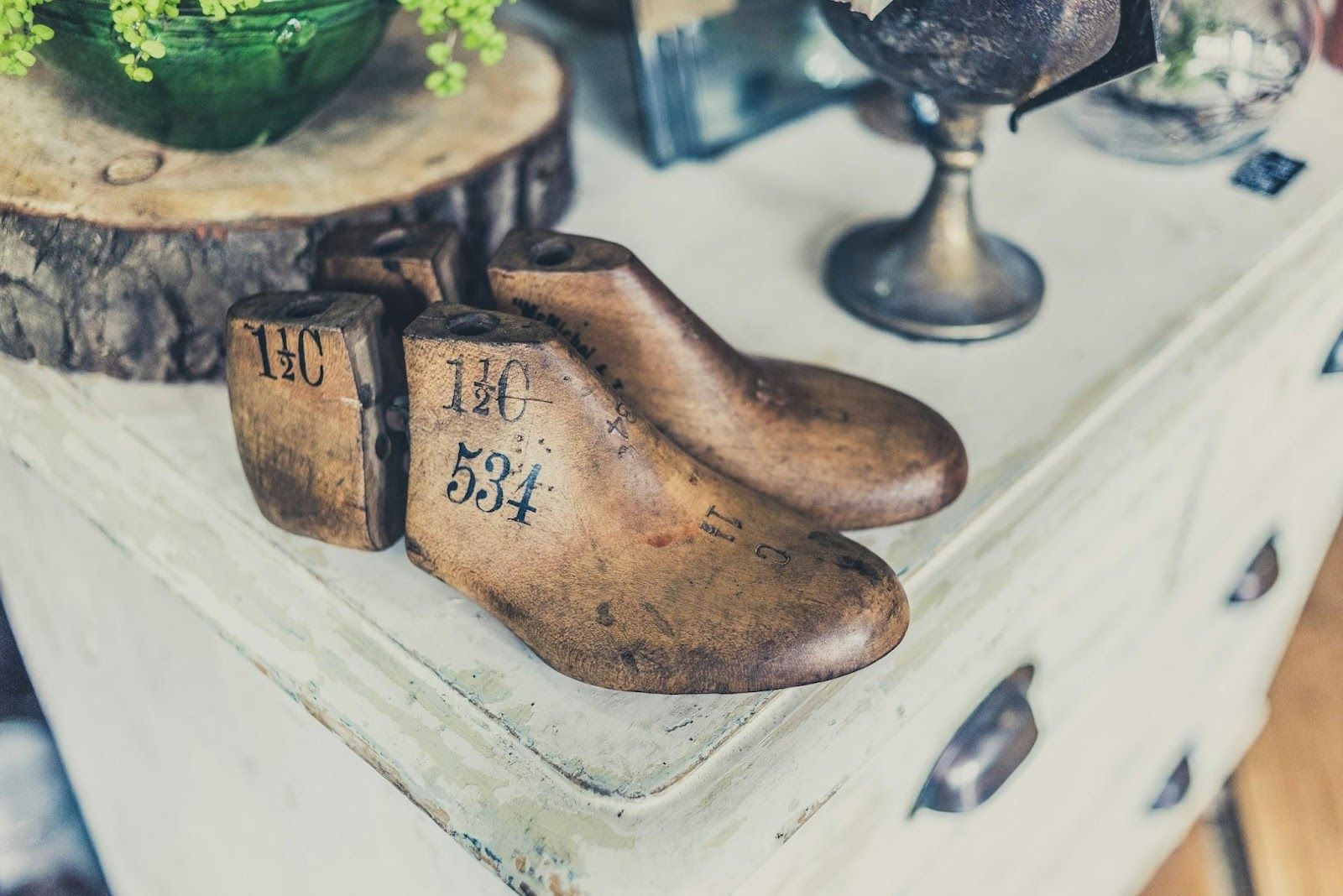
Daniel Day-Lewis, one of the most acclaimed actors of his generation, has won three Academy Awards for Best Actor for his roles in My Left Foot (1989), There Will Be Blood (2007), and Lincoln (2012). He announced his retirement from acting in 2017. After thanking his collaborators, he quietly left the movie business to dedicate himself to learning the craft of cobbling .

However, in October 2024, he made a notable return to acting by starring in Anemone , a film directed by his son, Ronan Day-Lewis, that has yet to be released.

11
Bridget Fonda

Image: Tore F

The second Fonda on our list is also the final entry: Bridget Fonda retired from Hollywood in 2002 to start a family with her husband, composer Danny Elfman. More than two decades later, Fonda has stated that she has no plans to return to the big screen. As she put it, "I don’t think [there’s any chance]. It’s too nice being a civilian."

Explore more American facts

Choose your favorite category!

General
General

As American as apple pie—the very best America has to offer!

Culture
Culture

Delve into the astounding richness of American lore.

Geography
Geography

Hop in and explore vast and diverse American landscapes.

History
History

Discover the key moments that shaped the United States.