Geography Geography 3 min read

Michigander, Michigoose?

10 unofficial American demonyms (that should be official)
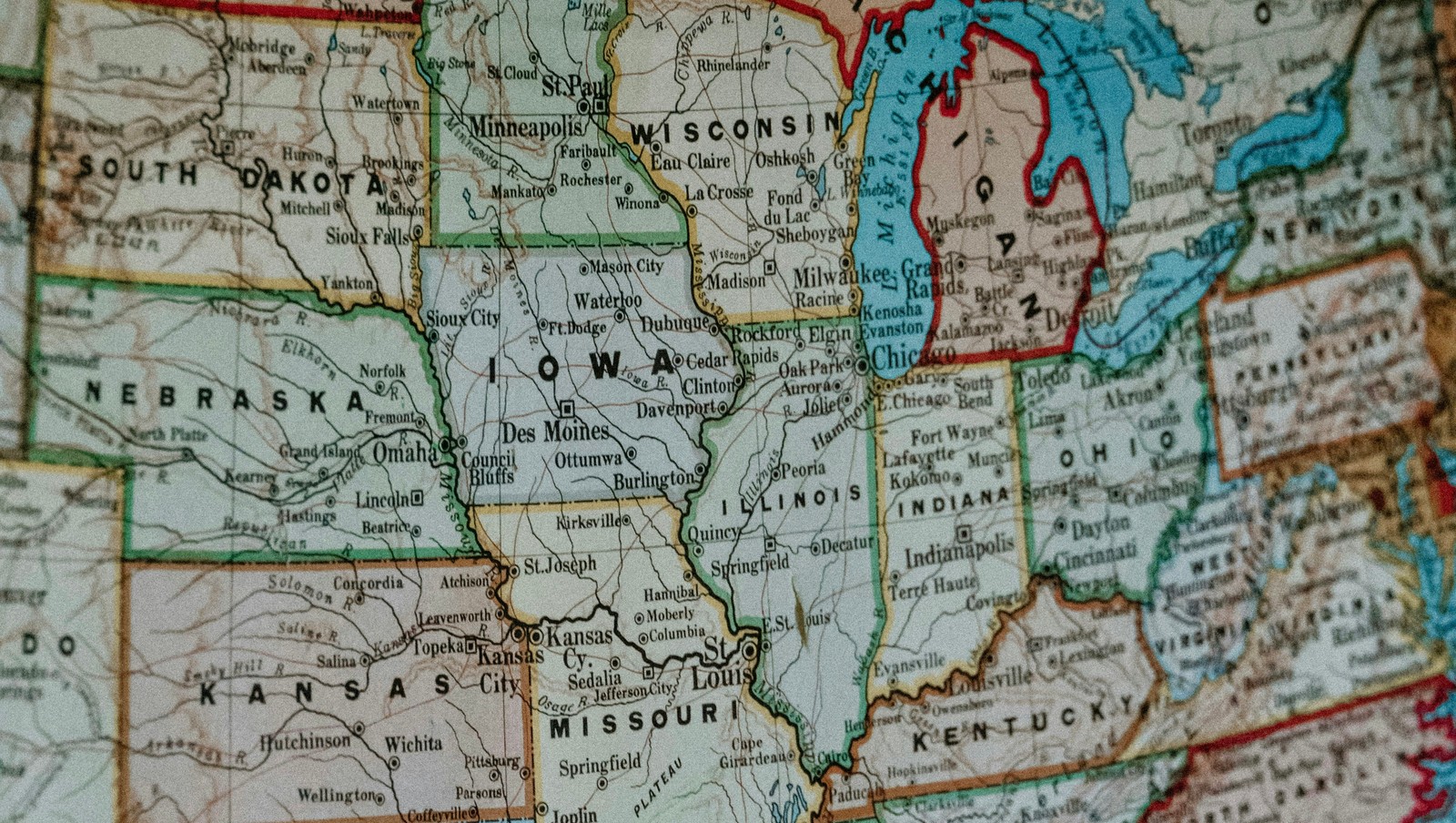
Image: Hans

Demonyms, or the names that identify your place of origin, can be tricky. In the United States, some demonyms have an official status —those of states, for example—while others are a product of use and tradition. Unofficial demonyms or nicknames are also common, and sometimes more widely used than the official version. Let’s have a look at some of them!

1
Hoosier
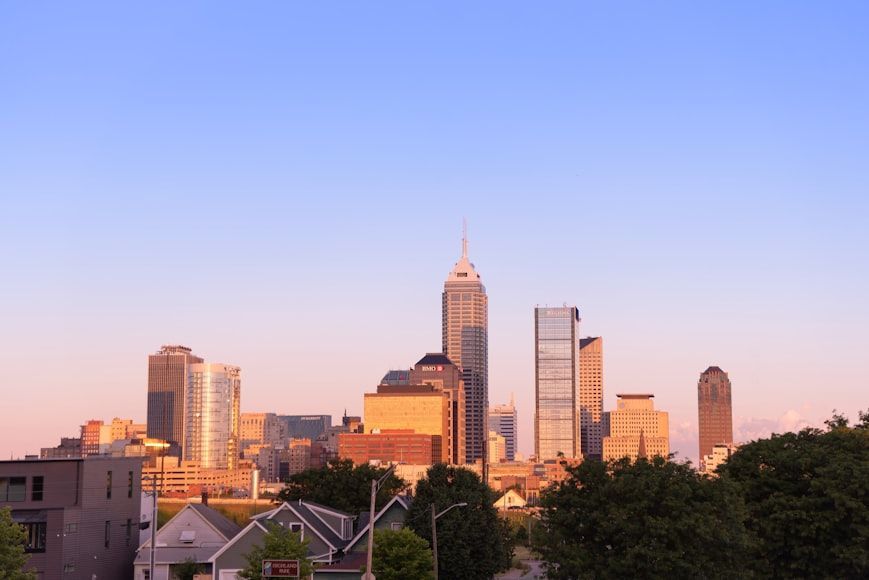
Image: Corbin Mathias

Until recently, the United States Government Publishing Office (or USGPO) still recommended Indianian as the demonym for the state of Indiana, but its residents have been calling themselves Hoosiers for nearly two centuries. While no one really knows where the term originated, it was popularized by John Finley’s poem "The Hoosier's Nest", and Indiana has long been known as "The Hoosier State".

2
Bay Stater
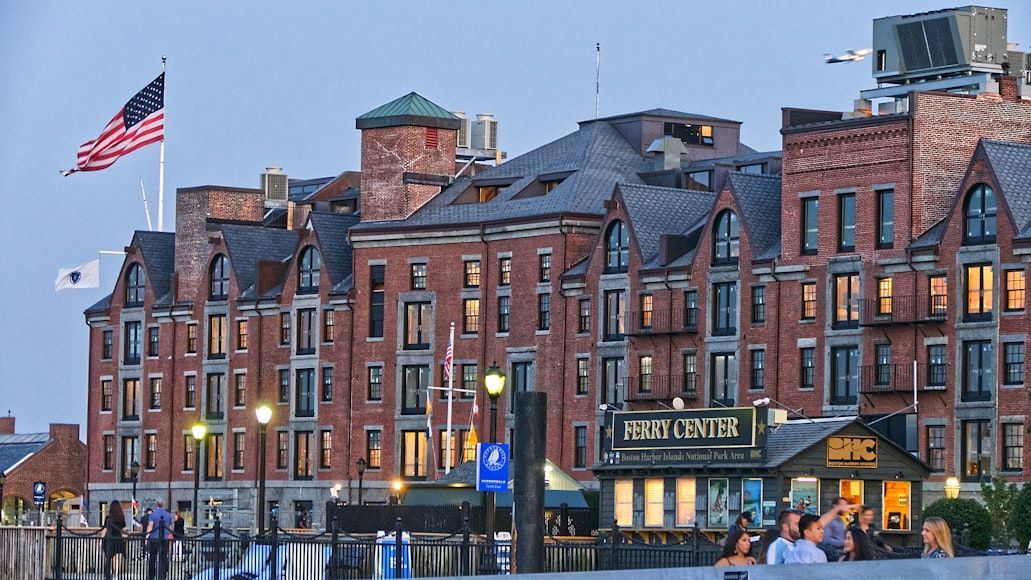
Image: Pascal Bernardon

The USGPO might recommend the use of Massachusettsan , but the people of Massachussets strongly disagree. State laws and regulations officially refer to its residents as Bay Staters , after a common nickname for the state. Given that Massachusetts is formally a Commonwealth, the law also uses the phrase Citizen of the Commonwealth , but it's kind of a mouthful for everyday purposes. We’ll stick with Bay Stater.

3
Accidental
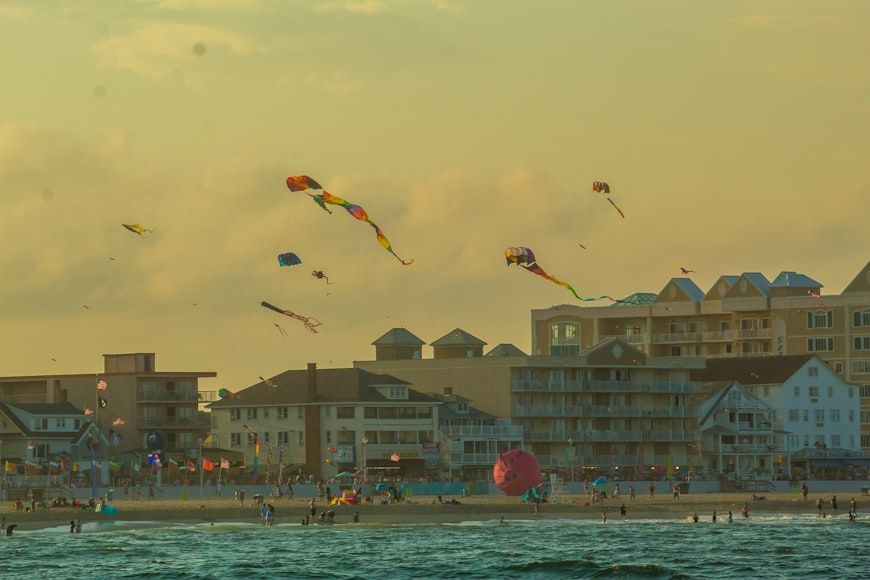
Image: Jeff McLain

One of the earliest settlements in Maryland, the town of Accident is not very big, but it makes up for it with its peculiar name. Naturally, the corresponding demonym for its residents is Accidental , though some sources also claim that the citizens of Accident are to be called Accidents .

4
Granite Stater
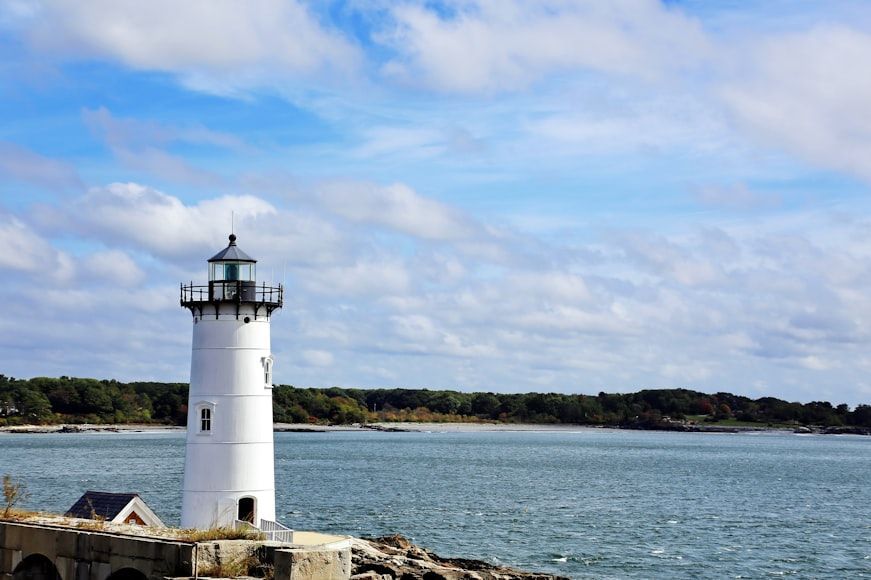
Image: Mark König

Much like Bay Staters, the residents of New Hampshire tend to disagree with the USGPO when it comes to their demonym. The official version is New Hampshirite (for the Federal Government, at least ), but locals favor the term Granite Stater , derived from New Hampshire’s nickname, "The Granite State".

5
Truth-or-Consequencesan
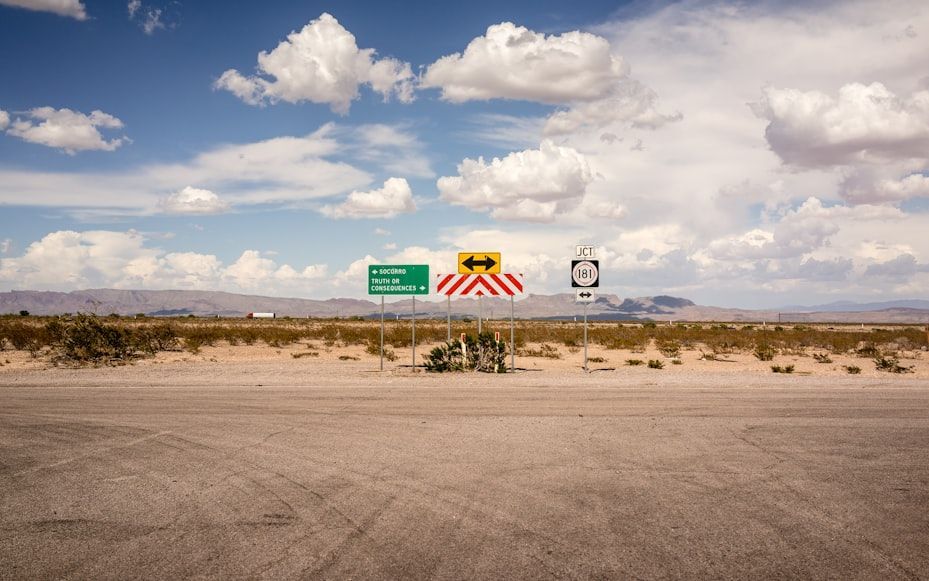
Image: Lachlan Donald

When the town of Hot Springs, New Mexico, decided to change its name to Truth or Consequences for a radio show contest, they either forgot to consider their new demonym or didn’t really care. While they are technically Truth-or-Consequencesans , they refer to the town as T or C, so they say that they are Residents of T or C .

6
Phoenician
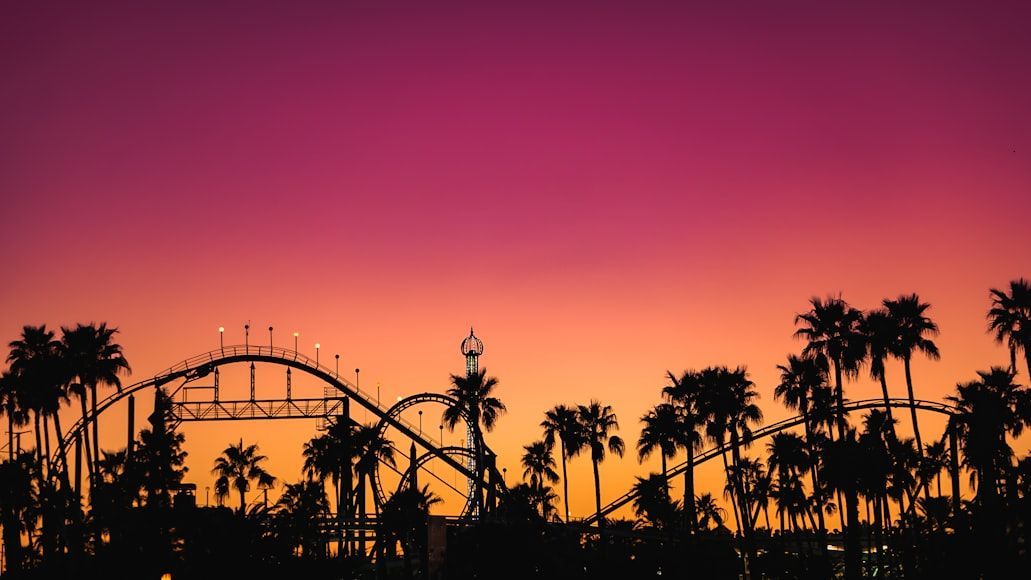
Image: iStrfry , Marcus

Weren’t the Phoenicians an ancient civilization that created the earliest form of our alphabet? Yes, but those lived in ancient Phoenicia. The Phoenicians we are talking about are the residents of Phoenix, Arizona. Some claim that Zoner and Zonan are also common nicknames, but those could be used for any Arizona resident.

7
Nutmegger
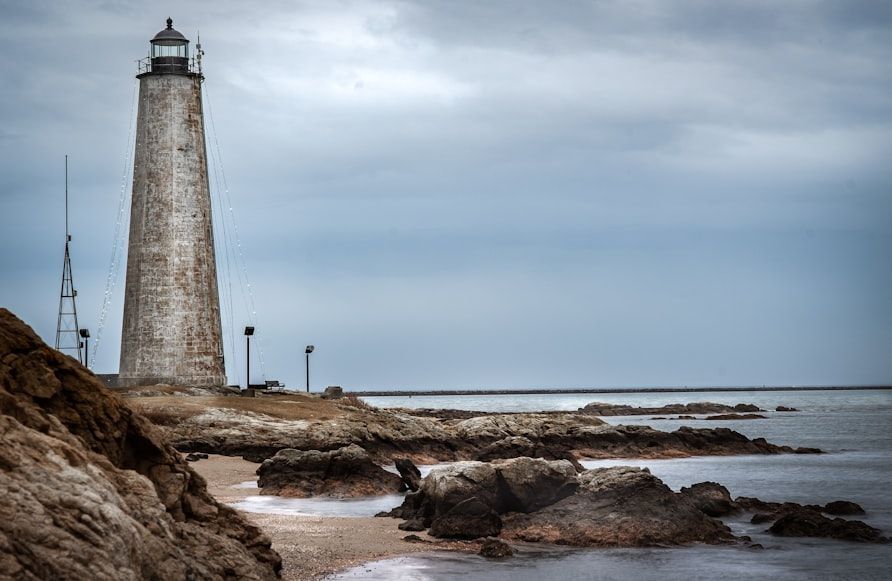
Image: julio angel berroa

Connecticut might be officially known as "The Constitution State", but it’s also called "The Nutmeg State". The origin of this nickname varies according to the sources, but most point to a common scam where Connecticut peddlers would sell wooden nutmegs as the real thing. No matter the story, many Connecticut residents favor the demonym Nutmegger over the USGPO-recommended Connecticuter .

8
Yoopers
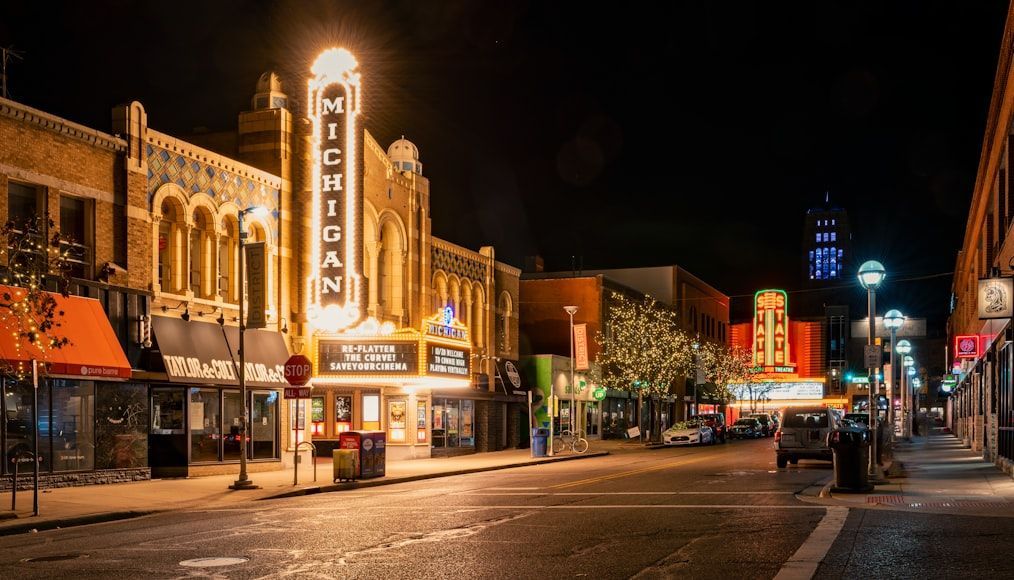
Image: Brad Switzer

Let’s be frank, some of the less-used variants for Michigan’s demonym sound really funny: think Michiganese , Michigine , and Michigoose (as a female version for Michi_gander_). But official names aside, residents of Michigan’s Upper Peninsula commonly refer to themselves as Yoopers , a derivative of U.P. (Upper Peninsula). Rumor has it that they call those from the Lower Peninsula Trolls , because they live ‘under the bridge’, but we can’t attest to this being true.

9
Jayhawk
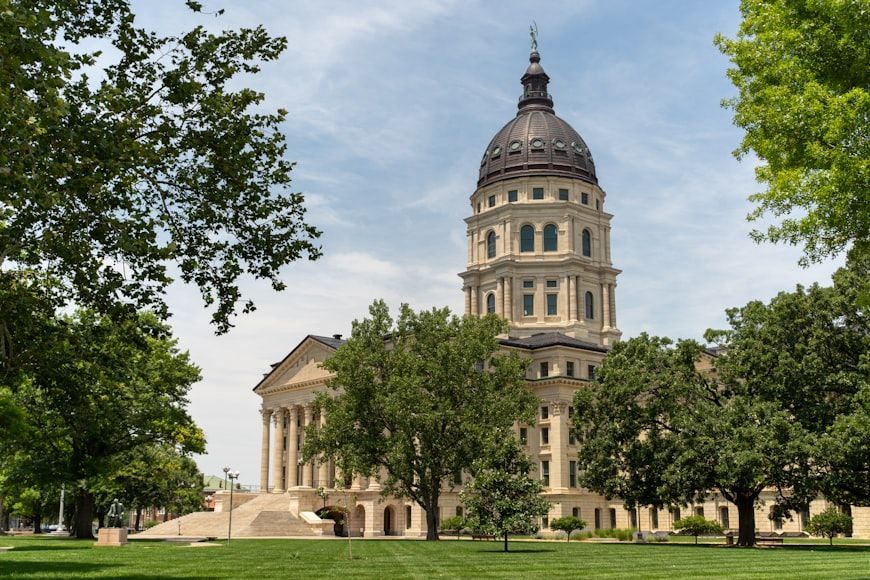
Image: Nils Huenerfuerst

Nowadays, Jayhawk is a common way to refer to residents from Kansas, but this term didn’t always have a positive connotation. Its original form, Jayhawker, used to refer to thieves, and was used derogatively by Confederates to talk about the anty-slavery militias from Kansas. After the Civil War, Kansans appropriated the term as a memento of their state’s contributions to the war.

10
Lanstronaut

Image: Mick Haupt

Officially, if you live in Lansing, Michigan, you are a Lansingite . However, many Lansing residents have taken to using the term Lanstronaut in recent years, despite Lansing having more to do with the car industry than with space.

History History 4 min read

History speaking

Want a challenge? Play a little presidential guessing game with us!

Image: Sean Foster

Yeah, you know movie quotes by heart. You can list proverbs and complete idioms, no problem. But have you ever tested your memory of presidential quotes? Throughout history, American presidents have left us many memorable lines, some inspiring, some comforting, and some we might prefer to forget. Here’s a game for you: we’ll give you six quotes and a bit of context; can you guess which president said it? Check it out and see how many you get right!

1
"Do your best, history will do the rest."

Image: Sincerely Media

This line is attributed to a leader who preferred plain talk over fancy speeches. Yes, this quote is simple, but the message behind it is quite powerful! He grew up in the Midwest, worked on a farm, and often said that good work speaks for itself. His steady outlook carried the country through the final stretch of a world conflict and the anxious years just after. Who is it?

2
"A smooth sea never made a skilled sailor."

Image: Maël BALLAND

We love this quote! Why? Well, because it is as simple as it is true. That was this President’s goal: to use simple images to make big ideas feel close to home. He guided the nation through economic trouble and global war, often mentioning topics like patience, courage, and hope. Even from his wheelchair, he painted pictures of strength. A true American leader, right, but who is he?

3
"Perseverance and spirit have done wonders in all ages."

Image: Brett Jordan

This next quote came from a leader whose early years were marked by hard travel, long campaigns, and delicate diplomacy. He had a calm way of encouraging people without raising his voice. His belief in steady character helped shape the country in its very first chapter. Please stand up for this one!

4
"The best way to predict your future is to create it."

Image: Hadija

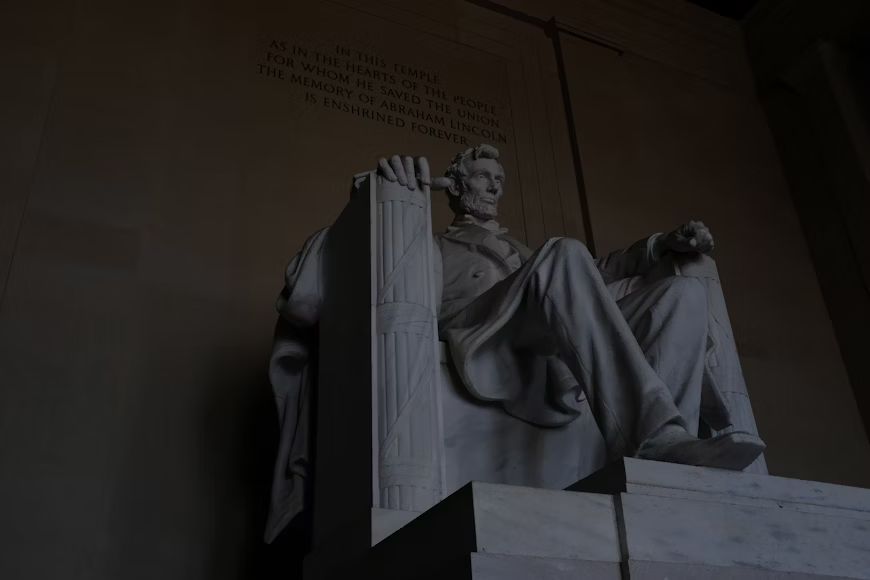
These words are those of a tall, thoughtful president from Illinois who knew the sting of loss more than once. Books were his teachers, and ambition kept him moving. He often reminded people that life answers to those who keep trying, even when the odds look unfriendly. Do you know the answer already?

5
"A man may die, nations may rise and fall, but an idea lives on."

Image: Mika Baumeister

This line came from a young president who brought a burst of energy to the White House. His speeches felt crisp and hopeful, reflecting the spirit of the early space age. He believed in bold thinking and often told Americans that imagination could outlast fear, conflict, and even time.

6
"Do what you can, with what you have, where you are."

Image: Marija Zaric

Here we have a quote from a president known for his childhood struggles and his later love of adventure. He boxed, hiked, studied wildlife, and charged into politics with the same energy. He liked practical advice, especially the kind that encouraged people to begin where they stood. If you haven’t figured it out yet, keep reading, and you’ll find all the answers below!

7
Harry S. Truman

Image: Volodymyr Hryshchenko

Truman is often quoted as saying, "Do your best, history will do the rest," as a reminder that results are not always immediate. He took office during the final months of World War II and faced monumental decisions regarding postwar rebuilding, peacekeeping, and the early Cold War. His plainspoken manner matched his no-nonsense style.

8
Franklin Delano Roosevelt

Image: Jason Leung

FDR often used sea imagery, including the quote above. He leaned on this message during the Great Depression and again in wartime. It helped people feel braver in moments when the country needed every bit of steady leadership.

9
George Washington

Image: Hrayr Movsisyan

Washington’s line, "Perseverance and spirit have done wonders in all ages," came in the context of the Revolutionary War. Supplies were thin, the weather was brutal, and morale often wavered. He used words like these to keep soldiers and citizens believing in the long fight ahead. Big thanks are in order!

10
Abraham Lincoln

Image: Fine Photographics

Lincoln is often credited with the thought, "The best way to predict your future is to create it." His whole life story reflected that idea. He rose from frontier poverty to the presidency by reading constantly, working hard, and following his own path one determined step at a time. Perhaps we should just do what he said, right?

11
John F. Kennedy

Image: Lucrezia Carnelos

Kennedy’s quote, "A man may die, nations may rise and fall, but an idea lives on," represents his love of big thinking. He shared it during speeches that encouraged Americans to look beyond fear and aim for progress, whether that meant civil rights, science, or world cooperation. Do you agree with him?

12
Theodore Roosevelt

Image: Nils Huenerfuerst

Roosevelt often told people, "Do what you can, with what you have, where you are." He practiced this philosophy in public service, conservation efforts, and his personal life. He believed action beats hesitation and that results grow from simple beginnings. It really makes you think!

Culture Culture 3 min read

What’s on the menu?

American cuisine: 10 regional dishes to try

Image: Louis Hansel

America’s regional cuisine is as varied as the country itself, a result of more than two centuries of different influences coming together and creating new traditions. When we think about regional dishes, some fan favorites come to mind: Philly cheesesteak, Texas BBQ, different pizza styles, gumbo, and many more. But some dishes, no matter how popular and representative of their region, seem to be less talked about. Here are 10 regional favorites that are worth a try.

1
Cioppino

Image: James Wei

A not-so-talked-about product of the Italian influence in America, cioppino is an underrated representative from San Francisco. A tomato-based seafood stew (or a soup, depending on who you ask), it started as a struggle meal made with whatever was caught that day, and it is now a beloved dish that reflects the city’s history.

2
Fry bread

Image: Immo Wegmann

When thousands of Navajo people were forcefully displaced from Arizona to New Mexico, they were provided with meager rations for the 300-mile journey: flour, water, salt, and lard. From these scarce provisions, they created a fried dough, chewy on the inside and crispy on the outside. Originally eaten on its own, it is nowadays paired with all kinds of toppings.

3
Poi

Image: Daniel Dan

Made from steamed and mashed taro root, this Hawaiian dish can be enjoyed in several ways. Although sweeter when freshly made, it is often paired with other savory dishes. It can also be left to ferment, which gives it a more sour taste. Highly nutritious, poi has been a staple in Hawaiian and Polynesian cuisines for centuries.

4
Étouffée

Image: Stephanie Moody

Gumbo and jambalaya might be what first come to mind when thinking about Louisiana, but étouffée (meaning ‘smothered’) should not be overlooked. Thicker than gumbo —though sharing many of its ingredients—, étouffée delivers what its name promises: a rich, gravy-like, shellfish stew that smothers the accompanying rice. Depending on whether you are having a Creole or a Cajun étouffée, it may or may not contain tomatoes.

5
Crab cakes

Image: Girish Dalvi

This dish can be found all along the Atlantic coast, but its most famous iteration is associated with Chesapeake Bay, Maryland. With a history that goes back to Native Americans, modern crab cakes can be enjoyed sautéed, baked, grilled, deep-fried, or broiled, and are most of the time made with blue crab, though other crab meats can be used.

6
Clam chowder

Image: henry perks

A New England staple, this dish draws influence from British, French, and Nova Scotian traditions. Although it was not dairy-based in its origins, modern clam chowder gets its rich texture from milk or cream, and features butter, potatoes, pork, and, of course, clams. Other famous variations differ mainly in the soup base, such as the Manhattan clam chowder (made with tomato) or the Rhode Island clam chowder (made with a clear broth).

7
Hush puppies

Image: Abhijit Biswas

A Southern classic, these cornmeal fritters became popular during the Civil War because they were affordable and versatile. Usually made plain to serve as a side dish, they can also have cheese, jalapenos, whole corn grains, and other fillings added.

8
Marionberry pie

Image: Amanda Hortiz

Oregon's signature dessert, this pie filling features marionberries, a blackberry hybrid developed in the 20th century. Compared with regular blackberries, marionberries have a deeper, more complex flavor, resulting in a sweeter and sharper pie filling. A summer staple, it is often served alongside vanilla ice cream.

9
Runza

Image: Kelsey Todd

Food from the Midwest is sometimes reduced to casserole dishes and jello salads, but it is more varied than some might think. Runza, a sandwich-hot pocket hybrid filled with beef, cabbage, and onions, is an example of how midwesterners transformed immigrant food traditions into something new. Originating in Nebraska, runzas are derived from German and Eastern European pirogs , a baked, filled dough.

10
Akutaq

Image: Adam Chang

Though this Alaskan delicacy is technically an ice cream, don’t expect it to be like the ice creams you are used to. Made from reindeer fat, seal oil, fresh snow, berries, and sometimes, ground fish, akutaq is a dessert, a snack, a spread, and a main dish all in one. Developed as a way to preserve fruits and animal fats, this nutrient-dense dish has everything you need to face the harsh Alaskan winters.

Explore more American facts

Choose your favorite category!

General
General

As American as apple pie—the very best America has to offer!

Culture
Culture

Delve into the astounding richness of American lore.

Geography
Geography

Hop in and explore vast and diverse American landscapes.

History
History

Discover the key moments that shaped the United States.