Geography Geography 4 min read

Landmarks have secrets

Helicopters on the Empire State Building? Secrets about US buildings
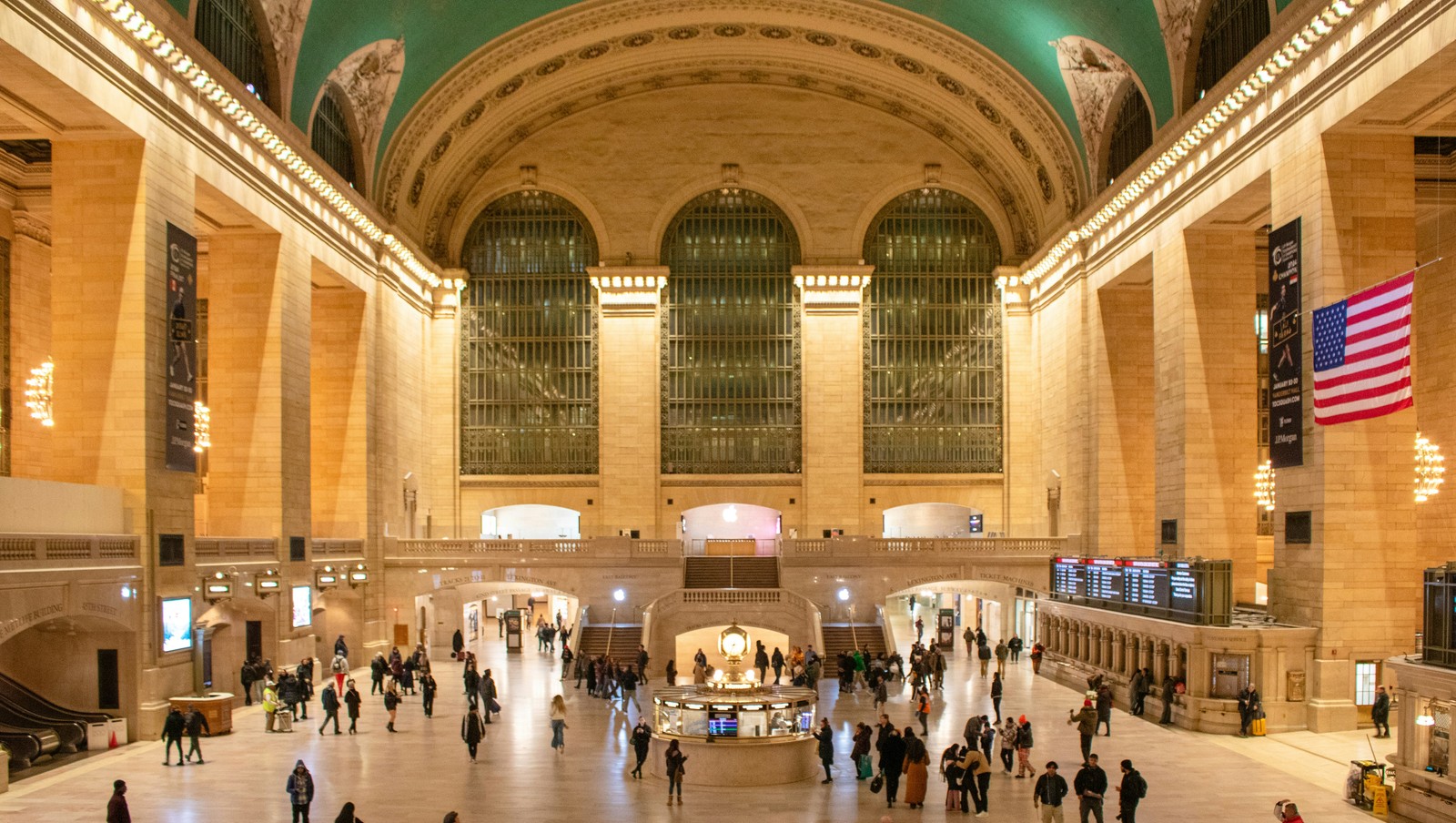
Image: Zoshua Colah

Did you know that the Golden Gate Bridge wasn’t supposed to stay that color? Or that the White House wasn’t meant to have that name? Could you guess which of our iconic buildings shows a map of the stars that’s, err… wrong? We think we are somewhat acquainted with the basic facts about the most famous structures in our country. But here is a list of some behind-the-scenes stories you probably hadn’t heard before!

1
How the White House gained its name
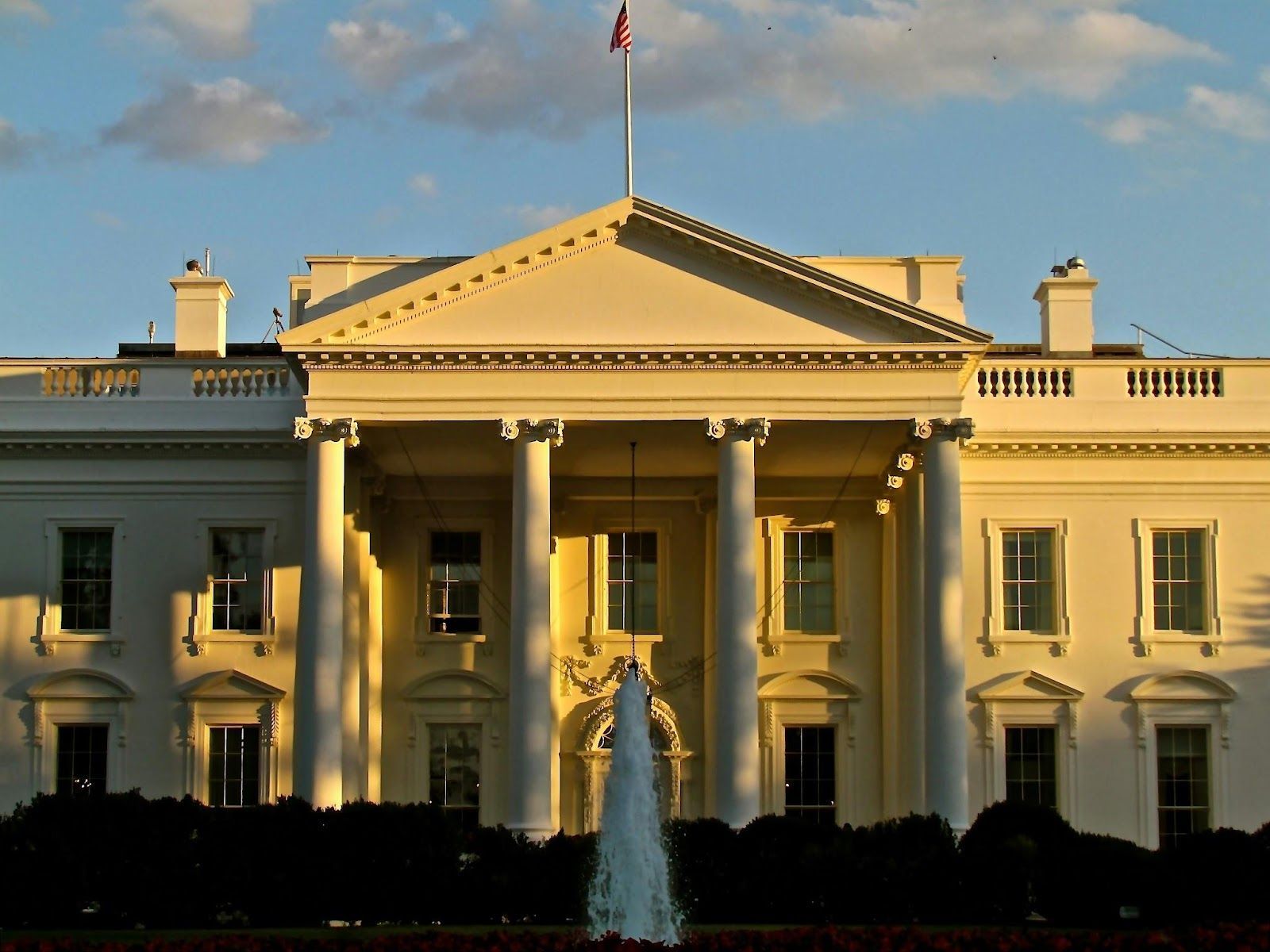
Image: Suzy Brooks

Originally, the building was called the "President’s House." That only changed after the 1814 fire. During the War of 1812, British troops marched into Washington and set many buildings on fire, including the main one.

Walls were scorched, and smoke damage lingered inside and outside the building. When repairs began, painters coated the building white to cover the burn marks . This resulted in the "White House" nickname. Nearly a century later, Theodore Roosevelt made it official.

2
A hidden underground beneath America’s books
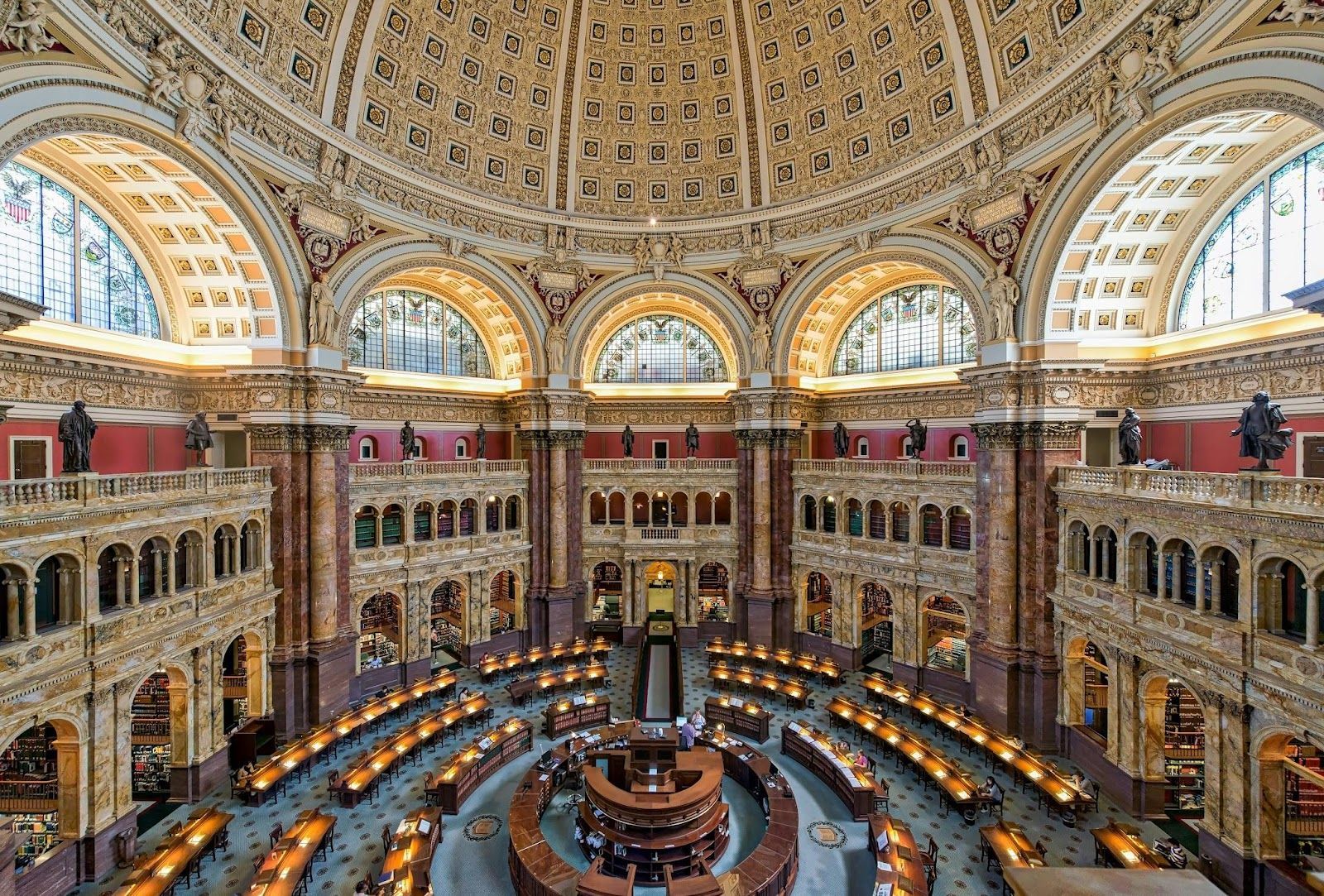
Image: Stephen Walker

Have you ever heard of the Library of Congress's underground tunnels? Most visitors never see them or learn about them. They connect their buildings, allowing staff to transport rare books and documents safely and efficiently. Fragile, valuable materials had better be protected from the weather, the sunlight, and, well, the people!

3
The Golden Gate Bridge wasn’t supposed to stay red
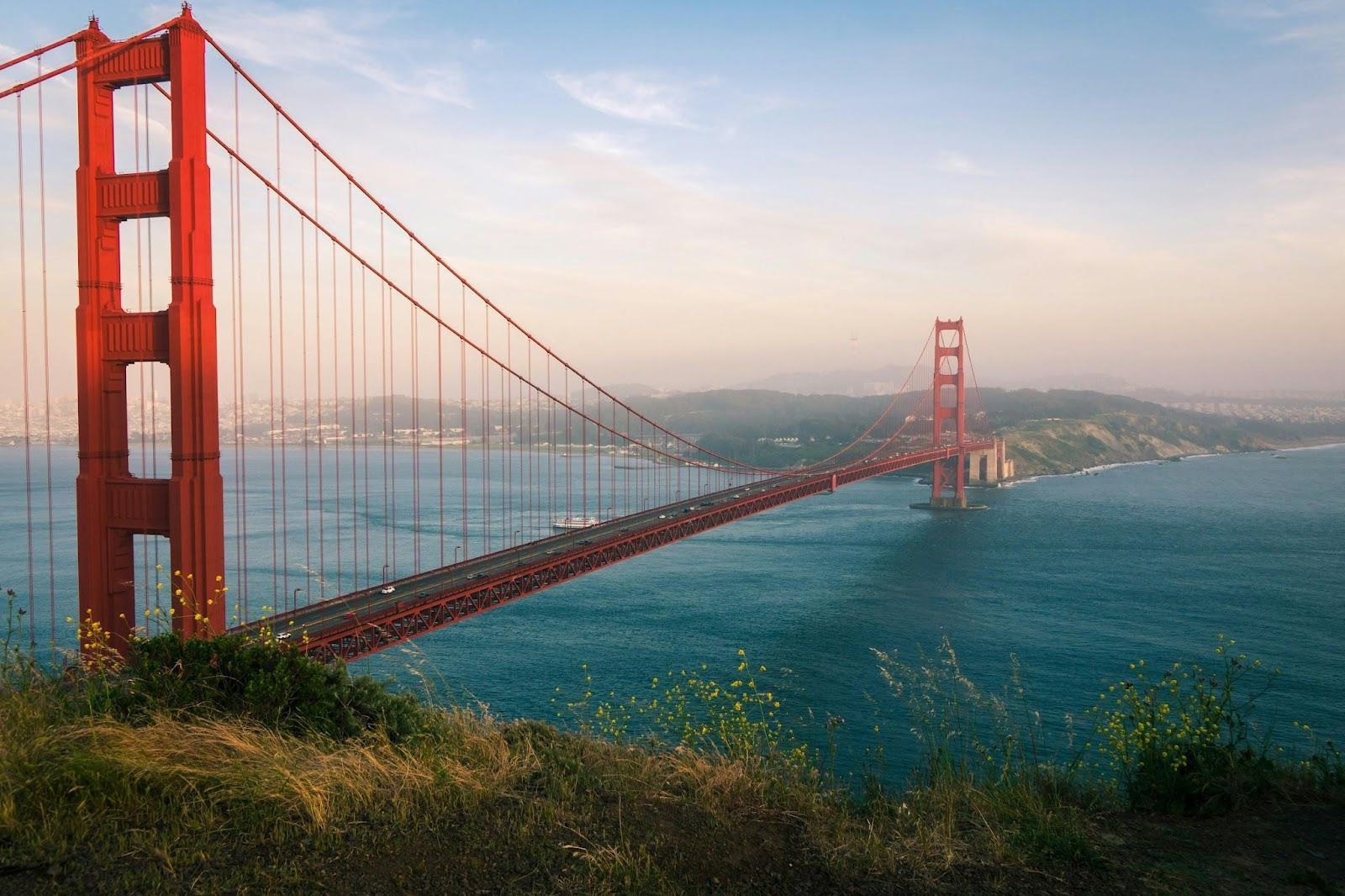
Image: Trent Erwin

The reddish color of the Golden Gate Bridge (officially named "International Orange") was supposed to be a temporary priming coat to protect the steel.

However, when engineers looked at the bright color peeking through the fog against the stunning blue and green of the San Francisco Bay, they said, "You know what?" It should stay like that. The Navy proposed painting it black and yellow, but it was never done. The stunning color turned it into one of the most iconic buildings in the world.

4
The Empire State Building wanted to welcome airships
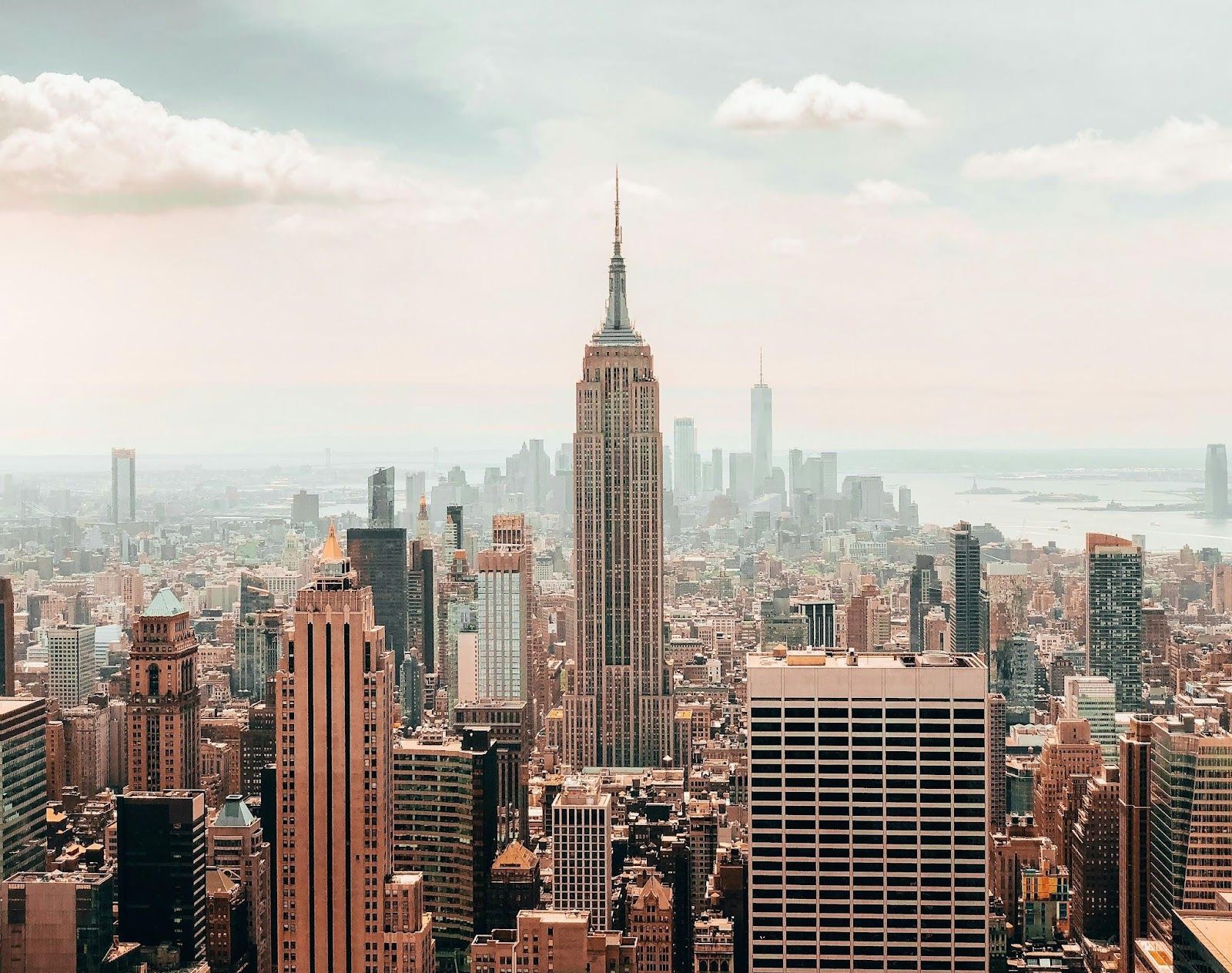
Image: Christian Ladewig

Back in 1931, the Empire State Building’s spire was intended as a mooring mast to serve as a docking station for airships. The idea was that passengers should be able to step directly into Manhattan from the sky!

Sure, it was a futuristic plan, but it was eventually dismissed for being wildly dangerous. Passengers would have had to climb out at dizzying heights in strong winds. Not ideal! And certainly not glamorous.

5
The famous ceiling that got the stars wrong
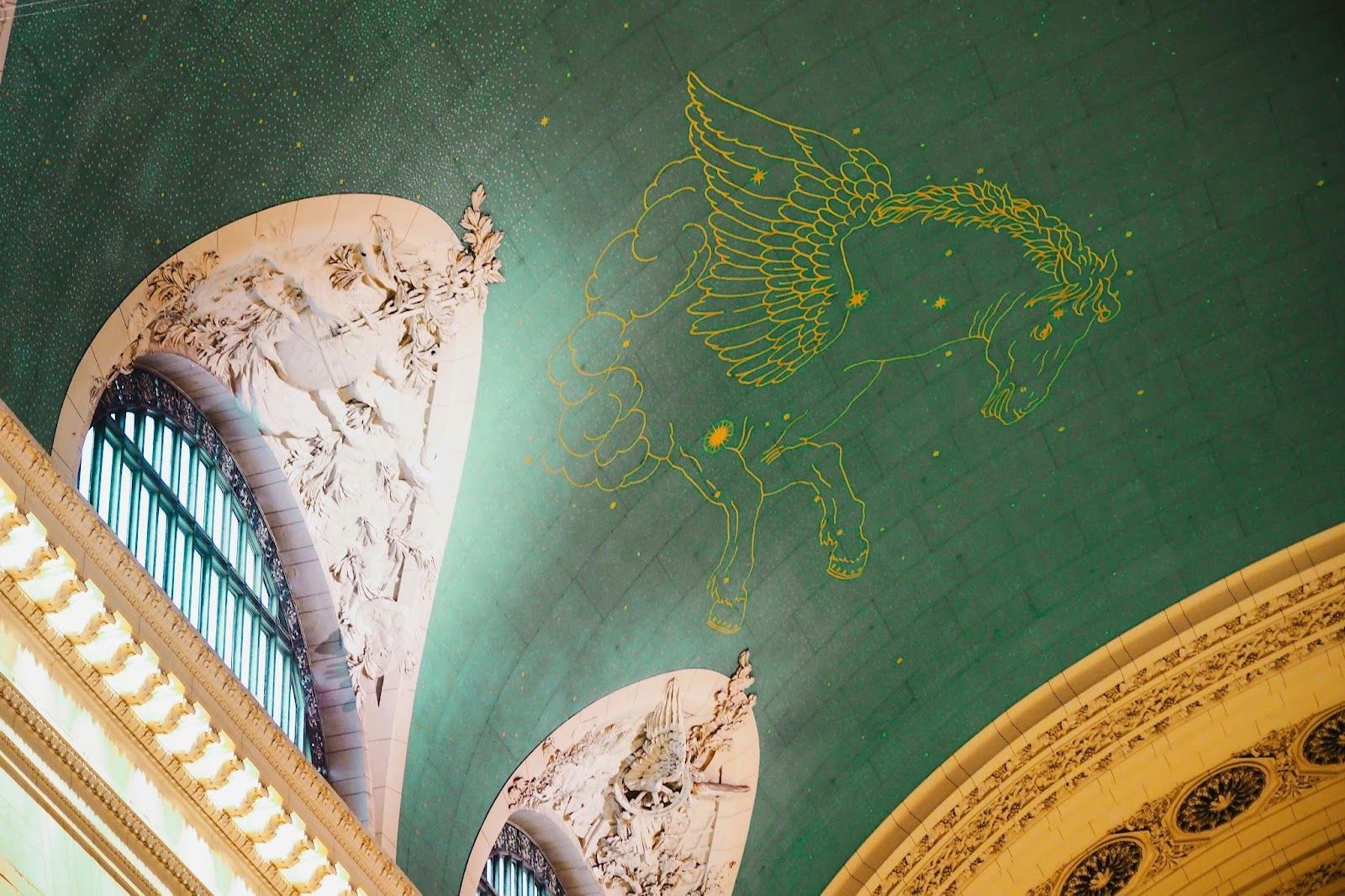
Image: Alexa Soh

You may have seen images of Grand Central Terminal’s celestial ceiling —or seen it with your own eyes. But there’s a twist: Did you know that the constellations in it are painted backward?

The way they are represented is as if viewed from outside the universe, rather than from Earth. Whether it was a mistake by the artist or it was an intentional reverse on cosmic perspective, the terminal ceiling has looked like this since its opening in 1913.

6
The president who quietly ran a whiskey empire
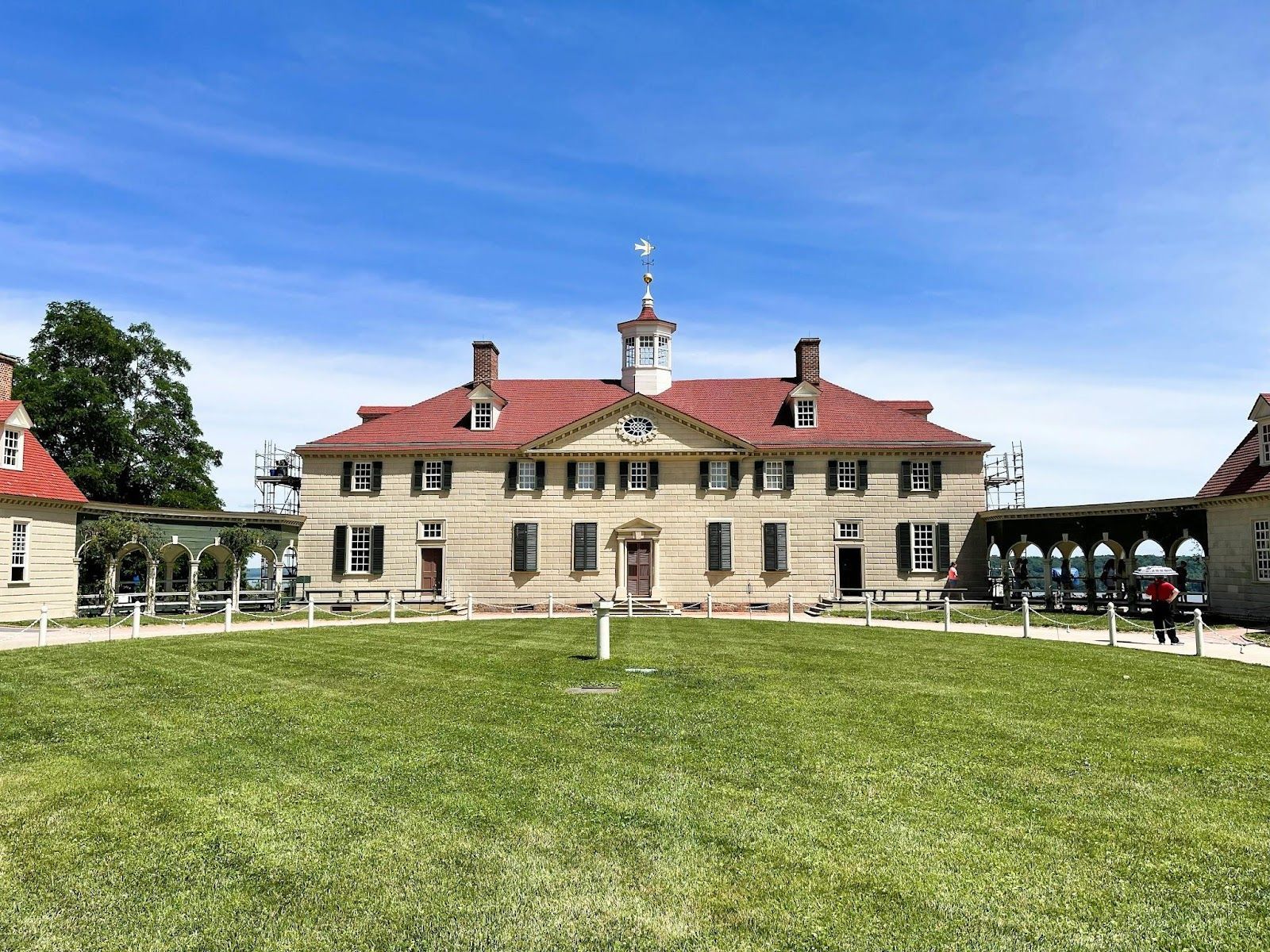
Image: Antonella Vilardo

George Washington is remembered as a general and a president, of course. But he was also a major whiskey producer. Hidden on the grounds of Mount Vernon was a fully functioning distillery, built in the late 1790s.

By the time of Washington’s death, it was producing nearly 11,000 gallons of whiskey a year. That made him one of the largest distillers in the young United States!

7
The iconic façade didn’t exist during the battle
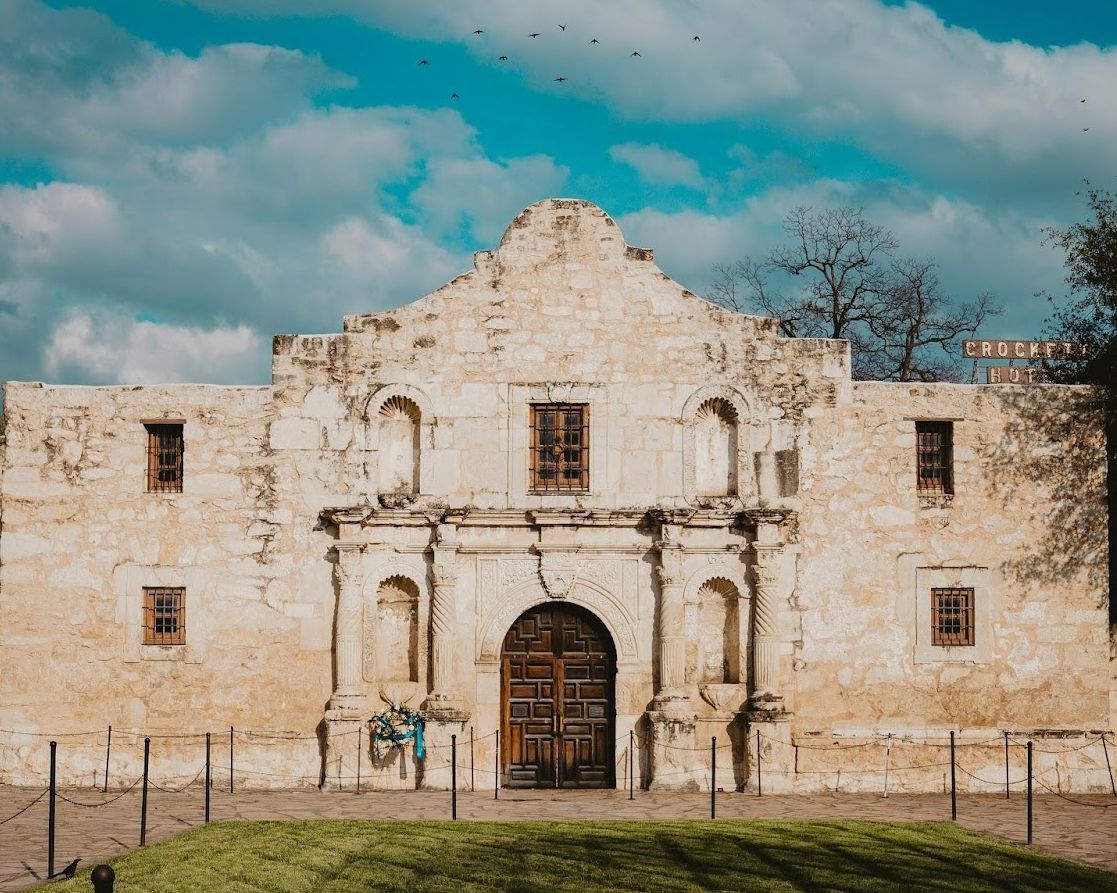
Image: Eric Francis

When you think of the Alamo, you surely picture its iconic façade. However, that structure was not part of the original mission!

During the famous 1836 battle, the building looked far simpler, and it lacked its now-famous curved top. That façade was added decades later by the U.S. Army when the structure was used as a supply depot

8
Why visitors can no longer climb to the torch
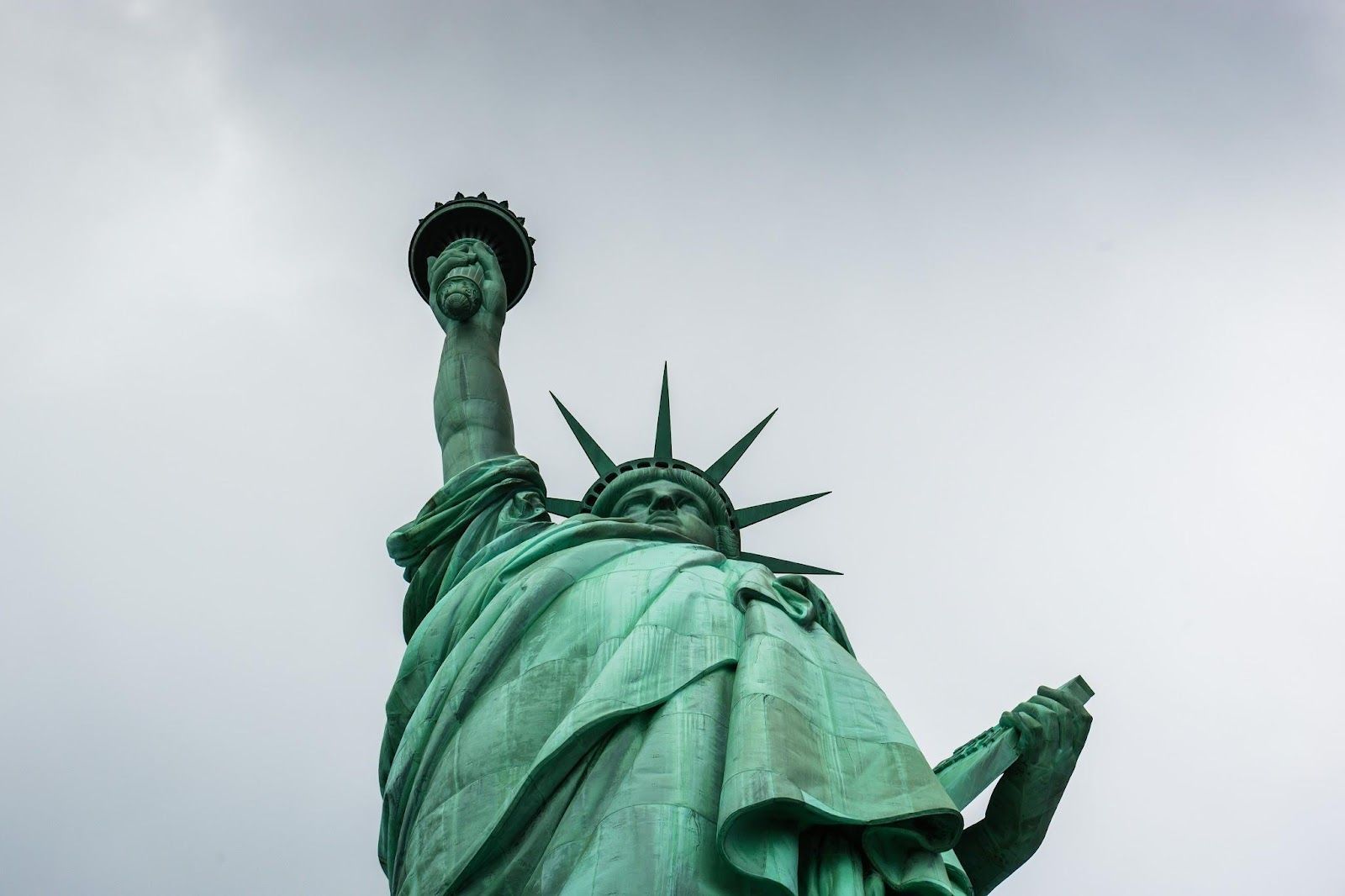
Image: Jason Krieger

Did you ever hear some old relative’s anecdote ot climbing all the way to the top of Lady Liberty’s torch? They weren’t lying: Up until 1916, visitors could. However, around that time, some explosions in a nearby munitions depot sent shockwaves through the statue.

The blast damaged the torch and weakened its structure. For safety reasons, access was permanently closed to the public.

9
The concrete that is still hardening today

Image: Chase T

The Hoover Dam contains so much concrete that it generates heat as it cures. Engineers knew that if poured as one solid mass, it would take more than a century to cool and could crack.

Instead, they built it using interlocking concrete blocks, each cooled with circulating water. Even so, parts of the dam are still slowly curing today.

10
The building that accidentally cooked its neighbors
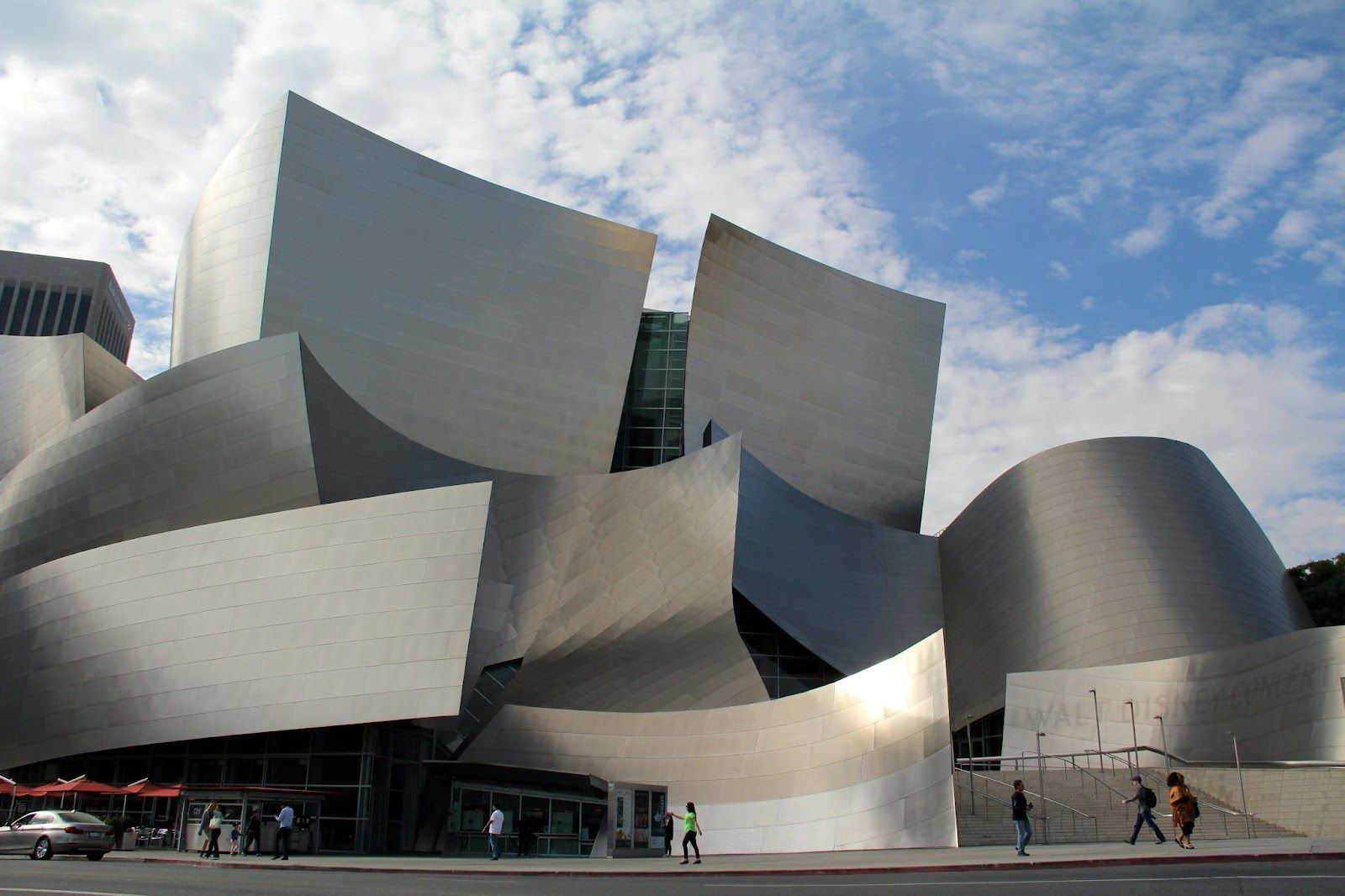
Image: Michael Beener

When the Walt Disney Concert Hall opened in Los Angeles, its gleaming metal exterior stunned visitors. But it also caused an unexpected problem…

The highly reflective steel panels bounced sunlight onto nearby sidewalks and apartments. In some spots, the glare was so intense that it melted materials! As a result, engineers eventually had to dull parts of the surface.

11
The Capitol’s dome isn’t stone
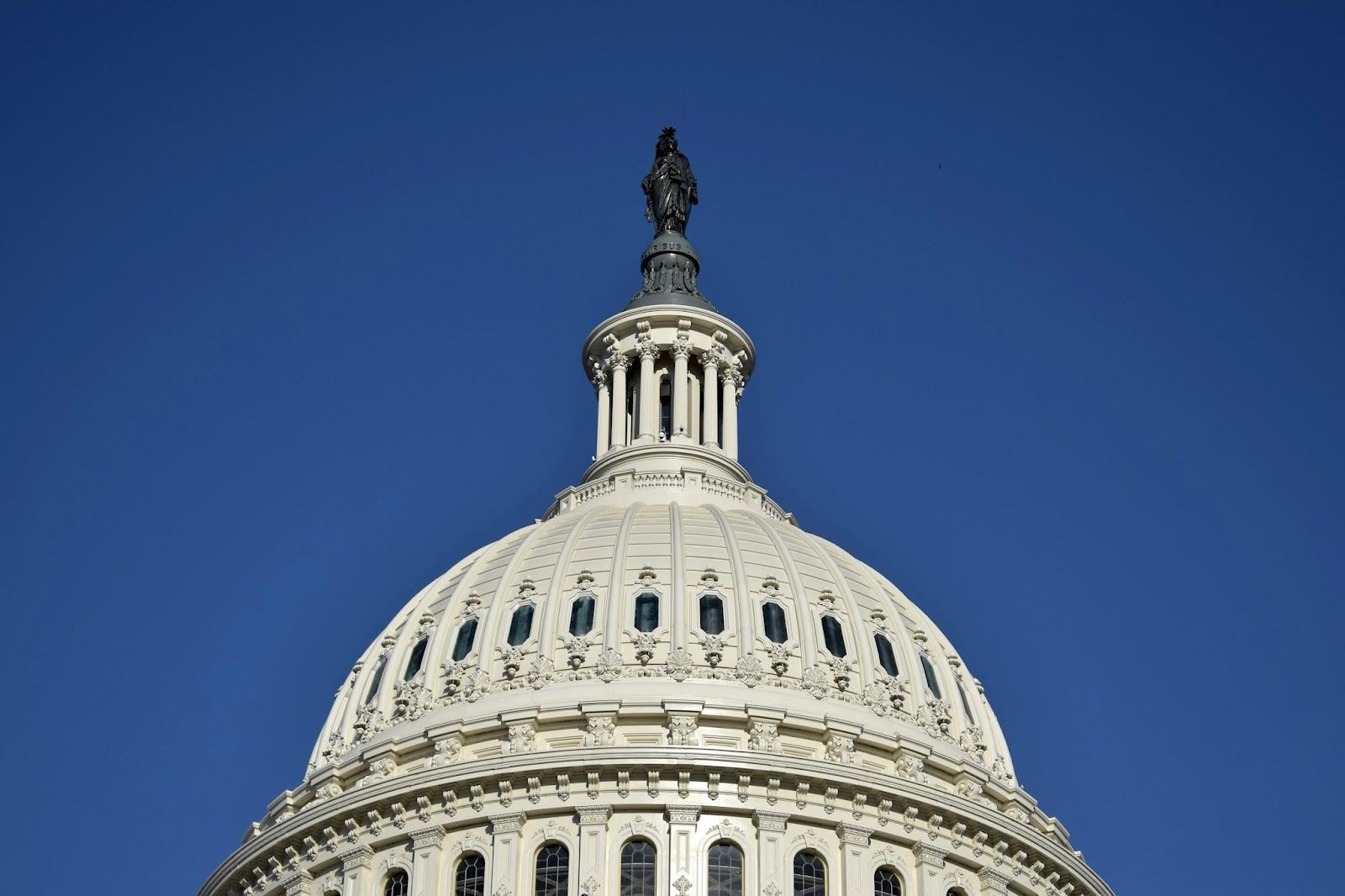
Image: Sins S

The grand, massive dome atop the U.S. Capitol looks like solid stone, doesn’t it? But, in fact, it is made of cast iron.

In the mid-1800s, stone was considered too heavy and expensive for such an ambitious structure. Cast iron allowed builders to create a taller, more ornate dome that weighs nearly nine million pounds.

Culture Culture 6 min read

Barking a way to fame

Walk down the Paws of Fame: which of these furry stars is the best?

Image: InspiredImages

Who doesn’t love a good dog story? Dogs have been our loyal companions for centuries, but a few have carved out their own slice of fame in American culture. We bet you’re already thinking of someone, right? From Hollywood stars to real-life heroes, these special dogs have stayed in people’s hearts across generations. So, today, we’re taking a walk down memory lane to honor some of the most famous canines to grace our screens and, in some cases, change our lives: Lassie, Balto, Scooby-Doo, and more! Each of these dogs has a unique tale, so let's dig into these stories that show us how much dogs bring to our lives!

1
Lassie: TV’s Most Loyal Friend

Image: Kanashi

Lassie is the ultimate hero in a fur coat. The famous Rough Collie first appeared in a 1938 short story before becoming the star of her own TV show. Week after week, Lassie showed audiences how a dog’s loyalty and bravery could save the day.

Maybe she was alerting her family to danger or helping strangers; in any case, she was always there to lend a paw. Lassie’s adventures inspired generations of viewers and cemented her place as a true American icon. She was a devoted friend with a loving nature and a natural instinct to know when to act. She became more than just a dog; she became a family member to millions.

2
Rin Tin Tin: From Battlefield to Box Office

Image: Christoph Schmid

Rin Tin Tin’s journey is one for the history books. He was rescued by a soldier during World War I. This German Shepherd was brought to America and became a Hollywood sensation in no time.

With his expressive eyes and fearless nature , Rin Tin Tin starred in over 25 silent films, performing stunts that left audiences in awe—can you believe that? He helped shape the early days of cinema and became a household name of its own.

Rin Tin Tin was more than a movie star, he was a hero in his own right, and that is what guaranteed his name is still popular today.

3
Toto: The Little Dog with a Big Heart

Image: Paul Cuoco

Toto, Dorothy’s loyal companion in The Wizard of Oz , may have been small, but he was packed with personality. A Cairn Terrier named Terry actually played Toto in the iconic 1939 film, winning hearts with her expressive face and boundless courage.

Toto stuck by Dorothy through all of her Oz adventures. Regardless of his small size, his impact was completely the opposite! And we’re not just talking about the movie. Of course, in each scene, Toto showed loyalty and an instinct for getting into and out of trouble, much like our own beloved pets. But his bond with Dorothy was genuine, and fans could feel that connection. Toto’s spirit made him unforgettable, and he’s still celebrated as one of America’s favorite movie dogs.

4
Old Yeller: The Ultimate Frontier Hero

Image: Caleb Fisher

Only a few dogs stuck and became part of America’s identity like Old Yeller. Set in the rugged Texas frontier, his story was all about bravery, family, and love in a world that was nothing but harsh.

The big, yellow dog feared nothing. He didn’t back down from protecting his family from wild animals, sickness, and any threat that came their way. He taught the family he lived with about sacrifice and courage. And we all learned that too!

When you think of Old Yeller, you think of resilience, even though his tale is bittersweet. Even decades later, people remember Old Yeller as a classic story of love and loss.

5
Balto: The Husky that saved a village

Image: Chalo Gallardo

If a dog has a statue, he certainly must have earned it, right? Balto for sure did. His heroic journey is as inspiring as it is legendary.

Back in 1925, a diphtheria outbreak in Nome, Alaska, needed urgent medicine, and Balto led the sled dog team through snow and freezing temperatures to deliver it. This brave Siberian Husky’s courage in the face of life-threatening conditions not only saved lives but also made him a hero.

Naturally, his success story spread across America, and New York’s Central Park even built a statue in his honor. Balto became the face of courage and teamwork, and his story has been immortalized in books, movies, and history.

6
Benji: Hollywood’s Lovable Underdog

Image: Johannes W

Has your heart melted already? We certainly have, like two dogs ago, but let’s keep it going with the next one on our list: enter Benji.

Benji charmed his way into American hearts in the 1970s with his scruffy, humble looks and sharp problem-solving skills . This mixed-breed dog starred in a series of movies where he often found himself rescuing people or outsmarting bad guys.

Benji wasn’t big or flashy, but he didn’t need that. He made up for it with his resourcefulness and charm. Viewers loved his quiet bravery and knack for getting out of sticky situations. And of course, that little charming face of him, duh!

7
Eddie: Frasier’s scene-stealing sidekick

Image: Egor Gordeev

Regardless of the director’s intention, dogs will always find a way to become the star of the show. Eddie is an example of that! The Jack Russell Terrier from the hit sitcom Frasier stole scenes with his hilarious antics and unforgettable stares.

In the series, Eddie kept Frasier on his toes, and audiences couldn’t get enough of him. His expressions were worth a thousand words, bringing both humor and heart to the show. The show was a hit, but this character made it relatable. Who hasn’t experienced the mischief of a furry friend? For such a small dog, Eddie made a huge impact and is still fondly remembered.

8
Hachiko: Loyalty That Knows No Boundaries

Image: Oskar Kadaksoo

Hachiko’s story isn’t just famous in Japan; it resonated deeply with American audiences, too. An Akita known for waiting for his owner each day at a train station, Hachiko continued his routine for years after his owner’s passing. How moving is that?

His loyalty became legendary and eventually inspired the American film Hachi: A Dog’s Tale , which introduced his story to US viewers.

If there was any doubt concerning the kind of bonds formed between a human and a dog, Hachiko got rid of all of them! Even in America, Hachiko is celebrated as a symbol of unwavering dedication.

9
Buddy: America’s first guide dog

Image: Brands&People

Speaking of special bonds, Buddy, a German Shepherd, changed countless lives in the 1920s by becoming America’s first official guide dog.

Her owner, Morris Frank, helped establish guide dog schools across the country, proving the incredible help dogs could offer to the visually impaired. Buddy’s intelligence and dedication paved the way for service dogs, and her influence continues to shape assistance programs today.

Her gentle guidance provided not only hope but also independence to many people with disabilities. Buddy’s groundbreaking work showed what dogs could do beyond companionship, which was an invaluable gift in itself!

10
Scooby-Doo: The Detective dog

Image: Dinu J Nair

America has more than just 10 beloved dogs, and the ones we’ve mentioned so far were all real-life dogs. But let’s not forget that cartoon dogs also hold a special place in America’s heart. Take Scooby-Doo, for example.

Scooby-Doo is a fun-loving Great Dane who has been solving mysteries with his human friends since the 1960s. Yes, he was a detective. And yes, he was also very much afraid all the time!

Scooby has become a cartoon favorite and has starred in countless TV shows, movies, and comic books. With his human friend Shaggy by his side, Scooby always stumbled upon clues that saved the day—usually with a few treats along the way. Scooby-Doo’s legacy as a cartoon icon endures, and he has lots of fans around the globe!

Culture Culture 7 min read

Foreign gems

These 12 iconic Americans weren't actually born in the U.S.

Image: cytis

Alexander Hamilton wasn’t the only prominent American to be born abroad. Some personalities are so ingrained in American culture that we just assume they were born in the United States. However, many of the major contributors to American science, art, and politics didn’t begin life in our country. Although some iconic figures of American history were immigrants, their stories are absolutely inspirational. Continue reading to learn more about the lives of 12 great Americans you might not have realized were born outside the U.S.

1
Alexander Hamilton

Image: John Trumbull, CC0, via Wikimedia Commons

On January 11, 1757, in the remote Colony of Nevis, British Leeward Islands, a boy was born. He went from having nothing to being a key player in the history of the United States of America. Alexander Hamilton, the illegitimate son of a Scottish trader and a French-English woman, would become George Washington's right hand and one of the nation's Founding Fathers.

At the age of 16, he landed in New York, where he began to study law. But his studies were interrupted when the Revolutionary War broke out. During his lifetime, Hamilton was an influential promoter of the U.S. Constitution, as well as the founder of the nation's financial system, the Federalist Party, the U.S. Coast Guard, and The New York Post .

2
Bob Hope

Image: d

"I left England when I realized I couldn't be king," Bob Hope liked to say. Leslie Townes Hope was so American that his audience was unaware he was actually born in London. When he was five years old, however, his family emigrated to the United States and settled in Cleveland, Ohio.

He began working in show business when he finished high school, appearing in countless Broadway plays, Hollywood films, and television shows. Throughout his more than 60-year career, Hope was not only one of the most influential comedians of his time; he was also one of the most awarded actors in history, the unofficial entertainer of the American troops, and the presenter who hosted the Oscars ceremony the most times.

3
Henry Kissinger

Image: White House Photographic Office, Public domain, via Wikimedia Commons

During the 20th century, this controversial diplomat played a key role in American politics. However, Heinz Alfred Kissinger was born into a Bavarian Jewish family on May 27, 1923. Escaping Nazi Germany, he emigrated to the United States, where his name was changed to Henry.

Henry Kissinger soon obtained citizenship. He served in the Army, studied at Harvard University, and had a long and active life in our country's politics. During the Eisenhower, Kennedy, and Johnson administrations, he worked as a security consultant for various agencies. His reputation led him to be appointed National Security Advisor by President Richard Nixon in 1969, and Secretary of State in 1973, the first person in history to hold both positions simultaneously.

4
Charlie Chaplin

Image: Bain News Service, publisher.Library of Congress, Prints & Photographs Division, Public domain, via Wikimedia Commons

Charles Chaplin, one of the greatest Hollywood legends, was born in London in 1889. At the age of 20, Chaplin crossed the Atlantic to try his fortune in the United States. It was here that he came up with his signature character, Charlot, an endearing tramp who has become a universal icon.

From then on, Charlot appeared in dozens of films that allowed Chaplin to consolidate his reputation as one of the industry's most beloved actors. In 1972, the Academy of Motion Picture Arts and Sciences awarded him an Honorary Oscar for his outstanding career. The audience applauded for twelve uninterrupted minutes.

5
Alexander Graham Bell

Image: Harris & Ewing, photographer, Public domain, via Wikimedia Commons

​​Known for being the inventor of the first patented telephone, Alexander Graham Bell also worked on the development of deaf-friendly systems, was one of the founders of the National Geographic Society, and made great contributions to the U.S. telecommunications industry. Yet, he was born in 1847 in Edinburgh, Scotland.

In 1871, Bell settled in Boston, Massachusetts, where he worked as a teacher and tutor of deaf students. His influence on American science and culture was so important that on the day of his death, all telephone services in the United States stopped for one minute in his honor.

6
Samuel Goldwyn

Image: Metro-Goldwyn-Mayer, Public domain, via Wikimedia Commons

Films, perhaps the most representative industry of American culture, would not be the same without the contribution of numerous foreigners who settled in California since the beginning of the 20th century. This is the case of Samuel Goldwin, one of the most influential magnates in the history of Hollywood, born in Warsaw, Poland, in 1879.

During his more than 50 years of activity, Goldwyn founded several film studios and produced the first feature film entirely made in Hollywood. His reputation in the industry grew steadily, based on his incredible eye for finding great talent. There is a theater named after him in Beverly Hills, and he received a star on the Hollywood Walk of Fame for his invaluable contributions to cinema.

7
Joseph Pulitzer

Image: Allen & Ginter, CC0, via Wikimedia Commons

This self-made, foreign man became an American media mogul and inspired the world's most prestigious journalism award. Born in 1847 in Hungary, young Joseph Pulitzer emigrated to the United States at the age of 17 without knowing a word of English.

After fighting in the Civil War, Pulitzer began to study law. He soon discovered his talent for journalism. Within a few years, he became a leading national figure in the U.S. Democratic Party, began running the New York World newspaper, and became a pioneer of tabloid journalism.

8
Albert Einstein

Image: Archivo General de la Nación, Public domain, via Wikimedia Commons

Despite being born in Germany, the most famous scientist of the 20th century ended his days in the United States, where he was able to continue his research after Nazism took power. In 1933, Albert Einstein was visiting our country, and given the context in Europe, he decided not to return to the old continent and renounced his German citizenship.

Einstein accepted a position at the Institute for Advanced Study in Princeton, where he continued his scientific work until his death. During his stay in America, he remained active in the academic world and received multiple awards. His scientific legacy remains fundamental to modern physics and the understanding of the cosmos.

9
Madeline Albright

Image: U.S. Department of State, Public domain, via Wikimedia Commons

Madeleine Albright was the first woman in the history of the United States to serve as Secretary of State. What you may not know is that the diplomat was born in Prague, Czechoslovakia, as Marie Jana Korbelová. In 1948, Albright immigrated with her family to America and settled in Denver, Colorado.

After graduating from Wellesley College, she worked as a journalist and editor for different newspapers. She later earned her doctorate and began her political career working in the White House. She was a senior advisor to the Democratic Party, and when Bill Clinton became president, she was first appointed Ambassador to the United Nations. A few years later, she became Secretary of State.

10
Alfred Hitchcock

Image: Shamley Productions , Paramount Pictures, Public domain, via Wikimedia Commons

The great Alfred Hitchcock began his film career in England, where he was born, but it was in the United States where he was really able to display all his genius. While in Hollywood, he directed more than 30 films, some of which are considered masterpieces to this day.

Although Hitchcock was relatively successful in his country, in 1939, producer David O. Selznick convinced him to cross the pond and settle in our country. And thank goodness he did! The master of suspense is considered one of the most influential directors of all time and is regarded as one of the most important artists of the seventh art.

11
Meyer Guggenheim

Image: Joe Dudeck

The patriarch of the Guggenheim family, known for playing a decisive role in the transformation of the American mining and smelting industries, was actually born in Lengnau, Canton Aargau, Switzerland. Meyer Guggenheim emigrated to the United States in 1847, where he started working as a salesman.

After earning a considerable sum of money buying and selling stocks, he began investing in silver mines. In a short time, he amassed one of the largest fortunes of the 19th century. Meyer died in 1905 in Palm Beach, but his legacy still influences many sectors today, from industry to philanthropy.

12
Levi Strauss

Image: manusama

Is there anything more American than a pair of blue jeans? What started as a strong and durable pair of pants became the garment that revolutionized the fashion market. Worn by miners, cowboys, rock stars, presidents, and men and women all over the world, blue jeans have been a favorite for generations. However, their creator was not born in the United States.

Levi Strauss, the founder of the first jeans manufacturing company, was born in 1829 in Buttenheim, Germany, as Loeb Strauss. In 1847, he emigrated to New York, but when the California gold rush began, he decided to move to the West Coast and open a branch of the family business in San Francisco. And the rest is history!

Explore more American facts

Choose your favorite category!

General
General

As American as apple pie—the very best America has to offer!

Culture
Culture

Delve into the astounding richness of American lore.

Geography
Geography

Hop in and explore vast and diverse American landscapes.

History
History

Discover the key moments that shaped the United States.