Culture Culture 3 min read

I want to believe

Did you fall for any of these 11 famous hoaxes?

Image: Hartono Creative Studio

The fact that not every little thing in our world can yet be explained makes life a bit more interesting for many of us. And that urge to believe in certain things has fostered many myths and hoaxes that continue to fool people to this day. How many of the following 11 do you know?

1
The Cardiff Giant
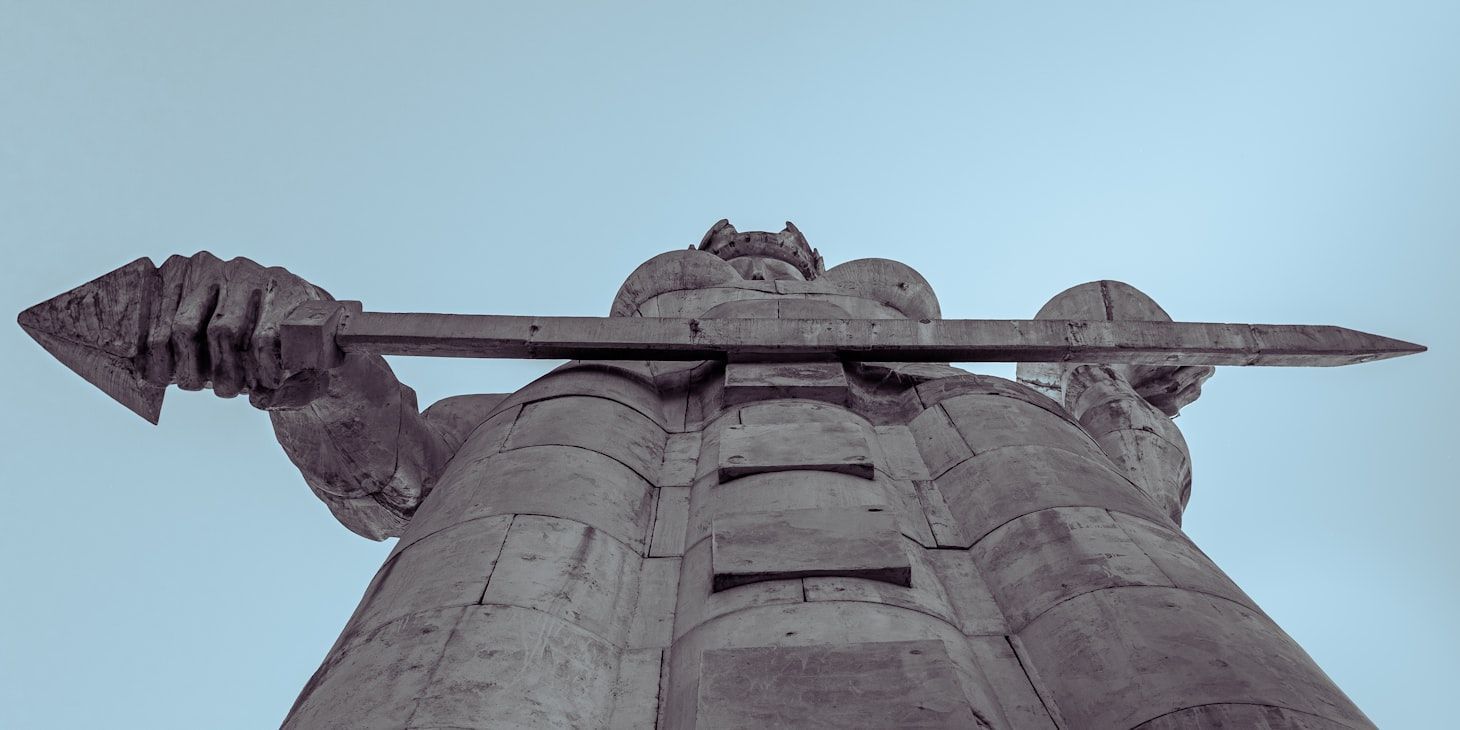
Image: Anton Ivanov

In 1869, workers digging a well in Cardiff, New York, uncovered what appeared to be a 10-foot-tall petrified man. Locals rushed to see the "giant," paying admission to witness history in the soil.

But, as it turned out, it wasn’t ancient at all. A man named George Hull had buried the statue as a prank and made some quick money from the curious crowd.

2
War of the Worlds Broadcast
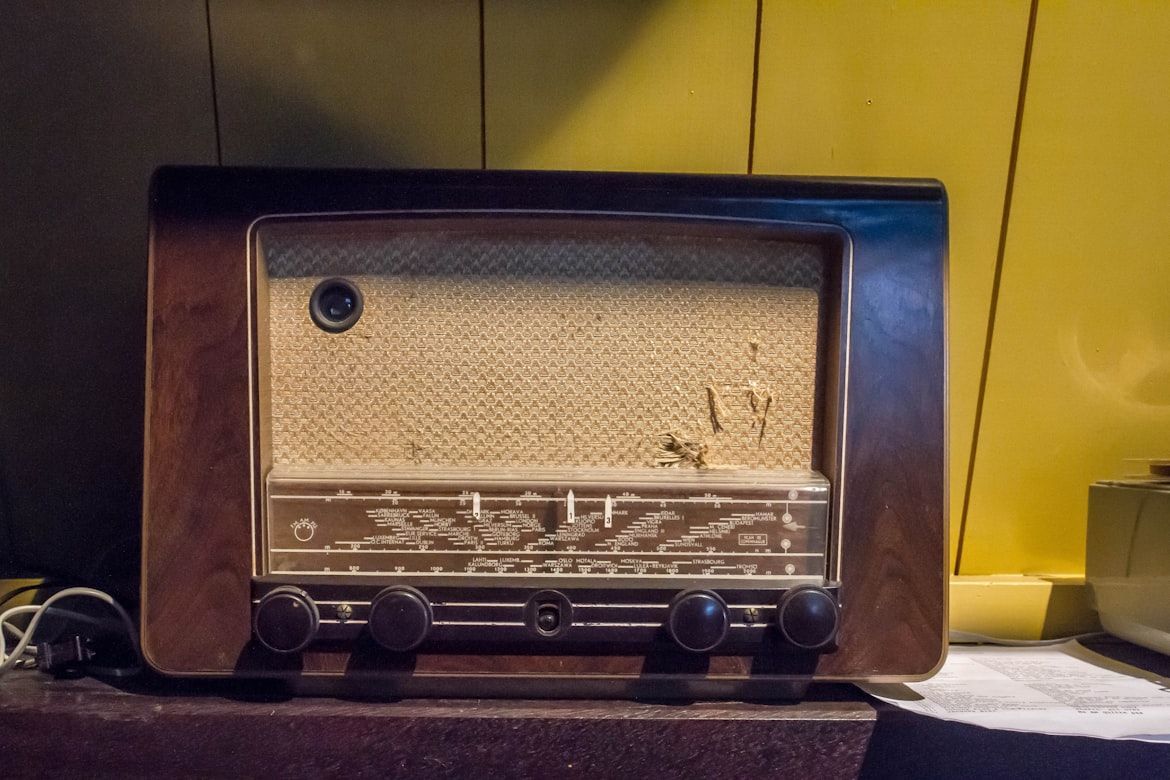
Image: Michal Balog

This very famous hoax took place on the eve of Halloween 1938. Orson Welles’s radio adaptation of The War of the Worlds aired as if it were breaking news . Many listeners tuning in late thought Martians had really landed in New Jersey.

Some packed up their cars or called the police in panic. Though no invasion occurred, the broadcast became a legend in media history.

3
The Balloon Boy

Image: Ankush Minda

In 2009, Americans watched live TV coverage of a silver balloon drifting across the skies of Colorado , fearing that a six-year-old boy was trapped inside . The story gripped the nation for hours.

When the balloon finally landed empty, police discovered the child hiding safely at home. His parents later admitted it was a publicity stunt gone wrong.

4
The Feejee Mermaid

Image: Nsey Benajah

In 1842, showman P. T. Barnum unveiled a marvel: a preserved "mermaid" supposedly from the South Seas . Crowds lined up to see the half-fish, half-woman curiosity.

The truth was stranger still. It was the upper body of a monkey sewn onto a fish tail and covered in papier-mâché.

5
The Great Moon Hoax
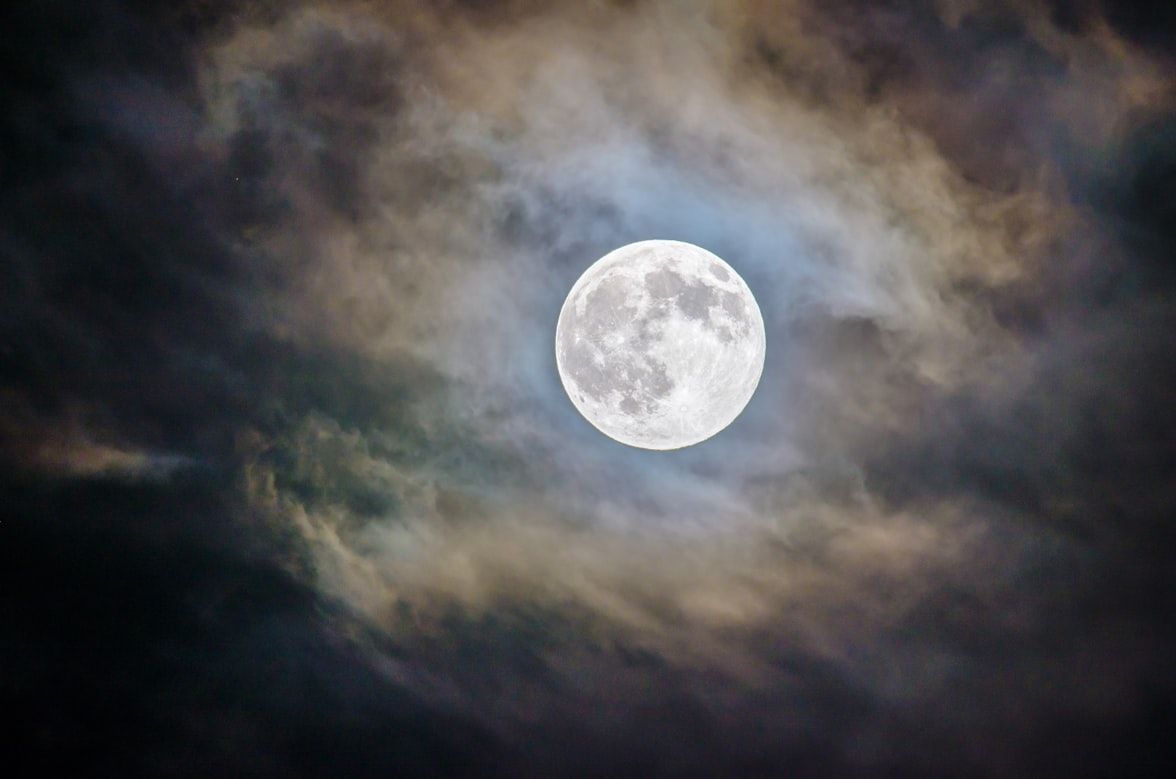
Image: Ganapathy Kumar

6

Readers of The New York Sun in 1835 were astonished by reports claiming that scientists had spotted bat-like people and crystal palaces on the Moon through a powerful new telescope.

The story was pure invention, but circulation went up. By the time the truth came out, the paper’s readership had reportedly increased dramatically.

7
The Crop Circles Craze
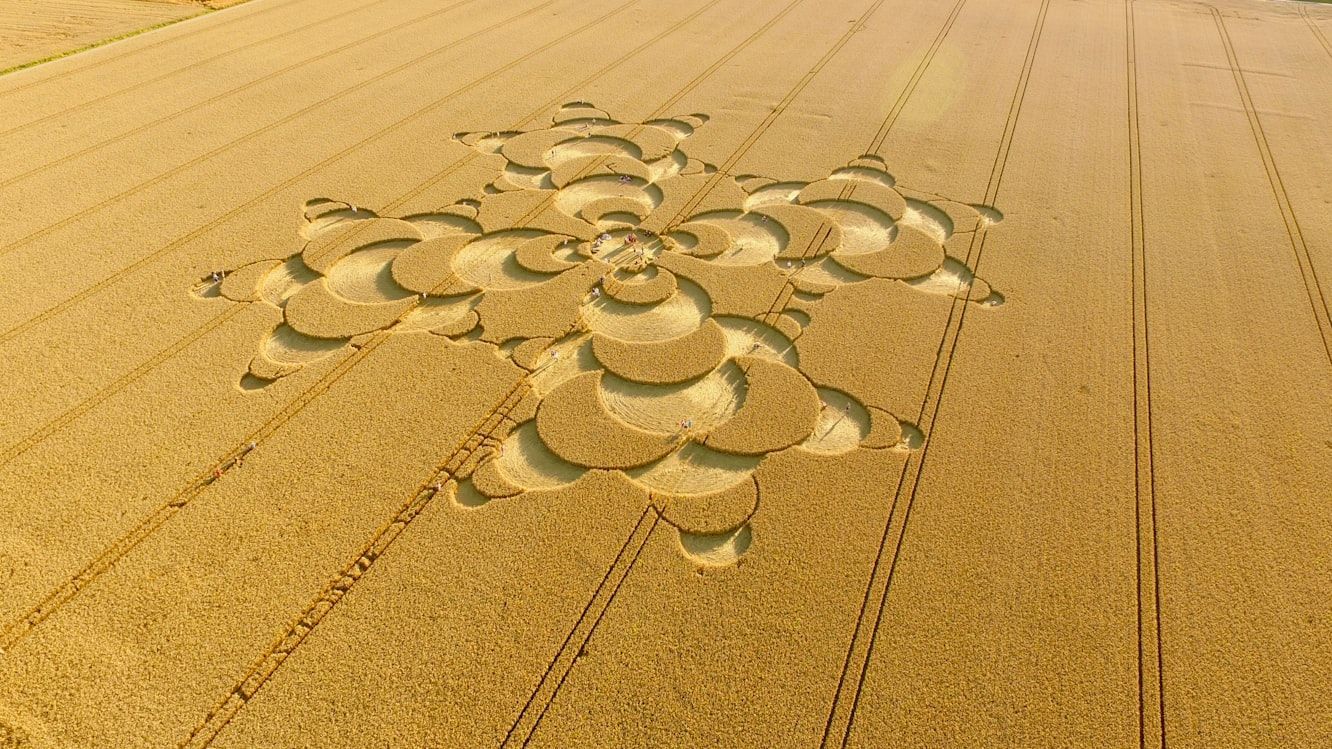
Image: Agent J

When perfect circles began appearing overnight in wheat fields , people talked about UFO landings. The shapes seemed too precise to have been made by human hands.

But, in 1991, two Englishmen confessed they’d used boards and ropes to flatten the crops. While this revelation explained many of the formations, the mystery lives on in popular imagination.

8
Alien Autopsy Film
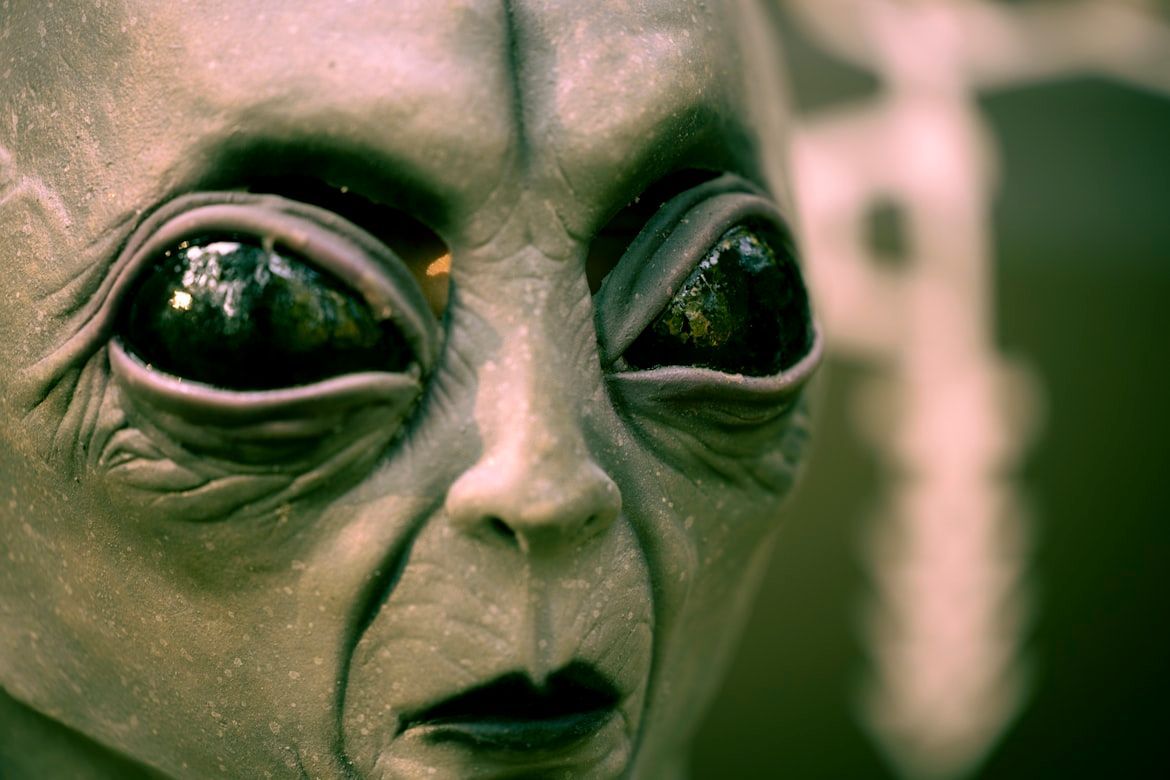
Image: Leo_Visions

In 1995, a grainy black-and-white video surfaced, showing doctors dissecting what seemed to be an alien recovered from the 1947 Roswell crash. The footage spread quickly worldwide.

Years later, the filmmaker admitted that the film was staged, using latex models and fake organs.

9
The Manti Te’o girlfriend hoax

Image: Kaleb Becker

Notre Dame football star Manti Te’o captured hearts when he revealed that his girlfriend had died of leukemia . Sports fans wept over the tragic love story.

But reporters later learned that the woman never existed. It was an elaborate online catfishing scheme.

10
The Patterson–Gimlin Bigfoot film
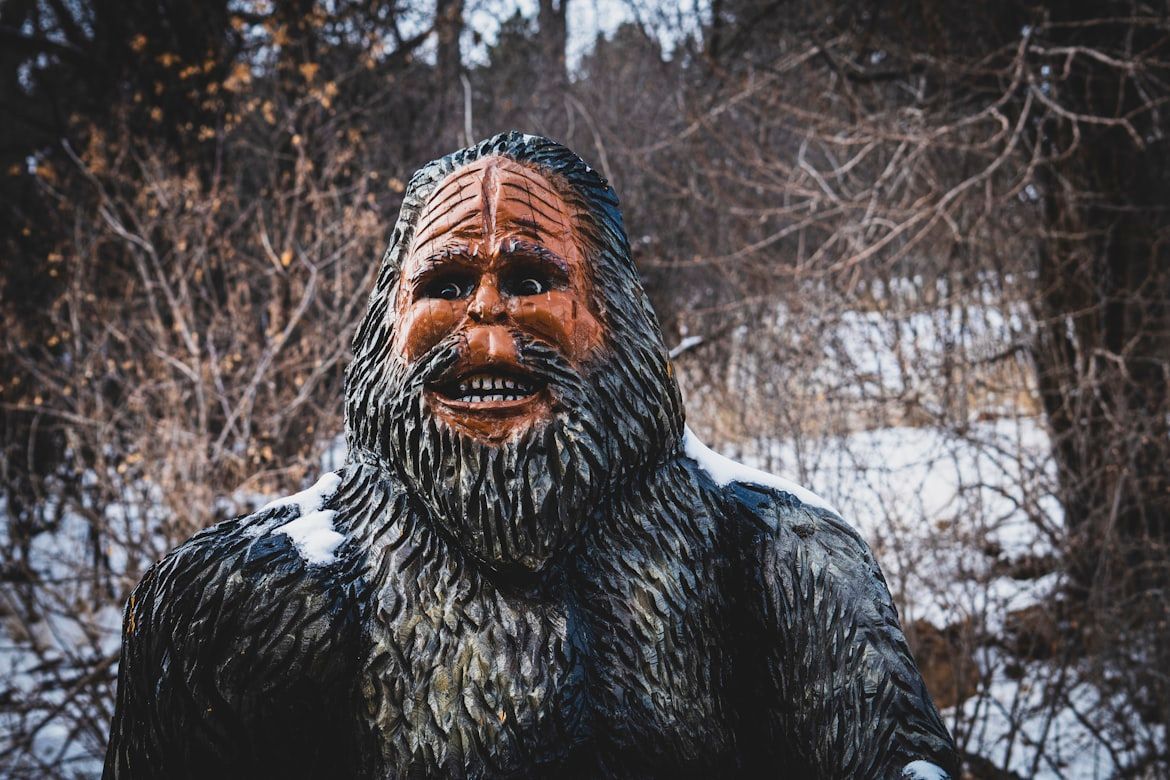
Image: Jon Sailer

In 1967, a short film shot in California showed a large, hairy creature striding through the woods . Many viewers thought this was real proof of Bigfoot´s existence.

Decades later, one participant claimed it was a man in a gorilla suit, but that claim failed to convince many people who prefer to believe in the existence of this creature.

11
The Drake’s Plate of Brass
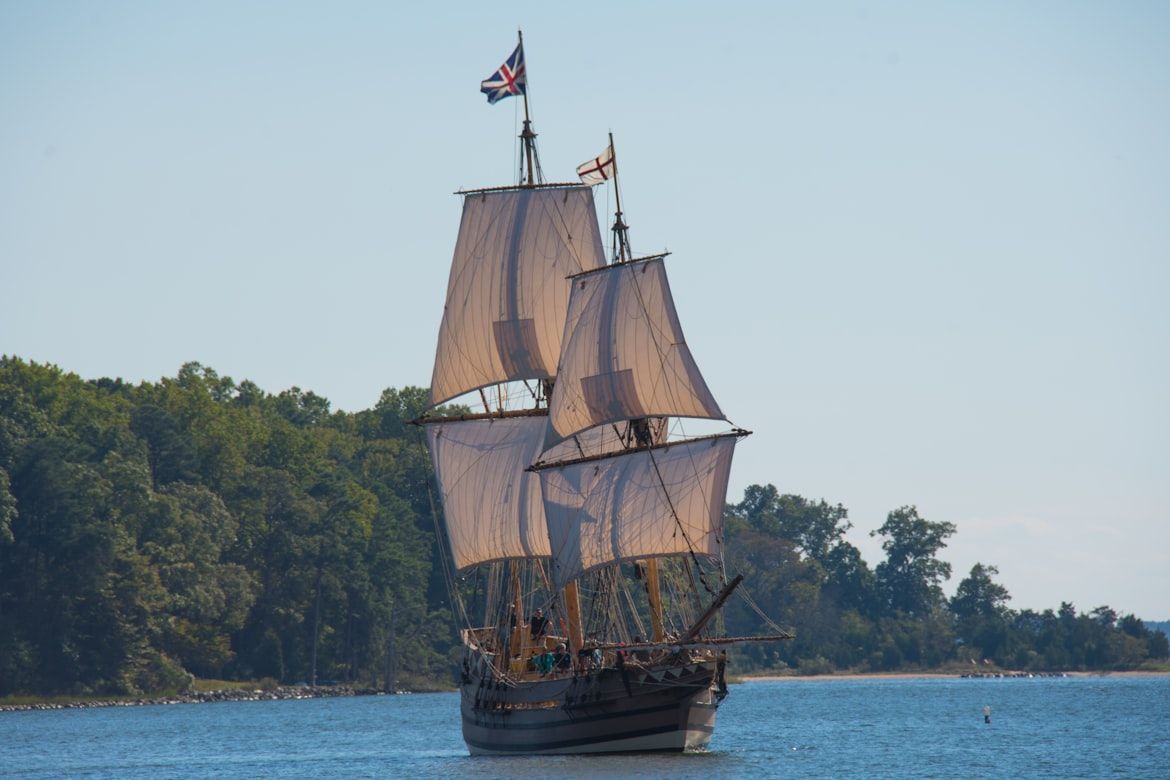
Image: David Dibert

12

In 1936, a shiny brass plate found in California seemed to confirm that explorer Sir Francis Drake had landed there in 1579. Historians called it a priceless relic.

For decades, the plate was displayed proudly, until metallurgical tests in 1977 proved it was modern . It had been made as a practical joke among historians that went too far.

13
Paul Is Dead
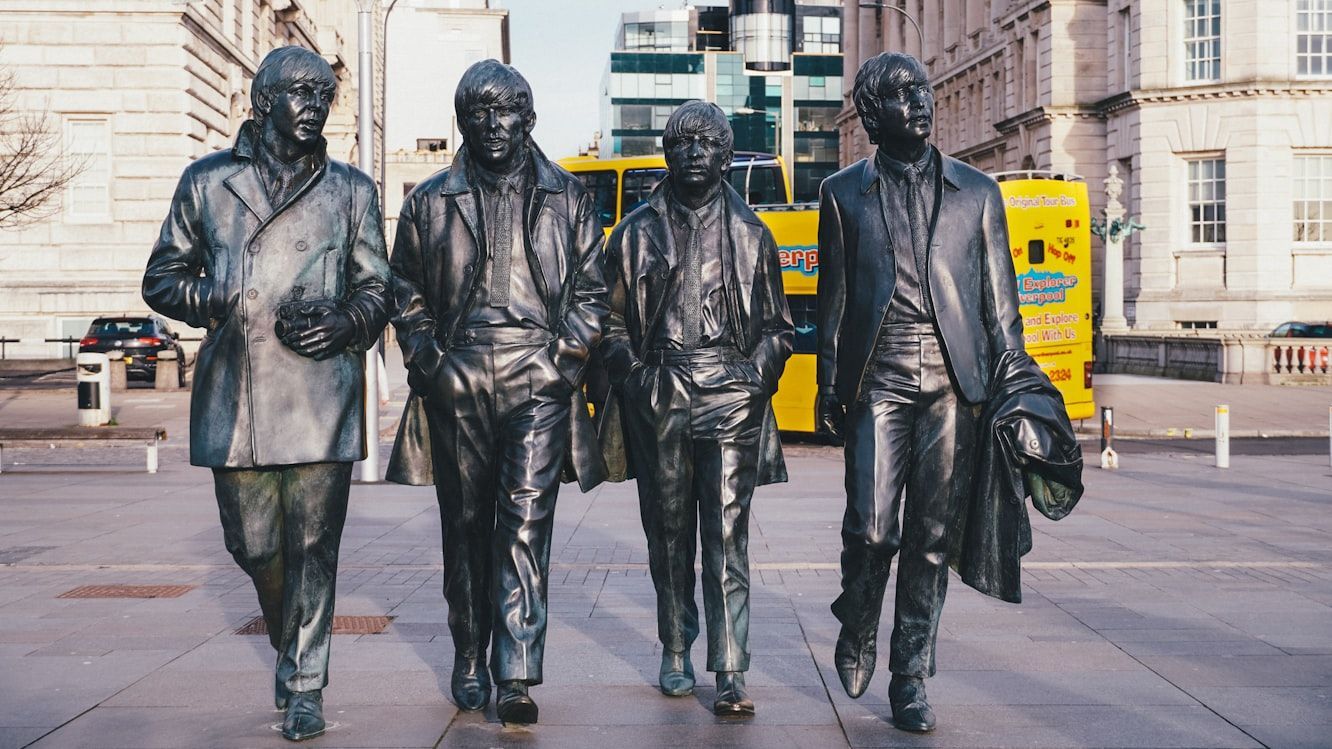
Image: Jiamin Huang

The final entry on our list might not be American per se, but it drew much attention on these shores. In 1969, rumors spread that Beatle Paul McCartney had died and been secretly replaced by a double . Fans scoured album covers for "clues" like hidden messages and backward songs.

Paul, very much alive, later joked about it. The bizarre theory became a lasting pop-culture phenomenon.

History History 6 min read

Paranormal activity

Have you heard of the eerie ghost town of Dudleytown?

Image: Mathew MacQuarrie

We all grew up hearing scary stories, legends, and myths. America is home to many spooky tales that could give even our bravest readers goosebumps. From evil spirits wandering the woods at night to mysterious sea monsters that lurk along the coasts, many of these stories remain unexplained to this day. If you consider yourself one of the bold, we invite you to read 10 of the most terrifying stories and legends from our land. Are you in?

1
Captain Tony's Saloon

Image: Nicolas Hoizey

Key West, Florida, is home to one of America's best-known bars: Captain Tony's Saloon. This mythical bar is not only famous for its drinks; it has a quirk that sets it apart from others. It's said to be haunted.

The building housing the bar today was built in the 19th century as a morgue. In 1865, a hurricane hit the area, taking everything in its path, including what was inside the morgue, if you know what we mean. Legend has it that the spirits, fueled by anger, remained to haunt the place for eternity. Decades later, a chilling discovery was made. During renovations, workers unearthed something macabre beneath the structure: bones.

For centuries and continuing to this day, different types of paranormal activity have been reported on the site, including cold spots, whispers, and even sightings of apparitions.

2
The Mothman

Image: David Clode

No one can deny that the 1960s was a tumultuous decade. But, in addition to the social and political issues that dominated the country and the world, West Virginia also witnessed a paranormal story.

In the mid-60s, a group of people claimed to have spotted a humanoid creature with large wings and red eyes silently watching them from a distance in remote areas of Point Pleasant. This story gave rise to the Mothman myth.

After the initial reports, more sightings followed, each more disturbing than the last. But what really makes your skin crawl is the detail most of these accounts share: the Mothman's creepy stare.

3
The Bell Witch

Image: Freestocks

If we discuss celebrity ghosts, we can't forget the Bell Witch, one of America's most famous specters.

The myth, which dates back to the early 19th century, tells the story of the Bell family, who lived on a farm in Tennessee. Legend has it that they began hearing strange noises in their home, and the spooky phenomena quickly increased. Objects moved on their own, and voices seemed to speak directly to the family. The spirit, later known as the Bell Witch, is said to have haunted the Bells for years, and even after the family members' passing, similar episodes continued to be reported at the site.

4
Dudleytown

Image: Adisa F

There is a valley in northwestern Connecticut that hides several spooky stories. Known as the Dark Entrance Forest, this area of "The Constitution State" is much more than just a scary name.

Located there lies an abandoned settlement: the mythical Dudleytown. The area was already inhabited by some people back in the early 1700s. Sadly, as the land wasn't fertile, the population declined. But it seems that was not the only reason.

It's said that the settlement was cursed: crop failures, diseases, and different types of paranormal events took place here. According to legend, the first inhabitants were descendants of an English nobleman accused of treason who fled to America and brought the curse with them.

5
Huggin' Molly

Image: Steinar Engeland

According to the people of Abbeville, Alabama, a famous specter haunts the streets, terrifying both children and adults —though she seems to have a particular preference.

We're talking about Huggin' Molly, a ghostly figure of a woman around 7 feet tall, dressed in a long black gown. She is known for letting out bloodcurdling screams in the night while she haunts children. The myth goes that if the ghost catches a child, she hugs them so tightly that it feels like suffocation.

The legend has persisted for centuries, and many claim to have seen or heard the figure of Huggin' Molly up close.

6
The Headless Horseman

Image: Dawid Tkocz

Washington Irving's 1820 short story, "The Legend of Sleepy Hollow," gave popularity to this ghostly figure. The Headless Horseman is depicted as a specter who rides through the night in search of his lost head. According to Irving's story, he was a soldier who died tragically, and his spirit wanders at night unable to find peace.

Over the years, many people have claimed to have seen the Headless Horseman or heard the sound of his horse's hooves in the Sleepy Hollow area.

7
Qalupalik

Image: Nsey Benajah

Huggin' Molly is not the only scary figure that terrifies children. In Arctic shorelines, more precisely off the coasts of Alaska and northern Canada, a creature that doesn't seem to be from this world is said to be roaming shallow waters.

We're talking about the Qalupalik, marine cryptids that resemble mermaids, those half-fish, half-human creatures from ancient mythologies.

According to lore, Qalupalik have long hair, fishtails, fins on their head, back, and arms, and webbed hands and feet. Legend has it that they emit a humming sound to warn those who stray too close to the water, as they search for human prey with a favorite target: children.

8
Sasquatch

Image: Francois Brill

The Pacific Northwest is the main stage for the legendary Sasquatch, also known as Bigfoot. This iconic ape-like figure, said to inhabit forests and mountainous areas, is characterized by its enormous size, giving rise to its name.

The myth has its roots in Native American folklore. Different native cultures tell similar stories about a large, monstrous, hairy, big-footed creature that appears in the wild at night and emits terrifying sounds. As if all this weren't enough, a detail makes it even scarier: it stands and walks on two legs.

In the 20th century, the myth gained strength after reports of huge, unexplained footprints in the Pacific Northwest.

9
The Jersey Devil

Image: Igam Ogam

If you've been to New Jersey (and even if you haven't), you've probably heard of the creepy Jersey Devil.

This infamous tale originated during the 18th century in the mysterious Pine Barrens. According to myth, a woman cursed her 13th child, who then transformed into a devilish creature with bat wings, hooves, and a goat's head.

Over the centuries, there have been multiple reports of strange winged creatures and chilling shrieks through the Pine Barrens. But it all escalated dramatically in the early 20th century when a wave of consecutive sightings triggered what was dubbed "The Jersey Devil Panic."

10
The Flatwoods Monster

Image: James Kovin

According to the story, in the 1950s, a strange rumbling sound was followed by a bright light in the sky, which reportedly came from an object that eventually landed near Flatwoods, West Virginia. When a group of people approached the scene, they were shocked by what they found. It was a tall, monstrous figure with an elongated head, glowing eyes, and a body that seemed to be encased in metal.

Investigators suggest that the light in the sky could have been a meteor, and the glowing eyes described by witnesses were likely those of a common owl. However, many people claimed to have seen this strange creature of totally unknown origin.

General General 5 min read

Dusting off some old memories

Playground love: 12 outdoor games everyone played as a child

Image: cottonbro studio

Playing outdoors is one of the most enjoyable and memorable experiences of childhood. Our childhoods didn’t require modern technology to feel complete or entertaining. We could spend hours at the park or during school breaks playing tag, jumping rope, or hiding for our friends to find us. Do you remember these games? If you’d like to jog your memory, read on to revisit the games you played most as a kid!

1
Hopscotch

Image: MOHAMMADREZA Kr

When we were kids, before computer games and smartphones, we didn’t need much to keep us entertained in the afternoons. Playing hopscotch, for example, required only a piece of chalk and a large enough asphalt area to draw on and jump around.

There are numerous variations, but children have played hopscotch for centuries . The basic principle remains the same: a series of numbered rectangles is outlined on the ground, and the player tosses a pebble into each one in turn. The player then hops through the course without touching the lines, picking up the pebble along the way, and returns—still hopping—to the starting point.

2
Tag

Image: Aleksandar Andreev

Tag is undoubtedly the most famous chasing and catching game of all time. It also serves as the foundation for many other games. This is no coincidence—tag has existed since ancient times, with different versions in civilizations as dissimilar as Greece and India.

In the simplest form of tag, one player tries to tap another player; the tagged player then becomes "it —a.k.a. "the chaser"—and it all starts all over again. Which version was your favorite? Ours was freeze tag!

3
Jump-rope and Double Dutch

Image: cottonbro studio

Jumping rope was another childhood favorite, whether on street corners or in school playgrounds. Whether alone or in a group, it kept us entertained for hours. Among the countless variations, Double Dutch—a version in which one or more players jump between two long ropes turning in opposite directions—was probably the most fun and most challenging of all.

The origin of Double Dutch is not entirely clear. Some claim Dutch settlers brought it to America, while others argue it was invented in the early 1900s in the U.S. What is certain is that this game, which combines motor skill training and physical exercise , became so popular that it evolved into a competitive sport with worldwide tournaments.

4
Simon says

Image: Arthur Krijgsman

"Simon says… touch your nose!" Remember these commands? As kids, we could spend hours playing this game, where one player took on the role of "Simon" and gave instructions that the rest of us had to follow to the letter.

Records of this game’s existence in the United States date back to the mid-19th century ; however, its origins may be traced back to ancient Rome. Some historians suggest that the name Simon comes from Simon de Montfort, a 13th-century French-English nobleman who was known for his ability to command authority over his subjects.

5
Hide-and-seek

Image: Annie Spratt

Hide-and-seek is one of the simplest games but, at the same time, one of the most fun when we were children. In this game, one player would close their eyes and count to a certain number while the others searched for a place to hide. The challenge was to find as many hidden players as possible before they reached "home base."

Hide-and-seek, which has different variants worldwide, has been played since ancient times. In fact, historians have discovered a strikingly similar game in ancient Greece called apodidraskinda , which followed rules much like the ones we know today.

6
Hula Hoop contest

Image: Annie Spratt

The hula hoop became popular in the late 1950s when the American toy company Wham-O introduced a plastic version to the market. However, hula hoops have been used by children since ancient times. Over the centuries, they have been made from a variety of materials, including willow, grapevines, rattan, stiff grasses, wood, and metal.

Growing up, most schools had hula hoops available during PE classes. It was the ideal game for young children to have fun and get fit at the same time. Teachers often organized contests in which players twirled the hula hoop around their waist for as long as possible. The winner was the one who kept the hoop spinning the longest before it dropped to the floor.

7
Marco Polo

Image: Library of Congress

This game, which shares its name with the 13th-century Italian explorer, was a summer-exclusive tradition we eagerly anticipated all year long. Many of us still vividly remember our friends, siblings, and cousins shouting "Marco!" and responding "Polo!" as kids.

Played in a swimming pool, Marco Polo is a location-based game in which players must find each other using auditory clues. It became popular in America in the 1960s and is now played worldwide with various adaptations.

8
Musical statues

Image: Robert Collins

Musical Statues, also known as Freeze Dance, is a variation of Musical Chairs that can be played outdoors. It was a popular game at birthday parties and involved running around while music played. When the music stopped, players had to freeze in place. Anyone who moved was instantly out, and the last one remaining won the game.

Musical Statues originated in the United Kingdom, likely in the mid-1950s , when music players became more common in people's homes.

9
Tug of war

Image: RDNE Stock project

Did you know that before the 19th century, the game we now call tug of war was known as French and English ? Tug of war—or rope pulling—is an ancient game , with different versions found in Egypt, Greece, India, China, and Cambodia.

In tug of war, two teams compete in a test of strength and strategy, pulling a rope in opposite directions. Though this game is popular at school events for its mix of teamwork, exercise, and friendly competition, it was once an official sport . In fact, from 1900 to 1920, tug of war was part of the Olympic Games.

10
Dodgeball

Image: Wan San Yip

Dodgeball is another game we used to play in school that is now also considered a sport . In this game, the objective is to eliminate all members of the opposing team by hitting them with thrown balls.

Though it’s now a fun and friendly game, that wasn’t always the case. Dodgeball originated in Africa approximately two hundred years ago. Back then, it was much more dangerous and violent. Instead of using soft balls, participants threw rocks found in nature. Fortunately, in the mid-19th century, an English missionary saw the game and transformed it into a more enjoyable, non-life-threatening activity.

11
Duck, duck, goose!

Image: Kampus Production

You probably haven’t played this game since preschool or kindergarten, and you might have even forgotten about it completely. However, it was one of the most popular games on the playground .

In this traditional children's game, participants sit in a circle, and one is chosen to touch the heads of the others. The player who is "it" goes around saying "duck" until they choose someone and say "goose." Then the chase begins!

12
Scavenger hunt

Image: Nellie Adamyan

This was a more complex game that required much more development and preparation time. But perhaps because of that, it was so appealing to us. Scavenger hunts were so much fun that we still play them as adults, and they remain a popular activity at some universities , for example.

This game, which involves finding specific items from a list, evolved from ancient folk games. The modern version we play today, however, was popularized by American gossip columnist and socialite Elsa Maxwell in New York City during the 1930s .

Explore more American facts

Choose your favorite category!

General
General

As American as apple pie—the very best America has to offer!

Culture
Culture

Delve into the astounding richness of American lore.

Geography
Geography

Hop in and explore vast and diverse American landscapes.

History
History

Discover the key moments that shaped the United States.