General General 4 min read

Before they led the nation

He walked 18 miles to school: Shocking presidential childhood stories
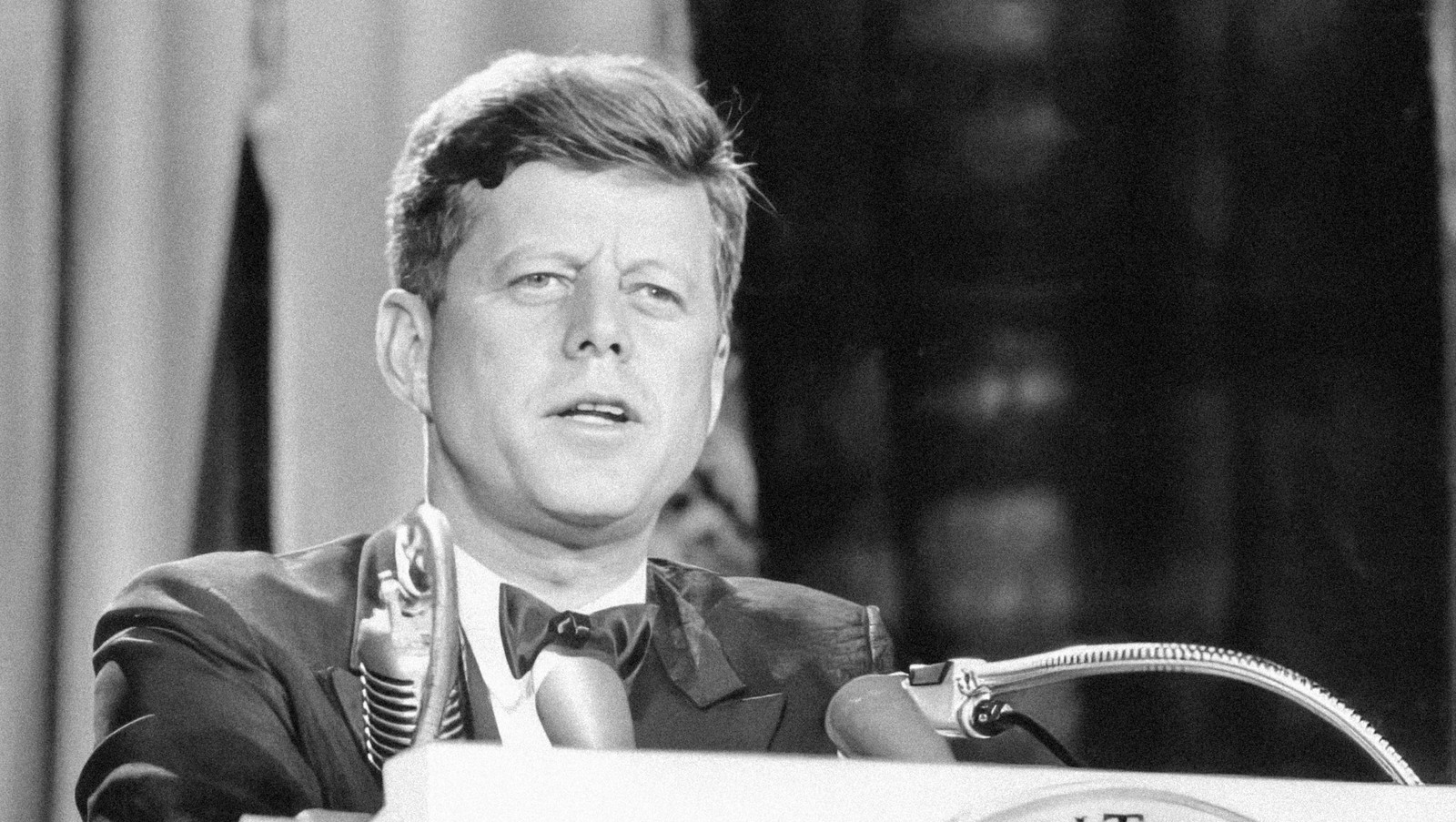
Image: Florida Memory

The figure of the president can feel very serious, but we often forget that behind these leaders were once little kids. From funny pranks to painful moments, today we’ll share 10 surprising facts you probably didn’t know about the childhoods of some of our presidents.

1
John F. Kennedy
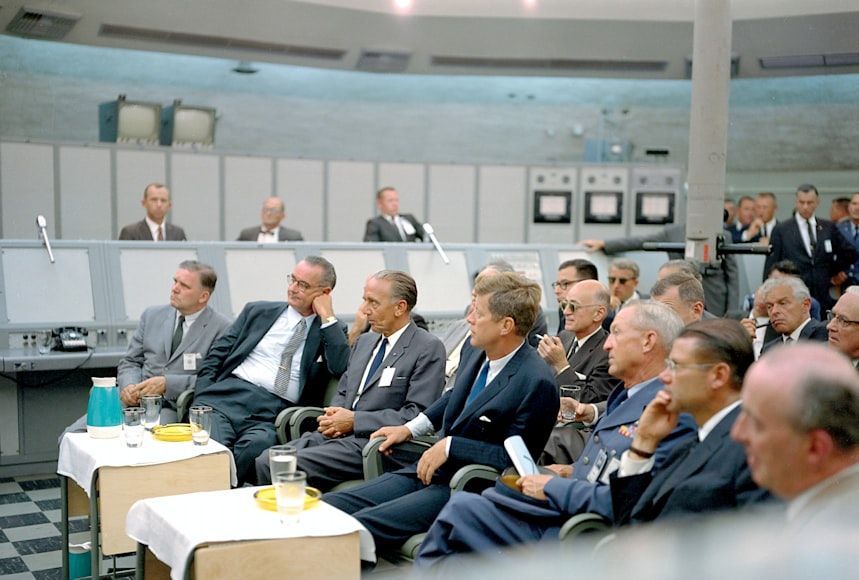
Image: History in HD

JFK, called "Jack" by his family, grew up with eight siblings in a home that encouraged both physical and intellectual competition. His strict upbringing didn’t stop him from forming the "Muckers Club" at Choate School, a group known for pranks and mischief that nearly got him expelled. Still, he was a popular, athletic student, and when he graduated in 1935, his classmates voted him "most likely to succeed."

2
Franklin D. Roosevelt
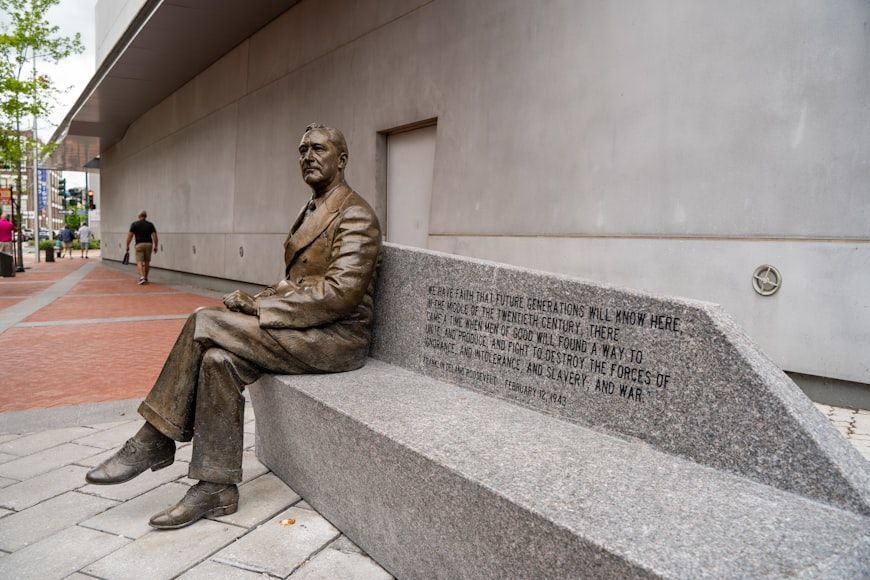
Image: Jessica Tan

FDR grew up in a wealthy household, enjoying every comfort and taking frequent trips to Europe from an early age. He even visited the White House as a child, where he experienced a moment he would remember years later. When he was five, his family met President Grover Cleveland, who looked at little FDR and said, "My little man, I am making a strange wish for you. It is that you may never be president of the United States," referring to the heavy burden of the office. Curious, isn’t it?

3
Dwight D. Eisenhower

Image: juan pablo rodriguez

Those of us with siblings know just how important they can be, and that was true for young Dwight D. Eisenhower as well. When little Ike was being picked on at school by bullies bigger than him, his older brother Edgar stepped in. One day, Edgar stood up for Ike and made sure the bullies got the message, teaching them (and Dwight) an important lesson.

4
Herbert Hoover
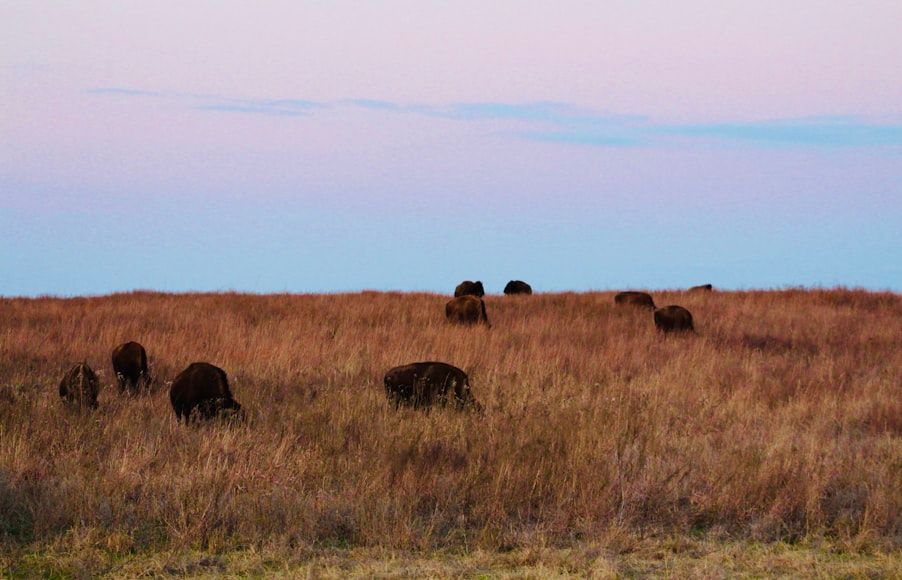
Image: Judy Thomas

Herbert Hoover was still far from becoming president when, at about six years old, he lost his father. He was sent to live with his uncle, a US government agent at the Osage Indian Reservation in Pawhuska, Oklahoma. For a year, young Bertie was surrounded by Native Americans and attended "Indian Sunday School," an experience that later shaped his policies and influenced his choice of Charles Curtis, a member of the Kaw Nation, as vice president.

5
Calvin Coolidge
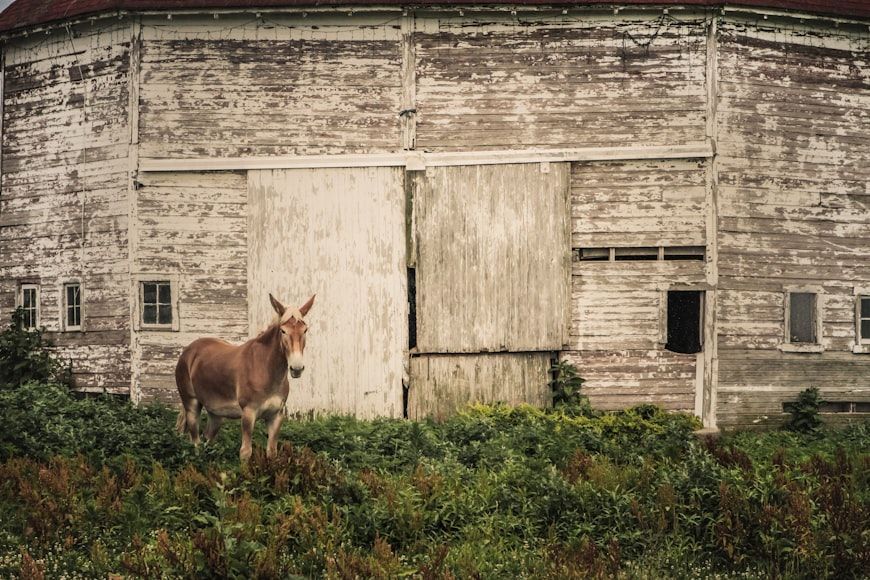
Image: Joe Dudeck

The story goes that in the 1880s, a mule was once found locked inside a classroom at a school in Vermont. Can you imagine the chaos that poor animal must have caused? According to the tale, the culprit was a young Calvin Coolidge, who supposedly did it to get back at a teacher he didn’t like. The story was passed down by people who knew him, and although it was never recorded in official documents, it’s a fun contrast to the quiet, reserved man he later became as president.

6
Bill Clinton
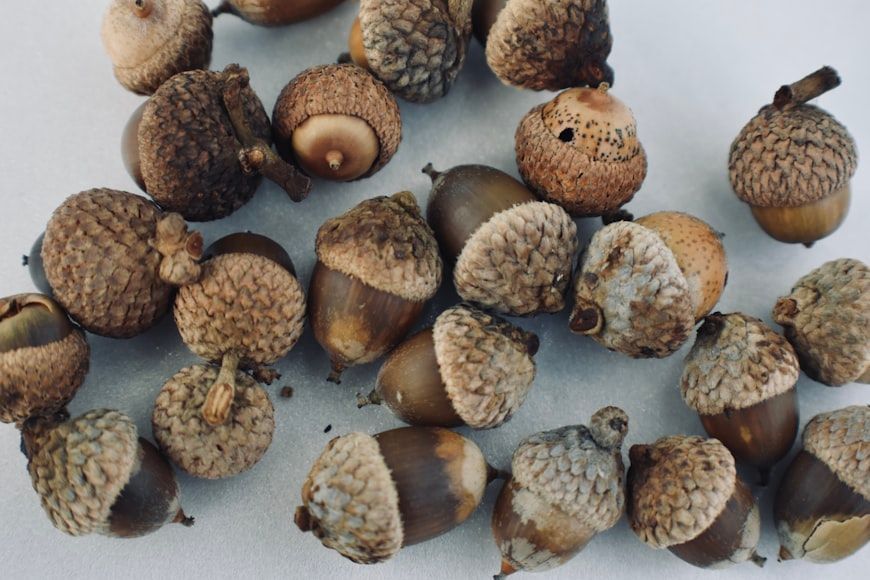
Image: Lesli Whitecotton

Young Bill was often described as "unbearably responsible." According to one story, when he was in high school, a classmate once turned to him and said, "Don’t you ever break any rules? You’re a teenager!" Still, even this calm, rule-following kid had a mischievous moment: with some friends, he once spent a couple of hours tossing acorns at passing cars. Harmless, right? As long as it wasn’t your car!

7
John Tyler
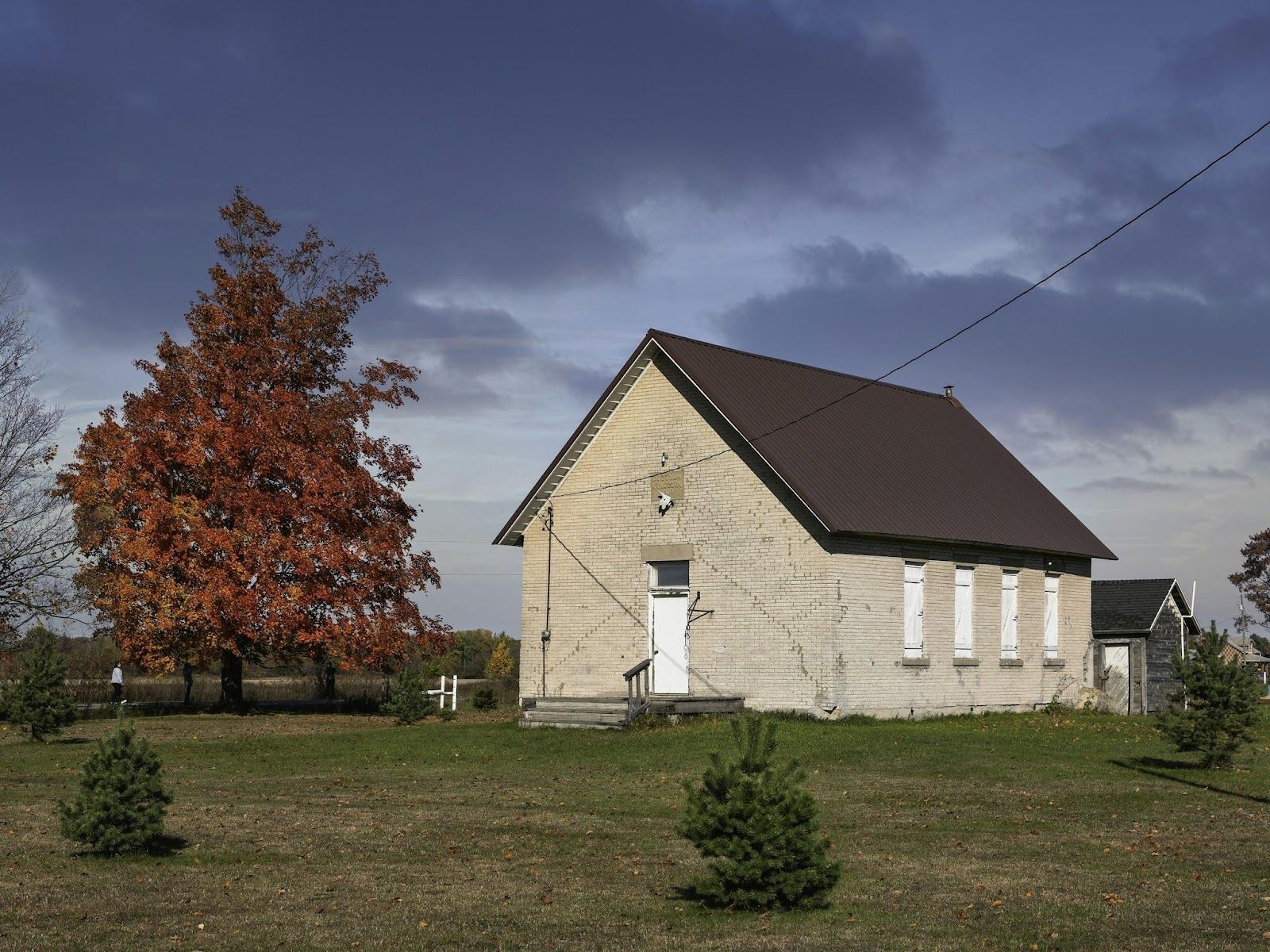
Image: Brad Switzer

Apparently, young John Tyler had a rebellious, righteous spirit. There’s a story from his youth that shows it perfectly: when he was just 10 years old, he led a revolt at his one-room schoolhouse against a teacher who was cruel and despotic. According to the tale, when the teacher complained to his father, Judge John Tyler, he replied, "Sic semper tyrannis!"

8
Abraham Lincoln
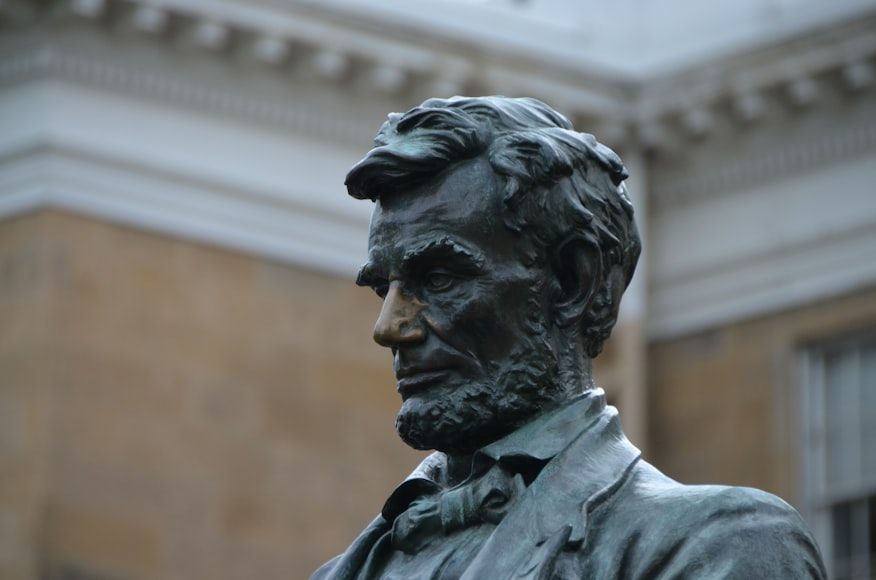
Image: Jacob Thorson

Although she never attended school herself, Abraham Lincoln’s mother believed it was important for her children to get an education, so they began attending one in a nearby town. The thing is, it wasn’t very close: the future president Lincoln and his older sister walked a little over nine miles to school, and another nine back home every day. Talk about perseverance!

9
Ronald Reagan
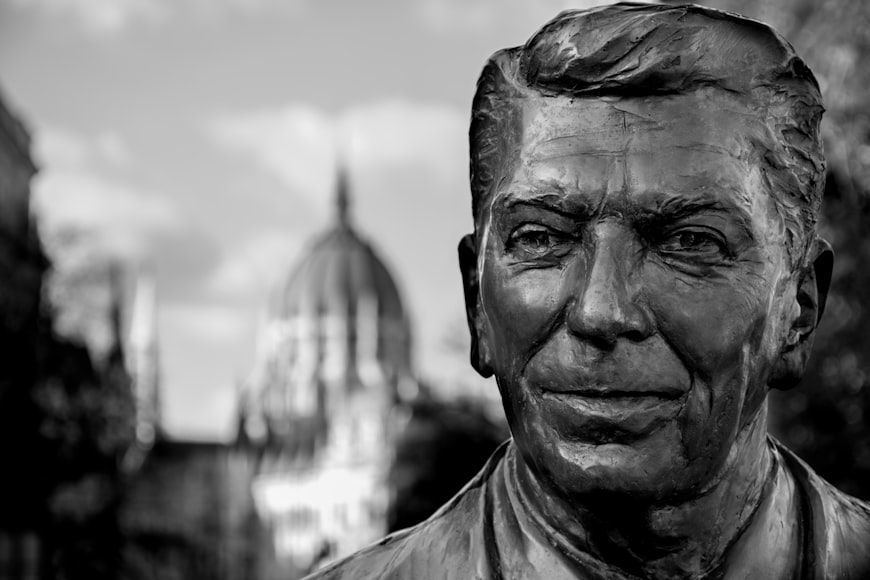
Image: Nicolas HIPPERT

Ronald Reagan was born on February 6, 1911, in Illinois. Although his future would be very bright, his childhood wasn’t easy. From an early age, he struggled with vision problems, which made it hard for him to see clearly and focus on activities he liked, such as sports. But everything changed at 13, when he was finally prescribed his first pair of glasses, and soon landed his first job as a lifeguard. For several summers during his youth, he dove into the water to save people, an experience that, according to Reagan himself, gave him the confidence that stayed with him for the rest of his life.

10
Ulysses S. Grant
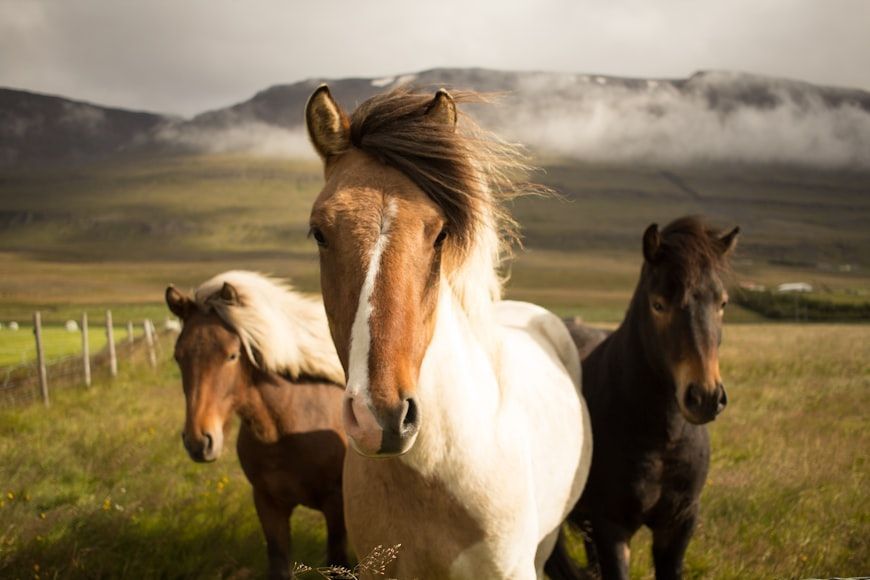
Image: Fabian Burghardt

According to historical sources, Ulysses S. Grant showed an extraordinary ability with horses from an early age. So strong was his talent that people in his town brought him their "problem horses" to train. It is said that, at just 10 years old, he led a 40-mile journey driving a team of horses carrying passengers, a remarkable feat for someone so young!


General General 4 min read

Behind the banners

11 U.S. state flags and their hidden meanings

Image: Drei Kubik

Flags are more than mere symbols—they tell stories, capturing the history, pride, and values of each state they represent. Every element, from colors to symbols, was thoughtfully chosen to convey a message tied to the spirit of the state. Join us on a journey across the country as we explore 11 unique state flags and the rich stories behind them.

1
Texas

Image: Joshua J. Cotten

Also known as the Lone Star, Texas’ flag features a single star on a vertical blue stripe, representing the state’s strong independent spirit. The red stripe represents courage, while the white stripe stands for purity.

In fact, the current design was adopted in 1839 during the Republic of Texas, echoing the state's history as an independent republic before joining the Union in 1845.

2
California

Image: Lesli Whitecotton

California's flag features a grizzly bear, a symbol of strength and independence. The star represents California's status as a republic in 1846 during the Bear Flag Revolt, and the red stripe signifies courage.

Interestingly, the bear depicted on the 1911 version of the flag is said to have been inspired by the last California grizzly bear held in captivity.

3
Arizona

Image: Denisse Leon

Arizona’s flag features a golden star surrounded by red and gold rays, symbolizing both the state’s arid landscape and copper mining industry. The blue and red colors are the same shade used on the flag of the United States.

The star commemorates Arizona’s statehood, achieved in 1912, while the thirteen rays symbolize the original Thirteen Colonies.

4
Colorado

Image: Courtney Cook

Colorado’s flag features blue, white, red, and yellow with a bold "C" encircling a golden disk. The blue symbolizes the sky, gold represents the state’s abundant sunshine, white the snowcapped Rockies, and red the "ruddy" earth.

The gold and white elements also honor Colorado’s gold and silver mining industries. Officially adopted in 1911, the flag stands as a tribute to the state’s natural beauty and pioneering heritage.

5
Florida

Image: Karl Callwood

Florida’s flag features a red cross with the state seal at the intersection. The cross represents the state's Spanish heritage, as it was originally founded by Spanish explorers.

The seal depicts a shoreline where a Seminole woman spreads flowers. While some suggest the woman represents the historical heroine Milly Francis, there is no evidence to support this theory. A Sabal palm and a steamboat complete the scene, reflecting Florida's vibrant scenery.

6
Maryland

Image: Gary Cole

Maryland’s flag stands out with its bold black and gold pattern, divided into quarters. The design incorporates elements from the family crest of the Calverts, the state’s founding family.

During the colonial era, Maryland used only the gold and black Calvert arms. The colors fell out of use after American independence but were reintroduced in 1854.

7
South Carolina

Image: Kelly

South Carolina’s flag features a white palmetto tree on a blue field, with a crescent moon beside it. The roots of this design have existed in some form since 1775, being based on one of the first American Revolutionary War flags.

An early version of this flag, known as the Moultrie Flag, was famously flown during the defense of a fortress on Sullivan's Island against the British fleet. The palmetto tree was later added as a symbol of the island’s successful defense.

8
Tennessee

Image: Brandon Hooper

Tennessee’s flag features three stars arranged in a triangular pattern, symbolizing the three regions of the state —East, Middle, and West Tennessee. The red, white, and blue colors align with the state’s commitment to unity and its place in the Union.

The current version, designed by Colonel Le Roy Reeves, was adopted in 1905. However, an earlier version already aimed to represent the state's three distinct regions with three slanted bars of red, white, and blue.

9
Hawaii

Image: little plant

Hawaii’s flag is unique among U.S. state flags. It features a Union Jack in the upper left corner, reflecting the historical ties between Britain and the Hawaiian Kingdom. It was first adopted in the early 19th century by the Kingdom of Hawaii and retained when the state joined the U.S. in 1959.

The eight horizontal stripes represent the eight main islands of Hawaii: Hawaiʻi, Maui, Kahoʻolawe, Lānaʻi, Molokaʻi, Oʻahu, Kauaʻi, and Niʻihau.

10
Indiana

Image: Lucas Beck

Indiana’s flag features a large gold torch, with 19 smaller stars surrounding it, representing Indiana's status as the 19th state to join the Union. The torch symbolizes enlightenment and the path to progress.

Adopted in 1917, the flag’s design was chosen through a contest offering a cash prize. The winning design, created by Paul Hadley of Mooresville, Indiana, was selected as the official flag with only minor modifications.

11
Maine

Image: Aubrey Odom

Maine’s flag features a shield with a pine tree at its center, flanked by a farmer and a sailor, representing the state’s agricultural and maritime heritage. The North Star above the shield symbolizes guidance and Maine’s motto, "Dirigo," meaning "I Lead."

The pine tree is a nod to Maine’s nickname as the Pine Tree State. Adopted in 1909, the flag’s design emphasizes Maine’s strong connection to its natural resources.

Geography Geography 3 min read

American wonders

Awesome facts about Mt McKinley (Denali) that will leave you speechless

Image: John Feng

Alaska is a land of incredible natural wonders. Its lakes and mountains come together to form stunning landscapes that look almost otherworldly. But the true star is Mount McKinley, the tallest peak in the United States and all of North America. Join us as we explore 10 amazing facts about this mountain that you might not know.

1
Earthquakes

Image: Sue Henderson

As if the incredible altitude and extreme temperatures weren't enough, Mount McKinley faces another challenge: earthquakes. Due to tectonic plate activity, this type of natural disaster is common in the area, with an estimated 600 earthquakes of varying strength occurring there each year.

2
Always dressed in white

Image: Dillon Groves

The summit of Mount McKinley is always painted white. Even during the warmer months, when grass and plants flourish in the surrounding park, the mountain's upper half remains permanently covered in snow and massive ice formations.

3
Life thrives

Image: Patrick Federi

It's not just snow around Mt. McKinley. In the area, you'll find about 160 bird species, 39 types of mammals, 14 kinds of fish, and even one species of amphibian. That's a surprising amount of life for such a cold region.

4
Super frog

Image: Stanisław Krawczyk

If you're curious about this unique amphibian, here's the answer: it's the wood frog, a tiny species that can survive even the harshest winters. How? By almost freezing its entire body. While the frog's cells don't actually freeze, the fluids between them do. Its heart and lungs stop working until spring returns.

5
Millions of years ago

Image: Lisa Yount

There was a time when giant reptiles roamed what is now the Mount McKinley area. In 2005, the first dinosaur footprints were discovered in the area, followed by fossil remains. The region was once home to three-toed theropods (carnivorous dinosaurs similar to Velociraptors) and winged pterosaurs that soared through the skies above.

6
Harsh weather

Image: John Peters

If you're a fan of summer, Mount McKinley might not be the best choice for you, as it's famous for its extreme cold. Temperatures at the summit can drop as low as -75.5°F, with wind chills plunging to -118.1°F.

7
Not an easy task

Image: Fabrizio Conti

Climbing McKinley is not for everyone. In fact, it's considered extremely difficult and dangerous due to the harsh weather conditions. On average, only about half of those who attempt the climb succeed.

8
Alone

Image: Barth Bailey

Mount McKinley is lonely. While that may sound sad, it actually means it's one of the most topographically isolated peaks on Earth. In other words, it's far from any other mountain of similar height, which makes it even more striking and impressive.

9
The first

Image: Tim Oun

In 1913, Mount McKinley was successfully climbed for the first time. Walter Harper, a native Alaskan, is credited with the honor of being the first person in history to reach the summit of North America’s tallest peak. He was followed by his teammates: Harry Karstens, Hudson Stuck, and Robert Tatum.

10
America's "Big 5"

Image: Lesly Derksen

When it comes to mammals, Mount McKinley and its surrounding park are home to what's known as the "Big Five." These are the most powerful mammals in the region: moose, caribou, Dall sheep, grizzly bears, and wolves.

Explore more American facts

Choose your favorite category!

General
General

As American as apple pie—the very best America has to offer!

Culture
Culture

Delve into the astounding richness of American lore.

Geography
Geography

Hop in and explore vast and diverse American landscapes.

History
History

Discover the key moments that shaped the United States.