Culture Culture 4 min read

When Hollywood breaks the bank

$400 million spent on what!? Discover Hollywood's most expensive movies

Image: Mackenzie Marco

What would you do with $465 million? Buy a private island? Maybe 5 of them! If that sounds over the top, Hollywood might disagree. Big studios spend unimaginable amounts of money, with numbers that can be mind-blowing. Keep reading if you want to learn more about the most expensive movies ever made and where all that money went; there’s one title you definitely won’t see coming!

1
Jurassic World Dominion
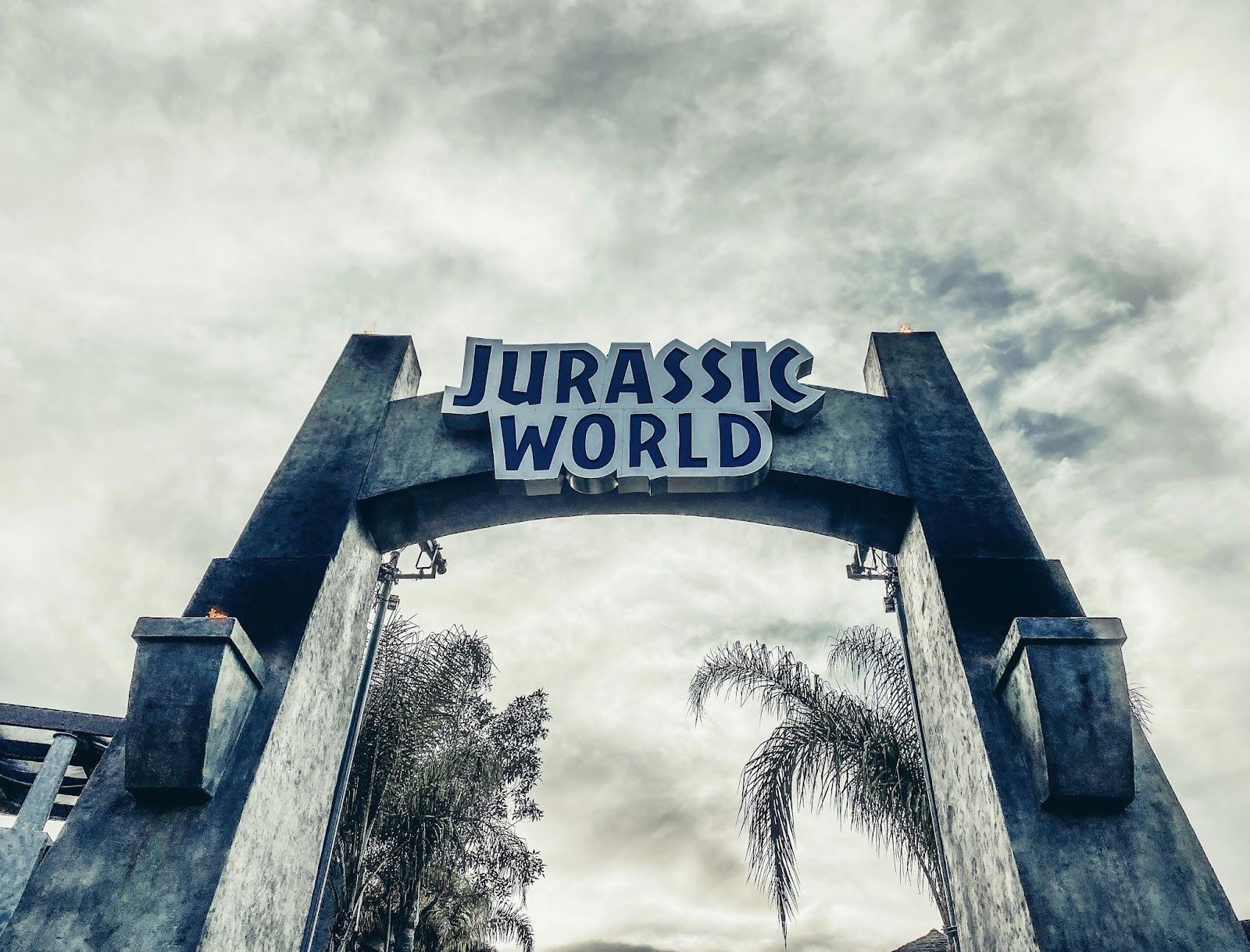
Image: Christopher Stark

We understand; bringing giant reptiles from millions of years ago to life isn’t easy… or cheap. Maybe that’s why Jurassic World: Dominion (2022) cost an incredible $465 million! But not all of that went to special effects. Filmed during the pandemic, the costs of safety measures and protocols for the large cast and crew were anything but low. The actors even spent months quarantining in the luxurious Langley Hotel near Pinewood Studios, which also inflated the film’s budget.

2
Star Wars: The Force Awakens

Image: Lyman Hansel Gerona

There are Star Wars fans everywhere, and for good reason, as it’s considered one of the greatest movie franchises of all time. But creating something this good comes at a high price: $447 million, to be precise. In addition to the visual effects and incredibly detailed costumes, the movie was shot across multiple countries: England, Iceland, Ireland, and even the United Arab Emirates. On top of that, the production counted with a top-tier cast, including Harrison Ford and Carrie Fisher.

3
Fast X
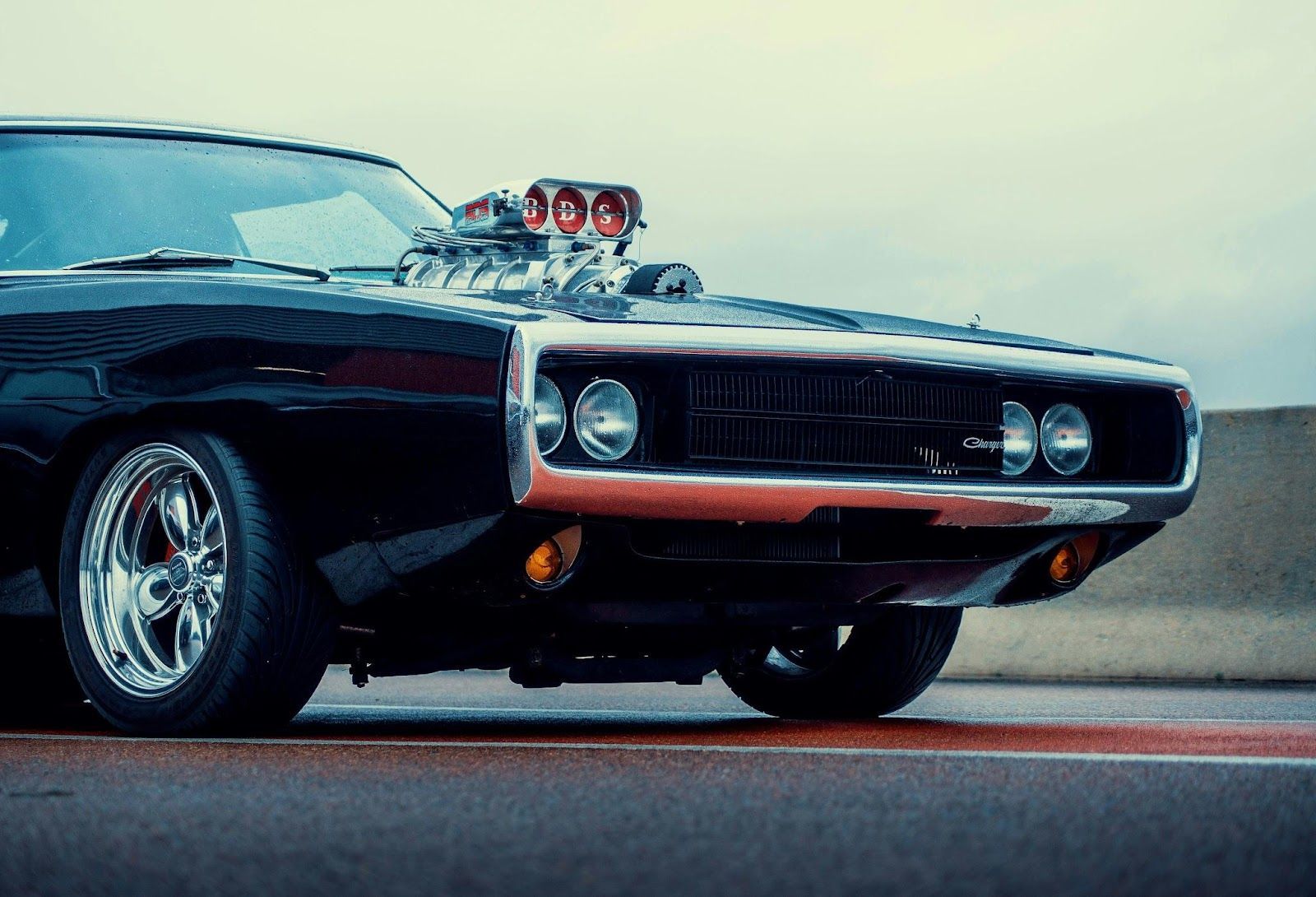
Image: Cook aynne

Fast X (2023) ranks among the most expensive movies ever made, with an incredible budget of $379 million. But it wasn’t just the explosions, wild rollovers, and high-speed chases that elevated the costs; a big part went into reuniting much of the original cast. On top of that, the production didn’t stick to Los Angeles alone; it also filmed in beautiful international locations such as Rome, Turin, and Lisbon.

4
Pirates of the Caribbean: On Stranger Tides
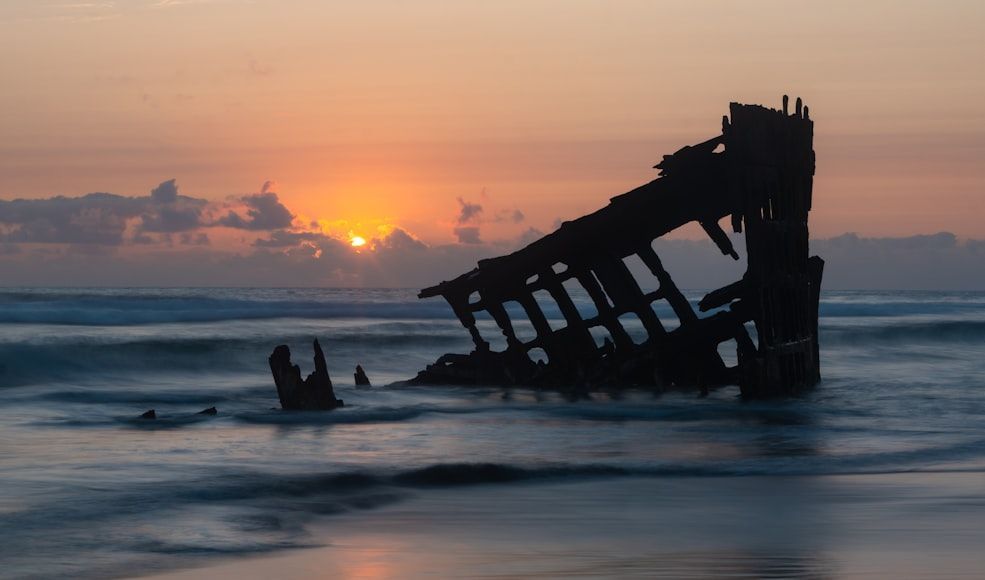
Image: Intricate Explorer

This film cost about the same as Fast X , but it came out 12 years earlier, when that budget was even more impressive. Pirates of the Caribbean: On Stranger Tides (2011) accumulated around $378.5 million in production costs, much of it going to star salaries, especially Johnny Depp, who reportedly earned $55 million for his role. And that’s not all; the film’s visual effects and far shooting locations (Hawaii, the UK, Puerto Rico) drove the budget even higher.

5
Avengers: Age of Ultron
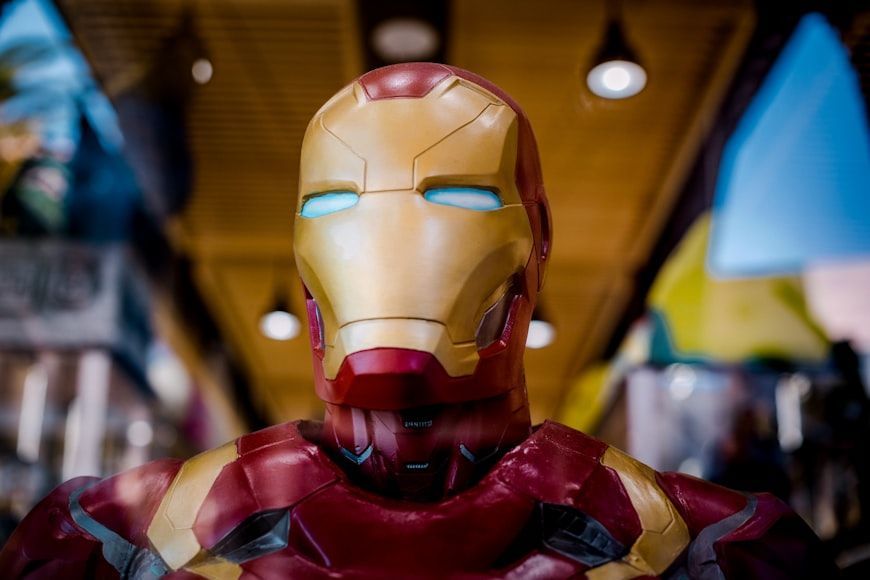
Image: Jason Leung

The superheroes’ suits, the incredible effects that brought their powers to life, the amazing battle scenes, and all the destruction they caused pushed the budget of Avengers: Age of Ultron (2015) to $365 million. But here’s the most interesting part: another film from the same saga, Avengers: Endgame , was released four years later and actually cost less (about $356 million).

6
Avatar: The Way of Water
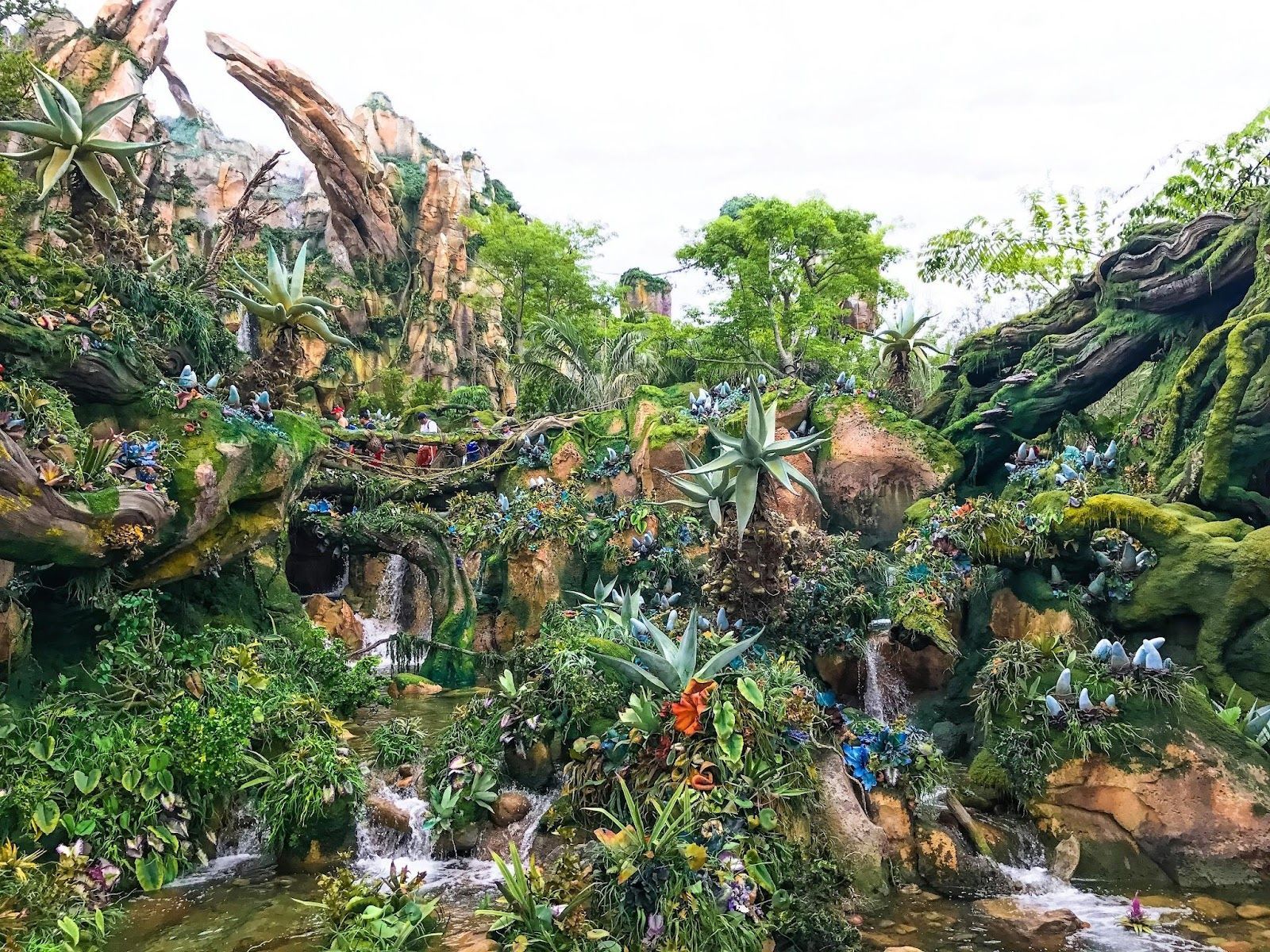
Image: Luke Tanis

One thing’s for sure: making a movie is never easy, especially when it features a giant blue alien species living in an underwater world. That’s the case with Avatar: The Way of Water , released in 2022 with an astounding budget of $350 million. Costs climbed even higher thanks to its long filming schedule, which stretched from 2017 all the way through 2020!

7
Indiana Jones and the Dial of Destiny

Image: Intricate Explorer

Indiana Jones always gives his all, and his latest adventure, Indiana Jones and the Dial of Destiny (2023), was proof of that. The film cost around $327 million to produce, and the action didn’t stay confined to a studio, as the cast, crew, and equipment traveled to locations across the UK, Morocco, and Italy. In addition, the innovative visual effects and de-aging technology used to bring Harrison Ford’s character to life weren’t exactly cheap.

8
Mission: Impossible – The Final Reckoning
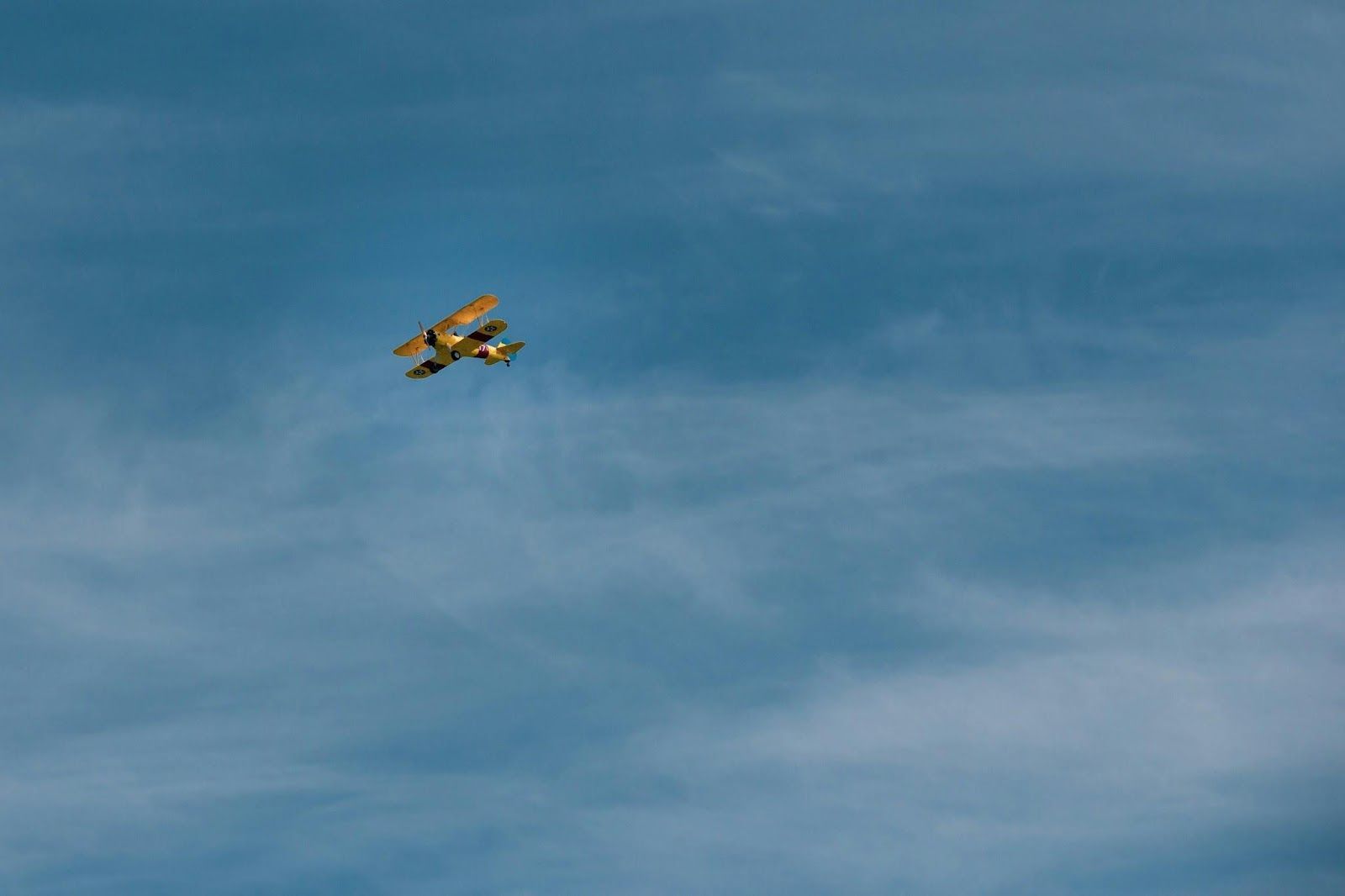
Image: Nao Takabayashi

Powerful action scenes and chases, biplanes performing aerial stunts, fierce battles, and underwater sequences: you’ll find all this and more in Mission: Impossible – The Final Reckoning (2025). But all this didn't come out of nowhere; it cost $300 million! Beyond the vehicles and specialized equipment, security measures had to be a serious matter. On the other hand, bringing Tom Cruise back to the saga and having him perform his own stunts added more dollars to the equation, with the actor reportedly earning between $70 million and $120 million for the movie.

9
No Time to Die

Image: Marcel Eberle

We were all excited to see Daniel Craig back in James Bond’s shoes, and we were lucky enough to watch him do it! But, of course, it didn’t come cheap. Beyond Craig’s generous salary and advanced visual effects, the film’s $250 million budget also covered the costs of filming across multiple, distant locations, including Italy, Jamaica, Norway, the Faroe Islands, and the UK!

10
Snow White

Image: Priscilla Du Preez 🇨🇦

After so many scenes of action, aliens, weapons, and explosions, you probably didn’t expect Snow White (2025) to make this list, right? But it did! While the film’s budget wasn’t officially confirmed, estimates put it at around $270 million. So, where did all that money go? First of all, the film relied on high-quality visual effects to bring the magic and fantasy of the fairy tale to life. But that wasn’t all; lead actresses Rachel Zegler and Gal Gadot reportedly requested substantial salaries.

General General 5 min read

National monikers

Golden dreams and aloha vibes: 10 state nicknames demystified!

Image: little plant

Ever wonder why states have those quirky nicknames? They’re more than just catchy phrases—they can actually help us understand a state’s history, culture, and character. From sunny beaches to rugged mountains, these nicknames were chosen to highlight what makes each place unique. Today, we’ll take a look at 10 fascinating state monikers and discuss their origins and the stories behind them. Maybe you’re a trivia enthusiast, or maybe you just love learning something new. In any case, this fun exploration will give you a deeper appreciation for our beloved territories.

1
California: The Golden State

Image: Maarten van den Heuvel

If this name makes you instantly think about the Gold Rush , let us tell you, you would be going in the right direction because California’s nickname, "The Golden State," gleams with both historical and literal significance.

It harks back to the 1848 Gold Rush, which transformed the state into a bustling hub for fortune seekers. But beyond gold, the nickname also refers to the Golden Gate, the entrance to San Francisco Bay. Additionally, the state’s flower, the golden poppy, is another nod to this iconic moniker. The nickname is more than accurate—wherever you look, California’s golden legacy keeps sparkling.

2
Connecticut: The Nutmeg State

Image: Christopher Luther

This may be one small state, but it sure has a lot of nicknames. The official one is "The Constitution State," but you’ve likely also heard of "The Nutmeg State." So why nutmeg for Connecticut? It’s not about farming—it’s a nod to the cleverness of its residents during colonial times.

The tale goes that traders from Connecticut sold carved wooden nutmegs as a joke, showcasing their wit and entrepreneurial spirit. While historians debate the truth of the story, the nickname stuck unofficially.

Want to know the other nicknames? They are "The Blue Law State" and "The Provisions State." So if you had to pick, which one is your favorite?

3
Delaware: The Diamond State

Image: Josefina Lacroze

Delaware might be small, but its nickname, "The Diamond State," reflects its value. Similar to Connecticut, it also holds several nicknames. Now, as for the one mentioned here, the legend credits Thomas Jefferson with calling Delaware a "jewel" among states due to its strategic location and resources.

As the first state to ratify the Constitution (which earned it the nickname "The First State"), Delaware is a gem in America’s founding story. Though tiny, it punches above its weight with its rich history, tax-friendly laws, and scenic beauty. It’s proof that great things come in small packages, you know?

4
Florida: The Sunshine State

Image: Betty Subrizi

"The Sunshine State" was officially designated as Florida’s nickname in 1970, but doesn’t it feel like it’s been that way forever? If Florida’s nickname doesn’t make you want to pack your beach bag , nothing will!

Known for its abundant sunshine, the state is a top destination for snowbirds and sun-seekers alike. Its warm weather supports everything from sprawling orange groves to its famous beaches. But Florida’s not just about sunny skies—it’s also rich in diverse wildlife and cultural vibrancy. Take a swim at its beaches or explore the Everglades, whatever you choose, this state’s bright reputation is well-earned.

5
Hawaii: The Aloha State

Image: Luke McKeown

Speaking of dreamy beaches and lots of sunshine, right? Hawaii’s nickname radiates warmth, just like its famous greeting, "Aloha."

But it’s so much more than that. Aloha embodies love, peace, and a deep connection to nature. It was even defined by the legislature as the Hawaiian philosophy that focuses on the collective experiences people have.

From lush landscapes to welcoming locals, the Aloha spirit defines Hawaii’s identity. Visitors leave with more than tan lines—they carry a piece of Hawaii’s enduring kindness and hospitality. They certainly had us at Aloha !

6
Mississippi: The Magnolia State

Image: Annie Spratt

Some states choose to honor legends, some honor their place in history, but Mississippi chose to honor the one thing you can see wherever you look around the state: the Magnolia tree.

With its iconic blooms and Southern charm, "The Magnolia State" perfectly suits Mississippi. Magnolias, known for their large, fragrant flowers, thrive in the state’s warm climate and are its official state tree and flower.

Mississippi took the simple route by choosing the magnolia as a symbol, and it’s even featured in the Mississippi quarter!

7
Missouri: The Show-Me State

Image: Tianxiang Ji

Missourians are famously skeptical, and that’s what the "Show-Me State" nickname celebrates. The phrase became popular after Congressman Willard Duncan Vandiver said in 1899, "I’m from Missouri, and you’ve got to show me ." It stuck, and now it symbolizes the state’s no-nonsense, practical attitude.

Beyond the attitude, Missouri shines with its stunning Ozark mountains, historic St. Louis Arch, and rich jazz heritage. Missourians are proof that actions speak much, much louder than words.

8
New Hampshire: The Granite State

Image: Spenser Sembrat

Here’s an example of a state that chooses to honor its natural production, much like California with its gold. Granite’s strength and durability make it the perfect symbol for New Hampshire.

Its rugged mountains and quarries helped earn the nickname "The Granite State." The rock also represents the state’s independent spirit and resilient residents.

Granite was a cornerstone, quite literally, of New Hampshire’s economy, as it was used in buildings across the nation. Combine this with breathtaking fall foliage and quaint small towns, and you’ve got a state that is as solid as they come.

9
Rhode Island: The Ocean State

Image: Demure Storyteller

Remember when we mentioned that some of the smaller states above have more than one nickname? Well, despite being the smallest state, Rhode Island boasts three nicknames, but most importantly, over 400 miles of coastline, earning it the title "The Ocean State."

From sailing in Narragansett Bay to fresh seafood delights, the ocean defines its character. The nickname reflects its maritime history, including colonial shipping and today’s vibrant waterfront communities. Rhode Island addresses the elephant in the room: Life is indeed better by the sea!

10
Tennessee: The Volunteer State

Image: Susanne Alexander

Our last item in this article honors history in the best way. Tennessee’s nickname dates back to the War of 1812 when its citizens volunteered by the thousands to take an active role, especially during the Battle of New Orleans.

But that wasn’t all. The reputation continued during the Mexican-American War, solidifying its "Volunteer State" nickname. Today, Tennesseans remain proud of their volunteer spirit, as they should! From vibrant Nashville to the serene Smoky Mountains, the state offers its best to everyone who visits. That go-getter attitude is as alive as ever in this hospitable state. Go, Tennessee!

History History 6 min read

Saddle up, partner

Do you know what cowboy life was like? These 11 facts might surprise you

Image: Jordan Crawford

"Oh, give me a home where the buffalo roam,

Where the deer and antelope play,

Where never is heard a discouraging word

And the sky is not clouded all day."

Home on the range - Traditional

If you grew up **dreaming of "being a cowboy and loving the cowboy ways"**—just like the great Willie Nelson sang—maybe that’s the life for you! But not everything is rosy in a cowboy’s life. Behind the romanticized image of wide-open ranges and carefree cattle drives lies one of the toughest jobs ever known. From brutal weather to dangerous animals—and lawless characters of all kinds —those who took this path had their strength, endurance, and grit tested daily. Here are 11 facts that reveal just how grueling life was for these iconic figures of America’s West.

1
Relentless weather

Image: Donnie Rosie

"There's a blizzard coming on, how I'm wishing I was home

For my pony's lame, and he can't hardly stand.

Listen to that norther sigh, if we don't get home we'll die.

But it's only seven miles to Mary Ann's"

The Blizzard - Jim Reeves

Across the plains from Texas to Montana, cowboys faced everything nature could throw at them —from scorching sun to freezing snowstorms and deadly tornadoes. The elements were a constant, unforgiving adversary in this rugged way of life.

Cowboys had to fear not only for their own lives but also for the lives of their cattle —and reining in a panicked herd during a lightning storm was certainly no walk in the park. Even today, with modern gear and technology, those who still drive cattle must rely on their instincts and skill to survive in the wilderness.

2
Dangerous animals

Image: Duncan Sanchez

"Lightning a flashin' everywhere

Thunder a rollin' through the air

Wind and rain, cattle look insane

This herd might stampede tonight"

Stampede - Sons of the Pioneers

Just as the weather tested their endurance, managing both wild and domesticated animals was no easy task. From wild predators to angry bulls, nervous bucks, and rattlesnakes hiding in the tall grass, the cowboy’s world was full of lethal threats.

Stampedes could scatter thousands of cattle in seconds, leaving riders vulnerable to trampling or injury. Even on the relative safety of the ranch, one wrong move could quickly end in tragedy.

3
Limited medical care

Image: Mathieu Stern

"Far away from his New England,

'Neath the southern sultry skies,

On the banks of a little river

They lay him down to die"

The Dying Cowboy - Traditional

An inherently dangerous job, cowboy life inevitably meant that injury was part of the work. Falling from a horse or taking a kick could incapacitate a cowboy for days or weeks, and with no formal workers’ compensation, many had to keep working despite the pain.

Cuts, broken bones, and infections could quickly turn deadly without proper treatment. Many cowboys learned rudimentary medical skills themselves or relied on frontier doctors with minimal supplies. Even today, those working in remote areas are hours away from medical help.

4
Grueling work hours

Image: Bailey Alexander

"Oh say, little dogies, why don't you lay down? [...]

My horse is leg-weary and I'm awful tired

But if I let you get away, I'm sure to get fired

Bunch up, little dogies, bunch up"

Night Herding Song - Harry Stephens

Cattle drives demanded 14 to 18-hour days with barely any rest. Cowboys often worked dawn till dusk, and sometimes even through the night.

The long days involved walking alongside thousands of cattle, breaking trail, and maintaining herd order. Sleep was often just a few hours, squeezed in wherever possible on the open range or near a campfire.

5
Horseback riding

Image: Jon Sailer

"He started his long ride in Prescott

The sun was a hundred or more

On down he rode at full gallop

Into the flat desert floor"

Ride, Cowboy, Ride - Marty Robbins

That brings us to the next point… all of that had to be done on horseback, and let me tell you, riding a horse for hours on end is much harder than it looks! Expert riders may make it seem effortless, but it’s far from easy.

Cowboys needed strong legs, resilient backs, and excellent balance. Horses could become tired or lame, but the cowboy had to press on regardless, often swapping mounts to keep the drive moving.

6
Limited food options

Image: Blake Carpenter

"Bacon and beans most every day

Soon to be eating that prairie hay"

Chisholm Trail - Traditional

Meals were often sparse and repetitive, mostly beans, salted meat, and hardtack. Cooking was done over open fires, with limited tools, and fresh food was a luxury rarely available.

Preserving meat through salting or smoking was essential for long drives. Still, fresh produce was so scarce that vitamin deficiencies—and even scurvy—could develop in some cases.

7
Water scarcity

Image: Jonathan Greenaway

"All day I've faced a barren waste

Without the taste of water

Cool water

Old Dan and I with throats burned dry"

Cool Water - Bob Nolan

Particularly in the arid southern regions of the West, finding clean water was a daily struggle for both cowboys and cattle—a dry creek could mean the difference between reaching the next stop or falling behind entirely.

While most cowboys were savvy navigators of their regions and often knew where to find drinking water, water holes could still be miles apart, forcing long detours or risky stops. Drinking from stagnant sources carried serious risks, including dysentery, cholera, and other waterborne diseases that could quickly incapacitate both men and animals.

8
Long, dusty trails

Image: Bailey Alexander

"The blue skies have failed so we're on our last trail

Underneath these dusty skies

These ain't tears in my eyes

Just sand from these dusty skies"

Dusty Skies - Bob Wills

Cattle drives could stretch over 1,000 miles, with cowboys and their herds enduring endless dust and scorching heat along the trail.

Prolonged exposure to dust caused respiratory problems and irritated eyes, which is why many cowboys tried to limit their exposure using bandanas or makeshift rags to cover their faces. The same cloth also provided protection from the unforgiving sun and drying wind.

9
Lawlessness and violence

Image: Jon Sailer

"Texas Red had not cleared leather

When a bullet fairly ripped

And the ranger's aim was deadly,

with the big iron on his hip"

Big Iron - Marty Robbins

As beautiful and serene as the open range was, the West was also full of danger—outlaws, land disputes, and conflicts over cattle and water were common. Far from the comforts of civilization, the strong arm of the law was often hours or days away, making gunfights, rustling, and revenge killings part of everyday reality.

Cowboys frequently carried firearms for protection, relying on their own skills and the support of their fellow riders to maintain some measure of security on the frontier.

10
Working for dust and pennies

Image: Ashim D’Silva

"And I nearly starved to death, boys

He did mistreat me so

And I never saved a dollar

In the pay of Diamond Joe"

Diamond Joe - Traditional

Despite the danger and hard work, cowboys earned little—sometimes as low as $25 a month, and that was when the boss was being somewhat fair!

The job was seasonal and unstable, with no benefits or retirement plans, so many worked well into old age. Some took on multiple jobs or moved frequently just to get by. Far from lucrative, the cowboy lifestyle was often endured only by those who loved the work or had nowhere else to turn.

11
Isolation and loneliness

Image: Luke Schlanderer

"Cowboys are special with their own brand of misery

From bein' alone too long

You can die from the cold in the arms of a night, man

Knowin' well that your best days are gone"

My Heroes Have Always Been Cowboys - Willie Nelson

While the near-mythological image of the cowboy paints him as a lone, self-reliant hero, the reality is that cowboys depended heavily on one another. Even so, the work could be deeply isolating. Weeks could pass without seeing a town, friends, or family, as they roamed vast, empty landscapes.

This constant solitude often weighed on their mental health, but many fought the loneliness of the trail with campfire songs shared among fellow cowhands or by writing letters to their loved ones.

Explore more American facts

Choose your favorite category!

General
General

As American as apple pie—the very best America has to offer!

Culture
Culture

Delve into the astounding richness of American lore.

Geography
Geography

Hop in and explore vast and diverse American landscapes.

History
History

Discover the key moments that shaped the United States.