General General 3 min read

Middle matters

Guess which president didn’t even have a real middle name!

Image: Tim Mossholder

Ever wonder about the names of our presidents? Turns out those middle names often tell family stories, reveal forgotten traditions, or, sometimes, just show how human our most powerful leaders really are. Some honored relatives, others used their middle names to stand out, and one didn’t have a middle name at all. Here are some fascinating tales hidden in the middle of history.

1
John Adams
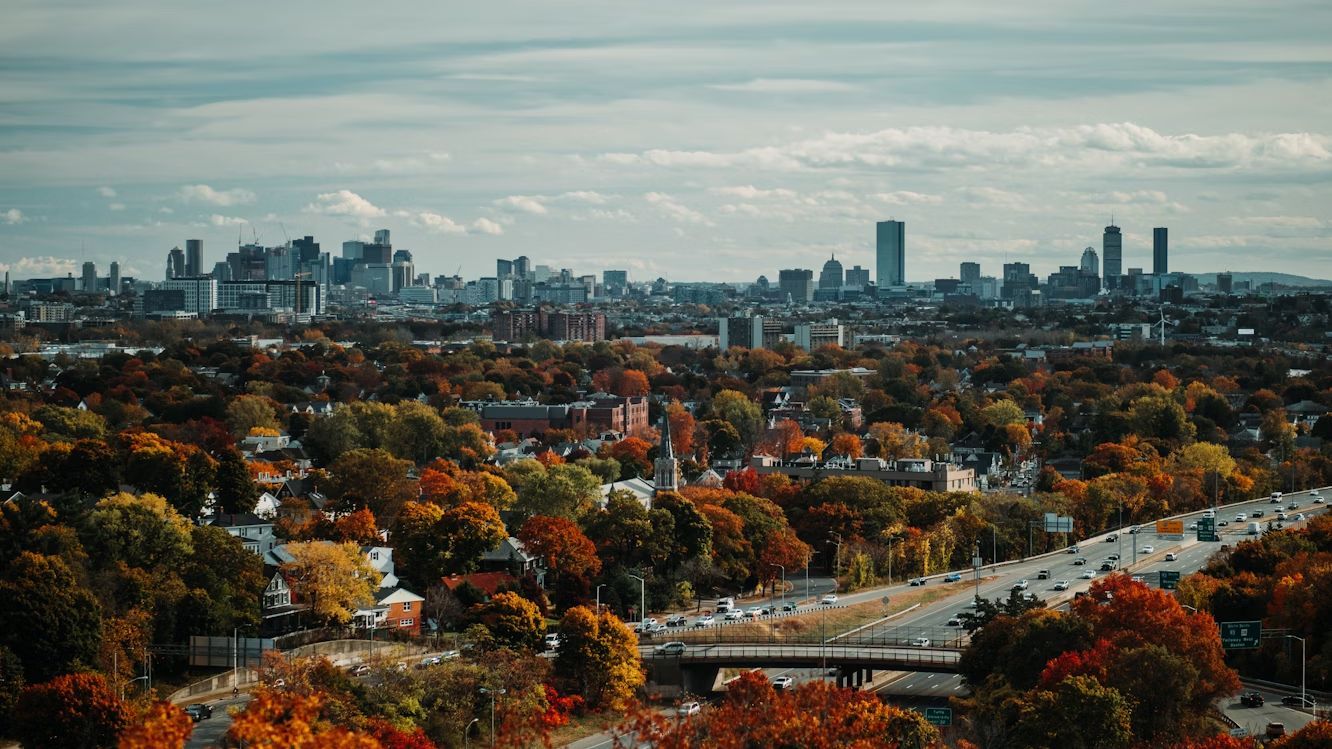
Image: Mark Olsen

Middle name: Quincy

Our sixth president, John Quincy Adams, was the son of the second president, John Adams. He was named "Quincy" after his maternal great-grandfather, John Quincy, and later signed his initials as "JQA" to avoid confusion with his father. A strong mind clearly ran in the family.

2
William Harrison
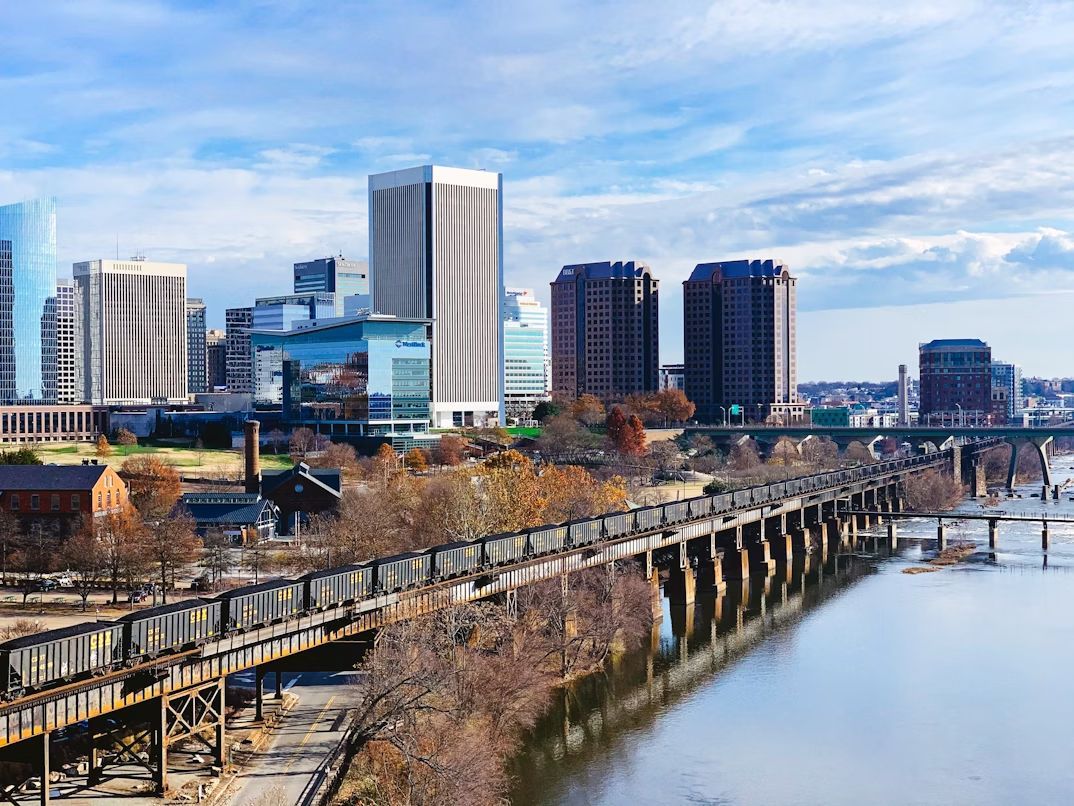
Image: STEPHEN POORE

Middle name: Henry

William Henry Harrison, the ninth president, was named for both his grandfather and uncle. Sadly, his presidency was the shortest in history, just one month after he caught pneumonia giving a long speech in the rain.

3
James Polk
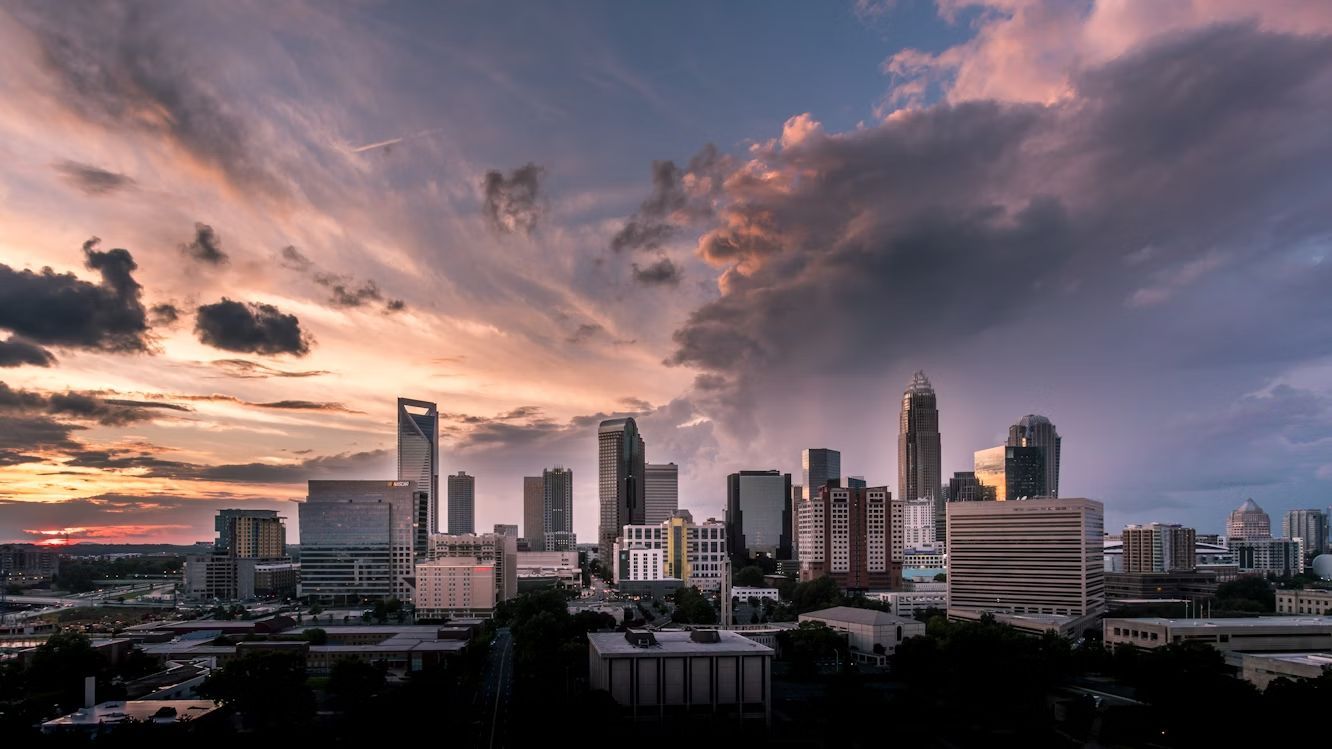
Image: Daniel Weiss

Middle name: Knox

James Knox Polk carried his grandfather’s name with pride. Born in North Carolina in 1795, he expanded the nation’s territory by more than a third during his single term, finally stretching the U.S. from coast to coast. Quite an accomplishment for one presidency.

4
Ulysses Grant
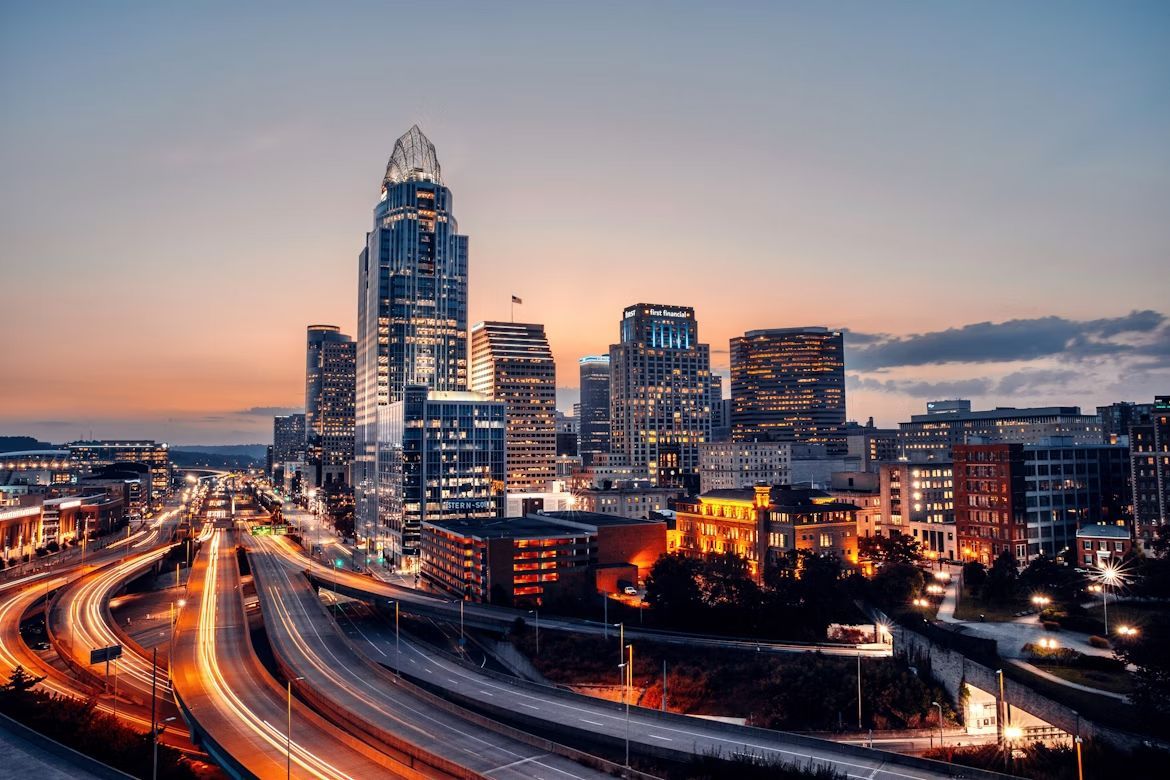
Image: Jake Blucker

Middle name: Ulysses

Fun fact: "Ulysses S. Grant" wasn’t his real name. He was born Hiram Ulysses Grant, but a paperwork mix-up at West Point changed it forever. The "S" came later as a nickname, "US" Grant, something that fit a general far better than "H.U.G." ever could.

5
Rutherford Hayes
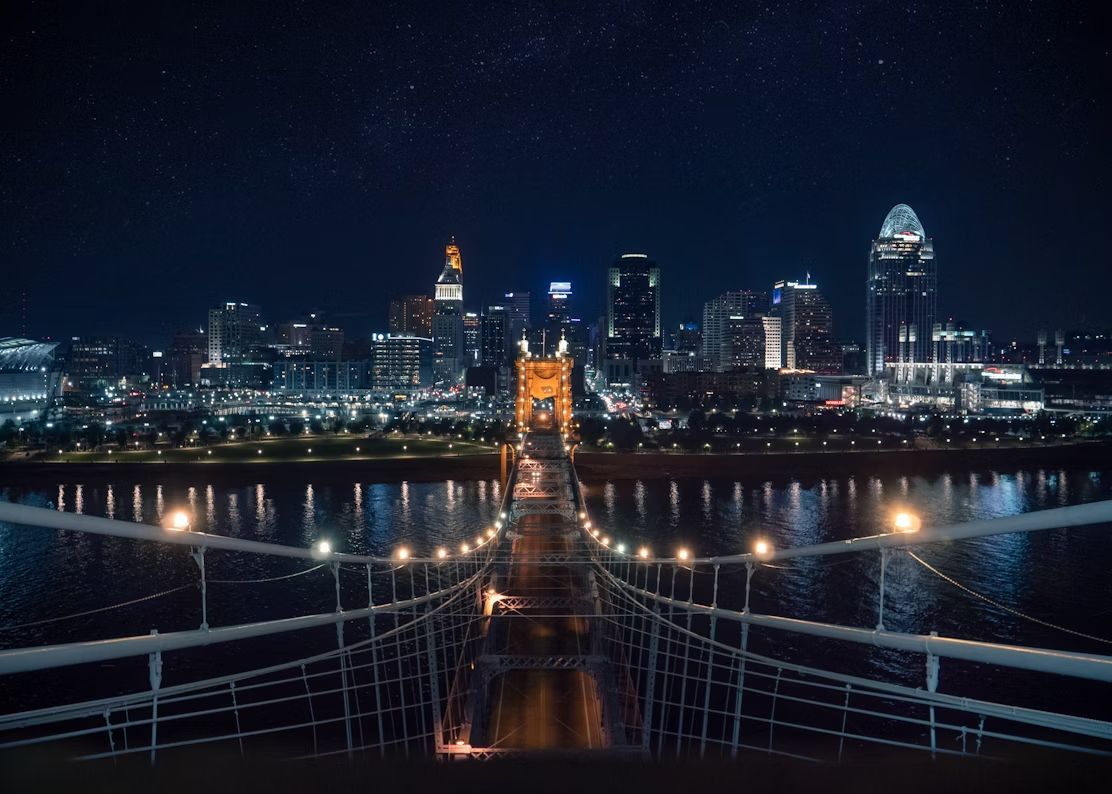
Image: Matt Koffel

Middle name: Birchard

Rutherford Birchard Hayes got his middle name from his mother’s maiden name. Born in 1822, he lost his father before birth but grew up to become the 19th president. He’s remembered for restoring faith in the presidency after a rough patch in American politics.

6
Grover Cleveland

Image: Manisha Raghunath

Middle name: Grover

Stephen Grover Cleveland dropped his first name early in life and stuck with Grover. It worked out well for him: he’s the only president in history to serve two nonconsecutive terms, making him both the 22nd and 24th president. That’s a comeback story.

7
William Taft
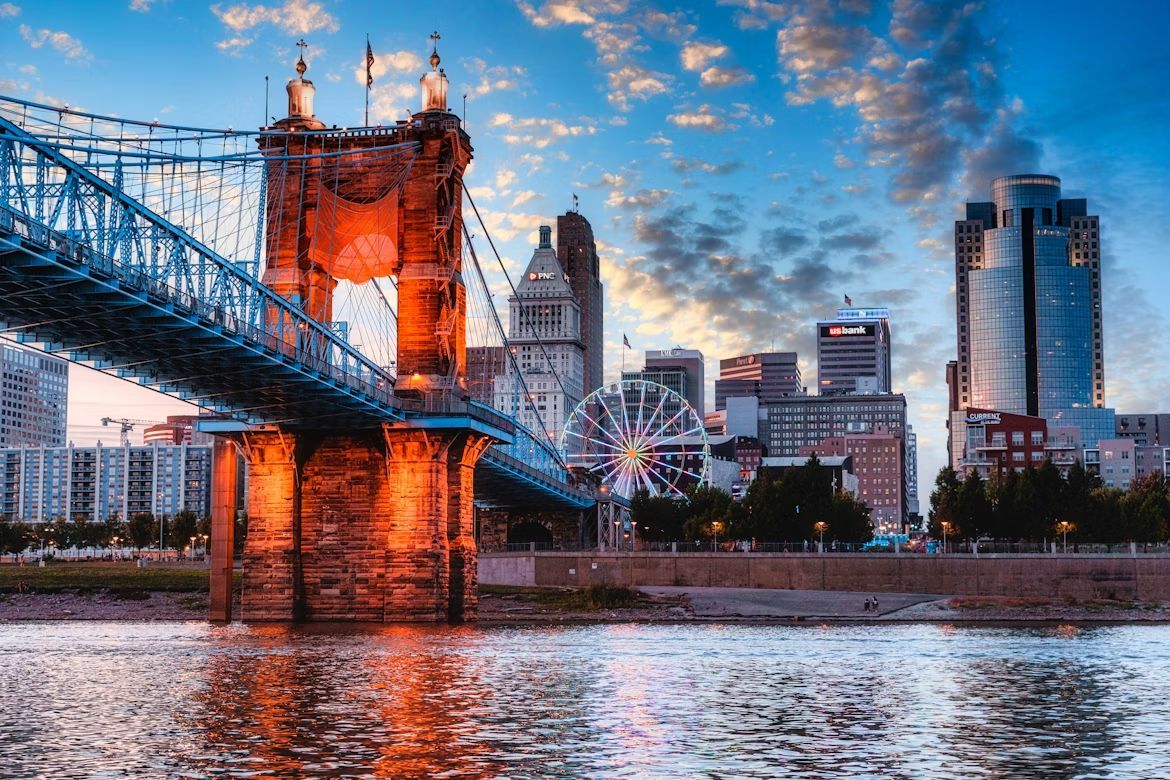
Image: Jake Blucker

Middle name: Howard

William Howard Taft’s middle name honored his grandmother’s family, the Howards. He remains the only person to ever serve as both U.S. president and Chief Justice of the Supreme Court. That’s two of the toughest jobs in one lifetime.

8
Woodrow Wilson
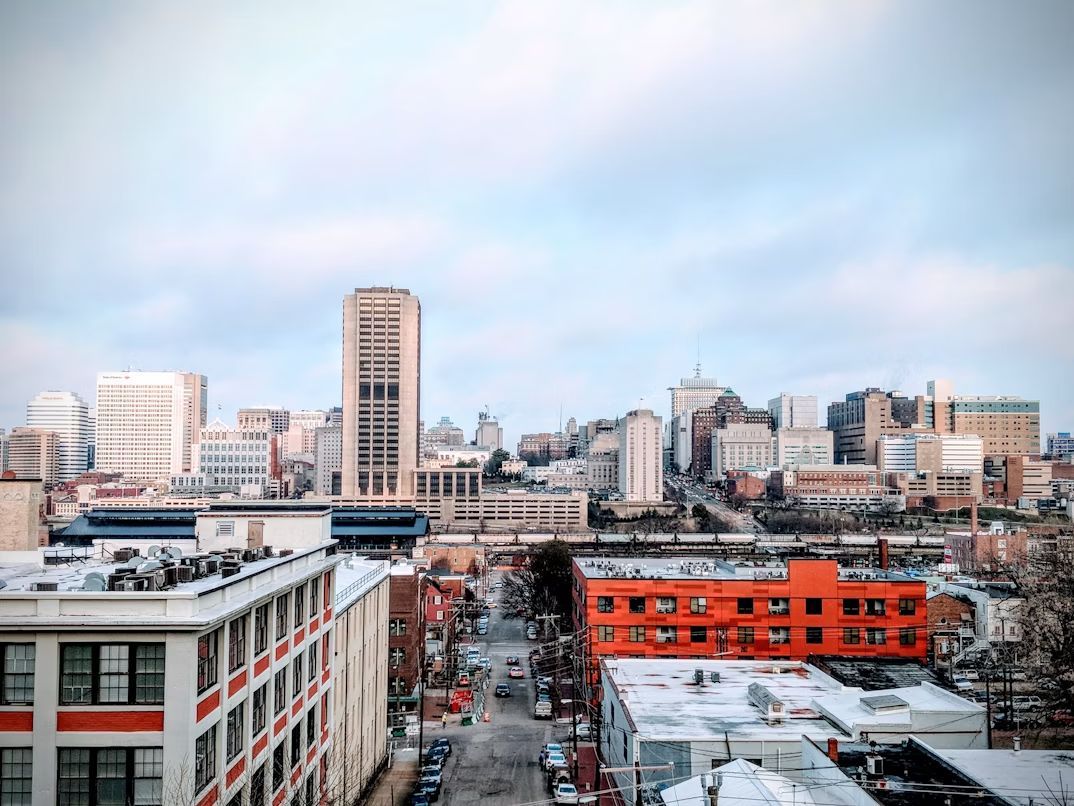
Image: STEPHEN POORE

Middle name: Woodrow

Born Thomas Woodrow Wilson, he eventually dropped his first name and went by Woodrow instead. It sounded distinguished, and clearly, it worked for him. As our 28th president, he guided the nation through World War I and helped shape modern international relations.

9
Warren Harding
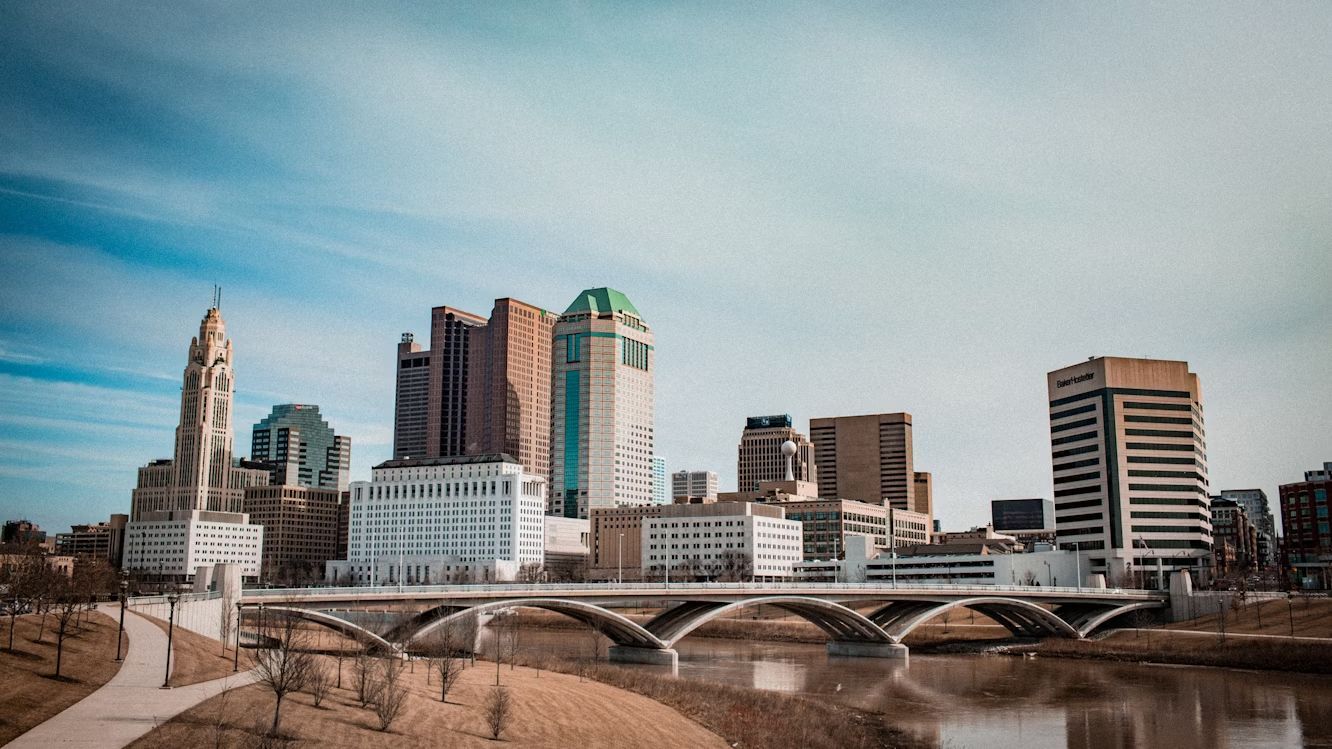
Image: Oz Seyrek

Middle name: Gamaliel

Warren Gamaliel Harding, born in Ohio in 1865, left his mark on American vocabulary by coining the word "normalcy." He wanted life to return to normal after World War I. His middle name, likely biblical, matched his calm, reassuring image.

10
Calvin Coolidge
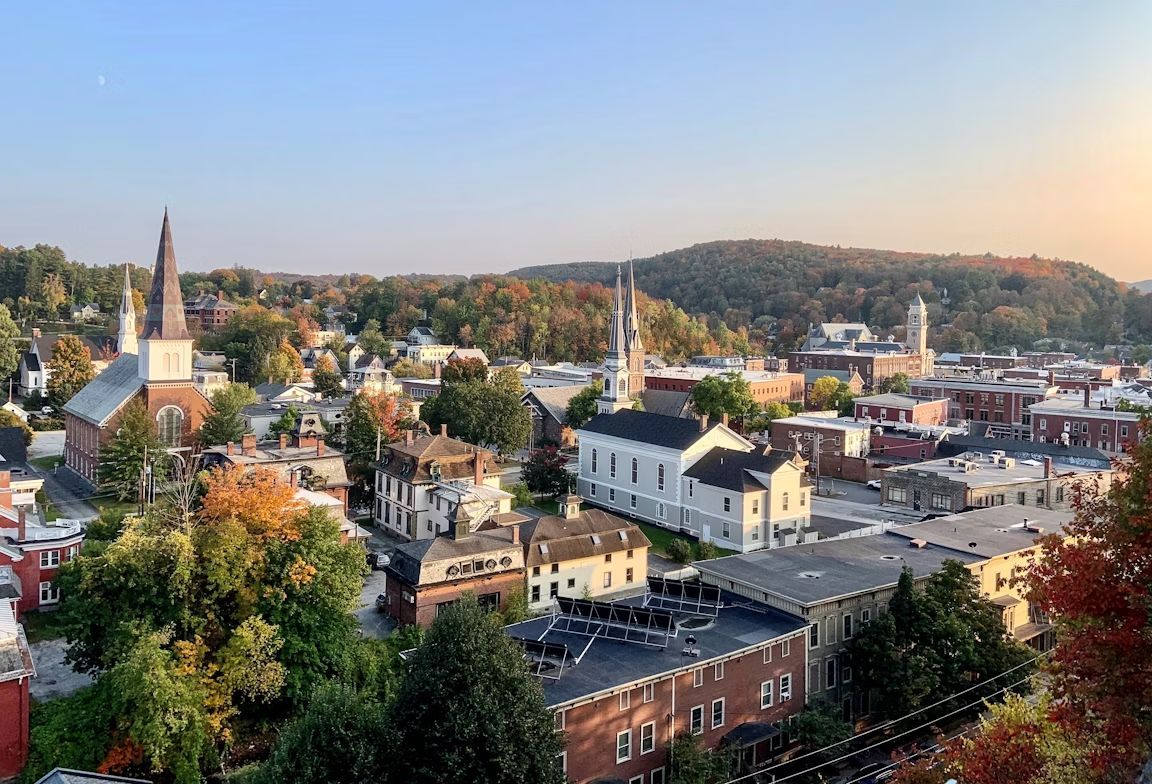
Image: John Holm

Middle name: Calvin

John Calvin Coolidge, our 30th president, was named for his father but went by his middle name from childhood. Known as "Silent Cal," he led with few words and steady leadership during the Roaring Twenties.

11
Herbert Hoover
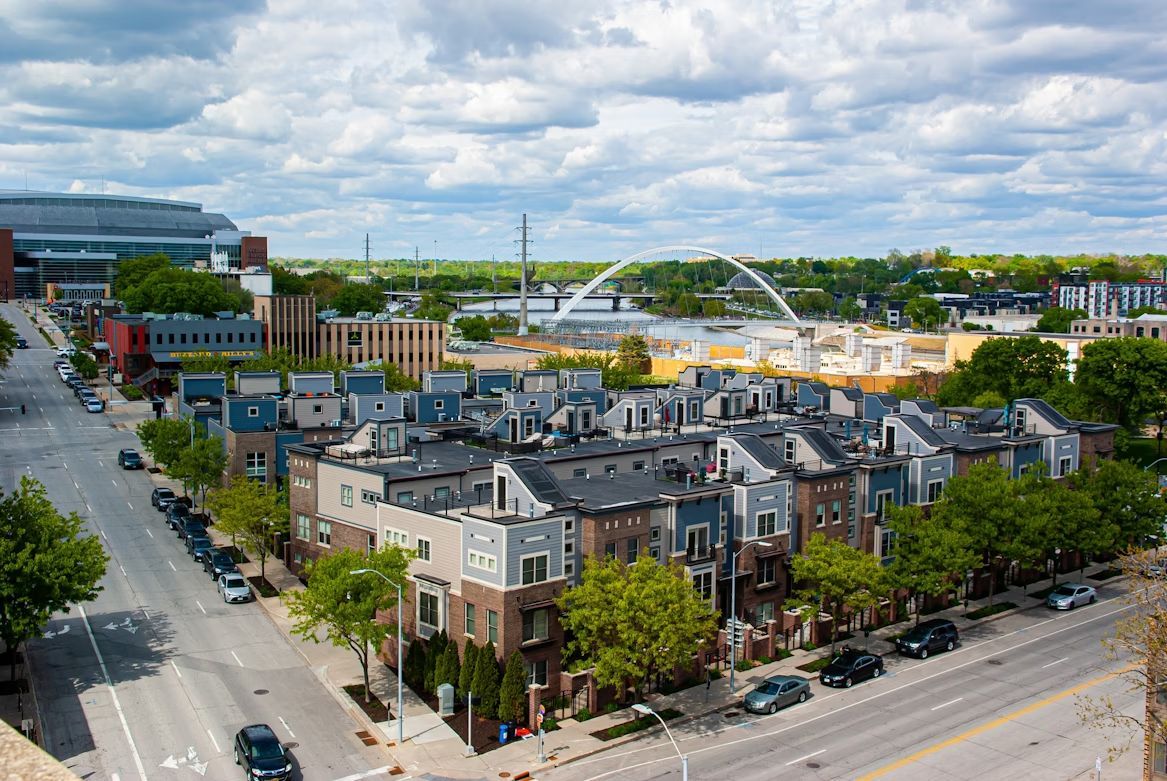
Image: Niko Vassios

Middle name: Clark

Herbert Clark Hoover shared his middle name with his father, Jesse Clark Hoover. Born in Iowa in 1874, he was a self-made man long before entering politics. Sadly, his presidency became synonymous with the Great Depression, but he remained known for his work ethic and humanitarian efforts.

12
Harry Truman
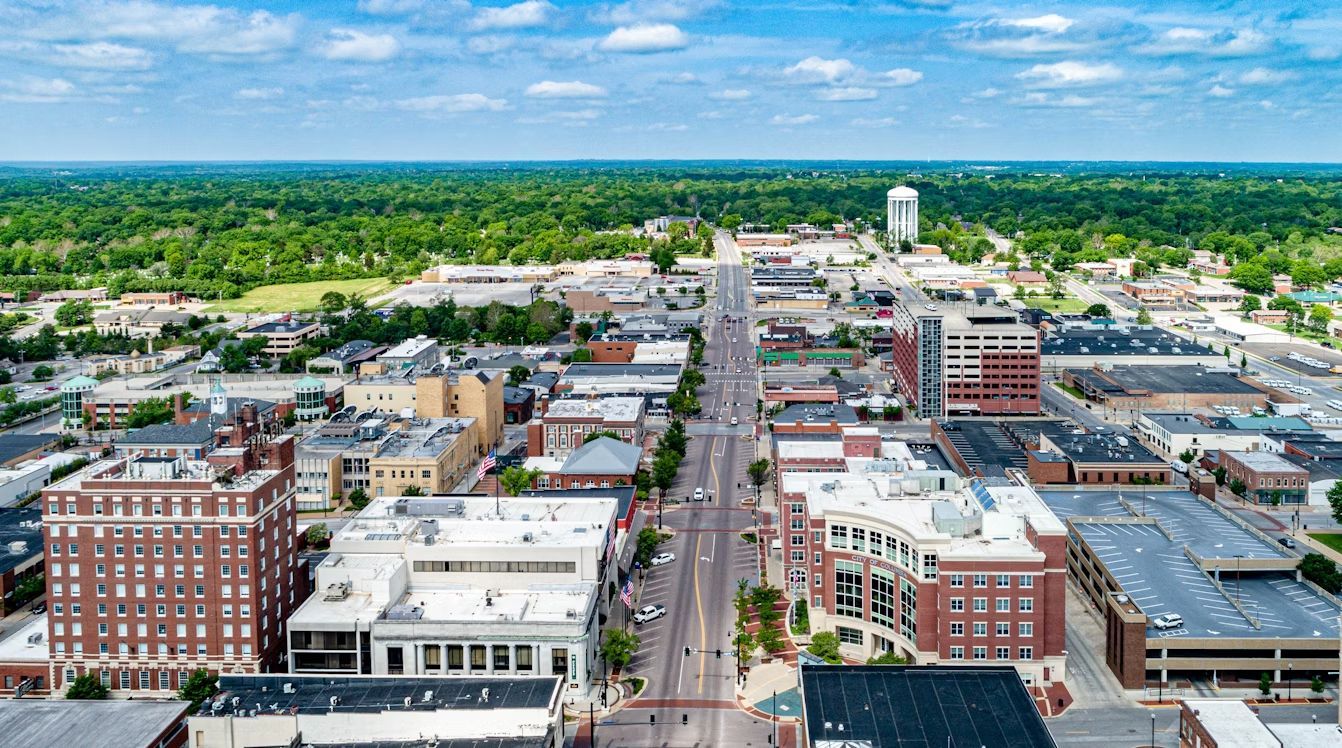
Image: Mike Gattorna

Middle name: S.

Harry S. Truman’s middle initial doesn’t stand for anything at all. His parents couldn’t decide between his two grandfathers, Solomon and Shippe, so they settled on "S." It’s a fitting story for a man known for making tough choices, including some of history’s most remembered.

13
Gerald Ford
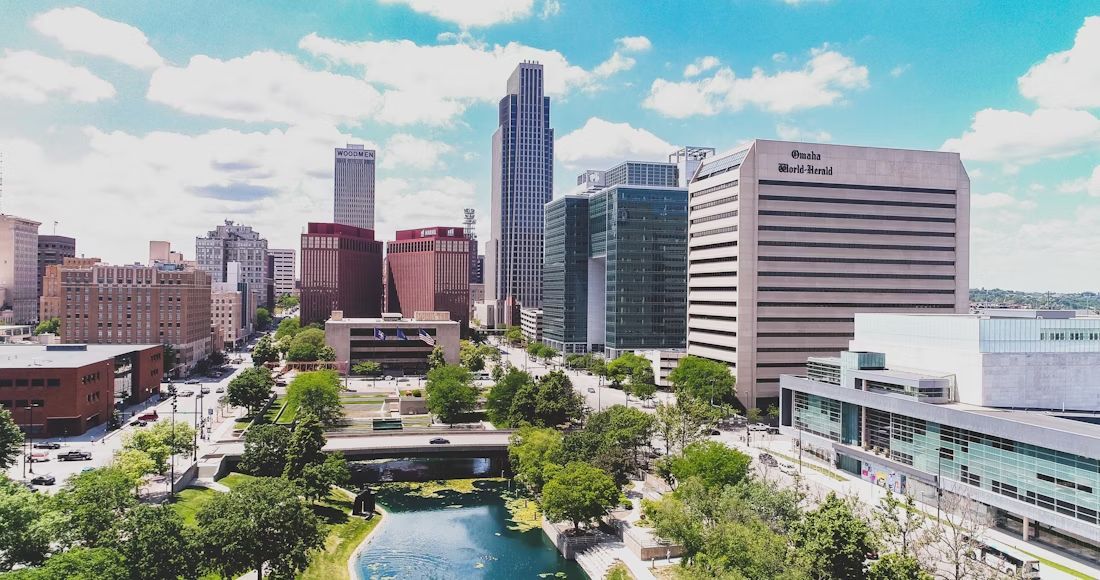
Image: John Matychuk

Middle name: Lynch / Rudolph

Gerald Ford had two middle names in his lifetime. He was born Leslie Lynch King Jr., but after his mother remarried, his name was changed to Gerald Rudolph Ford Jr., in honor of his stepfather. He’s also the only president who never won an election but took office after Nixon’s resignation.

Culture Culture 6 min read

Geniuses at work

We're here today because of them! Meet 10 Americans who changed history

Image: Quino Al

The United States is a land of progress and innovation, so it makes sense that many of the world's most important inventors and scientists are Americans. From breakthroughs like the lightning rod and the light bulb to advancements in the world of medicine, biology, and astronomy, there have been many men and women who, from different fields of study, have contributed to the scientific progress of our country and the entire world. Join us as we review these 10 American inventors and scientists who changed history!

1
Thomas Edison

Image: Call Me Fred

When it comes to inventors, we can't fail to mention the incredible Thomas Alva Edison.

Edison was born on February 11, 1847, in Milan, Ohio, and since he was a child, he showed his interest and talent in mechanics and electricity. At the age of 11, he set up his first laboratory in his parents' home, and by the age of 12, he ran his own business: a newspaper he designed, printed, and sold himself.

Creator of the phonograph (the first device capable of recording and reproducing sounds) and a fundamental part in the development and popularization of inventions such as the electric light bulb and the motion picture camera, Edison patented more than 1000 creations during his lifetime. Impressive!

2
Benjamin Franklin

Image: Dan Mall

Born in Boston, Benjamin Franklin was one of our Founding Fathers, the men whose principles, values, and ideas shaped America. But as if that weren't enough, Franklin was also a renowned scientist, inventor, and polymath.

A pioneer in the field of electricity, he's remembered for his famous kite experiment, which demonstrated the electrical nature of lightning and led to the invention of nothing less than the lightning rod. In addition, he's also credited with iconic inventions such as the first efficient wood-burning stove (later known as "the Franklin Stove"), the bifocal glasses, and the glass armonica.

3
Samuel Morse

Image: The New York Public Library

Unlike other scientists and inventors on this list, Samuel Morse began his journey in a completely different field: art.

Morse studied at Yale, where he completed his studies in 1810. He then embarked on a trip to Europe to continue his artistic education, but this trip awakened another peculiar interest in him. Frustrated by the communication methods of his time, Morse focused his creativity on finding ways to transmit information over long distances using electrical signals. Thus, the revolutionary telegraph was born, along with its way of communication, the Morse code.

4
The Wright Brothers

Image: Simon Fitall

The Wright Brothers were the famous siblings who, in the 20th century, achieved a goal long sought by humanity: flight.

Wilbur and Orville Wright are credited with inventing, building, and flying the world's first successful airplane. As you probably know, on December 17, 1903, they made the first sustained flight in history using the Wright Flyer, their iconic invention.

On that December morning, the brothers flipped a coin, letting fate decide who would be the first to test the aircraft. Although Wilbur won, that first attempt failed. So it was Orville who flew for 12 seconds, traveling 120 feet over Kitty Hawk, North Carolina.

5
George Washington Carver

Image: Tom Hermans

George Washington Carver was born in the 1860s in Diamond, Missouri. In the 1890s, his intelligence and hard work enabled him to enter Iowa State College (now Iowa State University), where he earned a master's degree in agricultural sciences. In 1896, he became the head of the agriculture department at Tuskegee Institute in Alabama, where his career as a professor and a researcher took off.

Thanks to his investigations and tests, George Washington Carver made major contributions to agriculture, including his innovative techniques for crop rotation . In addition, he developed many and varied peanut products, such as oil, flour, soap, and ink, helping to make this crop one of the key products of the country's economy.

6
Carl Sagan

Image: Vaibhaw Kumar

The stars and the mysteries of the universe captivated the famous Carl Sagan from an early age. Born in Brooklyn, New York, in 1934, Sagan studied at the University of Chicago, where he earned degrees in physics, astronomy, and astrophysics, eventually working and collaborating with NASA.

His contributions to the field of astronomy earned him a position in projects such as the Mariner, Viking, Voyager, and Galileo missions, thanks to which we have learned a lot about Venus, Mars, and Jupiter. The famous high temperatures of Venus, for example, were confirmed thanks to his work.

Additionally, his book and series Cosmos attracted the public's interest in astronomy, inspiring many others to follow in his footsteps.

7
Grace Hopper

Image: Museums Victoria

While computer programming may seem like a modern issue, the pioneers of this field were already working as early as the 1940s.

Grace Hopper graduated in mathematics and physics in 1928 and obtained a master's degree and a Ph.D in mathematics from Yale University in 1934. Famous as a pioneer in the world of programming, Hopper's work began during World War II when she joined the US Naval Reserve. There, she worked on the earliest electromechanical computers and developed extensive and complex manuals to operate them.

Her greatest contribution came from her work with mathematical codes, which she translated and adapted into innovative machine-readable language. That innovation led to the creation of the first high-level programming languages.

8
Jonas Salk

Image: Олег Мороз

Jonas Salk is none other than the mind behind a medical milestone: the polio vaccine.

In the 1940s, Salk was beginning his career in medical research. While working at the University of Michigan, his work was crucial in developing the first successful influenza vaccine for the military during WWII. This event marked his later study of the poliovirus.

Polio was devastating during the first decades of the 20th century, but that changed dramatically thanks to Salk's work. The scientist led a team that succeeded in developing the first safe and effective injectable inactivated poliovirus vaccine (IPV) in 1955, and the rest is history.

9
Barbara McClintock

Image: digitale.de

Although her name may not be as instantly recognizable as some others on this list, her work definitely is. Barbara McClintock has undoubtedly made one of the most significant contributions to medicine and genetics.

In the 1940s and 1950s, she worked with chromosomes, investigating their role in inheritance, which led to discoveries that forever changed our understanding of genes.

Before her, genes were believed to be fixed and immutable. But McClintock came to change that idea with her most famous contribution: the discovery of transposable elements, aka "jumping genes." She demonstrated that jumping genes are present in multiple organisms, including humans, and play an essential role in genetic evolution.

10
Alexander Graham Bell

Image: Misho Tektumanidze

Alexander Graham Bell became interested in sound and communication at a young age, something that led to his greatest and most remembered contribution: the telephone.

Although born in 1847 in Edinburgh, Scotland, Alexander Graham Bell settled in the United States in 1871 and became an American citizen years later. It was here that he developed most of his experiments and research.

After years of experimenting with methods to transmit sound through electrical currents, Bell finally spoke into his invention on March 10, 1876, saying to his assistant, "Mr. Watson, come here. I want to see you." That was the first successful telephone call in history.

Culture Culture 6 min read

An urban musical journey

The ultimate New York playlist: 12 iconic songs about the Empire City

Image: Olga Fil

New York is a city of luxurious skyscrapers, yellow cabs, and wild dreams. The Big Apple has been the cradle, home, and inspiration for hundreds of musicians who have dedicated lines—and even entire songs—to its spirit and people. In this article, we've selected 12 tunes about New York City that have helped fuel the myth of the world’s most iconic metropolis . Read on to discover songs beyond Sinatra’s "New York, New York"!

1
"New York, New York" - Frank Sinatra

Image: Adrian Falcon

Of course, when we think of songs about the Big Apple, the first that comes to mind is the iconic "New York, New York," popularized by Frank Sinatra. Perhaps this is because it’s the tune that best captures the essence , resilient spirit, and unwavering magnetism of the city that never sleeps.

It was written in 1977 by John Kander and Fred Ebb as the theme song for New York, New York , a film directed by Martin Scorsese and starring Robert De Niro and Liza Minnelli. Minnelli performed the song in the film, but it wasn’t very successful at the time. It was The Voice 's 1980 version that would turn it into the city's unofficial—yet unquestionable—anthem .

2
"Chelsea Hotel #2" - Leonard Cohen

Image: Thought Catalog

The Chelsea Hotel is one of the most emblematic hotels in New York City. Artists such as William S. Burroughs, Bob Dylan, and Chet Baker, among many others, have stayed there. So, it makes perfect sense that some of these stars were inspired by the iconic building to create some of their most famous works.

Such is the case with Leonard Cohen’s "Chelsea Hotel #2," released in 1974. The lyrics not only recount a romantic encounter between the singer-songwriter and Janis Joplin but also capture the city’s bohemian atmosphere at the time.

3
"New York State of Mind" - Billy Joel

Image: Stefano Zocca

In the mid-1970s, after a long stint in Los Angeles, Bronx-born songwriter Billy Joel was terribly missing his hometown. During a return trip to the Big Apple while on tour, the Piano Man wrote his tribute to the city he loved most: "New York State of Mind."

At the time, the song wasn’t even released as a single and went largely unnoticed. However, over time, it became one of Joel’s signature songs . Decades later, the timeless tune would go on to inspire a hip-hop version—the next one on our list.

4
"Empire State of Mind" - Jay-Z & Alicia Keys

Image: ian dooley

With its evocative lyrics, Jay-Z’s modern rhythm, and Alicia Keys’ poignant backing vocals, "Empire State of Mind" captures the essence, energy, and resilient spirit of those who inhabit the city of New York. Released in 2009, the song was an instant hit. It achieved commercial success worldwide and has been featured on multiple critics' top 10 lists of best songs.

As mentioned earlier, the song’s title nods not only to Billy Joel’s "New York State of Mind," but also to rapper Nas’s 1994 single "N.Y. State of Mind."

5
"Autumn in New York" - Billie Holiday

Image: Josh Couch

Did you know that the famous "Autumn in New York" was originally conceived as a poem rather than a song? Its composer, Vernon Duke, wrote it in 1934 while vacationing in Westport, Connecticut, and added the music sometime later. Since then, many artists have recorded their own renditions, including Frank Sinatra, who helped popularize it in 1949.

But perhaps the version that best conveys the haunting melancholy of this iconic jazz standard is Billie Holiday’s, recorded in 1952. With her deep, raspy voice, the Angel of Harlem (see the next song on our list) delivers this love letter to the Empire City like no one else.

6
"Angel of Harlem" - U2

Image: The New York Public Library

"Angel of Harlem," a 1988 single by the Irish band U2, alludes to several New York City landmarks but is also a heartfelt tribute to Billie Holiday.

According to Bono, the song was inspired by the band’s first trip to the Big Apple . When they landed at JFK Airport, a limousine picked them up, and the driver had the radio tuned to Lady Day’s voice. They were so captivated by her sound that they couldn’t help but compose a song in honor of one of the city’s most influential musical figures.

7
"Englishman in New York" – Sting

Image: George Bakos

Bono wasn’t the only foreign artist who was inspired by the Empire City to pen a song. In the late 1980s, Sting released the single "Englishman in New York" as part of his second solo album after the dissolution of The Police. The song quickly became a global hit.

The "Englishman" in question is Sting’s friend, British writer and LGBTQ+ icon Quentin Crisp, who had recently relocated to New York. The singer-songwriter said that the different musical references in the song seek to capture the mood of someone walking down the street and listening to different styles, representing what it's like to walk around New York.

8
"Chelsea Morning" - Joni Mitchell

Image: Dan Braga

One of the most celebrated voices in American folk music, Joni Mitchell, wrote this song about her apartment in New York City’s Chelsea neighborhood. The song was inspired by the colorful reflections that danced on her walls when sunlight filtered through a mobile made of colored glass she had found in the street.

"Chelsea Morning" is part of her second album Clouds from 1969. Her sweet voice, merry acoustic guitar chords, and hopeful lyrics convey the deep emotions of the hippie lifestyle of a young woman living in 1960s New York.

9
"The Only Living Boy in New York" – Simon & Garfunkel

Image: Camila Fernández

Many songs about New York City explore the loneliness of living in a vast metropolis—and "The Only Living Boy in New York" is no exception. Paul Simon wrote the track when his musical partner, Art Garfunkel, left him behind in the city to film a movie in Mexico.

The song is part of the duo's fifth studio album, Bridge over Troubled Water released in 1970. The song blends bittersweet lyrics with a gentle, introspective melody. Its themes of solitude and longing have resonated with many over the years, inspiring a variety of heartfelt covers by artists who connected with its quiet sorrow.

10
"New York City Serenade" – Bruce Springsteen

Image: Danny Lyon, Public domain, via Wikimedia Commons

While Bruce Springsteen is known for being a New Jersey native, his prolific career also allowed him to write about the city across the Hudson River. "New York City Serenade" is part of the 1973 album The Wild, the Innocent & the E Street Shuffle , considered by some critics to be one of the greatest albums in rock n' roll history.

The song tells the tormented love story of Billy and Diamonds Jackie as they wander the dark streets of Gotham in the 1970s. Blending Springsteen’s signature suburban rock with elements of jazz and gospel , "New York City Serenade" is one of his most atmospheric and musically ambitious pieces—a sprawling homage to the city’s grit, soul, and romance.

11
"Rhapsody in Blue" – George Gershwin

Image: rosanna17

Although it has no lyrics, we can all agree that this composition is a true musical portrait of 20th-century New York City. Written by George Gershwin in 1924, the piece blends classical tradition with jazz-inflected flourishes, capturing the vibrant, chaotic spirit of the Big Apple in full swing.

The speed and rhythm of the tune perfectly reflect the frenetic life of one of the world's greatest metropolises. "Rhapsody in Blue" is so quintessentially New York that even Woody Allen used it for the opening sequence of his film Manhattan alongside gorgeous vistas of the most iconic locations and buildings in the city.

12
"Downtown Train" – Tom Waits

Image: Erik Calonius, Public domain, via Wikimedia Commons

You may know this song best from Rod Stewart’s 1989 hit version, but "Downtown Train" was originally written and performed by Tom Waits for his 1985 album Rain Dogs . Without leaving behind his jazz and blues influences —and his trademark avant-garde style—this tune has an unmistakable pop touch.

Set against the backdrop of New York’s restless nightlife, the song paints a wistful portrait of longing and unattainable love—particularly for the elusive Brooklyn girls. Through his gravelly voice and poetic imagery, Waits cements his place as one of the great modern chroniclers of the Big Apple .

Explore more American facts

Choose your favorite category!

General
General

As American as apple pie—the very best America has to offer!

Culture
Culture

Delve into the astounding richness of American lore.

Geography
Geography

Hop in and explore vast and diverse American landscapes.

History
History

Discover the key moments that shaped the United States.