Geography Geography 5 min read

Bucket list-worthy!

Grab your backpack and prepare to visit the 12 best day hikes in the U.S.

Image: Vi Nowak

Selecting the best day hikes in a country as vast and diverse as the United States is no easy task. With thousands of incredible hikes, parks, and trail systems, choosing your next adventure can feel overwhelming. So, where should you go next? We know it’s a tough decision, so we’ve narrowed it down to 12 unique and equally amazing options. Join us as we explore the most beautiful day hikes in the U.S.!

1
Chain Lakes Loop Trailhead

Image: Pavł Polø

If you’re looking for stunning views and vibrant fall colors, Chain Lakes is the place to go. Located in Washington’s Mount Baker National Forest, this 6.5-mile trail takes about 4 to 5 hours to complete.

The Chain Lakes Loop is one of the most scenic hikes in the country, offering a glimpse of Northern Washington’s breathtaking landscapes . A paradise for outdoor explorers and landscape photographers, it features turquoise glacial lakes, rugged mountain chains, alpine meadows, snow-capped volcanic peaks, and towering conifers—it truly has it all!

2
Tom Dick and Harry Mountain
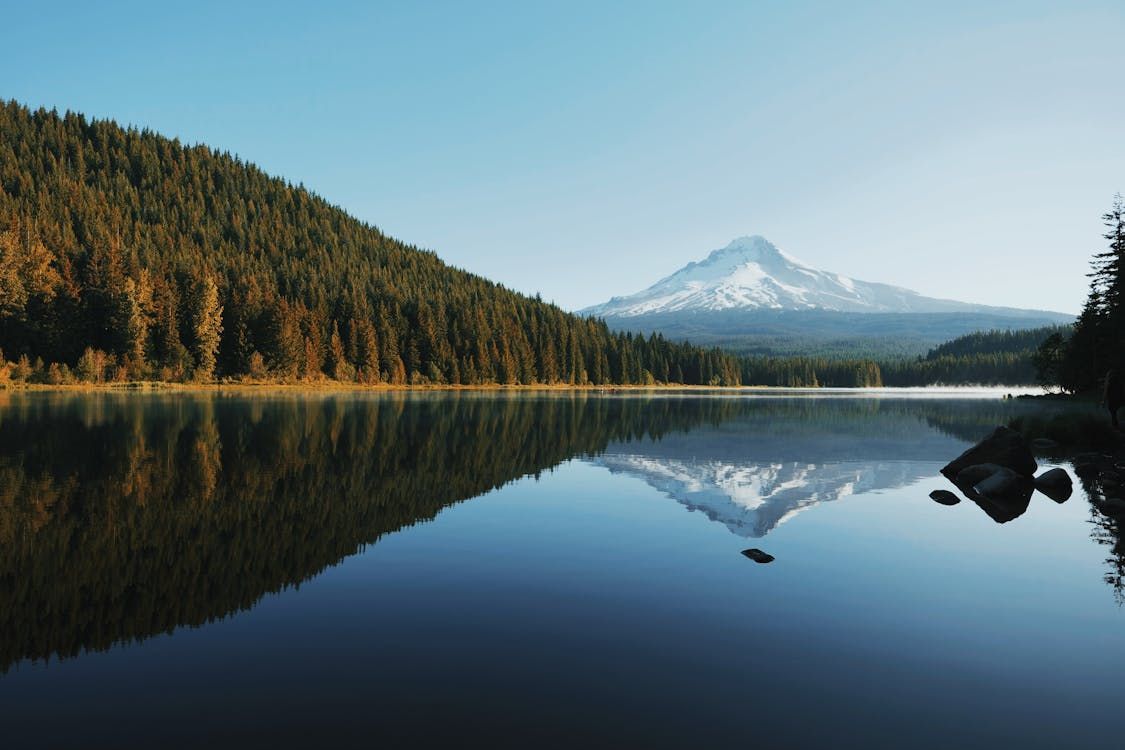
Image: Aleksey Kuprikov

Mirror Lake, located in Oregon’s Mount Hood National Forest, is a scenic trail popular for picnicking and swimming. But for even better views, hike another mile—you’ll be rewarded with the breathtaking sights of Mount Hood, a stunning perspective of the lake below, Mount Jefferson to the south, and, on a clear day, even Mount Rainier .

Tom Dick and Harry Mountain features three distinct peaks, which inspired its name—referencing the old phrase "any Tom, Dick, or Harry," used to describe three generic people. This 7.8-mile trail takes about 4 to 5 hours to complete.

3
Miners Ridge and James Irvine Trail Loop

Image: wallace Henry

This 13-mile trail in Prairie Creek Redwoods State Park, California, is long but has relatively little elevation gain. Though it takes 6 to 9 hours to complete, the breathtaking views are totally worth it.

The Miners Ridge and James Irvine Trail Loop is one of the best places to experience the majesty of the redwoods . Staring up at these massive, ancient old-growth trees is truly awe-inspiring. But while the trees are the main attraction, they’re not the only highlight. This loop also takes you across a scenic stretch of beach—offering the perfect opportunity to cool off in the ocean midway through your hike.

4
Clouds Rest From Tenaya Lake

Image: Jess Polley

When people think of Yosemite, Half Dome usually steals the spotlight. But what if we told you there’s a less crowded hike with unique landscapes and unforgettable views?

At nearly 13 miles, the Clouds Rest Trail from Tenaya Lake is a challenging yet rewarding day hike. The trail itself is beautiful, featuring rolling terrain with several ups and downs. Reaching the summit of Clouds Rest will reward you with breathtaking 360-degree views of the national park . From the top, you can spot Tenaya Lake, the Cathedral Spires, Mount Dana, and, of course, Half Dome.

5
Angels Landing

Image: Carl Nenzen Loven

Contemplating the world from atop a jaw-dropping mountain view is a humbling experience everyone should go through at least once. At Angels Landing in Zion National Park, Utah, that sense of majesty is within reach.

Though stunning, this 4.8-mile hike is not to be taken lightly. It has some dangerous cliffs that make it a bit challenging. If you have vertigo, perhaps this trail is not for you. However, if you are in good shape and have an adventurous soul, the stunning scenery at the summit is something not to be missed.

6
Alkali Flat Trail

Image: PublicDomainPictures

For a truly unique experience, travel to White Sands National Monument in New Mexico. The breathtaking blue skies and otherworldly white dunes of the Alkali Flat Trail will transport you to a desert worthy of the best adventure films.

On regular terrain, this 5-mile hike would be considered easy. However, the desert environment and lack of shade make it far more demanding than you might expect. To stay safe, avoid hiking in the summer and be mindful of the heat.

7
Mount Bierstadt

Image: caleb weiner

Did you know Colorado is home to more than 50 fourteeners? Mountains above 14,000 feet in height are the ultimate challenge for any self-respecting hiker. Mount Bierstadt, one of the more accessible 14ers, offers a rewarding climb just a short drive from Denver.

This 7.4-mile trail provides stunning views of Mount Evans, Torreys Peak, and Grays Peak. However, no mountain should be tackled without proper preparation and planning. That said, summiting Bierstadt is an excellent test of your abilities—especially if you're gearing up for a more challenging climb.

8
Cascade Canyon Trail
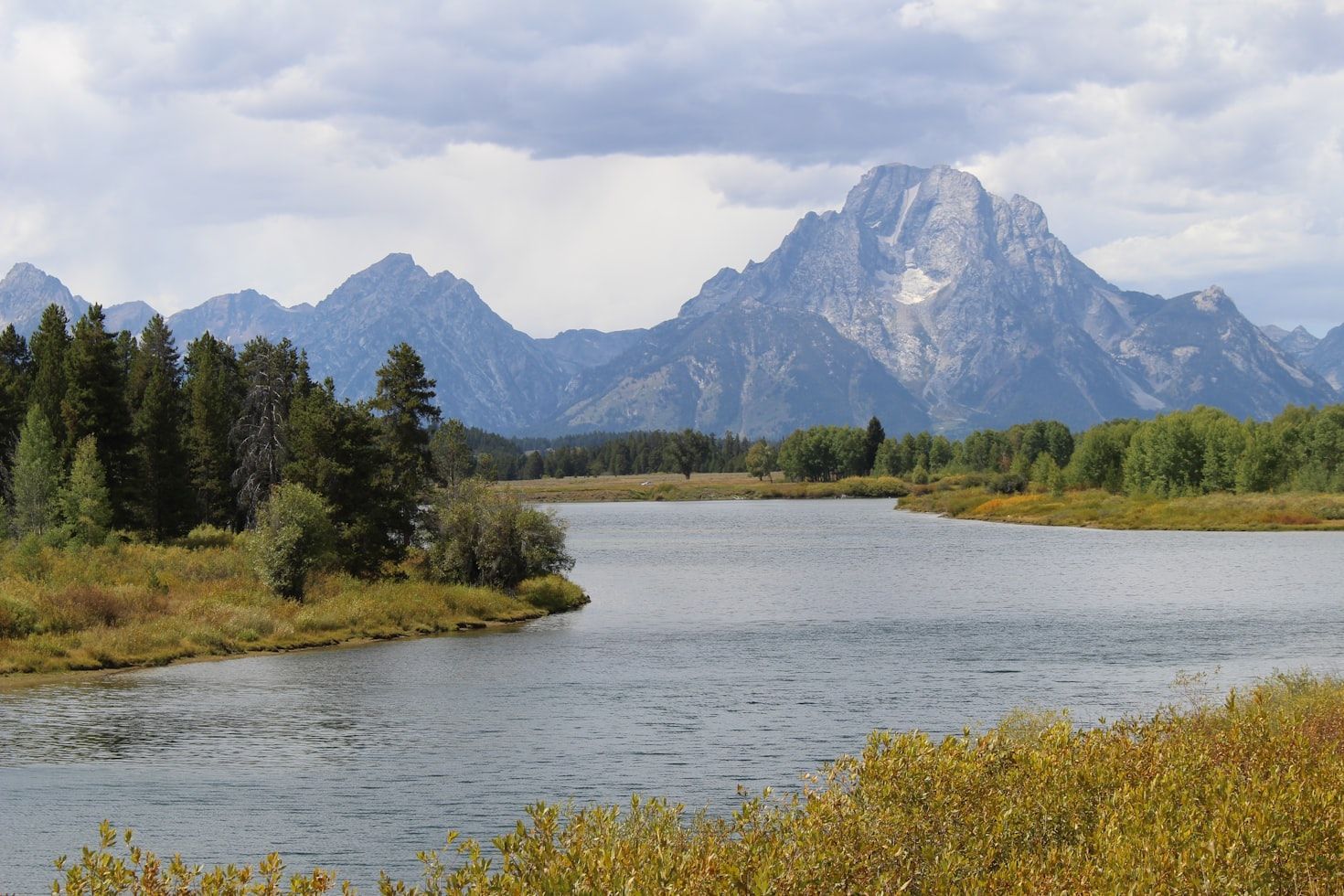
Image: ELTON MENEFEE

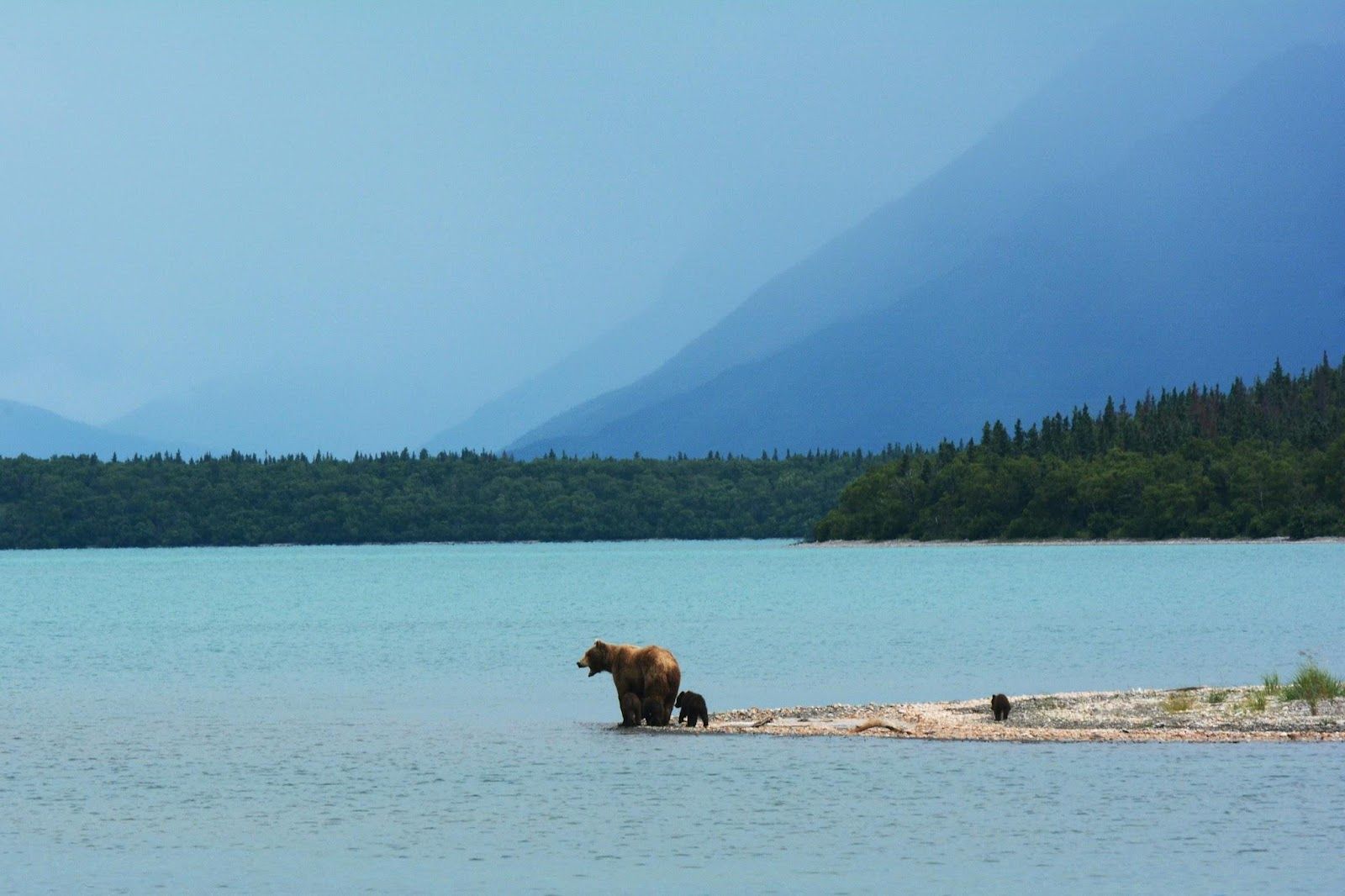
The Cascade Canyon Trail in Grand Teton National Park, Wyoming, is a must-explore for any hiker. Just a mile from Jenny Lake, the trail features two stunning landmarks: Hidden Falls and Inspiration Point.

Many visitors turn back at this point, missing out on eight more miles of breathtaking canyon scenery. If you're up for a longer trek, continue onward to experience the true grandeur of the Tetons up close. Along the way, keep an eye out for wildlife—you might even spot moose or bears!

9
Grinnell Glacier Trail

Image: Mick Kirchman

Glacier National Park is one of the most breathtaking places in America. With its turquoise lakes and jagged, arrowhead-like peaks , it stands apart from any other park in the U.S. Among its many trails, the Grinnell Glacier hike is one of the most popular in the Montana park.

This 10.5-mile trek offers stunning views, with the massive Mount Gould dominating the horizon. A word of advice: add this hike to your bucket list ASAP. Grinnell Glacier is rapidly shrinking and may disappear within the next few decades.

10
Ricketts Glen Falls Loop

Image: Venti Views

Hiking isn’t just about summiting mountains—waterfalls can offer spectacular views too! This 6.8-mile loop in Pennsylvania features more than 20 waterfalls, making it one of the best waterfall hikes in the eastern United States . While some trails lead to taller, more dramatic falls, few offer the sheer number and variety found here.

Each waterfall is unique and beautiful in its own way, ranging from 15 to 50 feet in height, with the tallest reaching nearly 100 feet. But that’s not all—along this trail, you’ll also encounter fascinating rock formations and ancient old-growth forests.

11
Giant Mountain

Image: Ty Finck

Although New England peaks are only a third the height of the Rockies, East Coast hikes can be even more challenging due to their rugged trails, steep descents, and tricky terrain. Tackling Giant Mountain in the Adirondack High Peaks Wilderness is no small feat.

This New York trail takes 4 to 6 hours to complete, but the effort is well worth it. You’ll be rewarded with breathtaking views and a picturesque forest , making it a must-visit for those confident in their ability to take on a strenuous climb.

12
Precipice Trail

Image: Raphael Assouline

With its rocky cliffs and oceanside forests , Maine’s Acadia National Park offers a hiking experience unlike any other in the eastern United States. While all of its rugged peaks provide stunning views, no trail in Acadia is as memorable—or as challenging—as the Precipice Trail.

Despite the trail’s short length (just 2.6 miles), this is a challenging hike not recommended if you have a fear of heights. Once you reach the summit of Champlain Mountain, after nearly a thousand feet of climbing, you will be rewarded with sprawling views looking out over the park, Frenchman Bay, and the Mount Desert Narrows stretching out to the Atlantic.

General General 4 min read

Enlightening comparisons

How many elephants fit in a cloud? Wild comparisons you won’t believe

Image: David Yu

How much does a cloud weigh? How powerful is the flow of Niagara Falls? How deep is the deepest point of the Grand Canyon? And how far away is the Moon from Earth? Sure, we could give you the straight numbers. Or we could find fun and illustrative ways to put these measurements into perspective, like using basketballs, cars, elephants, and electric toasters. Read on to learn some down-to-earth comparisons of outstanding things!

1
Alaska is so big, it could fit Texas inside twice

Image: Paxson Woelber

Sure, everything’s bigger in Texas… but where does that leave Alaska? The Last Frontier spans about 663,000 square miles , while the Lone Star State covers roughly 268,000 square miles. So yes, you could comfortably fit Texas inside Alaska twice, and still have room left over for California.

2
You could stack 10 Washington Monuments inside the Grand Canyon’s depth

Image: Sonaal Bangera

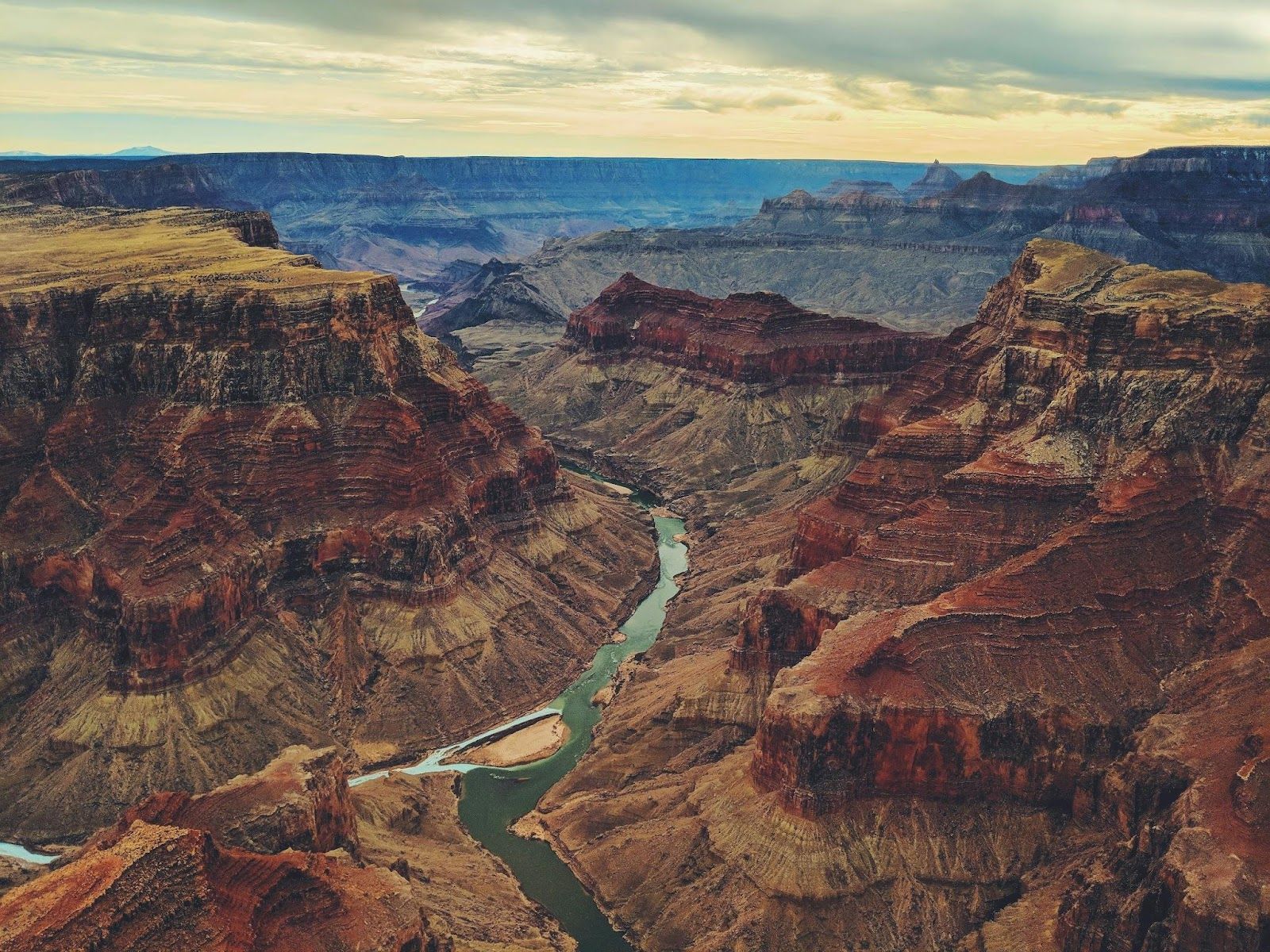
At its deepest point, the Grand Canyon plunges more than 6,000 feet. That’s more than a mile of height, to give you an idea. To put that in perspective, the 555-foot-tall Washington Monument could fit inside the canyon roughly ten times from top to bottom.

3
The Statue of Liberty’s sandal is the size of a small car.

Image: A n v e s h

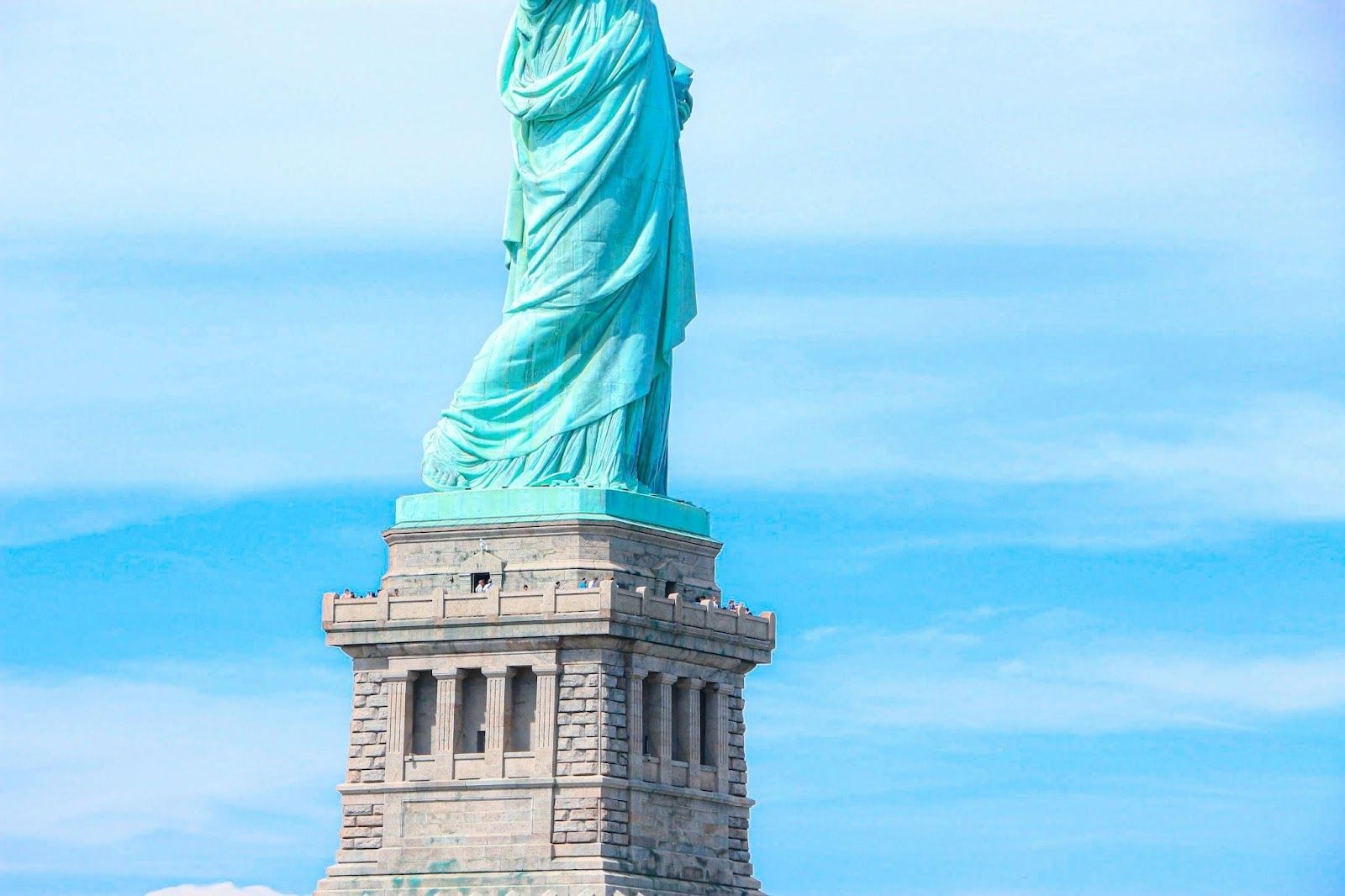
Have you ever paid attention to the Statue of Liberty’s feet? Yes, they are visible, right next to the broken shackles at her base. You can’t stand next to the feet, of course, but if you could, you’d see that each sandaled foot measures about 25 feet long , which is a bit over the length of a Chevy Suburban.

4
The Empire State Building was built faster than a modern kitchen remodel

Image: Kit Suman

Did you know that one of the most famous buildings in the world was pretty much speed-built? Construction took just 410 days , starting in 1930 and finishing in 1931. This rapid progress was possible thanks to prefabricated steel parts and a workforce of roughly 3,400 workers each day. Nowadays, your average kitchen renovation takes 6 months to a year.

5
If the Earth were the size of a basketball, the Moon would be a tennis ball 24 feet away

Image: Anne Nygård

This is a fun way to illustrate the relationship between our planet and its satellite. If Earth were the size of a basketball (about 9.5 inches in diameter), the Moon would be roughly the size of a tennis ball (about 2.5 inches).

But they would be a whopping 24 feet away, about the length of a stretch limousine (or a Statue of Liberty sandal). This scale model helps explain just how far apart and disproportionate they really are!

6
A single cloud can weigh as much as 90 elephants

Image: Volodymyr Dobrovolskyy

Clouds may not look heavy, but these giant beauties are surprisingly massive. Scientists estimate that an average fluffy cumulus cloud contains about 1.1 million pounds of water, which is roughly the weight of 90 adult African elephants .

7
You could fit 7 Yankee Stadiums inside the Mall of America

Image: David Vives

With over 5.6 million square feet, the Mall of America is one of the largest indoor spaces in the country . Imagine trying to meet your friends in just one of its 500+ stores!

The mall also features an indoor amusement park and an aquarium. To give you an idea, Yankee Stadium covers roughly 800,000 square feet. You could fit about seven of them within the Mall of America.

8
A hummingbird flaps its wings faster than a car engine runs

Image: James Wainscoat

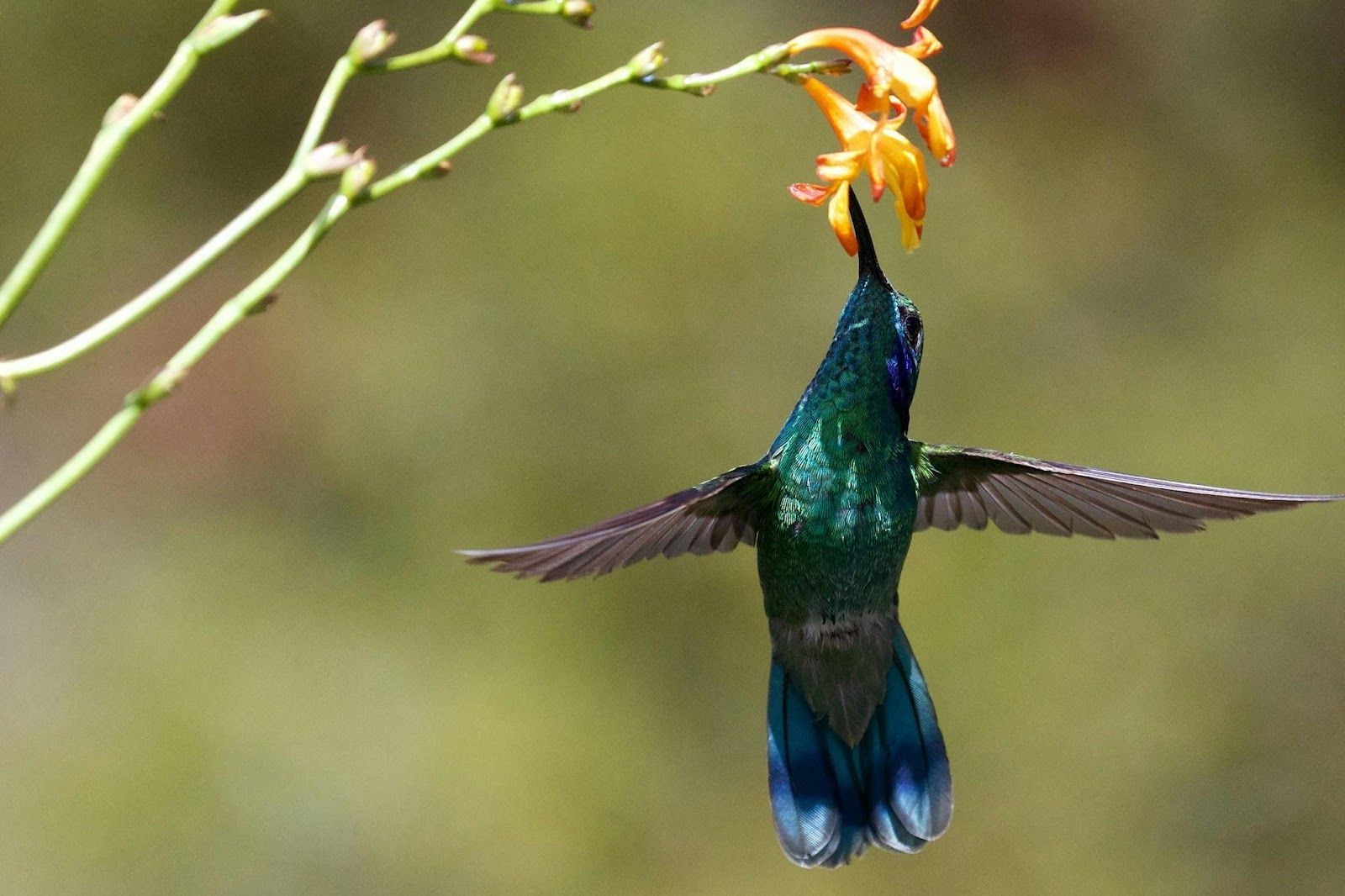
Hummingbirds beat their wings between 50 and 80 times per second , roughly eight times faster than the revolutions per second of a typical V8 engine at idle. No wonder they have enough force to seemingly fly in place!

9
Comparing lightning bolts with defibrillator shocks

Image: chutipon Pattanatitinon

The energy in lightning bolts can vary, but it’s not uncommon for them to unleash 5 billion joules . Roughly, a biphasic defibrillator delivers about 200 joules in a single shock. And, to give you an idea, it takes roughly 50,000 joules to toast a single slice of bread.

10
Yellowstone sits on top of a supervolcano the size of Rhode Island

Image: Denys Nevozhai

You might have heard of Yellowstone’s supervolcano and how tourists leave mesmerized by the geysers, hot springs, and wildlife.

But the size of its caldera is even more astonishing: it stretches 20 by 45 miles , covering nearly 1,350 square miles. That’s roughly the same area as Rhode Island, the smallest U.S. state.

11
Niagara Falls could fill an Olympic pool in less than a second

Image: Hadi Yazdi Aznaveh

A standard Olympic-size swimming pool holds about 660,000 gallons. Niagara Falls, however, pours roughly 700,000 gallons of water every second, meaning it could fill a pool in under one second, approximately 0.94 seconds to be exact.

If you were filling the same pool with a standard hose, it could take about 19 days .

Geography Geography 5 min read

Tales from the Heartland

Bread, lakes, and planes: 10 fascinating facts about the American Midwest

Image: Domino Studio

Often referred to as America’s Heartland, the Midwest safeguards a treasure trove of history, culture, and natural beauty. More than just the nation’s breadbasket, it has helped shape the very essence of the American identity. From airplanes to Mount Rushmore, it boasts a legacy that's hard to top! Join us as we explore some fascinating facts that prove the Midwest is still pumping blood into the veins of America.

1
Ohio: Birthplace of aviation

Image: History in HD

Ohio proudly claims the title "Birthplace of Aviation," being the home state of the Wright brothers. While the first successful flight actually took place in North Carolina, above the sand dunes of Kitty Hawk, most of the brothers' ideas were first developed back in their bicycle shop in Dayton, Ohio.

Their achievement made headlines worldwide, and soon the brothers secured their first military contract for the aircraft that would become the first practical airplane sold commercially. As symbols of American ingenuity, these two Ohioans are remembered for their innovative spirit and determination to succeed—qualities central to the Midwest spirit.

2
Michigan: Freshwater coast

Image: Jeff DeWitt

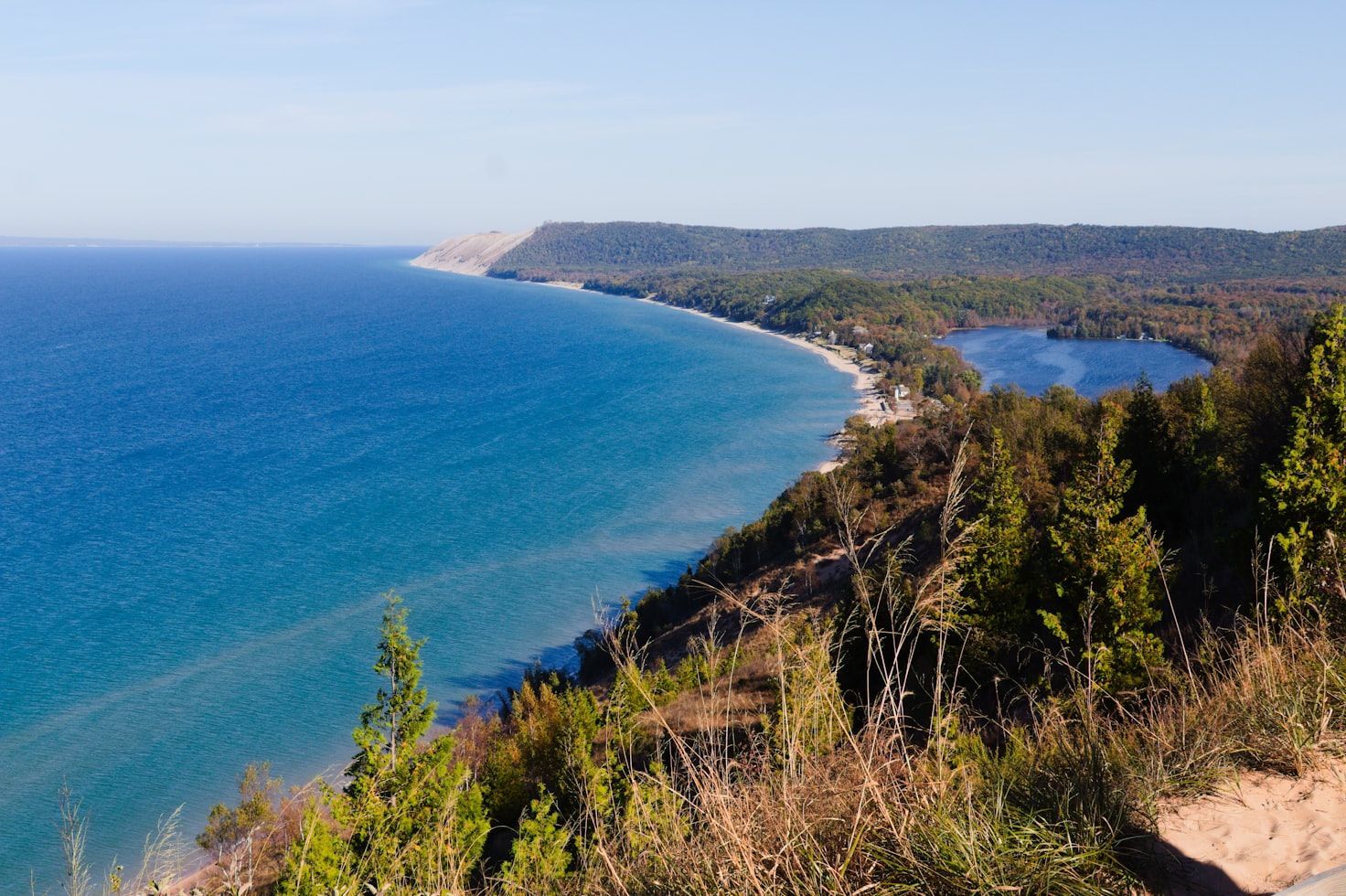
Michigan is home to the largest freshwater coastline in the United States, thanks to its proximity to four of the five Great Lakes. This vast "unsalted" coast is a crucial part of America’s natural heritage. In fact, Michigan has the highest percentage of water area among all states, with a whopping 41.5% of its surface covered by water!

Its 3,288 miles of freshwater shoreline offer stunning scenery and numerous recreational opportunities, making it a popular destination for tourists. As part of the nation's natural legacy, the Great Lakes also serve as a vital resource, providing freshwater and transportation for neighboring states and industries.

3
Wisconsin: Dairyland legacy

Image: Josh Turner

As the nation’s leading producer of cheese and other dairy products, Wisconsin is rightly known as "America’s Dairyland." Furthermore, the Badger State's dairy industry dating back to the 19th century, is deeply intertwined with its cultural and economic identity.

The commitment of Wisconsin's farmers to quality and innovation has made the state a cornerstone of American agriculture. Wisconsin cheese, renowned for its variety and excellence, is a staple of the American diet, enjoyed by millions across the nation.

4
Illinois: Land of Lincoln

Image: Naomi August

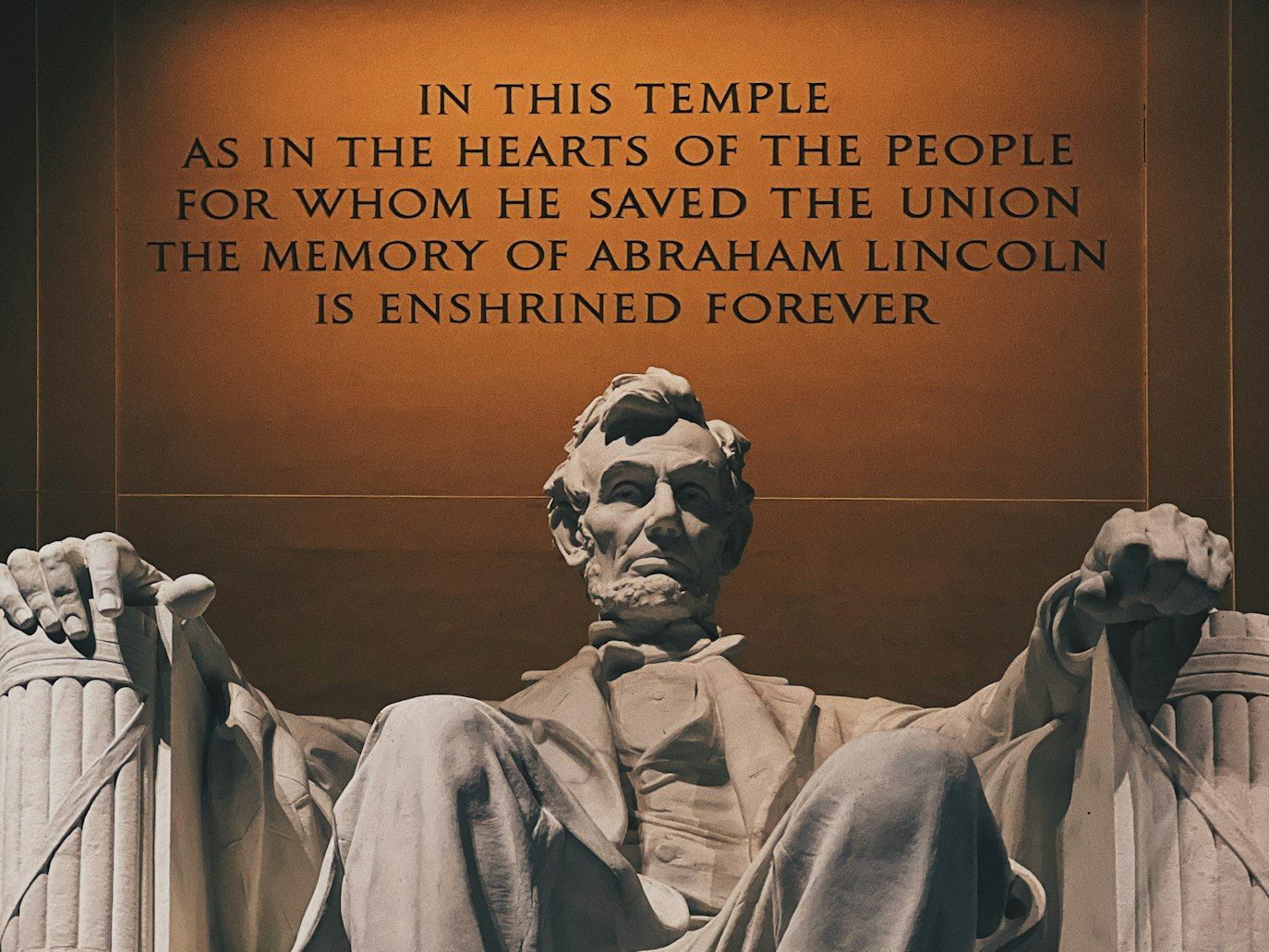
Illinois is often referred to as the "Land of Lincoln," honoring its deep connection to Abraham Lincoln, one of America’s most revered presidents. Though Lincoln was actually born in Kentucky, he spent his formative years in Illinois.

It was here that he began his political career and developed the ideals that would guide the nation through its most challenging period. Illinois honors Lincoln’s legacy through numerous monuments and the Abraham Lincoln Presidential Library and Museum, which houses the largest collection of Lincoln-related documents and artifacts in the world.

5
Indiana: Racing capital

Image: Andrew Roberts

Indiana is home to the Indianapolis Motor Speedway, the world-famous venue for the Indy 500, a race that epitomizes America’s love for speed, engineering, and sportsmanship. Since its inaugural race in 1911, the Indy 500 has been a symbol of innovation and endurance.

These racing events are a key part of the region's identity, attracting hundreds of thousands of spectators annually, both nationally and internationally. Interestingly, the Indianapolis Motor Speedway is also one of the largest sports venues in the world, with a seating capacity of over 250,000.

6
Minnesota: The land of 10,000 lakes

Image: Laura Kessler

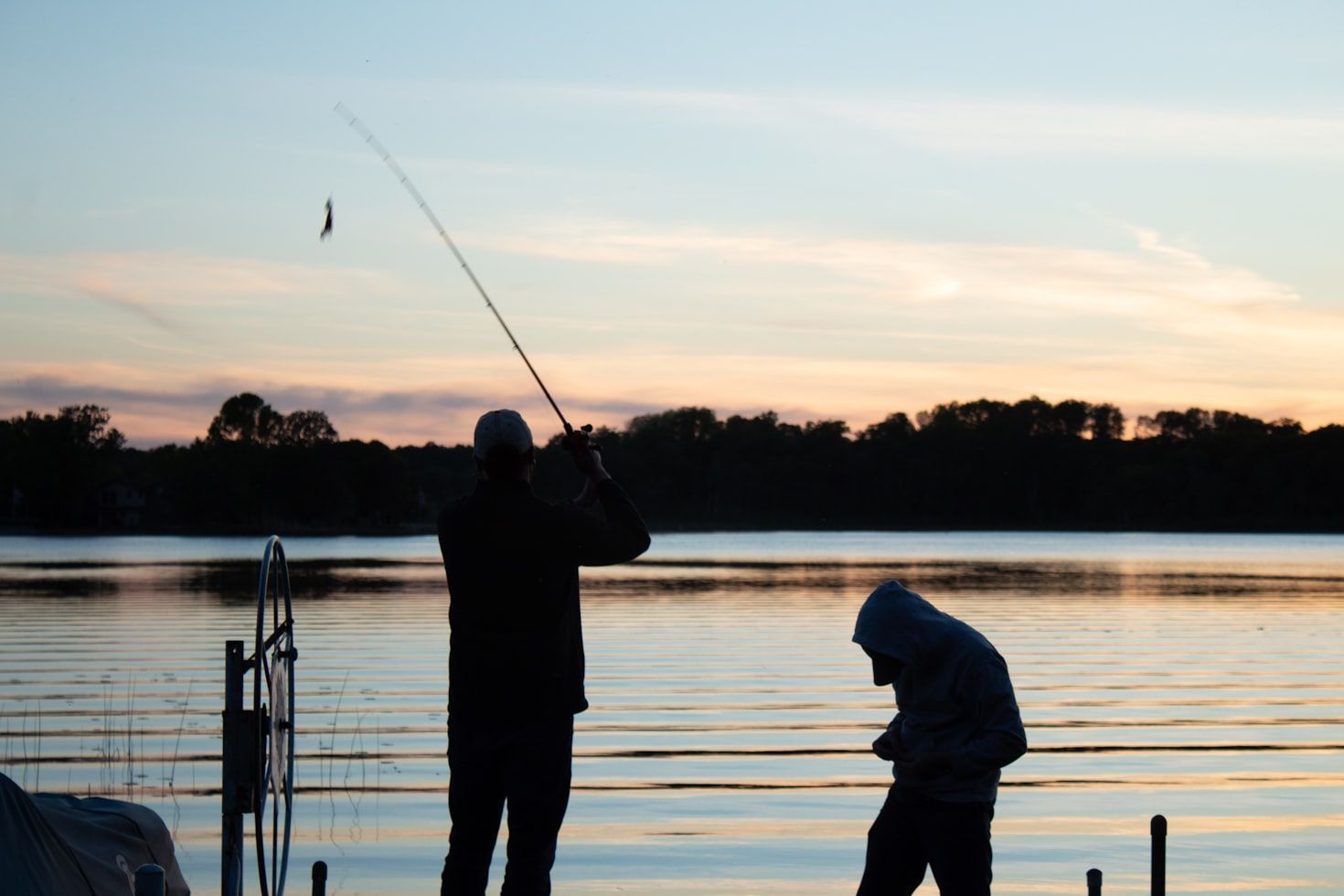
Minnesota, known as the "Land of 10,000 Lakes," actually boasts over 11,000 lakes, making it a paradise for outdoor enthusiasts and a cornerstone of America’s biodiversity. The state's unwavering commitment to preserving these natural wonders has made these lakes a vital resource for both native wildlife and tourism.

The Boundary Waters Canoe Area, a wilderness area with over 1,000 pristine lakes, is one of the most visited natural attractions in the United States, drawing nearly 150,000 visitors annually. These lakes also play a crucial role in supporting diverse ecosystems, providing habitats for over 200 species of birds and countless other wildlife.

7
Missouri: The gateway to the West

Image: Intricate Explorer

The Gateway Arch in St. Louis, Missouri, stands as a monumental symbol of America’s westward expansion and the pioneering spirit that built the nation. Located at the site of St. Louis's founding in 1764, on the west bank of the Mississippi River, the towering monument was designed by Finnish-American architect Eero Saarinen and completed in 1965.

The 630-foot-tall arch represents the "gateway to the West," honoring the daring pioneers who ventured into the unknown to expand the nation’s borders. The Gateway Arch is also the tallest man-made monument in the United States and is part of the Jefferson National Expansion Memorial, which commemorates not only the pioneers but also the Louisiana Purchase—a key moment in America's territorial expansion.

8
Kansas: America’s breadbasket

Image: Josh Redd

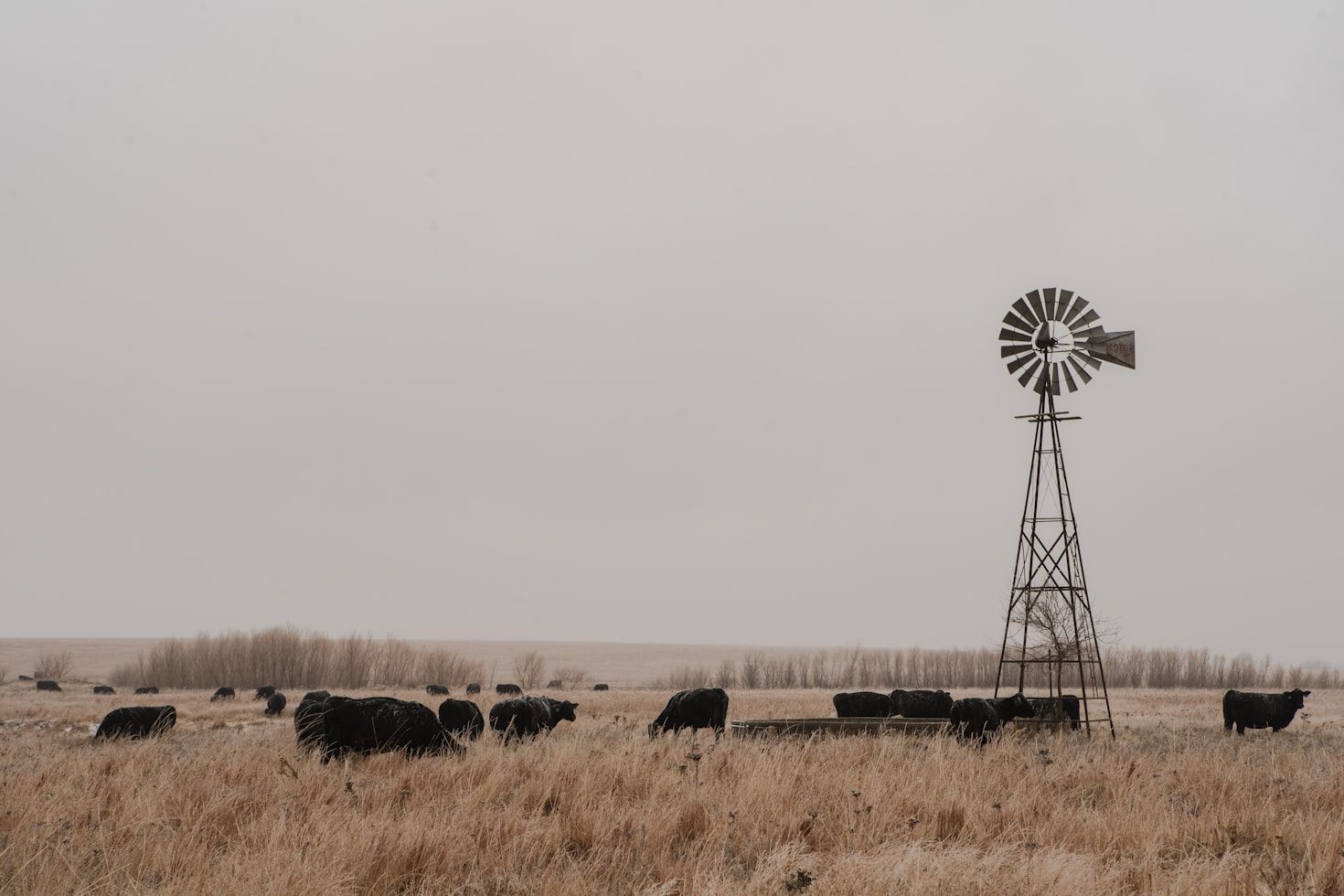
Often called the "Breadbasket of America" due to its vast wheat production, Kansas's wheat fields are a cornerstone of American agriculture, feeding millions both in the United States and around the world. With its rich, fertile plains, the state has been a major agricultural hub since the 19th century.

Kansas consistently ranks among the top wheat-producing states in the country, contributing approximately 15% of the total U.S. wheat supply. Other leading crops include alfalfa, hay, oats, barley, and corn. This significant output supports not only domestic food production but also exports to international markets, making Kansas a key player in global food security.

9
Iowa: First-in-the-Nation Caucuses

Image: Clay Banks

The Iowa caucuses have been the starting point for presidential campaigns since 1972, often setting the tone for the national race. This unique role gives Iowa outsized influence in American politics, as candidates focus their early efforts on winning over the state’s voters.

Although caucus-goers may not fully represent the nation’s overall demographics, the Iowa caucuses are still seen as a strong indicator of a candidate’s potential performance in subsequent contests. Candidates who perform poorly in the Iowa caucuses frequently drop out in the following days.

10
South Dakota: Mount Rushmore

Image: Nils Huenerfuerst

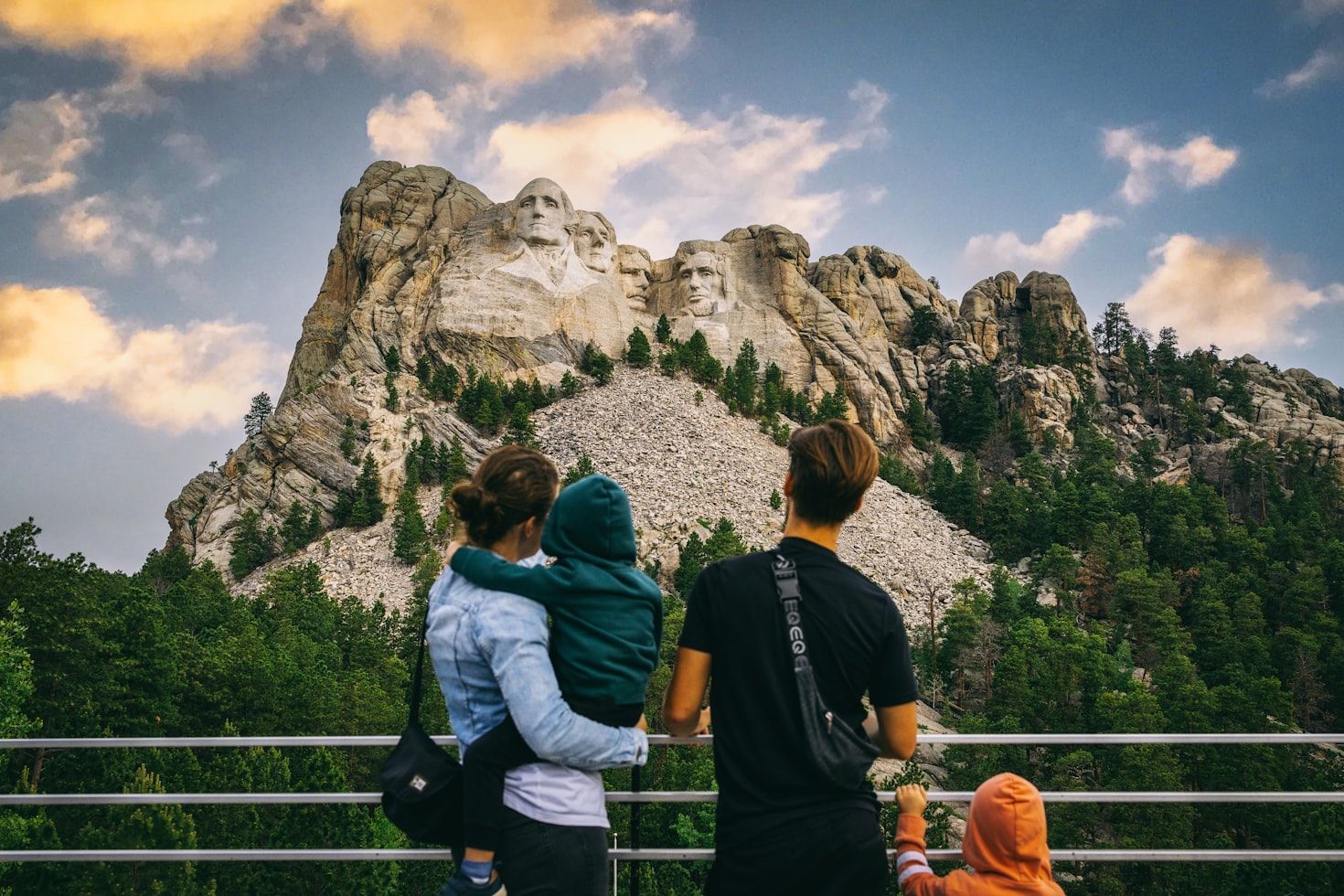
Mount Rushmore, located in South Dakota, is one of the most iconic symbols of American history, featuring the carved faces of four U.S. presidents. Completed in 1941, Mount Rushmore celebrates the leadership and vision of Presidents George Washington, Thomas Jefferson, Theodore Roosevelt, and Abraham Lincoln.

This monumental sculpture represents the nation’s ideals and the enduring legacy of its leaders. Carved into the Black Hills, the granite faces on Mount Rushmore each measure about 60 feet tall. No wonder the entire project took 14 years to complete! Nowadays, the site attracts over 2 million visitors annually, making it a central landmark in American cultural heritage.

Explore more American facts

Choose your favorite category!

General
General

As American as apple pie—the very best America has to offer!

Culture
Culture

Delve into the astounding richness of American lore.

Geography
Geography

Hop in and explore vast and diverse American landscapes.

History
History

Discover the key moments that shaped the United States.