Culture Culture 3 min read

Moments to cherish

From wardrobe malfunctions to magical passes: 12 unreal Super Bowl events

Image: Myron Mott

While most Super Bowl events come and go without many major anecdotes, some occasions stand out with unforgettable moments. Sometimes on the field, sometimes far beyond it. Over the years, a handful of moments have turned into shared memories that even non-fans can recall in a heartbeat. Do you remember these 12 episodes?

1
The helmet catch

Image: Lucas Andrade

In Super Bowl XLII, with the Patriots seconds away from winning a perfect match, Giants receiver David Tyree made an impossible grab by pinning the football against his helmet as he fell .

To this day, fans call it the greatest "miracle catch" in championship history, a moment that proved even the unbeatable can be beaten.

2
The infamous wardrobe malfunction

Image: Anders Krøgh Jørgensen

At the 2004 halftime show, Justin Timberlake tore part of Janet Jackson’s costume , revealing more than intended before a live worldwide audience. The moment lasted half a second but changed broadcasting rules forever.

Outrage, apologies, and fines followed, turning that split second into a pop-culture synonym for live-TV mishaps.

3
Prince in the rain

Image: Manos Gkikas

4

When Prince took the stage at Super Bowl XLI, thunder rolled, and rain began to pour . Instead of retreating, His Royal Badness leaned into the storm, closing with "Purple Rain."

Viewers still recall that electric silhouette in the drizzle: a performer literally singing through his own anthem, transforming bad weather into living symbolism of showmanship.

5
Whitney Houston’s anthem

Image: Anders Krøgh Jørgensen

In 1991, Whitney Houston opened Super Bowl XXV with a rendition of "The Star-Spangled Banner" so powerful it eclipsed the game.

That performance was replayed on the radio, released as a single, and later revived for charity, proof that a national anthem could become a timeless pop classic.

6
Beyoncé and the blackout

Image: Emily Bauman

Super Bowl XLVII’s halftime show is remembered by Beyoncé’s choreography, fireworks, and sheer voltage. Minutes after her final pose, half the stadium lights failed .

Fans joked she blew the fuse herself, and the event worked to her advantage, turning a technical glitch into an incredible moment.

7
The Budweiser frogs
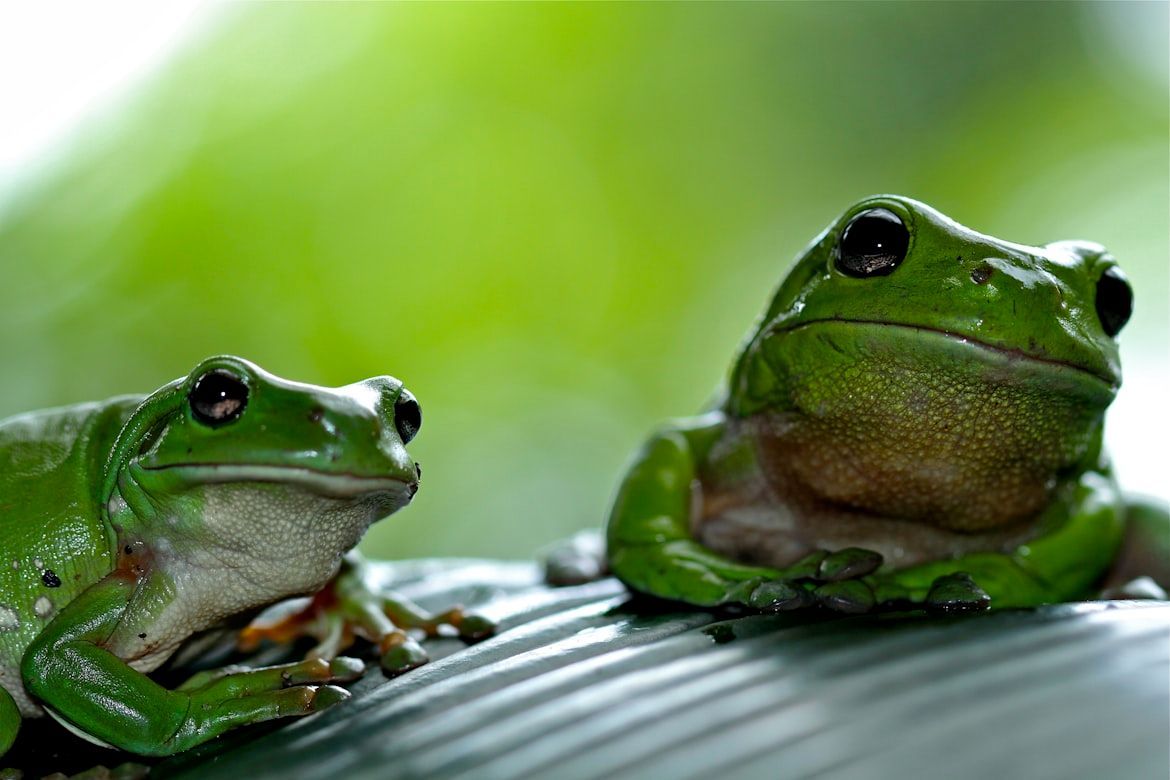
Image: gary tresize

During the 1995 broadcast, three computer-animated frogs croaked "Bud… Weis… Er." The simple rhythm and humor made the ad an overnight sensation.

Viewers repeated it endlessly, making what was a simple ad (albeit a very expensive one) into a cultural phenomenon of its day.

8
The Philly Special

Image: Myron Mott

With the Eagles facing the Patriots in 2018, quarterback Nick Foles pulled off the unthinkable: catching a touchdown pass himself on a fourth-down trick play .

Dubbed the "Philly Special," it symbolized daring over doubt. Philadelphia celebrated its first title as fans shouted that a backup QB had outmaneuvered Tom Brady in football’s biggest game.

9
Shakira & J.Lo together

Image: Alexander Wark Feeney

In 2020, Latin superstars Shakira and Jennifer Lopez performed together during Miami’s halftime . From swirling dance moves to a surprise cameo by J.Lo’s daughter, it was a cultural statement.

The show fused salsa, rock, and pop with Latin symbolism, leaving audiences buzzing with music and color.

10
The 28–3 impossible comeback

Image: Fredrick Lee

When Atlanta led 28–3 in 2017, viewers assumed Tom Brady’s Patriots were finished. Then came a jaw-dropping rally: overtime, a final drive, and a 34–28 victory.

It became the greatest comeback in Super Bowl history, a lesson in patience and belief, replayed whenever anyone wants proof that no lead is truly safe when Brady is behind center.

11
The King of Pop takes over

Image: Call Me Fred

Before 1993, halftime shows were novelty acts. Then came Michael Jackson, standing motionless for a full minute before launching into "Billie Jean." Ratings skyrocketed.

The spectacle turned halftime into prime-time entertainment. Every star since, from U2 to Rihanna, has followed in that path.

12
U2’s 9/11 tribute

Image: Roberto Rendon

Just months after the September 11 attacks, U2’s halftime show in 2002 honored victims as their names scrolled behind the band . Bono opened his jacket to reveal an American-flag lining.

Viewers remember the quiet tears as much as the songs, a moment where football yielded to shared mourning and hope.

13
A left shark dances on
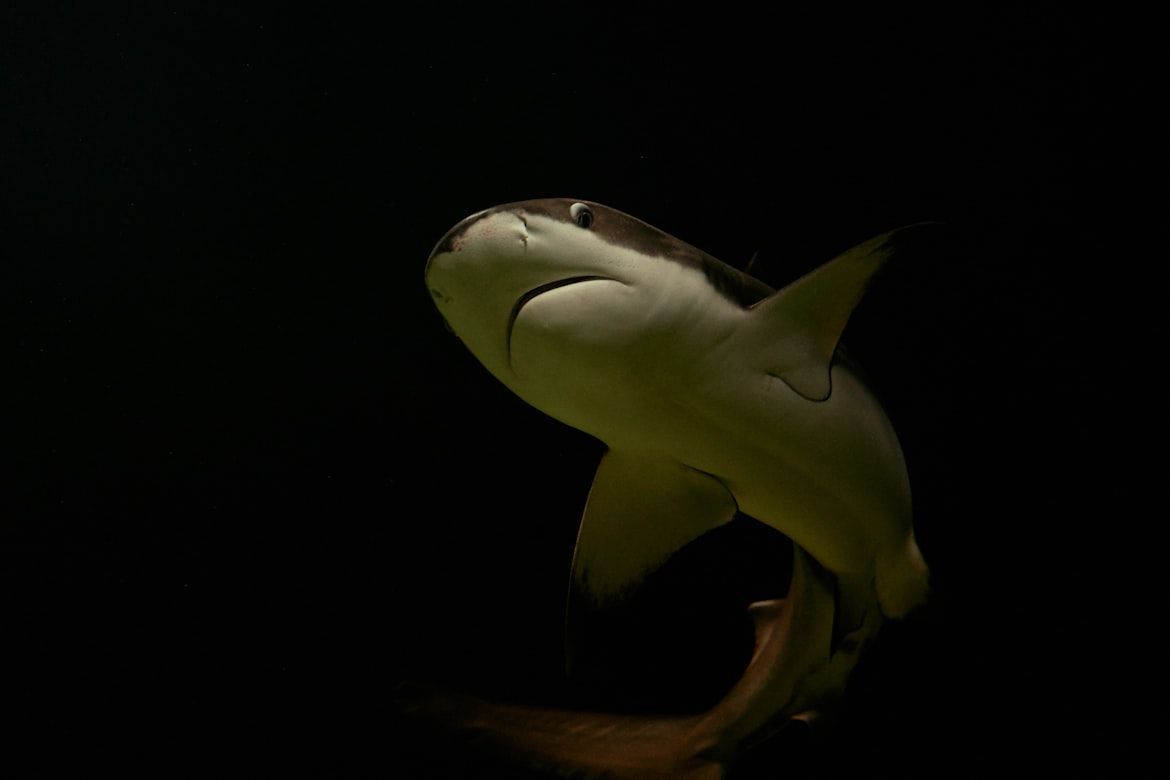
Image: Adam Rutkowski

14

Katy Perry’s 2015 halftime delivered pyrotechnics, flying stars, and a confused blue shark dancer. While "Right Shark" hit every beat, "Left Shark" flailed endearingly off-tempo.

Within hours, he became an internet hero, proving that even in a multimillion-dollar production, spontaneity and silliness can steal the spotlight from perfection.

Geography Geography 3 min read

Funny names

You won't believe it: Hilarious town names that actually exist in the US

Image: Peter Robbins

Naming a city is a big deal, but not every town ends up with a name full of meaning. While some were carefully named to honor history or local heroes, others got their names by accident, tradition, jokes—or for reasons no one quite remembers! Do you know where "Hell" is located? Discover this and 9 other US towns and cities with the quirkiest, funniest names!

1
Hell, Michigan

Image: Chris Barbalis

About 15 miles northwest of Ann Arbor, Michigan, you'll find the town of Hell. While the name might not sound particularly welcoming, it's actually a playful little community that fully embraces its identity, offering tourists a range of devilish attractions. It's just that it might not be the ideal city to mention when someone asks where you're from.

2
Chicken, Alaska

Image: Sacha Bois

In the vast state of Alaska sits the peculiar town of Chicken, best known for its gold mining history. In 1902, the town needed an official name to submit to the Post Office. They originally chose "Ptarmigan," after a local bird, but couldn't agree on how to spell it. Frustrated, they settled on the much simpler "Chicken."

3
Truth or Consequences, New Mexico

Image: Maddy Baker

Located in Sierra County, along the Rio Grande River in New Mexico, you'll find the town of Truth or Consequences. Sometimes called "T or C," the town was founded in the mid-1800s and originally named "Hot Springs." But everything changed in 1950, when Ralph Edwards—popular radio and TV host—announced that he would broadcast his show, Truth or Consequences , from the first town to rename itself after the program. And that’s exactly what happened!

4
Rough and Ready, California

Image: Nicole Cavelli

Rough and Ready, California, is a town with a distinctive name and history. And in case you're wondering—the answer is yes! It’s named after General Zachary Taylor’s nickname, "Old Rough and Ready," honoring his tough reputation.

5
Ding Dong, Texas

Image: Tarun Tandon

Ding Dong, Texas, is real! It's a tiny community in Central Texas, founded in the 1930s by Zulis and Bert Bell, who ran a local store. A sign on their shop featured two bells labeled with their names and the words "Ding Dong" underneath. The name stuck, and the town was humorously named after the store.

6
Why, Arizona

Image: TALHA KHAN

There's actually a place called "Why," an unincorporated community in southwestern Arizona. The name comes from a Y-shaped intersection where State Routes 85 and 86 once met, right where the town was settled. Have you ever heard of it?

7
Whynot, North Carolina

Image: Markus Winkler

While one town in Arizona is called "Why," another in North Carolina is named "Whynot." That's right! Whynot is an unincorporated community in Randolph County. According to local stories, its name comes from a humorous moment: as townspeople debated possible names, everyone kept saying, "Why not this one?" "Why not that one?" After much debate, someone finally said, "Why not just Whynot?"—and the name stuck.

8
Accident, Maryland

Image: Noah Smith

The charming small town of Accident, Maryland, has a unique history. In the 18th century, two surveyors unknowingly worked on the same land at the same time—and accidentally ended up with identical results. That’s how the area came to be known as "The Accident Tract," which was later shortened to simply Accident .

9
Peculiar, Missouri

Image: MATHEW RUPP

Covering just about 4 square miles, the city of Peculiar is located in Missouri. While there's no single agreed-upon origin for its name, many believe it came from the frustration of those tasked with naming the town. They submitted several names to the post office, but each one was rejected as already taken. Frustrated, someone finally suggested they pick a "peculiar" name—and that’s exactly what they did!

10
No Name, Colorado

Image: Heyzeus Escribo

Maybe creativity wasn't the strongest point for the founders of No Name, Colorado. Yes, there really is a small community called No Name, located just off Interstate 70. The story goes that while the interstate was being built, the area was already settled but didn't have an official name, so they simply called it "No Name."

General General 5 min read

Survival foraging in America

These 10 plants could save you from starvation

Image: Alisa Golovinska

Ever felt those hunger pangs while hiking through the countryside and wondered if you could forage to fuel up in an emergency? You absolutely can—if you know where to look. America is blessed with a variety of wild edible plants that could help you out in a pinch—and maybe even add a fresh twist to your next salad. From versatile cattails to delicious blackberries, nature’s pantry offers a surprising amount of nutrition to those who know what to seek. But remember, not every plant is safe, so don’t just sample everything you see. That’s why we’ve compiled this list of 10 common wild edible plants in the U.S. to help you forage smartly!

1
Cattails

Image: Vlad Tchompalov

If you’ve ever seen a cattail and thought it looked kind of yummy, you were on the right track! Cattails grow abundantly in marshy areas across the U.S., and nearly every part of this plant is edible. Often called the "supermarket of the swamp," cattails are incredibly rich in carbohydrates and are a highly versatile food source. These plants not only provide nutrition but also materials for shelter and fire-starting, making them a top resource for wilderness survival in America.

The roots, once cleaned and cooked, have a potato-like quality and can also be dried and ground into flour. Impressively, they even outperform potatoes in starch yield per acre. Young shoots are edible as well, offering a fresh bite when raw or a tender taste when boiled, much like asparagus.

2
Dandelions

Image: Keegan Houser

Often dismissed as a pesky weed, dandelions are actually among the most nutritious plants you can find in the wild. In fact, dandelions are considered even more nutritious than broccoli or cabbage! Every part of the dandelion is edible, from the leaves to the roots. With a taste and texture similar to chicory, the leaves are packed with vitamins A and C and be eaten raw in salads or cooked like spinach.

The bright yellow flowers can also be used to make tea, while the roots can be roasted as a coffee substitute. Dandelion tea is loaded with powerful antioxidants, including beta-carotene and polyphenols, and studies suggest it may benefit heart health.

3
Wild Asparagus

Image: Gil Ndjouwou

Who knew you could harvest your own asparagus in the wild? Wild asparagus grows across much of the U.S., particularly in moist, sunny areas. While it looks similar to its cultivated cousin, wild asparagus tends to be thinner and tougher. When foraging, look for young shoots, which are more tender and can be eaten raw or cooked.

Like its commercial counterpart, wild asparagus is high in fiber and vitamins, offering a nutritious snack or even a potential side dish in a survival situation.

4
Acorns

Image: Annie Spratt

You’re likely already familiar with acorns, the nuts of oak trees. Found abundantly across the U.S., particularly in forests and woodlands, these wild nuts are indeed edible after some processing. Acorns contain bitter tannins, which can be toxic and need to be removed by repeated boiling or soaking in water.

Once safe to eat, acorns can be either roasted or ground into flour. Though they don’t taste like much, they’re packed with carbohydrates, fats, and proteins. Historically, acorns were a staple food for Native Americans and ancient cultures worldwide, proving their value as a survival resource.

5
Cactus (Prickly Pear)

Image: George Pagan III

In the arid landscapes of the American Southwest, prickly pear cacti offer both nourishment and hydration. The pads (nopales) and the fruit (tunas) are not only edible but are also staples in Mexican cuisine.

The cactus fruit, known as a prickly pear, is super sweet and can be eaten raw right off the plant. Depending on ripeness, the flavor ranges from mildly sweet to syrupy. Packed with vitamin C and water, prickly pear cacti can be a true lifesaver if you find yourself stranded in the desert.

6
Wild Onions

Image: Zoe Schaeffer

Wild onions grow widely across the U.S., thriving in fields, forests, and even backyards. Their bulbs, stems, and leaves are all edible and can be used just like store-bought onions to add flavor and nutrition to any meal. But foragers, beware—there’s an important distinction to keep in mind!

A highly toxic lookalike called death camas can be easily mistaken for wild onions, and as its name kindly suggests, it can have potentially lethal effects if consumed. The easiest way to tell them apart? Wild onions have a strong onion scent, while death camas has no odor. When in doubt, always trust your nose. That being said, unless you are 100% confident in your ability to identify wild onions, it’s wise to consult an expert or avoid foraging them altogether.

7
Pine Nuts

Image: Leila Issa

Pine trees are scattered across America, and their seeds—pine nuts—are a nutritional powerhouse. These small seeds, found inside pine cones, are rich in fats and proteins, making them a concentrated source of energy. In fact, pine nuts have sustained Native American tribes for centuries.

While they are labor-intensive to harvest, the effort is worthwhile. Packed with calories and bursting with flavor, they are an abundant and reliable food source. But it doesn't end there—surprisingly, most parts of a pine tree can be consumed, including the bark, needles, cones, and resin, either as food or for medicinal purposes.

8
Chicory

Image: Christopher Luther

Chicory is often found along roadsides and in open fields throughout the U.S. The plant is recognizable by its bright blue flowers, and while its leaves can be eaten like lettuce, its roots are also useful—they can be roasted and used as a coffee substitute.

During the American Civil War, soldiers used chicory to stretch their coffee supplies, and even today some beer brewers occasionally use roasted chicory to add a bitter flavor to stout varieties.

9
Blackberries

Image: Eric Prouzet

Who hasn't enjoyed picking a few blackberries during a walk? Blackberry bushes thrive across the country, especially in sunny, open areas. These delicious berries are loaded with vitamins C and K, along with fiber, making them an excellent survival food when in season. Additionally, their leaves can be brewed into a soothing tea.

Wild raspberries and strawberries are similarly plentiful in the American backcountry. Their unmistakable appearance and sweet flavor make them a great choice for novice or inexperienced foragers to safely enjoy nature’s pantry.

10
Clover

Image: Kelly Sikkema

Who knew that stumbling upon a clover patch could bring more than just good luck? Clover grows abundantly across the U.S., from lawns to meadows, and both its leaves and flowers are edible. The flowers are often dried to make tea, while the leaves can be tossed directly into salads or soups an added nutritional boost.

Rich in protein and minerals, clover has historically served as fodder for livestock, but it can also provide essential nutrition for humans, especially in a survival situation! Its versatility certainly makes it a valuable addition to any forager's repertoire.

Explore more American facts

Choose your favorite category!

General
General

As American as apple pie—the very best America has to offer!

Culture
Culture

Delve into the astounding richness of American lore.

Geography
Geography

Hop in and explore vast and diverse American landscapes.

History
History

Discover the key moments that shaped the United States.