History History 4 min read

Which ad do you remember?

From Nike to Dove: Discover the stories behind 12 iconic ads
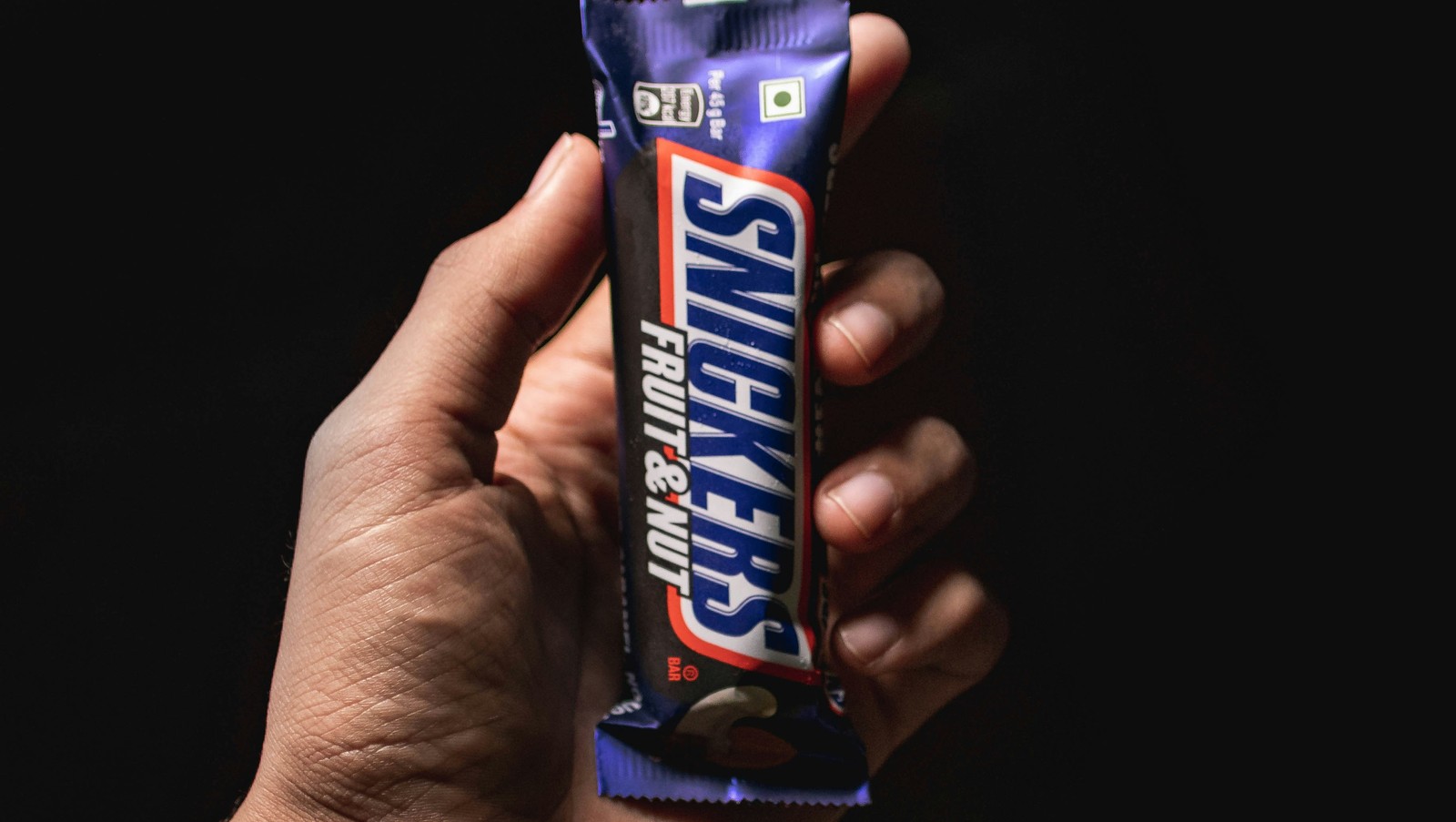
Image: Shreesha bhat

Some ads are so catchy, clever, or downright bold that they become part of American culture. From slogans we still repeat to jingles we can’t forget, the best campaigns leave a lasting impression. Take a look at the stories behind 12 of these iconic pieces. Which one do you remember most?

1
Pepsi: "Is Pepsi OK?"
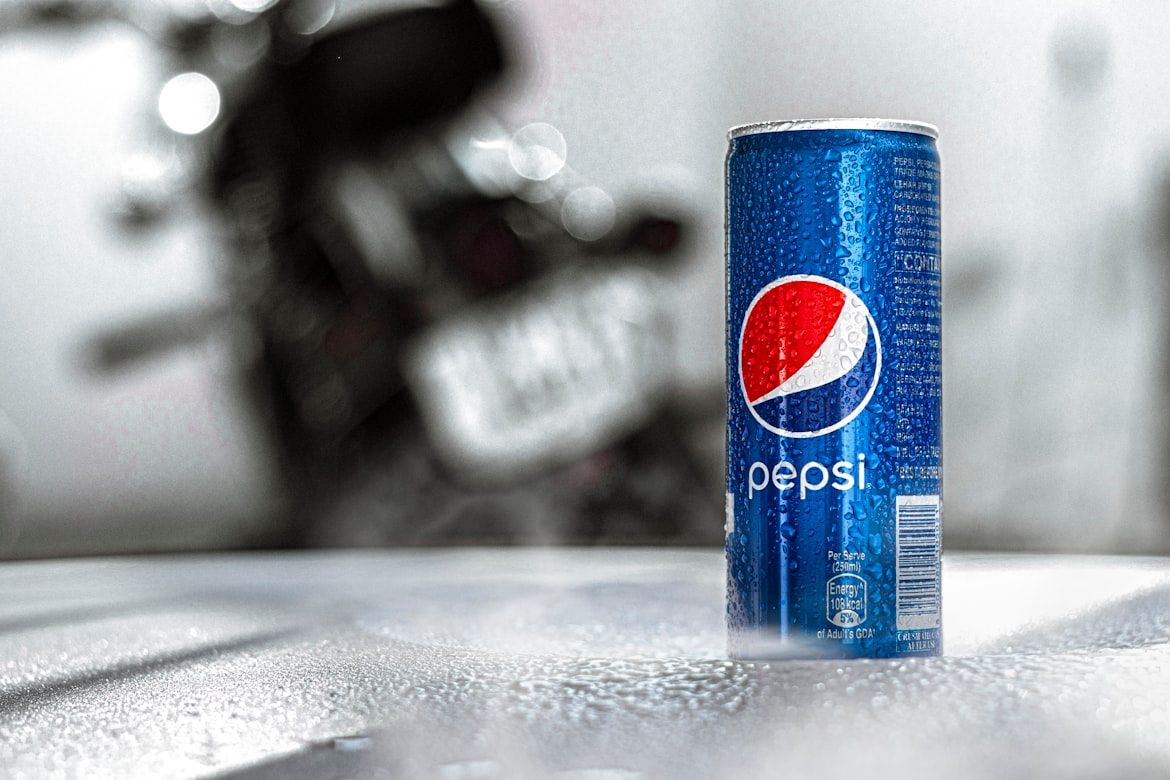
Image: NIKHIL

If you’ve ever asked for a Coke and heard, "Is Pepsi OK?", you’re not alone—it’s a common scenario that has become a cultural cliché. In 2019, Pepsi embraced that moment and turned it into an ad campaign.

Featuring celebrities, the ads leaned into the joke and confidently rebranded Pepsi as more than just "OK."

2
Westinghouse: "We Can Do It!"

Image: Nayani Teixeira

Westinghouse Electric’s We Can Do It! poster, created during World War II to boost morale among female workers , later became a symbol of female empowerment in the 1970s.

Initially unrelated to the Rosie the Riveter character, the poster eventually gained widespread use in advertisements and pop culture, celebrating women’s strength and independence.

3
Pan-American Coffee Bureau: "Give yourself a coffee break!"

Image: Jakub Dziubak

In the 1950s, the Pan-American Coffee Bureau popularized the concept of the "coffee break" with a campaign that encouraged workers to relax while drinking the popular beverage .

By the 1960s, coffee breaks had become so essential that the United Auto Workers union demanded them in their contracts, even threatening a strike if they were not included.

4
Marlboro: The Marlboro Man

Image: Brendan Stephens

Created in 1954, the Marlboro Man transformed Marlboro from a women’s cigarette into a symbol of rugged masculinity . The iconic cowboy became so recognizable that by the late '90s, nearly 90% of schoolchildren knew him.

The character was retired in 1998 as part of a tobacco industry settlement that banned the use of human and cartoon figures in advertisements.

5
Ad Council: "Friends don't let friends drive drunk."

Image: Aedrian Salazar

Launched in 1983, the "Friends Don’t Let Friends Drive Drunk" PSA became a cultural milestone, directly addressing the widespread problem of drunk driving .

At the time, alcohol was involved in roughly half of all car crash fatalities. The campaign played a key role in shifting public attitudes and helped reduce that number to around 31% in the decades that followed.

6
Levi Strauss & Co.: "A Guide to Casual Businesswear"

Image: Varun Gaba

In the 1980s, "Casual Fridays" gained popularity , but many companies quickly regretted the trend as employees began showing up in overly casual or sloppy attire. In 1992, Levi Strauss & Co. capitalized on the situation by releasing A Guide to Casual Businesswear , promoting its Dockers and Levi’s brands as polished, workplace-appropriate options.

By 1995, Levi’s reported record sales of $6.2 billion, helping to redefine "business casual" and promoting a more professional yet relaxed dress code in the workplace.

7
Snickers: "You’re Not You When You’re Hungry"

Image: Shyam Mishra

Snickers’ Super Bowl ad featuring Betty White, in which hunger causes a man to momentarily "become" her during a football game , became an instant hit and introduced the now-iconic tagline: "You’re Not You When You’re Hungry."

The campaign's humor and relatable message made it highly successful, with the concept evolving over the years through new scenarios and celebrities.

8
KFC: "FCK"

Image: Aleks Dorohovich

During a 2018 chicken shortage , KFC used humor to manage the crisis with a bold ad that featured an empty bucket and the letters "FCK" in place of its logo .

This self-aware and cheeky approach helped diffuse customer frustration and strengthened the brand’s connection with its audience through honesty and wit.

9
Pepsi: "Pepsi Challenge"

Image: NIKHIL

Pepsi’s second entry on this list is the iconic "Pepsi Challenge," a blind taste-test campaign that invited consumers to compare Pepsi and Coca-Cola .

By focusing on taste and showing that many participants preferred Pepsi, the campaign successfully shifted public perception and boosted brand loyalty during the fiercely competitive "Cola Wars" of the 1980s.

10
Nike: "Just Do It"

Image: wuyi

Launched in 1988, Nike’s "Just Do It" campaign featured athletes like 80-year-old marathoner Walt Stack to inspire people from all walks of life to take action.

The slogan quickly resonated with audiences, sparking countless personal stories of bold choices and perseverance. It has since become one of the most enduring and recognizable taglines in advertising history.

11
California Milk Processor Board: "Got Milk?"

Image: engin akyurt

Launched in 1993, the legendary "Got Milk?" campaign emphasized the importance of milk through a study showing how people felt when they ran out .

With its clever use of celebrity endorsements and pop culture references, the campaign ran for over two decades and produced hundreds of memorable ads nationwide, cementing its place as one of the most influential marketing successes in advertising history.

12
Dove: "Real Beauty"

Image: Matthew Tkocz

Launched in 2004, Dove’s "Real Beauty" campaign aimed to boost self-confidence by challenging traditional beauty standards.

Featuring real women instead of professional models , the campaign focused on diversity, aging, and natural imperfections, promoting a more inclusive and empowering definition of beauty.

Geography Geography 5 min read

Where tourists flock

How many faces does Cloud Gate see per year? The crowdest spots in the US in the US

Image: David Hinkle

Where do people come together? Monuments and landmarks, yes, but also street corners, national parks, theme parks, or piers. The U.S. has an impressive list of spots that summon millions of visitors each year, both local and tourist. Can you guess these 10 most concurred spaces across the country? Let’s take a look at each one and explore why the masses keep flocking towards their main attractions.

1
Times Square, New York

Image: Claudio Schwarz

Of course, the famous multicolored screen-lit corner of Midtown Manhattan is one of the most concurred spots in the country and the world. It is estimated that over 300,000 people pass through this intersection every day.

Forever buzzing with shiny advertisements and businesses that grant service 24/7, the "Crossroads of the World" and its nearby streets are a hub offering adrenaline, entertainment, history, gastronomy, and museum-like stores. During the New Year's Eve ball drop event, the number of visitors can climb up to one million, although it reached its all-time record on December 31st, 1999. An estimated two million people gathered there to watch the ball mark the end of the year, century, and millennium!

2
Las Vegas Strip, Las Vegas

Image: David Vives

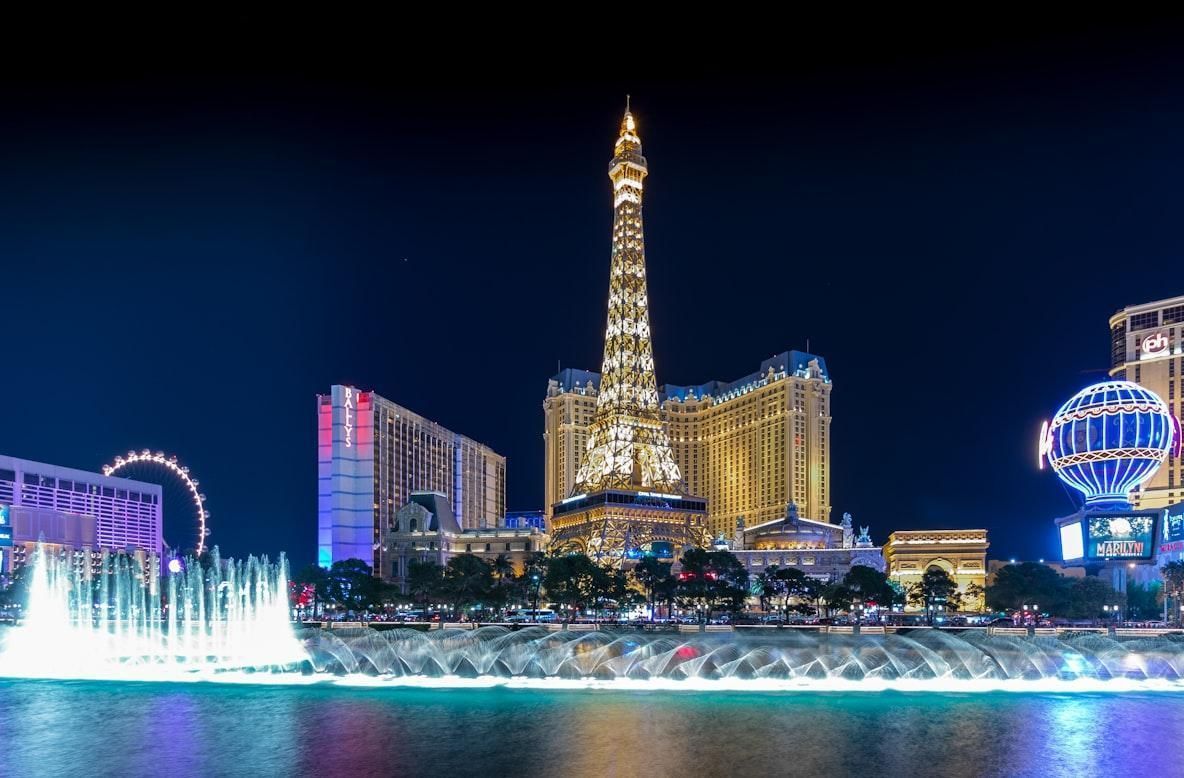
The Las Vegas Strip is said to be the brightest spot on the planet when seen from space. This four-mile-long stretch of Las Vegas Boulevard in Nevada concentrates some of the world’s largest and most boastful hotels, casinos, and resorts. No wonder the area attracts approximately 42 million visitors each year.

Although the heart of Las Vegas offers plenty of entertainment venues, fine dining establishments, sports events, galleries, and huge shopping centers, it is most famous for being a gambling destination . A 2019 survey concluded that eight in ten adults who visited Las Vegas gambled while they were there.

3
National Mall, Washington, D.C.

Image: Chad Stembridge

Visitors in Washington D.C. flock in masses to the National Mall. This open-park area sprawls over two miles from the U.S. Capitol to the Lincoln Memorial and is also home to iconic landmarks like the Washington Monument , the Vietnam Veterans Memorial, and the World War II Memorial. The Smithsonian museums are another attraction, offering free access to art, history, and science exhibitions.

Approximately 30 million visitors walk the area each year, which makes it a top-tier attraction for people all over the country and the world. Of course, the park is most flooded with attendance on special dates and events, such as the celebrations of Independence Day , Earth Day, or the Blossom Kite Festival.

4
Millennium Park, Chicago

Image: Kevin Olson

Those who travel to Chicago know they should visit Millennium Park, and those who go to Millennium Park know they must approach the iconic bean-shaped Cloud Gate . As a consequence, it is estimated that 25 million people are reflected on the silver surface of The Bean every year.

Millennium Park was opened twenty years ago, in 2004, as an urban development built over a former industrial area to promote art and outdoor recreation in the "city in a garden," which is Chicago’s motto.

5
Golden Gate Park, San Francisco

Image: Alireza Mirzabegi

Sprawling by the Pacific Ocean is the Golden Gate Park in San Francisco. It covers a massive 1,017-acre urban section and includes attractions like the de Young Museum, the California Academy of Sciences, and the Japanese Tea Garden. It also offers beautiful gardens , picnic areas, lakes, and iconic structures like the Conservatory of Flowers. Not to mention privileged views of the iconic Golden Gate Bridge.

24 million visitors come to the park each year, with some events gathering over 200,000 attendees, like the annual Outside Lands Music and Arts Festival. There are spots in this park to suit all interests : Windmills, boat rentals, observation towers, a Shakespeare Garden, 130 species of birds, and even bison!

6
Walt Disney World’s Magic Kingdom, Orlando

Image: kaleb tapp

Even though Magic Kingdom Park charges for admission, it’s still one of the most visited places in the country every year. At least 20 million go through the turnstiles annually to walk the quintessential Disney theme park.

Cinderella’s Castle, Main Street, U.S.A., and iconic attractions like Space Mountain, Pirates of the Caribbean, and the Haunted Mansion are fan favorites in this land. Special events held for Halloween, Christmas, and Fourth of July are among the park’s largest annual celebrations, drawing thousands of visitors.

7
Faneuil Hall Marketplace, Boston

Image: Brett Wharton

Faneuil Hall Marketplace has been standing since 1742 when it was established. Historically, it served as a focal point for public discourse and commerce. Today, it is mainly a marketplace that features more than 80 businesses , including eateries, shops, and entertainment venues, all set along charming cobblestone walks.

The area is vibrant all year round, frequented by musicians, magicians, and other performers . Foodie soirees, history tours, and fairs of local enterprises are further reasons to visit the spot. About 18 million do so every year.

8
Balboa Park, San Diego

Image: Vincent Yuan @USA

Balboa Park in San Diego features stunning gardens and buildings, as well as the world-famous San Diego Zoo . 1,200-acre wide, it also houses the San Diego Museum of Art and the San Diego Natural History Museum. The park famously boasts Spanish-Renaissance architecture and has become a hub for both locals and tourists.

During the holidays, the December Nights celebration gathers over 350,000 visitors across two days, when museums offer free entry and festive performances are held. EarthFair is another huge event in the park, attracting 60,000 attendees to one of the world’s largest environmental fairs to promote sustainability.

9
Great Smoky Mountains National Park

Image: Jack Prommel

Straddling the border of Tennessee and North Carolina, this National Park gathers over 12 million people every year. It is indeed the most visited national park in the U.S. and has been declared a UNESCO World Heritage site . Its mist-covered peaks, lush forests, and diverse wildlife fascinate visitors who walk its hiking trails. These include the Appalachian Trail.

Hundreds of thousands choose to visit the park during fall when autumn colors light up the landscape. In spring, the Wildflower Pilgrimage draws botany enthusiasts who come to the guided talks and walks to appreciate the park's unique biodiversity.

10
Pier 39, San Francisco

Image: Deane Bayas

Pier 39 is ideal for a family-friendly promenade. Located on San Francisco’s Embarcadero, this waterfront marketplace is known for its shops, restaurants, and stunning views of the Golden Gate Bridge, Alcatraz, and the Bay. There’s also a colony of sea lions forever lounging on its docks, who have become one of the dearest attractions of the site.

Another main attraction is the two-tiered carousel sitting towards the end of the pier. The 15 million pedestrians who come yearly can also enjoy its video arcade, 3D rides, shops, and restaurants, and visit the Aquarium of the Bay.

General General 3 min read

Banned in the USA

Would you ban velvet Elvis paintings? These towns really did it

Image: Dmitry Alexandrovich

The Land of the Free has had its fair share of strange bans over the years, and not all of them make sense today. From quirky laws to outright odd restrictions, plenty of everyday things have been outlawed at one point or another. Here are 12 unusual things that, believe it or not, were once banned in the U.S.

1
Sliced bread

Image: Laura Ockel

Not even the best of inventions are safe from odd bans. In 1943, the U.S. government temporarily banned pre-sliced bread as part of wartime resource conservation .

Thankfully, the ban only lasted a few months. Housewives, bakeries, and even newspapers complained, arguing that sliced bread was a necessity. The ban was lifted quickly due to public backlash.

2
Pinball machines

Image: Louie Castro-Garcia

Believe it or not, from the 1940s until the mid-1970s, pinball machines were outlawed in several major cities, including New York and Chicago. Officials claimed the machines promoted gambling and corruption .

Machines were confiscated and destroyed. The ban finally ended when it was proven that pinball was more skill-based than luck, leading to its revival as a popular arcade game.

3
Yo-Yos

Image: Eric Prouzet

During the 1930s, some U.S. towns banned yo-yos, believing they caused bad luck and distracted children from schoolwork . The fad was seen as both frivolous and superstitious.

Though short-lived, the bans show how something as harmless as a toy could spark moral panic and strange local laws.

4
Christmas

Image: Erwan Hesry

In the 1600s, the Puritans of Massachusetts Bay Colony banned Christmas , claiming it was rooted in pagan traditions and encouraged rowdy behavior .

Anyone caught celebrating risked punishment or fines. It wasn’t until the mid-1800s that Christmas gained widespread acceptance in the U.S.

5
Dancing after midnight

Image: Scott Broome

At different occasions during the 20th century, some cities enforced laws that restricted or outright banned late-night dancing . New York City’s "Cabaret Law" limited dancing to licensed venues only.

Authorities argued it was about maintaining order, but many saw it as cultural repression. By the 1990s, these laws faced strong opposition, and most have since been repealed, allowing nightlife to thrive.

6
Comic books

Image: Waldemar

Comic books have been a scapegoat for different things in different periods. For example, in the 1950s, they came under fire, accused of corrupting America’s youth . Parents, educators, and politicians believed violent and horror-themed comics encouraged delinquency.

Entire towns banned sales, and even public book burnings took place in different corners of the country.

7
Yellow margarine

Image: Marine Le Gac

Being a substitute for butter, margarine was heavily lobbied against by dairy farmers in the late 1800s. Several states passed laws banning margarine dyed yellow to resemble butter .

As a result, margarine was sold plain white, or consumers had to mix in dye packets themselves. These odd restrictions lasted well into the mid-1900s before finally being repealed.

8
Men’s long hair

Image: Siri louis

During the 1960s and 70s, schools across the U.S. cracked down on boys with long hair . Beatles-inspired styles were viewed as rebellious, unclean, and disruptive.

Some students were suspended or expelled over hair length. These policies reflected the cultural clashes of the era.

9
Left-handed writing

Image: Anna Savina

For much of the 19th and early 20th centuries, left-handed students were forced to switch hands . Teachers tied their left arms or punished them until they wrote with their right hand.

This practice was based on superstition and prejudice, with left-handedness considered "wrong" or even sinister.

10
Bathing suits above the knee

Image: Brett Jordan

In the early 1900s, strict laws dictated swimwear modesty at public beaches . Bathing suits that rose above the knee could result in fines or even arrest by "beach police."

Photographs from the time show officers measuring swimsuit lengths with rulers. The bans slowly disappeared as fashion and social norms shifted.

11
Coffee

Image: Jakub Dziubak

In the late 1600s, in Boston, coffee was briefly banned for being considered dangerous and unproductive . Authorities feared it encouraged idleness and vagrancy.

Coffeehouses were seen as gathering places for gossip and dissent. The ban didn’t last long, and coffee soon became a staple of American culture, eventually surpassing tea in popularity.

12
Velvet Elvis paintings

Image: Susan Mohr

In the 1970s and 80s, velvet Elvis paintings became a kitschy art craze. Some towns, embarrassed by the trend, tried banning their sale, calling them indecent or tacky .

Though the bans were rarely enforced, they reflected how taste and morality sometimes crossed into law.

Explore more American facts

Choose your favorite category!

General
General

As American as apple pie—the very best America has to offer!

Culture
Culture

Delve into the astounding richness of American lore.

Geography
Geography

Hop in and explore vast and diverse American landscapes.

History
History

Discover the key moments that shaped the United States.