Culture Culture 3 min read

A-Listers ahead

From Spielberg to King: Who are Hollywood’s “Powers that Be”?
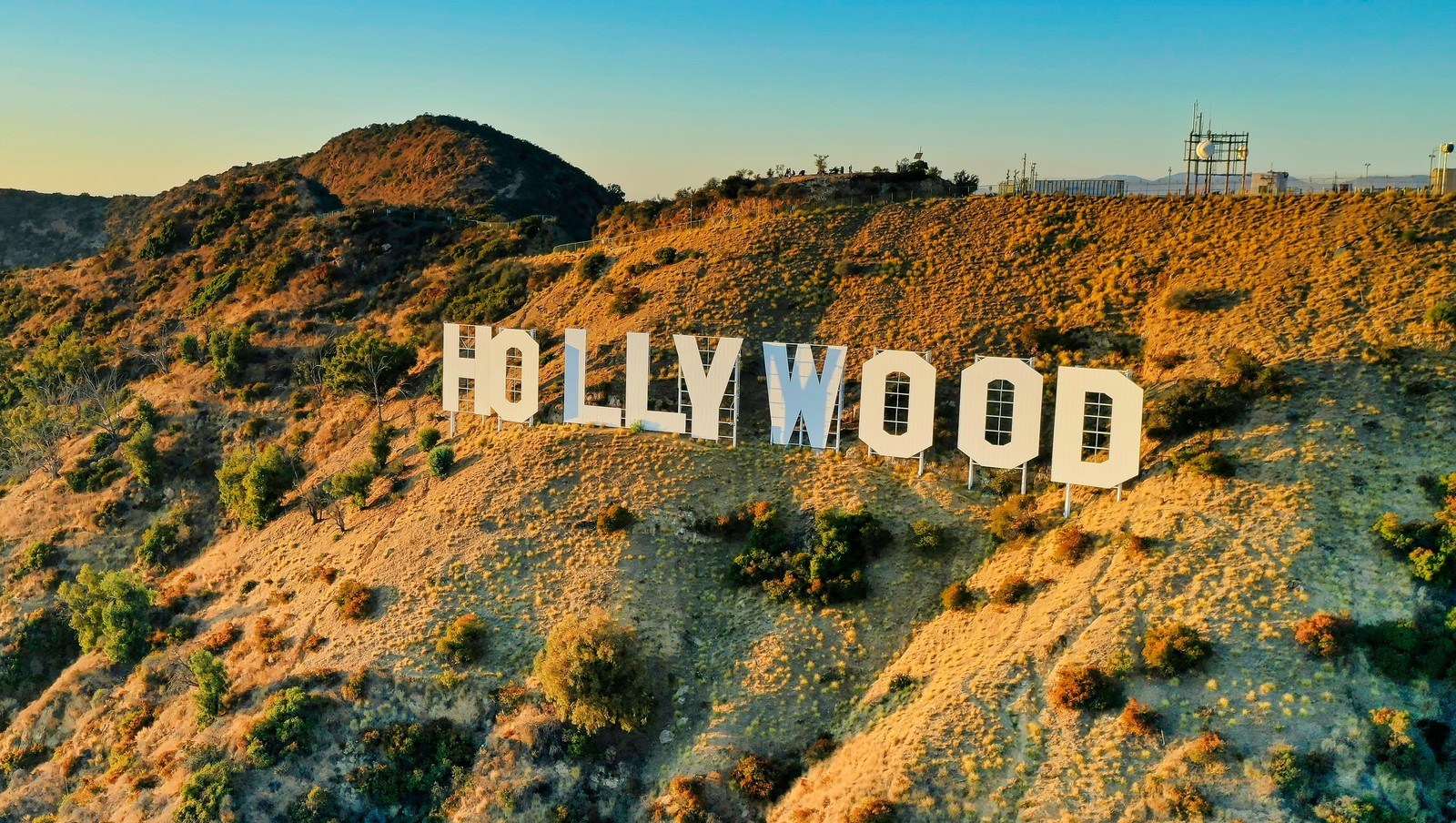
Image: Venti Views

If you have ever wondered who decides who wins an Oscar or why a certain movie had a sequel, you are not alone. Hollywood is filled with big fish who make billion-dollar decisions every day. Some of the names in this list you will know for sure, some will sound familiar, perhaps from the end credits of some film, and some you have probably never heard of. But they are all big Hollywood players who can shift tides, shape cultural trends, and make stars (or break them).

1
Kathleen Kennedy

Image: Thea Hdc

Kathleen Kennedy has been a part of many of the greatest movies of the last 35 years. She’s been involved with almost every Steven Spielberg movie since Raiders of the Lost Ark, but also Back to the Future, The Goonies, The Sixth Sense, and The Curious Case of Benjamin Button , to name a few. Also, she is the president of Lucasfilm following its sale to Disney.

2
Reed Hastings

Image: Jakob Owens

Netflix’s co-founder Reed Hastings is a big name in the entertainment business, helping distribute some of the world’s most-viewed television shows over the last years.

With a background in technology and software, Hastings capitalized on the changing media consumption behaviors and created something that took the media business by storm.

3
Bob Iger

Image: Clyde He

Quite probably the most influential person in Hollywood, Bob Iger presides over the industry’s largest and most influential entertainment business, the Disney brand. Add 21st Century Fox, Star Wars, Marvel, Pixar , and a few other things, and you have a modern-day media empire.

4
Kevin Feige

Image: Brands&People

Arguably the most successful film producer of all time, Kevin Feige has championed the superhero cinematic universe that has swept over Hollywood in the last decades, whether you like it or not.

5
Dana Walden

Image: J. Schiemann

Dana Walden was a key figure in Disney's acquisition of 20th Century Fox TV , which she built into a powerhouse over two decades. She is also in charge of ABC Studios, ABC Entertainment, Freeform, and Hulu .

6
Oprah Winfrey

Image: Ioann-Mark Kuznietsov

A true household name, Oprah Winfrey is one of America’s most trusted stars . She also writes bestsellers, has her own cable network (OWN), and is involved in infinite ventures in the entertainment landscape.

7
J.J. Abrams

Image: Billy Freeman

The name behind some of the biggest blockbusters of the last 30 years, J.J. Abrams, is one of the most sought-after directors and producers in all of Hollywood. He is responsible for movies like Armageddon, several Mission: Impossible installments, and a couple of Star Wars films , to name a few.

8
Shonda Rhimes

Image: Jakob Owens

As the creator and showrunner of Grey’s Anatomy, Bridgerton, Scandal, Private Practice, How to Get Away with Murder , and many other series, Shonda Rhimes has been a strong presence in Hollywood since the early 2000s and has been featured multiple times in the Times 100 Most Influential People on the World list.

9
Steven Spielberg

Image: Mirko Fabian

Probably the person most of us would expect to be on this list, Steven Spielberg has shaped America and the world’s pop culture with some of the most successful and influential films ever made . His presence has been a force to be reckoned with and a strong influence in Hollywood since the mid-1970s.

10
James Cameron

Image: Kyle Loftus

The man behind blockbusters like Titanic, Terminator, and Avatar , among many others, has kept himself busy diving to the deepest point in the ocean, creating documentaries, series, producing, directing, writing, and more for a few decades now and his work is embedded in pop culture, in a similar way to Spielberg and our next entry.

11
Stephen King

Image: Vitalii Onyshchuk

The man responsible for some of the biggest film classics, not just in the horror genre but in many others as well, didn’t even intend to go into the movie business in the first place.

As one of America’s more successful contemporary writers, Stephen King has created stories that started as bestsellers and eventually found their way into Hollywood. From Carrie, Cujo, Pet Sematary, The Shining, to Shawshank Redemption, The Green Mile, Stand By Me , and countless others, his stories are the basis for some of the biggest blockbusters that Hollywood has ever seen.

Culture Culture 7 min read

Through thick and thin

Did you know these 12 historical figures were friends?

Image: Dimhou

Truman Capote considered friendship and love to be exactly the same thing. As in love, we never know what makes us fond of others enough to build a friendship. In fact, friendships can arise between people with very different backgrounds, beliefs, and professions. Some friendships between historical figures are as surprising as they are genuine, though not all were long-lasting. From John F. Kennedy and Frank Sinatra to Ella Fitzgerald and Marilyn Monroe, today we introduce you to the story of 12 friendships between great historical figures that you may not have known about but that offer a new perspective into the lives of influential personalities.

1
Ella Fitzgerald and Marilyn Monroe

Image: William P. Gottlieb, Public domain, via Wikimedia Commons

Strange as it may sound, Ella Fitzgerald and Marilyn Monroe developed a beautiful friendship in the 1950s. Hollywood's favorite blonde was a big fan of Fitzgerald's music and went to see her perform in Los Angeles in 1954. When they met in person they became inseparable.

Monroe helped her land a gig at the famous Mocambo nightclub in Los Angeles, which had previously turned Fitzgerald down. These performances were a turning point in the career of the Queen of Jazz. Marilyn used to say that Ella was her favorite person and that she loved her as a person and as a singer. They remained friends until Monroe's death at the age of 36.

2
Thomas Jefferson and John Adams

Image: Tholey, A. (Augustus), artist, Public domain, via Wikimedia Commons

John Adams and Thomas Jefferson are perhaps America's most famous pair of "frenemies". Their historic relationship began in 1775. Despite their very different political views, the two Founding Fathers maintained an on-and-off relationship for five decades, tinged by a mixture of mutual respect and contempt.

Their relationship began to crack when George Washington decided not to run for a third term, and Adams and Jefferson had to compete for the presidency. They stopped speaking to each other for 12 years, but finally, in 1812, they resumed contact. Perhaps as proof of their troubled but strong friendship, John Adams and Thomas Jefferson died just a few hours apart on July 4, 1826, the 50th anniversary of the adoption of the Declaration of Independence.

3
Groucho Marx and T.S. Eliot

Image: Flybynight

One was a comedian of the absurd, the other a melancholic poet and Nobel laureate. Believe it or not, Groucho Marx and T.S. Eliot were friends and admired each other. In 1961, Eliot wrote to Marx, telling him he was a fan and asking for an autographed photo. Marx agreed to the request and asked the same of Eliot. For the next three years, the two became pen pals, exchanging many letters.

According to Groucho Marx, they shared three things: an affection for good cigars, a love of cats, and a weakness for puns. However, when they finally met in person in 1964 they realized that they didn’t have that much in common after all and their relationship started to fade.

4
Ulysses S. Grant and James Longstreet

Image: Mathew Benjamin Brady, Public domain, via Wikimedia Commons

Ulysses S. Grant was the commander of the Union Army during the Civil War. James Longstreet, on the other hand, fought for the Confederate Army and became one of General Robert E. Lee's most trusted officers. That should make them enemies, right? Well, not exactly.

Grant and Longstreet became friends as young officers in the US Army and served together in the Mexican-American War. Years later they went their separate ways but were reunited after the Confederate surrender at Appomattox Court House. In fact, it was Longstreet who convinced General Lee to surrender, knowing that Grant would offer him generous terms. As soon as Grant saw Longstreet, he shook his hand warmly and asked him to play a game of cards for old time's sake.

5
Susan B. Anthony and Elizabeth Cady Stanton

Image: DawesDigital, CC0, via Wikimedia Commons

Susan B. Anthony is known for having been a tireless activist who dedicated most of her 86 years to achieving women's suffrage. In 1851, Anthony met suffragist Elizabeth Cady Stanton, with whom she developed a lifelong friendship. Together they launched a national women's suffrage movement, published a newspaper called The Revolution , and gave many lectures.

Stanton died in 1902 and Anthony in 1906. It was not until 1920 that women were allowed to vote legally for the first time in U.S. federal elections, yet the legacy of these two friends was certainly invaluable.

6
Mark Twain and Nikola Tesla

Image: Marija Zaric

Can a literary genius and a giant of science become good friends? In the case of Mark Twain and Nikola Tesla, the answer is definitely yes. Although the professions of writer and inventor seem very different, they actually have something very strong in common: creativity.

Tesla, who had been bedridden for nine months because of cholera, found in Twain's work a refuge that made him completely forget his state of despair. Meanwhile, Twain was fascinated by technological innovations and, in particular, by electricity. When the two men finally met in the 1890s, they became close friends. Over the years they maintained an assiduous correspondence and supported each other both professionally and personally.

7
Bill Gates and Warren Buffett

Image: ENERGY.GOV, Public domain, via Wikimedia Commons

Bill Gates and Warren Buffett, two of the richest men in the United States, have been friends for more than 30 years. They met in 1991 at a Fourth of July celebration, and although they thought they had nothing in common, they spent 11 hours discussing business and philanthropy.

Bill and Warren played ping-pong together, traveled the world for business and pleasure, and shared several initiatives to encourage billionaires to invest their money in social and charitable endeavors. The creator of Microsoft also claims that Warren Buffett's advice and business vision were indispensable for the growth of his company.

8
Mary Todd Lincoln and Elizabeth Keckley

Image: National Archives at College Park, Public domain, via Wikimedia Commons

In the 1860s, Elizabeth Keckley, a former slave who had managed to buy her freedom and start a sewing business, landed an important position in the White House as Mrs. Mary Todd Lincoln's personal dressmaker. Despite their different upbringings, the two women developed a close relationship. In fact, the first lady came to describe her as her best friend.

Over the years Keckley became a confidant of Mrs. Lincoln; the two women traveled and worked together to raise money for the war effort. Unfortunately, their friendship ended when Keckley published her memoirs in 1868. Keckley had wanted the book to celebrate Mrs. Lincoln's legacy, but the First Lady felt betrayed as it revealed some private conversations.

9
Dwight D. Eisenhower and Bob Hope

Image: NBC Television, Public domain, via Wikimedia Commons

Throughout his long career, comedian Bob Hope was a frequent White House visitor who had the honor of entertaining 11 different commanders-in-chief. In fact, he considered them the best possible audience. But of all the presidents who laughed at his jokes, Dwight D. Eisenhower was the one with whom he formed the most enduring relationship.

They met in Algeria in 1943 when Eisenhower was a General for the U.S. Army and Hope was performing at a United Service Organization show. They immediately hit it off. Even when Ike became president 10 years later their friendship continued. They often exchanged letters and played golf together.

10
Ben Affleck and Matt Damon

Image: Bill Ingalls, Public domain, via Wikimedia Commons

Matt Damon and Ben Affleck met in the 1980s in Cambridge, Massachusetts when they were still young children. They bonded over their passion for basketball and acting, and have been friends ever since. In fact, while in high school, they often traveled together to audition.

Damon and Affleck's partnership is arguably one of the most successful in Hollywood. They not only acted in movies together several times, but they also co-wrote the screenplay for Good Will Hunting , which earned them an Academy Award for Best Original Screenplay in 1997.

11
Truman Capote and Barbara "Babe" Paley

Image: Eric Koch for Anefo, CC0, via Wikimedia Commons

Another controversial friendship was that of author Truman Capote and New York socialite Barbara "Babe" Paley. This odd couple met in the late 1960s after Capote published In Cold Blood and became something of a celebrity. They quickly became close friends and confidants.

However, when in 1975 Capote published a preview of his forthcoming book Answered Prayers in Esquire magazine airing some of his friend’s secrets, their relationship was forever ruined. Although the writer admired Babe and considered her perfect, he could not resist the temptation to betray her.

12
John F. Kennedy and Frank Sinatra

Image: FotoshopTofs

No one knows exactly when and how they met, but it is not surprising that US President John F. Kennedy and music legend Frank Sinatra were friends. In addition to their mutual admiration, their relationship was beneficial to both. Sinatra gained access to the halls of power, while Kennedy relied on The Voice's charm and popularity to win votes in the 1960 presidential election.

When Kennedy won, the president-elect publicly thanked Sinatra for his campaign efforts. Unfortunately, the friendship fell apart after JFK entered the White House. According to lore, First Lady Jackie Kennedy didn't like the singer. And, let's be honest, Sinatra's alleged connections to organized crime weren't a good look for a head of state anyway.

History History 7 min read

The reason the Oval Office has such an iconic shape

Image: Gorodenkoff

Some traditions seem to have been around forever. The Easter egg hunt at the White House, or the Teddy bear in most kids’ bedrooms. A turkey is pardoned every Thanksgiving. As it turns out, some traditions and food items trace back to a single president having a very ordinary, human moment: a soft spot for a scared animal, a craving from a trip abroad, a wife tired of watching her husband go unnoticed. Here are the real stories behind them.

1
The White House Easter egg roll

Image: The White House, Public domain, via Wikimedia Commons

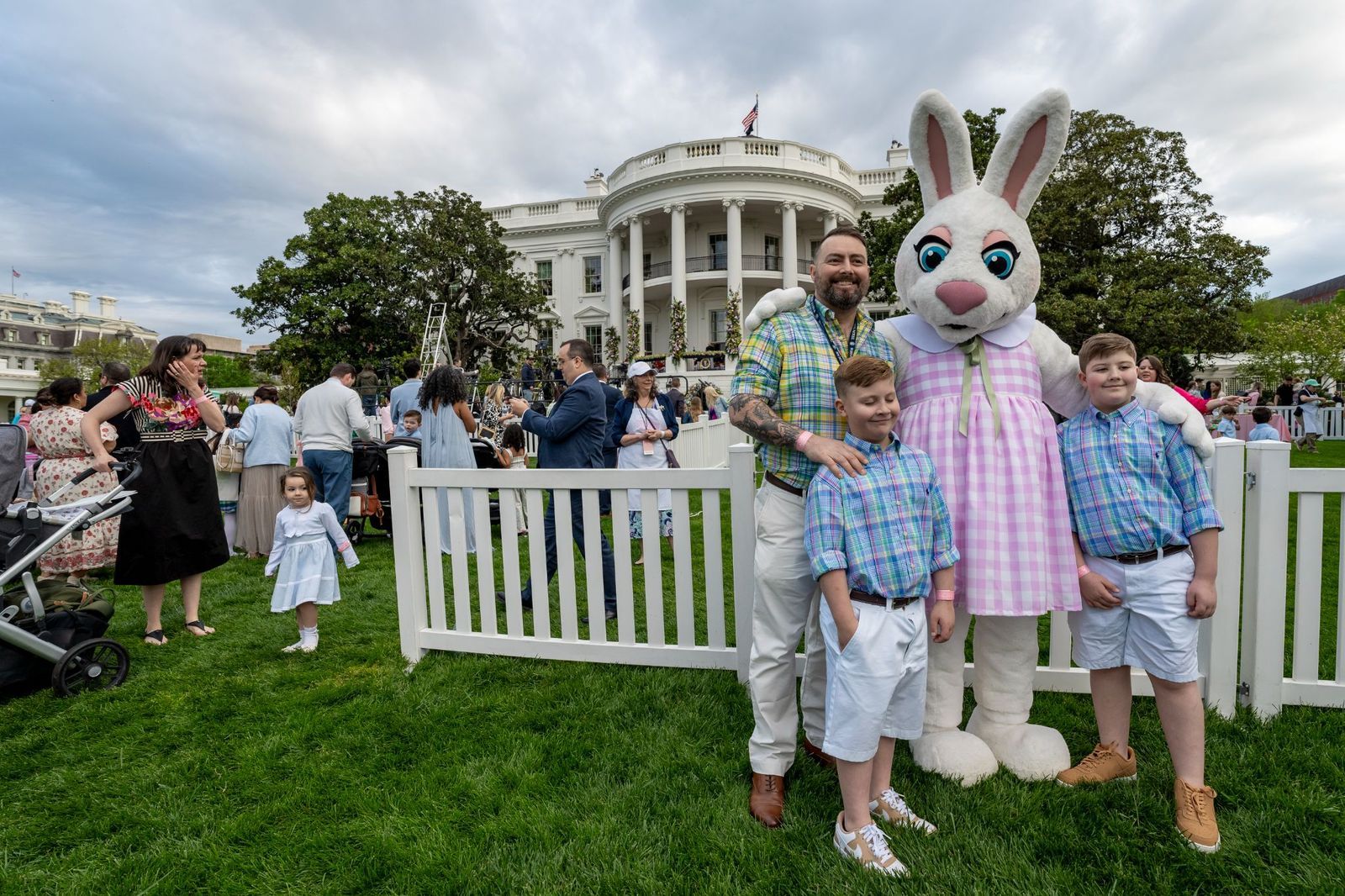
In the 1870s, Washington kids rolled colored eggs on the Capitol lawn every Easter Monday until Congress banned the practice in 1876 to save the grass. On Easter Monday 1878, a group of those disappointed children walked up Pennsylvania Avenue to the White House gates. President Rutherford B. Hayes told his guards to let them in , and the South Lawn became their new playground. Word spread fast, and by the following year, hundreds of families showed up expecting the same welcome. Hayes never announced a policy; he just opened a gate for some kids with nowhere else to roll their eggs, and a White House holiday tradition was born, with future presidents dutifully continuing it.

2
The "Teddy Bear" stuffed animal

Image: Jimmy Parker

That stuffed bear tucked in with a grandchild owes its existence to a presidential hunting trip gone sideways.

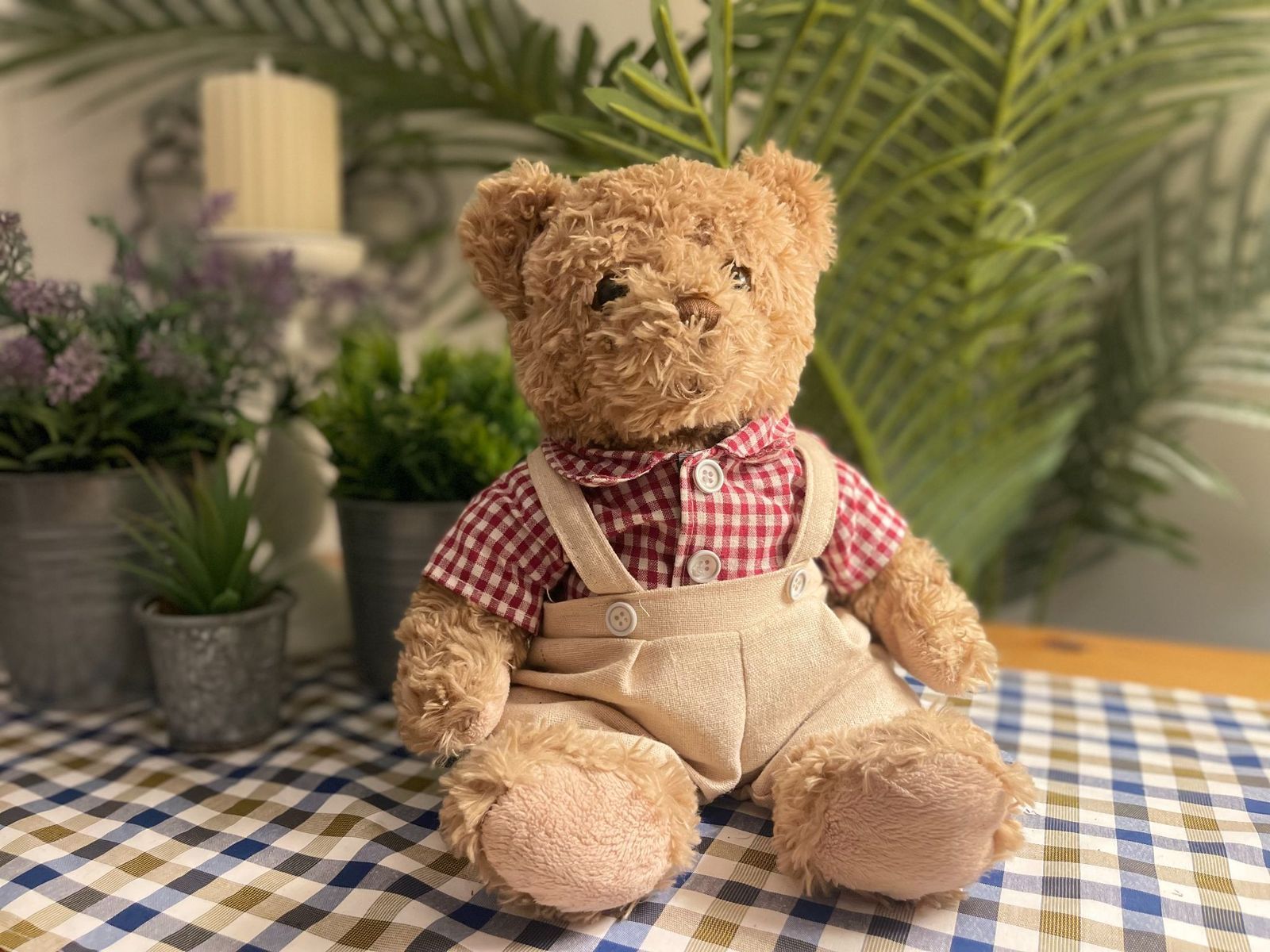
In November 1902, Theodore Roosevelt traveled to Onward, Mississippi, hoping to bag a bear as the rest of his hunting party had. After days with no luck, his guides cornered an exhausted old bear, tied it to a tree, and invited the president to take the easy shot. Roosevelt refused, calling it unsportsmanlike. The story ran in the newspapers nationwide, and Washington Post cartoonist Clifford Berryman turned it into a sketch titled "Drawing the Line in Mississippi." Brooklyn shop owner Morris Michtom saw the cartoon, sewed a small stuffed bear, and displayed it in his windows as Teddy’s Bear. Customers wanted one immediately, and a toy industry was born from a single act of mercy.

3
The official Thanksgiving turkey pardon

Image: Credit: George H.W. Bush Presidential Library and Museum, Public domain, via Wikimedia Commons

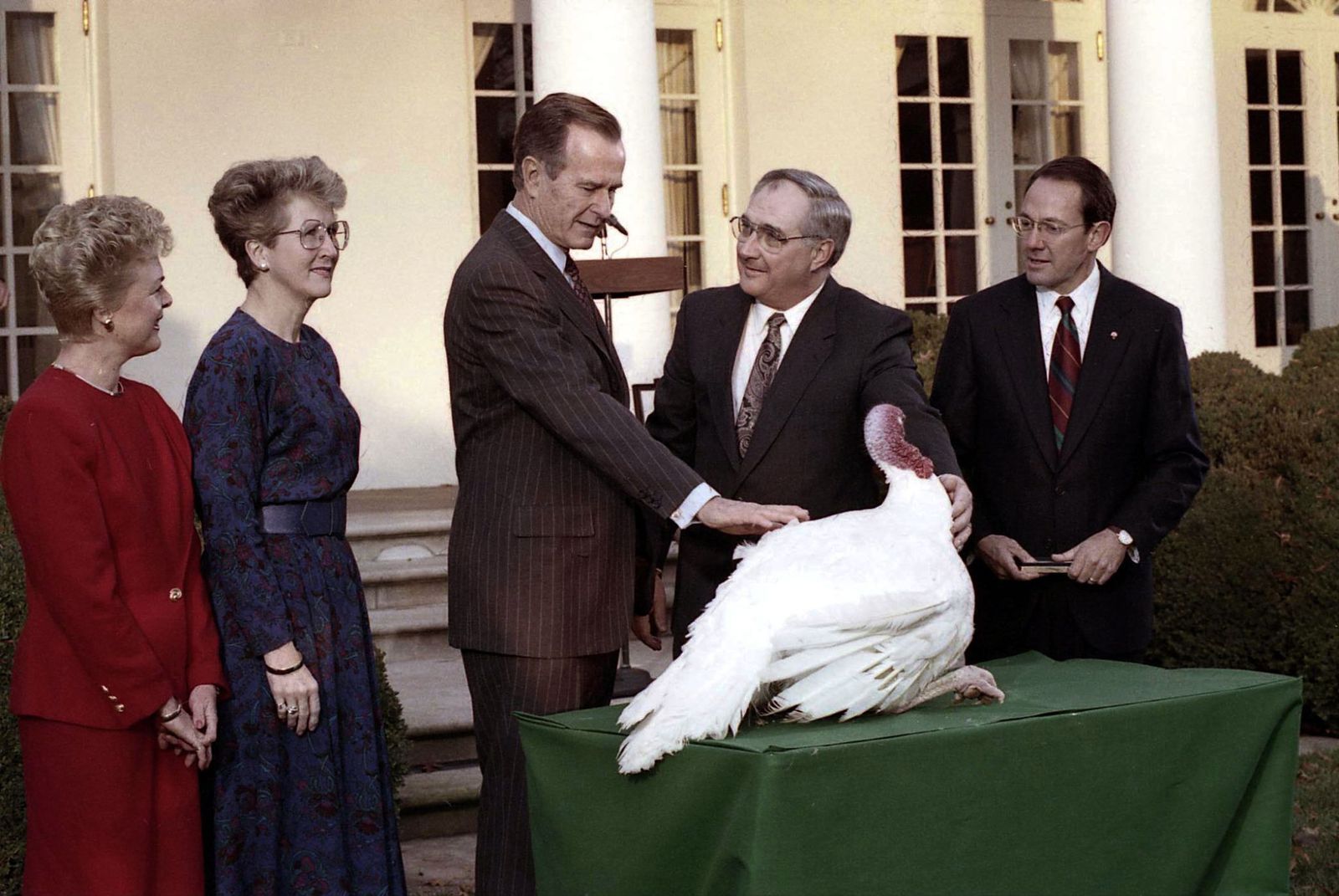
Every November, cameras gather in the Rose Garden to watch the president spare a turkey from the Thanksgiving table, a moment that feels as old as the holiday itself. But the origin of that ceremony is very recent.

For decades, presidents from Truman onward accepted a ceremonial turkey each year, and most of those birds ended up exactly where you’d expect. That changed on November 17, 1989. As animal rights activists picketed nearby, President George H. W. Bush looked at a visibly nervous tom turkey and improvised , telling the crowd he’d granted the bird a presidential pardon on the spot and that it would live out its days on a farm instead. The line got a laugh, but Bush kept it going the next year, and the year after. What started as a spontaneous joke became the official ceremony every president has repeated since.

4
The shape of the Oval Office

Image: amadeustx

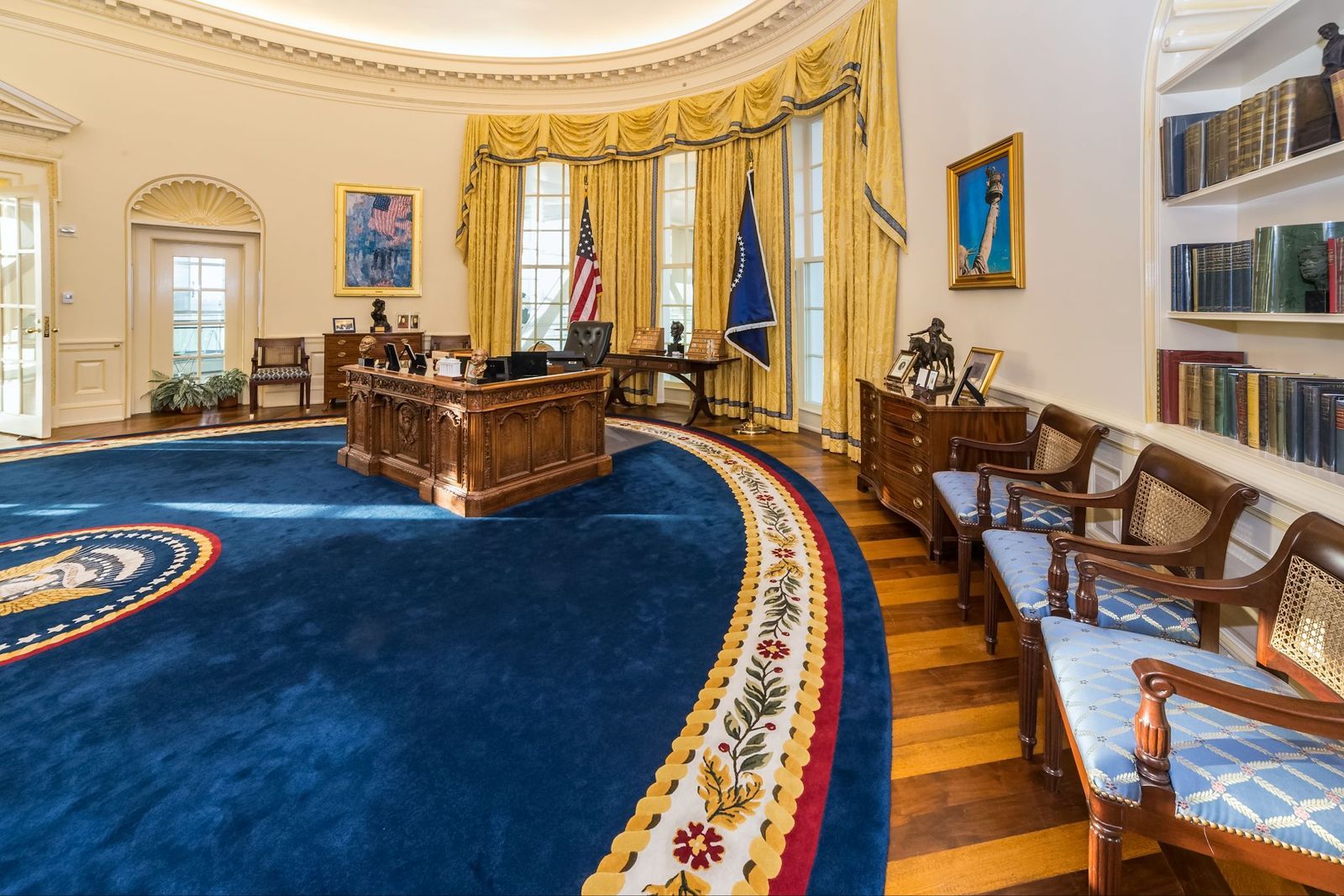
The Oval Office is instantly recognizable: the presidential seal carpet, that famous desk, the flags and busts. But the curved shape itself traces back to one president's frustration with cramped quarters.

When William Howard Taft took office in 1909, he found the West Wing, built as a temporary fix under Theodore Roosevelt, too small and too disconnected from the rest of the White House. Taft held a competition for architects to expand it into something permanent. The winner, Nathan Wyeth, looked to the White House's own Blue Room, an oval-shaped parlor where presidents had greeted guests since the early 1800s, and echoed its shape for the new presidential office. Construction finished that same year. Every president since has worked inside walls first curved to match a room built more than a century before any of them took office.

5
Modern gourmet macaroni and cheese in the U.S.

Image: olepeshkina

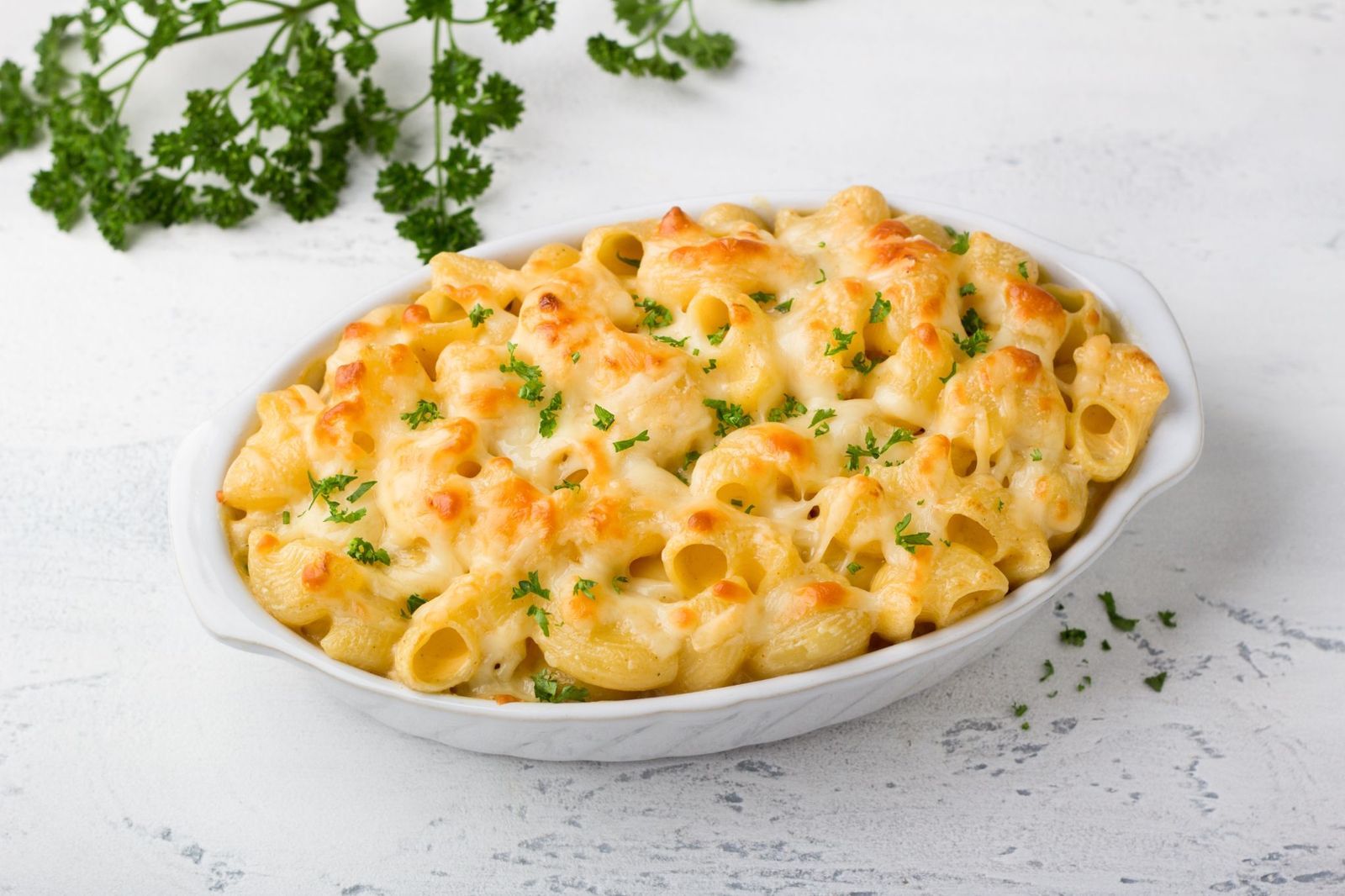
Mac and cheese shows up at potlucks and holiday tables across the country, but its American debut came from a president with expensive European taste.

While serving as minister to France in the 1780s, Thomas Jefferson fell for the pasta dishes he encountered in Paris and Italy. He had a pasta press shipped home, but kept importing macaroni and parmesan from Europe for years. In 1802, as president, Jefferson served a baked macaroni dish at a formal White House dinner. Not every guest was impressed. Congressman Manasseh Cutler called the pie disagreeable, mistaking the pasta for onions until a fellow diner explained what it was. Cutler’s confusion didn’t stop the dish from catching on, and it’s been a comfort food staple ever since.

6
Presidential marching music: "Hail to the Chief"

Image: alamy, Public domain, via Wikimedia Commons

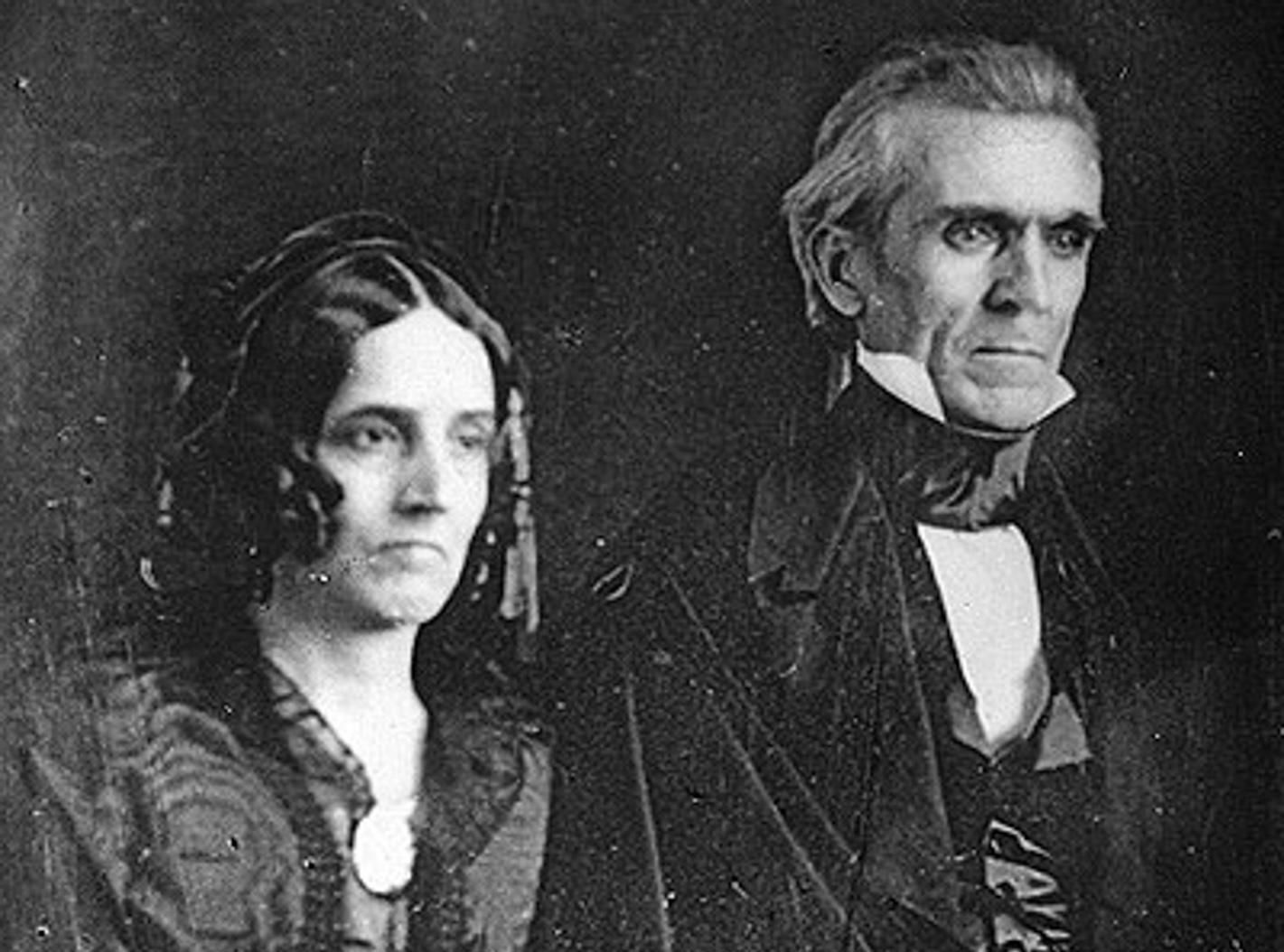
Whenever a president walks into a room for a major event, the Marine Band strikes up the same tune, and the crowd knows exactly who just arrived. That entrance music exists because James K. Polk had the opposite problem.

Elected in 1844, Polk was famously soft-spoken and easy to overlook in a crowded hall, the kind of president who could walk into a reception and have half the room not notice. His wife, Sarah Childress Polk, decided that wouldn’t do. She arranged for the Marine Band to play "Hail to the Chief" whenever her husband entered a room, giving guests a clear cue that the president had arrived. The tune, written by English composer James Sanderson and reserved for special events like inaugurations, had been around for 40 years prior to Polk’s taking office, although it was during his presidency when it started opening the door for every Commander-in-Chief.

7
The national Christmas Tree Lighting ceremony

Image: The White House from Washington, DC, Public domain, via Wikimedia Commons

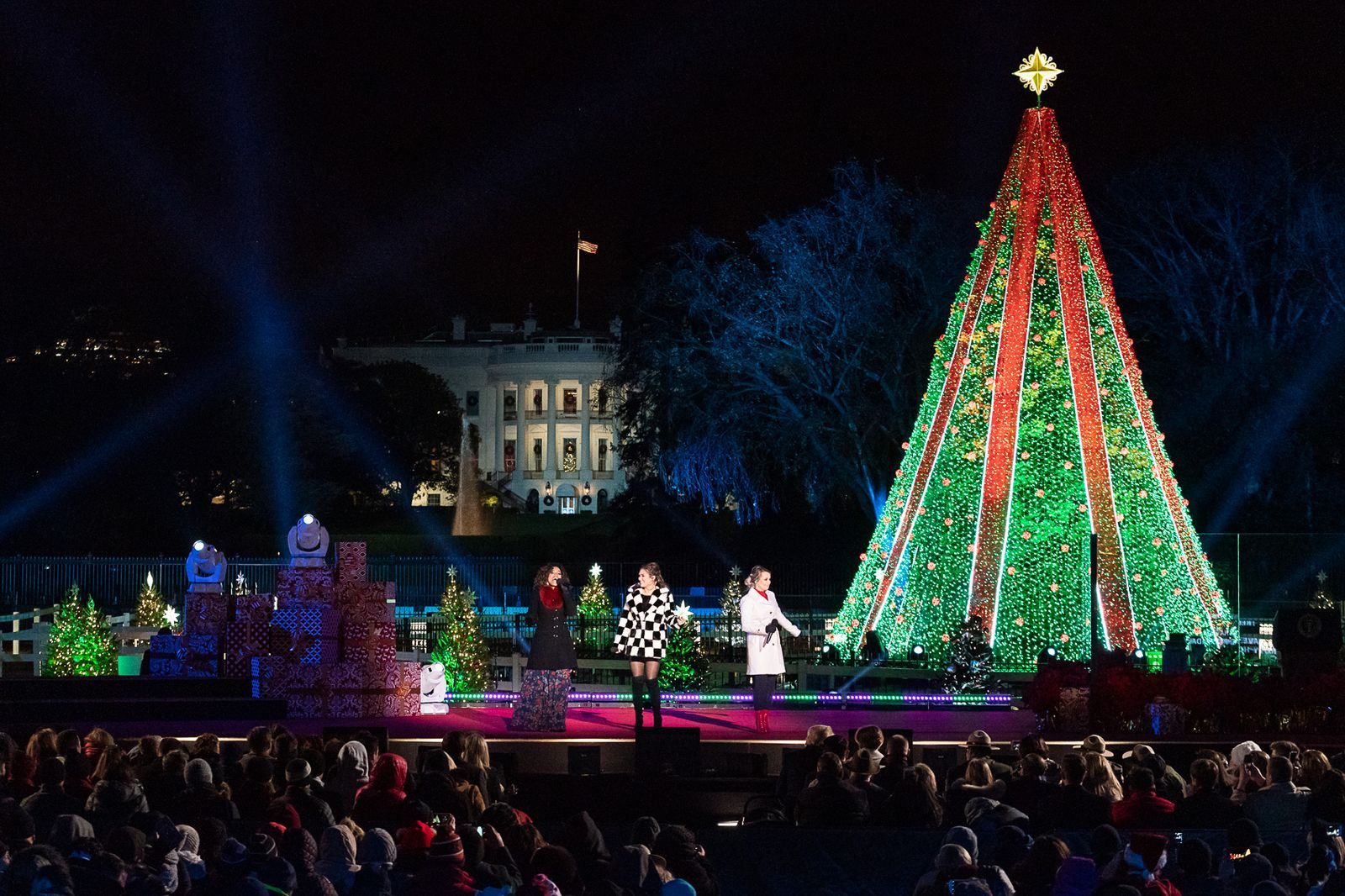
The National Christmas Tree Lighting each December draws crowds to the Ellipse just south of the White House, but the very first one almost happened somewhere else entirely.

In November 1923, organizers asked First Lady Grace Coolidge for permission to put a community Christmas tree on the White House grounds. She already had a carol sing planned for the North Lawn and didn’t want two events competing, so she suggested the Ellipse instead. On Christmas Eve, President Calvin Coolidge walked over from the White House, pressed a button, and lit a 48-foot balsam fir donated by his home state of Vermont in front of thousands of spectators. True to his famously quiet nature, Coolidge said nothing and simply flipped the switch, letting the lights be the show.

8
The presidential "First Pitch" at Major League Baseball games

Image: Robert LeRoy Knudsen, Public domain, via Wikimedia Commons

Every baseball season still opens with someone tossing a ceremonial first pitch, a tradition that dates back to a president who almost wasn't invited.

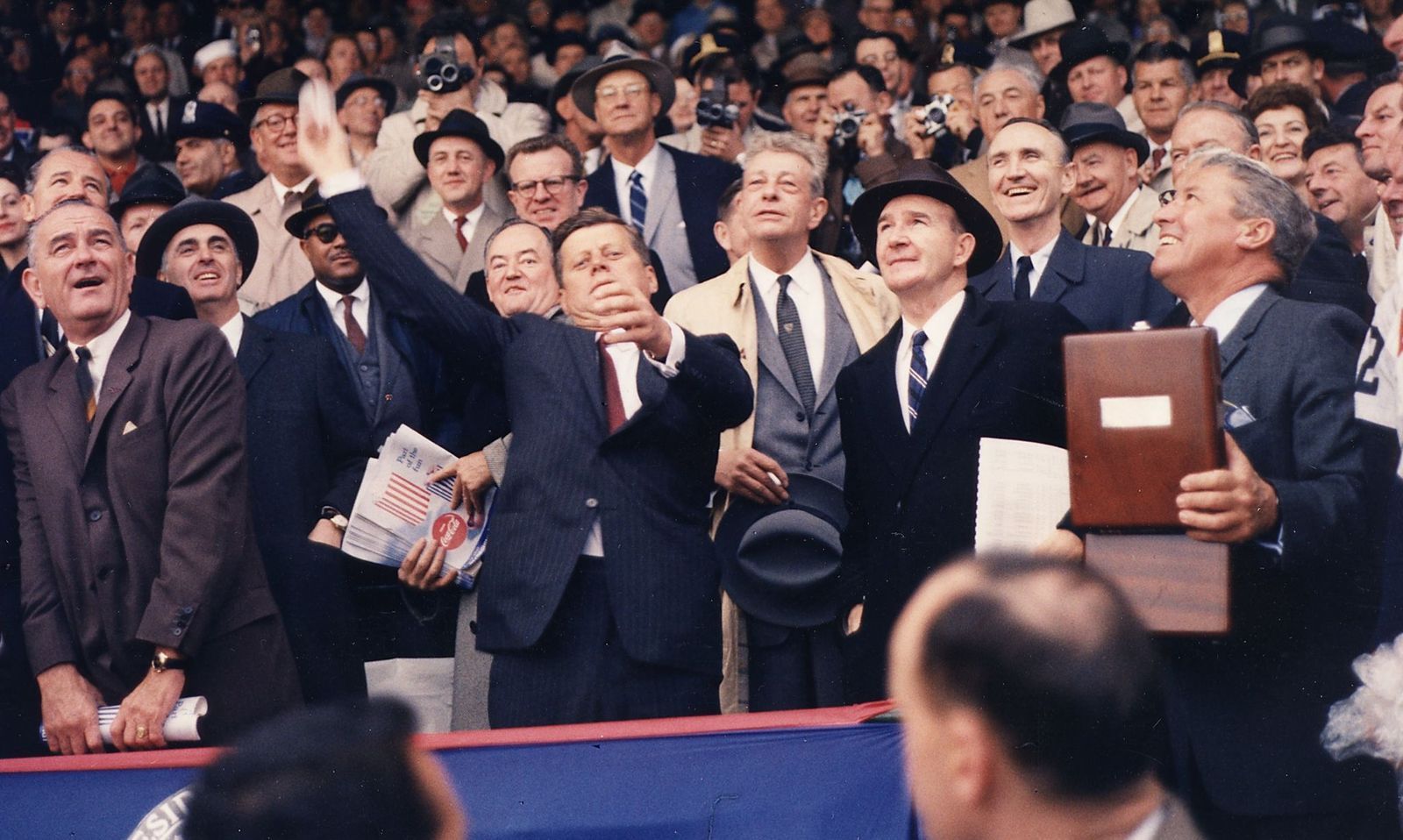
On April 14, 1910, William Howard Taft attended the Washington Senators' opener against the Philadelphia Athletics, in Washington, D.C. The plan was for him to throw to Washington Senators catcher Gabby Street, since ace pitcher Walter Johnson had shyly turned down the honor. Taft had other ideas. From his box seat, he turned and fired the ball straight to Johnson instead, who caught it, kept it as a souvenir, and later had the president autograph it. Johnson went on to pitch a one-hit shutout that afternoon. Taft returned to throw another first pitch in 1911, and the ceremony has opened baseball seasons for presidents ever since.

9
Blueberry Jelly Belly Beans

Image: National Archives and Records Administration, Public domain, via Wikimedia Commons

Grab a bag of Jelly Belly beans today, and you'll likely find blueberry among the flavors, a color that didn't exist until one president requested it.

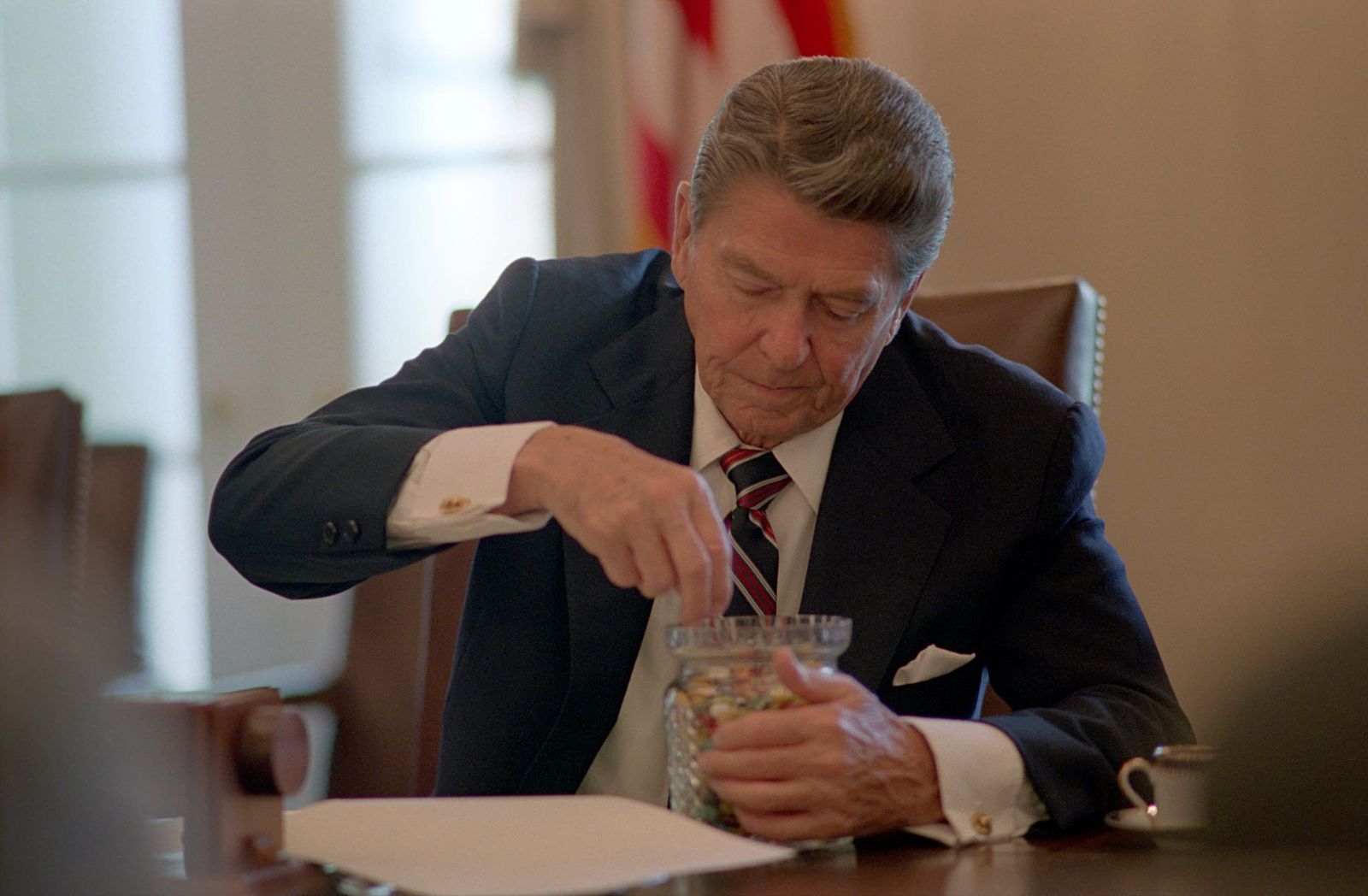
Ronald Reagan started eating jelly beans in 1966 to help quit pipe smoking, and by the time he reached the White House, he kept jars in the Oval Office and Cabinet Room alike. For his 1981 inauguration, Reagan wanted a patriotic red, white, and blue display . Jelly Belly already made Very Cherry for red and Coconut for white, but nobody had ever needed a blue bean before, so there wasn't one. The company invented the blueberry flavor specifically for the occasion and shipped three and a half tons of beans to Washington for the celebration. More than 40 years later, blueberry remains one of Jelly Belly's most popular flavors.

10
Hoover-ball, a new sport

Image: English: NPGallery, Public domain, via Wikimedia Commons

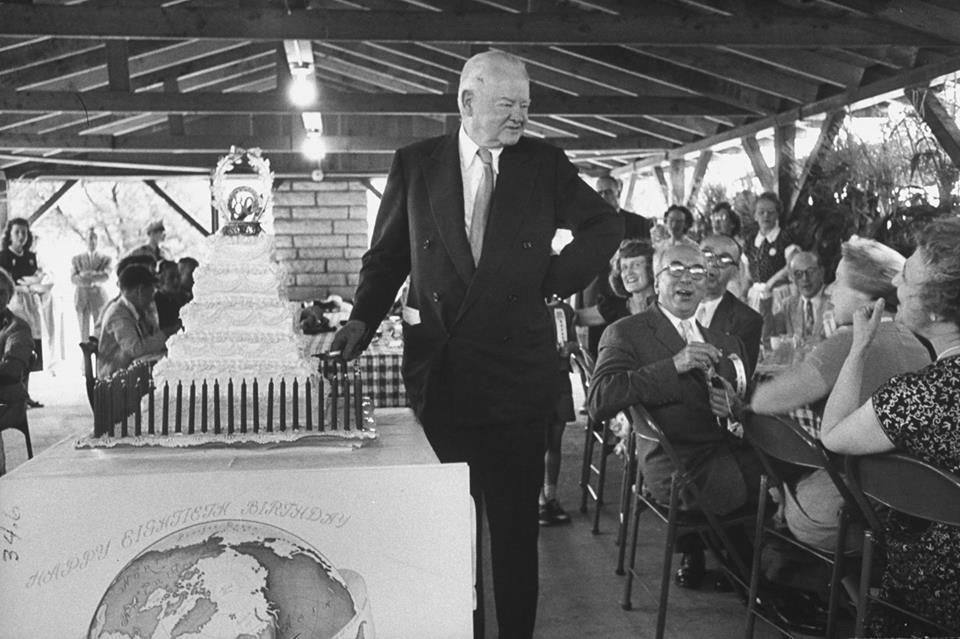
Presidential influence is not to be denied. And one former president even gave Americans a new sport. When Herbert Hoover entered office in 1929, his doctors were concerned about his weight and lack of exercise. His physician, Joel T. Boone, came up with an answer that was considerably more fun than a daily walk.

Boone adapted the game from medicine-ball exercises and tennis , creating a sport in which players stood on opposite sides of a net and threw a heavy medicine ball back and forth. The game quickly became a regular activity on the White House grounds, and players even earned a nickname: the "Medicine Ball Cabinet." Although it never became mainstream, the sport lived on through local competitions in Hoover’s hometown of West Branch, Iowa.

Explore more American facts

Choose your favorite category!

General
General

As American as apple pie—the very best America has to offer!

Culture
Culture

Delve into the astounding richness of American lore.

Geography
Geography

Hop in and explore vast and diverse American landscapes.

History
History

Discover the key moments that shaped the United States.