Culture Culture 4 min read

How to blend in with the locals

12 American slang words that will make you sound like a local

Image: DJ Johnson

English might be the official language of all Americans, but this doesn’t mean it’s spoken the same everywhere. Across the 50 states and the territories, slang is just another way to express the idiosyncrasies of each region and its unique realities. Check out these slang phrases; they might come in handy in the future.

1
Philadelphia: Jawn

Image: ActionVance

Meaning: used as a placeholder for a noun.

When in Rome, do as the Romans do. When in Philly, be aware that the word jawn can and will be used in every sentence, no matter if the jawn in question is a thing, person, event, or place. If it’s a noun, it can be jawn’ed.

2
New England: Grinder
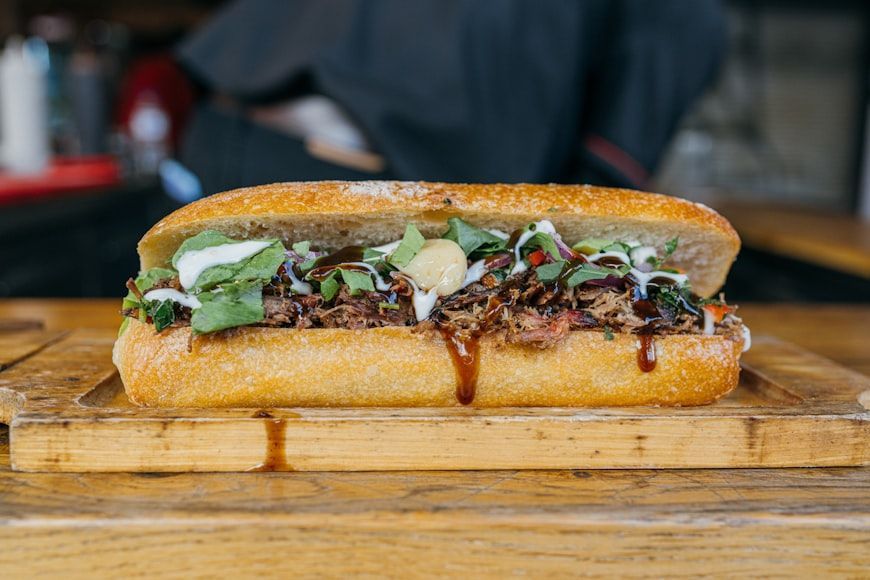
Image: Yoad Shejtman

Meaning: a sub sandwich.

Subs must be one of the most widely known American sandwiches, and rightfully so. Its possibilities when it comes to fillings are seemingly endless, no matter your personal tastes. But you must consider that not every sub is called a sub. If you are passing through New England and fancy a sandwich, looking for a grinder will get you there quicker.

3
Midwest: Schnockered/ Schnookered
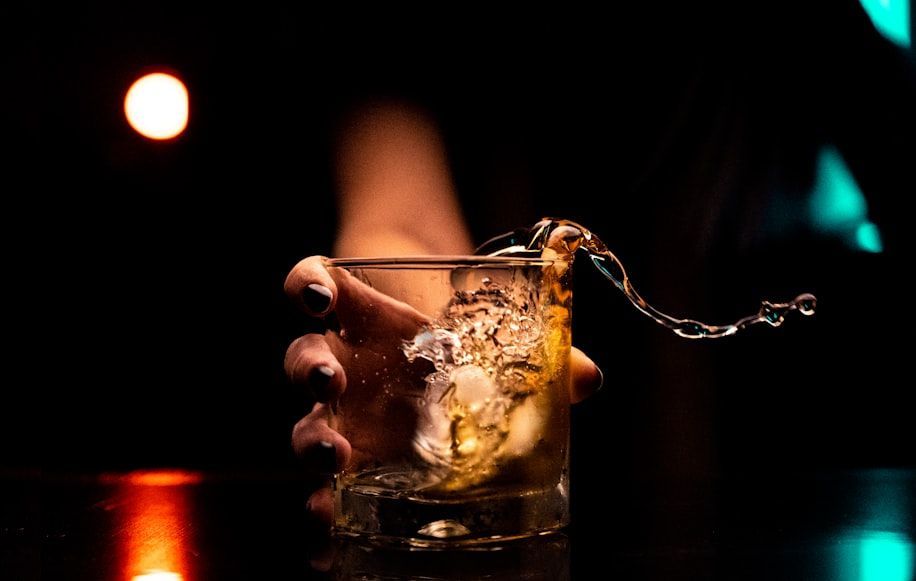
Image: Vinicius amnx Amano

Meaning: Schnockered: wasted/ Schnookered: scammed

Is there a connection between excessive alcohol consumption and being easy to deceive? Midwesterners apparently think so, because they use very similar terms for both situations. We tend to agree; nothing good can come from doing business while under the influence.

4
New York: Schlep
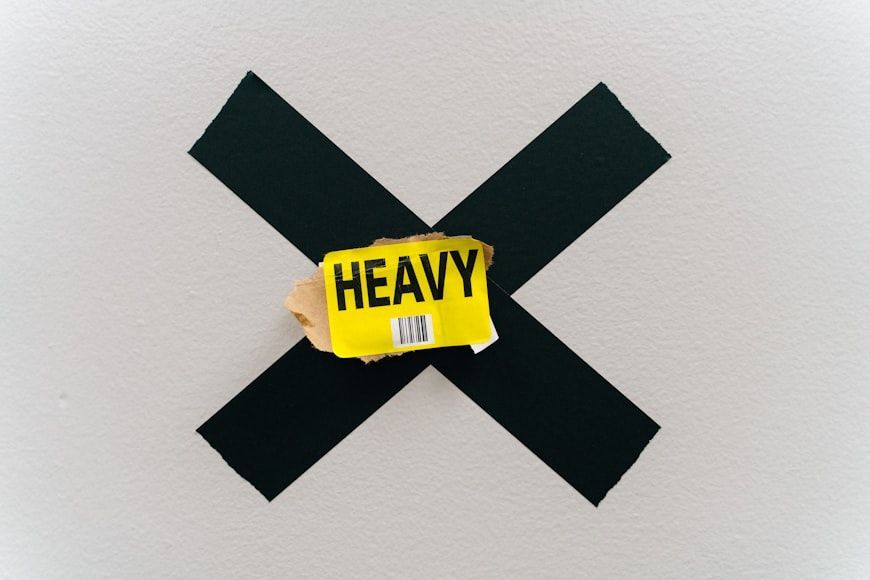
Image: Keagan Henman

Meaning: a difficult task, to carry something with difficulty.

As far as hectic places go, New York seems to be leading the rankings. No wonder they have a dedicated slang repertoire for difficult situations. If you are planning on visiting the Big Apple, take it easy; you will most likely encounter a schlep.

5
Florida: No-see-ums
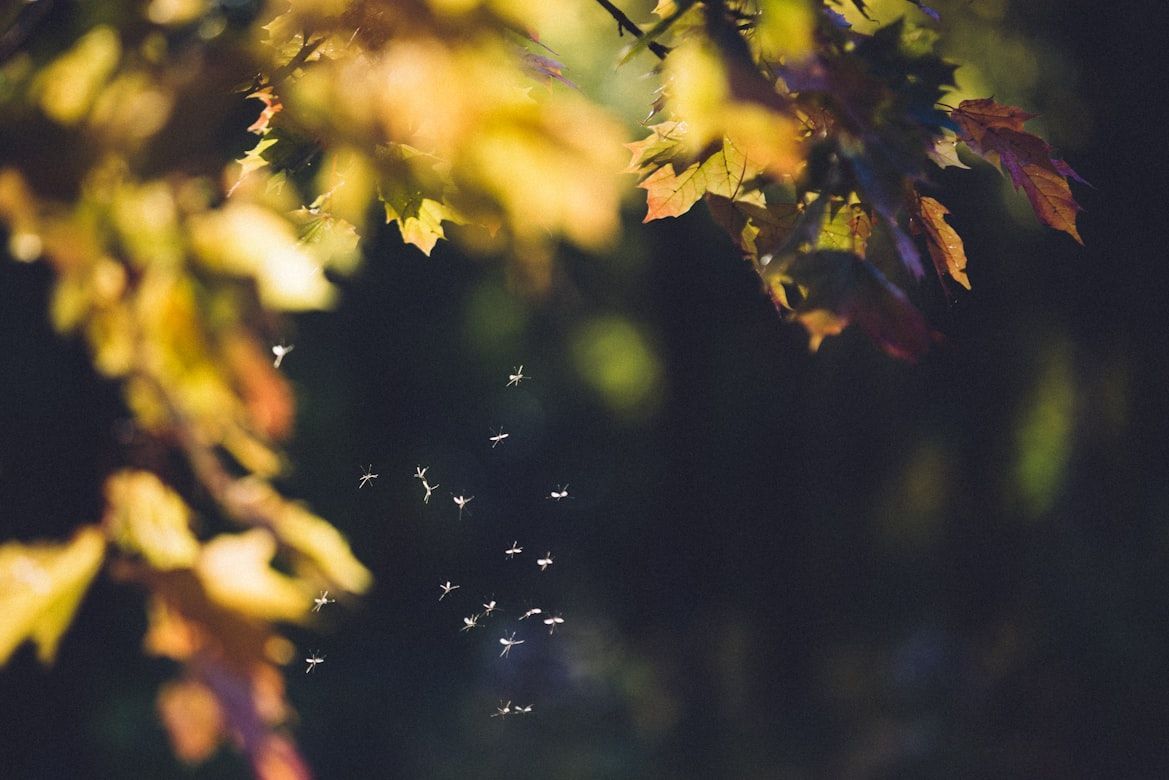
Image: Maxim Mogilevskiy

Meaning: tiny biting midges.

Ah, Florida! The land of cruises, alligators, and invisible attacking bugs. These welcoming critters are known for attacking at dawn and leaving itchy marks that will sting for days. They go by the government name of Ceratopogonidae, but the no-see-ums nickname seems more accurate.

6
Boston: Regular
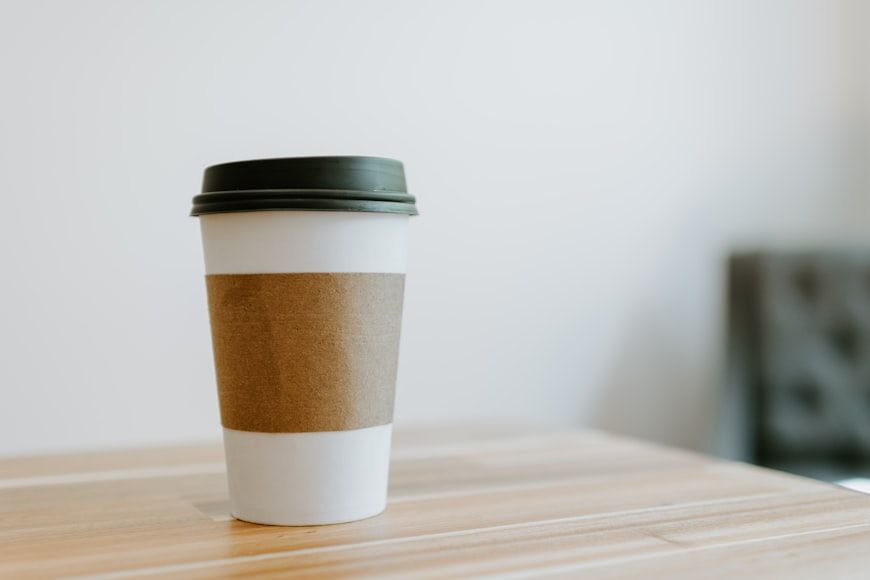
Image: Kelly Sikkema

Meaning: coffee with cream and sugar.

Forget about americanos, lattes, and espressos, a regular is the Boston way to go. Associated with a popular Dunkin’ order, it will come already creamed and sugared. Not advisable for diabetics and lactose intolerants.

7
Puerto Rico: A mi, plín!
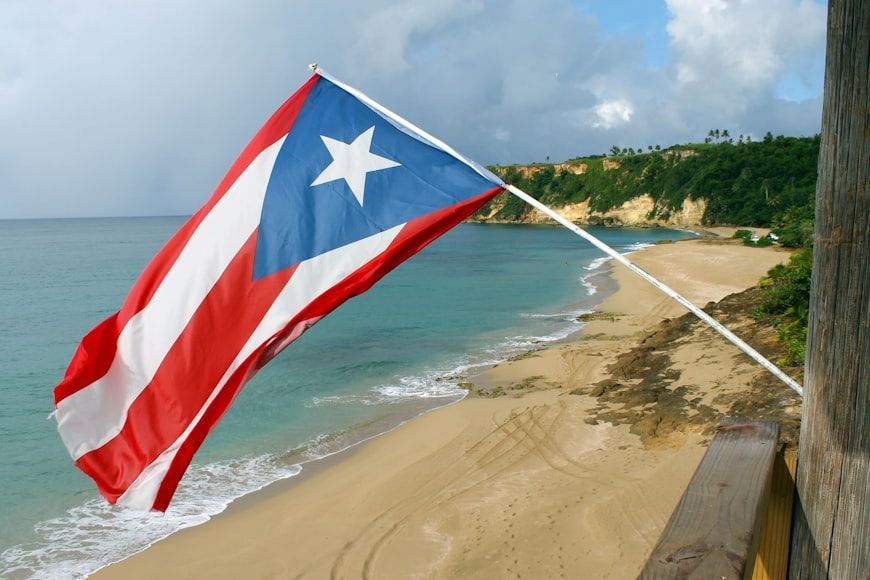
Image: Ana Toledo

Meaning: I don’t care.

Puerto Rican slang can be hard to decipher even if you speak some Spanish, but this makes it even more unique. This phrase —literally translated as ‘to me, plin’— is commonly used to express that something or someone is of no concern to you. What is a ‘plin’? We don’t really know, but to us, plin!

8
Pacific Northwest: The mountain is out

Image: Caleb Riston

Meaning: there is good weather

Mount Rainier is one of the icons of Seattle and the Pacific Northwest, even though the stormy weather can often make it difficult to admire. On the days when the sky is clear and cloudless, this natural wonder "is out" and can be seen in its entirety. For the locals, the mountain being out has become synonymous with lovely weather and sunny skies.

9
Texas: Fixin’ to
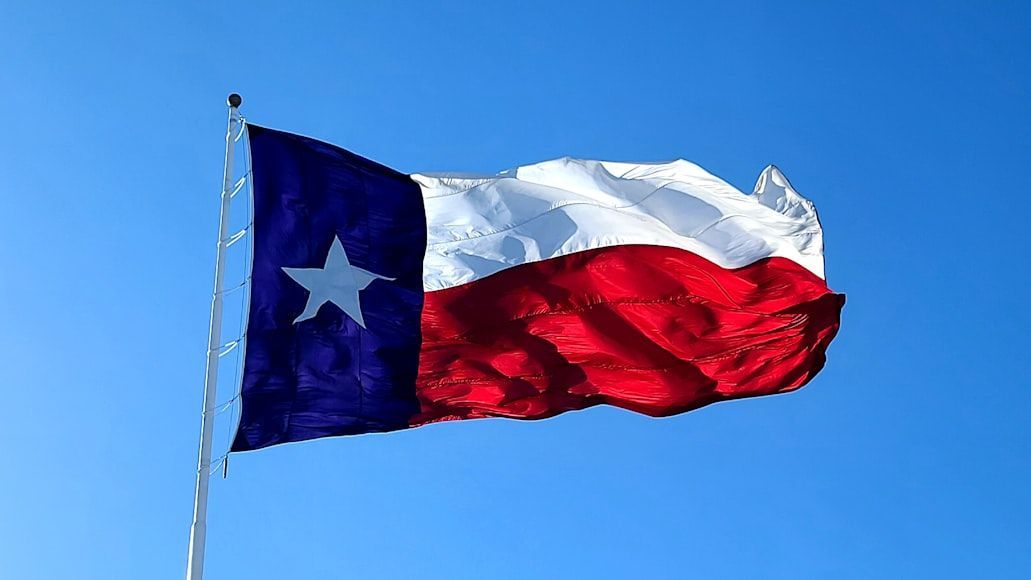
Image: Pete Alexopoulos

Meaning: about to.

We are including this phrase as Texan slang, but you might hear it from Southerners of other states. What do they use it for? Not to talk about repairs, but to say they are about to do something or getting ready for something. Important: do not confuse it with ‘fixins’, a way to refer to side dishes or condiments.

10
Alaska: Sourdough
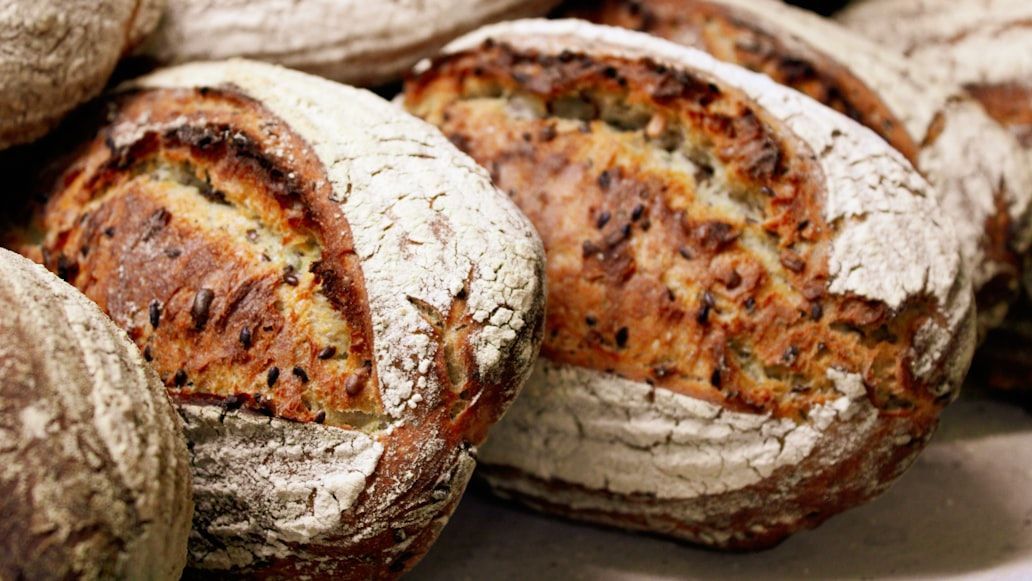
Image: DDP

Meaning: a long-time resident.

Alaska is filled with natural wonders, but it has always been a tough place to live in, especially during the time of the pioneers. These brave people relied on a few food sources, one of them being sourdough starter to make bread and biscuits. In time, seasoned Alaskans came to be referred to as ‘sourdough’, as a way of honoring their resilience and love for the territory. Opposite to a ‘sourdough’, you can find a ‘cheechako’ or newcomer.

11
Utah: RM
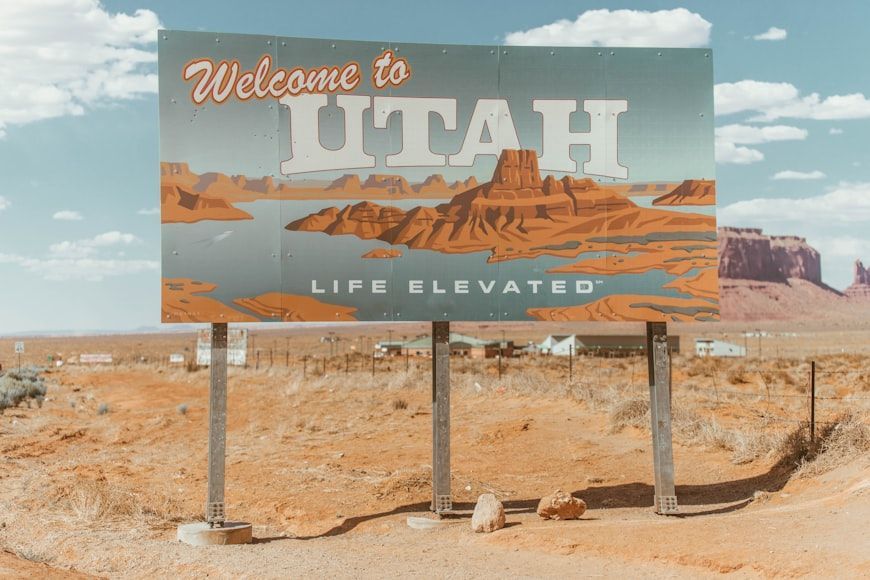
Image: Taylor Brandon

Meaning: someone who returned from their missionary service.

Utah is known for many things, one of them being its high number of Church of Jesus Christ of Latter-day Saints members (commonly known as Mormons). Many members of the Church choose to serve as missionaries, an activity that can take them to a different state or even a different country for up to two years. Once they come back, they might be referred to as RM, or ‘returned missionary’.

12
Hawaii: Da kine

Image: little plant

Meaning: placeholder for something.

If you are in Hawaii, you might notice locals using this phrase to refer to various things, similar to how other English speakers use ‘whatsit’ as a placeholder. A common phrase in Hawaiian Pidgin, ‘da kine’ can be used for objects, people, places, ideas, and much more.

General General 6 min read

THE ALL-AMERICAN MENU

Let's Enjoy These 10 American Dishes Everyone Should Try

The United States of America is known for its freedom, diversity, and, of course, its delicious food . Today, we're touring the nation to taste some emblematic dishes that have become icons of American culture!

While hamburgers, hot dogs, and the comforting Mac and Cheese are undeniable parts of our identity, it's time to highlight other delicious dishes equally significant in American gastronomy . Join us to review the origins and recipes of these 10 iconic American specialties . We'd love to know which one is your favorite!

1
Cornbread

Image: Rafael Cisneros Méndez

With its roots planted in Native American cuisine, cornbread has become a unique staple, especially in the South of our country.

Easy to make and irresistibly tasty , this quick bread stands out for its versatility , making it a great companion to meals of many Americans at different times of the day .

And the best part? You only need cornmeal, all-purpose flour, buttermilk, melted butter (or vegetable oil), and a couple of eggs to make it! What time of the day do you prefer to enjoy this recipe?

2
Apple Pie

Image: Priscilla Du Preez 🇨🇦

Did you know that apple pie was one of the favorite desserts of our first president, George Washington ? While it originated in England, the apple pie was brought to America by European settlers and stayed here to evolve into the special dessert we know today. It is now so linked with American culture that we have the saying, "As American as apple pie," to prove it!

Often enjoyed during Thanksgiving and other holidays as a tasty autumn dessert , this is a slightly more elaborate recipe, but definitely worth a try.

And if you're looking for a special occasion to bake one, May 13th is the perfect date, since it's National Apple Pie Day in the United States!

3
Pecan Pie

Image: Leila Issa

Pecans are a delightful treat, right? And you know what? They are native to North America , especially the South , which is why the wonderful Pecan Pie is associated with this region of the country.

The formula for this tasty dessert is said to have emerged in the late 19th century , with one of its earliest recipes appearing in an 1886 recipe book!

And, while it's a classic during holidays like Thanksgiving , you can actually enjoy it anytime, all year round. In fact, this recipe is so popular that the state of Texas has declared it their official state pie !

4
Philly Cheesesteak

Image: Ir Like

Enough sweet for now. Now, let's talk about a savory delight, the Philly Cheesesteak .

As its name suggests, this classic was born in the city of Philadelphia , Pennsylvania, and is believed to be the creation of a hot dog vendor in the 1930s .

Who can resist the combination of a crispy hoagie roll, thinly sliced pieces of steak, onion, bell pepper, and melted cheese? We can't!

Of course, people in Philadelphia have a special day to celebrate this dish: March 24. Have you ever joined the celebration? If not, consider this as a sign to do it next year!

5
Thanksgiving Turkey

Image: Megan Watson

As you probably already know, it is believed that in Plymouth, Massachusetts , a special meeting took place in 1621 . According to myth, English settlers there shared a feast with Native Americans that included primarily turkey , among other foods. This gathering is often considered the very first Thanksgiving , forever linking turkey to this day of gratitude.

For this delicious recipe, you won't need many ingredients; just butter, fresh herbs, an onion, a lemon, some garlic, and salt and pepper to taste, along with your turkey , of course! In addition, you can stuff it with the option of your choice.

And while all this may sound familiar, here's a surprising fact: According to the National Turkey Federation, approximately 46 million turkeys are eaten each year at Thanksgiving!

6
Biscuits and Gravy

Image: Stephen McFadden

Originally from the South of the United States , the Biscuits and Gravy recipe is today a classic comfort food that has also spread to other parts of the country.

Mainly consumed as breakfast but also having special appearances as brunch or dinner, this dish is characterized by its flavor and simplicity.

Depending on the area where it is prepared, the type of gravy may vary, and sometimes, you can find combinations with some extra ingredients, like bacon or eggs . Are you one of the fans of this dish?

7
Po' Boy Sandwich

Image: Anastasia gezalova

While its origin is still debated, there is a story about the birth of the Po' Boy Sandwich that has been accepted by most New Orleanians.

The year was 1929 when a strike of streetcar conductors broke out. In the city of New Orleans , Benny and Clovis Martin decided to support the striking workers. As restaurant owners, they began handing out free special sandwiches to the conductors, affectionately known as "Poor Boys." This name later became associated with the sandwich and, over time, "Poor Boy" evolved into the "Po' boy" we know today, a staple of Louisiana cuisine .

The classic recipe contains the delicious combination of fried shrimp or roast beef, lettuce , tomato , pickles , mayonnaise , and a sauce of choice, all on a good loaf of French bread . Irresistible!

8
Reuben Sandwich

Image: Asnim Ansari

If you love grilled sandwiches, then the Reuben Sandwich is the choice for you.

Its origin is still debated, with two competing stories: one from the Blackstone Hotel in Omaha, Nebraska, in 1920 , and the other from Reuben's Delicatessen in New York City in 1914. Whether it comes from New York or Omaha, the Reuben is undeniably an American classic .

Making this dish is quite simple. You'll need rye bread , thinly sliced corned beef, sauerkraut, a good Swiss cheese , and dressing (Russian or Thousand Island dressing). And don't forget to butter the bread before grilling !

With a combination of Jewish deli meats, German sauerkraut, Swiss cheese, and Russian dressing, this sandwich is a representation of the diverse cultures and cuisines that enrich our nation.

9
Buffalo wings

Image: Clark Douglas

If you offer this dish to a foreigner, you might confuse them a bit. After all, buffaloes don't have wings! The thing is that this delicacy is named after the city where it originated.

The story goes that Buffalo wings were invented in 1964 at the Anchor Bar in Buffalo, New York , where co-owner of the bar Teressa Bellissimo created the dish in search of a quick snack. That's when she deep-fried some chicken wings and tossed them in a sauce made from butter and seasonings . She then served them with celery sticks and blue cheese dressing, just as they are served today.

If you're not among the millions who prepare this dish for the Super Bowl , don't worry. You can enjoy it at the National Buffalo Wing Festival , held every Labor Day weekend; you probably guessed where: in Buffalo, New York.

10
Clam chowder

Image: Kevin Lanceplaine

Representing New England cuisine , Clam Chowder has become one of America's staples, and its origin and ingredients can prove it.

It is said that when the European settlers arrived on the Atlantic coast , they wanted to recreate their traditional seafood stews. However, inspired by the local ingredients , something entirely new was born. It was a creamy soup with clams and other coastal treats. The first known written recipe for this dish appeared in 1832 in "The New England Farmer" magazine.

And as if all that was not enough, this recipe definitively sealed its status as a classic when it was included in Herman Melville's unforgettable novel, "Moby-Dick" !

Culture Culture 3 min read

Tom Waits approves

Did you know about these 12 bizarre American musical moments?

Image: Peter Herrmann

Music in America has never been afraid to get weird. From homemade instruments and oddball inventions to accidental hits and cosmic jazz, our country’s history is full of unexpected sound. These 12 examples prove that when it comes to music, sometimes stranger is better.

1
Singing Tesla coils

In the early 2000s, engineers discovered that Tesla coils could emit tones by modulating the sparks themselves. When programmed, they could play songs using bursts of lightning as notes.

Audiences watched and listened as glowing bolts of electricity "sang" familiar tunes like movie themes. These displays, part science and part spectacle, were a short-lived trend, but they were interesting while they lasted.

Image: Brett Wharton

2
Franklin’s glass armonica

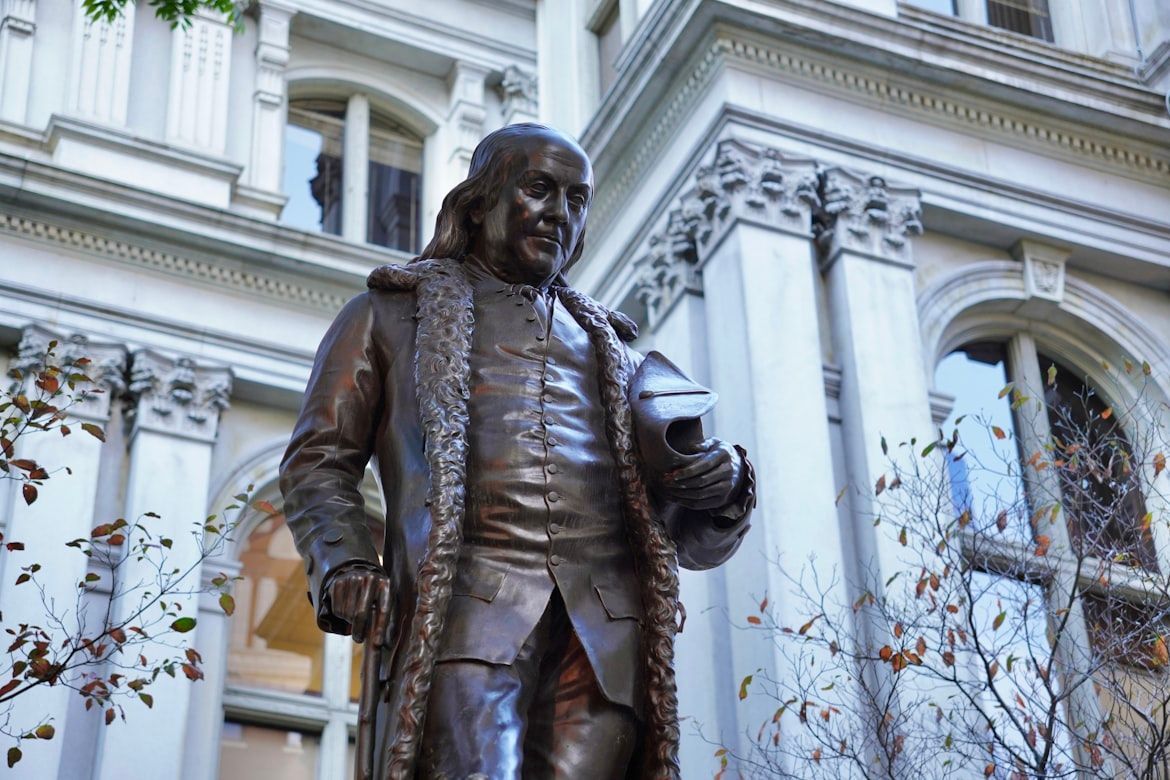
Benjamin Franklin invented many things. Among them, a glass armonica, using spinning glass bowls tuned by size . Players touched the rims with wet fingers to produce pure, haunting tones that seemed to shimmer in midair.

Its ghostly beauty amazed 18th-century audiences. Yet rumors spread that the vibrations could cause fainting or madness, making the momentum of the instrument short-lived.

Image: Karim MANJRA

3
Harry Partch’s microtonal instruments

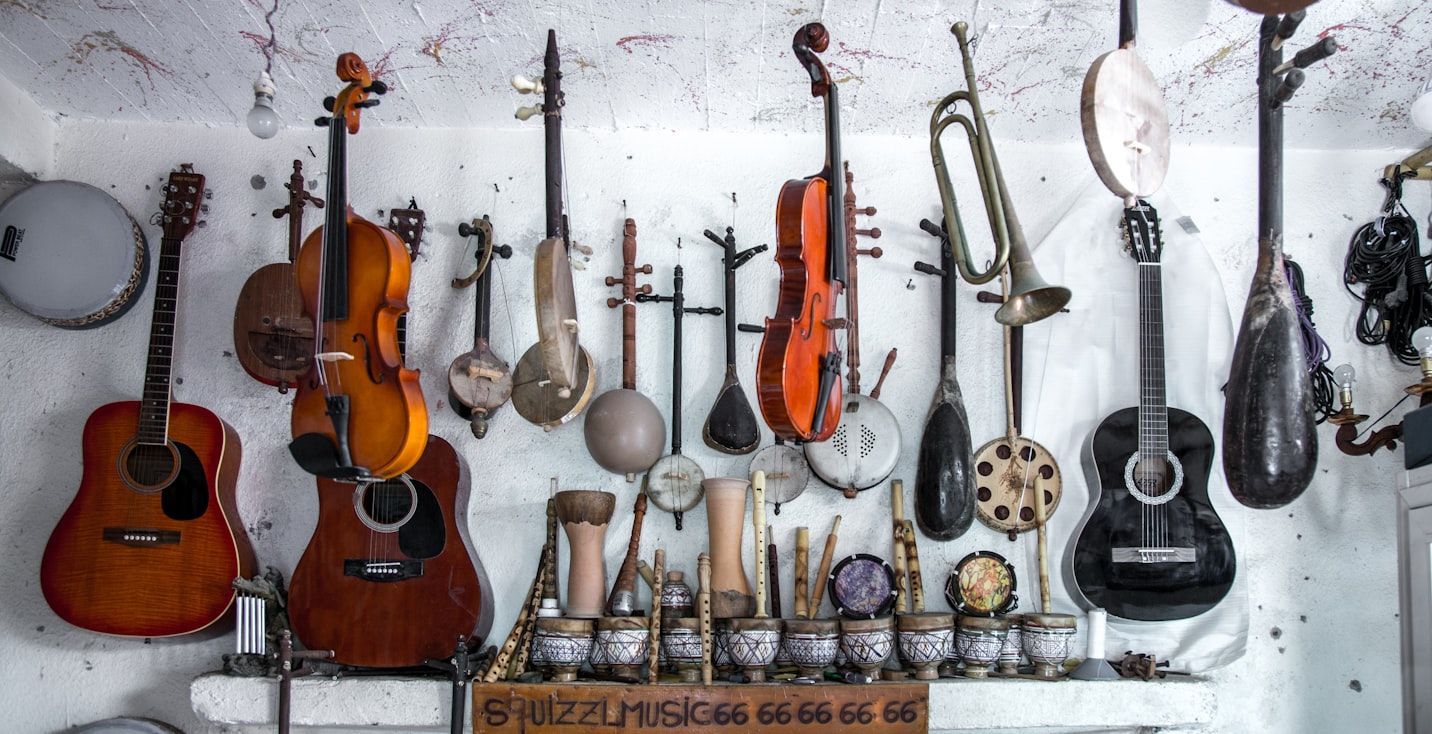
Frustrated with the limits of Western scales, composer Harry Partch built a system using forty-three tones per octave . He crafted odd instruments from glass, bamboo, and metal to play them.

Performers had to relearn music from scratch, producing sounds that felt alien and ancient at once. His homemade orchestra became a true milestone in America’s experimental environment.

4
The theremin craze

Image: Ryunosuke Kikuno

Invented in the 1920s, the theremin created sound from invisible electromagnetic fields, played by moving hands through the air . It was one of the world’s first electronic instruments.

By the 1950s, its eerie wails filled American sci-fi movies and radio shows. Home versions soon appeared, letting living rooms buzz with strange, ghostlike melodies.

5
The Stroh violin

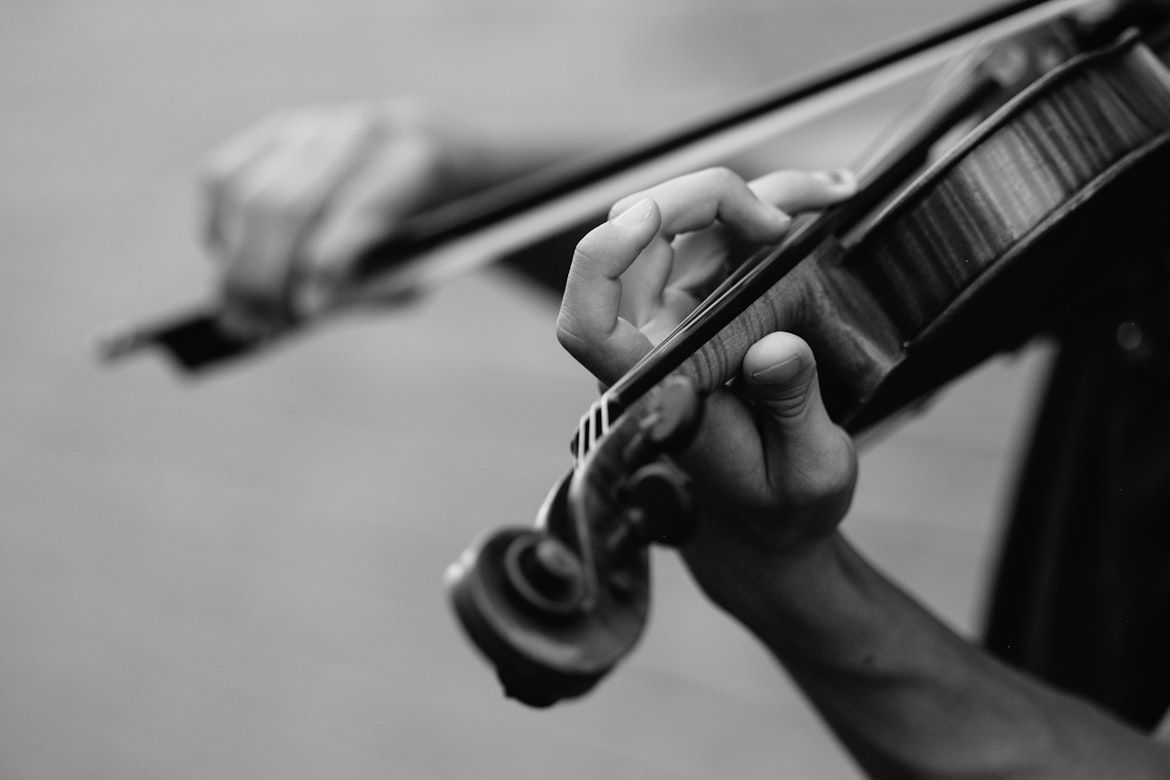
Back in the days when microphones were not so great at picking up sounds, early studios struggled to capture soft instruments. The Stroh violin solved that by replacing the wooden body with a brass horn that amplified sound directly .

Its brassy, nasal tone worked perfectly for primitive recording gear. Once technology advanced, the mechanical violin faded for good.

Image: Mick Haupt

6
Sun Ra’s cosmic jazz

Jazz mad scientist Sun Ra claimed he was born on Saturn and sent to Earth to spread peace through sound. His Arkestra mixed free jazz, chants, and futuristic costumes into wild multimedia performances .

Audiences never knew what to expect: space helmets, electronic keyboards, or cosmic sermons. His blend of myth, science, and swing launched Afrofuturism, a style of his own.

Image: Matt Artz

7
Singing saw

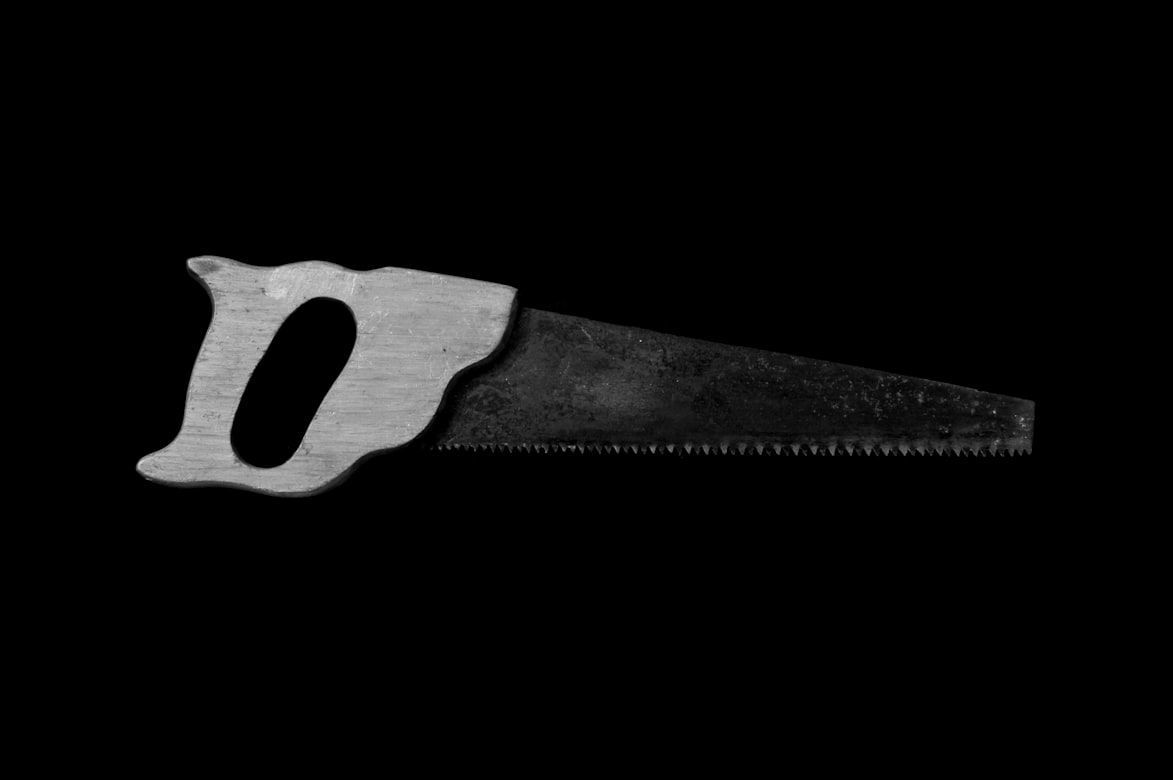
Rural American musicians once discovered that a regular handsaw could "sing" when bent and bowed like a violin . The flexible steel vibrated with a haunting, "human-like" voice.

The sound carried through old-time folk, gospel, and early film scores. Even today, the singing saw appears in grassroots festivals and soundtracks.

8
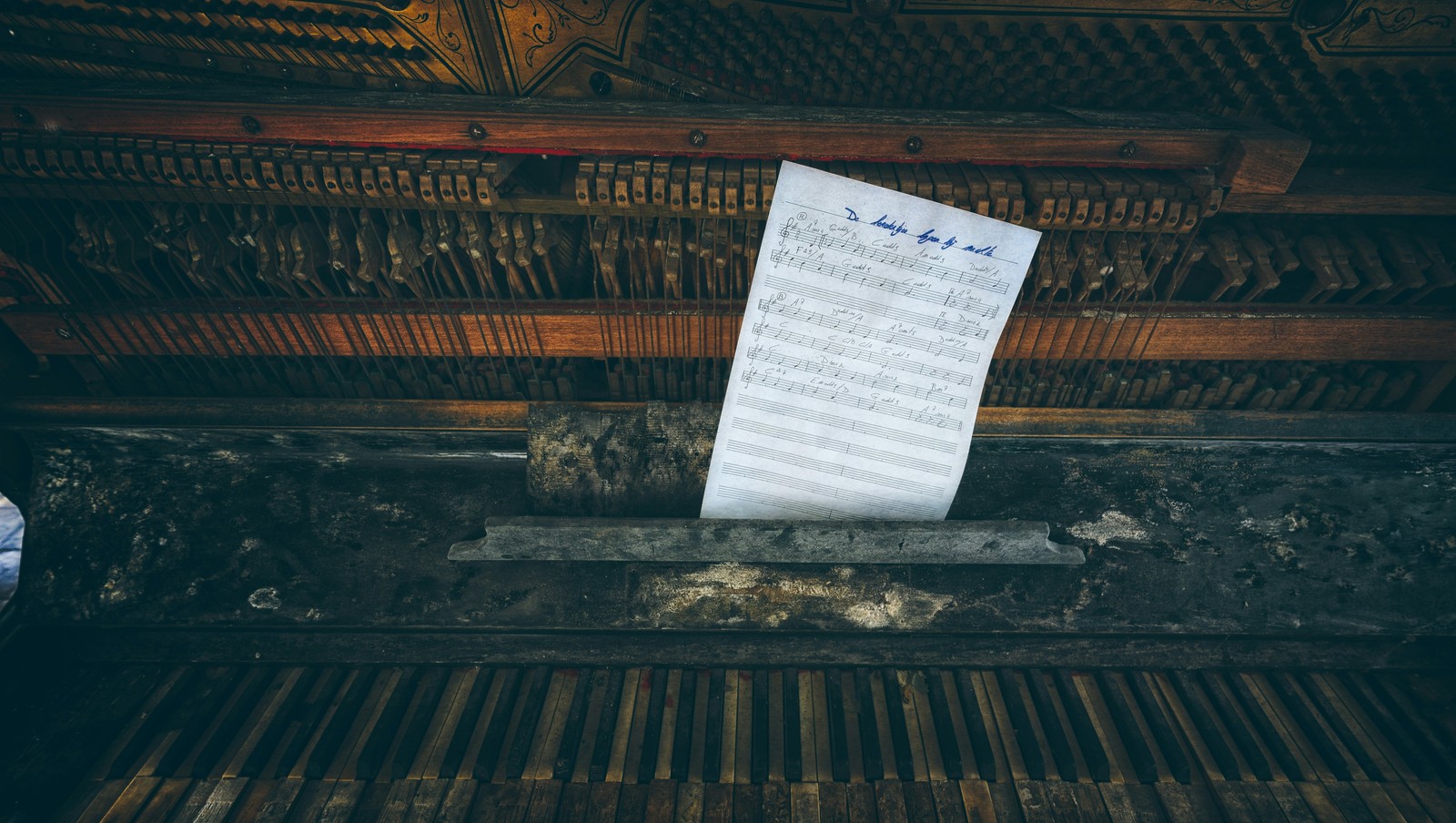
Prepared piano

Image: Andrew Petrischev

Avant-garde composer John Cage inserted screws, bolts, and rubber between piano strings, turning each key into a new percussive sound . The result was bizarre but original.

He called it the "prepared piano." Audiences heard rhythms that clanged, thumped, and chimed like a whole percussion ensemble.

9
Moog synthesizer

Image: Adi Goldstein

The Moog was born in the late 1960s with its maze of knobs and wires , and it caused a sensation among musicians. Those who experimented found endless possibilities in its electronic tones .

From the Monterey Pop Festival to Wendy Carlos’s soundtracks for The Shining and A Clockwork Orange , the Moog’s strange bleeps reshaped American pop.

10
The Singing Nun

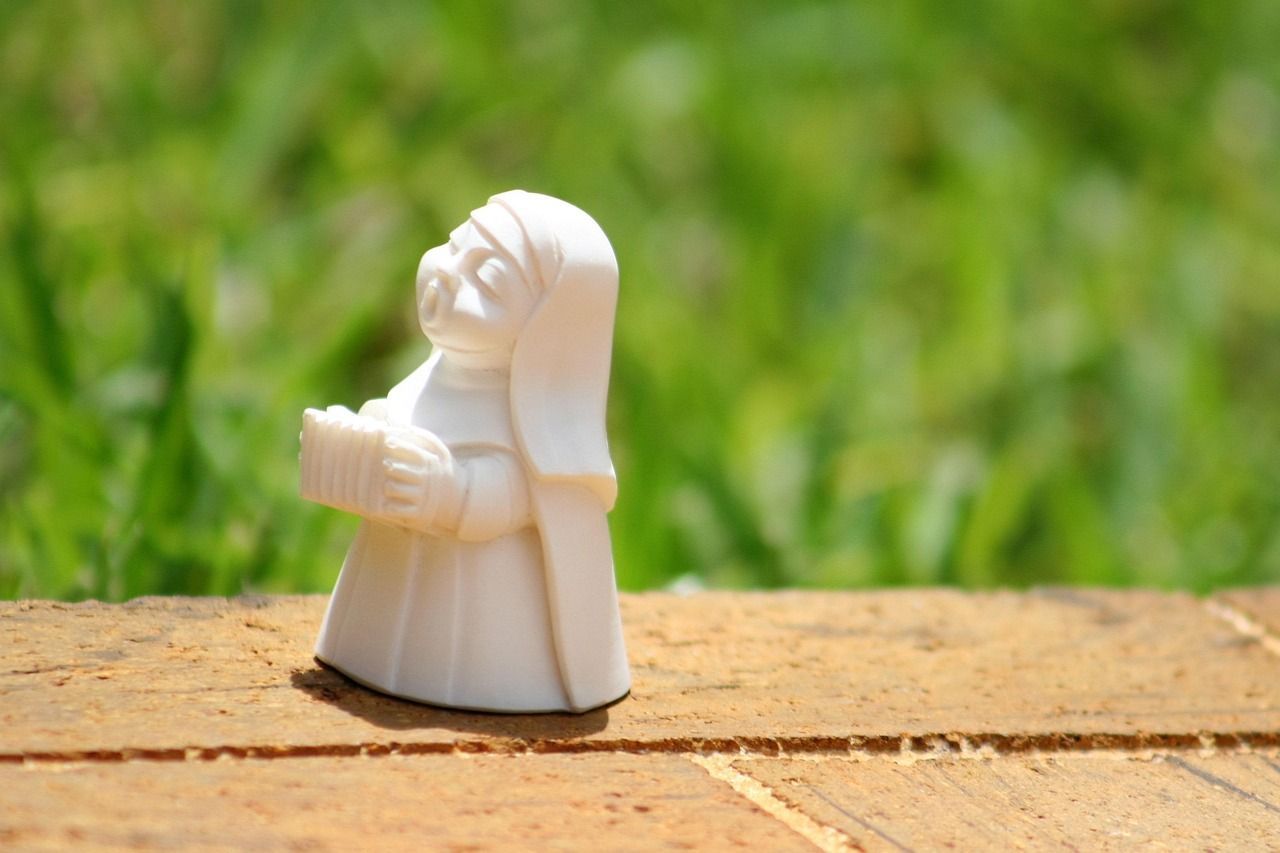
In 1963, a Belgian nun named Sister Luc-Gabrielle unexpectedly topped U.S. charts with "Dominique," sung in gentle French. Her purity and optimism charmed listeners across the country.

Her hit briefly outshone even the Beatles. Though her fame faded quickly, the story of a shy nun reaching number one remains a sweet oddity, for sure.

Image: Pete F

11
The "Longplayer" experiment

Launched in 1999, "Longplayer" is a music piece designed to play continuously for one thousand years without repeating . It was created by American artists who joined the project to maintain its endless cycle.

The music changes subtly with time, echoing life’s slow rhythm. Its creators call it "a conversation between centuries".

12
Hard-drive symphonies

Image: Borja Verbena

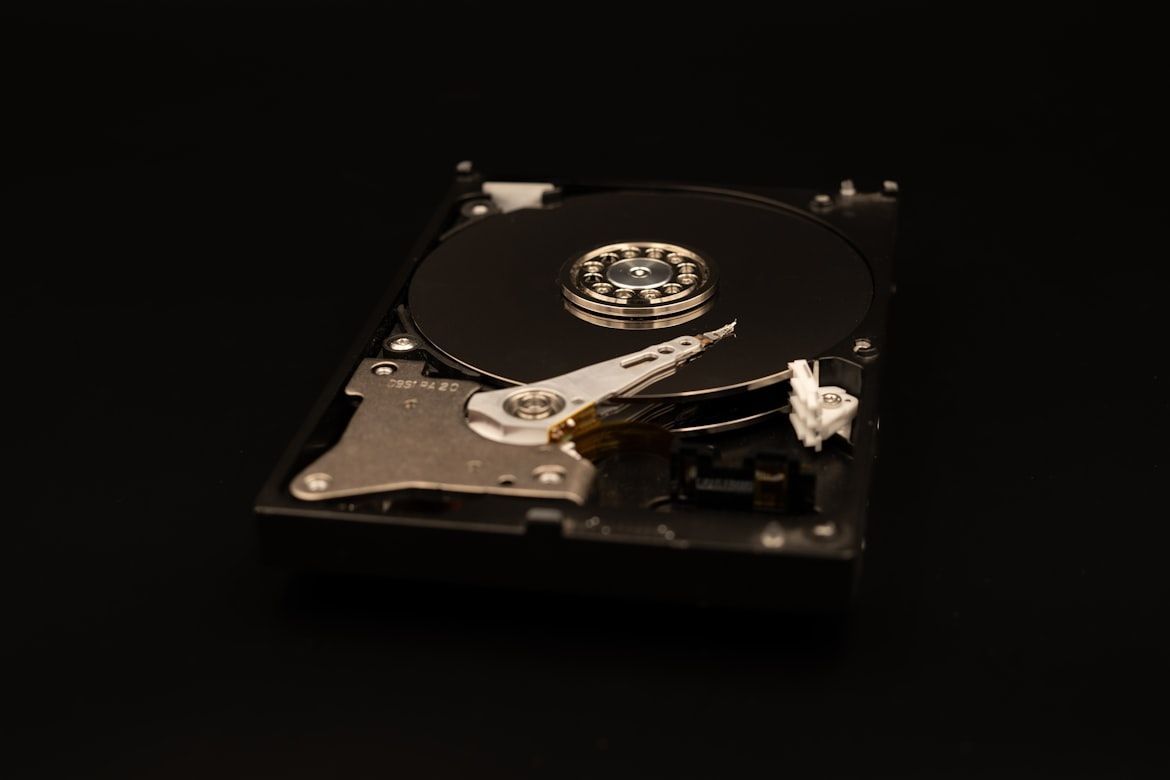
In the 2010s, hobbyists reprogrammed old computer drives to "play" songs by spinning and clicking at different speeds . Each tone came from mechanical motion, not speakers.

Videos of clattering machines performing pop hits can still be found all over YouTube. These homemade orchestras turned computer nostalgia into an art.

Explore more American facts

Choose your favorite category!

General
General

As American as apple pie—the very best America has to offer!

Culture
Culture

Delve into the astounding richness of American lore.

Geography
Geography

Hop in and explore vast and diverse American landscapes.

History
History

Discover the key moments that shaped the United States.