Culture Culture 8 min read

History live

A 16-minute speech, 90 million people watching, and history going live

Image: Daenin

From Neil Armstrong stepping onto the moon to the Beatles’ first performance on national TV, some moments stopped the whole country in its tracks, and a few stopped the entire planet. From a boxing rematch watched by two billion people to a concert that reunited legends across two continents, these broadcasts became the backdrop of American life. Here are 10 of the most watched events and the stories behind them.

1
The moon landing - 650 million
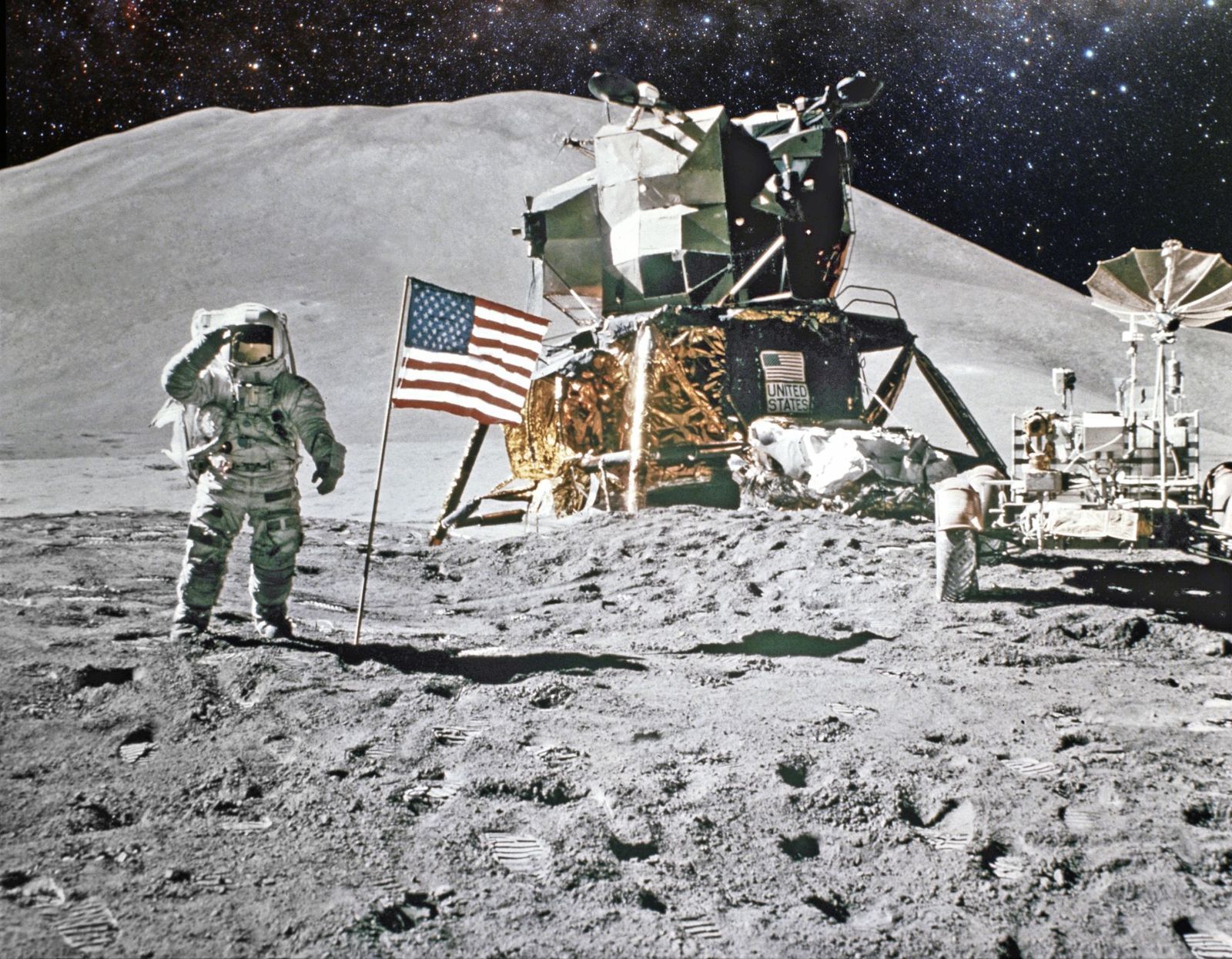
Image: Castleski

The late 1960s had been a turbulent time, but on July 20, 1969, nearly everyone paused to look up at the same sky.

President Nixon watched from the White House as Apollo 11 prepared for its final descent, fulfilling a promise President Kennedy had made eight years earlier to land an American on the moon before the decade ended. When Neil Armstrong stepped onto the lunar surface and spoke his now-famous words , "That's one small step for man, one giant leap for mankind," an estimated 650 million people across the globe were watching, including nearly 94 percent of American households with a television set. Streets emptied, businesses closed early, and strangers gathered around store windows just to catch a glimpse.

2
"Aloha from Hawaii via Satellite" - 1.5 billion
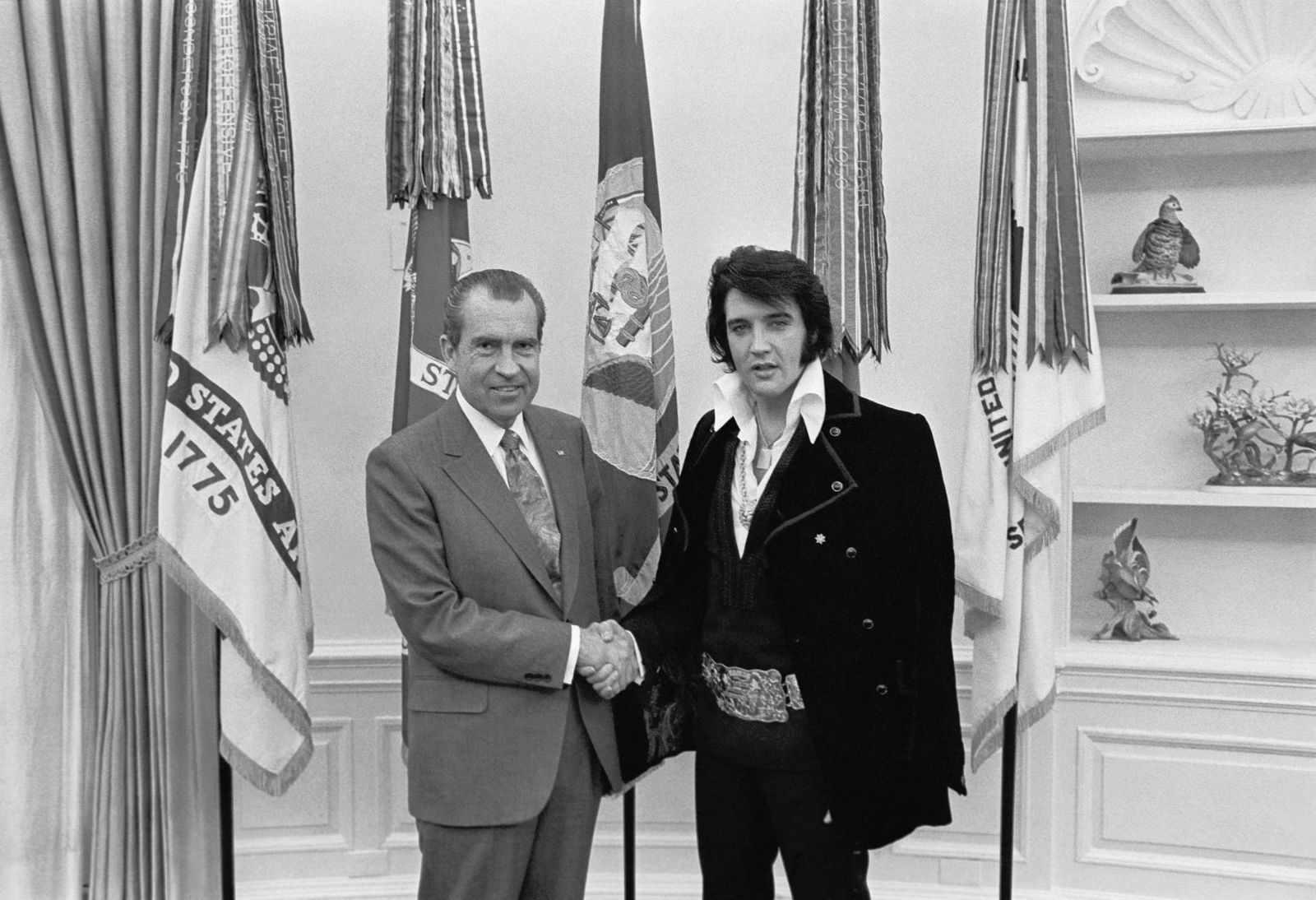
The early 1970s were a time of enormous change in America, with the country adjusting to a new decade and Elvis Presley reinventing himself as a global performer rather than just a multi-hyphenate star.

On January 14, 1973, he took the stage at the Honolulu International Center for a show unlike anything attempted before. Broadcast live by satellite to audiences across Asia and Oceania, and later shown across Europe, the concert was the first full-length performance by a solo artist ever beamed around the planet this way. Estimates at the time put the audience at over a billion viewers worldwide. NBC later trimmed the concert into a 90-minute special that aired stateside on April 4, and it went on to become the network's highest-rated program of that entire year.

3
The state funeral of John F. Kennedy - At least 180 million

Image: Abbie Rowe, Public domain, via Wikimedia Commons

The nation was still in shock in late November 1963, reeling from the tragic death of President Kennedy in Dallas just days earlier.

As the country tried to process the loss, all three television networks, ABC, CBS, and NBC, made the extraordinary decision to stay on the air nonstop, some for as long as 70 consecutive hours , to cover the tragedy and the funeral that followed. On November 25, Kennedy’s flag-draped casket was carried by horse-drawn caisson from the Capitol to St. Matthew’s Cathedral and finally to Arlington National Cemetery in Virginia. Nielsen estimated that 93 percent of American households with televisions were tuned in during the most watched moments, with at least 180 million viewers following the coverage around the world as a young John Jr. saluted his father’s casket, closing one of the darkest chapters of the nation’s history.

4
The Beatles on "Ed Sullivan"- 73 million
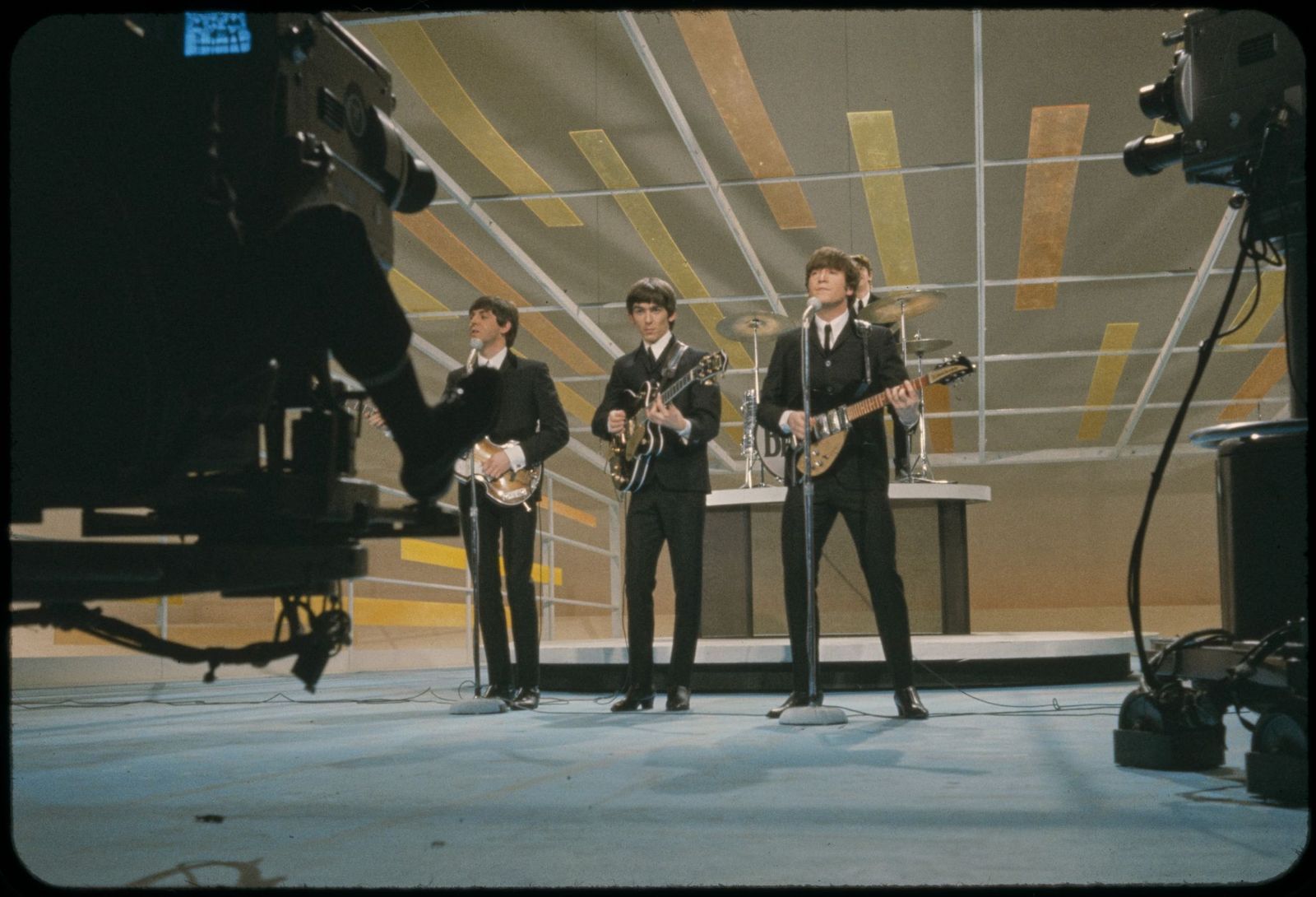
Image: Library of Congress, Public domain, via Wikimedia Commons

Just weeks after the country had said goodbye to President Kennedy, Americans were in need of something to lift their spirits again, and four young musicians from Liverpool arrived at exactly the right moment.

On February 9, 1964, John, Paul, George and Ringo took the stage on The Ed Sullivan Show for their first live performance on American soil. CBS had been flooded with requests for tickets, with even Walter Cronkite reportedly trying to snag one for his daughter. At 8 o’clock that Sunday night, roughly 73 million viewers, about 60 percent of all televisions in use that night, tuned in to watch. It remains one of the defining broadcasts in television history, and the night Beatlemania truly began in America.

5
Richard Nixon’s resignation speech - 90-110 million
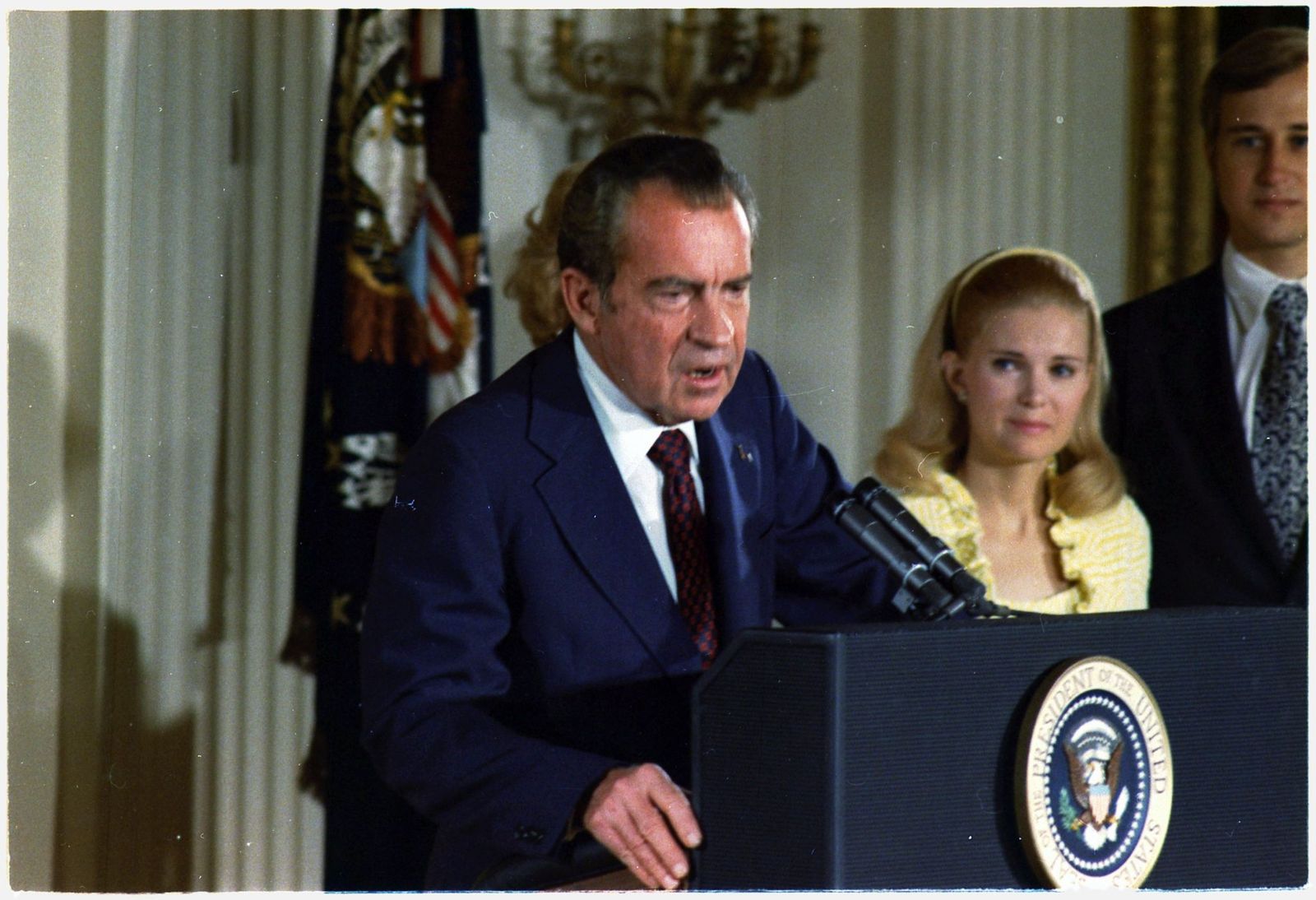
The summer of 1974 had worn the country down, as the Watergate scandal dragged federal politics through months of hearings, leaked tapes, and mounting distrust.

Finally, on August 8, President Richard Nixon sat down at his Oval Office desk to address the nation one more time. In just 16 minutes, he announced he would resign the presidency effective the next day at noon, becoming the first American president in history to do so. Between 90 and 110 million viewers tuned in that night to hear him explain his decision, a staggering share of the population at the time. The following morning, Vice President Gerald Ford was sworn in, closing one of the most turbulent chapters in modern American politics.

6
The M A S H finale - 106 million
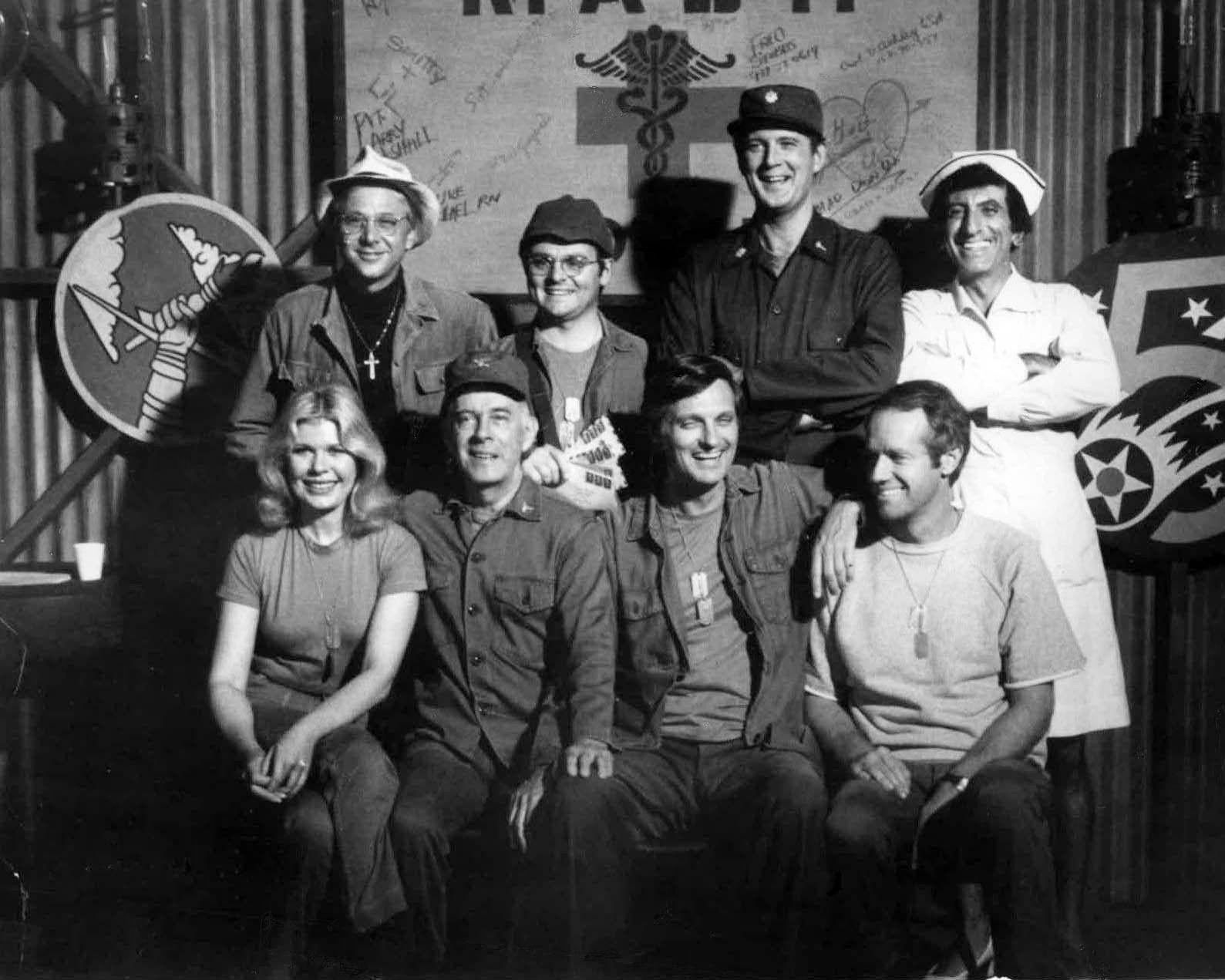
Image: CBS Television, Public domain, via Wikimedia Commons

The early 1980s brought a wave of nostalgia, as the country slowly climbed out of a tough recession and Ronald Reagan settled into his first term. Amidst it all, one weekly visit to a fictional Korean War hospital had become a Monday night ritual for millions of American families.

After 11 seasons, M A S H said goodbye on February 28, 1983, with a two and a half hour finale titled "Goodbye, Farewell, and Amen." Streets across the country emptied, and bars held watch parties, and the New York City water department later noticed a spike in usage the moment the credits rolled, as everyone waited to use the bathroom at once. An estimated 106 million viewers tuned in on CBS, a Nielsen record that still stands as the most-watched episode of a scripted series in American television history.

7
Live Aid - 1.9 billion
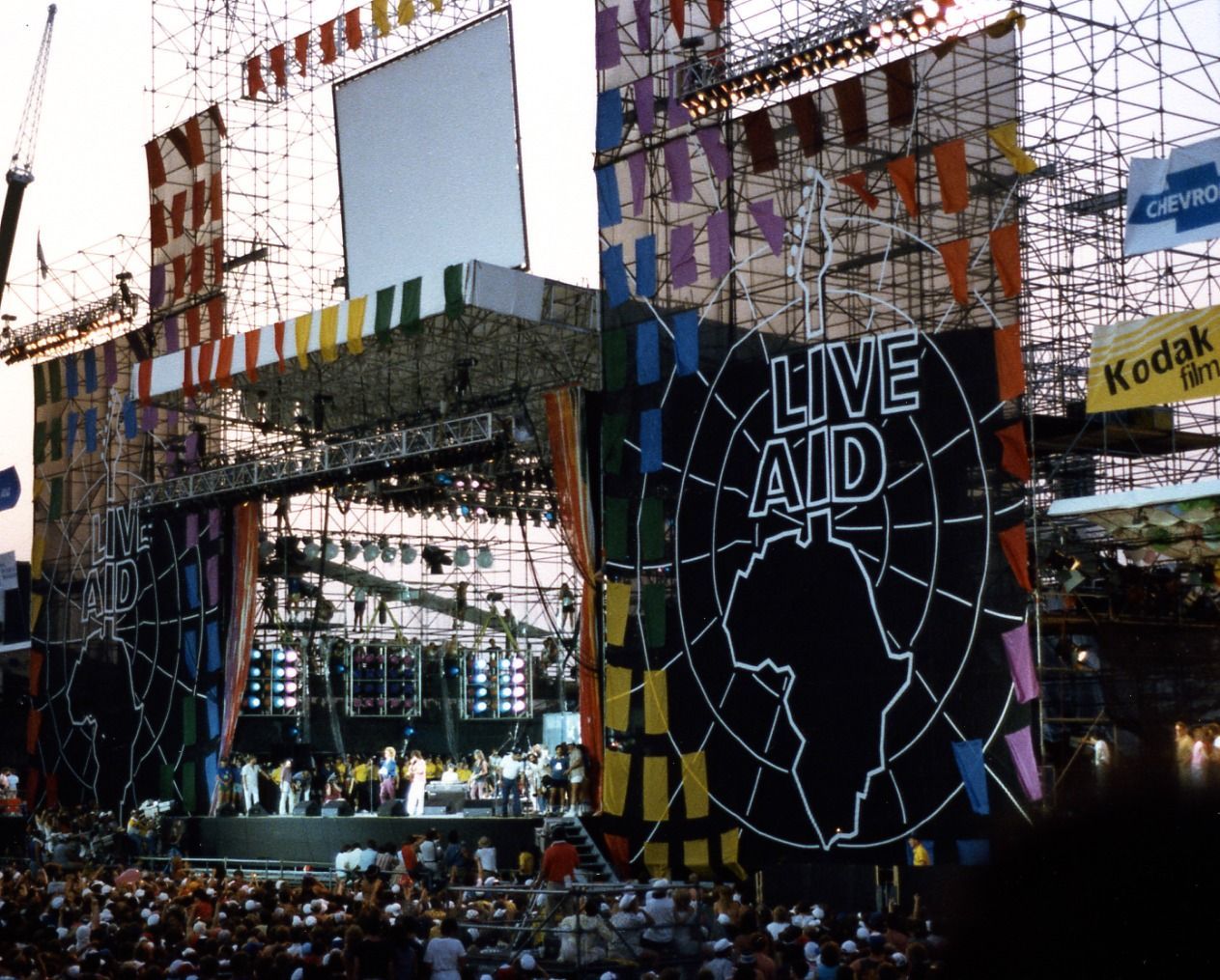
Image: Squelle, CC BY-SA 3.0, via Wikimedia Commons

By 1985, images of famine in Ethiopia had been reaching American households through the nightly news for months, stirring a wave of concern across the country.

Months after the successful "Feed the World" and "We Are the World" charity singles for the same cause, musicians Bob Geldof and Midge Ure, from Ireland and Scotland respectively, decided just one concert alone wouldn’t be enough, so they organized something the world had never seen. On July 13, two stadiums an ocean apart, Wembley in London and JFK Stadium in Philadelphia , hosted dozens of the biggest names in music on the same day. Queen, U2, Madonna, Tina Turner, The Rolling Stones, Led Zeppelin, and Phil Collins, who famously played both shows thanks to a supersonic flight on the Concorde, took the stage before a combined crowd of well over 150,000. Nearly 1.9 billion viewers around the world watched the marathon broadcast, which helped raise more than 100 million dollars for famine relief.

8
The 1996 Summer Olympics opening ceremony - 3.5 billion

Image: JJonahJackalope, CC BY-SA 4.0, via Wikimedia Commons

By the summer of 1996, Atlanta had spent years getting ready to host the world. Bill Clinton was in the White House, the economy was humming, and the country was in a celebratory mood as the Centennial Games kicked off in July 1996.

Inside Centennial Olympic Stadium, boxing legend Muhammad Ali, battling Parkinson’s, lit the torch with trembling hands, while Celine Dion and composer John Williams filled the night with music in front of 85,600 spectators. An estimated 3.5 billion people worldwide tuned in from home, making it one of the most watched broadcasts ever recorded.

9
The O.J. Simpson verdict - 150 million
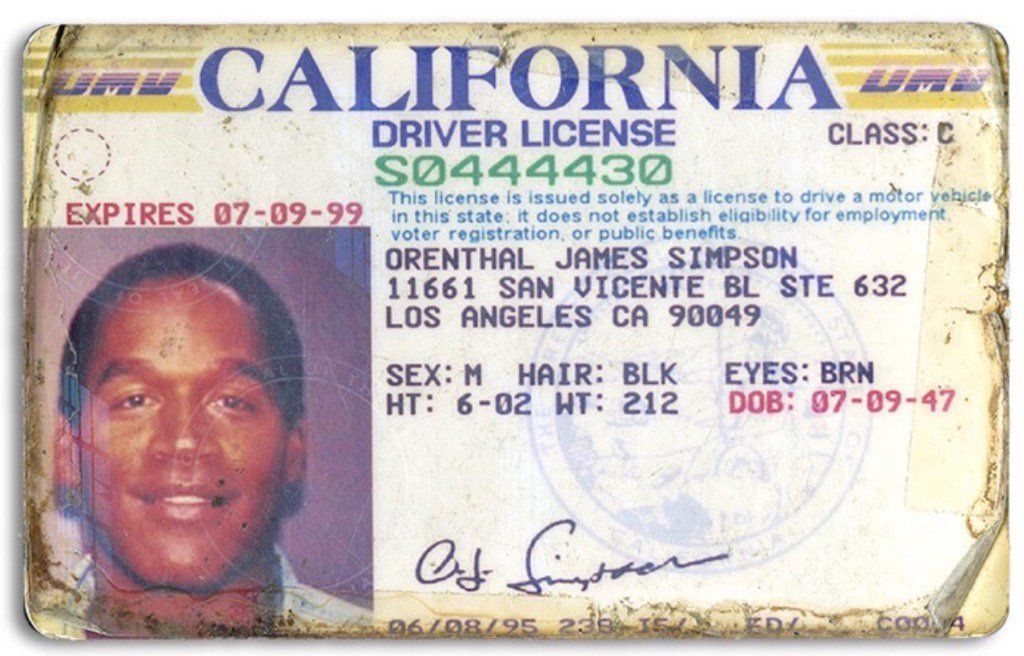
Image: CA DMV, Public domain, via Wikimedia Commons

By the fall of 1995, the country had spent more than a year gripped by a single courtroom drama playing out on cable news day after day. Few trials before or since have captured national attention quite like the murder case against O.J. Simpson, accused of killing his ex-wife Nicole Brown Simpson and her companion Ron Goldman.

On the morning of October 3, after less than four hours of jury deliberation, the verdict was finally set to be read. Schools paused classes, offices set up televisions in break rooms, and phone lines went quiet across the country as everybody waited. When Simpson was found not guilty on both counts, an estimated 150 million Americans, more than half the nation, were watching or listening live, making it one of the largest single audiences in American television history for a legal proceeding.

10
The funeral of Michael Jackson - 2.5 billion
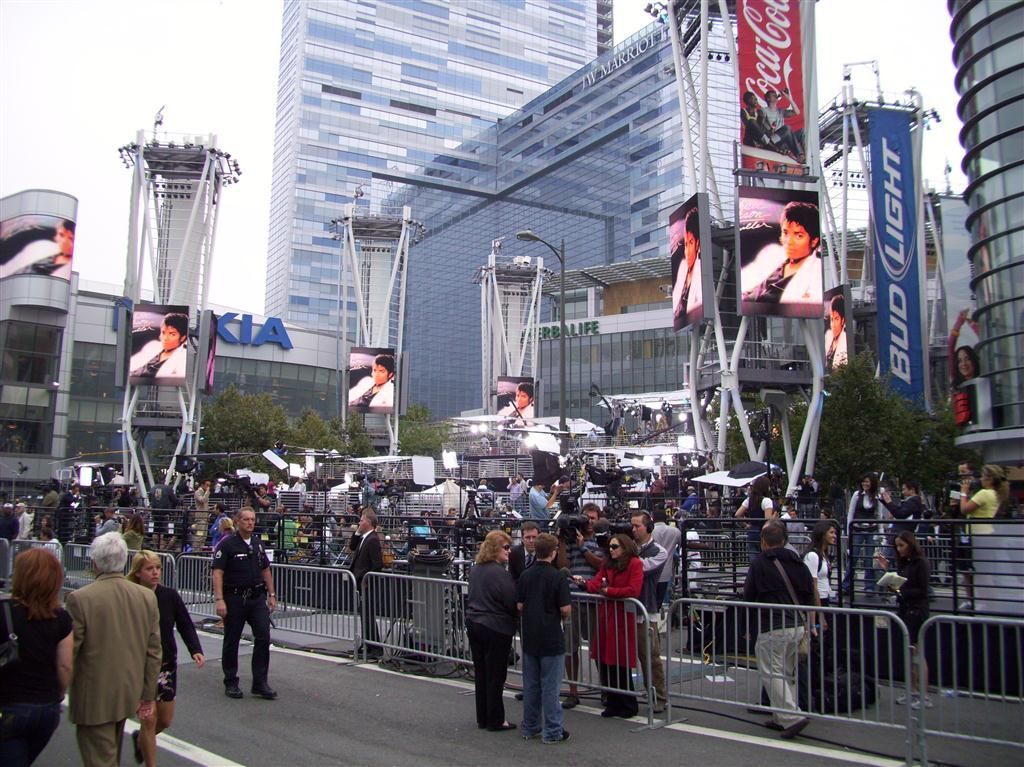
Image: Alejandro Marino, CC BY-SA 2.0, via Wikimedia Commons

The summer of 2009 found the country still shaking off a rough recession, and pop culture needed something to hold onto. That something arrived, tragically, on June 25, when Michael Jackson passed away at age 50 after an overdose of medication prescribed by his personal physician.

Twelve days later, on July 7, his memorial filled the Staples Center in Los Angeles. A total of 17,500 tickets were given away through a lottery that drew over a million requests in a single day. Inside, Stevie Wonder, Mariah Carey, and Jennifer Hudson performed, while his young daughter Paris gave an emotional tribute. Estimates suggest well over a billion people watched from around the globe, with the King of Pop’s farewell becoming one of the most talked-about broadcasts of the decade.

11
Leon Spinks vs. Muhammad Ali II - 2 billion
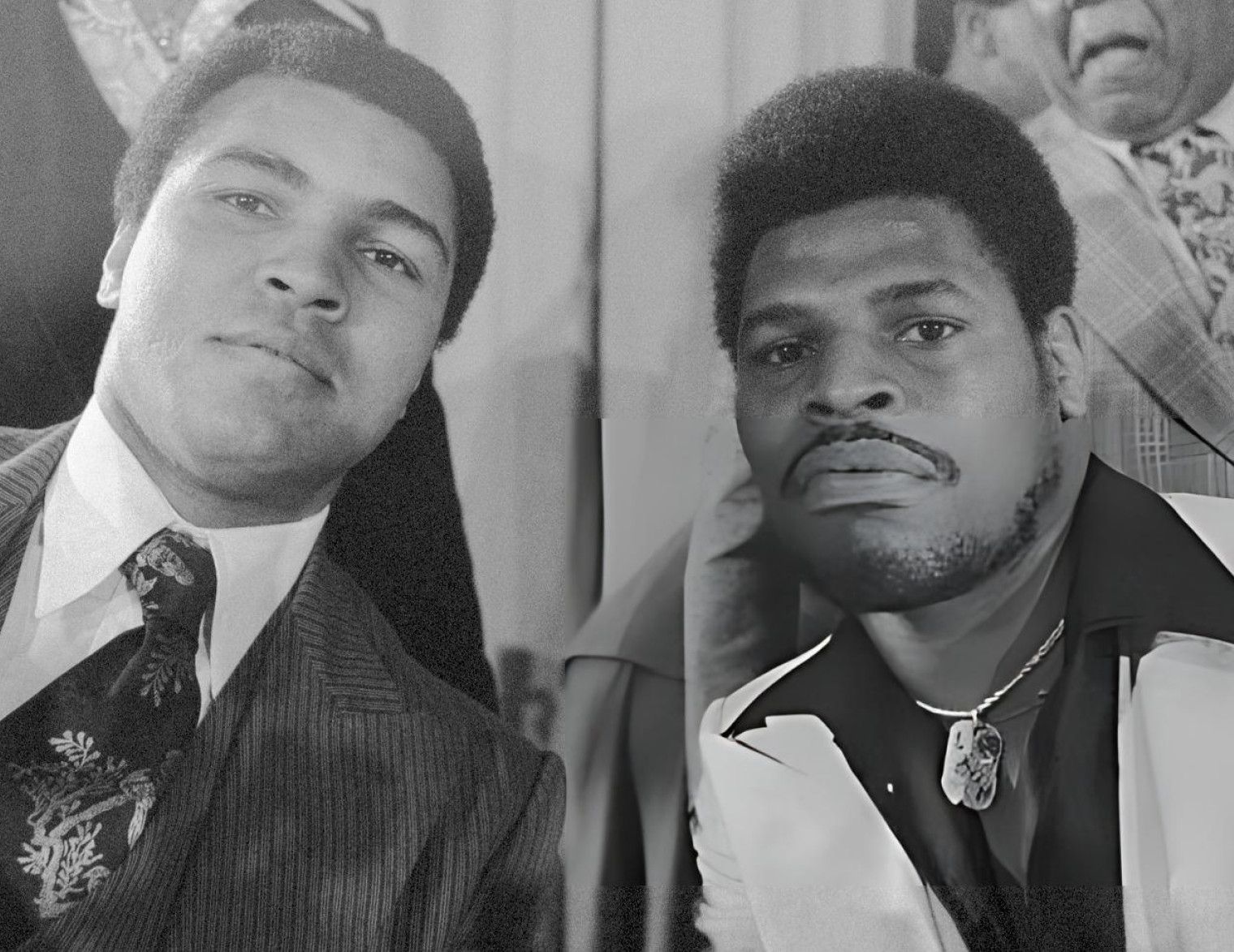
Image: United Press International, Public domain, via Wikimedia Commons

In 1978, the country was going through a rough patch, with President Carter navigating a shaky economy and gas prices creeping upward. Boxing fans, though, had their eyes fixed on New Orleans.

Seven months earlier, a young Leon Spinks had stunned the world by taking Muhammad Ali’s heavyweight crown in a split decision. On September 15, the two met again inside the Louisiana Superdome, where 63,350 fans packed in to watch a rematch live, the largest indoor crowd ever for a boxing match at the time. Ali fought a smarter, more controlled fight and reclaimed his title by unanimous decision, becoming the first three-time heavyweight champion in history. Around 90 million Americans watched on ABC, and roughly two billion people across some 80 countries followed the Battle of New Orleans as it happened.

General General 4 min read

When was the last time you went to an aquarium?

10 incredible aquariums well worth a visit

Image: Garrett Hayes / Hanson Lu

Being able to exist in an environment so radically different from ours is one of the things that makes sea life so mysterious. Aquariums give us a glimpse into their world, separated from ours by thick glass walls, acting as a hypnotic and transparent barrier between dimensions. America has several amazing aquariums where visitors can take a close look at these underwater worlds. Take a look at the following ten and see if you might feel like taking a trip to visit one!

1
Alaska SeaLife Center - Seward, Alaska

Image: David Clode

Alaska truly is the last frontier. Its wildlife is as vast as its land, and its sealife is equally incredible. To get a closer look at many of these creatures, the Alaska SeaLife Center in Seward offers an excellent opportunity.

The only public aquarium in the state, the center combines regional exhibits with marine research, education, and wildlife rehabilitation. At this unique facility, visitors can observe regional birds in the aviary, view an undersea kelp forest, or watch seals and Steller sea lions at play in the Rocky Coast exhibit.

2
National Aquarium - Baltimore

Image: naomi tamar

The National Aquarium in Baltimore is home to a wide range of exhibits, from an Amazon River forest to an Atlantic coral reef and more. Visitors can encounter an incredible array of creatures , enjoy interactive experiences , watch 4D films , and even participate in aquarium sleepovers .

Aside from its exhibitions, the National Aquarium's conservation work is geared toward combating climate change, protecting wildlife and their habitats, and reducing plastic pollution. Recent visitors have also raved about the dolphin show.

3
Shedd Aquarium - Chicago

Image: Caroline Hernandez

The Shedd Aquarium in Chicago gives visitors an up-close view of a variety of aquatic animals, including jellyfish, seahorses, and giant Pacific octopuses. The aquarium offers animal encounter experiences with beluga whales, sharks, penguins, stingrays, and sea otters.

There are also plenty of exhibits to explore. Pacific white-sided dolphins, belugas, California sea lions, and sea otters can be observed from both underwater and above-water viewing areas. The Polar Play Zone allows children to learn about life at the North and South poles in a kid-sized submarine, feeling the texture of a starfish in the touch pool, and admiring the underwater viewing area.

4
Tennessee Aquarium - Chattanooga, Tennessee

Image: Shane Rounce

The Tennessee Aquarium is divided into two separate buildings for freshwater and ocean exhibits , showcasing thousands of animals, including the macaroni penguin, sand tiger shark, alligator snapping turtle, hellbender, and giant Japanese spider crab.

The River Journey building features the Turtles of the World gallery, an Appalachian cove forest habitat, the River Giants exhibit, and more. In Ocean Journey , visitors will find a butterfly garden, a tropical cove habitat, and the Boneless Beauties exhibit, among other highlights.

5
Seattle Aquarium - Seattle

Image: Craig Lovelidge

Aquatic life in Puget Sound can be witnessed through the Seattle Aquarium's one-of-a-kind, 360-degree Underwater Dome , which displays local fish in a 400,000-gallon habitat . Set on two historic piers, the aquarium educates visitors about Puget Sound and the ocean at large through exhibits, events, conservation and education programs, research activities, and more.

At the Family Activity Center, guests of all ages can participate in hands-on activities to learn about the majestic orcas of the Pacific Northwest. The aquarium's species recovery program works to save animals from extinction through research, field conservation, and more.

6
Aquarium of the Pacific - Long Beach, California

Image: Julien Maculan

The Aquarium of the Pacific, in Long Beach, California, features habitats from the tropical Pacific Ocean, northern Pacific waters, and the Southern California/Baja region. As Southern California's largest aquarium, it houses more than 12,000 animals across 100-plus exhibits highlighting aquatic life in the Pacific Ocean.

The state-of-the-art Pacific Visions wing offers guests an interactive experience through film, art, and technology. Visitors can see what it's like to be an aquatic vet at the Molina Animal Care Center, and then learn about water sources and conservation at the Our Water Future exhibit.

7
New England Aquarium - Boston

Image: David Clode

The New England Aquarium features an open-air exhibit space for seal and sea lion training, the four-story Giant Ocean Tank, an Indo-Pacific coral reef habitat, an exhibit spotlighting Atlantic harbor seals , and the Simons Theatre with its nearly five-story-tall movie screen.

Aside from the indoor and outdoor exhibits, the aquarium's research division conducts ocean exploration and conservation through a plethora of initiatives like saving sea turtles and protecting North Atlantic right whales.

8
Shark Reef Aquarium - Las Vegas

Image: SGR

An aquarium is probably not the first thing that comes to one’s mind when thinking about Las Vegas, but the Shark Reef Aquarium is well worth a visit. With more than 2,000 animals, it features jellyfish, sharks, sea turtles, and even crocodiles.

Guests can feed stingrays, sea turtles, or even a zebra shark, or try out the Undersea Explorer VR Theater for an immersive digital experience.

9
Aquarium of Niagara - Niagara Falls, New York

Image: Shaun Low

Visitors can find more than 120 animal species at the Aquarium of Niagara, including many rescues that are unable to survive in the wild. The Penguin Coast exhibit is home to a colony of 14 Humboldt penguins , and the aquarium showcases over 100 species of fish and invertebrates from both freshwater and saltwater ecosystems , as well as several species of seals and sea lions .

In the summer of 2024, the aquarium unveiled the Great Lakes 360 experience with an interactive sturgeon touch pool and 16 new exhibits highlighting animals from the Great Lakes and Niagara River ecosystems.

10
Georgia Aquarium - Atlanta

Image: David Clode

At the enormous Georgia Aquarium, visitors can get close to rays, dolphins, sea lions, penguins, and sea otters, or even go behind the scenes at a dolphin training session. The aquarium focuses on conservation education and fostering positive connections between humans and animals.

The Ocean Voyager exhibit features a 100-foot-long underwater walk-through tunnel that displays more than 50 species.

Geography Geography 5 min read

Long-held misconceptions

Maine isn't where we thought it was, and 9 other truths about states

Image: Megan Clark

How can Canada be south of the United States? Is the Statue of Liberty really in New York? It turns out many of the "facts" Americans grew up learning in school aren’t completely true. From states that aren’t where you think they are to maps that wildly distort size and distance, these 10 geography myths will make you see the United States in a totally different way.

1
Where is the Statue of Liberty really located?

Image: Pierre Blaché

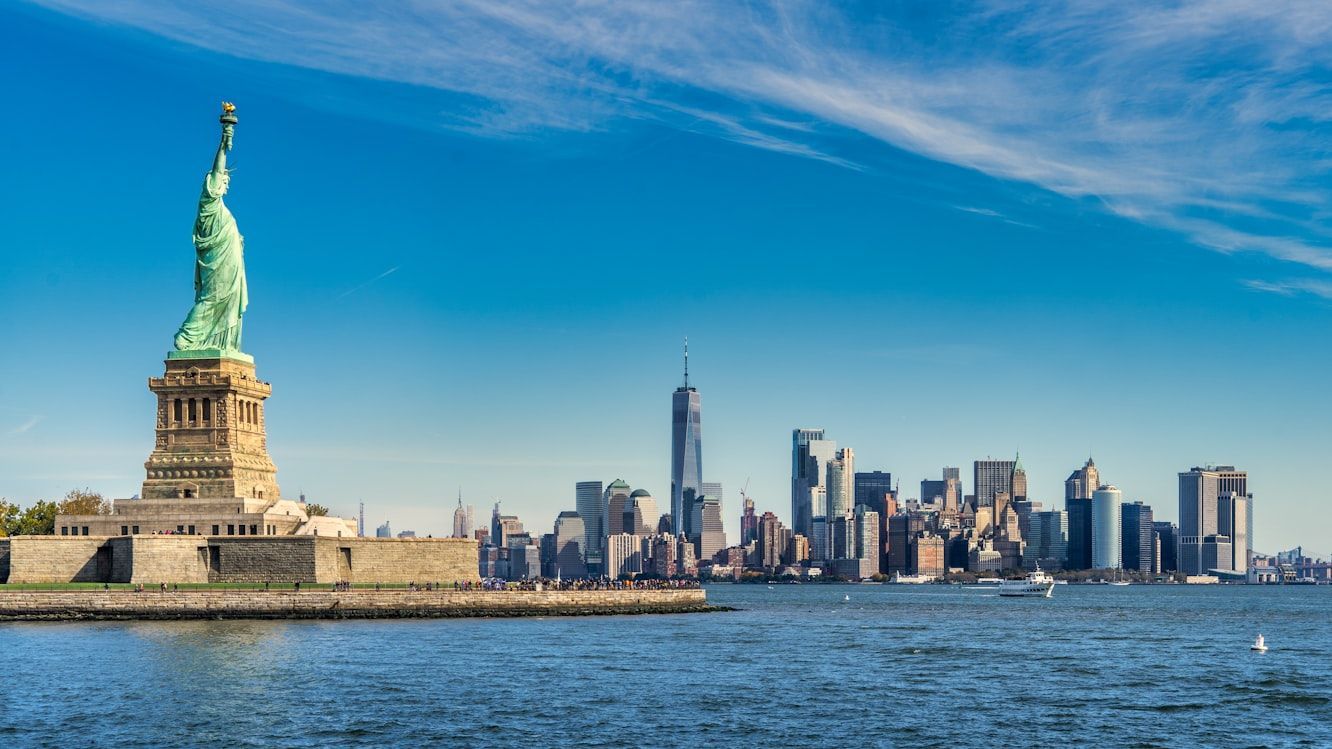
Most of us have always associated the Statue of Liberty with New York City. It’s on postcards, movies, souvenirs, and more. But technically, the famous statue stands in New Jersey’s waters.

The statue itself sits on Liberty Island, which legally belongs to New York, even though it’s actually closer to Jersey City than to Manhattan. Under an 1834 agreement between the two states, New York kept ownership of Liberty and Ellis Islands, while New Jersey retained control of the surrounding waters. So while the Statue of Liberty is officially New York property, it’s technically sitting on New Jersey’s side, something that still surprises many Americans today.

2
Canada is not always north

Image: Floris Siegers

Because of the way maps have always looked to us, most Americans grow up thinking you always have to travel north to reach Canada; we even call it "our neighbor to the north." For almost everyone, that’s true… except the people in Detroit, Michigan.

Thanks to the curve of the Detroit River and the city’s unusual location, the Canadian city of Windsor actually sits south of Detroit. That means when drivers cross the bridge from Detroit into Canada, their compass literally points south, even though they’re entering "The Great White North."

3
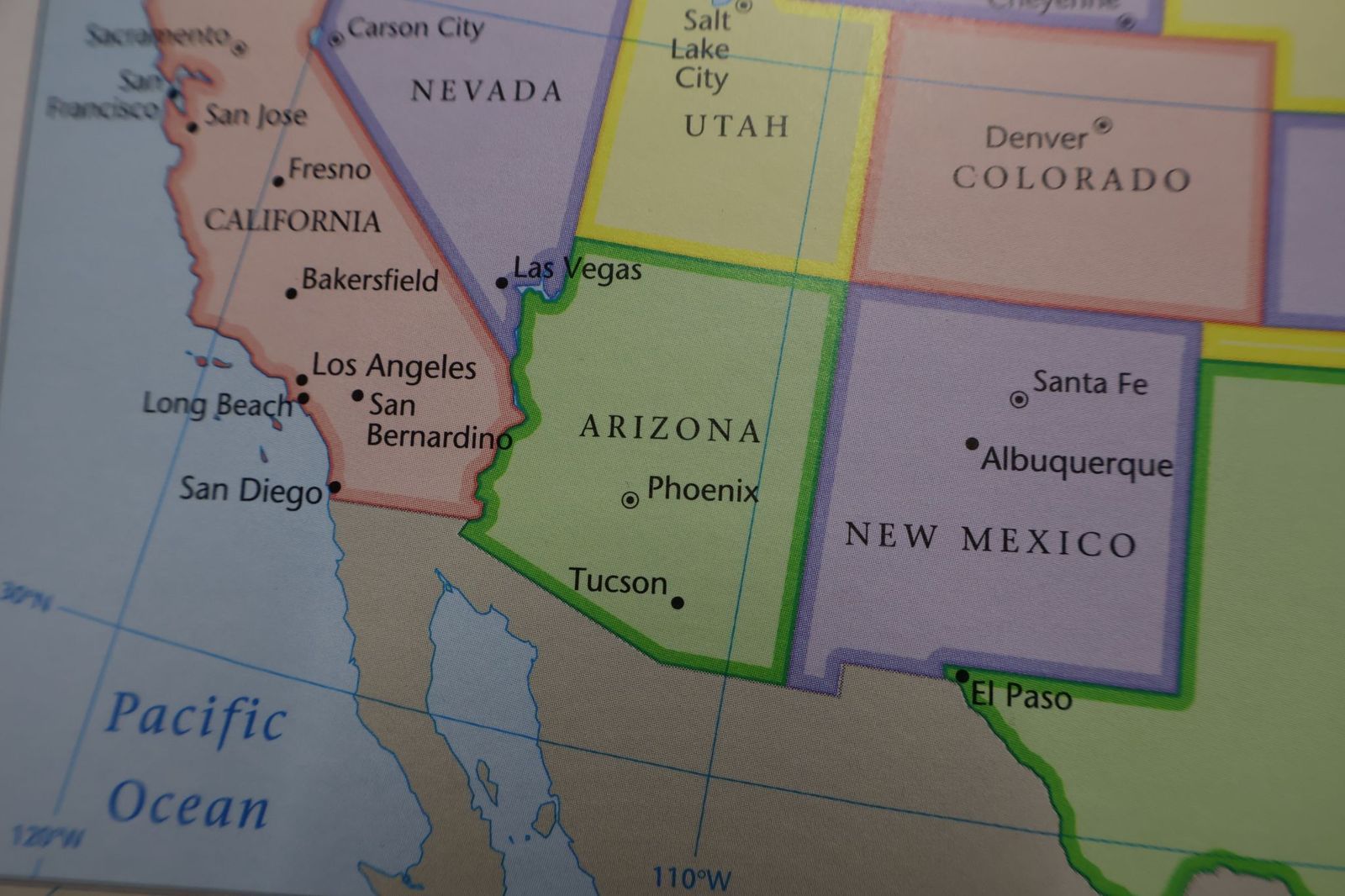
Daylight Saving Time isn't for everyone

Image: stefan moertl

Most Americans are used to Daylight Saving Time: clocks move forward one hour on the second Sunday in March and back again on the first Sunday in November. But two "rebel" states refuse to follow the rest of the country.

We’re talking about Hawaii and Arizona, which stay on Standard Time year-round. Hawaii skips Daylight Saving Time because its tropical location means daylight hours barely change between summer and winter. Arizona, meanwhile (except for the Navajo Nation), stopped observing it in 1968 because of the state’s extreme desert heat. During a 1967 trial run, they found that an extra hour of evening sunlight actually increased energy use, so Arizona decided it simply wasn’t worth it.

4
Maps distort Alaska

Image: Richard N Horne, CC BY-SA 4.0, via Wikimedia Commons

For generations, the maps hanging in American classrooms have tricked us about the true size of Alaska.

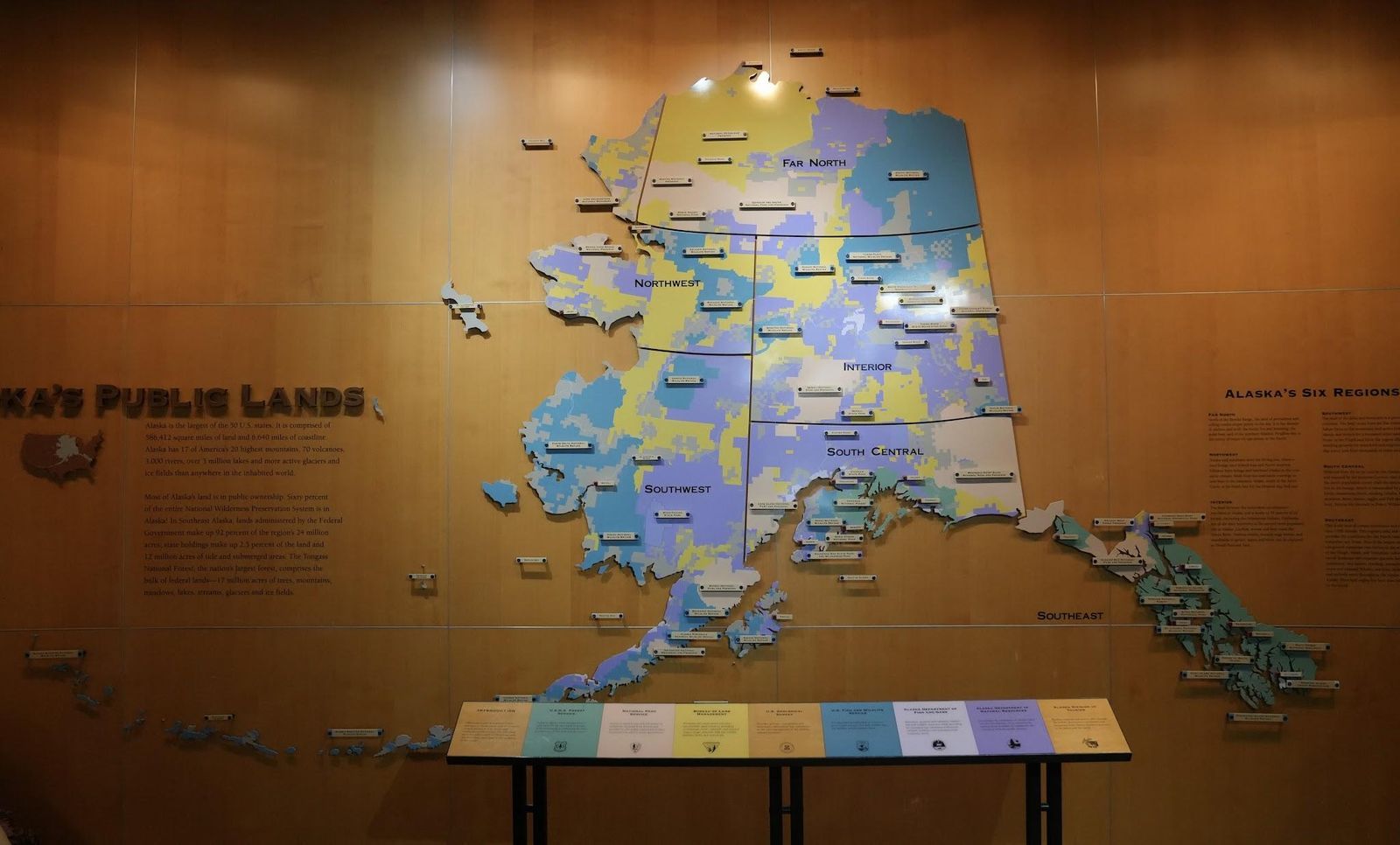
On many US maps, Alaska is squeezed into a small box in the corner, making it seem only slightly bigger than states like Texas or California. But the reality is shocking: Alaska covers about 663,300 square miles, making it so enormous that you could fit Texas, California, and Montana combined inside it. The distortion happens because flat maps shrink and compress distant areas to make them fit neatly on the page. In real life, though, "The Last Frontier" is far more vast than we think.

5
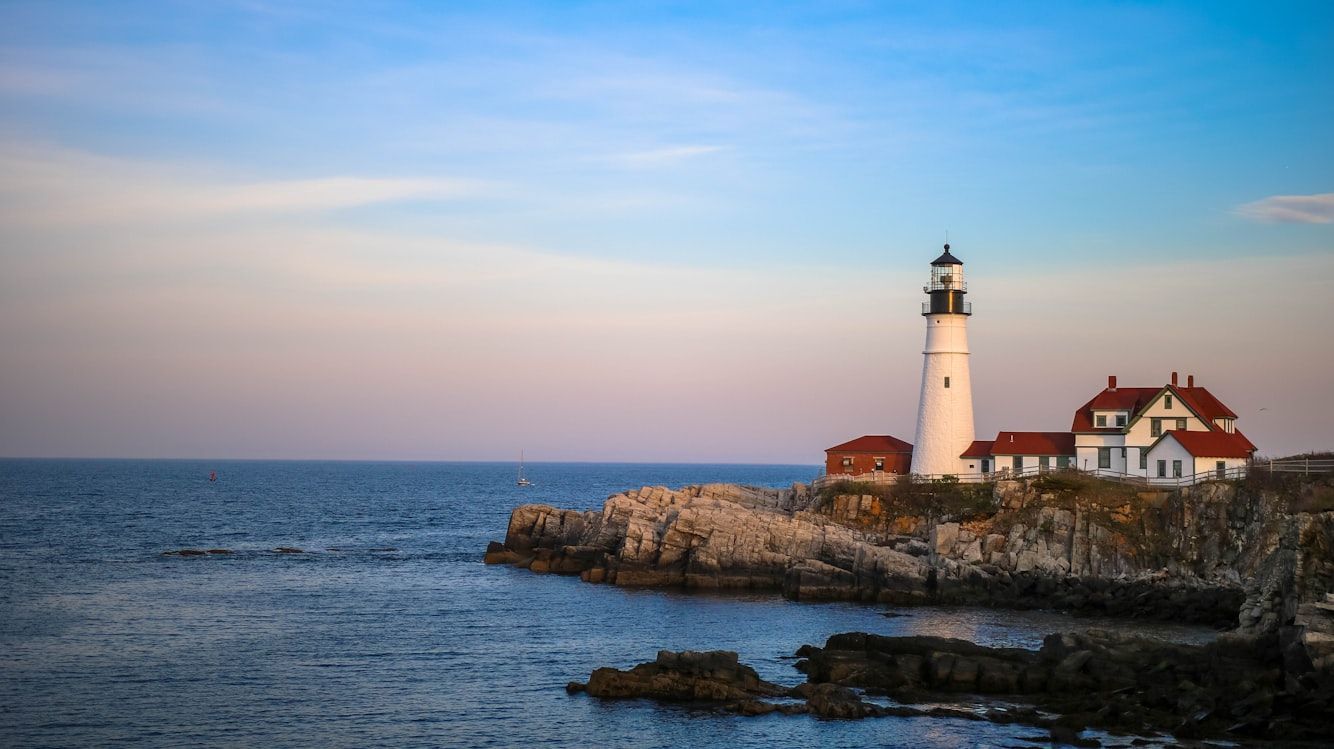
Maine is not located where we thought

Image: Mercedes Mehling

If someone asked, "Which is the easternmost US state?" most Americans would probably answer Maine without even thinking twice. But surprisingly, that’s not actually correct.

While it’s true that Maine is the easternmost state in the contiguous US, when all 50 states are included, the answer surprises many: the easternmost state is actually Alaska. How is that possible? It turns out that Alaska’s Aleutian Islands stretch so far west that they cross the 180th meridian into the Eastern Hemisphere, meaning part of Alaska is technically farther east than Maine.

6
Is California always west of Nevada?

Image: shutterstock

If you were standing in California and needed to travel to Nevada, you’d probably assume you’d have to head east. But geography has a surprise here, too.

Believe it or not, Reno is actually about 86 miles farther west than Los Angeles. But how could a city in Nevada be farther west than a city on the Pacific coast? The answer is in California’s curved coastline. Because the coast bends inward so dramatically, Los Angeles sits farther east than most people realize, while Reno stretches surprisingly far west.

7
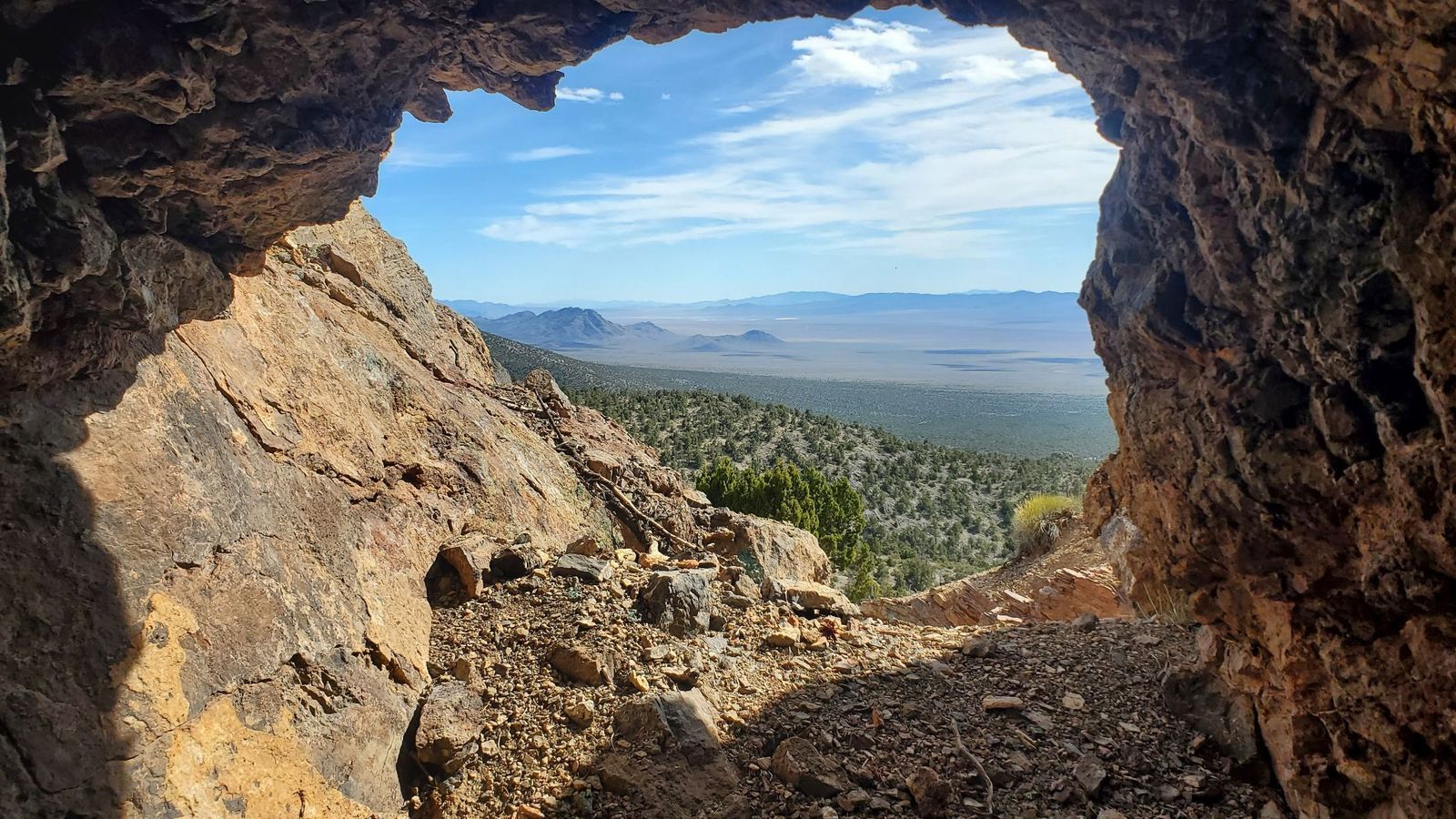
Not all deserts are hot

Image: shutterstock

When most Americans picture a desert, they imagine blazing sun and unbearable heat, but not all deserts in the US fit that image.

The huge Great Basin Desert, which stretches across much of Nevada and parts of Utah, California, Oregon, Idaho, and Wyoming, is classified as a cold desert. In fact, during winter, its temperatures can plunge below freezing, with heavy snowfall covering the landscape. The lowest official temperature ever recorded in the area was on January 8, 1937: an incredible -50 °F.

8
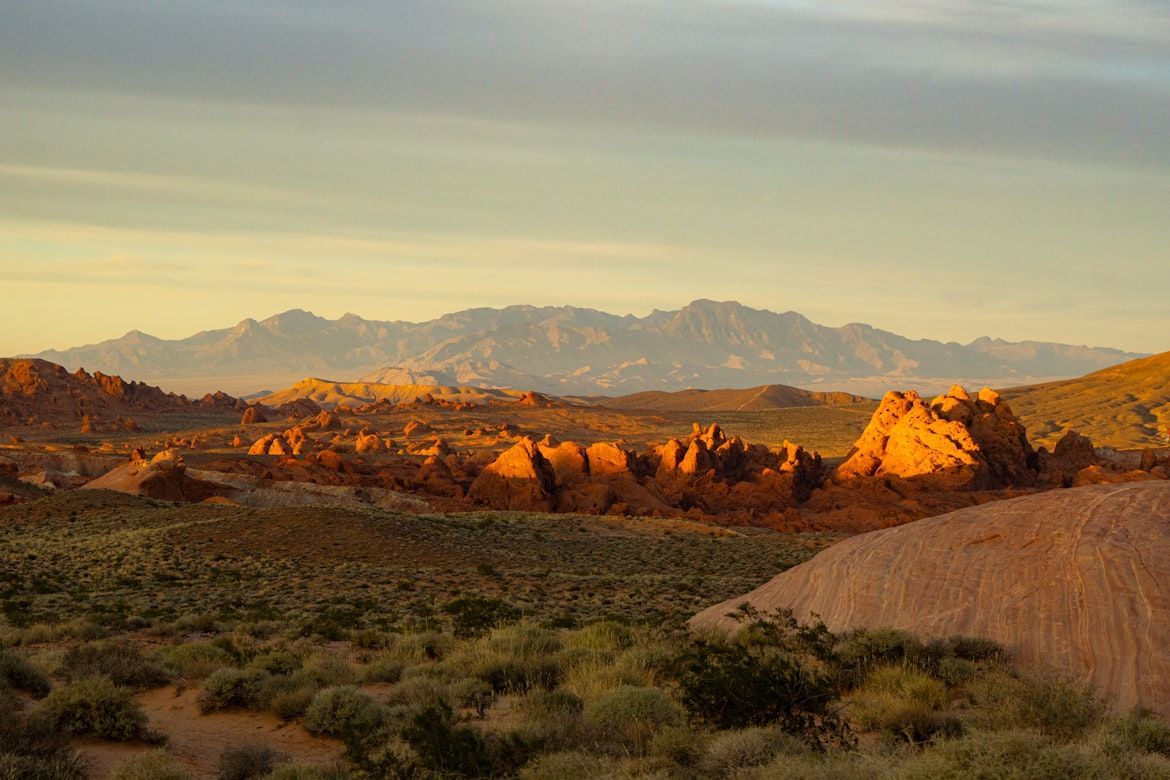
Almost all of the US is privately owned

Image: Yina Li

Many of us grew up assuming that most land in the United States is privately owned. And in much of the East, that idea is accurate. But for the West, the reality is different.

In the Western United States, about 47% of the land is owned by the federal government . And when you add state-owned land, the share of public land becomes even larger. Some states are especially striking: in Nevada, about 87% of the land is public, while in Utah, it’s around 75% .

9
The most populous state

Image: Luca Bravo

The incredible New York City is the most populous in the United States, with about 8.48 million residents, and there’s no doubt about that. Maybe that’s why many people naturally assume the state of New York is also the most populated, but it isn’t.

That distinction actually belongs to the state of California, with around 39.35 million residents , compared to roughly 20 million in New York state.

10
Which state is closest to Africa?

Image: Kristin Wilson

As we’ve seen, flat maps can distort how we think about distance and size. Because of that, many Americans assume Florida is the US state closest to Africa. But that’s actually not true.

Because of the Earth’s curvature, the US state closest to Africa is actually Maine. The northeastern tip at Quoddy Head is about 3,154 miles from El Beddouza, Morocco. By comparison, Florida’s eastern edge (around Singer Island) is roughly 4,085 miles from the African coast near Guerguerat, Western Sahara.

Explore more American facts

Choose your favorite category!

General
General

As American as apple pie—the very best America has to offer!

Culture
Culture

Delve into the astounding richness of American lore.

Geography
Geography

Hop in and explore vast and diverse American landscapes.

History
History

Discover the key moments that shaped the United States.