Culture Culture 6 min read

From Braveheart to JFK: 10 movies that got history completely wrong Braveheart to JFK : 10 movies that got history completely wrong
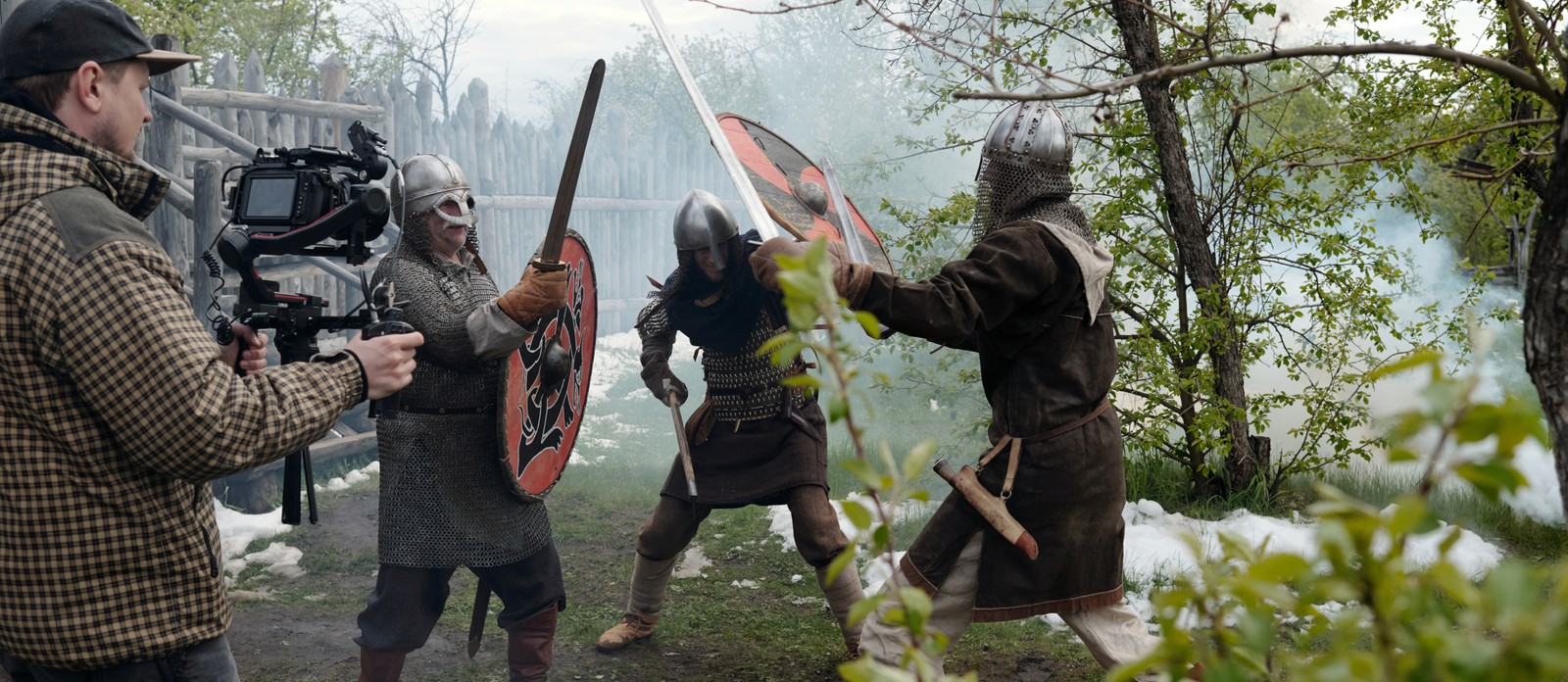
Image: Pressmaster

Hollywood often prioritizes spectacle and drama over strict historical accuracy. Period epics tend to win big at the Academy Awards, but their relation to real-world events ranges from artistic license to complete fabrication. These ten celebrated films delivered unforgettable cinema, yet failed all history tests.

1
Titanic (1997)
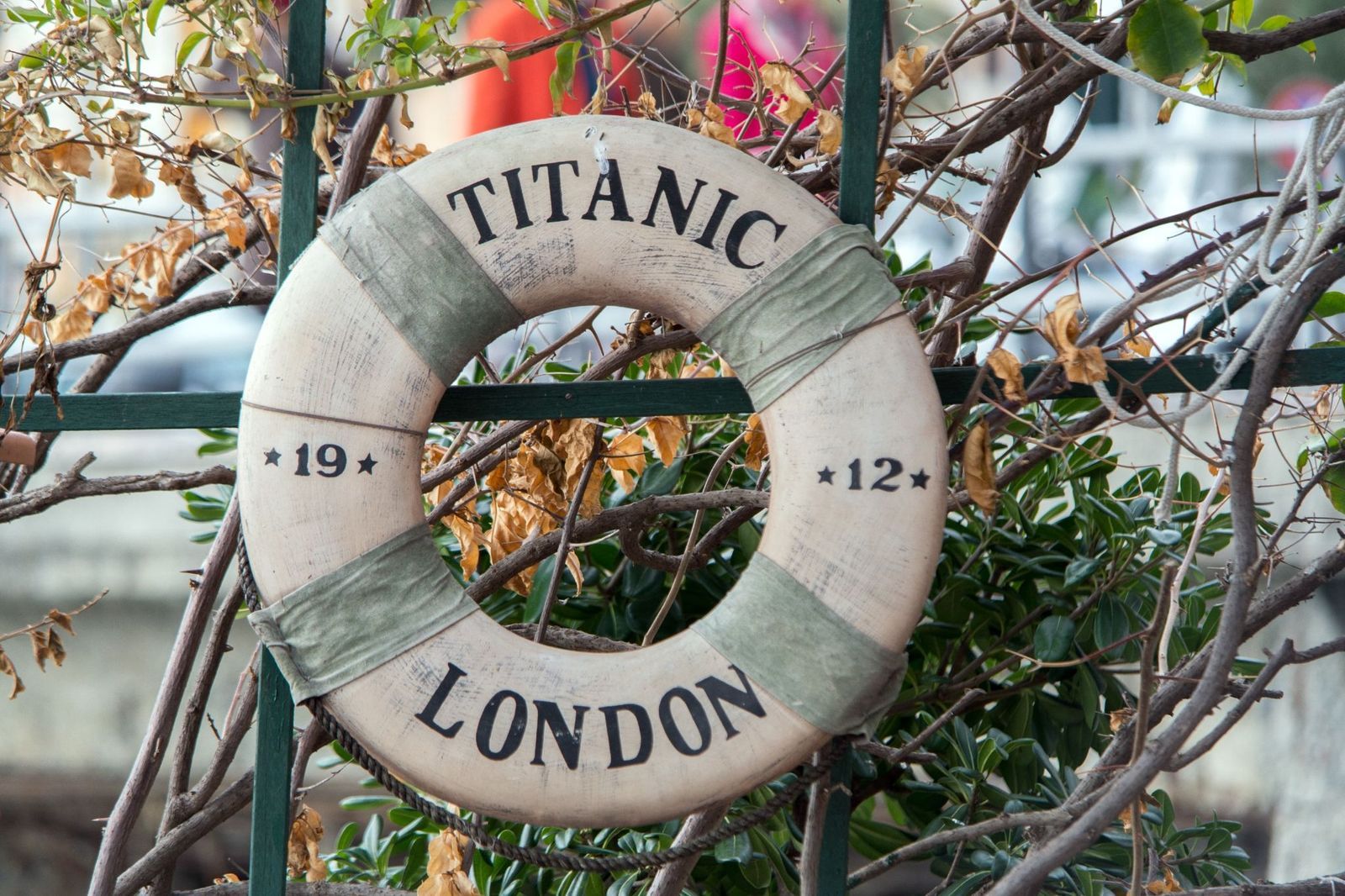
Image: Andrea Izzotti

James Cameron’s Oscar-winning blockbuster frames the tragic 1912 sinking around the fictional romance of Jack (Leonardo DiCaprio) and Rose (Kate Winslet), while depicting real-life First Officer William Murdoch (Ewan Stewart) accepting bribes, shooting passengers, and taking his own life.

When the film premiered in 1997, the portrayal of Murdoch caused significant outrage. Survivor accounts prove the First Officer acted heroically, working tirelessly to launch lifeboats and saving hundreds of lives before dying in the freezing Atlantic. Additionally, third-class passengers were not locked below deck by armed guards as portrayed in the movie. _Titanic_’s producers eventually traveled to Murdoch’s hometown of Dalbeattie, Scotland, to issue an official apology to his descendants.

2
Braveheart (1995)
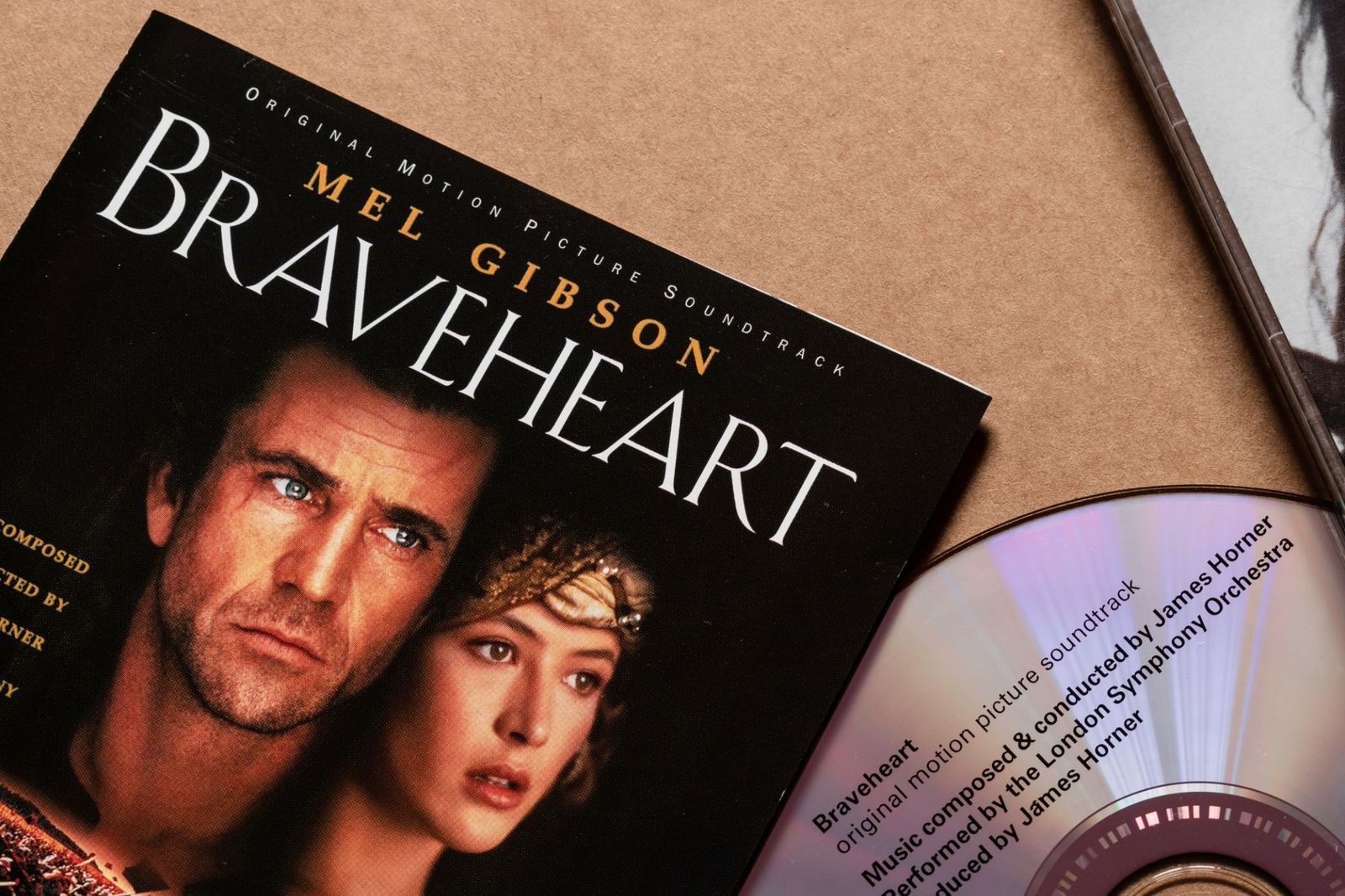
Image: Snap Spot

Mel Gibson’s epic depicts William Wallace leading a 13th-century Scottish rebellion against English rule, wearing belted plaid kilts and seducing Isabella of France (Sophie Marceau).

Many details in the film are inaccurate. For example, Scots didn’t wear kilts until the 16th century, nearly 300 years after Wallace’s death. Furthermore, Isabella was roughly three years old and living in France during Wallace’s rebellion, making the affair impossible.

3
Pearl Harbor (2001)
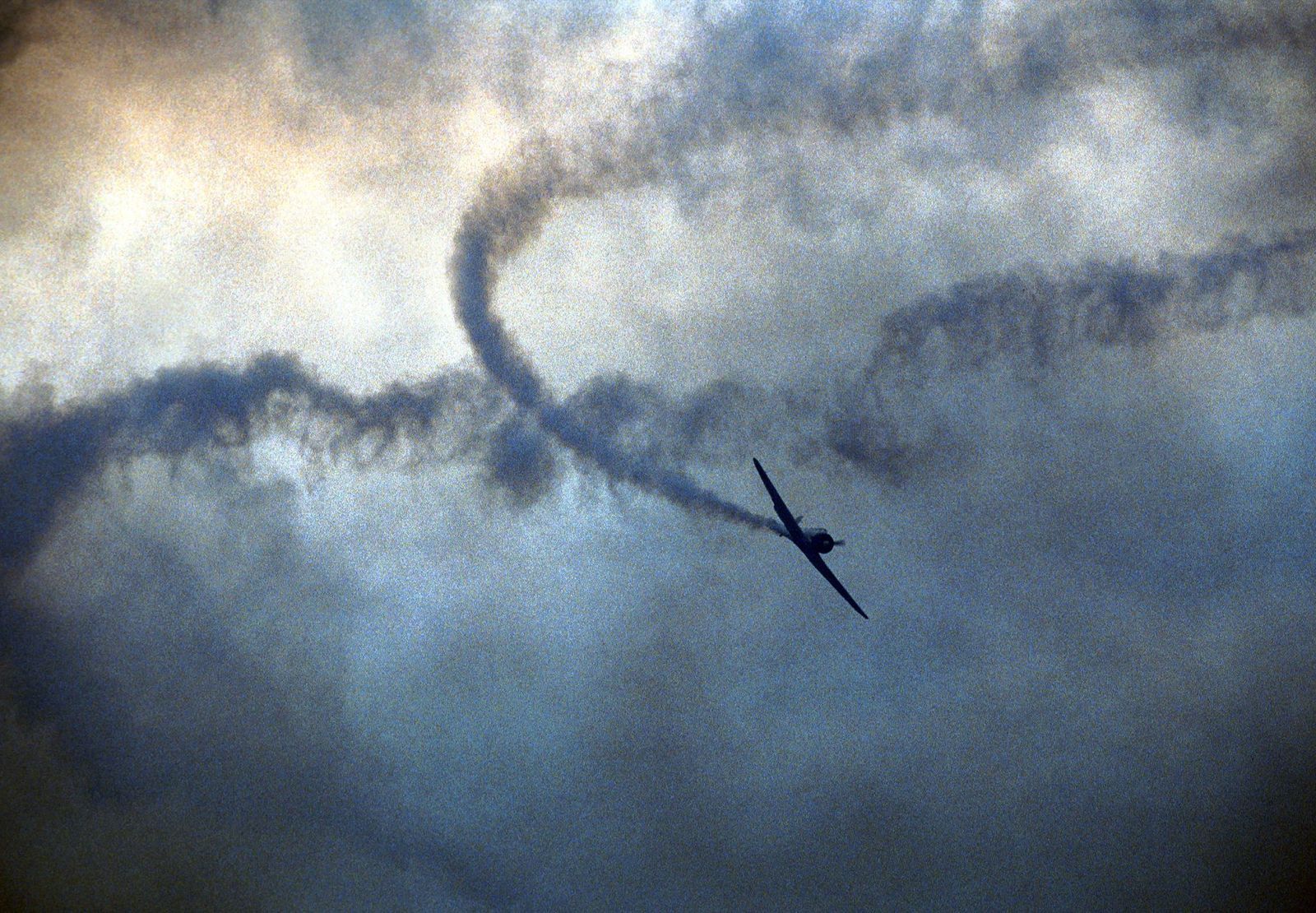
Image: Gary Ell, USAF, Public domain, via Wikimedia Commons

In Michael Bay’s romantic war drama, Rafe McCawley (Ben Affleck) and Danny Walker (Josh Hartnett) face Japanese Zero fighters, join the British Eagle Squadrons before the U.S. enters World War II, and witness direct attacks on civilian medical units.

In real life, U.S. Army Air Corps officers like Rafe were legally forbidden from joining Britain’s Eagle Squadrons while the United States remained neutral. During the December 7, 1941 raid, the Japanese prioritized attacking battleships, airfields, and fuel depots, and they didn’t target field hospitals or civilian nurses as depicted in the film. Also, President Franklin D. Roosevelt’s (Jon Voight) dramatic moment where he stands up out of his wheelchair to inspire his cabinet never occurred.

4
Pocahontas (1995)
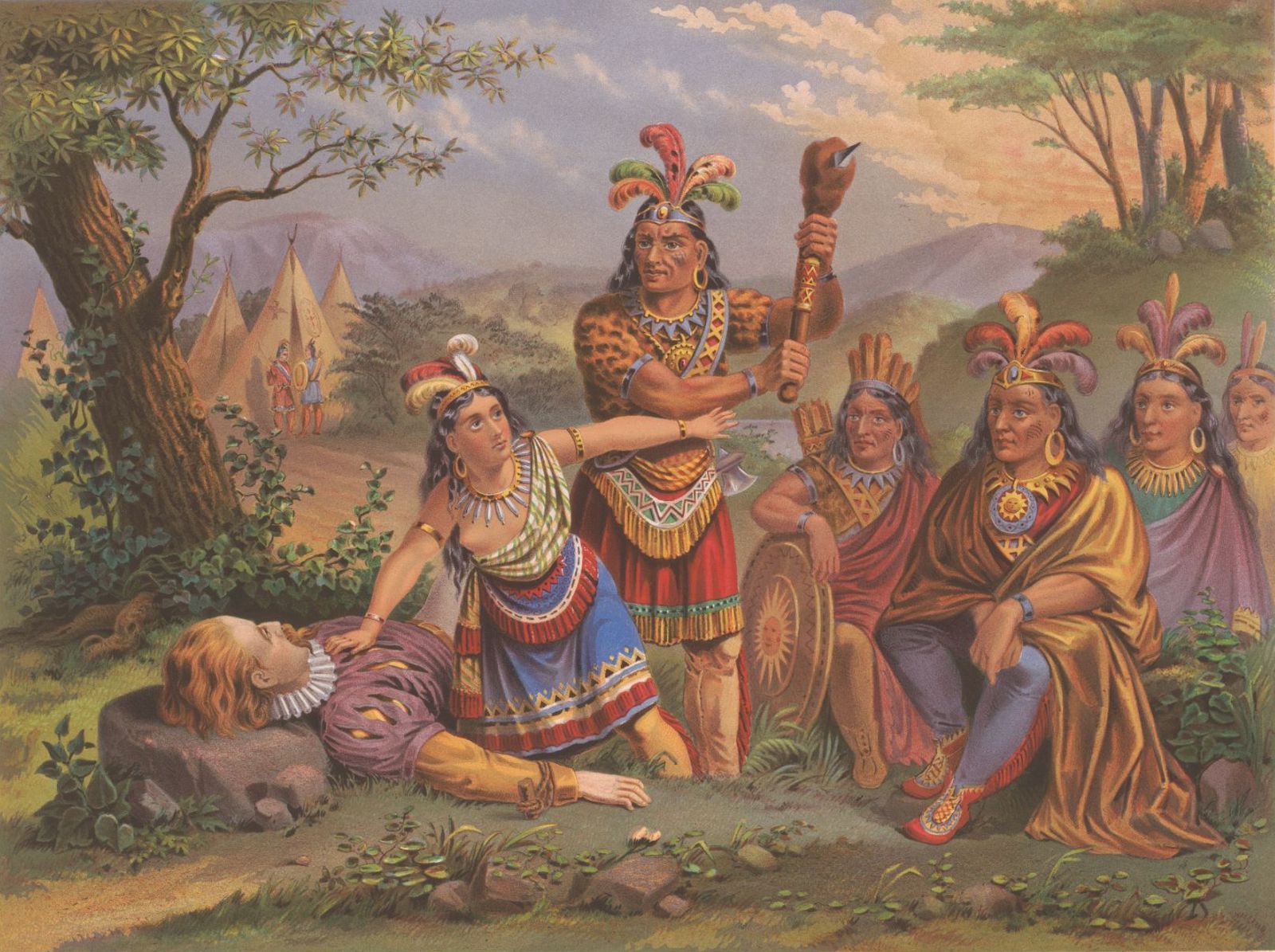
Image: New England Chromo. Lith. Co., Public domain, via Wikimedia Commons

Disney’s animated film famously tells the story of a young Powhatan woman named Pocahontas who falls in love with the English explorer Captain John Smith, helping to promote peace between their two cultures.

When John Smith arrived in Virginia in 1607, Pocahontas (whose actual name was Matoaka) was only around 10 to 12 years old, while Smith was a 27-year-old soldier, and there was no romantic relationship between them. Smith’s famous account of Pocahontas saving his life by placing her head over his is debated by modern historians, who view it as either a misunderstanding of a tribal adoption ceremony or an invention in his later writings. Pocahontas was later captured by English settlers, held for ransom, converted to Christianity, and married tobacco merchant John Rolfe before dying in England at age 21.

5
Gladiator (2000)
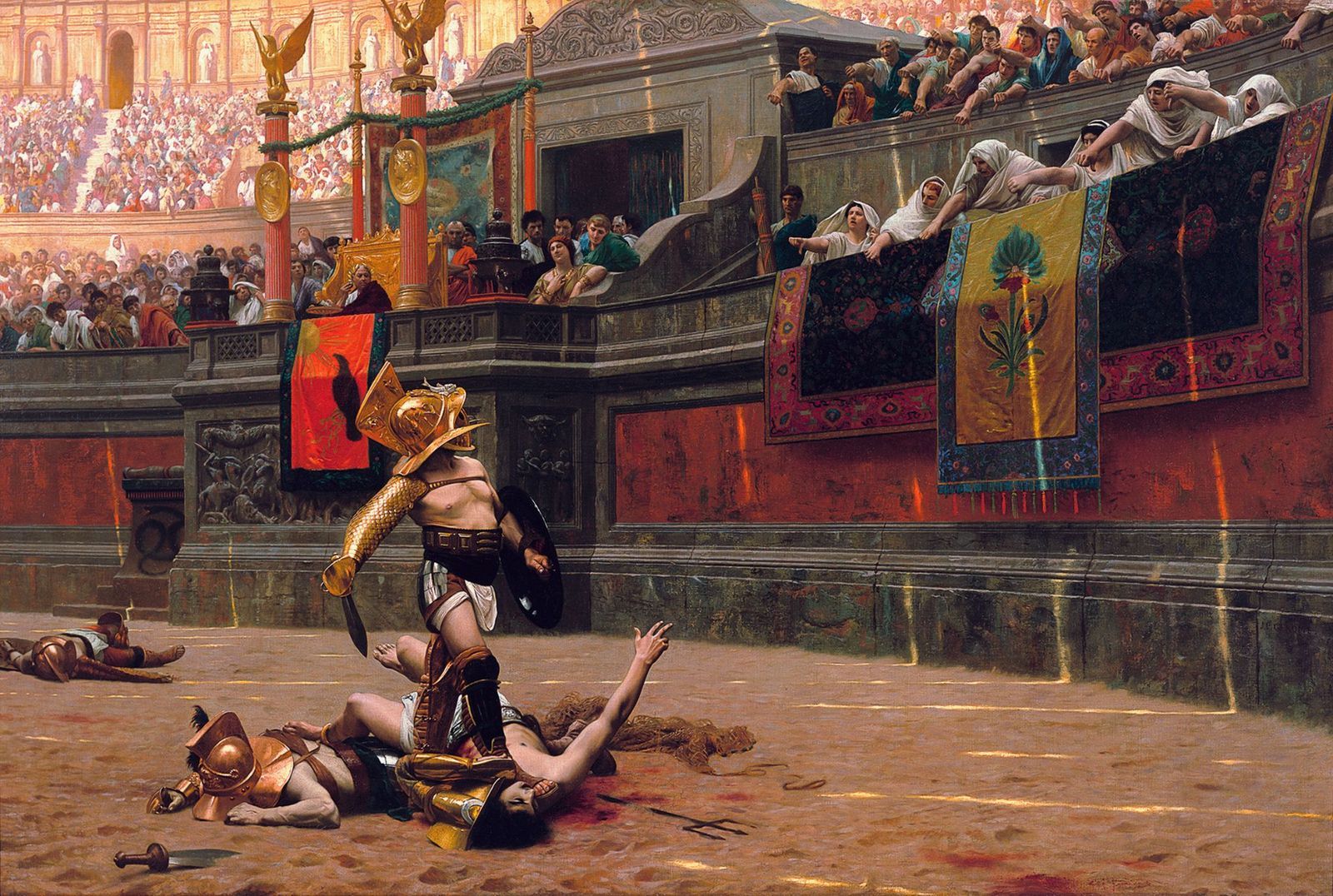
Image: Jean-Léon Gérôme, Public domain, via Wikimedia Commons

The plot of Gladiator revolves around Maximus Decimus Meridius (Russell Crowe) when he witnesses Emperor Marcus Aurelius (Richard Harris) being smothered to death by his son Commodus (Joaquin Phoenix), who seizes the throne, rules as a tyrant, and is later killed in gladiatorial combat inside the Colosseum.

In reality, Marcus Aurelius was never murdered by his son; he died of an infectious illness in 180 AD. Commodus had already been co-emperor for three years before his father’s death. Far from an usurpation, Commodus ruled Rome for 12 years. He didn’t die in the sands of the arena either: he was strangled in his bath by his wrestling partner, Narcissus, during a palace coup. Moreover, Roman gladiatorial fights were officiated sporting events, not chaotic deathmatches.

6
Shakespeare in Love (1998)
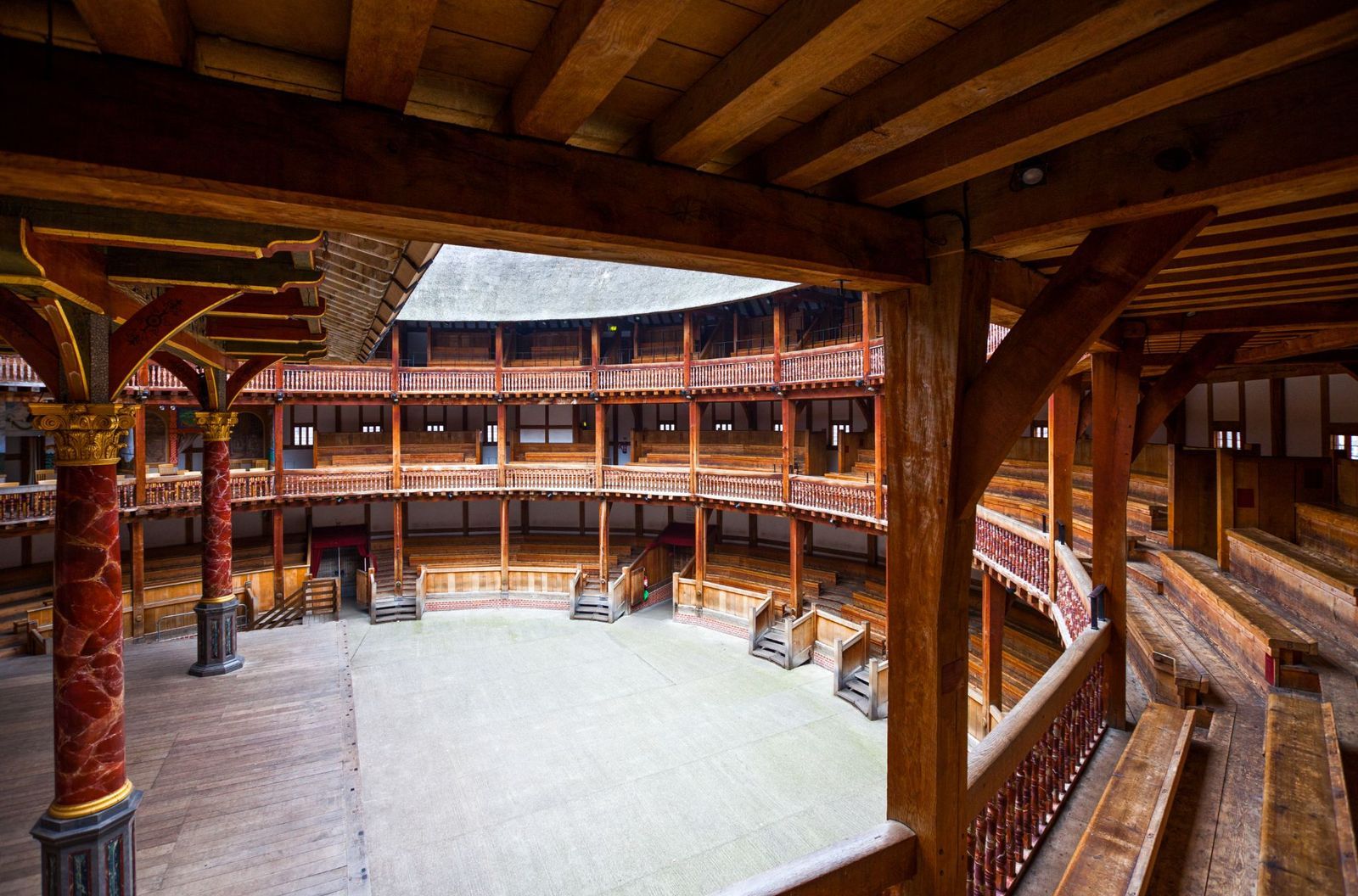
Image: Gimas

A young William Shakespeare (Joseph Fiennes) suffers from writer’s block until he meets aristocrat Viola de Lesseps (Gwyneth Paltrow), who disguises herself as a man to act on stage, inspiring him to write Romeo and Juliet .

Almost the entire narrative is historical fiction. Viola de Lesseps never existed, and Romeo and Juliet wasn’t inspired by a secret love affair. Women were indeed banned from performing on the Elizabethan stage, but monarchs like Queen Elizabeth I never attended public theaters, which were considered unsafe and unhygienic. Instead, theater companies were hired to give private performances at court. Furthermore, by the mid-1590s, Shakespeare was already married to Anne Hathaway and was an established playwright in London, not an impoverished unknown struggling for ideas.

7
A Beautiful Mind (2001)
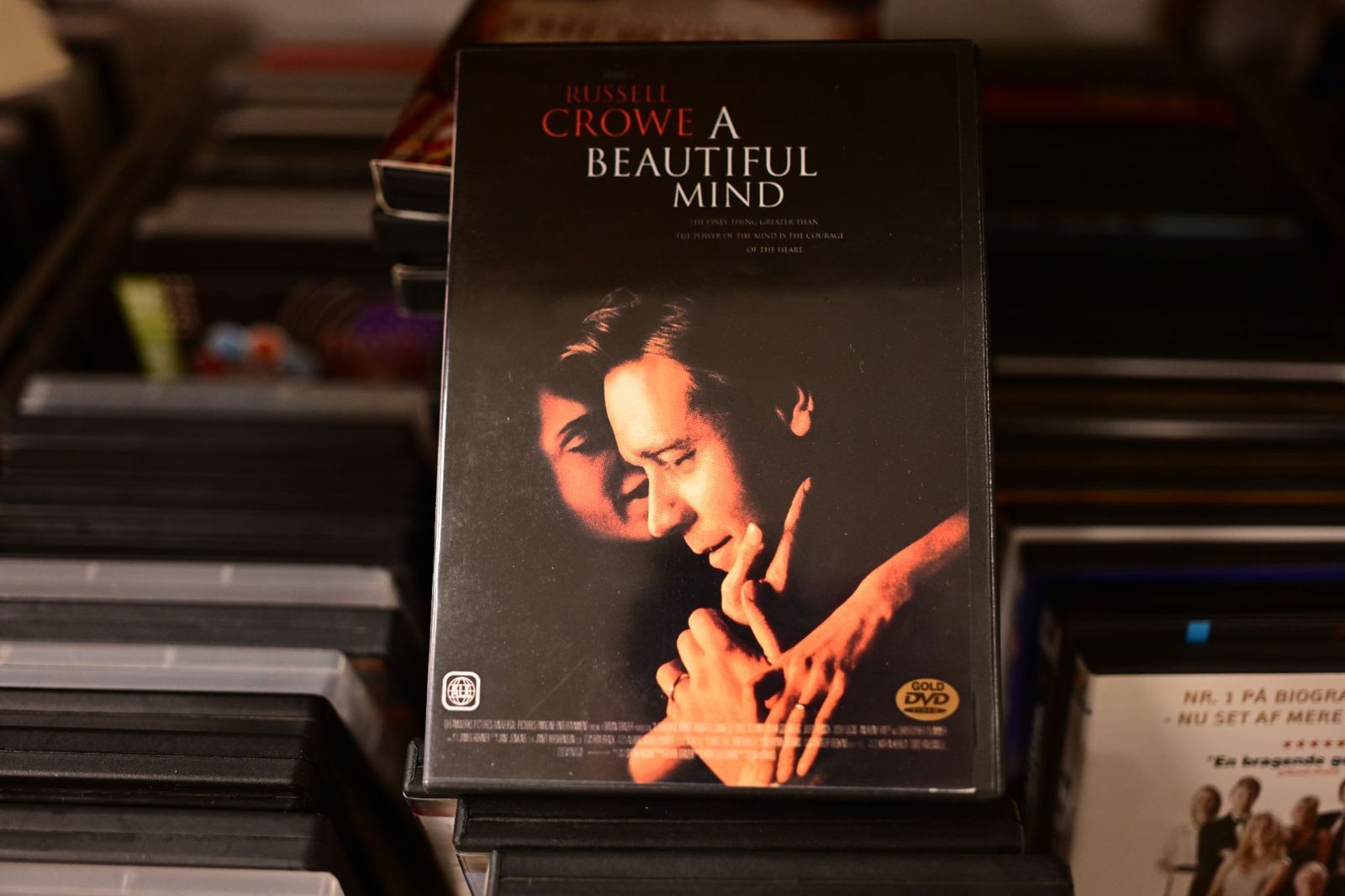
Image: Woodan

Ron Howard’s biopic presents John Nash (Russell Crowe) battling schizophrenia. In the film, the Nobel Laureate mathematician has vivid visual hallucinations of a college roommate, a young girl, and a secret government handler.

It is true that John Nash lived with paranoid schizophrenia, but his hallucinations were auditory and delusional (he heard voices and believed extraterrestrial beings were communicating through newsprint). Filmmakers acknowledged altering his symptoms because visual figures were easier to convey on screen. The film also sugarcoated Nash’s personal life, omitting his first child born out of wedlock, his divorce from his wife Alicia, and his intimate relationships with other men.

8
JFK (1991)
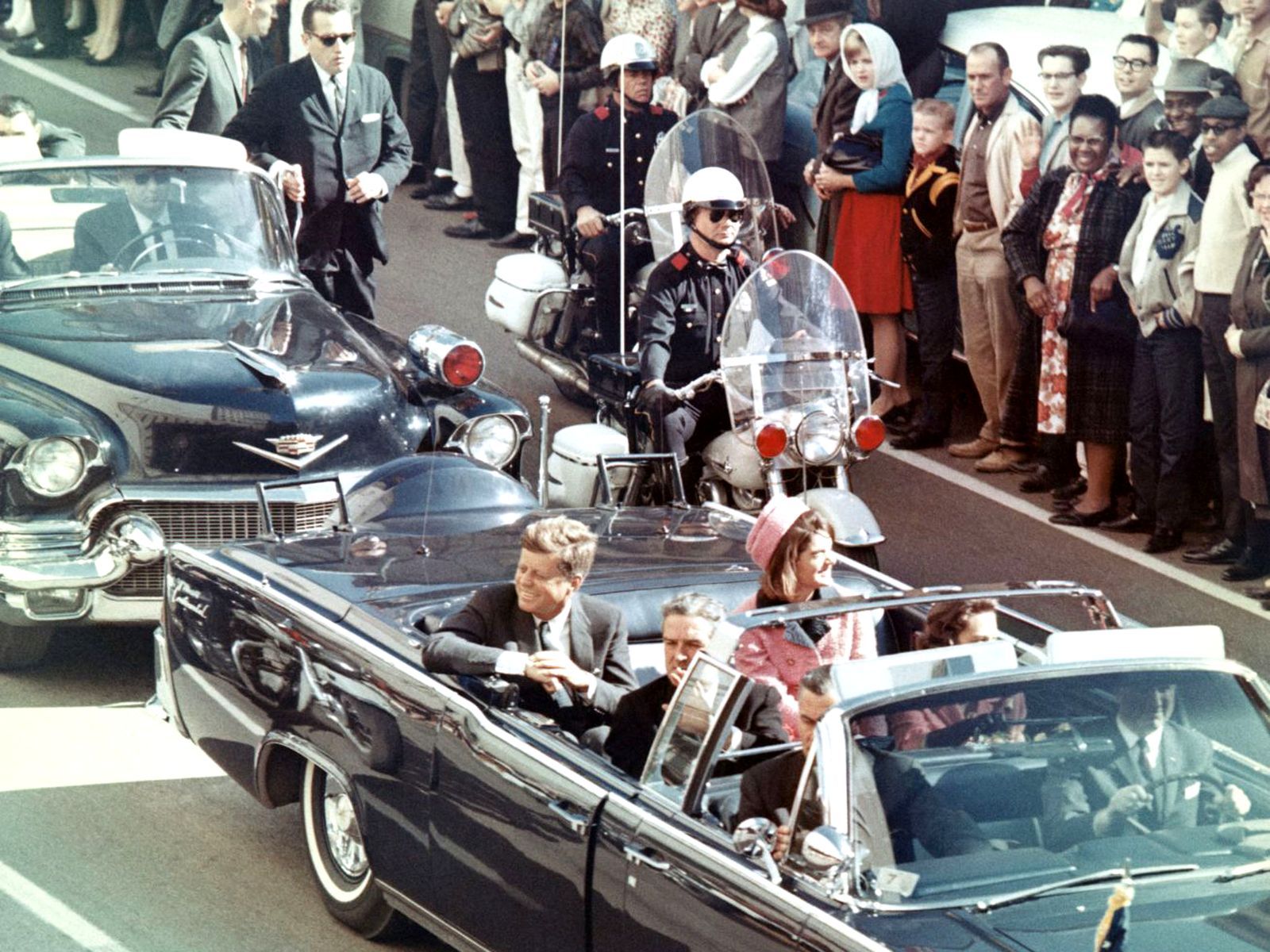
Image: Walt Cisco, Dallas Morning News, Public domain, via Wikimedia Commons

Director Oliver Stone follows New Orleans District Attorney Jim Garrison (Kevin Costner) as he uncovers a conspiracy behind President John F. Kennedy’s 1963 assassination involving the CIA, FBI, military leaders, and Vice President Lyndon B. Johnson.

Historians criticize JFK for presenting discredited conspiracy theories as historical facts. Key characters in the film (such as Donald Sutherland’s "Mr. X") were complete fabrications. Garrison’s actual prosecution of businessman Clay Shaw was based on dubious testimony and resulted in Shaw’s acquittal in under an hour. The narrative of a multi-agency coup remains unsupported by official evidence, yet the film prompted the release of classified records under the JFK Records Act.

9
The Sound of Music (1965)
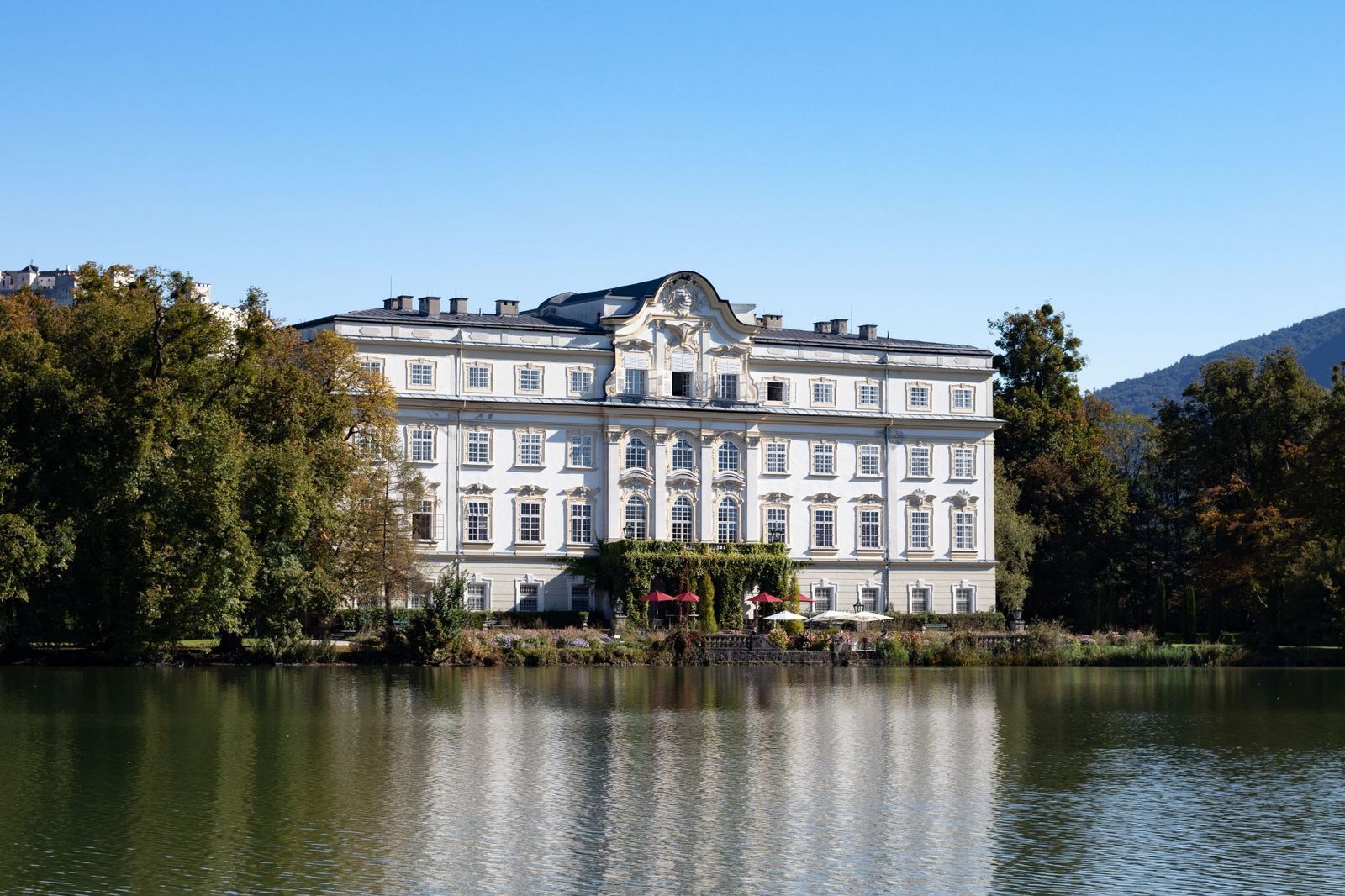
Image: HEakin

In the iconic film The Sound of Music , governess Maria (Julie Andrews) teaches naval Captain von Trapp’s seven children to sing and helps the family escape the 1938 Nazi annexation of Austria by hiking over the Alps into Switzerland.

Had the von Trapp hiked over the mountains behind their house in Salzburg, they would have walked straight into Nazi Germany near Hitler’s mountain retreat at Berchtesgaden. In real life, the family walked to their local train station and boarded a train to Italy before emigrating to the United States. Also, the personalities were reversed: the real Captain von Trapp was warm and musical, whereas Maria was strict. What’s more, the couple had already been married for over ten years before leaving Austria.

10
Saving Private Ryan (1998)
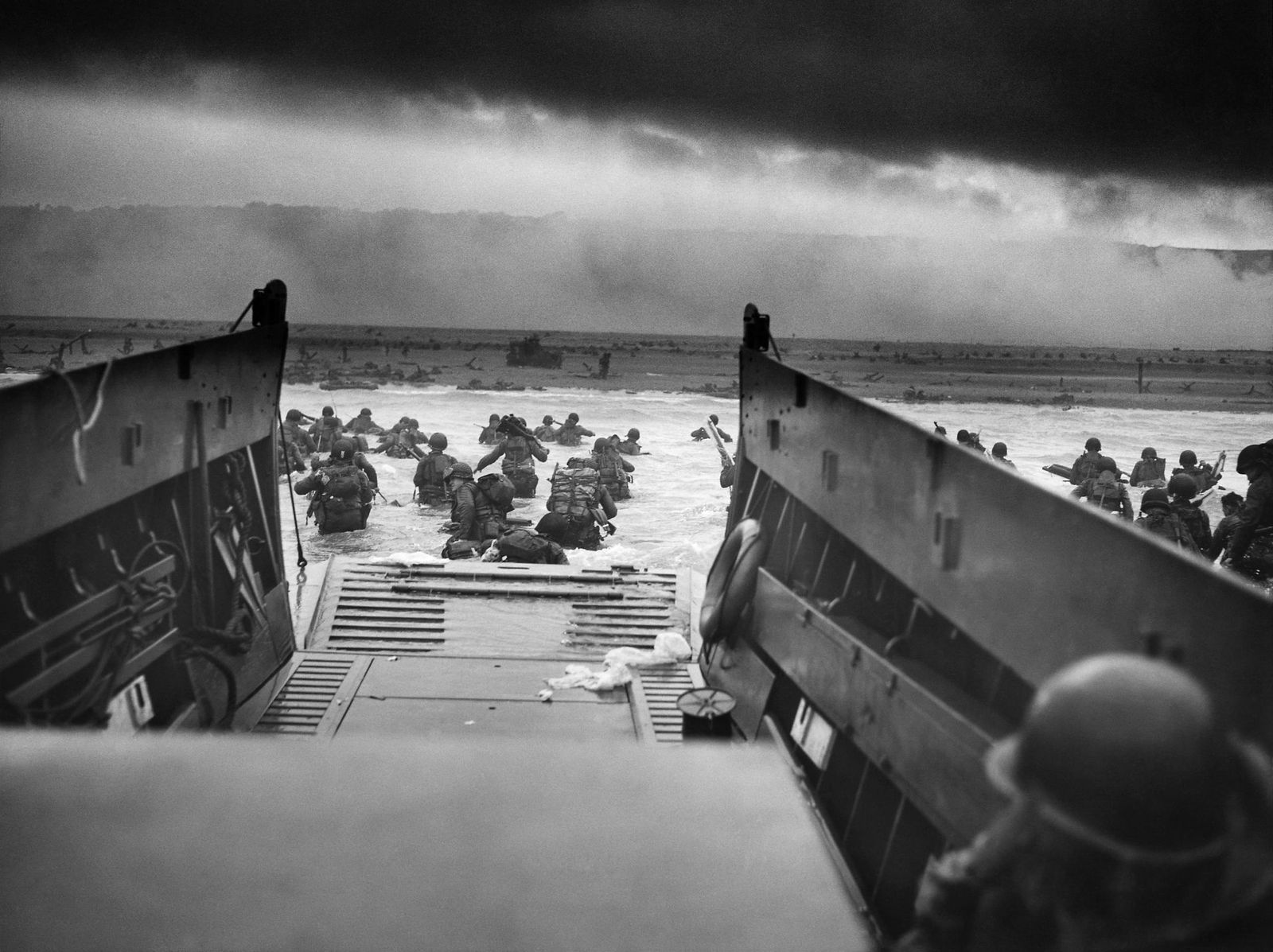
Image: National Archives and Records Administration, Public domain, via Wikimedia Commons

The opening D-Day landing sequence in Saving Private Ryan is praised by military veterans for its technical realism, but the film’s core premise is fictional. Following the invasion at Omaha Beach, Captain Miller (Tom Hanks) leads a U.S. Army Ranger squad into enemy territory in Normandy to find Private James Ryan (Matt Damon), whose three brothers were killed in action.

The plot is loosely inspired by the real-life Niland brothers, but the U.S. military never dispatched an entire squad on a dedicated search mission through enemy lines to extract a single private. Additionally, the final battle in the fictional town of Ramelle overstates the ability of infantry small arms against heavy German armor, which in reality was neutralized by artillery and tactical air strikes.
General General 2 min read

American wisdom

You’ve heard these American idioms—but their true origins will shock you

Image: Meelika Marzzarella

From colonial times to the modern day, American idioms reflect how the country grew, fought, worked, and talked. From quitting cold turkey to the whole nine yards, these sayings captured the spirit of each era. Some came from the battlefield, others from the frontier or factory floor. But all of these expressions here earned a place in everyday speech—and they still tell a uniquely American story.

1
Manifest Destiny

Image: Wayne Hollman

(1840s – Westward Expansion)

Coined in 1845 by journalist John L. O’Sullivan, "Manifest Destiny" justified America’s push westward, claiming it was the nation’s divine right and duty. Though sometimes controversial, it shaped the national mindset and defined 19th-century American expansionism.

2
Talk turkey

Image: Tyler Donaghy

(1800s – Rural America)

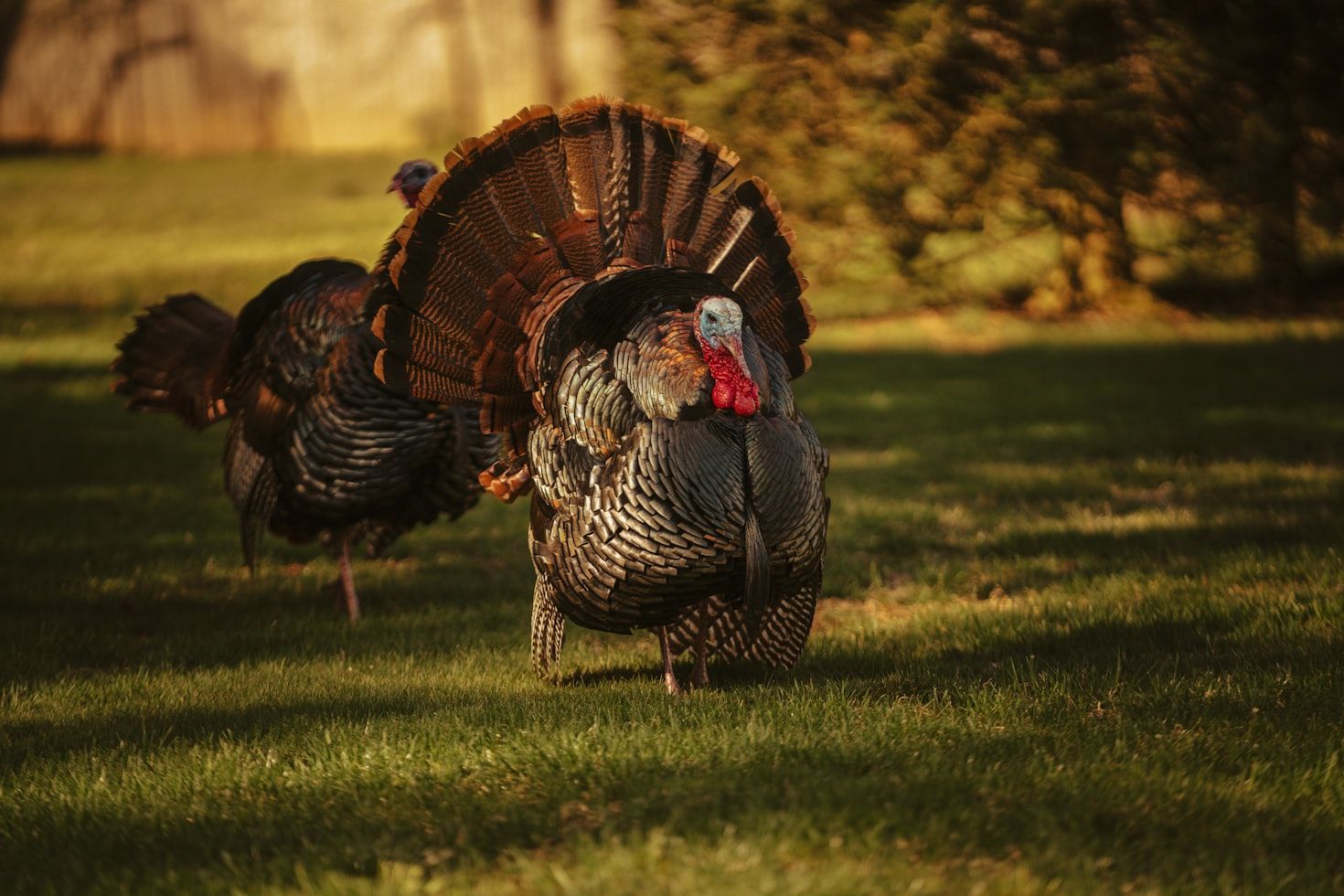
"Talking turkey" originally meant speaking plainly, especially during trade or bargaining sessions around Thanksgiving time. The phrase evolved from settlers' interactions with Native Americans and each other.

3
The whole nine yards

Image: Museums Victoria

(1940s – WWII era)

This phrase likely originated in World War II aviation. Fighter pilots reportedly gave "the whole nine yards" when they unloaded all their ammunition —about 27 feet of bullets. It now means going all out, and its roots in wartime tales made it a lasting piece of American lingo.

4
Cold turkey

Image: Andres Siimon

(1920s – Prohibition era)

"Cold turkey" first emerged in drug withdrawal circles during the 1920s, describing a sudden and complete stop, often painful and abrupt. It became more widespread during Prohibition, when people abruptly quit drinking.

5
Pull yourself up by your bootstraps

Image: Nathan Dumlao

(1930s – Great Depression)

Originally a sarcastic quip about doing the impossible, the phrase took on a new life during the Depression, urging Americans to self-rely and push through adversity. By WWII, it had become a proud motto for working-class Americans.

6
Loose lips sink ships

Image: John Kostyk

(1940s – WWII propaganda)

Created by the U.S. Office of War Information, this saying warned citizens and soldiers against careless talk that might aid enemy spies. It was one of the most effective propaganda slogans of WWII.

7
Duck and cover

Image: Stephen Cobb

(1950s – Cold War drills)

Coined in a 1951 civil defense film, this phrase taught schoolchildren to seek shelter from nuclear blasts. While its actual effectiveness was debatable, "duck and cover" captured the anxious era of nuclear tension. It’s since become shorthand for futile emergency preparedness.

8
Jump on the bandwagon

Image: Museums of History New South Wales

(19th century – American politics)

Originating in the 1848 campaign of circus showman Dan Rice, politicians literally used bandwagons to draw crowds. The term evolved as others "jumped on" to align with the popular cause. It now refers to any late but enthusiastic adoption of a trend.

9
Cut to the chase

Image: Jeremy Yap

(Hollywood – silent film era)

Early films often built up slowly, so impatient viewers and editors began saying, "cut to the chase" —the action scene. Now it means getting straight to the point.

10
Put a sock in it

Image: Denny Müller

(1920s – Gramophone era)

Before volume knobs, people muffled early gramophones by stuffing socks in the horn. The phrase quickly became slang for "be quiet."

General General 3 min read

Golden secrets

Heard of the Half-Way-to-Hell Club? 10 hidden facts about the Golden Gate

Image: Venti Views

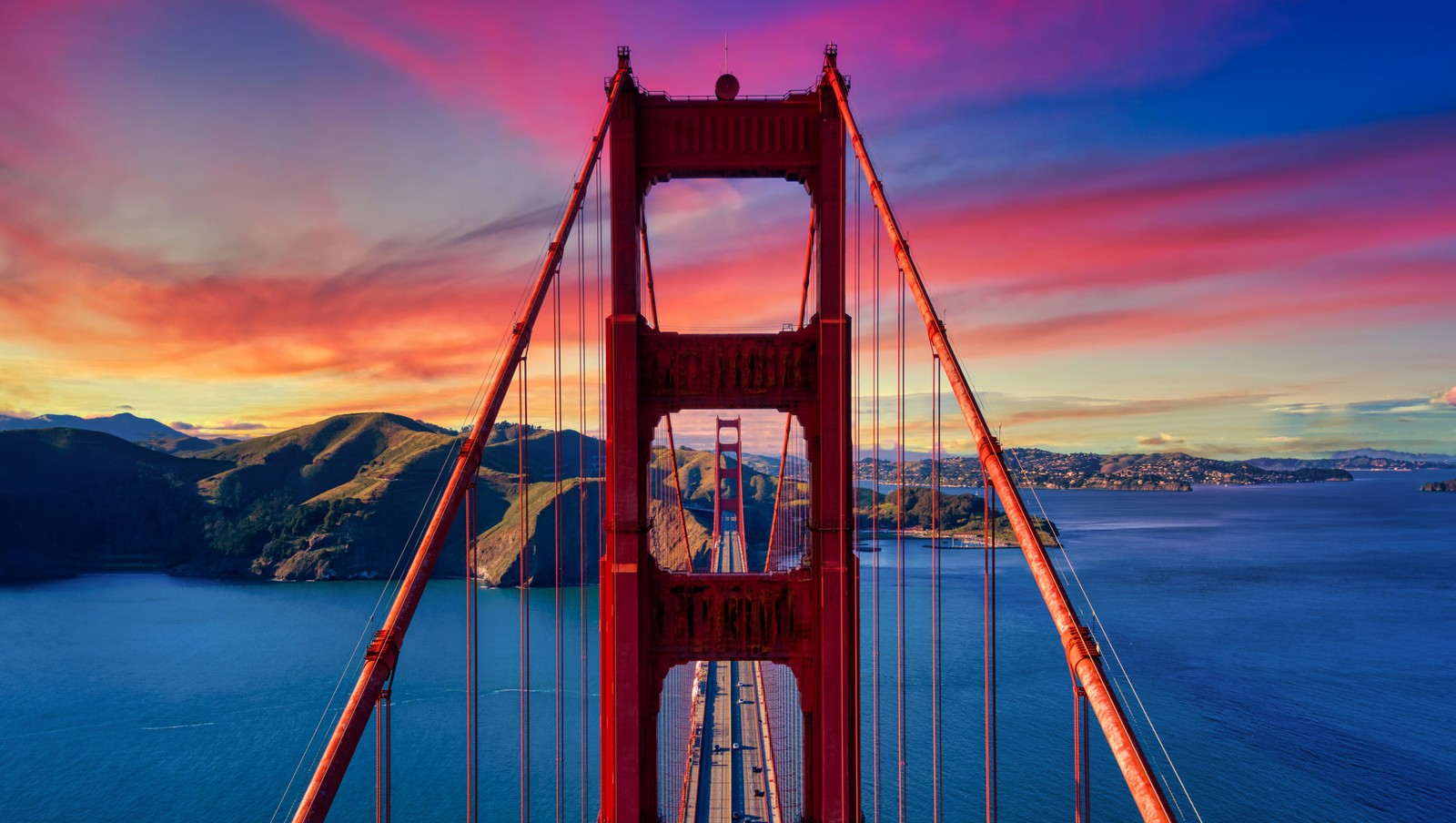
From its inception to its crowning as a symbol of San Francisco, the Golden Gate Bridge has become one of the most recognizable landmarks in California and the entire country. From its first toll of just 50 cents to stories of incredible luck, there are numerous secrets, untold tales, and fun facts that might surprise you. Join us as we uncover 10 shocking facts about the Golden Gate Bridge !

1
The first toll

Image: Barry A

When the bridge first opened to cars, the toll was 50 cents each way, $1 for a round trip, and an additional 5-cent charge for cars carrying more than three passengers. While this may not seem like much today, that money was crucial in covering the construction costs. In today’s terms, the toll would be equivalent to about $11 .

2
The Half-Way-to-Hell Club

Image: Rasmus Gundorff Sæderup

Building this massive suspension bridge was no easy task, and the story of the "Half-Way-to-Hell Club" members proves just how dangerous it was. These 19 workers were on the job when they slipped and fell from the bridge . But in the midst of their fall, something saved them : a safety net placed under the bridge, an ingenious and innovative safety measure for the 1930s.

3
A different picture

Image: Leo_Visions

While it's hard to imagine the Golden Gate Bridge without its iconic "International Orange" color, the original plan was actually quite different. During construction, they considered painting the bridge black and yellow to give it visibility. However, when the architects saw the beautiful reddish-orange hue of the primer, they decided to keep it. We have to say we're glad they didn't go with the original idea!

4
Good citizens

Image: Zoshua Colah

San Franciscans redefined what it meant to be good citizens when, during the Great Depression, they helped fund the Golden Gate Bridge by putting up their homes and farms as collateral to make the project a reality. This incredible show of faith during one of the nation's toughest economic times is truly inspiring.

5
Really heavy

Image: Leo_Visions

With its immense size and structure, it’s no surprise that this imposing bridge is incredibly heavy. Even so, the number might still shock you: The Golden Gate Bridge weighs around 894,000 tons! That's nearly the equivalent of 2.5 Empire State Buildings!

6
5,000 - 10,000 gallons

Image: JOSHUA COLEMAN

Its weight goes hand in hand with its size: the bridge is about 1.7 miles long from end to end, and its towers rise 746 feet above the water. This means the amount of paint required to cover it is anything but small. To repaint the bridge, between 5,000 and 10,000 gallons of its iconic color are used.

7
Dangerous challenges

Image: Anastasia R.

The completion of the Golden Gate Bridge had its challenges. In 1935, a powerful 7.8 magnitude earthquake struck the area, causing the entire San Francisco Bay Area, including the bridge under construction, to shake violently. One worker reportedly recalled that the south tower swayed 16 feet in each direction while several of his colleagues stood on it!

8
200,000 pedestrians

Image: fan yang

The grand opening of the Golden Gate Bridge on May 27, 1937, was far from low-key. Before it was opened to cars, a "Pedestrian Day" event took place, where an extraordinary 200,000 people walked across the city's brand-new bridge, each paying 25 cents to do so.

9
Once the tallest of its kind

Image: Casey Horner

As a suspension bridge, the Golden Gate Bridge is impressive not only for its size but also for its engineering. In fact, when it opened in 1937 and until 1964, this San Francisco landmark held the world record as the tallest suspension bridge in the world!

10
800,000 people

Image: Kiko Camaclang

Yes, the 200,000 people who attended the bridge's opening made for a huge crowd. But 50 years later, that number quadrupled! That's right; during the 50th anniversary of its opening, around 800,000 people walked across the iconic Golden Gate Bridge. It's hard to even imagine what such a giant crowd would look like!

Explore more American facts

Choose your favorite category!

General
General

As American as apple pie—the very best America has to offer!

Culture
Culture

Delve into the astounding richness of American lore.

Geography
Geography

Hop in and explore vast and diverse American landscapes.

History
History

Discover the key moments that shaped the United States.