History History 4 min read

Even biz wizards fail sometimes

What brought Sears down? 10 mistakes from giant companies

Image: Melinda Gimpel

As Dr. House once said, mistakes are as serious as the results they cause. And, in the case of big companies, those mistakes can be just as big, often measured in terms of lost jobs and money. From poor marketing decisions to small mistakes that cause multi-million dollar losses, the types of blunders made by some of these companies and individuals are nothing short of breathtaking— and not in a good way. Take a look at the following 10 stories of failure. Did you know any of these?

1
$125 million for a Grade-school math error

Image: Aaron Lefler

Imagine losing a hugely expensive spacecraft due to a simple mix-up between English and metric measurements . That is exactly what happened to NASA in 1999 when a Mars orbiter designed by Lockheed Martin was lost in space.

The confusion caused a malfunction on the $125 million craft, resulting in the probe’s loss. Although it was unusual for Lockheed to use English measurements for a NASA design (since NASA had stipulated using metric measurements for many years), there were still several instances where the error should have been caught but wasn’t.

2
Toys ‘R’ Us blunder

Image: Taylor Heery

If you think an action figure of a drug dealer isn’t the best idea for a toy store , you’re not alone. Yet, for some reason, Toys "R" Us decided otherwise in October 2014, possibly hoping to cash in on the massive success of the Breaking Bad TV series.

Unsurprisingly, the giant toy retailer was forced to pull from its shelves four collectible dolls based on characters from the AMC hit show, each doll featuring a detachable sack of cash and a bag of meth.

3
Apple Maps' rocky beginnings

Image: CardMapr.nl

When Apple decided to launch its own map application on iOS devices after a conflict with Google in 2012, users quickly realized that the Apple app was not nearly as launch-ready as it should have been .

Locations were mislabeled, roads were missing, and it occasionally steered people in entirely the wrong direction. The problem was eventually, though largely, resolved, but it was an embarrassing misstep for a company known for never launching a product before it was as near-perfect as possible.

4
Bank of America debit card fee

Image: Ali Mkumbwa

Back in 2011, when the backlash against the banking industry had not yet reached its boiling point, Bank of America announced it would charge customers $5 per month to use their debit cards .

It was a bad business decision. More than 300,000 people signed an online petition, and Fox Business Network’s Gerri Willis cut up her debit card on air. The bank pointed to federal regulations as the reason for the charge but ultimately capitulated to consumer demand after a month before the fees went into effect.

5
$33 airline tickets from Toronto to Cyprus

Image: Miguel Ángel Sanz

If buying a business class ticket regularly priced at $2,558 for just $33 sounds too good to be true, it probably is. Except in 2006, when an Alitalia employee accidentally forgot to input two extra zeros when pricing business-class tickets from Toronto to Cyprus.

Due to the exchange rate on that day and the blunder, hundreds of buyers managed to snag fares for just $33. The airline honored those deals, accepting the heavily discounted price for the 509 people who purchased tickets before the error was detected.

6
A $70 million comma

Image: Nattipat Vesvarute

As the folks at NASA and Alitalia have shown us, small errors can lead to costly mistakes. The following blunder comes courtesy of Lockheed Martin , which issued a contract to a customer with a missing comma in the sale price .

The astute customer held the aerospace company to the contract, costing Lockheed Martin $70 million for a C-130J Hercules aircraft in June 1999.

7
Sears misses the ship

Image: Estefania Cortes

A retail giant that faced a situation similar to the one Kodak faced—embrace the new and unknown or cling to the old, successful recipe—Sears sold everything from socks to tires via mail order, shipping across the U.S.

Choosing to stick with the old method, the company ended its catalog and delivery business in 1993 . In 1994, Amazon was founded , filling the business void that Sears had just created. The rest is history.

8
Passing on Microsoft

Image: Jaime Marrero

$60 million might seem like a lot of money to us regular folks, but for someone with very deep pockets like Texas businessman and two-time U.S. presidential candidate Ross Perot, it wasn’t all that much.

In 1979, he was offered the chance to buy Microsoft for that sum. However, his final offer to the tech company was just $15 million, and as a result, the Texan missed out on the opportunity to own what would become one of the biggest companies in the world .

9
Blackberry sticks with the old

Image: Thai Nguyen

Another case of a brand sticking with the old instead of embracing the new, BlackBerry was all the rage at the start of the 21st century— until Steve Jobs came along with the Apple iPhone .

While BlackBerry Messenger was extremely popular, with over 80 million users worldwide, the device lacked the new touchscreen functionality and sleek design of the Apple product. From being a market leader, BlackBerry’s market share plummeted to 0.2% by 2016.

10
RadioShack’s downfall

Image: Jelleke Vanooteghem

Not so long ago, RadioShack was a familiar presence on the streets and the go-to place for buying batteries and electronics. But it was that same brick-and-mortar presence, coupled with a reluctance to embrace e-commerce , that ultimately led to its demise .

Eventually, poor profit margins on what they could sell, combined with a loan they couldn’t repay, brought down what was once the go-to place for electronics.
Culture Culture 7 min read

The Crossroads of the World

From "Satan's Circus" to 50 million visitors: 10 Times Square secrets

Image: Roberto M.

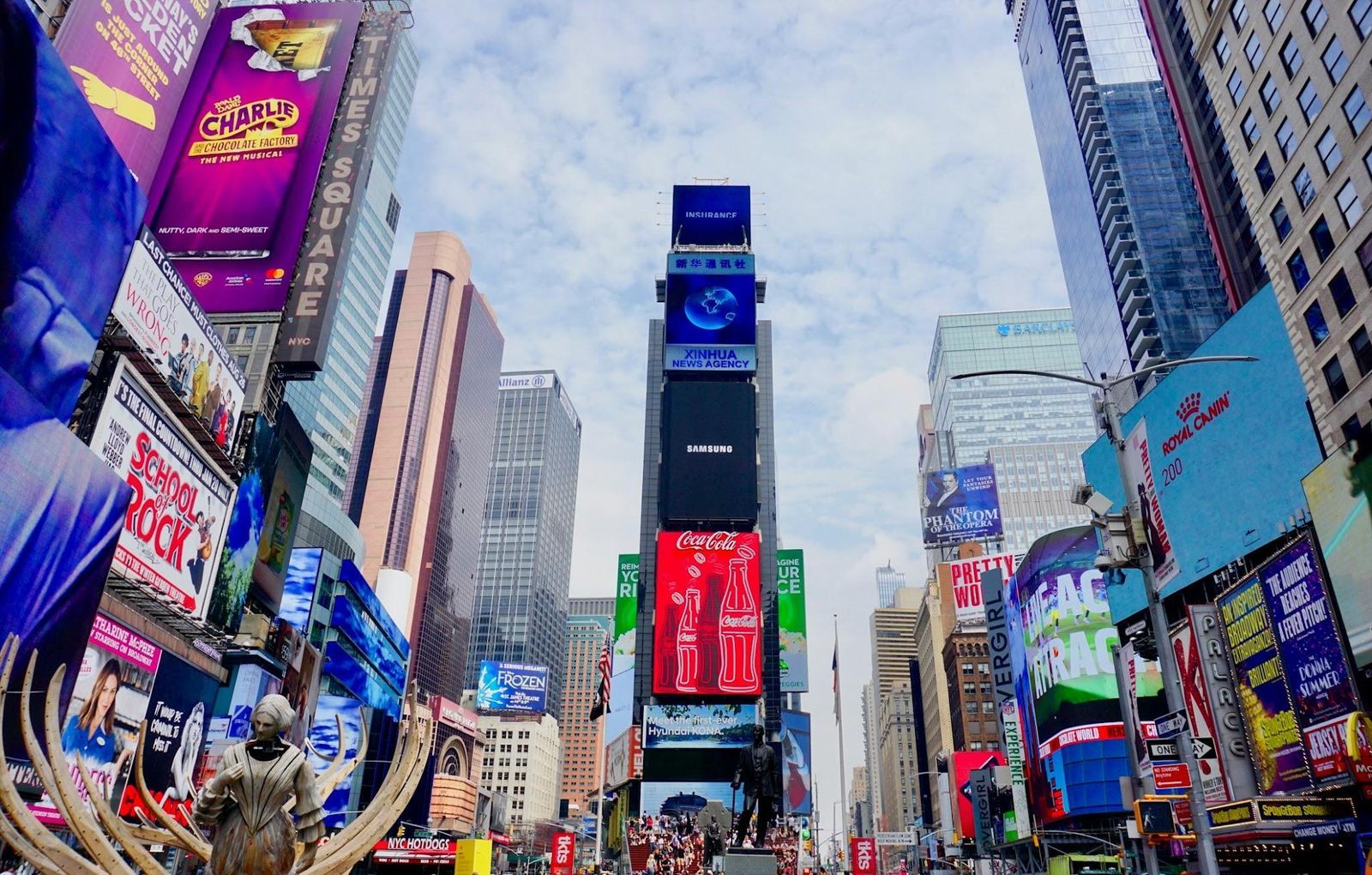
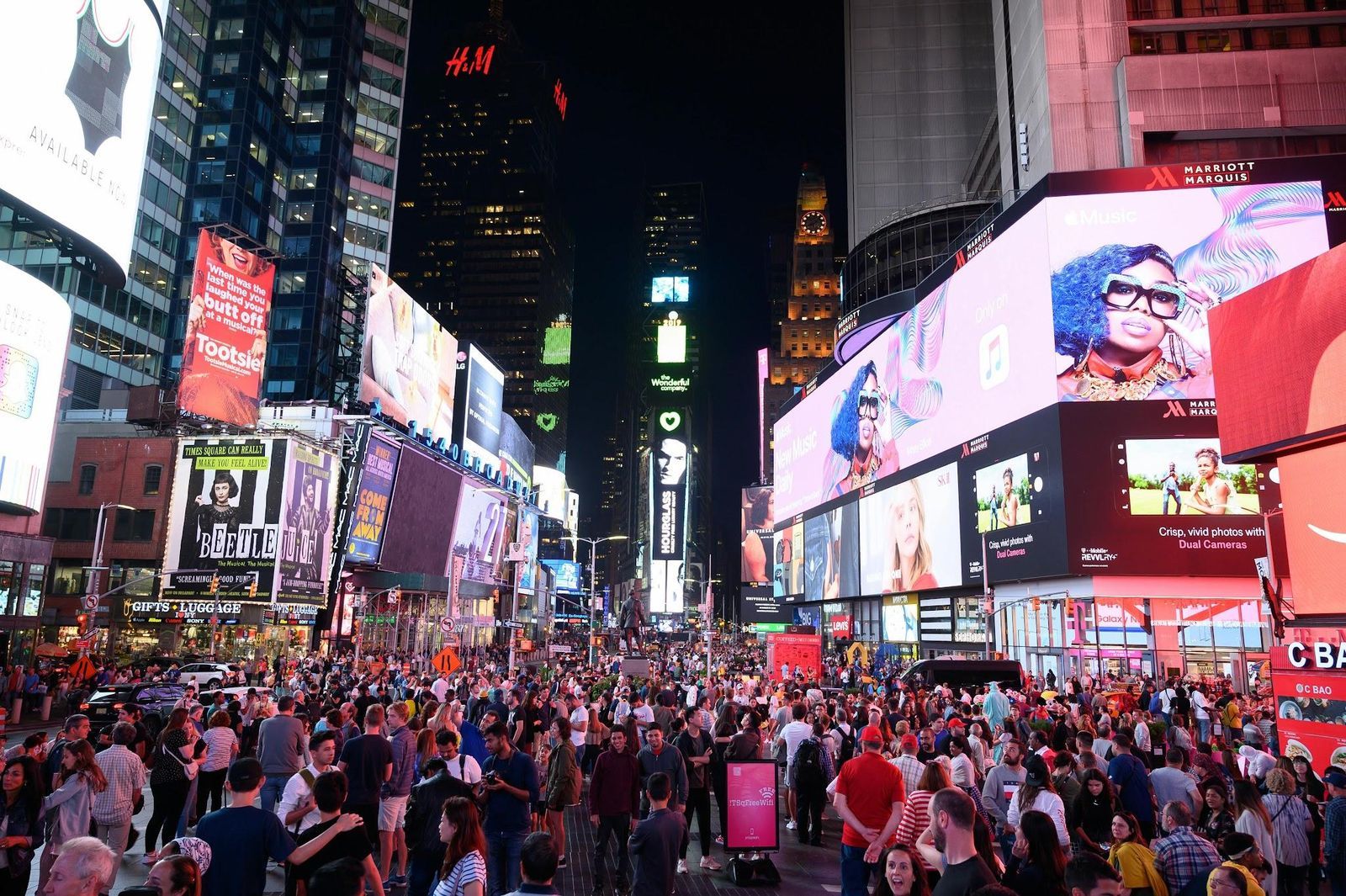
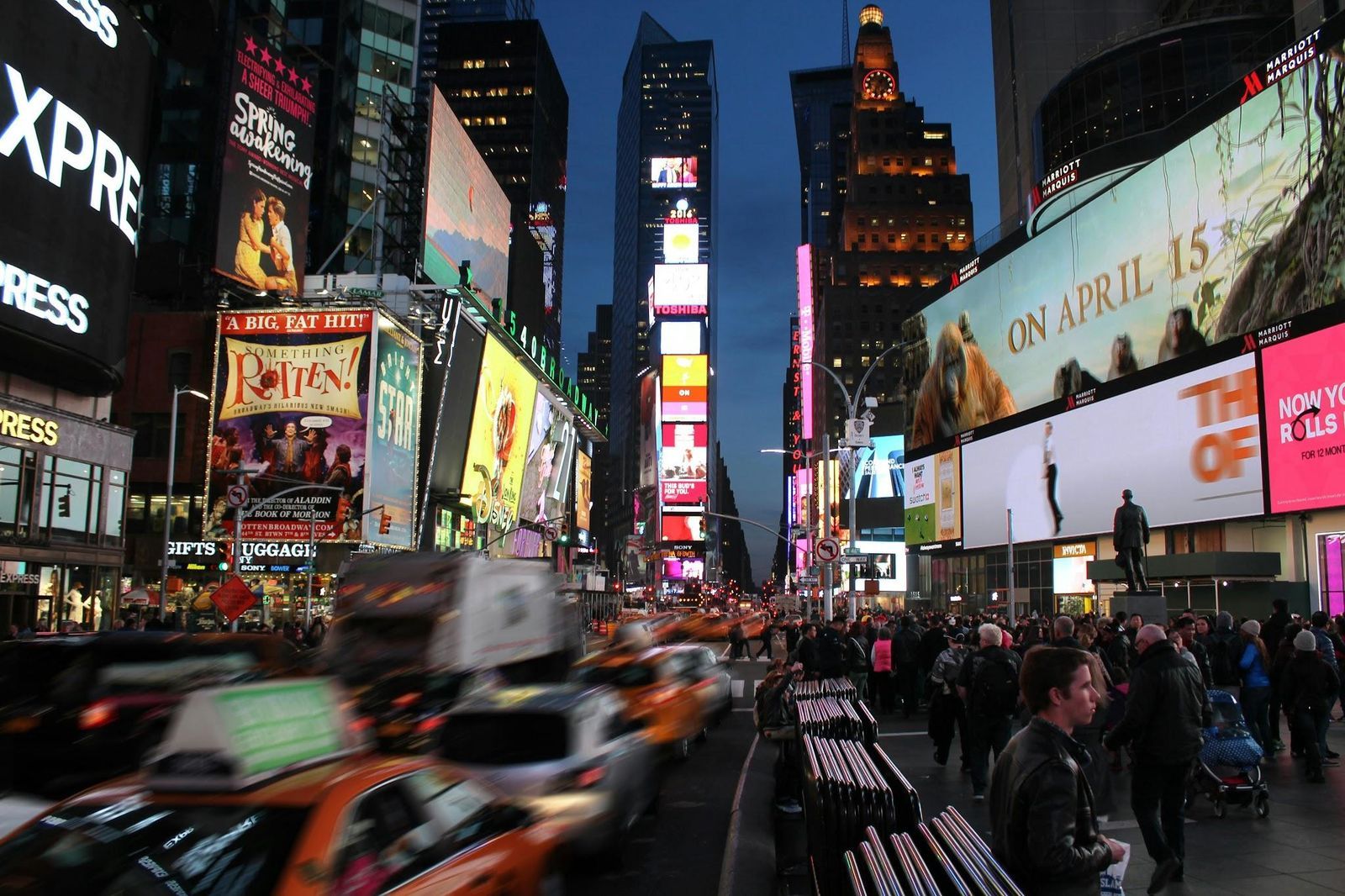
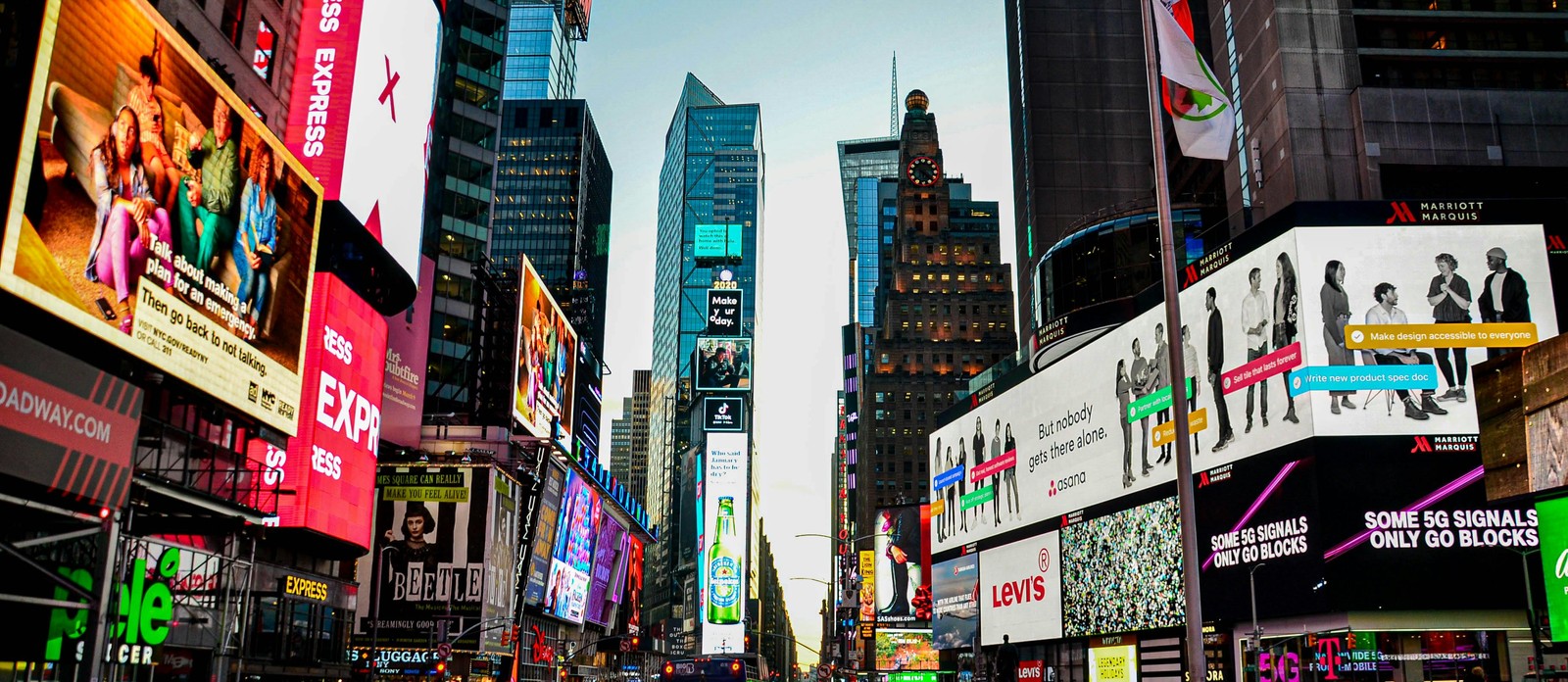
You've seen Times Square on TV a thousand times. You may have even stood there. But there are plenty of secrets about the site that most people don’t know. For example, the building that the world watches every New Year's Eve is almost empty inside. The red stairs everyone poses on are actually a roof. The ball only exists because the city banned fireworks in 1907. And before any of that, the neighborhood was so vice-ridden that locals called it "Satan's Circus." Here are 10 facts about the most visited place in America.

1
The ball drop only exists because the city banned fireworks

Image: Anthony Quintano, CC BY 2.0, via Wikimedia Commons

New Year’s Eve celebrations began in Times Square as early as 1904. That year, New York Times owner Adolph Ochs threw an extravagant fireworks party to christen the paper’s new headquarters.

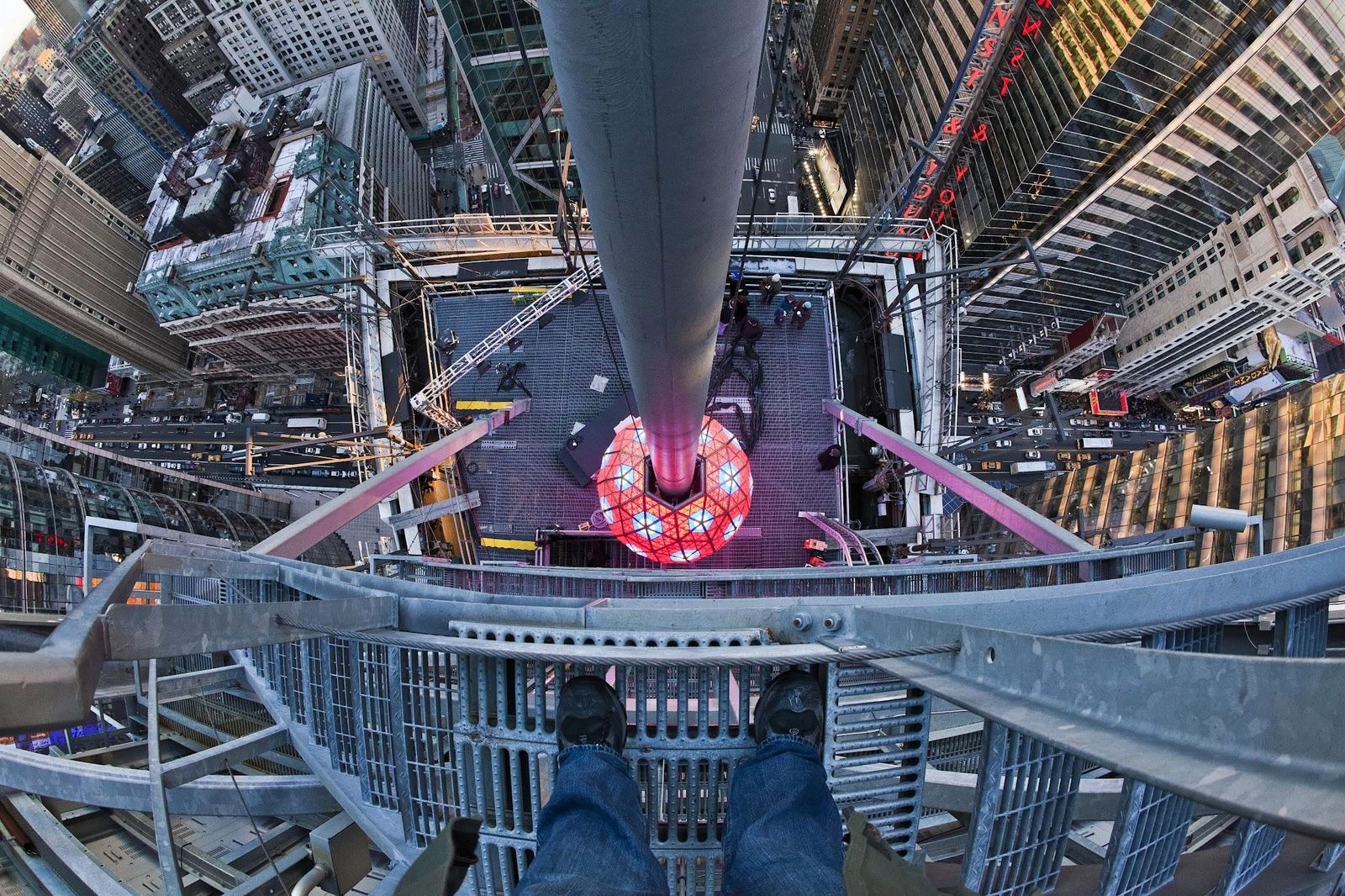
Two years later, the city banned fireworks over fire hazard concerns. Ochs’ chief electrician, Walter Palmer, proposed a "time-ball" to replace the pyrotechnics. This would imitate a navigational device used by ships. So, on December 31, 1907, a 700-pound iron-and-wood ball, five feet in diameter, lit by 100 twenty-five-watt bulbs, made its first descent from the flagpole atop One Times Square.

The tradition has continued every year since, except in the wartime dimouts of 1942 and 1943. Today’s ball is the ninth version and is the largest ever: 12.5 feet wide, weighing 12,350 pounds, and covered in 5,280 handcrafted Waterford crystal discs.

2
It used to be called "Satan’s Circus"

Image: Miscellaneous Items in High Demand, PPOC, Library of Congress, Public domain, via Wikimedia Commons

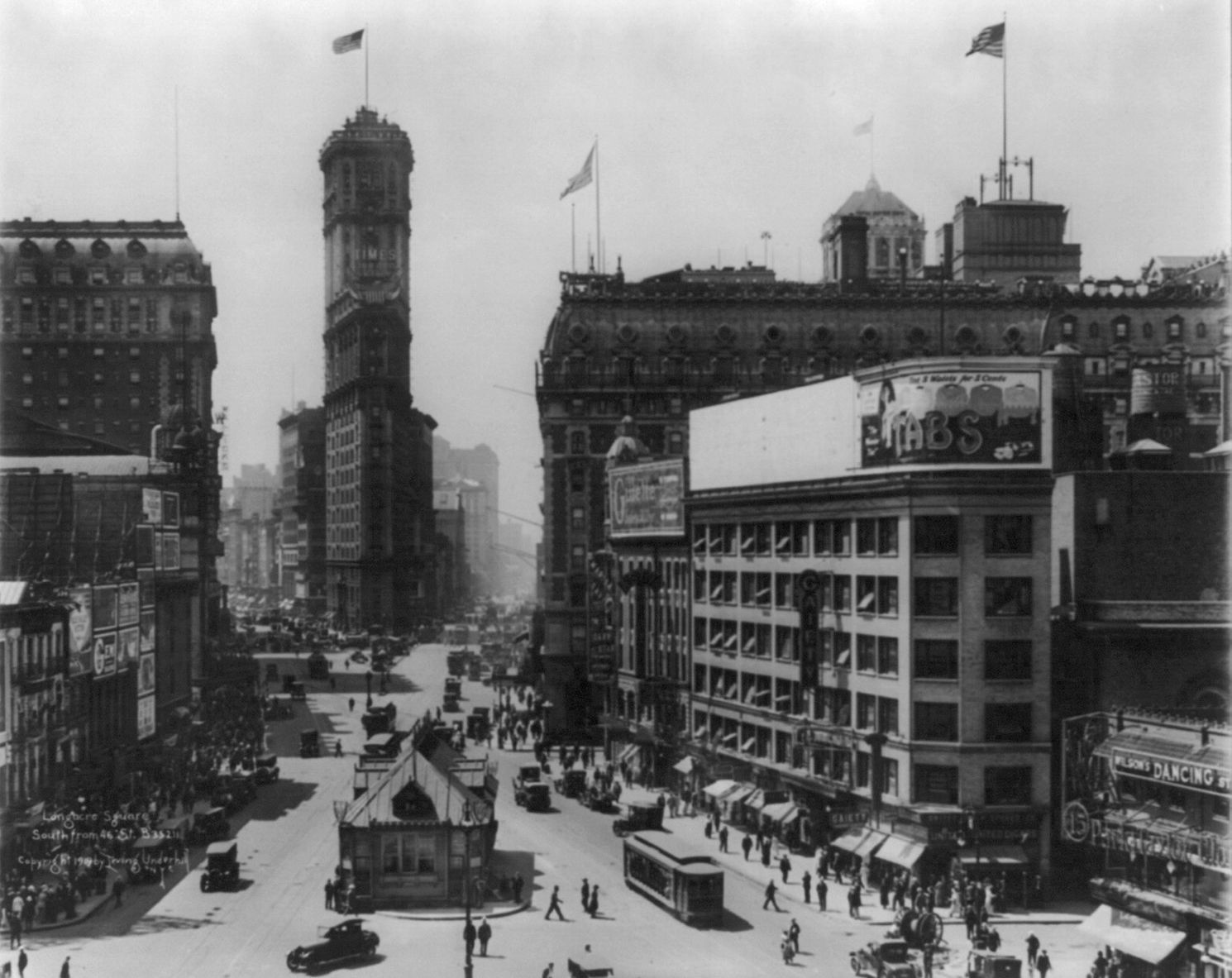
The area was once called Longacre Square, named after London’s carriage district, because the neighborhood was the center of New York City’s horse carriage industry. It was also one of the most vice-ridden corners of Manhattan. In 1901, the surrounding blocks contained 132 brothels and at least as many saloons. Police called the area "the Tenderloin." Locals called it "Satan’s Circus."

The transformation began when the New York Times decided to build its new headquarters there, betting on the city’s first subway line, which was already planned to run beneath the block. In 1904, the area was officially renamed Times Square in a public ceremony. Later that year, the newspaper moved into its gleaming new tower, then the city’s second-tallest building. The Times only stayed there for 9 years before relocating to larger offices on West 43rd Street. But the name it left behind proved permanent.

3
It was once one of the most dangerous blocks in America

Image: Charles A. Pickup

While it lost its "Satan’s Circus" nickname long ago, the tourist-friendly Times Square most visitors know today is almost unrecognizable from what it was just four decades ago. By 1984, more than 2,300 crimes were being committed every year within a single-block radius.

The streets were dominated by drug dealers, street crime, porn and peep show theaters, and open prostitution. The TKTS discount theater ticket booth, opened in 1973, was conceived as an emergency measure, an attempt to pull foot traffic back into a neighborhood that businesses had abandoned. The City of New York and the State of New York, as well as private investors and the non-profit Times Square Alliance, collaborated to reduce the crime rate and welcome the commerce and brands that eventually turned Times Square into a tourist hub.

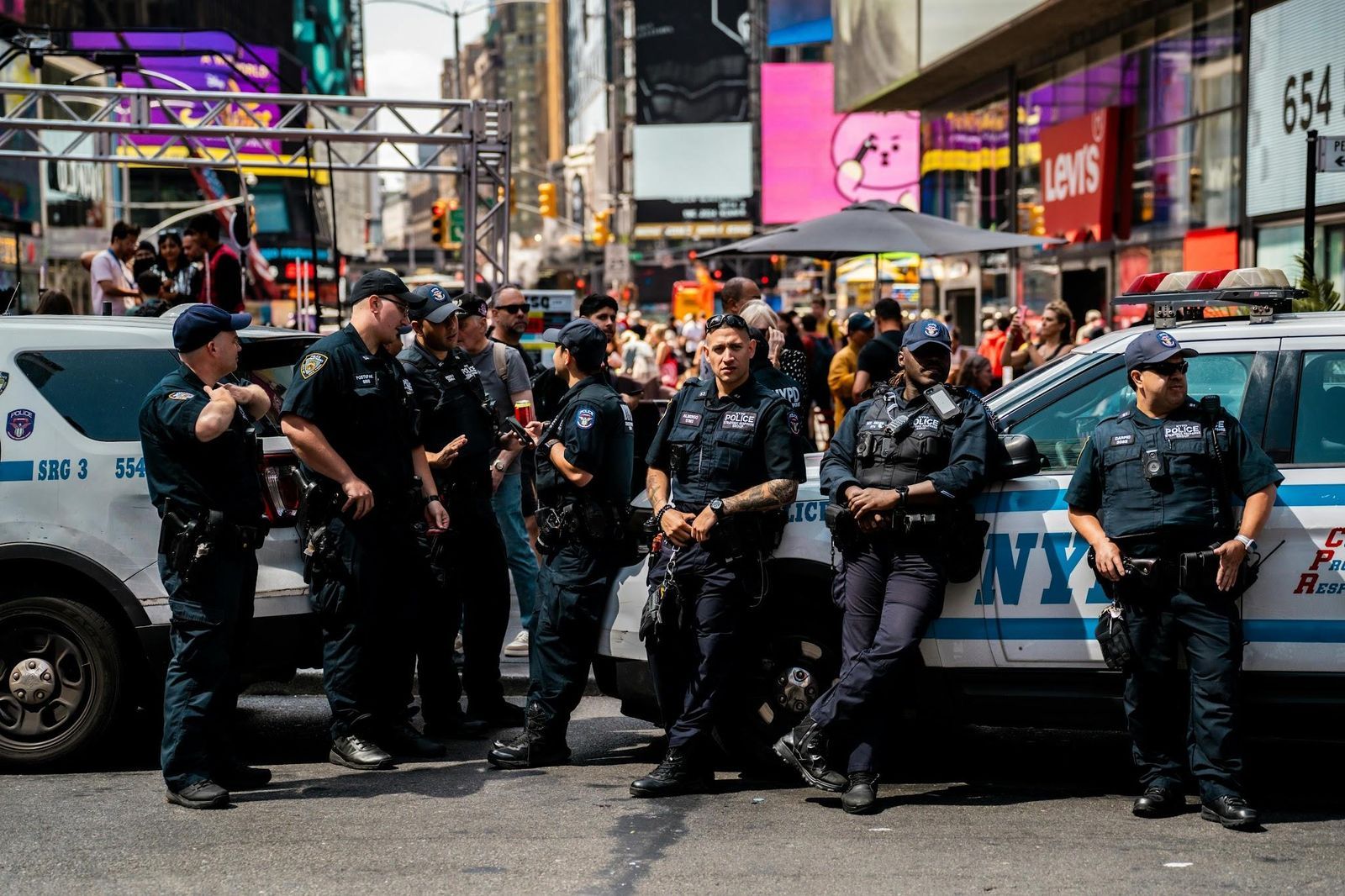
By 2001, major felony offenses had fallen 62.3% from their 1993 peak. Today, Times Square is one of the most policed and most surveilled public spaces in the United States, with a dedicated NYPD substation on the premises. The same block that was America’s most notorious danger zone now draws 50 million visitors a year.

4
The TKTS red stairs are actually a roof

Image: Jim.henderson, Public domain, via Wikimedia Commons

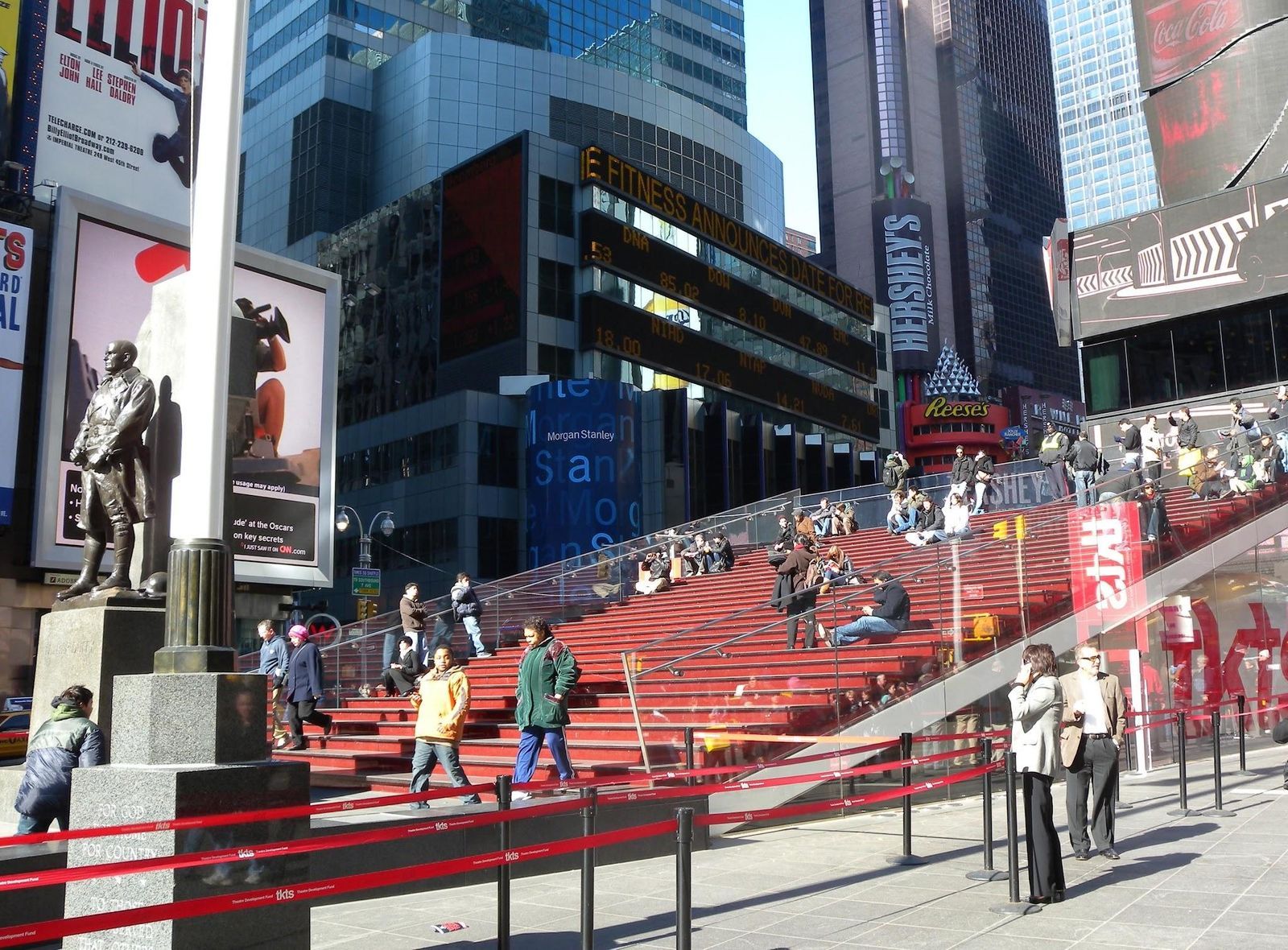
Most of the millions of tourists who climb the famous ruby-red stairs in Times Square assume they’re just a viewing platform. In fact, they’re a roof. Underneath the 27 steps sits the TKTS booth, operated by the Theatre Development Fund, where theatergoers can buy same-day Broadway and off-Broadway tickets at discounts of up to 50%.

In 1999, a design competition was held for a permanent replacement. The winning concept proposed building the new booth’s roof as a public staircase. It would be a bleacher-style ascent that would give visitors an elevated vantage point over the square. The structure was completed in October 2008. It glows red at night because it is lit entirely from below. About 13,000 people walk past it every day.

5
New York City law requires the lights to stay on

Image: Luke Miller

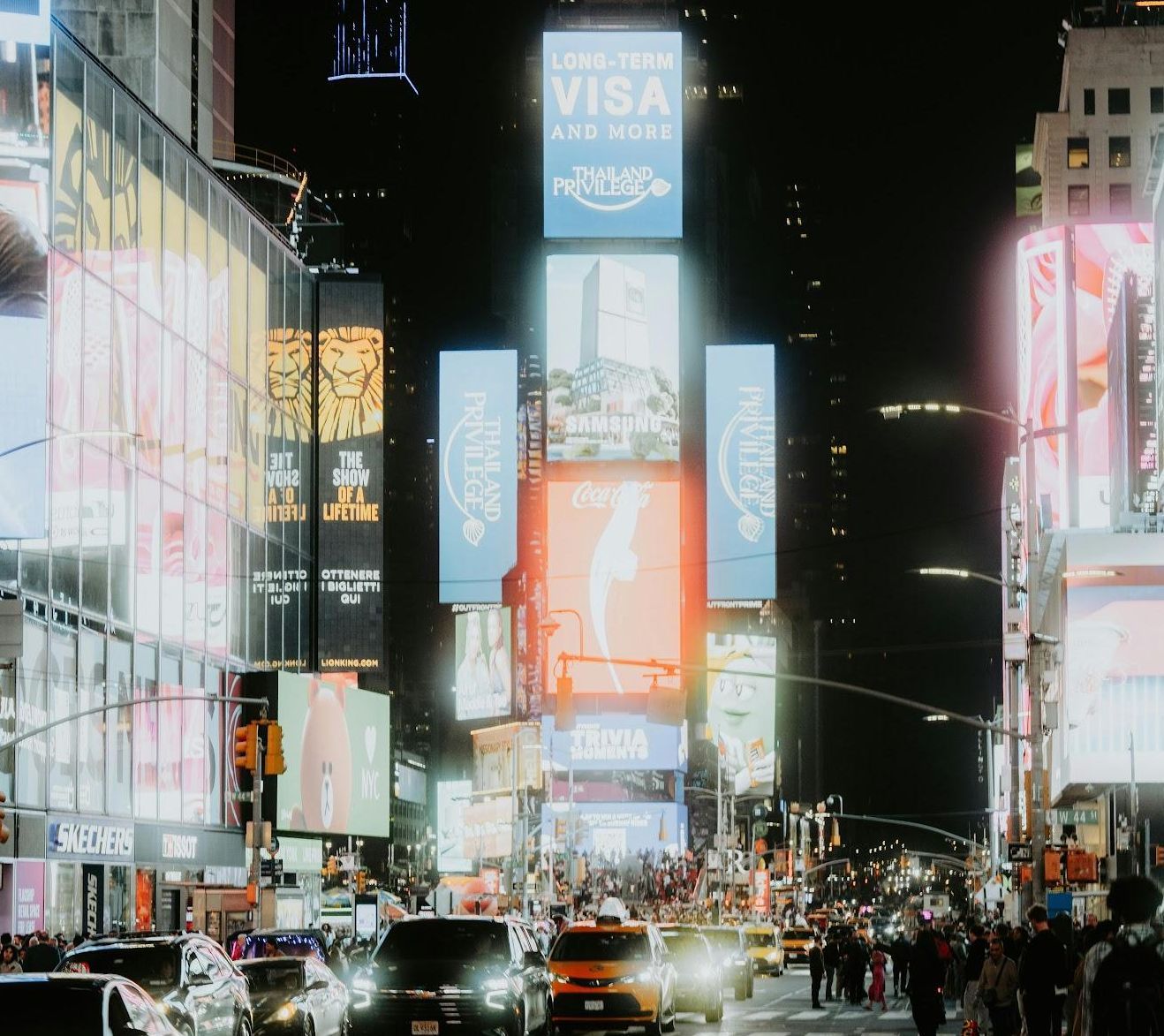
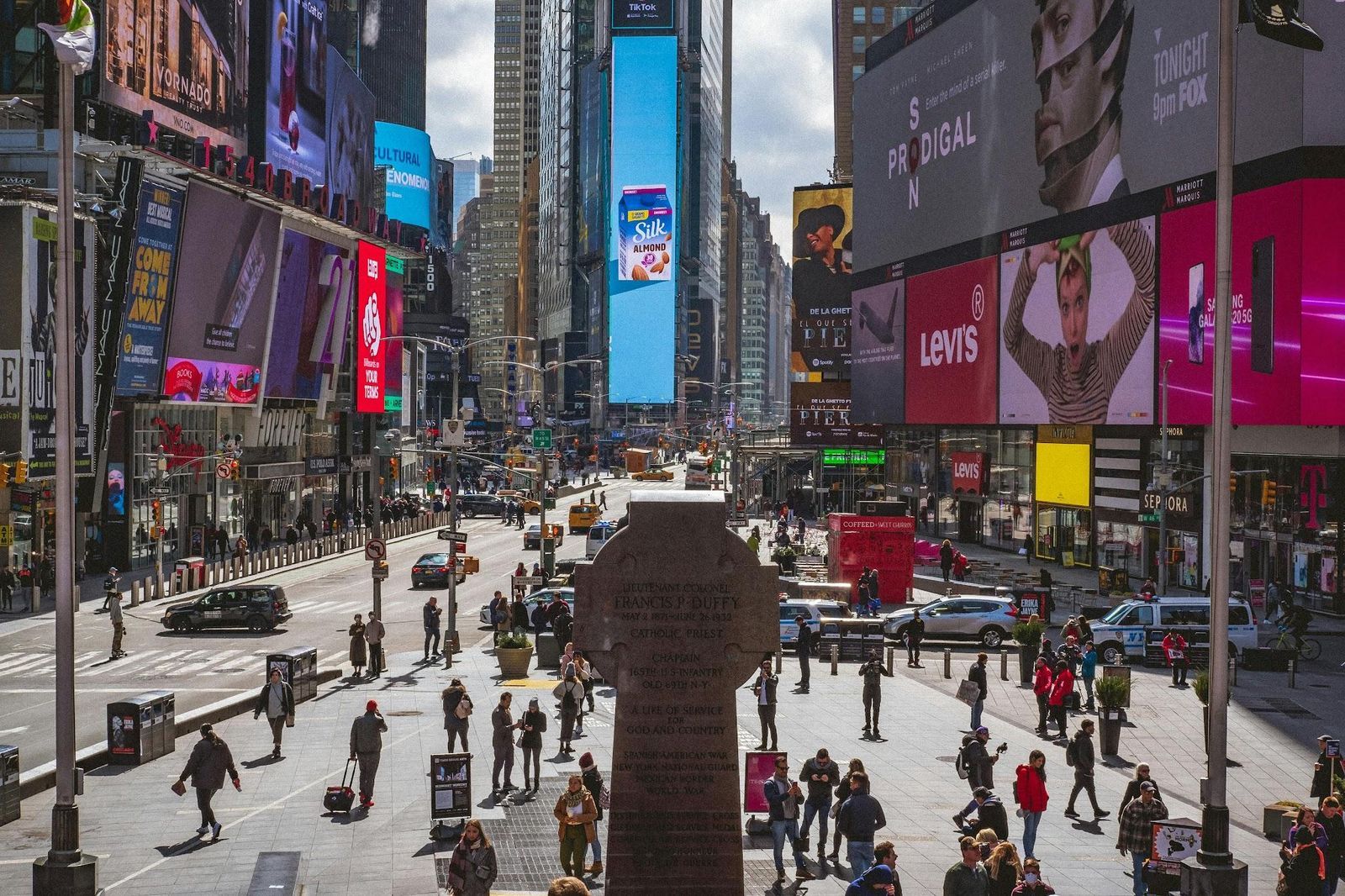
Did you know that Times Square stays aglow by law? A 1987 New York City zoning ordinance requires all new developments and major enlargements on blocks in the area, with frontage on Seventh Avenue or Broadway, to include large-scale illuminated signage.

The regulation was introduced to protect the district’s visual character after years of blank-faced modernist towers had dulled its energy. Buildings are legally required to display a minimum illuminated surface area, and signage must remain lit during designated hours.

6
The most famous building there is almost empty

Image: Quick PS

One Times Square building is famous; the whole world watches the ball drop from it every New Year's Eve. But few people know that it’s all but empty inside. It has no regular office tenants. Its upper floors are largely unused.

When the New York Times vacated in 1913, the building passed through several owners and eventually became what it is today: a structure whose primary economic purpose is its skin. Still, the billboard faces on its exterior generate millions of dollars per year — a single advertising slot can command upwards of $4 million annually. In effect, One Times Square is a 25-story billboard dressed as a skyscraper.

7
50 million people visit every year, more than all Disney Parks combined

Image: Benoit Dujardin

Times Square draws an estimated 50 million visitors annually —more than all Disney theme parks worldwide combined. On a typical day, approximately 330,000 people pass through. On peak days, that number exceeds 460,000.

Its official website notes that more people walk through Times Square each year than live in the entire country of Iceland. Visitor spending totals roughly $4.8 billion per year, and for every dollar a tourist spends anywhere in New York City, approximately 22 cents are spent within Times Square’s few blocks.

After a dip during the pandemic, tourism to New York City has rebounded strongly, with the city welcoming over 65 million visitors in 2025 and projecting 67 million in 2027. Times Square remains the single biggest draw within the city, accounting for a disproportionate share of that spending.

8
It’s not actually a square; it’s two triangles

Image: Cesar Done

Geometrically speaking, Times Square is not a square. It’s more like a bowtie; two elongated triangles formed where Broadway, a diagonal road that predates the Manhattan street grid by centuries, cuts across Seventh Avenue.

The city’s famous grid was laid out by the Commissioners’ Plan of 1811. Broadway, an ancient Indigenous trade route that became a colonial road, was already there and simply too important to straighten. Every point where it crosses a major avenue creates an irregular intersection, and Times Square is the most famous of them.

9
It has witnessed incredible moments in American history

Image: Victor Jorgensen, Public domain, via Wikimedia Commons

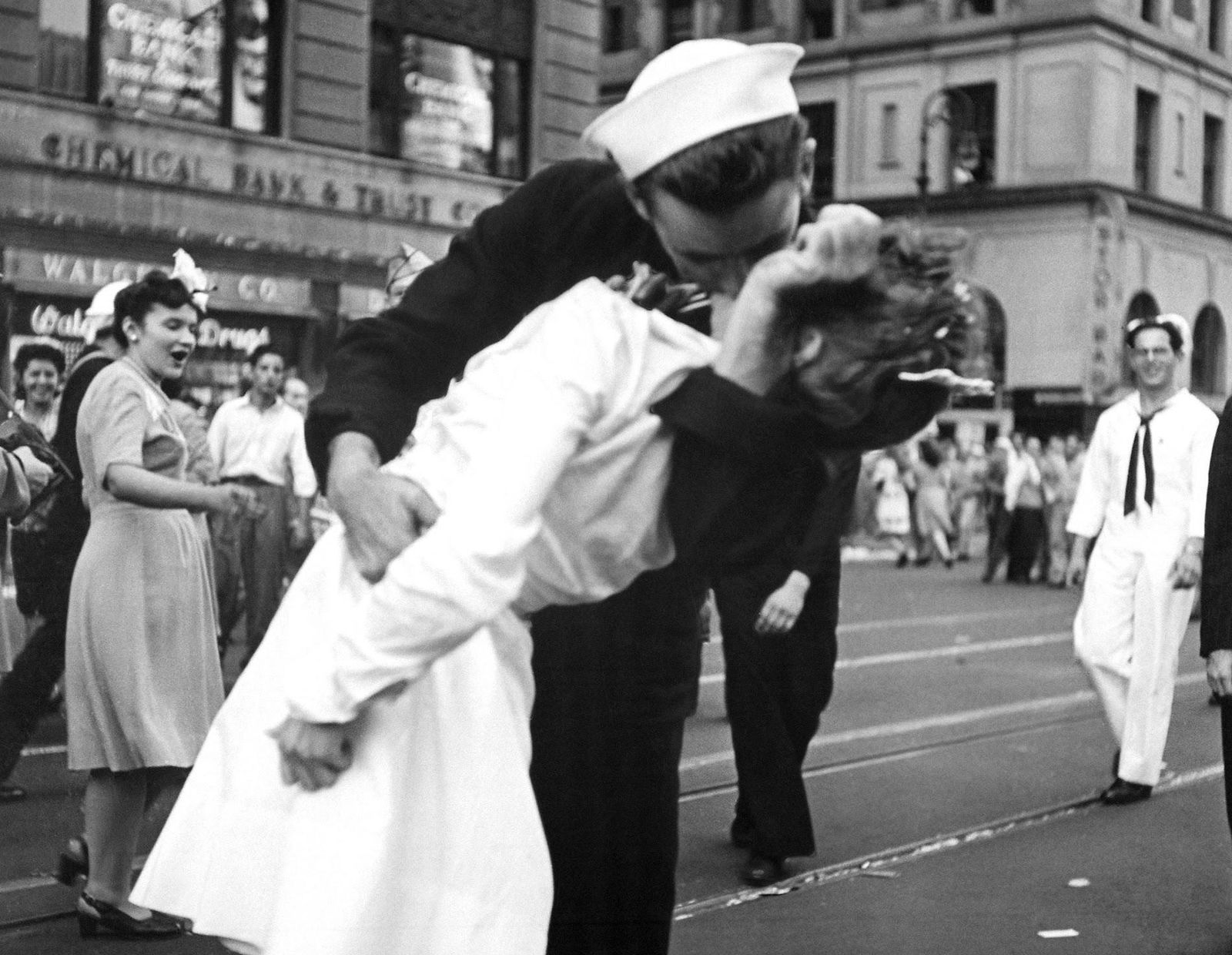
Times Square has functioned, again and again, as the place where Americans gather when history breaks. On May 8, 1945, a.k.a. V-E Day, crowds flooded the streets to celebrate the end of the war in Europe. Three months later, on August 14, 1945, a.k.a. V-J Day, the moment Japan’s surrender was announced, ending World War II entirely, the square erupted again.

Life magazine photographer Alfred Eisenstaedt was in the crowd and photographed a sailor spontaneously grabbing a nurse in white uniform and kissing her, an image published in the magazine. Also, on December 31, 1999, the world watched Times Square’s ball drop as the year 2000 arrived and Y2K fears proved unfounded.

10
Buildings are required by law to display bright signage

Image: Owen Barker

The exterior of a Times Square building generates more revenue per square foot than almost any interior use could. Running a single billboard requires no HVAC, no tenant improvements, no elevator maintenance, no building management. It requires a screen and electricity. The result is a district where the most valuable real estate in America is literally the surface of things.

Building owners sometimes spend tens of millions of dollars on facade renovations not to improve the building but to improve the view of the building.

General General 4 min read

Put the pedal to the metal

Mustang, Firebird, and more: 10 classic American cars!

Image: cozmicphotos

It shouldn’t come as a surprise that America loves cars : Our country is synonymous with the freedom to hit the road and drive wherever the wind takes us. In that sense, America has produced its fair share of amazing cars that have transcended their status as mere machines to become full-fledged cultural icons. With that in mind, we have selected 10 American cars that truly defined their respective times, with the hopes of being able to pay homage to all these incredible vehicles. Enjoy!

1
Ford Model T

Image: Matthew Lancaster

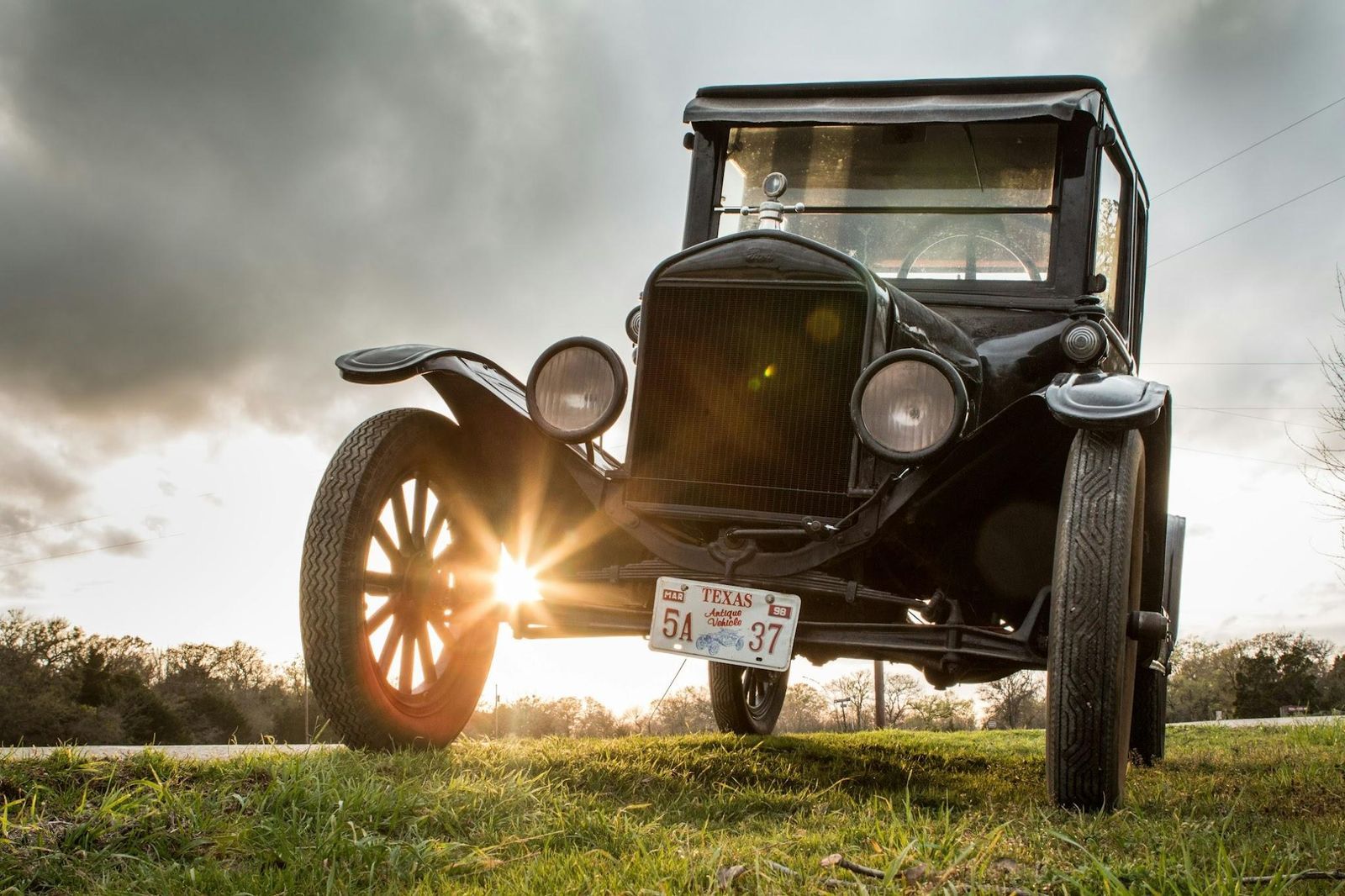
We’ll begin this article with the car that started it all. The Model T is considered by historians to be the very first mass-produced and affordable car, thanks to Henry Ford’s incredible innovation with the introduction of the assembly line. In the 1999 "Car of the Century" competition, the Ford Model T was named the most influential car of the 20th century, and with good reason: the creation of this groundbreaking vehicle is considered one of the most revolutionary events in the past few centuries.

2
Ford Mustang

Image: Joey Banks

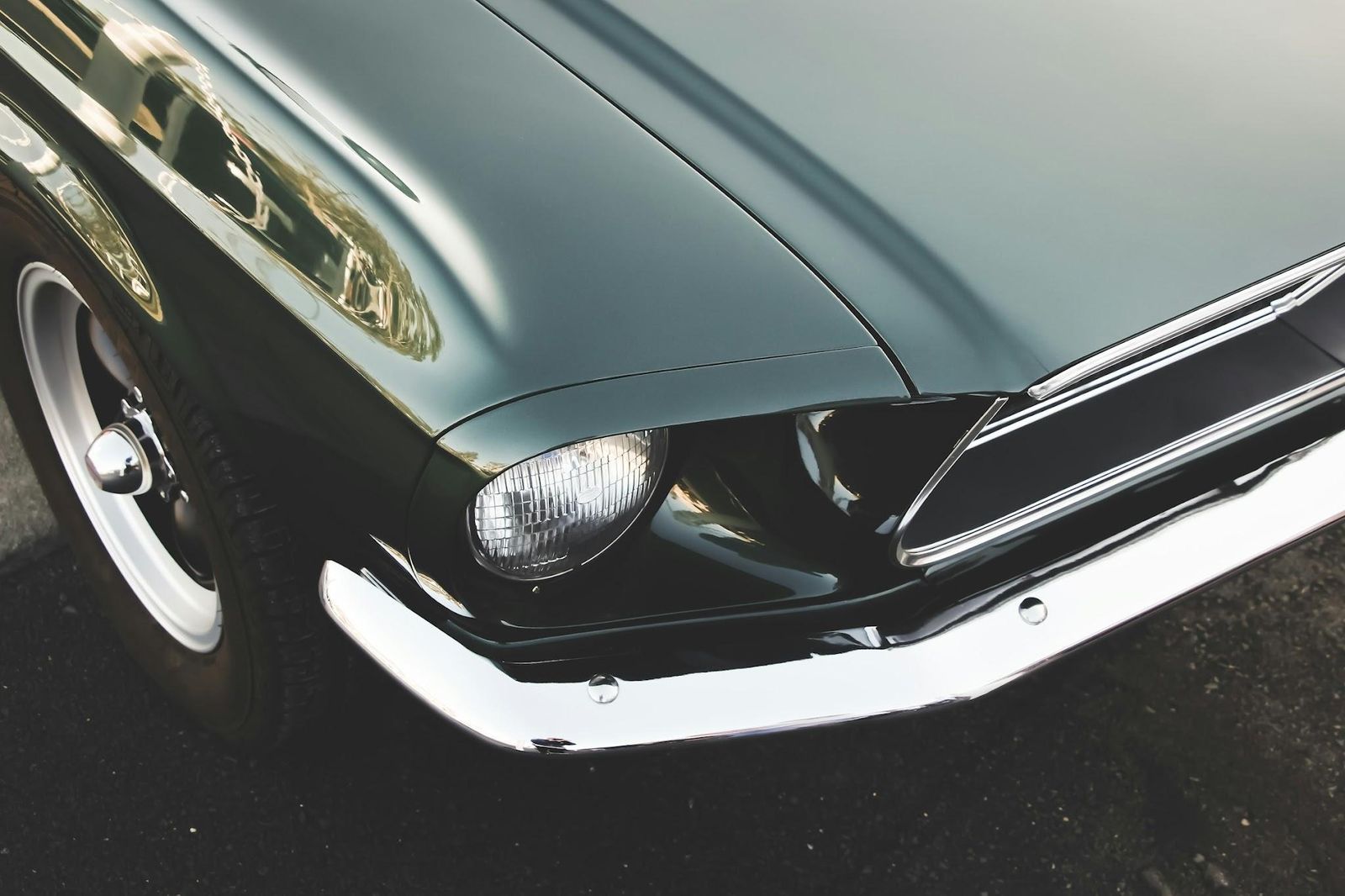
The Mustang has been Ford’s most famous vehicle since 1964, with new series and models coming up to this day. Just like its name suggests, the Mustang is what is known as a "pony car": Affordable, compact, and, above all, highly styled. However, at the time of its launch, the Mustang was also synonymous with speed, debuting as a safety car in the 1964 Indianapolis 500. Not only that, it won the 1964 Tour de France international rally.

3
Chevrolet Corvette

Image: Deepthi Clicks

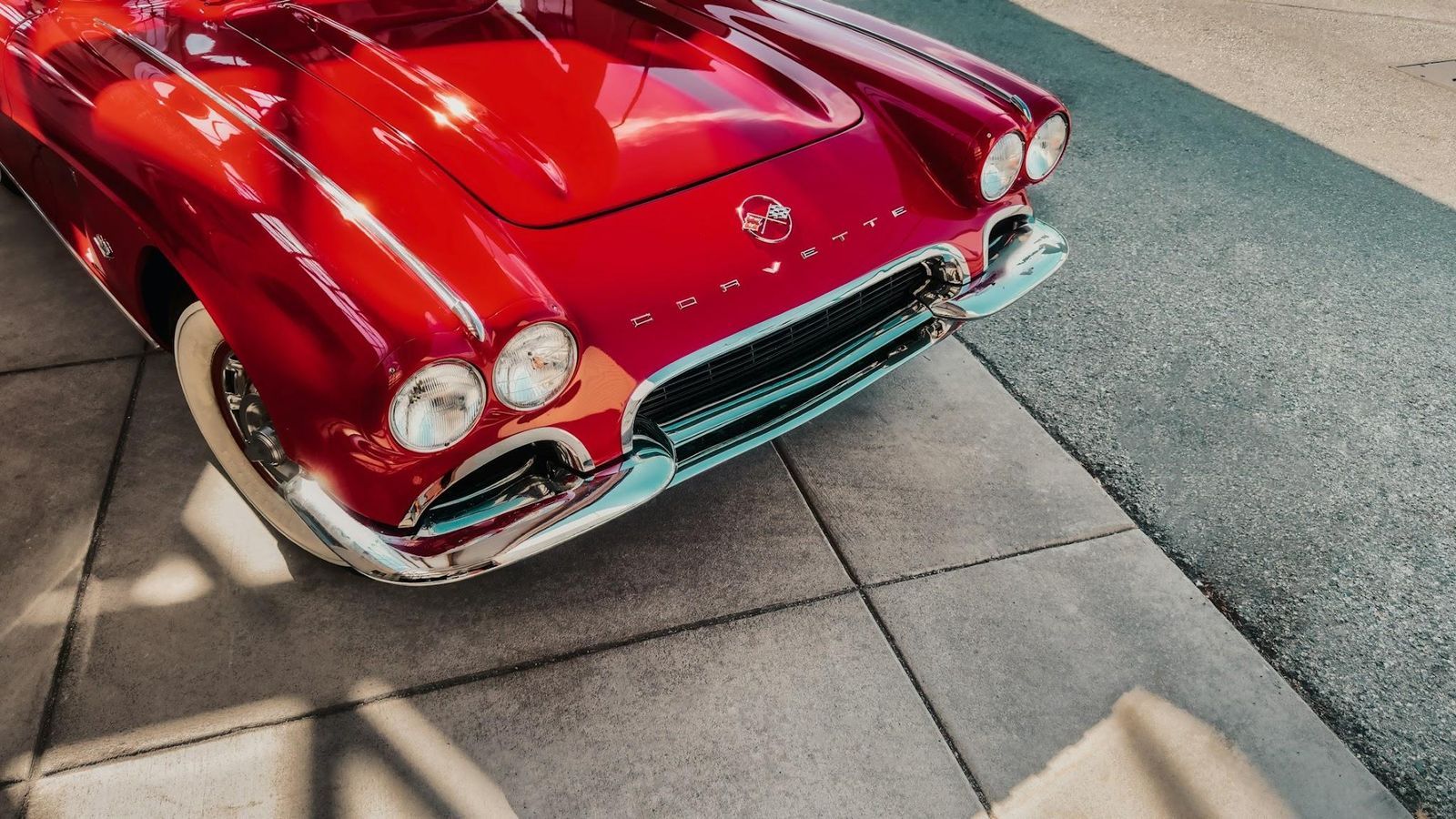
Few sports cars are as iconic and instantly recognizable as the Corvette. First introduced in 1953, the Corvette is still manufactured to this day, with its latest generation introduced in 2020. Experts recognize this car for its stylish design, excellent performance, and competitive pricing. These qualities have turned the Corvette into an undisputed American icon.

4
Cadillac ElDorado

Image: Evgeni Adutskevich

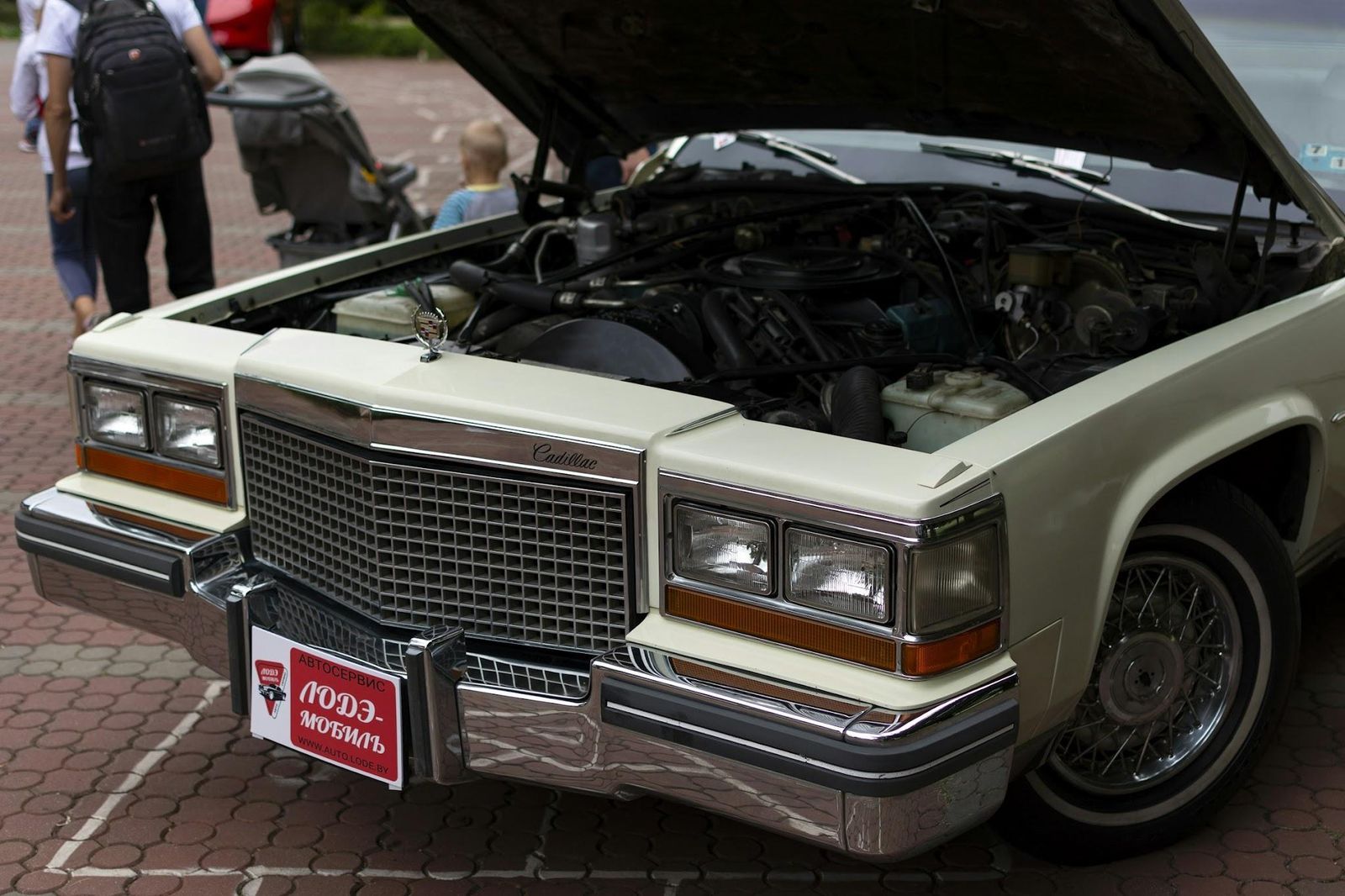
In the 1950s, when it came time for Cadillac to name their new luxury car model, they naturally chose to name it after the mythical city of "El Dorado." After all, what can be more luxurious than a legendary Colombian city made entirely of gold? The Eldorado was created to celebrate Cadillac’s "golden" anniversary, but it quickly became this manufacturer’s most popular vehicle, produced for over 50 years until 2002.

5
Jeep Wrangler

Image: Thomas Tucker

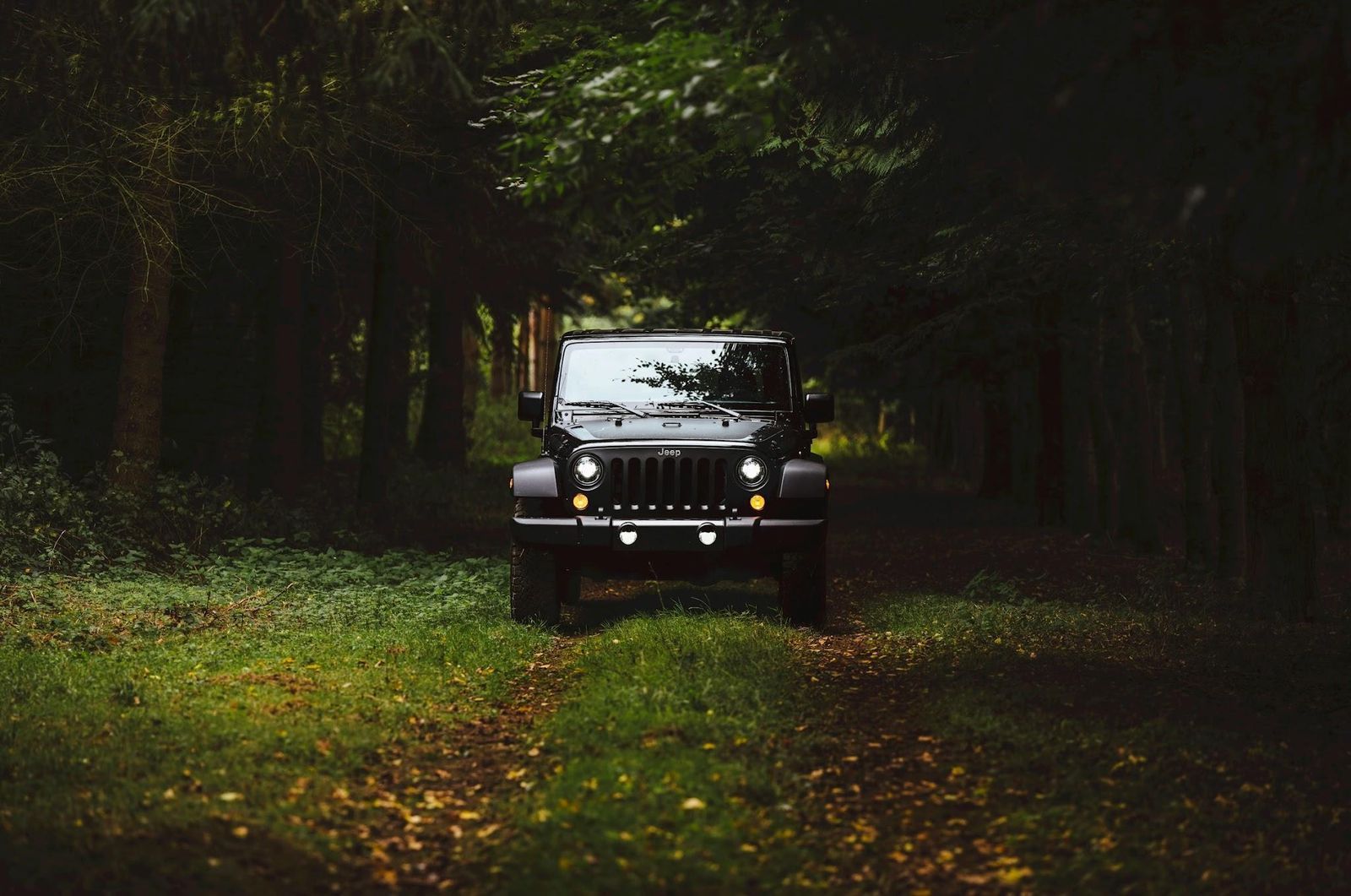
During WWII, the U.S. Army introduced the Willys MB, an off-road vehicle also known as the "Jeep." By the end of the war, a civilian-friendly model of the Jeep, known as the "CJ-1", was introduced to the American public with great success. Cut to 40 years later, in 1986, when Jeep introduced its now-iconic Wrangler. Its maneuverability and power were (and still are) only comparable to its comfort and style.

6
Pontiac Firebird

Image: Reinhart Julian

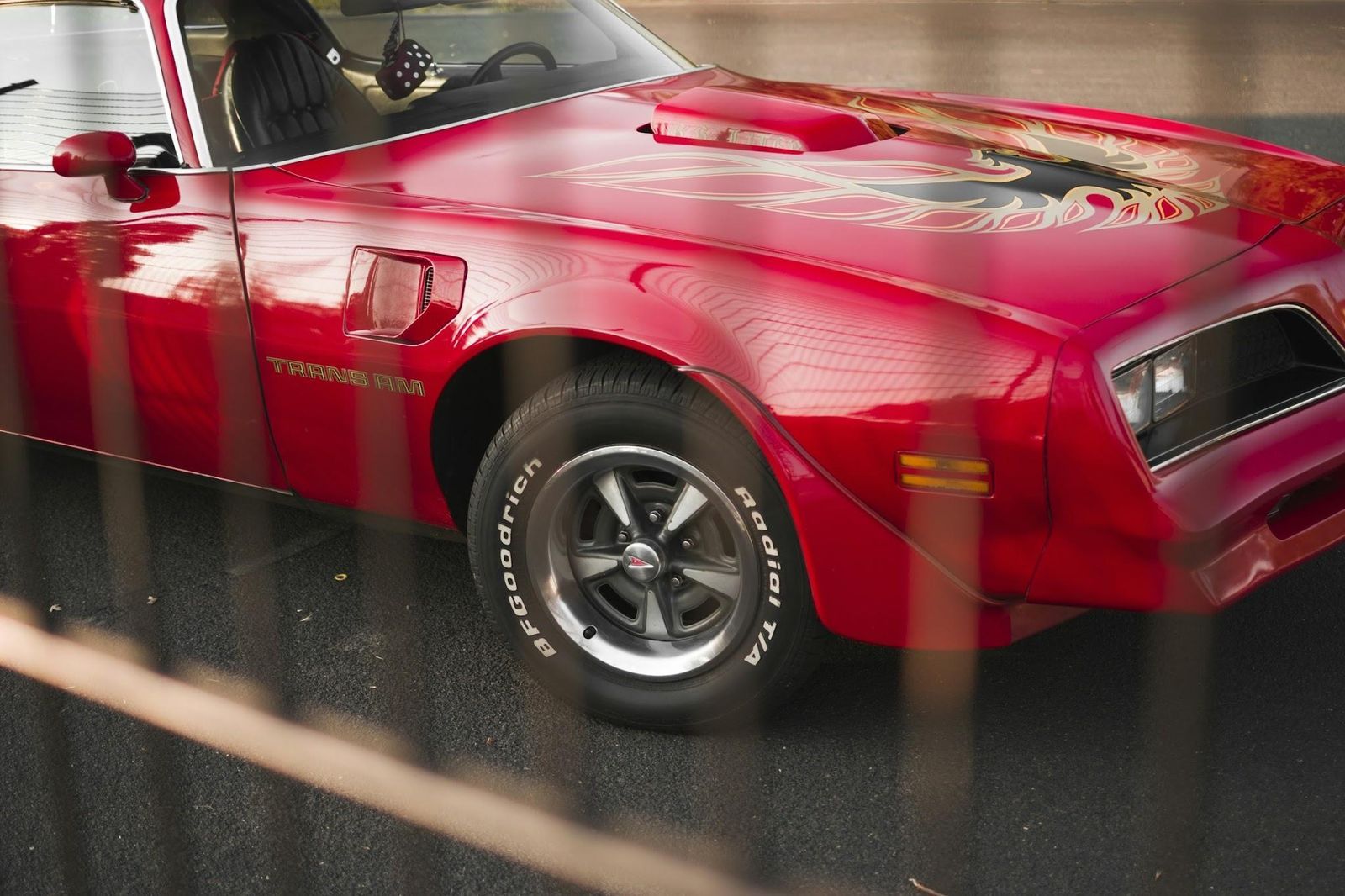
Whenever you see Pontiac’s black and golden phoenix in the hood of a car, you know you are in the presence of one of the most iconic American cars in history. Produced from 1967 to 2002, the Pontiac Firebird was first created as a "pony car" to compete with the Ford Mustang. With 4 different models, the Firebird is definitively synonymous with speed, performance, and, above all, style.

7
Oldsmobile 88

Image: Lisa Bresler

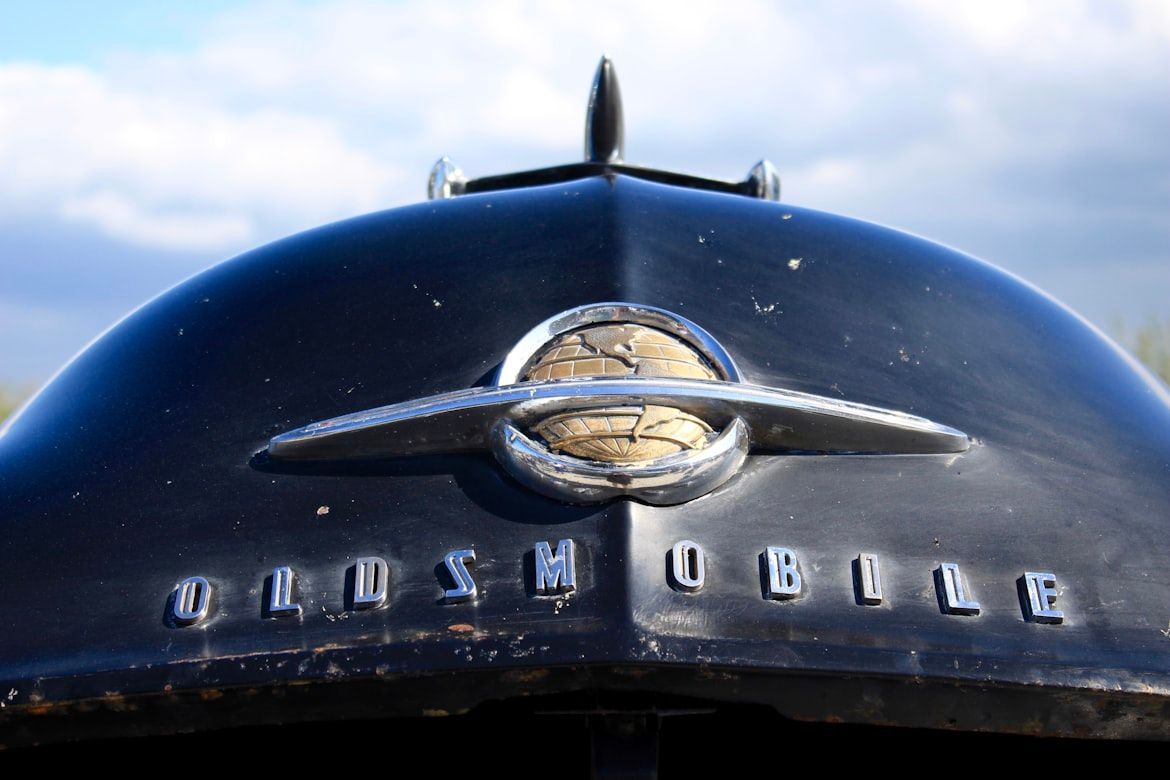
The Oldsmobile 88 is this manufacturer’s best-selling and most famous vehicle, and with good reason. Since its introduction in the 1950s, this full-size car was extremely popular for its lightweight and powerful V8 engine. Not only that, many experts believe that its large and high-performance engine made the 88 the very first muscle car in history.

8
Dodge Charger

Image: Cook aynne

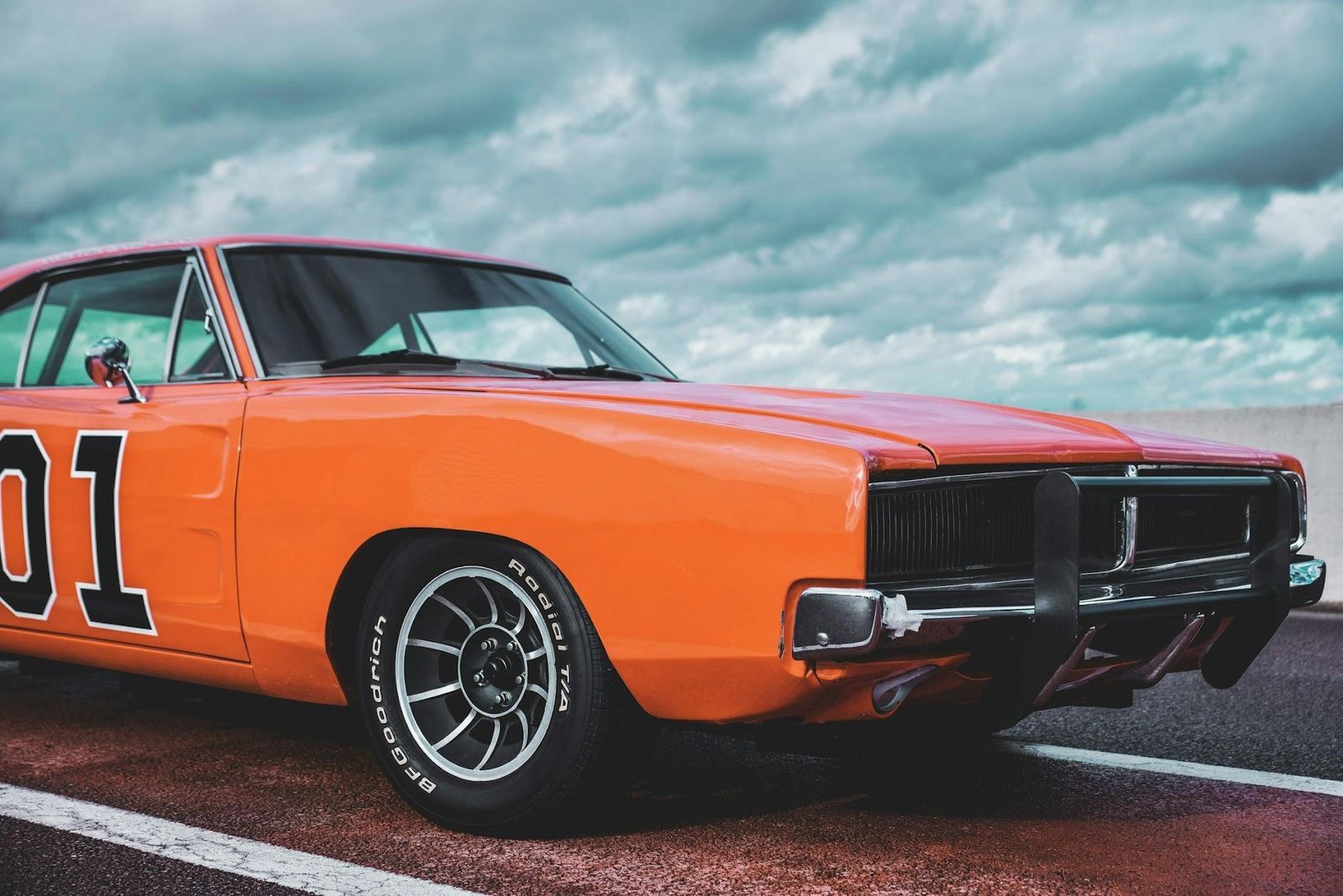
In the late 70s, a now-legendary show called "The Dukes of Hazzard" introduced the world to "them Duke Boys," two cousins who engaged in high-adrenaline adventures through rural Georgia in their trusted Dodge Charger named "General Lee." The popularity of this show made the Charger familiar to America since the high-speed chases showcased by the show allowed the public to see firsthand all the perks the Charger had to offer.

9
Volkswagen Microbus

Image: Ian Usher

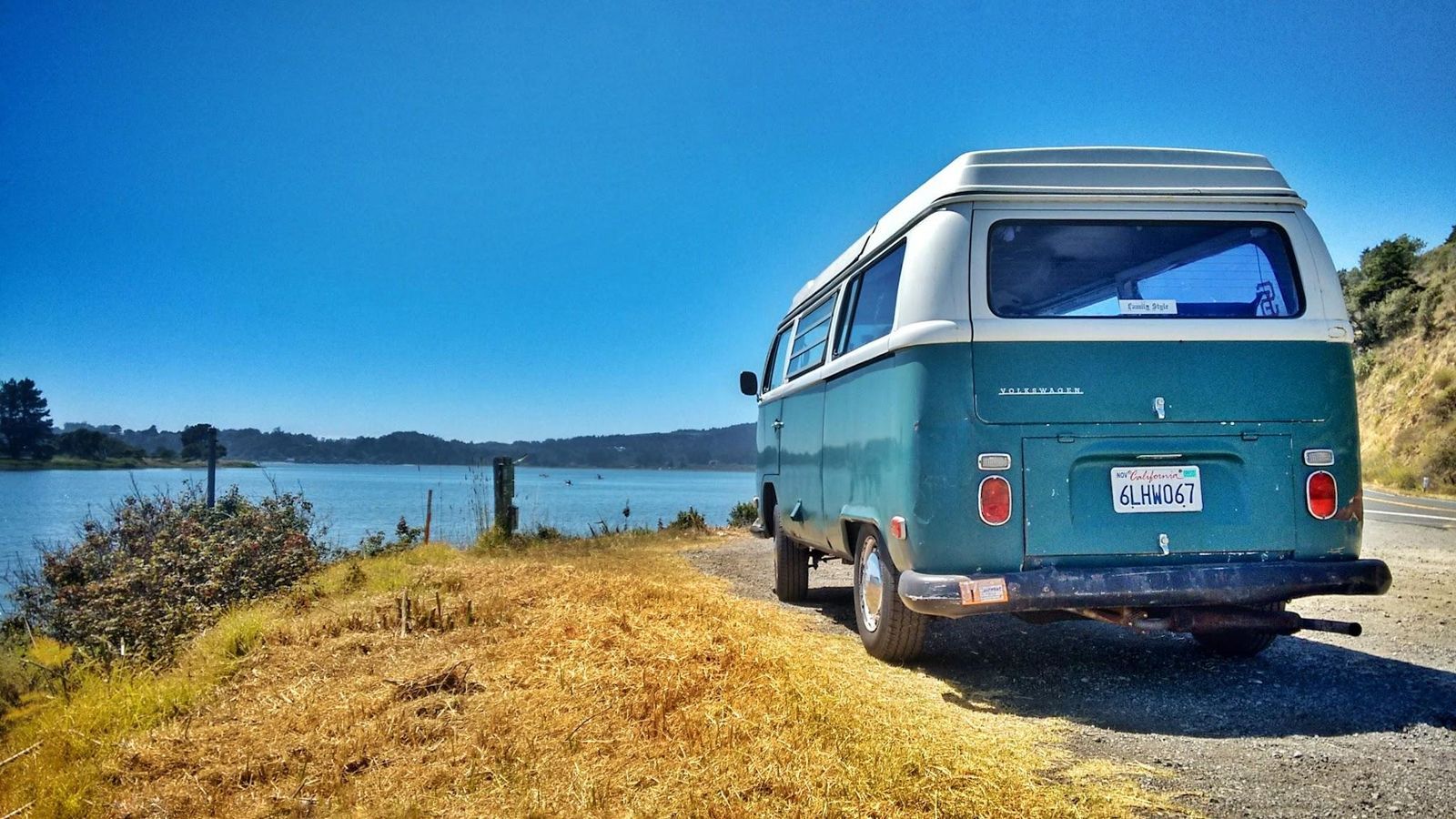
So far, we’ve been focusing on cars known for their speed or power, but what about comfort? This isn’t to say that the vehicles we’ve mentioned before are not comfortable, but this entry is known as the go-to car for those seeking to explore the gorgeous landscapes of our country. Since Volkswagen is a German manufacturer, the Microbus is not technically an American car, but let’s be honest: This car has been synonymous with American road trips since its inception.

10
Lincoln Continental

Image: Marty Maguire

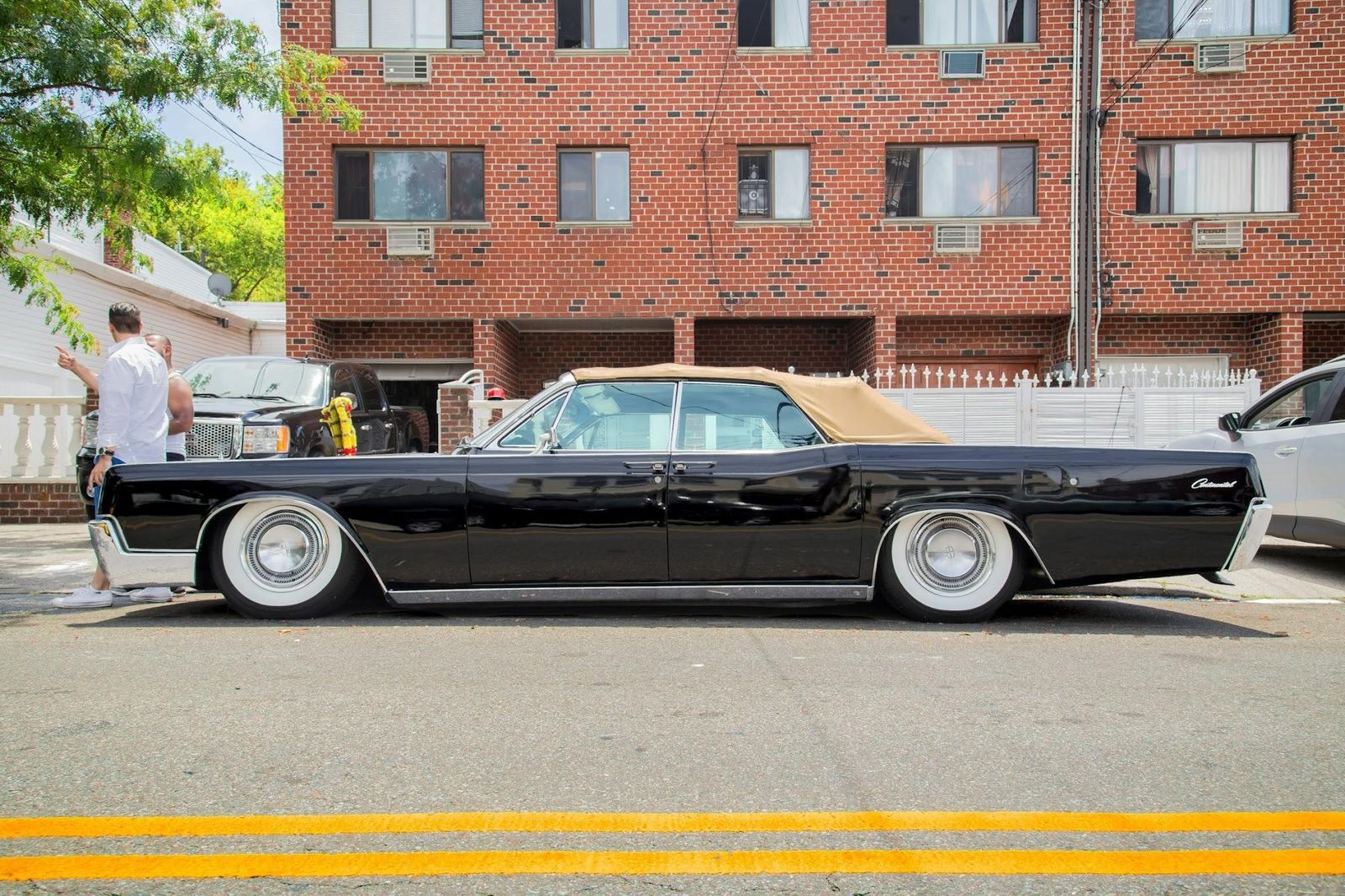
In the early 40s, Edsel Ford, son of legendary industrialist Henry Ford, commissioned the construction of a comfortable luxury personal vehicle. The result was the Lincoln Continental , which quickly evolved from that sole prototype into one of the most iconic American cars in history. The name comes from the car’s European "continental" styling elements, like a modern design and a rear-mounted spare tire.

Explore more American facts

Choose your favorite category!

General
General

As American as apple pie—the very best America has to offer!

Culture
Culture

Delve into the astounding richness of American lore.

Geography
Geography

Hop in and explore vast and diverse American landscapes.

History
History

Discover the key moments that shaped the United States.