Culture Culture 8 min read

Iconic fails

Fired, broke, rejected: The secret past of America's most beloved icons

Image: Uuganbayar

Being told "no" can sting at any age, especially after putting time, money, or pride into something. But some of America’s most familiar names heard it over and over. Thomas Edison was dismissed as a poor student, Elvis was reportedly told to return to truck driving, and Stephen King nearly threw his first best-seller away. Their stories get even more surprising from there. Here are 10 Americans whose biggest setbacks were simply the first step towards success.

1
Abraham Lincoln
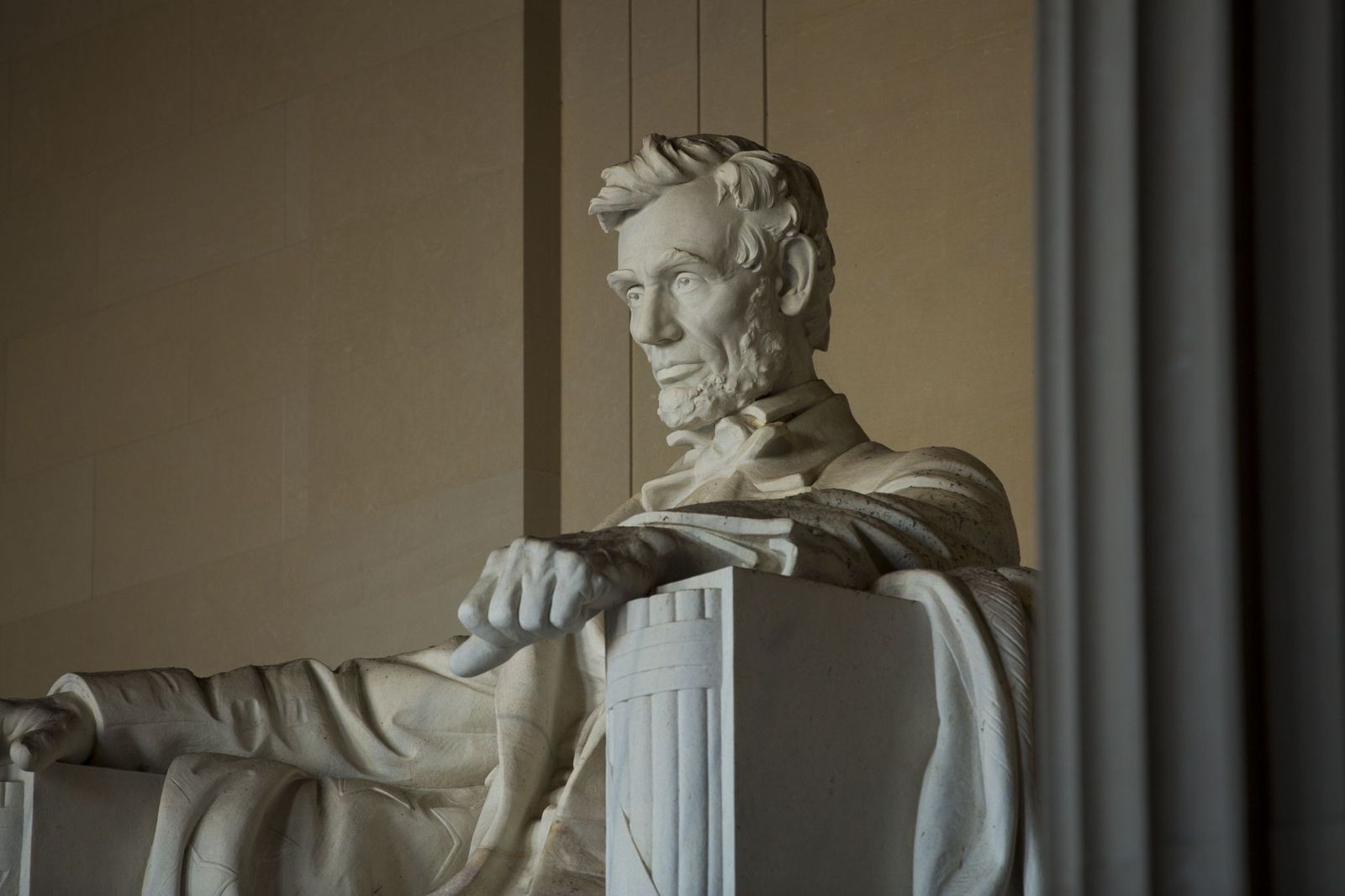
Image: Hermosa_Chris

Political life usually comes with a few disappointing election nights. Long before he was memorialized on Mount Rushmore, Abraham Lincoln spent decades collecting setbacks.

He went into business with a partner in Illinois in 1833 by purchasing a general store. Known as the Berry and Lincoln store, the enterprise failed due to poor sales, leaving him in debt for years. He ran for the state legislature and lost. He served in the Illinois militia during the Black Hawk War in 1832 and was demoted from captain to private. Over the following years, he ran for office again and again, including two unsuccessful bids for the U.S. Senate, and lost most of them. Regardless of that, he kept showing up, and in 1860, he won the presidency and went on to guide the country through the Civil War and end slavery. Friends who knew him in his Illinois years later said what stood out most wasn’t his brilliance, but how he never let defeat be the last word.

2
Elvis Presley
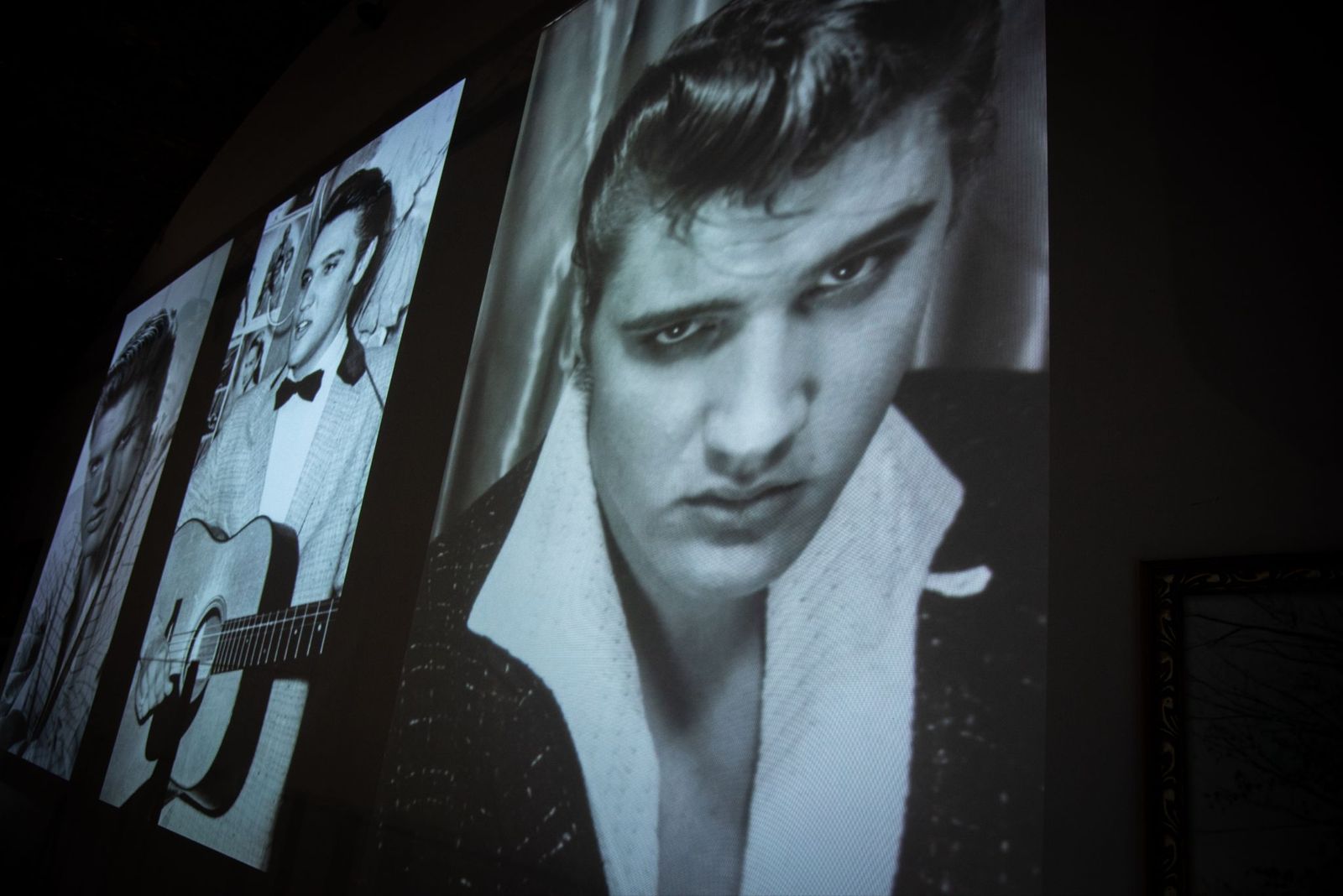
Image: Loredana Sangiuliano

Picture a then-unknown Elvis Presley in 1954, long before the jumpsuits, sold-out arenas, and screaming fans. He was only 19 and still trying to figure out where his unusual blend of country, blues, and rhythm and blues belonged.

Elvis had just released his first single and was invited to perform at the Grand Ole Opry in Nashville, a stage that represented the pinnacle of country music. He sang a rockabilly-tinged version of "Blue Moon of Kentucky," and the traditional Opry crowd, expecting straight bluegrass, gave him little more than polite applause. According to Opry lore, talent director Jim Denny told him afterward that he wasn’t going to make it as a singer and should go back to driving a truck. Elvis was so shaken that he reportedly cried the whole drive home to Memphis. He never performed at the Opry again. But two years later, "Heartbreak Hotel" hit number one, and Elvis Presley became one of the best-selling solo music artists in history, forever known as the King of Rock and Roll.

3
Thomas Edison
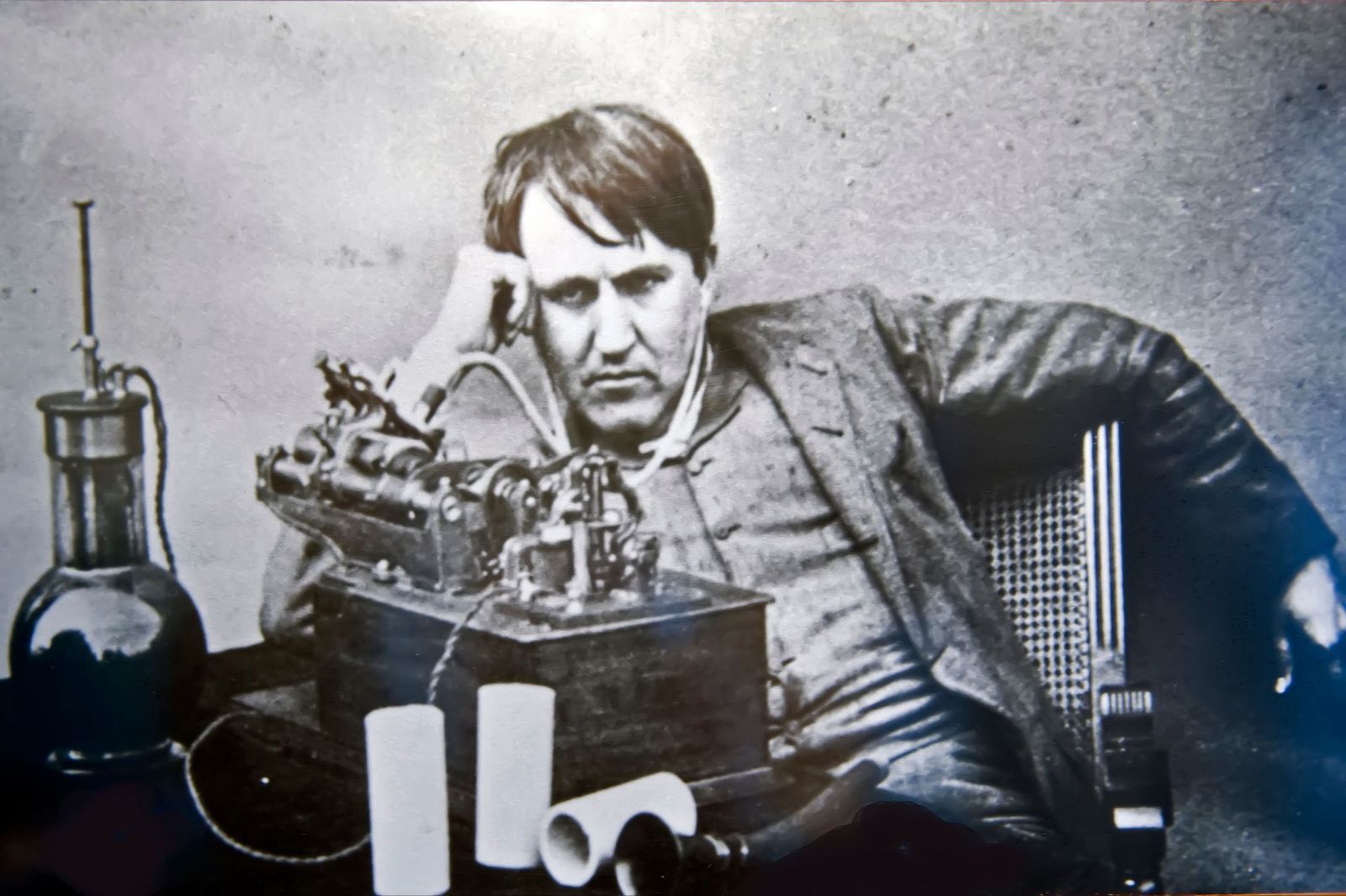
Image: Dennis MacDonald

Thomas Edison struggled in the classroom. By the age of 12, he was partially deaf and easily distracted , and after only three months, in 1854, Nancy Edison, his mother, took charge of his education at home after a teacher sent him home with a note calling him "too difficult to teach." Much of his learning came at home through reading, experimenting, and satisfying his endless curiosity. As a young man, he also had trouble finding the right fit in the working world. Popular accounts say he was fired from two jobs because employers considered him unproductive. None of that matched what came next: Edison became an extraordinarily prolific inventor and eventually held 1,093 U.S. patents. His work included the phonograph, improvements to electric lighting, and motion-picture technology.

4
Lucille Ball
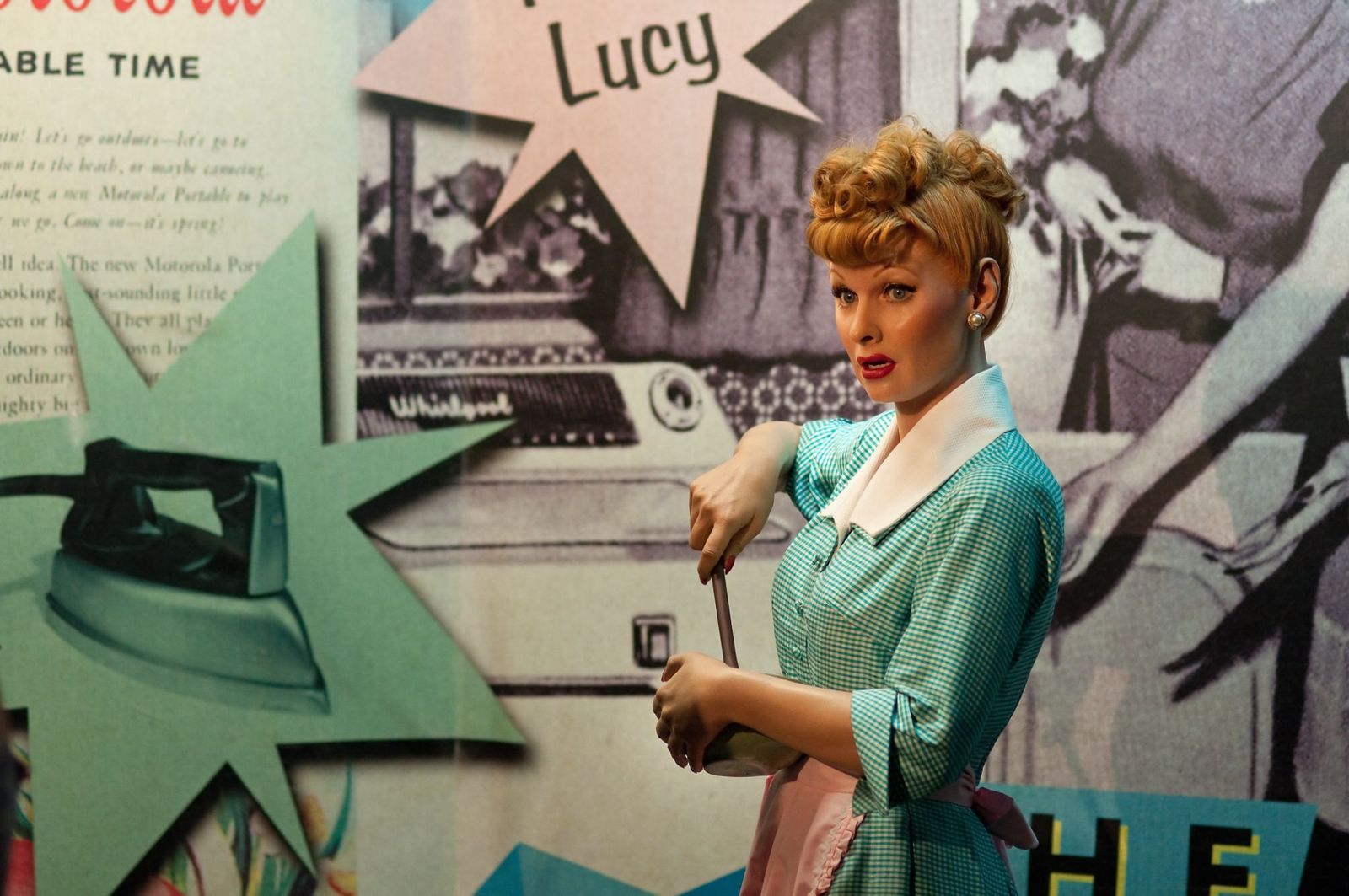
Image: rewelda

If you watched I Love Lucy , you know Lucille Ball was capable of turning a simple household mishap into complete comic chaos. But as a teenager, Ball was not yet the performer who commanded a room.

As a young woman, Lucille Ball enrolled at the Johnny Murray Anderson School for the Dramatic Arts in New York in 1926, at the age of 15, hoping to become an actress. Her instructors weren’t exactly encouraging. She was reportedly considered too shy and too timid for the stage and was advised to consider a different line of work entirely. She spent years afterward modeling and taking small, unremarkable film roles, far from stardom. Ball eventually found her footing not in dramatic film but in comedy and television, where her fearless physical humor became her signature. In 1951, she co-created and starred in I Love Lucy with then-husband Desi Arnaz, and it became one of the most successful sitcoms in television history.

5
Henry Ford
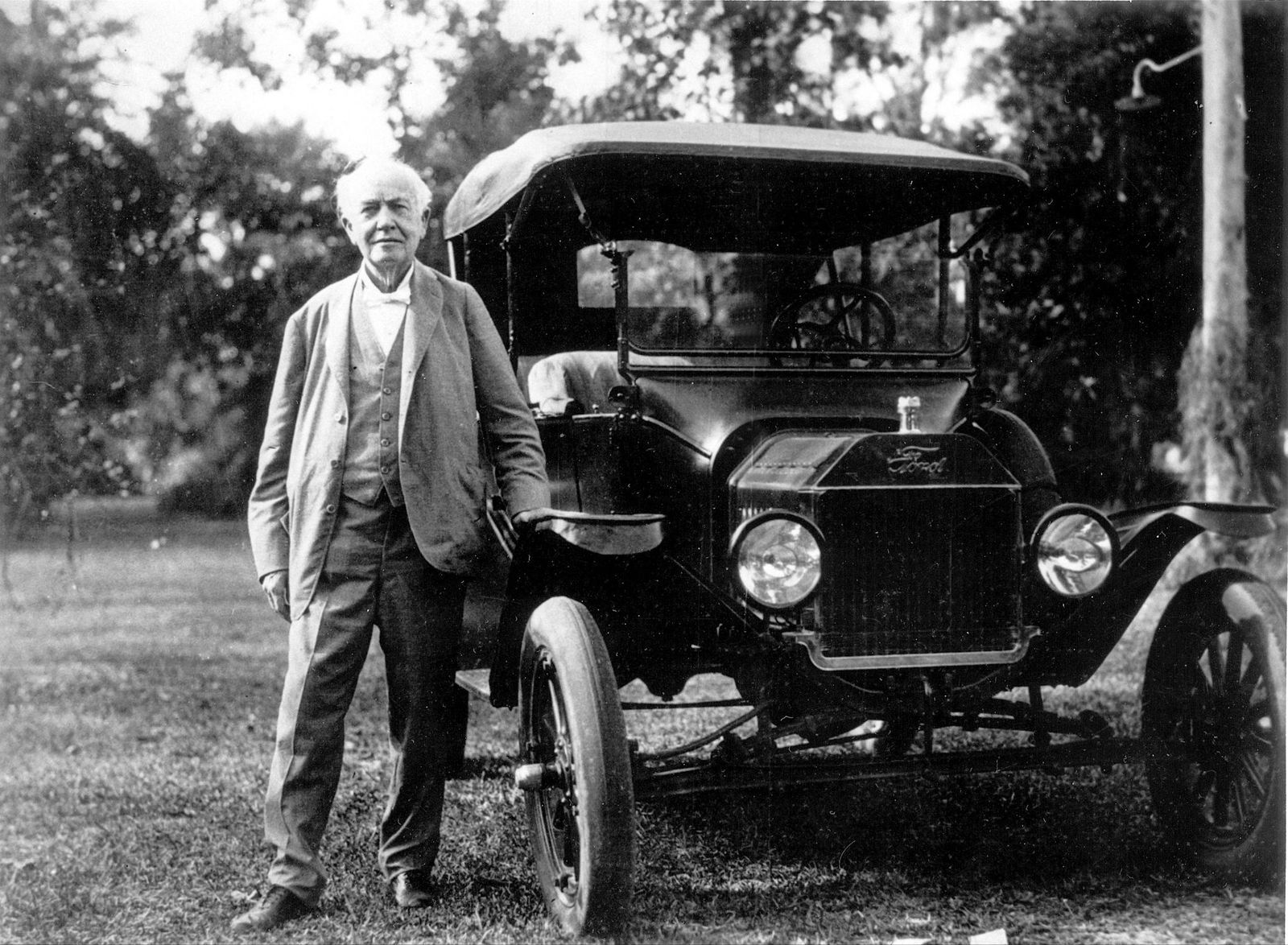
Image: Rawpixel.com

Buying a new car today can make it easy to forget how experimental the automobile business once was. Around the turn of the 20th century, companies started and collapsed, and Henry Ford was one of those business owners who had to reinvent himself more than once.

Ford’s first venture, the Detroit Automobile Company, launched in 1899 and folded within two years , undone by vehicles that were too expensive and too slow to build. His backers pushed him out. He tried again with the Henry Ford Company, but it ended the same way, with investors losing patience and Ford losing control of the business bearing his own name. By 1902, he had two failed automakers behind him and no company at all. For the third time, in 1903, Ford started again. This time, he focused on building one dependable, affordable car and figuring out how to produce it faster than anyone thought possible. That car was the Model T, and the assembly line method he built around it didn’t just save Ford Motor Company; it changed how the entire world manufactures goods.

6
Martin Luther King Jr.
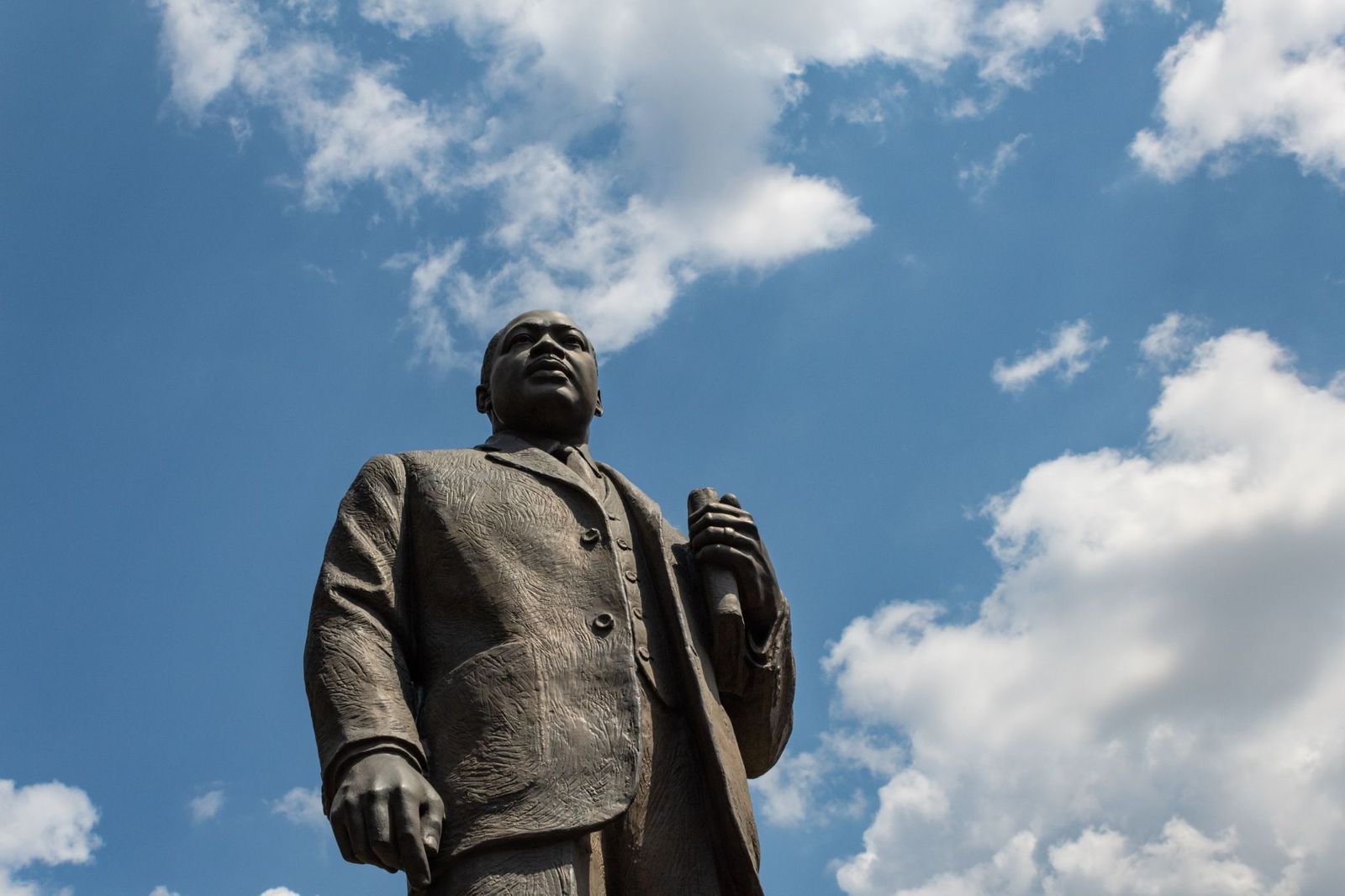
Image: NatalieSchorr

It’s weird to think that one of history’s greatest orators struggled in a classroom. But that’s exactly where Martin Luther King Jr.’s path began.

As a first-year student at Crozer Theological Seminary in the late 1940s, King took a course in public speaking and received a grade of C , a modest mark for a young man who hadn’t yet found his voice. He kept working at it throughout seminary, refining the cadence and clarity that would later define his preaching. Within a decade, that same voice was leading the Montgomery bus boycott and delivering the "I Have a Dream" speech to hundreds of thousands of people at the March on Washington in 1963, becoming one of the most recognized voices of the 20th century.

7
Oprah Winfrey

Image: Peter Serocki

Considering how controlled news anchors’ expressions used to be, Oprah Winfrey’s early career sounds almost like a casting mistake.

In 1976, a 22-year-old Winfrey moved to Baltimore to co-anchor the evening news at WJZ-TV. The fit was rocky from the start. Her delivery was warmer and more emotional than the traditional hard-news style the format called for, and station management eventually pulled her off the anchor desk, with one producer reportedly calling her unfit for television news. It could’ve ended her career in broadcasting entirely. Instead, WJZ moved her to a struggling daytime talk show called People Are Talking . There, freed from reading headlines in a flat, detached tone, Oprah’s natural warmth turned into her greatest asset. The local talk show became the blueprint for The Oprah Winfrey Show , which ran for 25 years and made her one of the most influential media figures in American history.

8
Colonel Harland Sanders
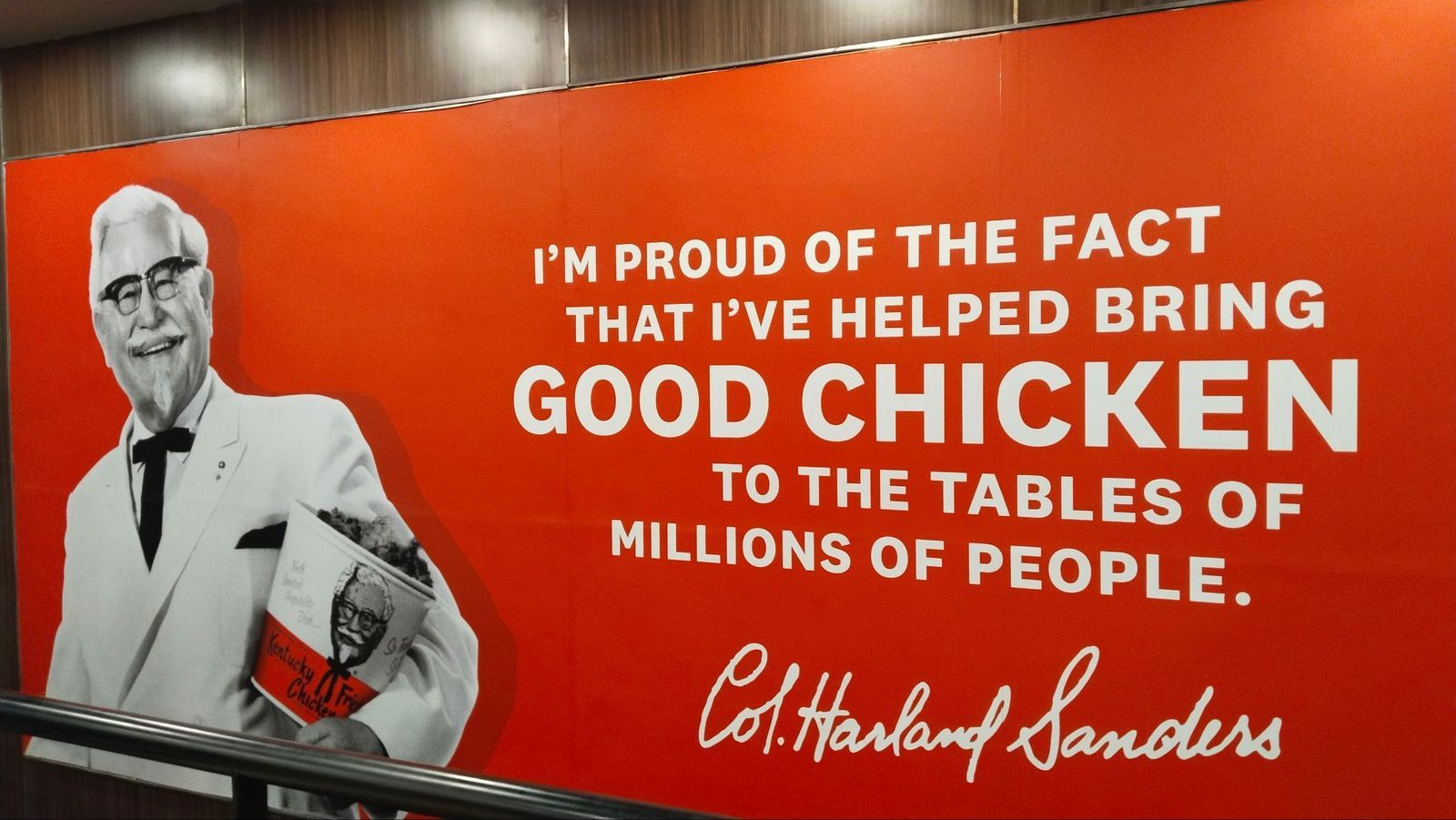
Image: Farantb

Imagine reaching 65 and deciding that instead of settling into retirement, it’s time to travel around the country trying to convince restaurant owners to serve a recipe. Harland Sanders made exactly that decision.

By his mid-sixties, Sanders had lived through a string of failed jobs and businesses , and the small Kentucky restaurant where he’d perfected his fried chicken recipe closed after a new highway diverted its traffic away. Broke and living on a modest Social Security check, he decided to take his recipe on the road, driving from restaurant to restaurant and offering to share it in exchange for a small cut of sales. As the legend goes, he heard "no" more than a thousand times before a restaurant in Utah finally said yes in 1952. That handshake deal became the first Kentucky Fried Chicken franchise. Within a decade, hundreds of KFC restaurants dotted the country, and the white-suited Colonel Sanders (who died in 1980 at age 90) became one of the most recognizable faces in American food.

9
Stephen King

Image: George Koroneos

You’ve probably read Carrie , or watched It , but before he became a household name in modern terror, Stephen King was a young writer trying to get his work published.

In the early 1970s, King was teaching high school in his home state of Maine and writing in his spare time, often in a trailer with his wife and young kids nearby. He wrote a novel about a bullied teenage girl with telekinetic powers, but after around 30 rejection letters from publishers, he gave up on it and threw the manuscript in the trash . His wife, Tabitha, fished the pages back out and encouraged him to finish it, believing in the book even when he didn’t. That story became Carrie , published in 1974. It launched King’s career and eventually sold millions of copies, kicking off a body of work that would make him one of the most successful and prolific authors in American history.

10
Dr. Seuss (Theodor Geisel)
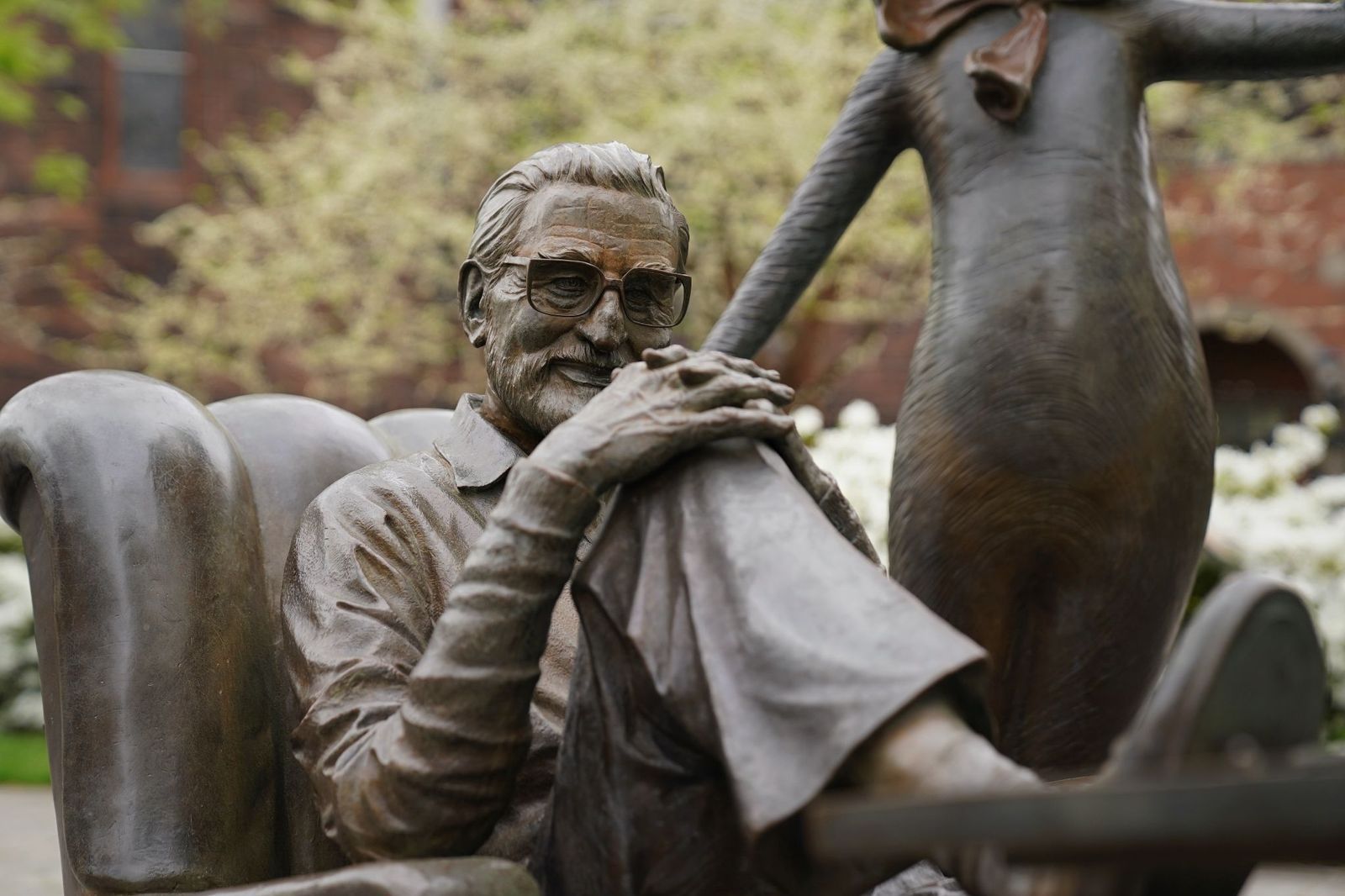
Image: NatalieSchorr

You may think publishing more than 50 books was easy for Dr. Seuss. But back when he was known as Theodor Geisel, his work got rejected dozens of times.

In the 1930s, Geisel wrote and illustrated a whimsical children’s book called And to Think That I Saw It on Mulberry Street. Publisher after publisher turned it down, reportedly around 27 of them, saying it was too different from anything else on the market. As the story goes, Geisel was walking down a New York street, manuscript in hand and ready to give up, when he ran into an old college acquaintance who happened to work at a publishing house and offered to take a look. That chance meeting led to the book’s publication in 1937. It launched Dr. Seuss’s career, which would go on to include classics like The Cat in the Hat and Green Eggs and Ham , beloved by generations of kids and their grandparents alike.

11
Frederick Smith (FedEx)

Image: Yau Ming Low

Today, overnight shipping is so ordinary that a package arriving the next morning (if not on the same day) barely raises an eyebrow. In the 1960s, reliably moving urgent packages overnight across the country was a very different proposition.

In 1965, as an undergraduate at Yale, Smith wrote an economics term paper describing a delivery service that would route urgent packages through one central hub by plane rather than relying on passenger airlines. His professor wasn’t convinced the idea was practical and marked the paper with a C. Smith went on to serve in the Marine Corps in Vietnam, but the idea from that paper never left him. In 1971, he founded Federal Express, built exactly around the hub-and-spoke concept he’d once sketched out for a grade. FedEx now moves millions of packages a day across the globe, and Smith spent the rest of his life running the company he first imagined as a 21-year-old college student.

General General 5 min read

CONCRETE JUNGLE

Explore “The Big Apple” With These 10 Iconic New York City Landmarks!

Image: Barth Bailey

Is New York the most iconic city in America, if not the world? Countless songs and books have been written about 'The City That Never Sleeps.' From its jaw-dropping architecture to its amazing culture, New York City draws millions of tourists every year. Naturally, this magnificent metropolis can be a bit intimidating for first-time visitors. Bearing that in mind, we have selected ten of the most iconic NYC landmarks that celebrate everything that makes this city so wonderful. Enjoy!

1
Statue of Liberty

Image: Erik Lindgren

We’ll start with what’s probably this city’s most famous icon. Lady Liberty has welcomed the "huddled masses" that arrived in NYC since the 19th century. You probably know that this statue was a gift from France to the American people, but did you know Gustave Eiffel, the engineer behind the iconic Eiffel Tower, built its metalwork?

Another fun fact: While nowadays the Statue of Liberty is world-known for its green hue, this wasn’t always the case. In fact, when she was inaugurated in 1886, Lady Liberty sported a reddish-brown color more befitting of copper , the metal she is made of. However, after years of oxidation due to exposure, the statue eventually became green.

2
Empire State Building

Image: Dana Andreea Gheorghe

The state of New York’s official nickname is "The Empire State": Some credit George Washington with coming up with this term, inspired by this state’s wealth and disposition. In that sense, this magnificent skyscraper stands as a proud homage to this sentiment and is one of the most recognizable figures in NYC’s skyline.

This 102-story skyscraper is located in the Manhattan borough and was, for a while, the tallest building in the world. It has been featured in over 250 films and TV shows since one of the most iconic scenes in movie history was filmed there: 1933’s King Kong showed the titular giant ape perched on top of the tower.

3
Brooklyn Bridge

Image: Brandon Day

At the time of its inauguration in 1883, the Brooklyn Bridge was the longest suspension bridge in the world: It stood as an engineering masterwork, both for its length and its innovative and unique design. But what’s truly amazing is that the Brooklyn Bridge has continued to amaze and inspire millions of New Yorkers for over 140 years.

The bridge was designed by John A. Roebling, assisted by his son and chief engineer Washington Roebling. This NYC landmark eventually became a family affair: After John Roebling fell ill and was bedridden, his wife Emily contributed to see the project to completion.

4
Broadway

Image: Eddie Bugajewski

Looking for a night at the theatre? Then Broadway is the place to be. This street is synonymous with excellent plays and musicals, up to the point that it has become a metonym for the entire industry. Broadway offers 41 professional theaters, each with 500 seats or more, offering quality performances for thousands of people each year.

Alongside London West End’s district, Broadway is known as the highest level of theater entertainment in the English-speaking world. In that sense, Broadway represents the crème de la crème of American theater, up to the point of inspiring the name of other NYC theaters, which are known as "Off-Broadway" or "Off-off-Broadway".

5
Central Park

Image: Dana Andreea Gheorghe

Looking for a quick stroll through green scenery? Then head on to the most famous NYC park. While definitively the most iconic, you might be surprised to learn that Central Park is not the biggest park in the city: In fact, it’s only in sixth place. Having said that, this iconic location is still massive enough to fill a big part of New York City’s skyline with its lush green.

Central Park was built over a period of approximately 50 years during the 19th century, from its proposal in the 1840s to its completion in 1876. Nowadays, it features several iconic monuments and features, like the USS Maine National Monument, the Strawberry Fields Memorial, and the Central Park Zoo, which showcases over 160 different animal species.

6
New York Public Library Main Branch

Image: Chris Ladouceur

Libraries are known as "the guardians of knowledge", and New York City’s Public Library is no exception: With approximately 53 million items, this New York institution has preserved American culture and knowledge since 1895.

While the library has over 90 locations across the city, its most famous location is probably the main branch building, located in Manhattan. This location, officially known as the Stephen A. Schwarzman Building, showcases the library’s famous stone lions guarding its entrance. Fun fact: These lions were nicknamed ‘Patience’ and ‘Fortitude’ by NYC Mayor Fiorello La Guardia.

7
Brooklyn Botanic Garden

Image: Pascale Amez

Standing at the heart of Brooklyn since 1911, Brooklyn Botanic Garden houses over 14,000 plants and trees, which welcome approximately 800,000 visitors every year. Besides showcasing these lovely specimens, the Garden offers educational and conservation programs, as well as a special garden inspired by the works of William Shakespeare.

While everything in the Brooklyn Botanic Garden is certainly worth visiting, its main attraction is its 200 cherry trees, featured across its Cherry Walk and Cherry Esplanade. Thousands of tourists from all around the world gather in the garden during Spring, to watch these gorgeous trees blossom.

8
Grand Central Terminal

Image: Afif Ramdhasuma

You would think there’s not a lot of tourist value in a train station, but trust us: Grand Central Terminal is definitively worth the visit. This stationnot only showcases beautiful Beaux-Arts architecture and design, but it also perfectly encapsulates the busy and energetic everyday that New Yorkers take so much pride in.

Notably, the terminal has been featured in countless films and TV shows: Approximately 25 large-scale films are shot in the terminal each year. Most of these films have been shot on the famous 'Track 34,' which doesn’t block filming since it doesn’t have structural columns.

9
Met Museum

Image: Changqing Lu

We could have included a great number of museums in this list: After all, New York City is home to hundreds of fine art institutions. However, we ended up choosing the most visited museum in the United States, and one of the most respected cultural establishments in the world: The Metropolitan Museum of Art, also known as " the Met ".

Founded in 1870, the Met is located in located right next to the eastern edge of Central Park. The museum houses over 1.5 million objects, including Ancient Egyptian art and paintings from masters like Van Gogh, Monet, and Picasso.

10
Flatiron Building

Image: Serge Pelletier

This iconic building showcases the resilience and strength of New Yorkers. While nowadays is known as a New York institution, at the time of its opening it was sometimes called "Burnham's Folly": Many believed that the building, designed by Daniel Burnham, would eventually be knocked down by the wind due to its unique triangular shape.

And yet, this skyscraper still stands, 120 years after its inauguration. Its sleek and avant-garde design has truly cemented the Flatiron building as an architectural wonder.

Culture Culture 4 min read

The king of the Western

John Wayne: 10 facts about 'The Duke'

Image: Willi Puschel

John Wayne is one of the great names of the Western genre and American Cinema in general. With a career spanning five decades and nearly 200 films, " The Duke " became an American icon and set the standard for many actors who followed. Let’s take a look at 10 facts about his life!

1
Marion

Image: Noom Peerapong

We know him as John Wayne, but he was born Marion Robert Morrison . His early minor roles were credited under the name "Duke Morrison," but he adopted a stage name for his first starring role in The Big Trail . The film’s director suggested "Anthony Wayne," after a general from the Revolutionary War, but the studio thought it sounded too Italian, so it was changed to " John Wayne ."

2
The Duke

Image: Egor Gordeev

John Wayne’s nickname came from his childhood pet terrier , Duke . The two were inseparable, so people started calling him "Little Duke." He preferred the nickname over his given name and even used it for his first film roles. The name resurfaced years later when director John Ford began calling him "Duke" again. By then, Wayne was already a popular actor, and he welcomed the old name with open arms.

3
The footballer who wasn’t

Image: Kaleb Becker

Did you know we almost had "Duke Morrison, footballer" instead of "John Wayne, actor"? After failing to get into the US Naval Academy, Wayne enrolled at the University of Southern California on a football scholarship . But an injury from a bodysurfing accident cut his athletic career short, and he eventually had to leave college.

Not all was lost, though: silent film star Tom Mix, who received football tickets in exchange for giving summer jobs to USC players, helped Wayne land a gig as an extra and prop boy.

4
The first big role and breakthrough

Image: Jason Dent

Raoul Walsh’s The Big Trail was one of the first Western superproductions of the sound era. Walsh wanted to cast an unknown actor in the leading role and chose Wayne after spotting him moving furniture around the studio.

The film was a box office failure, and Wayne spent much of the 1930s acting in low-budget Westerns. His big break came with Stagecoach , directed by the legendary John Ford, which finally put him in the spotlight.

5
Attempts to enlist

Image: Rodrigo Rodriguez

When World War II broke out, Wayne was not drafted due to his age and family situation. Despite this, he made several attempts to enlist and even tried to convince John Ford to bring him into his military unit. Ultimately, he gave up after his studio threatened him with a lawsuit for breaching his contract. It’s said that he carried the guilt of staying behind for the rest of his life.

6
John Ford

Image: Mike Fox

John Ford’s Stagecoach established John Wayne as a leading actor and began his long collaboration with the director. The two worked together on more than 20 films, many of which are considered Western classics , including Fort Apache , The Searchers , The Man Who Shot Liberty Valance , Rio Grande , and She Wore a Yellow Ribbon .

7
Awards

Image: James A. Molnar

Wayne received several nominations and awards throughout his career, both as an actor and a director. He was nominated for the Academy Award for Best Actor for Sands of Iwo Jima and for Best Picture for The Alamo , which he also directed. He finally won the Oscar for his role as Rooster Cogburn in True Grit . He was also posthumously awarded the Presidential Medal of Freedom, and the airport in Orange County, California, is named after him.

8
International popularity (or not)

Image: Vitaliy Shevchenko

Wayne’s films made him an American icon and a celebrity both in the US and abroad. Japan’s Emperor Hirohito reportedly asked to meet him during a visit to the United States, impressed by his performance in Sands of Iwo Jima , and so did Soviet leader Nikita Khrushchev.

According to some biographers, the FBI allegedly thwarted an assassination attempt ordered by Joseph Stalin, who viewed Wayne as a symbol of anti-communist ideals. While this story remains unverified, it has become part of Wayne’s larger-than-life legend.

9
Wayne vs Sinatra

Image: Dan Burton

John Wayne was known to have feuded with several celebrities due to his strong personality and political views. One of the most prominent was his disdain for Frank Sinatra , whom he believed had communist sympathies. Their animosity escalated when Wayne reportedly filed a noise complaint against Sinatra at a hotel and allegedly got into a fistfight with one of Sinatra’s bodyguards. Despite their differences, the Duke and Ol’ Blue Eyes eventually made peace years later.

10
The Duke’s death

Image: Aubrey Odom

John Wayne died of stomach cancer in 1979, a disease many have linked to his filming of The Conqueror in the Escalante Desert, Nevada, near a nuclear testing facility. It is reported that about half of the film’s cast and crew developed cancer, and nearly half of those cases were fatal.

Wayne’s family stated that he converted to Catholicism and received baptism in his final days. He reportedly requested that his grave bear the inscription " Feo, fuerte y formal " (Spanish for "ugly, strong, and dignified," in Wayne’s own words). However, his grave remained unmarked for 20 years after his death.

Explore more American facts

Choose your favorite category!

General
General

As American as apple pie—the very best America has to offer!

Culture
Culture

Delve into the astounding richness of American lore.

Geography
Geography

Hop in and explore vast and diverse American landscapes.

History
History

Discover the key moments that shaped the United States.