General General 3 min read

What’s in a nickname?

Did you know the stories behind the nicknames of these Americans?
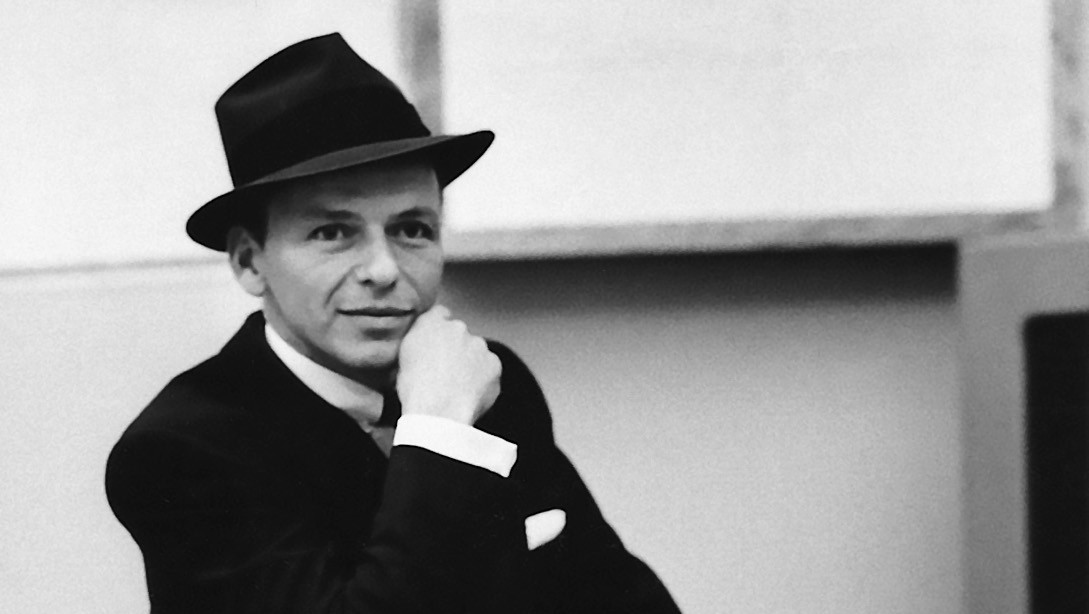
Image: Capitol Records (File No. 3860-25)

Nicknames can be affectionate, teasing, intriguing—or all of these at once. Who comes up with the labels that remarkable people end up carrying forever, and what makes them stick? Here, we explore a list of quirky stories behind some of the most colorful nicknames in American history.

1
"The Chairman of the Board" – Frank Sinatra

Image: Ethan Rougon

Frank Sinatra co-founded Reprise Records in 1960, giving him full creative control over his music. The nickname "Chairman of the Board" was first used by radio host William B. Williams and quickly caught on. Although Sinatra didn’t particularly love it, the nickname came to symbolize his power and influence in the music industry.

2
"His Accidency" – John Tyler
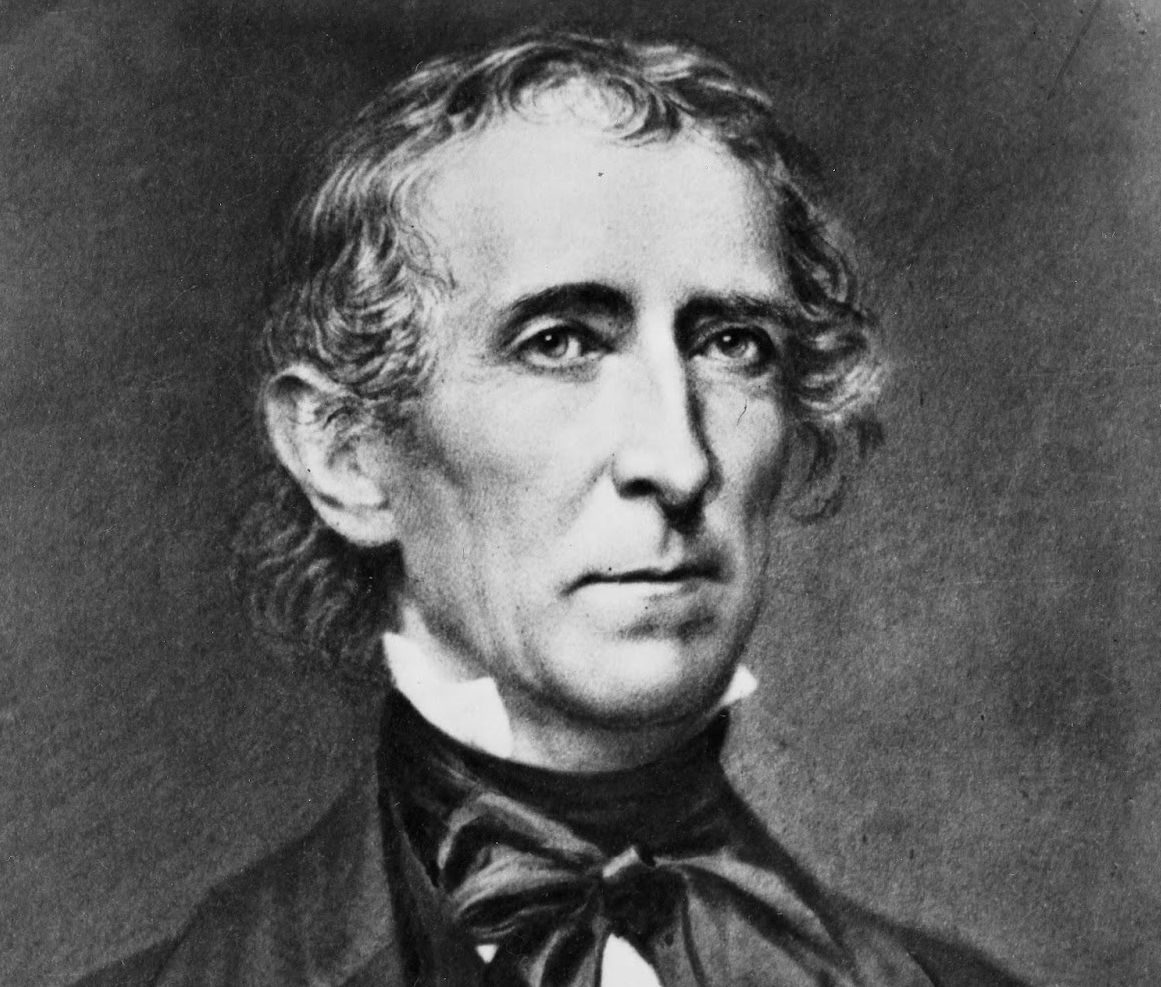
Image: Library of Congress

The 10th U.S. president earned this snarky nickname after unexpectedly taking office in 1841, when William Henry Harrison died just one month into his term.

It was the first time a vice president had assumed the presidency due to a president’s death, and many questioned the legitimacy of his authority. His critics called him "His Accidency," a somewhat unfriendly pun that stuck.

3
"The Sphinx of the Potomac" – Calvin Coolidge
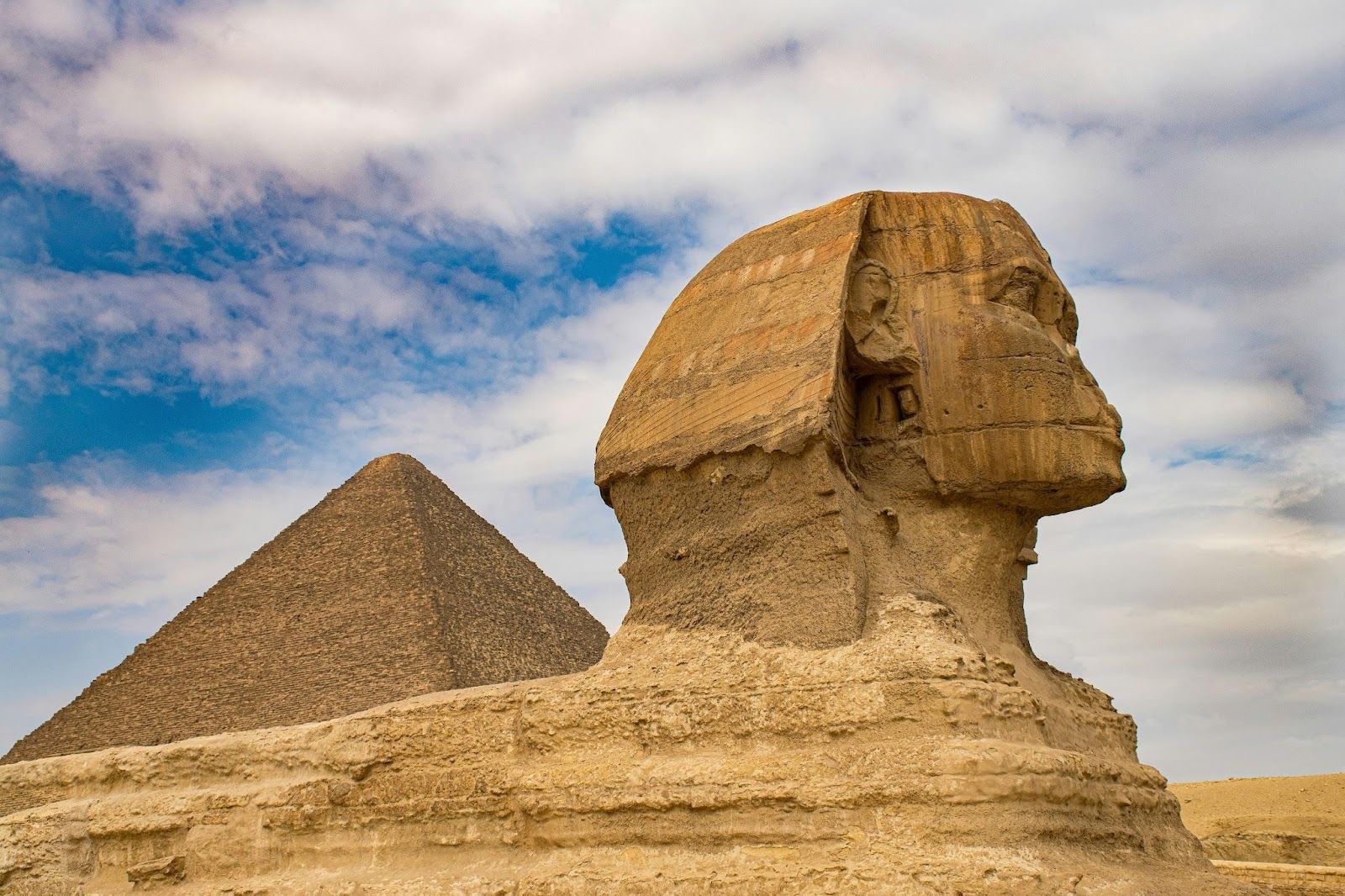
Image: Lea Kobal

President from 1923 to 1929, Coolidge was notoriously silent and stoic. His reluctance to speak in public and his poker-faced demeanor earned him the nickname "The Sphinx of the Potomac," a nod to the famous Egyptian statue and his Washington, D.C. post. One oft-repeated anecdote claims he once remarked, "I have nothing to say."

4
"The Boss" – Bruce Springsteen

Image: Jose Antonio Gallego Vázquez

Bruce Springsteen earned this nickname in the early days of playing Jersey Shore clubs, where he was responsible for collecting and distributing gig money to his band. Originally an internal nickname within the group, it quickly caught on with the media. Ironically, Springsteen has admitted that he’s never really liked being called "The Boss."

5
"The Mad Stork" – Ted Hendricks

Image: Wynand Uys

This Hall of Fame linebacker for the Raiders stood 6’7" and had a long, lanky build. His towering figure and unpredictable style of play earned him the nickname "The Mad Stork." Despite the unusual moniker, he was a feared and legendary player in the NFL.

6
"The Snake" – Ken Stabler

Image: Timothy Dykes

Another Raiders legend, quarterback Ken Stabler, earned the nickname "The Snake" from his college coach after a long, twisting touchdown run. The name stuck because he became known for his slippery, cool-headed play under pressure.

7
"Jane the Grabber" – Hester Jane Haskins
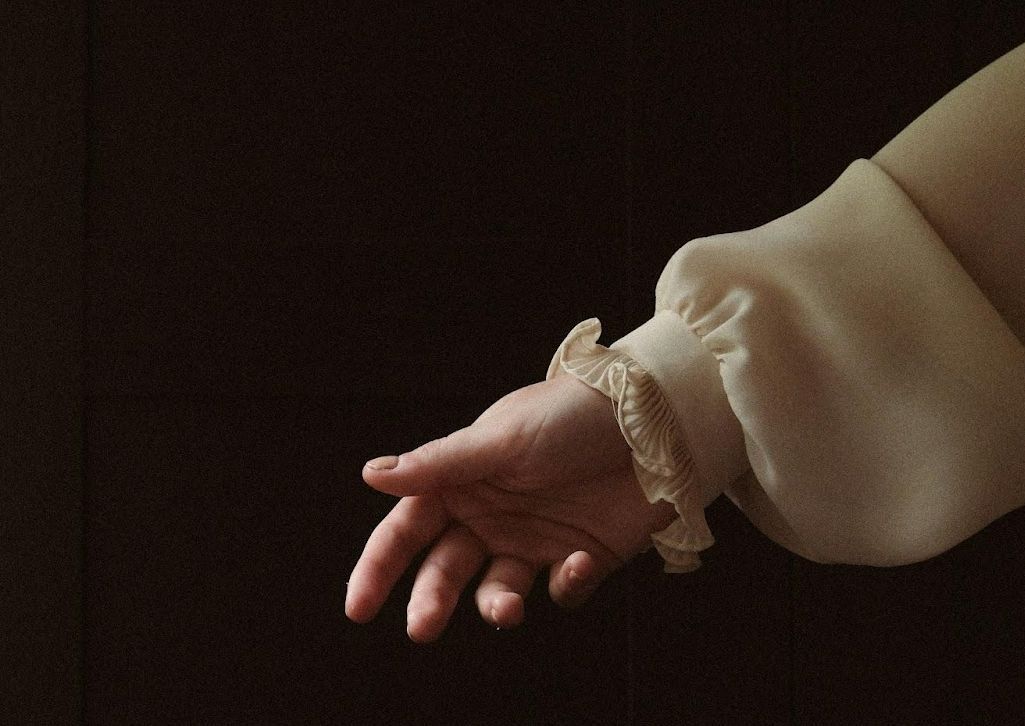
Image: sombre

A dark figure in 19th-century New York, Hester Jane Haskins was a "procuress," luring women with promises of work and then forcing them into brothels. Her nickname, "Jane the Grabber," became infamous in the press.

8
"The Black Swallow of Death" – Eugene Bullard

Image: Heather Wilde

Born in Georgia and later a French WWI pilot, Eugene Bullard was the first African American military pilot. He earned the nickname "The Black Swallow of Death" for his fearless flying and deadly accuracy. Despite his heroism, he still faced racial discrimination upon returning to the U.S.

9
"Little Miss Sure Shot" – Annie Oakley

Image: Jp Valery

Annie Oakley was a folk heroine and a famed sharpshooter from an early age. She earned the nickname "Little Miss Sure Shot" from the Native American leader Sitting Bull, who bestowed it after watching her flawless shooting in Buffalo Bill’s Wild West show.

10
"Kid Gloves" – Benjamin Harrison

Image: Aaron Lefler

Benjamin Harrison, the 23rd president, frequently wore soft kid-leather gloves in public due to hand ailments. Political opponents seized the opportunity to mock his stiff demeanor and perceived elitism, dubbing him "Kid Gloves." The nickname pointed not only to his physical appearance but also to his aloof attitude.


General General 3 min read

True pioneers

From the incandescent lightbulb to Mickey Mouse: 12 world-changers

Image: Júnior Ferreira

America has had its fair share of trailblazers, empire builders, inventors, artists, and many other brilliant individuals who have changed the world in various ways. Take a look at the following 12 individuals who have achieved significant milestones from backgrounds as diverse as the human race itself. Which one inspires you the most?

1
George Washington

Image: Priscilla Gyamfi

The first name on the list belongs to the Father of Our Nation and first president. As commander of the colonial troops during the Revolutionary War, Washington led the struggle against Great Britain with intelligent military strategy and unwavering leadership.

Quite possibly, his greatest contribution lies in his refusal to become a king or dictator , instead choosing to lay the foundations of a democratic republic.

2
Martin Luther King Jr.

Image: Unseen Histories

This icon of the civil rights movement used nonviolent resistance to combat racial discrimination. Through peaceful protest strategies , King led demonstrations, boycotts, and marches that helped transform the social landscape of America.

His "I Have a Dream" speech in 1963 in Washington, D.C. became a huge milestone in the struggle for equality and an inspiration for millions all over the world.

3
Franklin D. Roosevelt

Image: Jessica Tan

A steady guide through challenging times, Franklin D. Roosevelt led the nation through the Great Depression and World War II. Through his New Deal programs, he introduced revolutionary social and economic reforms, including the creation of social safety nets like Social Security.

His leadership during World War II helped establish the United States as a global power committed to supporting democracy.

4
Susan B. Anthony

Image: Giacomo Ferroni

A relentless activist in the struggle for women’s suffrage , Susan B. Anthony organized campaigns, wrote extensively, and spoke passionately in support of gender equality. Although she did not live to see it passed, her efforts laid the groundwork for the 19th Amendment, which granted women the right to vote.

5
Thomas Edison

Image: Robert Wiedemann

Life as we know it would not be the same without his inventions. And, while the lightbulb would have been reason enough for him to be present on this list, Edison was responsible for numerous innovations—he held over 1,000 patents, including for the phonograph, motion picture camera, and electric power distribution systems—that helped change the course of history forever.

6
Margaret Mead

Image: Stephen Andrews

Margaret Mead’s pioneering work in psychology and anthropology helped develop the understanding that children learn through imitation , particularly by observing their parents and community.

In addition to her academic contributions, she was a vocal advocate for women’s rights and greater sexual openness, influencing the cultural shifts that led to the sexual revolution of the 1960s.

7
Henry Ford

Image: Dan Dennis

Thank him for the popularization of the automobile and the introduction of the 40-hour, five-day workweek . America would not be the same without Henry Ford and his revolutionary industrial ideas, which transformed manufacturing and daily life.

8
Betty Friedan

Image: Deniz Demirci

Women’s rights owe much to Betty Friedan, whose groundbreaking work challenged the limited roles assigned to women in mid-20th-century America . Her book The Feminine Mystique gave voice to the dissatisfaction of the American housewife and sparked a national conversation about the validity of traditional gender roles.

9
Andrew Carnegie

Image: Denis Chick

Largely considered as one of America’s greatest self-made men, Andrew Carnegie played a pivotal role in shaping the nation's industrial identity. His leadership in the steel industry helped propel the United States into a position of global economic dominance in the early 20th century.

10
Orville and Wilbur Wright

Image: History in HD

Transportation would never have been the same without Orville and Wilbur Wright, brothers from Ohio, who changed the world forever by inventing powered flight on the shores of Kitty Hawk, North Carolina.

11
Alexander Graham Bell

Image: Pavan Trikutam

That black rectangular device near you is the modern evolution of Alexander Graham Bell’s original invention, one that would change the way humans communicate in profoundly lasting ways.

12
Walt Disney

Image: Travis Gergen

Walt Disney’s influence on the childhoods of generations of Americans is undisputed. He forever changed the world of entertainment for both children and adults through his iconic characters and innovative theme parks, which now exist all over the world.

Culture Culture 4 min read

The power of cinema

Can a movie change a whole generation?

Image: Jakob Owens

Cinema has been, since its inception, a powerful tool to reach the hearts of audiences. A well-told story can have far more influence than many give it credit for. There have been many incredible movies made during the 20th century, but some have left a special mark on American audiences . Here are 10 films that defined their generation and influenced those to come.

1
Gone with the Wind (1939)

Image: Selznick International Pictures, Public domain, via Wikimedia Commons

Based on Margaret Mitchell's bestselling novel of the same name, this emotional depiction of Civil War and Reconstruction-era Georgia follows the impoverished Scarlett O’Hara as she strives to overcome the reality of post-war Southern U.S .

With a massive budget and as one of the first films to use Technicolor, the movie broke attendance records and is considered to be one of the greatest American films.

2
Stagecoach (1939)

Image: United Artists, Public domain, via Wikimedia Commons

One of the many Westerns directed by the legendary John Ford, Stagecoach not only cemented John Wayne as an A-list actor but also elevated the concept of the Western film.

Considered a "perfect textbook of filmmaking" by Orson Welles, its characters and plot have often been described as an extraordinary representation of American archetypes and of the nation's ongoing struggle for political equality.

3
Citizen Kane (1941)

Orson Welles’s first film, and considered by many to be the greatest film of all time, this semi-biographical drama follows the life of Charles Foster Kane, loosely based on several American tycoons.

Welles’s filmmaking style featured new and innovative techniques that would later become standard in the industry. Filmed in just 82 days, the film was a critical success despite being suppressed in the media.

4
12 Angry Men (1957)

Image: United Artists, Public domain, via Wikimedia Commons

Adapted from a Reginald Rose play, this legal drama critiques the American jury system through the portrayal of 12 jurors as they deliberate whether to convict or acquit a teenager charged with murder, in a case where reasonable doubt exists.

The debate among the jurors, which leads them to question their values and morals, becomes a study of 1950s America and the dangers of mob mentality.

5
Psycho (1960)

Image: Paramount Pictures, Public domain, via Wikimedia Commons

A horror classic by legendary director Alfred Hitchcock, Psycho follows the encounter of a secretary on the run with a disturbed mother-and-son motel owners. Despite its controversial subject matter, the film was a resounding success, becoming Hitchcock’s most financially successful movie.

Considered to be the first slasher film, it is one of the most influential horror movies of the 20th century , inspiring several sequels and remakes.

6
The Graduate (1967)

Image: Rob Bogaerts / Anefo, CC0, via Wikimedia Commons

An atypical romance-drama for the time, The Graduate was a success because it captured a generational break with its anti-heroic main character, who was disillusioned with the prior generation’s worldview.

Supported by innovative film techniques and featuring several Simon & Garfunkel songs, the film changed how music and marketing were used in cinema.

7
All the President’s Men (1976)

Image: David from Washington, DC, CC BY 2.0, via Wikimedia Commons

Based on the Watergate scandal and the journalists who investigated it, this film is considered a landmark political thriller.

A massive success, both critically and commercially, All the President’s Men won four Academy Awards and is considered one of the best portrayals of investigative journalism .

8
The Breakfast Club (1985)

Image: Aiden Sorabji

One of the most influential teenage movies of its time, The Breakfast Club was a huge success despite its low budget and limited production.

Its deconstruction of the mainstream high school stereotypes, along with its discussion of adolescent concerns and insecurities, made the film an all-time classic coming-of-age story.

9
Schindler's List (1993)

Image: Vitalii Kyktov

Based on the life of Oskar Schindler, a German factory owner who saved the lives of thousands of Jews during World War II, Schindler's List is considered a cinematic masterpiece that depicts a harrowing story with compassion and humanity.

A resounding critical and commercial success, the film has been praised by survivors and scholars alike for its role in raising global awareness of the Holocaust.

10
Saving Private Ryan (1998)

Image: Helene C. Stikkel, Public domain, via Wikimedia Commons

Following a group of soldiers on a mission to locate and retrieve the last surviving son of a family during World War II, this film was praised for its authenticity, especially its opening sequence depicting the Omaha Beach landing on D-Day.

Widely considered to have redefined the war film genre , Saving Private Ryan distanced itself from other movies that glorified and idealized World War II, showcasing the suffering and struggles of individuals during the conflict.

Explore more American facts

Choose your favorite category!

General
General

As American as apple pie—the very best America has to offer!

Culture
Culture

Delve into the astounding richness of American lore.

Geography
Geography

Hop in and explore vast and diverse American landscapes.

History
History

Discover the key moments that shaped the United States.