History History 2 min read

We did it first!

Few people know that these massive inventions were created here. Do you?

Image: Vitaly Gariev

America has been witness to many firsts in history, from protecting natural sites to creating everyday conveniences, from founding cultural institutions to achieving industrial breakthroughs. Some are famous, others barely remembered. Here are 10 of those pioneering firsts, each marking a moment when America led the way.

1
World’s first national park
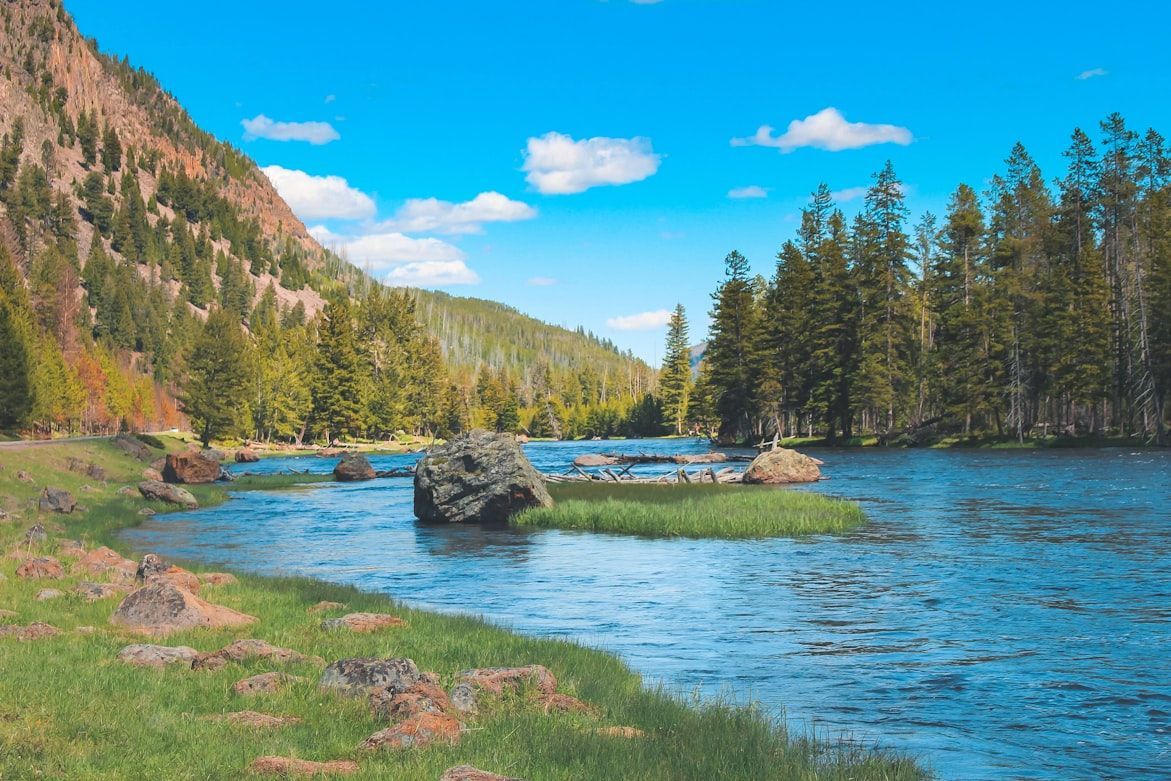
Image: Kedar Gadge

In March 1872, Congress passed the law establishing Yellowstone National Park as a protected public reservation: the first national park ever created on Earth.

By dedicating 2.2 million acres to preservation rather than development, the U.S. set a precedent for conservation worldwide, inspiring national park systems around the world.

2
First sustained and controlled, powered airplane flight
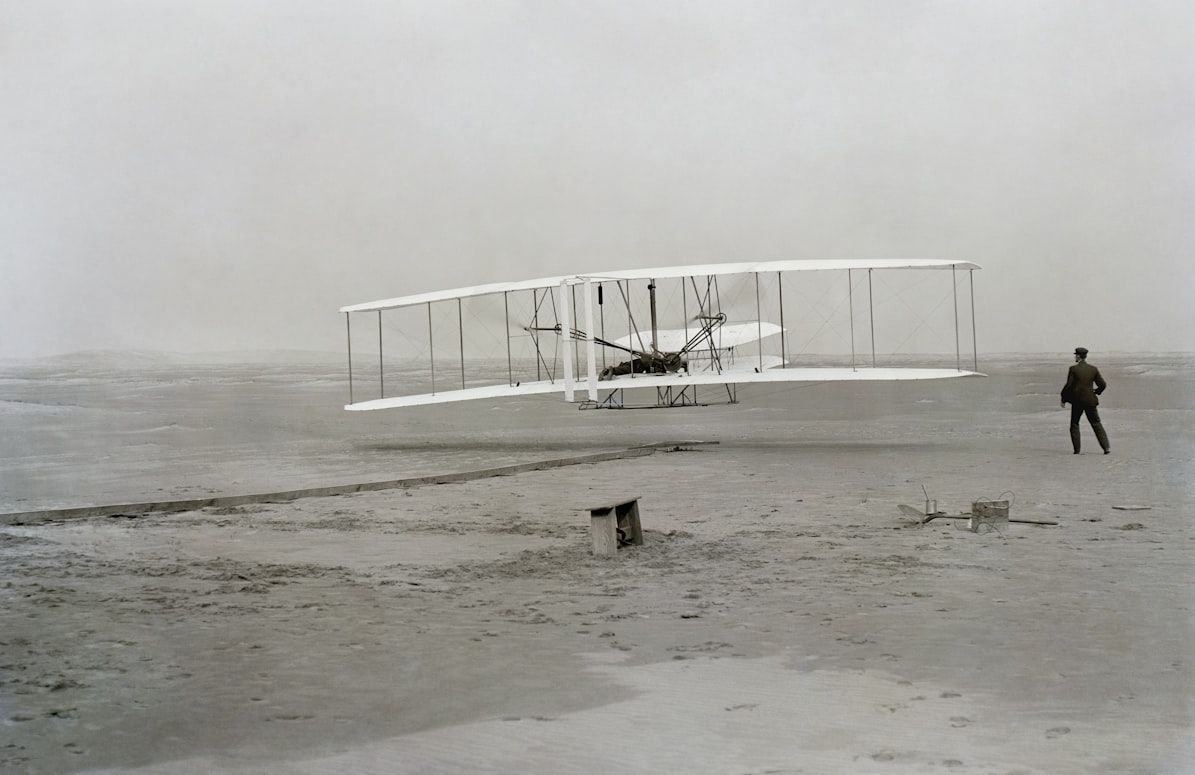
Image: History in HD

In 1903, the Wright brothers successfully flew a powered, heavier-than-air controlled aircraft , known as the Wright Flyer, at Kitty Hawk, North Carolina.

That breakthrough marked the beginning of the aviation age and forever redefined travel, warfare, and global communication.

3
Self-service grocery store

Image: Raul Gonzalez Escobar

In 1916, American grocers opened the self-service supermarket. Instead of clerks fetching food, customers helped themselves to the items they wanted from the shelves.

This change transformed retail: it lowered costs, sped up shopping, and laid the foundation for modern supermarkets all over the world.

4
First cinema house
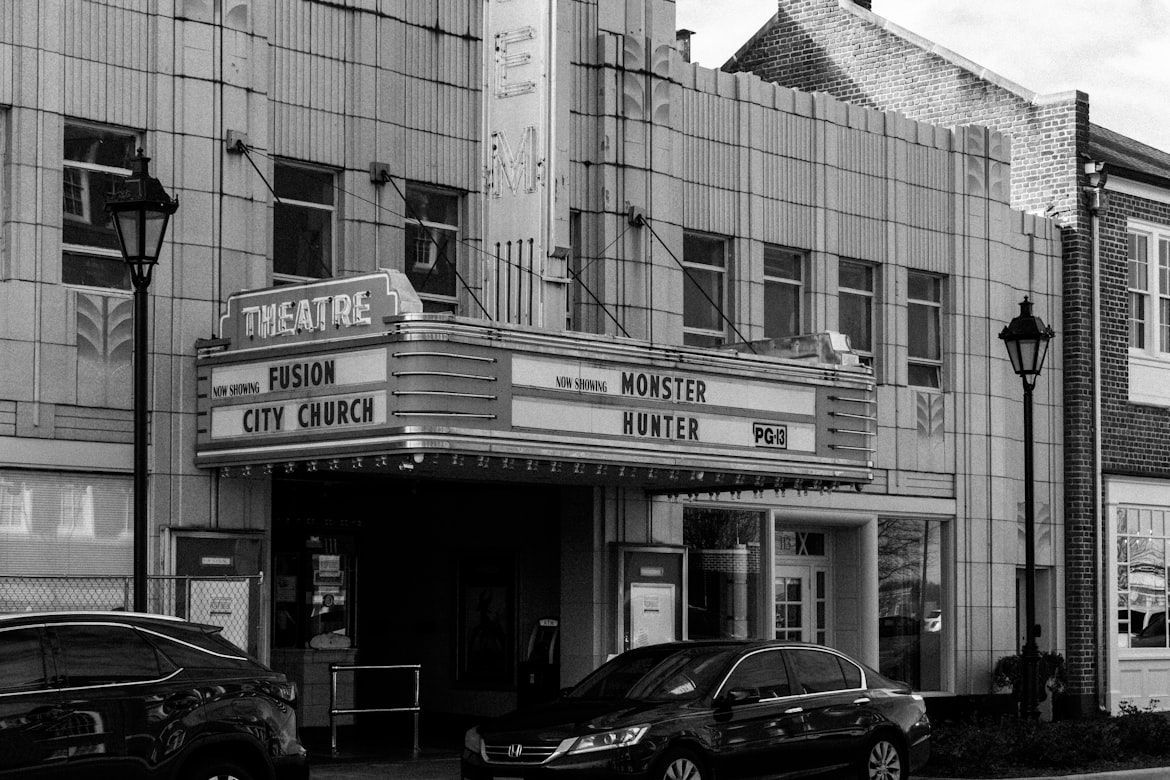
Image: Elijah Mears

New York City saw the first public "movie theater" in 1894, when a parlor opened using the Kinetoscope, a peep-box device for viewing short motion pictures .

That small parlor marked the beginning of the cinema business, an idea that would grow into a global film-making and entertainment industry.

5
Drive-in movie theater
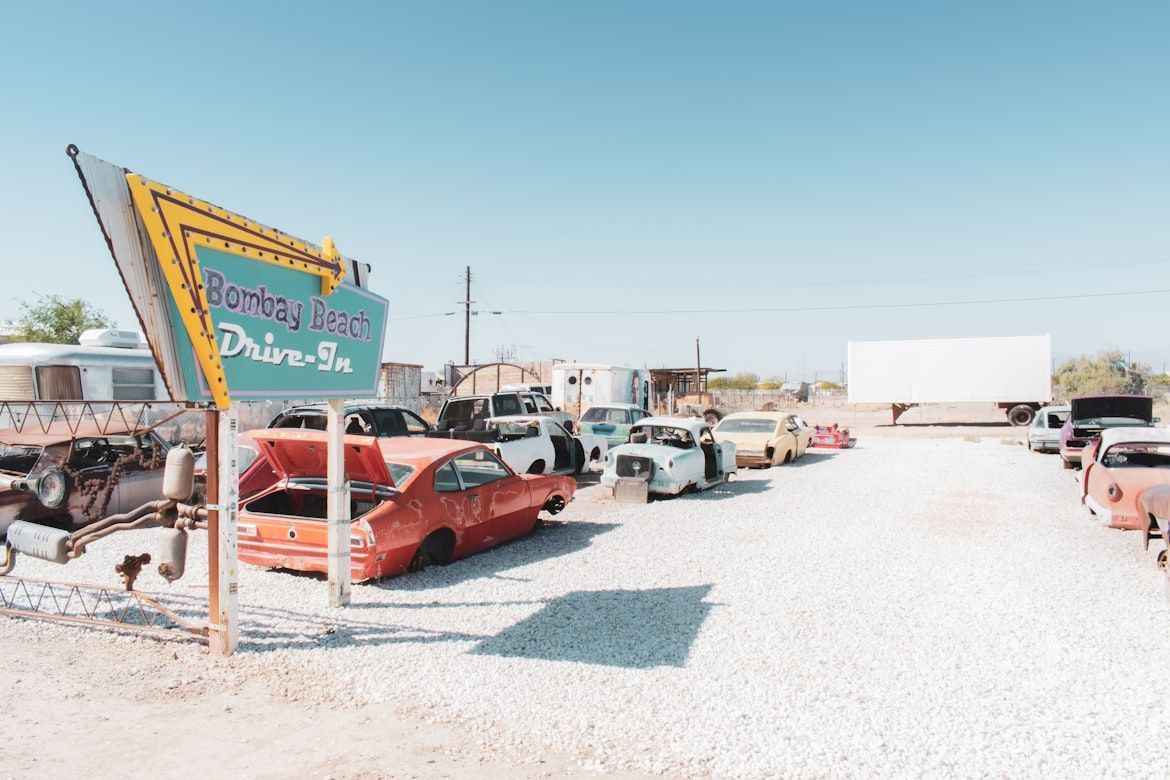
Image: Josh Sanabria

One could argue that with the rise of cinemas and the boom in automobiles, the drive-in theater was an obvious business idea. But somebody had to do it first.

In 1933, Richard Hollingshead Jr. opened the first drive-in theater in New Jersey , where people watched films from their cars.

6
First affordable and mass produced car
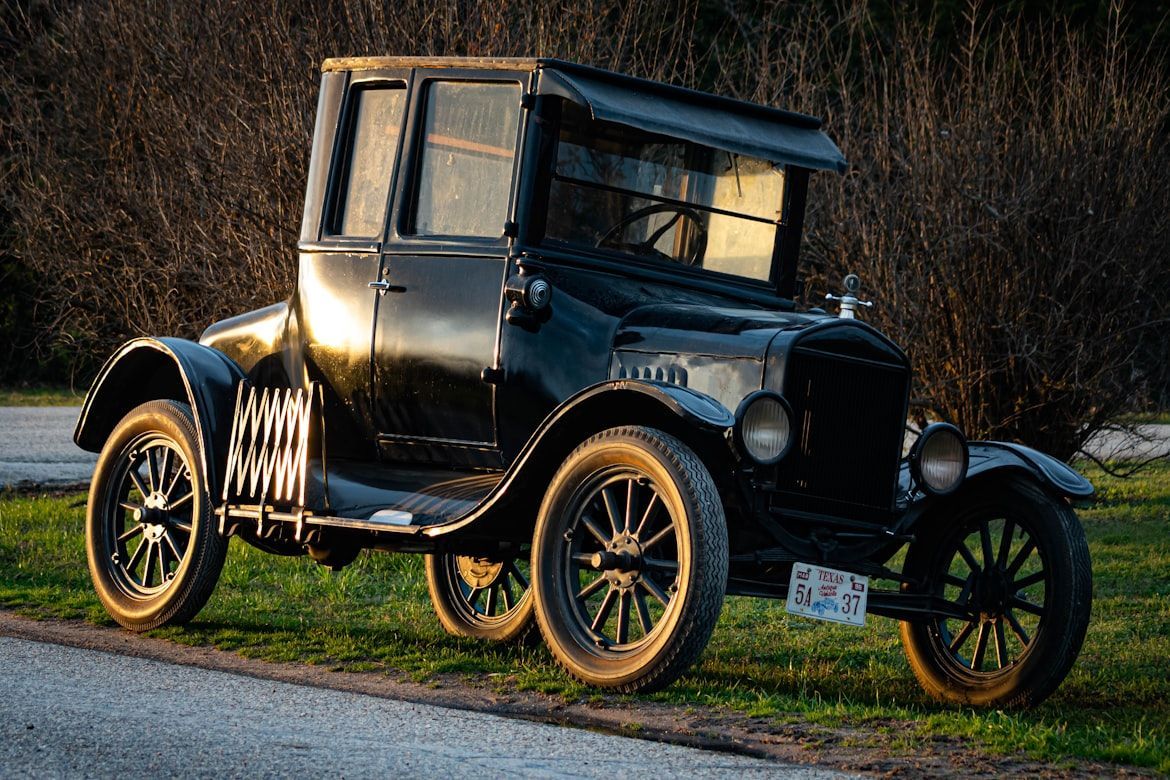
Image: Andrew Lancaster

In 1908, the U.S. auto industry delivered the Ford Model T, the first reliable, affordable automobile that was mass-produced for everyday Americans (and not just millionaires).

It revolutionized transportation by enabling mobility for the masses, reshaping how Americans lived, worked, and traveled across the country.

7
Fast food

Image: Jonathan Borba

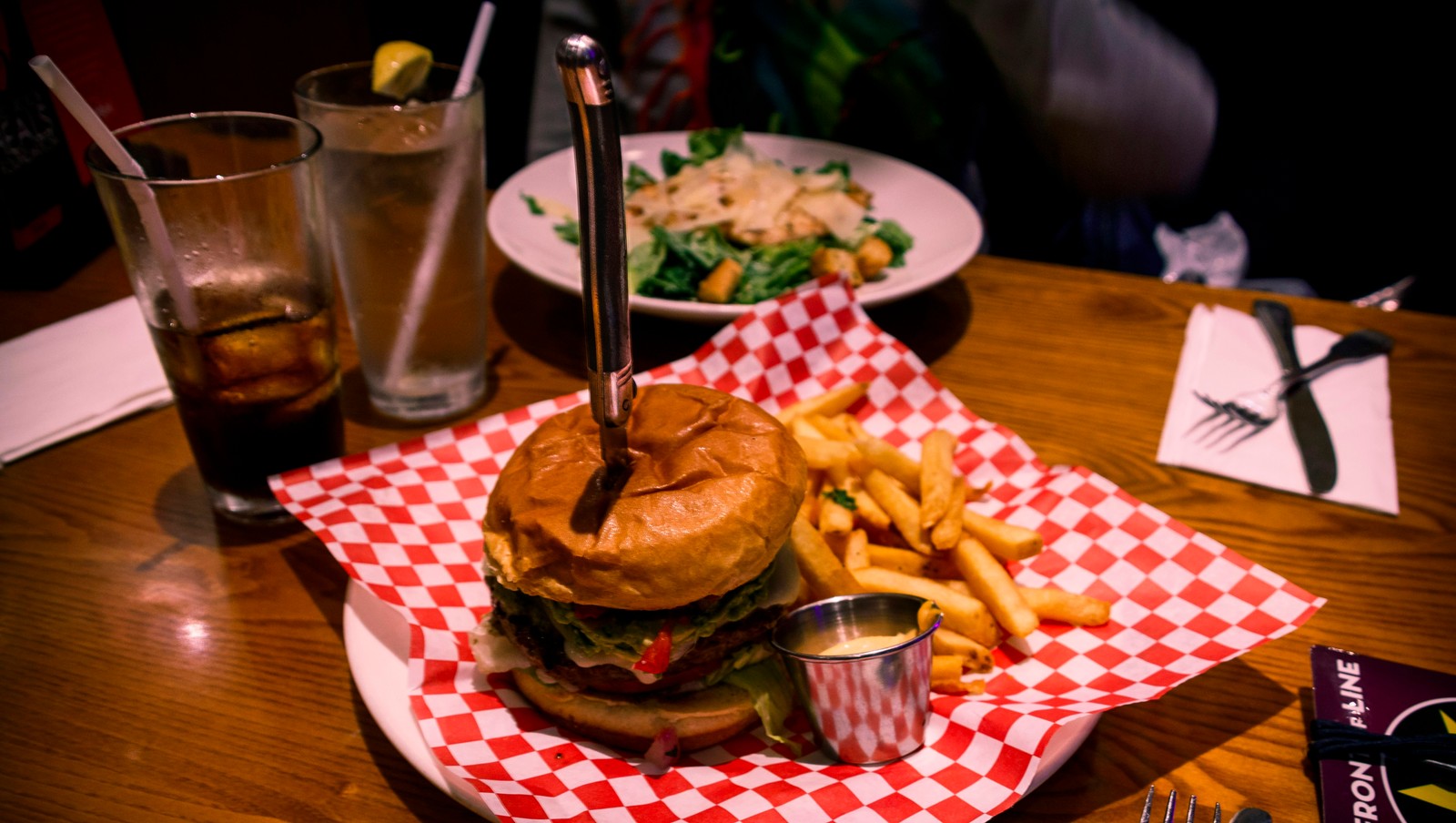
As it couldn’t be otherwise, this concept was born in America. In 1916, a Wichita stand began selling hamburgers prepared hygienically and cooked quickly : The foundation for what became the fast food culture.

That modest stand evolved into larger chains and helped launch a global phenomenon of quick and affordable meals.

8
Film studios
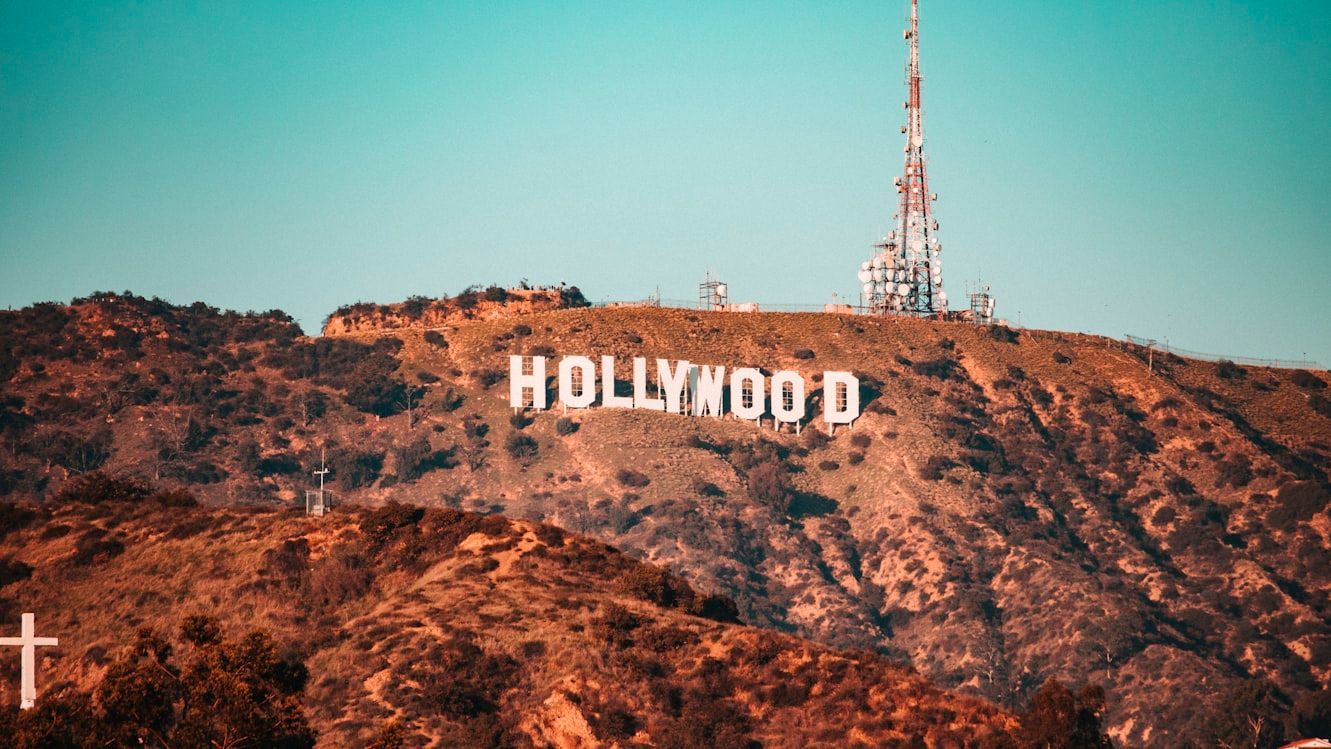
Image: Vincentas Liskauskas

Another concept spawned from a previously mentioned American first, the commercial moving pictures studio was all ours. During the late 19th century, the U.S. saw the creation of the first film studio system .

This early film production set the stage for storytelling, entertainment, and cultural exports that would spread worldwide.

9
Diving flippers
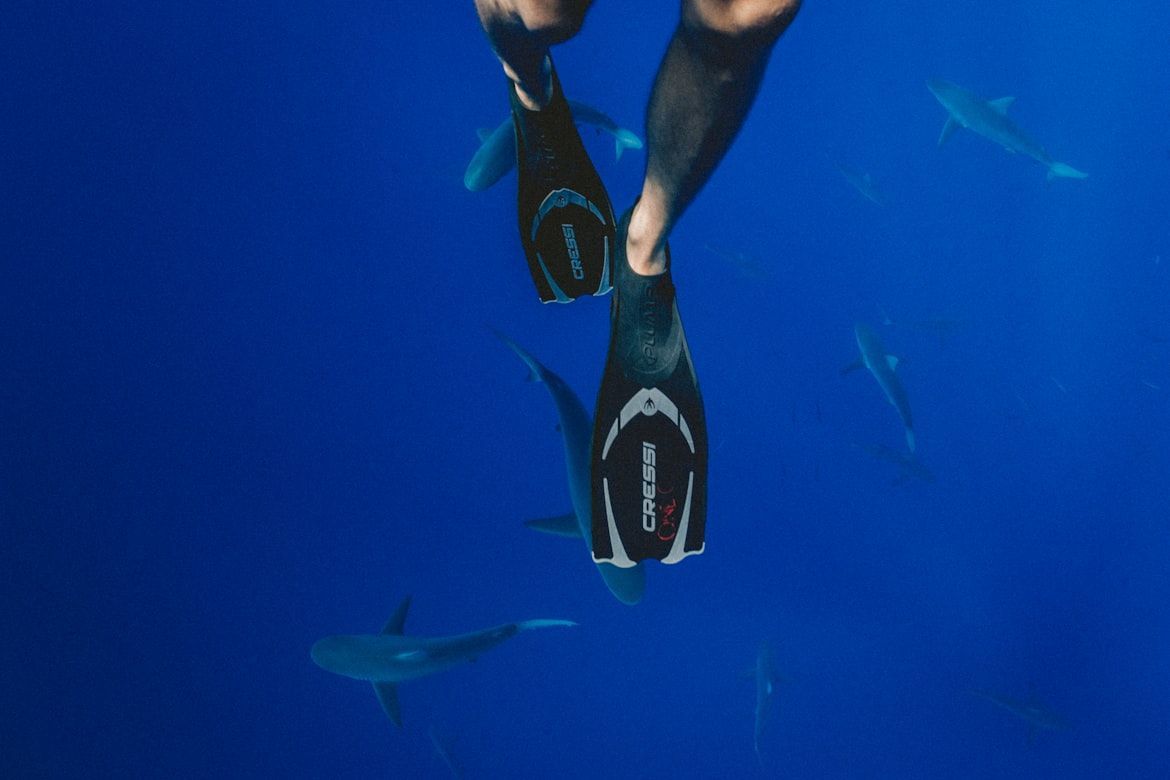
Image: Jakob Owens

In 1717, long before modern diving became common, the U.S. saw the first patent for swim-fins (flippers) , attributed to none other than the great Benjamin Franklin.

A small invention, perhaps, but one that revolutionized swimming, diving, and underwater exploration equipment worldwide.

10
Standardized patent-office system
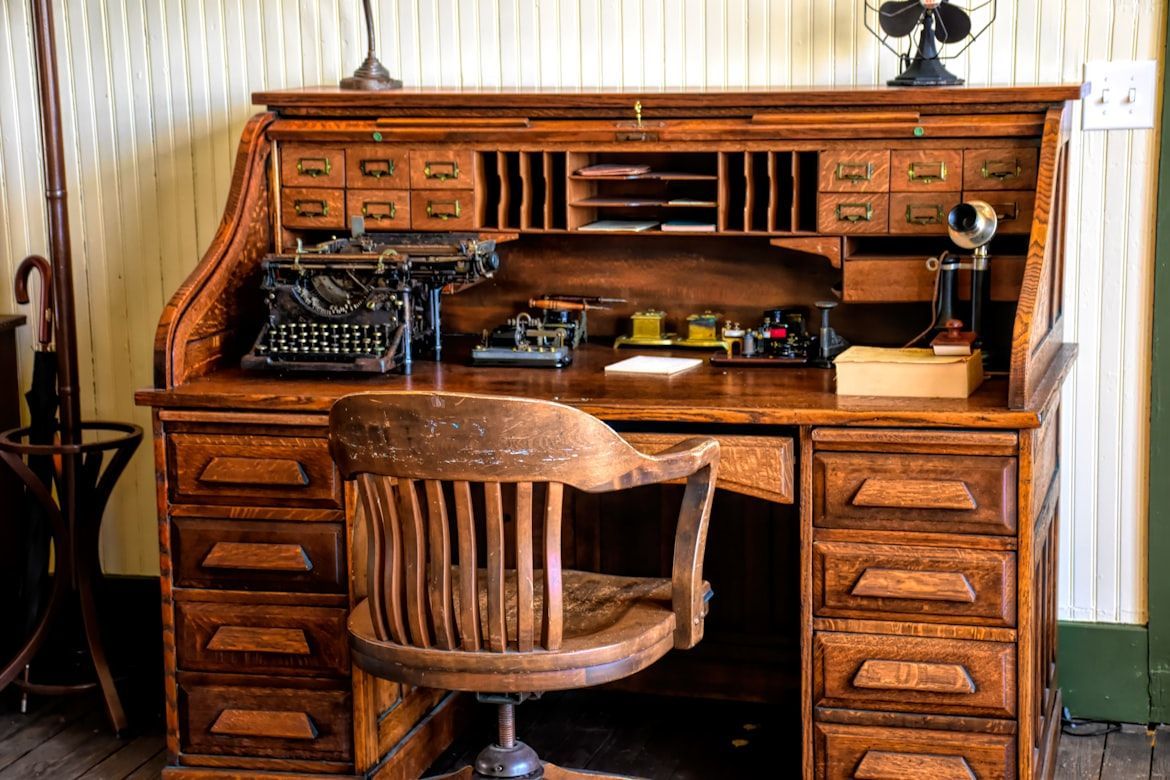
Image: Ray Shrewsberry

When the U.S. patent law was reformed in 1836, a central patent office was established, creating a system to review, grant, and catalogue inventions in a formal and systematic manner .

This institutional framework helped make the U.S. a global hub of invention and innovation, sustaining centuries of technological growth.

Geography Geography 3 min read

What's behind American cities' nicknames? Prepare to be surprised!

Image: Trev W. Adams

We love giving our cities all sorts of nicknames—and American cities wear them like badges of honor! But do you know where they come from? Some seem obvious, while others have mysterious origins, but all have a unique connection to the places they describe . Join us for a fun guessing game as we explore the nicknames of six iconic U.S. cities, with their surprising origins revealed in the second half of this list .

1
The Big Apple: New York City

Image: Nik Shuliahin

Everybody knows "The Big Apple" refers to New York— the city that never sleeps . But why, exactly? Is it because there’s a worm (the subway) underneath it? Or is it a metaphor for something we strive for?

2
The Big Easy: New Orleans

Image: mana5280

It sure feels easy to stroll through New Orleans, a city known for its laid-back atmosphere and rich cultural energy, where jazz bands can spontaneously form on any corner and lively public celebrations are always just around the bend. But what’s the story behind its nickname?

3
Motor City: Detroit

Image: Doug Zuba

The most populous city in Michigan, the nickname "Motor City" certainly feels right for its bustling streets and large industrial background —but what exactly led to the adoption of this powerful nickname?

4
Sin City: Las Vegas

Image: Grant Cai

We all know the famous adage: "What happens in Vegas, stays in Vegas." Given the city’s notorious nightlife and gambling scene , it’s understandable—you might prefer to forget how you lost all your savings on a slot machine. But is that the only reason it earned its infamous nickname?

5
The Windy City: Chicago

Image: Ozzie Stern

Situated on the shores of Lake Michigan, Chicago's nickname might seem to stem from its exposure to harsh weather —but sometimes, the obvious answer isn’t the correct one. Is it really the weather, or is something stranger at play?

6
The Mile High City: Denver

Image: Emmanuel Appiah

Is Denver really a "Mile High" city because of its geographical proximity to the towering Rockies, or is it just a nod to its ever-expanding skyline? Keep reading to find out!

And now, the answers:

7
The Big Apple: Horse-racing origins

Image: Taylor Sondgeroth

The nickname originated in the 1920s as horse-racing slang , where "The Big Apple" informally referred to New York’s prize racetracks. Jazz musicians later popularized it, and a 1970s tourism campaign ultimately cemented it as a symbol of the city’s cultural and financial prominence.

8
The Big Easy: Chill and jazz

Image: Robson Hatsukami Morgan

If you followed our line of thought—you were right! This nickname emerged from the city's reputation for its relaxed lifestyle and vibrant jazz scene . While there are many theories about who first used the term—and whether it was originally meant to be derogatory—one thing is certain: all New Orleanians agree it 100% reflects the city’s unique blend of music, culture, and laissez-faire attitude.

9
Motor City: Infinite assembly lines

Image: Austrian National Library

Detroit earned its nickname as the birthplace of the American auto industry. Henry Ford’s revolutionary assembly line and the rise of car manufacturing giants cemented the city’s status as the global automotive capital of the 20th century. In fact, it remains home to the headquarters of America’s largest auto manufacturers—General Motors, Ford, and Chrysler.

10
Sin City: Prohibition defiance

Image: Jakub Dziubak

For a city founded by religious missionaries, "Sin City" is certainly an ironic nickname. In truth, its origins trace back to the construction of the nearby Hoover Dam in the 1930s. Thousands of workers flocked to the city in search of lodging and—presumably—entertainment. This led to the rapid rise of casinos and a thriving underground alcohol industry that—during Prohibition—was as profitable as it was illegal.

11
The Windy City: Long-winded speeches

Image: Kristina Paparo

While many assume it refers to Chicago’s weather, the nickname was actually coined by journalists mocking the boastful speeches of local politicians as they aggressively promoted the city as the ideal location for the World’s Fair. The term was meant to highlight the "hot air" of their rhetoric rather than the city's literal windiness.

12
The Mile High City: A matter of altitude

Image: Bill Griepenstroh

Denver sits exactly 5,280 feet one mile above sea level , earning its nickname, the "Mile High City," quite literally. Its natural elevation, combined with stunning Rocky Mountain views, makes it truly unique. Even more interesting, Denver’s altitude leads to some unusual effects: golf balls can travel up to 10% farther than at sea level, and alcohol tends to hit harder since high altitudes reduce the body's ability to process it efficiently.

Geography Geography 6 min read

America's weirdest, wildest, and raddest

Stop the car! 10 roadside wonders that'll make you say "What the Heck?!"

Image: Alvaro Reyes

If there’s one thing we Americans love, it’s things that are bigger, louder, and better than anyone else’s. This might explain why we are home to the largest egg in the world or why we keep Thomas Edison’s last breath in a museum. While it’s true that some of these strange places may seem odd and slightly cringeworthy, each one is interesting in its own right. And while they may not all be worth going out of your way to see, they are certainly worth reading about. Join us to discover 10 roadside attractions that will leave you speechless!

1
Miniature Graceland

Image: Florian Herzog

If you are on the East Coast and you are not planning a trip to the South to visit the real Graceland in Memphis anytime soon, you can always settle for Roanoke, Virginia's miniature version.

The handcrafted structures at Miniature Graceland include the mansion itself, a replica of the Elvis Presley Car Museum, as well as the King's birthplace in the city of Tupelo. This magical tribute was built in 1980 by Don Epperly, an Elvis fan, on the property next to his home. Over time, the attraction deteriorated, but a local group is now in charge of maintaining the site, which can still be visited.

2
World’s largest Christmas store

Image: Brandi Alexandra

Bronner's Christmas Wonderland in Frankenmuth, Michigan, is the self-proclaimed world's largest Christmas store. And no wonder—the amount of electricity required to run the 100,000 lights that illuminate the sales floor costs approximately $1,250 per day.

The salesroom showcases more than 350 decorated trees, and you can find decorations and gifts from 70 countries, as well as over 150 styles of nutcrackers. Also, Bronner's has in-house artists who customize over 100,000 ornaments annually. This place is so fantastic that hundreds of celebrities have visited it. So, now you know—if you're ever in Frankenmuth, chances are you'll be rubbing elbows with a Hollywood star while shopping for your next Christmas tree.

3
Missouri’s Mount Rushmore

Image: Takefreebies

Although often overshadowed by the original Mount Rushmore in South Dakota, Missouri’s Mount Rushmore with Fake Celebrity Heads still manages to attract a crowd. The "monument," located in Branson since 1996, includes sculpted faces of John Wayne, Elvis Presley, Marilyn Monroe, and Charlie Chaplin.

This attraction is part of the Hollywood Wax Museum and is featured on the exterior of the building. Inside, you can find wax replicas of dozens of iconic stars —a true photo opportunity! But, if you get bored, Branson offers plenty of other attractions for the curious tourist. Just next door to the museum, you’ll find the Castle of Chaos, the world's first 5D ride and game, as well as Hannah's Maze of Mirrors.

4
World’s Largest Egg

Image: Daniele Levis Pelusi

There have been four versions of the "World's Largest Egg" throughout the history of Winlock, Washington, where it is displayed. The current version is made of fiberglass, weighs 1,200 pounds , and sits atop a ten-foot steel pole in the center of town. But why an egg?

Until the 1950s, Winlock was America's second-largest egg-producing town, and its residents were very proud of this distinction. In fact, the first "big egg" they built to celebrate it, a canvas version, dates back to 1923. In 1944, it was replaced by a plastic version, and in the 1960s, a fiberglass model took its place. The current version, crafted in 1993, was made possible thanks to a local chicken hatcheryman.

5
Virginia’s Dinosaur Kingdom

Image: Fausto García-Menéndez

If you ever wondered what would happen if giant dinosaurs had fought during the Civil War, look no further than the Dinosaur Kingdom in Natural Bridge, Virginia. Visitors to this quirky destination are treated to scenes of giant plastic lizards devouring Union soldiers in re-enactments of famous battles.

But it’s not all fantasy—there's some truth to it all. The park's 30 fiberglass statues are built around the premise that paleontologists discovered dinosaurs in 1863. This unique attraction was created in 2005 by local artist Mark Cline, who was inspired by the movie The Valley of Gwangi, in which cowboys discover living dinosaurs in a Mexican valley.

6
Thomas Edison’s Last Breath

Image: Zach Lucero

Who wouldn’t want to capture the soul of a loved one before they passed away? Believe it or not, that's what American industrialist Henry Ford did in 1931. Ford considered Thomas Edison a hero and a role model. In fact, as a young man, he took a job at the Edison Illuminating Company while working on his first experimental automobile. Edison, impressed by young Ford’s inventiveness, eventually became his friend.

As the legend goes, Ford asked Edison's son to sit by the inventor's deathbed. Believing that the soul left the body with one’s dying breath, Ford captured the final gasp of his dear friend in a test tube. The artifact, labeled "Edison’s Last Breath?", is now on display at Henry Ford’s Museum in Dearborn, Michigan. If you ever visit, you'll find other interesting memorabilia, like George Washington's camp bed and the rocker in which Lincoln was shot.

7
The Golden Driller

Image: Zbynek Burival

To celebrate the discovery of vast oil reserves in the area, the city of Tulsa, Oklahoma, created a statue depicting an oil worker and presented it at the International Petroleum Exposition in 1953. The monument became so popular that in 1966, a new twenty-two-ton concrete and iron statue of a golden man standing next to an oil derrick was permanently installed in front of the Tulsa Expo Center.

The Golden Driller stands seventy-six feet tall and can withstand a 200 mph tornado. In 1979, it was declared Oklahoma’s official state monument. A plaque at its base reads: "To the men of the petroleum industry who by their vision and daring have created from God’s abundance a better life for mankind."

8
Glass Beach

Image: Kevin Lanceplaine

From 1950 to 1967, the citizens of Fort Bragg, California, dumped tons of garbage onto a nearby beach. Over the decades, the ocean transformed the refuse into thousands of small, smooth, colored glass pebbles that still litter the shoreline today.

Now known as Glass Beach, this area adjacent to MacKerricher State Park attracts thousands of treasure seekers each year. The beach is accessible by foot via a short climb down the cliffs, although collecting the remaining glass is discouraged by State Park Rangers.

9
Hometown of Superman

Image: Zachariah Aussi

Although the rural town of Metropolis, Illinois, is a far cry from the bustling, imaginary city featured in the Superman comics, it has fully embraced its superhero ties. In 1972, Metropolis proudly declared itself the "Hometown of Superman."

A fifteen-foot bronze statue of the Man of Steel stands on Main Street in front of the county courthouse, while Lois Lane has her own statue just a few blocks away. If this inspires you to visit Metropolis, mark your calendar for the second weekend of June. Every year, Superman fans from around the world gather here for the Superman Celebration , which features discussion panels, costume contests, and appearances by celebrity guests.

10
Wonder Tower

Image: Martin Podsiad

One hundred miles east of Denver, in Genoa, Colorado, sits the World’s Wonder View Tower, a tribute to all things weird and obscure. In reality, it was a roadside attraction built in the mid-1920s by American showman P.T. Barnum as a sort of tourist trap. The promoters claimed that if guests climbed to the top, they could allegedly view six different states: Colorado, Kansas, Nebraska, Wyoming, New Mexico, and South Dakota.

For years, the sixty-five-foot tower housed a museum and gift shop featuring stuffed two-headed animals, a collection of 50,000 glass bottles, rooster eyeglasses, and scores of other curiosities. Unfortunately, today the tower is closed to the public due to the owner’s death. Nevertheless, visitors can still admire the weird-looking structure from the outside and, we assure you, it’s totally worth it!

Explore more American facts

Choose your favorite category!

General
General

As American as apple pie—the very best America has to offer!

Culture
Culture

Delve into the astounding richness of American lore.

Geography
Geography

Hop in and explore vast and diverse American landscapes.

History
History

Discover the key moments that shaped the United States.