Culture Culture 5 min read

It’s called popular wisdom for a reason

How to ward off evil spirits? 10 uniquely American superstitions

Image: Peter Burdon

The United States of America is a melting pot of cultures and traditions, which means many superstitious beliefs can be traced back to other places. Think, for example, of beliefs around black cats or cemeteries. But some superstitions were born here, out of the unique idiosyncrasies of each American region. Why is the color of a porch such a big deal? Why are the woods dangerous? Is it crucial where I place my hat? Popular wisdom has an answer for all these questions, and more.

1
The cowboy hat on the bed
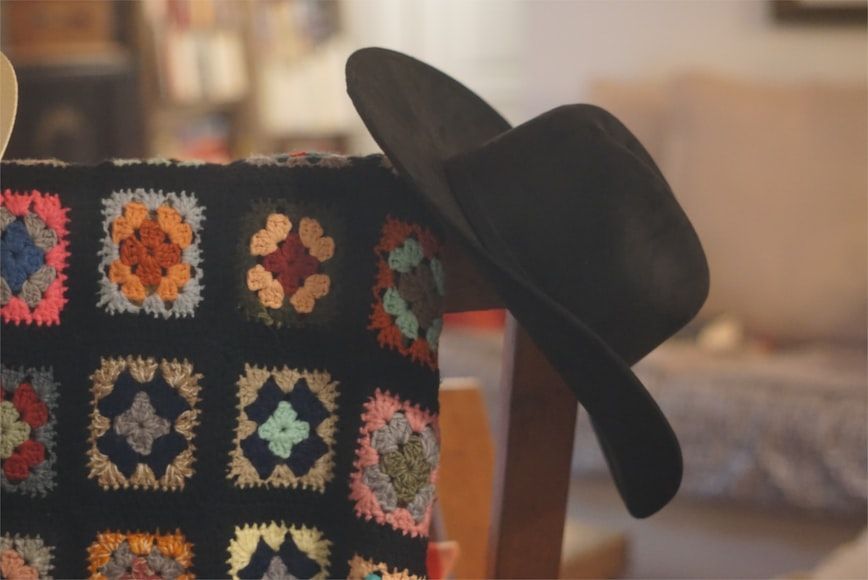
Image: Olivier Piquer

For a proper cowboy, a hat is as important as their horse or saddle. This means that there’s a protocol around this garment that needs to be followed, one important rule being that a hat should never be placed on top of a bed.

Why? There are several explanations, including the idea of bad spirits living in your hair, the old custom of placing a deceased person’s hat on top of their coffin, or the more practical reasoning of wanting to avoid lice. No matter the origin, no respectable cowboy would place his hat on the bed unless he wanted to attract misfortune his way.

2
The Appalachian woods

Image: Elijah Mears

The Appalachian Mountains are filled with myths and legends, and certain rules are passed down and followed by nearly everyone, even those most skeptical about the supernatural. Many of these rules concern the woods and how one should behave in them : don’t go into the woods from dusk till dawn, don’t leave the marked trail, ignore any unknown voice calling you, and don’t look too closely into the trees.

While these rules could be explained by the simple reason of the woods being the hiding place of bandits in the past, and a difficult place to navigate in the dark, they have also been regarded as a place filled with spirits and supernatural beings, which no one wants to come across.

3
Seeing Mothman
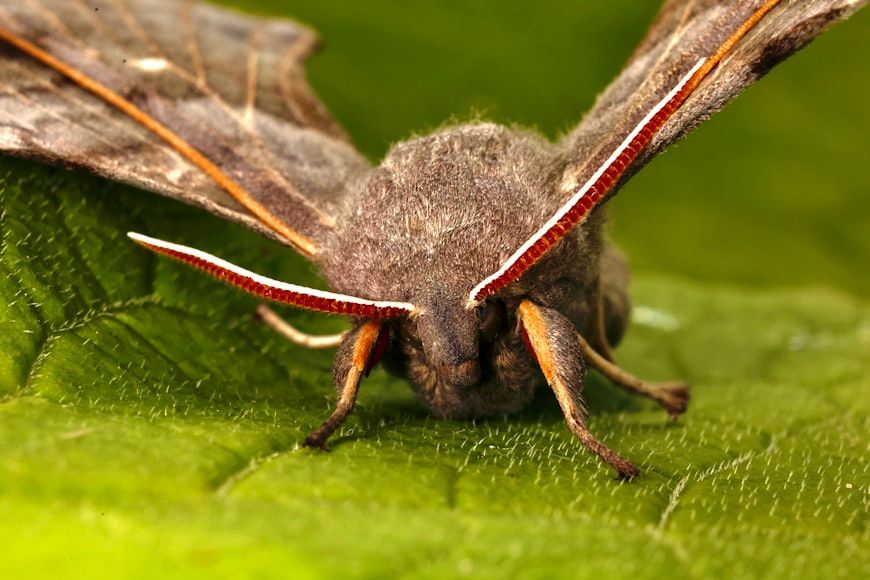
Image: James Wainscoat

A local cryptid celebrity in Point Pleasant, West Virginia, the Mothman has allegedly been sighted several times since the 1960s. Many legends and beliefs have formed around his figure, one of them being that coming across the Mothman is a sign of an impending tragedy .

This belief gained strength after several reported sightings occurred just before the collapse of the Silver Bridge in 1967. Since then, the Mothman has been considered a harbinger of doom and a bad omen.

4
A mirror to ward off the devil
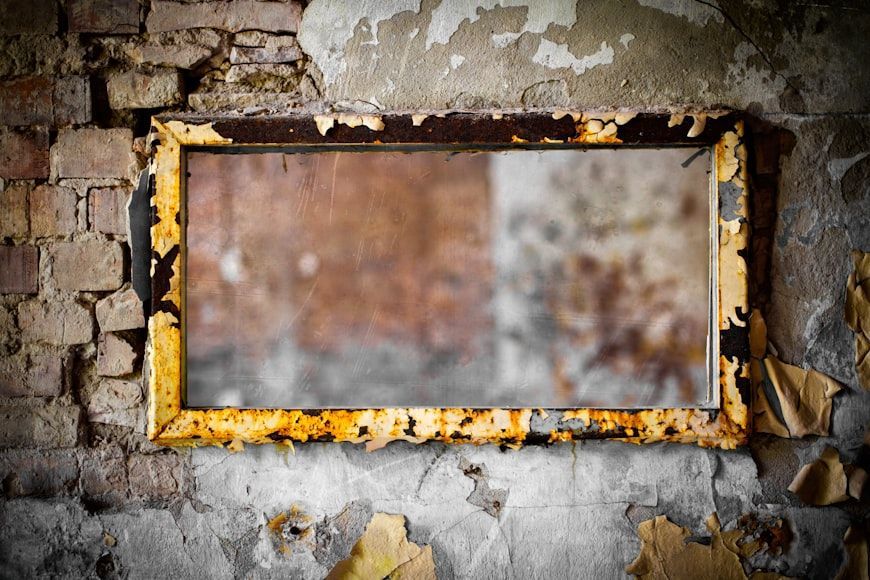
Image: Denny Müller

Louisianans have many myths and beliefs, especially those rooted in Cajun culture. Influences from French Acadia, Spain, and Western Africa have been incorporated into popular wisdom in a distinctly unique way.

One Cajun custom advises the use of a mirror to repel M’su Diable or "Mr. Devil." M’su Diable is known for being very vain, so he will never waste the opportunity to admire himself. If you hang a mirror in the porch, next to the door, he will stay there all night instead of entering the house, and the sunrise will scare him off.

5
Eating black-eyed peas on New Year’s Eve

Image: Nguyen Dang Hoang Nhu

Each holiday has certain foods associated with it, many of which are considered non-negotiable. For many Southern households, New Year’s Eve is synonymous with black-eyed peas, which are said to attract good luck and prosperity for the coming year.

While it’s a popular belief, this custom has distinctly historical origins. After the Civil War, black-eyed peas became a staple food across the South and saved more than one family from starvation. Today, they are often paired with collard greens, which are said to represent dollar bills.

6
Rocking an empty chair
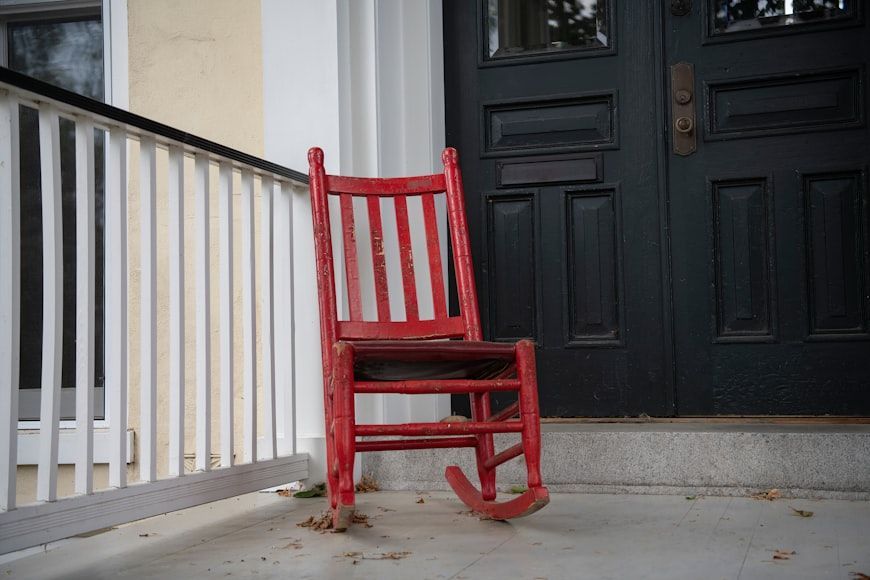
Image: Robin Jonathan Deutsch

Irish and Scottish settlers brought with them a deeply rooted belief: you shouldn’t rock an empty cradle, cause you might wake the spirits. Across the South and the Appalachians, this belief transformed over time and became attached to another object: the rocking chair.

Often placed on porches or near the fire, a rocking chair moving on its own was believed to be occupied by a supernatural being . If someone rocked an empty chair, the spirits might consider this an invitation into the house.

7
The color of the porch

Image: Thomas Park

If you like the look of Southern front porches, you may have noticed that they often feature a pale blue ceiling. The use of haint blue—a collection of pale blue-green shades —is not an aesthetic choice, but a spirit-warding custom stemming from the enslaved Gullah Geechee people.

By painting the ceiling (and sometimes doors, windows, and shutters) blue, spirits might confuse it with the sky and pass through it, or with water, and avoid it. Over time, the tradition of haint blue— haint being an alternative spelling of _haunt_—spread throughout the South.

8
Bananas on a boat
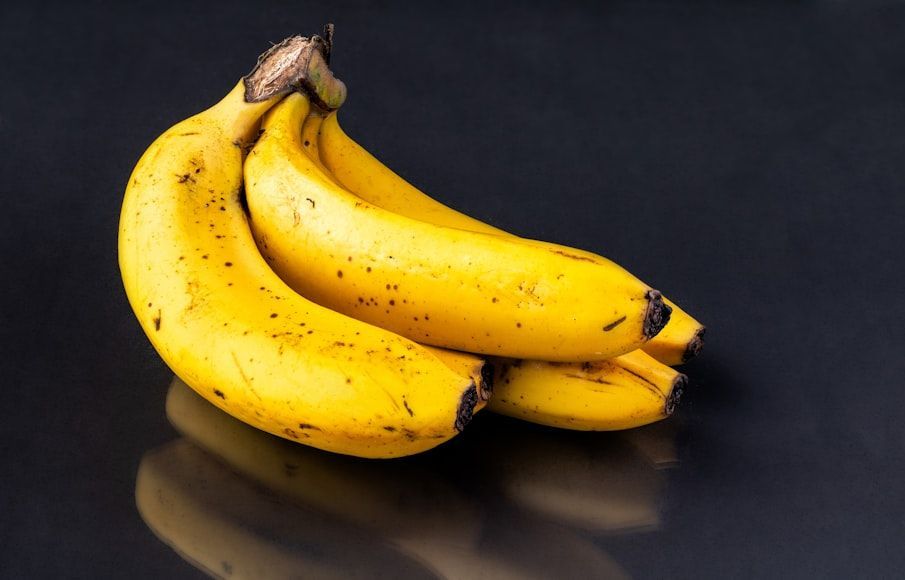
Image: Ian Talmacs

Bananas are a pretty convenient fruit: they’re tasty, nutritious, and come naturally prepackaged. But don’t try saying that to Alaskan fishermen. They’ll tell you that bananas should never be brought on a boat, or no fish will be caught.

There are two possible origins of this belief. Some say the aversion to bananas stems from the old ships that carried this fruit—they sailed as fast as possible to prevent the cargo from spoiling, which disturbed the water and scared away fish. Others say that overripe bananas attract fruit flies and were believed to cause other food to spoil.

9
The tail of the cow
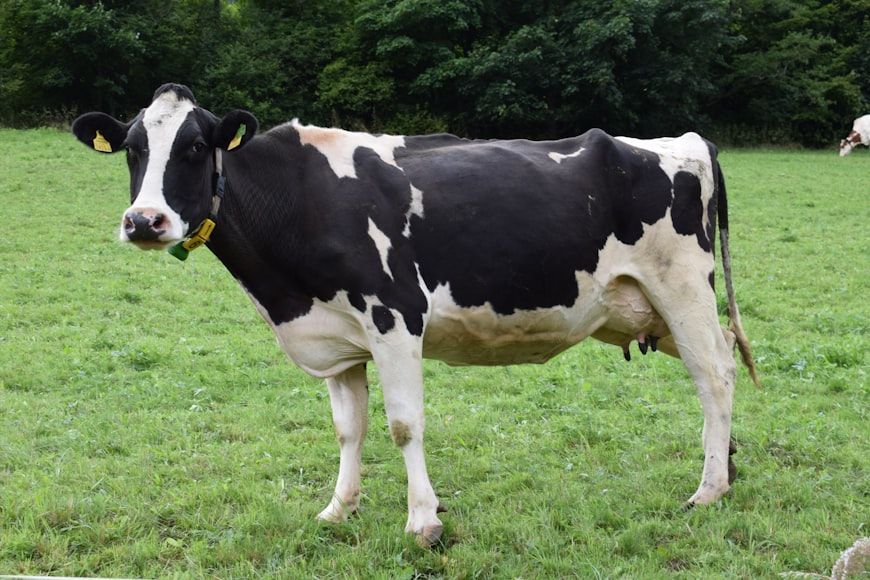
Image: Screenroad

Florida has historically been the state most prone to hurricanes, which has led to the development of superstitions and beliefs around the subject. A common belief involves cows, or more specifically, their tails.

If a cow holds its tail straight up, many Floridians say it means a hurricane is on the way . There are many scientific reasons for cows to hold their tail upright, and none have to do with weather prediction, but as far as we know, Floridians have not been proven wrong yet.

10
Whistling at night
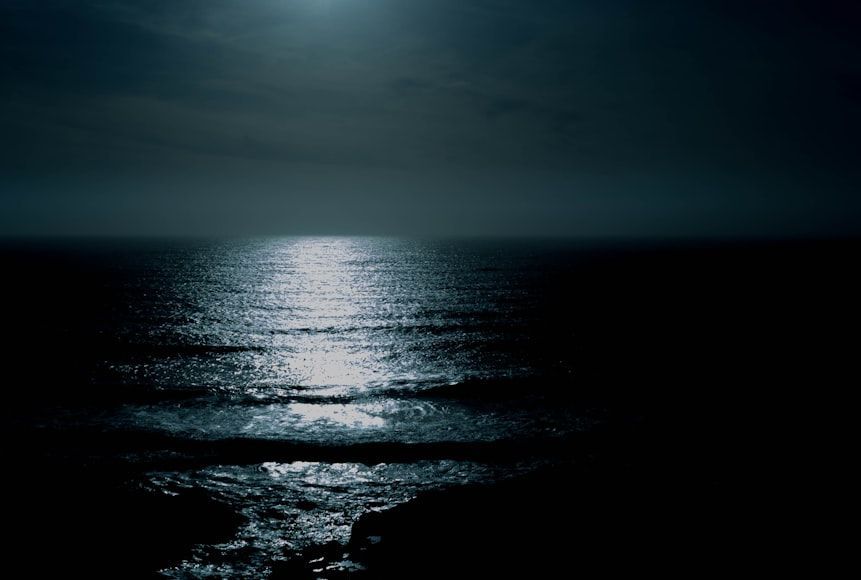
Image: Lukas Robertson

Many cultures across the world refrain from whistling at night to avoid attracting spirits and malevolent beings. For Hawaiians, it is not just any spirit**. A whistle after dark might attract the** Huakaʻi pō or Nightmarchers , the ghosts of ancient Hawaiian warriors.

If you happen to come across them, your only hope is to lie on your stomach and avoid looking at them as a sign of respect. If you are lucky enough to be a descendant of a warrior, they will recognize you and protect you. But just to be on the safe side, it’s best to leave the whistling for daytime.
History History 4 min read

Dystopian spoilers ahead

No Michael J. Fox as Marty McFly? 12 films nearly turned out differently

Image: Roger Ce

It’s hard to imagine classic movies with different stories or characters than the ones we know today, but there are many examples of Hollywood blockbusters that were originally supposed to be very different—and, thanks to wise (or accidental) decisions, were changed for good. Imagine Back to the Future without Michael J. Fox, or a version of Jaws where the shark swims away. It sounds wild, but it nearly happened. Here are some surprising what-ifs from iconic films that just missed the cutting room floor.

1
More Jaws

Image: Karen Zhang

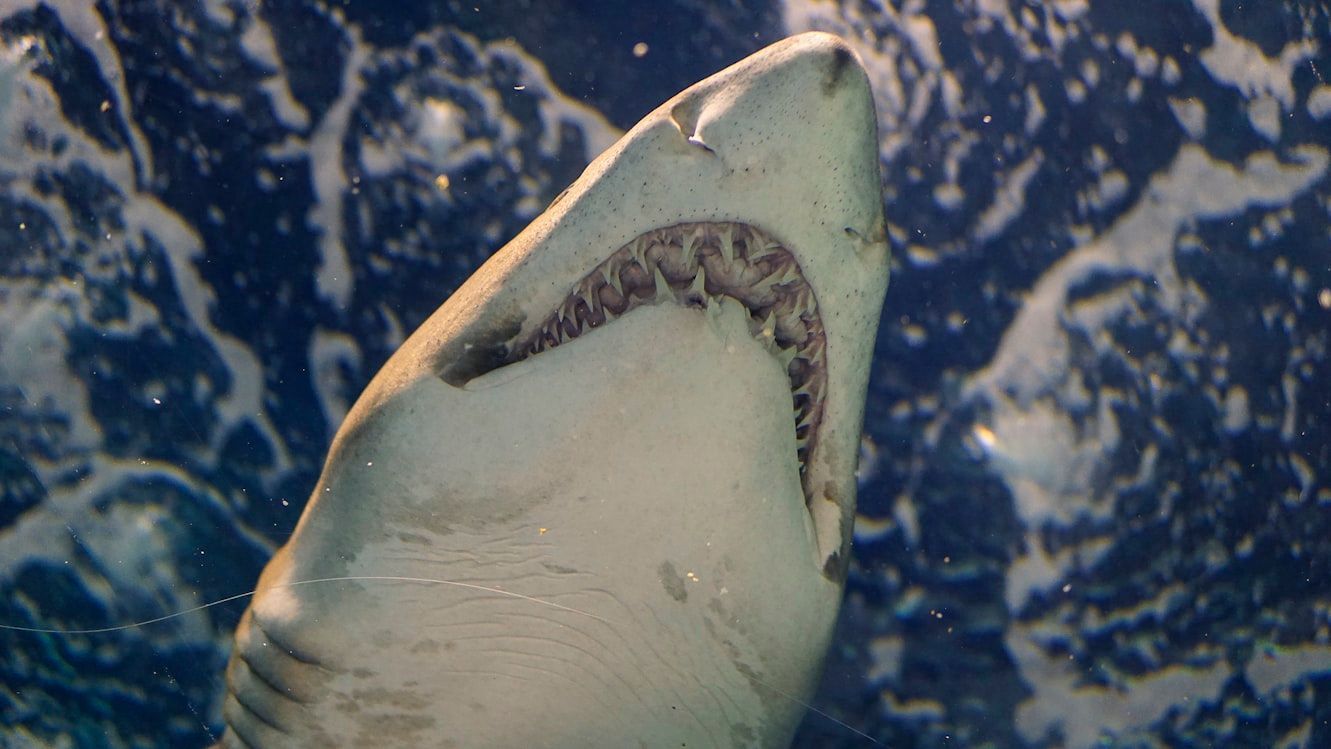
One early idea for the Jaws ending involved not one shark, but several . After the first was killed, Brody would’ve seen more fins approaching , hinting the threat wasn’t over.

Another scrapped version, closer to the novel, had the shark drift away after being harpooned, leaving Brody alone at sea. Both endings were dropped in favor of the explosive finale we know today.

2
Titanic’s Jack & Rose

Image: Edwin Petrus

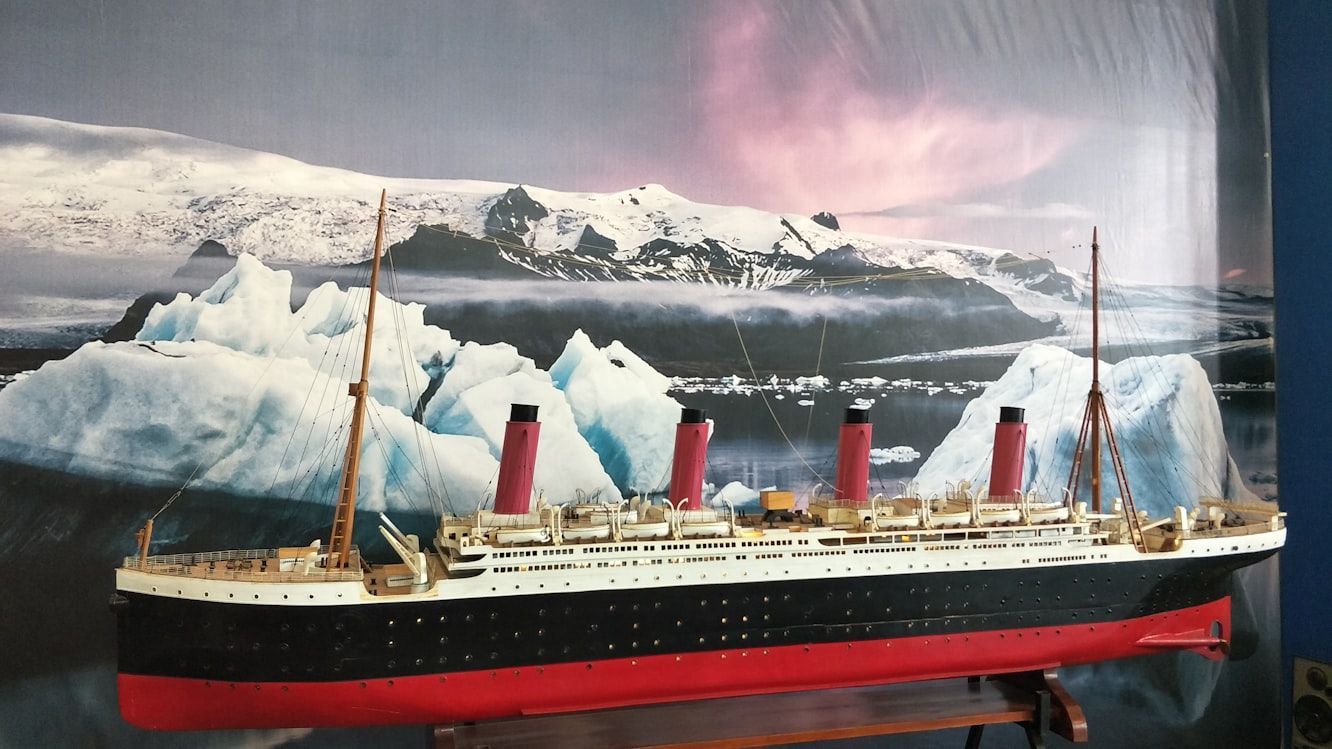
Claire Danes, best known at the time for Romeo + Juliet , turned down the role of Rose in _Titanic_—and says she has "no regrets" today. It’s tough to picture anyone but Kate Winslet in that part.

Matthew McConaughey also came close to playing Jack. He was confident he had the role, but Leonardo DiCaprio ultimately got it.

3
Psycho, in Technicolor

Image: Maxime Roedel

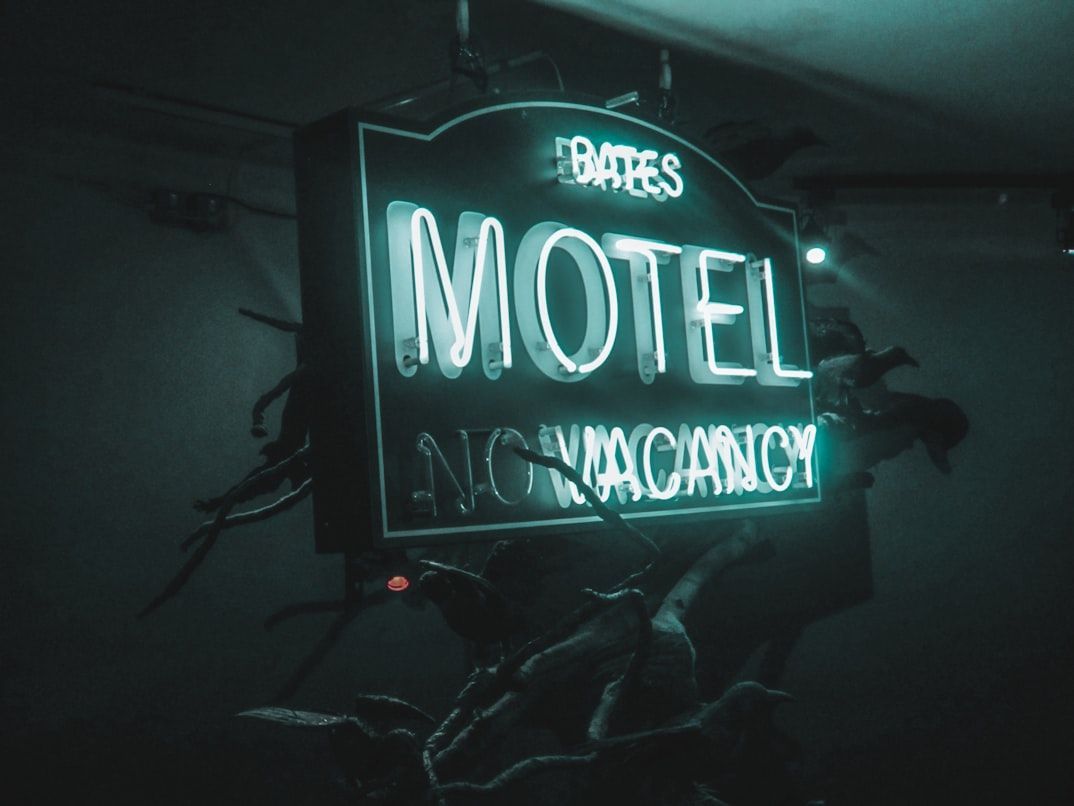
These days, many assume Alfred Hitchcock shot Psycho in black and white for artistic or symbolic reasons. It turns out that it was just a budget issue .

Paramount found the concept too "distasteful," so Hitchcock financed the film himself. Despite its now-legendary status, the studio initially gave it only a limited release.

4
When Harry Almost Didn’t Meet Sally

Image: Nur Fadhillah Fajarudeen

Director Rob Reiner began When Harry Met Sally after his divorce, feeling cynical about love. Originally, the film was written so that Harry and Sally would remain just friends.

But during production, Reiner fell in love again—and changed his mind. The ending was rewritten so the two characters end up together , giving the rom-com its iconic, heartwarming finish.

5
Saturday Night Gump

Image: Yosuke Ota

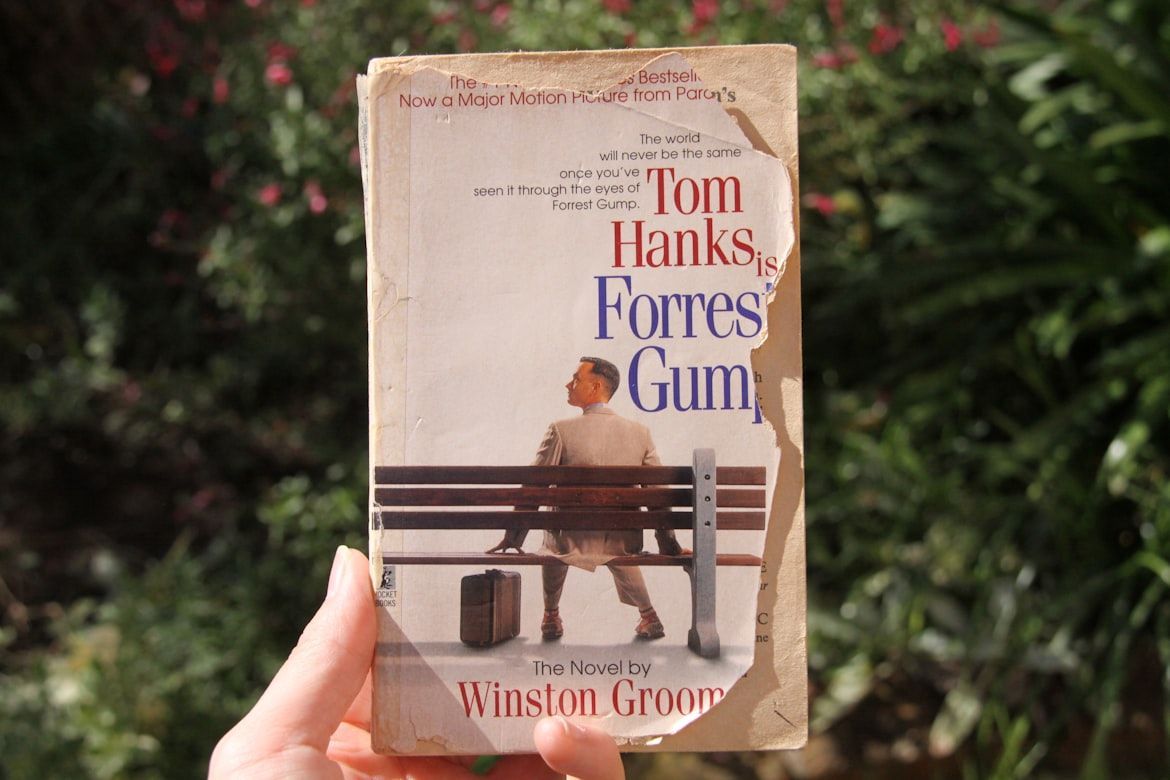
Believe it or not, John Travolta was originally offered the role of Forrest Gump —but he turned it down, and the part went to Tom Hanks instead.

Still, Travolta went on to star in Pulp Fiction , which became a huge hit, so in the end, it worked out for everyone.

6
Pretty Sad Woman

Image: Krists Luhaers

The original Pretty Woman script—titled _3000_—was a dark drama about sex work, ending with Edward leaving Vivian. It had little romance or humor and was meant to serve as a cautionary tale.

Al Pacino and Michelle Pfeiffer once auditioned, but things changed after Julia Roberts and Richard Gere were cast. Their charm shifted the tone, and rewrites led to the romantic ending we know today.

7
The Slaptrix

Image: Markus Spiske

Will Smith was originally offered the role of Neo but turned it down. He has since praised Keanu Reeves’s performance in The Matrix and admitted he would have ruined the film.

Smith's a great actor, but it's tough to picture anyone but Reeves as Neo, dodging bullets in slow motion.

8
Fatal Attraction

Image: Pawel Janiak

Screenwriter James Dearden disliked the altered ending to Fatal Attraction . Originally, Alex framed Dan for her murder, but test audiences didn’t like it .

As a result, the team reshot the film’s climax, giving Alex a more conclusive fate. The new version offered clearer consequences and closure, making it far more satisfying for viewers.

9
Ghost Smashers

Image: Viktor Forgacs

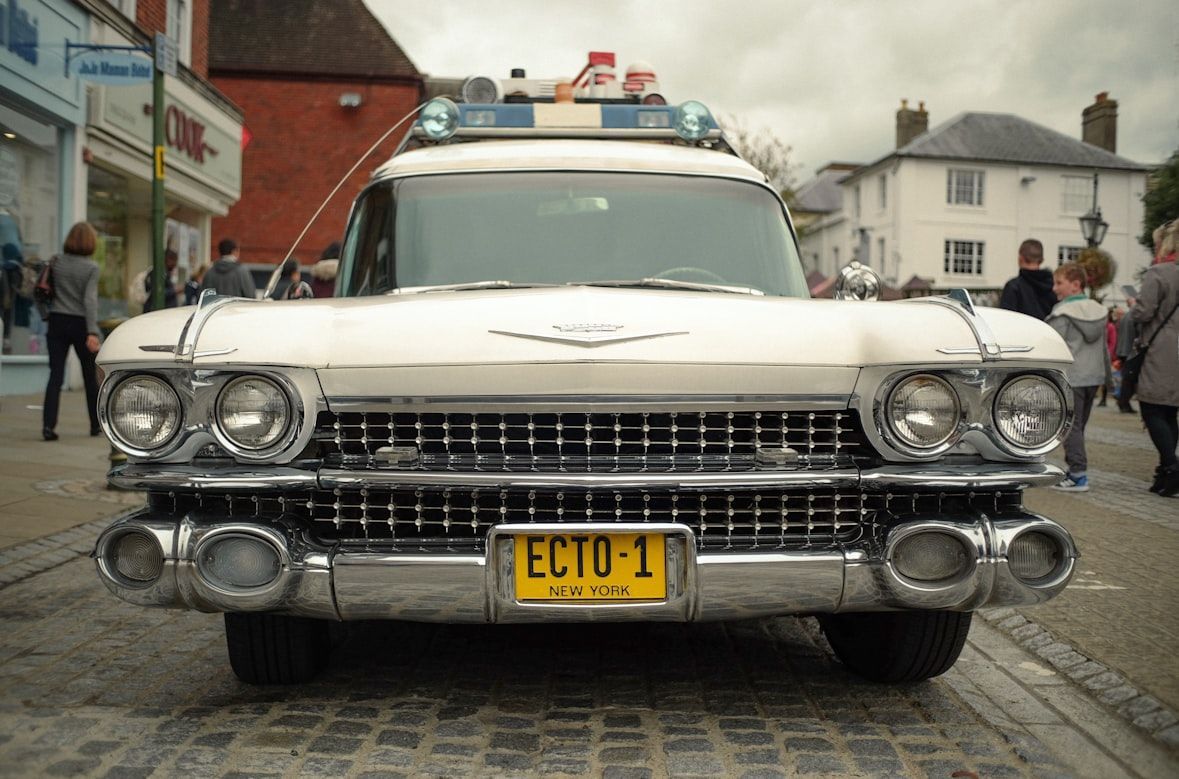
Dan Aykroyd’s original Ghostbusters concept—called _Ghost Smashers_—was a wild sci-fi adventure involving time travel and dimension-hopping .

Filmmakers simplified the story, shifting the focus to ghost-catching instead. That change transformed it into the hilarious, iconic classic we know today.

10
No Marty McFly

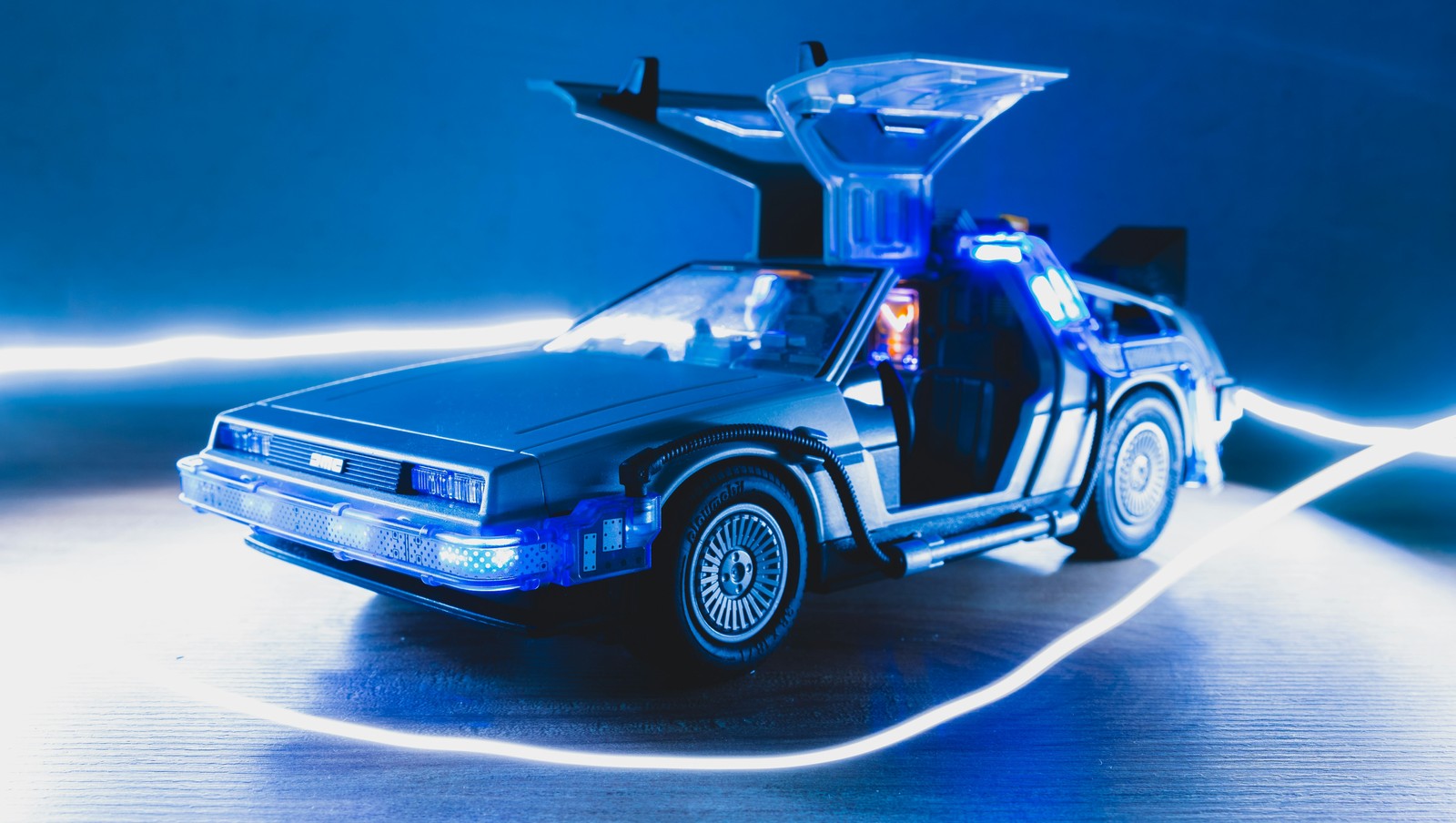
Image: Roger Ce

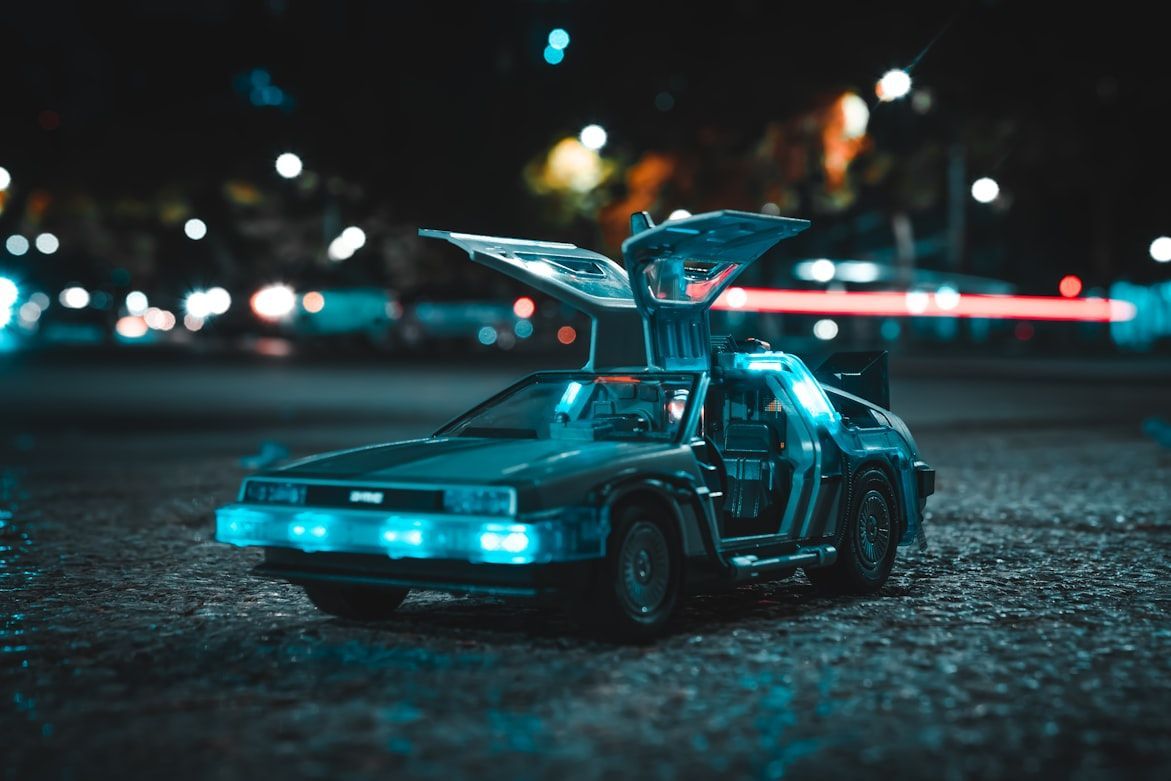
Eric Stoltz was originally cast as Marty McFly in Back to the Future, and even filmed several scenes. However, director Robert Zemeckis and producer Steven Spielberg felt that Stoltz didn’t embody the comedic, fun-loving spirit they were looking for.

As a result, Michael J. Fox was brought in to play the iconic Marty—and the rest is history. It’s hard to imagine the film without Fox’s perfect balance of humor and charm.

11
No Michael Corleone

Image: Enrique Bancalari

Al Pacino nearly missed out on playing Michael Corleone in The Godfather . Director Francis Ford Coppola had doubts about Pacino’s fit for the powerful role, and stars like Jack Nicholson and Robert Redford were also considered .

Luckily, Pacino was cast, and his intense, layered performance became iconic. His portrayal added depth that helped make the film a lasting classic.

12
Gone With No Lead Actress

Image: micheile henderson

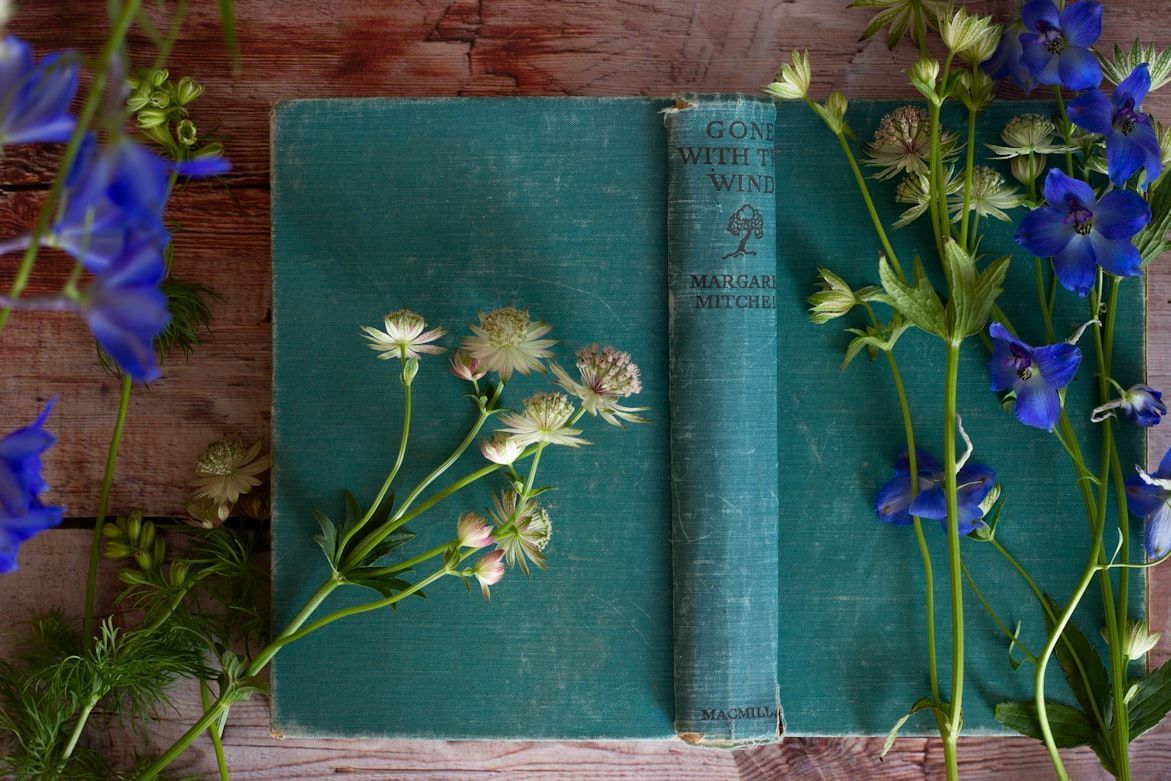
Gone With the Wind began filming without a lead actress, and Clark Gable was reportedly less than thrilled when Vivien Leigh was finally cast as Scarlett O’Hara.

The production faced creative clashes, including pushback on the film’s tone and even Rhett Butler’s famous line. Fortunately , "Frankly, my dear, I don’t give a damn" stayed in .

Culture Culture 4 min read

Funny papers

Colorful pages: Here are 10 of the most iconic American comic strips!

Image: somecomputer

Comic strips might seem like a colorful little detail on the last page of a stuffy, boring newspaper, but they are so much more. They not only add humor and levity to our day, but many people can attest that they learned to read as children through their favorite comic strips. In that sense, America has produced its fair share of amazing comic strips over the years, so we thought it appropriate to honor 10 of the most iconic "funny papers" with this article. Enjoy!

1
Peanuts

Image: ZENG YILI

We’ll start with what some describe as "arguably the longest story ever told by one human being." When Charles Schulz started Peanuts in 1950, he wasn’t aware that he would single-handedly produce a plethora of amazing stories until his death in 2000. The original Peanuts run, which introduced iconic characters like Charlie Brown, Snoopy, and Linus, appeared in over 2,600 newspapers and has been translated into 21 languages.

2
Marmaduke

Image: Oliver Bichard

As any Great Dane owner can tell you, these massive dogs can sometimes be a handful. However, if the comic strip Marmaduke has taught us anything, it’s that no matter how messy their lovable dog is, the Winslow family will always care for their Great Dane, the titular Marmaduke. This comic strip was created in 1954 by cartoonist Brad Anderson, who continued to make Marmaduke comics for 61 years until his death in 2015.

3
Krazy Kat

Image: Shelby Murphy Figueroa

While perhaps not as well-known as other comic strips in this article, George Herriman’s Krazy Kat (also known as Krazy and Ignatz ) is considered by many critics to be one of the most influential comic strips in history. At first glance, Krazy Kat , which ran from 1913 to 1944, appears to be a simple gag-a-day comic depicting an anthropomorphic cat and his mouse rival. However, Herriman’s impressive artwork and groundbreaking creativity have led critics to regard Krazy Kat as one of the most significant pieces of American art .

4
Garfield

Image: Jason Yuen

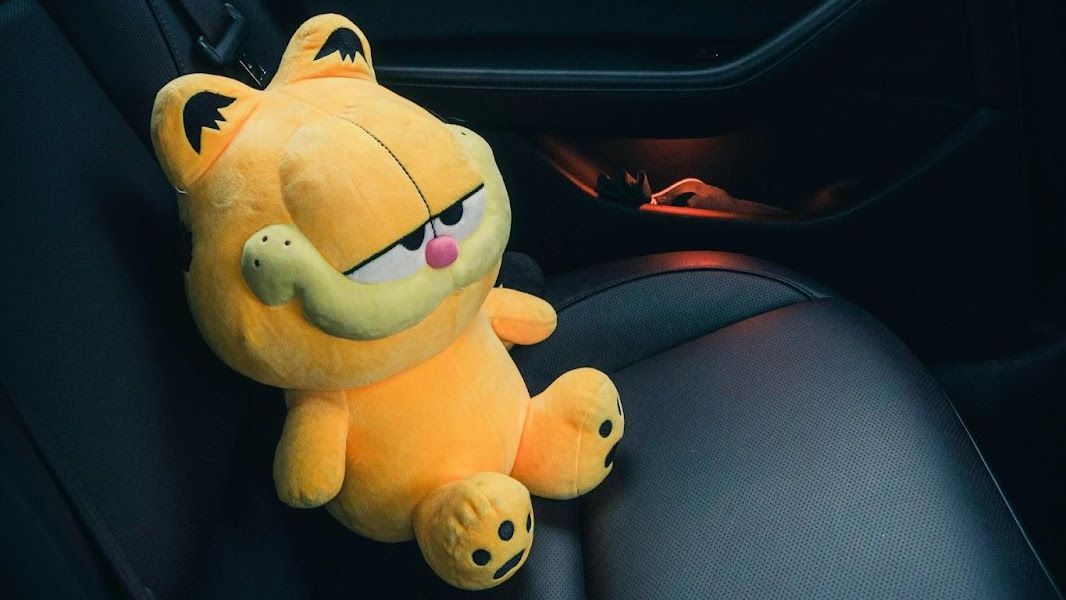
Garfield is a strong contender for the title of "world’s most famous cartoon cat." True, he is competing with heavy hitters like Tom from Tom and Jerry or Felix the Cat, but this Monday-hating, lasagna-loving orange cat is truly a force to be reckoned with. Created by Jim Davis in 1976, Garfield was first introduced in a comic strip named Jon after the cat’s owner. However, Garfield quickly took the spotlight, and the comic strip was renamed Garfield in 1977. From that point onward, Garfield became an international icon, earning the Guinness World Record for being the world's most widely syndicated comic strip.

5
Calvin and Hobbes

Image: cogdogblog, CC BY 2.0

Can you remember the stuffed animal you would carry everywhere as a child, going on imaginary adventures all across your backyard? Well, for many of us, Calvin and Hobbes perfectly encapsulates those beloved memories. Created by Bill Watterson in 1985, this comic strip depicts the adventures of a young boy named Calvin and his best friend Hobbes, a whimsical and friendly tiger. What’s most moving about this comic strip is that both Calvin and the readers see Hobbes not as a stuffed animal, but as the best friend a young boy could have.

6
The Far Side

Image: Luis Cortés

Up until this point, we’ve been focusing on multi-paneled comic strips, which have several panels at their disposal to tell a compelling story. However, The Far Side has the remarkable distinction of making us laugh heartily with just a single panel. Written and drawn by Gary Larson, this comic strip combines surreal humor with unexpected punchlines , often depicting social situations or the author’s unique view of the world.

7
Dilbert

Image: The Conmunity - Pop Culture Geek from Los Angeles, CA, USA, CC BY 2.0

The break rooms of offices across America are filled with newspapers, which tired employees read during their breaks before returning to work. In that sense, artist Scott Adams perfectly chose office humor as the ideal backdrop for his comic strip, Dilbert . First published in 1989, the strip tells the story of the titular Dilbert, a white-collar engineer trying to navigate the hilarious madness of working in an office.

8
The Family Circus

Image: William Fitzgibbon

At times, the chaos of living with a big family might seem not too dissimilar to the frenzy and excitement of a circus. This seems to be the premise behind the beloved comic strip The Family Circus , created by cartoonist Bil Keane and continued by his son Jeff after Bil’s death. This comic strip revolves around an unnamed family and the many adventures that their three small children and modern life bring to them.

9
Popeye

Image: Jonathan MONCK-MASON

Years before becoming the world’s most famous sailor, Popeye debuted in 1929 as a character in a comic strip called Thimble Theatre . Interestingly, he first appeared when the series was already in its tenth year, but he quickly became its most famous character, eventually overshadowing the original cast and becoming the protagonist. In due time, the strip was renamed Thimble Theatre Starring Popeye before being simply shortened to Popeye in the 1930s.

10
Little Nemo in Slumberland

Image: Hayffield L

We’ll end with the oldest comic strip in this article, which many believe to be the father of all American comic strips. In 1905, American cartoonist Winsor McCay first published Little Nemo in Slumberland . The comic revolved around the titular Nemo, a young boy who often found himself embarking on wonderful adventures in the dream world. McCay’s remarkable artistry and surreal imagery influenced generations of cartoonists and visual artists throughout history.

Explore more American facts

Choose your favorite category!

General
General

As American as apple pie—the very best America has to offer!

Culture
Culture

Delve into the astounding richness of American lore.

Geography
Geography

Hop in and explore vast and diverse American landscapes.

History
History

Discover the key moments that shaped the United States.