General General 4 min read

Have your cake and eat it too!

Beyond American Pie: these local desserts are worth trying!

Image: Kenrick Mills

Americans have a sweet tooth that has led to the creation of some of the most delicious desserts in the world. And yes, while the American pie reigns supreme when it comes to pointing a national favorite, there are many other contenders that are nearly as popular as this classic apple treat. The following ten desserts offer just a small taste of the rich American cookbook, yet they manage to represent quite well the sweet cravings preferred in this country. If you haven’t tried some of these, we encourage you to give them a taste—they’re all delicious!

1
Cobbler

Image: Enrique Briseno

What’s not to love about a cobbler? It’s the perfect mix between tart and sweet. The popular choices include peach, apple, and blueberry, but other fruits like pears, and rhubarb, also make great options.

This popular dessert can range from tart to sweet depending on how much sugar is added to the fruit. Cobblers vary from more cake-like to crunchy, especially with the addition of oats for texture instead of flour.

2
Cheesecake

Image: Kelsey Todd

All hail the cheesecake! This amazing dessert comes in many varieties and flavors, from rich double chocolate decadence to fluffier and fruitier options . The cheesecake base also pairs wonderfully with other sweet treats, like brownies and pies, for extra richness.

While it may seem like a very contemporary dessert, the first cheesecakes were created as early as the 5th century B.C. on the Greek island of Samos, where a dessert was created from cheese, honey, and nuts.

3
Banana Pudding

Image: Nicole Winchel Brayton

Few fruits are better companions to creamy desserts than bananas. Their texture and sweetness blend perfectly with many other ingredients. The Banana Pudding is a layered mix of creamy banana custard, fresh bananas, wafer cookies, and whipped cream —a fluffy, chilled delight straight from the icebox.

The recipe for banana pudding first appeared in Good Housekeeping in 1888 and has been a beloved classic ever since, with good reason.

4
S’mores

Image: Jessica Ruscello

This quintessential camping dessert is a truly American creation. The simple concept of graham crackers, toasted marshmallows, and chocolate has become home to a variety of innovations, including the addition of peanut butter, caramel, and other ingredients.

The recipe for s’mores first appeared in a cookbook in the 1920s, when it was already gaining popularity among campers in the Boy Scouts and Girl Scouts of America. And if you’re nowhere near a campfire, you can make this classic treat in your own oven at home.

5
Lemon Squares

Image: Elena Kloppenburg

This yellow cousin of the brownie (more on that later) is perfect for anyone who loves tart and flaky treats. The most successful recipes include a buttery shortbread crust, a layer of deliciously tangy lemon curd, and a light dusting of powdered sugar.

Chilled in the fridge, lemon squares make an ideal summertime dessert to savor when the heat is overwhelming.

6
Frozen custard

Image: Tim Mossholder

Everybody knows custard, right? And, as tasty as it is, frozen custard is—even better for many people. This gourmet ice cream treat, made with eggs, cream, and sugar is specially celebrated in Milwaukee, Wisconsin—the so-called "Custard Capital of the World"—where it's sold more than anywhere else around the globe.

Because it contains much less air than other similar treats, frozen custard is thick, dense, and packed with flavor.

7
Key lime pie

Image: Nathan Lemon

Who doesn’t love key lime pie? This sweet and sour dessert originates from the Florida Keys. It consists of Key lime juice, condensed milk, and eggs, mixed into a creamy custard. The custard is poured into a buttery crust made from graham crackers and topped with sweet whipped cream. The acidic flavors of the limes provide a perfect contrast to the sweetness of the sugar and cream.

8
Gooey Butter Cake

Image: Olga Petnyunene

Gooey butter cake is an accurately descriptive name for this treat, a hallmark of the city of St. Louis. It’s a flat, dense cake made from wheat flour, butter, sugar, and eggs . The cake is traditionally garnished with powdered sugar and sometimes a few raspberries.

Sweet, rich, and firm, gooey butter cake was created in the 1930s by a baker who, while attempting to make a standard yellow cake, accidentally added too much sugar, butter, or shortening. Rather than discard the gooey, sticky batter, he decided to sell it—and customers couldn’t get enough.

9
Beignets

Image: Keesha's Kitchen

While this dish originated in France, America has made it its own. Beignets are squares of deep-fried pastry dough sprinkled with powdered sugar and traditionally served hot . These days, beignets are most commonly associated with the French Quarter of New Orleans, where they were declared the official state donut in 1986. These treats are often enjoyed alongside chocolate milk or café au lait.

10
Brownies

Image: NordWood Themes

Last but not least, another American favorite makes its entrance. These small chocolate cakes come in various forms, from thicker, fudge-like brownies to lighter, fluffier versions. Brownies are also perfect for pairing with other popular desserts, like ice cream and caramel sauce, and can include nuts or frosting. There’s even a "blonde" variation!

Brownies hold a special place in American culture, often associated with home-baked goods, school bake sales, and family gatherings. Everyone has a favorite type of brownie. What’s yours?

Culture Culture 5 min read

The ultimate ranking of the 12 most unforgettable movie beasts

Image: Elijah Mears

American cinema has produced many monsters that remain easily recognizable decades after their first appearance. From stop-motion creatures of the 1930s to the practical effects of the 1980s and modern computer-generated imagery (CGI), these films have helped shape how audiences perceive movie monsters. Together, these examples show how design, technique, and ingenuity turned fictional creatures into lasting icons of popular culture. Has your favorite monster made the list? Find out now!

1
King Kong (1933)

Image: Ahmet Sali

Do you remember the famous scene atop the Empire State Building, where a giant ape defends his beloved Ann Darrow from attacking biplanes? How could anyone forget! King Kong , which debuted as early as 1933, was created using stop-motion animation, combined with rear projection and miniatures. Kong is portrayed as both a destructive force and a sympathetic character. The film became one of the most influential monster movies in American cinema and led to multiple remakes and spin-offs over the decades.

2
Dracula ( Bram Stoker’s Dracula , 1992)

Image: Tim Alex

Francis Ford Coppola’s cinematic rendition of the famous vampire was released in 1992 and relied heavily on practical effects and elaborate costumes. Gary Oldman’s Dracula appears in several distinct visual forms, including an elderly nobleman and a younger, more polished figure. The film openly references earlier screen versions, particularly Bela Lugosi’s 1931 performance, which established the cape, accent, and formal demeanor that many Americans still associate with the character.

3
The Rancor ( Return of the Jedi , 1983)

Image: David Clode

The Rancor, a massive reptilian monster from the Star Wars universe, first appeared in Return of the Jedi in 1983. The creature, brought to life using stop-motion animation, is known for its powerful claws, sharp teeth, and intimidating roars, often kept as a dangerous pet or prisoner in pits by crime lords like Jabba the Hutt. Despite limited screen time, the Rancor became one of the most memorable monsters in the Star Wars saga.

4
The Xenomorph ( Alien , 1979)

Image: Bruce Warrington

The Xenomorph first appeared in Alien, the famous sci-fi horror film starring Sigourney Weaver and directed by Ridley Scott. Designed by artist H.R. Giger, the creature is instantly recognizable by its elongated head, inner jaw, and biomechanical body. The monster functions as a relentless, silent threat rather than a speaking villain. Its terrifying design became central to a long-running franchise that included sequels, toys, video games, and even theme park attractions.

5
Gill-man ( Creature from the Black Lagoon , 1954)

Image: Alfonso Betancourt

Introduced in 1954, the Gill-man is an amphibious humanoid living in the Amazon. The creature was brought to life using a full-body suit, with separate actors for land and underwater scenes. Its scaly body, webbed hands, and large, expressive eyes set it apart from other monsters of the era. The film was released during the 3D movie boom of the 1950s, which helped draw large audiences. If you’ve seen the film, we bet you’ve experienced a few chills!

6
Audrey II ( Little Shop of Horrors , 1986)

Image: Rapha Wilde

The sassy and manipulative Audrey II from Little Shop of Horrors is a large, carnivorous, talking plant created using puppetry and mechanical effects. Its design evolves throughout the film as it "grows," requiring multiple versions of the puppet to achieve each stage. The character’s unique mix of menace and comedy helped make it one of the most recognizable non-human monsters in American musical cinema.

7
Thing ( The Thing , 1982)

Image: Matthew Stephenson

John Carpenter’s The Thing premiered in 1982, introducing a terrifying shape-shifting alien that can imitate people and animals, making it nearly impossible to identify. The creature’s look was created using extensive practical effects, including animatronics and prosthetics. Set in the icy isolation of Antarctica, the film became well known for using physical effects rather than computer graphics, a choice that helped it remain visually striking decades later.

8
Werewolf ( An American Werewolf in London , 1981)

Image: Ian Nicole Reambonanza

John Landis’s An American Werewolf in London featured groundbreaking practical makeup effects. The unforgettable werewolf transformation scene, shown in full light rather than shadows, shocked audiences and became a milestone in cinematic creature design. The monster itself appears as a large, wolf-like creature with elongated limbs. Starring David Naughton and Griffin Dunne, the film combined horror and humor, helping it stand out among other monster movies of the era.

9
Yautja ( Predator , 1987)

Image: Rowan Heuvel

The 1987 film Predator was groundbreaking in introducing a humanoid alien hunter equipped with advanced technology. Its tense combination of science fiction and high-stakes action captivated audiences of the late 1980s.

The creature is instantly recognizable by its dreadlocked head, mandibles, and thermal-vision mask. Known as Yautja, or Hish-qu-Ten, the Predator became a recurring figure in sequels, comics, and crossover films, cementing its place as one of cinema’s most iconic extraterrestrial monsters.

10
Nosferatu ( Nosferatu , 2024)

Image: Mikołaj

Released in 2024, Robert Eggers’ Nosferatu revisits the classic silent-era vampire tale with a darker, more historically grounded design. This time around, Count Orlok is shown as a decaying, human-looking figure rather than a romantic aristocrat, with pale skin, thinning hair, and period-accurate clothing. The film was shot largely in Eastern Europe, but aimed squarely at American audiences familiar with classic horror. Its approach highlighted mood and atmosphere over spectacle, connecting a 1920s character to modern horror sensibilities.

11
Graboids ( Tremors , 1990)

Image: Viktor Talashuk

Graboids, the massive, worm-like predators with circular mouths lined with sharp teeth and tentacle-like tongues, were created using large mechanical props and practical effects. These underground creatures from Tremors have limited visibility and rely on vibrations, which adds a suspense element that appealed to mainstream audiences at the time. They were really scary, don’t you think?

12
Frankenstein’s Monster ( Frankenstein , 2025)

Image: sirenia57

This modern version of Frankenstein revisits the classic monster first popularized in the U.S. by the 1931 film. In keeping with the preconceived image that many viewers have, the monster retains its stitched skin, heavy movements, and a silent presence. Although it is the most recent film on our list, the creature’s appearance and physicality lean heavily on practical makeup and prosthetics rather than on computer-generated visual effects, reflecting Guillermo del Toro’s preference for tactile, artisanal creature design. Thanks to his decision, the character remains a figure shaped by human actions rather than a simple villain.

History History 3 min read

The Westward expansion

Was the Wild West really wild? 10 myths debunked

Image: Cayetano Gil

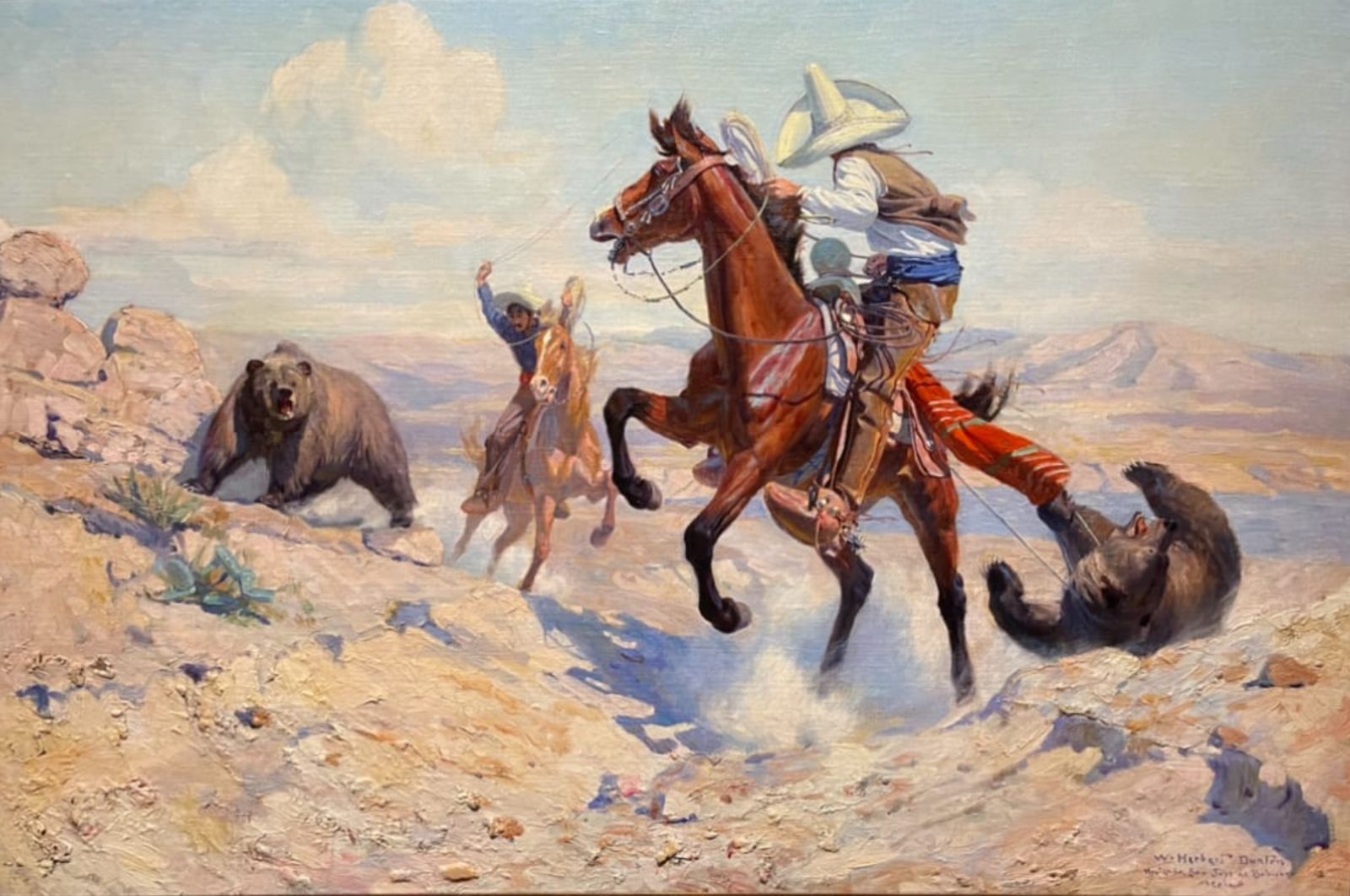
The American West has been so romanticized and misrepresented in movies, TV shows, books, and pop culture that we might not realize what’s truth and what’s myth. We have come to think of it as a place of both opportunity and chaos , with robbers running rampant and settlers constantly fighting with Native Americans. But was this true? Is all we know about the Wild West a tall tale? Let’s find out!

1
The Wild West was wild

Image: Dominique Hicks

Life in the West certainly wasn’t as chaotic and unruly as Hollywood would have us believe. Most of the challenges experienced by the people were those of any settler in a distant place: hard labor, harsh weather conditions, loneliness, petty thefts, and uncertainty. Dangerous conflicts certainly arose, but they were not a daily occurrence.

2
Gold was easily found

Image: rc.xyz NFT gallery

Beginning in the year 1848, gold discoveries inspired a series of rushes that contributed to the Westward expansion, but fewer people actually became rich from the so-called boom. Gold in large quantities was rare to come by , and the overpopulation of prospectors diminished the chances of gathering enough gold to make the labor worth it. In addition to this, shopkeepers demanded outrageous food prices, which consumed the little wealth that prospectors managed to gather.

3
Wild West towns were lawless

Image: Sarah Lachise

While they had their fair share of gunmen and robbers, towns in the Wild West had lower violence rates than big cities . Following the law was essential for the new settlements to thrive, and public order was maintained through the joint effort of marshals, sheriffs, Army soldiers, and private citizens. While the bad reputation of some towns was justified, they were the exception rather than the norm.

4
There was endless free land for the taking

Image: Thomas Bush IV

The West was vast, but it was certainly occupied . Thousands of Native Americans were forcefully displaced, confined to reservations, or forced to assimilate to make way for those arriving. Many settlers were not aware of, nor complicit in this injustice —especially immigrants coming from afar— but others believed they were entitled to the land, even at the cost of native lives.

5
Everyone owned a gun

Image: Luis Domenech

Pistols and rifles have become synonymous with the Wild West, but they weren’t as common as one might think. While they were a useful protection on the range or while travelling, they were usually forbidden in town , so cowboys and travellers had to check them in the sheriff’s office upon arrival.

6
Settlers and Native Americans fought constantly

Image: Jon Sailer

Native Americans who were not displaced or confined to reservations were not necessarily hostile towards settlers. In fact, many of them were open to coexistence and trade with communities that didn’t pose a threat . The majority of their confrontations were with government forces, usually as a result of broken treaties and empty promises.

7
Cowboy hats were the norm

Image: Olivier Piquer

Stetsons, or cowboy hats, might be the quintessential headgear of the modern cowboy, but they were not the standard in the Wild West. Bowler hats, Army caps, and Mexican-style sombreros were far more common choices at the time. In fact, the Stetson brand wasn’t established until 1865.

8
Violence was the main cause of death

Image: United Artists, Public domain, via Wikimedia Commons

The Wild West was not as unruly as it is portrayed, and the chances of dying in a duel or a highway robbery were not as high as one would imagine. The main cause of death was disease , either caused by the harsh circumstances, the lack of sanitary conditions, or the spread of viruses and infections before the advent of modern medicine.

9
The Pony Express was the main communication service

Image: Paramount Pictures, Public domain, via Wikimedia Commons

The Pony Express and its riders revolutionized communication in the Wild West. Beginning operations in 1860, it reduced the travel time of messages between the East and West coasts to about ten days . However, its existence was short-lived: After merely 18 months of operations, the company went bankrupt when a telegraph line was established.

10
Banks in the Wild West were easy targets for robbers

Image: Stefan Münz

Movie westerns would have us believe that bank robberies were a daily occurrence in the Wild West, but nothing could be further from the truth. Though there were heists carried out by famous outlaws, bank robberies were far from common , and train and stagecoach robberies were more likely to happen.

Explore more American facts

Choose your favorite category!

General
General

As American as apple pie—the very best America has to offer!

Culture
Culture

Delve into the astounding richness of American lore.

Geography
Geography

Hop in and explore vast and diverse American landscapes.

History
History

Discover the key moments that shaped the United States.