General General 7 min read

Sin City’s secrets

Fascinating facts about Las Vegas you won't find on travel guides
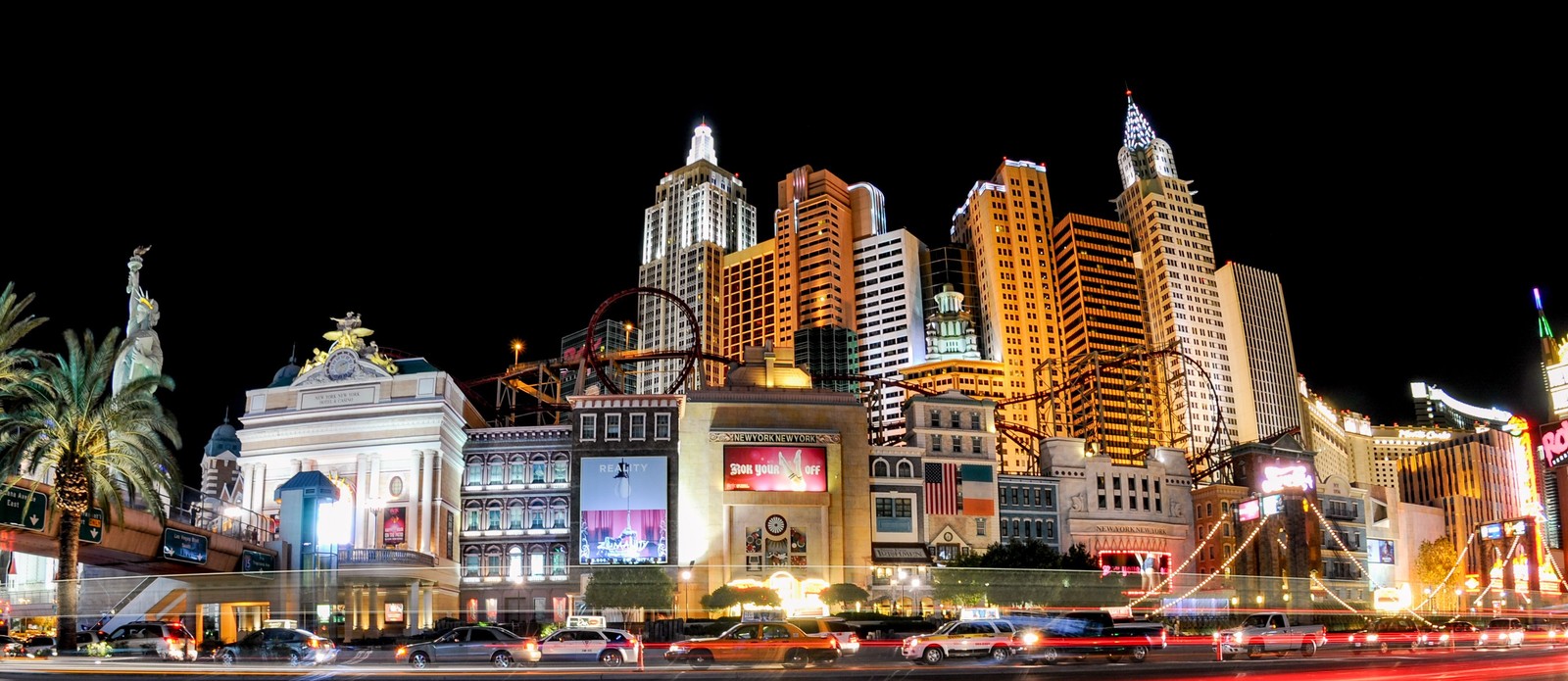
Image: Paul IJsendoorn

A man once sold every single thing he owned, flew to Las Vegas, and bet the whole lot on a single spin of the roulette wheel. Do you think he won? There are 600 miles of concrete flood tunnels under Sin City—can you estimate how many people live there? Most of the profits of the whole city come from one single game; could you guess which one it is? Read on to find all the answers to these stunning facts about Las Vegas, Nevada.

1
The man who sold everything he owned and bet it all on one spin
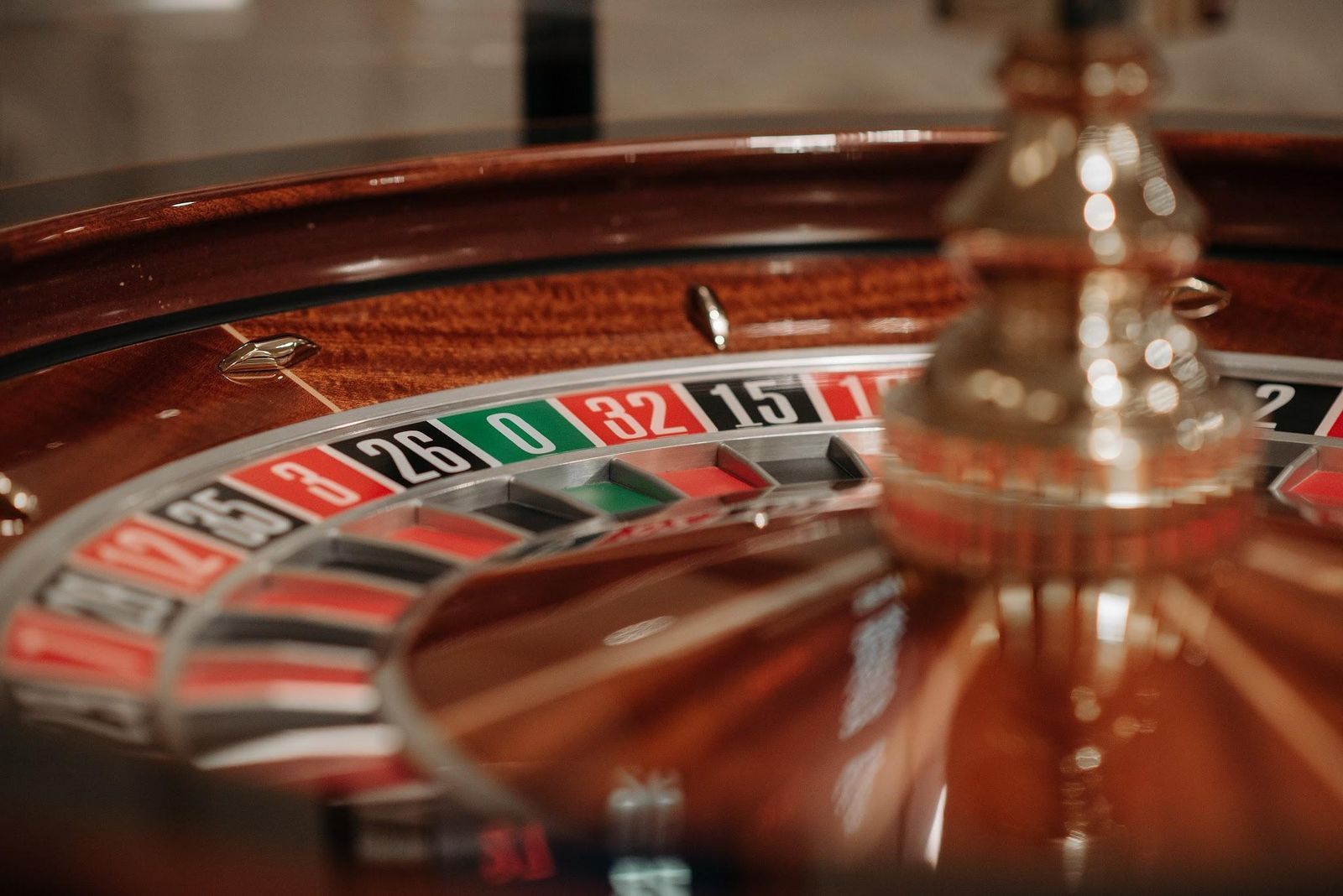
Image: Pavel Danilyuk

In 2004, a 32-year-old British man named Ashley Revell walked into the Plaza Hotel and Casino in Las Vegas and placed every dollar he had in the world on a single spin of the roulette wheel.

In the months before, Revell had sold his house in Kent, his BMW, his Rolex watch, his golf clubs, his electronics, his furniture, and every piece of clothing he owned. The grand total of his liquidated possessions came to $135,300 . He pushed the entire stack of chips onto red as the ball was already spinning. It landed on Red 7.

Revell walked away with $270,600, exactly double what he had come in with. He tipped the croupier $600 on the way out. The whole thing was filmed by Sky One for a reality mini-series called Double or Nothing .

2
Beneath the casinos, an estimated 1,500 people live underground
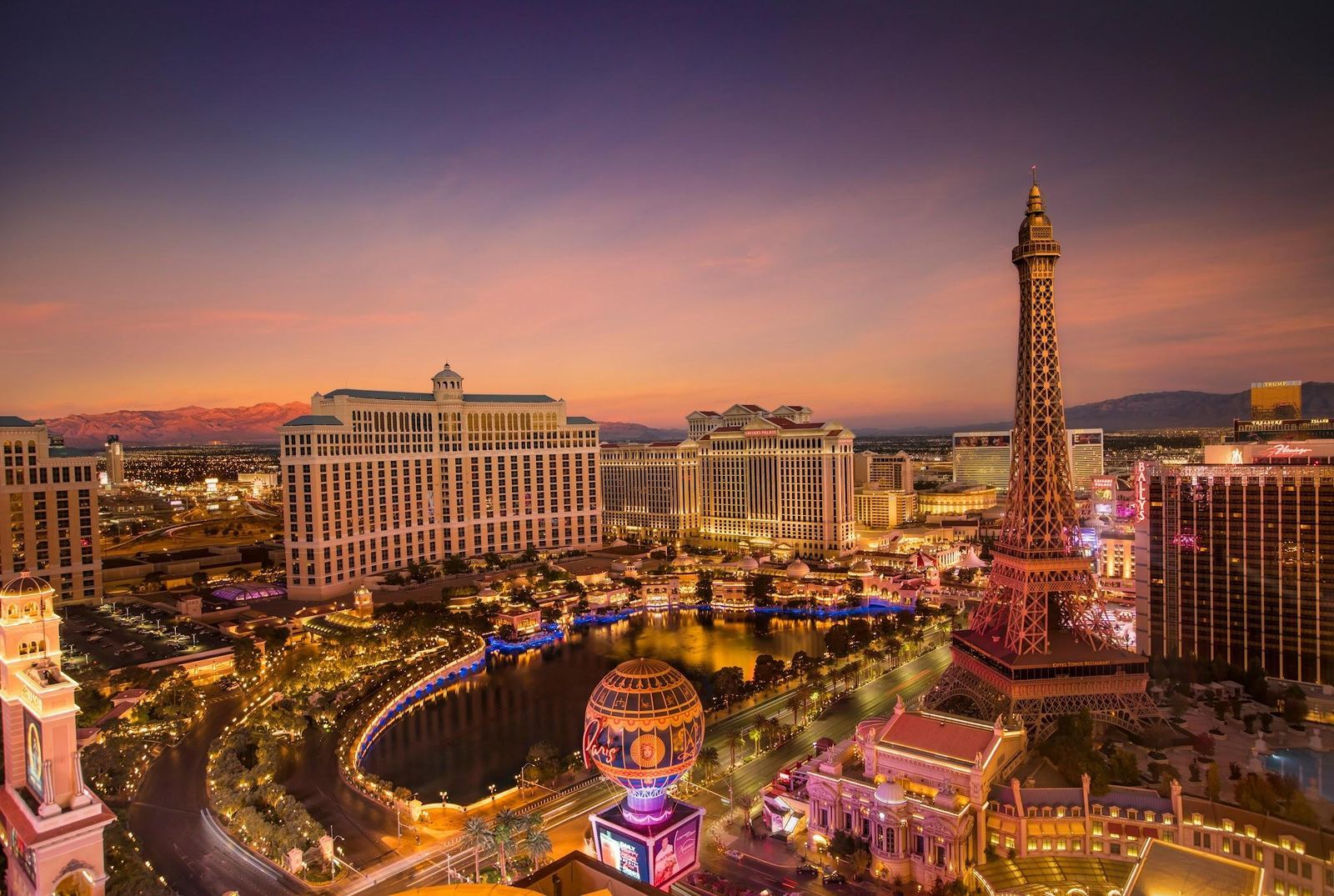
Image: Stephen Leonardi

Below the glittering hotels and neon lights of the Las Vegas Strip runs a network of concrete flood drainage tunnels stretching roughly 600 miles beneath the city. Built in the 1990s to manage flash flooding in the Nevada desert, these tunnels have become an unofficial home for hundreds of the city’s unhoused residents.

It is estimated that between 1,200 and 1,500 people live there . Some residents have constructed makeshift shelters from plywood and salvaged metal deep inside the tunnels, occasionally just yards below the casino floors above them.

The tunnels pose serious dangers: flooding risk during desert rainstorms, extreme heat, and high rates of substance abuse. A network of nonprofits, outreach teams, and government agencies coordinates aid by providing the residents with essentials and offering them long-term case management, like treatment and housing placement.

3
Las Vegas has a literal black book of people banned for life
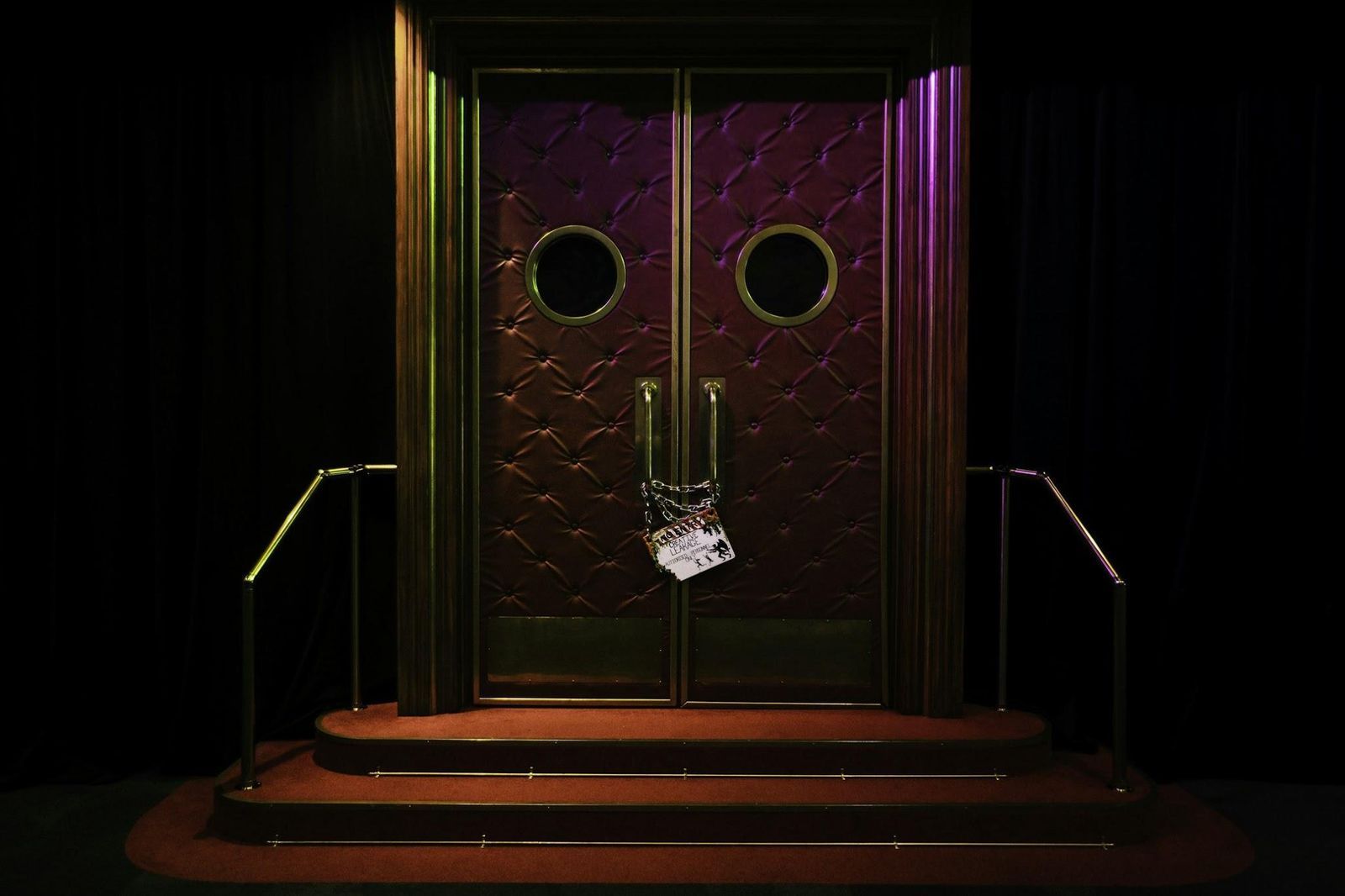
Image: BehindTheTmuna

Since 1960, the Nevada Gaming Control Board has maintained what it officially calls the List of Excluded Persons, better known as the Black Book. The original publication was a black-covered booklet held together with Scotch tape, listing eleven people deemed to have "notorious or unsavory reputations."

Most of the early entries were organized crime figures: Chicago outfit boss Sam Giancana; enforcer Anthony "Tony the Ant" Spilotro, whose violent exploits inspired Joe Pesci’s character in the film Casino ; and nine other mob associates. Anyone whose name appears on the list is permanently banned from entering any licensed gaming establishment in the state of Nevada.

Violating the ban is a gross misdemeanor under Nevada law. As of 2026, there are 37 names on the list. No one has ever successfully appealed their removal.

4
Strange casino rules: no clocks, no windows, no soft dice
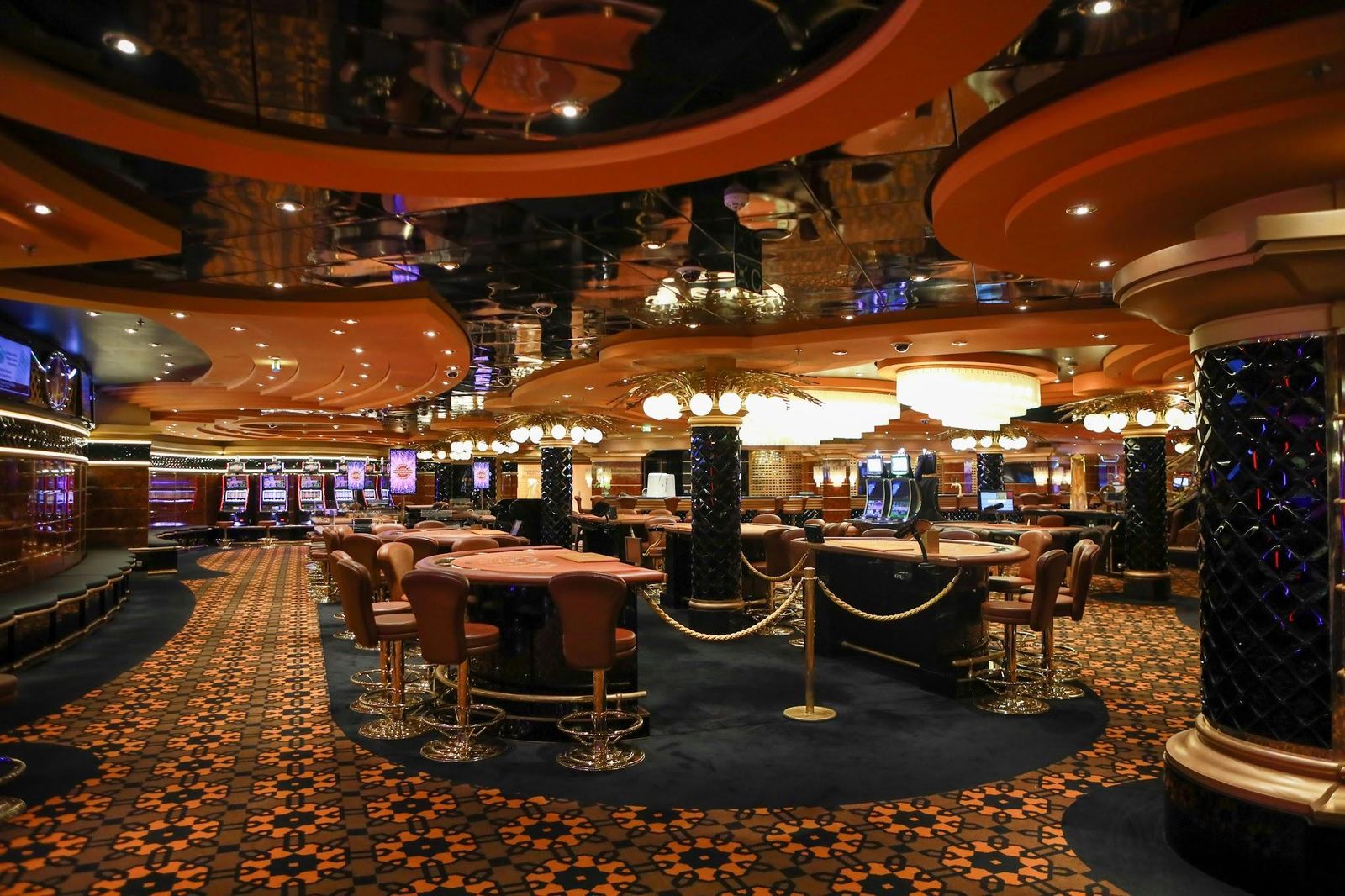
Image: Elizabeth Ferreira

Las Vegas casinos are designed to keep gamblers at the tables as long as possible. Clocks are banned to distract players from the passing of time. Windows are eliminated so that they cannot tell whether it is noon or 3 a.m.

What’s more, Nevada law governs even the dice. The Nevada Gaming Control Board requires casino dice to be perfectly transparent so that no hidden weights can be concealed inside . Each die must be precision-manufactured to within 1/10,000th of an inch, with razor-sharp corners and edges showing no rounding whatsoever. They are inspected regularly and, in high-stakes games, replaced every eight hours of play to ensure consistent rolls.

5
The famous Las Vegas Strip is not actually in Las Vegas
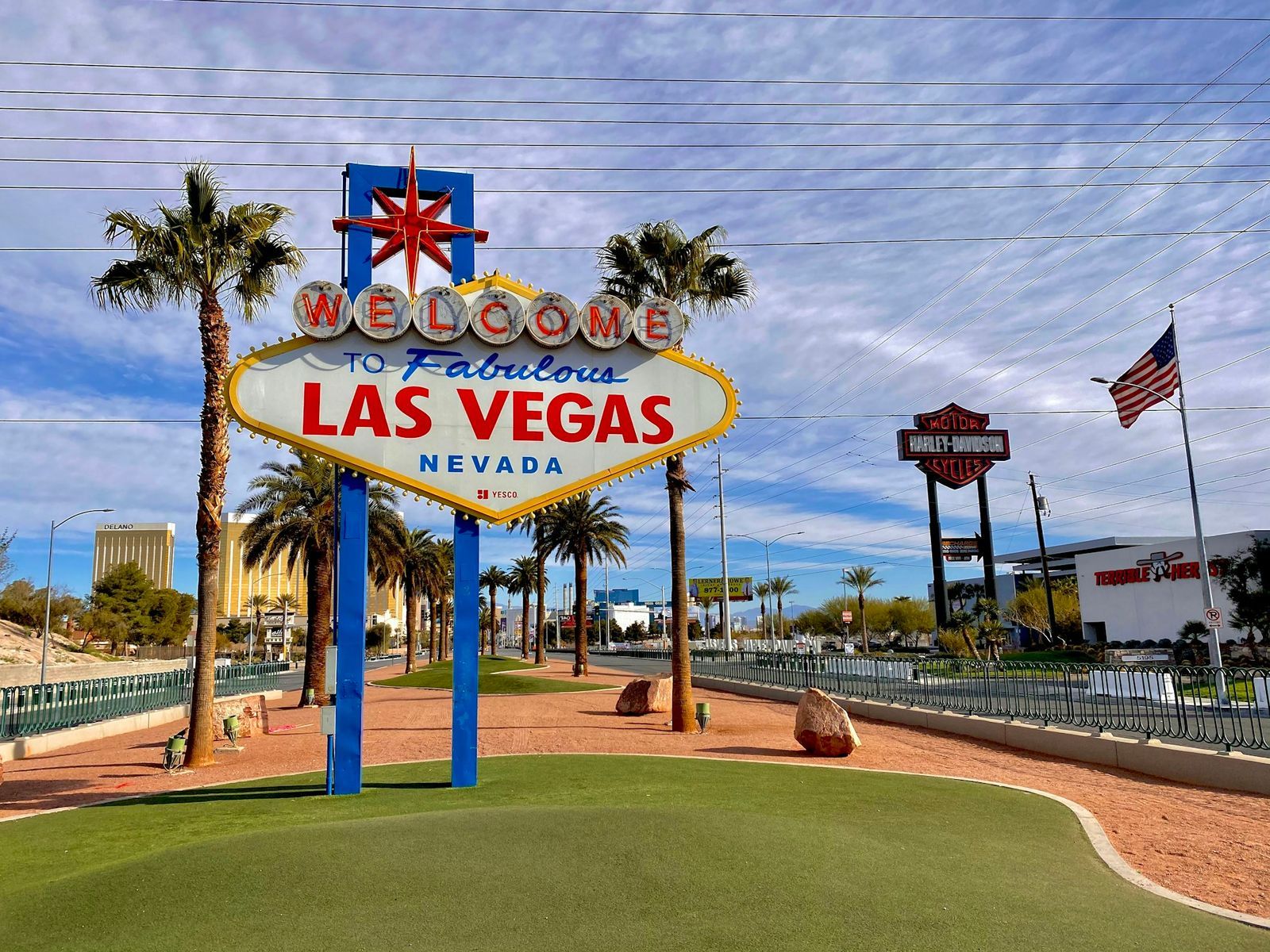
Image: David Lusvardi

The stretch of Las Vegas Boulevard South that the world knows as the Strip does not lie within the city limits of Las Vegas. This is the area that’s home to Caesars Palace, the Bellagio, MGM Grand, the Venetian, Mandalay Bay, and dozens of other iconic venues.

Technically, it falls within an unincorporated community called Paradise , which is governed by Clark County rather than the city of Las Vegas. Paradise was deliberately established in 1950, when casino owners moved to avoid Las Vegas city taxes and regulations while continuing to trade on the city’s name and benefit from its infrastructure.

The city of Las Vegas actually begins further north along the boulevard, near the Stratosphere. Paradise covers approximately 54 square miles and has a residential population of around 220,000 people, which means it’s one of the largest and most densely populated unincorporated communities in the United States.

6
The Luxor’s sky beam is the most powerful artificial light on earth
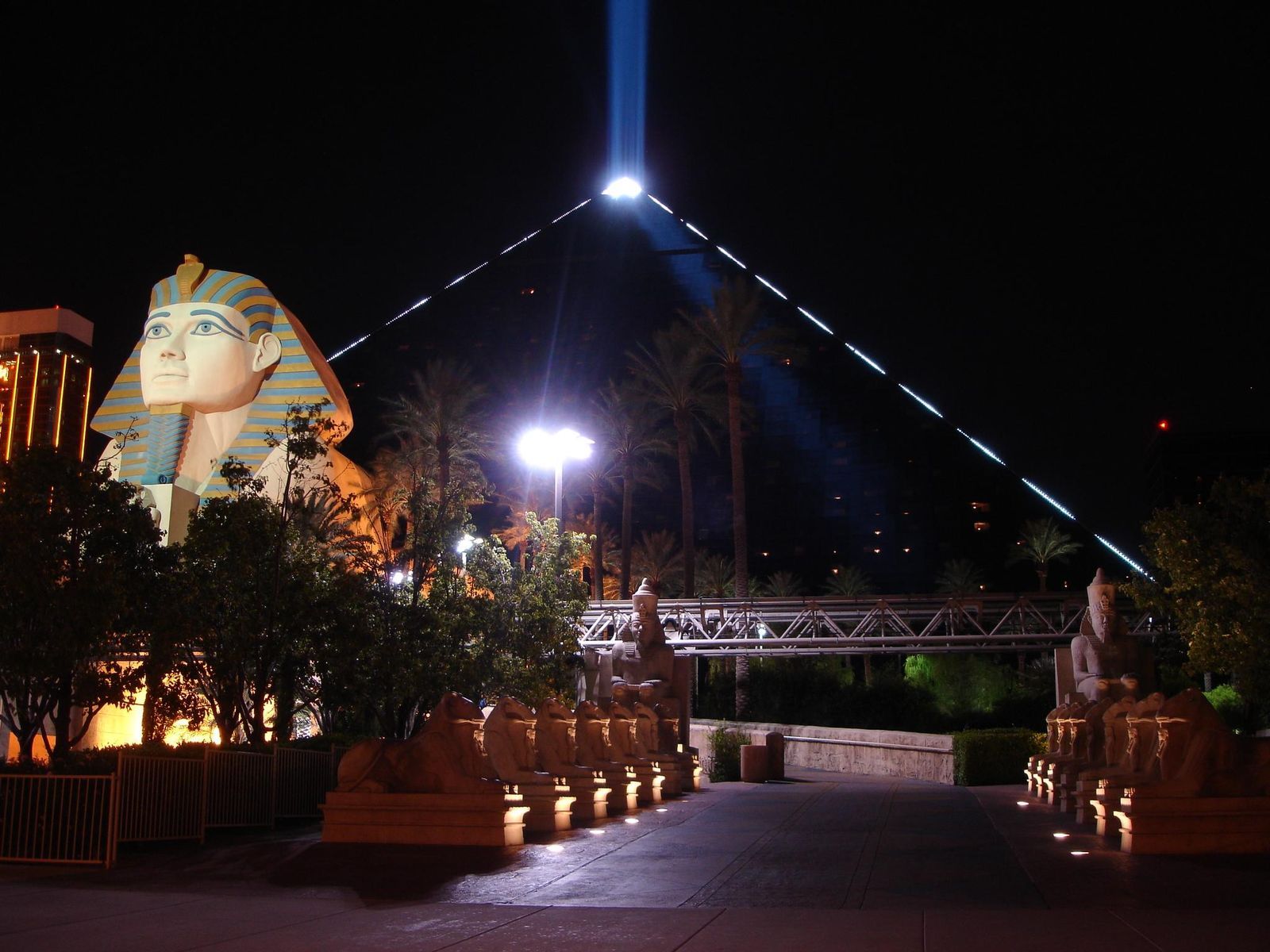
Image: Pavel Špindler, CC BY 3.0, via Wikimedia Commons

Rising straight up from the apex of the black pyramid-shaped Luxor Hotel and Casino, the Luxor Sky Beam has been one of the most recognizable sights in Las Vegas since the hotel opened in October 1993. It is, by any measure, the most powerful artificial light beam on the planet. The beam is produced by 39 individual xenon lamps, each with 7,000 watts and roughly the size of a washing machine, focused through computer-designed curved mirrors into a single concentrated column.

Together, they generate an estimated 42.3 billion candlepower. On a clear night, airline pilots have reported seeing the beam from as far as 250 miles away. The total operating cost, confirmed by Luxor engineer John Lichtsteiner, is $51 per hour, of which $20 is electricity. That adds up to $480 a day only for lighting the signature beam each night —or $175,200 a year.

7
Las Vegas is home to the tallest observation tower in the US
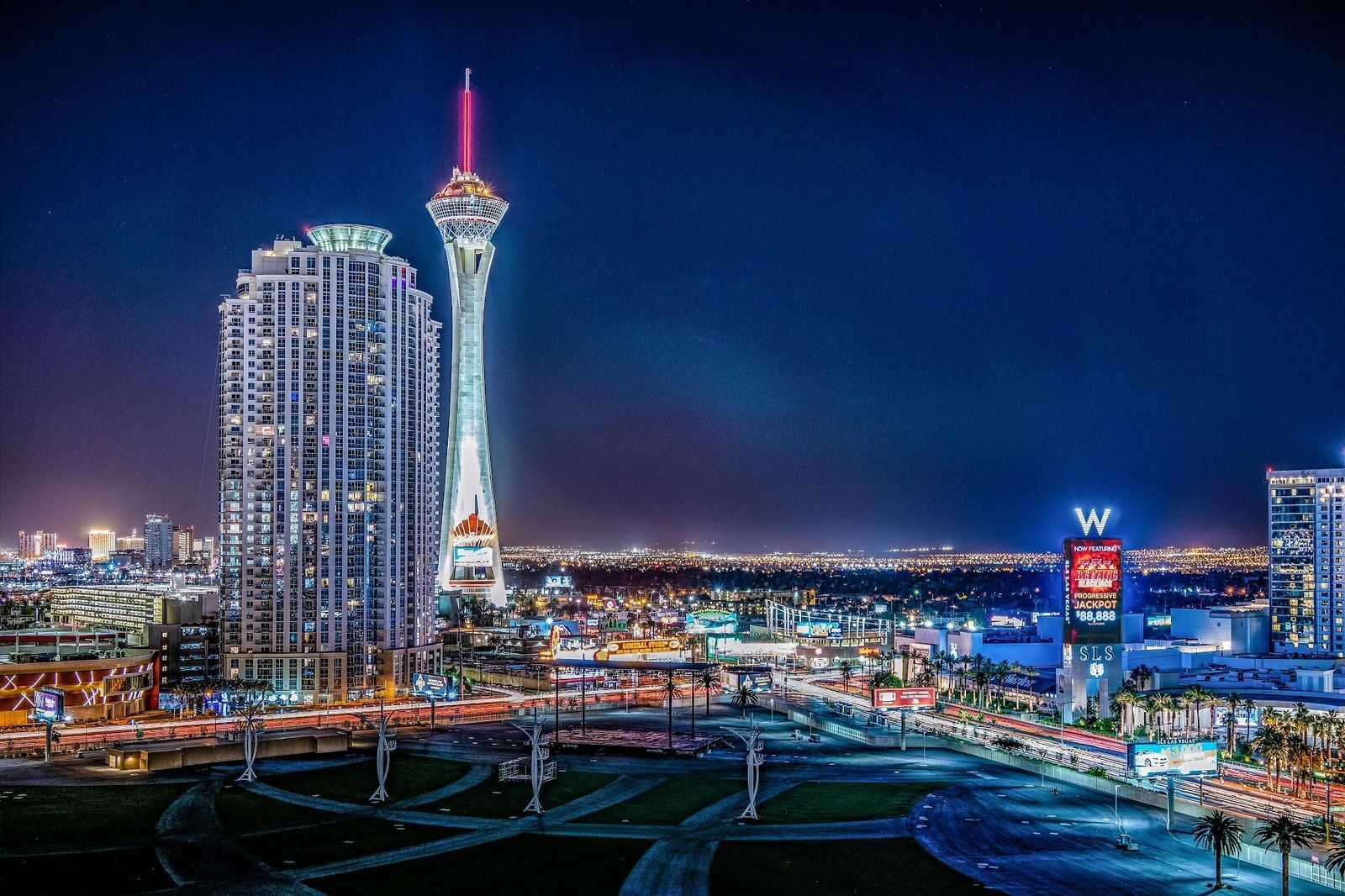
Image: Dave Morgan

Standing 1,149 feet above the Las Vegas valley, the Strat Tower, officially rebranded from the Stratosphere in 2020, is the tallest freestanding observation tower in the US and the second-tallest in the entire Western Hemisphere, surpassed only by the CN Tower in Toronto at 1,815 feet. It is also the tallest building in Nevada and the tallest structure west of the Mississippi River.

At the top, the Strat offers four outdoor thrill rides, including one that dangles riders 64 feet beyond the edge of the building on a mechanical arm, over 900 feet above the ground.

8
Slot machines account for around 60% of all casino revenue
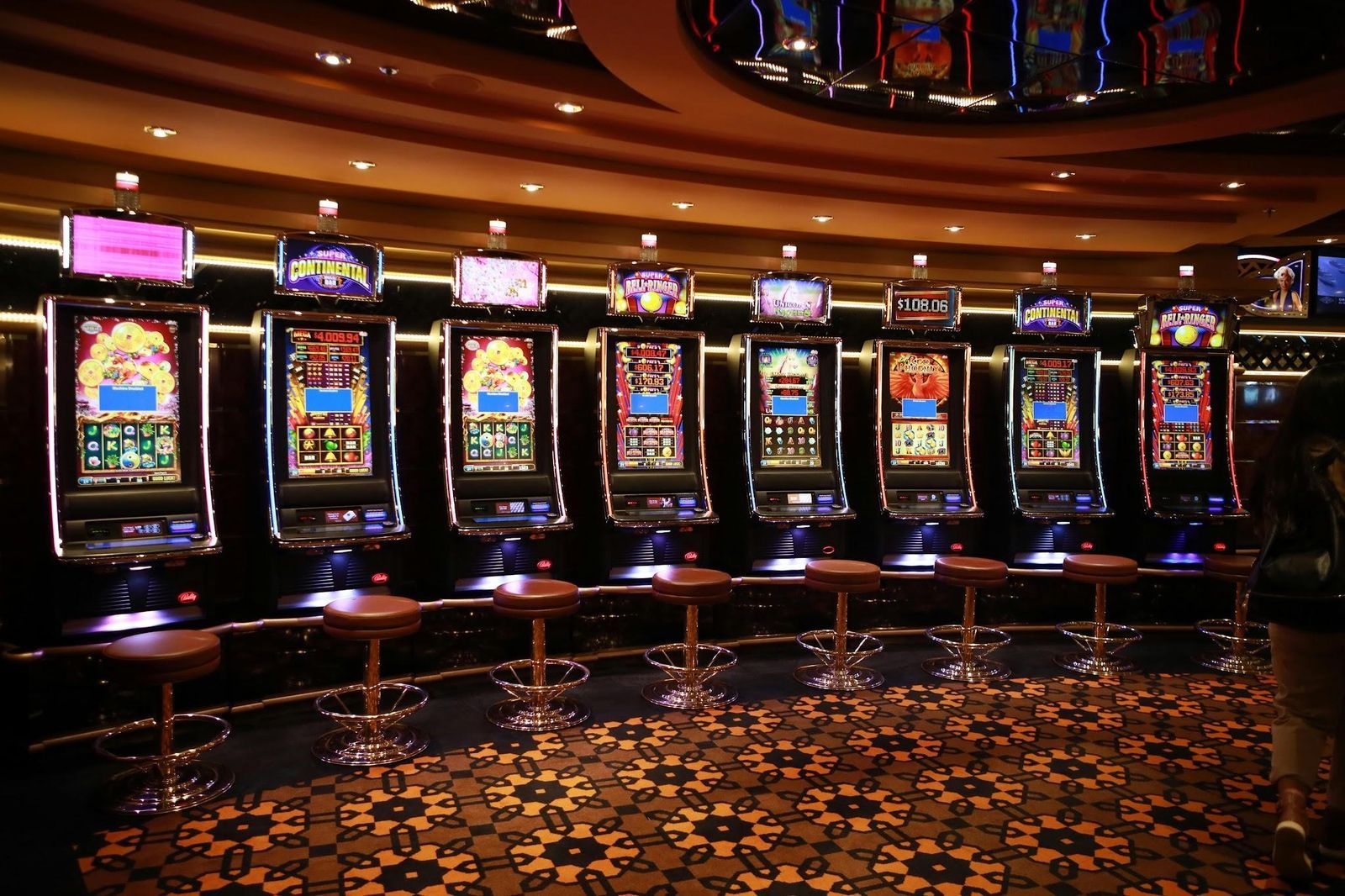
Image: Elizabeth Ferreira

Walk into any Las Vegas casino, and the first thing that surrounds you (and the loudest) is the rows of slot machines that line nearly every available wall and corridor. That layout is not a coincidence.

It is estimated that slot machines consistently generate approximately 60 to 65 percent of all casino gaming revenue in Nevada. There is roughly one operating slot machine for every eight residents of Las Vegas. Nevada law requires that video slot machines pay out a minimum average of 75 percent, though Strip machines in practice typically return 87 to 97 percent.

Casinos place the most visible, most tempting machines near entrances, elevators, and high-foot-traffic corridors , a placement strategy that has been studied and refined over decades. Despite the rise of poker rooms and sports betting in recent years, slot machines have remained the single largest source of gaming income in Las Vegas without interruption for more than half a century.

9
The gambling capital of the world does not sell lottery tickets

Image: Obi

Nevada is one of only two states in the entire United States that have no state lottery, the other being Utah. You cannot legally walk into a convenience store and buy a $2 scratch-off ticket.

The reason is straightforward and has nothing to do with moral opposition. Nevada’s gaming industry has lobbied persistently and successfully against a state lottery since gambling was first legalized in 1931, on the grounds that a government-run lottery would directly compete with casino revenues.

10
FedEx was saved from bankruptcy by a Las Vegas blackjack table
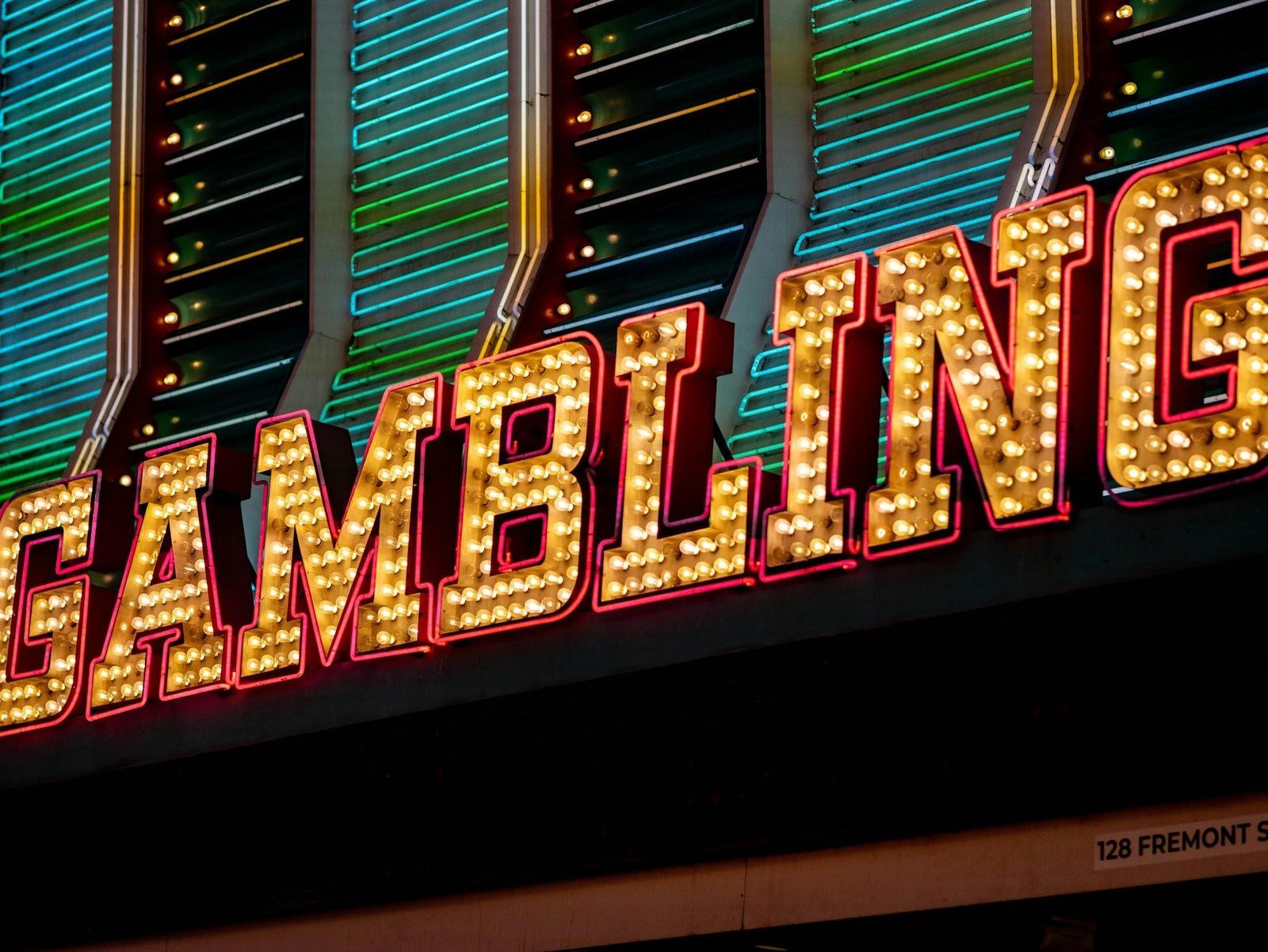
Image: Joshua Santos

In 1971, FedEx, then called Federal Express, was days away from collapse. Founder Frederick W. Smith had built the company on the revolutionary idea of overnight package delivery using a central hub-and-spoke air network, but the business was not working.

The company had roughly $5,000 left in its operating account. It was not enough. Facing what appeared to be the end, Smith flew to Las Vegas and sat down at a blackjack table. He gambled the company’s last $5,000 and turned it into $27,000, which was just enough to cover that week’s fuel costs and keep the planes in the air. The breathing room bought by that blackjack session gave Smith enough time to secure additional financing. Today, FedEx employs more than 500,000 people worldwide and is valued at over $60 billion.

Geography Geography 5 min read

Where tourists flock

How many faces does Cloud Gate see per year? The crowdest spots in the US in the US

Image: David Hinkle

Where do people come together? Monuments and landmarks, yes, but also street corners, national parks, theme parks, or piers. The U.S. has an impressive list of spots that summon millions of visitors each year, both local and tourist. Can you guess these 10 most concurred spaces across the country? Let’s take a look at each one and explore why the masses keep flocking towards their main attractions.

1
Times Square, New York

Image: Claudio Schwarz

Of course, the famous multicolored screen-lit corner of Midtown Manhattan is one of the most concurred spots in the country and the world. It is estimated that over 300,000 people pass through this intersection every day.

Forever buzzing with shiny advertisements and businesses that grant service 24/7, the "Crossroads of the World" and its nearby streets are a hub offering adrenaline, entertainment, history, gastronomy, and museum-like stores. During the New Year's Eve ball drop event, the number of visitors can climb up to one million, although it reached its all-time record on December 31st, 1999. An estimated two million people gathered there to watch the ball mark the end of the year, century, and millennium!

2
Las Vegas Strip, Las Vegas

Image: David Vives

The Las Vegas Strip is said to be the brightest spot on the planet when seen from space. This four-mile-long stretch of Las Vegas Boulevard in Nevada concentrates some of the world’s largest and most boastful hotels, casinos, and resorts. No wonder the area attracts approximately 42 million visitors each year.

Although the heart of Las Vegas offers plenty of entertainment venues, fine dining establishments, sports events, galleries, and huge shopping centers, it is most famous for being a gambling destination . A 2019 survey concluded that eight in ten adults who visited Las Vegas gambled while they were there.

3
National Mall, Washington, D.C.

Image: Chad Stembridge

Visitors in Washington D.C. flock in masses to the National Mall. This open-park area sprawls over two miles from the U.S. Capitol to the Lincoln Memorial and is also home to iconic landmarks like the Washington Monument , the Vietnam Veterans Memorial, and the World War II Memorial. The Smithsonian museums are another attraction, offering free access to art, history, and science exhibitions.

Approximately 30 million visitors walk the area each year, which makes it a top-tier attraction for people all over the country and the world. Of course, the park is most flooded with attendance on special dates and events, such as the celebrations of Independence Day , Earth Day, or the Blossom Kite Festival.

4
Millennium Park, Chicago

Image: Kevin Olson

Those who travel to Chicago know they should visit Millennium Park, and those who go to Millennium Park know they must approach the iconic bean-shaped Cloud Gate . As a consequence, it is estimated that 25 million people are reflected on the silver surface of The Bean every year.

Millennium Park was opened twenty years ago, in 2004, as an urban development built over a former industrial area to promote art and outdoor recreation in the "city in a garden," which is Chicago’s motto.

5
Golden Gate Park, San Francisco

Image: Alireza Mirzabegi

Sprawling by the Pacific Ocean is the Golden Gate Park in San Francisco. It covers a massive 1,017-acre urban section and includes attractions like the de Young Museum, the California Academy of Sciences, and the Japanese Tea Garden. It also offers beautiful gardens , picnic areas, lakes, and iconic structures like the Conservatory of Flowers. Not to mention privileged views of the iconic Golden Gate Bridge.

24 million visitors come to the park each year, with some events gathering over 200,000 attendees, like the annual Outside Lands Music and Arts Festival. There are spots in this park to suit all interests : Windmills, boat rentals, observation towers, a Shakespeare Garden, 130 species of birds, and even bison!

6
Walt Disney World’s Magic Kingdom, Orlando

Image: kaleb tapp

Even though Magic Kingdom Park charges for admission, it’s still one of the most visited places in the country every year. At least 20 million go through the turnstiles annually to walk the quintessential Disney theme park.

Cinderella’s Castle, Main Street, U.S.A., and iconic attractions like Space Mountain, Pirates of the Caribbean, and the Haunted Mansion are fan favorites in this land. Special events held for Halloween, Christmas, and Fourth of July are among the park’s largest annual celebrations, drawing thousands of visitors.

7
Faneuil Hall Marketplace, Boston

Image: Brett Wharton

Faneuil Hall Marketplace has been standing since 1742 when it was established. Historically, it served as a focal point for public discourse and commerce. Today, it is mainly a marketplace that features more than 80 businesses , including eateries, shops, and entertainment venues, all set along charming cobblestone walks.

The area is vibrant all year round, frequented by musicians, magicians, and other performers . Foodie soirees, history tours, and fairs of local enterprises are further reasons to visit the spot. About 18 million do so every year.

8
Balboa Park, San Diego

Image: Vincent Yuan @USA

Balboa Park in San Diego features stunning gardens and buildings, as well as the world-famous San Diego Zoo . 1,200-acre wide, it also houses the San Diego Museum of Art and the San Diego Natural History Museum. The park famously boasts Spanish-Renaissance architecture and has become a hub for both locals and tourists.

During the holidays, the December Nights celebration gathers over 350,000 visitors across two days, when museums offer free entry and festive performances are held. EarthFair is another huge event in the park, attracting 60,000 attendees to one of the world’s largest environmental fairs to promote sustainability.

9
Great Smoky Mountains National Park

Image: Jack Prommel

Straddling the border of Tennessee and North Carolina, this National Park gathers over 12 million people every year. It is indeed the most visited national park in the U.S. and has been declared a UNESCO World Heritage site . Its mist-covered peaks, lush forests, and diverse wildlife fascinate visitors who walk its hiking trails. These include the Appalachian Trail.

Hundreds of thousands choose to visit the park during fall when autumn colors light up the landscape. In spring, the Wildflower Pilgrimage draws botany enthusiasts who come to the guided talks and walks to appreciate the park's unique biodiversity.

10
Pier 39, San Francisco

Image: Deane Bayas

Pier 39 is ideal for a family-friendly promenade. Located on San Francisco’s Embarcadero, this waterfront marketplace is known for its shops, restaurants, and stunning views of the Golden Gate Bridge, Alcatraz, and the Bay. There’s also a colony of sea lions forever lounging on its docks, who have become one of the dearest attractions of the site.

Another main attraction is the two-tiered carousel sitting towards the end of the pier. The 15 million pedestrians who come yearly can also enjoy its video arcade, 3D rides, shops, and restaurants, and visit the Aquarium of the Bay.

Geography Geography 3 min read

Carved in stone

The Secret Room and 10 Secrets about Mount Rushmore

Image: Takefreebies

We've all seen Mount Rushmore, whether in person or on screen. But this monumental landmark is more than just four giant heads carved into granite. If you want to discover some surprising facts they don't teach in schools, read on!

1
A tough decision

Image: Spencer James Lucas

While the first three figures —Washington, Jefferson, and Lincoln— were almost unanimously agreed upon, there was some debate over who should be the fourth face on Mount Rushmore. Gutzon Borglum, the sculptor, advocated for Theodore Roosevelt, but others believed Woodrow Wilson should be included. In the end, Borglum stuck with his original choice, and that's why today we see Teddy Roosevelt up there on America's Shrine of Democracy.

2
The original plan

Image: Jon Sailer

While it's hard to picture the Black Hills without the iconic faces of Washington, Jefferson, Roosevelt, and Lincoln, the original idea for Mount Rushmore was actually quite different. At first, Sculptor Gutzon Borglum envisioned a more complex job (yes, even more complicated than it already is!) In his original plan, he imagined not just the presidents' heads but their upper bodies as well! There was even talk of including other key figures from American history, like explorers Lewis and Clark.

3
14 long years

Image: piotr sawejko

We can assume that carving the giant heads of 4 presidents into the granite was no easy task. But do you know how long it took to complete the monument we see today? 14 years! That's right; 14 years of hard work, 400 men, and a whole lot of dynamite went into bringing this colossal project to life.

4
The first

Image: Spencer James Lucas

As the first President of the United States and widely known as the "Father of His Country," George Washington was a must for this incredible monument. In fact, his face was the first to be completed and was officially dedicated in a grand ceremony. In addition, as part of the powerful symbolism behind the work, Washington's sculpture is also the most prominent.

5
Starting over

Image: Raimund Schlager

One of the many unexpected construction challenges involved the placement of Thomas Jefferson's sculpture.

The original plan was to place Jefferson's face to the left of Washington. However, when the dynamiting process began, they found quartz beneath the surface, which made it impossible to continue carving in that spot. After 18 months of work, they "erased" (yes, again, with dynamite) what they had of Jefferson and started over to the right of Washington, where it is today.

6
The secret door

Image: Tommy Bond

Did you know there's a secret room hidden behind the 60-foot-tall heads on Mount Rushmore? The sculptor had big plans for the monument, including a Hall of Records carved into the mountain to store important national documents like the Constitution. And he started to build it! However, when Congress found out that part of the budget was set aside for the Hall of Records, they asked Borglum to focus solely on carving the heads.

7
The last one

Image: caleb weiner

After Washington's, the other faces followed: Jefferson's was dedicated second, and Lincoln's was officially unveiled in 1937. So, which one came last? That's right! The last to be completed was Theodore Roosevelt's, with his iconic mustache included! Of course, members of the Roosevelt family attended the big ceremony.

8
The legacy

Image: Ashim D’Silva

Building Mount Rushmore took many years. Unfortunately, Gutzon Borglum, the mind behind the project, didn't get to see it fully completed, as he passed away just a few months before the work officially ended. However, it was his son Lincoln who stepped in to complete the great work his father had started.

9
An extra foot

Image: Andrew Ling

Borglum believed this monument should stand the test of time, built to inspire and be admired for thousands of years to come. So, how did he achieve that? Some historical sources suggest one of Borglum's techniques was adding extra material to certain angled areas of the sculpture, like Washington's nose, for example. That's right! It's believed that the author added an extra foot to George Washington's nose to help it better withstand erosion over time.

10
The man behind the name

Image: Pamela Huber

Long before the presidents were carved into the Black Hills, a New York lawyer paid a visit to the area, and that visit wouldn't go unnoticed. In 1885, attorney Charles E. Rushmore was at the site for business, and he asked for the name of a particular peak. When they told him it didn't have a name, he jokingly suggested they could call it "Rushmore Peak." Charles E. Rushmore was actually the first person to make a private donation to get the project started: $5,000! And so it was that his name stuck.

Explore more American facts

Choose your favorite category!

General
General

As American as apple pie—the very best America has to offer!

Culture
Culture

Delve into the astounding richness of American lore.

Geography
Geography

Hop in and explore vast and diverse American landscapes.

History
History

Discover the key moments that shaped the United States.