History History 4 min read

10 events that changed the course of history
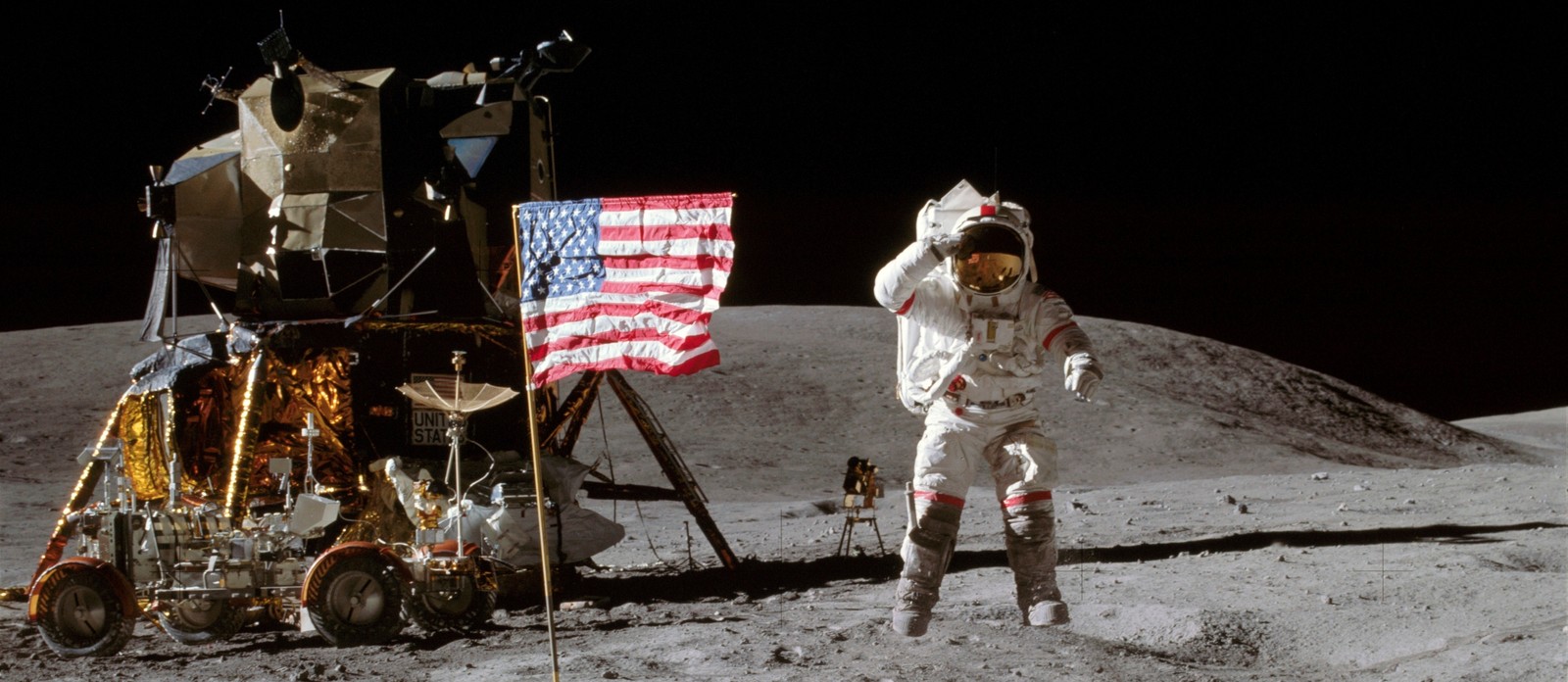
Image: Rawpixel.com

Major events have shaped the history of our country and the world. Some have directly and immediately had an impact on people’s lives, like the end of World War II , and others set off a domino effect that ultimately changed the course of history, like Columbus's 1492 voyage or the Industrial Revolution. So, to see how we got here, let’s turn the pages of history and look at 10 events that helped make the world what it is today.

1
The American Revolution
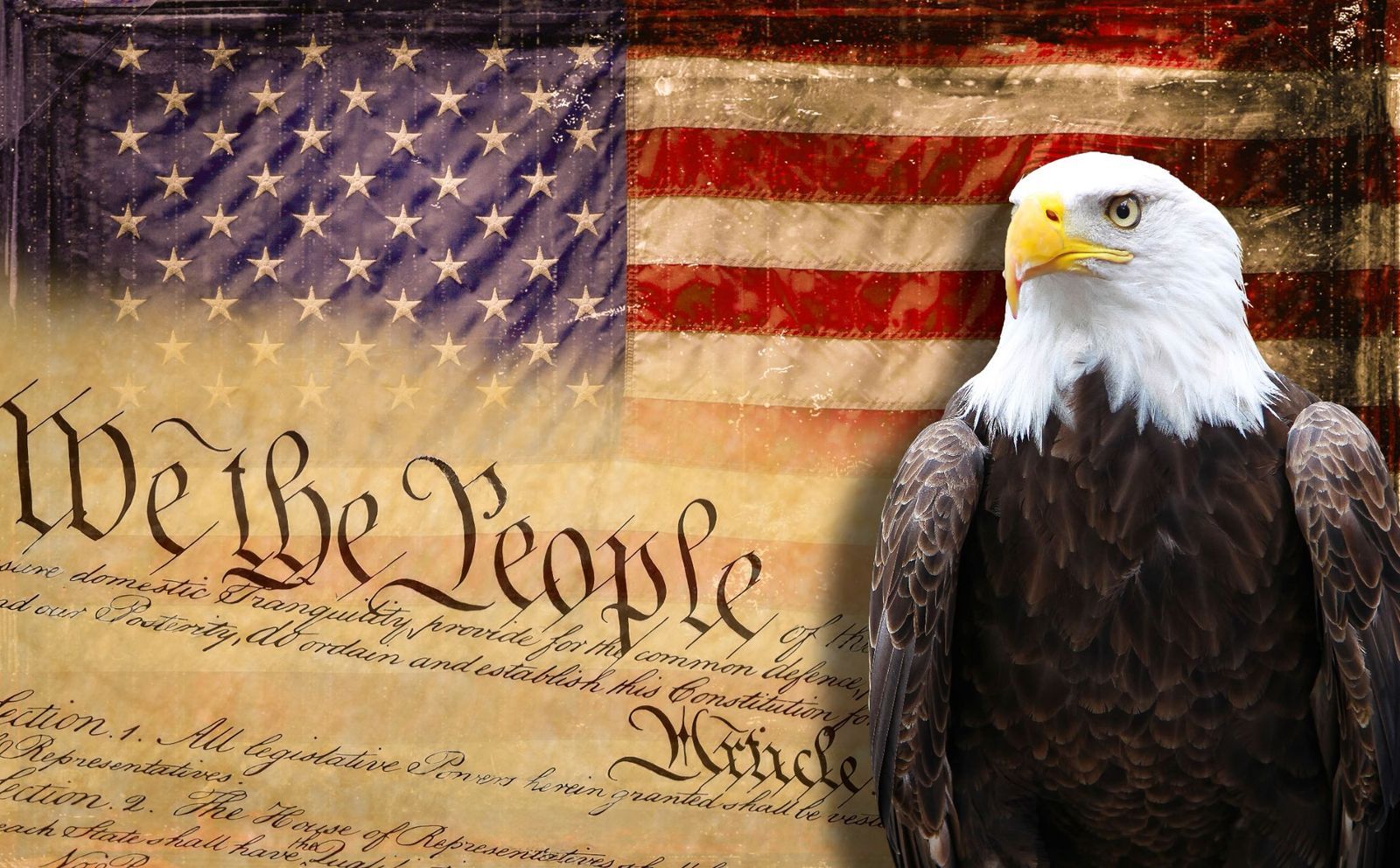
Image: flysnowfly

We weren’t always the United States of America. One of the very first turning points in our history was the American Revolution, when the 13 colonies fought to become a new independent nation free from the control of the British Empire.

The Declaration of Independence was adopted on July 4 , 1776, though the Revolutionary War lasted from 1775 to 1783, when American forces finally defeated Britain. This pivotal moment influenced political movements around the world and spread new ideas about representative government and individual rights.

2
The Civil War
Image: Snap Spot

The deadliest conflict in U.S. history, the Civil War was a devastating yet defining event that changed the way Americans lived and worked, bringing about the abolition of slavery . The conflict lasted from 1861 to 1865, during which the Union fought the Confederate states that had seceded from the United States.

In 1863, Abraham Lincoln declared enslaved people in the Confederate states to be free. This didn’t immediately end slavery everywhere in America until the war officially ended and the 13th Amendment was ratified in 1865, abolishing slavery throughout the country.

3
World War II
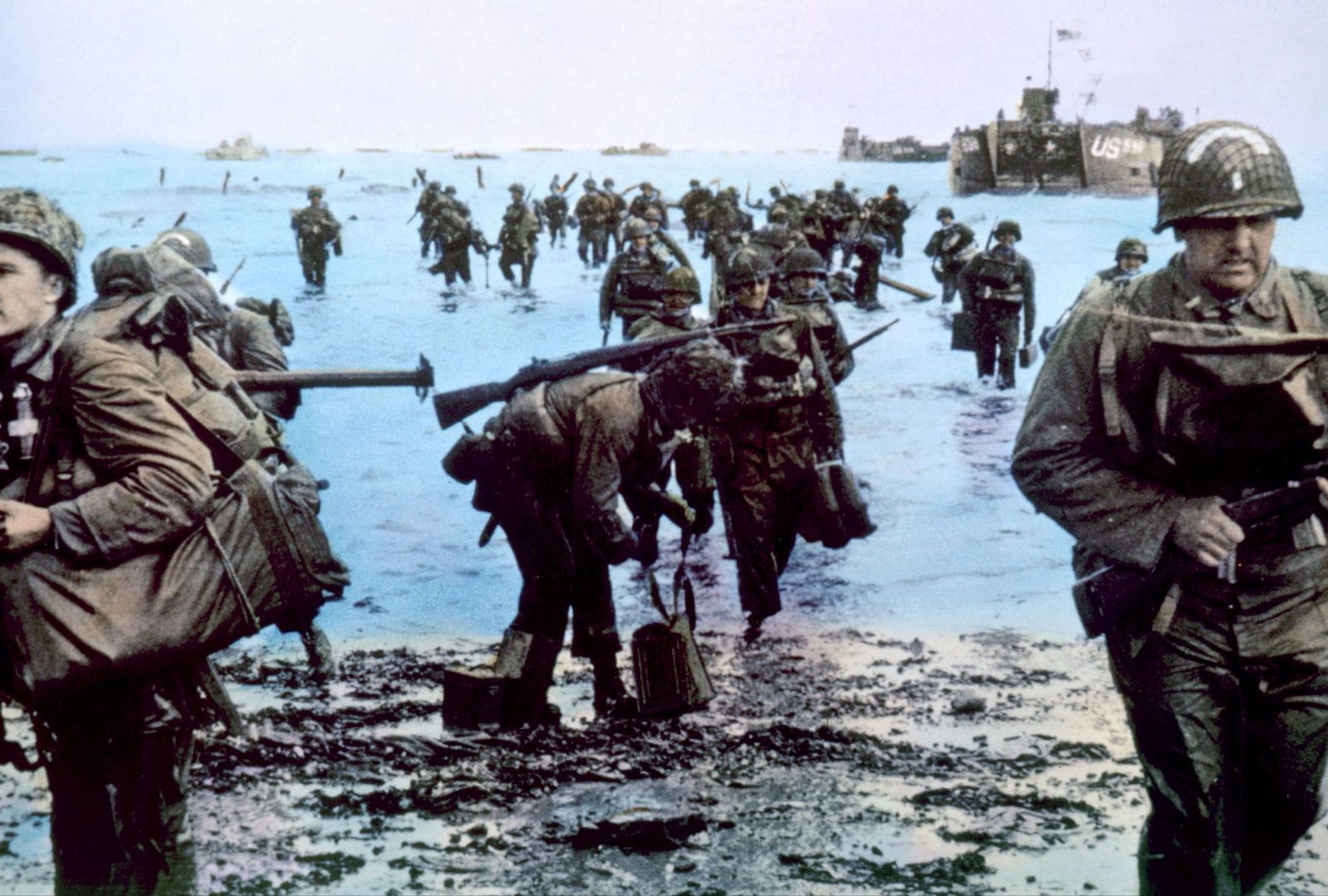
Image: Everett Collection

Many chilling stories have been written about how the world would be if Nazi Germany had won World War II. But in actual history, Germany surrendered on May 8, 1945, followed by Japan on September 2, 1945, officially ending the war and setting the stage for the world we grew up in .

In the aftermath of such a devastating and bloody war, the United Nations was created in October 1945 with the goal of preventing future conflicts and promoting cooperation among nations.

4
The Moon landing
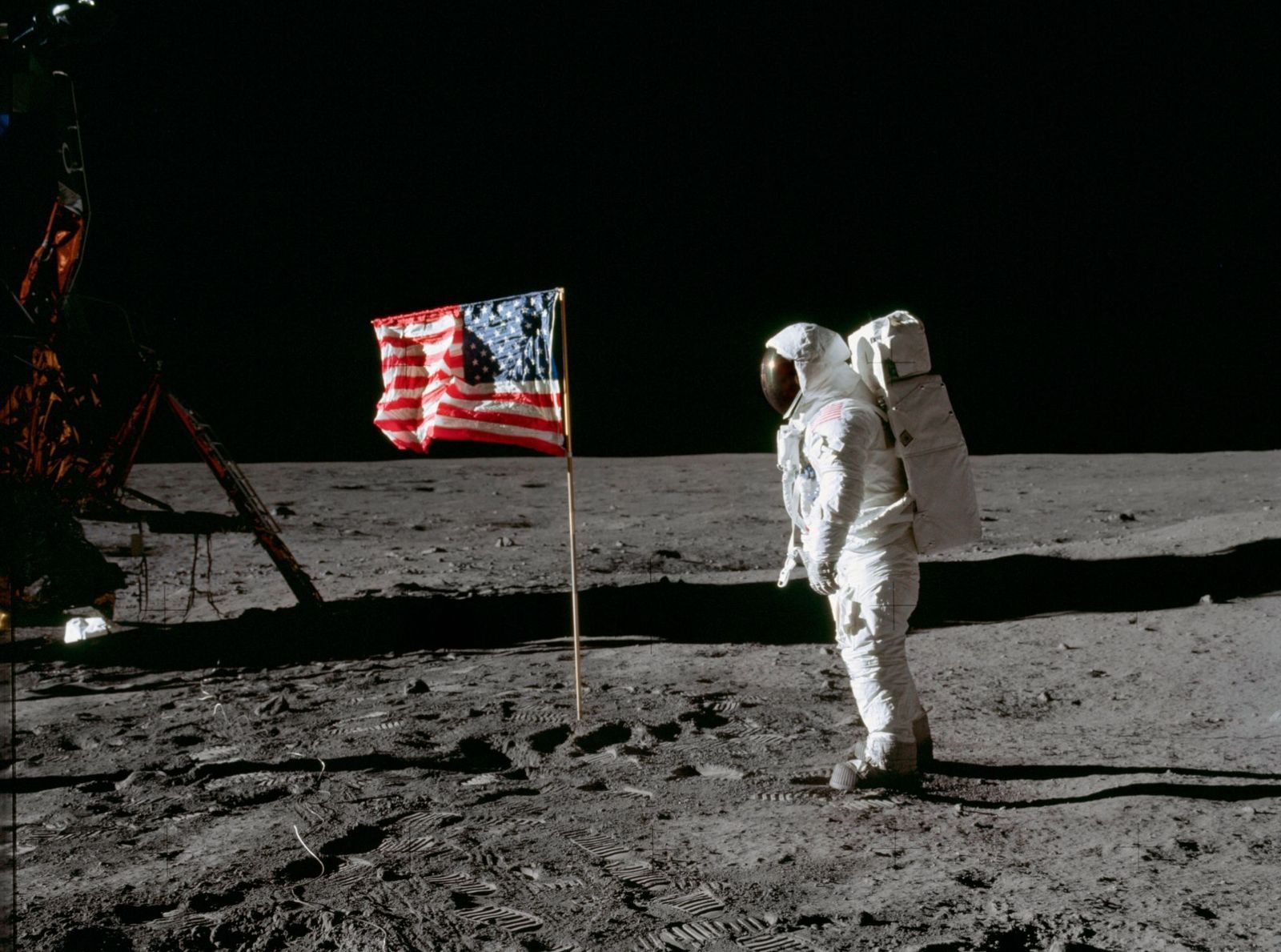
Image: Rawpixel.com

"Reach for the moon" was just a rhetorical expression until 1969, when NASA’s Apollo 11 mission put humans on the lunar surface. Neil Armstrong and Buzz Aldrin stepped on the moon in an unparalleled historical event, with an estimated 600 million people watching on television.

Such an unthinkable achievement demonstrated what was possible for humanity and opened up a whole new horizon of possibilities for science, engineering, and technology.

5
The Great Depression
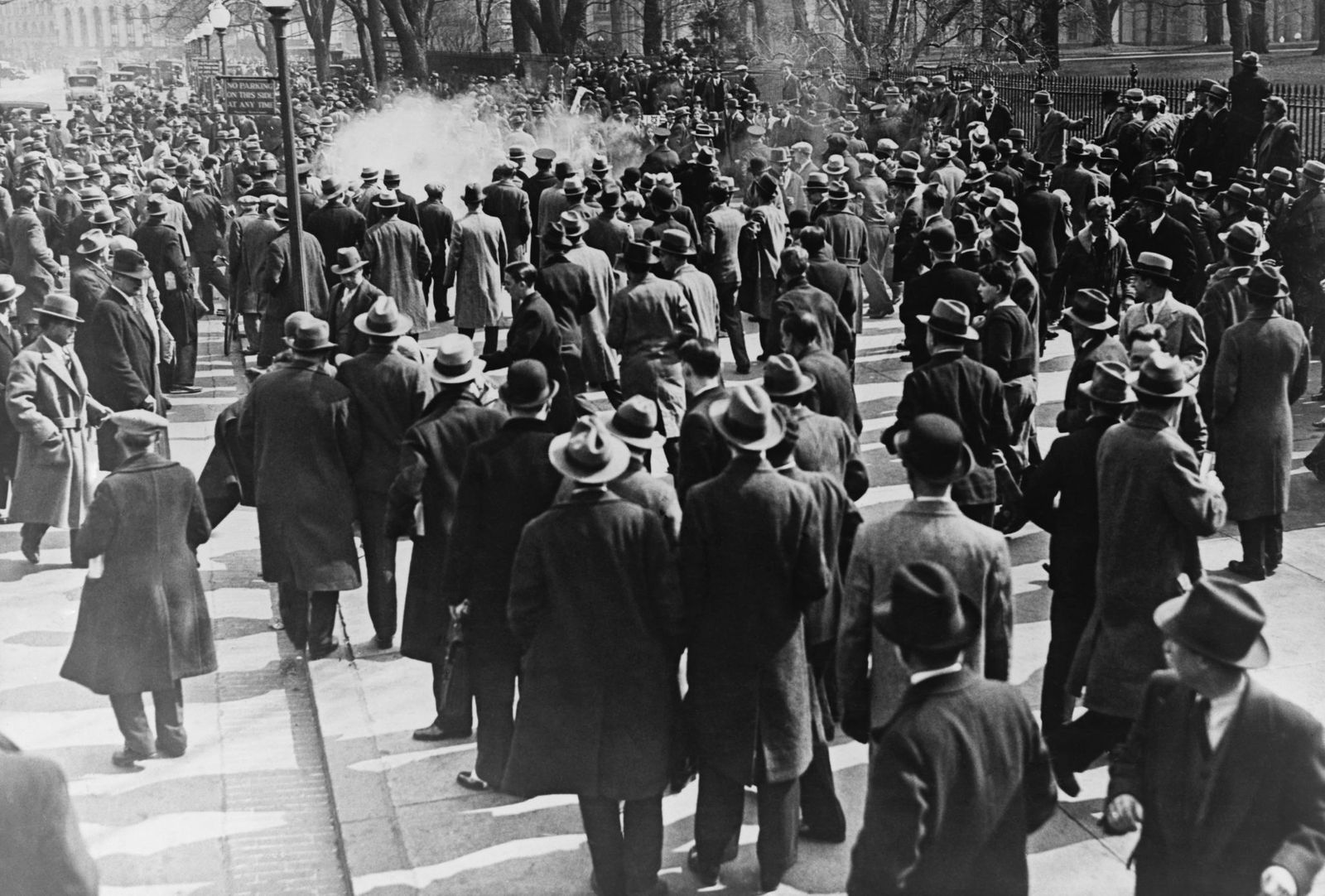
Image: Everett Collection

Everyone knows about the infamous stock market crash of 1929 and the start of what became known as the Great Depression. A time when banks failed, businesses shut down, and millions of Americans were left in dire straits.

This event directly led Franklin D. Roosevelt to introduce the New Deal to provide relief and economic recovery. After the Depression and these reforms, there was a new understanding of the federal government’s role in the economy that would shape American politics from then on.

6
Columbus's 1492 voyage
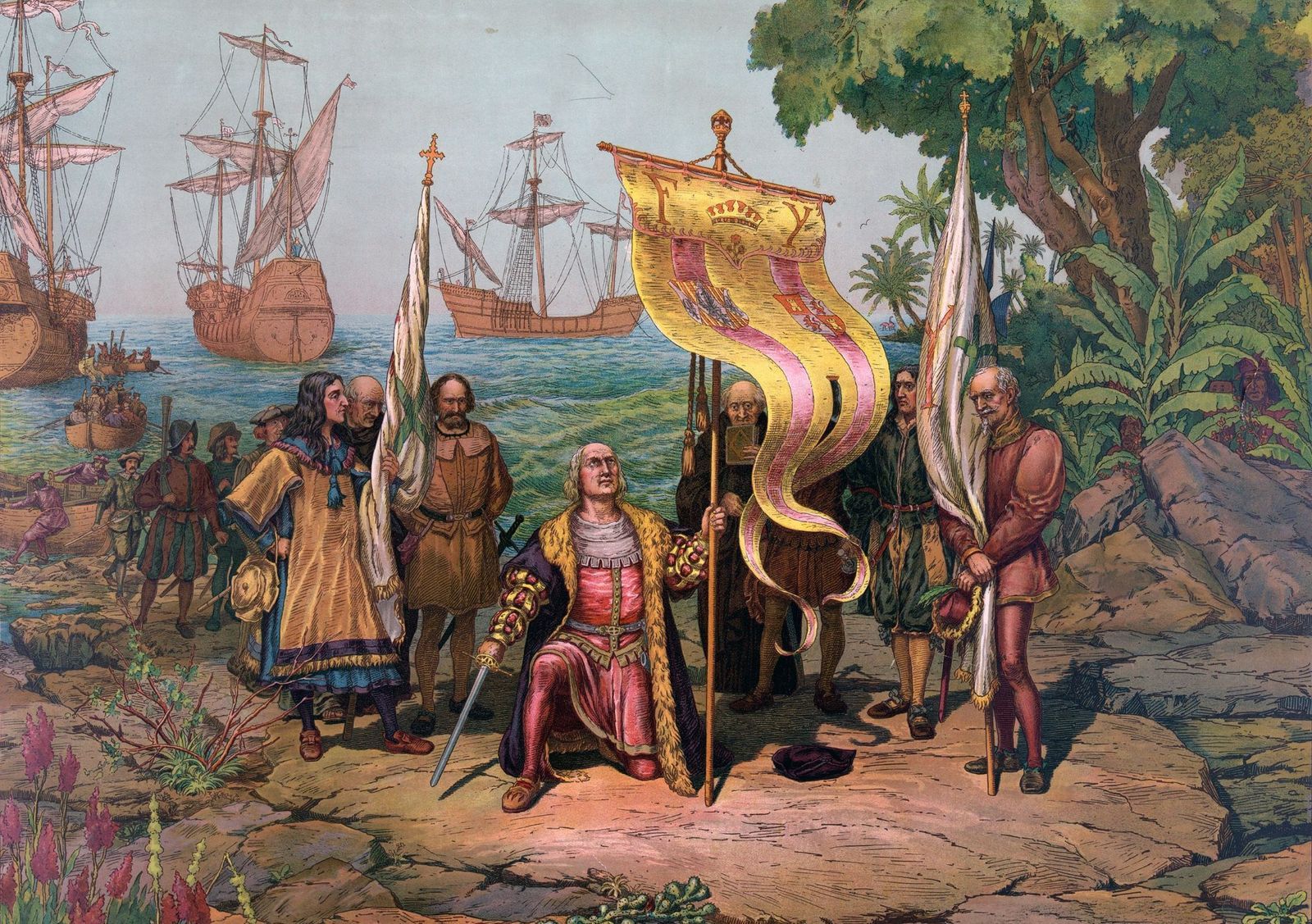
Image: Rawpixel.com

What happened after October 12, 1492, when Christopher Columbus reached an island in the Caribbean after sailing from Spain, defined the history of the Americas and the world as we know it today.

It opened the door to European exploration and conquest in the "New World" as well as the exchange of plants, animals, people, technologies, and even diseases between the Eastern and Western Hemispheres. Columbus's landing kicked off a chain reaction that unfolded over the following centuries, which also came with negative repercussions like population collapse in the continent, forced labor, and the transatlantic slave trade.

7
The Wright Brothers' first flight
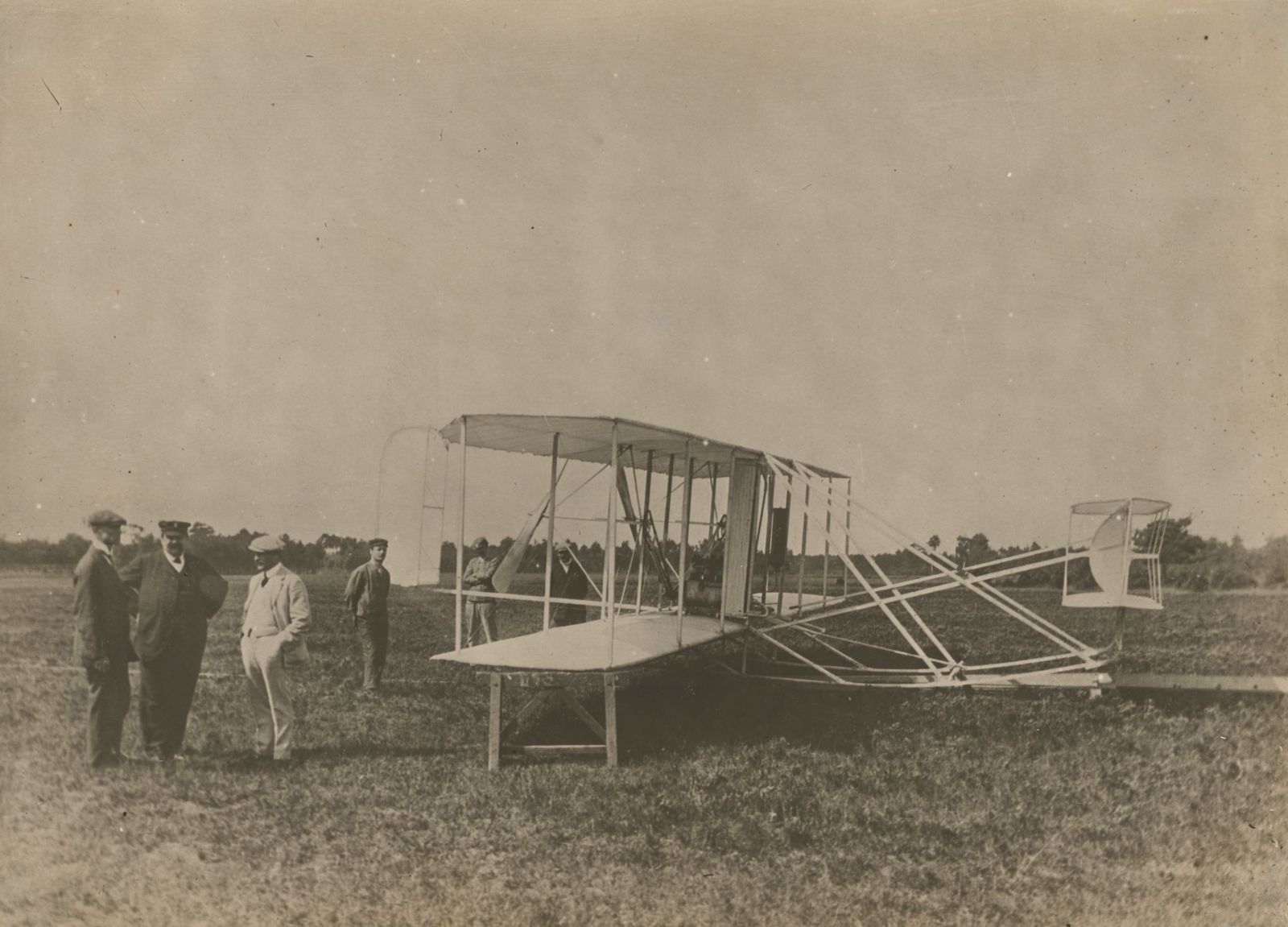
Image: Rawpixel.com

These days, hopping on a plane is no big deal. You can move around the country and the world fairly easily, and roughly 100,000 flights take off worldwide daily. But getting off the ground was a monumental achievement when Orville and Wilbur Wright did the first controlled, sustained flight of a powered, heavier-than-air aircraft on December 17, 1903.

This turning point planted the seed of modern aviation , and within the next decades, airplanes and air travel transformed the world.

8
The Industrial Revolution
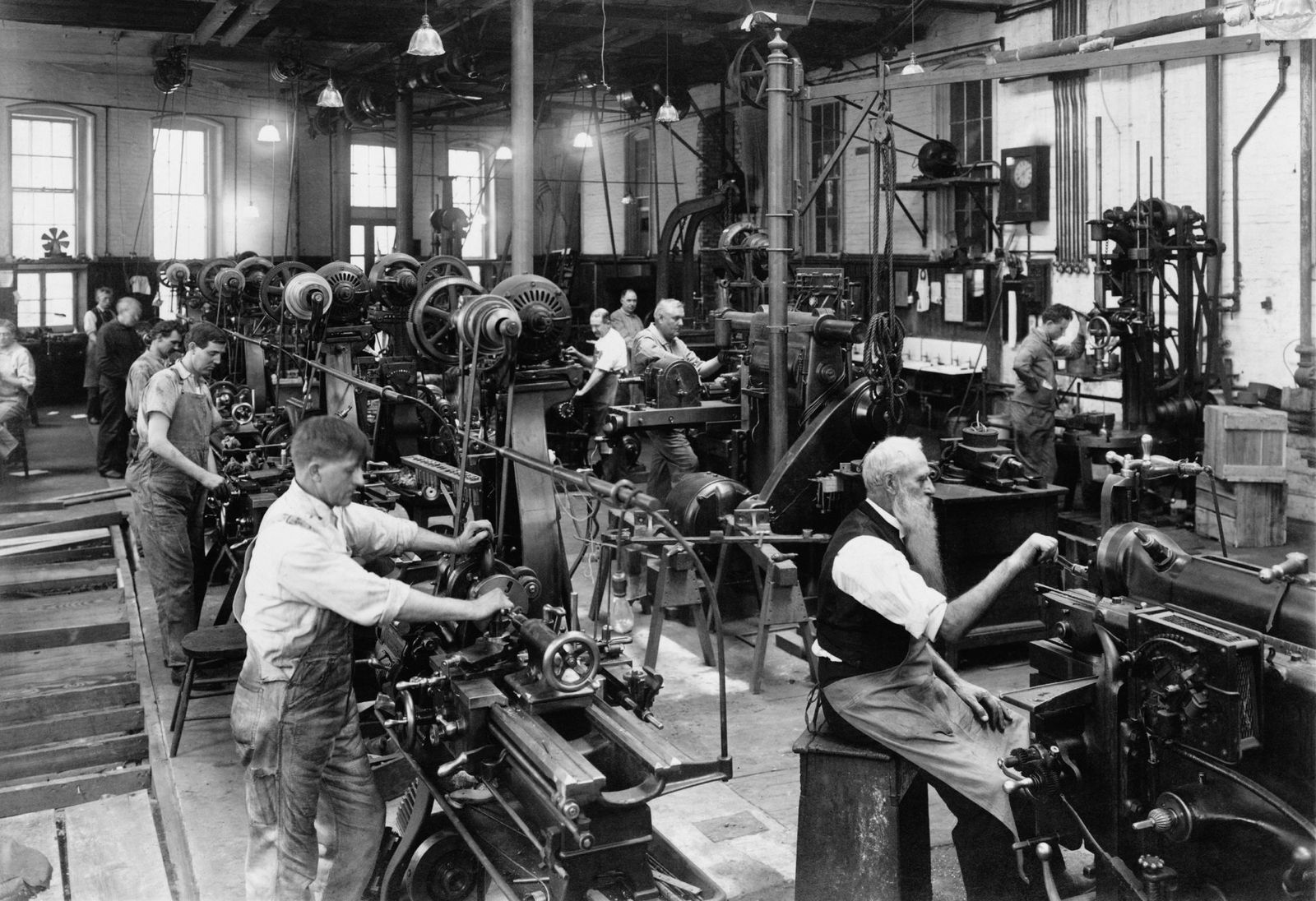
Image: Everett Collection

Today’s modern industry began taking shape in Britain in the late 18th century, thanks to a series of new technological advancements which saw factories and mass production take over small workshops and handcrafting.

Besides changing the way we produced goods, the Industrial Revolution redesigned the way society was structured, as millions of people moved from rural areas to cities in order to work at the new factories, causing profound changes in where and how people lived.

9
The invention of the printing press
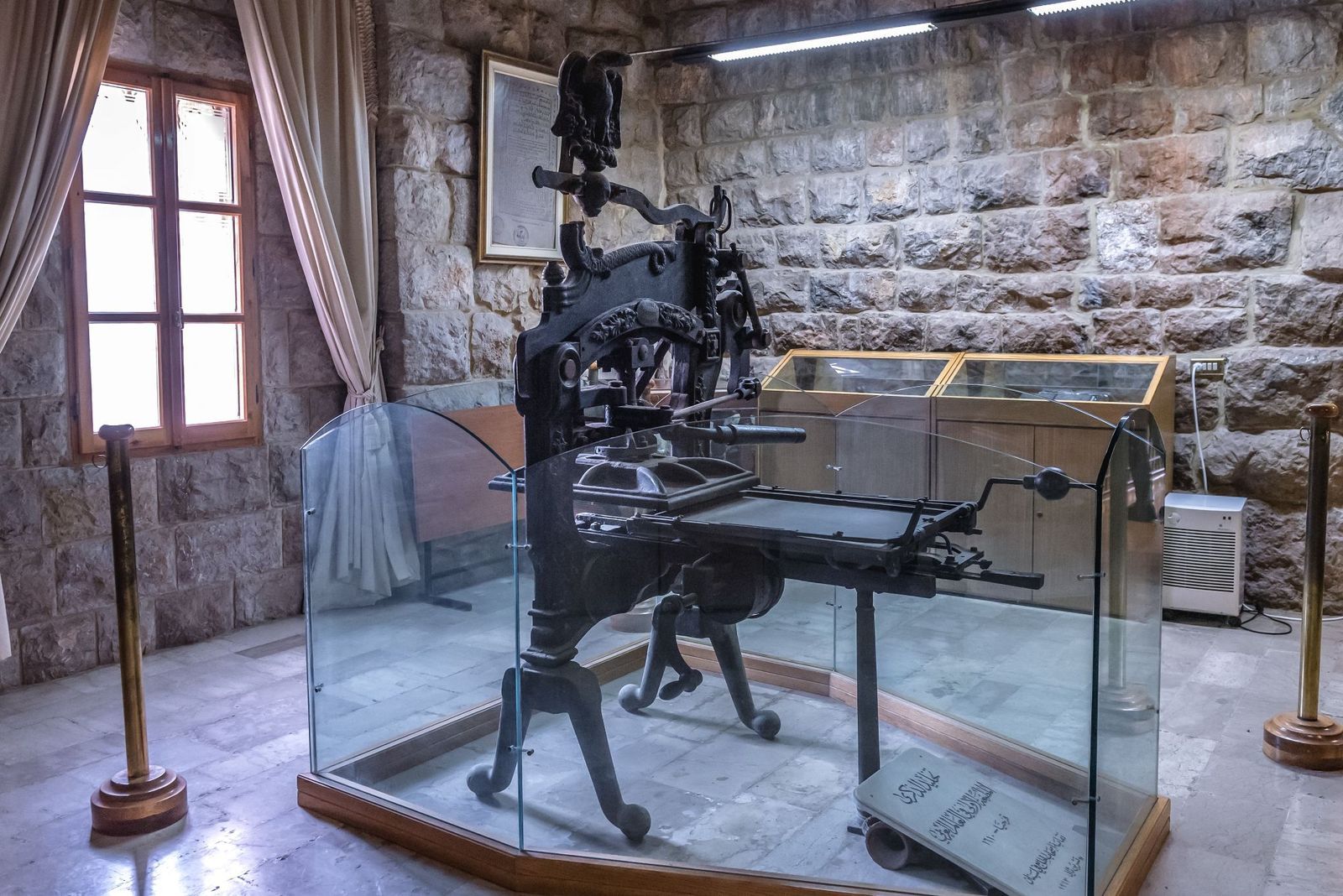
Image: Fotokon

Copying books by hand wasn’t just time-consuming; it was expensive, too. Until 1440, that is, when German inventor Johannes Gutenberg created the first printing press using movable metal type.

Imagine the tremendous impact this had on religion, science, philosophy , and any other field where ideas could now circulate much more widely and quickly, expanding access to information, accelerating literacy and education, and ultimately transforming the entire world.

10
The French Revolution
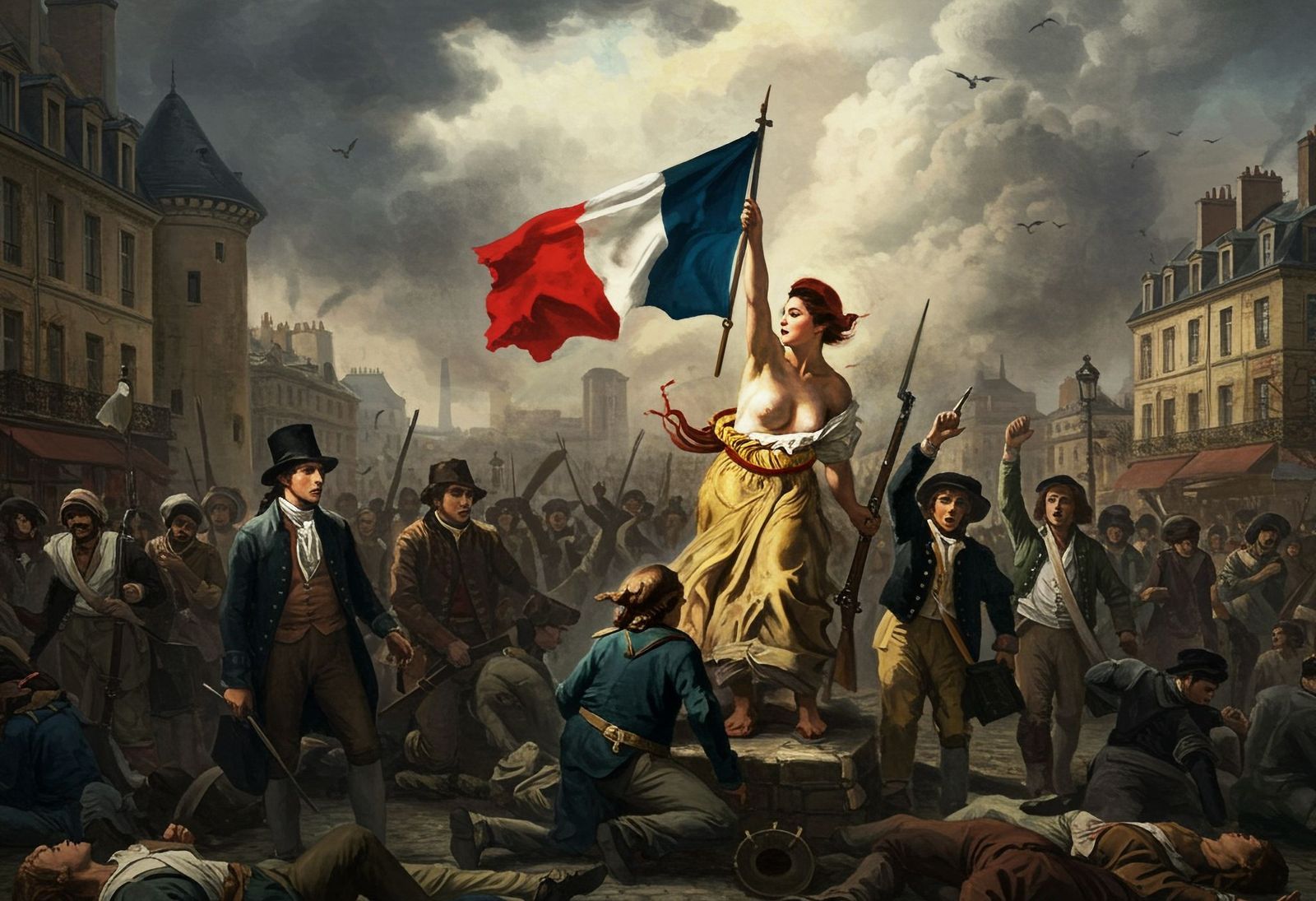
Image: Shutterstock AI

Far beyond France’s borders, the French Revolution was a game-changing moment that made waves across the world, replacing the notion that government power comes from divine right with the new understanding that it actually comes from the people.

It began in 1789 when the French people rebelled against the monarchy, proclaiming the motto liberté, égalité, fraternité, and became a republic before executing King Louis XVI by guillotine in 1793.
Culture Culture 4 min read

The king of the Western

John Wayne: 10 facts about 'The Duke'

Image: Willi Puschel

John Wayne is one of the great names of the Western genre and American Cinema in general. With a career spanning five decades and nearly 200 films, " The Duke " became an American icon and set the standard for many actors who followed. Let’s take a look at 10 facts about his life!

1
Marion

Image: Noom Peerapong

We know him as John Wayne, but he was born Marion Robert Morrison . His early minor roles were credited under the name "Duke Morrison," but he adopted a stage name for his first starring role in The Big Trail . The film’s director suggested "Anthony Wayne," after a general from the Revolutionary War, but the studio thought it sounded too Italian, so it was changed to " John Wayne ."

2
The Duke

Image: Egor Gordeev

John Wayne’s nickname came from his childhood pet terrier , Duke . The two were inseparable, so people started calling him "Little Duke." He preferred the nickname over his given name and even used it for his first film roles. The name resurfaced years later when director John Ford began calling him "Duke" again. By then, Wayne was already a popular actor, and he welcomed the old name with open arms.

3
The footballer who wasn’t

Image: Kaleb Becker

Did you know we almost had "Duke Morrison, footballer" instead of "John Wayne, actor"? After failing to get into the US Naval Academy, Wayne enrolled at the University of Southern California on a football scholarship . But an injury from a bodysurfing accident cut his athletic career short, and he eventually had to leave college.

Not all was lost, though: silent film star Tom Mix, who received football tickets in exchange for giving summer jobs to USC players, helped Wayne land a gig as an extra and prop boy.

4
The first big role and breakthrough

Image: Jason Dent

Raoul Walsh’s The Big Trail was one of the first Western superproductions of the sound era. Walsh wanted to cast an unknown actor in the leading role and chose Wayne after spotting him moving furniture around the studio.

The film was a box office failure, and Wayne spent much of the 1930s acting in low-budget Westerns. His big break came with Stagecoach , directed by the legendary John Ford, which finally put him in the spotlight.

5
Attempts to enlist

Image: Rodrigo Rodriguez

When World War II broke out, Wayne was not drafted due to his age and family situation. Despite this, he made several attempts to enlist and even tried to convince John Ford to bring him into his military unit. Ultimately, he gave up after his studio threatened him with a lawsuit for breaching his contract. It’s said that he carried the guilt of staying behind for the rest of his life.

6
John Ford

Image: Mike Fox

John Ford’s Stagecoach established John Wayne as a leading actor and began his long collaboration with the director. The two worked together on more than 20 films, many of which are considered Western classics , including Fort Apache , The Searchers , The Man Who Shot Liberty Valance , Rio Grande , and She Wore a Yellow Ribbon .

7
Awards

Image: James A. Molnar

Wayne received several nominations and awards throughout his career, both as an actor and a director. He was nominated for the Academy Award for Best Actor for Sands of Iwo Jima and for Best Picture for The Alamo , which he also directed. He finally won the Oscar for his role as Rooster Cogburn in True Grit . He was also posthumously awarded the Presidential Medal of Freedom, and the airport in Orange County, California, is named after him.

8
International popularity (or not)

Image: Vitaliy Shevchenko

Wayne’s films made him an American icon and a celebrity both in the US and abroad. Japan’s Emperor Hirohito reportedly asked to meet him during a visit to the United States, impressed by his performance in Sands of Iwo Jima , and so did Soviet leader Nikita Khrushchev.

According to some biographers, the FBI allegedly thwarted an assassination attempt ordered by Joseph Stalin, who viewed Wayne as a symbol of anti-communist ideals. While this story remains unverified, it has become part of Wayne’s larger-than-life legend.

9
Wayne vs Sinatra

Image: Dan Burton

John Wayne was known to have feuded with several celebrities due to his strong personality and political views. One of the most prominent was his disdain for Frank Sinatra , whom he believed had communist sympathies. Their animosity escalated when Wayne reportedly filed a noise complaint against Sinatra at a hotel and allegedly got into a fistfight with one of Sinatra’s bodyguards. Despite their differences, the Duke and Ol’ Blue Eyes eventually made peace years later.

10
The Duke’s death

Image: Aubrey Odom

John Wayne died of stomach cancer in 1979, a disease many have linked to his filming of The Conqueror in the Escalante Desert, Nevada, near a nuclear testing facility. It is reported that about half of the film’s cast and crew developed cancer, and nearly half of those cases were fatal.

Wayne’s family stated that he converted to Catholicism and received baptism in his final days. He reportedly requested that his grave bear the inscription " Feo, fuerte y formal " (Spanish for "ugly, strong, and dignified," in Wayne’s own words). However, his grave remained unmarked for 20 years after his death.

General General 3 min read

Monikers of all sorts

Your favorite city has a nickname, but do you know its origin?

Image: Henning Witzel

New York is the Big Apple, Chicago is the Windy City, and New Orleans is the Big Easy. They feel so natural that most of us never stop to ask, "Why that name?" Every one of these labels has a story, some funny, some serious, and some a bit mysterious. Let’s take a fun tour through ten well-known city nicknames.

1
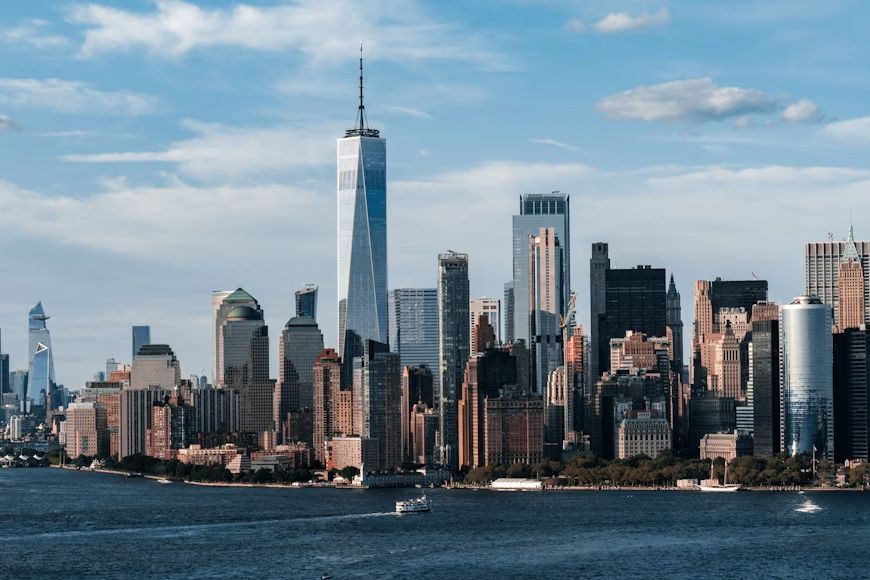
The Big Apple, New York City

Image: Jermaine Ee

New York may be famous for bagels, pizza, and hot dogs , but its nickname has nothing to do with fruit. The term "Big Apple" started popping up in horse racing circles in the 1920s, when jockeys and trainers used it as shorthand for the city’s top racetracks. A sportswriter named John Fitz Gerald picked it up and popularized it in his columns. Decades later, the city even used it in tourism ads, and the rest is history!

2
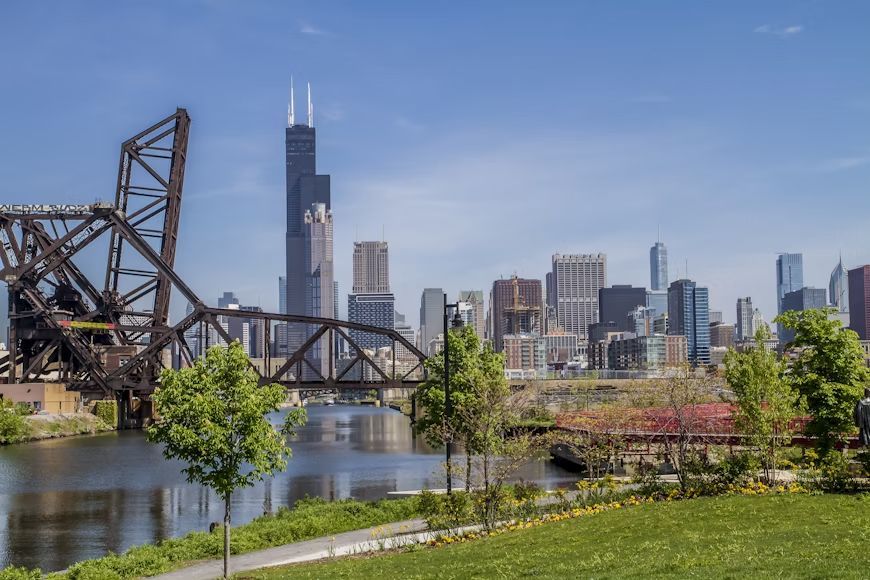
The Windy City, Chicago

Image: Dulcey Lima

Chicago’s nickname might sound like a weather forecast, but the truth is more colorful. Newspapers in the late 1800s used "Windy City" to poke fun at local politicians , suggesting they were full of hot air. Sure, Lake Michigan’s winds played a part, but it was really the dig at the city’s bragging that made the phrase hit home!

3
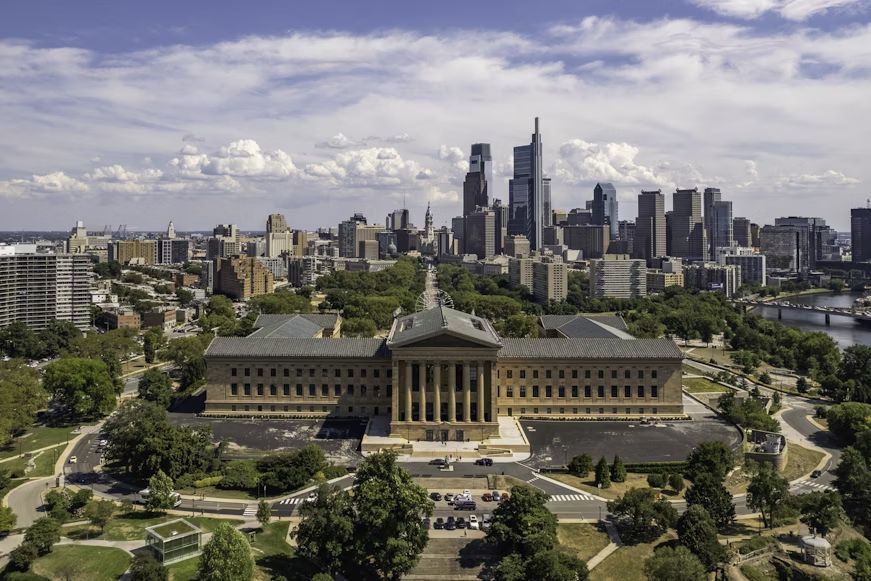
The City of Brotherly Love, Philadelphia

Image: Catherine Kerr

This one is actually quite simple, actually. Philadelphia’s name comes from the Greek words for love, phileo, and brother, adelphos . The city’s founder, William Penn, wanted it to be a place of religious freedom and fair treatment, even making agreements with Native Americans over land. In short, the nickname reflects the city’s values. Beautiful, isn't it?

4
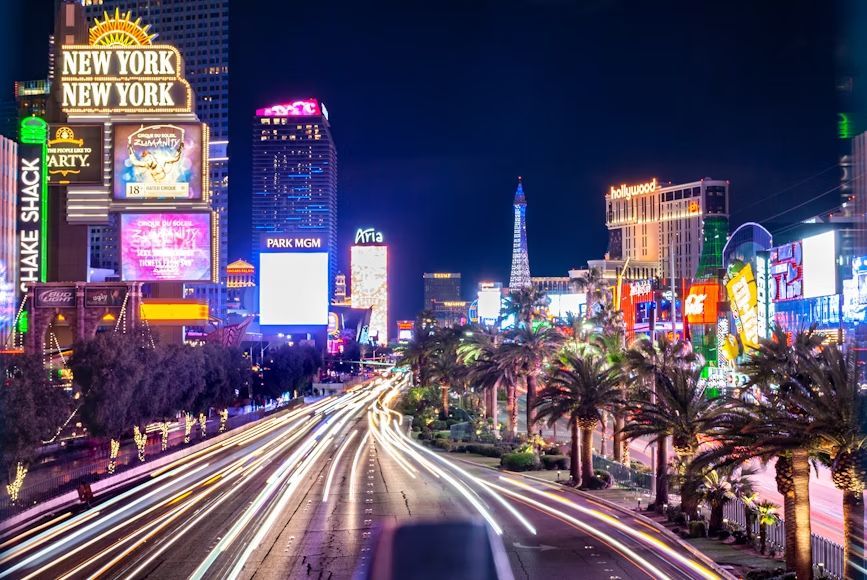
Sin City, Las Vegas

Image: David Vives

We don’t really need to explain why Las Vegas is called Sin City: casinos, nightlife, and more than a little temptation . You know how the saying goes, what happens in Vegas… But the roots go deeper. In the early 1900s, Block 16 downtown had a reputation linked to illegal businesses, and the label stuck. Nevada later legalized gambling in 1931, and that sealed Las Vegas’ image as the country’s playground of vice.

5
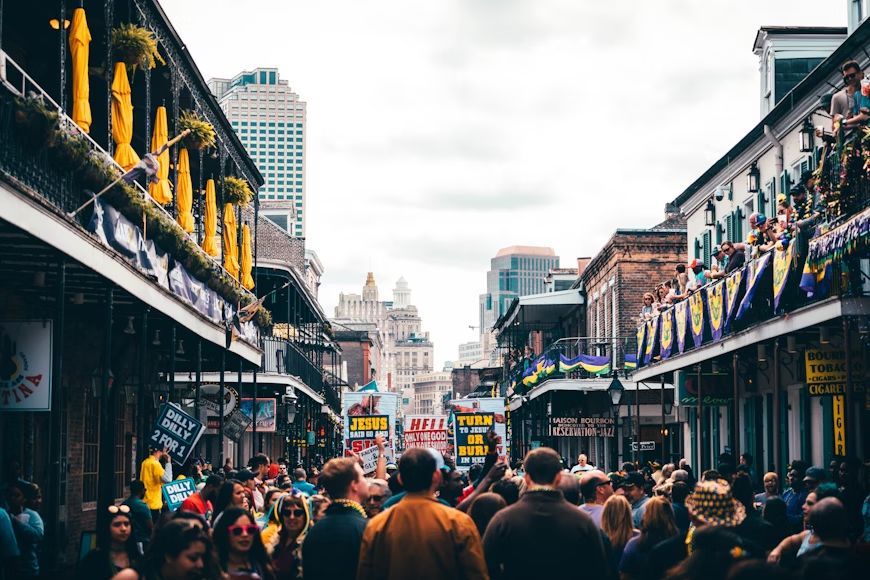
The Big Easy, New Orleans

Image: Harold Wainwright

New Orleans picked up the nickname "The Big Easy" in the 1970s as a playful contrast to New York’s "Big Apple." The first to use it was a columnist, and later a novel and film with the same title helped spread it. The name suits the city well because its music, food, and culture have an effortless, laid-back feel that still defines New Orleans today.

6
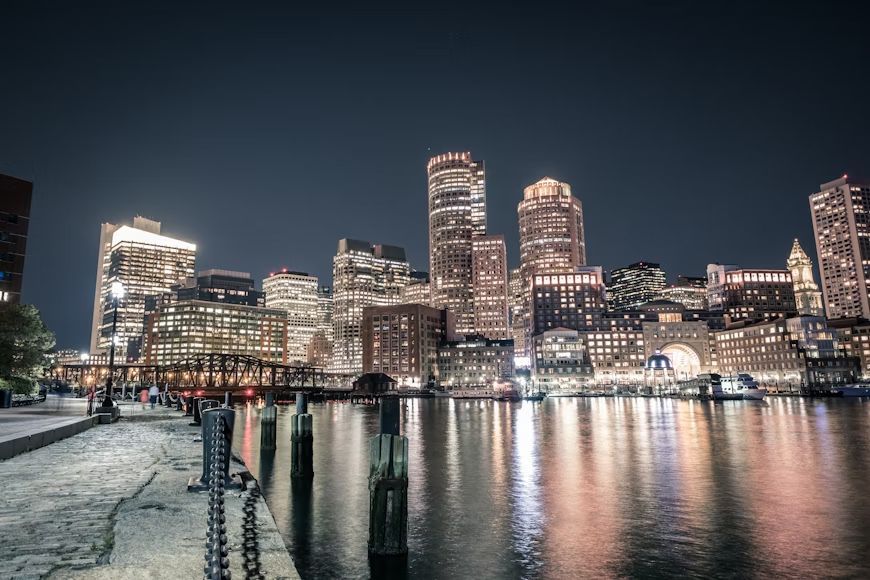
Beantown, Boston

Image: Lance Anderson

Boston baked beans are behind this nickname , but you probably already figured that out. Now, let’s look at the deeper layer here: during the colonial era, molasses poured into the city as part of the triangular trade, and it flavored both rum and beans. Traders nicknamed Boston "Beantown" back then, though today it is mostly tourists who still use the term.

7
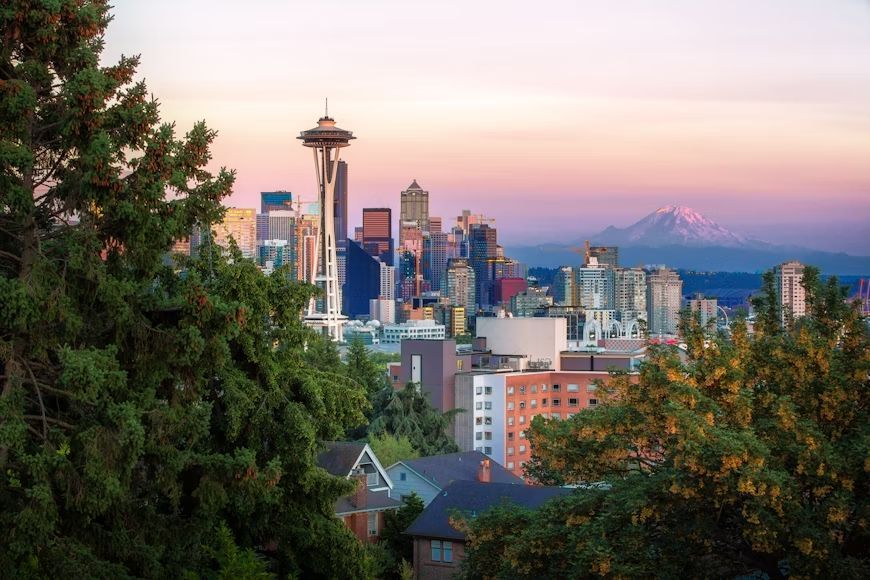
The Emerald City, Seattle

Image: Luca Micheli

Seattle’s leafy scenery gave it the name Emerald City. Surrounded by water, rain, and forests, the city is filled with parks like Discovery Park and the Arboretum, which keep it vibrant throughout the year. The nickname highlights Seattle’s natural beauty, providing a refreshing contrast to its reputation for gray skies.

8
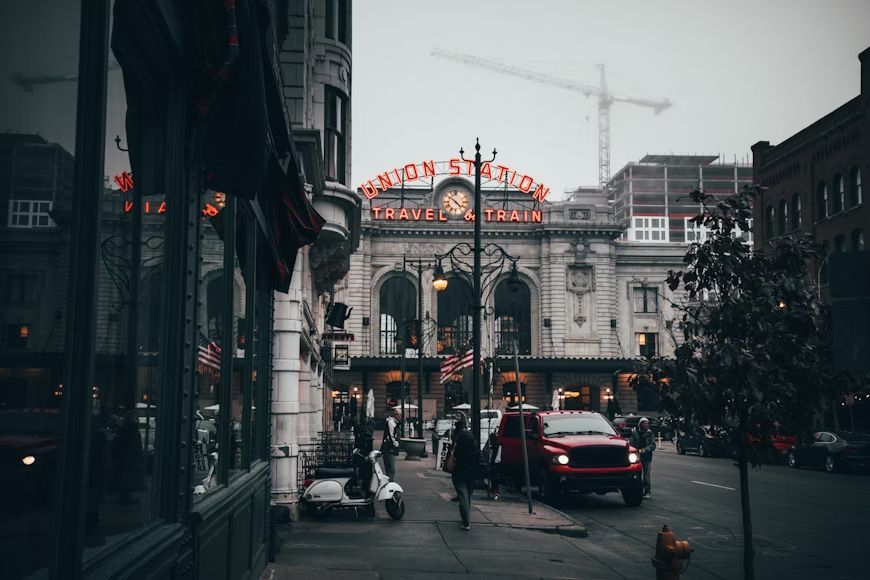
The Mile High City, Denver

Image: Owen Lystrup

Denver sits at an exact elevation of 5,280 feet above sea level, which is why it’s called the Mile High City. Fun fact about this: at Coors Field, the local baseball stadium, a row of purple seats marks the one-mile line . Visitors often notice the altitude the first time they climb a hill or sip a beer, so the nickname is more than just clever branding. Do you like this city?

9
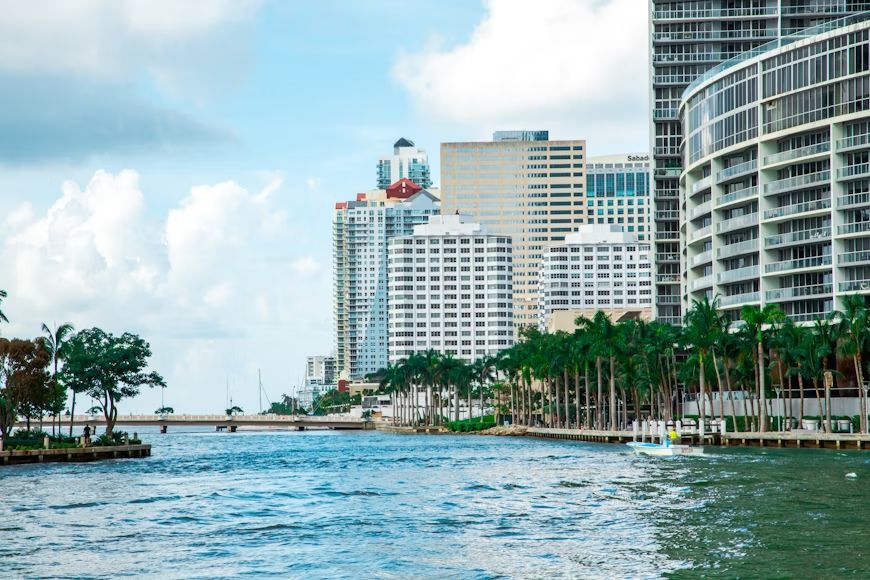
The Magic City, Miami

Image: Pontus Wellgraf

Miami earned the nickname Magic City not for magicians (that would’ve been a fun story, right?), but for how quickly it grew . In the late 1800s, Julia Tuttle, a local landowner, helped bring the railroad and development to the area. In no time, Miami transformed from farmland into a bustling hub. We could say it was magic, don’t you think?

10
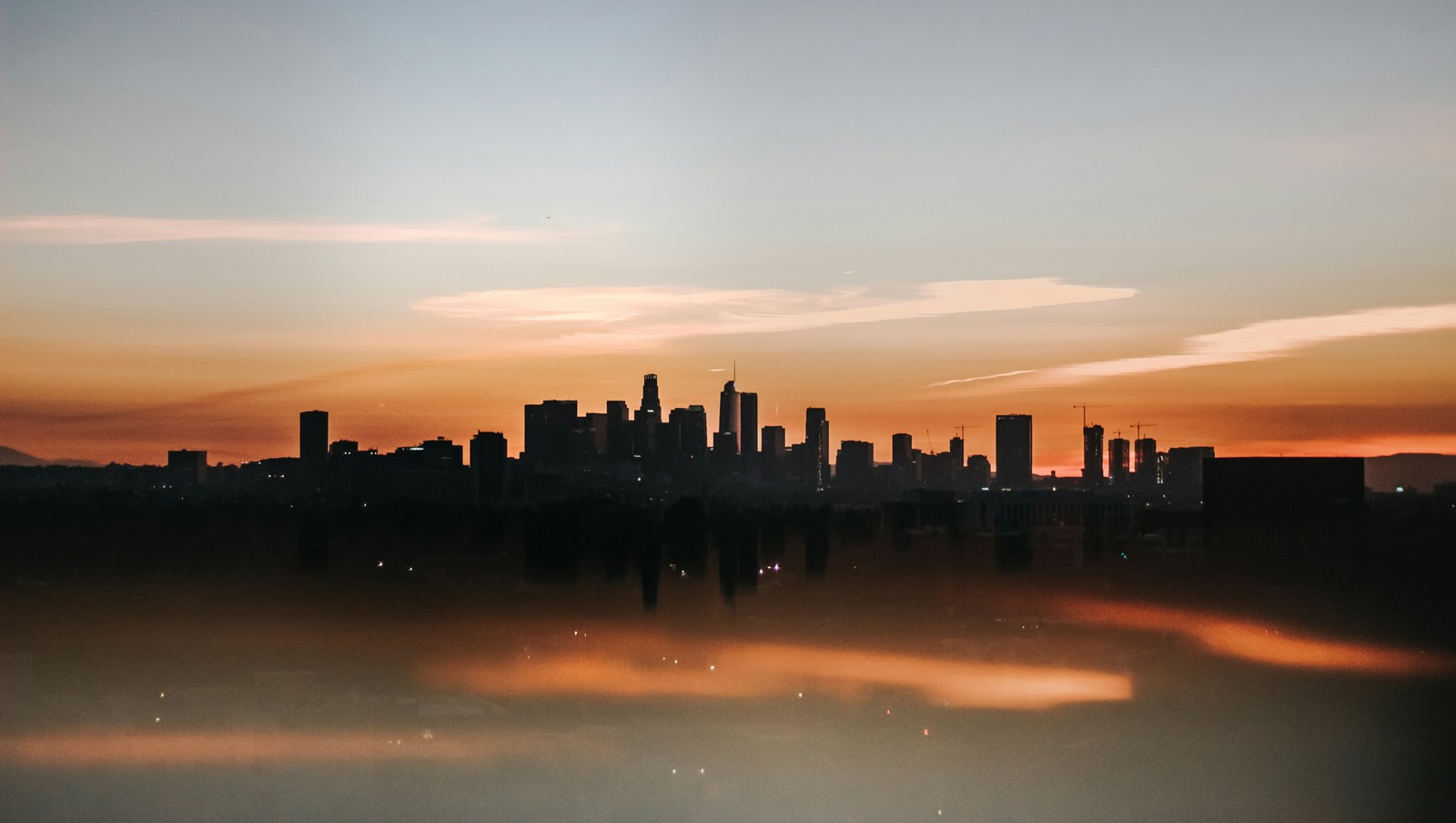
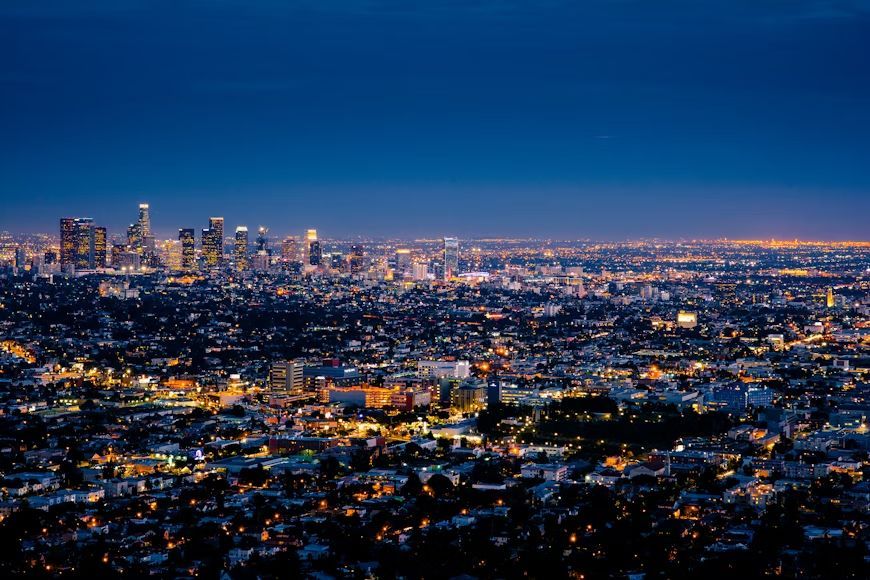
The City of Angels, Los Angeles

Image: Henning Witzel

Some nicknames have more intriguing stories, but that’s not the case for LA. Los Angeles’ nickname is about as straightforward as they come. "Los Angeles" translates directly from Spanish as "The Angels." In short, this elegant nickname mirrors the city’s name itself, one that’s full of angels, apparently!

Explore more American facts

Choose your favorite category!

General
General

As American as apple pie—the very best America has to offer!

Culture
Culture

Delve into the astounding richness of American lore.

Geography
Geography

Hop in and explore vast and diverse American landscapes.

History
History

Discover the key moments that shaped the United States.